Retail News CRM

Category: Living

Retail News Asia is committed to providing both local and global retailers with the latest Living news throughout the Asian market. This on a daily base.

  • Thailand’s first Decathlon store opens in Bangkok

    Thailand’s first Decathlon store opens in Bangkok

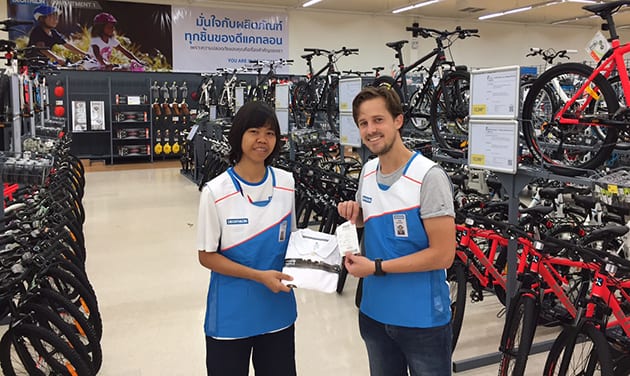
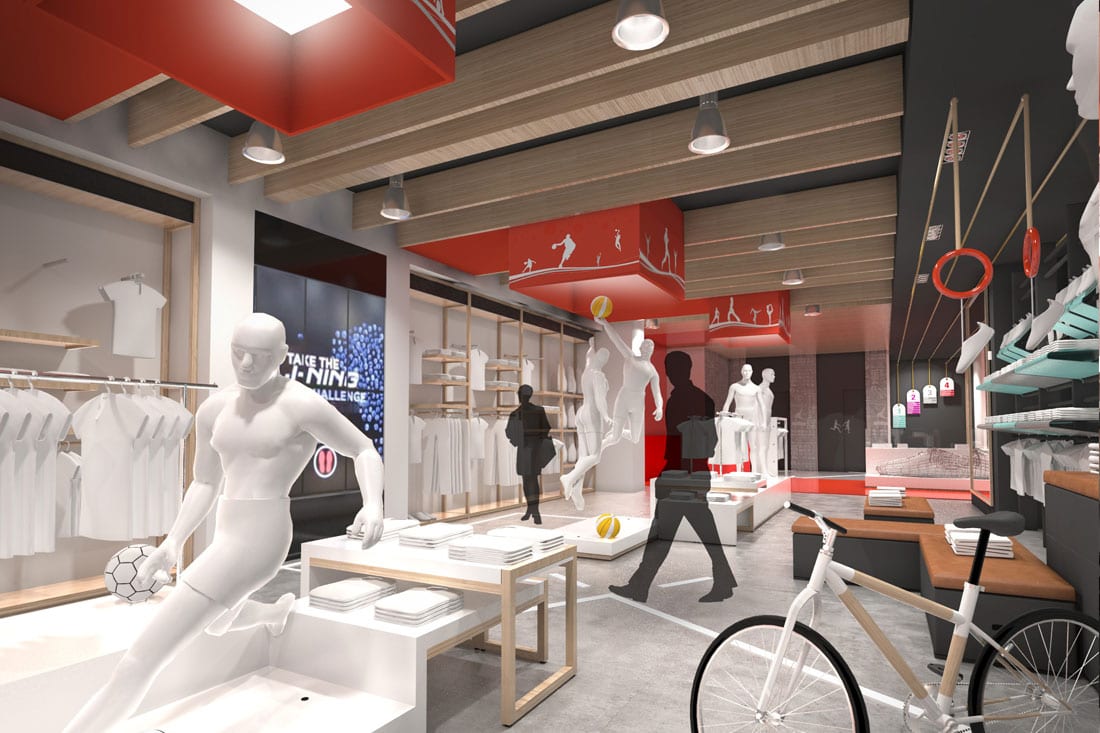
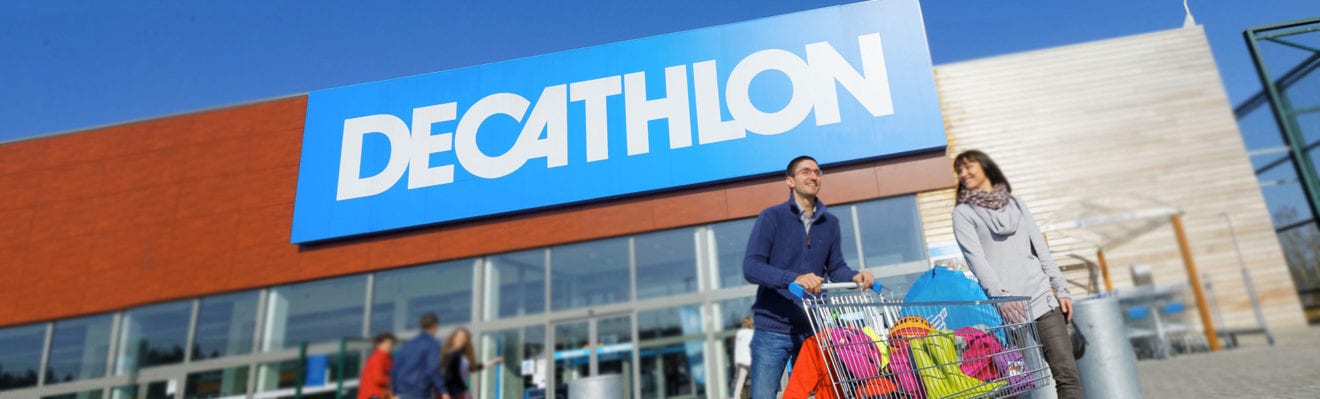
    People in Thailand are particularly passionate about football, water sports, trekking, running, road biking and golf. As of 22 October, they’ll have access to a wide range of technically sophisticated products available in Decathlon stores designed to help them enjoy these sports. Operational in Thailand for around twenty years with its production activities, the company has now swung its distribution arm into action!

    “We’re opening five stores in Bangkok, whose surface areas range from 1,700m2 to 2,700m2. They’re nicely spread out across the capital, including one right in the centre,” explains Decathlon Thailand boss Frédéric Bichet. These stores will be exclusive retailers of Decathlon’s Passion brands.

    Team recruitment based on sporting values
    In order to provide the best possible service for Thai customers, we had to attract new employees who weren’t yet familiar with the company. In total, 120 new team members will be joining the latest stores to serve our customers. So we could share our company values with them, they were recruited locally at sports events, at sales and retail workshops and at interviews with directors appointed to run the new stores.

    Just like the business itself, these teams have a strong international flavour. Decathlon’s new employees have come from Belgium, China, Romania and even Russia, looking to be part of the company’s next growth phase. One of the new store directors is even a former employee of the Thai production office, where he worked for twenty years. “It’s a great asset being able to benefit from all of these viewpoints and experiences brought to us by such international profiles,” insists Frédéric, “and it’s also important for the countries where these employees hail from. It’s proof that it is possible to successfully run this type of international project at Decathlon.”

    Thailand’s first Decathlon store opens in Bangkok

  • Why a tourist’s death should serve as a wake-up call for HK

    Why a tourist’s death should serve as a wake-up call for HK

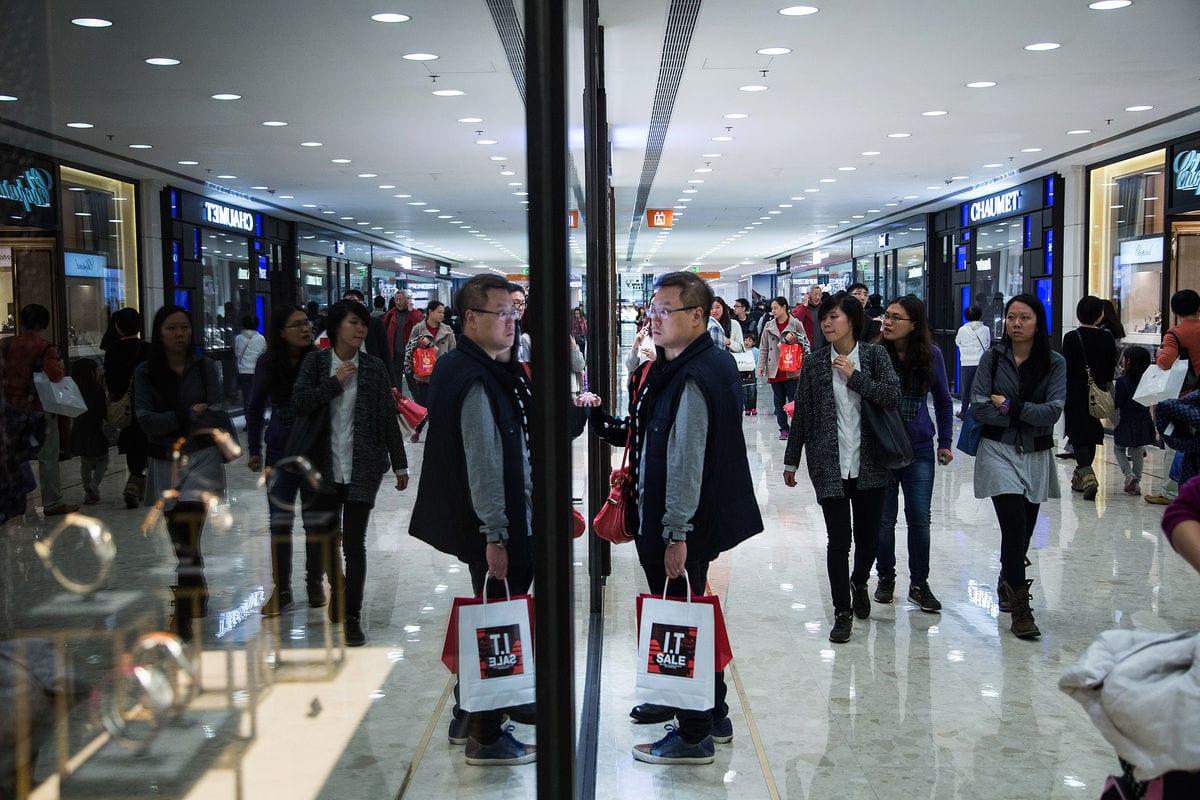
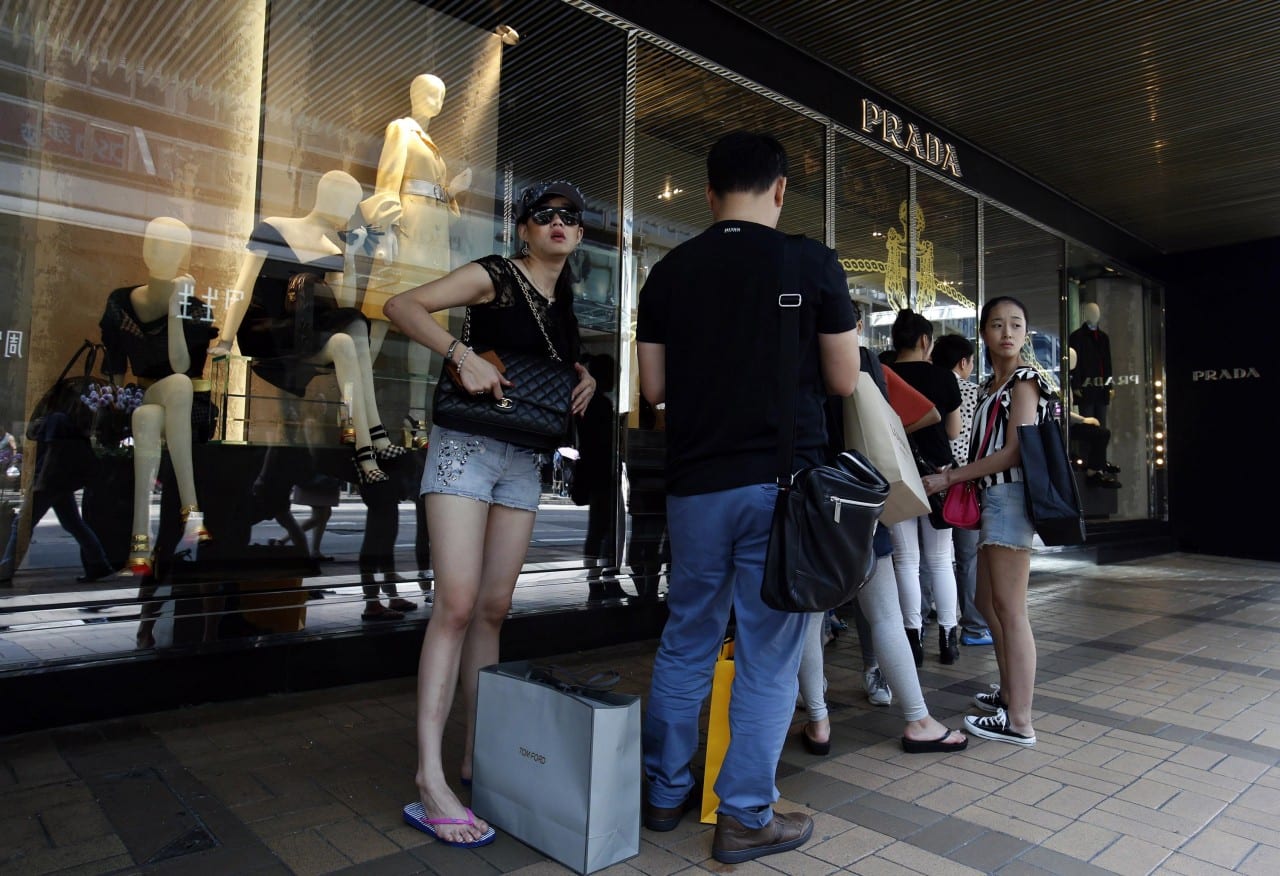
    Hong Kong’s retail and tourism sectors have suffered another setback as mainland media have, with good reason, reportedly widely the tragic death of a Chinese tourist in the city this week.

    Already reeling from slowing sales, the latest negative publicity about a “forced shopping” trip that went horribly wrong for a visitor was something that local tourism-related businesses could ill afford.

    Now, as the damage has already been done, what can Hong Kong do to redress the situation and prevent such incidents from happening again?

    And what are the broader lessons for local tourism authorities?

    On Monday, a mainland visitor was beaten up by a gang of men after he intervened in a brawl between a fellow tour group member and the tour guide.

    In the incident that took place at a jewelry store in Hung Hom, the 53-year-old man stood up in support of a female fellow tourist who was being berated for not making any purchases at the store. 

    Following a loud argument and some scuffles, the man was dragged out of the shop and beaten up by a gang of four men.

    The beating was so severe that the victim, a person named Miao Chunqi, later died in hospital. 

    China’s state media, not surprisingly, has covered the news in detail, portraying it as a reflection of the chaotic Hong Kong tourism market and lack of protection for mainland shoppers.

    The Global Times, for instance, wondered if there is enough rule of law in Hong Kong’s tourism industry.

    Following the earlier scathing criticism over anti-parallel trading protests in Hong Kong, the latest commentary on cross-border shopping issues is bound to put off more mainlanders. 

    While some reports say that the assailants of Maio were from the mainland, Hong Kong’s tourism authorities still cannot avoid facing difficult questions.

    The tragic incident could, in fact, serve a purpose if the government wakes up to the uncomfortable truth regarding many tour groups from China.

    The root of the problem is that some low-quality tour service operators in China have been offering “zero” price tours to Hong Kong to force tour members to spend in specific shops in Hong Kong.

    The tour operators hope to more than make up for the cheap tours by reaping commissions from the retail outlets with which they have prior arrangements.

    While some Chinese tour members know such norms and are willing to spend in the shops they are taken to, some of them resent being put under pressure and refuse to make purchases.

    It is then that conflicts arise with the tour guides and trip organizers, leading to violence in some cases.

    The distorted service chain has been in existence for many years, but authorities in both Hong Kong and China have shown little inclination or courage to tackle the issue.

    One reason why they have been reluctant to shake up things is this: officials fear that disrupting the trade will go against the process of deepening the commercial ties between China and Hong Kong.

    Even after several reports of mainland shoppers being taken for a ride, the Leung Chun-ying administration has failed to act over the issue of errant tour service providers.

    Now, with the shocking case of a tourist’s death following a “forced shopping” trip, one only hopes that it will finally be a wake-up call for the government. 

    The time has come for our chief executive to address the industry problems, fixing things at home as well as putting pressure on Chinese authorities to clamp down on shady tour services firms. 

    The task is not too difficult if Leung musters the will and determination and the political courage to take on some vested interests.

    Is he up to the challenge?
     

  • Hamleys to be sold to Chinese footwear retailer

    Hamleys to be sold to Chinese footwear retailer

    Hamleys, the 255-year-old toy retailer, is poised to be sold to a Chinese footwear company for an estimated £100m.

    C.banner International Holdings has confirmed that discussions to buy Hamleys from its French owner are at an “advanced stage”.

    The company released a statement on the Hong Kong Stock Exchange on Thursday afternoon saying it was: “in the process of negotiating and finalising the definitive documentation with a view to entering into a legally binding agreement in the near future.” But it added that no definitive agreement had been entered into.

    The expected sale comes during the state visit to Britain by the Chinese president, Xi Jinping, that sealed £40bn worth of trade deals, including an £18bn investment in the Hinkley Point nuclear plant, controlled by EDF of France.

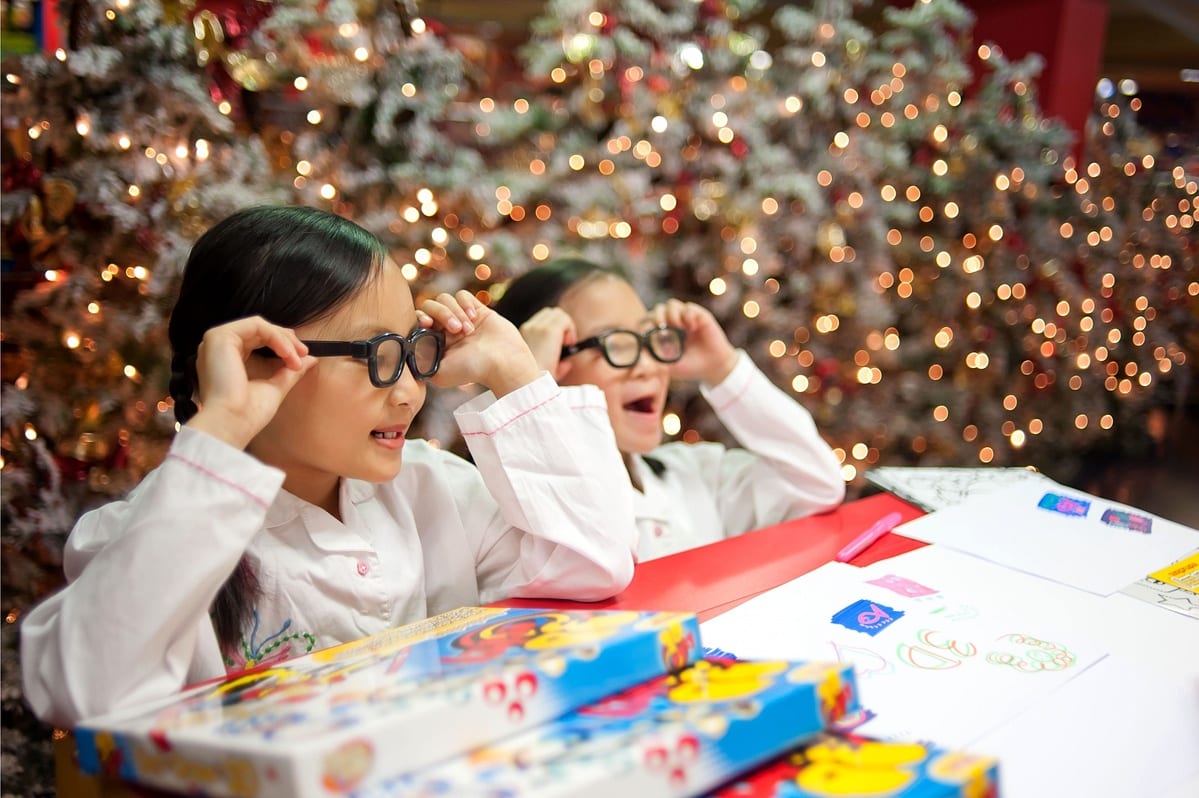
    Hamleys is best known for its seven-storey flagship store on Regent Street in London, where Father Christmas will soon greet youngsters. The expected move to Chinese ownership is the latest episode in the store’s turbulent recent ownership history, which has seen it pass into Icelandic and then French hands.

    The store has become part of the London tourist trail and is seen as quintessentially British, despite its foreign ownership – a trait it shares with several other local landmarks. Harrods, one of the capital’s other big historic retail brands, is owned by Qatar Holdings; Hong Kong-based Dickson Concepts owns Harvey Nichols; while Royal tailor Gieves & Hawkes is part of Hong Kong-listed Trinity Ltd.

    C.banner International, which specialises in women’s footwear under brands including MIO and Sundance, said it was interested in Hamleys’ strong brand as part of a plan to diversify its business. It also wants to develop a “strategic partnership” to distribute toys and children’s products via British department store House of Fraser – which was bought by Chinese conglomerate Sanpower last year.

    Yuan Yafei, the billionaire chairman of Sanpower, is thought to have family links to C.banner International, which is led by chairman Chen Yixi.

    Hamleys was launched as Noah’s Ark in 1760 by William Hamley, a Cornishman from Bodmin, who stocked tin soldiers, wooden horses and rag dolls.In 1881, a new branch of the shop opened in Regent Street, although at a different location from its current spot.

    The company was once listed on the London Stock Exchange, but was snapped up by Icelandic retail investor Baugur for £59m in 2003. Since then it has passed through a string of foreign owners.

    Icelandic bank Landsbanki took control of the store in 2009 after Baugur got into financial difficulties during the global financial crash. Four years later it was sold on to French retailer Groupe Ludendo, which operates hundreds of toy shops across France, Belgium, Switzerland and Spain.

    Under its series of owners, Hamleys has expanded across the UK – adding stores in cities including Cardiff, Glasgow and Manchester. In recent years it has also expanded overseas, including opening Europe’s largest toystore in Moscow in March. It is said to be considering expansion into the US.

    The revolving door for owners in recent times reflects an uneasy history for the spectacular toy store. In 1931 Hamleys was forced to close. It reopened later that year after being bought out by Walter Lines, co-owner of Tri-ang Toys. Lines was rewarded with a royal warrant from Queen Mary in 1938.

    The Regent Street store was bombed five times during the second world war and staff are said to have served at the shop entrance wearing tin hats during the blitz.

    Hamleys was issued with a second royal warrant by Queen Elizabeth II, who bought toys there for her children in 1955.

  • Lauder starts its own Korean Wave with Dr. Jart+

    Lauder starts its own Korean Wave with Dr. Jart+

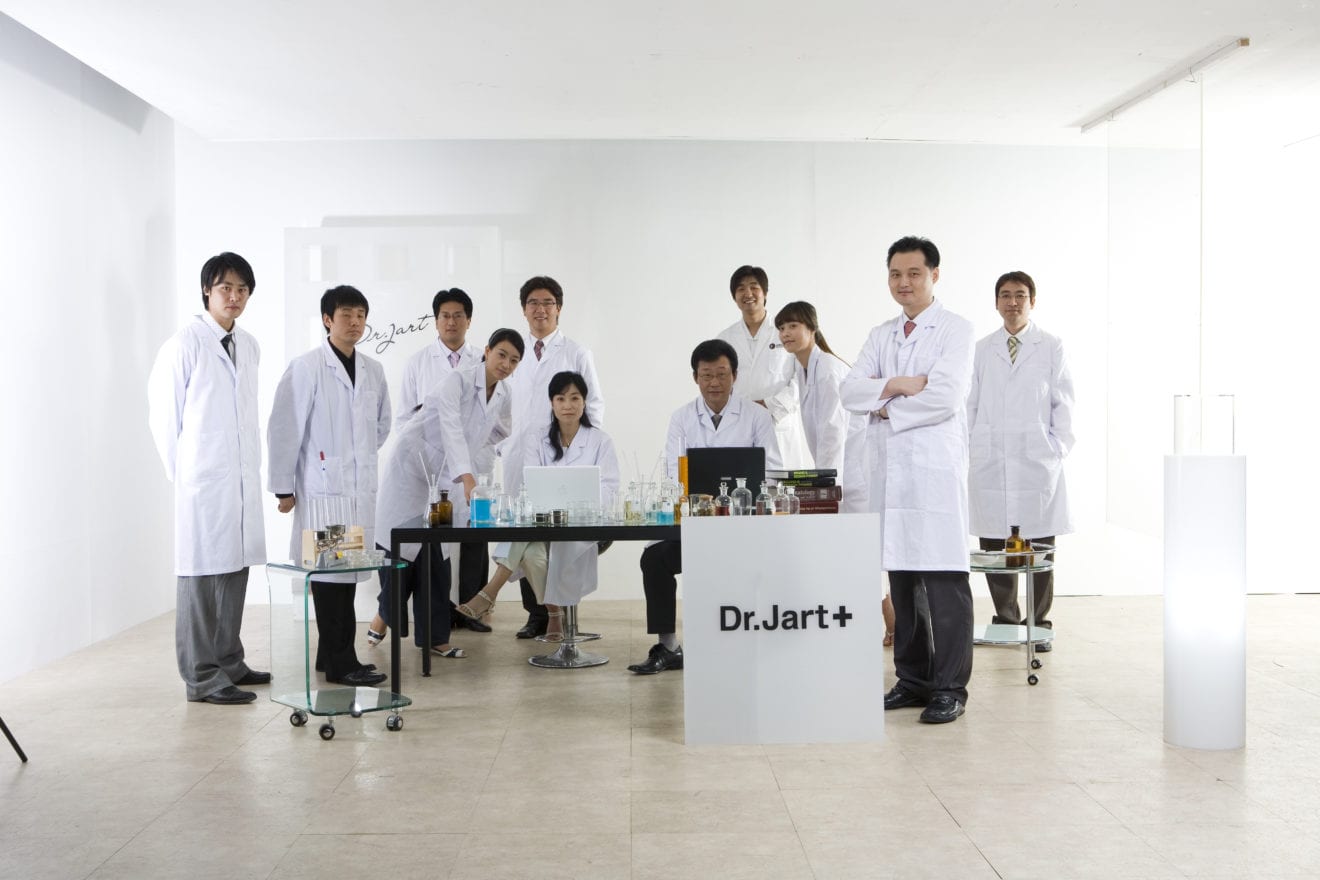
    Estée Lauder Companies has tied up a deal to buy an interest in Have & Be Co, the South Korean company behind skincare brands Dr. Jart+ and men’s-focused Do The Right Thing for an undisclosed amount. The deal is expected to close in December.

    Dr. Jart+ is a Seoul-based, skincare brand first launched online by ChinWook Lee in 2005 which has a particular appeal for millennials, a target for ELC. It has pioneered the proliferation of BB creams across the globe and, today, its BB line is a consumer favourite.

    The brand claims to fuse dermatological science and art – hence its name which is derived from ‘Doctor Joins Art’. It is sold in many countries, but primarily in Asia and the US via department stores, speciality stores as well as e-commerce channels including LVMH’s Sephora.

    Korean beauty brands have been performing extremely well in the domestic and duty free and travel retail channels in the country for a number of years – in many cases much better than products from international houses. Just recently Chanel pulled out of the DF&TR market at Incheon Airport, signalling a likely market shift.

    STRATEGIC PARTNERSHIP

    Fabrizio Freda, President and CEO of ELC says: “This investment gives our company a strategic opportunity to develop a partnership with one of Korea’s most promising high-growth skincare brands.

    “ChinWook Lee and his team have built a successful and exciting brand that is at the forefront of the rapidly-expanding Korean beauty wave. We are pleased to partner with Mr Lee and we look forward to building long-term, strategic relationship with the entire Dr. Jart+ team.”

    ChinWook Lee, Founder and CEO of Have & Be Co, adds: “As the Korean beauty wave continues to flourish globally, we are excited about the additional opportunities, support and guidance that The Estée Lauder Companies will bring to our brands. This is a tremendous moment for the Dr. Jart+ team and for the continued growth of Korean beauty.”

    ELC’s investment also includes an interest in Do The Right Thing (DTRT), a men’s-focused brand fusing Korean cosmetics with a New York style. Founded in 2012, DTRT’s line of cleansers, lotions, moisturisers and serums are sold in Korea through various channels and in the US through Sephora and BirchboxMan.

    “Global consumers look to Korea as a trendsetting market in beauty, and the Dr. Jart+ brand is part of the reason why,” says William P. Lauder, ELC’s Executive Chairman.

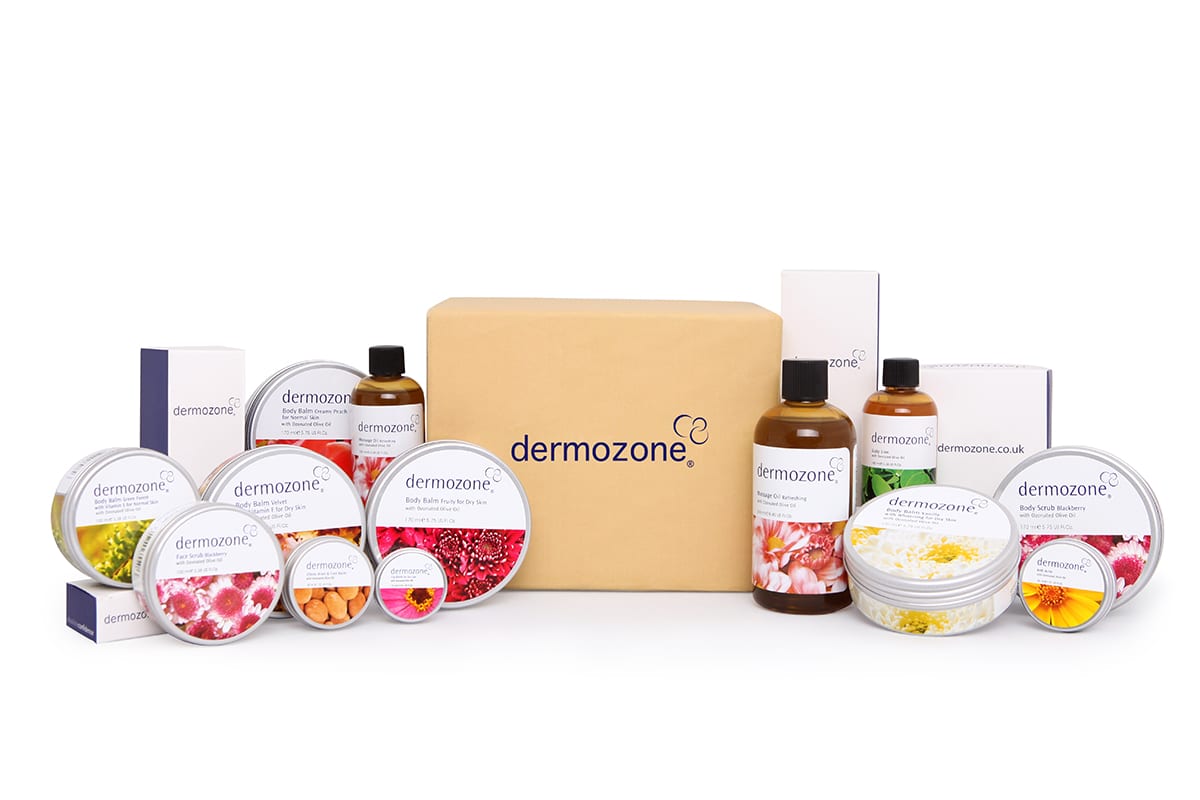
  • Dermozone eyes $42mn revenue from herbal skincare products

    Dermozone eyes $42mn revenue from herbal skincare products

    Indo-Dermozone Herbal, makers of Indonesia-based herbal skin care products Dermozone, today said its target would be to reach 3-4 million households in India for its soon to be launched herbal skincare products with revenue target of $42 million over the next three years.

    “We are launching our herbal skin care products Dermozone in India soon and targets revenue of $42 million over the next three years,” a company’s statement issued here said.

    The company would also be looking at establishing India as a hub for managing all the technology, sales and customer support to other countries as well, it said.

    Dermozone had recently announced its entry into the Indian market by setting up an office in Bengaluru in the name of Indo-Dermozone Herbal Pvt Ltd.

    The company also announced the appointment of Manjunatha K G as the Chief Operation Officer of Indo-Dermozone Herbal, who would lead and oversee the Indian operations.

    Dermozone is globally recognised for its wide range of herbal skin care products especially its flagship brand- MedCare Ozonated olive oil, primarily used for the treatment of acne, fungal infections, dry skin, insect bites, athlete’s foot, eczema, blisters, carbuncles, diabetic wounds, burns.

    “We plan to enter the Indian market and will be soon formally launching our flagship product MedCare Ozonated olive oil,” Dermozone Chairman and CEO K S Dharshan said.

    “We have invested over $4 million over a period of six years in developing MedCare Ozonated olive oil. We have done ample research that suggests a huge market for MedCare in India. Our anticipated revenues from this product alone would be in the region of $22 million in 3 years,” Dharshan added.

    “We are also looking at the option of setting up a manufacturing base in India in the near future based on the ‘Make In India’ policy of the government. A final decision on this will be taken in the first quarter of 2016,” he further added.

    Headquartered in Indonesia, Dermozone has its operations in UK, USA, Japan, Russia, Seoul and China.

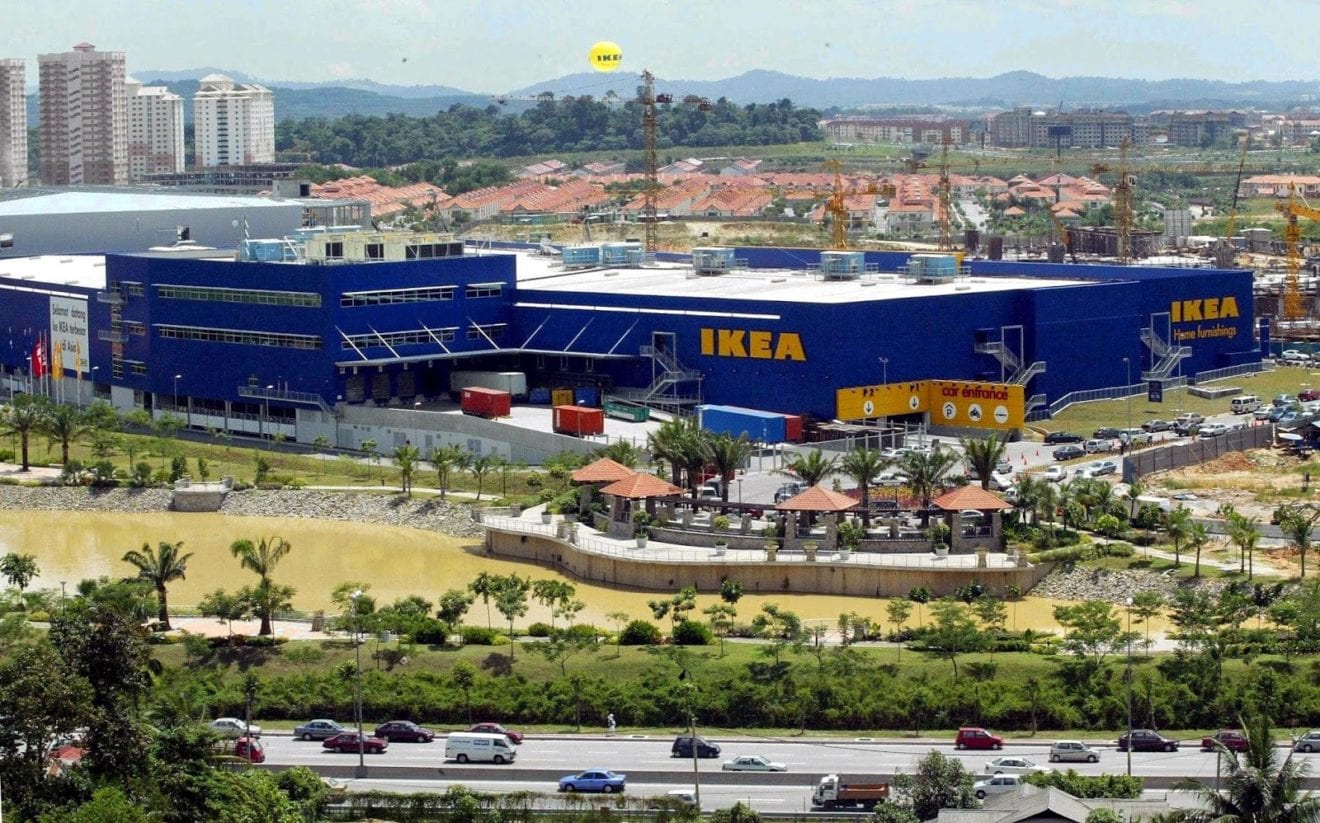
  • Biggest Ikea in Malaysia to open in Cheras in November

    Biggest Ikea in Malaysia to open in Cheras in November

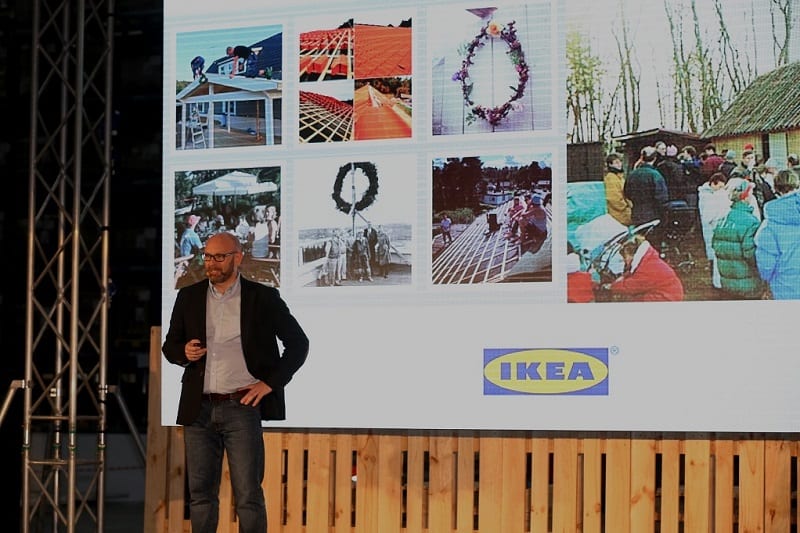
    An artist’s impression of the Ikea store in Cheras. – Pic supplied, September 29, 2015.Ikea Cheras is one step closer to opening its doors as they celebrated the completion of the building with a traditional Swedish thanksgiving event, Roof Capping, yesterday.

    Located in Jalan Cochrane, customers will be able to enjoy Ikea’s distinctive brand of Scandinavian design in a much larger space. Spanning 42,000 square metres, Ikea Cheras is 20% bigger than its Mutiara Damansara store.

    Its location near the city centre as well as major highways and the future Cochrane MRT station also makes it very accessible.

    “Come end November 2015, Ikea Cheras will provide more Malaysians with Swedish home furnishings that are well-designed, functional, affordable and good quality,” said Ikea Malaysia, Singapore and Thailand retail director Mike King at the Roof Capping event.

    The Ikea team is currently in the process of fitting interiors, operational setup and staff training in preparation for its opening.

    To support the project, a recent nationwide recruitment exercise was carried out and met with overwhelming response.

    “With the passionate and committed co-workers we have on-board, this new store ensures more Malaysians will get a chance to enjoy the unique Ikea store experience many have come to know and love,” King said.

    Meanwhile, Bernama reported that the Swedish homefurnishing giant plans to expand further and set up operations in Johor and Penang.

    Ikea Malaysia, Singapore and Thailand retail director Mike King says there are plans to open Ikea stores in Penang and Johor. – Pic supplied, September 29, 2015.Ikea Malaysia, Singapore and Thailand retail director Mike King says there are plans to open Ikea stores in Penang and Johor. – Pic supplied, September 29, 2015.King said the company was currently searching for locations to set up the stores in Johor and Penang.

    “We are working on possible sites for the stores in both states. It is likely to be Johor first and then Penang. I would say that the stores will be opened within this decade,” he said.

    Asked if Ikea also planned to open stores in Sabah and Sarawak, King said the company was always looking at expanding its business but has not made any decisions yet.

    With the opening of Ikea Cheras, Ikea would have five stores in Southeast Asia, with two in Malaysia, two in Singapore and one in Thailand. – September 29, 2015.

  • Singapore’s electricity market to be fully liberalised in Q2 of 2018

    Singapore’s electricity market to be fully liberalised in Q2 of 2018

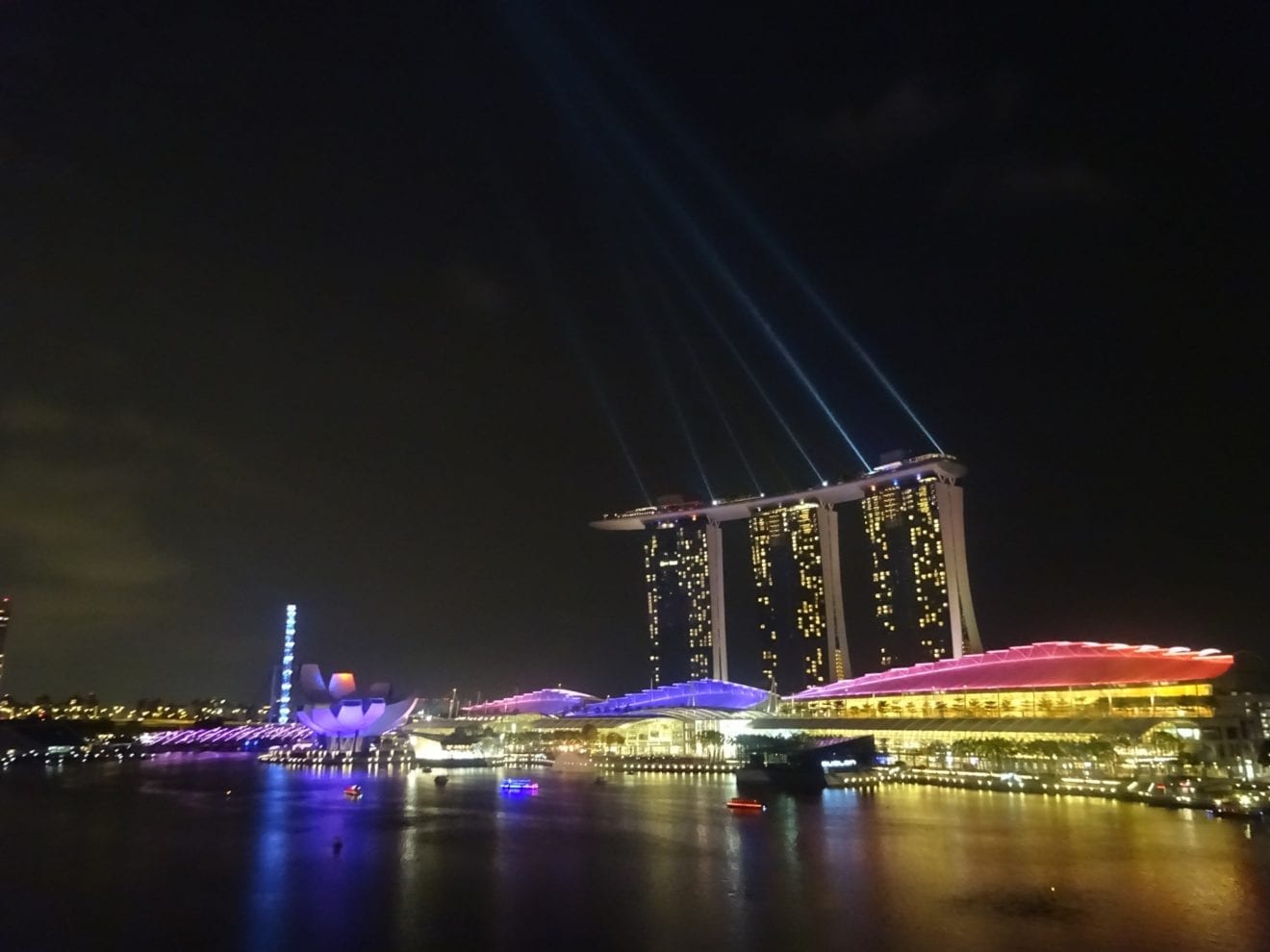
    Singapore’s electricity market will be fully liberalised in the second half of 2018, allowing households to have more choice in their power consumption, Minister of Trade and Industry (Industry) Mr S Iswaran said today (Oct 26).

    The announcement came during Mr Iswaran’s opening address at the Singapore International Energy Week 2015 held at the Sands Expo and Convention Centre at Marina Bay Sands earlier today.

    Energy Market Authority (EMA) hopes to achieve “full retail competition” which will enable 1.3 million consumers – mostly households – to “have flexibility and choice in their electricity consumption”.

    Earlier this year on July 1, lowering the contestability threshold from 4MWh to 2 MWh allowed commercial and industrial (C&I) consumers – from large users such as petrochemical companies to smaller users like coffee shops and kindergartens – to participate in the contestable market and better manage their energy costs by purchasing from a retailer instead of remaining on the regulated tariff with SP services.

    EMA will release more details on the plans for full retail competition soon.

    The government also plans to establish a Secondary Gas Trading Market (SGTM) to allow gas buyers and sellers to trade gas on a short-term basis domestically.

    With an SGTM, EMA hopes to “enhance Singapore’s position as a hub for LNG and gas trading activities.”

    EMA will issue a consultation paper later today to seek industry feedback on the design for a domestic SGTM.

    Furthermore, EMA intends to “put out more information on the projected growth on the longer term energy market outlook in Singapore”.

    This would include information on the projected growth of electricity system demand, as well as a mix of sources coming from gas plants, solar and electricity imports by 2030.

  • Japan’s value fashion brand basks in Disney tie-up

    Japan’s value fashion brand basks in Disney tie-up

    Fast Retailing Company Chairman Tadashi Yanai said Walt Disney’s new park in Shanghai will help his Uniqlo casual wear brand expand in China, shrugging off concerns over an economic slowdown in the Japanese retailer’s largest overseas market.

    “The opening of the Shanghai Disneyland gives both of us, Uniqlo and Disney, a business opportunity,” Chairman Tadashi Yanai said in Shanghai, where Uniqlo will open a new Disney-inspired concept store. “Our business is getting absolutely no impact” from China’s slowdown, he said.

    Uniqlo will devote an entire floor at its six-storey China flagship store in central Shanghai to products co-designed with Disney. A human-sized Mickey Mouse statue greets visitors to the store, where T-shirts and toys depicting characters such as Tinker Bell, Woody of Disney Pixar’s ‘Toy Story’ animated films, and Darth Vader from the ‘Star Wars’ movies are on display.

    Japan’s richest person, Yanai plans to open 100 stores a year in China as Uniqlo competes with Hennes & Mauritz AB’s H & M and Inditex Sa’s Zara to win over consumers in the world’s most-populous country. The Japanese retailer’s design tie-up comes as Disney prepares to open its $5.5 billion Shanghai theme park next year, its biggest foreign investment and a bet on the country’s booming middle-class.

    The Disney collaboration should help Uniqlo boost sales in China “as buzz builds around the opening of Shanghai Disneyland,” said Bloomberg Intelligence retail analyst Thomas Jastrzab. “Expanding store-specific limited edition merchandise offerings should help Uniqlo increase regular foot traffic and improve customer loyalty.”

    Fast Retailing shares are up by 6.3 per cent so far this year, compared with the 3.3 per cent gain in the benchmark Topix index.

    Uniqlo has about 360 stores in mainland China, the most by country outside Japan, where it has almost 850 shops. The company plans to expand its Greater China network, including mainland China, Hong Kong and Taiwan, to 1,000 outlets.

    China is a key market for Fast Retailing as Yanai targets to build Asia’s biggest clothing retailer into the world leader, with a target of 5 trillion yen in sales by 2020 from its forecast of 1.65 trillion yen for the fiscal year ended August 31.

    Yanai said demand for Uniqlo products will increase amid an economic slowdown in China. Everyday clothes with basic designs and advanced materials that Uniqlo sells at affordable prices fit well as China shifts its focus to consumer purchasing from manufacturing, he said.

    “An economic slowdown in China could boost Uniqlo’s sales, particularly as shoppers increasingly look for value-for-money when purchasing clothing essentials such as T-shirts and pants,” Bloomberg’s Jastrzab said.

    China’s apparel and footwear market is highly fragmented, with market leader Bestseller AS, owner of brands such as Jack & Jones and Vera Moda, holding a 1.7 per cent market share by value in 2014, according to Euromonitor International. Uniqlo ranks eighth with 0.6 per cent, while Inditex is ninth with 0.5 per cent and H & M is out of the top 10 with 0.4 per cent.

    “Our concept of manufacturing is fundamentally different and unique,” said Yanai. “We don’t chase trends, but we would rather want to incorporate fashion into our basic clothes.”

  • 7-Eleven store at Cineleisure no longer allowed to sell tobacco products

    7-Eleven store at Cineleisure no longer allowed to sell tobacco products

    The 7-Eleven retail store at Cineleisure Orchard is no longer allowed to sell tobacco products, after its employees were caught, for the second time, selling tobacco products to minors under the age of 18. The revocation of its tobacco retail licence took effect on July 31.

    Four other errant retail outlets have also had their tobacco retail licence suspended for six months after they were caught selling tobacco products to under-18 minors for the first time.

    The suspension for Nice Minimart at Tampines Street 32 takes effect today (Sept 28) until March 27 next year, while the suspension for Tastebud Foodcourt at Queen Street and J Plus Ten Mini Mart at Bukit Batok West Ave 6 started on July 31 and will last until Jan 30 next year. The suspension for Hwa Soon Heng Mini-Supermarket at Yishun Ring Road ended on Sept 15.

    The Health Sciences Authority (HSA) listed errant retailers and actions taken against them in a press release issued today. The HSA said they were caught via its ground surveillance and enforcement activities.

    In the last three years, 39 tobacco retail licences were suspended and 18 were revoked.

    The HSA reminded licensees that they are responsible for all transactions of tobacco products taking place at their outlets, as well as for the actions of their employees.

    Under the Tobacco (Control of Advertisements and Sale) Act, anyone caught selling tobacco products to persons below the age of 18 is liable, on conviction in Court, to a fine of up to S$5,000 for the first offence and up to S$10,000 for the second or subsequent offence. In addition, the tobacco retail licence will be suspended for 6 months for the first offence and revoked for the second offence.

    If any outlet is found selling tobacco products to under-18 minors in school uniform or those below 12 years of age, the tobacco retail licence will be revoked, even at the first offence.

    The HSA also reminded members of the public that anyone caught buying or acquiring any tobacco product for a person below the age of 18 years, is liable on conviction in Court, to a fine of up to S$2,500 for the first offence and up to S$5,000 for the second or subsequent offence.

    Anyone caught giving or furnishing a tobacco product to a person below the age of 18, is liable on conviction in Court, to a fine of up to S$500 for the first offence and up to S$1,000 for the second or subsequent offence.

    Between 2011 and August this year, 70 people have been caught for such offences.

  • Jysk’s first store in Singapore opened

    Jysk’s first store in Singapore opened

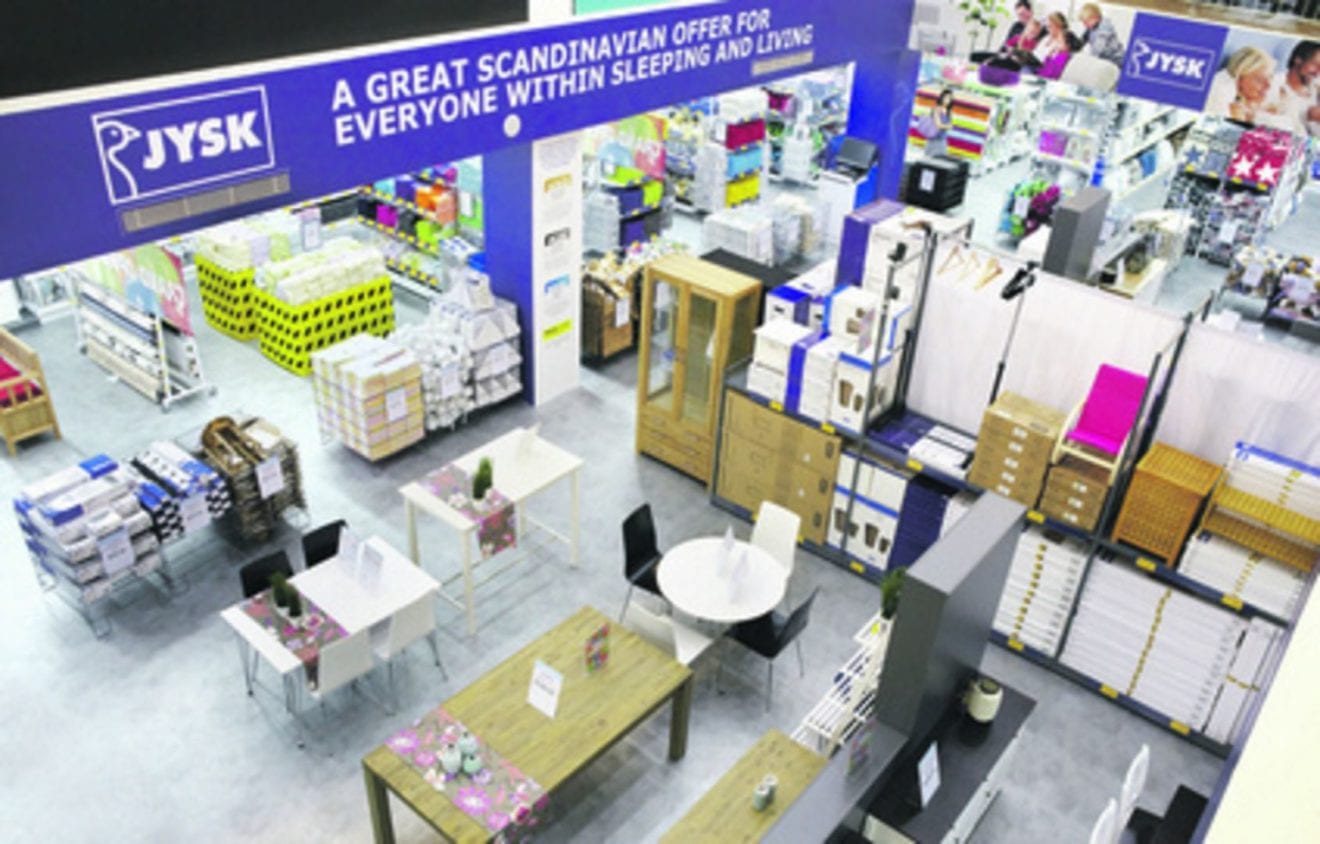
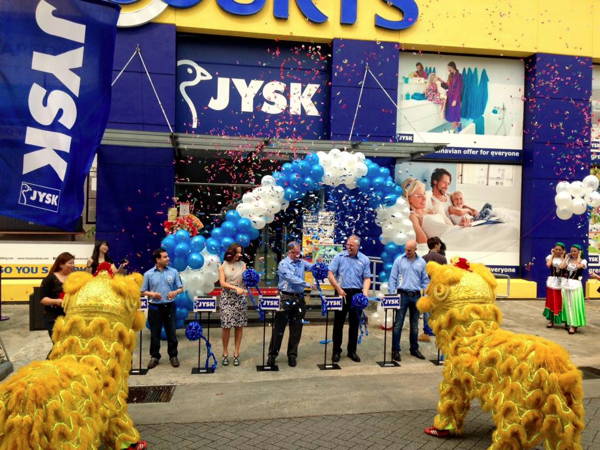
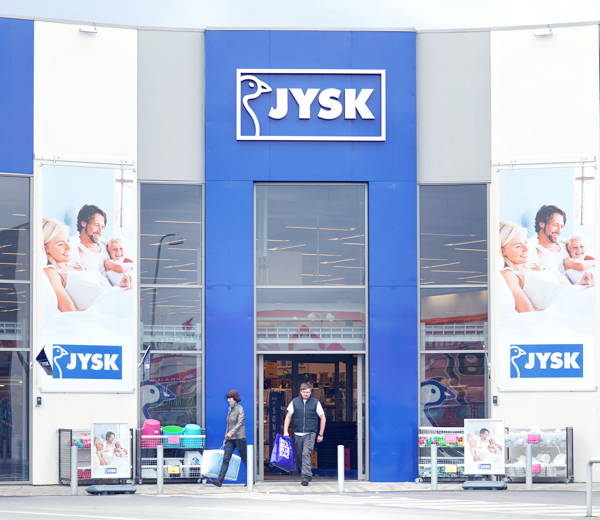
    On 26 September the very first JYSK store in Singapore (occupying 9,000 sq.ft. at the new Courts Bukit Timah store) opened its doors, with plans to open another 20 in the country within the next five years!

    Jysk-Singapore2

    JYSK, is an international retail chain from Denmark (with more than 2,200 stores across the world) that sells home necessities within the sleeping and living categories.

    JYSK in Singapore is operated through a franchise deal between JYSK and the furniture and electrical goods retailer Courts. Offering JYSK products means that Courts can expand its offers to its customers within interior design from now on.

    Singapore became JYSK’s 39th country to open a store in where the first outlet stocks about 1000 furniture and home wares items, designed in the popular minimalist Scandinavian style.

    Despite being Denmark’s largest international retailer, its Asian presence had been limited to China and Indonesia, where it trades under the JYSK Nordic brand.

    The Nordic brand is excited to be working with Courts.

    »Courts has 40 years of experience in Singapore and is already a very well-known brand in the country. JYSK can contribute with great offers and Scandinavian products, which are in high demand in Asia. There is no doubt that JYSK and Courts are a good match,« says Frederik Kroun, Franchise Director in JYSK.

    Courts executives first saw the home wares brand while in Indonesia scouting for locations for Courts stores and approached the brand’s head office to discuss a partnership in Singapore.

    Steve Church, Courts’ Group Furniture Firector, believes there is high synergy between the two brands.

    “We wanted to expand our portfolio by adding other brands into the mix, which would give consumers access to a more diverse and comprehensive range.”

    JYSK’s range is considered a massmarket offer, like Ikea, with a strong value proposition. JYSK stores in stores will be opened across the Courts Singapore network progressively over the next five years.

    Group CEO of Courts Asia, Mr Terry O’Connor, commented: “Homeowners’ tastes and needs are constantly evolving. Due to globalisation, there is now greater accessibility and therefore appreciation for global brands and their offerings. Joining hands with Ace Hardware and also with JYSK has allowed us to provide a more comprehensive suite of home solutions offerings to our customers and reach out to new customers, from DIY project enthusiasts to purveyors of design.”

    “In Singapore, where the cost of operations is high for a retailer, it is essential to find ways to innovate our offerings and improve overall productivity for our store bases,” he continued.

    Mr Jonas Schrøder, Communications Director, from JYSK, said: “Having a 40-year legacy in Singapore means that Courts has the industry know-how, network and rigor to shape the industry together with us. We are confident that combining our strengths with Singapore’s largest retailer will allow us to expand our business further while delivering a great Scandinavian offer for everyone within sleeping and living to customers.”

    JYSK Group has its origins in Scandinavia: the first store opened in Denmark in 1979. JYSK Group aims to establish a presence throughout the world, providing great offers to everyone.

  • Sports fashion demand drives Stella sales

    Sports fashion demand drives Stella sales

    Shoe marketer Stella International has reported increased sales in the second quarter on the back of growing demand for sports fashion footwear.

    In the three months to September 30, consolidated revenue from its China retail business and its manufacturing operations amounted to US$569 million, up 4.3 per cent year on year. For the nine months to September 30, revenues totalled US$1.366 billion, an increase of 7.9 per cent.

    “Looking forward, the group expects orders for the group’s footwear products will pick up further towards the end of this year and the beginning of 2016, as its customers continue to expand their global presence and as demand for sports fashion footwear continues to grow,” the company said in a stock exchange filing.

    “Order levels will also be supported by greater efficiency and improved utilisation at the group’s production facilities in inland China and Southeast Asia.

    “The group cautiously expects shipment volumes to reach 58 million pairs by the end of 2015.”

    Stella produces shoes for brands including Clarks, Deckers, Ecco, Rockport, Timberland, Wolverine, Cole Haan, Guess, Jones Group, Kenneth Cole and Michael Kors. It also designs, develops and manufactures footwear for high-fashion brands including Alejandro Ingelmo, Alexander Wang, Armani, Bally, Balmain, Brian Atwood, Givenchy, Kenzo, Marc by Marc Jacobs, Marciano, Miu Miu, Paul Smith, Prada, Sigerson Morrison, Via Spiga and Y3.

    And taking advantage of its manufacturing expertise, the wide acceptance of Stella’s products by brand customers, the company has successfully expanded into the Chinese and global footwear retail market through its own brands Stella Luna, What For, JKJY by Stella and joint-venture brand, Pierre Balmain.

    Stella says it will continue to implement strict cost controls and efficiency improvement measures to preserve its profitability. This includes placing a renewed focus on leveraging its competitive strengths to pursue new promising product segments, such as sports fashion footwear.

    “The group also remains committed to building the long-term competitiveness of its retail business with the opening of new standalone stores and shops-in-shops in quality locations. It will also continue to boost its branding efforts in Europe to further grow the value of its brands among Chinese consumers.”

  • Li-Ning growth strengthens

    Li-Ning growth strengthens

    Hong Kong-listed Chinese sportswear brand Li-Ning has released the vaguest operational update of the year – but nevertheless, it’s clear the brand is still growing.

    A year after seemingly being down for the count, Li-Ning revealed a first half year profit in August, proving its massive transformational program was have a positive effect.

    Now the company has released information on orders from its franchised distributors at its September trade fair, where it unveiled its range for distribution in the second quarter of 2016. For the eighth consecutive quarter, orders increased.

    “The orders from the latest trade fair… registered high-teens growth on a year-on-year basis. This growth is driven by mid-teens increase in footwear as well as low-twenties increase in apparel.”

    Meanwhile, same-store sales for Li-Ning-branded stores in the quarter to September 30

    increased by “mid-single-digits” year on year.

    “In terms of channels, growth rates of retail (direct operation) and wholesale (franchised distributors) were mid-single-digit and low-single-digit on a year-on-year basis respectively. Comparable growth on our eCommerce virtual stores more than doubled on a year-on-year basis. We have started reporting the eCommerce revenue growth as it is an increasingly important channel.”

    At the end of last month there were 5953 Li-Ning branded points of sale in China, a net increase of 327 since January 1, and 208 more than at the end of the previous quarter.

  • Singapore Jewellery & Gem Fair opens doors on 2015 showcase

    Singapore Jewellery & Gem Fair opens doors on 2015 showcase

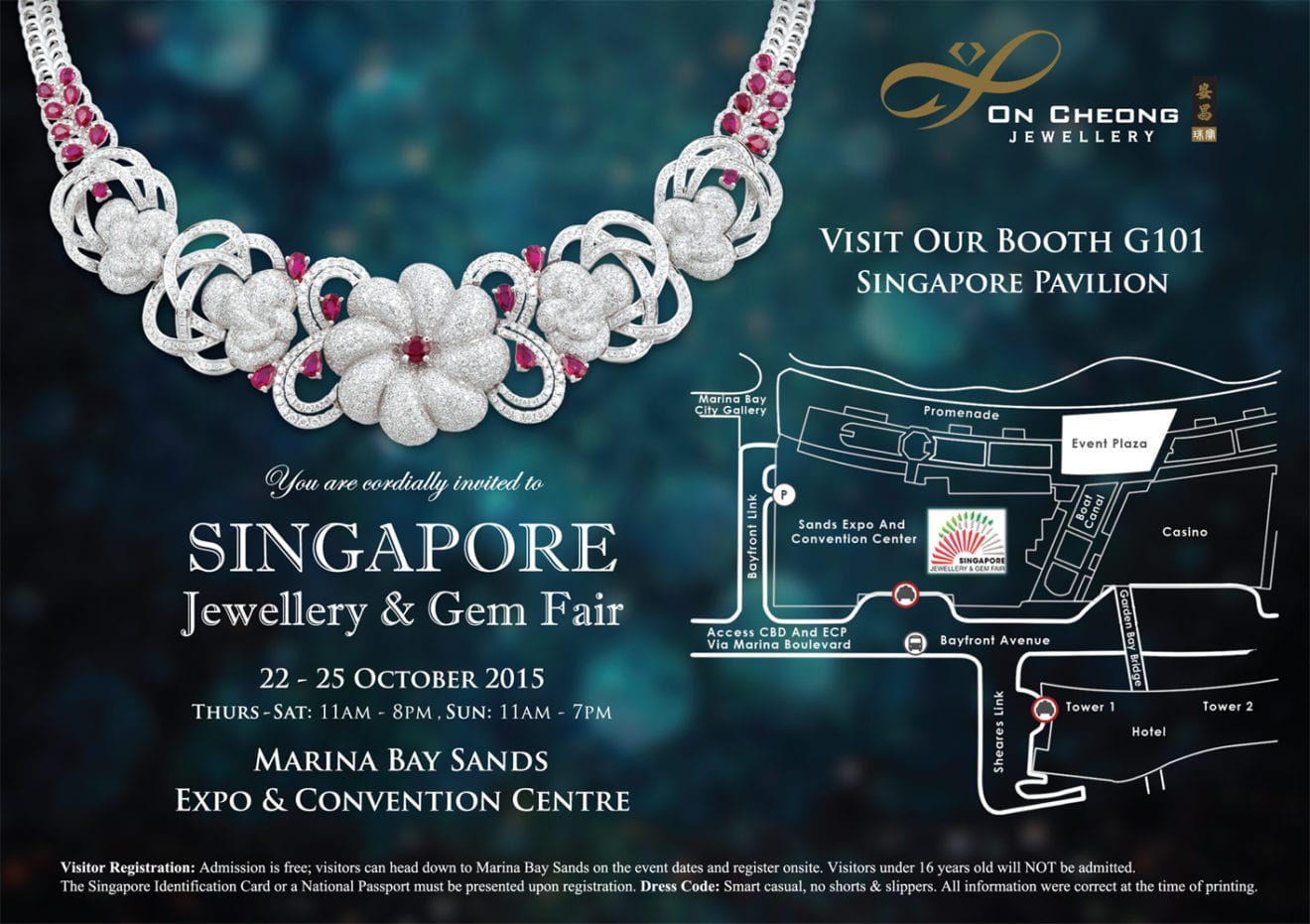
    The four-day event, which is now in its third year, is open to casual shoppers, serious investors and trade buyers.

    As the most significant fine jewellery exhibition in the region, the event covers a space equivalent to 200 tennis courts. Around 100,000 pieces of fine jewellery will be on display across 10 product-themed and country pavilions.

    International fine jewellery exhibitors include manufacturers and wholesalers from Austria, Belgium, Germany, Hong Kong, India, Israel, Italy, Japan, Switzerland, Taiwan, Thailand and the US.

    The event is exclusively endorsed by the Singapore Jewellers Association (SJA) and the Diamond Exchange of Singapore (DES).

    The Singapore Jewellery & Gem Fair 2015 is open from October 22-25 at Sands Expo and Convention Centre, Halls A & B. Admission is free.

  • Singapore’s consumer prices improves slightly in September

    Singapore’s consumer prices improves slightly in September

    Singapore’s consumer price index (CPI) came in at -0.6 percent year on year in September, slightly improved from the 0.8 percent fall in August, largely on account of a stronger pickup in the prices of consumer services and retail items, a joint press release by the Ministry of Trade and Industry (MTI) and the Monetary of Authority of Singapore (MAS)said Friday.

    Services inflation rose to 0.8 percent in September from 0.5 percent in the previous month. This mainly reflected the rise in healthcare services fees and public road transport cost, as the dampening effects of enhanced medical subsidies and SG50-related price promotions dissipated.

    The overall price of retail items was 0.6 percent higher, reversing the 0.6 percent drop in the preceding month, largely due to more costly clothing and footwear and household durables.

    Food inflation edged down to 1.8 percent from 1.9 percent a month earlier, as the increase in the cost of prepared meals moderated slightly.

    Private road transport cost decreased by 3.2 percent, extending the 2.9 percent fall in August, owing to lower Certificate of Entitlement (COE) premiums and petrol pump prices.

    The MAS Core Inflation, which excludes the costs of accommodation and private road transport, increased to 0.6 percent from 0.2 percent in August. This mainly reflected the stronger pickup in the prices of services and retail items, MAS and MTI explained.

    Looking forward, the MAS said external sources of inflation are likely to stay generally benign, given ample supply buffers in the major commodity markets and weak global demand conditions.

    For the full year, core inflation is expected to come in at 0.5 to 1.5 percent in 2016, compared to around 0.5 percent in 2015, said MAS and MTI.

    CPI-All Items inflation could continue to be dampened by lower car prices and imputed rentals on owner-occupied accommodation, amid an expected increase in the supply of COEs and newly-completed housing units.

    Therefore, MAS expects it to be between -0.5 to 0.5 percent in 2016, compared to around -0.5 percent this year.

  • How Chinese shop in Korea

    How Chinese shop in Korea

    Japanese and South Korean retailers are smiling… but these scenes are enough to make a Hong Kong retailer weep: Watch how Chinese shop over Golden Week… in Tokyo, Seoul or Boston… Not in Hong Kong, their traditional destination.

    Chinese tourists, famous for leaving shelves bare when they shop abroad, went on a shopping spree in Korea, Japan and the US during last week’s National Holiday of the People’s Republic of China, better known in Asia as Golden Week.

    Tour guides say that the average Chinese tourist that visits Japan spends approximately 20,000 to 30,000 Yuan, which is around US$3140 to $4720, on shopping.

    Shopping is actually the main reason for travel during Golden Week.

    This year, Chinese tourists flocked to duty free stores in Seoul, Busan and Jeju, as shown in the photographs, as well as large discount stores and markets, clearing shelves of stock, according toKoreabizwire and Yonhap news service.

    The Korean press reported instances of Chinese tourists buying “hundreds of thousands of won worth of cosmetics” in just two to three hours at duty free stores.


    In Japan, Chinese tourists were bought over the counter drugs in bulk: cough medicine, painkillers, glasses, sleep shades and stationary are popular Japanese products among Chinese tourists. Baby products, also.

    Earlier this year, during the Chinese New Year Holiday, Japanese electronic rice cookers and bidets were cleaned off the shelves by Chinese tourists.

    In the US there were similar stories, Koreabizwire reported.

    According to a local tour operator in Boston, Chinese tourists stopped by a Gucci Outlet to buy bags, and most of them bought three or four bags at once, with some purchasing as many as seven at once.

    “They were shopping as if they were just grabbing free stuff,” said a local guide.