Retail News CRM

Category: Living

Retail News Asia is committed to providing both local and global retailers with the latest Living news throughout the Asian market. This on a daily base.

  • Hamleys Hong Kong takeover

    Hamleys Hong Kong takeover

    Hamleys – the world’s oldest toy retailer – has been bought by a Hong Kong investor. As rumoured last week, the business has been sold to interests connected with the Sanpower Group in China’s mainland, which last year acquired UK department store House of Fraser.

    The buyer is C.banner International Holdings Limited, a Hong Kong-listed Chinese private enterprise, which describes itself as a strategic partner of Sanpower.

    The new owners plan to speed up the international rollout of the brand – and to pursue opportunities for concessions in department stores.

    In a statement, the new owners say they hope House of Fraser will “become C.banner’s priority business strategic partner”.

    “By virtue of the acquisition of Hamleys, C.banner will expand its retail businesses, and consider establishing deep relationships with department stores, so as to further promote the win-win development of its products and department stores through their brands and channels,” the company said in a statement.

    “C.banner hopes to implement its global brand strategy through introducing the products of House of Fraser and Hamleys, as well as capitalising on their channels to export its products overseas.

    “In the future C.banner will continue to actively explore business opportunities at home and abroad through mergers, acquisitions, strategic partnerships, as well as the establishment of other business relationships with leading retailer brands, to further implement its global brand strategy.”

    French owner Ludendo, which rescued Hamleys from a collapsed Icelandic bank three years ago for just £60 million, has already grown the business into an international toy brand, opening stores in Russia, Malaysia, Singapore – and last week in Vietnam. The company now has 53 stores owned or franchised. It turned over £62 million last year and posted a profit of £4.5 million.

    Founded in 1760 as Noah’s Ark, Hamleys opened its Regent St flagship store in London’s West End in 1881.

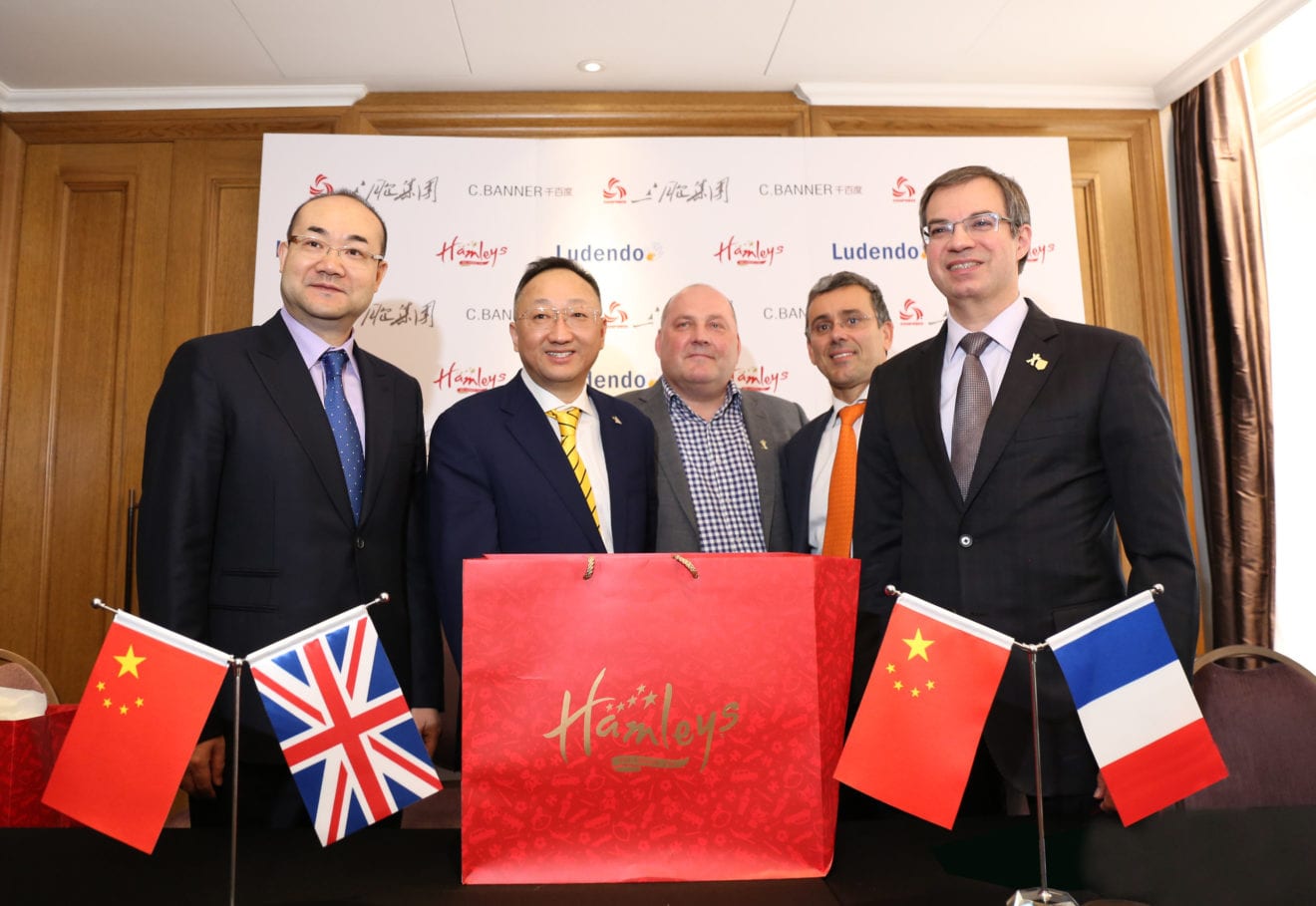
    *Photo: From left to right: Chen Yixi, chairman of the board of C.banner, Yuan Yafei, chairman of Sanpower Group, Gudjon Reynisson, CEO of Hamleys, Jean Micdhel Grunberg, president of Lundendo, Rudolph Hidalgo, chief executive director of Ludendo, at a press conference announcing the sale.
  • Samsonite Singapore plans more stores

    Samsonite Singapore plans more stores

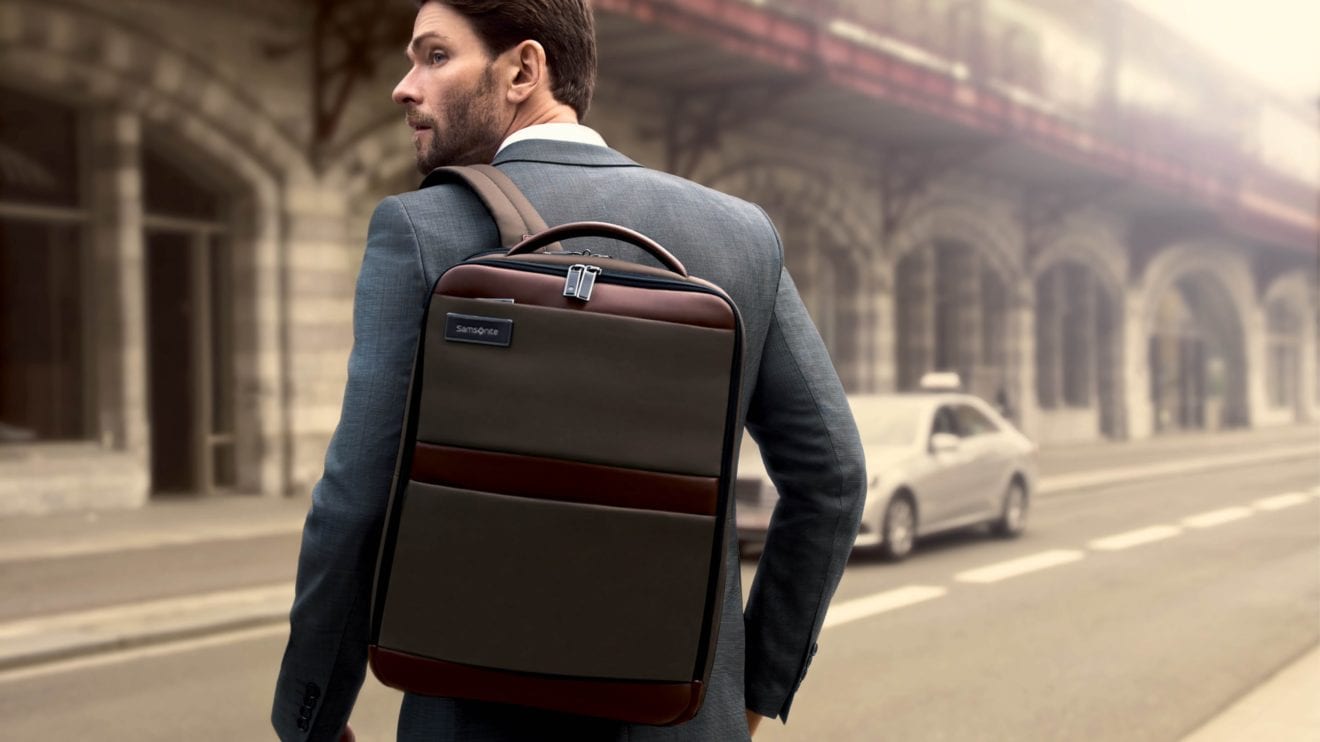
    Samsonite Singapore plans at least two new stores in the city this year. Speaking in an interview with the Straits Times, Samsonite CEO Ramesh Tainwala acknowledged his business faces high operating costs and slower economic growth in Singapore, compared to other Asian markets. But he said the company’s strategy was dependent on more than economic growth.

    “Our market share in Singapore does not exceed 22 per cent… If I grow my business here… to 25 per cent of market share, without the market growing I can still deliver around 10 to 11 per cent growth in my business.”

    The travel goods retailer will end the year with more than 20 stores in Singapore with three new ones already trading and two more planned.

  • Abolition of China’s one-child policy may boost dairy demand

    Abolition of China’s one-child policy may boost dairy demand

    Chinese like Shao, who were born in the 1980s and 1990s, when the one-child policy was most strictly enforced, say they were lonely growing up without siblings.

    The one-child policy was gradually eased in recent years as China experienced economic growth and as the country had to deal with its aging population. Historically and economically speaking, the argument was spot on. “They need to eliminate it entirely”, Mr Chen, who now lives is the U.S., said of the government.

    A skewed gender balance and a rapidly ageing workforce are among the worst symptoms of state-ordered birth control. However, things have been hitting a low point after China’s ageing population has grown to a cause for concern.

    The statement also emphasized that the nation will still uphold family planning policy, improve its population strategy and seek a balanced development of population.

    While once there may have been pent up demand for more children, experts say that as the country has grown wealthier, couples have increasingly delayed having even one child as they devote more time to other goals, such as building their careers.

    About 90 million couples will qualify to have a second child after the policy is enacted, Wang said, adding that around 60% of the qualified women were 35 years old or older.

    Couples in China will be allowed to have two children after decades of a strict one-child policy, announced the ruling Communist Party on Thursday.

    Though there were exceptions to the policy, most couples who violated it faced punishment, from fines and the loss of employment to forced abortions.

    Looking elsewhere in Asia, though, the Chinese government may find that it is much easier to “encourage” people to have fewer children than to have more.

    Critics said the relaxation of rules was too little, too late to redress substantial negative effects of the one-child policy on the economy and society.

    China’s dramatic drop in fertility in the ’70s and ’80s created a demographic time bomb that will leave the country with a smaller work force and more older citizens to care for in the coming decades.

    Reggie Littlejohn, Chairman of “Women’s Rights Without Borders” told VOA she believes the two-child policy does not stop population control.

    More mouths to feed: that means less for families to spend on consumer goods.

    In addition, China – favoring male children – has a shortage of girls and women.

    The policy will not officially change until the Chinese legislature approves it, but many Chinese couples are already excited to grow their families.

    “It might serve to address the current imbalance in the sense that if they do not boost the growth rate, then very soon, within 20 years or less, the working population will be supporting four aged parents”.

    The Credit Suisse report said that with the annual cost of raising a child estimated at 40,000 yuan (£4,100), the extra births would translate into an extra 120bn-240bn yuan in consumer spending a year, or 4-6% of China’s total retail sales.

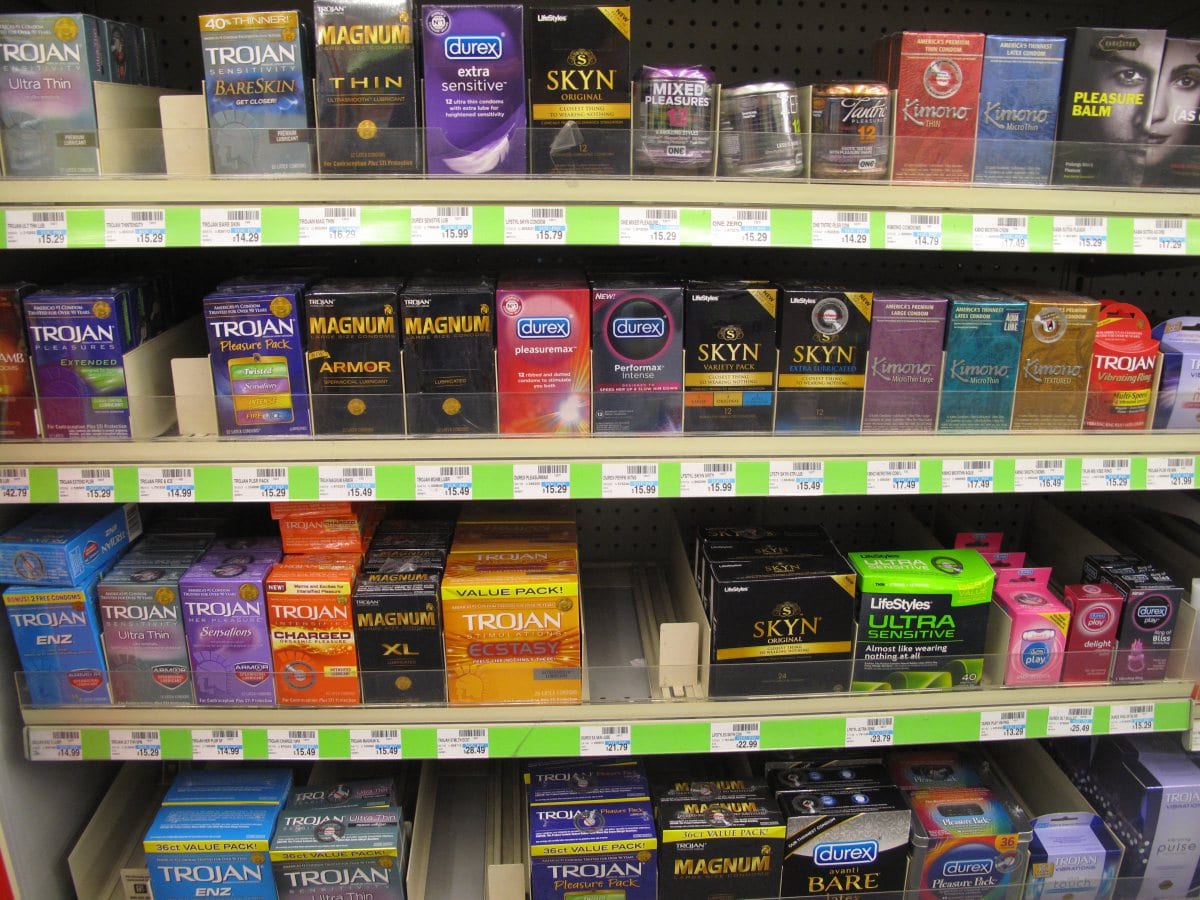
  • Condom sales slump as China announces end to one child policy

    Condom sales slump as China announces end to one child policy

    Shares of companies that make nappies, prams and infant formula got a boost on Friday from China’s decision to scrap its one-child policy. But for the maker of a popular brand of condoms, it was not the brightest of days.

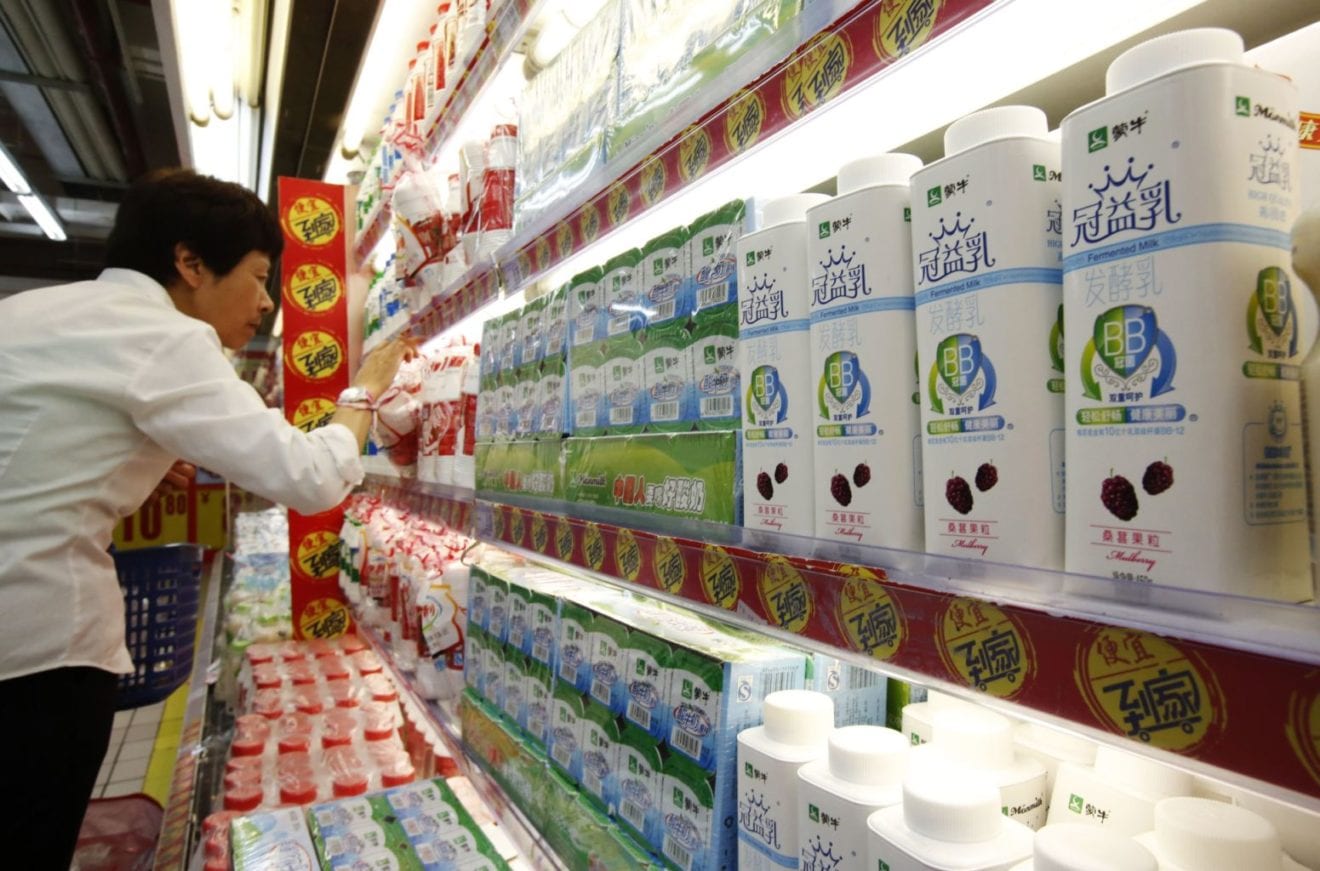
    Investors are betting on a bump in sales for companies with baby or child-related businesses after China’s ruling Communist Party announced that all married couples would be allowed to have two children. The economic repercussions travelled as far afield as New Zealand, where the currency of the dairy-exporting country surged.

    Analysts at investment bank Credit Suisse estimated that the relaxed controls would result in an extra 3-6 million babies born annually in the five-year period starting in 2017. China, the world’s most populous country with nearly 1.4 billion people, has about 16.5 million births each year.

    The one-child policy began in 1979 to curb a surging population at a time when extreme poverty was widespread in China.

    The Credit Suisse report said that with the annual cost of raising a child estimated at 40,000 yuan ($6,330), the extra births would translate into an extra 120-240 billion yuan ($19-38 billion) in consumer spending a year, or 4-6 per cent of China’s total retail sales.

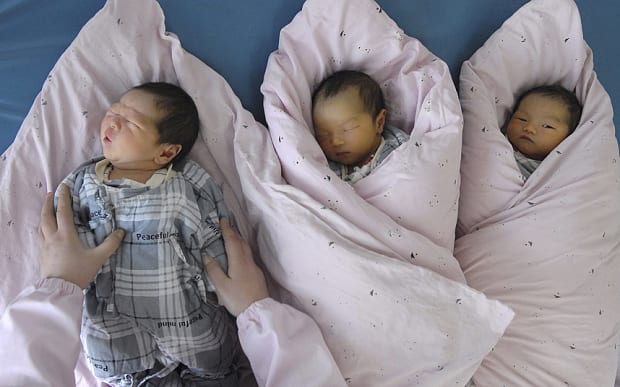
    A nurse takes care of newborn infants at a hospital in Huai'an, Jiangsu provinceA nurse takes care of newborn infants at a hospital in Huai’an, Jiangsu province  Photo: Patty Chen/Reuters

    One of the biggest winners in the financial markets was China Child Care Corp., which makes hair and skin care products for kids. Its shares ended 40 per cent higher on Hong Kong’s stock exchange.

    On the losing side, Japanese condom maker Okamoto Industries Inc., a favorite of Chinese visitors to Japan, slumped 10 per cent in Tokyo.

    Formula makers in Hong Kong and mainland China rose strongly, led by Beingmate Baby & Child Food Co., which jumped 10 per cent on China’s smaller Shenzhen stock exchange.

    Japanese and other foreign brands are popular with Chinese buyers because they’re seen as being authentic and better quality. Those characteristics are prized in China following food and other product safety scandals involving domestic brands.

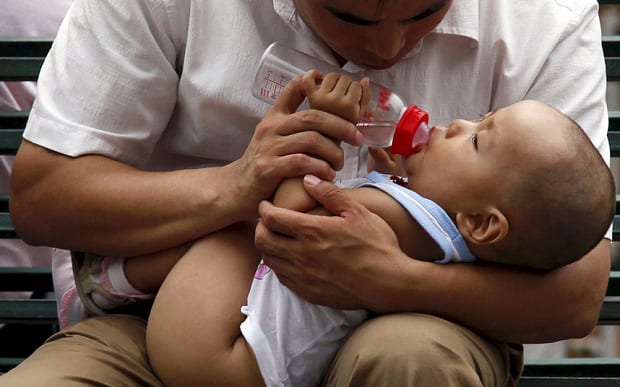
    A Chinese man feeds his baby in central Beijing

    Some cautioned the increase in births may not be as big as predicted because of the expense of raising a second child and other factors.

    “The rush for baby-related stocks may not necessarily bear fruit,” said IG analyst Bernard Aw in a report.

    In New Zealand, the local dollar jumped as high as $0.6772, gaining nearly 1 percent from $0.6699 the day before. The country is a major dairy exporter and its milk powder and formula industry would likely benefit from a baby boomlet in China.

    Some baby stocks started rising Thursday ahead of the official announcement on Chinese state media.

    Goodbaby International, which makes strollers, car seats and cribs, rocketed 7.4 percent on Thursday and followed that up with a 2.3 per cent gain on Friday. Rumours had already been swirling in China that the policy would be adjusted at a meeting on China’s next five year plan that was held this week.

  • Natuzzi Expands on the Asian Markets

    Natuzzi Expands on the Asian Markets

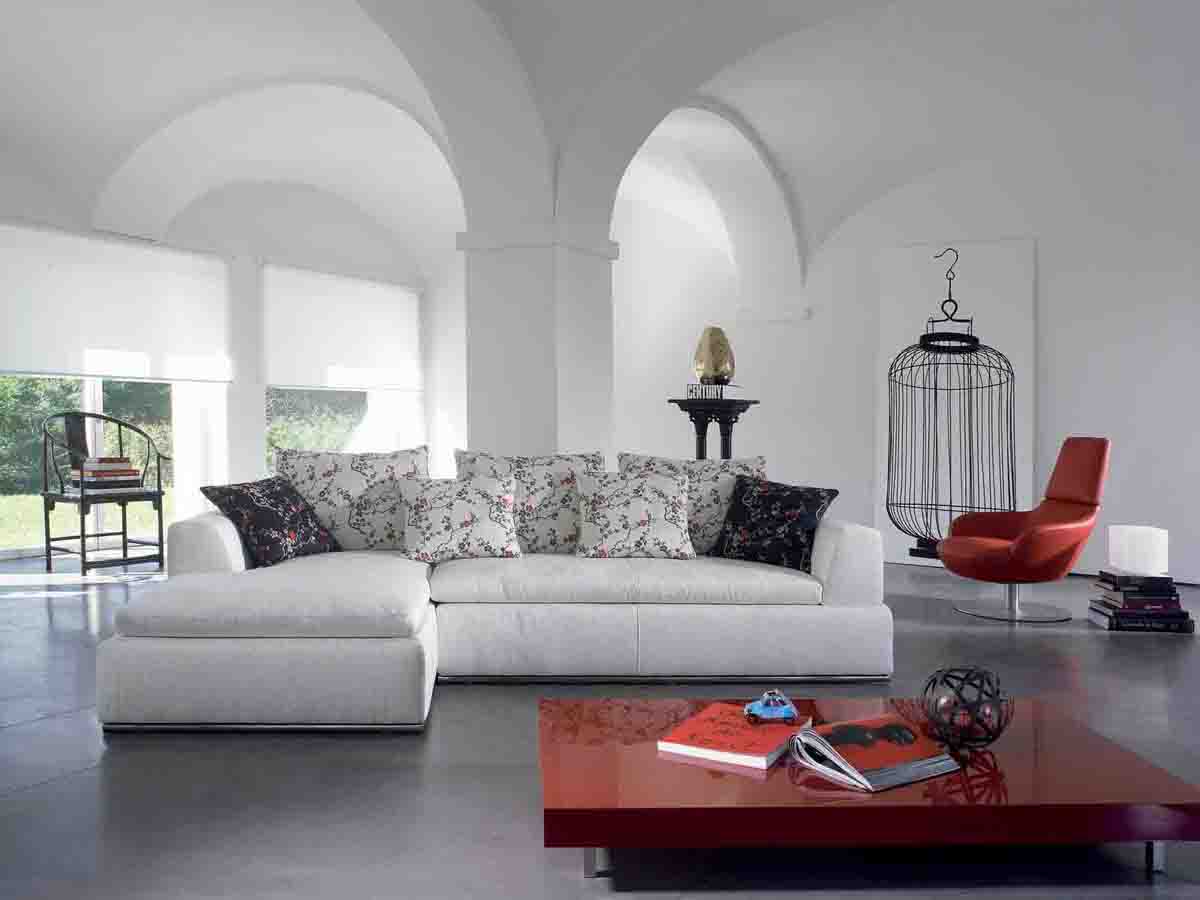
    With the opening of the new Natuzzi Italia Store in Naples (Florida) – in addition to the new Miami and Philadelphia new stores – the Group has opened 3 new stores in the U.S. in 2015, bringing to 252 the number of mono-brand sales points in North America.

    “The U.S. is a key and well-established market for our Group, in which we have been present since 1980” – stated Pasquale Natuzzi, Chairman and CEO of the Natuzzi Group. “These recent openings, together with our flagship store in New York opened last year, further strengthen Natuzzi’s presence on the American market. In the first part of the year, we posted some of the best sales figures on the market – up 20.2% on last year”.

    Strong results were also returned in Asia. In the first half of 2015 the Group opened 11 new Natuzzi Italia and Natuzzi Editions stores (the two Natuzzi brand product lines), including the first mono-brand stores in Hong-Kong, Colombo (Sri Lanka) and Busan (South Korea). Natuzzi mono-brand sales points in Asia now number 162.

    Despite recent financial turbulence – stated Pasquale Natuzzi – Asia, and particularly China, are among our main and currently best performing markets. In the first six months of 2015, Asian sales rose 22.4% over the same period of 2014. Our goal for 2015 is to continue to invest in retail development in North America and Asia: we expect to open 6 new stores in these two areas by the end of the year”.

    Europe also delivered a strong performance in the first half of 2015. The Italian market – where two Divani & Divani by Natuzzi stores were opened in Novara and Turin – reported a sales increase of 13% on the same period of last year.

    To date, the Natuzzi Group has opened 95 new stores worldwide during 2015. With these new openings, the Group markets its products through 1,155 sale points worldwide.

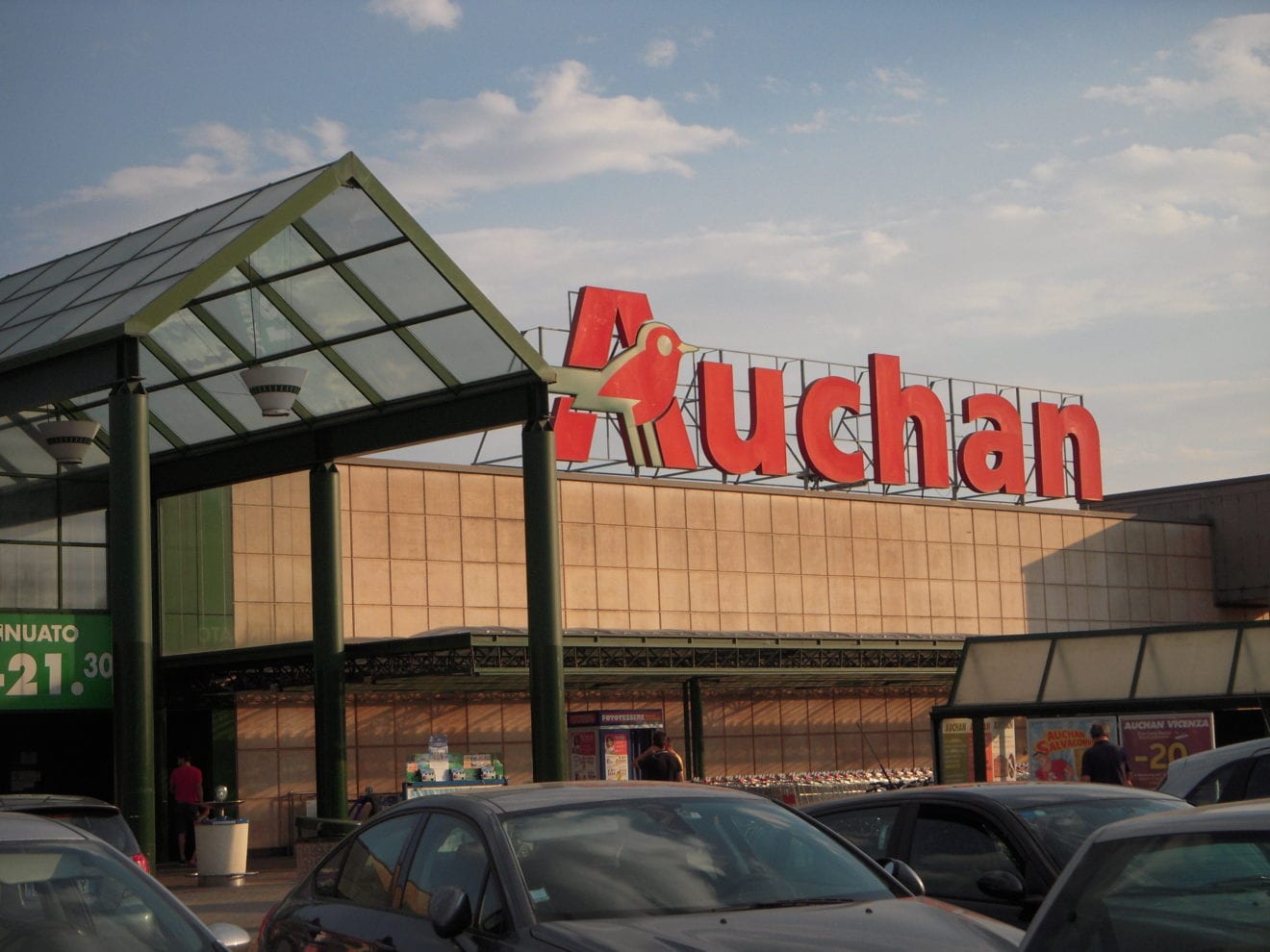
  • AuchanSuper Vietnam plans 18 stores

    AuchanSuper Vietnam plans 18 stores

    Privately-owned French supermarket operator AuchanSuper has opened its first store in Vietnam, branded Simply Market.

    It plans 17 more before the end of 2016.

    The first store is trading in Ho Chi Minh City’s District 5, a middle class Vietnamese suburb not popular with expatriates, which gives a strong indication of the demographic the French company is targeting in Vietnam, its 15th international market.

    The first store will be followed by two more before this year ends, each with a footprint of 2000 to 3000 sqm.

    As the disposable income of Vietnam’s 90 million population increases, more and more foreign retailers are trying to establish a foothold in the country. The French-Thai joint venture Big C, Japan’s Aeon and South Korea’s Lotte Mart have the early running in the grocery market, while Circle K, FamilyMart and Berli Jucker’s B Smart are busily building networks of convenience stores before 7-Eleven makes its debut as early as next year.

    AuchanSuper is investing up to euro 40 million in its Vietnam foray.

  • Japan duty free sales boom

    Japan duty free sales boom

    Japan duty free sales soared in the first quarter of the current financial year as Chinese tourist ranks swelled.

    Major duty free retailers have reported sales on the mainland soared 20 per cent or more year on year, with brands preferred by Chinese shoppers performing the best.

    Japanese government figures show inbound tourists into the nation soared 47 per cent in the first six months of the 2015 calendar year – to 11 million. In the whole of 2014, inbound visitors totalled just 13.4 million.

    Sales of jewellery – especially gold jewellery – and watches lead the growth in a virtual mirror image of the experience of Hong Kong retailers, demonstrating clearly how the cashed up Chinese have changed their preferred duty free shopping destination.

    Leather goods are reportedly selling well and airport boutiques are experiencing healthy turnover increases.

    Japan’s government scrapped visas for Chinese mainlanders early this year, which has definitely helped fuel the boom.

  • Anytime Fitness and Dancing Crab win big at the FLA Awards 2015

    Anytime Fitness and Dancing Crab win big at the FLA Awards 2015

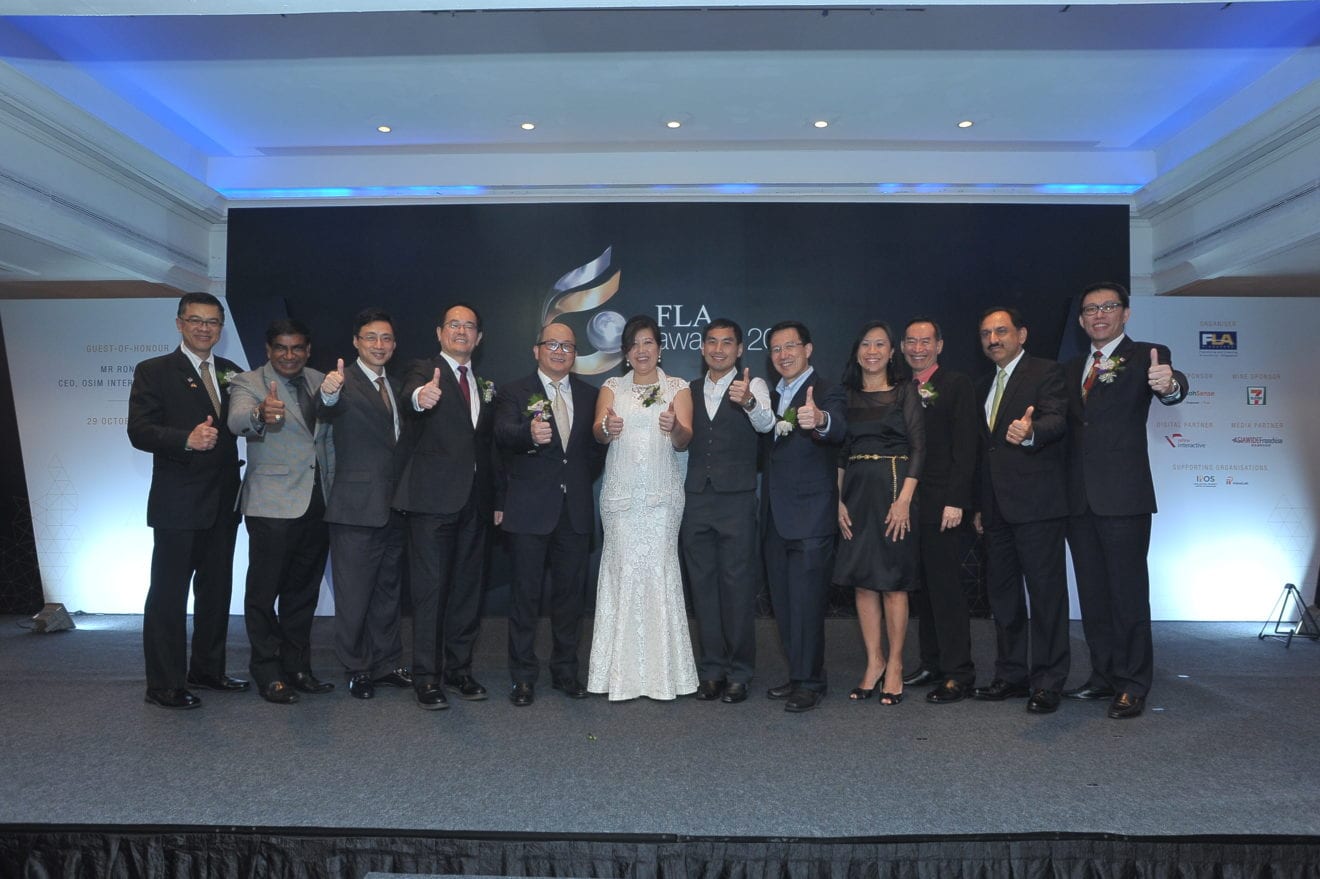
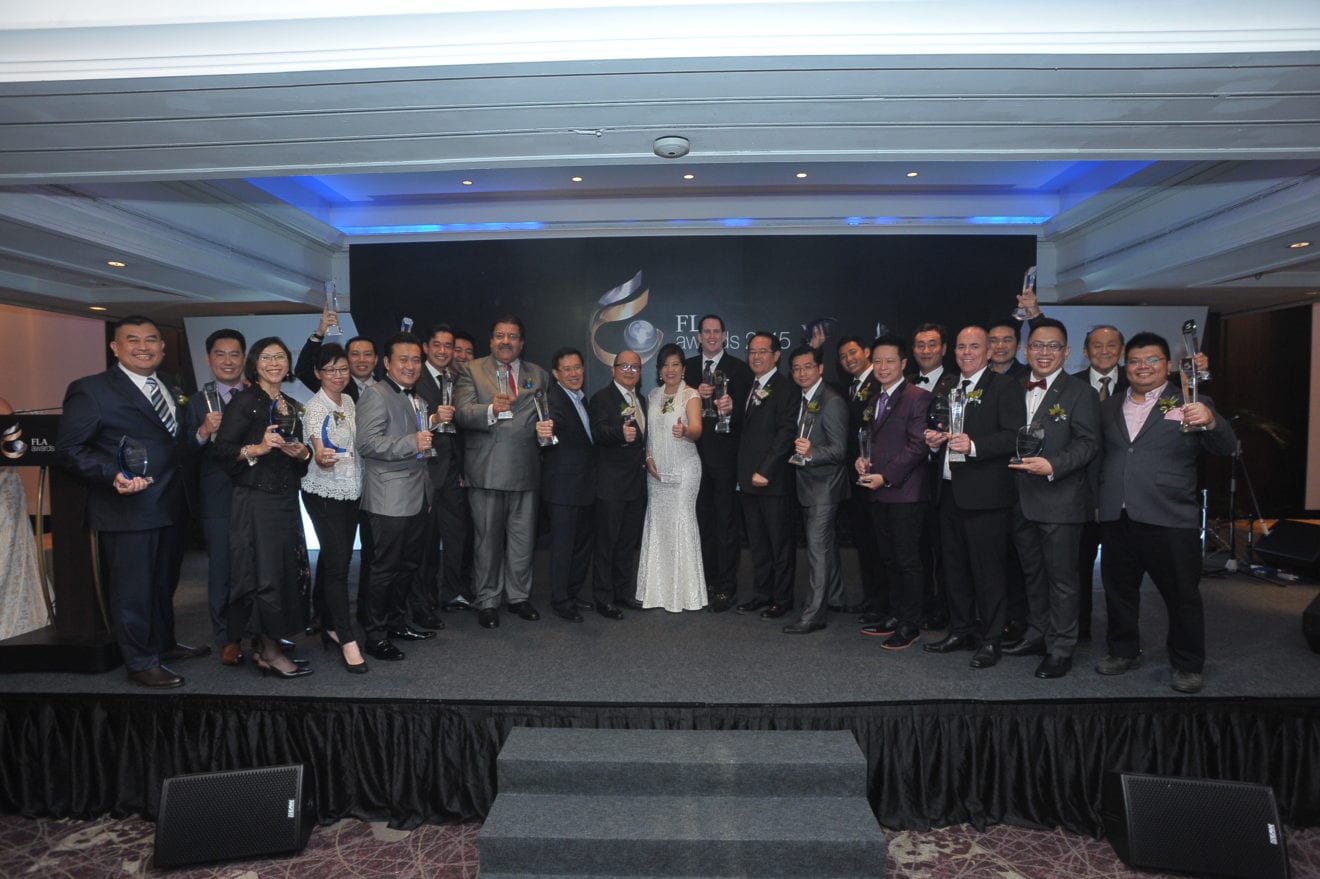
    The crème de la crème of the franchising and licensing industry were recognised and awarded at the annual regional Franchising & Licensing Association (FLA)Awards 2015 held at the Marina Mandarin hotel. This year, the Awards saw a 20% increase in entries with an upward trend in participants hailing from unconventional sectors, such as property, retail and health & fitness, even as veteran industries, such as F&B and education remained strong in the franchising & licensing playing field.

    Anytime Fitness bagged the top prize for two award categories, mainly top ‘Franchisor of the Year’ and ‘International Franchisor of the Year’, reflecting the growth and popularity of unconventional industries within the franchising and licensing scene. At the same time, traditional industries like the Food & Beverage sector remained strong, with Louisiana-style eatery, Dancing Crab, being crowned the overall winner in the ‘Promising Franchisor of the Year’ category.

    Other winners include 7-Eleven, Kumon, Pezzo, Seoul Garden and ECG Property Services. 

    Group Photo_All Winners

  • Indonesia Wants More Tourists from Malaysia, Singapore

    Indonesia Wants More Tourists from Malaysia, Singapore

    For 2019, Indonesia wants to have 3.7 million Singaporeans to visit. From Malaysia, the government is targeting to 3.2 million travelers.

    Wonderful Indonesia on Thursday, October 29, quoted Tourism Ministry’s deputy of International tourism marketing that the ministry will hold a number of promotional campaigns in Singapore and Malaysia in November 2015.

    The events include the ‘Wonderful Indonesia’ campaign at the Singapore West Gate Shopping Mall from November 1-8, the Sales Mission MICE (November 18), the Halal Fair International 2015 (December 3-6), The Special Destination Sales Mission in Malaysia (November 24), Consumer Selling campaign in Melaka (November 27-29 November), and many more.

    Right now, Indonesia is on promoting its tourism in Singapore through the Indonesia Food Festival 2015 held from October 20 to November 14 November. At least 30 Indonesian dishes are being promoted to the international community, particularly to Singaporeans.

  • Chinese tourism drives record result for McArthurGlen

    Chinese tourism drives record result for McArthurGlen

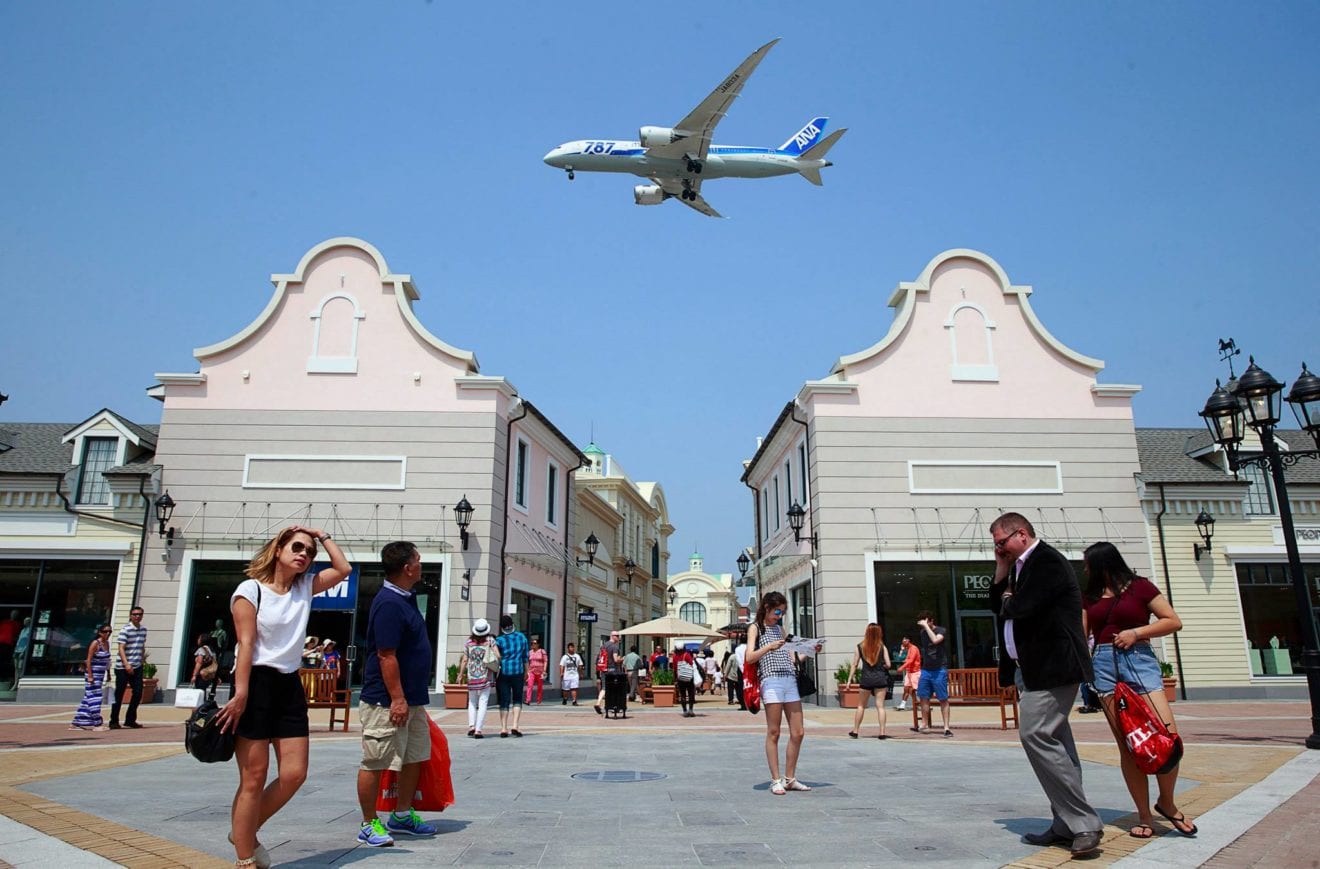
    Chinese travellers are discovering the thrill of shopping at one of McArthurGlen’s 21 Designer Outlets, all near important tourist destinations across eight countries in Europe and most recently, a new centre in Canada.

    Sales by Chinese shoppers at McArthurGlen’s Designer Outlets have increased more than 7 fold over the past four year years (2010-2014); as they discover the most sought-after European fashion and international luxury brands. McArthurGlen offers tax free shopping alongside year-round savings of 30-70% in stunning and vibrant shopping environments which take inspiration from local design and architecture.

    McArthurGlen’s Designer Outlets offer the largest choice of luxury and premium lifestyle brands in the European outlet market. The centres are home to nearly 3,000 stores and 900 brands. At the same time, the centres are part of the local tourism fabric, within easy reach of major European city centres by shuttle bus or public transport, including: Vienna and Salzburg in Austria; Luxembourg, near our centre in Belgium; Lille and Reims (the Champagne region) in France; Berlin and Hamburg in Germany; Athens in Greece; Düsseldorf, near Roermond, our centre in Holland; Florence, Milan, Naples, Rome and Venice in Italy; and Bath, Cardiff, London, Manchester, Nottingham and York in the UK.

    In July 2015 we opened our first centre outside Europe, in Vancouver. The centre is built adjacent to Vancouver’s International Airport and we have just recently celebrated our millionth visitor at the centre.

    Shaeren McKenzie, Group Marketing Director, says: “Our McArthurGlen Designer Outlets offer the finest European shopping experience. Shoppers can find the top international luxury names alongside premium niche brands worn by the fashion crowd, all with year-round savings of 30-70%. We also enhance our customers’ shopping experience with exclusive events, offering special promotions.”

    Anthony Rippingale, Head of Tourism, McArthurGlen, adds: “We are heading for yet another record year at our 21 Designer Outlets, welcoming more Chinese shoppers than ever before. As the biggest operator of designer outlets in Europe, our Chinese customers have always been extremely important to us, and even more so now given that they account for nearly one in four euros spent by our international shoppers, and rising. We have also just had our most successful Golden Week ever.”

    The look and feel of McArthurGlen’s Designer Outlets reflect the luxury and premium brands that we represent: show-stopping sculptures by famous artists, dancing fountains, green walls made from thousands of plants, piazzas and porticoes, as well as a wide range of cafes for a refreshing cup of tea and restaurants for a leisurely lunch or a quick snack, with al fresco seating for the warmer months.

    Spending by our Chinese customers is growing faster than any other nationality visiting our Designer Outlets. Sales to Chinese travellers increased by 80 per cent in the first nine months of 2015, compared with the same period last year. Some of the biggest rises were at our five Italian centres (which include Italy’s largest designer outlet, Serravalle, near Milan), with sales up 95 per cent in the first nine months of 2015.

    The favourite brands of Chinese shoppers at our centres are, in particular, the most-loved names in international luxury, as well as niche local brands popular with the local fashion and style crowd, whether Dsquared2, Agnona or Patrizia Pepe in Italy, or Jil Sander, Karl Lagerfeld or Marc Cain in Northern Europe.

    We look to engage with our Chinese customers while they plan their trip to Europe, whether through our office in Beijing, or through social media in China (including Weibo and WeChat) and our centre websites which are available in Chinese.

    Once Chinese shoppers arrive in Europe, our centres offer Chinese-language maps and guides, while UnionPay is accepted in most stores. Our most popular Designer Outlets offer special promotions, including limited-edition gifts and additional savings, during key Chinese holidays, namely Golden Week and Chinese New Year.

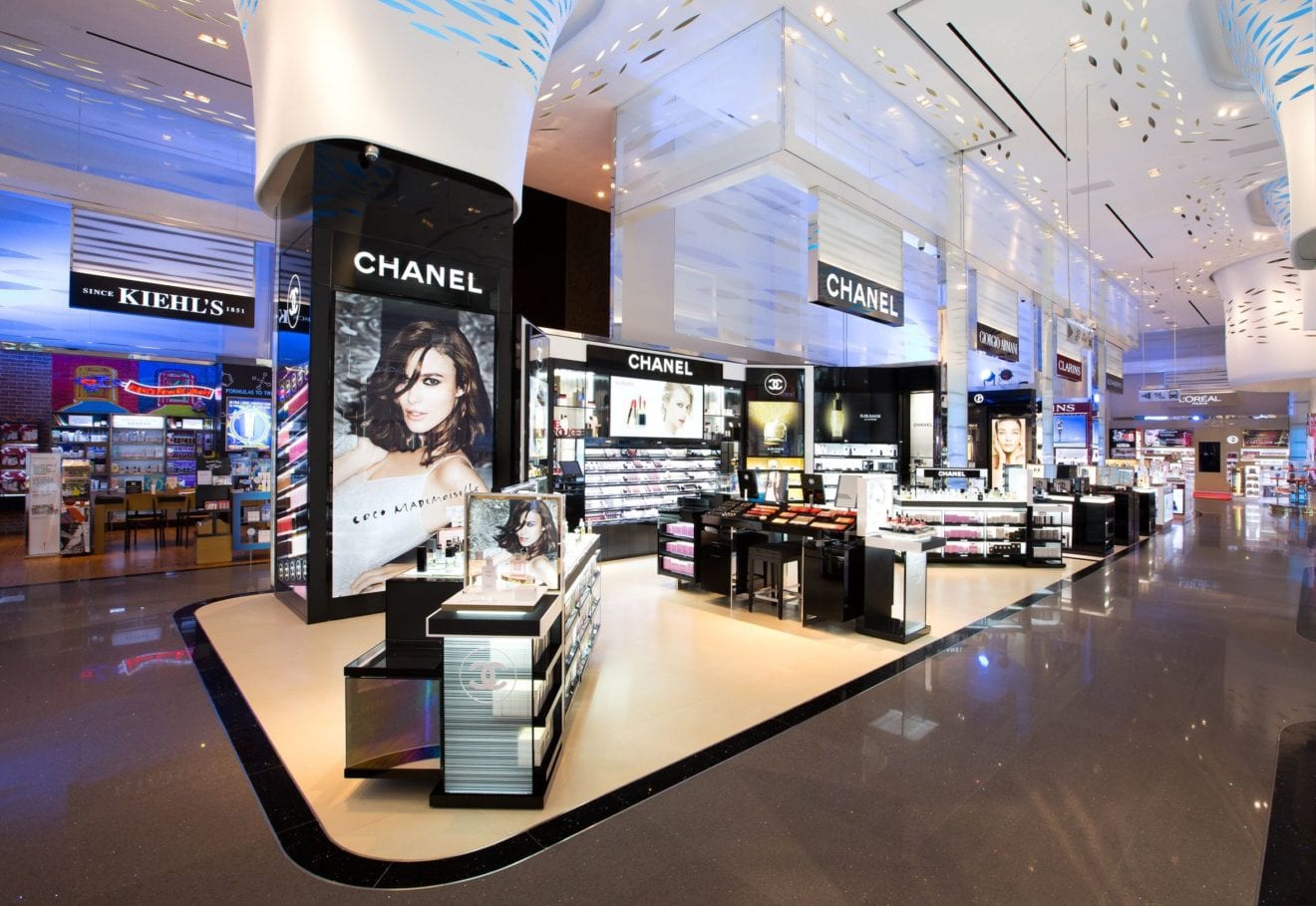
  • L’Oreal expands Dermacenter concept in Asia

    L’Oreal expands Dermacenter concept in Asia

    With growing concerns of the effects of pollution on the skin in Asia, personalized routines are in demand now more than ever.

    International players like L’Oréal are looking to cater to this trend by developing even more specialized formulations that preserve, heal and improve the health of skin as well as offering services that allow consumers to interact with dermatologists on the go.

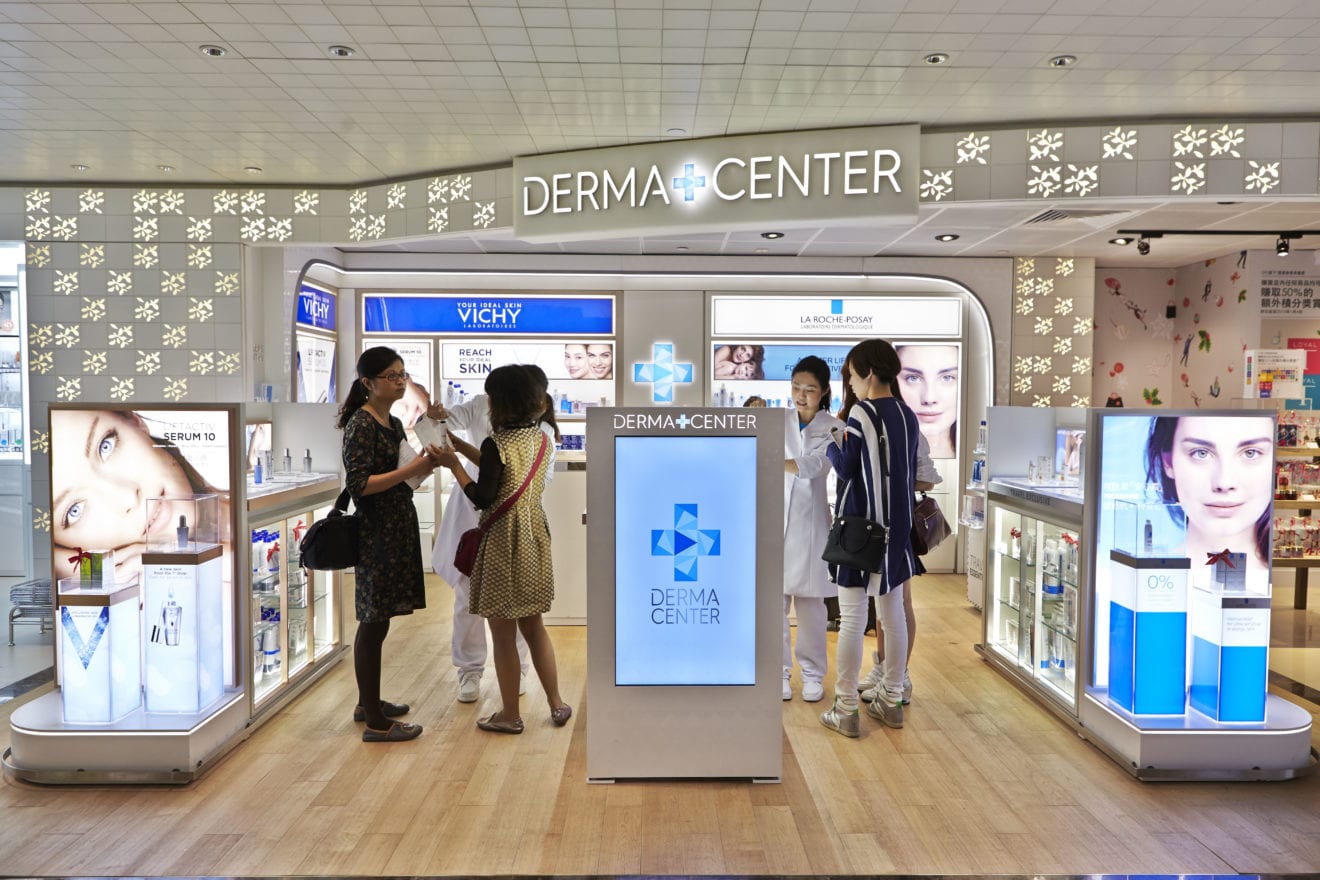
    The global cosmetics player’s first Asia based Dermacenter opened in Hong Kong in 2014 which has led to the launch of several others including; Haitang Bay, Iguazu downtown with London Supply, Bangkok (two stores), Hong Kong-Hysan and Seoul with Lotte Duty Free.

    According to L’Oréal, these stores provide a good opportunity for travelling consumers to gain access to brands like Vichy, Aqualia Thermal and LiftActiv, and La Roche-Posay, Tolériane and Effaclar.

    The Travel Retail Division was expanded in 2013 with company CEO Jean-Paul Agon commenting: “Travel retail is a key channel for winning over one billion new consumers. This market, present around the world, could be considered a ‘sixth continent.’”

    Travel Retail

    L’Oréal has been present in the travel retail market since the 1960s with L’Oréal Luxe, positioning L’Oréal Paris in the space in the last decade, and The Body Shop in the last few few years.

    Travel Retail, which represents all products sold in the travel distribution channel caters to over 2.4 billion international travellers every year, with Beauty occupying the one category in the market, where L’Oreal is seen as a leader in the field, holding a 21.3% market share in 2013.

    “By meeting consumers’ beauty aspirations, whatever their nationalities, beauty rituals or purchasing power, L’Oréal Travel Retail plays a strategic role in conquering new consumers who will pursue their experience with our brands in their home countries,”  Nicolas Hieronimus, president Selective Divisions said in 2014.

    “The launch of Vichy, La Roche-Posay and Kérastase in Travel Retail demonstrates our confidence in the huge potential of this channel. From now on, all of the Group’s major brands will have the opportunity to develop on this ‘sixth continent’.”

  • Lotte Mart Vietnam in supermarket rollout

    Lotte Mart Vietnam in supermarket rollout

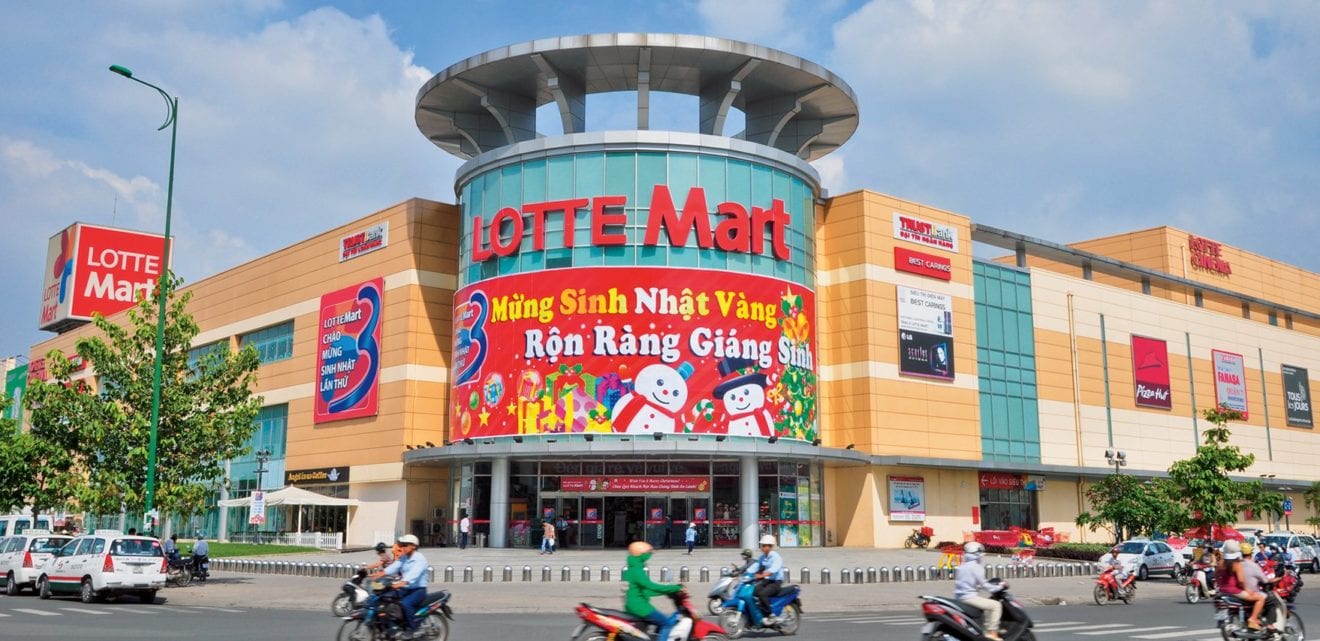
    Lotte Mart Vietnam plans to open 50 new supermarkets by 2020.

    The South Korean company’s Vietnam subsidiary operates just 11 supermarkets currently. Besides opening its own hypermarkets, the company has taken a strategic investment in local grocery retailers Citimart in Ho Chi Minh City and Fivimart in Hanoi which are now being co-branded and essentially operate as large convenience stores.

    Lotte Mart’s plans were revealed by the ViceConsul of the Republic of Korea, Hoong Soon Chang at a scholarship ceremony.

    Lotte also operates hotels in Vietnam, has a growing network of Lotteria fast food restaurants, is making property investments, including a half stake in shopping centre and office tower Diamond Plaza, and runs cinemas there.

    Lotte Mart Vietnam director general Hong Won Sik said the group is planning to boost its investment in the country because of its high growth rate.

    Vietnam’s GDP rose 6.81 per cent during the third quarter of this year, one of the fastest rates in Asia.

    According to Vietnamese news media, Korea is the largest source of foreign investment in Vietnam, with more than 4000 businesses now based there and a capital inflow of US$32.8 billion in the six months to July.

  • Asian retailers called into haze campaign

    Asian retailers called into haze campaign

    As the toxic haze caused by Indonesian forest fires continues to enshroud Singapore and parts of Indonesia and Malaysia, the campaign to boycott brands linked to the fires is widening across Southeast Asia.

    Last week, the Singapore Environment Council (SEC) and Consumers Association of Singapore (Case)reached out to more than 3000 companies to get their commitment and declaration that they procure their wood, paper and/or pulp materials from sustainable sources. These include book stores, supermarkets, other retailers and manufacturers of paper and tissue products.

    Today, Consumers International (CI) has stepped in to ramp up the campaign, encouraging retailers and consumers in Indonesia, Malaysia, Singapore and Thailand to boycott brands and suppliers who have not committed to sourcing from companies who reject supplies from irresponsible forest burning.

    Singapore’s largest supermarket operator, NTUC FairPrice has already recalled stock supplied by Asia Pulp & Paper products due to the paper giant’s role in contributing to the toxic haze.

    Today, CI called on all consumers to stop buying products produced by companies involved in the purchase or sourcing of wood, paper and/or pulp products that cause the haze.

    “The global body is concerned that unlike Singapore, companies in Indonesia, Malaysia and Thailand are not declaring their source of procurement of sustainable wood, paper and/or pulp.

    “Every year people in Indonesia, Singapore and Malaysia are suffering under a thick haze of smog which is caused by the burning of forests for production of pulp, paper and palm oil primarily on the island of Sumatra, in western Indonesia and Borneo. The haze is leaving millions of people at risk of respiratory and other disorders. In addition countries in the region are also suffering economic losses and environmental damage including acid rain formation and other effects.”

    CI says that with a lack of information about which companies’ activities are contributing to the haze, consumers should buy products that carry internationally recognised green labels such as Forest Stewardship Certification (FSC) or other independently verified labels that support sustainable production that does not cause harm to the wellbeing of consumers.

    “CI believes that consumers should send a strong signal to the errant companies through their purchasing power and refuse to support companies which are contributing to this environmental disaster by their irresponsible practices.”

    CI has also requested all governments in the region to take a tough stance against companies responsible for haze.

    CI  is the world federation of consumer groups that, working together with its members, serves as the only independent and authoritative global voice for consumers. It has more than 240 member organisations in 120 countries.

  • Hello Kitty, Farewell Rolex as Hong Kong Shoppers Go Downmarket

    Hello Kitty, Farewell Rolex as Hong Kong Shoppers Go Downmarket

    U.S. luxury handbag maker Coach Inc. opened its four-story flagship store in the heart of Hong Kong’s Central district to much fanfare in June 2008, with a celebrity-studded, champagne-fueled party. In August, the company quietly terminated its HK$5.6 million ($723,000) per month lease and Adidas is moving in — paying 23 percent less in rent, according to Colliers International Group Inc.

    This is not an isolated case. Russell Street in Causeway Bay, which boasted the most expensive shop rents in the world until New York’s Fifth Avenue overtook it a year ago, is undergoing a major transformation. A location formerly rented by Emperor Watch & Jewelry Ltd. that sold diamond-studded Cartier watches is now home to discount cosmetics retailer company Bonjour Holdings Ltd. that sells HK$58 packets of Hello Kitty false eyelashes and HK$18 jars of Tiger Balm ointments. Next door, rival Colourmix Cosmetics Co. has moved into a space vacated by Swiss watchmaker Jaeger-LeCoultre.

    As Kering SA’s Gucci, LVMH’s Louis Vuitton, and jewelry chain Chow Tai Fook Jewelry Group Ltd. bargain for lower rents or close stores amid a decline in mainland tourists who had underpinned their sales, mid-tier retailers are filling the gaps. Brands that appeal to the broader market are taking advantage of declining leases to move into some of Hong Kong’s most coveted retail locations.

    “The fallout in the watch and jewelry as well as luxury sector is paving the way for fast fashion brands to expand,” Tom Gaffney, head of retail at Jones Lang LaSalle Inc. in Hong Kong, said in a phone interview.

    Rents Decline

    Retail rents started falling after the city’s appeal as a shopping paradise for mainland tourists was hurt by anti-China protests last year, a slowing mainland economy and Beijing’s austerity and anti-graft campaigns, which have made the Chinese wary of splurging on luxury goods. Hardest hit have been sales of watches and jewelry, where sales have fallen year on year for the past 11 months.

    “Shopping habits are changing; a couple of years ago it was not uncommon to see mainlanders go into watch stores and ask for 10 Rolexes,” said Marcos Chan, head of research for Hong Kong, Taiwan and Macau at CBRE Group Inc. “Now we hardly see people even buying one.”

    While luxury brands are abandoning street-front locations, they are maintaining their presence in high-end malls where monthly rents are lower in part because landlords also receive a portion of sales receipts as part of a tenant’s payment.

    Another source of the slowdown is that Chinese shoppers, who represent 10 percent of global tourism and more than 25 percent of luxury spending, are forsaking Hong Kong in favor of Europe, South Korea and Japan, attracted by weaker currencies and relaxed visa procedures, according to Bloomberg Intelligence. A rising backlash against mainland tourists has also hurt Hong Kong’s appeal, said CBRE’s Chan.

    Jones Lang expects street rents in Central to drop a further 10 percent in 2016 after falling about 20 percent to 30 percent this year, while leases on more than 200,000 square feet of space on Queen’s Road in Central, one of the city’s premier shopping destinations, will become available between now and 2018.

    Just steps from one of Hong Kong’s busiest subway stations in Central, Athens-based affordable fashion brand Folli Follie opened a store in mid-October after luxury watch retailer Carlson moved out.

    Hennes & Mauritz AB is also taking advantage of falling rents to expand. On Oct. 30, it will open a four-story flagship, its largest store in Asia, in Causeway Bay.

    “One part of our expansion strategy is about getting a good and competitive deal,” said Magnus Olsson, the Swedish retailer’s country manager for Greater China, declining to provide rental details. “If we were not happy, we wouldn’t have opened.”

    Helen Mak, senior director of retail services at Colliers, said that while Hong Kong’s superior level of service will continue to attract tourists, they are looking for a different shopping experience on the city’s high streets.

    “In the past, four out of five shops were selling Rolexes,” she said. “In the future, a tourist will expect to see more varieties of retail shops in Hong Kong.”

  • Matsumotokiyoshi set to open first drugstore abroad in Bangkok

    Matsumotokiyoshi set to open first drugstore abroad in Bangkok

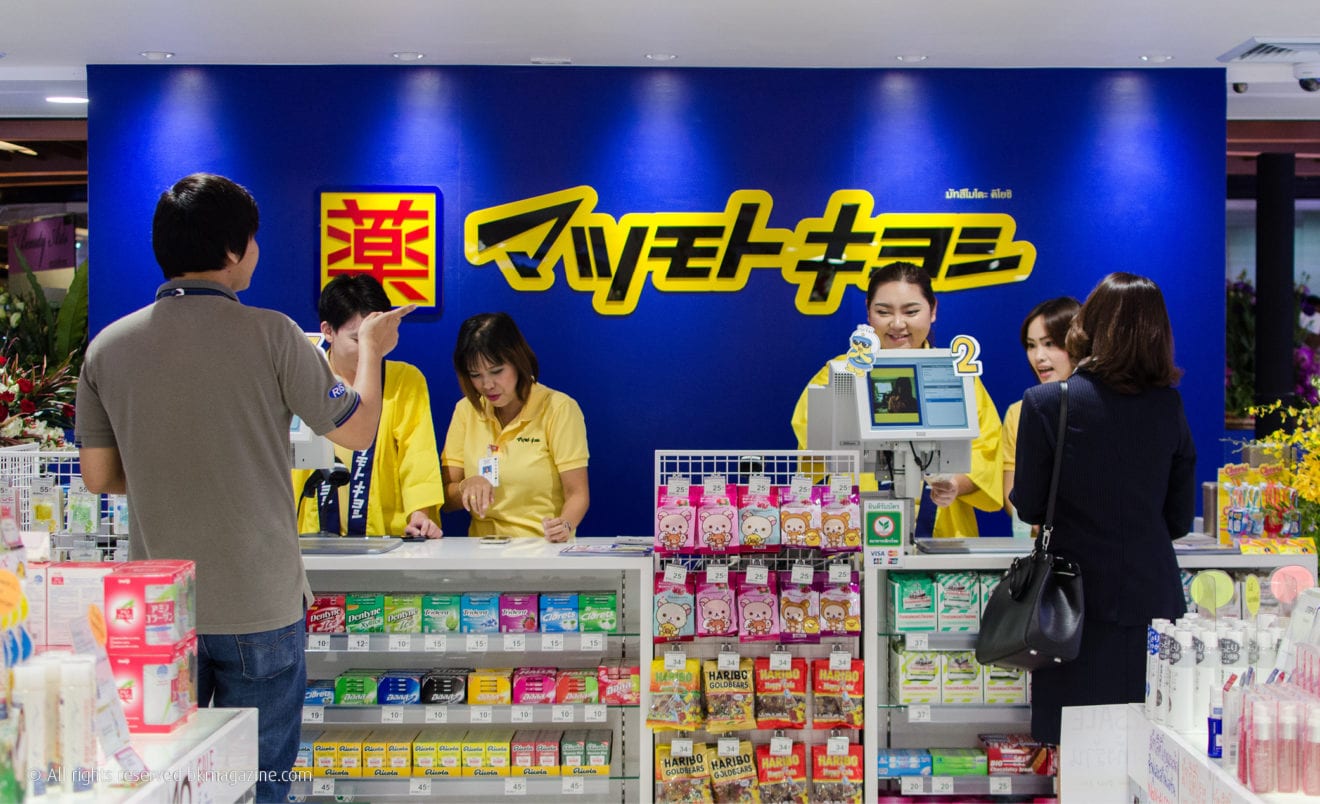
    Japan’s largest drugstore operator, Matsumotokiyoshi, will open a store in Bangkok this week, its first abroad, and a second one by the end of the year, the head of the company’s new joint venture here said Tuesday.

    “We are confident to be successful here,” Junichi Tateno, chief executive officer of Central & Matsumoto Kiyoshi Corp., a joint venture between Matsumotokiyoshi Holdings Co. and Thailand’s Central Food Retail Corp., told a press conference.

    He cited Thailand’s status as Southeast Asia’s leading health-and-beauty market, worth 85 billion baht ($2.4 billion), and one that has been growing steadily despite periods of political instability.

    Noting the Thai people’s fondness for Japanese culture and products, Tateno said the store will initially introduce around 2,000 Japanese health-and-beauty products to Thai customers.

    The new store will be the first to be opened abroad by Matsumotokiyoshi, which has more than 1,500 branches in Japan, since the company was founded 85 years ago.

    Since 2014, the company has done market testing in Central’s 23 supermarkets in Bangkok and other major cities and some 200 daily-use products and cosmetics being sold were received well by customers, according to Tateno.

    He said the marketing data helped the company to cater suitable products for Thai customers.

    Central Food Retail Co., the largest supermarket chain in Thailand with around 150 branches, has a 51 percent stake in the joint venture, with Matsumotokiyoshi holding the remainder of shares.

    The first branch will be opened at Central Plaza Ladprao, offering commodities and beauty products from Japan and other countries. Another will be opened at Central Plaza Pinklao by year-end, with plans to expand to other department stores in the future.