Retail News CRM

Category: Living

Retail News Asia is committed to providing both local and global retailers with the latest Living news throughout the Asian market. This on a daily base.

  • Courts Indonesia to open second megastore

    Courts Indonesia to open second megastore

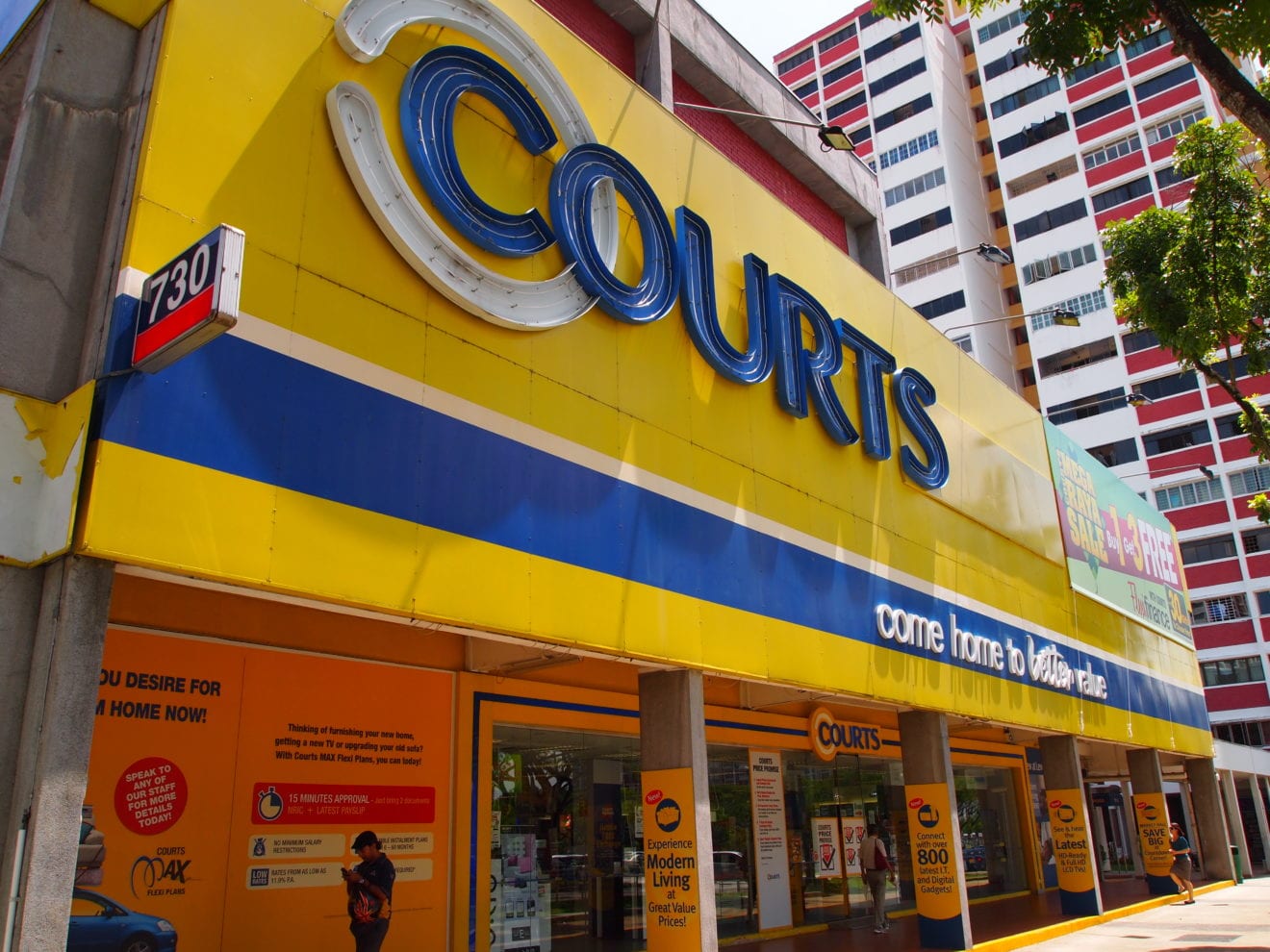
    Singapore-headquartered Courts says it will open a second megastore in Indonesia.

    The new 24,000 sqm store is already under construction on a 2.2 hectare site in Bumi Serpong Damai, southwest of the capital city Jakarta.

    Courts Indonesia CEO Roy Santoso told a media briefing the store will sell at least 12,000 items from 200 local and international brands. All the electronics and home appliances are local products.

    “The store spaces will be grouped into four segments: ‘Play’ for electronics, ‘Live’ for home appliances and accessories, ‘Sleep’ for beds and ‘Relax’ for furniture,” he said.

    Courts Indonesia will open the new store in December. It will be the retailer’s fourth store, little more than a year after it first opened in the market, and the company plans up to 12 by 2019, along with an eCommerce site which should be operational by the end of this year. Its investment in the market to date is now US$8 million.

    “In these kind of economic conditions, we have to have a sustainable development plan. To reach breakeven, we plan to open two to three smaller-sized stores within two years,” Roy said.

    “Our initial plan had been to have one megastore in each western and eastern part of Greater Jakarta. The eastern part is Bekasi and the western part is BSD. We can still have vast area to build a megastore in BSD,” Roy said.

    “Courts also targets various classes of income groups. In our stores we segment our products into good, better and best so that people can choose. And BSD is easily accessible for people with different income who live in Bintaro and Pondok Indah in South Jakarta and Karawaci in Tangerang, other satellite cities with high numbers of population.”

  • Aeon takes more of Japan to Hong Kong

    Aeon takes more of Japan to Hong Kong

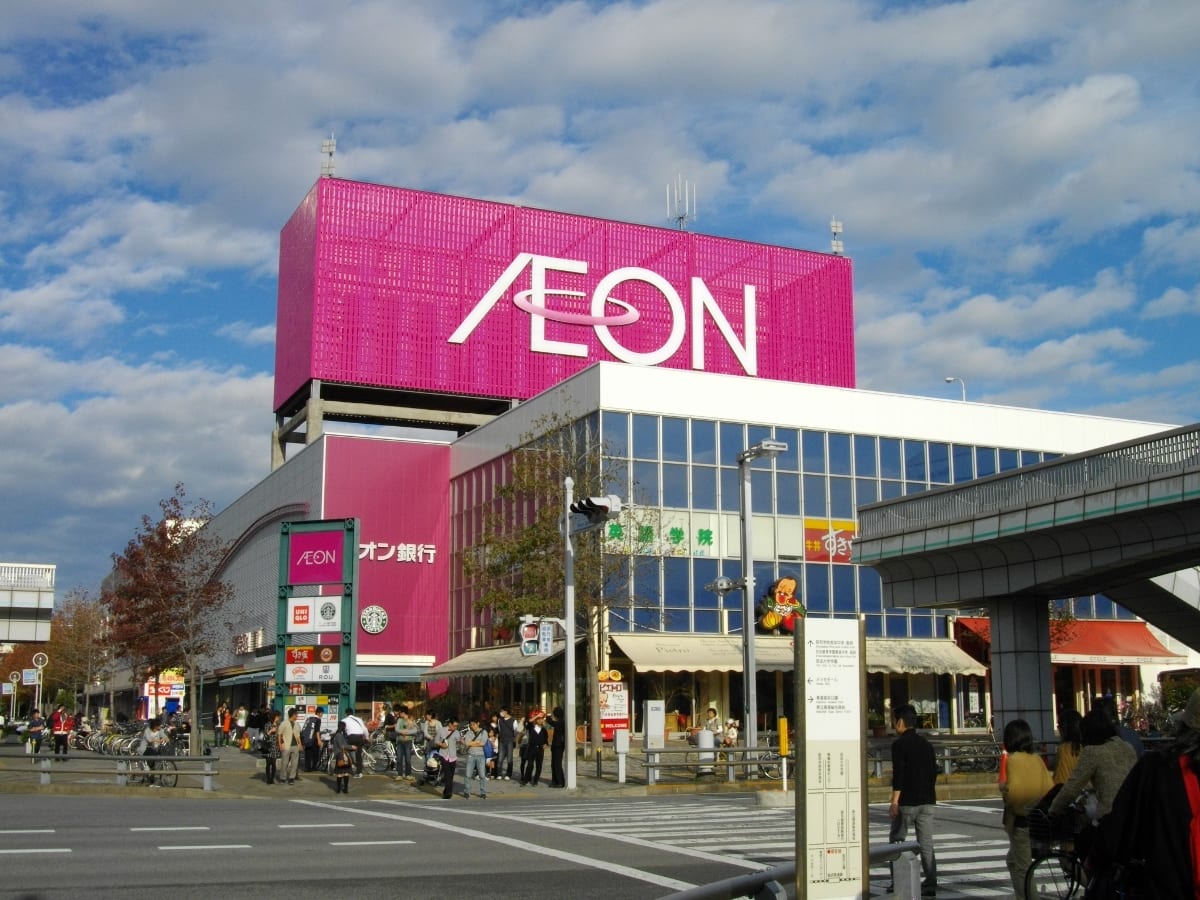
    The newly refurbished Aeon Tsuen Wan store has made the most of its Japanese parent’s design and range influence as it aims to capture more of the suburb’s rising affluence.

    Aeon Stores invested $30 million renovating the store which formally reopened last week.

    MD Christine Chan says the store has adopted more Japanese elements to satisfy the rising demand of local residents in the district.

    “In recent years, the increasing consumption power of residents in Tsuen Wan has raised their demand on the standard of the type and quality of commodities being offered. In order to cater to the taste of consumers in the district, the brand new Aeon Tsuen Wan Store has introduced more Japanese elements as its highlight, while providing a more diverse range of merchandise and dining choices,” she said.

    The new store occupies an area of around 170,000 sqft (1594 sqm) and Aeon says it will provide “more quality commodities and a cozy shopping environment” post renovation.

    It has introduced a number of new elements, including Aeon Body (revealed on Inside Retail Hong Kong on Friday), a beauty and healthcare store, and ROU, a new popular lifestyle variety shop in Japan, both concepts introduced to Hong Kong for the first time.

    The Tsuen Wan Store has also introduced some Japanese fashion brands to satisfy customers’ pursuit of a quality lifestyle. These brands include urban fashion brand Persodea, Japanese countryside style brand Self+Service, Japanese trendy fashion brand Ozoc and the leisure brand for men Caribbean Joe.

    The Aeon Tsuen Wan Store has also expanded its supermarket by adding a cooking demonstration area, the Cooking Station and a fine wine collection zone Liquor Corner, which offers wines selected from around the world.

    Aeon has also revamped the Kids & Babies floor which targets children. New features include product demonstration, toy experience zones and customer service station.

    Situated at the Skyline Plaza, the Tsuen Wan Store enjoys a geographical advantage as it is surrounded by plenty of residential blocks, hotels and commercial buildings in the district, in addition to large residential projects planned for the future.

    “With the renovation, we are confident that the store can capture the immense opportunities lying in the district,” said Chan.

    To coincide with the opening, Aeon launched the Hearty Flower Donation campaign which raised $43,600 for the Green Builder – Environmental Walk 2016 event organised by the Conservancy Association as a joint effort to promote environmental protection and sustainable development.

  • Parkson Retail restructure knocked back

    Parkson Retail restructure knocked back

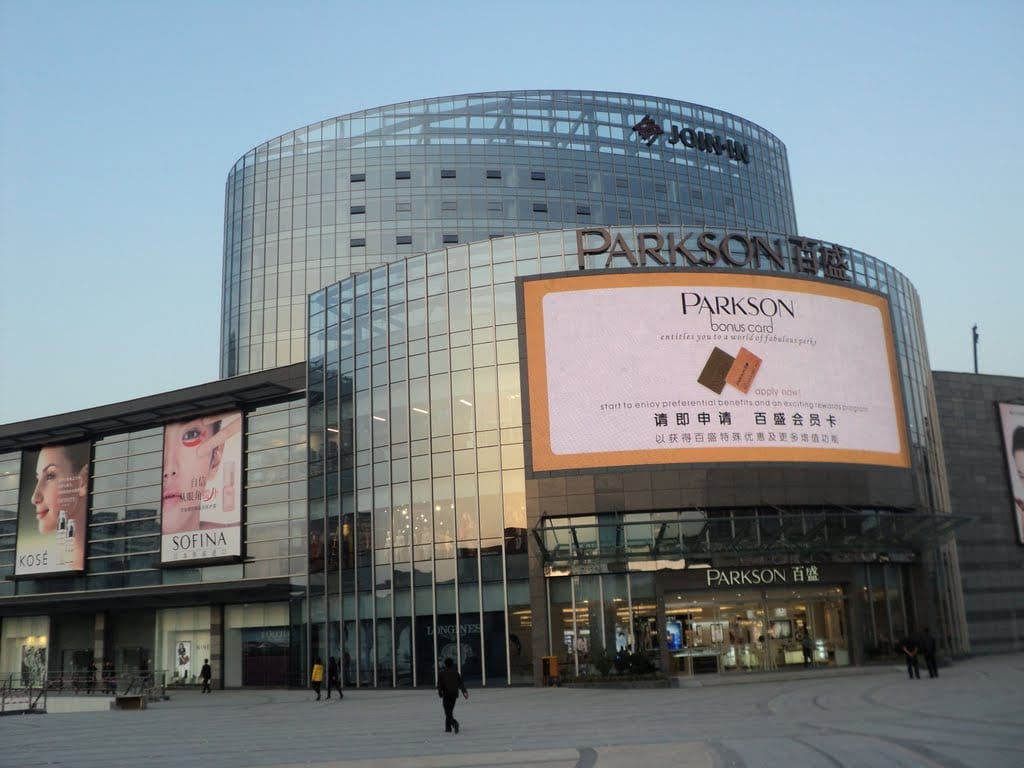
    A plan to simplify the complex ownership structure of Parkson Retail Asia operations has been rejected by independent shareholders.

    The proposal, defeated by a 63.44 per cent vote against at a shareholders meeting on Monday, would have seen the Singapore-listed Parkson Retail Asia parked under Hong Kong listed Parkson Retail Group, which in turn is a subsidiary of Malaysian-listed Parkson Holdings.

    The side effect of the vote is that Malaysian shareholders have missed a proposed cash distribution arising from the internal reorganisation.

    Parkson Retail Asia has 67 stores in Southeast Asia which were to be merged with the Parkson Retail Group network of stores in Greater China.

    Parkson Holdings says the companies will now continue to operate under the status quo.

  • Asian banks failing customers

    Asian banks failing customers

    Affluent Asians expect more from their banks according to new research.

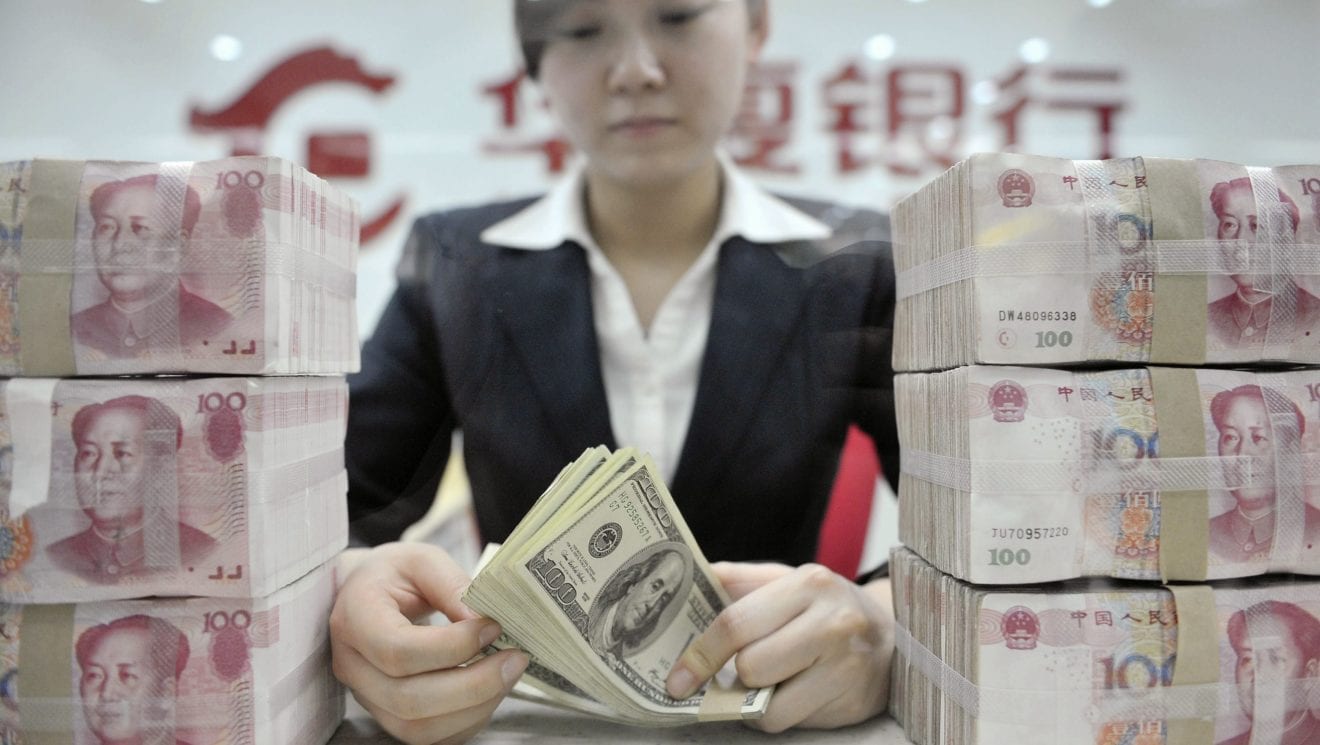
    In an increasingly competitive retail banking market, affluent middle class consumers in Asia expect greater recognition and reward for their loyalty according to a report by the Collinson Group. This expectation is particularly high in China (82 per cent), India (79 per cent) and Singapore (66 per cent) showing Asian banks score poorly.

    “These consumers seek more personalised communications with less than half of consumers in Singapore feeling they receive a high level of personal service and only 35 per cent of consumers feeling that their bank knows and understands them,” said the research house.

    Collinson Group interviewed 4400 affluent middle class consumers (within the top 10-15 per cent income bracket) in Singapore, China, India, Brazil, Italy, the UAE, the UK and the US. It reveals the changing attitudes and expectations of this group towards banks.

    The research shows that while Singaporean consumers are the least satisfied with the service they receive from their banks of all the countries surveyed, they are also the least likely to switch providers, because they feel there is little to differentiate banks. This presents an opportunity for those retail banks which invest in recognising and rewarding customer loyalty.

    Chris Rogers, director of market development with Collinson Group says banks are losing their position as a ‘one-stop shop’ for financial services, with savvy consumers choosing a range of financial service providers.

    “Customers are increasingly looking elsewhere for additional services.”

    Collinson Group research has previously highlighted how today’s affluent consumers place a higher priority on family, altruism and enriching experiences ahead of short-term satisfaction and this is reflected in their expectations of banks. Some 81 per cent of Chinese expect their banks to be ethical.

  • Watch retailer Stelux expects to slip into red

    Watch retailer Stelux expects to slip into red

    Hong Kong-listed watch and eyewear retailer Stelux Holdings International Ltd. said the company is expected to record a net loss for the six months ended September 30 this year, mainly hurt by the increase in borrowing costs of convertible bonds and less gross profit earned in Hong Kong, Macau and Southeast Asia.

    The company is known for its City Chain watch retail operation in both Hong Kong and Macau.
    The anticipated net loss is primarily attributable to a decrease in turnover and gross profit caused by weak retail sentiment, especially in Hong Kong, Macau and Southeast Asia, Stelux explained in its latest filing.

    An exchange loss of about HK$15 million (US$1.94 million) due to depreciation of currencies in Southeast Asia has also contributed to the expected net loss, the company said. ‘Despite the anticipated loss, the group is expected to report a positive operating profit; an improved gearing ratio (with a reduction in bank borrowings of approximately HK$130 million) and stable liquidity in the reporting period,’ Stelux said in the filing.
    Regarding the corresponding period in 2014, Stelux earned a net profit of over HK$105 million.

  • Solomon Lew’s plan to take Hong Kong’s shopping centres with Smiggle

    Solomon Lew’s plan to take Hong Kong’s shopping centres with Smiggle

    Solomon Lew is renowned for driving a hard bargain and that’s exactly what he has been doing in Hong Kong this week.

    Australia’s most strategic billionaire and the man running his fast-growing stationery empire – John Cheston – spent Friday in a van visiting dozens of shopping malls in the former British colony. They will do the same again on Saturday.

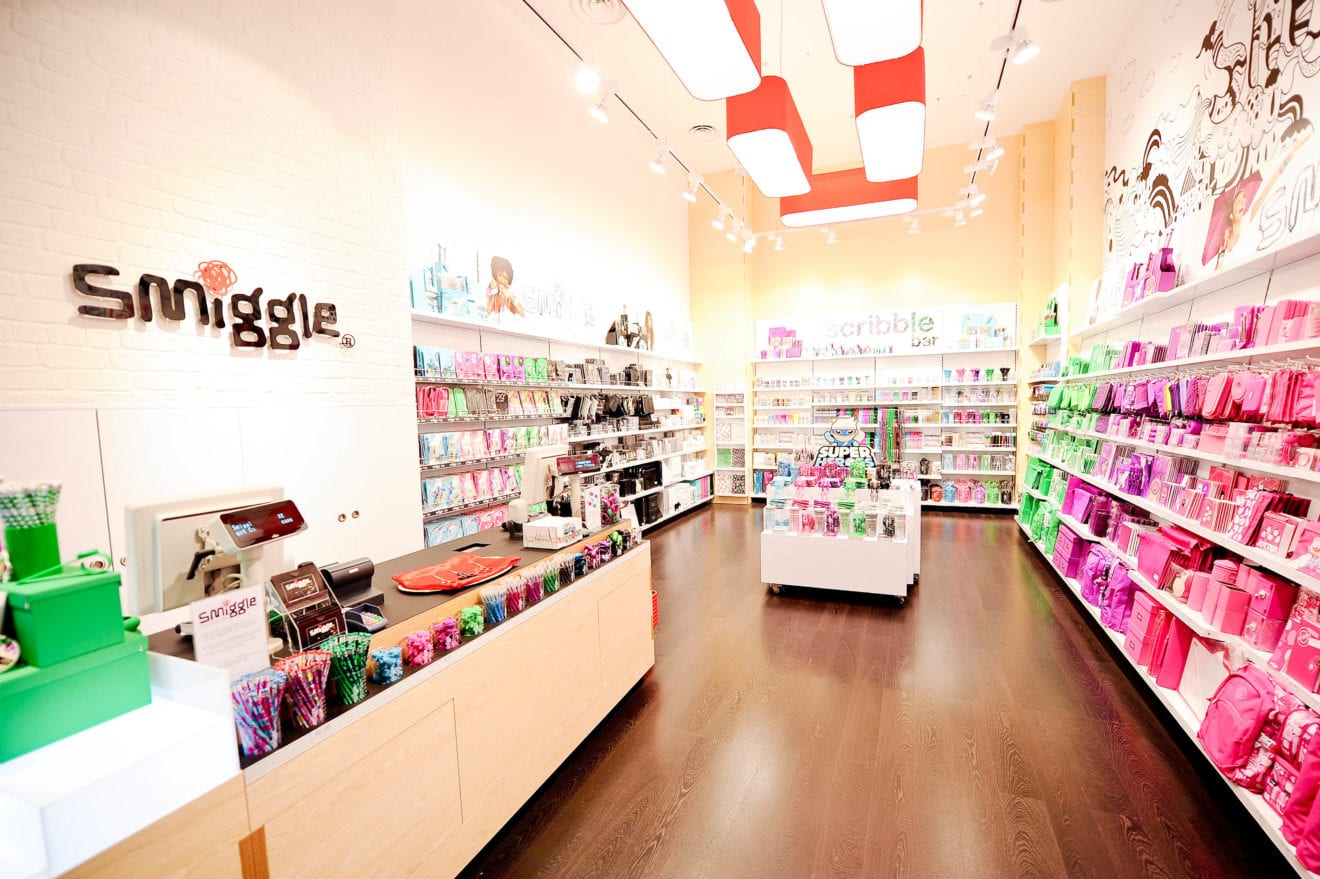
    It is not Hong Kong’s glitzy designer stores that interest Lew. He and Cheston are personally inspecting the sites identified by Premier Investments’ property team as locations for a chain of Smiggle stores due to open in the territory early next year.

    “We walk every centre. We walk every store. We are there in the morning, in the afternoon, in the evening and we go back in the evening. We want to see different times of the day. We go early in the morning and then it revs up. The kids finish school and then … bingo!” Lew says in an interview with AFR Weekend.

    “This is a business that caters to six to 14 years of age, 75 per cent female. You are getting a new crop growing every year. As they fall out at the older end, the younger ones are coming in. When you see them walking in and they bring their piggy bank and turn it upside down and say what can I get for this, it’s just amazing. ”

    We are sitting in Lew’s hotel room in the Mandarin Oriental Hotel overlooking Hong Kong’s busy harbour. It is a sight Lew is familiar with.

    He has been travelling to Hong Kong since the 1960s, up to 11 times a year. But instead of importing goods made in China to Australia, he now plans to sell stationery to the Chinese – and a lot of it.

    After a reconnaissance trip to Hong Kong in June, Lew and his team are getting serious this week. Premier chief Mark McInnes is joining them in the van before flying to Kuala Lumpur on Saturday for the next leg of the tour.

    Smiggle, the stationery chain which has become the fastest-growing business in Lew’s Premier Investments apparel empire, is planning to open 50 stores in Hong Kong and Malaysia over the next five years. It is the next phase in his plans to take the brand global after breaking into the United Kingdom, where 200 stores are planned.

    Lew wants Cheston to do most of the talking. He is the Asia expert after all after running Marks & Spencer’s Hong Kong operations and listed Singapore retailer Robinson & Co before moving to Australia to run Smiggle.

    The perfect market

    Cheston says densely-populated Hong Kong is perfect for Smiggle, which is making millions selling brightly-coloured lunch boxes, backpacks, water bottles, and pencil cases to six to 14-year olds in Australia, New Zealand and Singapore.

    “There is a predominance of shopping centres here and that is our fertile ground, limited competition. From what we do there is not a lot of competition. We have well established contacts through Sol,” he says.

    “In Hong Kong if you are hot they want you and if you are cold they don’t. We are in demand from the landlords over here. We need to leverage that business with the agents who represent us and get good locations and get good deals. The biggest challenge is getting the space and the rents,” Cheston says.

    That is something Lew has plenty of experience at. Rather than being deterred by China’s slowing economy, which is hitting high-end luxury retail sales in places like Hong Kong, Lew says it is an opportunity to negotiate better deals from landlords. He also sees it as a gateway to China, a country he has had plenty of experience with over the decades building his apparel empire, because 41 million mainland tourists visit Hong Kong each year.

    The plan now is to take Smiggle global. Cheston says he has had inquiries from literally every country on the planet to franchise the brand but, for now, Premier plans to keep the stores wholly-owned. Lew says it’s better than the McDonald’s model.

    “The international business in a very short period of time will be much larger than the Australian business and there are not too many Australian retailers who have been successful offshore,” Lew says.

    “This is going to be world-class operation and there is no reason it shouldn’t work in any country in the world where there is moderate income.”

    Lew’s focus on overseas expansion stands in stark contrast to some of the other big names in Australian retail.

    Myer, for example, is embarking on a $600 million revival plan under new chief executive Richard Umbers. The company has been described as a possible takeover target for Premier Investments, but Lew would not comment on the seemingly perennial speculation about such a tilt.

    Nor would he comment on the progress of David Jones. Last year, Lew grabbed a windfall of about $400 million when South African retailer Woolworths Holdings bought David Jones and Country Road; Lew had stakes in both. David Jones looked to be riding high until recent weeks when chief executive Ian Nairn stepped down suddenly.

    Singapore experience being applied

    Cheston says the success of Smiggle’s Orchid Road operations in Singapore are now being used as leverage to negotiate good deals with landlords in Hong Kong because it drives traffic to shopping malls.

    Like the UK operations, he expects Hong Kong to be profitable in the first year.  The plan is to open 50 stores across Hong Kong and Malaysia which will make $55 million in revenue. In Hong Kong, Lew would like to firm up 10 stores initially but says he will probably start with five or six.

    Australia has almost peaked with around 10 additional stores on top of the existing 124 planned. The Hong Kong target is around 25 to 35 stores and 20 in Malaysia, mainly in Kuala Lumpur.

    As well as lower taxes, Cheston says Asia is attractive for the “kidult” market, where older people who live in small apartments with their families like to adorn their office workstations with stationery.

    Premier Investments posted record full-year results last month and is expected to hit sales of more than $1 billion this year. Double-digit growth at Smiggle and its designer pyjama business, Peter Alexander, are outstripping the company’s core apparel brands such as Just Jeans and Dotti.

  • A Singapore Post drone delivers a test package

    A Singapore Post drone delivers a test package

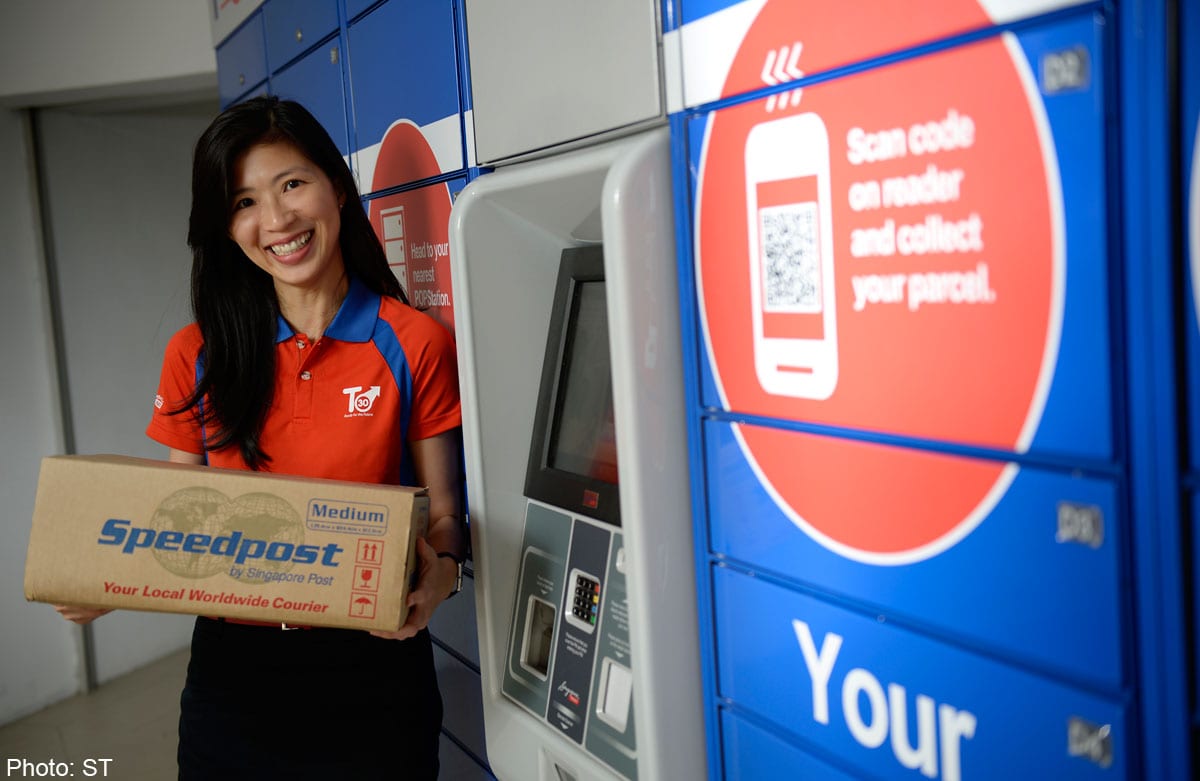
    Singapore Post Ltd. is testing package delivery by drone, echoing attempts by Amazon.com Inc. to extend the commercial capabilities of unmanned aerial vehicles.

    The company known as SingPost said a drone it developed with the Infocomm Development Authority of Singapore carried a packet containing a letter and T-shirt on a five-minute, two-kilometer (1.2 miles) flight. This marks the first time any postal service has successfully used a drone for “point-to-point recipient-authenticated mail delivery,” it said in a statement Thursday.

    SingPost is looking to such unmanned aircraft as online transactions increase in the Asia-Pacific region and as Singapore plans to develop itself into a so-called Smart Nation through technology usage. There is “immense potential” in drone technology for last-mile mail and e-commerce delivery, Bernard Leong, SingPost’s head of digital services, said in the statement.

    E-commerce companies such as Amazon, No. 1 in the Internet Retailer 2015 Top 500 Guide, have been pressing for permission to deliver packages by drone in the U.S., but have run up against proposed regulations that would require operators to remain within sight of their vehicles at all times. In April, Amazon received a waiver from the Federal Aviation Administration allowing it to run tests in the U.S.

    Singapore passed a law regulating the use of drones earlier this year. The drone used by SingPost is equipped with safety features, and is complemented by a prototype application with security and verification features to make sure the mail reaches its intended recipient, according to the release.

  • Changi announces new T3 luxury retail tender

    Changi announces new T3 luxury retail tender

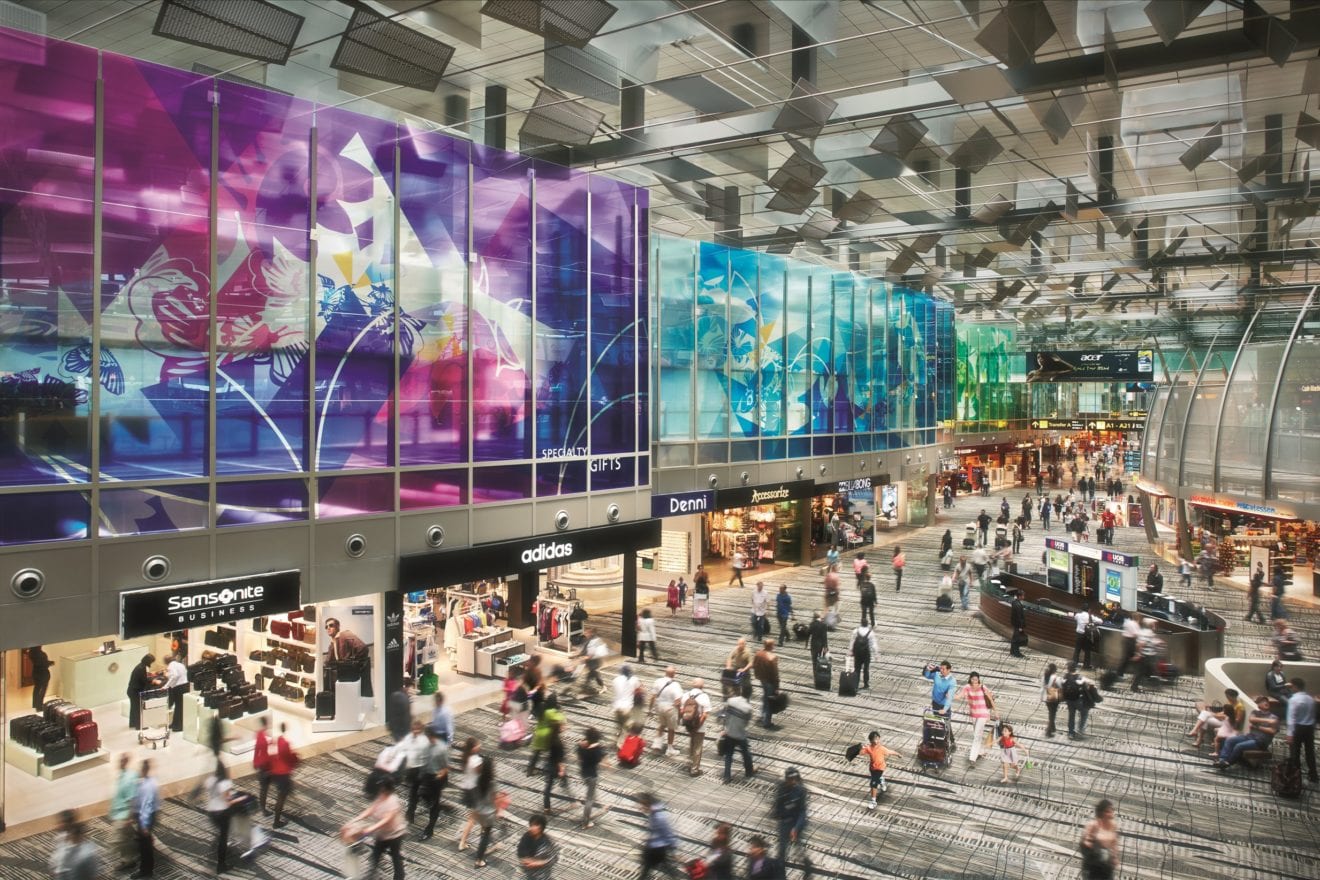
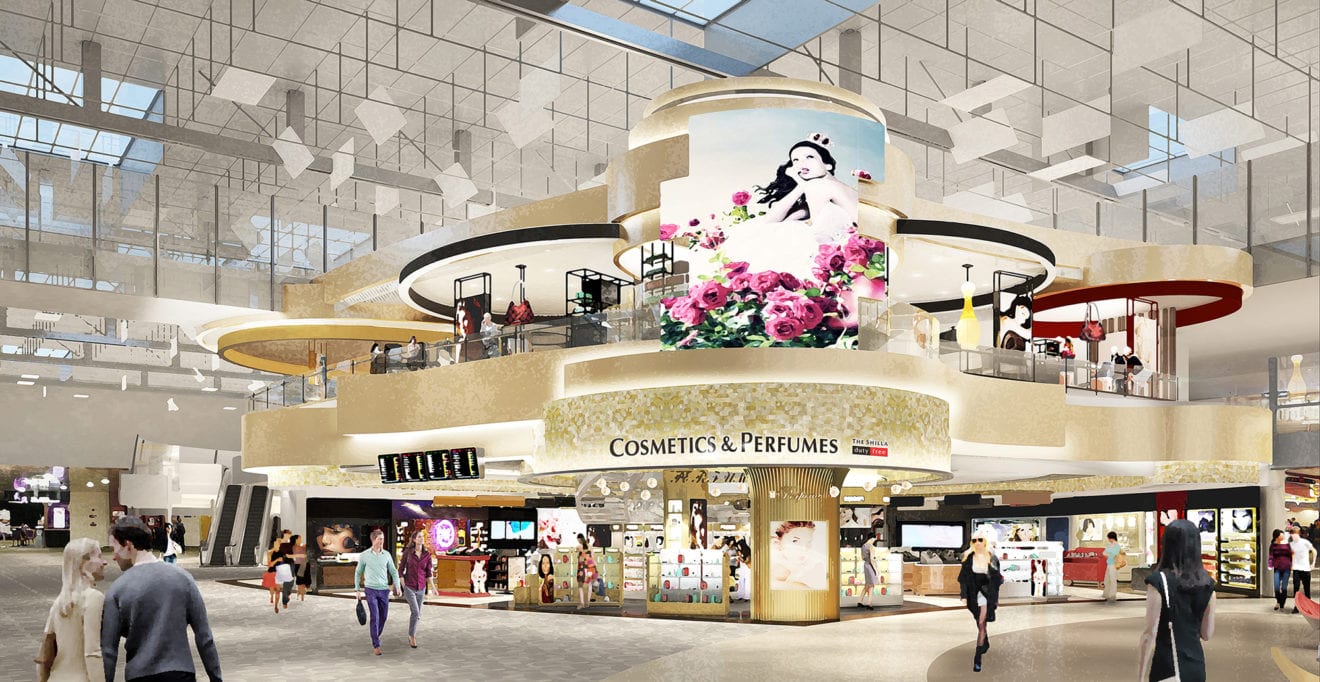
    Changi Airport Group (CAG) is inviting companies to participate in a luxury retail tender in four locations within the departure/transit lounge South of Terminal 3.

    “We are looking for unique and exciting luxury brands and concepts that are currently not represented at Terminal 3 of Singapore Changi Airport and will inject buzz to and differentiate the retail offerings at Singapore Changi Airport,” says the airport group.

    All product categories, apart from liquor & tobacco and perfumes & cosmetics are being considered.

    Concession A will be 112sq m in size; Concession B, 103sq , Concession C 86sq m and finally Concession D covers 100sq m.

    Concession A, B and C will carry contract terms of 3 years each from 1 July 2016 to 30 June 2019. Concession D’s term will also be for three years, but will being on 9 January 2017 or when the incumbent retailer hands over operations to the new retailer moving in.

    There is no option to renew any of the contract terms. The tender opened yesterday and closes on 29 October at 4pm.

  • Playboy drops full monty for bigger piece of China

    Playboy drops full monty for bigger piece of China

    Playboy will no longer publish images of fully nude women in its magazine from next spring. You can blame China for that.

    The porn pioneer, which gave generations of pubescent boys around the globe their first glimpse of breasts, earns a surprisingly rock solid 40 percent of its revenues in China.

    Not from its magazine, which is banned in the country, but from the happy returns on licensed merchandise.

    From Heilongjiang to Guangdong, Tibet to Shandong, it’s not uncommon to see men and women wearing t-shirts or carrying handbags donning the ubiquitous bunny logo—a rabbit head wearing a tuxedo bow tie.

    Or upon closer inspection at high-end department stores, dress shirts and suits, women’s apparel, bags and shoes, belts and wallets, and luggage, not to mention bath products and fragrances, liquor and jewelry and a lot of other things Playboy has slapped a logo on.

    “China is one of our most important markets,” Playboy CEO Scott Flanders said in a statement earlier this year. “To achieve this leadership position without ever having a media entity in China is a testament to the tremendous power of our brand.”

    And that brand translates into hard cash.

    Last year, roughly one-third of Playboy’s US$1.5 billion global retail sales came from China, said CNN. Over the past decade, the company has made US$5 billion in retail sales in the country.

    “In China and other Asian markets, Playboy has positioned itself as a lifestyle brand for sophisticated, suave, fashion-conscious consumers by working with strong licensees in premium mass-market apparel, sportswear, eyewear, et cetera,” said Torsten Stocker, greater China retail partner at AT Kearney, in an interview with the Financial Times.

    In recent years, Playboy has partnered with top tier retailers and brands in Asia, such as Lane Crawford (Hong Kong, Beijing and Shanghai), Isetan (Tokyo) and Marc Jacobs (global).

    In May, Playboy announced plans to build flagship stores in major Chinese cities, and expand its retail presence from 3,000 to 3,500 outlets, in partnership with Handong United, a recently formed group.

    While Playboy will continue to feature loads of perfectly airbrushed models in various stages of undress, explicit nudity in the magazine risks complaints from shoppers and tarnishing a brand built over the company’s 20-year history in China.

    Is distributing pictures of naked women really a business liability?

    “You could argue that nudity is a distraction for us and actually shrinks our audience rather than expand it,” Playboy’s Flanders argued last year.

    Besides, despite China’s anti-porn measures, Chinese consumers—and pervs everywhere—can get as much smut as they want on the internet.

    “You’re now one click away from every sex act imaginable for free. And so it’s just passé at this juncture,” said Flanders.

    Playboy will also continue its tradition of investigative journalism, in-depth interviews and fiction, notes the New York Times, a move that will be appreciated by those who buy the magazine “for the articles”.

    The company cleaned up its website last year (stopped showing pictures of naked women) and saw traffic quadruple and the median age of its readers move from 47 years of age to 30, “an attractive demographic for advertisers,” the Washington Post quoted a statement from Playboy as saying.

    Playboy is a household name in China, with 97 percent brand awareness among Chinese consumers, according to research firm Penn Schoen Berland.

    “As one of the most famous and treasured brands in China, Playboy is considered the ‘must-have’ fashion choice by men and women across the Mainland,” said Xiaojian Hong of Handong United.

    Through licensing agreements, Playboy-branded consumer products are now in 180 countries.
  • Ricoh India opens first flagship

    Ricoh India opens first flagship

    Printing and document solutions specialist Ricoh India has opened its first Indian flagship store at Lucknow.

    The Japanese brand says the new retail facility is an effort to “strengthen consumer experience and engagement”.

    Ricoh Brand Stores are conceptualised as “the ultimate retailing experience that synchronises with innovation, quality and excellence”.

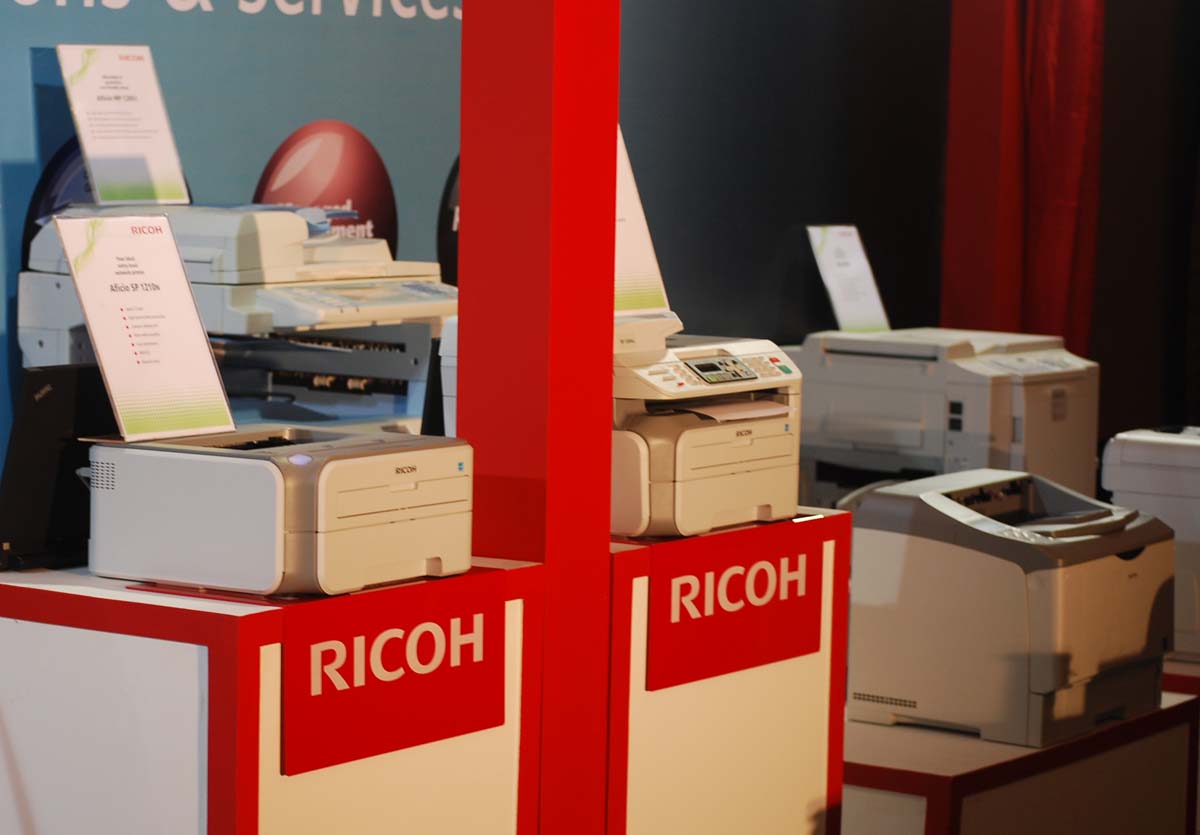
    The company says the flagship will give the company, better insight into customer needs and help it to come up with customised products and solutions. The Lucknow Store will display the copiers, projectors, cameras, binoculars, and visual communication products, laser printers as well as toner and genuine refills.

    At the Ricoh India store, customers can experience the recently launched, Ricoh Theta m15, a spherical camera that captures the space around you with just one touch. The camera range also includes the Pentax K-500, an entry-level DSLR, all weather and all-purpose underwater camera WG4 among many other products.

    Ricoh India says it has ventured into this brand store to have greater visibility and offer customers an easy access to products and technologies.

    “Through its retail stores, Ricoh wants to enhance customer experience of the technology products and also to cater to the B2C Segment. The brand shop will complement the Ricoh eStore, so that the consumers can make the most of the Ricoh one-stop printing and imaging solutions.

    Manoj Kumar, CEO and MD of Ricoh India said more brand stores are planned for key markets along with a strategy to expand its channel partner base.

    “We are also working with various large format retail stores to expand our presence across the country. Our expansion strategy has fetched us tremendous growth and added to company’s bottom line.”

    The brand’s turnover has doubled in the first quarter of this year compared to the same period last year.

  • Priority Pass members now have access across Asia To 850 airport lounges

    Priority Pass members now have access across Asia To 850 airport lounges

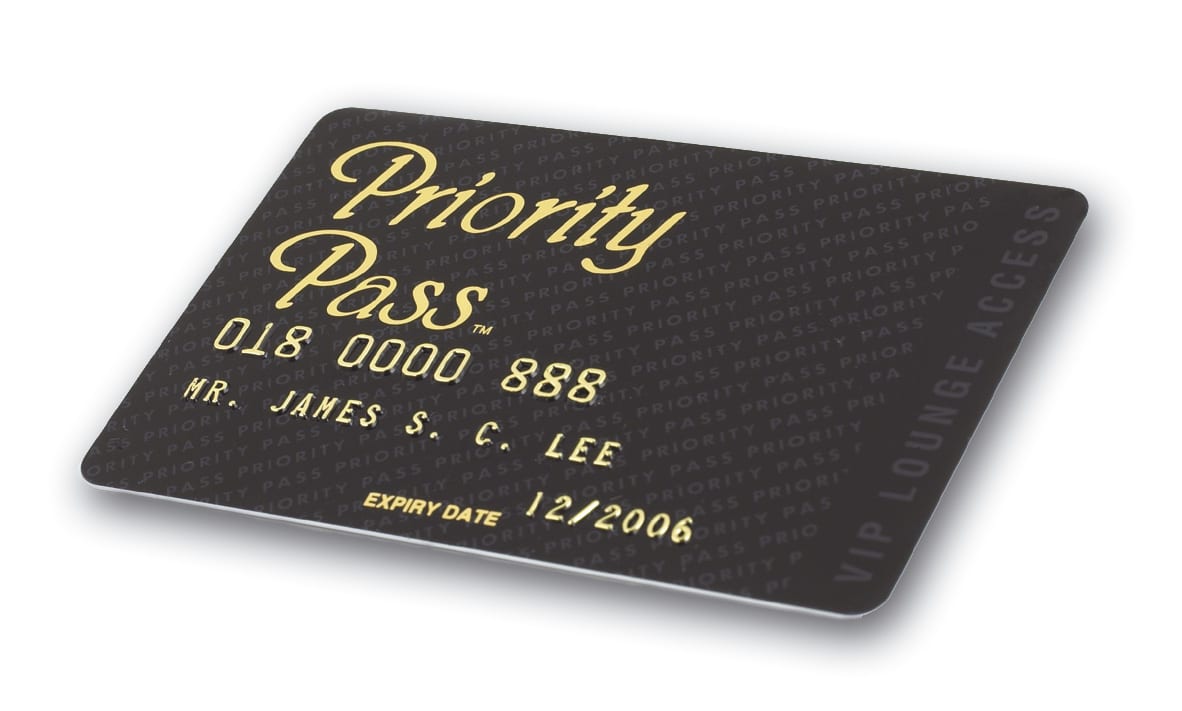
    Priority Pass, the world’s largest independent airport lounge access program, today announces that over 850 premium airport lounges are now available to cater for the rapidly expanding Asian travel market.  Priority Pass is also announcing a brand refresh and a range of new services, which reflect the changing needs and expectations of the region’s travelers. This includes a responsive website prioritypass.com, innovative smartphone apps, new Digital Membership Cards, Member Offers and a contemporary brand identity for the original and world’s largest, independent airport lounge access program.

    Part of Collinson Group, Priority Pass access is offered as a valuable benefit in many companies’ reward programs, including banks, credit card providers, telecoms operators and consumer brands.  The digital membership and access services, new marketing resources and new member offers will enable clients to tailor the rewards they offer end customers.

    Priority Pass ran a series of focus groups with Asian travelers and analysed data on member visits to develop these new services. The Asian affluent middle class is set to rise from 1.8 billion in 2009 to 4.9 billion in 2030 and Priority Pass research has revealed that Chinese and Singaporean consumers within the top 10-15% of income are some of the most frequent travelers globally, taking an average of over nine business and leisure flights a year compared to a global average of seven.

    These discerning travelers look to enhance their experience, with nearly a quarter (23%) of Chinese and Singaporean consumers viewing airport lounge access as essential.  This group also value services such as fast track security, travel concierge and airport taxi and limo services.  Reflecting this demand, Priority Pass has expanded its airport lounge access to over 850 premium venues in more than 120 cities around the globe, including 55 new lounges in Asia since the start of 2015 as well as in key international hub airports such as the recently launched ‘Aspire, the Lounge and Spa at LHR T5’ at London Heathrow Terminal 5.

    The expectations of frequent Asian travelers are changing.Rather than spending money on flying first class, they choose to enhance their trips with experience-based benefits, such as access to spas, top restaurants and cultural events.  To support this trend, Priority Pass is introducing new Member Offers to help Priority Pass Members make the most of their time when they reach their destination, including discounted golf packages, car rental and airport transfers.

    The research also reveals a group of Affluent Middle Class ‘Technophiles’ in Asia who spend over 20 hours a week of their leisure time on the Internet and are avid users of apps, social media, online shopping and streaming digital content. The new Priority Pass Digital Membership Card, the responsive website and refreshed smartphone apps resonate well with the Affluent Middle Class in Asia who use an average of 16 different apps and expect information to be immediately available and digital.

    Ian Lee, Business Director, Asia Pacific, Priority Pass says, “We were the first company to offer a premium global lounge access program and these new enhancements ensure that we retain the largest choice of quality airport lounges in more locations and continue to offer the best possible customer experience. These new services mark a refresh of our 23 year old brand and our new digital services provide greater convenience for Asian travelers, while giving our Clients more flexibility in the way they provide Priority Pass to their consumers. The addition of new Member Offers, ensures travelers can tailor their experience and realise the value of Priority Pass membership beyond the lounge.”

  • Hong Kong retail sales reflect tourism downturn

    Hong Kong retail sales reflect tourism downturn

    The devil is in the detail in the August Hong Kong retail sales data.

    Census and Statistics Department (C&SD) figures show a 5.4 per cent drop year on year in the total value of retail sales in August, provisionally estimated at $37.9 billion.

    After netting out the effect of price changes over the same period, the volume of total retail sales in August 2015 decreased by 0.2 per cent.

    The root cause of Hong Kong retail industry’s challenge is very clear from the breakdown of the data by category. It’s the reduced volume of inbound tourists from the mainland – and their reduced spending. And, to a degree, a shift in the timing of the Mid-Autumn festival, although early indications from retailers say this year’s trade is one of the worst on record.

    A government spokesman observed the fall “was in part due to the slowdown in inbound tourism, while the stock market gyrations of late might also have dented consumer sentiment”.

    Here’s where the detail comes in:

    • Sales of Chinese drugs and herbs fell 17.4 per cent.
    • Apparel fell 13.5 per cent.
    • Jewellery, watches and clocks and valuable gifts by 8.8 per cent.
    • Department store sales by 8.6 per cent.

    These are all categories which in the past were supported heavily by inbound tourists. Those tourists – lured by the prospect of their cash stretching further, are now heading to Japan, South Korea (now the Mers crisis is over) and Europe. Especially those who can afford the higher air fares to such destinations.

    In other categories, medicines and cosmetics fell 5.1 per cent, food, alcoholic drinks and tobacco by 10.2 per cent, books, newspapers, stationery and gifts by 4.4 per cent; footwear and accessories by 4.4 per cent; furniture and fixtures by 5.9 per cent and optical shops by 8.1 per cent.

    The only bright spots for the month were “miscellaneous consumer durable goods” up 50.2 per cent (it’s a small category) and photographic equipment up 3.9 per cent. Supermarket sales rose a meagre 0.4 per cent.

    Seasonally adjusted, the value of total retail sales decreased by 0.2 per cent in the three months to August compared with the preceding three months, while the volume of total retail sales remained virtually unchanged.

    The government spokesman concluded: “The near-term outlook for retail sales is still subject to uncertainties, depending on the performance of inbound tourism and on whether there would be further negative impact from the recent heightened stock market volatility.”

  • Matahari speeds up G7 rollout

    Matahari speeds up G7 rollout

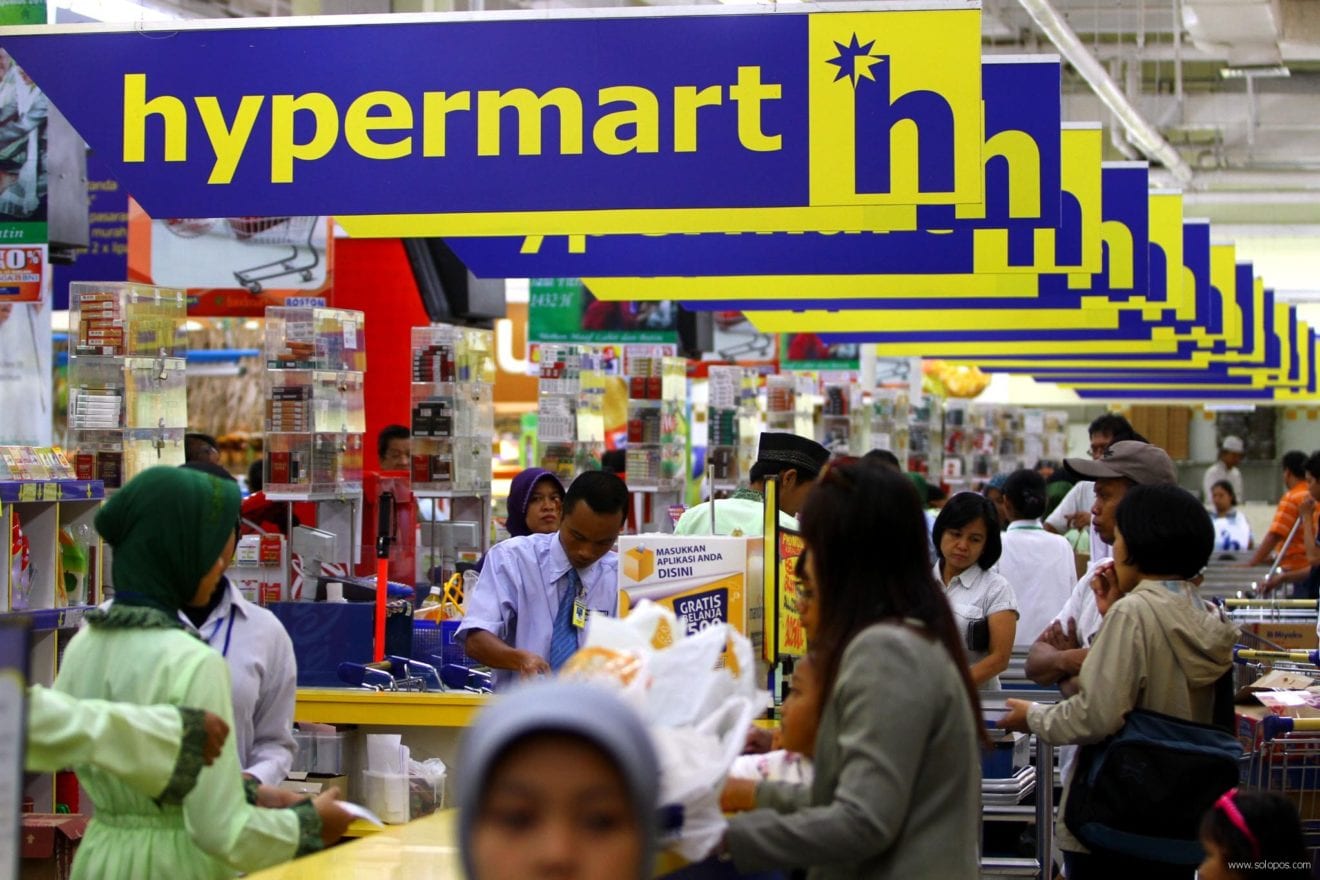
    PT Matahari Putra Prima has relaunched its Hypermart G7 concept at Metro Indah Mall Bandung in West Java.

    Another Hypermart store within the same province reopened on September 26, at Depok Town Square as the multi-format Indonesian retailer speeds up its hypermarket modernisation program.

    The Hypermart G7 generation features a new type of gondola shelving with wider hallways to provide better navigation for customers, as well as a larger fresh foods area. Fashion and Beauty centres were upgraded and expanded and there is more emphasis on bakery, ready to eat meals, fresh food, bulk food and home & living.

    Director of public relations and communications, Danny Kojongian. said the openings not only represent stronger Hypermart’s presence within the regions, but also Matahari’s commitment to delivering its outstanding G7 Hypermarts to Indonesian consumers despite the current challenging macro-economic condition.

    “We are proud and honoured with our participation to strengthen the nation’s economy through Hypermart expansion, reinventing Foodmart supermarkets and starting to cater to the B2B segment throughout the regions,” he said.

    “MPPA is poised further to become the No. 1 Multi-Format FMCG Modern Retailer in Indonesia.

    Hypermart MIM Bandung is the seventh outlet to be renovated to the new G7 format. Two new ones have also been opened.

  • Golden Week loses its glitter in Hong Kong

    Golden Week loses its glitter in Hong Kong

    It was a lukewarm Golden Week for the Hong Kong Special Administrative Region as the number of visitors to the city remained stagnant at levels seen during the same period a year earlier.

    Confounding the SAR’s woes were reports from several leading retailers about sluggish sales.

    The Hong Kong SAR Immigration Department said on Wednesday that during the first six days of the National Day holiday starting Oct 1, the city received more than 1 million visitors from the mainland, or 3.26 percent more than last year.

    The holiday, also known as the Golden Week, is one of the longest nationwide holidays and an important peak season for Hong Kong’s tourism industry.

    Six days into the Golden Week, Hong Kong recorded 2.45 million visitors arriving in the city, 5.82 percent less than the same period in 2014. The busiest day was Oct 2, when 443,640 visitors passed border check points. Among them, 202,703, or 45.69 percent, came from the mainland.

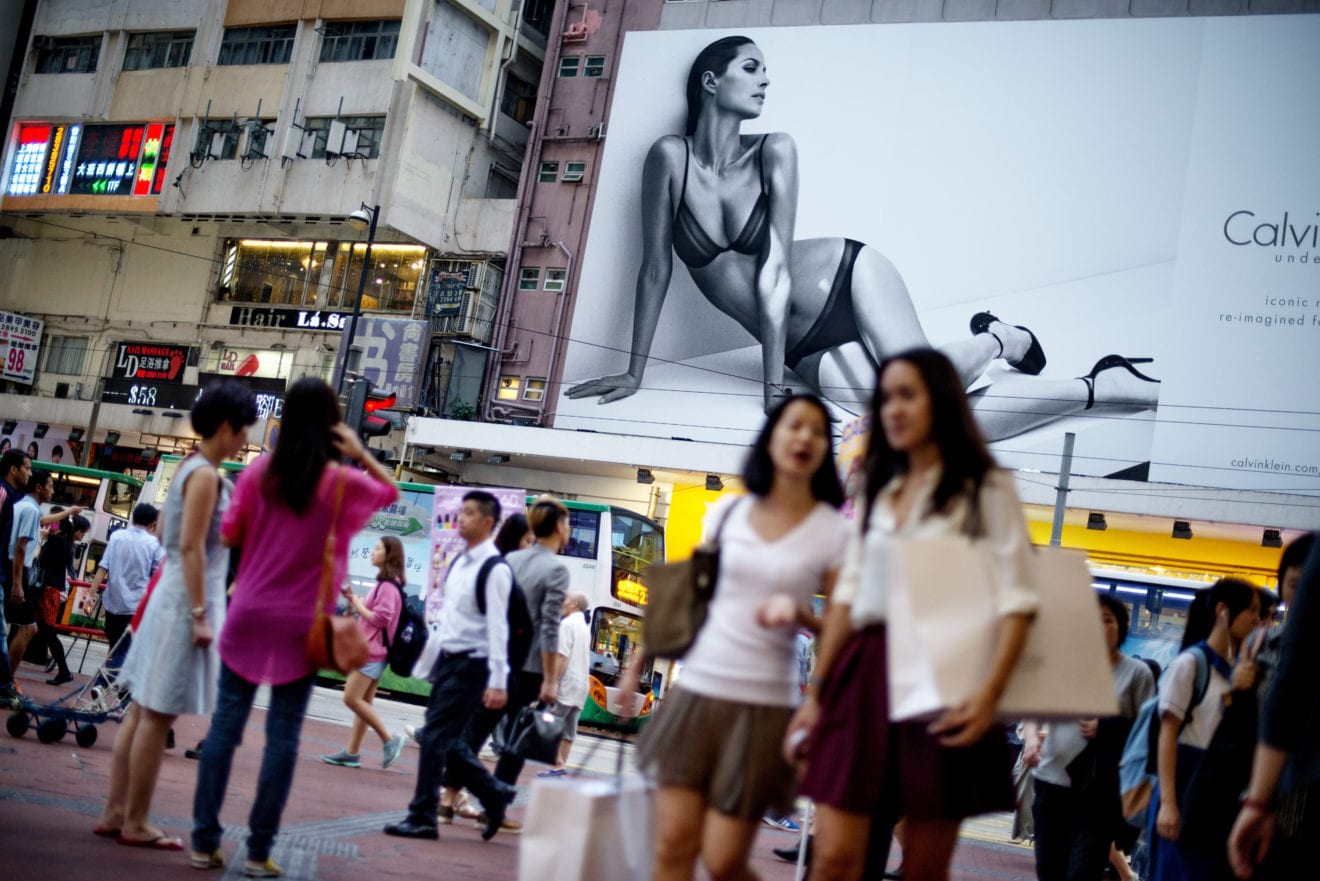
    Yet on the street level, this Golden Week was less glaring than the previous ones. Few mainland shoppers were seen queuing up outside the luxury stores along Canton Road in Tsim Tsa Tsui, one of the city’s prime shopping hot spots.

    “This year Hong Kong received a lot of transit passengers and many other visitors are single-day returns. That is why this Golden Week appears to be quieter,” Joseph Tung Yao-chung, executive director at the Travel Industry Council of Hong Kong, told China Daily.

    According to Tung, the fact that many destinations in the region relaxed visa application thresholds to mainland tourists has changed the game. “It’s now much easier to visit countries such as Japan, South Korea and even the United States. Competition is fierce for Hong Kong,” he said.

    However, Macao, the peer city of Hong Kong, recorded 799,717 mainland tourists from Oct 1 to 6, 6.3 percent more compared with 2014. Total visitors arriving at Macao also increased 1.8 percent year-on-year to 938,197 during the same period.

    Gregory So Kam-leung, secretary for commerce and economic development of Hong Kong, said on Tuesday that the city needs to develop more attractions to stay competitive. He added bad weather also has affected the holiday atmosphere.

    Tung said protests against mainland tourists earlier this year did not drive visitors away, as such activities involved “only very few people” and “Hong Kong in general welcomes tourists”.

    He said that with discounts offered, hotels in the SAR still managed to fill 80 to 90 percent of their rooms. “The key is to do more promotions and attract more overnight visitors. We have confidence in local catering and shopping offers. Hong Kong is still one of the top choices for mainland tourists.”

    Other sectors are not so optimistic. Ahead of the weeklong holiday, the Hong Kong Retail Management Association forecasted “a single-digit to a low double-digit drop in sales value” for most of the member companies during the Golden Week compared with the same period last year.

  • Asia Pacific Travel Retail Association launches member survey

    Asia Pacific Travel Retail Association launches member survey

    The Asia Pacific Travel Retail Association (APTRA) has launched a survey among its members to ascertain priorities for the 2016/2017 APTRA research programme.

    According to APTRA, it is a fundamental mission to further the knowledge of members through studies conducted in partnership with accredited research agencies into past performance of the duty-free and travel-retail industry in the Asia/Pacific and current trends in consumer behaviour to facilitate future development.

    APTRA president Jaya Singh commented: “The business environment of today and indeed the future, is getting increasingly sophisticated and demanding. We live in dynamic times and the greater the level of insights we can achieve through our research platform the greater the relevance that all our stakeholders and members can deliver.”

    Recent reports have covered a range of topics including Chinese, Indian and Korean consumer behaviour, Cambodian travelling consumer trends, impact of security regulations and product category reports into fashion and accessories, confectionery, gifting and eyewear. Although the full research reports are available exclusively to APTRA members through www.aptra.asia, key findings are shared with members and other interested parties at APTRA Insights Seminars staged around the Asia/Pacific.

    In September, a total of over 250 participants attended the latest APTRA Insights Seminars which took place in Hong Kong, New Delhi and Seoul.

    Topics included key results of the APTRA m1nd-set study into Chinese, Korean and Indian travellers, analysis of e-commerce behaviour from KPMG, Chinese social-media landscape and potential of WeChat marketing from China International Duty Free and potential of technology to reach travellers on the move from geo-location marketing company NEAR.

    Singh added: “Through its research programme, APTRA provides actionable insights which enable members to understand their customers better and identify future opportunities. We want to target our research where it is most needed so we have asked members to nominate future subjects for research.”

    Commenting on the seminars, he said the “the response from delegates to the recent APTRA Insights Seminars was extremely favourable and we intend to schedule similar seminars into the programme next year.