Category: Living

Retail News Asia is committed to providing both local and global retailers with the latest Living news throughout the Asian market. This on a daily base.

  • Jalux opens duty-free outlets in Hanoi

    Jalux opens duty-free outlets in Hanoi

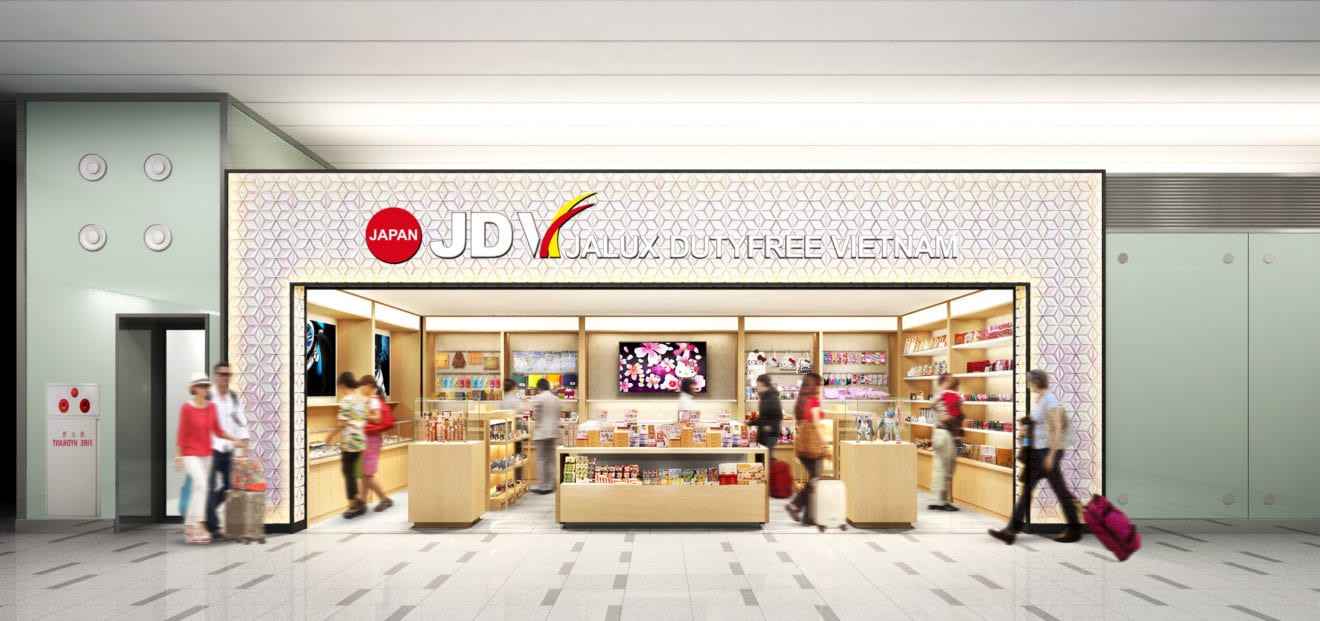
    Japanese travel retailer Jalux has launched its first airport outlets outside Japan, with three stores at Hanoi Noi Bai International Airport in Vietnam.

    Located in Terminal 2, the stores are trading as Jalux Duty Free Vietnam, with two in the Departures area and one in Arrivals. The stores focus on introducing Japanese brands to travellers, picking up on growing demand across Asia for genuine Japanese goods.

    Jalux Duty Free is a joint venture between Jalux (51 per cent) and Vietnamese company Thang Long Air Services (Taseco).

    Jalux has airport stores across Japan, including JAL Duty Free and Blue Sky stores.

    Taseco is engaged in retailing both on and off airport, as well as having interests in wholesale, beverages, hotels and restaurants.

  • Netflix on brink of being global TV powerhouse

    Netflix on brink of being global TV powerhouse

    Netflix has added a record 5.59 million subscribers across the fourth and final quarter of its fiscal year, putting it within touching distance of 75 million subscribers.

    Such impressive growth is, primarily, the result of a global rollout that has seen international subscriptions almost double over the past two years.

    That global drive has, however, taken its toll on the company’s bottom line. Associated development, marketing and expansion costs have taken a chunk out of profits, pushing the international segment to a $333 million loss for the full fiscal year –  one of the worst ever performances. This, in turn, deflated final year net income by 54 per cent over the prior year.

    Despite the lower profit outcome, we concur with Netflix’s view that such a deterioration should be seen as an investment that will, over the longer term, pay dividends. The fact that the company now has a global footprint in all countries bar China is a significant achievement, and one that provides it with enormous potential for growth.

    Such a global focus is especially necessary given the slowdown in Netflix’s home market, where subscription growth in the fourth quarter was at its lowest for several years. This is hardly surprising given the company’s past success and its relative maturity, but it does underline the necessity to look firmly beyond the shores of the US for future growth.

    Despite the slowdown, the US operation remains the prime driver of profit and for the first time ever made a contribution of over a billion for the full fiscal year. While it is unlikely that this profit will be diluted in the near term, increased competition in the market does mean Netflix will have to fight increasingly hard to maintain its share.

    On this front there are three reasons to be optimistic. The first is the growing trend among consumers to ‘cut the cable’ and stop subscribing to cable TV packages; this represents a significant saving that can more than cover the costs of Netflix and other streaming services.

    The second is that the threat from Amazon is, in our view, overplayed. Many consumers will happily subscribe to both Amazon and Netflix because the former is seen as a more rounded service with a range of benefits, rather than as just another streaming service.

    The third factor is the high quality content development in which Netflix is engaging. Series like House of Cards and Making a Murderer are key to persuading existing customers to maintain their subscriptions and new customers to buy into the service.

    If Netflix can hold its US position and grow its international operations into profitable territory it will become a truly global powerhouse of the modern age of television.

  • 100th store for Toys R Us China

    100th store for Toys R Us China

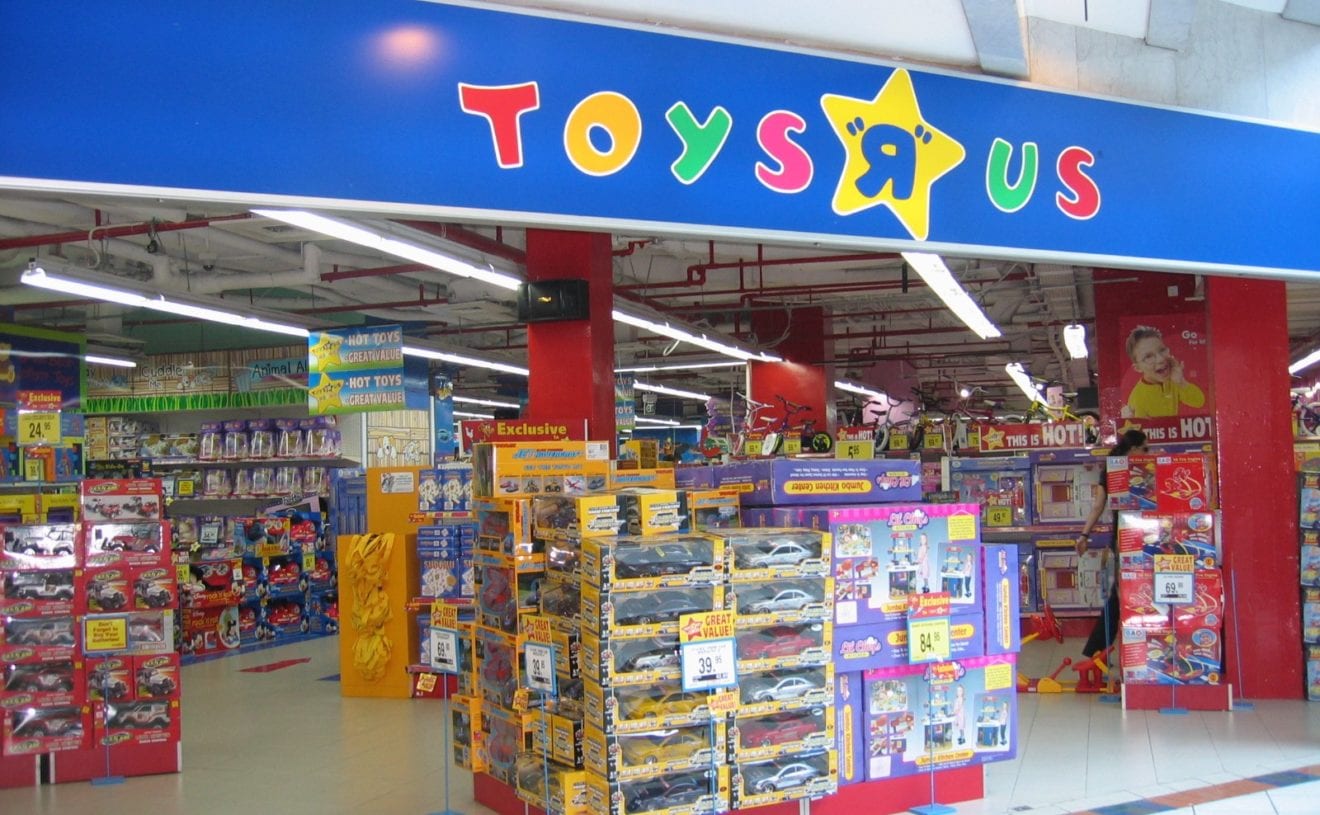
    Toy and baby products retailer Toys R Us has opened its 100th store in China.

    Ten years after entering the market, the US-based chain has its milestone outlet in the APM Shopping Mall in Wang Fu Jing, Beijing.

    During the past year, Toys R Us China has opened 27 stores across the nation.

    “International expansion, particularly throughout China and Southeast Asia, continues to be an important part of our long-term growth strategy,” says chairman/CEO Dave Brandon, who was at the Beijing opening ceremony. He notes an increasing demand in this market for quality children’s products and family entertainment experiences.

    Opening its first store in China in 2006, the company now has outlets in 44 cities, and plans to open another 30 stores this year.

    As part of the grand opening in Beijing, families were invited to meet such popular mascots as Balala Emma, Barbie, Geoffrey the Giraffe, Ninjago Kai and Ultraman. The store showcases the latest in “retailtainment”, digital technology and customer interaction. Customers can use a 70in. digital screen at the store entrance to browse through promotional items, make purchases, take “selfies” with special photo frames, play games and join the company’s Star Card loyalty program.

    Beijing’s store also features exclusive products not available elsewhere in the market, and throughout the APM mall are several new features sponsored by Toys R Us.

    Founded more than 65 years ago with headquarters in Wayne, New Jersey, Toys R Us formed a joint venture in 2011 with its licence partner in China and Southeast Asia, Fung Retailing. It took a 70 per cent interest in Fung Retailing’s stores in Brunei, China, Hong Kong, Malaysia, Singapore, Taiwan and Thailand.

    Toys R Us also has a T-mall Store in China, launching its eCommerce website in 2012. It also has a mobile-optimised website in China. Toys R Us has 1 million WeChat followers, with 80 per cent of them joining the Star Card membership program.

    As well as 863 outlets in the US and Puerto Rico, the company has more than 755 international stores and more than 250 licensed stores in 38 countries. In Asia, there are more than 400 stores in Brunei, Hong Kong, Japan, Malaysia, Singapore, Thailand, Taiwan as well as mainland China. There are also licensed stores in Korea, Macau and The Philippines.

  • Astino to market agro-house products in Vietnam and Indonesia

    Astino to market agro-house products in Vietnam and Indonesia

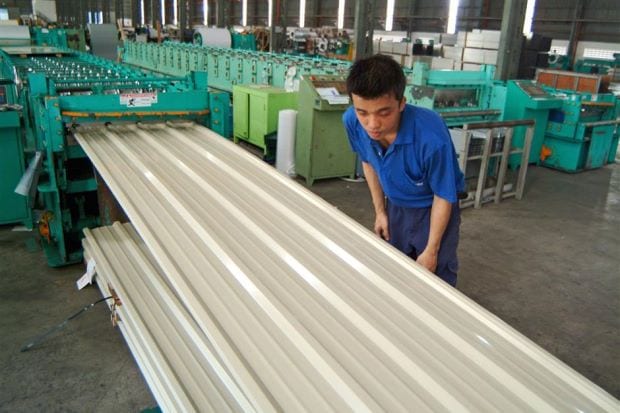
    Building material and roofing product manufacturer Astino Bhd plans to tap new markets overseas in two years selling its agro-house and green-house structure products. Group chief executive officer Ng Back Teng said the group was now selling the products only in Malaysia. “We want to strengthen our presence in the country first before going overseas,” he said after the company’s AGM on Friday.

    “We have in mind the markets in Vietnam and Indonesia.” At present, the products contribute less than 10% to the group’s revenue. “In the future, the contribution is expected to increase significantly,” he said. For the second financial quarter, the group’s business continued to be weak, due primarily to the slowdown in the construction sector, according to Ng. “The first quarter ended Oct 31, 2015 saw the group registering an 8%-9% drop in revenue. We expect the business for the second quarter to remain flat,” he said. Ng said the group had also reduced the import of steel-based materials due to the weakened ringgit.

    The group has seven facilities in the country, with three in Penang, two in Bukit Beruntung (Selangor), one in Pahang, and another in Malacca. “There are no plans for expansion this year,” he said. Ng said the group would focus on improving operational efficiencies and explore the possibility of producing new metal building material products to penetrate into new local and overseas markets. He added that the second facility in Bukit Beruntung started operations in late 2015. “The new plant should help the group to strengthen its foothold in the central and southern regions,” he said. Astino shares shed 2.5 sen to close at 66.5 sen on Friday.

  • 200m Chinese to travel by 2020 as HK/Macau slow

    200m Chinese to travel by 2020 as HK/Macau slow

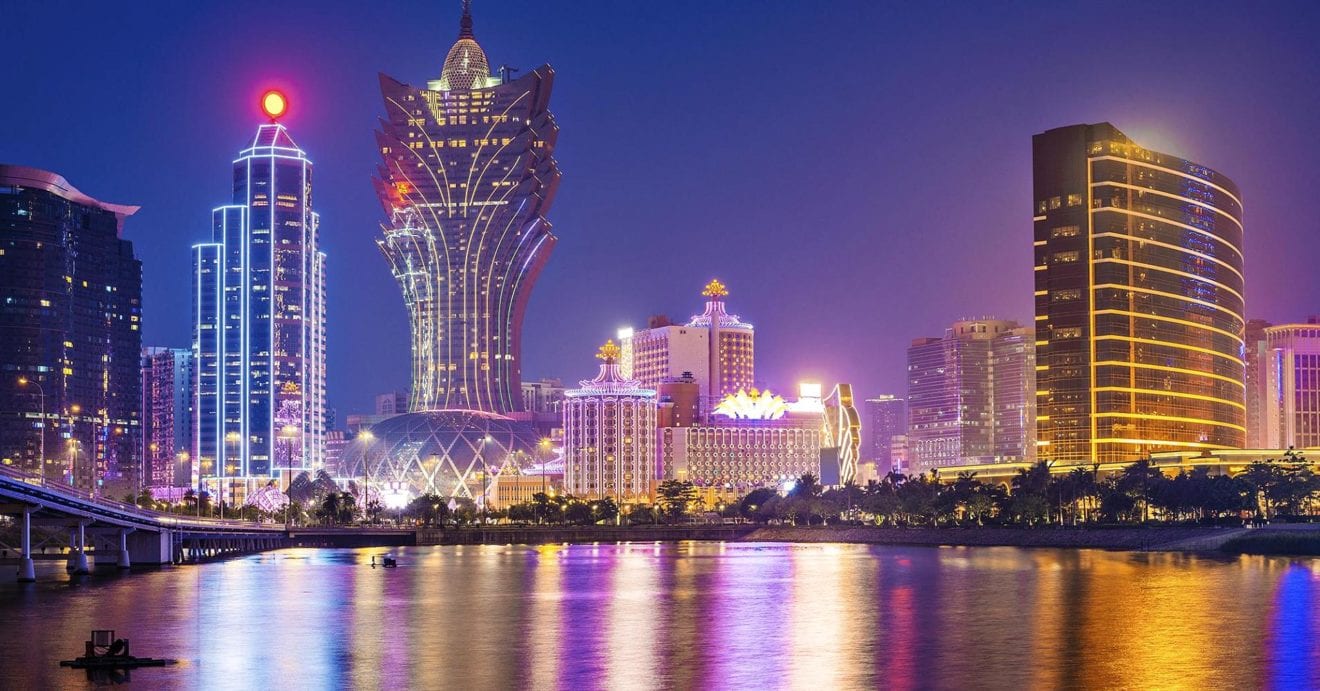
    Credit Lyonnais Securities Asia (CLSA) is maintaining its long-standing forecast of 200m Chinese overseas trips by 2020. However, it warns that mainland Chinese travel to Hong Kong and Macau is likely to average only 3% growth in future, while Chinese trips to other locations will grow much more strongly by an estimated 16%.

    CLSA’s latest report says Hong Kong simply has too few new attractions, increased competition, capacity constraints, a strengthening HK$, tension against mainlanders and it also faces a reduction in import tariffs in China.

    This unpalatable cocktail resulted in inbound Chinese tourist numbers to Hong Kong declining by -2% between January and November 2015, compared to the much healthier 16% to 26% annual growth rates experienced in better years between 2010-2014.

    Hong Kong airport large

    CLSA’s highly-anticipated report – ‘2016 Chinese Tourists: Expanding Cultural Horizons’– is the independent brokerage and investment group’s third annual appraisal of the key growth drivers to Chinese outbound travel, as well as the destinations, sectors and stocks set to benefit the most.

    As part of its central Chinese tourist theme it remains bullish on its long-standing forecast of 200m Chinese overseas trips by 2020, despite its prediction that Chinese outbound tourist growth will slow to 9% over the next five years from 17% over the past five.

    Of this 9%, the authors say that travel to Hong Kong and Macau will average 3% growth, whereas trips to other locations will grow on average by 16%. Improved affordability, easing travel restrictions and the increasing desire to travel remain the key drivers underpinning Chinese outbound tourism growth, says CLSA.

    Within its proprietary survey of more than 400 outbound Chinese travellers it found that experiencing foreign cultures, enjoying nice environments, relaxing, and broadening horizons are increasingly more important goals for Chinese tourists compared to shopping. This also supports CLSA’s general structural negative on the future for Hong Kong’s tourism and retail sectors.

    001 aa Chinese Tourism Research Australia

    “…IF MONEY WAS NO OBJECT, THE MOST HIGHLY DESIRED DESTINATIONS FOR CHINESE TOURISTS ARE ACTUALLY THE USA, FRANCE, MALDIVES AND AUSTRALIA – IN THAT ORDER.”–CLSA REPORT.

    Chinese travellers looking for ‘unique cultural experiences’ are most likely to head to South Korea, Japan, Thailand, or the USA in the next three years, says CLSA. South Korea is attractive for its relatively cheap luxury goods and cosmetics, whereas Thailand offers beaches and other cultural destinations.

    CLSA also reveals that if money was no object, the most highly desired destinations for Chinese tourists are actually the USA, France, Maldives and Australia – in that order.

    The report adds that ‘the key risks to growth of outbound Chinese travel figures’ are safety, lower income growth and a weaker Yuan. Within its survey, CLSA said that 75% of survey participants confirmed that safety was the clear number one factor influencing their choice of destination in 2015 – up from 63% in 2014 and 41% in 2013.

    By contrast, mainland Chinese respondents said that lower income growth in China this year could also impact upon their travel plans. Some 60% admitted that they would reduce their outbound trips and 68% adding that they will cut back their travel-related shopping if family income drops.

    Chinese shoppers. Source Global Blue

    “…A WEAKER YUAN WILL ALSO AFFECT TRAVEL PLANS, WITH 43% INDICATING THEY MAY REDUCE THE NUMBER OF TRIPS THEY TAKE IF THE YUAN DEPRECIATES BY 10% IN THE NEXT YEAR. MEANWHILE, 35% SAID THEY WOULD CUT SHOPPING SPENDING…” CLSA REPORT.

    The research also confirmed that a weaker Yuan will also affect travel plans, with 43% indicating they may reduce the number of trips they take if the Yuan depreciates by 10% in the next year. While 35% said they would cut shopping spending. Only 14% said there would be no impact to their travel plans.

    More positively, the report adds that China is the number one contributor to global outbound travel with a worldwide share of 10% and CLSA predicts that this share will reach 14% by 2020. In the current report, it also expects this tidal wave of Chinese tourists to drive major structural growth in the airline, gaming, luggage, retail and internet industries over the next few decades.

    Melbourne Chinese NY activation

    THE OUTLOOK FOR TOP FOUR CHINESE/ASIAN DESTINATIONS:

    AUSTRALIA: In Australia, mainland Chinese visitor numbers are soaring, with this nationality of tourists now accounting for the second-largest source of inbound arrivals to Australia. There were more than one million Chinese tourists visiting Australia between Jan-Nov 2015, surpassing the one million mark for the first time – an increase of 21.6% over the same 12-month period in 2014.

    This has been aided by the removal of constraints to airline-seat capacity growth and the easing of visa requirements (‘albeit on a regional basis that they still appear relatively strict’, says CLSA).

    Chinese tourists spent A$7.7bn ($5.4bn) in Australia over the 12 months to September 2015, more than double the A$3.5bn ($2.4bn) level two years ago, according to Tourism Australia’s estimation. China is Australia’s biggest spending inbound nationality, with expenditure more than double that of the UK – the next most important country.

    Interestingly, the CLSA survey found that Australia ranks as a ‘top-four destination’ for Chinese tourists ‘if money was no object’.

    JAPAN: Chinese visitors to Japan doubled in 2015. Inbound arrivals soared from 2.4m in 2014 to 5m and CLSA is predicting this number will more than double again by 2020 to 11.4m Chinese became the biggest contributor of all foreign tourists in Japan last year, aided by the fact that three out of five of the world’s most popular theme parks are located in Japan.

    Average spending per tourist in 2015 was JPY187,165 ($1,583) but Chinese were the biggest spenders, with an average of more than JPY280,000 ($2,368).

    King Power International Group's downtown Bangkok Srivaree Complex ©

    SOUTH KOREA: According to the research, South Korea is still regarded by Chinese as both a shopping and cultural heaven and CLSA now expects Chinese inbound traffic growth to rise by 28% year-on-year in 2016 due to natural organic growth following the eradication of the Mers virus.

    South Korea is one of the top three destinations for Chinese tourists for the next three years according to CLSA since it meets one of Chinese tourists’ major interests – shopping. CLSA also adds that its appeal to Chinese tourists is considerable, since it is safe, with moderate travel costs and rich in culture and sightseeing.

    THAILAND: One in four tourists visiting Thailand is Chinese, as inbound tourist numbers continue to grow, with visitors from China having grown at an annualised rate of 47.7% over the past five years, outpacing the non-Chinese tourist annualised growth of 7.6%.

    Bangkok continues to be the most popular destination, followed by Phuket, Chonburi, Chiang Mai and Krabi. Thailand is also one of the top three destinations for future outbound trips, according to CLSA’s survey.

  • BlackRock’s Laurence Fink sees buying opportunity

    BlackRock’s Laurence Fink sees buying opportunity

    Laurence D Fink, who runs the world’s largest asset manager, said the recent stock market decline presents a buying opportunity because markets are poised to gain over the course of the next year.

    “You can’t walk away from these movements,” Fink, chief executive officer of BlackRock, said Friday in an interview from the World Economic Forum in Davos. “Use these as an opportunity.”

    Fink said while markets have currently capitulated amid slumping oil and inconsistent messages coming from China, he doesn’t expect a bear market in equities. BlackRock, which oversees $US4.6 trillion for clients, saw institutional investors starting to come back into markets on Wednesday, when US stocks briefly fell as much as 3.7 per cent before recovering most of the losses.

    Top investors such as George Soros and Jeffrey Gundlach have advised investors to use short-term market rebounds to sell assets. Soros said Thursday that China’s economy is headed for a hard landing, a slump that will worsen global deflationary pressures, drag down stocks and boost US government bonds. Other investment managers, including Guggenheim Partners’ Scott Minerd and Bridgewater Associates’ Ray Dalio, have warned that the market likely has further to fall.

    Soros, who shorted the Standard & Poor’s 500 Index, said it is still too early to buy equities, while Gundlach said he expects a “protracted decline in the S&P 500”. Dalio cautioned that global markets face risks to the downside as economies near the end of a long-term debt cycle.

    The warnings come as oil prices have plunged and China’s growth has slowed.

    Fink said China needs to expand its international markets faster and allow more foreign investors, which would create a more stable, less volatile market, he said. “What China struggles with is an immature capital market that is heavily dependent on leverage retail,” he said.

    Fink said it would “be horrible” if China devalues its currency because it would have a huge global deflationary impact and would mean the country is moving back to an export-driven economy.

    His views diverge from others, including hedge fund manager Mark Hart and Goldman Sachs Group president Gary Cohn. Hart, who is betting against the yuan, said China should weaken its currency by more than 50 per cent this year. A one-off devaluation would ease pressure on China’s foreign exchange reserves and remove an incentive for capital outflows, he said. Cohn said that China will likely have to devalue its currency in the next six months to address slowing growth.

  • ‘Maintenance Fee’ for All Foreign Tourists Proposed by Tourism Governor

    ‘Maintenance Fee’ for All Foreign Tourists Proposed by Tourism Governor

    A plan to charge foreign tourists 360 baht each time they enter the kingdom as a fee to maintain and improve tourist attractions has been proposed by the head of the tourism authority.

    Yuthasak Supasorn, governor of the Tourism Authority of Thailand, suggested in an interview that money collected from the fees could be reinvested in the tourism throughout the kingdom, but almost as soon as the idea was suggested, it was played down by his own organization.

    In an interview with Voice TV, Yuthasak said foreign tourists would be charged USD$10 (360 baht) each time they enter Thailand, whether by air, land or sea. Among its uses, he said, would be enhancing security measures.

    “It will be collected under the name of a tourist attraction administration fee,” Yuthasak said. “We will use the money to maintain and improve security systems of tourist attractions across the country, in order to support the tourism sector, which has been growing steadily.” 

    He also did the math for its potential windfall. 

    “If there are 30 million tourists, Thailand will earn 10.8 billion baht per year from this fee, and it will help each province earn around 142 million baht to improve its tourism,” he said.

    The plan’s prospects were unclear, however. Hours after the Voice TV published the interview, an official at the tourism authority said the idea was only Yuthasak’s personal idea.

    “This is not an official policy. It still needs additional study,” said authority spokeswoman Sunantha Montri. “It’s only an idea.”

    She said Yuthasak is attending a summit in the Philippines and not available for comment.

    In the Voice TV article, Yuthasak dismissed any concern the fee would adversely affect tourism, saying many countries already had similar policies.

    “I believe it won’t affect tourism that much, because at the present time many countries already collect this fee in subtle ways,” he said without elaborating. 

  • Where Chinese tourists are spending their shopping dollar

    Where Chinese tourists are spending their shopping dollar

    Mainland China has become one of the main global suppliers of tourists, and that has been paying dividends for retailers globally.

    But as the Chinese are roaming further afield, Hong Kong and Macau retails have seen their sales dropping.

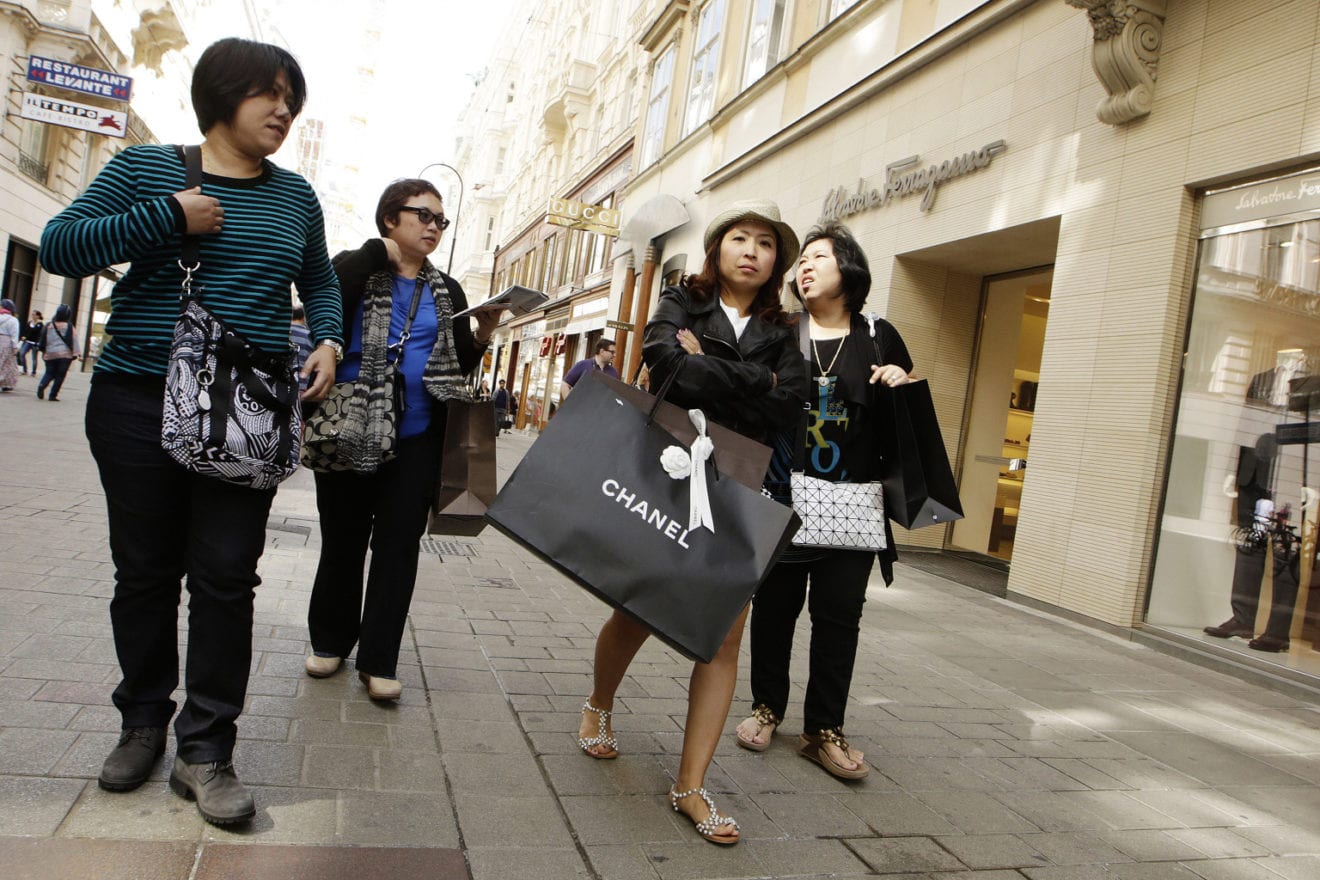
    A fresh analysis from international market research company GFK shows China had 109 million outbound tourists last year… and they spent US$229 billion in retail stores. These statistics consolidate China as one of the main global sources of tourists, both in terms of number of trips and money spent while travelling internationally.

    “At the same time, there have been profound changes in the behaviour of the typical Chinese traveller, with millennials firmly established as the core drivers of spending,” says GFK.

    Because of its cultural similarity, accessibility and lower travel costs, Hong Hong was the preferred destination for Chinese tourists up until 2013. Shopping was a big motivation for visiting. However, since 2014, says the report, more Chinese tourists have been opting for other destinations offering historical and cultural experiences – as well as shopping.

    Air travel and accommodation statistics show that at the start of November, the top five favourite destinations for Chinese travellers were South Korea (visits up 112 per cent since 2011), Thailand (up 263 per cent), Japan (up 157 per cent) and Taiwan (up 54 per cent. Surprisingly, given its loss of retail sales, Hong Kong had 37 per cent more Chinese visitors. This is explained by the new emerging middle class – consumers who do not have enough disposable income to travel further abroad, nor to spend on high-end purchases.

    Europe is the most popular destination outside Asia for Chinese tourists, with 97 per cent more visits in the past four years. This is followed by North America (up 151 per cent) and the Middle East (up 177 per cent).

    “China’s tourists remain strategic to Hong Kong and its businesses, as other destinations are jumping ahead in winning their favour,” says GFK global head of travel and hospitality Laurens van den Oever.

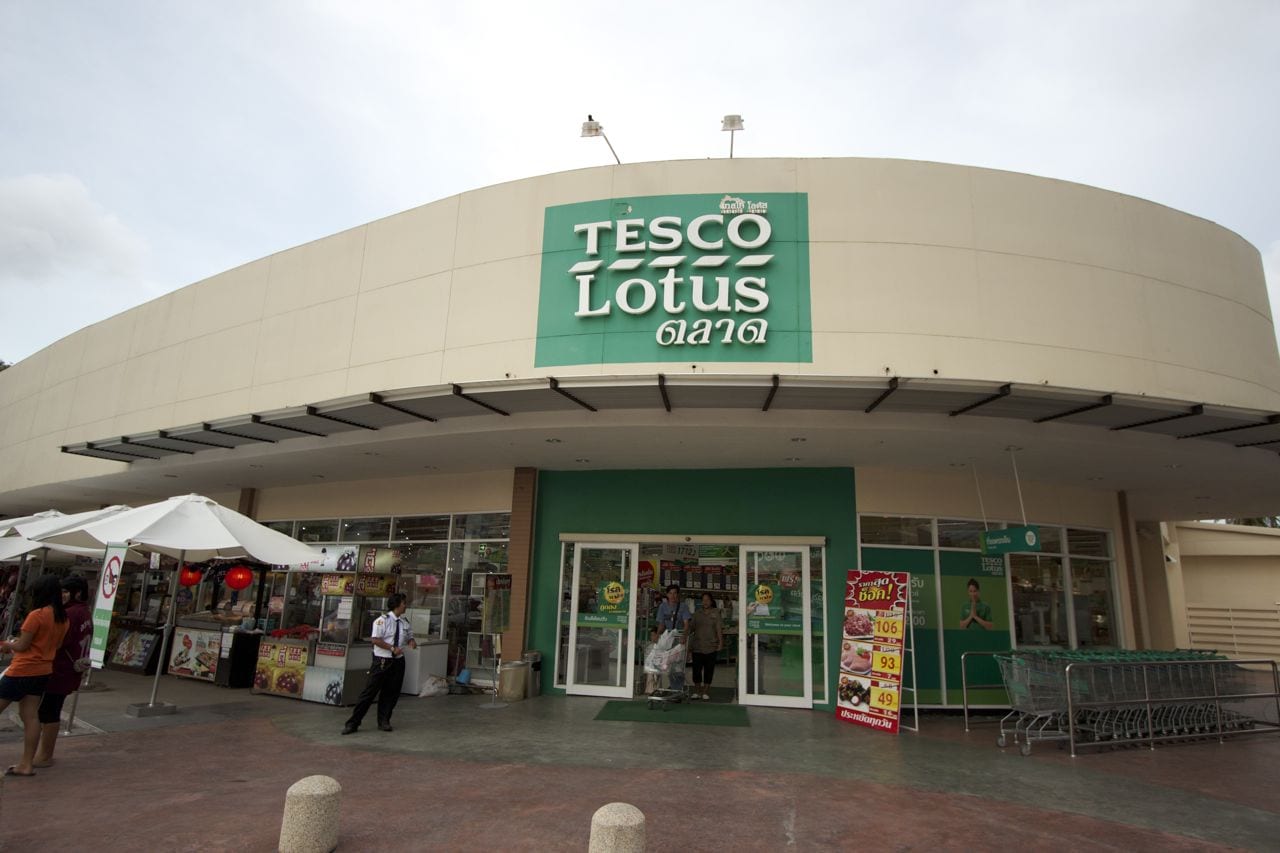
  • Tesco Thailand wins record market share

    Tesco Thailand wins record market share

    Embattled Tesco achieved a record market share in Thailand in the latest quarter – as Asia shined in a mixed set of financials.

    Analysts appeared in agreement that the UK’s largest supermarket operator delivered patchy results overnight, despite the solid Asian performance.

    “Foreign adventuring hasn’t been all bad,” observed David Gray, retail analyst at Planet Retail.

    “Asian expansion did deliver a big windfall last autumn with a sale raising some £4 billion,” he said, referring to the divestment of the Korean business

    “And Tesco still holds valuable assets in Asia – the Tesco Thailand business (which has long-term growth potential), plus Malaysia (though potential here is less obvious), while India (though not valuable at the moment) is set to receive more attention,” Gray concluded.

    Conlumino senior consultant George Scott added: “In Asia, improvement in its food offer helped Tesco achieved positive like for likes across the region.”

    But the majority of Tesco’s business is still the UK, where its market share is under attack by super discounters Aldi and Lidl from Germany. Like-for-like sales in the UK slipped 1.5 per cent, despite a 1.3 per cent increase in the Christmas period.

    “Tesco showed signs of a fightback against discounters Aldi and Lidl over the festive period, delivering a UK Christmas like-for-like performance well ahead of market expectations and comfortably beating the comparable trading of rivals Morrisons (+0.2 per cent) and Waitrose (down 1.4 per cent),” said Scott.

    Planet Retail said it saw the third quarter domestic decline as indicative of the wider challenges hitting the UK grocery market.

    “With growth of Aldi/Lidl at the value end, M&S Food lording over the premium segment and Sainsbury’s holding its own in the mid-market, this comes as little surprise,” said Gray.

    “As anticipated, Tesco’s Q3 domestic recovery has slowed, with like-for-like declines widening on Q2, even if the shorter Christmas period delivered a more positive number,” said Gray

    “This was to be expected considering Dave Lewis has always said recovery would be choppy. Even so, a slowdown is a slowdown. The difficulty for Tesco is that, by being the UK’s largest retailer, it has most to lose from wider food price deflation and structural shifts.

    “With Aldi/Lidl gaining share at the value end, M&S Food ruling premium and Sainsbury’s holding the middle ground, Tesco is stuck between a rock and a hard place,” Gray concluded.

    Scott says despite the patchy figures, Tesco has shown a marked improvement in putting the customer back at the heart of its proposition, particularly over Christmas.

    “To this end, a further shift away from give-away promotions to deeper investment in base price cuts and its brand match, coupled with improved availability were particularly key. The introduction of 4000 additional ‘Here to Help’ in-store colleagues, will have undoubtedly boosted in-store standards. Elsewhere, demand for online grocery home grocery shopping led to a record number of orders on December 22, which was certainly helped by an improved price and service reputation.”

    Tesco CEO Dave Lewis was upbeat about the figures, especially for the festive trading season.

    “Our Christmas performance was strong, benefiting from lower prices on an outstanding range of products. Our customer service improved materially and our colleagues went the extra mile.  Put simply, we put customers at the heart of everything we did and they responded by buying more of what they needed at Tesco.”

    Lewis said Tesco would continue to focus its efforts to serve its customers “a little better every day”.

    “There is plenty more to do, but we are making good progress and are trading in line with profit expectations for the full year.”  

  • Cigarette sales to minors: Shop’s licence revoked

    Cigarette sales to minors: Shop’s licence revoked

    A shop in Bedok has had its tobacco retail licence revoked after it was found to have repeatedly sold tobacco products to minors.

    Two other shops – a 7-Eleven outlet at 523, Bukit Batok Street 52 and Blu Jaz at 11, Bali Lane – have had their licences suspended by the Health Sciences Authority (HSA) for six months for the same offence. Both sold tobacco products to those aged under 18 for the first time.

    The shop whose licence has been revoked, Bedok Goodwill Store – located at 79, Bedok North Road – had already seen its licence suspended for six months in 2012 for the offence.

    Despite that, the outlet continued to sell tobacco products to the underaged, with the most recent case involving three minors in school uniform in two separate incidents on the same day, the HSA said in a press release yesterday .

    The seller also took the opportunity to profit from the sales by selling the cigarettes at a higher price than the actual retail price, it added.

    The shop’s licence was revoked on Dec 10 last year, meaning it is no longer allowed to sell tobacco products, the release said.

    The HSA said the three sellers, all employees of the three respective shops, failed to check the ages of the minors before selling them the tobacco products.

    They were caught following the HSA’s ground surveillance and enforcement activities.

    The authority has reminded licensees that they are responsible for all transactions of tobacco products at their outlets, and for the actions of their employ-ees.

    Anyone convicted of selling tobacco products to those aged under 18 faces a fine of up to $5,000 on the first offence, and a fine of up to $10,000 for subsequent offences.

    In addition, the tobacco retail licence will be suspended for six months for the first offence, and revoked for the second.

    However, any outlet found selling tobacco products to anyone aged under 18 in a school uniform, or anyone below 12 years of age, will have its licence revoked, even for the first offence.

    Twenty-five licences have been suspended and 22 revoked in the last three years, the HSA said.

    A list of these retailers can be found on the HSA’s website (www.hsa.gov.sg) under Health Products Regulation.

    Anyone with information on the illegal sales of tobacco products to minors can call the Tobacco Regulation Branch on 6684-2036 or 6684-2037 during office hours.


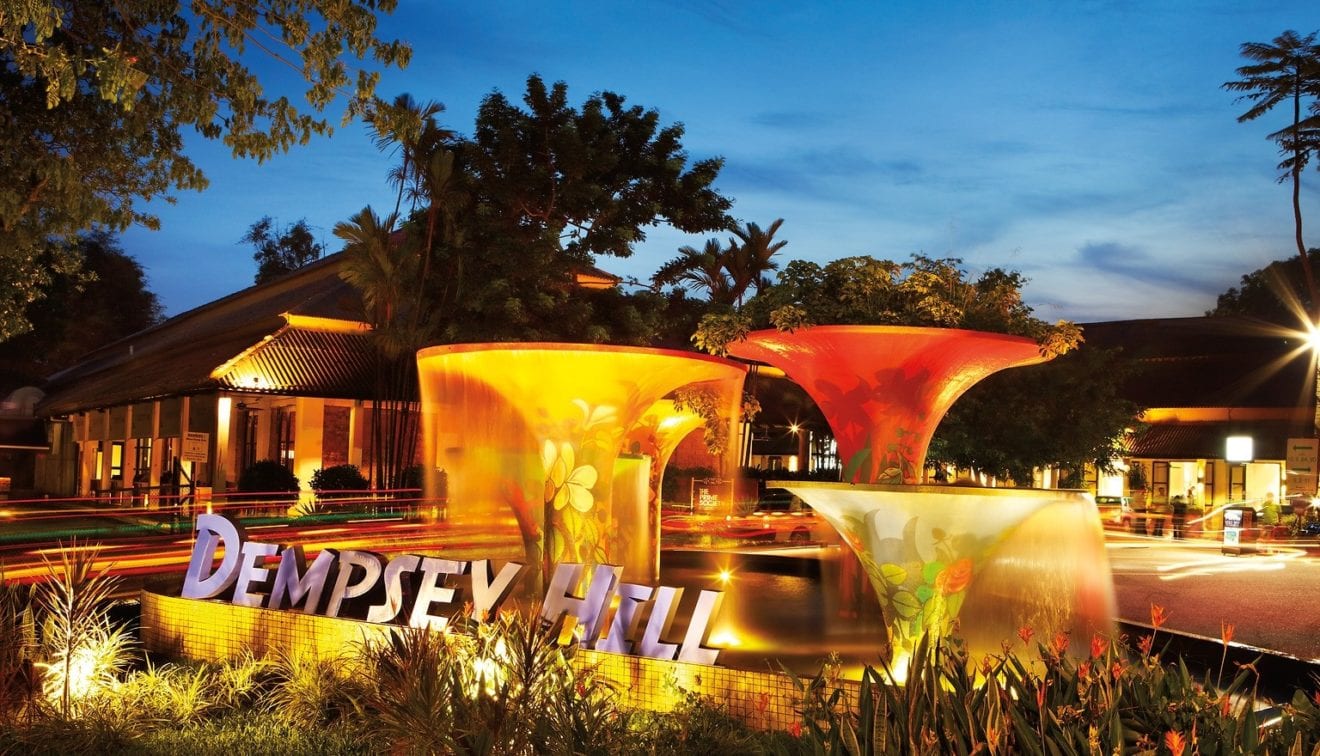
  • Singapore’s hip enclave Dempsey stays fresh with bigger, better offerings

    Singapore’s hip enclave Dempsey stays fresh with bigger, better offerings

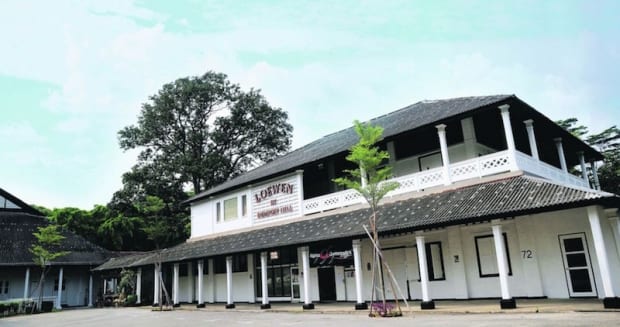
    The new Loewen cluster by Dempsey Hills. — TODAY pic

    The new Loewen cluster by Dempsey Hills.

    Quick, name us the coolest hot spots in Singapore. Chances are, you’ll be rattling off places such as Telok Ayer, Keong Saik and even Tiong Bahru. But what about the Dempsey area? Well, while it has become more of a leisurely family weekend destination in recent years, further transformation is in the pipeline and Dempsey is beginning to have a buzz again.

    Last month, it was announced that COMO Lifestyle by Club 21 fashion doyenne Christina Ong won the bid to develop two blocks in Dempsey with its proposal to open fashion concept store Dover Street Market, a Jean-Georges Vongerichten restaurant and bar, and COMO Cuisine, a new restaurant concept.

    This comes hard on the heels of a string of other high-profile developments in the neighbourhood: In November, Loewen by Dempsey Hill, a new cluster best known for being the venue for Chanel’s first Cruise collection show in Asia in 2013, opened. It now houses 13 new tenants with an emphasis on family and educational offerings such as Tanderra, a clubhouse for families with facilities for both kids and adults, as well as Impressions Art Studio, Alpha Gymnastics and Little Mandarins. Events held there have also taken a family-friendly slant, such as a Christmas market and an upcoming Chinese New Year kids’ fashion show and fair, from January 21 to 23.

    Meanwhile, Huber’s Butchery relocated to Block 22 in October. Its new two-storey 13,000sqft home is twice the size of its former address at Block 9, allowing Huber’s to have an outdoor playground for kids, a demonstration kitchen for cooking classes, a staggering selection of 150 varieties of cheese — said to be the largest in town — as well as the longest meat and sausages counter in Singapore at more than 40m long. Portico launched its second outlet Portico Prime at Block 10 in November featuring a more upmarket repertoire of dishes and a Chef’s Table. One Michelin-starred chef Carles Gaig from Barcelona also quietly opened an outpost at Block 16A called La Ventana in June.
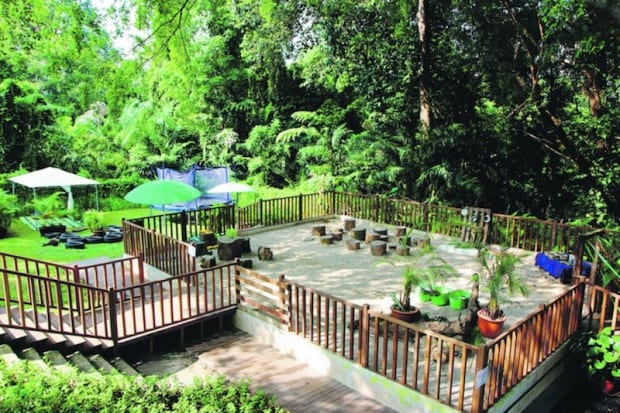
    Think of Tanderra as a clubhouse for families with everything you need for a fun, relaxing day out. — TODAY picThink of Tanderra as a clubhouse for families with everything you need for a fun, relaxing day out. — TODAY picAnother new entrant is Open Farm Community. This latest baby from the Spa Esprit Group is not simply a restaurant — it is, as its name suggest, a farm and a community hub educating diners about the origins of food. The restaurant is popular with the brunch crowd since it opened in July, and has since organised several events such as ice cream and sauce masterclasses, as well as its popular Social Market held every second weekend of the month.

    Discovering more

    For a Dempsey stalwart such as the Spa Esprit Group, which has been here since establishing House in 2007, these changes are a sign of how the area has matured. Lifestyle maven and founder of the group Cynthia Chua recalled how Dempsey was like “a big isolated enclave in the middle of the city” when she made her foray here. “When Dempsey first started, the F&B scene here was still at its infancy stage; indie cafe culture was just beginning. I love (how Dempsey has) the seafood mass hall concept juxtaposed with creative cafes and kid-friendly places, ice cream parlours and spas. The variety of brands reached out to the diversity of the crowd. This diversity made Dempsey a success. It was original,” she said.

    Executive director of Huber’s, Andre Huber, concurred. Having been in Dempsey since October 2008, Huber said the area has definitely changed over the years from “a quiet laidback place to a more vibrant shopping and F&B area with unique concepts”.

    Of course, housing these concepts in colonial buildings amid lush greenery helps tremendously. “This created a unique and delightful urban sanctuary that cannot be found anywhere else in Singapore,” added Nicholas Ng, general manager of Country City Investments, which manages Dempsey Hill and Loewen by Dempsey Hill.
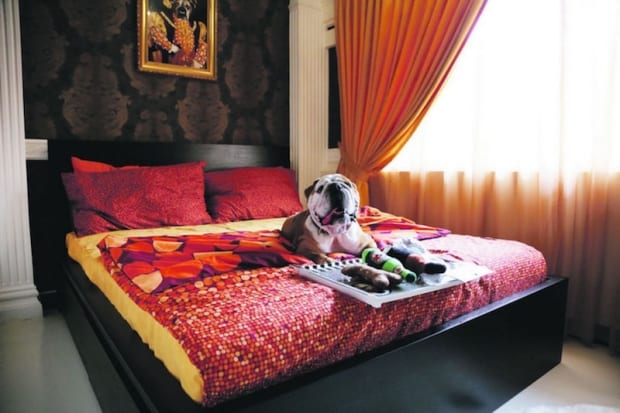
    The Royal Suite of The Wagginton Pet Hotel. — TODAY picThe Royal Suite of The Wagginton Pet Hotel. — TODAY picAnd it’s not just locals who appreciate this charming diversity. Ranita Sundramoorthy, director, Attractions, Dining and Retail, Singapore Tourism Board, said visitors enjoy Dempsey Village as a tranquil hideaway with a distinct character and nearby attractions such as the Orchard Road shopping belt and Singapore Botanic Gardens.

    This is why Country City Investment has taken the opportunity to get Singaporeans and travellers more familiar with the enclave by launching Dempsey Walking Trails. The four trails aim to take visitors through its nature and heritage as well as its food, lifestyle and kid-friendly options. Downloadable maps also offer interesting factoids such as how Loewen by Dempsey Hill used to be the Tanglin Military Hospital and was once also the home of the SAF Music and Drama Company.

    Coming attractions

    Still, there’s no denying the huge boost that comes from having internationally renowned names such as COMO and Dover Street Market. Sundramoorthy expects the COMO Lifestyle Cluster to “significantly contribute to the vibrancy of Dempsey and Singapore’s tourism scene”, especially since brands such as that of the Jean-Georges Vongerichten restaurant are not available in South-east Asia.

    Dempsey’s tenants welcomed news of the COMO Lifestyle cluster. Country City Investment, which is the biggest player in the enclave, doesn’t foresee COMO’s upmarket and fashionable positioning affecting the family-friendly destination. Instead Ng feels this is “win-win situation” as the tenant mix is complementary.
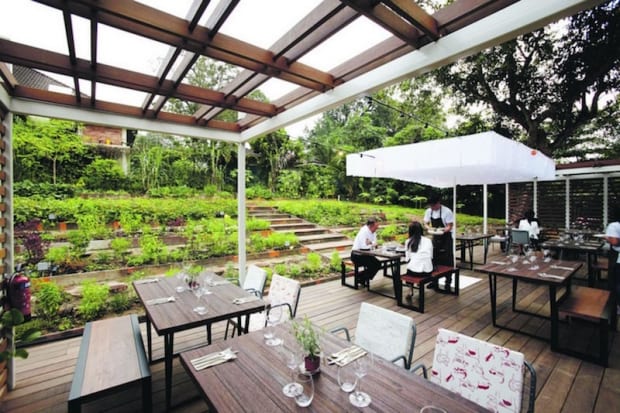
    Live out your farmer fantasies at Open Farm Community. — TODAY picLive out your farmer fantasies at Open Farm Community. — TODAY picAnd even though the well-loved House is a similar lifestyle hub with a spa and beauty emporium in the same building, Chua feels there won’t be any competition with the COMO Lifestyle cluster. “House is about familiarity, comfort food reinvented and a laidback green space that is unique, while COMO targets the high-end luxury crowd,” she pointed out. To keep guests intrigued as House turns 10 next year, Chua’s team recently introduced a revamped high tea offering while a new menu of comfort foods with a distinct Singaporean spin is currently in the works.

    Fans of Dempsey don’t expect the area to transform too much with the addition of the COMO Lifestyle Cluster. “Each restaurant and block in the Dempsey area is pretty self-contained. I’d probably check out Dover Street Market when it opens, but I don’t think it will change the vibe of Dempsey,” said Shirlie Tang, an events manager. “I’d still hang out at my usual familiar places, like PS.Cafe and RedDot BrewHouse.”

    A spokesperson from COMO Lifestyle declined to comment when the COMO Lifestyle Cluster will be ready. In the meantime, there is more than enough indulgences to keep consumers glutted.
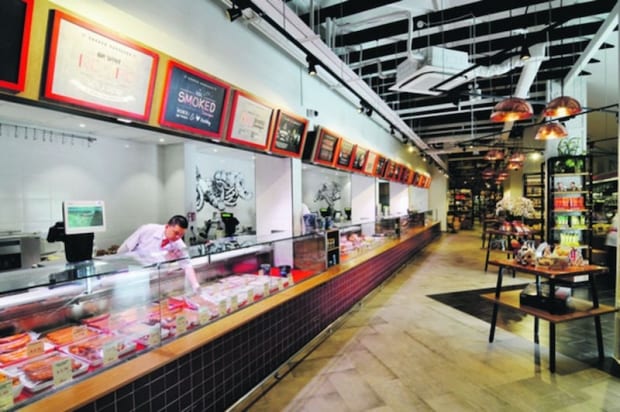
    Huber’s Butchery has the longest meat and sausage counter in Singapore at 40m. — TODAY pic

    Huber’s Butchery has the longest meat and sausage counter in Singapore at 40m.


    New fun outlets to check out at Dempsey:

    Tanderra (73 Loewen Road, #01-21. Tel: +65 6509 3468)

    Its name is an Aboriginal word for “resting place”, and what a resting place it is. This family clubhouse has pretty much everything you want to while away the day with the family. Besides catering to kids with play ateliers and swimming pools, Tanderra boasts a spa, a cosy cafe and multi-purpose rooms for yoga and Zumba lessons.

    Anjali Chocolate (73 Loewen Road, #01-15/16. Tel: +65 6509 6800)

    Craving for handmade chocolates? Besides picking up a gift of chocolatey goodness, you can sign up for workshops and learn how to make truffles and other chocolate treats. Birthday parties and baby showers can also be held here.

    Swish! Swimming School (72 Loewen Road, #01-08. Tel: +65 9832 2522)

    Three words: Temperature-controlled pools. Yes, the pools here are designed to be shiver-free at 32 degrees Celsius, ideal for little ones learning to take to the water. SWISH! Swimming is also a gold-accredited AUSTSWIM school (Australia’s national organisation for the teaching of swimming and water safety) and founder Kristen Romain is an AUSTSWIM Assessor for coaches.
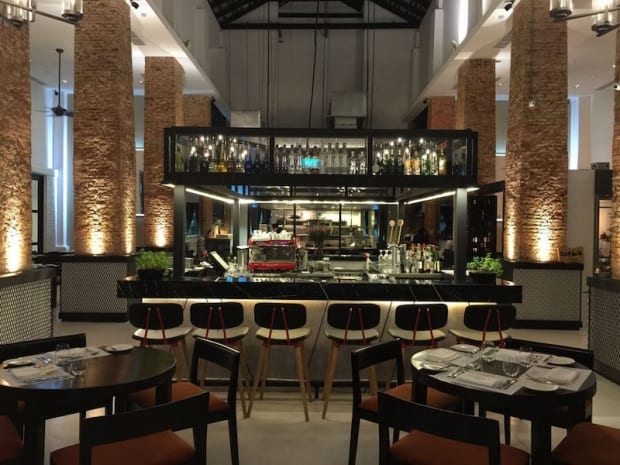
    Portico Prime features a more upmarket repertoire of dishes and a Chef’s Table. — TODAY picPortico Prime features a more upmarket repertoire of dishes and a Chef’s Table. — TODAY picThe Wagington Luxury Pet Hotel (27B Loewen Road. Tel: +65 6471 1689)

    Wagington isn’t kidding when it says it’s a luxury hotel for furry friends. There is a bone-shaped pool with cabanas and parasols for dogs and an outdoor garden with a high-speed air-cooler system to ensure pampered pooches remain cool. Rooms are also equipped with CCTV so pet owners can check in with their beloved anytime. Demand is off the charts so book early.

    Open Farm Community (130E Minden Road. Tel: +65 6471 0306)

    Part farm, part social project, Open Farm Community aims to educate the community about the origins of its food while promoting urban farming and local produce in a delicious setting. Food aside, the restaurant plays host to markets and workshops, and has a dedicated kids’ area.

    Huber’s Butchery (22 Dempsey Road. Tel: +65 6737 1588)

    Huber’s expansive new space now boasts a shady playground for tykes in tow when you’re dining at its 50-seater bistro. It has become more of a gourmet superstore, stocking exclusive craft beers such as Chopfab from Switzerland and Bruce Cost ginger ale from the United States. There are also veggies, fruits and herbs flown in from Australia and cooking classes such as a shabu shabu session at its kitchen studio Tanderra. — TODAY

  • DFP upgrades Manila T2 duty free shop offering

    DFP upgrades Manila T2 duty free shop offering

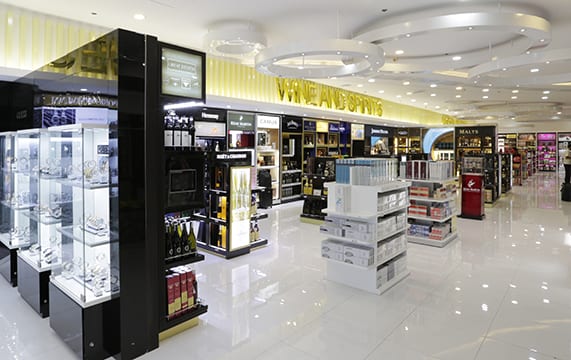
    Duty Free Philippines has recently completed work on upgrading its duty free offer in Manila Airport Terminal 2, which is used exclusively by national carrier, Philippines Airlines.

    The T2 duty free shops currently record the second largest share of duty free sales at Manila Airport, generating a 30% slice of DFP’s total Manila Airport revenue. Arrivals sales in T2 are larger than departures, with the two stores selling liquor, tobacco and chocolates mainly to Filipino workers and travellers.

    “We did an upgrade of our T2 departure store in 2014. We used a Hong Kong designer,” said Duty Free Philippines Merchandising Division Manager Jennifer Start, talking exclusively to TRBusiness. “We have a cute store with boutiques for Chanel, Salvatore Ferragamo, Pandora, Lancôme and Longchamp.

    DFP at Manila Airport T3 departure 3

    This image actually shows the newly refurbished Duty Free Philippines shop in Terminal 3 at Manila Airport – a standard the retailer has set for all of its new shops – including those in Terminal 2.

    “T2 departure hall has one long open shop with liquor, tobacco and confectionery on one side, while the other side is perfume, cosmetics and fashion.”

    DFP’s Internet shopping is also another new service that is planned to boost sales in future, allowing customers to collect pre-purchased goods on departure from the Philippines, or buy goods for collection in airport arrivals or at the downtown Fiesta Mall.

    “We have a website showing our products on offer,” Start said. “Our online shopping platform site is being developed. We are still talking to vendors and hopefully we can get this up soon. We are working on details with the Bureau of Customs.”


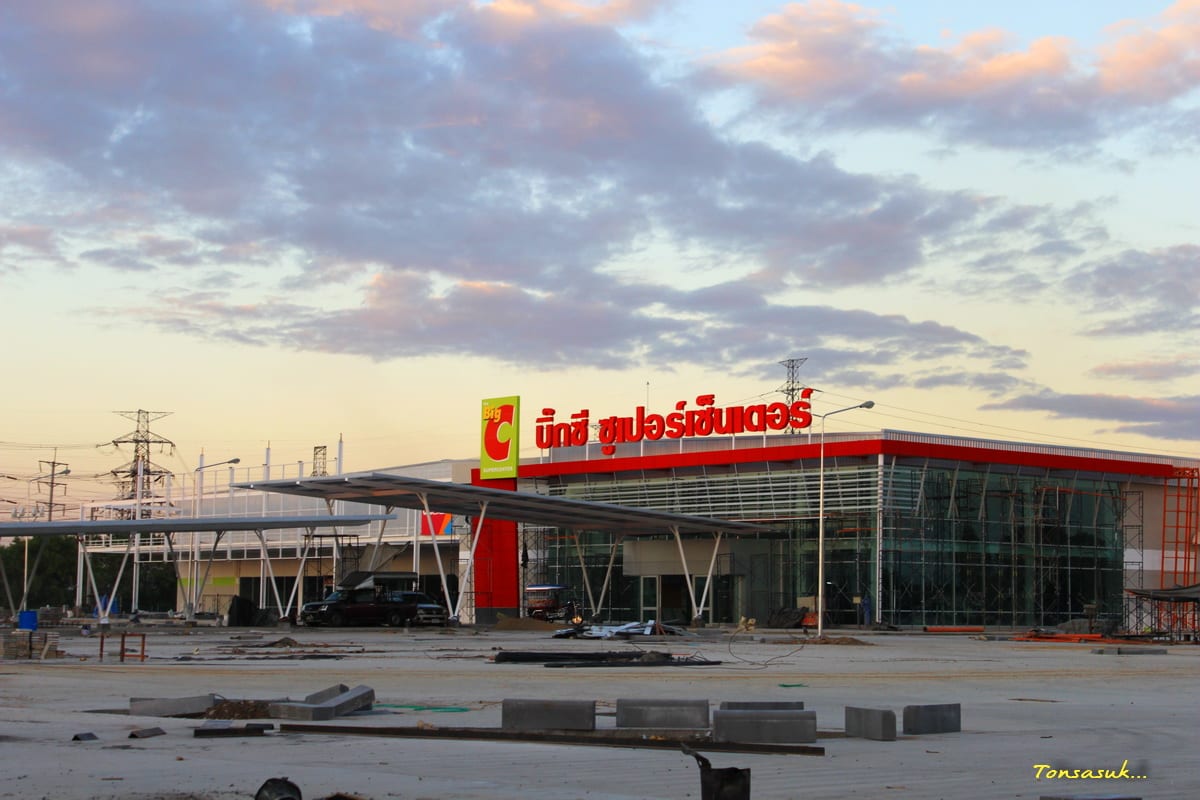
  • Divestment of Big C stake to shake up retail industry

    Divestment of Big C stake to shake up retail industry

    Big C was at the centre of the previous shake-up when it bought the Thai arm of Carrefour, another French retailer, in 2011. Carrefour Thailand’s network of 42 stores helped make Big C the No 2 player in the hypermarket segment, second only to Tesco Lotus.

    This time, Big C is also at the centre, as the target of big names like the Chirathivat family, Charoen Pokphand Group and Berli Jucker – a business unit owned majority by the Sirivadhanabhakdi family.

    The Chirathivat family seems to be the most likely suitor. Big C was established as a joint venture of that family and Casino Group. But the family sold its stake in Big C to Casino Group after the 1997 financial crisis.

    The family’s operations in the retail industry would be complete with the inclusion of the hypermarket format.

    Another suitor is CP Group. Sitting on piles of cash and rich in experience in retail business, it is the founder of Ek-Chai Distribution System, which operates Tesco Lotus. Also owning Siam Makro, its control in the market would be strengthened.

    However, CP Group’s bid to buy back shares in Ek-Chai Distribution from embattled UK retailer Tesco has reportedly been rejected. Tesco last year sold the assets in South Korea for 4 billion pounds (Bt208 billion). In September, it assured shareholders that it would not sell other overseas assets, including in Thailand. In October, it instead sold 14 land plots for 250 million pounds.

    Berli Jucker has recently expanded into the retail industry. After acquiring the retail chain Family Mart (renamed B’s Mart) in Vietnam in mid-2014, it acquired Metro Cash & Carry Vietnam from its German owners. It is not beyond imagination that it would want to make its presence felt in the Thai retailing industry.

    Among the three, whoever turns out to be the winner of this race may need to pay would surely need not to concern with financial matters.

    Yesterday, Big C’s share price ended at Bt226, gaining Bt28.50 or 14.43 per cent from the previous closing. If the transaction is executed at that price, the buyer will need to pay at least Bt109 billion for the 483.45 million shares or a 58.6-per-cent stake currently owned by Casino.

    The price is about 23 times its prospective earnings. More than 1 million shares were traded yesterday, the highest in recent months when the number of shares changing hands on a daily basis ranged widely from below 20,000 to more than 900,000.

    On December 15, Casino Group announced a plan to strengthen its balance sheet and enhance its financial flexibility with by deleveraging more than 2 billion euros (Bt79 billion) through real-estate transactions and disposal of non-core assets.

    It was confident that the proceeds from the deleveraging plan would reduce its consolidated debt. More than half of the total proceeds of the plan are expected to be generated by the disposal of assets fully owned by Casino. It also announced that in the last 10 years, Casino had always achieved its deleveraging plans.

    In a statement dated January 14 concerning the sale of Big C in Thailand, Casino Group said: “In the context of the ongoing process for the sale of its operations in Vietnam, Casino Group has received expressions of interest for its publicly listed subsidiary Big C in Thailand. The group is taking steps towards the sale of this asset, which will be implemented in the best interest of the company and its shareholders.”

    Big C is now waiting for the new shareholder, while proceeding with business plans. Among them, it plans to open six hypermarkets this year.

    “As Casino is receiving a number of expressions of interest to acquire its shares of Big C Thailand, it clearly demonstrates the great company that Big C is and the strong relationships between customers and Big C itself,” said Warunee Kitjaroenpoonsin, director of corporate affairs at Big C.

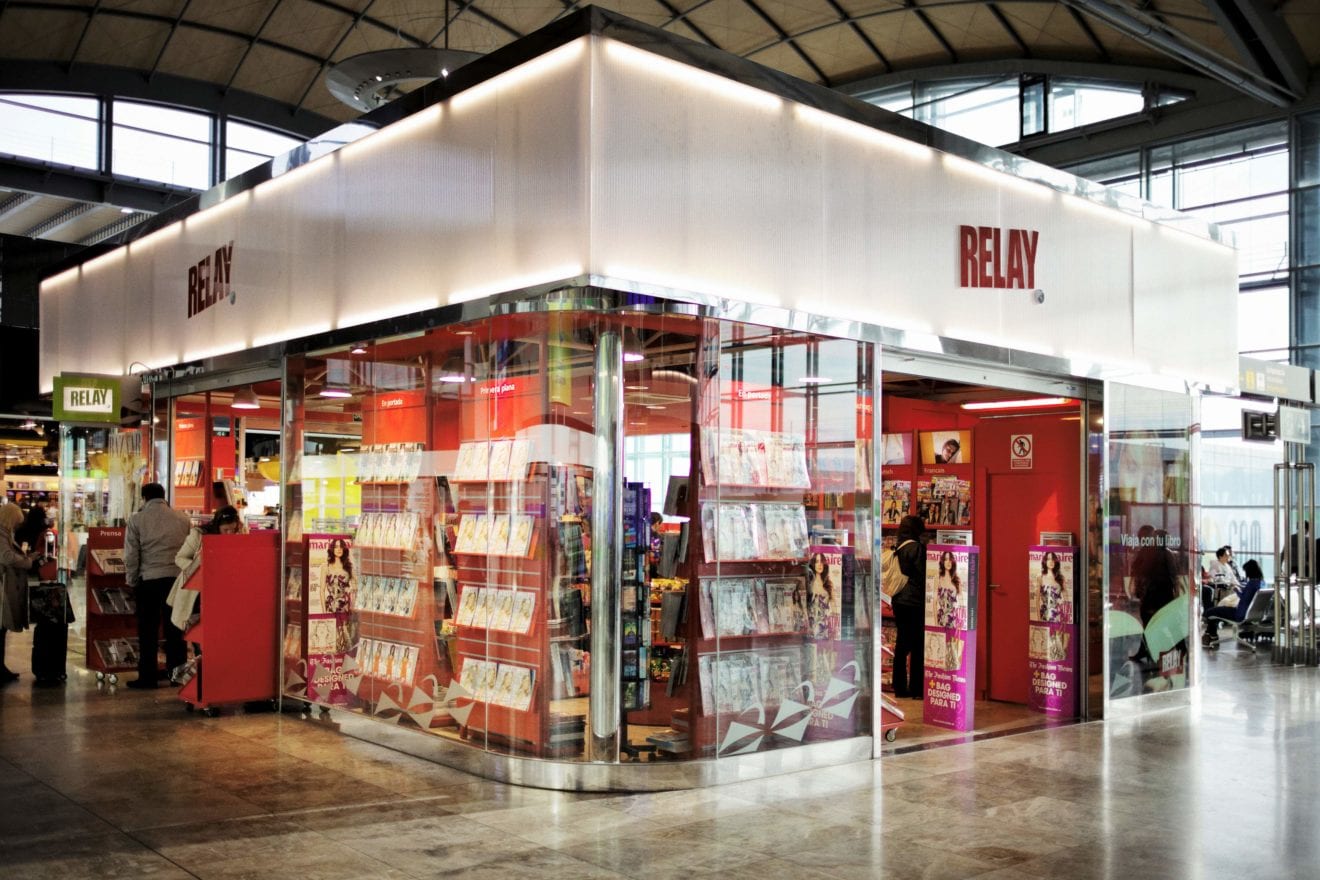
  • Lagardère Travel Retail renews Relay concession at Hong Kong Airport

    Lagardère Travel Retail renews Relay concession at Hong Kong Airport

    Lagardère Travel Retail has renewed its news concession at Hong Kong International airport (HKIA) with its Relay concept, being awarded five stores in the existing and new concourses.

    This win follows soon after Lagardère Travel Retail was recently awarded the luxury fashion and souvenir stores at HKIA, with Kate Spade, Pandora, CK Platinum, and Paul & Shark, as well as three Discover Hong Kong stores. “This diversification demonstrates the group strength and capability to operate in different business lines and confirms our development strategy with HKIA” said the travel retailer.

    With the new contract, Lagardère Travel Retail will take the opportunity to launch the Relay brand’s latest global evolution and roll out its updated brand logo and store features. Relay will continue to offer to the HKIA traveller the great range of books and magazine that it has become famous for and a good range of other stationery, souvenirs & gifts.

    The retailer said Relay has been a trusted landmark at HKIA with more than a decade in operations and will “proudly continue to operate following the latest tender process”.

    The Relay stores sets itself apart through its attractive design and clear accessible zoning allowing travellers the ease to search and manoeuvre as they travel on their journey and within the different sections of offer, according to the retailer.

    Offering travellers a tailored selection of books, magazine, stationery, souvenirs & gifts to facilitate and enrich the journey, the brand’s tagline states: “Rely on RELAY: upgrade your journey”.

    Lagardère Travel Retail operates more than 1500 Relay stores within more than 120 airports and 700 train stations. The Relay brand is the global market leader within this category and continues to evolve to meet the changing needs of passengers worldwide, said the company.

    Lagardère Travel Retail general manager Louis Dambrine said: “We value our collaboration with HKIA where we have operated for 10 years. Relay renewal is a great achievement and we are ready to deliver our commitment in terms of innovative concept and operational excellence.

    “Since more than 65 million passengers will pass by our new stores every year, special attention has been placed towards creating an inviting shop front, understandable offer, visible display and coupled with an effective cashier system to ensure a seamless experience.

    “While we continue to operate Relay, we will be able to reinforce our partnerships with the airport, the brands and the distributors, supporting our common goal to develop the business to the benefit of the final consumer. We have been continually investing in order to always meet or exceed our promise on service level; the 25 service awards in 2015 alone including “Best Of The Year Customer Service Award” is a testament to our ability to deliver.

    “Moving forward, we will definitely continue to grow our business, expanding our footprint in Travel Essential as well as in Duty Free & Luxury and Food Service. We thank Hong Kong International airport for supporting our vision and partnering us on these exciting projects.”

    Airport Authority Hong Kong executive director, Commercial Cissy Chan said: “It is our pleasure to continue our strong partnership with Lagardère Travel Retail.  We look forward to the new Relay stores and new products that will be brought into HKIA.”

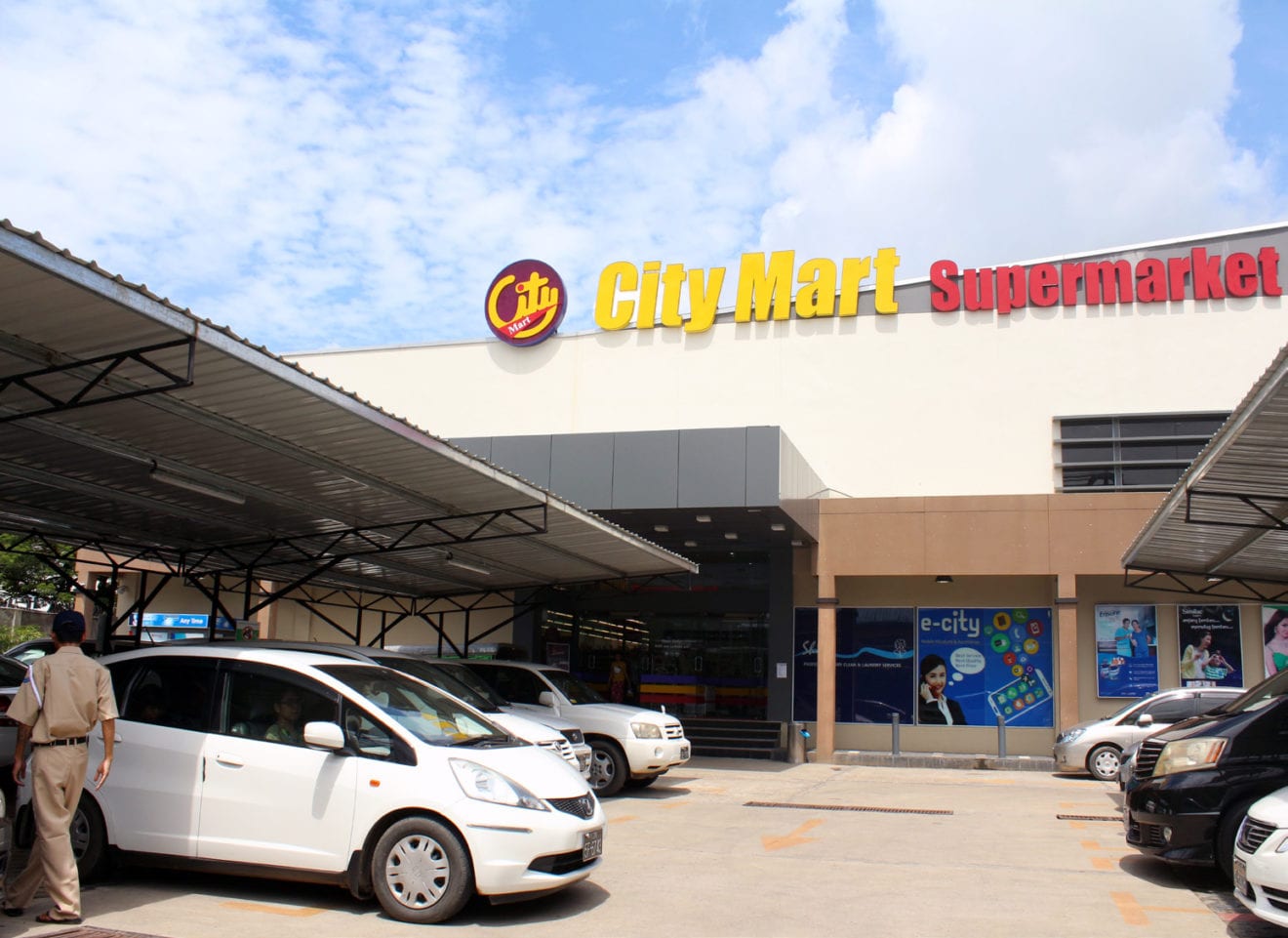
  • Myanmar City Mart secures IFC loan

    Myanmar City Mart secures IFC loan

    Supermarket group Myanmar City Mart Holding Company (CMHL), the nation’s largest private retail group, is borrowing $25 million to finance a nationwide expansion.

    With more than 150 retail outlets in Myanmar, the company plans to build 20 more supermarkets and hypermarkets over the next three years.

    It plans a sixfold increase in its purchases from domestic suppliers to reach around $150 million by 2021, and create nearly 4000 jobs, half of which will be for women, reports Deal Street Asia. CMHL’s financing is in the form of a loan from the International Finance Corporation (IFC), the private lending arm of the World Bank Group.

    IFC hopes that CMHL’s expansion will not only help create jobs, but also develop supply chain and logistics infrastructure as well as support smaller businesses. “With our global expertise and industry knowledge, we will be delighted to work with CMHL to improve efficiency and standards to become a model retailer in Myanmar,” says IFC regional director Vivek Pathak.

    CMHL’s shareholders are Win Win Tint, the founder and MD, and her relatives.

    “IFC’s investment is a sign of confidence in our business plan as well as in Myanmar’s retail sector potential,” says Win Win Tint.

    “In addition to funding, IFC’s expertise and advice on food safety, good social and environmental practices and corporate governance will also help us take the company to the next level.”

    Myanmar’s $12 billion retail sector is predominantly informal, with formal retailers holding less than 10 per cent of the market, according to the loan documents. It is the second such loan extended by the IFC to CMHL. In October, IFC had already extended a  $25 million loan for a $46 million retail expansion plan.

    IFC is supporting reforms and investments in Myanmar with the aim of strengthening the private sector, creating jobs for poverty reduction and boosting shared prosperity.