Category: Living

Retail News Asia is committed to providing both local and global retailers with the latest Living news throughout the Asian market. This on a daily base.

  • Major retailers prepare campaigns for Chinese New Year

    Major retailers prepare campaigns for Chinese New Year

    The Mall Group will celebrate Chinese New Year with a variety of activities and promotions to boost customer spending. The company projects the campaign to generate Bt2.5 billion in sales.

    Chamnarn Maytaprechakul, executive vice president of The Mall Group, said that towards the end of 2015, customer spending improved. During the final two months, the Consumer Confidence Index was the highest in eight months, fuel prices had declined, tourist numbers increased, and the government provided a year-end tax break.

    The Mall Group saw a 20-per-cent sales increase during the seven-day tax-break period, which helped the company reach its annual sales goal of Bt52 billion, 4-per-cent growth compared with 2014. “For 2016, we expect consumer spending momentum to continue, especially with Chinese New Year, an important celebration in Thailand that is just as popular as [January 1] New Year and Songkran. Spending during Chinese New Year is no less than Bt50 billion,” Chamnarn said.

    Robinson Department Store targets growth of 8 per cent year on year in the first quarter of this year as its “Robinson Chinese New Year” campaign welcomes the Year of Monkey. Shoppers will receive a red packet of discounts worth Bt1,200 for every Bt1,000 of spending. Prosperity-boosting and cultural activities in the Chinese tradition will also be in place.

    Sompong Rungnirattisai, chief commercial officer of Tesco Lotus, said Chinese New Year was an important occasion for a large number of people in Thailand. He said Tesco Lotus wanted to make the celebration affordable for customers as they were facing a challenging economic situation.

    “We have invested more than Bt250 million to bring down the prices of fresh food items by up to 46 per cent when compared with last year. We are also offering several cash coupons to help customers save during the season.

    “In addition, we have prepared special gifts for customers. Those spending Bt600 or more at Tesco Lotus will instantly receive a Chinese New Year red envelope containing special discounts on 50 items, worth a combined Bt4,400. Customers who spend Bt400 or more can redeem a lucky monkey doll at a special price of Bt159, down from the full price of Bt299,” he said.

    Siam Piwat Co, operator of Siam Paragon and Siam Center, together with Muang Thai Life Assurance, Kasikornbank and Advanced Info Service, has announced “Siam Prosperous Chinese New Year 2016”, a campaign to celebrate Chinese New Year and greet the Asean Economic Community. The campaign, to be held from February 3 to March 13 in Siam Paragon and Siam Center, will provide discounts of up to 80 per cent, lucky red envelopes and many other privileges, said Chanisa Kaewruen, Siam Piwat deputy managing director for marketing events and business relations.

    Central Pattana (CPN), Thailand’s largest retail developer and operator of CentralWorld, CentralPlaza and CentralFestival, along with their business partners, has invested Bt40 million in a campaign named “The Great Chinese New Year” to be held from February 5-29.

    Nattakit Tangpoonsinthana, executive vice president for marketing at CPN, said the company understood the needs of the new generation of Thai-Chinese customers and what they want during this festive season. They have more purchasing power than in the past and tend to be selective and require a certain standard of quality in the products and services they receive.

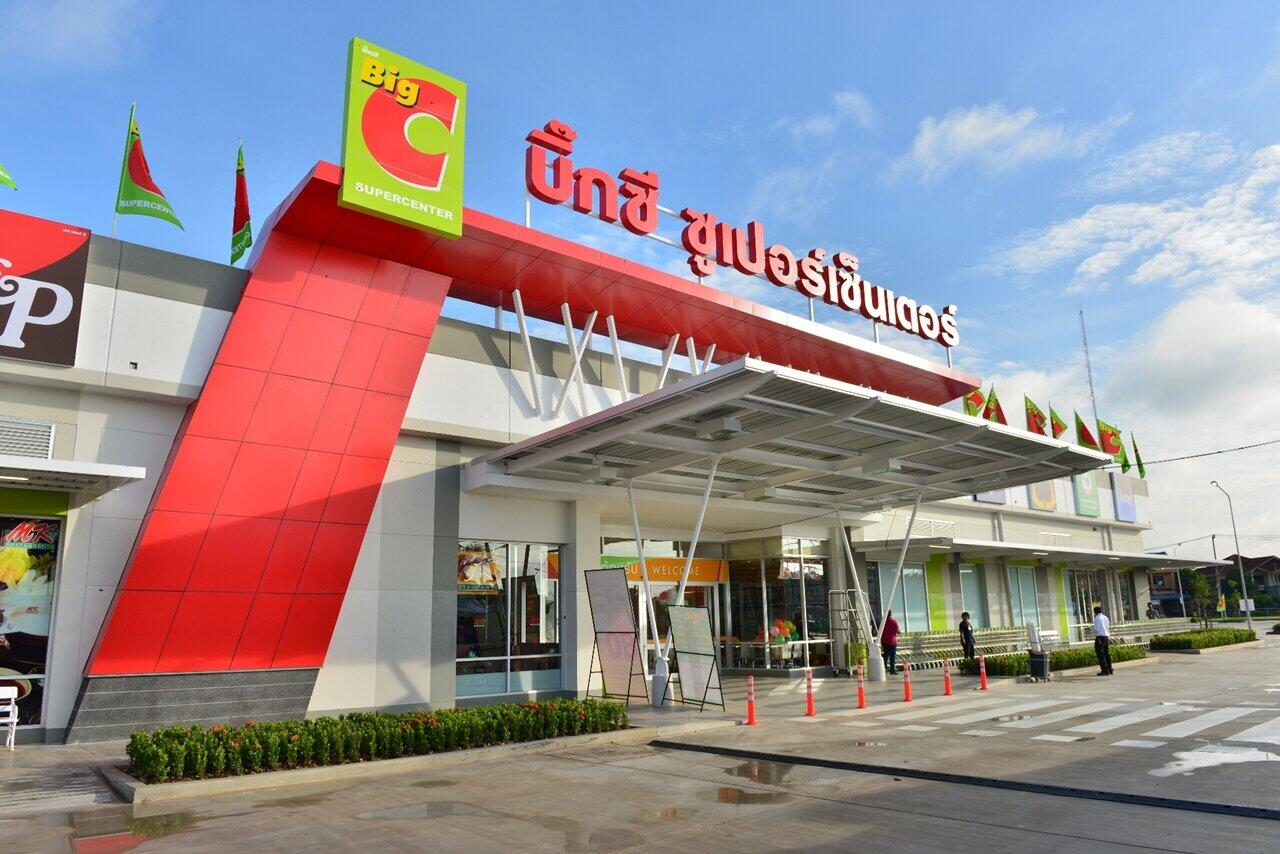
    At Big C Supercenter outlets, red packets of shopping discounts have been offered since mid-January. As well, shoppers get the chance of winning gold prizes every day until February 8, Chinese New Year’s Day.

    Future Park, the largest mall in Rangsit area, also launch an event called ‘Sweetest Moment of Chinese New Year’, between February 5 and 14, in which more than 1,000 shops within the complex will offer promotional sale of up to 80 per cent discount.
  • Police, retailers in central Singapore partner to deter crime

    Police, retailers in central Singapore partner to deter crime

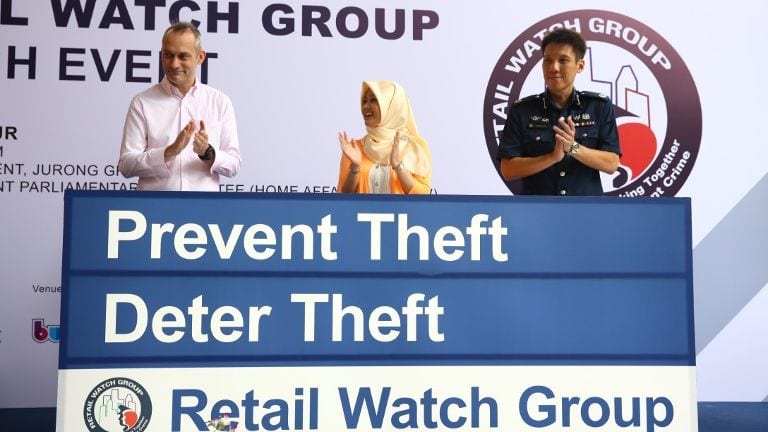
    The Marina Bay Neighbourhood Police Centre on Saturday (Jan 30) launched the Central Division Retail Watch Group, which aims to establish a partnership between the police and retailers to deter, detect and prevent crime.

    Rahayu Mahzam, Member of Parliament for Jurong GRC and a member of the Government Parliamentary Committee for Home Affairs and Law was the Guest of Honour for the event. In her speech, she referred to recent terrorist attacks in the region, and called on owners of retail and commercial establishments to be more vigilant and partner with the police to help ensure the safety and security of shoppers.

    In a media release, police said the Central Division Retail Watch Group consists of retailers from major shopping malls such as Bugis+, Bugis Junction, Raffles City, Marina Square and Suntec City. Membership is also open to all other retailers whose outlets fall within the jurisdiction of the Marina Bay Neighbourhood Police Centre.

    Police added that this Retail Watch Group serves as a platform for the police and retailers to exchange information and tips on how they can strengthen vigilance and measures against potential terrorist attacks.

    According to the release, the Central Division Retail Watch Group will implement two initiatives. Police will disseminate an e-newsletter to retailers with information on crime trends and statistics, as well as crime prevention and security practices. The second initiative is a “red teaming” exercise conducted by police and retail management.

    “These exercises aim to test the effectiveness of the stores’ security features and the vigilance of the duty staff,” said the police in their statement. “Following these exercises, the police will hold a review with the retail management to reinforce the learning points.”

  • A New Breed of Museum Retail in Singapore

    A New Breed of Museum Retail in Singapore

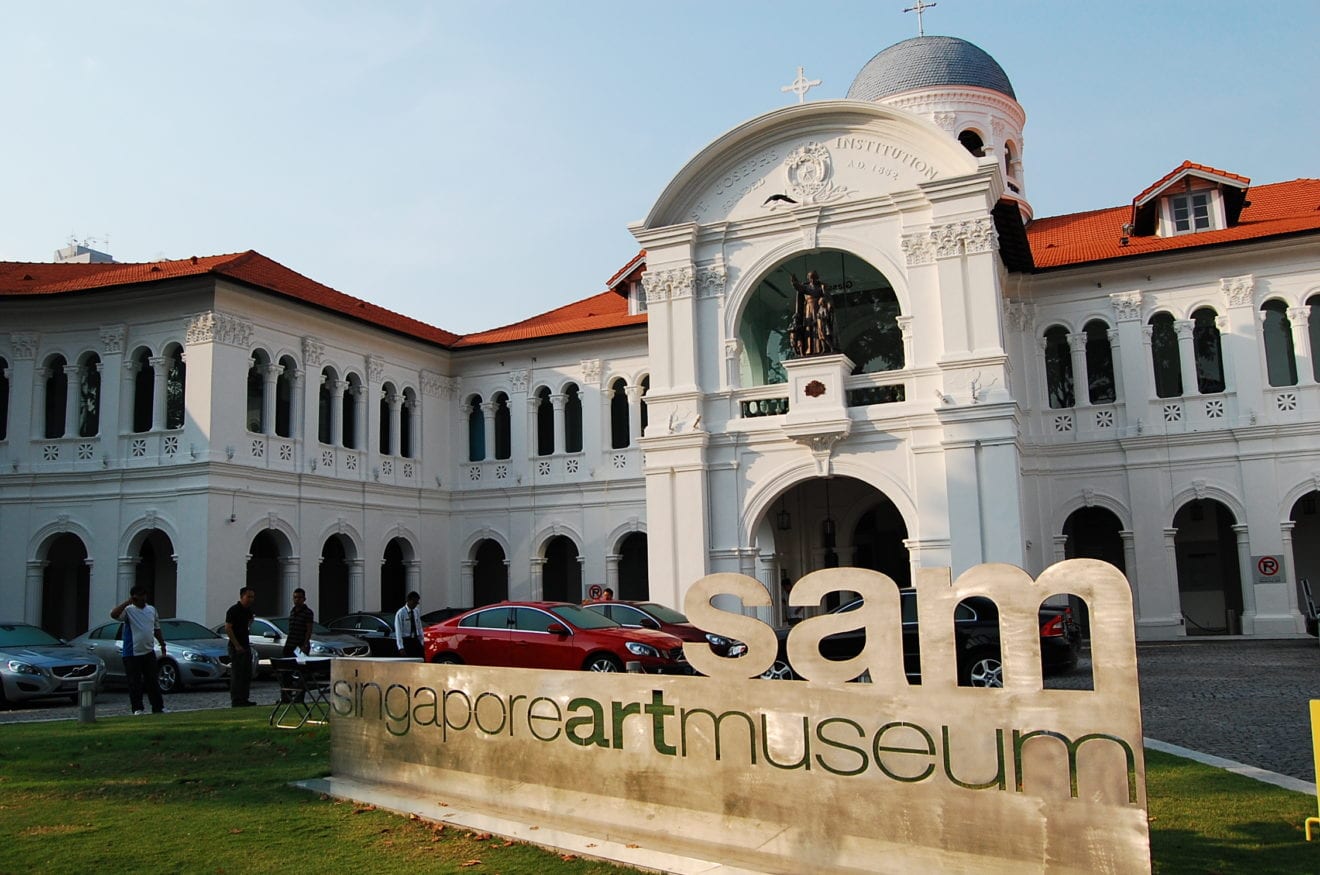
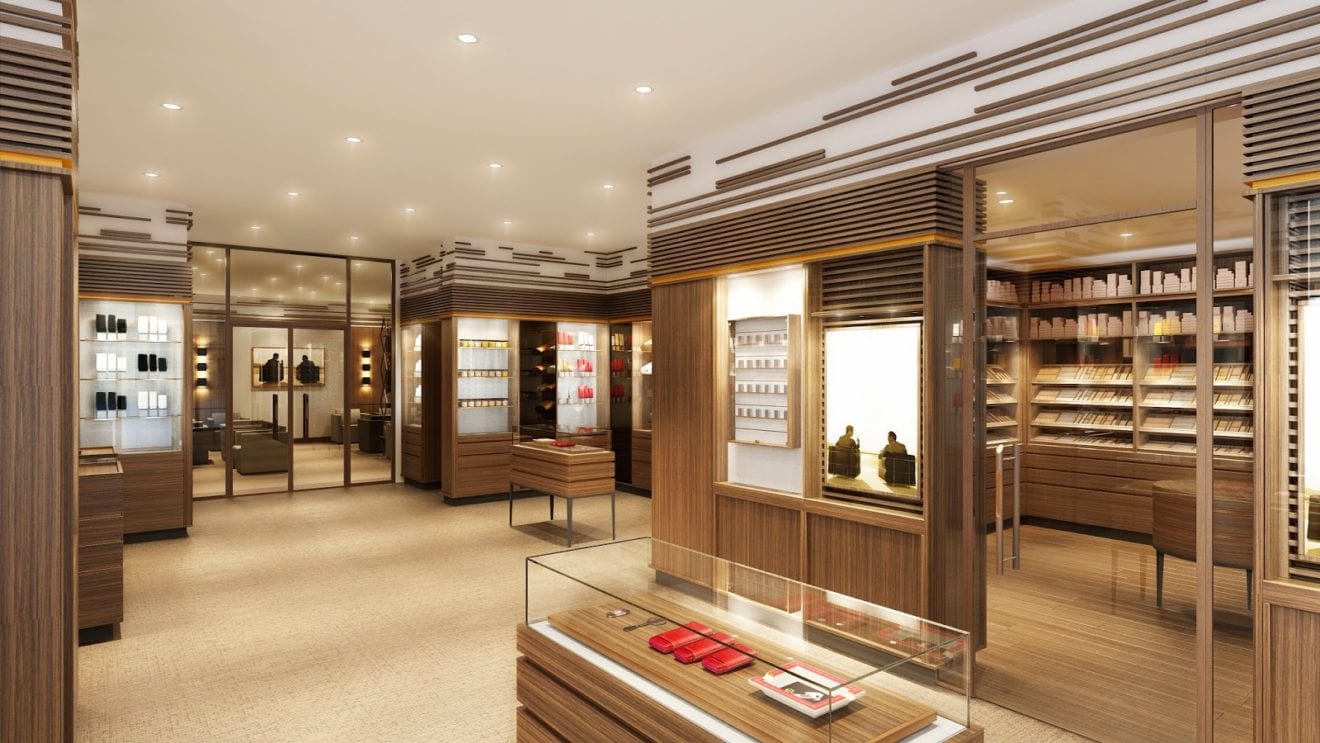
    Collecting things, it can be said, is the bane of modern living. So it is refreshing to see just how Gallery & Co. boldly eschews the easy materialism of museum retail. Modeled to offer visitors a curated experience of its bookstore, bar, cafeteria, café and museum store in one continuous space, the new design merchandise and dining venue opened at National Gallery Singapore on Thursday, taking up 8,800 sq ft space on the first floor of the Southeast Asian art-centric museum’s City Hall Wing.

    As a museum store, Gallery & Co. is quite unlike any other in Singapore to date, and understandably so, being the result of a partnership between the National Gallery Singapore and interdisciplinary collective & Co. The latter comprises industry movers and shakers in the form of hotelier and restaurateur Loh Lik Peng; creative designers Yah-Leng Yu and Arthur Chin, and Luxasia managing director Alwyn Chong.

    Heading the retail strategy is Chong, who worked with Yu to drive merchandising, brand curation and exclusive collaborations. The culinary direction is helmed by Loh; Yu and Chin lead the branding, space and product design.

    Across the varied categories of fashion, design collectibles, home decor, publications and more, all the objects elected as part of the store selection come with creative appeal. Brands carried in-store include Maison Kitsune, Smile Q&Q, Garance Dore, Marou, Supermama, General Object and Matter Prints. As Chong commented, nothing in this “living and evolving space” is permanent. “We do not want to be a museum store that just accumulates, but rather one that truly curates our offerings.”

    With the museum’s Southeast Asian art focus, the space will merge artisanal design with artistic encounters in the museum itself. Products inspired by current artworks on display, as well as of the heritage building’s architectural features, will be part of the retail offerings. Collaborations between regional and international creatives are in the pipelines; in the works are a capsule collection by Matter Prints and artwork-inspired candles by Mud Rock and Candles of Light.

    There are also plans to introduce limited run menus inspired by the museum’s blockbuster exhibitions at the all-day dining cafeteria. Not that the contemporary Southeast Asian menu by Restaurant Ember chef Sufian Zain — including the Green Curry Seafood Pasta and the Otah Stack, a sandwich with grilled mackerel fish cake — is lacking at all.

  • Hong Kong Suffering From China Visitor Drop

    Hong Kong Suffering From China Visitor Drop

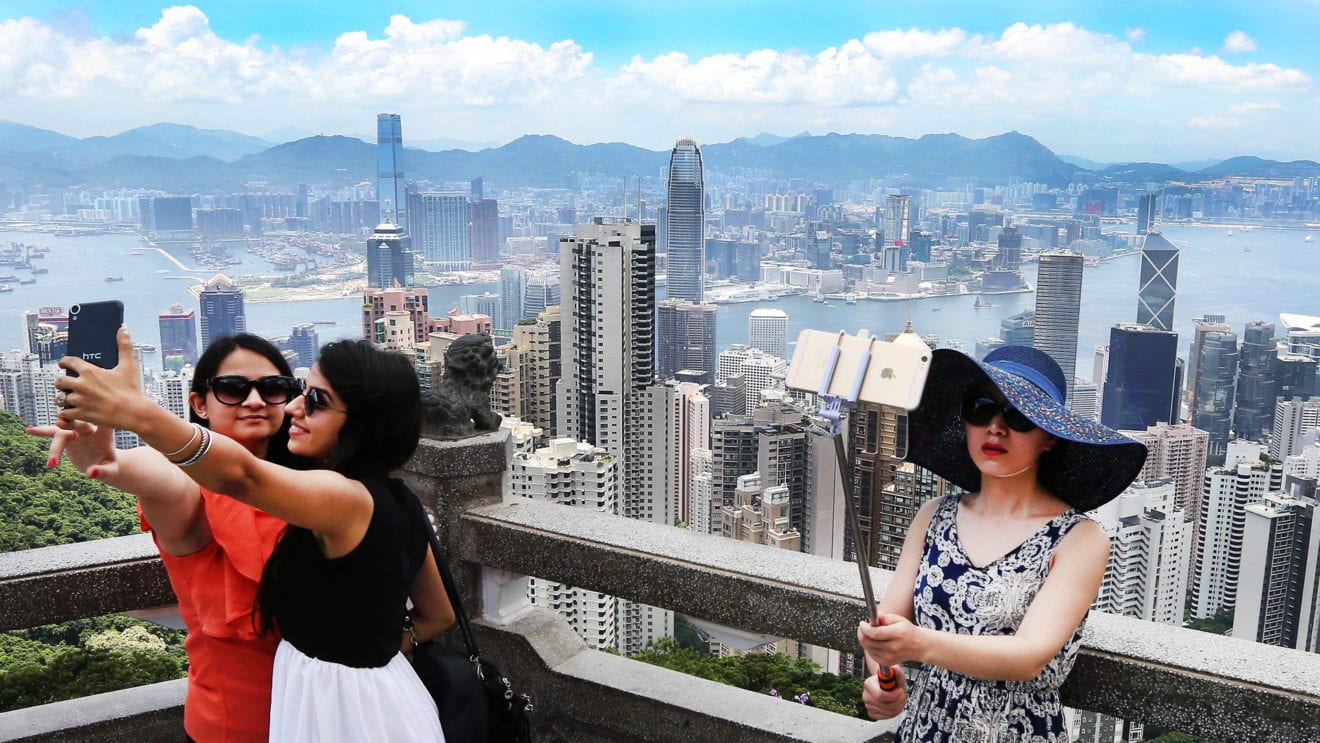
    Tour groups from mainland China to Hong Kong could shrink by two-thirds in the first half of this year, dealing another blow to retailers and an economy facing pressure from slowing growth in China.

    China accounts for almost three-quarters of all visitors to Hong Kong, which relies on tourism for about 5 percent of its GDP.

    Tourism numbers, however, fell last year for the first time in more than a decade and Ricky Tse, chairman of the Hong Kong Inbound Tour Operators Association, said he expects a further decline this year as the strong Hong Kong dollar continues to drive mainland Chinese to comparatively cheaper destinations such as Japan and South Korea.

    “The drop will continue for sure. The winter has just begun,” Tse said, adding that he expected the number of tours by Chinese visitors to fall by 60 percent in the first half of this year after halving in 2015.

    Government data shows tourist arrivals to Hong Kong fell 2.5 percent year-on-year in 2015 to 59.32 million, the first decline since 2003 when the city was hit by an outbreak of Severe Acute Respiratory Syndrome (SARS).

    This decline has hit luxury retailers, with the latest available data showing overall retail sales falling for the ninth consecutive month in November, the longest period of decline in 13 years.

    Brokerage CLSA, forecast trips by mainland Chinese to Hong Kong and the nearby gambling hub of Macau to average 3 percent growth over the next five years, compared with 16 percent growth for all other markets.

    “The move away from pure shopping trips is one of the main reasons that led to the slowdown in Hong Kong,” CLSA said in a recent report. “Looking into 2016, we believe the trend will continue.”

    (Reuters)

  • Korea duty free operations offered

    Korea duty free operations offered

    Two international airports in are set to review operational licenses for South Korea duty free shops.

    But the upcoming bids are unlikely to become competitive due to sluggish profitability, industry sources told Yonhap on Wednesday.

    Gimpo International Airport in western Seoul is expected to open a bid for tax-free shops later this month as the current operating rights expire in May after five years of operation.

    Currently, Hotel Lotte Co. and Hotel Shilla Co. have duty-free shops at the airport.

    Gimhae International Airport, west of the southern port city of Busan, also has to select a new operator as Shinsegae Co, a major retailer, shut down its store in December to focus on its city outlets.

    Shinsegae won a right to open a new duty-free shop in Myeondong, a popular tourist destination in downtown Seoul.

    While several local retailers threw hats into the ring for licenses in downtown Seoul last year to attract affluent Chinese shoppers, the upcoming bid is not likely to fuel competition as current shops at the airports have had difficulty making ends meet.

    Sales at the Gimpo and Gimhae outlets stood at 140 billion won (US$116 million) and 130 billion won, respectively, last year, according to their financial reports.

    Hotel Lotte said it plans to renew its license for Gimpo and decide on the Gimhae store after considering potential profitability.

    The unit under retail giant Lotte Group lost its license in southern Seoul in a tightly contested bid amid a bitter succession feud between the founder’s two sons.

  • Reliance retail business thrives

    Reliance retail business thrives

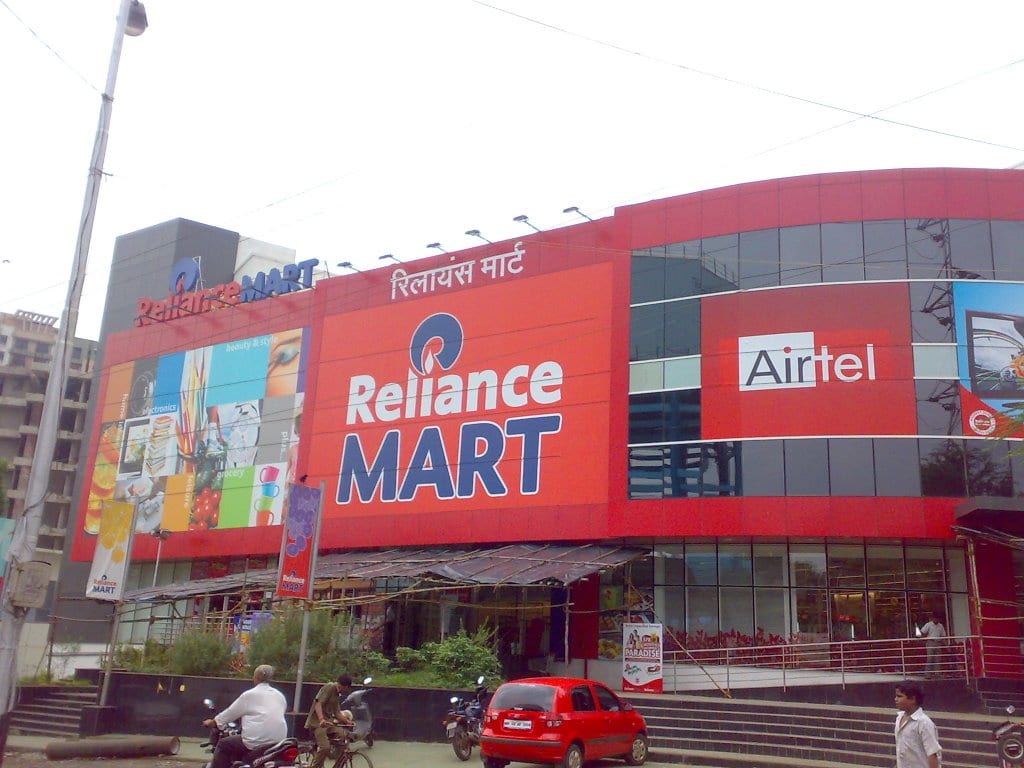
    Indian retailer Reliance Industries has reported a 50 per cent growth in sales in its consumer electronics category for the quarter to December 31.

    Reliance Retail also consolidated its leadership in the grocery category, optimising its network to enhance profitability. Several private-label products were launched in the grocery and general merchandise categories during the quarter. The contribution of private-label sales to overall sales increased to 14.6 per cent from 8.6 per cent in the same period the previous year.

    There are now more than 2 million registered members across 37 countries for Reliance Mart stores. These 1537 outlets specialise in consumer electronics. Strong year-on-year growth in this category was helped by Digital Express Mini rapidly scaling up during the quarter to reach more than 1250 outlets across the country in a short time since launch.

    Also delivering a strong performance, the fashion and lifestyle category was 16 stores opened byReliance Trends during the quarter.

    A Reliance Retail joint venture with Marks & Spencer continued to grow with new store openings, whileReliance Brands launched Dutch lingerie brand Hunkemöller, and also opened the first airport store in India for UK games and toys retailer Hamleys, in Delhi.

    Initiatives encompassing fashion and lifestyle e-commerce are also proceeding through beta testing. The development of a marketplace platform and distribution ecosystem for 4G devices are on track and being rolled out. It will be the largest distribution reach for devices in India, says the company.

    Meanwhile, the company is training 4G sales specialists while integrating supply chain and service centres. Reliance Retail also launched its own brand of 4G LTE smartphones, under the brand LYF, during the quarter.

  • Middle East Eyes Indonesian Beaches

    Middle East Eyes Indonesian Beaches

    Alwi Shihab, the Presidential envoy to the Middle East and the Organization of Islamic Coopeation (OIC), said that several Middle Eastern countries had expressed their interests to develop Indonesian beaches.

    Alwi revealed the Middle Eastern countries planned to build bigger exclusive resorts in order to compete with the famous Maldives.

    “Many Middle Eastern countries want to make bigger [tourist destinations] than Maldives. But they’re having difficulties to find a 300-hectare land,” Alwi said in Bandung on Thursday, January 28, 2016.

    Alwi explained that investors from Middle East wanted to develop accessible beaches, such as Pelabuhan Ratu in Sukabumi, West Java.

    “They want beaches with mounts located near Jakarta. We suggested investing in Sukabumi,” Alwi added.

    Since it was hard to find a sizable land in Pelabuhan Ratu, Alwi proposed other locations outside Java, such as those in Tanjung Lesung, Belitung, Padang, Selayar and Lombok. Alwi revealed that most of the investors were members of the Gulf Cooperation Council (GCC), such as the United Arab Emirates, Saudi Arabia, and Qatar.

    “Saudi Arabia has invested in Maldives,” Alwi said.

    Alwi explained that the Middle Eastern countries were more than willing to provide fund to develop beaches in Indonesia. The United Arab Emirates, for example, books an annual state revenue up to Rp 2,000 trillion (US$144.9 billion) per year.

    “I can’t say the exact number. You can do the math. It means they have money,” Alwi said.

    Alwi added that one of the reasons behind their interest to invest in Indonesian tourism was that Indonesia is open to Middle Eastern tourists. In addition, Europe and the United States had been paranoid when they see people with Islamic names spend their holidays in the two regions.

    “It’s related to the political dynamics in the Middle East. There’s Islamophobia and suspicion that make them uncomfortable when students or tourists from Middle East come to the United States or Europe. Therefore, the alternative is Indonesia, one of their friendly countries because there is no suspicion here. In addition, the majority of the population is Muslim. However, we’re not ready yet,” Alwi said.

  • Top art dealer David Zwirner looking to open gallery in Hong Kong

    Top art dealer David Zwirner looking to open gallery in Hong Kong

    David Zwirner, one of the most powerful art dealers in the world, is looking for a place in Hong Kong to open his first Asia gallery.

    “A couple of years ago, we thought we would just come to the art fair. Now, I’m convinced we need a gallery here,” said the founder of the eponymous New York and London gallery during a whirlwind visit to meet local clients.

    Christopher D’Amelio, senior partner in the gallery, said it wanted to have a permanent presence in Hong Kong “as soon as possible” after witnessing a steady growth in its Asian business.

    To cultivate awareness of the 51 artists it represents, and demand for their works, the David Zwirner Galllery wants to be able to put on exhibitions in Hong Kong and engage in dialogue with Asian clients outside of the art fairs.

    The arrival of Zwirner, named the third most influential person in the contemporary art world by ArtReview magazine, would be a big vote of confidence in the long-term prospects of the Hong Kong art market amid economic uncertainty and growing competition from other cities in the region. Among the artists he represents are Jeff Koons, Yayoi Kusama and Richard Serra.

    The years 2011 and 2012 saw a flurry of major international galleries, such as Gagosian Gallery and White Cube, open in Hong Kong after auction sales in the city doubled from 2009 to 2010. But there have been few additions since Pace Gallery opened in 2014.

    One reason is the dearth of good gallery space, especially compared with what Zwirner is used to. In New York, for example, he had a new, five-storey building with 30,000 square feet of floor space put up in 20th Street three years ago so that he could put on museum-quality shows.

    “We are spoilt. We have large galleries that in some instances we’ve built from the ground up. What I’d like to have is a space that inspires artists. But that is difficult in Hong Kong, so we might start with something modest,” Zwirner said.

    He said he had yet to find a suitable space and was prepared to wait for Hong Kong’s retail rents to fall further.

    It is only because Hong Kong is by far the easiest place to trade that he would put up with the high cost of opening a gallery in the city and the space restrictions. The gallery believes it can find much better properties in Beijing and Shanghai, with the latter becoming more attractive in recent years because of the proliferation of private museums and the establishment in 2013 of a tax-free zone. But opening a branch in China is less urgent than setting up shop in Hong Kong.

    “For now, both us and our clients find it much easier to transact in Hong Kong than in mainland China. But for us, I know we’d like the sort of space that we can find in the mainland,” said Zwirner.

    Singapore, another Asian city where there’s been a proliferation of art market activities, is not yet on Zwirner’s radar. “It’s a perfectly interesting market but to us, it’s a secondary market,” he said.

    The art market veteran predicts 2016 will be “complicated”.

    “America has an election – that’s not good, there’s instability there. The auction houses are very weak right now. Chinese economy is decelerating. All kinds of external pointers suggest we will have a rougher year,” he said.

    This was a good time for the art market to focus on quality again, he said. “One problem in the art market is too much art that maybe is not of the greatest quality, but fetches too high a price,” Zwirner said.

    Artists who had relied on the support of auction results alone would see their works become less popular compared with those who had “real careers”, he said. “If you get a show at the Museum of Modern Art in New York or the Tate Gallery in London, and they acquire your work, then one can assume that your career is real. That’s an objective criteria,” he said.

    As an example, he cited Ai Weiwei as an artist who has a “real” career. “He really hit international fame as a dissident. When he was put into prison he became a worldwide celebrity and then people discovered his art. Be that as it may. He is widely collected by major museums and he just had a major show at the Royal Academy. I think it’s a healthy career,” he said.

    Zwirner will bring a wide selection of works by their artists to this year’s Art Basel Hong Kong. The gallery is presenting a group of artworks by Isa Genzken, a major name in Germany, in the “Encounters” section of the art fair. The works are free-standing sculptures she made in 2015 for her Schauspieler (Actors) series.

    The gallery’s booth will feature, among others, new works by Belgian artist Michaël Borremans, who will also visit Hong Kong during the fair.

  • Charoen said to also compete for Big C in Thailand, Vietnam

    Charoen said to also compete for Big C in Thailand, Vietnam

    Some of Thailand’s richest families are preparing to compete for the Southeast Asian operations of French supermarket operator Casino Guichard-Perrachon SA, according to people with knowledge of the matter.

    Billionaire Charoen Sirivadhanabhakdi’s TCC Holding Co and the Chirathivat family’s Central Group are weighing first-round bids for the Big C Supercenter chains in Thailand and Vietnam, which are due Feb 5, the people said.

    The companies have been speaking with banks about advisory roles and financing options, according to the people, who asked not to be named as the process is private.

    Casino’s controlling stake in Bangkok-listed unit Big C Supercenter Plc could fetch more than $3 billion (108.4 billion baht), while a sale of its Vietnam business could raise as much as $800 million, the people said. The Vietnamese operations have also drawn interest from Tokyo-based retailer Aeon Co, two of the people said.

    A deal would add to the $54.9-billion of acquisitions in Southeast Asia over the past 12 months, data compiled by Bloomberg show. The proposed disposals are part of Casino’s plan to cut debt by more than €4 billion ($4.3 billion) this year, after its share price slumped more than 50% in the past 12 months.

    Casino may sell its businesses in the two countries together or separately, depending on the offers it receives, the people said. The French company owns 58.6% of SET-listed Big C Supercenter.

    A person who answered the phone at Mr Charoen’s office in Bangkok said he wasn’t available for comment. Spokesmen for Aeon and Big C Supercenter declined to comment, while representatives for Casino, Central Group and TCC didn’t answer phone calls seeking comment. An investor-relations official for Berli Jucker Plc, the Bangkok-listed consumer goods distributor controlled by TCC, also didn’t answer a phone call seeking comment.

    Central Group is among Thailand’s biggest conglomerates, employing over 70,000 people in businesses from retail to real estate, according to its website. It bought Italian luxury department store La Rinascente in 2011 and Danish department store Illum in 2013.

    TCC, led by Thailand’s richest man, agreed last year to buy Metro AG’s Cash & Carry wholesale business in Vietnam for €655 million. The conglomerate acquired control of Singapore food and beverage maker Fraser & Neave Ltd in 2013.

    Big C Supercenter, founded by the Chirathivat family, opened its first store in Bangkok in 1994, according to its website. Casino took control of the Thai-listed company five years later.

    Shares of Big C Supercenter have gained 15% this year, giving it a market value of 191.4 billion baht ($5.3 billion). The company has 580 stores in Thailand at the end of March 2014, ranging from hypermarkets to convenience stores, according to its website.

  • Thailand Plans to Boost Northeastern Economy

    Thailand Plans to Boost Northeastern Economy

    Thailand’s northeastern economy, among the poorest in the country, is looking to expand trade with neighboring Laos and business in the Greater Mekong Subregion (GMS) as it recovers from a two-year recession.

    The downturn was triggered by an end of populist programs heralded by the former government of Yingluck Shinawatra. The May 2014 coup ended her almost three year administration and brought an end to programs led by a rice price pledging scheme.

    Under the program, farmers were paid at rates some 50 percent above the global market before the effort collapsed, costing Thai taxpayers more than $14 billion and leaving farmers across the region deeply in debt.

    While the good times lasted, funds triggered a boom in retail and commercial investment and spending. Major department stores sprang up in towns such as Ubon Ratchathani and Udon Thani.

    A rice farmer collects snails and cleans the rice field near Udon Thani, Thailand, Sep. 15, 2015.

    A rice farmer collects snails and cleans the rice field near Udon Thani, Thailand, Sep. 15, 2015.

    But now retailers report sluggish sales and the Thai central bank warns of growing indebtedness among farmers as rice prices fall to their lowest in six years.

    Agriculture accounts for some 20 percent of the region’s economy, followed by trade. Household incomes in the Northeast are the lowest in Thailand, at close to $550 a month, well short of the nearly $1,200 earned per month in the Bangkok region.

    Border trade

    But Athikarn Ringcharoen, president of the Chamber of Commerce in Amnat Charoen province, bordering Laos, said the local economy was starting to pick up although still below levels of two years ago.

    Athikarn said government policy support and increased cross border trade with Laos, was helping the recovery. He added that despite the poor state of the global economy, the provincial outlook was “OK”.

    Infrastructure spending is also set to come to the aid of the region.

    Athikarn said plans to upgrade a Royal Thai Airforce airstrip to a regional airport less than 30 kilometers from Amnat Charoen town were also welcome.

    Long term infrastructure set to benefit the region includes the $10 billion China-Thai 870 kilometer rail-line from Nong Khai, bordering with Laos, to Bangkok. On the horizon is the Japan-Thailand rail-line from Tak province, bordering Myanmar, to Mukdahan, bordering Laos.

    Ubon Ratchathani University political scientist, Titipol Phakdeewanich, said cross border trade ties have helped eased the downturn.

    “Many businesses are now more open to customers from Laos. If you go to different malls – they have signs in Lao [language] and when the market is more connected – to some extent – it helps to provide a cushion to the local economy. So the local economy in the area I don’t think it’s entirely dependent on the global market,” said Phakdeewanich.

    Government spending

    The military government’s economic czar, Deputy Prime Minister Somkid Jatusripitak, has announced spending of over $970 million in projects directed to 70,000 villages nationwide.

    Analysts say the program mirrors similar initiatives under previous governments of so-called “village funds” to boost rural consumption.

    The Federation of Thai Industries, while welcoming the programs, say more measures are needed to ensure growth is sustained.

    The Federation warns the rural sector remains vulnerable to falling commodity prices that may impact some 30 million people in the farm sector – almost half the national population.

  • Kingsdown Vietnam opens first store

    Kingsdown Vietnam opens first store

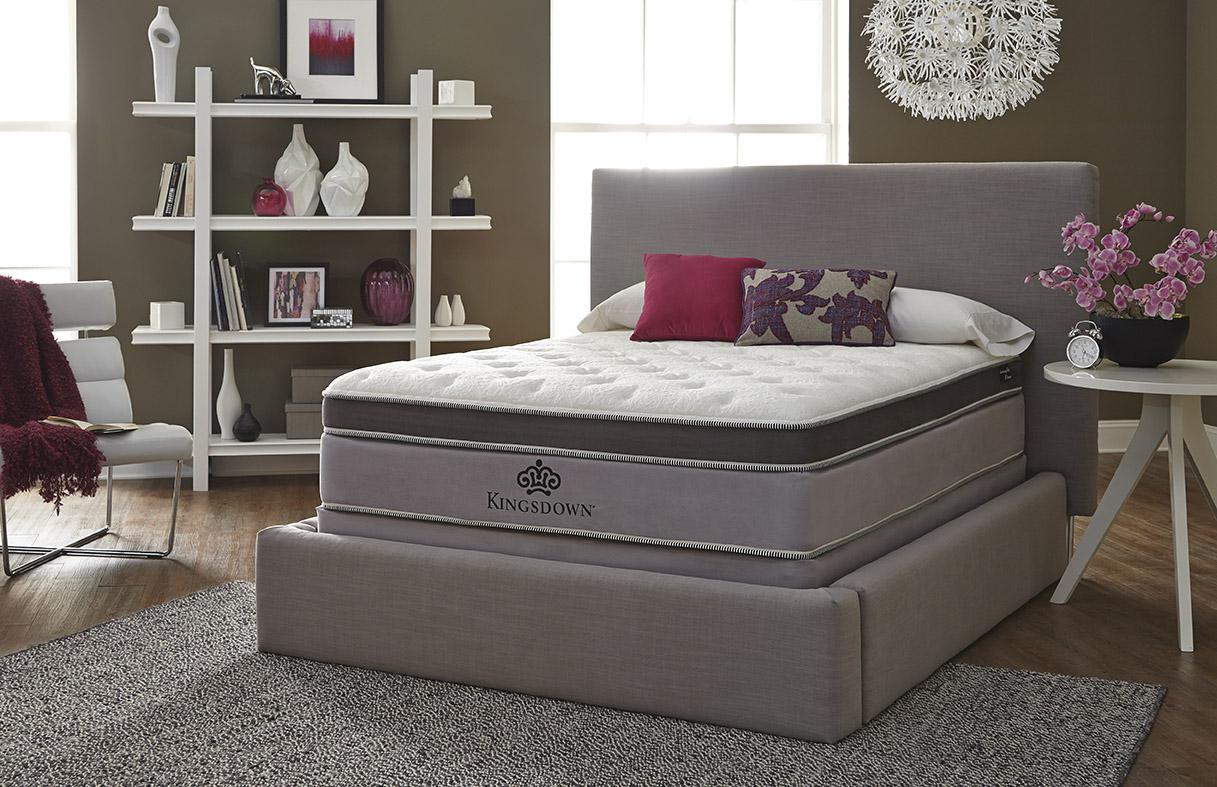
    American bedding producer Kingsdown has opened its first branded retail showroom in Vietnam, in Ho Chi Minh City, heralding a push into Asia.

    The company has also announced it plans to open more than 100 branded showrooms in Asia within the next 12 months.

    Based in Mebane, North Carolina, Kingsdown claims to be the largest independent, employee-owned mattress manufacturer in the US. The Kingsdown Vietnam showroom carries bedding and furniture products made by long-time licensee Far East Foam.

    “We have enjoyed a fantastic reception in Asia over the past few years with its growing middle and upper classes,” says Kingsdown president/CEO Frank Hood.

    “As wealth spreads throughout the region, it made sense to expand our presence with our good partner Far East Foam. American products are held in high regard in this region.”

    Kingsdown entered the Chinese market with its My Side and BedMatch brands in 2012, and following “significant” growth is set to open 46 more branded retail stores across the mainland. These Kingsdown stores will sell its popular collections, as well as products specifically designed and developed for the Chinese marketplace, the company says.

  • Inflation May Accelerate to 4.38% in January

    Inflation May Accelerate to 4.38% in January

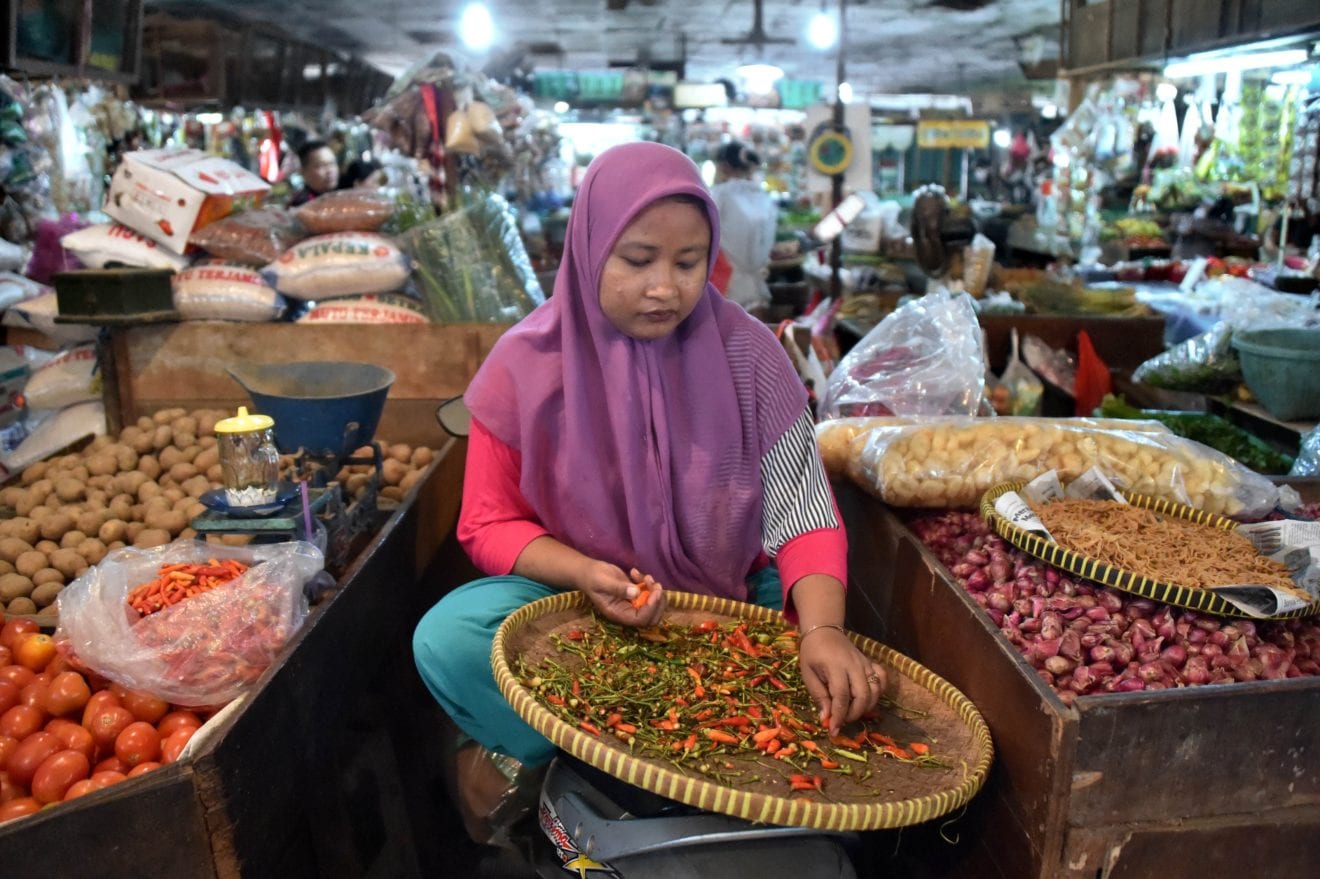
    Supplies of shallots and chili, staple ingredients in Indonesian meals, are often low during the rainy season, propping up the prices index, said Sasmito Hadi Wibowo, the deputy of goods and services distribution at the Central Statistics Agency (BPS).

    Beef prices are also on the rise, increasing by 1 percent alone this month after the government slapped a 10 percent value added tax on beef trade and import in the beginning of this year. Officials reversed the policy on Friday.

    Bank Indonesia has targeted an inflation rate of between 3 percent and 5 percent this year.

    The central bank just cut its benchmark interest rate to 7.25 percent last week as it seeks to stimulate bank lending and boost growth, but an accelerating inflation would undermine its ability to trim the interest rate further.

    The government aims to expand Southeast Asia’s largest economy by 5.3 percent this year, rebounding from an estimated 4.7 percent last year, its slowest pace since 2009.

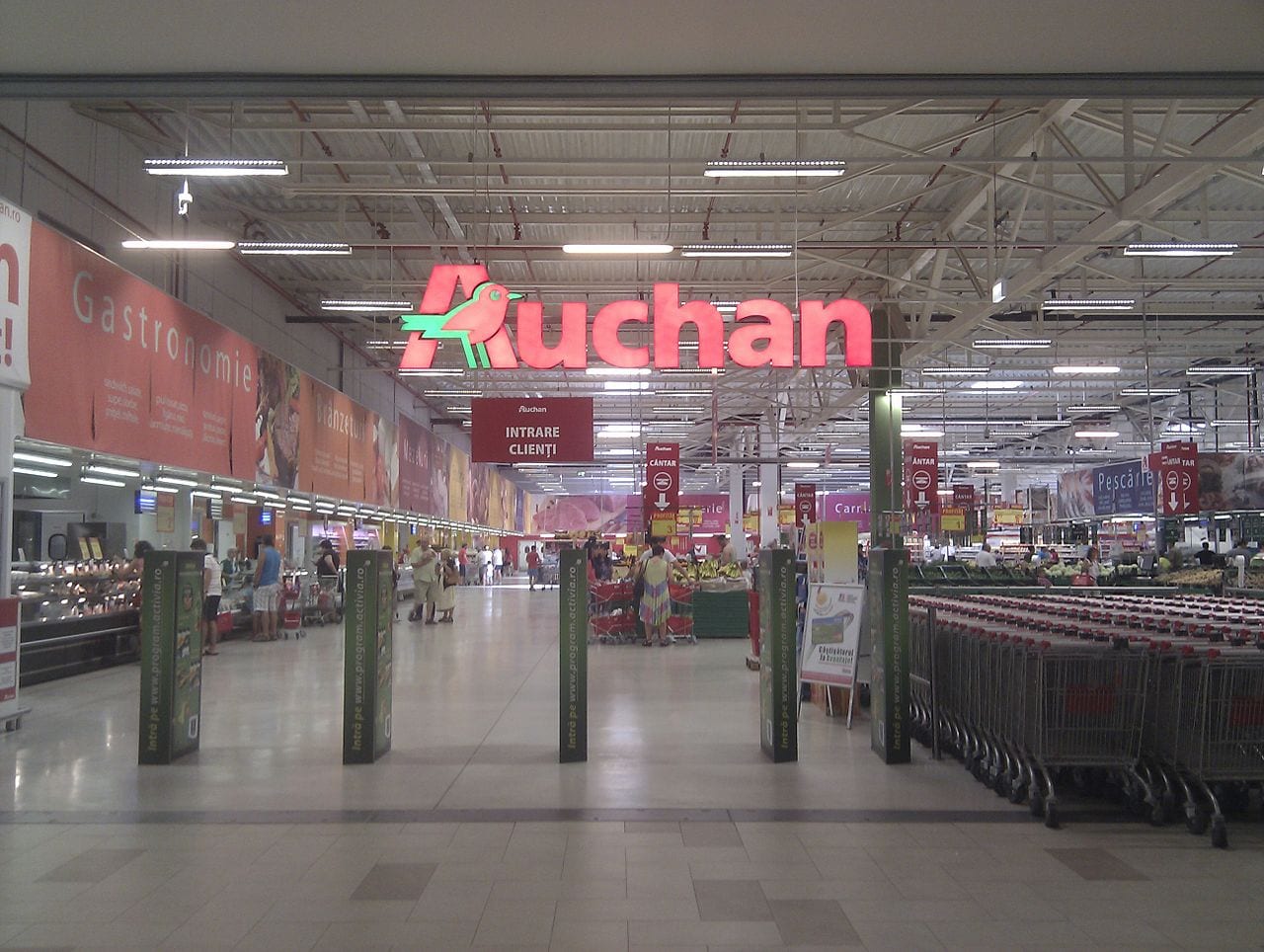
  • French retail giant AuchanSuper about to enter Vietnam

    French retail giant AuchanSuper about to enter Vietnam

    AuchanSuper, a major retail brand of France, is planning to enter Vietnam with the opening of the first store in 2016, according to a recent report on Ho Chi Minh City’s retailing landscape for this year of the Vietnamese arm of U.S.-based realty consultant firm CBRE.

    CBRE Vietnam said in the report last week that Ho Chi Minh City will be home to 15 AuchanSuper convenience stores, reinforcing the presence of foreign retailing brands in the southern economic hub.

    As of 2015, only one foreign retailer, which is French-owned Big C, had been on the list of the top five players in Vietnam alongside such local competitors as Saigon Co.op, Mobile World, Nguyen Kim Trading Joint Stock Company, and Saigon Jewelry Company Limited.

    Following the trend of other Asia-Pacific countries, operators of convenience stores will possibly gain a much larger market share, according to the report.

    Established since 1960, Auchan, the largest retail brand of France, currently owns nearly 900 hypermarkets, 370 supermarkets and more than 860 shopping centers worldwide.

    In Vietnam, Auchan has been present since 2014 through the Simply Mart supermarket chain, which is expected to grow to about 20 stores in Vietnam until 2020.

    Big C, on the other hand, may be sold to other investors after Casino Group, the owner of the retail chain, issued a memorandum last month stating that it may seek a new owner for its supermarket chain in Vietnam, as the company plans to strengthen its financial flexibility by selling assets in the country, as well as Thailand and Colombia.

    Despite a sustainable growth rate, earnings from the Vietnamese arm are miniscule in comparison with other foreign businesses of Big C.

    In 2016 Casino Group is expected to enact what it calls a ‘deleveraging plan’ of more than two billion euros (US$2.2 billion), mainly through real estate transactions and the disposal of non-core assets, according to the memo.

    The French group currently owns 10 retail brands across the globe, with a concentration in Asia. The Big C brand is used for the supermarket chain in Vietnam and Thailand.

    Regarding the wholesale business in Vietnam, the sole foreign player, German-owned Metro Group, last week announced it had officially been transferred to Thailand’s TCC Holding Co.

    TCC acquired all of Metro Cash & Carry Vietnam’s operations, including 19 wholesale stores and related real estate portfolios for an enterprise value of 655 million euros ($712.14 million), according to a Metro press release.

    Metro said the deal resulted in a cash inflow of around 400 million euros ($434.9 million), adding that payment had already been made.


  • Davidoff thinks big as it exercises Bluebell option

    Davidoff thinks big as it exercises Bluebell option

    As expected, Oettinger Davidoff AG has acquired the majority interest in Bluebell Cigars (Asia) Ltd – its long-time Asian distributor – in what is a highly significant strategic move.

    Bluebell is a family-owned company that is one of the largest brand luxury distributors in Asia, representing over 50 luxury and lifestyle brands in 10 countries, operating 500 retail stores, and employing over 2,500 dedicated staff. It has also been associated with Davidoff cigars for more than 50 years.

    Davidoff’s majority share investment in Bluebell follows the 25% stake taken by the leading premium cigar company a year ago and this new ownership has been effective from January 1, 2016.

    As part of the new structure, Davidoff says that Bluebell Cigars (Asia) Ltd will be renamed Davidoff of Geneva (Asia) Ltd. and will continue to be led by Laurent de Rougemont as Managing Director.

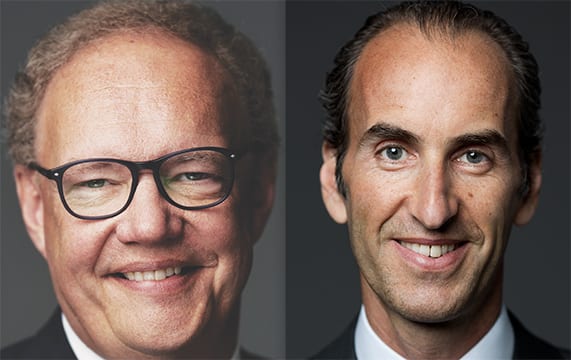
    Davidoff CEO Hans-Kristian Hoejsgaard and Laurent de Rougemont Senior Vice President Asia

    Left to right: Davidoff CEO Hans-Kristian Hoejsgaard and Laurent de Rougemont, new Senior Vice President Asia.

    He will report directly to Oettinger Davidoff CEO Hans-Kristian Hoejsgaard in his new role as Senior Vice President Asia and  Rougemont will also be a member of Oettinger Davidoff’s global management group.

    In addition, Gerhard Anderlohr, Oettinger Davidoff’s current Head of Asia, will take up a new role as Vice President Business Development with a particular focus on China and the Chinese consumer.

    Commenting, Hans-Kristian Hoejsgaard, CEO Oettinger Davidoff AG, said: “The 2015 Agreement with Bluebell Cigars (Asia) Ltd provided us with a right over time to acquire a majority interest in our long-standing Asian partner and the time was now right to make that move.

    “The JV will continue to operate in the spirit of equal partnership and Bluebell and Oettinger Davidoff will be equally represented on the company’s Board of Directors. I am delighted in this way to cement our relationship with Bluebell and further deepen our commitment to the Asia Region, which continues to represent significant future potential for the Davidoff business.”

    Ashley Micklewright, CEO Bluebell (Asia) Ltd. stated: “We are delighted Oettinger Davidoff exercised their right to increase their interest in our joint venture and that we can now operate the business in the spirit both parties initially intended over a year ago.

    “In today’s market, the impact of digital technologies and the harmonisation of markets across the globe has meant legacy relationships have had to be revisited and adapted so that the interest of parties remain aligned for the greater good of the brand.

    “We have been particularly proud to have been associated with Davidoff for the past fifty years and of course its success in Asia, and we believe we have a foundation which will allow us to remain as proud for many more years to come.”

  • CEO stresses value of physical stores, not just e-commerce

    CEO stresses value of physical stores, not just e-commerce

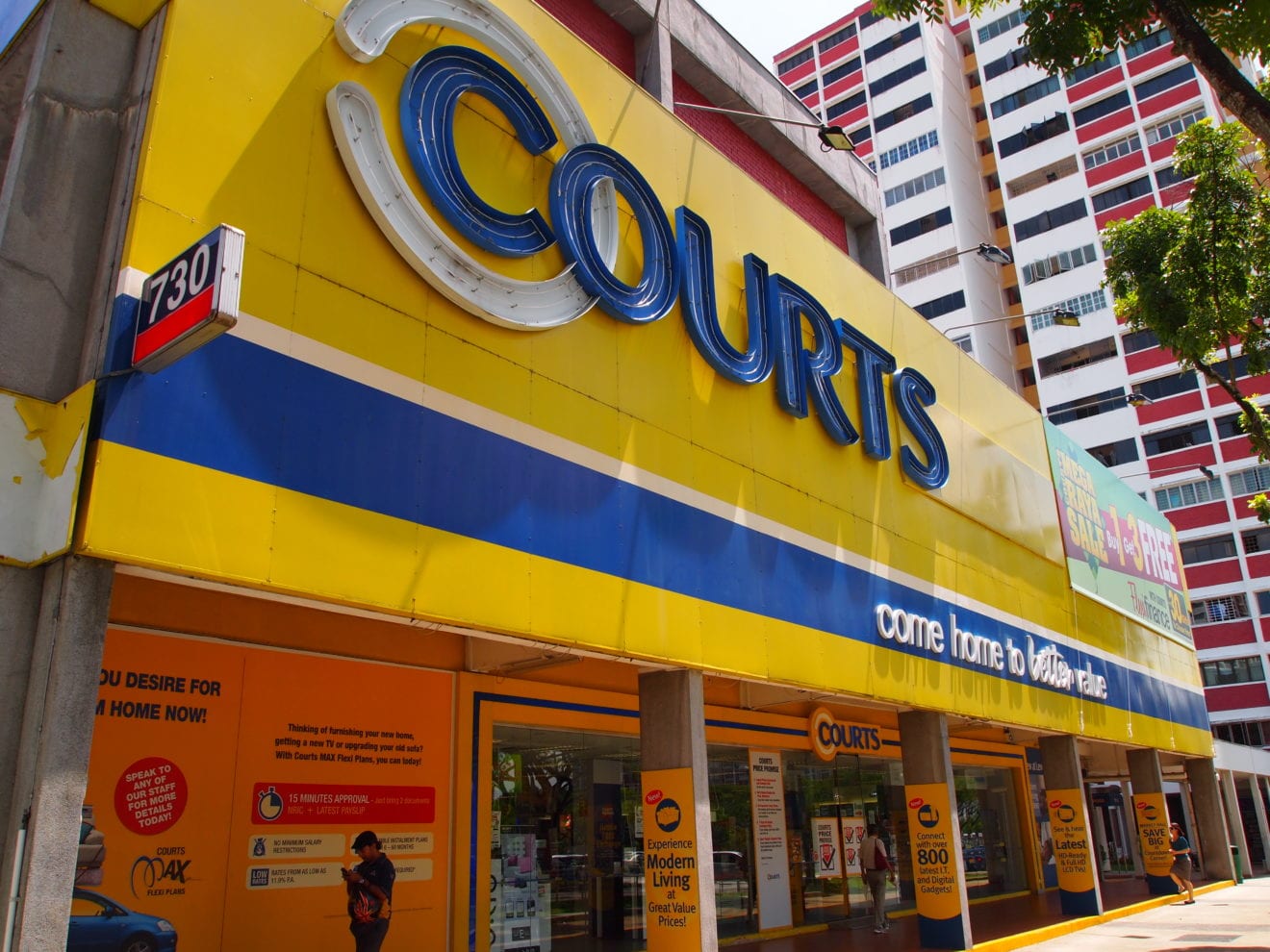
    Electrical goods, information technology and furniture retailer Courts Asia believes that while e-commerce has been gaining popularity, retailers should not neglect their brick-and-mortar operations. The Singapore-based company also sees technology and renting in suburban areas as important revenue sources.

    Terry O’Connor, Group CEO of Courts Asia (Photo by Courts Asia)

    Terry O’Connor, group CEO of the Singapore-based retailer, said that physical stores still play an important role for retailers. “Especially in the case of high-demand products like the latest smartphone, customers want to make sure they get one, rather than waiting for it to be delivered another day,” he said. O’Connor noted that online shoppers do not necessarily prefer delivery, as they may not be home to receive the goods when they arrive. “About half of our customers buy online and then collect (the goods) from the store,” he said.

    Investing in technology is also crucial for retailers to grow their business. Courts Asia recently implemented a queuing system recommended by Google for their online peak periods. “The system stops the website from crashing by having a slightly moderated waiting time of one to two minutes, so everyone effectively ends up transacting faster,” he said. “It has really helped in terms of the conversion rate and reduced some of the abandoned online shopping carts,” he observed. Courts Asia saw higher sales on 2015’s Black Friday and Cyber Monday peak shopping days compared with a year earlier.

    For retailers entering a new market, renting space in suburban areas can reduce costs and gain access to more customers. O’Connor warned that new retailers “will have to pay high rent from day one” if they instead start their business by renting space in the central business district or prime areas. He added that this in turn increases costs significantly and result in the retailer losing out on customers who live outside the city.

    He also suggested that investing in areas that complement the core business is an important step in a company’s expansion. “A lot of retailers that have gone into a completely different field have failed, as it is not their core skill set,” he said. Retailers should go to “the most adjacent category which has a synergy to what they already sell.”

    Courts Asia has grown into one of the largest retailers in Southeast Asia, with 80 stores totaling over 148,600 sq. meters of retail space. Originally named Courts, the company began as a furniture retailer in the U.K. It was established in Singapore and Malaysia in 1974 and 1987, respectively. In 2012, it was renamed Courts Asia and listed on the main board of the Singapore Exchange. In 2014, Courts Asia entered the Indonesian market.