Category: Living

Retail News Asia is committed to providing both local and global retailers with the latest Living news throughout the Asian market. This on a daily base.

  • Furniture giant IKEA loses its trademark dispute in SC in Indonesia

    Furniture giant IKEA loses its trademark dispute in SC in Indonesia

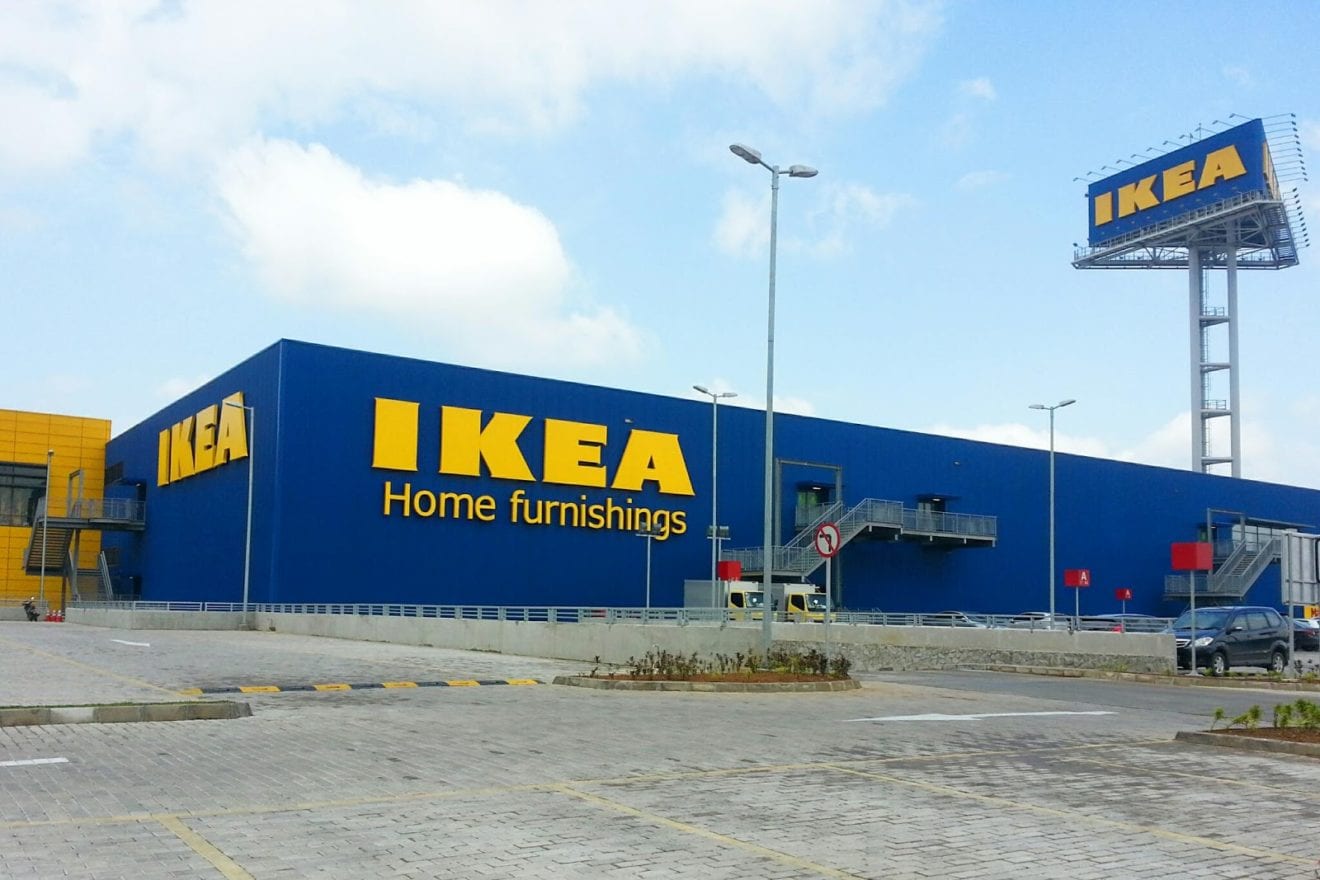
    There is Samsung of South Korea, Sony of Japan, BMW of Germany and IKEA of Indonesia. Wait! IKEA of Indonesia? Yes, at least in Indonesia, if not worldwide.

    Furniture giant IKEA, founded in Sweden in 1943, has lost a trademark dispute in Indonesia after the country’s highest court agreed the name was owned by a local company.

    Indonesian furniture company PT Ratania Khatulistiwa registered its IKEA trademark in December 2013. It’s an acronym of Intan Khatulistiwa Esa Abadi.

    The Supreme Court’s ruling was made in May last year but only surfaced publicly this week with its publication online by the court on Thursday.

    It said IKEA had not actively used its trademark in three consecutive years for commercial purposes and it could be deleted under Indonesia’s trademark law.

  • Al-Futtaim and Chalhoub Group sign deal to bring Robinson across Middle East

    Al-Futtaim and Chalhoub Group sign deal to bring Robinson across Middle East

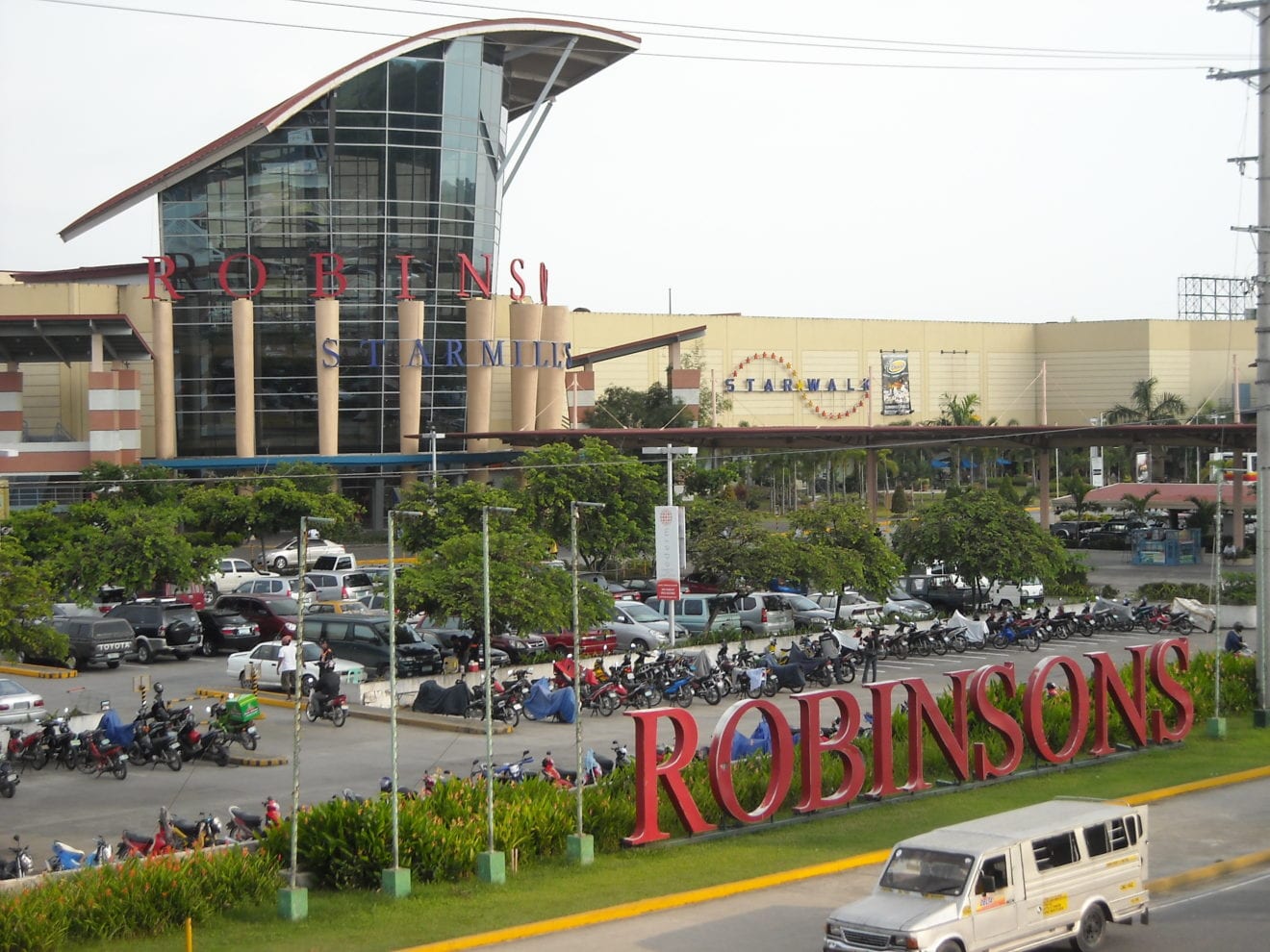
    Al-Futtaim, a business houses headquartered in Dubai, has signed a joint venture agreement with the Chalhoub Group to bring Singapore’s leading fashion department store Robinsons to the GCC and the Middle East region.

    The first Robinsons department store will open in spring 2017 at Dubai Festival City Mall, which is currently undergoing a major expansion programme.

    Spanning a total of 18,000sqm across three levels, the store will be the first of many to follow in the GCC.

    Paul Delaoutre, President – Retail, Al-Futtaim said: “Al-Futtaim has already been operating four Robinsons department stores in Singapore and Malaysia and through our partnership with the Chalhoub Group we will bring this unique format department store to the Middle East expanding the brand’s footprint and strengthening its international appeal.

    “Robinsons department stores in the GCC will be offering contemporary fashion covering the full spectrum, from accessible to luxury in a relaxing environment where fashion is alive. We will focus on novelty and style, a large part of the offer will be completely new to the Middle East.

    In 2008, Al-Futtaim acquired the Robinsons Group, regarded as Singapore’s legacy retailer. The Group is currently operating three Robinsons stores in Singapore and one in Malaysia. Over its 150 years of operation, Robinsons department store has become synonymous to Singapore and its fashion retail industry.

    Patrick Chalhoub, Chief Executive, Chalhoub Group said: “We are excited about this partnership as we will be combining Al Futtaim’s vast experience of operating over 200 companies with our intimate knowledge of the Middle-East luxury market and consumers, in order to deliver the most relevant offer of the Department Store adapted to the Middle East customer who is now knowledgeable and assertive.”

    Thierry Prevost, Managing Director – Fashion and Department store, Al-Futtaim Retail said: “The Robinsons department store in Dubai Festival City Mall will offer customers exclusive fashion brands across categories for  women, men, kids, beauty, home and lifestyle, food and beverages in addition to unique services.”

    The store will also feature a number of restaurants and views overlooking the Dubai Creek and the emirate’s skyline.

  • The Simpsons store: a new retail phenomenon?

    The Simpsons store: a new retail phenomenon?

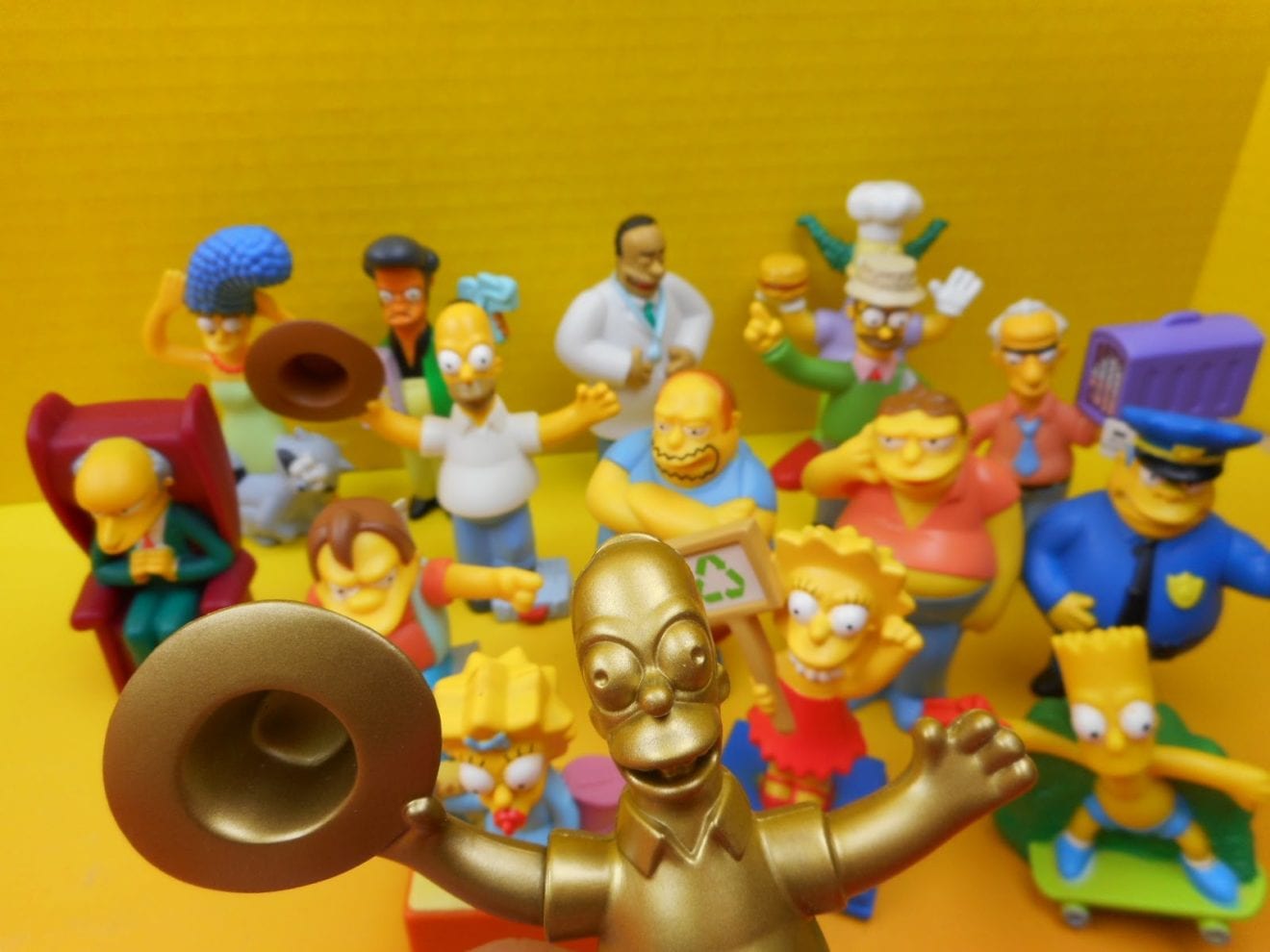
    The Simpsons is about to expand offscreen into a retail store network, with two flagships confirmed as the first global outlets for the popular animated US TV series.

    Beijing and Shanghai will be home to the world’s first The Simpsons stores because the 27-year-old show is familiar to Chinese audiences and Simpsons products have already been a success, reportsChina Daily. A network of 100 retail stores is planned to follow.

    Opening in the fashion district of Sanlitun in March, the Beijing store will be the first bricks-and-mortarSimpsons store in the world. The second store will be launched in Shanghai in June, according to 20th Century Fox Consumer Products president Jeffrey Godsick. Its location has yet to be announced, but it is expected to be in a high-traffic mall similar to the one in Beijing.

    Fox launched Simpsons products in China in collaboration with fashion brands nearly three years ago. It started to team up with Chinese retailers 18 months ago before deciding to open the stores last year to tap growing interest.

    Godsick says the products released in China sold out quickly, and there were routinely a three-hour queue for people to enter the fashion brand store in Shanghai that launched Simpsons products.

    Already, Walt Disney has led the way by opening its first flagship store in Shanghai’s Pudong New Area in May last year. The world’s largest Disney store, it offers more than 2000 categories of products.

    “China’s movie and television industry will bring a lot of investment opportunities for derivative product sales,” Professor Zeng Hongshan of Zhongnan University of Economics & Law has told theChina Economic Herald.

    Derivative products of Star Wars have created about $30 billion worth of business, and in 2013 and 2014 alone generated about $4.6 billion for Disney, China National Radio has reported.

    Meanwhile, the Simpsons stores will cover about 250 sqm and offer about 200 products including T-shirts, hats, jackets, pants, cellphone cases, lifestyle accessories, stationery, shoes, sneakers and socks.

    Between 25 and 50 per cent of the products will be sold exclusively through Simpsons stores, says Godsick.

    “We will continue to design individual consumer products for each of our movies and TV shows in China, and ultimately grow our brand as a company,” he says.

    In October 2014, a Simpsons World app was launched in China, allowing fans to watch all 500-plus episodes of the series for free.

  • Bangkok Neon Fest market 2016

    Bangkok Neon Fest market 2016

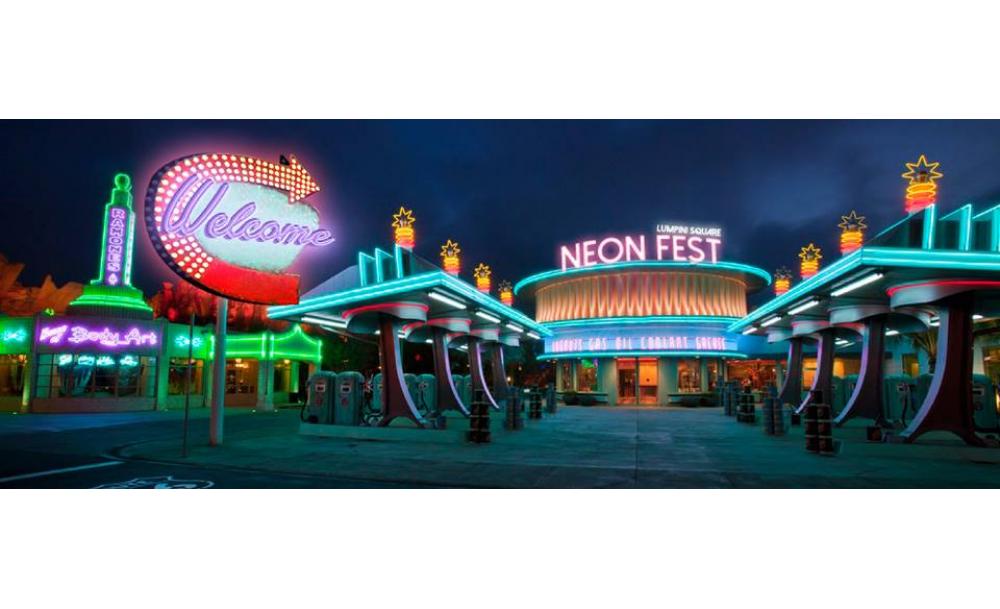
    Eating, drinking and shopping along with live music – that is what to expect at Bangkok’s unofficial container festival, Neon Fest Market BKK, in the heart of the Thai capital.

    Neon Fest Bangkok 2

    With 931 booths, the new container market will feature concerts by Thai acts Lipta, Nakarin “Pang” Kingsak, Singto Namchok and Tattoo Colour, as well as surprise events.

    Neon Fest Bangkok 1


    Covering more than 9000 sqm of the Lumpini area, the neon-lit flea market will be open Thursdays to Sundays from February 11 until July 1. It includes food trucks as well as fashion and craft stalls.

    Next to MRT Lumpini station, the Bangkok event will be in Lumpini Square, which previously housed the Suan-Lum Night Bazaar. Entry is free.

    Neon Fest Bangkok copy

  • Masan Group solidifies strategic partnership with Singha

    Masan Group solidifies strategic partnership with Singha

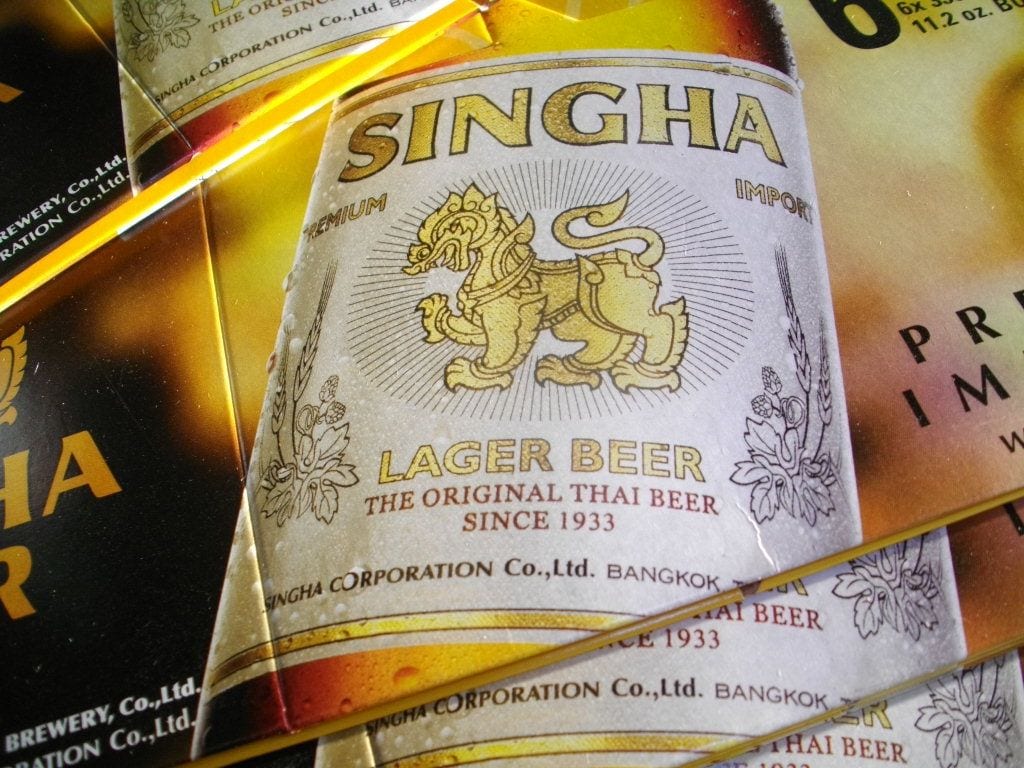
    Masan Group Corporation closed the first round of funding of its strategic partnership with Singha Asia Holding last month.

    Singha contributed US$650 million (Bt23.2 billion), comprising $50 million for a 33.3-per-cent equity interest in Masan Brewery and $600 million for a 14.3-per-cent equity interest in Masan Consumer Holdings.

    Proceeds of the $600-million into Masan Consumer Holdings facilitated the purchase of additional shares in Masan Consumer, the non-alcoholic branded food and beverage platform of Masan.

    As a result, Masan Consumer Holdings’ direct ownership in Masan Consumer increased from 77.8 per cent to 96.7 per cent.

    The first closing is a strong validation of Masan’s strategic value, platform and growth potential as the company further develops its business not only in Vietnam but inland Asean alongside Singha.

    Closing of the remaining $450-million increase in Singha’s equity interests in Masan Consumer Holdings to 25 per cent is subject to customary regulatory and corporate approvals. 

  • Unicef Indonesia Urges Private Sector to Protect Children’s Rights

    Unicef Indonesia Urges Private Sector to Protect Children’s Rights

    “Unicef calls upon all companies to ensure that their operations and other business activities do not harm children. Government policies should support companies in this regard including by making sure that children are protected from possible rights violations by the private sector,” she said.

    Olsson expressed the desire to have comprehensive guidelines for companies on how to respect and support children’s rights in the workplace and marketplace included in Indonesia’s national frameworks and action plans that deal with human rights and business.

    The Ministry of Justice and Human Rights suggested children’s rights should feature more prominently in the government’s National Action Plan on Human Rights (Ranham) and in the Business and Human Rights Action Plan (Ranham Bisnis) currently being developed.

    “One of the key pillars of the UN Guiding Principles on Business and Human Rights highlights the state’s obligation to respect, protect and fulfill human rights. However, other actors, in this case, the business community, also have the responsibility to respect human rights in all its operations and practices,” said Mualimin Abdi, director general for human rights at the Ministry of Justice and Human Rights.

    Nur Kholis, chairman of the National Commission on Human Rights (Komnas Ham), highlighted the key role of the Ranham Bisnis in minimizing possible negative impacts of business operations on human rights and in strengthening private companies’ role in Indonesia’s development.

    Save the Children, the UN Global Compact and Unicef in March 2012 presented the Children’s Rights and Business Principles. Numerous corporations, organized in an Association of Child-Friendly Companies (Apsai), have since assessed their practices regarding their impact on children’s rights.

    “Unicef hopes many more companies will join the initiative and review their operations against the Children’s Rights and Business Principles,” said Olsson, the Unicef representative. “Corporate social responsibility with a focus on child rights that goes beyond philanthropic investment will strengthen companies’ sustainability, reputation and risk management and will ultimately foster a stable, inclusive and sustainable business environment. In the end, it’s in the companies’ own economic interest.”

    “One third of the world’s population are children; they are the future leaders, employees and customers of companies,” added Shinta W. Kamdani, president of the IBCSD. “In striving towards a sustainable business environment this issue should take the center stage of business sustainability. Children’s Rights and Business Principles serve as a tool for companies who are willing to go the extra mile to ensure a viable business future.”

  • Shanghai Disney Resort Launch of huge Disney theme park in China lifts stocks

    Shanghai Disney Resort Launch of huge Disney theme park in China lifts stocks

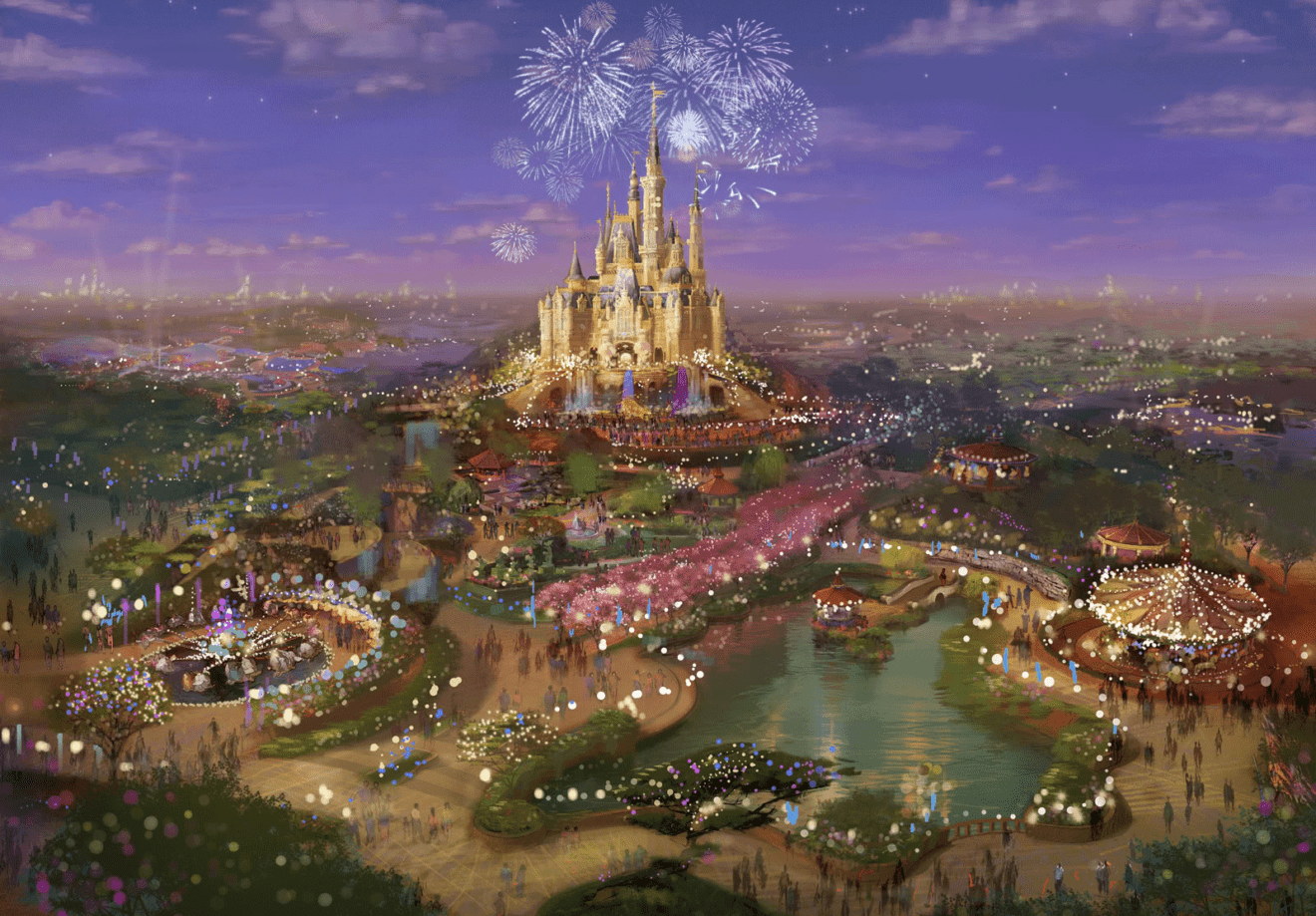
    The launch this coming June of Shanghai Disney Resort, which will be one of the largest theme parks in mainland China, is the first upbeat topic in a long time for the country which has been swayed by economic slowdown and the stock market plunge.

    Meanwhile, Hong Kong Disneyland — some 1,200km southwest of Shanghai and which celebrated its 10th anniversary last year — is concerned that the new Disneyland in mainland China could result in a decline in visitors in its home turf.

    Walt Disney of the U.S. and Shanghai Shendi Group of China, which are jointly building Shanghai Disney Resort, said Jan. 13 that the first phase of the theme park will open on June 16. The announcement boosted shares in Shanghai Jinjiang International Hotels Development, the operator of nearby hotels, and real estate developer Shanghai Jinqiao Export Processing Zone Development. These companies are expected to benefit greatly from the launch of the theme park. The stock price of Shanghai-based China Eastern Airlines, which partners with Shanghai Disney Resort, also soared on the Hong Kong stock market.

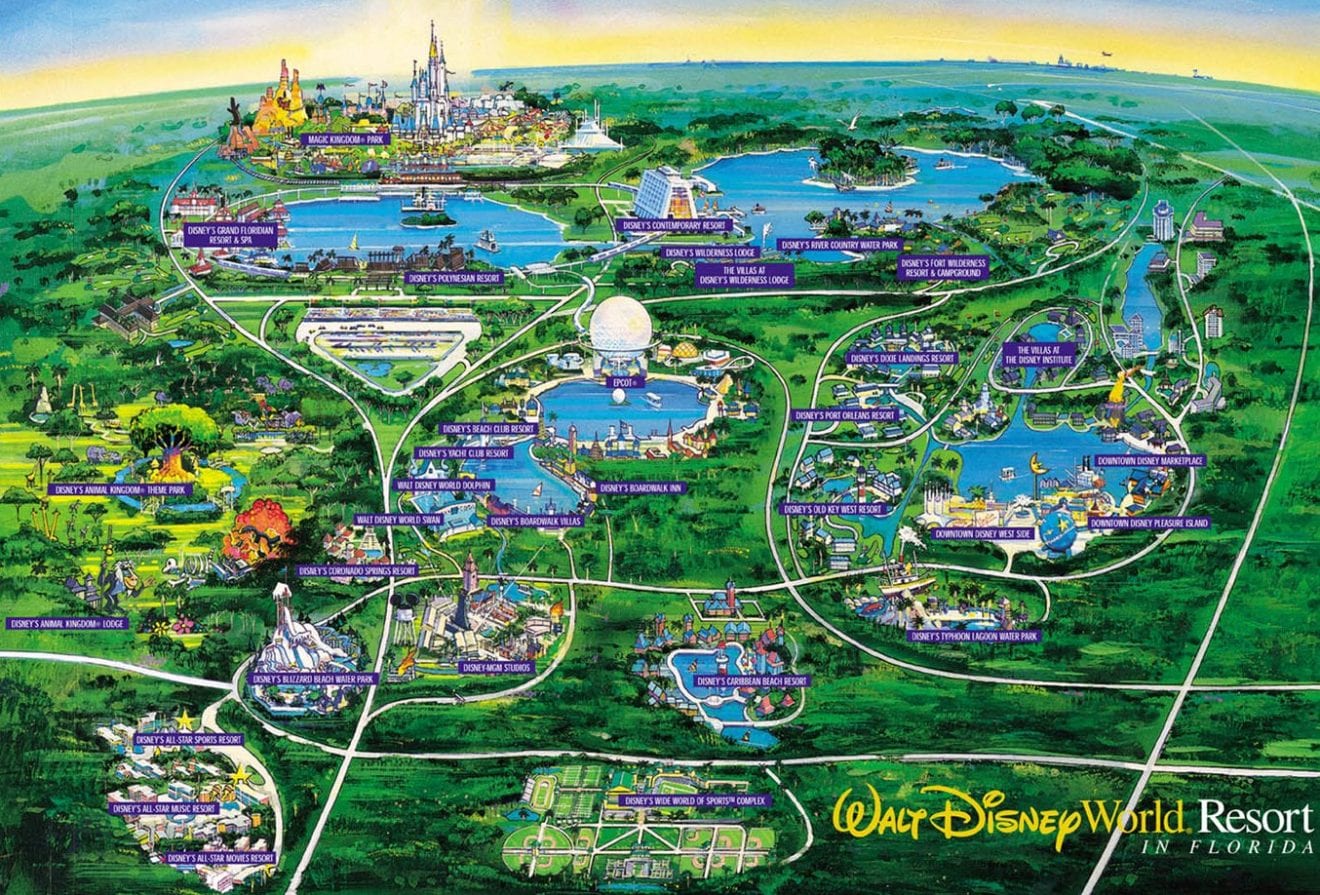
    Nearly 10 years from the plan, five years from the start of construction and two years behind the original plan, the dream of the Shanghai economic community will finally come true. Shanghai Disney Resort — which will be the sixth in the world and the third in Asia after Tokyo and Hong Kong — will be equipped with hotels and commercial complexes, with the construction cost totaling $5.5 billion.

    Structural shift

    Stock market players predict the theme park will see more than 12 million visitors in its first fiscal year, easily surpassing Hong Kong Disneyland’s 7.5 million in 2014. The numbers are expected to jump to 40 million a year once the third phase of the park is complete. The numbers could top the 31.3 million visitors to Tokyo Disneyland and Tokyo DisneySea in 2014.

    Major Chinese brokerage Haitong Securities expects Shanghai Disney Resort will “boost the city of Shanghai’s annual retail sales by 4%,” on the assumption of 15.6 million visitors and the daily average spending of 700 yuan ($106) per visitor in the first fiscal year. The theme park will also been seen as a test of whether China can shift from a manufacturing- and infrastructure-based economy to a service-driven economy.

    Meanwhile, the Hong Kong stock market was once buoyed by the Disney boom. During the period from the end of October 2004 to the opening of Hong Kong Disneyland on Sept. 12, 2005, the stock prices of luxury hotel operator Shangri-La Asia and jewelry store operator Chow Sang Sang Holdings International surged 37% and 48%, respectively, on expectation that the opening of Hong Kong Disneyland would help boost tourist numbers. The share price of Macau casino operator Galaxy Entertainment Group also jumped 120%, and the benchmark Hang Seng Index rose 16%.

    However, the share prices of retail and leisure companies in Hong Kong have remained sluggish, as the number of mainland visitors to Hong Kong has declined due to the Chinese government’s anti-corruption campaign and growing anti-China sentiment in Hong Kong.

    In a survey of mainland Chinese members conducted by U.S. travel information website operator Travelzoo on their most preferred travel destination in 2016, Hong Kong was ranked 32nd, down from 23rd place, losing out to the 31st-ranked Africa.

    Mainland-dependent

    In addition to such unfavorable trend, officials of Hong Kong Disneyland are concerned they may have to compete with their Shanghai counterpart for customers.

    Hong Kong Disneyland posted its first profit in fiscal 2012, hit by the 2008 global financial crisis and the 2009 swine flu pandemic. Its revenue base is not stable and is becoming more dependent on mainland visitors. The total number of visitors was up more than 60% to 7.5 million in 2014, from 4.6 million in 2009. The number of mainland visitors surged more than 120% during the same period, with their ratio to total visitors up from 36% to 48%.

    Comparing the share prices of Shanghai Disney Resort-related companies and retail and leisure companies in Hong Kong with the end of 2012, when the construction of Shanghai Disney Resort began full swing, property developer Shanghai Jinqiao Export Processing Zone Development and Shanghai International Airport, the operator of the two international airports in Shanghai, saw their stock prices jump 70% and 110%, respectively. On the other hand, the stock prices of Shangri-La Asia and cosmetics retailer Sa Sa International Holdings in Hong Kong fell about 60% to 70%.

    A spokesman for Hong Kong Disneyland stressed to Nikkei Quick News that the company is proud to be one of the top tourist attractions in Hong Kong over the last decade, and they strive to provide customers from around the world with a whole new experience. All eyes are on whether the two Disneylands in Hong Kong and Shanghai can coexist and prosper.

  • Featured: DFS Group interview

    Featured: DFS Group interview

    In an exclusive interview, DFS Group’s Brooke Supernaw, Senior Vice President Spirits, Wines and Tobacco, told Charlotte Turner that the new accreditation is a reflection of the retailer’s dedication to its customers and staff. She also revealed that this training course is something which they are rolling out in Singapore, then Hong Kong before doing so globally.

    Charlotte Turner: Tell us what it means to be in charge of travel retail’s first Whisky Ambassador venue, and why does travel retail need these venues?

    Brooke Supernaw: We’re very honoured to be the world’s first travel retail venue to receive this accreditation. It’s really a reflection of our dedication to both our customers and our staff, to invest in their education, to bring a better experience to our customers.

    And that then relates to delivering a better experience to the customer. I see more and more and I hear more and more from our staff that our customers are becoming very savvy, especially when it comes to the world of whisky, and then even more so in the world of single malts.From our customers’ point of view when they shop for a whisky – which is inclusive of all different types of whisky – they want to know the history; they want to know the heritage; they want more information than just the age and the price. By putting our staff through this strong training programme, it’s not only going to build their confidence, but their passion around how whisky is made and really appreciate the heritage behind it.

    There are a lot more connoisseurs coming through over the last few years as this category starts to grow and we need to not only keep up with that, but we need to be ahead of it. We want our sales associates to not only feel confident, but deliver the best experience for the consumer, and to really inspire them through their knowledge and through their education. So for us we’re going to be rolling this out in Singapore and then in Hong Kong and then ultimately globally as part of our DFS University; our training programme.

    CT: How did this initiative come about exactly?

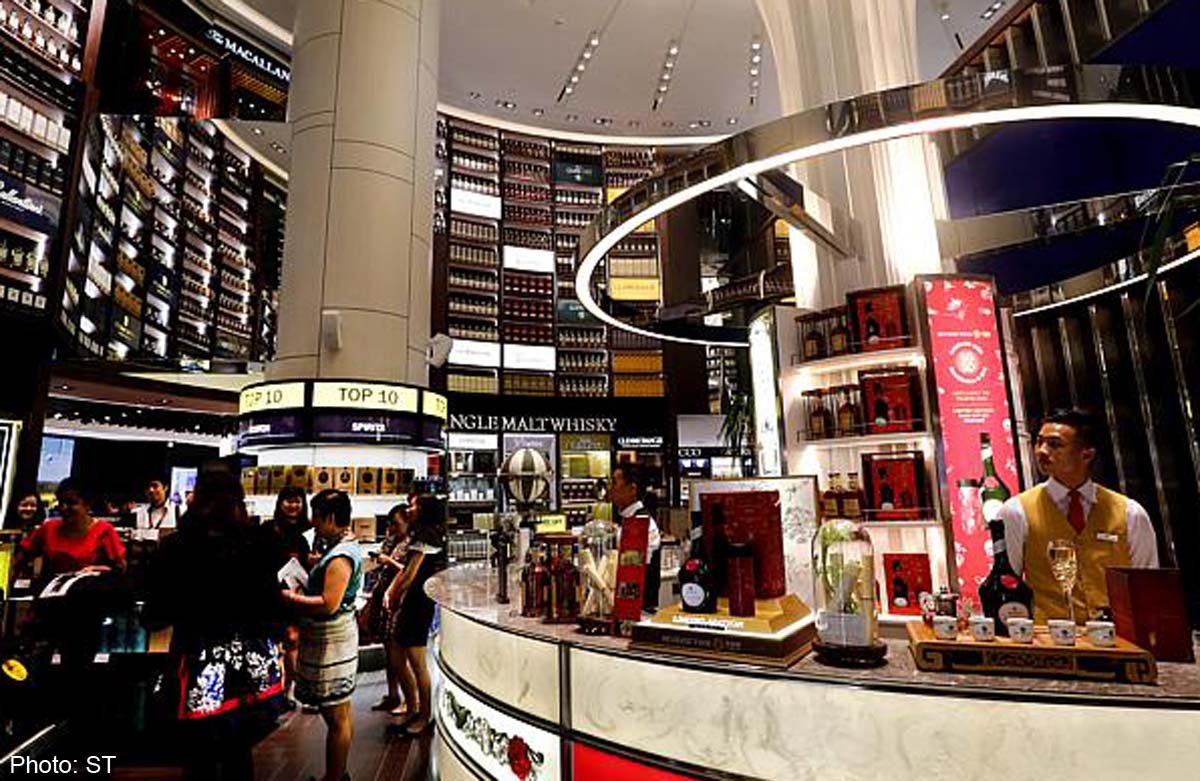
    BS: It first started with the launch of our duplex store here in Changi, and part of our ambition with the duplex store was to create a different environment and a different experience here. So each of the different shop-in-shops we have here – whether it’s The Macallan or Glenfiddich or Johnnie Walker – has a unique product and they have brand ambassadors that deliver a slightly more enriched experience.

    So they’re sent to a Chateaux, they’re trained with the distillers; they have a slightly higher knowledge, if you will, because of the investment that’s been made. But when we sat back and thought about it we said, ‘that’s great, but we want that for a broader range of our sales associates’. We want our customers to walk in and take away that enriching and educational experience, so why limit it to just the duplex?
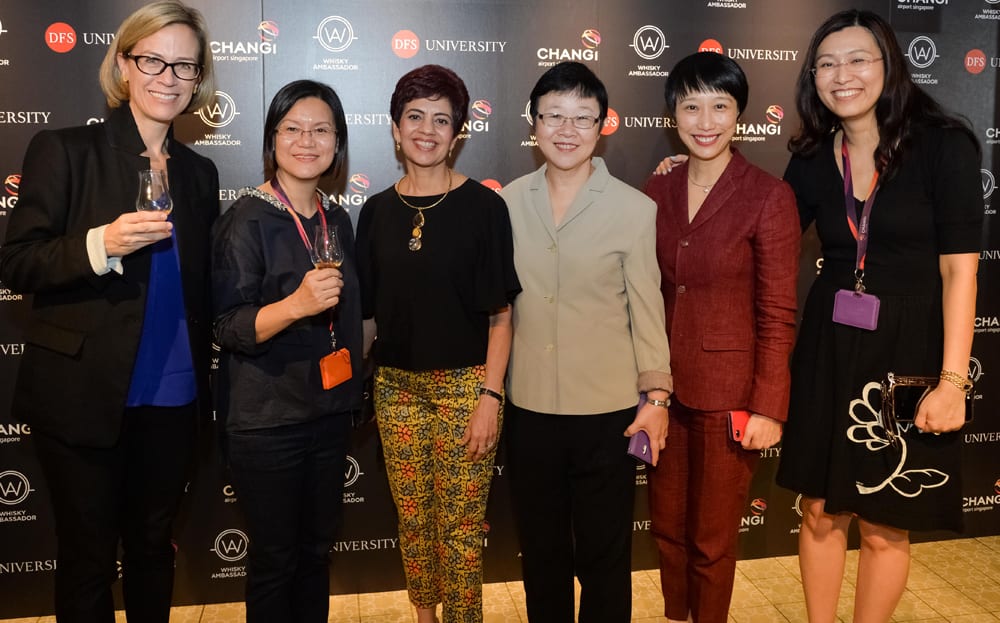
    Brooke-Supernaw,-Teo-Chew-Hoon,-Monet-Aluquin,-Patricia-Sim,-Wilcy-Wong,-Lim-Peck-Hoon

    L-to-R: Brooke Supernaw; Teo Chew Hoon; Monet Aluquin; Patricia Sim; Wilcy Wong; Lim Peck Hoon.

    That’s how we got inspired to say let’s incorporate it into our DFS University. We already had a wine school that you may be aware of? We have a DFS wine school that we branched into a DFS spirits school and within that a specific whisky programme because of the growth that we see and the potential that we see. It’s so amazing to see this.

    I’m guessing this is a DFS Group initiative so we won’t be seeing this from other retailers…

    It is. Whisky Ambassadors, this is actually a company that is based in the UK. They do have programmes that are accessible to hotels and restaurants and retailers and we actually went and interviewed multiple companies and we found that the Whisky Ambassador programme was the best fit for our needs, so we brought it into our school. I do believe we are the only travel retail operator that has an in-house university and an in-house training programme, and this is going to be one section of that.

    Moving back to the duplex itself, how have consumers reacted to it since it opened and does DFS think that the investment is worth it, because it was substantial…

    It was substantial and it was absolutely worth it and we had great responses from our customers on the second floor, and we really wanted to deliver a truly differentiated experience on the second level.

    When you come up the escalator the views of the double height wall bays and the bottles that surround it are quite breath-taking. Then you’re welcomed by the Raffles Bar before going through this series of boutiques that each speak to the brands’ personalities; to the DNA; to the history and to the heritage. You have welcoming brand ambassadors; you’re tasting product that isn’t traditionally tasted in travel retail; you have engraving services and scent labs. It’s truly not only a journey, it’s a unique experience almost like going through an art gallery.
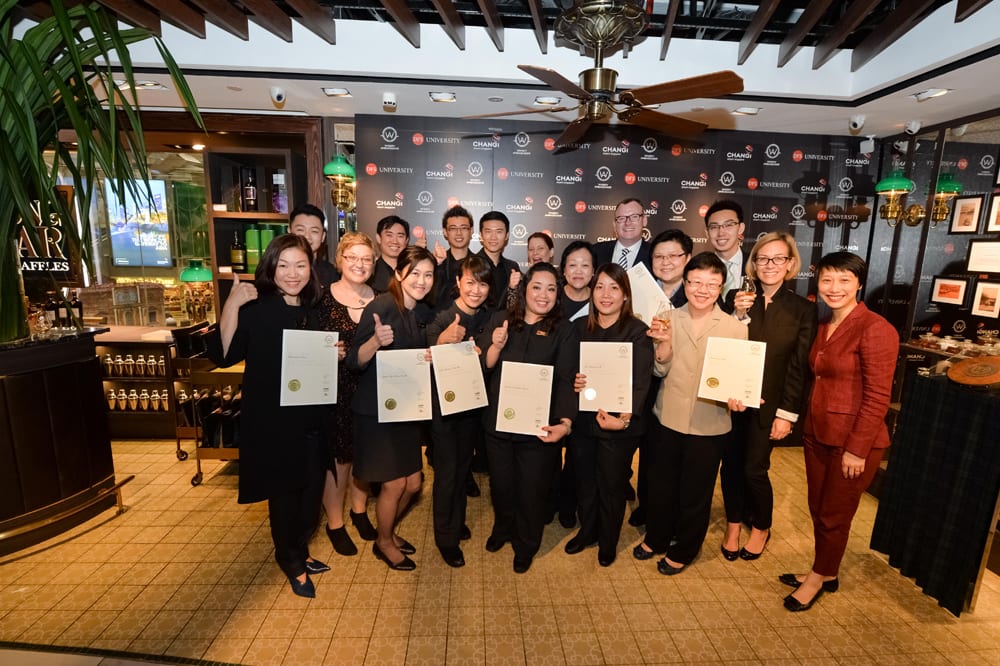
    DFS-Changi-Whisky-Ambassadors-with-Brooke-Supernaw-&-Wilcy-Wong

    DFS Changi Whisky Ambassadors with Brooke Supernaw and Wilcy Wong.

    So we’ve had great responses as, again, customers become more savvy and they travel through travel retail. One of the values we can offer them is differentiated, unique and exclusive product and that’s really what this second level is delivering, as well as service.

    So it goes back to proper training, in-depth training, really engaging the consumer and inspiring them, and that’s a lot of what this is all about.
     

  • Thai Airways offers discount fares for couples

    Thai Airways offers discount fares for couples

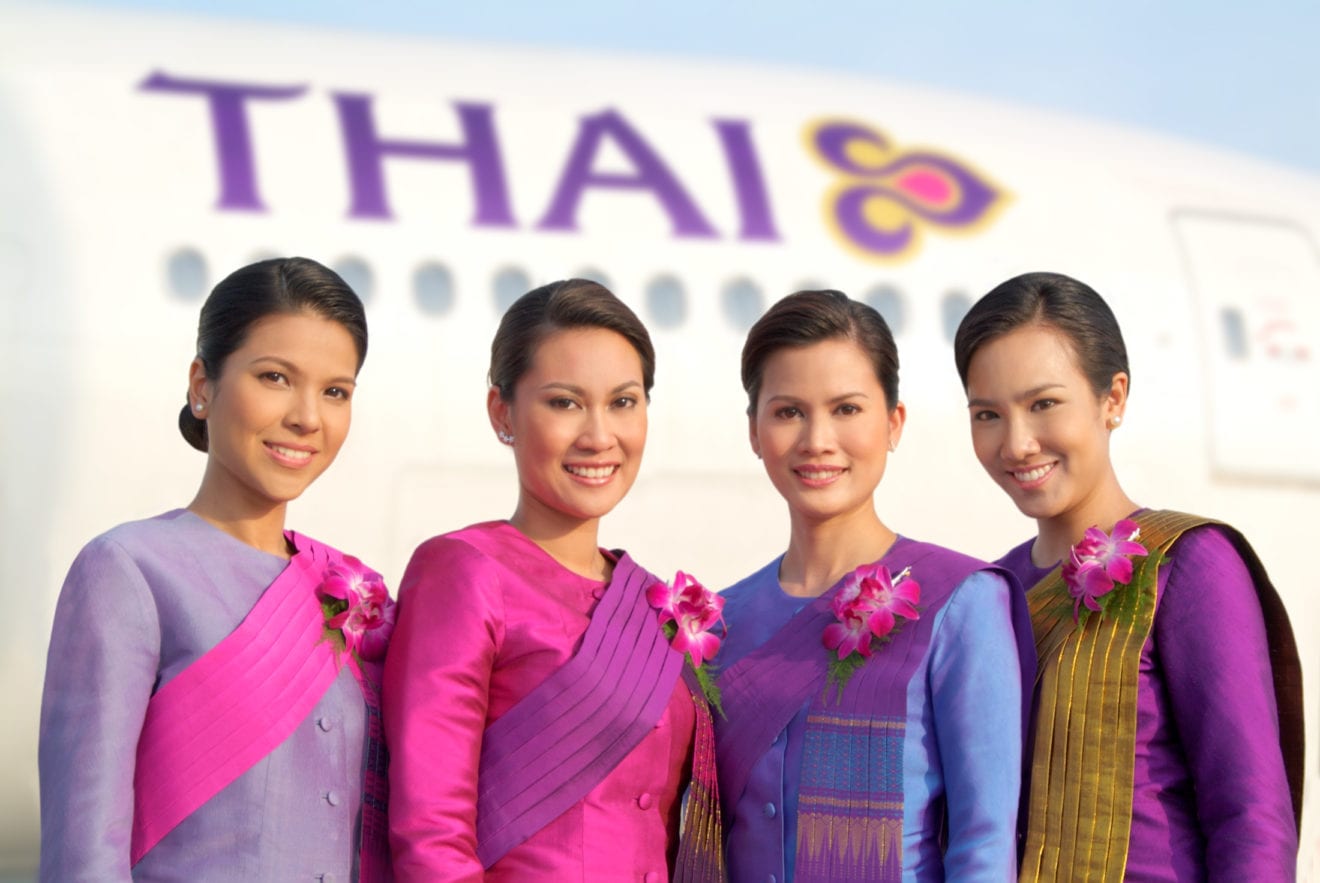
    Lovebirds can fly away on the cheap as Thai Airways is offering discount fares for couples to mark Valentine’s Day.

    The promotional fares are being offered for couples traveling together in economy class during Feb.1- July 31.

    The routes include round-trip tickets from Bangkok to Vietnam, Hong Kong, Singapore, South Korea, China, Japan, Australia, London, and Paris.

    Check promotion details on the Thai Airways website.

  • Courts opens second Indonesia megastore

    Courts opens second Indonesia megastore

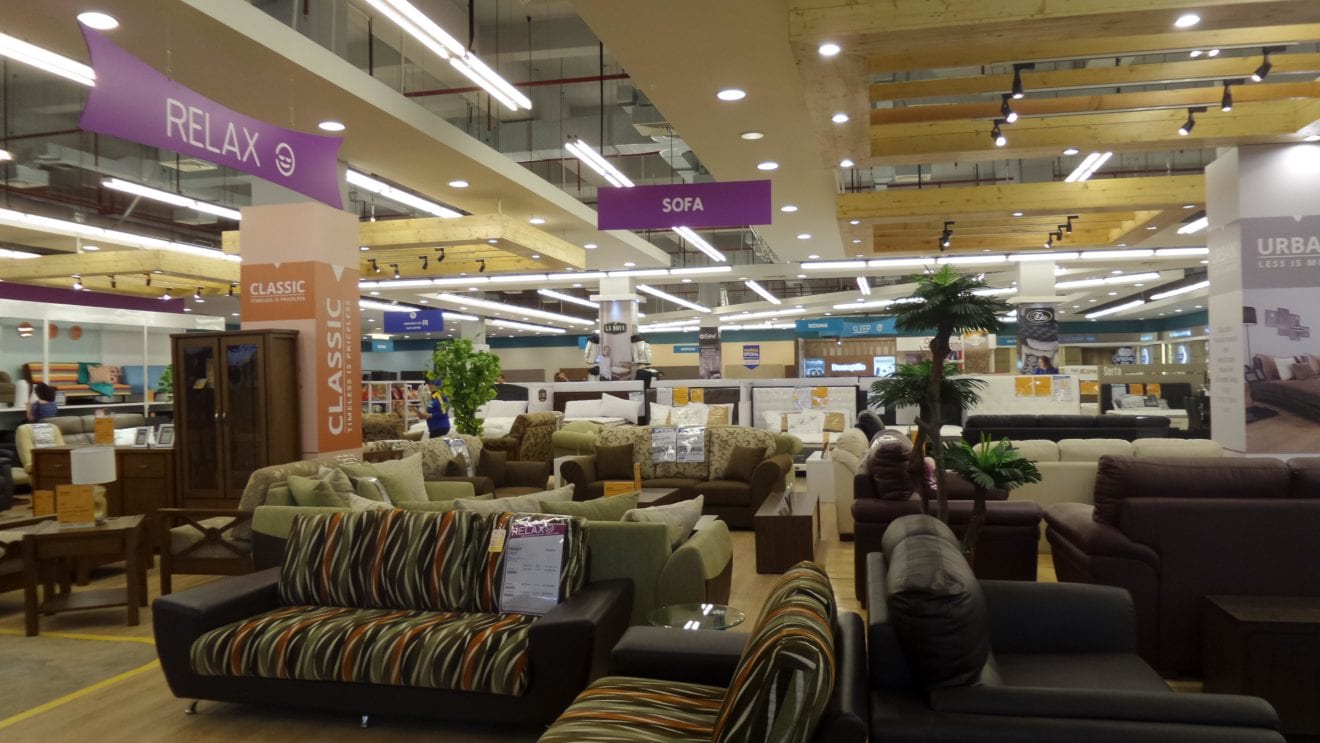
    Courts Indonesia has opened its second megastore – inside BSD City, about 42 km west of Jakarta.

    The new store is part of a strategy by Singapore-listed Courts Asia to expand its footprint beyond its core Singapore and Malaysia markets.

    Billed as the largest Courts Megastore in Asia, the new outlet covers 22,694 sqm of land and boasts a shopping area of about 20,400 sqm.

    “Indonesia is currently the driver of Courts’ growth,” said Roy Santoso, Courts Retail Indonesia CEO in a statement.

    “Since we first entered Indonesia in 2014, we now operate two megastores and three regular outlets. We aim to open 12 more outlets by 2018. This is our commitment in catering to the demands of Indonesians,” he said.

    The first Courts megastore, pictured above, opened at Bekasi, in Kota Harapan Indah, on the eastern side of Jakarta.

    Courts Asia said that as of November 2015, Indonesia accounted for 1.7 per cent of the company’s total sales of S$186.1 million – up 4.2 per cent year-on-year.

    Indonesia is expecting retail growth of between 11 and 12 per cent this calendar year, after a modest 8 per cent growth in 2015.

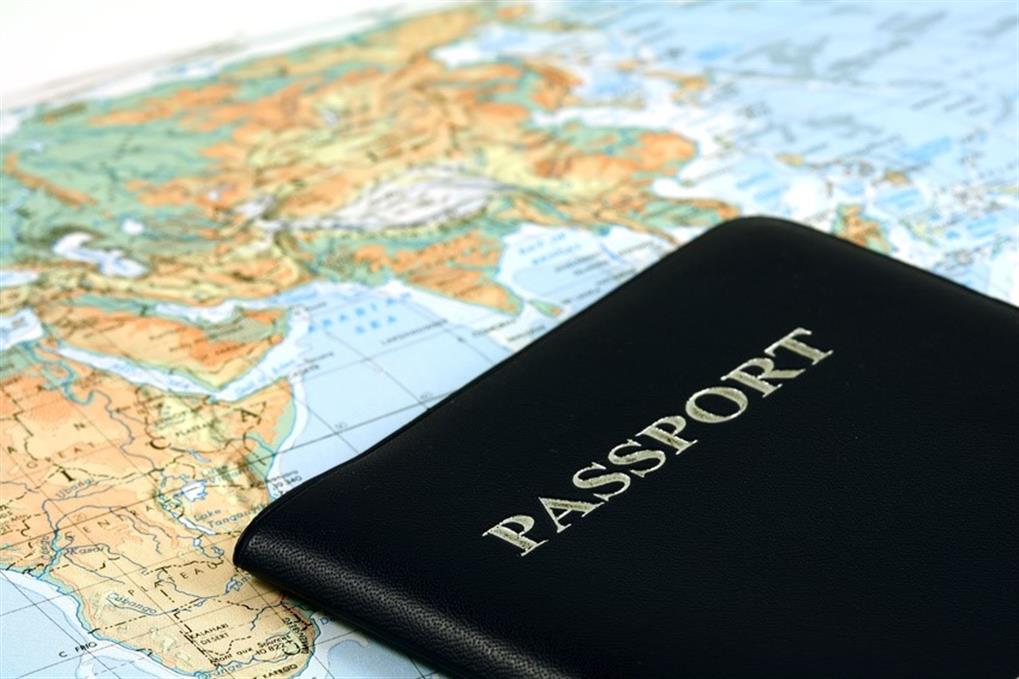
  • Indonesia lures Indians with free visas

    Indonesia lures Indians with free visas

    Indonesia may be attracting almost double the number of global tourists than India but visitors from here are few and the southeast Asian country has decided to grant free visas to Indians to attract more travelers from India which is a “big market” for them.

    Vinsensius Jemadu, Indonesia’s tourism director, was in India to promote Indonesian tourism and attract more Indians. He says Indonesia and India enjoy very good relations which will help in attracting more tourists. Indonesia is also participating in the South Asian Tourism and Travel Expo (SATTE) 2016.

    Jemadu said that more than 10 million people from across the globe visit Indonesia every year – but only 270,000 from India. Indonesia attracts the highest number of tourists from Singapore, followed by Malaysia, Australia, China, Japan, South Korea and then India.

    “Realising that India is a big market, the Indonesian government decided to grant free visas to Indians. We have set a target to attract 350,000 tourists from India this year, which is a big challenge for us,” he said. “Most of the people from India visit Bali. May be it is because they do not know about other places there. We want them to explore other places of the country as well,” he said.

    Indonesia’s tourism industry contributes nine percent to the country’s GDP. “Our plans are to boost tourism industry and increase it to 15 percent of the GDP by the end of 2019.”

    “As many as 60 percent of the total tourists visit Indonesia because of its rich cultural heritage while 35 percent come to the country to see its natural beauty. Five percent tourists come here to enjoy manmade activities,” Jemadu told IANS.

    Expressing concern over lack of direct connectivity between India and Indonesia, Jemadu said: “So far there is no direct flight between the two countries. People from India reach Indonesia via Singapore or Malaysia which is not good for tourism because people have to spend more time and money in travelling.”

    He, however, added that this issue will be sorted out soon as both the governments have agreed to start direct flight between the two nations.

    “I am hopeful that the direct flight between Mumbai and Bali will start by March or April. Garuda Indonesian airline had agreed to operate flights between the two countries,” he said.

  • Why red-packet retailers are popping up in prime locations

    Why red-packet retailers are popping up in prime locations

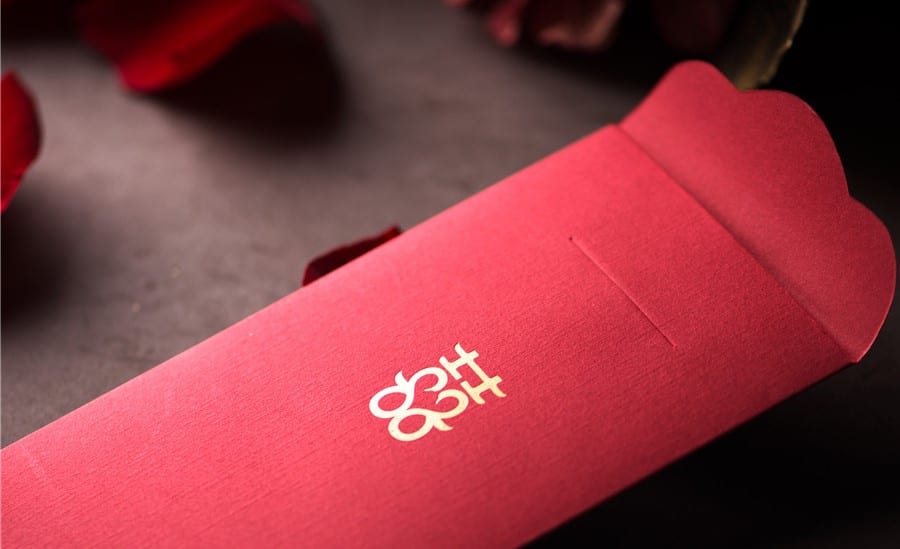
    During the Lunar New Year period, most Hongkongers would need some red envelopes to put in lucky money for kids, for young unmarried colleagues or for doormen.

    The envelopes are often obtained free as they are given away by banks, corporate houses or business counterparties. Hence, not many people would actually want to, or need to, pay for the items.

    So, it’s a bit surprising that in prime districts such as Tsim Sha Tsui, Causeway Bay and Mongkok, we have seen some new red packet outlets opened by a specialist retailer, Chinese Red Packet.

    The Tsim Sha Tsui outlet is located on premises where a Chow Tai Fook store once stood. The jewelry shop, which used to pay HK$2.6 million a month as rent, decided not to extend the lease due to a general slowdown in Hong Kong’s luxury retail segment.

    The Hong Kong Economic Journal talked to some real-estate agents to find out how the red packet vendor is able to afford that premium retail space.

    The truth is that there have been rising vacancies in street-level shops due to the lackluster sales. Landlords are more willing to accept short leases while waiting for long-term tenants.

    While some spots have been successfully leased out to long-term tenants, there is still a time lag before the new lease starts. Owners don’t mind offering the shops for a month or two on the cheap to at least get some income during the period.

    Still, we are talking something like HK$200,000 monthly rental. Are sales enough to cover that?

    Locals who want their red packets printed with unique or funny blessing words don’t mind forking out a small sum. There are also locals who want their surname on the envelopes to differentiate the gift packets from those of others.

    Meanwhile, the items are also said to be very popular with visitors who buy them as souvenirs, as the products come in all kinds of designs and colors including gold, pink, and purple.

    Going for about HK$100 a small pack of 50, the pricing is actually quite high and the profit margin pretty fat.

  • Changi Airport hits record high in retail sales

    Changi Airport hits record high in retail sales

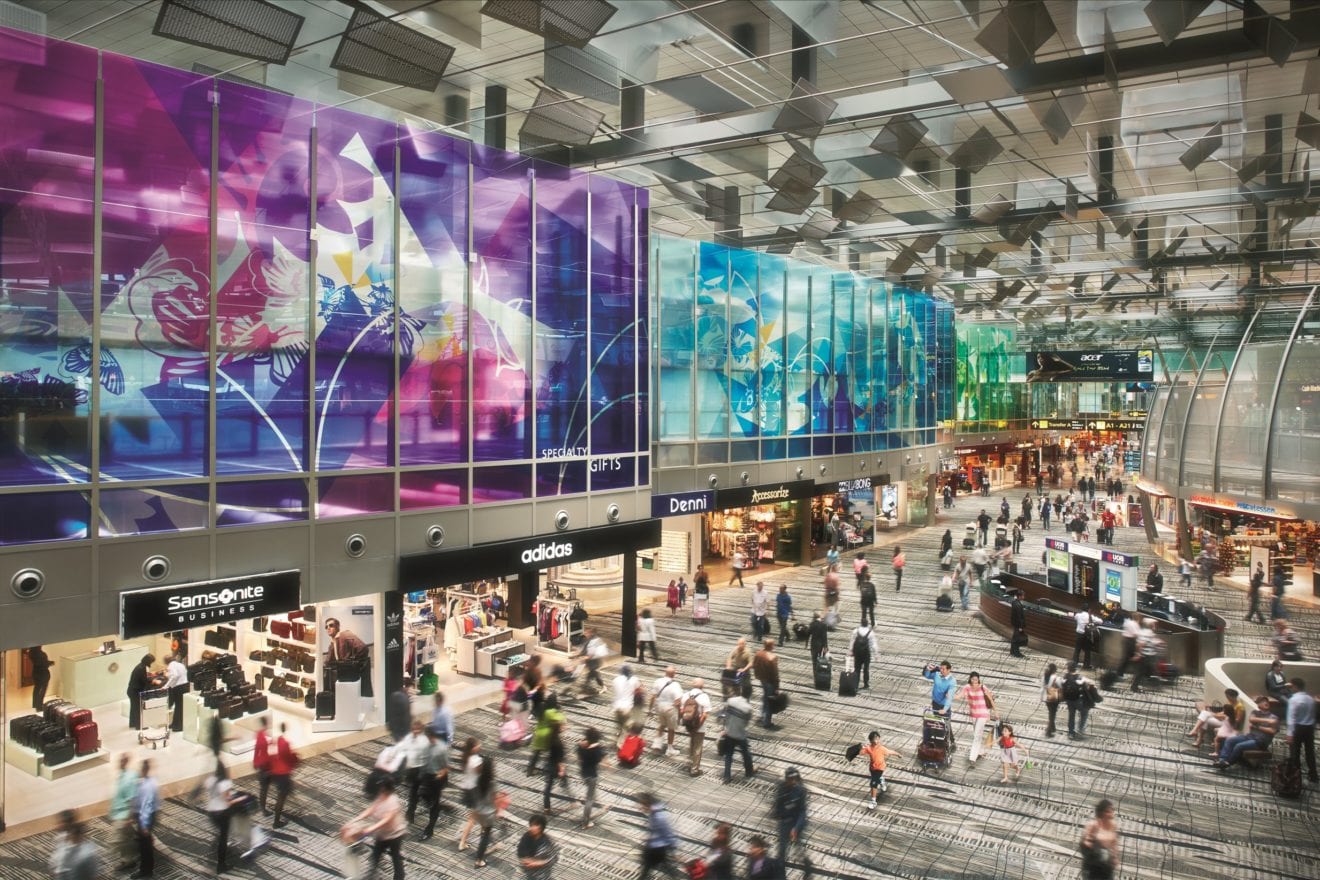
    Sales at Changi Airport hit a record high of $2.2 billion last year, on the back of growing passenger numbers.

    Spending at the airport’s retail and food stores grew by 8 per cent year on year, it was revealed yesterday.

    Travellers from China accounted for a third of the airport’s retail market and Singapore consumers, a fifth. The other top spenders were from Indonesia, India and Australia.

    Passenger traffic figures are expected to be released next week.

    In 2014, Changi Airport was among the top three airports in the world in terms of retail business performance. Last year’s ranking is not available yet.

    Ms Lim Peck Hoon, executive vice-president (commercial) at Changi Airport Group (CAG), said yesterday: “We are delighted to achieve yet another record high for concession sales at Changi Airport in 2015. This is positive for the Singapore air hub as profits from our retail business help to offset the cost of our aeronautical operations.”

    Despite the depressed market conditions, Ms Teo Chew Hoon, senior vice-president of airside concessions, said CAG is gunning for an even better sales target this year.

    Shoppers’ favourite buys are liquor, tobacco, cosmetics and perfumes. These are followed by luxury goods, electronics and equipment and chocolates and sweets.

    Ms Lim said last year’s retail performance was down to a successful commercial strategy, which saw the introduction of three liquor, beauty and fashion duplex stores, the first of their kind in the world. They even have their own bar lounges and wine-tasting corners.

    Well-known brands such as Zara and Samsung also launched their first stores at Changi Airport.

    Other promotions, such as one for Star Wars soft toys during the year-end holidays and the “Be a Changi Millionaire” draw, contributed to the retail buzz.

    British administrator Linda Tobin walked away a million dollars richer yesterday, after she won the Changi Millionaire draw.

    The 52-year-old took the top prize after her niece suggested that she pick boarding ticket No. 3, which fitted into a jigsaw puzzle of a picture of a boarding pass.

    Ms Tobin, one of the seven finalists picked for the grand draw, was on her third flight through the airport. She qualified after buying a $412 bottle of whisky.

    “I am on top of the world,” said Ms Tobin, who plans to use the money to spruce up her home and garden and buy a car. She also promised her niece a trip back to Singapore.

  • Asics Bugis Junction and VivoCity in Singapore

    Asics Bugis Junction and VivoCity in Singapore

    ASICS, a true sport performance brand, has opened 2 new stores in Singapore, increasing the number of ASICS stores to 7 locally to strategically cater to an increasingly more distributed retail need.

    Located in Bugis Junction Shopping Mall, a vibrant and popular mall in the central business district, and in VivoCity, the largest retail and lifestyle destination in Singapore, these new ASICS stores will front cutting-edge ASICS footwear and apparels for running and popular sports in the region, including badminton, netball, tennis, soccer and gym training. Products are displayed with the latest ASICS visual merchandising concept congruent with innovative trends, to inspire a premium and positive shopping experience for each customer.

    ASICS’ aspirational “Mix Up Your Run” concept inspires runners to run stronger, faster and further. To activate and strengthen different muscle groups for better performance, runners train under varied regimes. Runners “run long” to build endurance and conquer the longest distances, “run natural” to give the muscles a completely different workout, “run fast” to break the speed limit and attain new PB (personal best) and “run tough” to stimulate agility and improve balance.

    In line with the ASICS visual merchandising concept, finding the best footwear has now been simplified with colour coding; “RUNLONG” (in blue), “RUNNATURAL” (in magenta), “RUNFAST” (in orange) and “RUNTOUGH” (in green). Customers can easily select the right footwear by looking for footwear displayed with the relevant colour codes.

    Running enthusiasts will be spoilt for choice with the comprehensive range of footwear available in the store, including the much awaited GEL-KINSEI 6, GT-2000 4, GEL-KAYANO 22, GEL-NIMBUS 17 LITE-SHOW, and GEL-QUANTUM 360.

    ASICS Bugis Junction Store, Singapore

    ASICS Bugis Junction Store, Singapore

  • Disney Resort expected to bring realty-and-retail boom to Shanghai

    Disney Resort expected to bring realty-and-retail boom to Shanghai

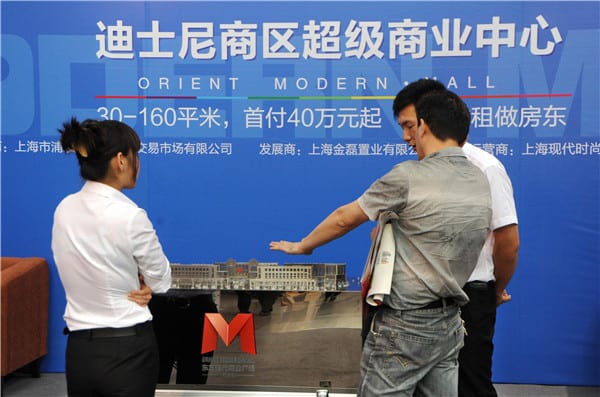
    Lu Jianxin, a real estate agent with Shanghai Huayu Property Ltd, has had some of his busiest business weeks in January since he joined the sector in 2002. Lu receives more than 50 phone calls every day asking him if he can find unoccupied retail properties near Shanghai Disney Resort, the long-anticipated multi-billion-dollar amusement project that is scheduled to open this summer (June).

    Typically, Lu tells his callers they should have acted earlier. “Supplies of retail properties are really limited now and prices have more than doubled in the past 12 months. Obviously, investors believe that even a 10 square meter space for a noodle stand will be really profitable if it is close enough to Disneyland,” said Lu.

    Disney Resort expected to bring realty-and-retail boom to Shanghai

    It’s not just business-minded people who are all excited about Shanghai Disney. Even 13-year-old Zhang Zihao in Hangzhou, Zhejiang province, can’t wait for Disney to open its gates. He has been saving his pocket money for a long time so he could visit Shanghai Disney Resort during the summer vacation.

    “The admission ticket price is expected to be announced this week. I have saved 500 yuan ($75.92) so far for the ticket alone, and another 1,000 yuan for dining and accommodation, and another 500 yuan for merchandise like stuffed animals, stationery, T-shirts and gifts for friends. That’s about 2,000 yuan in total.”

    The project has been under construction for more than six years now. Jun 16-that is, 6-16-2016-has been apparently chosen as the date of opening because the three 6s are believed to be auspicious, heralding success.

    Real estate professionals believe any success of Shanghai Disney Resort would entail all-round benefits for the area. For example, visitors in huge numbers would likely spark a retail boom in Shanghai.

    According to Centaline Property Agency, the average price of commercial properties within a 5 kilometer radius of Shanghai Disney Resort, including shops and restaurants, has grown more than 300 percent in the past five years.

    What used to cost some 20,000 yuan per square meter in 2011 would now command a price of more than 60,000 yuan per square meter. Some properties are even priced more than 72,000 yuan per square meter, about 50 percent higher than that of other suburban areas in Shanghai.

    The growth rate is among the highest for premier locations such as Nanjing Road, Huaihai Road and Lujiazui.

    In comparison, the average price of residential properties in the same area doubled from 20,000 yuan per square meter to 40,000 yuan per square meter in the same period, similar to that of the city’s average growth rate.