Category: Living

Retail News Asia is committed to providing both local and global retailers with the latest Living news throughout the Asian market. This on a daily base.

  • Chinese flock to Bali celebrating new year

    Chinese flock to Bali celebrating new year

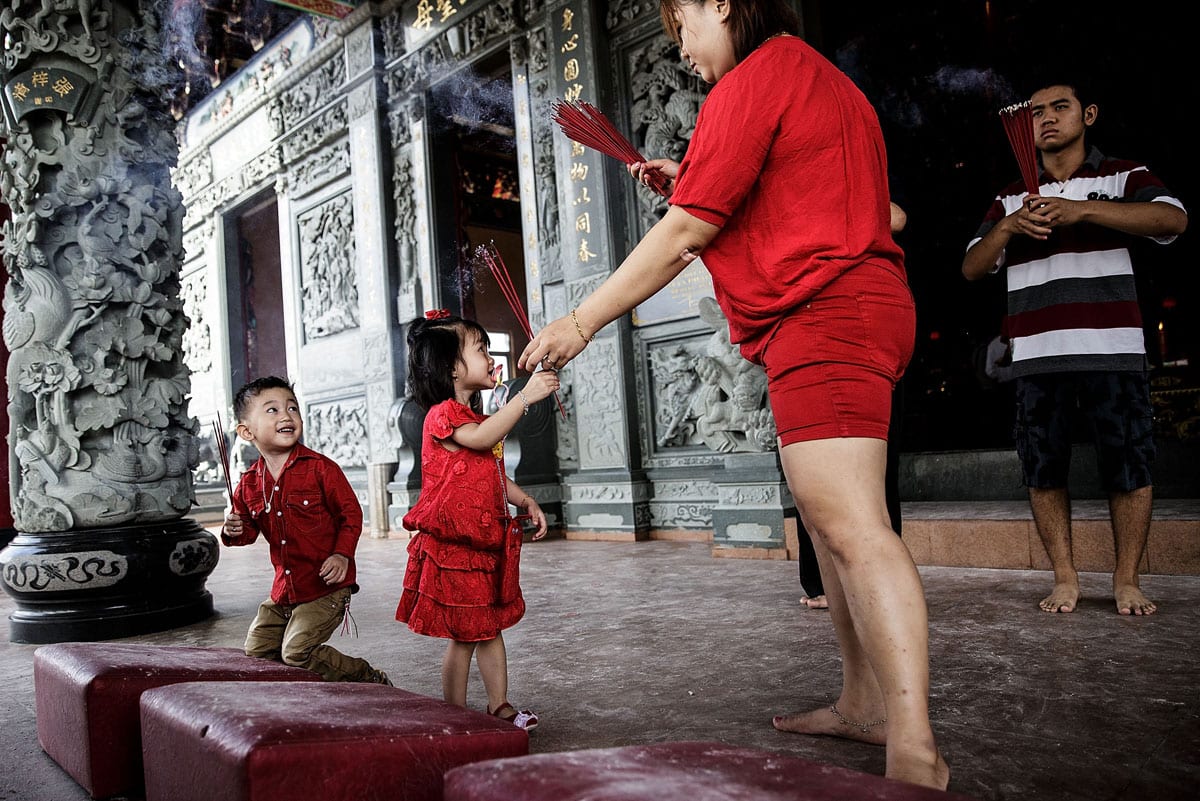
    Thousands of Chinese have flocked to Bali to cerebrate Chinese new year using chartered flights of a number of airlines including Garuda Indonesia

    Tourism Minister Arief Yahya said here on Monday at least 65 chartered flights carrying 23,000 Chinese from 11 cities in China had landed on Bali.

    “It seems Bali has become the favorite destination of Chinese tourists . More than 114 million Chinese travel abroad every year,” Arief said.

    Other airlines carrying Chinese to Bali on chartered flights include HongKong Airlines, Shenzen airlines, Air Asia, China Southern, China Eastern, Dragon Air, Cathay Paciific, Eva Air, Singapore Airlines, Brunai Air, etc.

    Arief said the airlines could serve to promote Bali in China.

    “They speak good things about Bali, its beauty and generosity of its people, ” he said.

    He attributed the success in luring Chinese to Bali to intensive advertising, and sales by a marketing team of the tourism ministry.

    He said he had instructed the provision of 6,000 souvenirs for the tourists and facilities to entertain the visitors.

    The tourism ministry has launched promotion campaigns to attract Chinese to cerebrate Chinese new year in Bali since early January.

    “Winter in northern China including Beijing and the province of Heilongjiang is extreme 15 degree Celsius below zero prompting people from that region to leave for warm place and choose Bali to celebrate the new year,” he said.

    In 2016, the tourism ministry sets the target for foreign visitors to Bali at 1.7 million . In February alone the target is set at 200,000 visitors.

    “China is a potential market , a big market. Therefore it needs special handling,” Arief said.

    Arief said currently only 1.14 million Chinese tourists visit Indonesia a year far smaller than 8 million to Thailand.

    “We have been lagging too far behind . If they are so interested in visiting Thailand , they should be more so in Indonesia,” he said, adding Indonesia needs only to intensify promotion.

    Generally Chinese tourist like beach resorts and shopping, he said.
  • Index Living Mall plans ASEAN expansion

    Index Living Mall plans ASEAN expansion

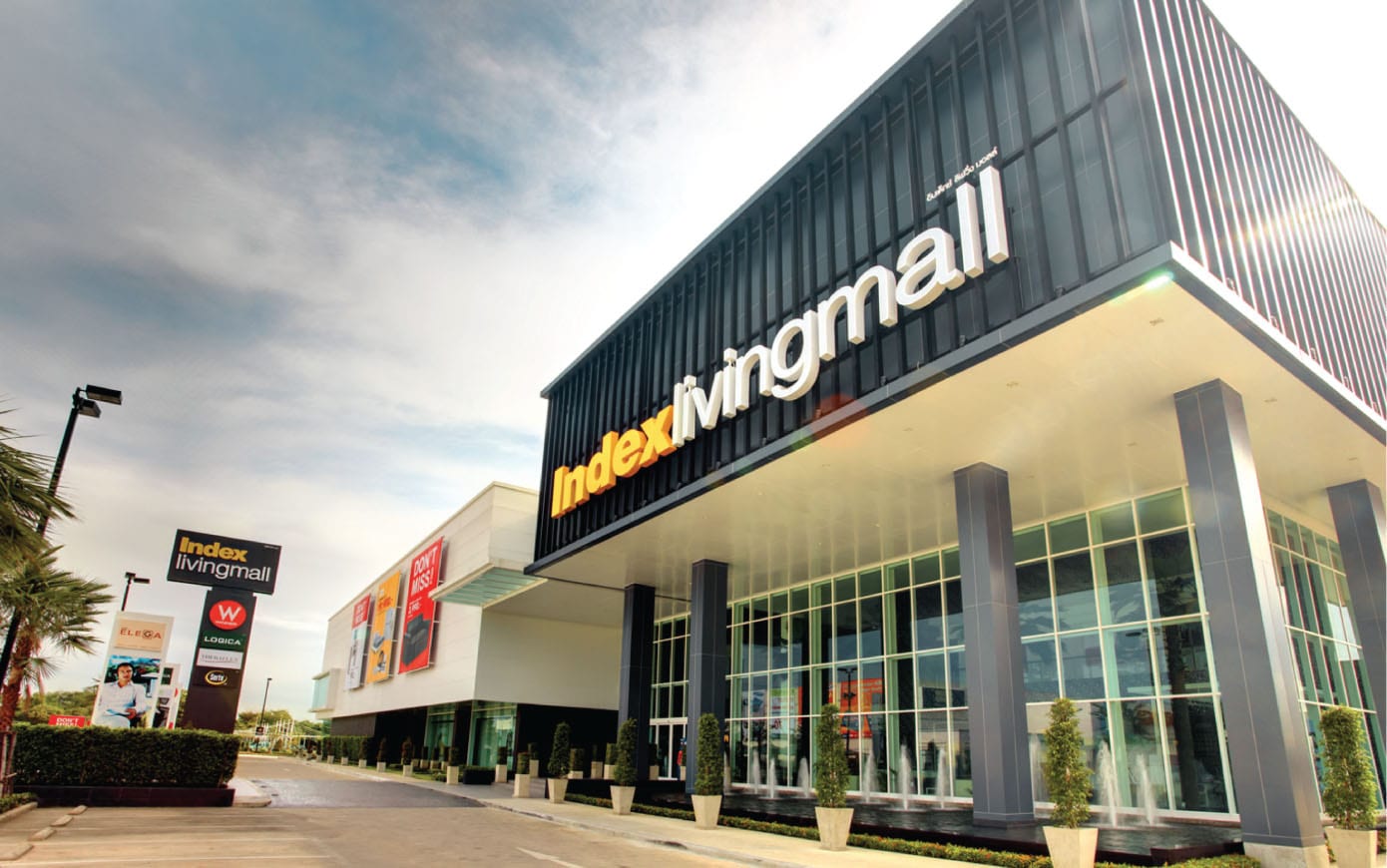
    Home-furnishing retailer Index Living Mall has announced its 2020 vision to continue its push beyond Thailand into other ASEAN countries.

    With franchised stores already trading in Malaysia, Thailand and Vietnam, the company believes the region’s urbanisation has shifted consumers toward a more modern lifestyle, including the way they buy and use home-furnishing products. It also notes a rise in the number of middle-income earners throughout the ASEAN Economic Community.

    MD Kridchanok Patamasatayasonthi says the company aims to double the present 5 per cent contribution to its total revenue from AEC markets by 2020. The company’s total revenue of Bt9.5 billion (US$264.8 million) last year was 5 per cent up on 2014.

    “Our market expansion through international franchisees is the result of growth in the home-furnishing and accessories sectors among ASEAN member countries,” says Kridchanok. “Other positive factors, including the bustling economic outlook, rising gross incomes and similar customer behaviour, helped accelerate our decision to look for investment opportunities in new markets.”

    She says the company has appointed VinDS, the retail investment arm of Vietnamese commercial property developer Vingroup, as its franchisee to tap into the home-furnishing and accessories retail market in that country. The first Index Living Mall under that partnership had a soft opening last month in Ho Chi Minh City, occupying 7000 sqm in Vincom Mega Mall Thao Dien. Costing more than Bt200 million, the store is expected to achieve Bt350 million in sales in its first year.

    Index Living Mall has had a store trading in Ho Chi Minh for more than four years, effectively testing the market. Now with VinDS it expects to open 10 more stores in major cities in Vietnam, including Ho Chi Minh, Hanoi and Da Nang, within five years.

    “Economic growth indicators show that the Vietnamese retail market is number two in Asia, after only China,” says Kridchanok.

    “During the first half of last year, the Vietnamese economy posted 6.28 per cent growth, the highest since 2008. With a population of 90 million, this will continue to grow, thanks to per capita income rising more than 10 per cent over the past decade.”

    Kridchanok says it is expected that the number of Vietnamese earning a median income of 15 million dong ($673) a month will grow to 33 million by 2020.

    Index Living Mall’s director for international business development Ekaridhi Patamasatayasonthi says the company’s venture into Vietnam highlights its marketing direction to tap into emerging CLMV (Cambodia, Laos, Myanmar and Vietnam) markets, aimed at strengthening its leadership position in the home-furnishings and accessories retail market in the ASEAN region.

    Ekaridhi says the company plans to open store in Manila in September via a joint venture with SM Retail, a Philippine business conglomerate involved in shopping mall, property development, banking and retailing. Index Living Mall has a 30 per cent stake in the venture.

    In Malaysia, Index Living Mall opened its first home-furnishing store in Putrajaya last year in a joint venture with AEON. Three more stores are planned for Malaysia this year – in Kuala Lumpur in March, Kota Bharu in April and Johor Bahru in the fourth quarter.

    Ekaridhi says there are six franchised stores in five countries – Malaysia, Russia, Maldives, Nepal and Vietnam – as well as dealers in Laos and Myanmar. In its home country, the company has 25 stores in 17 provinces, of which nine are in Bangkok. It plans to invest Bt470 million this year to open two stores, in Nakhon Pathom and Chachoengsao.

    Index Living Mall expects to post Bt10 billion in revenue this year and to grow its annual sales by 10 per cent over the next five years.

  • Celebrate Chinese New Year at the EM District with a giant flying dragon

    Celebrate Chinese New Year at the EM District with a giant flying dragon

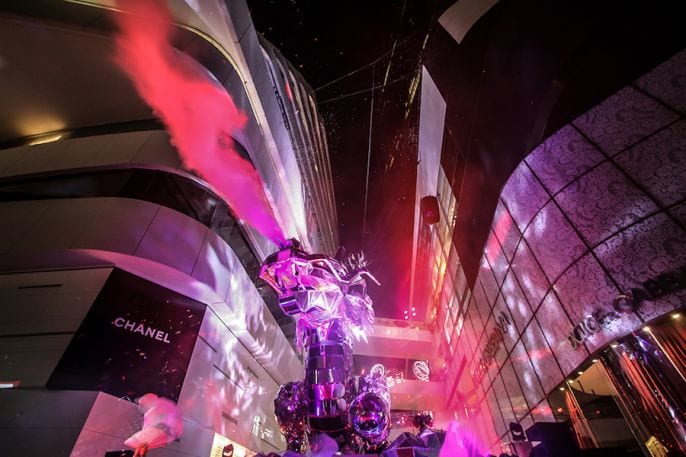
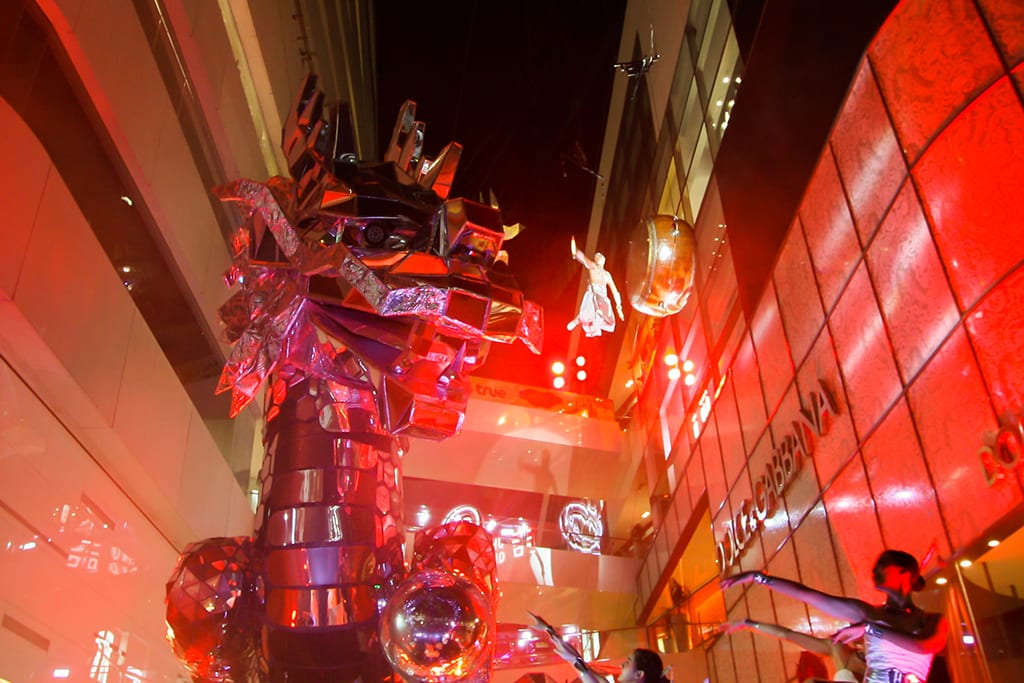
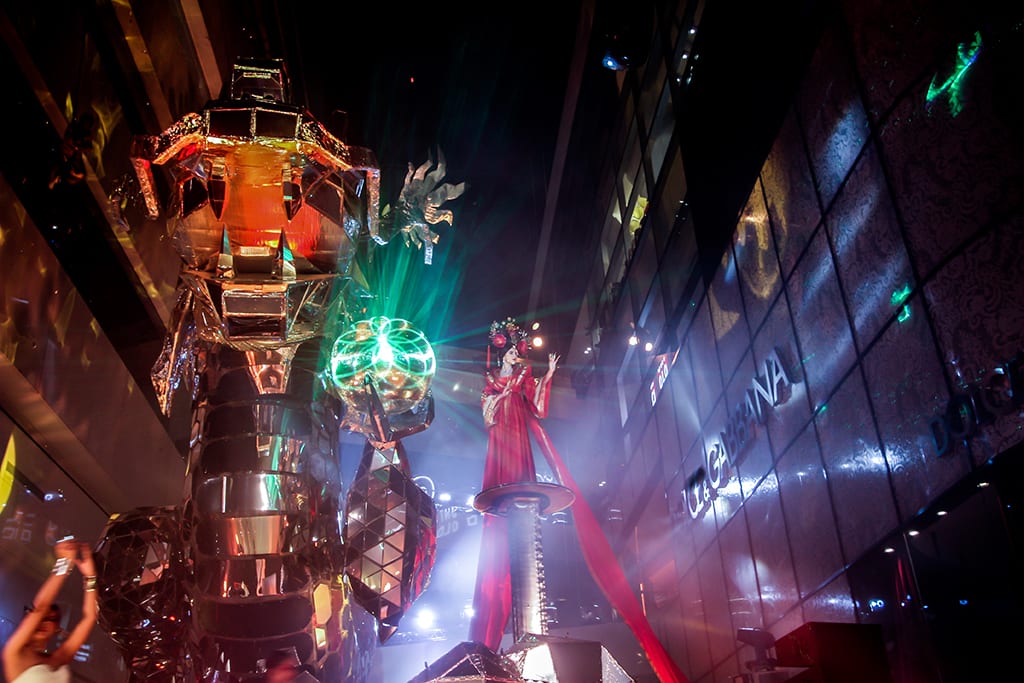
    Ever wondered what would happen if you combined Chinese New Year with Game of Thrones? The EM Disctrict did, and the result is the world’s first 40 meter long flying dragon hovering over EmQuartier. Come gasp at its 10 meter tall head. Go gape at its humongous mirrored body.

    The majestic dragon, along with a Thai Hanuman monkey god, comes to life in performances of light, color, music and sound every day at 7pm and 8pm from Friday February 5, 2016 to Monday February 8, 2016.

    Legend has it that whoever lays eyes on the dragon will have good luck. (Good luck, more money, more shopping.) And good luck will come in handy indeed with all the giveaways going on.

    img_2207

    Spend 2,000 THB at participating stores, or 1,000 THB at the Dining Hall, and you could win 1 kilogram of gold. There are 9 kilograms to be won worth a total of 1.2 million THB. And with a Platinum M Card and True You membership you have an even bigger chance of winning.

    Be one of the first 1,000 people to spend 1,000 THB at restaurants at Emporium and EmQuartier and you’ll receive a special Fortune Cookie and a chance to win even more cash and vouchers.

    Plus, each day, the first 30 people will be eligible for a special fortune telling session with the famous Ajarn Han and Ajarn Panupong.

    As part of the celebration, the ground floor of EmQuartier has been turned into a chic and bustling Chinese Outdoor Market. Here you’ll find delicious Chinese food and snacks and all the CNY merch you could ask for. Stock up on special dishes and Chinese goodies. And with the cold weather we’ve been having it will feel even more like an open-air market in Hong Kong of Shanghai.

    Be sure to take a lucky selfie and EmQuartier’s lucky waterfall while you’re there. Ok it’s just a normal waterfall but it’s a great selfie spot anyway.

    img_2302

    Feeling lucky yet? Head on over to experience the Chinese Chronicle 2016 at EmQuartier and Emporium during the entire month of February. Don’t miss the Flying Dragon performances though. The show starts at 7pm and 8pm and will only go until Monday February 8, 2016.

    For more information check out The Em Disctrict’s Facebook page.

  • Wyndham Hotel Group Introduces Days Inn brand to Indonesia

    Wyndham Hotel Group Introduces Days Inn brand to Indonesia

    Continuing its robust expansion in South East Asia, Wyndham Hotel Group today announced the opening of its first Days Inn® hotel in Indonesia, the 119-room Days Hotel & Suites Jakarta Airport.

    Located in the capital of Jakarta at the site of the former Padjadjaran Suites, the hotel is the eighth property to open under the Days Inn® brand flag in South East Asia and the Pacific Rim region. It is owned by PT Graha Bandung Sentosa, an affiliate of the Sun Motor Group, and managed by PT Wyndham Hotel Management, an Indonesian subsidiary of Wyndham Hotel Group. The hotel is the second to be opened by Sun Motor Group and Wyndham in Indonesia in just over a month, the first being the 271-room Ramada Bali Sunset Road Kuta.

    Said Barry Robinson, President and Managing Director of Wyndham Hotel Group South East Asia and Pacific Rim, “We are looking to introduce more affordable business hotels in prime locations across the region and Days Hotel & Suites Jakarta Airport will be a valuable addition to our portfolio in Indonesia targeting business travellers and leisure makers on transit. Indonesia represents a tremendous opportunity for Wyndham, with its growing middle class who have demonstrated an increased demand for globally-known and value-driven brands such as Days Inn.”

    Situated just 5.3km from Soekarno-Hatta Intl Airport in the Cenkarang district of West Jakarta, the Days Hotel & Suites Jakarta Airport is a full service property catering to business and leisure travellers. The hotel will undergo light renovations to offer tastefully designed guestrooms and suites complemented with an all-day dining restaurant, a lobby lounge and bar, as well as eight meeting rooms with banqueting services.

    Additional facilities include a rooftop pool, a spa and wellness centre, high speed Wi-Fi access throughout the hotel and complimentary airport shuttle bus transfers.

    Hartono Hosea, Director at the Sun Motor Group commented “Wyndham Hotel Group’s extensive global distribution, flexibility and management expertise will definitely help to solidify our position as a market leader in Indonesia. The hotel will greatly complement our Bali property and will set the standard for hospitality in Asia.”

    Days Inn® is a globally recognised brand with nearly 1,800 economy to upper-midscale hotels located around the world. Most offer free Wi-Fi, complimentary DayBreak® continental breakfast, meeting rooms, banquet facilities, copy and fax services, fitness centres and more. All Days Inn hotels in Indonesia participate in Wyndham Rewards®, the simple-to-use, revolutionary loyalty program from Wyndham Hotel Group that offers members a generous points earning structure along with a flat, free-night redemption rate.

  • Catch the Thrilling Action at Singapore Airshow 2016

    Catch the Thrilling Action at Singapore Airshow 2016

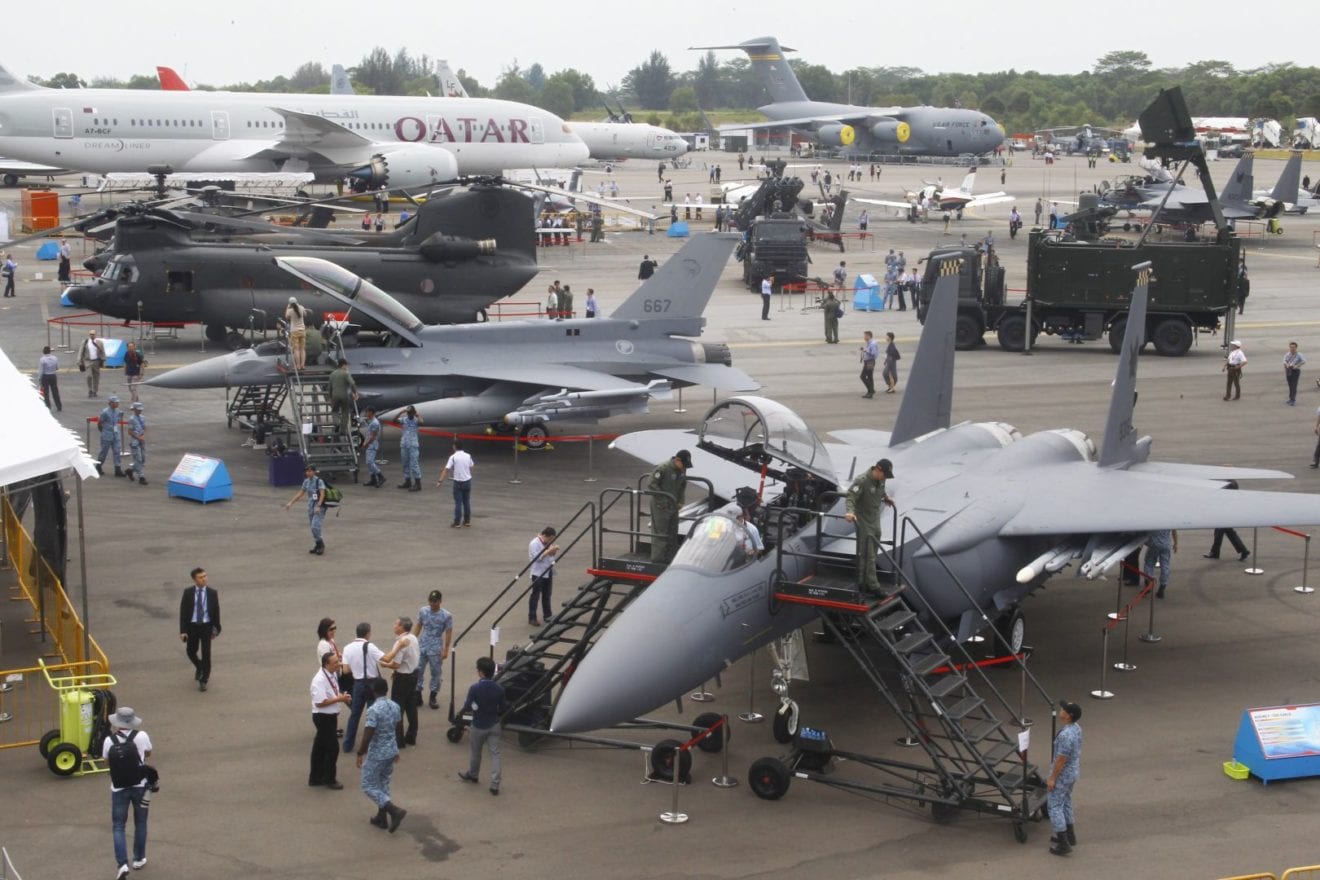
    The Singapore Airshow will once again feature spectacular flying displays, and also one of the widest range of business, commercial, and military aircraft at the static aircraft display area that will captivate and thrill visitors at the Changi Exhibition Centre (CEC) during its public weekend on 20 and 21 February 2016.

    In addition, there will also be a host of fun activities for fans of all ages and interests, while cosplayers in their fantastic costumes, and the Singapore Airshow’s official mascots, Captain Leo and his best friend Captain Leonette, will be on hand to greet visitors and have their photos taken.

    Breathtaking Aerial Stunts

    One of the key highlights in the aerobatic flying display will be the Republic of Singapore Air Force’s integrated aerial display team, comprising an F-15SG fighter jet and an AH-64D Apache attack helicopter. They will perform three integrated and eight solo manoeuvres, demonstrating power and agility. Their routine includes the Vertical Punch, a new manoeuvre that is being performed for the first time: The Apache AH-64D attack helicopter will pull up to the skies, and flip around as if performing an aerial ballet, before meeting the F-15SG flying in from the opposite direction. The F-15SG fighter jet will then punch through the clouds in a spectacular vertical climb.

    The exhilarating line-up for this year’s aerobatic flying display will also see the return of the Black Eagles from the Republic of Korea Air Force, known for their jaw-dropping aerobatic stunts. The Black Eagles will be looking to surpass their breathtaking performance in 2014 by bedazzling the crowds at Singapore Airshow 2016 with 3 more manoeuvres added to their repertoire.

    In addition, some of the magnificent aircraft that will take to the skies include the French Air Force’s Dassault Rafale, the U.S. Air Force’s C-17 Globemaster III and F-16C/D Fighting Falcon, and the Su-30MKM from the Royal Malaysia Air Force.

    The Singapore Airshow...epa04068174 An aerial display of the Rep

    Get up close and personal with the latest aircraft

    The Republic of Singapore Air Force Black Knights will showcase one of their F-16C aircraft, in its gleaming crescent and stars livery, at the static aircraft display. Aviation fans should not miss this rare opportunity to get up close and personal with the aircraft. Other key highlights of the static aircraft display include two USAF F-22 stealth fighters and the Airbus A400M – a modern military transport plane using the latest fly-by-wire flight control system – all of which will be taking part at the Singapore Airshow for the first time. Visitors can also look forward to some of the latest luxury business jets from Bombardier, Embraer and Gulfstream as well as other new aircraft and helicopter models such as Airbus H145 and Bell 505, all also appearing for the first time at the Singapore Airshow.

    Young and aspiring pilots will have the opportunity to meet and interact with the men and women who have chosen a career in the skies at the Meet-the-Pilots sessions. In addition, The Captain’s Den, a new e-store which offers a wide range of Singapore Airshow memorabilia has been launched. The popular Captain Leo and Captain Leonette plush toys, Singapore Airshow’s official mascots, and an expanded range of Singapore Airshow-themed gifts including model planes, umbrellas, mugs and caps is available for purchase at The Captain’s Den, and on-site during the Singapore Airshow.

    Mr Leck Chet Lam, Managing Director of Experia Events, said: “The Singapore Airshow has always been an exhilarating experience that offers something for fans of all ages and interests. We are putting the final touches on this year’s public day activities to provide even more engaging moments and look forward to welcoming returning and new visitors alike to the Singapore Airshow.”

    Ticketing and Event Information

    Tickets to Singapore Airshow 2016 can be purchased through the official agent, SISTIC, at www.sistic.com.sg, via the ticketing hotline at 6348-5555 or at any SISTIC authorised outlets. Group packages can only be purchased from the SISTIC website or via its ticketing hotline. Ticket sales will not be available on-site at Changi Exhibition Centre during the Singapore Airshow. Public day ticket holders are advised to visit www.singaporeairshow.com for the latest updates on the event, including traffic and transportation arrangements.

  • “IKEA Effect” Hits South Korea with Boom in Furniture Retail Market in 2015

    “IKEA Effect” Hits South Korea with Boom in Furniture Retail Market in 2015

    The furniture market in South Korea has seen a surge in sales since IKEA entered the retail sector last year, stimulating consumer tastes for trendy home furnishings and competing with local retailers, South Korean news agency Yonhap reported on Monday.“The rising interest in home interior items has boosted demand for new furniture, driving up sales of furniture makers,” said Kim Kwang-seop, an official at Statistics Korea.

    According to Statistics Korea, retail furniture sales have jumped 7 percent since 2014 – the highest growth rate since almost a decade ago – with five trillion won ($4.15 billion) in earnings in 2015.

    Though local South Korean furniture retailers initially voiced concerns about losing business to the Swedish-headquartered furniture conglomerate that set up base in the outskirts of suburban Seoul in January 2015, the healthy competition has been a boom for the industry, according to Yonhap, which terms the industry’s revival the “IKEA effect.”

    The five largest home furnishing retailers – including Hanssem, Hyundai Livart and Enex – reported a 20 percent upsurge in sales in 2015, with experts also attributing the consumer boom to aggressive advertising by retailers through showrooms in major cities as well as the rising popularity of home renovation TV shows.

    IKEA, which has earned $308 million since its launch and has had over 6.7 million visitors, now plans to open up five more stores by 2020, according to Yonhap.

  • China’s Alibaba seeks sporting gold

    China’s Alibaba seeks sporting gold

    Chinese e-commerce giant Alibaba is looking to turn its hundreds of millions of users into sportsmen as it seeks to cash in on the country’s growing sporting market, an executive said.

    The comments by Zhang Dazhong, chief executive of its Alisports unit, come as Chinese football clubs rank second only to English in spending during the winter transfer window and President Xi Jinping harbours dreams of winning a World Cup, and with the country set to host the 2022 Winter Olympics.

    Alibaba, which owns a 37 per cent stake in Asian football champions Guangzhou Evergrande Taobao, launched Alisports in September to develop the sporting economy in “an innovative way with digital thinking”, according to its website.

    “Alibaba would like to convert their nearly 500 million people or users into sportsmen and to utilise its strengths to help them,” Zhang told Hong Kong’s South China Morning Post newspaper.

    “Consumption power in China is huge and gigantic — the consumption of sport is about to burst in China,” he said.

    Alibaba in December agreed to buy the English-language newspaper in Hong Kong for USD 266 million.

    In the months since its establishment, Alisports has signed deals to stream NFL American football games in China, sponsor FIFA’s Club World Cup, and partnerships with both world amateur boxing body AIBA and the governing organisation for basketball FIBA.

    Zhang also met with football agent Jorge Mendes and his client, former Chelsea manager Jose Mourinho, in Shanghai last month to discuss partnerships, the SCMP said.

    adidas-Women_running

    The Chinese government said in 2014 that it aimed to grow the country’s sports market to more than five trillion yuan (USD 760 billion) by 2025 to become “a vital driver for sustainable economic and social development”.

    Many Chinese companies are seeking to ride the wave, with high-profile deals including property behemoth Wanda’s acquisition of Swiss sports marketing group Infront and a share of Spanish football club Atletico Madrid, as well a consortium led by state-backed China Media Capital buying a USD 400 million stake in Premier League giants Manchester City.

    But Zhang told the SCMP that Alisports would prefer to sponsor a big league as a whole: “It’s not our direction to buy a club or team, but to create a platform for clubs and teams.”

    Alibaba’s sports drive can help modernise the industry in China and fulfil Xi’s hopes for the country to qualify for a World Cup, host one and win one, he added.

    “I believe the World Cup will definitely come to China sooner or later. With the emergence of Alisport (that) dream… will come even earlier,” the paper quoted him as saying.

  • A jar of British fresh air sells for 80 pounds in China

    A jar of British fresh air sells for 80 pounds in China

    A British businessman is shipping something insanely unique to China and making fortune out of it. It might sound insane for some but not for Leo De Watts, who is believed to have made thousands of pounds by exporting fresh British air to China. Report suggests that the elite and well to do Chinese customers are more than happy to buy fresh air for a cost of £80 per jar. The business started off just a week back has till date sold more than 200 jars of fresh air, which, considering the nature of the business, is a huge success.

    The 27 year old Leo De Watts collects his ‘raw material’ from British countryside and ships to Beijing and Shanghai which are among the most polluted cities in the World. Wealthy Chinese are willing to buy packaged fresh air despite the fact that each jar could only offer them a few seconds of fresh air.

    The air products that are put on sale include fresh air collected from Dorset, Somerset and Wales, each one having unique qualities, Leo De Watts claims in his website. Fresh air jars are been branded under the label Aethaer. His website says: “Aethaer is filtered organically by nature as it flows between the leaves of woodland trees, absorbs pristine water as it passes over babbling brooks and forest streams, and is lovingly caressed as it rolls over and between mineral rich rock formations, after which it is blown up over vistas of untouched beauty to where the Aethaer is collected and bottled.”

    There are many who buys the product just to treasure it as a memorabilia. Makeshift nets are used to collect the air which are later packaged using a process Watts describes as ‘air farming’. Watts is planning launch a ‘Chinese New Year special’ fresh air pack which contains 15 jars and sells for £888.


  • Alarming fall in holiday restaurant bookings

    Alarming fall in holiday restaurant bookings

    Fewer people are planning to eat out on the eve of the Lunar New Year, a restaurateur said. The bill per table is expected to be about HK$4,800 on the eve of the holiday down from HK$5,300 last year Hong Kong Federation of Restaurants and Related Trades chairman Simon Wong Ka-wo said.

    He also described a drop in reservations as “alarming.”

    Wong added: “We annually see an 8 to 10 percent increase in reservations, but this year we are seeing a drop of around 5 percent.

    “This is due to a drop in consumption, with many consumers opting for cheaper meals.” Wong said owners have adopted a conservative approach in ordering their supplies after noticing that overall consumption has been affected by the mainland’s economic slowdown.

    Association for Catering Services Management chairman Yeung Wai-sing feared that some restaurants may have to close as sales are expected to drop further after the holiday is over.

    “This is likely to happen in April when the spring dinners of companies are over and the so-called off- season begins,” Yeung said. “I will not be surprised if some restaurants close down then.”

    Hong Kong Inbound Tour Operators Association chairman Ricky Tse Kam-ting said the weaker economic outlook is also based on the 60 percent plunge in mainland tour groups for this Lunar New Year.

    “This is the coldest year I have experienced in the industry. The figures might be shocking to you but the estimation is pretty conservative,” Tse said.

    “We had around 400 to 500 groups in the past but only around 100 groups this year.”

    The number of mainland arrivals was 45.62 million last year 2.9 percent lower compared with 2014, according to the Immigration Department. Many mainlanders are now heading for Japan and South Korea due to the exchange rate, while the younger ones prefer Europe, Tse said.

    “Most of the visitors are middle-aged or older they have already visited Hong Kong and are looking for something new,” he said.

    “Social media plays a big role with the younger generation. They see pictures and news about other countries and it is understandable that they want to go beyond [Hong Kong].”

    A jewelry retailer also claimed that this is “the most difficult” year. Government data showed total retail sales in December last year dropped 6.1 percent, and the value of sales of jewelry, watches, clocks and valuable gifts shrunk 17 percent.

    Jimmy Tang Kui-ming, chief of Prince Jewellery and Watch, expects sales in February to drop 20 percent from last year.

    “The devaluation of the yuan, the stock market plunge and decreasing home prices are like a trio hitting the retail sector,” he said.

  • China Jo-Jo Drugstores launches remote hospital network in Zhejiang

    China Jo-Jo Drugstores launches remote hospital network in Zhejiang

    China Jo-Jo Drugstores has launched the first Internet-based Remote Hospital Network platform in Zhejiang Province, China.

    The virtual physician platform will be offered onsite at its retail pharmacy locations.

    This would allow the company to partner with virtually any accredited physician or hospital in providing medical consultation to customers who would then have immediate access to printed prescriptions and pharmacy dispensary services at the drugstores.

    China Jo-Jo said it is currently in discussion to secure exclusivity for the Internet hospital platform in Zhejiang province and is in negotiations with an accredited regional hospital to provide physician services on the platform through a profit sharing agreement.

    Lei Liu, Chairman and CEO of China Jo-Jo, said roughly 90 percent of China’s pharmacy prescriptions are handled by hospital dispensaries. The goal of the program is to increase transaction volume at China’s Jo-Jo retail locations while driving healthcare reform and innovation in the retail and online pharmacy business in China.

    “In alignment with the recent healthcare reform in China, we continue to meet the needs of consumers by increasing products and services that expand prescription dispensary services from the hospital system into local communities,” he said in a news release. “As the Chinese government pushes for healthcare reform we will continue to provide ways to increase access and to provide competitive pricing for prescription drugs, especially for residents who do not live in major cities.”

  • Car wash more than just a job for Minds trainees

    Car wash more than just a job for Minds trainees

    For 15 years, Ms Lim Sock Leng, who has intellectual disabilities, has been travelling from her home in Woodlands to a car wash in the southern part of Singapore for work. The trip takes her more than an hour, but she looks forward to seeing her friends at the car wash each day.

    “The customers buy drinks and food and I’ve friends here. I’m not bored,” she told The Straits Times, a big grin on her face.

    Ms Lim, who is in her 30s, is one of 30 trainees with intellectual disabilities who have found work at the car wash opened by the Movement for the Intellectually Disabled of Singapore (Minds) in 2001.

    Minds chief executive Keh Eng Song said: “I think it is very successful that we’ve sustained Minds Wash for 15 years.”

    This is something that the voluntary welfare organisation could not have done without the support of SPC, which provides Minds with the car wash facilities, he added.

    Minds Wash was started in 2001 at a BP petrol station in Pasir Panjang with funds from Merrill Lynch.

    Three years later, SPC acquired BP’s retail network in Singapore.

    In 2007, SPC moved Minds Wash from Pasir Panjang to Telok Blangah “where the station is more prominently located and in clear view of the customers”, said SPC managing director Xia Hongwei.

    “Since 2004, SPC has been providing the venue to Minds Wash at no cost, with the aim of helping them integrate into society and encourage their development as independent and self-supportive individuals,” he said.

    In 2001, the aim of Minds Wash was to increase public awareness and social acceptance of the group. Then, the car wash serviced 14 cars a day on weekdays.

    Today, it services an average of 70 customers a day and Minds Wash project officer George Koh estimated that 80 per cent are regular clients who come by with food and drinks for the trainees with intellectual disabilities.

    This helps Minds pay the trainees allowances of $250 to $350 per month. Any leftover funds are channelled to the other 1,100 trainees in Minds’ three vocational centres.

    Retiree Yat Ah Kwok, 66, has been visiting Minds Wash weekly from his home in Punggol since he stumbled upon it four years ago while pumping petrol. Now, this is the only car wash he visits because he wants to support the cause.

    “I won’t go to other places. These people are all my friends. I’ve also told my friends who live nearby to wash their cars here,” he said.

    Asked if Minds will consider opening another car wash, Mr Keh said he would do so if any other kiosk wants to provide Minds with the space. He said Minds wants its trainees to go out of the sheltered workshops if possible.

    “And if you ask me, this is much better than public education, public awareness, exhibitions and roadshow. You actually experience people with intellectual disabilities doing the work, you experience their capabilities,” he added.

    “That’s why we always remind them to smile!”

  • Tokyu Hands pops up in KL

    Tokyu Hands pops up in KL

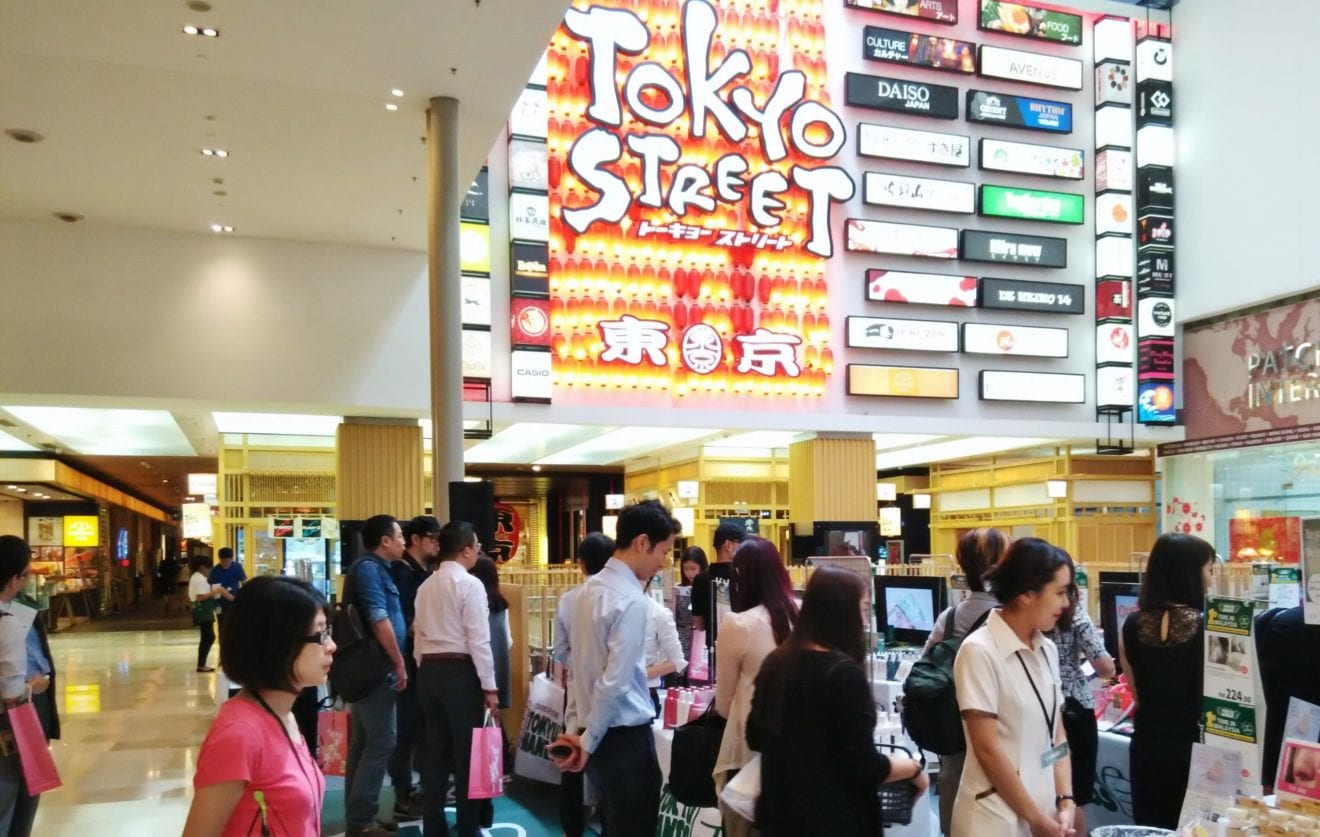
    Innovative Japanese lifestyle store Tokyu Hands is testing the Malaysian market through a pop-up store in Kuala Lumpur.

    Open for two weeks until February 3, the pop-up store at Tokyo Street in the Pavilion shopping centre in downtown Kuala Lumpur is introducing more than 500 lifestyle products to Malaysia. The items range from household, stationery, skincare and cosmetics products to items that are particularly Japanese.

    Tokyu Hands GM Shinji Fujikawa says the company wants to explore the retail market and understand consumer trends in Malaysia, reports The Star.

    “This will be a great platform to build our brand.”

    pavilion-tokyu-hands-live-demostration

    Store manager Takuya Furumaki says it is also a good opportunity for the brand to gauge the viability of its products.

    “As Malaysians are quite familiar with Japanese culture, we are confident our products will do well.”

    Tokyu Hands opened its first store in Shibuya, Tokyo, in 1976. It now has 40 stores throughout Japan, plus a presence in Singapore and Taiwan.

    At the pop-up store’s launch, guests learned more about some of its stock through demonstrations and presentations featuring the most popular or useful items favoured by Japanese buyers, according to Tokyu Hands International Business Division buyer Marie Kusumoto.

    Pavilion Kuala Lumpur marketing director Kung Suan Ai says that shoppers at Tokyu Hands do not just buy a product.

    “You buy into an experience that enriches your life.”

  • Baccarat crystal opens in Beijing

    Baccarat crystal opens in Beijing

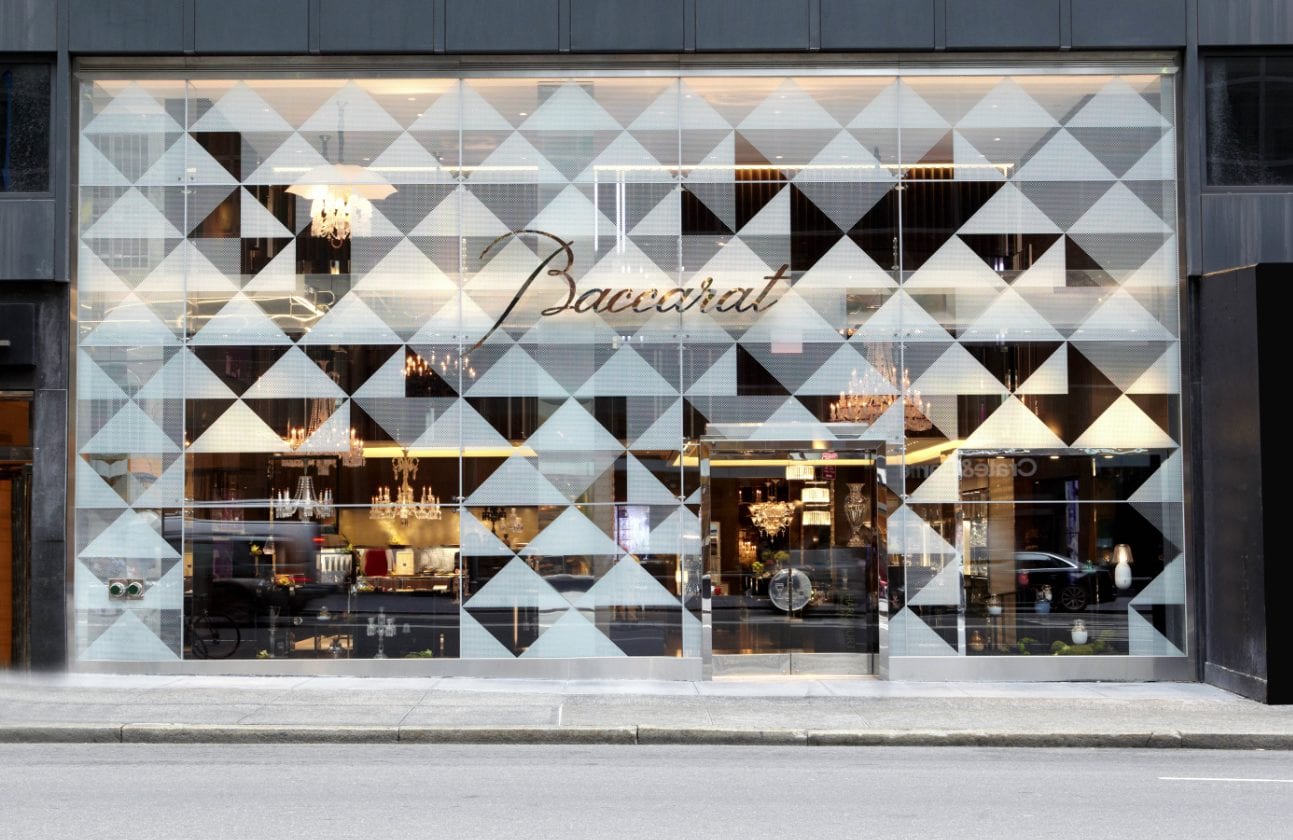
    French fine crystal manufacturer Baccarat has opened its first Chinese flagship store, in Beijing’s China Central Place complex.

    A stainless-steel mirror at its storefront draws attention to the two-storey boutique outlet, designed byGilles & Boissier of France.

    Attending the opening ceremony were Baccarat crystal global CEO Daniela Riccardi and Beijing Guohua Real Estate chairman Fang Chao. Singer Lin Yi Lun was among the guests. The Beijing opening follows the company launching a luxury hotel in New York last year to mark its 250th anniversary.

    Baccarat’s history goes back 200 years, and it represents the French art of living, according to theChina Central Place website. The new store offers an extensive product display, and includes many elements of the Baccarat flagship store in Paris, including a bar. Its decor also combines French and Chinese elements, with a Zenith 64-light chandelier illuminating the crystal works on display.

    Baccarat store Beijing


    Some of the products being offered are limited edition, including the Sun Mirror designed by Georges Chevalier in 1948, a set of crystal chess pieces by Oki Sato, founder of the Japanese design studioNendo, vases by Dutch designer Marcel Wanders, and panthers by French sculptor Jan Tésar.

    Baccarat’s store is on the ground floor of China Central Place, which is in the Trade Center in Jianguo Road, Chaoyang District. Among its international brands the mall also features Apple, Meissen, Rimowa and Tesla.

  • Bali welcomes tourists with typical souvenirs for Chinese New Year

    Bali welcomes tourists with typical souvenirs for Chinese New Year

    Balis entrepreneurs and craftsmen are ready to offer some unique and affordable souvenirs to foreign tourists who plan on celebrating the upcoming Chinese New Year in the Island of God.

    “Various typical Chinese New Year souvenirs are especially being offered to the tourists from China and Hong Kong,” Ni Nyoman Sukiati, a Balinese craftswoman, stated here on Thursday.

    To welcome the upcoming Lunar Year 2016, various souvenirs, such as wall decorations, hanging lanterns bearing Chinese characters, and porcelain god statues are on sale at some supermarkets, shops, and tourism sites.

    Sukiati believes that the number of Chinese tourists visiting Bali will increase following the implementation of the visa-free policy for several countries, including China.

    “Chinese tourists, who spend their holidays here in Bali, will certainly want to buy some Balinese souvenirs,” she remarked.

    Beside the Chinese souvenirs, Balinese craftsmen have created some unique and creative merchandise, such as bracelets, necklaces, and brooches, which are also considered as the main export commodities to be shipped to some destination countries such as the United States, Australia, Singapore, Hong Kong, Japan, and Europe.

    Based on data from the Central Statistics Agency (BPS) of Bali, the realization of non-oil products and handicrafts during 2015 reached US$498.6 million, a decrease of 7.02 percent compared to US$536.3 million in 2014.

  • Australia, Indonesia boosting tourism and economic growth

    Australia, Indonesia boosting tourism and economic growth

    Australia is expanding efforts to encourage two-way tourism between Australia and Indonesia as a key driver of shared economic growth and more knowledge of each others country.

    Australian Ambassador to Indonesia Paul Grigson said tourism powers economies and supports communities.

    “We want to increase tourism in both directions. The Indonesian Government has already recognised the potential economic boost a strong tourism industry can deliver,” the ambassador was quoted as saying by the Australian Embassy here on its website.

    According to the ambassador, Australian tourism can help Indonesia realise that vision. More than a million Australians visit Indonesia every year. Australian tourists contribute 18 trillion IDR (AUD$1.8 billion) a year to the Indonesian economy, Ambassador Grigson said on Tuesday.

    He said as Indonesia seeks to develop its tourism industry beyond Bali, ease of travel is integral to its success. Indonesia has already experienced a 19 per cent increase in tourists from countries which were granted visa free access in 2015.

    “A quarter of all tourists to Bali are Australian. We want to see more Australians come to Indonesia and experience sunrise at Mount Bromo, taste the spices of Padang and watch the sunset at Borobudur,” Grigson told Indonesian tourism industry representatives in a speech in Jakarta.

    Beyond these economic benefits, tourism builds links between people. It challenges stereotypes. It opens up new worlds and greater understanding.

    “I want more Indonesians to visit Australia.We have world class cuisine, galleries and unique experiences. With famous wildlife, fabulous wine and fantastic weather, Australia beats any other destination,” he said.

    Australia was the tenth most popular destination for Indonesian tourists in 2014 with a total of 149,800 visitors, up 7.6 per cent from 2013.

    More Indonesians travelling to Australia will make expanded flight routes between Australia and Indonesia more viable in the long-term, bringing benefits to both our economies.

    “Indonesian investors may also be missing out on opportunities to capitalise on some of the major tourism infrastructure projects currently underway in Australia. In 2014 alone, investment in the Australian tourism industry was valued at $53.7 billion,” he said.

    He added that the more Australians and Indonesians experience each others countries, the deeper their connections become.

    “The tourism industry is integral to the prosperity of both our countries. Now is the time for us to reach out to each other as neighbours and shape our futures together,” Grigson said.