Category: Living

Retail News Asia is committed to providing both local and global retailers with the latest Living news throughout the Asian market. This on a daily base.

  • 50 Global Superstars To Compete in Miss SuperTalent of the World 2016

    50 Global Superstars To Compete in Miss SuperTalent of the World 2016

    Mark your social calendars as 50 gorgeous and talented ladies from all over the globe will sashay under the spotlight in the sixth edition of Miss SuperTalent of the World 2016. Pageant producer Sutal Group announced that the highly anticipated event will be held in Seoul, South Korea. The star studded grand finale will showcase the world’s most beautiful and talented contestants in a kick-off on April 27 and will culminate in a coronation night on May 13 at the K-Hotel Convention Center.

    It’s going to be a dazzling coronation night as various performances are lined up—from heart-stopping martial arts, K-pop dance performances by the hottest Korean artists, to a unique spectacle of angels in collaboration with Korean wave stars and the pageant contestants.

    This year, Miss SuperTalent of the World 2016 launches an engaging two-hour television special, to be telecast and live streamed via Internet worldwide, highlighting a different format of beauty pageant or supermodel search.

    The event is widely watched worldwide, especially in Asia, where it is partnered with SGX-listed social commerce company YuuZoo Corporation. Through YuuZoo’s access to 110 million registered users and 800 million TV viewers, Miss SuperTalent of the World enjoys an unprecedented global audience reach.

    It’s no surprise that Miss SuperTalent of the World is recognized today as the definitive platform where outstanding young women enter the exciting world of fashion, music, and entertainment to carve out successful careers. Past winners have risen to become influential icons, such as Egypt’s Meriam George and Ukraine’s Diana Starkova.

    Sutal Group CEO Lawrence Choi remarks, “Unlike traditional beauty pageants and supermodel search contests, Miss SuperTalent of the World has its sights firmly set on superstars; film stars, pop icons, and supermodels. With its unique concept of discovering and nurturing talented beauties to become future stars in the global entertainment industry, it has launched the careers of its winners to become the faces of L’Oreal and Bollywood, among others.”

    Check out more details by visiting www.misssupertalentworld.com, www.missstow.com (social site)

  • Ikea Indonesia loses right to its own name

    Ikea Indonesia loses right to its own name

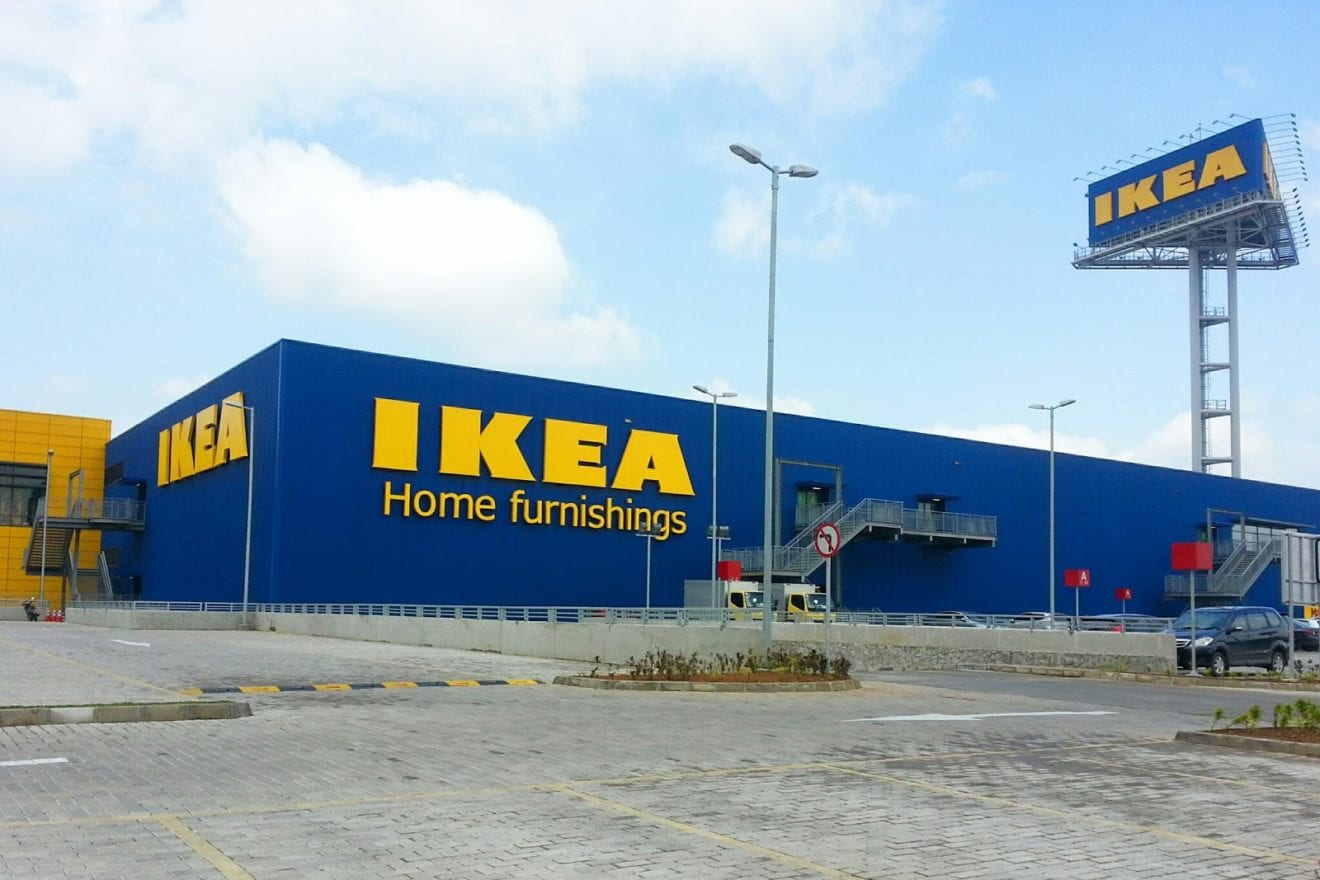
    Ikea Indonesia has suffered a rude shock: Indonesian trademark laws have left the Swedish furniture giant without the right to its own name in the Southeast Asian nation.

    A decision of the Central Jakarta Court granting Indonesian ownership of the Ikea brand name to a local business back in September 2014, has been upheld in a majority decision by the Supreme Court.

    Commentators and critics of the Indonesian government and the country’s legal system say the court decision should be a warning of “the dangers facing foreign companies” who go to Indonesia.

    The Supreme Court says the name Ikea is legally owned by PT Ratania Equator, a Surabaya company which registered the Ikea trademark as an acronym for ‘Intan Khatulistiwa Esa Abadi’.

    The real Ikea trademarked its name in Indonesia on october 9, 2006 and again on October 27, 2010. But Ratania lodged claim to the name arguing that Ikea had not actively used its trademark in three consecutive years for commercial purposes. Under Indonesian trademark laws, this means its rights to the brand expire.

    That’s why Ratania registered the Ikea trademark on December 20, 2013, and then sued IKEA of Sweden in the Central Jakarta District Court to get it to give up its claims to the trademark.

    The September 2014 ruling ordered Ikea Sweden to stop using its own name. Ikea appealed, which led to the Supreme Court ruling this week in Ratania’s favour.

    Ikea has yet to announce its next step. It seems likely it will have to either buy its name back or begin trading under another name in Indonesia, neither easily palatable options for a company of its international standing.

  • Disney’s Hong Kong park posts loss as Chinese visitor numbers skid

    Disney’s Hong Kong park posts loss as Chinese visitor numbers skid

    The park posted a net loss of HK$148 million ($19 million)for the year, dropping into the red after three straight years of profits, Hong Kong’s Legislative Council Panel on Economic Development said in a report released on Monday.

    Hong Kong has been hit hard by slowing economic growth in China, which has battered the number of big-spending Chinese tourists traveling to the city. Its retail sales saw their worst annual decline last year since 2002.

    Hong Kong tourist arrivals fell 2.5 percent in 2015 to 59.32 million, the first decline since 2003 when the city lifted travel restrictions for some mainland Chinese. Mainland visitors account for about three quarters of visitors.

    “The tourism industry of Hong Kong was greeted with great challenges due to external factors as well as overall market condition and sentiment,” the report, posted on China’s Tourism Commission website said.

    The Hong Kong Disney park saw revenues of HK$5.1 billion in 2015, a decrease of 6 percent against a year earlier, the report said, the first revenue drop for the park since 2009. Visitor numbers also fell nearly 10 percent, the first decline since at least 2008, driven by a steep drop in mainland guests.

    “Lower visitation from mainland China and the region largely contributed to softer overall theme park attendance,” Disney said in a statement emailed to Reuters.

    The opening of the larger Shanghai resort could dent the fortunes of the Hong Kong park further, the panel said in the report, adding the park was looking at how to stay competitive in light of “intensifying competition” and “the opening of the Shanghai Disney Resort in June this year”.

    Disney’s $5.5 billion Shanghai resort, a joint venture between the U.S. entertainment giant and Chinese state-backed consortium Shanghai Shendi Group, is slated to open on June 16. It had previously been set to open in late 2015.

  • Kingsdown launches bedMatch system in South Korea

    Kingsdown launches bedMatch system in South Korea

    Top 15 U.S. bedding producer Kingsdown announced the debut of its bedMatch system here. Kingsdown plans to use the retail launch as a starting point for further distribution of bedMatch systems, Kingsdown, and Sleep to Live bedding products throughout the region.

    Kingsdown licensee Navijam partnered with Rentus, a retailer in Songdo, to launch the first bedMatch system in the country. The majority of the Sleep to Live mattresses on the store’s showroom floor are made in South Korea, with some products being imported from the United States.

    “Looking to grow our brand in Asia, we are confident that South Korea is the right location due to their focus on advancements in technology, product quality and styling,” said Kingsdown President and CEO Frank Hood. “As Kingsdown continues to expand, we have seen great success and growth abroad through our innovations in sleep technology. We have also found a partner that not only believes in our product but also shares our company’s vision of providing retailers and their consumers with high quality products from an internationally respected brand.”

    In addition to this South Korean location, Kingsdown is set to open 60 more bedMatch/My Side locations throughout Asia in 2016, the company said.

    Navijam, founded in 2011, is a leading mattress manufacturer in South Korea, officials said.

  • Traditional Chinese Medicine Retailer Accelerates Overseas Expansion

    Traditional Chinese Medicine Retailer Accelerates Overseas Expansion

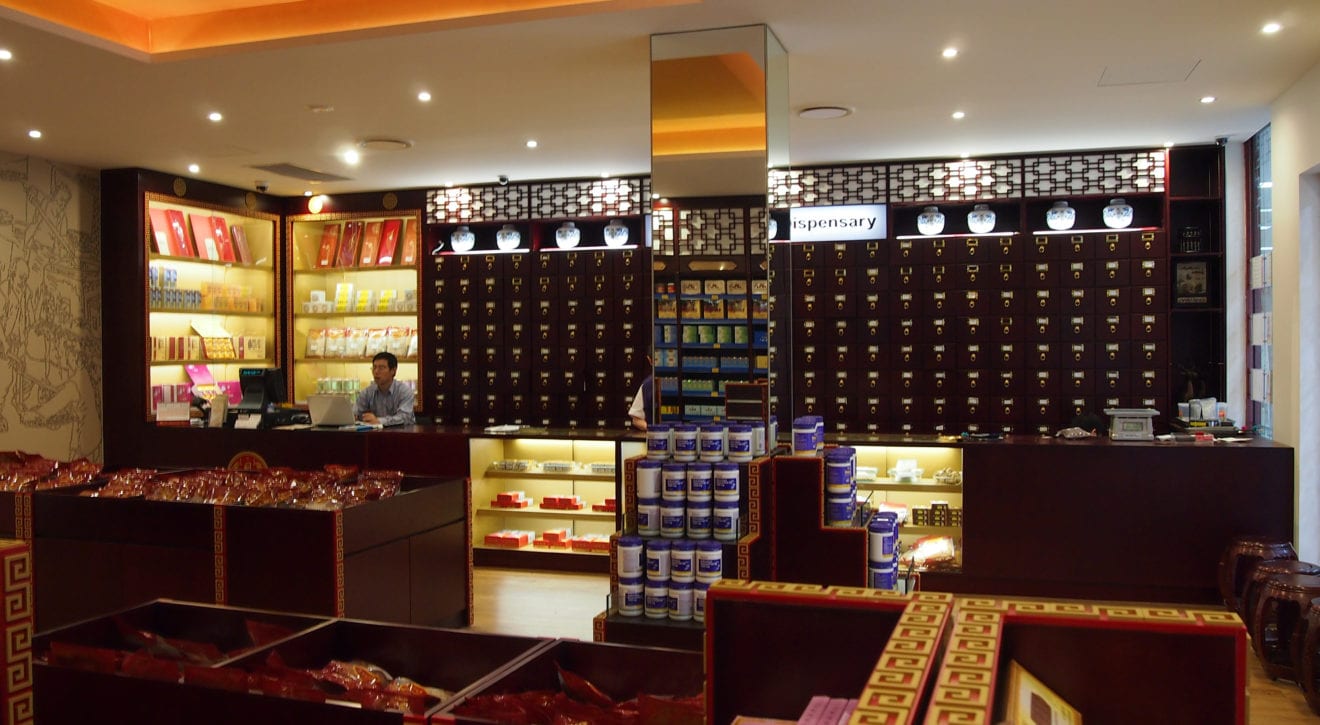
    The time-honored traditional Chinese medicine brand Tong Ren Tang says it accelerated its overseas expansion and opened nine new stores in the overseas market in 2015.

    In reporting the company’s results for last year, the company says it has developed 31 branches in 25 countries and regions outside China, operating 115 retail sites, traditional Chinese medicine clinics, and traditional Chinese medicine health centers. It served over 30 million patients in those countries and regions.

    Mei Qun, chairman of Beijing Tong Ren Tang Group, said that based on the planning of Tong Ren Tang, its international development is divided into three steps. In 1993, the group started its overseas development in Hong Kong; in 2003, they established Beijing Tong Ren Tang International Co., Ltd. in Hong Kong; and in 2013, Beijing Tong Ren Tang Chinese Medicine Co., Ltd. was successfully listed in Hong Kong and started developing in major European markets.

    Ding Yongling, deputy general manager of Beijing Tong Ren Tang Group, said that in 2015, the group opened nine new stores in six countries and regions, including Hong Kong, Germany, United Arab Emirates, New Zealand, Sweden, and the Czech Republic. Apart from Chinese medicine stores, the group also developed Chinese medicine clinics and health centers in foreign countries.

  • Toys “R” Us Opens Its 100th Store in China

    Toys “R” Us Opens Its 100th Store in China

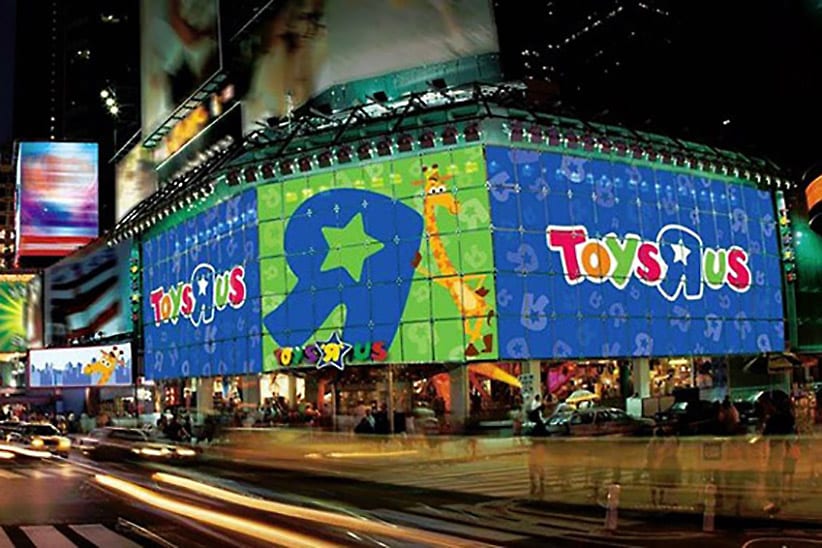
    Ten years after first entering the market, toy and baby product retailer Toys”R”Us has opened its 100th store in China. The new retail outlet is located in Beijing’s APM Shopping Mall in Wang Fu Jing, one of the leading retail districts in the city.

    China has been one of the most important markets for the company’s global expansion plans, and growth in this region is expected to continue with the planned opening of more than 30 new Toys”R”Us stores in 2016, according to Chairman and CEO, David Brandon.

    “The opening of the new store, he said, “represents a significant achievement for our business as it allows us to meet the increasing demand for high-quality children’s products and family entertainment experiences in this market.”

    “It’s our mission to be the best toy and baby products retail company in the world, and international expansion, particularly throughout China and Southeast Asia, continues to be an important part of our long-term growth strategy,” he said.

    The new store “showcases the very latest in retailtainment, digital technology and customer interaction, making shopping at Toys”R”Us a unique and fun experience for kids and adults alike,” said Andre Javes, managing director, – Greater China and Southeast Asia.

    “What differentiates Toys”R”Us as a specialty toy retailer is the memorable shopping experience we provide for our customers,” he added. “This includes a combination of the widest assortment of toys and baby products, including exclusive items not available anywhere else in the market, fun store layouts, interactive in-store experiences, product displays and demonstrations, activities and more.”

    The company opened its first store in Shanghai in 2006 and currently operates in 44 cities throughout the country, including six where the company established a presence for the first time last year.

    In 2011, New Jersey-headquartered Toys”R”Us formed a joint venture with Fung Retailing Ltd., its long-term license partner  in China and Southeast Asia, to develop businesses in the region.

    Since then the company has opened additional stores in Brunei, Hong Kong, Malaysia, Singapore, Taiwan, Thailand, as well as China, where the currently has a total of 100 stores in 44 cities.

    Toys”R”Us launched a worldwide presence in 1984 when the company opened its first international wholly owned store in Canada and licensed an operation in Singapore. Currently, the company operates more than 600 international stores and over 140 licensed stores in 35 countries and jurisdictions outside the U.S.

  • Casino confident could exceed asset sale target

    Casino confident could exceed asset sale target

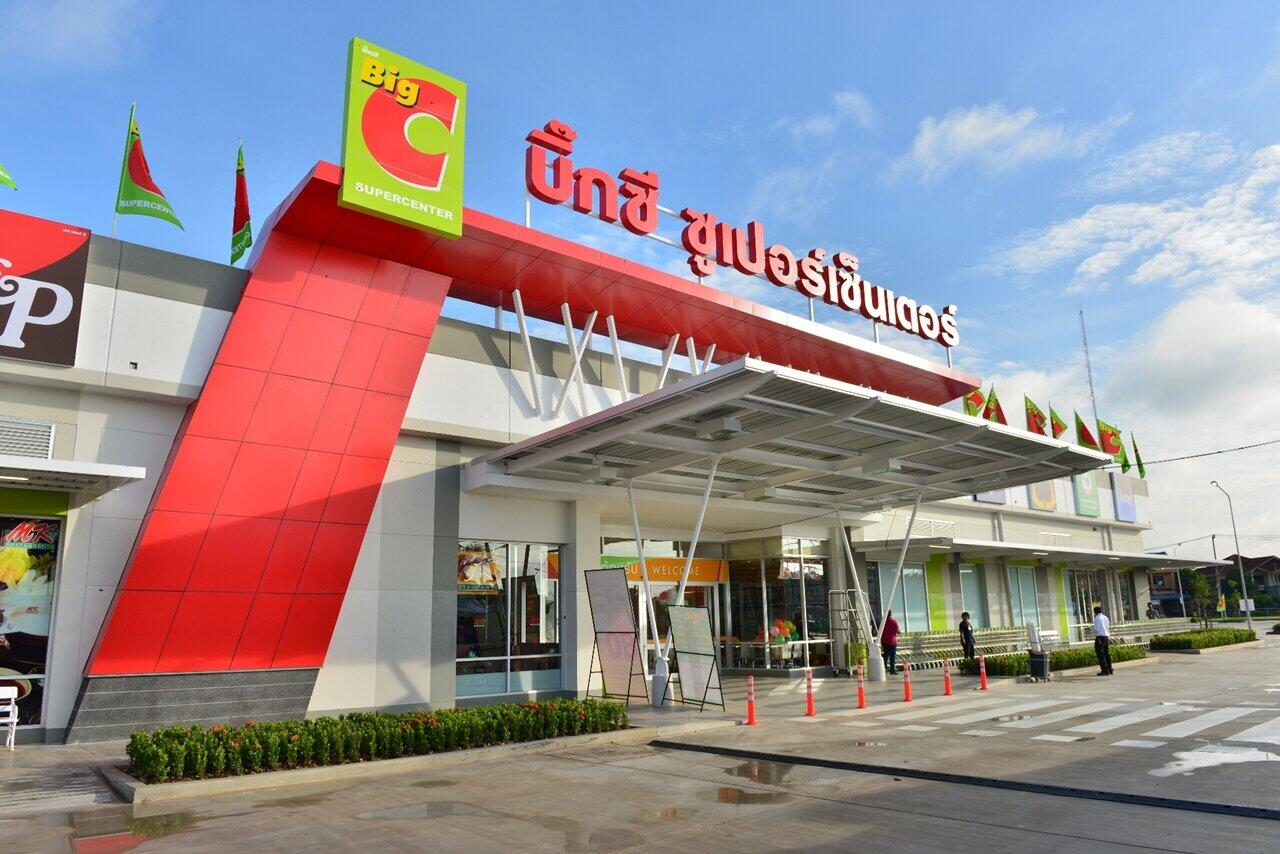
    Shares in Big C finished up 9.7 percent as investors cheered an up to $3.5 billion deal by France’s Casino Group to sell its majority holding in the Thai hypermarket operator to TCC Group, owned by whiskey tycoon Charoen Sirivadhanabhakdi. The Vietnam unit sale had been planned earlier. Casino has said it plans to raise 4 billion euros ($4.5 billion) by selling assets this year, including its operations in Thailand and Vietnam. Ratings agency Standard & Poor’s in January put the French retailer’s debt on “negative watch” for a possible downgrade to junk status, citing concerns over weakness in Brazil and the retailer’s debt.

    In a significant step to reduce mounting debt levels, French retailer Group Casino has sold its controlling stake in one of Thailand’s largest supermarket chains.

    The sale is expected to be completed by 31 March 2016.

    A deal would add to the $50.6 billion of acquisitions in Southeast Asia over the past 12 months, data compiled by Bloomberg show.

    TCC, which owns the maker of Chang Beer among other assets, outbid Thailand’s biggest retailer Central Group to push into a retail sector that is expanding along with the number of middle class consumers.

    With over 700 outlets across Thailand, Big C’s market capitalisation nears €4.bn, while its annual revenue for 2015 totalled €3.4bn.

    With the news of Big C now under his belt as well, there seems to be no sign of Charoen slowing down in the coming year. Last month, Mr. Charoen’s TCC Group closed a EUR655 million acquisition of Metro Group’s cash & carry wholesale business in Vietnam. He became a household name in 2013 when he bought a controlling stake in Singapore-listed conglomerate Fraser & Neave that valued the firm at $11 billion.

  • Rakuten to shut Singapore website, cuts 30 local staff

    Rakuten to shut Singapore website, cuts 30 local staff

    Japan’s largest online retailer Rakuten is closing its Singapore website after two years, and trimming its staff.

    On Friday, the fifth day of Chinese New Year, about 30 local employees were given the pink slip .

    While the company will continue to keep its regional HQ here, a notice on the website posted on Friday evening said no new purchases can be made from its online portal from next month.

    Earlier that afternoon, around 30 staff at its Market Street office at Raffles Place were told that they would be laid off. They included sales, marketing and customer service staff who were directly involved in running the website.

    They were among the 150 employees who were laid off in Singapore, Malaysia and Indonesia. The company is closing its websites in the other two countries as well.

    Most of the Singapore staff were told to immediately return their staff passes, and their e-mail accounts were deactivated on the spot. They were escorted out of the office and told that they did not need to turn up for work any more, said a source.

    “All were in shock,” the source said. “They were told that Friday was their last day (of work).”

    A handful can continue to work until the end of the month, when the website finally goes offline.

    The Sunday Times understands that the individual severance packages are tied to how long the staff have worked there. The company will make the payouts only next month.

    When contacted yesterday, a Rakuten spokesman in Japan declined to give details of the Singapore retrenchments, but he said that the firm will compensate workers “above and beyond legal requirements” and help them find jobs.

    Rakuten Group, which is listed on the Tokyo Stock Exchange, announced in Japan on Friday a five-year business plan that includes overhauling its business model in South-east Asia by closing down its online retail websites and starting a customer-to-customer trading application.

    Experts were surprised that the retrenchments were carried out over the Chinese New Year celebrations that span 15 days.

    “We usually tell unionised companies to avoid retrenchments during festive seasons. This is good industrial relations practice,” said labour MP Patrick Tay, who chairs the Government Parliamentary Committee for Manpower.

    The firm is not unionised but the affected professionals, managers and executives can turn to the National Trades Union Congress (NTUC) for job placement help, said Mr Tay, who is NTUC’s assistant secretary-general.

    “The timing is a little brutal,” said Singapore Human Resources Institute president Erman Tan, adding that the speed at which retrenched staff were shown the door within hours was “very fast”.

    “This reflects the culture of the e-commerce sector. Things move very fast online and perhaps retrenchments too,” said Mr Tan.

    Association of Small and Medium Enterprises president Kurt Wee said the retrenchments signal the start of a phase of consolidation by companies as they respond to the global slowdown and local economic conditions.

    “When companies consolidate, some staff retrenchments are inevitable,” said Mr Wee.

  • HKIA celebrated the new Year of the Monkey

    HKIA celebrated the new Year of the Monkey

    Hong Kong International Airport (HKIA) is celebrating the Year of the Monkey with a series of promotional activities and offerings, including cash coupons for shoppers of up to HK$5,000 ($642).

    From today through to February 15, travellers spending over HK$2,000, HK$5,000, HK$10,000 and HK$50,000 by electronic payment can redeem HKIA cash coupons of HK$100, HK$300, HK$700 and HK$5,000 respectively.

    Airport Authority of Hong Kong adds that during this period ‘designated retailers’ will also offer free red packet redemption on a first-come-first-served basis.

    Commenting on the promotion, Airport Authority stated: “To spread the festive joy, HKIA’s mascot will dress in the Year-of-the-Monkey costume at Terminal 1 of HKIA and will send warm blessings to travellers by giving out specially-designed Fai Chuns [traditional decorations-Ed] for free.

    “The joyous atmosphere can also be experienced on Level 6 of the Departures East Hall, where travellers will find a grand display box with a special selection of Chinese New Year products and an interactive-game booth.

    “Passengers with boarding passes and any purchase receipt from HKIA can participate in the game. Among the top of [more than] 12,000 prizes are suitcases, massagers and necklaces, while others include HKIA cash coupons and HKIA red packets.”

    Chinese New Year traditions that will also be celebrated include lion dances and various musical performances over the two-week period.

    In addition, HKIA is also offering a free local delivery service for all travellers spending over HK$1,000 in a single transaction at HKIA. Free delivery also applies to Mainland China, Macao and Taiwan for travellers spending more than HK$2,500 on clothing, bags and accessories in a single transaction.

  • GrabJobs Launches Singapore’s First Job Review App for Part-Timers

    GrabJobs Launches Singapore’s First Job Review App for Part-Timers

    Singapore’s tight labour market has resulted in Retail, F&B establishments and event organizers facing issues of inconsistent service levels.  To cater to the demand for reliable and capable part-timers, Emmanuel Crouy, Mark Melo and Ke Liang co-founded review app GrabJobs which was launched last month. A first in Singapore, GrabJobs’ objective is to offer a rating and review system for each part-timer that completes a job with a designated employer.

    “One of the major pain points of the F&B industry in Singapore is finding reliable staff,’ says Emmanuel Crouy, co-founder of GrabJobs who has investments in several F&B establishments and understands the predicament that the industry faces with regards to hiring part-timers. With this new app, every employer who engages a part-timer will review their performance once their assignment is completed.

    Job seekers can view available jobs in real time and filter them by type of industry, schedule, salary and location. Upon receiving applications for a job posted on the app, employers are able to filter out non-performing part-timers based on reviews and ratings, along with other filters such as years of experience and visa status.

    To incentivize part-timers to perform better, GrabJobs offers cash bonuses when part-timers complete five jobs that are rated positively. This is a unique feature of GrabJobs, which similar apps in the market currently do not offer.

    The system works for both employers and job seekers – not only does it enable employers to hire reliable staff quickly, but it also enables part-timers to make more money than they normally would when they perform well.

    Another key feature of the app is the automatic reposting of jobs when a staff cancels. “Another pain point for employers is staff not showing up for work” says Emmanuel Crouy. GrabJobs tackles this issue with regular notifications sent to hired Part-Timers reminding them of their upcoming job. In the event that they cancel it, the job is automatically reposted on behalf of the employer, allowing them to find an immediate replacement.

    There are currently over 6,000 restaurants in Singapore and this number is set to keep growing. Mark Melo, co-founder of GrabJobs says, “One of the major issues we see in the F&B and Events industries is staff retention and there isn’t an effective solution for the industry to resolve staffing issues. If a restaurant needed to resolve a staffing issue immediately, they would be limited to using a job board, which can get costly, or rely only on their own personal networks. In addition Job boards only work effectively if restaurants have lead-time in knowing they need extra manpower. It is this gap in the market that sparked the idea to create GrabJobs. “

    With the app now launched in Singapore, Emmanuel, Mark and Ke see big potential for it to grow regionally in countries such as Australia, Thailand, Malaysia, Indonesia and Hong Kong that have a vast and dynamic FB and Events scene.

    Singapore based companies and job seekers can now download the app for Android on the Google Play Store. The Apple iOS version is currently in development and launching in March.

    Statistics after 6 weeks of launch:

    Number of downloads: 2500+

    Part-Timers:

    • 1500 registered Part-Timers
    • Average age: 25 years old
    • 54% male / 46% female
    • 92 % Locals

    Employers:

    • 120 registered Employers
    • Famous brands: Starbucks, Salad Stop, Muddy Murphy’s Group, Brotzeit, Drinks & Co, Mex Out
    • Average response time from Part-Timers after a job is posted: 5 minutes


  • Korean department stores offer instant tax refunds to tourist

    Korean department stores offer instant tax refunds to tourist

    South Korean department stores will start offering instant tax refund services to foreign customers from this month as part of an effort to boost sales.

    Under the new program, foreigners can buy products without paying the mandatory 10 per cent value-added tax (VAT) if the item costs 30,000-200,000 won (US$25-166), observers said. Each person can be exempt from VAT for up to the first 1 million won in purchases. Products that cost more than 200,000 won require the buyer to pay the VAT and get a refund later on.

    Seoul announced last year that it would implement changes to the way all local tax-free shops operate in 2016 by making it easier for tourists to spend in the country without the need to hold onto purchase receipts that must be shown at departure to get tax refunds.

    Lotte Department Store, South Korea’s No. 1 luxury retailer, said the instant tax refund will be given at its main Sogong-dong flagship store in downtown Seoul.

    Shinsegae Department Store said its main store in Jung-gu will offer the service to customers, while Hyundai Department Store plans to give immediate tax refunds at its main Apgujeong store and its Coex outlet in southern Seoul.

    Department stores said they picked the stores because they are the most frequented by foreign visitors, with more stores to be added later.

    “Foreign shoppers can buy products minus the 10 per cent VAT so there is no need to keep tabs on receipts or show the product they purchased at the airport when they leave the country,” a Lotte official said. “This can greatly reduce the hassle at airports and should fuel sales at our store.”

    In addition, local department stores said they will kick off promotion sales to attract Chinese tourists who are expected to arrive in large numbers during the Chinese Lunar New Year holiday. The traditional holiday runs from February 3 through February 13 this year.

    Lotte said it will give 50,000 won discounts for purchases exceeding 1 million won, with gift cards equal to 5 per cent of the purchase of the total to be given if the total tops 10 million won. Shinsegae said it too will give upwards of 30 per cent discounts and gifts to foreign tourists that buy items at its stores in February. The retailers said that to get the benefits the shopper needs to show his or her passport when making the purchase.

  • First Shipment of Hemp Food Products for Korean Company Shipped from Naturally Splendid Facility

    First Shipment of Hemp Food Products for Korean Company Shipped from Naturally Splendid Facility

    Naturally Splendid Enterprises Ltd. is pleased to announce that the first shipment of 20 metric tonnes of hulled hemp seeds destined for the Port of Busan in South Korea, was shipped from the Naturally Splendid distribution centre in Burnaby, BC to the Port of Vancouver on schedule this morning.

    Naturally Splendid VP of Operations Bryan Carson states, “Having shipped the first container to Korea Beauty & Health Care in South Korea on schedule, we now look forward to fulfilling the balance of this $924,000 CDN purchase order”.

    Korea Beauty & Health Care Co., Ltd. (KBH) was established in 2003 and has a successful track record bringing a variety of products to the South Korean marketplace in the area of cosmetics, household items, functional foods, and medical equipment. KBH was certified as a food manufacturer and cosmetic manufacturer in 2015 and is also a product developer with its own R&D facility. The Company currently employs 62 people and generated revenue of approximately 12,000,000,000 Won ($14,000,000 CDN) in 2015 via online shopping, offline shopping, traditional retail and TV shopping channels. KBH will be marketing the NATERA(R)brand through online shopping, offline shopping, traditional retail and TV shopping channels.

    Naturally Splendid is a multifaceted biotechnology company that is developing, producing, commercializing, and licensing an entirely new generation of plant-derived, bioactive ingredients, nutrient-dense foods, and related products. Naturally Splendid is building an expanding portfolio of patents (issued and pending) and proprietary intellectual property focused on the commercial uses of industrial hemp and non-psychoactive cannabinoid compounds in a broad spectrum of applications.

  • The new globetrotters Hong Kong and Macau work to rekindle their tourism spark

    The new globetrotters Hong Kong and Macau work to rekindle their tourism spark

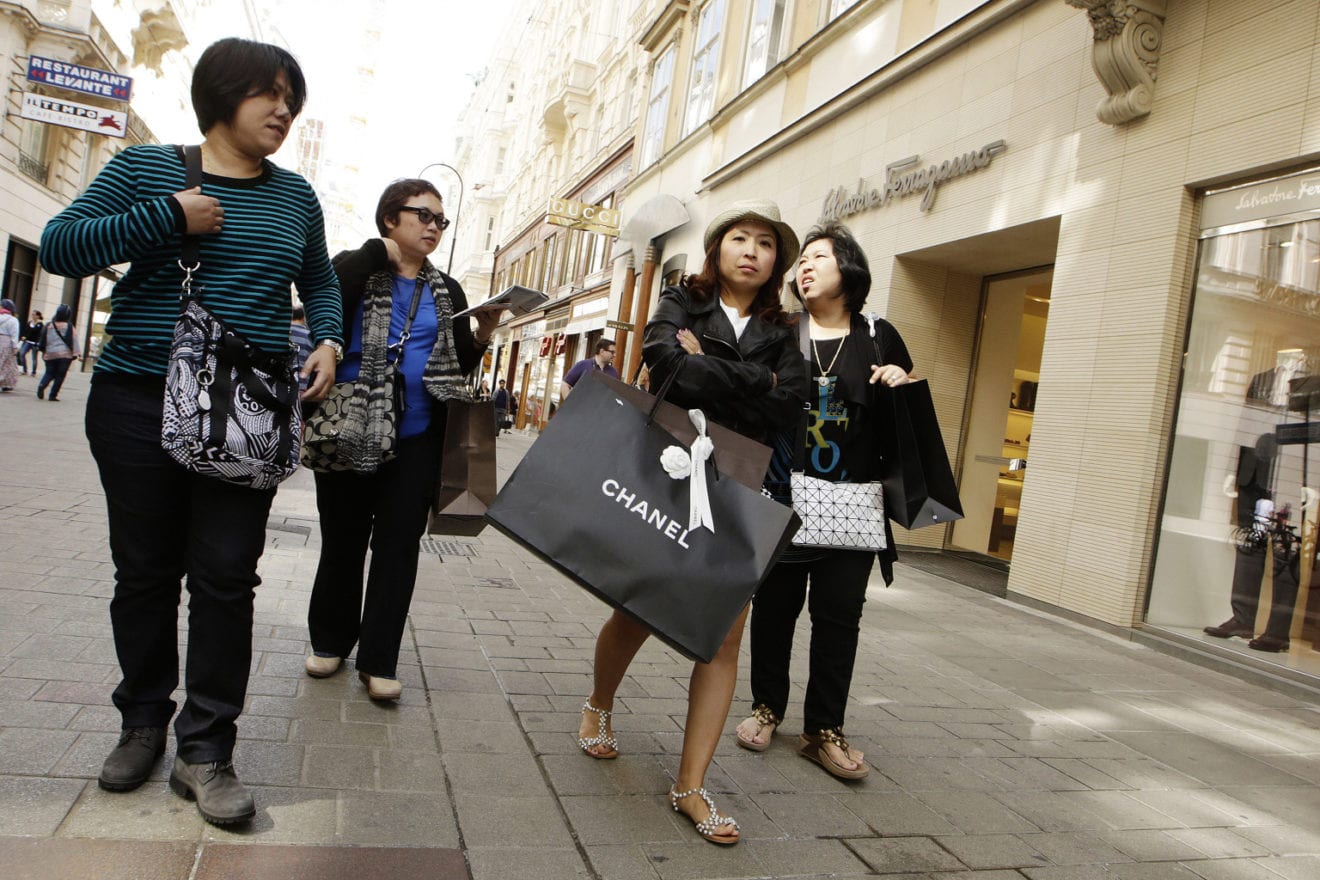
    A stroll down Queen’s Road Central reveals the changes that the drop-off in mainland Chinese tourists has wrought in this once-exclusive shopping area.

    U.S. luxury handbag maker Coach shut down its four-story shop here last August, and its place was soon taken by Adidas, which is preparing to open its first Hong Kong flagship store by June. The German sports brand has also rented a two-story space in Causeway Bay, a prime shopping district, for 3.5 million Hong Kong dollars a month ($449,000), some 30% less than what analysts say the previous tenant paid.

    Mass-market brands like Adidas are fast filling up the space vacated by luxury brands. Spanish fast-fashion chain H&M Hennes & Mauritz opened a four-story outlet in Causeway Bay in October, and a few streets away, HMV has rented a 40,000-sq.-foot (3,716-sq.-meter) space for a crossover music store/cafe.

    PERVASIVE GLOOM

    Hong Kong and Macau have long been the top destinations for mainland Chinese going abroad. With those visitors keeping a tighter hold on their purse strings, the two markets have had to adapt on a dime.

    The change in tourism trends comes against the wider backdrop of China’s economic slowdown, the weakening of the yuan against the U.S. dollar, and Chinese President Xi Jinping’s anti-corruption campaign. In the last two years, China has also tightened rules on the frequency of visits to the two cities, their use as transit stops and visitors’ use of mainland payment cards. Protests in Hong Kong against cross-border bulk shoppers and the death of a visitor during a tour group stop at a jewelry store have put off some would-be travelers from the mainland, as well.

    Three-quarters of Hong Kong’s visitors come from the mainland, but their arrival numbers last year fell almost 3% from 2014. Macau, similarly dependent on China, saw a 4% drop.

    Chinese tourist traffic to the two cities began to soar in 2003 after Beijing opened up the flow of individual visitors from designated mainland cities to compensate for a decline in arrivals related to that year’s outbreak of severe acute respiratory syndrome. Most mainlanders were previously required to travel with tour groups. A year later, the opening of the Sands Macao casino launched an era of gambling competition in Macau.

    Soon, luxury goods stores, pharmacies and other tourist-oriented shops were crowding out those serving local needs. Real estate services company Jones Lang LaSalle estimates mainland visitors now account for a third of Hong Kong retail sales and that they spent an average of HK$3,900 per visit in 2015.

    HARD REVERSE

    The recent downturn is hitting luxury retailers hard because it comes after years of booming sales that saw them open ever more and bigger stores. Burberry said its Hong Kong sales in the October-December quarter fell 20% from a year earlier. The British fashion brand plans to shrink its largest store in Hong Kong from two floors to one.

    Overall sales of jewelry, watches, clocks and similar gift items in the city fell 20.6% in November, according to government figures, while retail sector employment has fallen by 2,663 positions since peaking in late 2014.

    “Christmas sales were already worse than expected,” said Thomson Cheng, chairman of the Hong Kong Retail Management Association and executive director at retailer Lane Crawford Joyce Group. “It will be worrying if we don’t see much recovery during the Chinese New Year [in February], which is a traditional shopping season.”

    Chow Tai Fook Jewellery Group reported that sales in stores in Hong Kong and Macau that have been open for at least a year fell by a quarter in the October-December period. This compares with a drop of 6% for outlets in the mainland. Managing Director Kent Wong Siu-kei said retail conditions will remain “very challenging” and that as a result, the company will close six regular stores and open three discount outlets in Hong Kong and Macau. “Opening outlets will be our future strategy,” he said.

    One factor behind the fall in spending is that prices in Hong Kong and Macau are no longer competitive, due to the Hong Kong dollar’s peg to the U.S. dollar and the link, in turn, of the Macau pataca to the Hong Kong dollar. According to brokerage CLSA, a popular Louis Vuitton handbag costs about 20% more in Hong Kong than in Japan and South Korea and 40% more than in France or the U.K. And unlike those countries, Hong Kong doesn’t levy any sales tax.

    “Hong Kong is not as attractive as I thought,” said Huang Danqin, who was visiting the city for the first time from her hometown of Ningbo, in China’s eastern Zhejiang Province. “Hotels are expensive. The diversity of shopping is also not very interesting compared with Japan and South Korea. I’d rather shop online for handbags these days for better deals.”

    Growing tension between locals and mainland tourists is another headwind for retailers. Protesters in Hong Kong have complained that visiting shoppers cramp the city’s already crowded streets and transport system.

    “This is a capacity issue because of the limited space we have,” said Qiu Hanqin, a tourism professor at Hong Kong Polytechnic University. A slowdown in mainland tourist arrivals could be a chance for Hong Kong to “take a break” and rethink its tourism policies, she said.

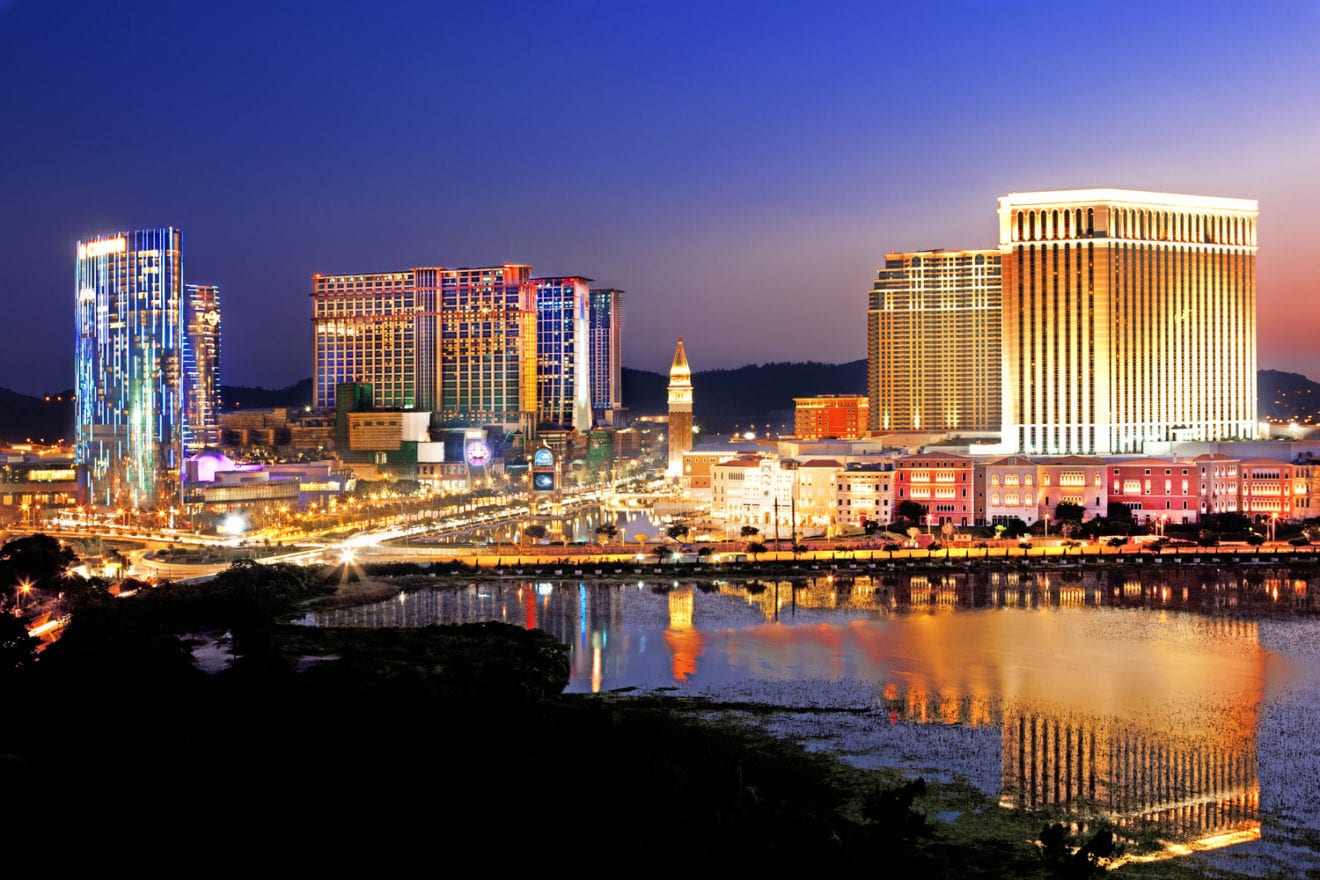
    Just an hour’s ferry ride west, Macau, too, is suffering. Gaming revenues declined for the 20th straight month in January and were down nearly a third for all of 2015, to 230.8 billion patacas ($29.6 billion), according to official data.

    With mainland high rollers staying home or heading elsewhere, many of the so-called junket companies that handled their trips to Macau have closed up shop. The government, which depends on casino taxes for most of its income, announced budget cuts of 5-10% on most spending in September, and officials reported a 24.2% decline in third-quarter real gross domestic product from a year before. Li Gang, China’s top representative in Macau, has signaled Beijing is preparing measures to support the city’s economy once again.

    MORE TO OFFER

    Analysts expect the heavy declines in gambling revenue to continue through the first half of 2016. But some think new openings could help stem the slide.

    “We feel like a lot more happening in Macau will attract tourists,” said Aaron Fischer, regional head of consumer and gaming research at CLSA. He expects year-on-year monthly gaming revenues to turn positive by June and ultimately grow 1% for the year.

    The brokerage has a “buy” rating on the Hong Kong-listed shares of Wynn Macau. The developer is set to open the $4 billion Wynn Palace this year, its second casino resort complex in the city.

    In addition to Wynn Palace, three other casino resorts are scheduled for completion this year. But this time, the mantra of “build it and they will come” may not hold true.

    On a weekend visit in January to the newly opened $3.2 billion Studio City casino resort, operated by Melco Crown Entertainment, dealers beckoned visitors to take a seat at one of the many empty baccarat tables. Spots on ferries to and from Hong Kong, which previously needed to be booked in advance, were available on demand.

    Some analysts think Hong Kong could use new draws, especially once the mainland’s first Disneyland theme park opens in Shanghai in June, potentially dampening interest in Hong Kong’s smaller park. “Policymakers in some other destinations have been more active in trying to grab a larger piece of the Chinese tourism pie,” said Mervyn Tang, associate director of Asia-Pacific sovereign ratings at Fitch Ratings in Hong Kong.

    Instead, Financial Secretary John Tsang Chun-wah has signaled that he will include measures to support the local tourism industry in the city’s annual budget to be unveiled Feb. 24.

    Not everyone is discouraged about Hong Kong’s prospects. Tokyo-based Tokyu Malls Development in December opened a HK$20 million Shibuya 109 department store in the tourist district of Tsim Sha Tsui. The company projects sales volume of HK$100 million this year, as it expects Chinese tourist traffic to remain heavy even after recent declines.

    “There is still ample room for selling Japanese brands [in Hong Kong],” said Hiroyuki Wada, president of Tokyu Malls. “Hong Kong will keep its position as Asia’s shopping capital in the long term.”

  • Hong Kong International Airport Expands Retail and Catering Options

    Hong Kong International Airport Expands Retail and Catering Options

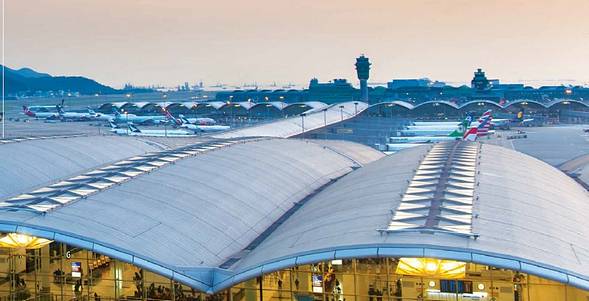
    Nine retail shops and a café have opened in the recently-inaugurated 105,000-square-metre Midfield Concourse of Hong Kong International Airport (HKIA).

     In addition to the new shops, there are also outposts and a money-exchange kiosk.

    “The Midfield Concourse will be able to serve an additional 10 million annual passengers in order to meet the increasing passenger volume at HKIA,” said Cissy Chan, Executive Director, Commercial, Airport Authority Hong Kong. “We are proud to offer extended retail and catering options throughout the concourse, which will let the passengers have a pleasant and enjoyable last-minute shopping and dining experience.”

    Soon to be opened are eight retail and three catering outlets, including world-renowned travel retailer DFS, which will introduce a new multi-category store concept.

    The catering outlets will offer café and casual-dining options to departing passengers who have limited time before boarding.

     The Midfield Concourse also marks MX’s first entry to HKIA

  • Wildcraft Expands in International Markets

    Wildcraft Expands in International Markets

    Wildcraft has launched operations in Middle-East and South East Asia as the brand sets out to grow its presence in International markets. The company has tied-up with partners for its foray in the UAE, Oman and Muscat markets and online partnerships for Singapore, Malaysia, Indonesia, Hong Kong and Taiwan.

    The move, which has been taken as part of company’s aggressive growth plans, will also allow the brand to evaluate these markets before it expands in other countries.

    The brand, in 2015, unveiled a new brand identity and expanded its product portfolio into clothing and footwear. It has also made a series of moves including expanding its retail footprint to 130 retail stores in 50+ cities across India, extending its presence in over 400 cities in India through over 3000 distribution points.

    In South East Asia, the brand has partnered with Zalora, part of Global Fashion Group, giving the company access to the Singapore, Malaysia, Hong Kong and Taiwan markets. Through this alliance, Wildcraft will start off with selling its outdoor gear product lines.

    While in the UAE, the outfitter has built partnerships across offline and an online distribution channels. The company has also tied up with Souq.com, one of the largest e-commerce platforms in the region.

    Gaurav Dublish, Co-founder of Wildcraft, while commenting on the move, says, “Expanding into South East Asia and the Middle East, both important markets for us, is just the start of our growth plans. The focus, at this point, is to reach countries with similar climatic conditions & geo-proximity.”