Category: Living

Retail News Asia is committed to providing both local and global retailers with the latest Living news throughout the Asian market. This on a daily base.

  • Korean department stores struggle

    Korean department stores struggle

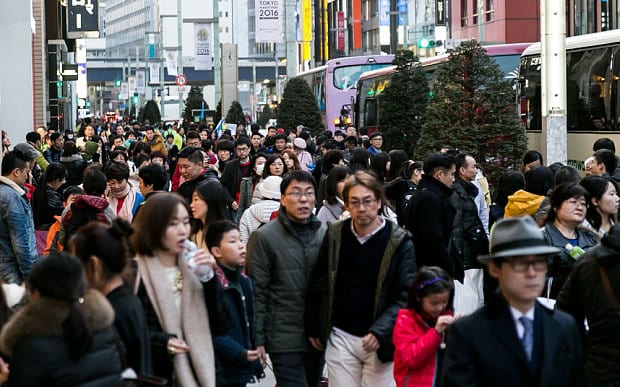
    Chinese travellers have emerged as one of the few bright spots for Korean department stores suffering from dull domestic consumption.

    The arrival of a new demographic of consumers has prompted an all-out fight to attract deep-pocketed clients, industry officials told Yonhap.

    Sales at department stores inched down 0.4 per cent on-year to 29.22 trillion won (US$23.69 billion) in 2015, Statistics Korea showed, mostly attributable to the Middle East Respiratory Syndrome (Mers) outbreak and rapidly rising online marketplaces.

    While consumption among locals has steadily slowed over the past years, major department stores in downtown Seoul saw growing sales among Chinese nationals.

    At Lotte Department Store in the famous shopping district of Myeongdong, sales by Chinese customers accounted for 18.1 per cent of the total, rising 6.8 per cent from a year ago.

    At the nearby Shinsegae Department Store, sales by Chinese customers rose 21.8 per cent in 2015 from a year ago, though the pace slowed from 131 per cent in 2014 and 87 per cent in 2013 in the wake of the Mers outbreak. The store did not release exact sales figures.

    Foreign luxury watch and jewellery brands topped their shopping list, while leading Korean fashion and cosmetic brands were also picked up by Chinese travellers.

    Among them, the Seoul-based luxury bag manufacturer MCM was the second-most selling brand by the Chinese, while sunglass brand Gentle Monster and Amore Pacific’s high-end cosmetic lineSulhwasoo were named as popular items.

    “While the Chinese mostly preferred foreign luxury brands and local cosmetic brands, a wider range of Korean products have been selling among Chinese customers,” said Park Young-hwan, a marketing official at Lotte Department Store.

    In response to the changing consumption trends, Korean department stores have launched a variety of promotional events through social networking services and invited China’s popular bloggers to embrace rich Chinese customers.

    Some stores have even assigned assistants for VIP customers to provide guidance while they shop. Others have offered limousines and pick-up services.

  • Furniture Retail Iwannagohome to shut Singapore outlets

    Furniture Retail Iwannagohome to shut Singapore outlets

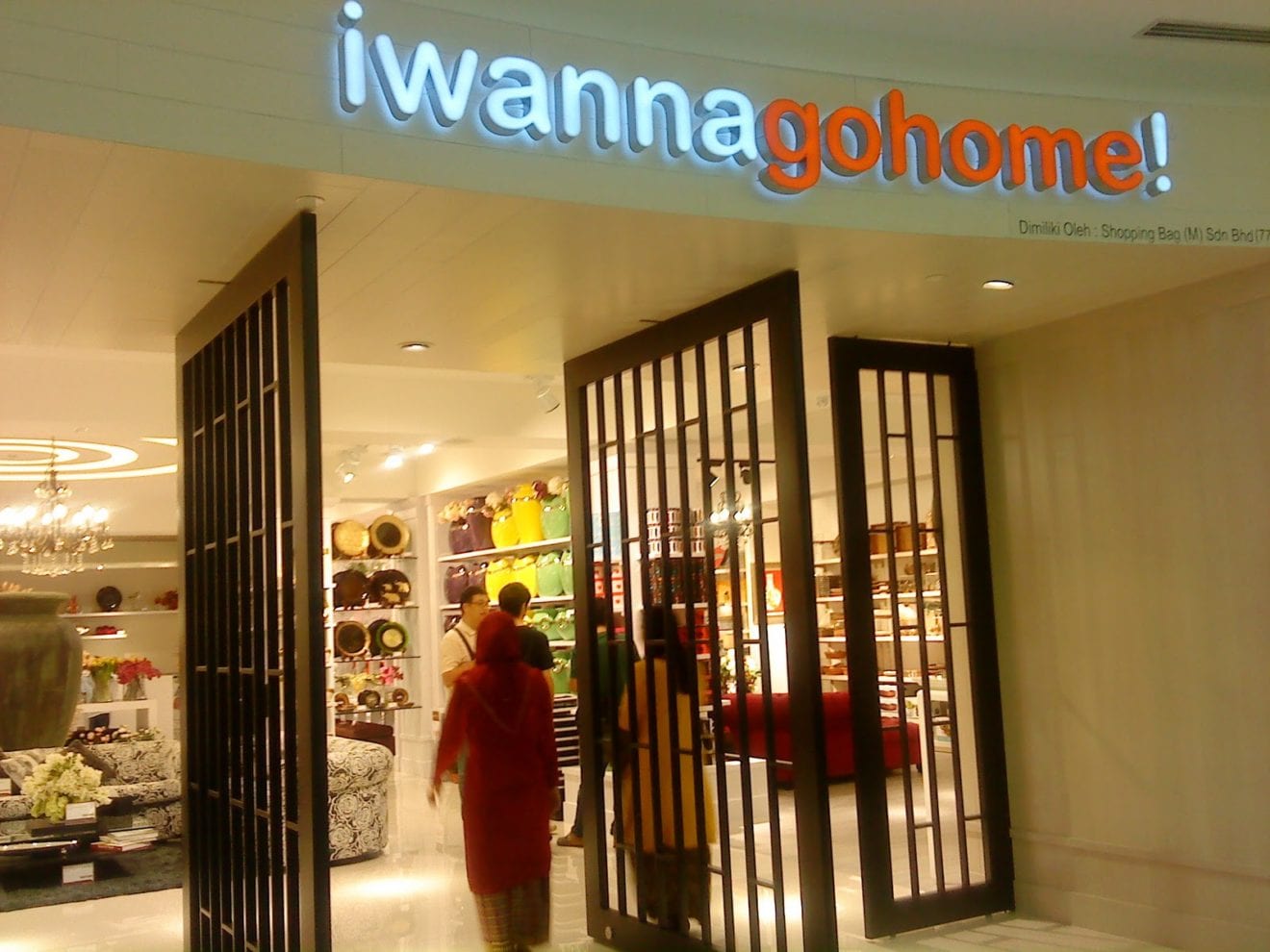
    Home furnishing and accessories shop iwannagohome will close its outlets in Singapore, its parent company confirmed on Friday (Feb 26).

    Both its branches at Tanglin Mall and Great World City will be closed, said a spokesperson for the brand, which debuted in Singapore in 2007. Clearance sales have begun at both outlets.

    A retail employee told Channel NewsAsia that he was told the shop would close “around May or June” this year.

    No employees will be affected, the spokesperson added. “As we have other businesses, all employees will be transferred to other outlets.”

    Among the other brands managed by parent company, Gill Capital, are fashion store H&M and candy store Candylicious.

    No details were provided in response to queries about whether iwannagohome’s other outlets in Malaysia and Australia would be affected.

  • Korea’s card spending jumps 16% in January

    Korea’s card spending jumps 16% in January

    Korea’s card spending rose sharply in January, data showed Friday, on the back of increased consumption for the Lunar New Year holiday and a gradual recovery in domestic demand.

    Purchases made with plastic cards reached 56.1 trillion won ($45.4 billion) last month, up 15.9 percent from a year earlier, according to data compiled by the Credit Finance Association (CREFIA).

    Of the amount, credit card spending went up 15.9 percent on-year to 44.79 trillion won, while those of debit cards advanced 16.2 percent to 11.2 trillion won over the cited period, according to the data.The data includes transactions on credit, debit and prepaid cards. Cash advances, overseas spending and card loans were not included.

    “This year, the new year holiday started earlier than last year, which mainly led to the growth in January’s credit card spending,” a CREFIA official said.

    The retail sector, including department stores and big retail chains, enjoyed a 20.4 percent surge in credit spending on-year to 6.7 trillion won, the data showed.

    In particular, purchases made by credit cards in convenience stores spiked 56 percent thanks to the increase in small families and the solid growth in sales of their private-brand products, according to the association.

  • Microwave pasteurization in South Korea

    Microwave pasteurization in South Korea

    The new Micvac microwave pasteurization line is installed in one of Daesang’s factories that is dedicated to producing high-quality ready meals. The brand Whistling Cook is distributed nationwide through both retail and Internet channels.

    The range of chilled ready meals consists of six products in 240-, 390-, and 395-g sizes. The recipes are influenced by cuisine from various parts of the world, such as Korea, China, and Europe.

    “We are very happy about this project, and it’s exciting to see how well the products are accepted by the consumers,” says Myounghyun Seo, MV-Project team leader at Daesang Corp.

    “We are delighted that the Micvac concept now also enters South Korea,” says Hirokazu Kushioka, Manager of the Micvac team within Dai Nippon Printing Co., Ltd (DNP). “The producers like the shelf life, which enables a smoother production and efficient logistics.”

    “We are very proud to become a strategic supplier to Daesang Corporation. It’s an industry leader with focus on high quality and innovation,” continues Håkan Pettersson, Managing Director at Micvac. “And I am really happy to see how well Micvac develops in the region together with our partner DNP.”

    Micvac and DNP started their cooperation in 2010, recognizing that interest in high-quality chilled ready meals with both convenience and extended shelf life is on the rise.

  • Chinese spend $13.8bn abroad during Spring Festival

    Chinese spend $13.8bn abroad during Spring Festival

    During the Chinese Spring Festival, 6 million Chinese travelled overseas and spent a total of 90 billion ($13.8 billion) yuan on shopping.

    The products they purchased abroad included expensive luxury items, smart bidets, and electric rice cookers, but surprisingly, most Chinese tourists bought items used in everyday life such as cough syrup, sanitary napkins, condoms, stockings, electric toothbrushes, and nail clippers.

    Chinese media also reported on the phenomenon of their people buying commonplace items during their travels abroad. Various media outlets reported that Chinese tourists bought condoms, sanitary napkins, nail clippers, tumblers, and cough syrup from Japan, and hair dye, shampoo, sanitary napkins with oriental medicinal herbs, ramen, and honey butter almonds from Korea.

    Cosmetics, health supplements and clothing were popular items from the US, as well as fountain pens, knives, key chains and electric toothbrushes from Europe.

    A clerk at a duty-free store in Osaka commented that sales were 2.6 times higher than in 2015, thanks to the spirited purchasing of low-priced, everyday items by Chinese tourists.

    A tour guide in Seoul commented that along with cosmetics, skincare products, and shampoo, snacks and stationary were popular Korean items among Chinese tourists.

    Some Chinese media outlets suggested that because overseas products are of better quality, can be purchased at more reasonable prices, and are safer than Chinese products, Chinese tourists stock up on foreign products when they have a chance.

    A Chinese consumer commented that she comes to Korea every year to buy facial packs and BB creams.

    “Of course, there are quality packs in China too, but so many are fake, and sometimes side effects occur even if the products are purchased at official stores.”

    Officials at Chinese consumer associations point out that China still lags behind neighboring countries in the manufacturing, design, and development of products, and should overcome the fact that the quality of their products is low in comparison to prices.

  • The Hong Kong book shops thriving in the face of digital dominance

    The Hong Kong book shops thriving in the face of digital dominance

    There was much ado in literary circles about British book retailer Foyles’ 2011 decision to fend off the digital media onslaught by investing in an “experience” bookstore. As in an actual, bricks and mortar shop.

    “You can sit at home and buy a book, and have it delivered to your door, but you don’t get that social interaction,” says Janette Cross, Foyles’ head of customer experience, who notes a returning fondness for the immersive experience of browsing and sharing.

    So in the face of market research predicting the demise of the printed word, Foyles closed its London flagship – a literary institution for 85 years – to open a highly designed new “experience” store a few doors down on Charing Cross Road.

    It worked, from a commercial viewpoint, and Foyles has now expanded the concept to new stores in Birmingham (opened September 2015) and Bristol (last December). But while Foyles was lauded for its pluck in reviving reverence for the book, Freeman Lau, a Hong Kong-based designer, points out that the Chinese have been doing so for years.

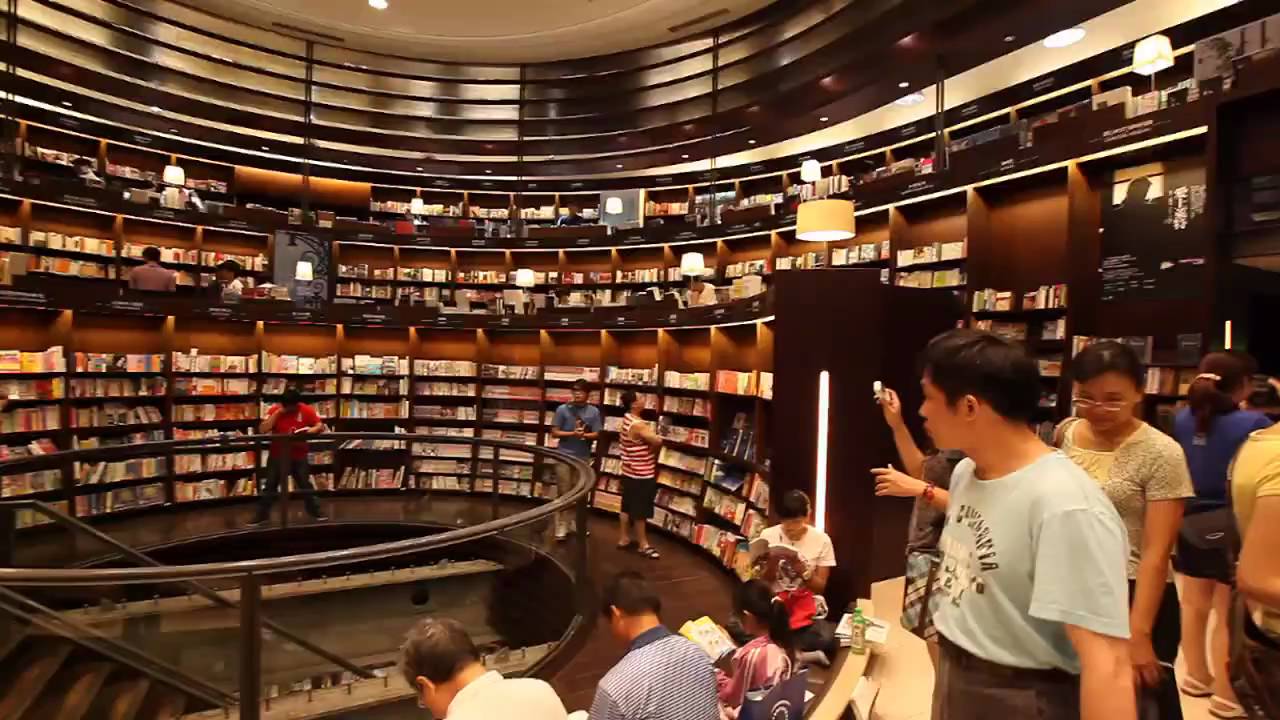
    He’s alluding to Eslite, the famous Taiwanese bookstore chain with stores throughout Taiwan, the mainland and Hong Kong, which has been redefining book culture since in 1989. Though its range of books is impressive, chic cafes, cosy nooks and high-end design have become the hallmarks of the Eslite brand.

    While other retailers were still sleeping, Eslite introduced 24-hour shopping, its stores drawing late-night crowds intent on browsing, not boozing. Even the A list set are getting in on the act. “After midnight,” says Lau, co-founder of KL&K Design, a Hong Kong and mainland-based design studio, “you can go to Eslite and see movie stars.”

    Extrapolating its successful theme, the brand has even opened the first Eslite Hotel, where the lobby is like an intimate library, and bookshelves in the 99 guest rooms are stocked with curated collections.

    David Hong of EHS ArchiLab, architect, project manager and designer of Eslite Hotel, says the brief was not to build a traditional luxury hotel, but imagine a privileged lifestyle.

    The site is within an old factory complex in Taipei dating from the Japanese colonial era, recently repurposed as cultural space.

    A bookstore sits next to the hotel, but independently. “You go into the lobby, and feel a sense of privacy – inviting you to sit and read a book quietly,” says Hong. Guest rooms have a warm ambience – lighter, textured brick walls and polished concrete – which are traditional materials used in Taiwan houses, and also, he adds, “relate to how an intellect should be living”.

    Hong agrees that Eslite has made literary culture more accessible. Eslite Hotel, opened early last year, received a best design award at Taiwan’s 2015 Golden Pin design competition.

    KL&K Design explored the theme when it was commissioned in 2014 to create a total branding and space concept for Reading Mi bookstore in Shenzhen. Designer Ko Hong, partner in charge of the project, says that bookstores nowadays can’t maintain revenue by just selling books. Hence, he says, Reading Mi is more than just a bookstore but “a multihyphenated lifestyle destination that lends richness to the physical retail experience.” The project is a Golden Pin Design Award 2015 Design Mark recipient.

    Targeting the location’s younger population, the bookstore makes up a third of the 994 square metre space, with the remaining areas allocated to a cultural section, a cafe, and a children’s illustration area.

    “At Reading Mi,” says Ko, “visitors can spend their leisure time poring over books, but also shop for cultural design products, drink coffee, and participate in workshops and seminars.” There’s magic afoot, he adds. “Reading Mi is a place to search for your inner self. The bookstore is the cultural core, everything else spirals around it.”

    The overall layout of the store follows the linear grid of bookshelves, Ko explains. “A cylindrical floor-to-ceiling bookshelf with cushioned seating serves as a focal point. Inspired by the British Museum Library, we wanted to create a noble yet embracing feeling of humanity. We call it ‘the man and book united nook’, which serves as a strong visual DNA as well as a social media photo opportunity (which has proven to be quite successful).”

    By incorporating multiple retail and lifestyle experiences in a single, cohesive space, Reading Mi has considered all ways to attract the customer of today, Ko says. The brand is planning to set up its chain in Guangdong province first and then spread to the rest of China. Its second shop opened in October 2015, and the third is scheduled for May 2016.

    In London, the architect of Foyles’ new flagship, Alex Lifschutz, of Lifschutz Davidson Sandilands, agrees that Foyles was “incredibly brave” to make such an investment in the midst of recession, and at a time when selling books was becoming “extremely difficult”. Focus groups with industry representatives revealed the need to bring immersive qualities in store – events, talks, and music – creating “almost like a book-centred village feel”, he explains.

    Situated in the former home of Central Saint Martin’s College of Art & Design, it was a beautiful building to begin with. “Our design has stripped away a century’s ad hoc accretions to reveal the original structure,” says Lifschutz. By enlarging the existing central lightwell, an atrium brings daylight in. Instead of the labyrinth of old, the new bookshop is devoid of walls – the bookshelves provide the partitions; the books create the journey.

    “The book stack partitions have the natural property of absorbing sound and provide a magical way to juxtapose quiet browsing with different music (jazz and classical, for instance) and film departments, author talks and happenings without walls or doors,” says Lifschutz, “so walking through the store is a much more dynamic and immersive experience.” A new cafe, gallery, jazz record shop and event space allow for in-store events.

    Lifschutz sees an opportunity for booksellers to make a book purchase part of a more meaningful experience – “a glorious meal rather than a snack”. Much like progressive greengrocers have done to counter competition from supermarkets: redesigning stores to present their wares in a more appealing way.

    “None of these things are rocket science – the ingredients of the meal are pretty much the same. It’s whether you can put them together in a way that makes the meal intriguing, fun and tasty,” Lifschutz says. To that end, he adds, architecture “is just one part of the story”.

    “My advice to booksellers is step outside themselves, think about what makes their local environment unique, what is special about their local community and focus on providing a customer experience that cannot be matched by digital bookselling.”
  • Korea’s baby market undeterred by economic slowdown

    Korea’s baby market undeterred by economic slowdown

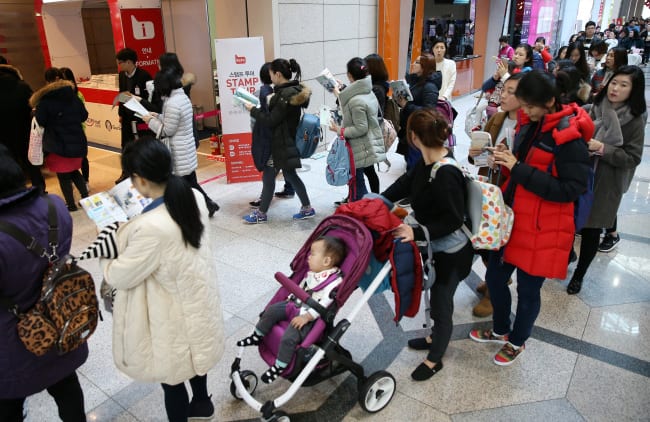
    From couples with babies on strollers to seniors holding toddlers’ hands, a recent annual baby fair held at Coex, in Samseong-dong, southern Seoul, was packed with a sea of Koreans wanting to explore the latest and premium products for their children.

    The three-day event that ended Sunday had about 110,000 visitors, according to organizers, reflecting Korean parents’ unwavering love for their children and their endless interests on the market.

    The market has been thriving in recent years, despite falling birthrates and growing fears over a slowing economy. Korea’s fertility rate is among the lowest in the world. The size of the baby market, however, has been growing rapidly in recent years, and is expected to grow further. The market is now estimated at 1.7 trillion won ($1.38 billion).

    “The number of parents having one kid has been growing. Those parents, even though they might not be able to afford it financially, are more willing to pay for what they believe is necessary for their kids’ well-being,” said an industry watcher.

    Concerns over the economic downturn has led to a growing number of customers looking for quality local products offered at reasonable prices, organizers said.

    Interest, however, still remains high for European products such as strollers priced at around 2 million won and baby chairs offered at nearly 500,000 won each, as young parents are more open to spending money on luxury goods than the older generation, they added.

    A recent Scandinavian fever has also been heating up the market, particularly its luxury segment.

    Parents think highly of Nordic designs and brands that stress safety and cleanliness, according to reports quoting comments from industry insiders. This is why foreign brands have been diversifying retail channels in order to reach out to more customers. They have been making aggressive marketing efforts by expanding their presence in online and mobile markets, they said.

    Another noteworthy trend in the market for baby products is that it is seeing growing spending power among senior consumers.

    According to a recent survey by a daily deals website, sales of baby care products, including diapers and powdered milk, surged the most last year among those in their 60s, followed by customers in their 50s.

    This has led some baby product companies or retailers to closely watch the rise of “urban grannies,” referring to enthusiastic senior consumers purchasing products in a modern way. Some companies have even introduced feeding bottles with numbers printed in larger sizes.

    This is not limited to just the traditional players, such as toy and food companies, the market has seen a growing number of newcomers — such as home appliances and bio companies — targeting parents whose interests go beyond the basic requirements of feeding and changing diapers.

    Coway, a Korean home appliances company, has showcased its latest air purifier that automatically monitors the level of fine dust in the room and transmits the information to users’ smartphones in real time. The smart defect system was devised especially for parents with babies concerned over the impact of worsening dust level in the air to their little ones, the company said.

    At the baby fair, many parents showed interest in smaller gadgets, such as nasal aspirators and digital thermometers manufactured by local companies.

    A crowd of people line up Sunday to enter a baby fair held at Coex in Seoul. (Yonhap)

    “I have come here not only for toy products, but to experience smart gadgets devised for easier baby care,” said Cho Young-eun, a 38-year-old mom with a 2-year-old daughter.

    Bio companies have also been expanding marketing efforts in light of growing health consciousness.

    Local companies like Medipost and Boryung Medience offered services at discounted prices at the fair in a bid to lure parents to invest in their babies’ future health. Both firms operate cord blood banks that store blood cells collected at birth. Cord blood can be used to treat various incurable diseases, including leukemia, later on if needed, the companies said.

  • Indonesia to close down all red-light districts by 2019

    Indonesia to close down all red-light districts by 2019

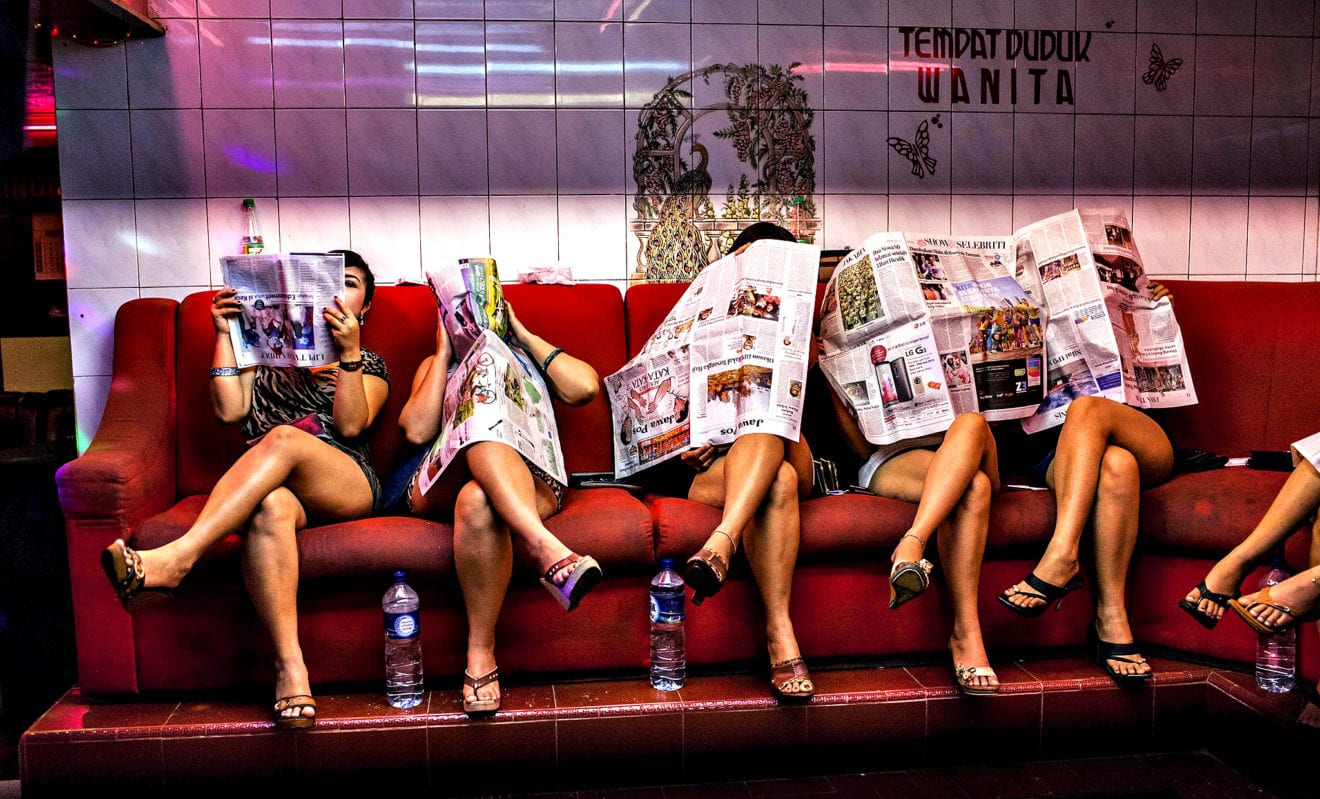
    Indonesia plans to close down all red-light districts in the country by 2019, media reports said on Wednesday.The plan, under the supervision of the Indonesian Social Affairs Ministry, looks to shutting down a total of 168 such prostitution zones in the country, Efe news agency reported.

    While 68 red-light areas have already been closed down, the remaining will be closed down in the next three years, said Social Affairs Minister Khofifah Indar Parawasan.The ministry offers programmes for the social rehabilitation of women trapped in the sex trade.According to Unicef, 30 percent of sex workers in the country are minors.

    Prostitution is widespread in the Indonesian archipelago, flourishing mainly in big cities such as Jakarta, Surabaya and Bandung and tourist destinations like Bali and Riau, the last being a hub for visitors principally from Singapore.Theoretically, prostitution is legal in the country as it is not classified under any law in Indonesia — however, the police tends to penalise it by including it among offences related to indecency or outrage to public morality.

  • Panasonic Broadcasts Total Eclipse Live Using Solar Energy

    Panasonic Broadcasts Total Eclipse Live Using Solar Energy

    As Sumatra, Borneo and Sulawesi plunge into darkness during a rare total solar eclipse on the morning of March 9, 2016, Panasonic will deliver a live broadcast of the approximately 4-minute-long phenomenon from Ternate, an island in eastern Indonesia, using its Power Supply Container, a stand-alone photovoltaic power package.

    https://www.youtube.com/watch?v=ahltwzTATjA

    To enable live filming and broadcast from the island, the Power Supply Container will be transported from Jakarta to Dodoku Ali of Ternate. 12 Panasonic HIT® solar modules with high conversion efficiency will generate approximately 3kW of electricity by tapping renewable energy from the top of the container, and store the power in 24 built-in lead-acid storage batteries. The stored energy will be supplied to a Panasonic LUMIX GH4 camera attached to a telescope to capture the spectacular moment. Mobile computers, production and editing equipment, internet connection and other supporting technology will also be powered by solar energy.

    The live broadcast of the solar eclipse will begin at 05:00 AM, March 9 in Ternate (08:00 PM, March 8 UTC) and can be viewed on platforms including Ustream, YouTube Live and Periscope (refer to Annex).

    This will be the third time Panasonic is broadcasting a solar eclipse live. Unlike previous occasions where time and effort had to be spent setting up HIT® solar modules on the ground, the process is significantly more convenient this time round due to the portability of the Power Supply Container and its capability to be assembled quickly and easily with minimal construction work.

    Prior to this live broadcast project in Ternate, Panasonic has developed and introduced the Power Supply Container to other parts of Indonesia. The first container was installed in July 2014 at the National Elementary School Karimunjawa 01 located on a remote island of Indonesia to improve the educational environment for students and teachers. Following its success, a second container was introduced in July 2015 at another elementary school in the mountainous region of West Java Province to enhance both study and water supply conditions.

    Panasonic strives to extend this technology to other areas without electricity to provide stable power supply and mitigate social challenges towards a better life and a better world.

  • Ikea finding India alluring, but difficult

    Ikea finding India alluring, but difficult

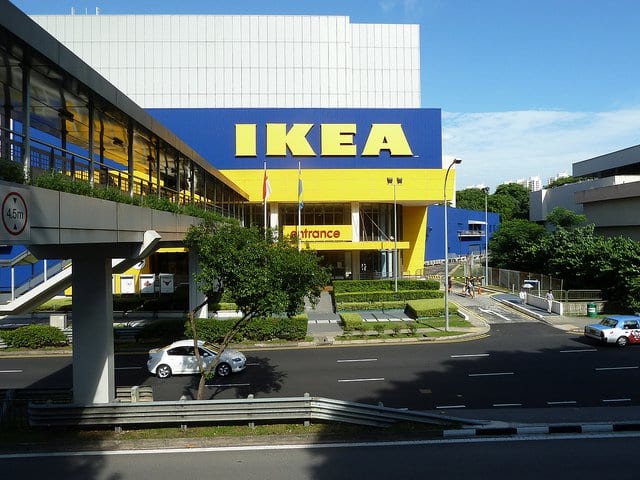
    Ikea has good reason to expand into India. The country has an emerging middle class dominated by millennial-age, mobile-first consumers, among other perks. That has led many retailers to eye the country as an alternative to faltering China.

    English is an official language in the country, and serves as a common language for many of the sub-populations there. And while there’s a Chinese equivalent to Facebook, Twitter, and other social media platforms, the most widely used ones in India are those that are widely used in the U.S. India gives Facebook its second-largest membership base, after the U.S. That means brands have one less barrier to bust through when reaching Indian consumers.

    Above all, though, experts have told Retail Dive that India’s demographics are almost ideal for retailers, with a population that includes a large young, mobile-first generation and a growing middle class. It’s now outpacing China as the world’s fastest-growing big economy.

    But, it turns out, there’s a catch, or several. The bureaucratic and economic realities in India also present significant obstacles, as this report on Ikea demonstrates.

  • Thai insider trading row lays bare governance concerns

    Thai insider trading row lays bare governance concerns

    An escalating row over insider share trading by executives at one of Thailand’s most high-profile groups has laid bare wider worries about corporate governance and regulatory enforcement in Asian emerging markets.

    Leading fund managers have vowed to freeze investments in CP All, part of the multinational Charoen Pokphand Group agribusiness, food and retail conglomerate, until it takes further action against three directors fined by the stock market regulator.

    The unusual public spat has highlighted what critics say are soft penalties for financial market wrongdoing in Thailand, which risk further hurting investor confidence already hit by domestic political turmoil and fears of global crises.

    Jamie Allen, secretary-general of the Asian Corporate Governance Association, a non-profit group that works with investors, companies and regulators, said of the CP All case: “This is unprecedented in Thai corporate governance. We have not seen domestic institutional investors show this level of public concern before about insider trading.”

    The case has also tapped into concerns about corporate governance in the broader Asian region, where many companies — such as CP Group — are still wholly or partly controlled by their founding families.

    Bandid Nijathaworn, chief executive of the Thai Institute of Directors, said the CP All dispute showed both companies and regulators still needed to improve compliance with market rules and norms, despite progress made since the 1990s Asian financial crisis.

    “This debate is a reflection of the heightened awareness and recognition of the importance of corporate governance,” he said. “We support the [regulator] to tighten up to make the punishments much tougher than we see.”

    This debate is a reflection of the heightened awareness and recognition of the importance of corporate governance– Bandid Nijathaworn, chief executive, Thai Institute of Directors

    Thai financial institutions managing more than $170bn in funds this week said they would boycott new investment in CP All, which is the operator of the 7-Eleven convenience store chain and is 42 per cent owned by CP Group companies. Among them were the Association of Investment Management Companies and Thailand’s two largest pension fund managers. They want CP All to impose unspecified further sanctions on executives who were among a group of six people fined a total of Bt33.3m ($930,000) for insider share trading in December, under a settlement with Thailand’s Securities and Exchange Commission.

    CP All’s shares tumbled 8.5 per cent between the regulatory announcement and the end of last week, more than three times the fall in the broader benchmark SET index. But the company’s stock rallied more than 5 per cent on Friday, in what some analysts suggested was relief that the fund managers stopped short of announcing they would cut their holdings.

    The SEC fined Korsak Chairasmisak, CP All’s executive chairman, along with fellow directors Piyawat Titasattavorakul and Pittaya Jearavisitkul, over purchases of shares in Siam Makro, the retailer, when CP All was in talks to take the company over in 2013. Mr Korsak, who accounted for more than 90 per cent of the fine, has acknowledged buying the shares, but said he did not mean to commit insider trading.

    CP All said in a stock exchange announcement this month that the directors had not intended wrongdoing, although they had acted with “imprudence” and “limited understanding” of the rules. The company said it would strengthen its corporate governance committee and formally admonish the executives, but would allow them to stay in their posts because they had settled the case quickly and had “track records of ethical practice”.

    The dispute has also raised questions about the enforcement of insider trading rules by the Thai authorities. The regulator’s notice of penalties for the case gave few details about how the offence was carried out or of the profit made by perpetrators, who in two instances were fined as little as Bt333,333 ($9,340).

    Critics say light penalties not only fail to deter wrongdoing, but actually encourage it by making it a risk worth taking. The SEC and the Stock Exchange of Thailand did not respond to requests for comment.

    Corporate governance at Asian companies slipped between 2010 and 2014 after steady improvement since the 1997-98 financial crisis, according to a report published in late 2014 by CLSA, the Asia-focused brokerage, and the Asian Corporate Governance Association. While some countries, including Thailand, had not fallen back, CLSA said the overall picture was still a “warning flag for investors”.


  • Hero Supermarket Indonesian retailer unloads convenience stores

    Hero Supermarket Indonesian retailer unloads convenience stores

    Indonesian retailer Hero Supermarket on Wednesday said it will sell its poorly performing Starmart convenience store business to local food conglomerate Wings Group.

    Hero is selling about 80 Starmart outlets to Fajar Mitra Indah, a unit of Wings Group and the franchisee of Japan’s FamilyMart convenience stores in the country. The move follows the closure of 50 Starmart stores in 2015. In a press release, Hero said it will pull out entirely from the convenience store business. The sale will have no material impact on the company’s finances, it added. The value of the transaction was not disclosed.

    A Startmart outlet in Jakarta

    Fajar Mitra plans to convert 50 of the Starmart stores to FamilyMarts by the end of the year, which will help raise the number of FamilyMart stores to around 80, according to a person familiar with the matter.

    Starmart has been struggling to compete against the top two local brands, Alfamart and Indomaret, which run about 10,000 outlets each and are expanding aggressively. Hero’s move comes after Supra Boga Lestari, a high-end supermarket operator, recently announced the sale of its Ministop convenience store business.

    Hero’s core supermarket business, which targets middle-class shoppers, has also faced intense competition from hypermarkets, which purchase large amounts of merchandise and sell at low prices. Combined with slowing consumer spending and rising labor costs, the company’s earnings have eroded quickly. Hero’s net profit in 2014 plunged more than 90% from the previous year, and it slipped into a loss for the nine months ended September 2015.

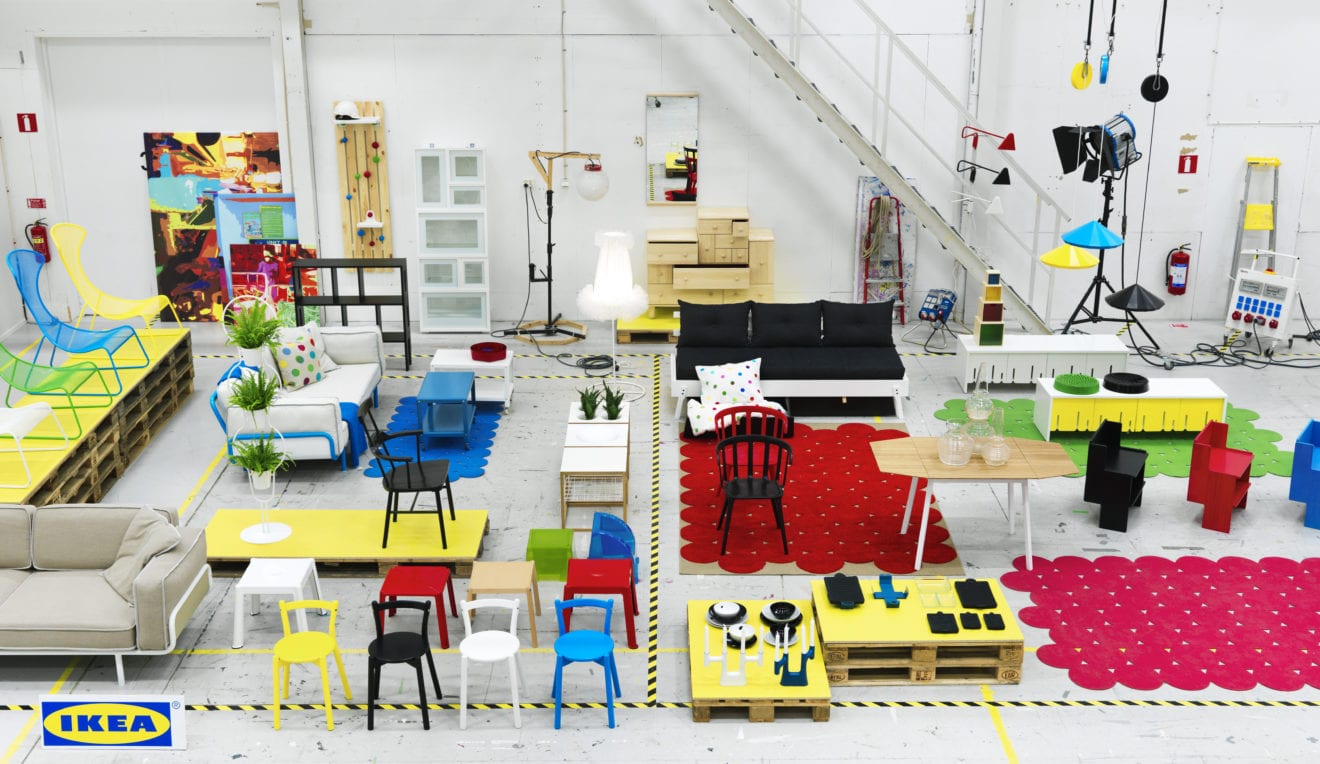
    In addition to Starmart, Hero has also closed some of its Guardian drugstores. Searching for new sources of revenue, the company became the franchisee of Swedish furniture retailer Ikea, opening its first store in Indonesia in 2014. But its prospects have been clouded by a recently published Supreme Court ruling that allowed a local furniture company to use the Ikea trademark.

    Hero is owned by the retail arm of Hong Kong-based conglomerate Jardine Matheson Holdings. Jardine, which also controls Indonesia’s largest automaker, Astra International, has been increasing its investment in other countries in the region, such as Thailand and Vietnam.

  • Thailand’s First Tanning Salon Opens in Bangkok

    Thailand’s First Tanning Salon Opens in Bangkok

    “A tanning salon in Thailand? Isn’t that like trying to sell ice to the Eskimos?”

    That was the response from a friend when I mentioned I was going to visit a tanning salon in Bangkok that claims to be the first of its kind in the country.

    It’s a fair question, and one that CEO Jeff Amato has heard several variations of in the run-up to the opening of his new venture, BKKSUN.

    “Of course people have asked me ‘why are you opening in the sunniest place on Earth?’” the American laughed as he sat in his office in the newly opened salon in Sukhumvit, minutes away from Thonglor BTS.

    “But we have a lovely high season that lasts just two to three months and the rest of the year it’s too hot and uncomfortable to be outside if you’re in the city,” he added, explaining that ironically it’s during these months that Bangkokians can be deprived of sunshine, and therefore a tan, as they take shelter in air-conditioned offices and malls away from the sweltering humidity of the city.

    Hopping in one of the tan booths or sunbeds at BKKSUN for just a few minutes could give them that much-needed hit of Vitamin D to pick up their spirits and release feel-good endorphins, he said.

    “You need sunshine in your life,” smiled the Missouri native, who fled the cold winters of the Midwest for the blazing heat of Thailand eleven years ago.

    Regardless of whether a tan salon can be a hit in Bangkok, it’s a welcome change from the pervasive skin-whitening craze here, from whitening creams, masks and soaps sold at every pharmacy and beauty counter, to racist adverts, competitions and even school vocab charts, all with the message that dark skin is ugly, while “white is winning”.

    However there is an emerging trend of more Thai celebs and role models celebrating and promoting darker skin, like Nonthawan “Maeya” Thongleng, a southern beauty with tan skin who beat out paler-skinned competitors in 2014 to be crowned Miss Thailand World.

    Top actress Janie Tienphosuwan and influential beauty blogger Pearypie naturally have fair skin, but both are known for working on their tans and sending the message to young Thai girls that tan skin can be beautiful too.

    And with the recent launch of TAN Magazine which aims to promote healthy, sun-kissed skin, perhaps the tide is turning.

    “Tanning is trending,” Amato said. “Thai celebrities have really embraced tanning and I give them a lot of credit for starting this trend.”

    “The whole world loves Thai tan skin and I think promoting tanning is a great message for people.”

    The salon is in its soft opening phase, having launched around six weeks ago, and already has around 15-20 customers coming through its doors every day for spray tans and tanning booth sessions.

    lthough the majority of their clients are, unsurprisingly, foreigners, Amato and the salon’s director of operations, Amy Oanchali, say around 30 percent are Asian, with Thais making up most of that figure.

    “Whitening is not for everyone,” Amato said. “When we did our research we knew there was not just a demand for tanning here, but a pent-up demand.

    “Tanning is huge in Hong Kong, Shanghai and Tokyo, so we saw Bangkok as the last bastion.

    “I think it’s cool that we’re the first to bring tanning salons to Thailand.”

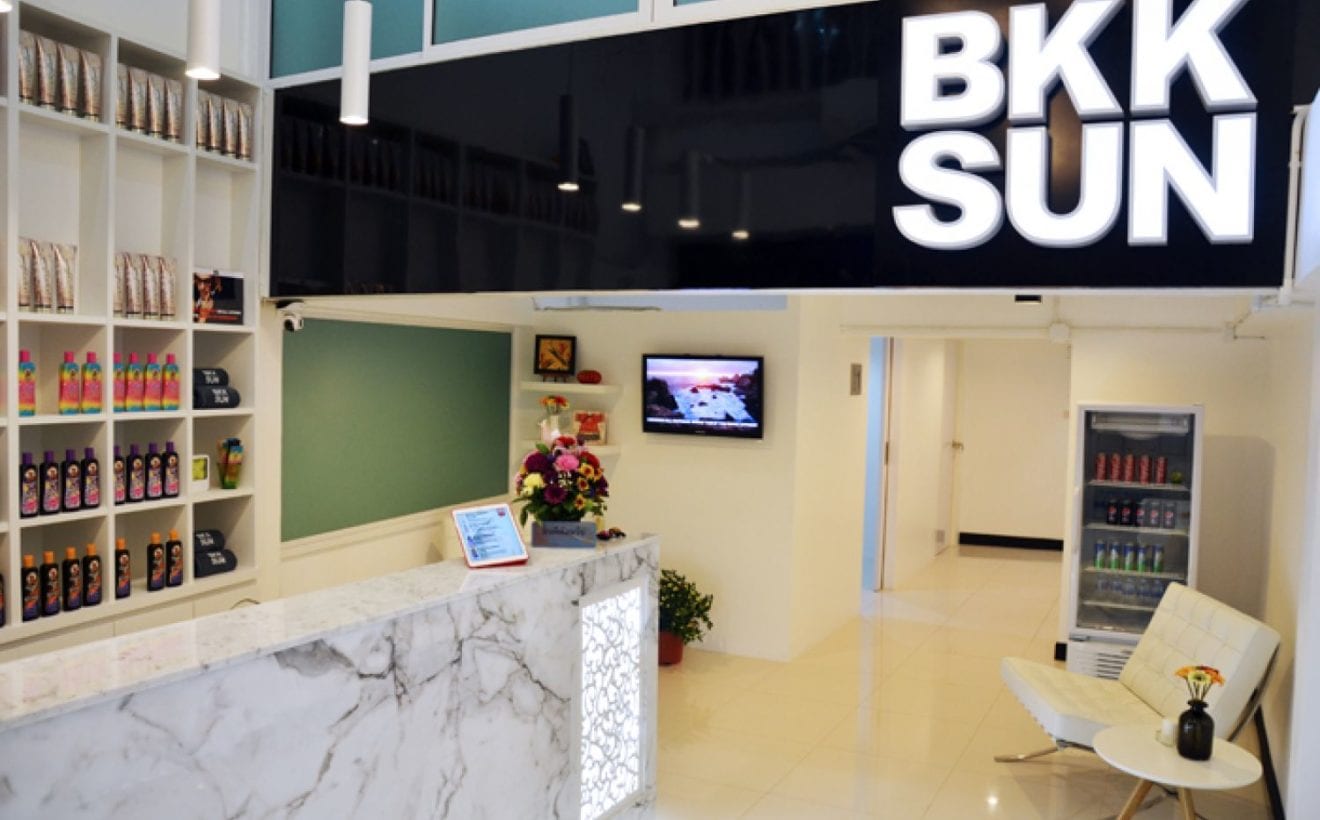
    The salon’s minimalist look, overseen by Thai designer Nong, of gleaming white surfaces and tasteful black and white artwork dotting its three floors (a fourth will soon open), and its expensive tanning equipment imported from the States, are obviously geared towards more well-heeled clients, although prices are pretty decent — a stand-alone sunbed or booth session is THB799, and that price drops if you opt for a package. New customers get a promo price of THB299.

    The salon recommends new customers complete a short questionnaire which determines their skin type. Staff can then recommend tan session times, so customers can gradually and safely build up an even tan, they say.

    However Coconuts is obliged to remind readers of the risks associated with UV radiation and indoor skin tanning, which has been linked to some skin cancers.

    Amato and Oanchali are confident that they can grow their customer numbers and are even eyeing a second location in Silom.

    But first they want to focus on their flagship store in Thonglor and their customers there.

    “We’ve already got some regular customers who are so interesting and nice, we’ve been delighted,” Amato said.

    “We just want them have a killer experience.”

  • Kingsdown Debuts First Bedmatch System In South Korea

    Kingsdown Debuts First Bedmatch System In South Korea

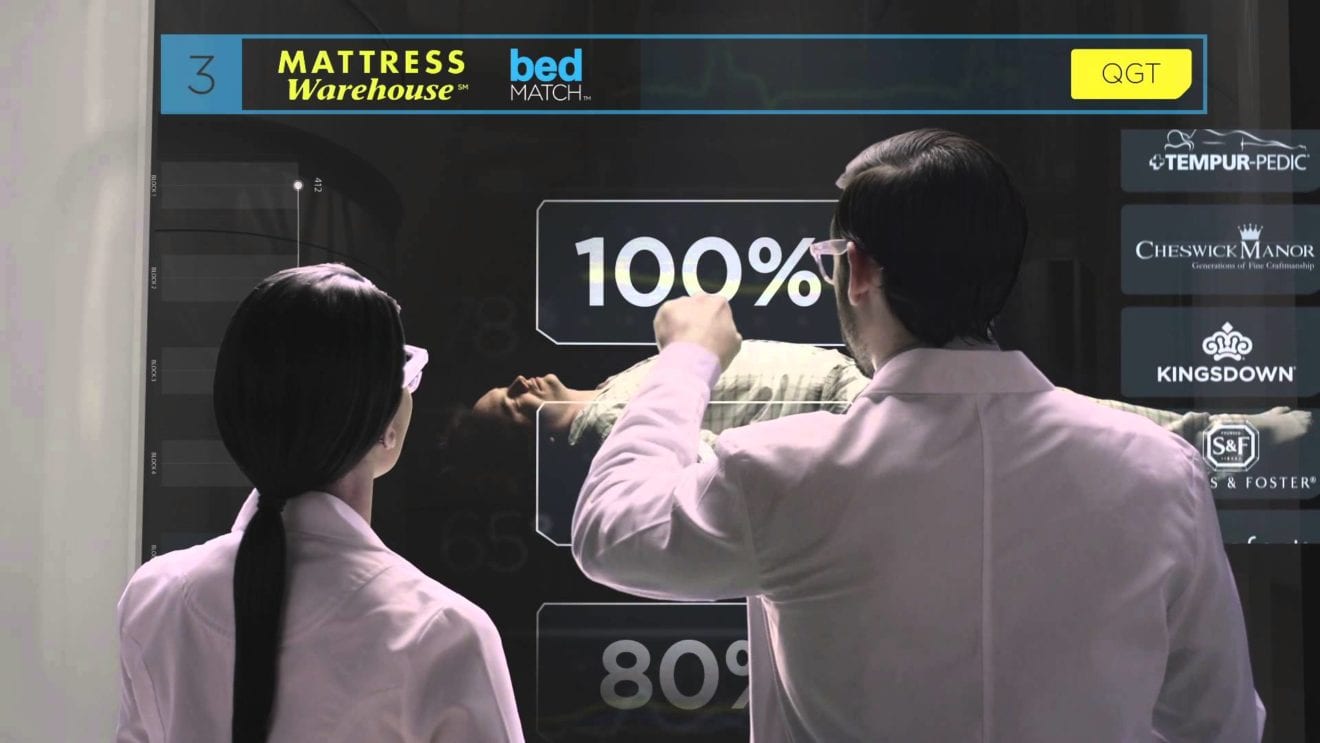
    Kingsdown, an employee-owned mattress manufacturer, announced recently that it has debuted its first bedMATCH system in Songdo, South Korea. Kingsdown is one of the largest U.S. manufacturers selling product in Asia, and plans to use this program as a launching starting point for further distribution of bedMATCH systems, Kingsdown and Sleep to Live bedding products throughout the region.

    Partnering with Kingsdown licensee, Navijam, Inc, the South Korea store is the first in the country to feature the patented bedMATCH diagnostic system to enhance the way consumers shop for mattresses. The majority of the Sleep to Live mattresses on the store’s showroom floor are made in South Korea with additional products being imported from the United States.

    “Looking to grow our brand in Asia, we are confident that South Korea is the right location due to their focus on advancements in technology, product quality and styling,” said Kingsdown President and CEO Frank Hood. “As Kingsdown continues to expand we have seen great success and growth abroad through our innovations in sleep technology. We have also found a partner that not only believes in our product but also shares our company’s vision of providing retailers and their consumers with high quality products from an internationally respected brand.”

    bedMATCH uses 18 statistical measurements along with thousands of calculations to assist the customer in determining the best mattress option for their specific body type. In addition to this South Korean location, Kingsdown is also set to open 60 additional bedMATCH/My Side locations throughout Asia in 2016.

  • MPG shifts focus to beauty products

    MPG shifts focus to beauty products

    Nalaanlat Nunnonl, chief marketing officer, said the company’s vision was now to become one of the leading players for beauty products in Asean by 2020.

    The company next month will launch its own house brands – Clouda for makeup and Keira for skincare – with about 100 products altogether.

    The ranges will be distributed via a number of channels, both online and offline.

    “We will next year explore selling our house-brand cosmetics beyond Thailand, primarily to the CLMV markets [Cambodia, Laos, Myanmar and Vietnam]. We will appoint local distributors in each of those territories. Under the 2020 vision, we will shift the way we do business from business-to-consumer to be more business-to-business,” she said.

    “We want to stand behind the beauty of women in Asean. Our house-brand cosmetics will be distributed to all potential markets throughout the region.”

    MPG wants to grow its annual revenue from around Bt400 million posted last year to about Bt5 billion in 2020, of which 80 per cent will be contributed by its own house-brand beauty products and the rest from its existing retail businesses.

    The revenue contribution from overseas markets will be about 40 per cent by 2020, Nalaanlat said.

    The business revamp is in line with the arrival of digital technology, which allows individuals to download and enjoy movies and music in front of a computer screen, she explained. Digital tech had affected traditional retailers of home-entertainment products, including Mangpong, which were burdened with huge stocks of music and movies as a result.

    Mangpong is among the longest-established entertainment retailers in Thailand, merchandising a wide range of products, including Blu-ray discs, DVDs, compact discs, vinyl records and other formats.

    Mangpong was established by Montri Mitsatha and Kityajai Triekvijit, who were both initially movie and music enthusiasts rather than businesspeople.

    They opened their first store as a small movie and music retailer in 1981, before developing the business into Mangpong, a full-size retailer, in 1989.

    The first Mangpong shop was located at The Mall Ratchaprasong, offering movies and music in the form of laser disc, VHS and cassette tape, as well as other entertainment-related products such as movie posters and T-shirts. Nalaanlat, a second-generation member of the Nunnonl family, said Mangpong had spent the years through to 1994 as the “beginning-to-stand era” for a business that was raised via her parents’ love for home-entertainment products. At that time, cassette recordings of Harajuku music became the most popular products sold by the company.

    From 1995 to 2006, the company entered the “growing era” by acquiring the rights for blockbuster movies, such as “The Terminator” and “Lord of the Rings”, and retailing them as home-entertainment products.

    Mangpong was a pioneering business in terms of bringing licensed Hollywood blockbusters into Thai homes, she said.

    “In 2000, which was the peak year for Mangpong, the company operated about 300 Mangpong outlets, of which 200 were kiosks and the remainder were shops. The number of movie titles stocked in our library was as high as 100,000 at the time,” the chief marketing officer said.

    The company then entered an “adjustment period” between 2007 and 2012, shaped by the transformation of media technology from cassette tape to digital format, which allowed movies on Blu-ray discs and DVDs to spread easily via a large number of players in the market.

    “At that time, we adjusted ourselves by bringing in documentaries and edutainment content created by the BBC, such as ‘Planet Earth’ and ‘Blue Planet’, to sell exclusively at our Mangpong stores, in order to offer different products to the market,” Nalaanlat said.

    However, with the rapid development of the Internet and digital technology in recent years, today’s consumers can download and enjoy movies at home, she added.

    “We have gradually reduced the number of Mangpong stores to about 24 today. The number of movie titles in our library has also declined gradually, to between 3,000 and 4,000,” she said.

    Diversifying risk

    In a move aimed at diversifying its business risk, MPG launched the Gizman chain in 2013 as a “house of lifestyle gadgets”. The flagship Gizman store was opened at the company’s headquarters on Lat Phrao Road Soi 90, while the first official outlet was opened at CentralPlaza Rama 3.

    MPG now operates a chain of 30 Gizman stores.Inspired by Nalaanlat and her mother, MPG last year launched Stardust, a chain of multi-brand beauty stores, with its first outlet at Future Park Rangsit.

    There are now seven stores in the Stardust chain. “We will this year convert full or partial space in 10 to 15 of our Mangpong stores to Stardust. We expect that by 2020, there will be about five Mangpong stores left in the marketplace, located only at prime locations in Bangkok,” MPG’s marketing chief said.