Category: Living

Retail News Asia is committed to providing both local and global retailers with the latest Living news throughout the Asian market. This on a daily base.

  • Indonesia Wins Award in Berlin Travel Fair

    Indonesia Wins Award in Berlin Travel Fair

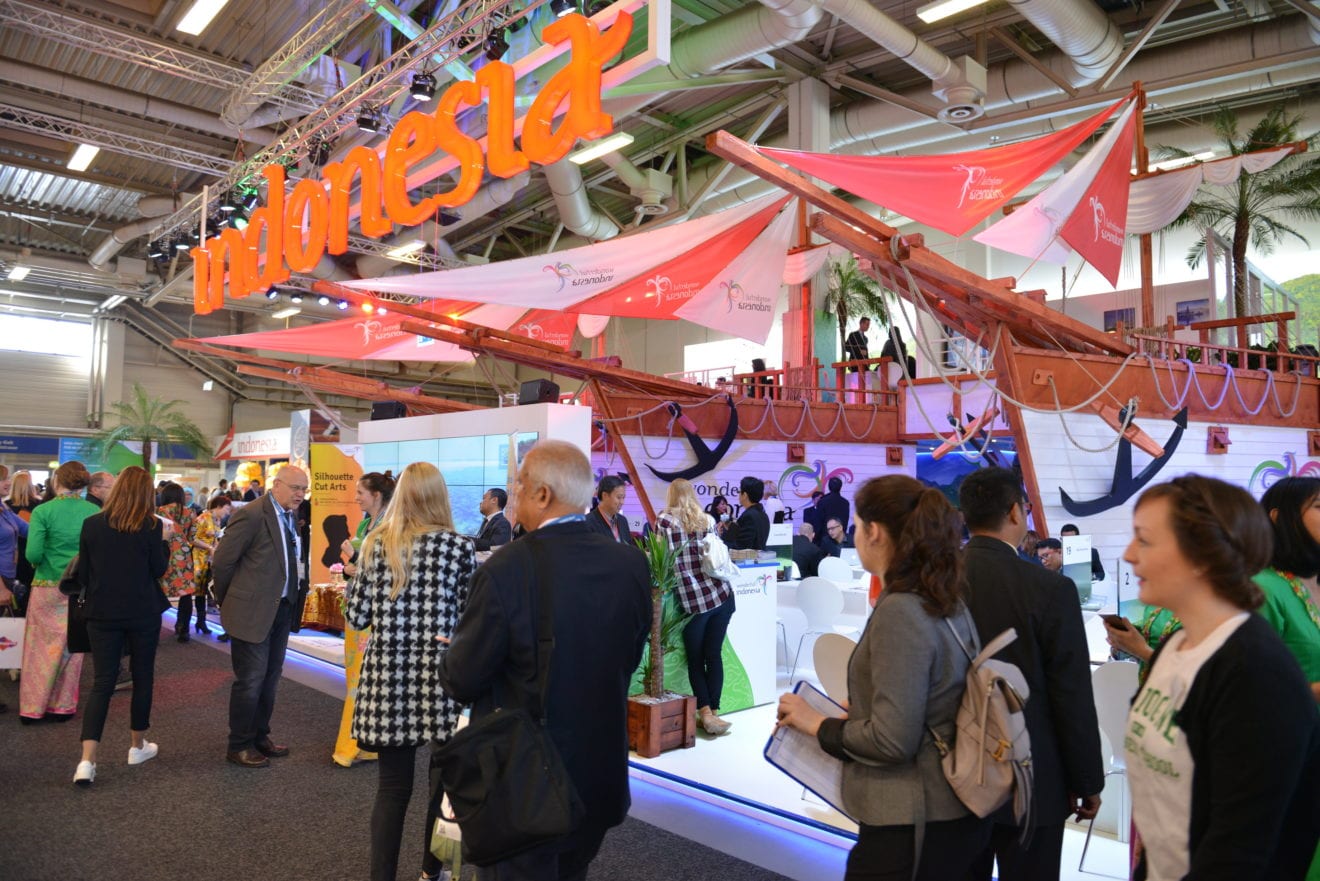
    Berlin (Antara)- Indonesias pavilion featuring a Phinisi tall ship, Indonesia legendary seafaring icon, has won the Best Exhibitor Award for the Asian, Australian and Oceania region in the Internationale Tourismus-Bourse (ITB) Berlin held in Messe Berlin, Germany, on March 9-13, 2016.

    Tourism Minister Arief Yahya here, Saturday evening, said he was proud that Indonesias pavilion won the award in the worlds largest travel fair.

    Indonesia presented a very colorful pavilion featuring the Phinisi with a beautiful view of Raja Ampat waters and small isles as its background.

    The booth accommodated 101 tourism-related sellers, a coffee corner offering free coffee testers to the fairs visitors, a silhouette artist, and several dancers and two models wearing “unbelievable costumes” from Malang Carnival.

    Visitors to the Indonesian pavilion measuring 693 m2, were entertained and served by German-speaking officers.

    “We are proud that Indonesias pavilion has won the best exhibition award for the Asian, Australian, and Oceania region,” Nia Niscaya of the Indonesian tourism ministry, said.

    Earlier, Wonderful Indonesia tourism branding also won awards respectively in Los Angeles, and Victoria, Hong Kong.

    Hernowo Muliawan of the PCO Karma Wibangga design team, also expressed his happiness that the booth that he and his team team had designed came out as a winner in the ITB Berlin.

    The booths design featuring Phinisi introduced Indonesia as major maritime tourist destination having over 17 islands, interesting coastal culture and arts, and amazing maritime natural resources.

    Last year, Indonesias pavilion also won a similar award at the 2015 ITB Berlin.

    This year, over 10 thousand exhibitors from 187 countries

    showcased the latest products and trends related to the global tourism industry at 1,069 stands.

    In 2013, Indonesia was the ITBs official partner country, and had the privilege of being the host of the opening ceremony.

  • Electricity sales grows 10.41 pct

    Electricity sales grows 10.41 pct

    State-own electricity company (PLN) recorded a power sale of 16.52 tera watt hours (TWh) in February 2016, up 10.41 percent compared with that in the same month in 2015.

    PLN Commercial Division Head Benny Marbun said in Jakarta on Sunday that the February sale maintained the relatively high upward trend in January 2016.

    “Hopefully, the increase in the electricity sale indicates the recovery of the Indonesian economy,” Marbun said.

    He said that the January-February 2016 sale amounted to 34.09 TWh, up 8.91 percent compared with the same period in 2015 (year-on-year).

    In January 2016, the power sale reached a growth of 7.54 percent from that in January 2015. “The January 2016 figure is higher than the monthly figures during 2015. There is no monthly increase which exceeded five percent in 2015,” he added.

    Electricity sale in 2015 stood at 202 TWh or up only 2.2 percent compared with that in the previous year in 2014 which was 194 TWh.

  • Pertamina Issues New Fuel Prices

    Pertamina Issues New Fuel Prices

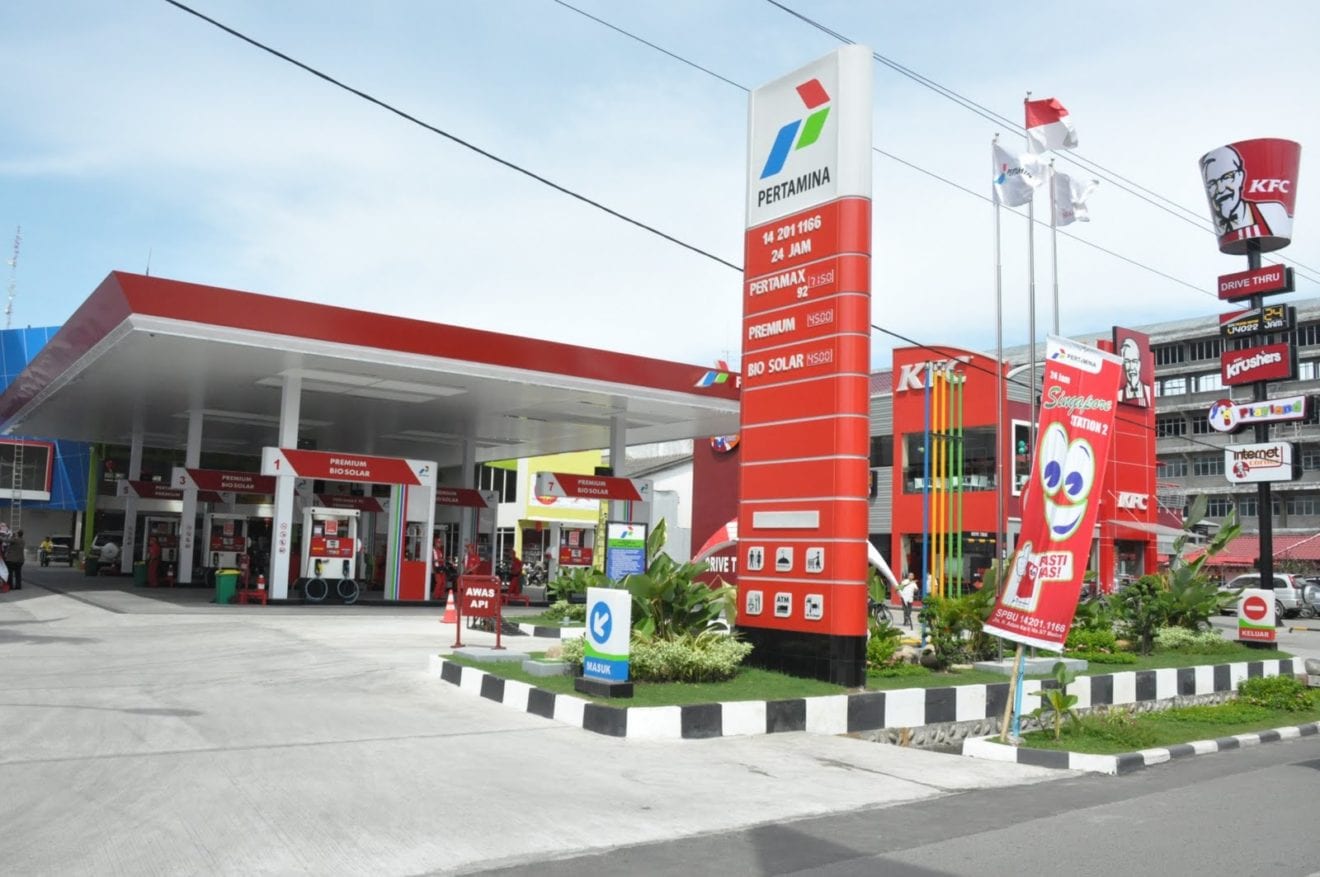
    PT Pertamina (Persero) has issued circular letter on general fuel (BBM umum) and designated fuel (BBM khusus) prices in its Marketing Operation Region III.

    Based on circular letter no 518/F13410/2016-S3, general and designated fuel prices have changed at Region III Pertamina which consist of 27 public gas stations in West Java.

    New prices listed in the letter include a number of general and designated fuels, such as Pertamax, Pertamax Plus, Pertamina Dex, Premium, Non-subsidized Solar/ Biosolar, and Pertamax Racing. The change is effective from 12.00 am Western Indonesia Time, Tuesday, March 15, 2016.

    Listed below are new tariffs of general and designated fuels of Region III, also the details of base price, motor vehicle fuel tax (PBBKB) and value-added tax (VAT):

    Type of general fuel-designated fuel / Basic Price (Rp per liter) / PBBKB (Rp) / VAT (Rp) / Selling Price (Rp per liter):

    Pertamax Plus / 7,521 / 376 / 752 / 8,650 Pertamax / 6,739 / 336 / 673 / 7,750Pertamina Dex / 7,478 / 373 / 747 / 8,600Premium /6,130 / 301 / 613 / 7,050Pertalite / 6,347 / 317 / 634 / 7,300Non-subsidized Solar, Biosolar / 6,217 / 310 / 621 / 7,150Pertamax Racing, Pail / 47,391 / 2,369 / 4,739 / 54,500Pertamax Racing, Bulk /31,304 / 1,565 / 3,130 / 36,000

    Pertamax, Pertamax Plus and Pertamina Dex prices issued by Pertamina in West Java region have fallen compared to the prices announced before.

    Per March 1, 2016, Pertamax was Rp8,050 per liter, Pertamax Plus was Rp8.850 per liter, dan Pertamina Dex was Rp8.800 per liter. Whereas on March 15, 2016, the prices have been adjusted to Rp7.750 for Pertamax, Rp8.650 for Pertamax Plus, and Rp8,600 for Pertamax Dex.

    In Jakarta, the fuel prices have fallen, albeit insignificantly. Per March 1, 2016, Pertamax price in Jakarta was Rp7.950, Pertamax Plus was Rp8,850, and Pertamina Dex was Rp8,800. The figure has changed on March 15, 2016 to Rp7.750 for Pertamax, Rp8.650 for Pertamax Plus, and Rp8,600 for Pertamax Dex.

  • Japanese stores target Thai tourists

    Japanese stores target Thai tourists

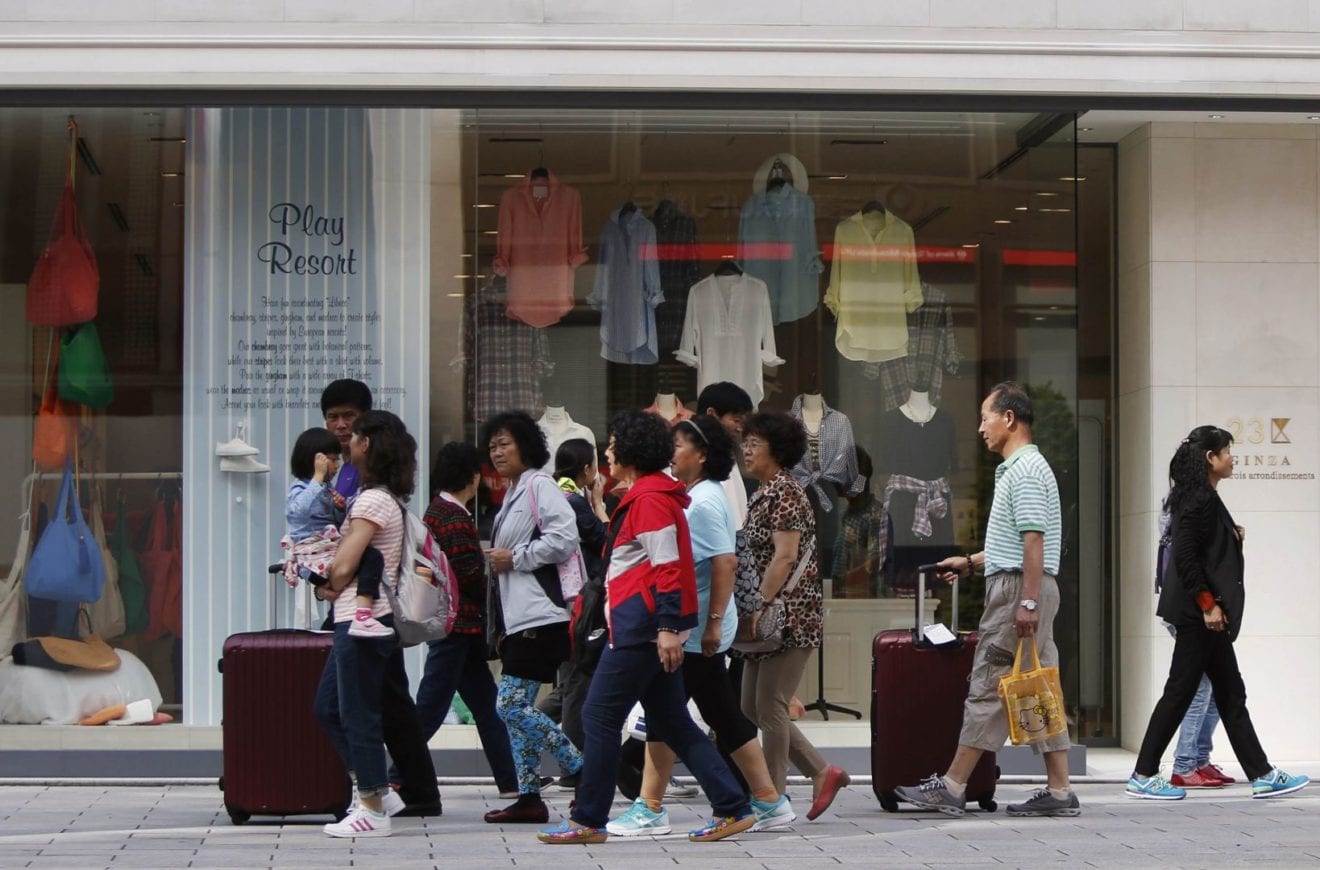
    Thai tourists are now in the sights of Japanese department stores after their success in luring Chinese during Lunar New Year.

    Such companies as Isetan Mitsukoshi Holdings and J.Front Retailing, which run the Daimaru and Matsuzakaya department stores, are ramping up efforts to lure Thai tourists during their traditional New Year holiday Songkran, which this year runs from April 13 to 15, reports Nikkei Asian Review.

    A weaker yen has helped boost tourism numbers to Japan, and visitors from Thailand have grown steadily to nearly 800,000 last year following the relaxing of visa requirements in July 2013.

    While most foreign visitors last year came from China, they were followed in volume by South Korea, Taiwan, Hong Kong, the US and then Thailand.

    Isetan Mitsukoshi and J.Front issued pamphlets and other materials to promote their Japanese stores during the Thai International Travel Fair at the Queen Sirikit National Convention Center on February 21, one of Southeast Asia’s largest travel-industry events. They mainly targeted Thai travel agencies.

    J.Front’s Daimaru and Matsuzakaya stores distributed flyers with discount coupons, and also plans to hand them out aboard Asia Atlantic Airlines flights between Thailand and Sapporo. The coupons will also be given to tourists buying the Japan Rail Pass at Thai outlets of Japanese travel agency HIS.

    Daimaru’s store in Sapporo has even prepared a floor guide in Thai language.
    Matsuya, another Japanese department-store chain, will give preferential treatment to customers of three Thai banks – Bank of Ayudhya, Kasikornbank and Krung Thai Bank – at its Ginza store in Tokyo. They will receive discounts and gifts.

    In January, Matsuya had a similar offer for customers holding membership cards from Thai retailer The Mall Group. Sales of duty-free goods at Matsuya during last year’s Songkran holidays surged 50 per cent from a year earlier, the company says.
    Visitors from Thailand spent a total of Y120 billion (US$1 billion) in Japan last year, up a quarter on 2014’s figures, according to a survey by the Japan Tourism Agency.

  • Japanese group buys into HMV Asia

    Japanese group buys into HMV Asia

    Hong Kong-based private-equity firm Aid Partners is about to sell a parcel of its HMV Asia shares, which it acquired three years ago.

    It has agreed to sell an 18.37 per cent stake in the business to Japan’s World Innovation Lab for US$9 million. Under the agreement, 2250 new ordinary shares in the capital of the HMV Group’s interests in Hong Kong and Singapore, run by HMV Marketing, will change hands.

    HMV Hong KOng 1

    A stock exchange filing says the proceeds from the stake sale will be used for the general working capital of the HMV Group. World Innovation Lab, which specialises in investment including the technology and media sectors, will help in the strategic development and promotion of the movie and music retailer with its international network and business experience.

    HMV new concept

    Aid Partners is selling the shares to WiL Fund I, an investment fund managed by World Innovation Lab. The Hong Kong firm will still own 81.63 per cent of the business.

    HMV tokyo bike

    Once the deal goes through, Innovation Lab will have a director on the board of HMV.
    Aid Partners bought HMV’s interests in Hong Kong and Singapore in 2013, along with all its licences in mainland China, Macau and Taiwan for an undisclosed amount.

    HMV Hong Kong new 3

    HMV then had six stores in Hong Kong and two in Singapore, plus an eCommerce business in Hong Kong. Aid Partners cut back the music and movie retail stores to five, and opened two restaurants and a cafe under the HMV brand.

    The Asian business is a separate entity from HMV in the UK, which went into administration the month before Aid acquired the Asian business.

    As at June 30, the unaudited net liabilities of HMV Marketing were about HK$39,512,000 (US$5,085,167).

  • Indonesia’s first F1 driver is a good-looker who lives in Singapore

    Indonesia’s first F1 driver is a good-looker who lives in Singapore

    When Indonesia’s first Formula One driver Rio Haryanto makes his debut with the Manor Racing team at the new season on March 20, he is likely to set the hearts of female fans a flutter.

    The only Asian to be on the starting grid boasts not only a chiselled jaw and dashing good looks, but also a hot bod to match.

    Rio, 23, will be the third Southeast Asian driver, after a long absence, to compete in Formula One since the championship started in 1950, reported The Jakarta Post. The other two were Malaysian Alex Yoong (2001 and 2002) and Thailand’s Prince Birabongse Bhanudej in the 1950s.

    So all eyes will be on Rio, who reportedly lives in Singapore, when he competes against the likes of champion drivers Lewis Hamilton and Sebastian Vettel in the 21-race series, starting in Melbourne in two weeks’ time.

    Born in Solo, Indonesia, he is a business management graduate, having studied here at private school FTMSGlobal Academy.

    Sponsored by Indonesia’s state energy company Pertamina, the rookie driver has managed to capture a huge following in Indonesia, all eager to see their new sports icon flying their national flag high.

    “I hope by working hard, I will not only represent Indonesia in F1 but achieve [something],” he said in a press conference in February.

    When he is not competing, Rio spends four hours a day to build up his stamina by swimming, jogging, or working out in gym, according to his website.

    He likes high-protein food, and even cooks his favourite fish – salmon – often.

    Apart from his love of racing, Rio hopes to be involved in his family business – his father runs a company that produces Kiky brand writing books.

    He also likes to do his bit for the community. Whenever he returns to his hometown, he would visit an orphanage and share his adventures with the kids, like a big brother hoping to inspire and motivate his younger siblings, according to his website.

    Career jump

    Rio clinched a place in the Manor team after its owner Stephen Fitzpatrick was impressed by his performance.

    He had said in a press statement: “He is tenacious on and off the track and made a big impression on last year’s GP2 battle.”

    On Rio’s big fan base in Indonesia, Fitzpatrick said they would be a booster for his team and for F1.

    “They are keen to see [Rio] on the grid and we’re confident that we’ll see him enjoying some exciting battles in the year ahead.”

    Rio’s racing experience began when he was only six, taking part in the national and international Gokart arena. He joined Formula Asia 2.0 racing competition at 15 and emerged the winner among Asian drivers.

    In the following year he came in first again at Formula BMW Pacific 2009 racing competition.

    At 17, he was qualified to get Formula 1 super licence from Virgin F1 race in a test in Abu Dhabi in 2010. Since then, he had been racing in the GP2 Series with EQ8 Caterham Racing Team.

  • Home owners still ready to pay for exclusive decor

    Home owners still ready to pay for exclusive decor

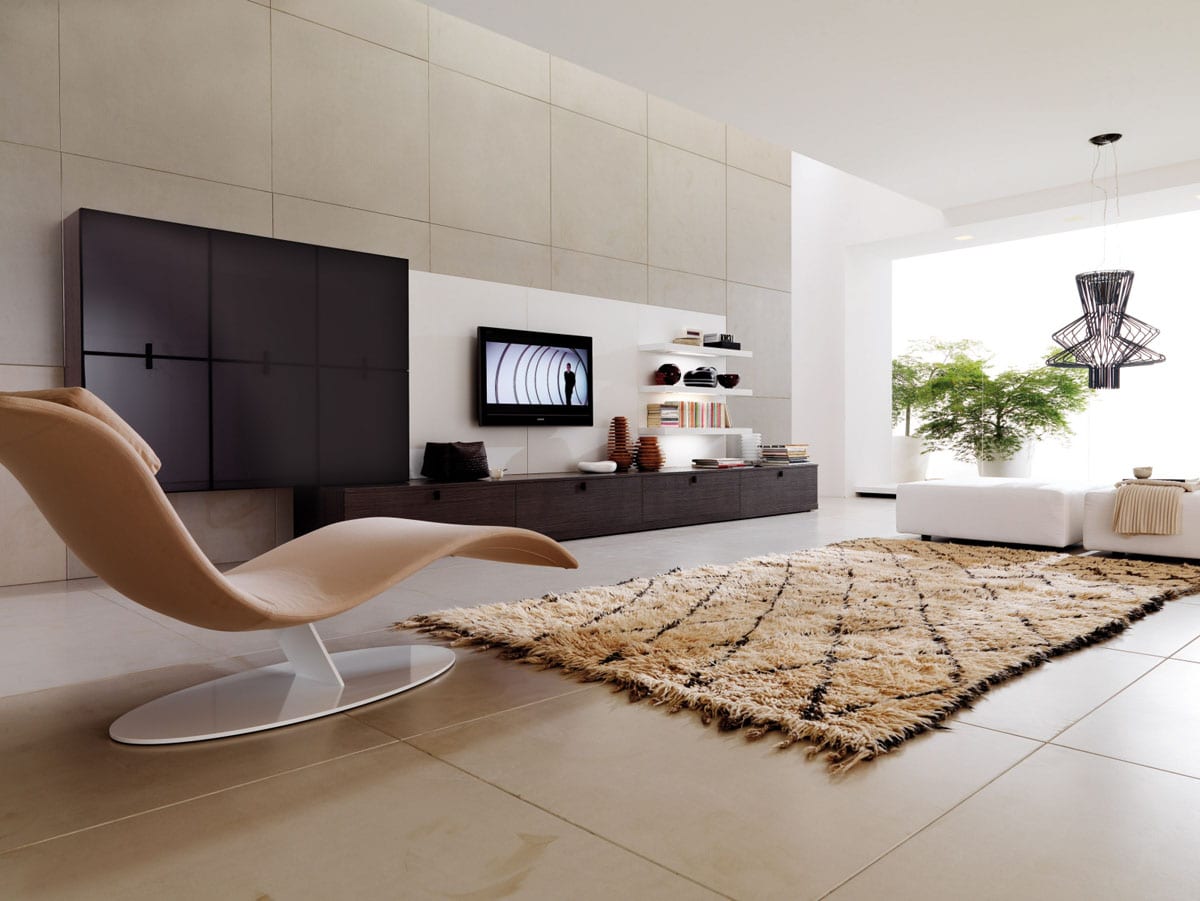
    The slowing economy might be dampening demand for luxury goods, but home owners are still willing to pay top dollar for unique furnishings, retail experts said.

    Homes are prized possessions here, so proud owners will spend to doll them up, even if they are becoming more selective about bigger-budget items, said Assistant Professor Elison Lim of the Nanyang Business School at Nanyang Technological University (NTU).

    “They are increasingly looking for pieces with stories or personal meanings that they connect with,” she said about shoppers who have the spending power for mid-range to high-end home products.

    But stores whose products are not perceived as being exclusive could be hit by such changing tastes, retail experts said.

    Lifestyle and home accessories retailer iwannagohome, which observers said falls into this category, told last month that it would close its two stores at the end of May. It announced a closing down sale at its Tanglin Mall and Great World City outlets on its Facebook page on Feb 19.

    A spokesman for lifestyle group Gill Capital, which started the brand in 2007, said it is bringing in new concepts, but declined to elaborate. It also runs franchises for H&M and Candylicious in Singapore.

    On Gill Capital’s website, iwannagohome is described as a concept brand that sources affordable luxury home fashion from around the world.

    Mr Amos Tan, a marketing and retail lecturer at Singapore Polytechnic, noted that the brand sources its products rather than creates its own, so brand loyalty would be difficult to build because consumers could easily find the same or similar items online, at lower prices.

    Several mid-range to high-end homeware retailers said business is still fine, as they have made efforts to meet evolving consumer needs.

    Home accessories retailer Molecule, which has two concept showrooms at Great World City, registered slower but stable sales last year.

    Senior manager Steven Goh said the company keeps a close watch on regional property markets to help it optimise merchandise planning. It also adjusts offerings and prices during slow periods such as the current one.

    He noted that more customers are getting “design-savvy and house-proud”, and are willing to spend on home decor.

    Multi-label store Naiise, which sells lifestyle and homeware goods, started as an online retailer in 2013. It now has five brick-and-mortar outlets, including a flagship store at Central mall in Clarke Quay. Its revenue last year was four times higher than in 2014.

    Founder Dennis Tay said that, even though online shopping is convenient, “there remains strong demand for a highly personal shopping experience that offers more than familiar household brands”.

    Around 70 per cent of Naiise’s products are by local designers, and include offerings such as a kueh-shaped cushion and a handmade bamboo ladder with a shelf attachment.

    Singapore Polytechnic’s Mr Tan said today’s consumers are well-educated and care about the shopping experience.

    “If you’re talking about mid-range to high-end, it’s not enough to just be a shop that looks good and sells products. You have to tell a story and sell an experience.

    “If you want people to part with that kind of money,” he said, you need to appeal to their emotions.

  • Woodland looking at franchising

    Woodland looking at franchising

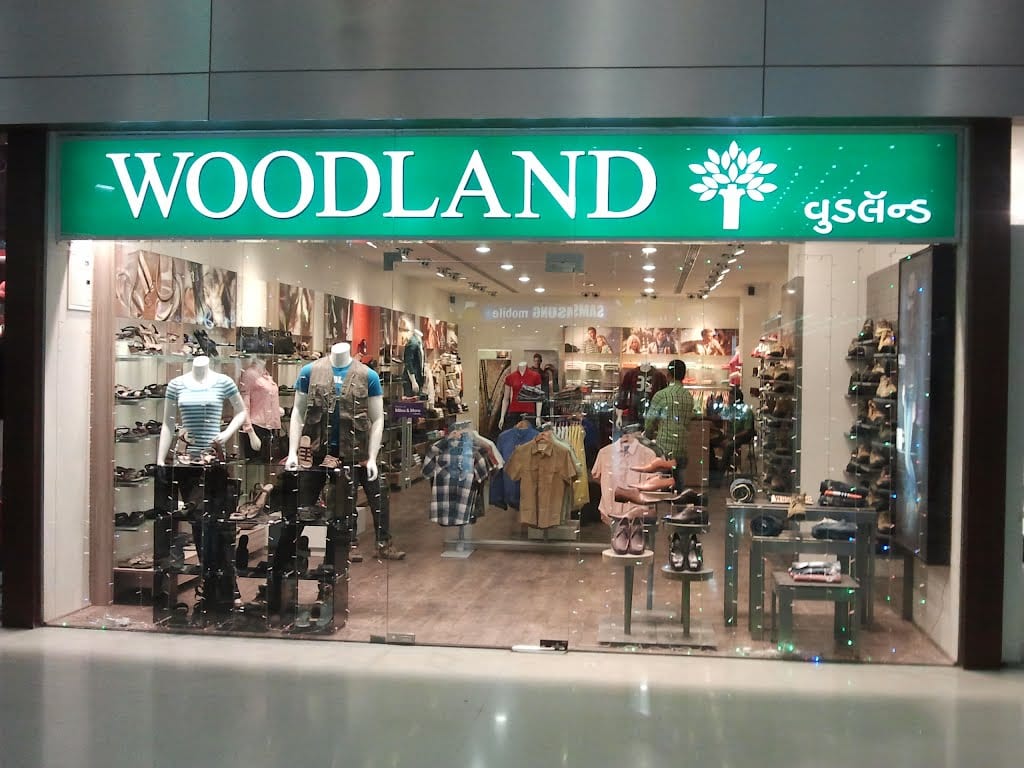
    Indian footwear and outdoor gear brand Woodland is planning to open stores in China, Malaysia and Singapore along with franchising its brand in other markets.

    Woodland is also taking the eCommerce route as part of its expansion, and is hiring social-media teams to run campaigns and online selling platforms in local languages.

    After announcing plans two years ago to launch 25 stores across China, it has subsequently opened “about a dozen stores” in Hong Kong. Its products are available through distributors in Singapore, and the company plans to enhance its global distributor networks. It aims to add at least 10 retail outlets internationally over the next two years.

    While the first few international stores will be company owned, MD Harkirat Singh says Woodland is open to franchisee formats for serious investors. The global stores will be a mix of independent stores and shops in shops.

    Singh says the product line in international markets will be customised to suit the region’s climate. according to the climatic conditions of the region. Woodland looks to tap the fast-growing extreme-weather outdoor gear market both in national and international markets, and claims to already have an 80 per cent market share in this segment in India.

    “While we have grown at an average of 15 to 20 per cent year-on-year in the past two to three years, the outdoor category has grown exceptionally in the past five years, says Singh. “Outdoor gear has become a lifestyle item, making our brand more popular.”

    Founded in Canada in 1992, Woodland is owned by Delhi-based Aero Group, which has its own leather-tanning and production units in Bangladesh, Canada, China, Indonesia, Macau, Malaysia, Sri Lanka, The Philippines and Vietnam, and as well as India.

  • Retailer simplifies name to The Hyundai

    Retailer simplifies name to The Hyundai

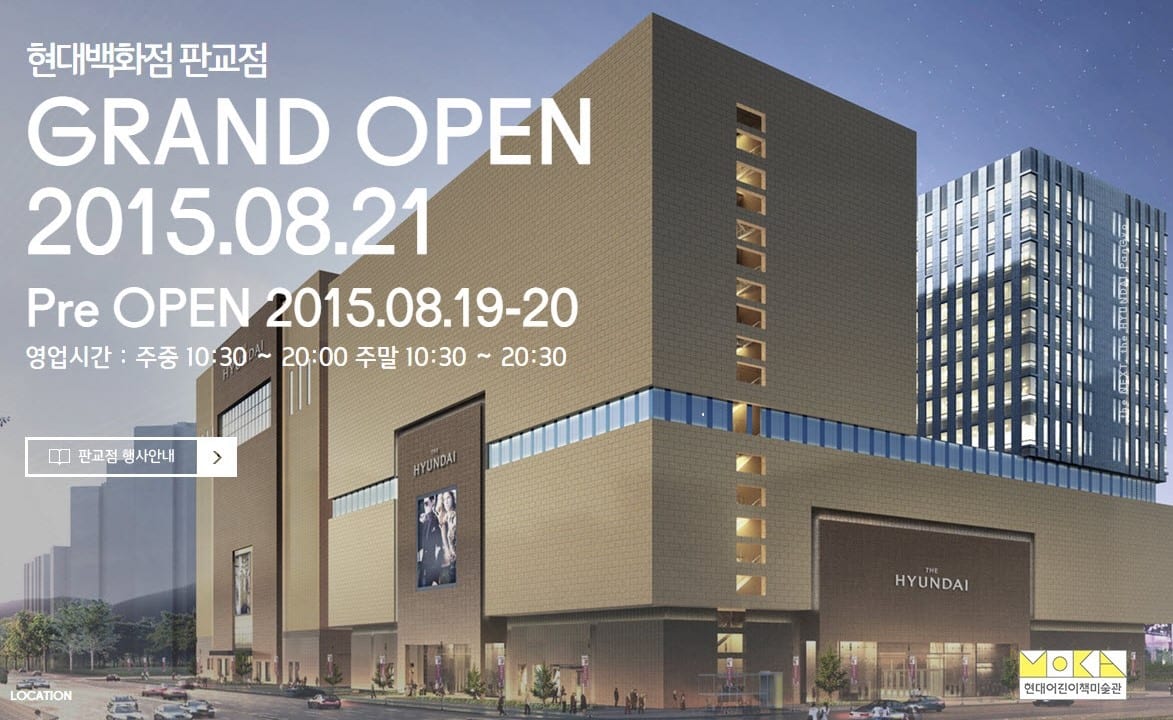
    For the first time since opening 31 years ago, Korean retail giant Hyundai Department Store is renewing its brand identity and simplifying its name to “The Hyundai”.

    Starting with its Apgujeong flagship store this month, the group is changing the exterior of its establishments featuring its new logo and corporate colours. Hyundai has 15 department stores, seven U-Plex stores and three outlets nationwide, all displaying a three-coloured-bar (mint green, black and yellow).

    As The Hyundai, the design changes to dark green and lilac hues with the aim of promoting a luxury image. As well as appearing on the façade of its department stores, the new logo will also be rolled out inside the store, and on shopping bags, membership cards and other collateral.
    The decision for the change is to augment its image as versatile supplier of lifestyle and shopping space and products, says marketing chief Chung Ji-young. The makeover was the idea of chairman Chung Ji-sun, grandson of the late Hyundai founder Chung Ju-yung.

  • Emart teams with SM Entertainment

    Emart teams with SM Entertainment

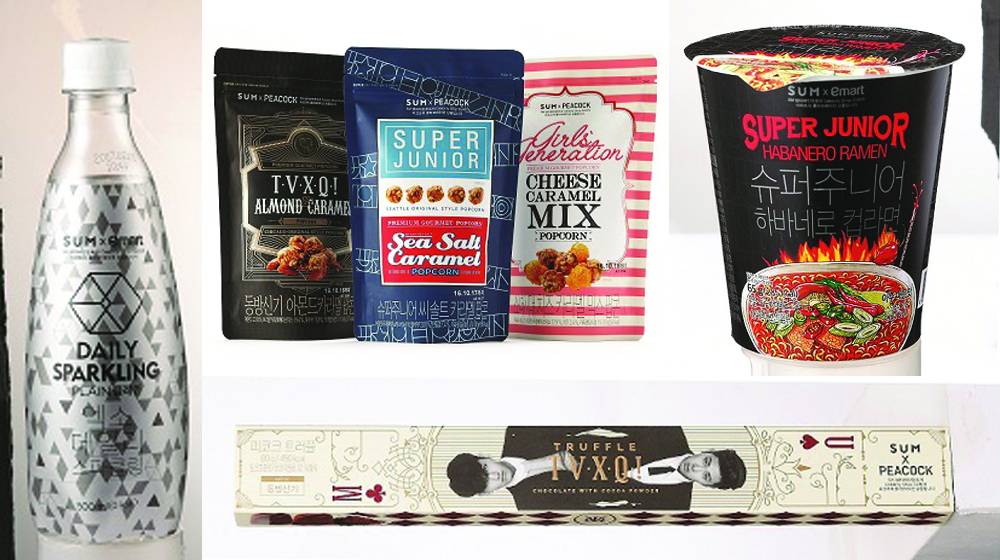
    South Korea’s Emart has launched private brand products created in collaboration with SM Entertainment.

    The products went on sale at Emart Mall and 140 Emart stores nationwide from Thursday (March 3).

    The new products include EXO Jajangmyeon (jajang-flavored instant noodles), Super Junior Habanero Ramen Noodles, TVXQ Truffle Rose Chocolates, Girl’s Generation Popcorn and Shinee Carbonated Water.

    In collaboration with SM Entertainment, Emart plans to increase the number of products on offer to 40 during the first half of the year.

    Emart rolled out a new initiative dubbed ‘Invention Project’ in August 2015, and launched two new private brands, Peacock and No Brand. After the collaboration with SM Entertainment, the two parties plan to look into further projects involving a wider range of products and even intangible merchandise based on SM Entertainment’s artists.

    Emart anticipates that the merchandise will attract not only domestic consumers in their teens and 20s, but also foreign tourists who visit Korea. Officials hope that the new products will be souvenirs to remember Korea, and that Emart will be established as a ‘must-visit’ shopping site when visiting Korea.

    The retailer is also in discussion with SM Entertainment with regards to bringing the new products to overseas markets.

    Marketing executives at Emart claim that they have created a series of completely new products through the collaboration of two very different but powerful platforms. They hope to continue to make innovative progress through their ‘Invention Project’ group.

  • Impose levy on use of plastic bags

    Impose levy on use of plastic bags

    The special report on plastic waste stated that the National Environment Agency collected about 920 tonnes of plastic waste from our rivers and canals last year.

    This figure does not even include the plastic waste disposed at landfills, which should be much greater in quantity.

    We must take steps to reduce the use of plastic bags. Plastic bags can take more than 1,000 years to decompose and will remain toxic after they break down.

    One of most effective ways to reduce plastic waste is to ban the distribution of free plastic bags in supermarkets, convenience stores, pharmacies and department stores.

    A levy should be imposed on the distribution of plastic bags.

    In 2009, Hong Kong faced an imminent waste problem. It was estimated that more than eight billion plastic bags were disposed of at landfills every year. It then imposed a levy of 50 Hong Kong cents (10 Singapore cents) per plastic bag.

    This levy drastically reduced the number of plastic bags distributed.

    According to the Hong Kong Environmental Protection Department, before this levy was implemented, supermarkets, convenience stores, pharmacies and cosmetics stores in Hong Kong were distributing about 660 million plastic bags yearly.

    After one year, this number was drastically reduced to 150 million plastic bags.

    The levy has been so successful that the Hong Kong government last year implemented a total ban on the distribution of free plastic bags for all retail outlets.

    Nowadays, Hong Kong residents take along their own reusable bags with them when they go shopping.

    China, Taiwan and the Philippines implemented the levy for plastic bags even earlier. In Germany, very few people use plastic bags as paper bags are more environmentally friendly.

    Likewise, in Singapore, we should discourage the indiscriminate use of plastic bags by imposing a plastic bag levy.

    Initially, it may cause inconvenience but it is a small price to pay to save our precious environment.

  • Soap maker Pental hopes to clean up in China

    Soap maker Pental hopes to clean up in China

    Household products manufacturer Pental is hoping to clean up in China by following in the footsteps of Bellamy’s and Blackmores and selling bar soaps designed for the Asian market.

    Pental, which makes laundry staples White King bleach and Softly wool wash, has developed a new range of Country Life bar soaps aimed directly at Chinese consumers, including goat’s milk soap with Australian tea tree oil, lavender and green tea.

    Pental has also reached into the back of its cupboard and reformulated and repackaged soaps that have been in its portfolio for 20 years and are mainly sold in airport stores and souvenir shops. The rejigged Country Life range includes lanolin, tea tree oil and eucalyptus oil and features images of sheep, koalas and kangaroos.

    Pental has secured distribution in leading Chinese supermarkets, pharmacies, airport stores and online outlets, including FTZmall.com, and plans to start manufacturing the new range at its plant in Shepparton next week.

    “This is one of the most exciting projects for a long time,” said chief executive Charlie McLeish, who believes new product development and new markets are the key to drive top-line sales and margins in an increasingly competitive domestic market.

    Aim to change track record

    Mr McLeish is reluctant to issue forecasts, but expects to sell about 6 million bars of soap, worth $4 million, to Asian consumers in the first year, compared with current bar soap sales in Australia and New Zealand of about $10 million a year.

    “We have a track record of over-promising and under-delivering – my goal is to ensure that we over-deliver on our targets,” Mr McLeish told Fairfax Media during an investor roadshow in Sydney this week.

    “We’re riding on the confidence the Chinese retailers and Chinese consumers have in Australian-owned and Australian-made products.

    “We have to make sure we live up to the reputation the dairy industry has created for other manufacturers in the Chinese market,” he said.

    Pental also sees scope to sell other products such as White King bleach and White King stain remover into Asia and has had tentative discussions with distributors.

    However, Mr McLeish has no plans to establish manufacturing operations in China to reduce costs and better compete with multinationals such as Colgate, Unilever and Cussons.

    Point of difference

    “Our point of difference is being Australian-owned and Australian-made and is around quality and culture – if we changed that state we would be no different to the other guys who manufacture in China,” he said.

    Pental has invested about $400,000 on new soap packaging equipment to support its push into Asia. If sales take off, Pental is considering a larger capital expenditure program, which would enable it to make bar soap in new shapes, sizes and formats for the Asian and domestic markets.

    Pental, which also makes Sunlight, Pears and Velvet soaps, and supplies private-label soap to Aldi and Woolworths, accounts for about 20 per cent of the Australian soap market.

    After a near-death experience in 2012, when Pental (formerly known as Symex) was forced to sell assets to repay bank debt, the shares are now trading at their highest levels since 2007.

    While sales slipped 0.7 per cent to $54 million in the six months ending December, underlying earnings before interest and tax rose 5.7 per cent to $3.1 million and net profit rose 12 per cent to $1.98 million, underpinned by cost savings.

  • Indonesia promotes Wonderful Indonesia at Portugal tourism fair

    Indonesia promotes Wonderful Indonesia at Portugal tourism fair

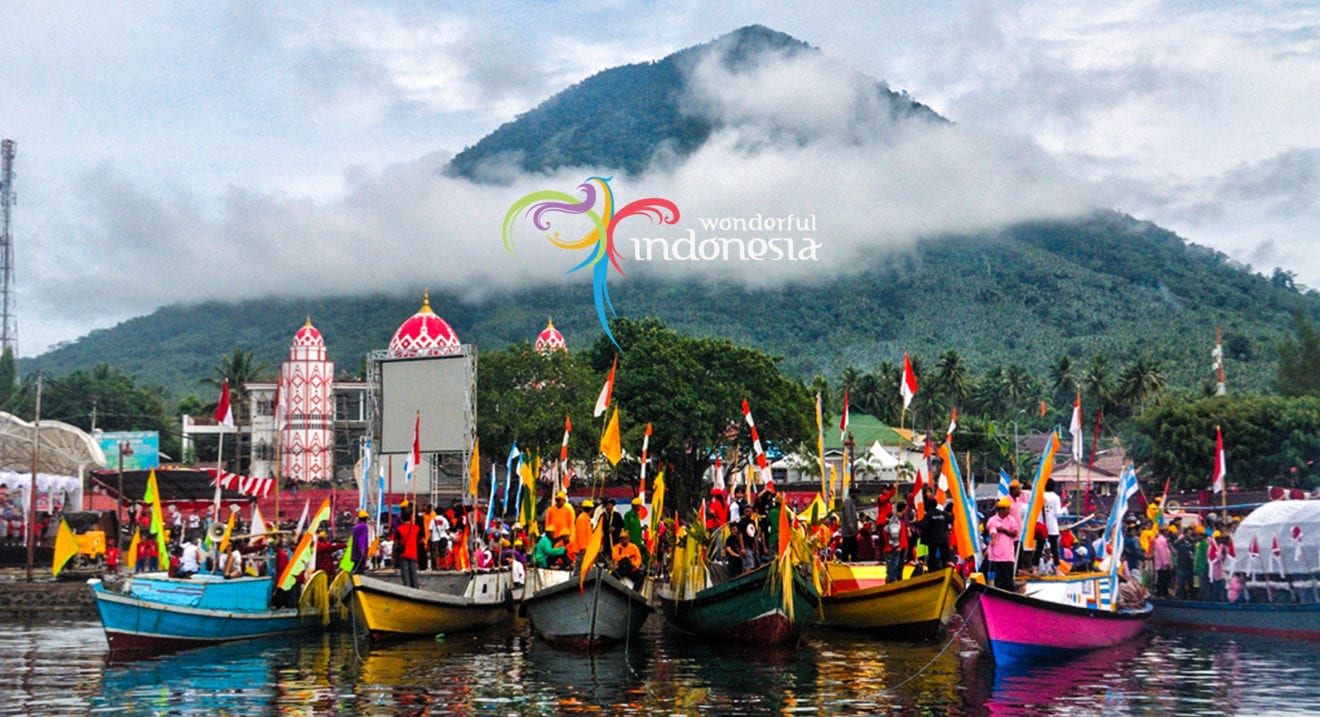
    Indonesia promoted the Wonderful Indonesia brand at the biggest tourism exhibition in Portugal, called Bolsa Turismo de Lisboa (BTL), at the Feira Internacional de Lisboa (FIL) Lisbon.

    The event was organized by the Association of Industries of Portugal (AIP) and was opened by the Prime Minister of Portugal, Antonio Costa.

    Indonesian pavilion featured art performances and a seminar titled Dream, Explore and Discover Wonderful Indonesia. The seminar was organized by the Visit Indonesia Tourism Officer (VITO) Paris, a statement from the Indonesian Embassy in Lisbon received by ANTARA said here on Wednesday.

    This exhibition is being held regularly for the last 28. During the March 2 to 6 event, the Indonesian booth entertained about 2,000 visitors.

    Data from the Portugal Ministry of Immigration showed an increase in the number of Portuguese tourists to Indonesia, from 18,312 tourists in 2014 to at least 21,000 in 2015.

    Indonesias target is to attract through the BTL event 25,000 Portuguese tourists during 2016.

    At the BTL, Indonesia introduced 10 new destinations, namely Lake Toba (North Sumatra), Tanjung Kelayang Beach (Belitung), Seribu Islands (Jakarta), Tanjung Lesung Beach (Banten), Borobudur Temple (Central Java), Bromo-Tengger-Semeru (a volcano complex area in East Java), Mandalika (West Nusa Tenggara), Wakatobi (East Nusa Tenggara), Morotai Island (North Maluku), Labuan Bajo (East Nusa Tenggara).

    The Indonesian Ambassador to Portugal, Wirana Mulya, said the bilateral relations between the two countries are becoming ever stronger.

    The Indonesian government extends a visa-free visit policy for 30 days to the citizens of Portugal to visit Indonesia.

    The ambassador called upon stakeholders in the field of tourism to encourage Schengen visa exemption for Indonesian tourists to European countries.

  • Resort island of Jeju in Korea is booming

    Resort island of Jeju in Korea is booming

    The southern resort island of Jeju is booming, posting the country’s highest growth rate in private consumption, service industry productivity, employment and exports last year, according to Statistics Korea.

    Major businesses are relocating their headquarters to the island and people are moving there from the mainland.

    In 2004, Daum Communications (now Kakao) moved its headquarters to Jeju, followed by some 50 other companies, mostly IT or game businesses such as NXC and ESTsoft, increasing the populations significantly. Booming tourism, meanwhile, has created more jobs in the service and construction sectors.

    Jeju’s service industry output in 2015 increased 6.1 percent compared to the previous year, which was more than twice the national average of 2.9 percent. As 3,000 to 4,000 people move to the island every year, the real estate sector’s output rose 25 percent to lead overall growth.

    Private spending increased 7.8 percent last year, again more than double the national average of 3.4 percent. That too was due to the huge increase in the number of people arriving on the island each year, either to settle or for a visit.

    Retail sales at shopping centers and duty-free shops rose 9.5 percent in 2015, three times the national average of 3.6 percent. Thanks to tourists renting cars, fuel consumption on the island surged 16.9 percent.

    Jeju Island was also the only region to post double-digit export growth last year with outbound shipments rising 13.8 percent. In contrast, the exports of 12 out of 17 major cities and provinces shrank.

    The main cause of Jeju’s booming economy is the steady increase in tourists and settlers from the mainland. Its population grew from 606,000 in 2014 to 623,000 last year. The number of tourists also rose by 1.4 million over the same period to 13.66 million last year.

    Jeju city official Kim Hyun-cheol said, “Drawn by the pleasant living environment, many celebrities have moved to Jeju, which resulted in a wide range of other people from the mainland coming to run their own businesses here.”

    He added that the island’s international school admits Korean students without the restrictions found in Seoul, which has led to an influx of kids and their parents from elsewhere.

    But with the increasing population, real estate prices on the resort island are skyrocketing. The average real estate price on the island rose 19.35 percent last year, five times the national average. The prices of some apartments are showing signs of overheating.

  • Toys’R’Us Asia Pacific chief retires

    Toys’R’Us Asia Pacific chief retires

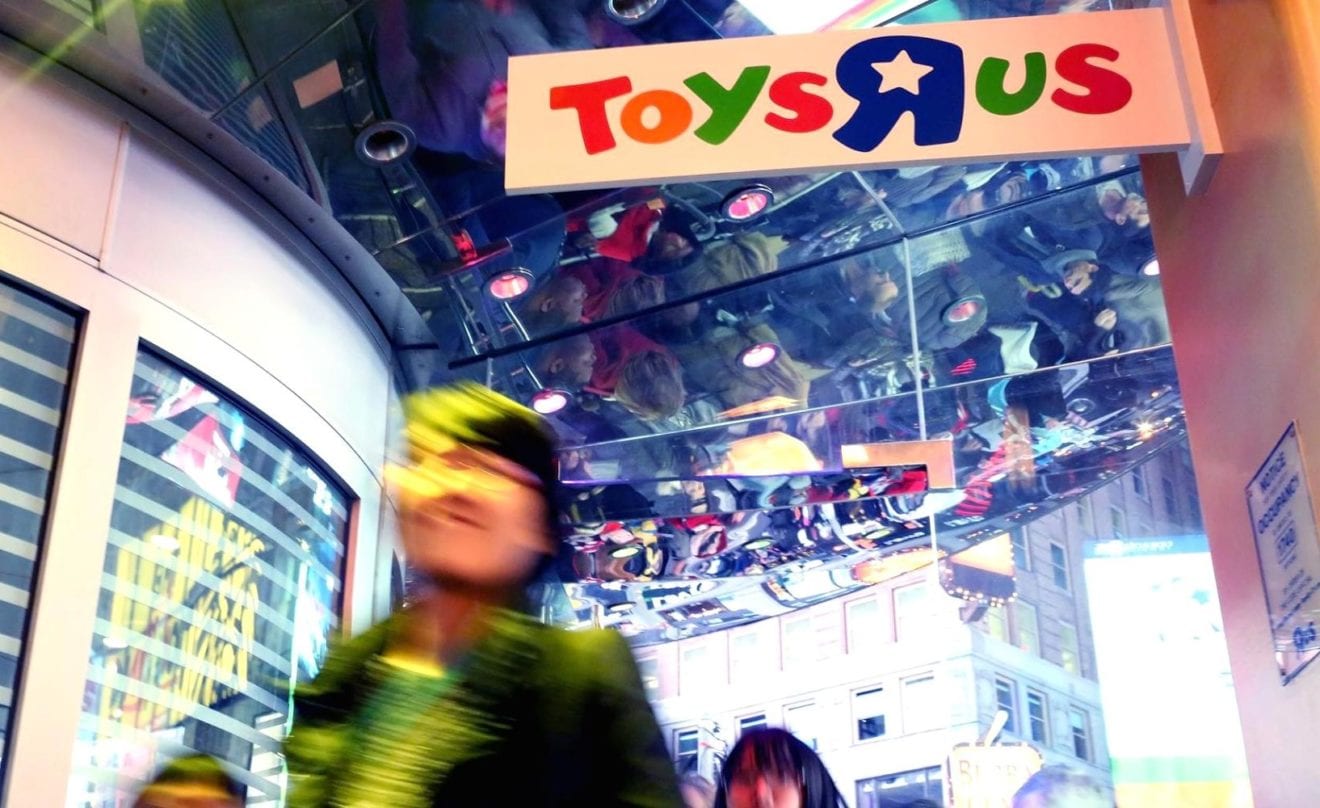
    Toys’R’Us has announced that Monika Merz, president, Asia Pacific, will retire effective May 31. Her successor will be named later.

    Monika-Merz

    As president of Toys’R’Us Asia Pacific, Merz oversees all operations and business activities for the company’s more than 300 stores in Japan, Southeast Asia, Greater China and Australia, responsible for the continued growth, profitability and success of the company in those markets.

    Since she started working at Toys“R”Us, Merz has been instrumental in the development of new store formats and merchandising concepts that have been successfully translated to other markets, ultimately strengthening the company’s position in the global marketplace.

    Dave Brandon, chairman and CEO, described Merz as a highly regarded leader “who has inspired new ideas, demonstrated innovative thinking and unwavering passion for the business and grown our Toys’R’Us brand internationally, even through challenging times and market transitions”.

    Merz’s retirement will bring to a close a remarkable career of nearly 20 years of continuous service to the company. She joined in 1996 as VP and GM, Toys’R’Us, Canada and was promoted to president, Toys’R’Us, Canada four years later. In 2007, she assumed leadership of Toys’R’Us, Japan. Her role was expanded to include responsibility for the company’s stores in Australia in 2011, and, later that year, she gained oversight of the company’s locations and corporate offices in Southeast Asia and Greater China when the company entered a joint venture agreement with Li & Fung to operate these formerly licensed stores.

    “During my time at Toys’R’Us I’ve had many experiences and challenges, but I’ve always been supported by exceptional teams and leaders,” she reflected. “I’m proud of all that we have accomplished and confident that the work we have done to provide a fun and memorable shopping experience for customers will continue after my retirement. After more than eight years in Asia Pacific, I’m now looking forward to returning to Canada and a new stage in my life.”