Category: Living

Retail News Asia is committed to providing both local and global retailers with the latest Living news throughout the Asian market. This on a daily base.

  • 7-Eleven Malaysia: more sales, lower profits

    7-Eleven Malaysia: more sales, lower profits

    Despite positive sales growth, 7-Eleven Malaysia’s profits have slumped by more than a fifth.

    Higher selling and distribution expenses from store expansion are blamed for 7-Eleven Malaysia Holdings net profit falling 22.21 per cent to RM13.94 million ($3.3 million) in the fourth quarter ended December 31, from RM17.93 million.

    Its revenue increased by 3.87 per cent to RM499.74 million from RM481.12 million for the same quarter the previous year, the group told the stock exchange.
    Its net profit also fell for the full year, by 11.53 per cent to RMB55.8 million from RM63.07 million, while revenue rose 5.98 per cent to RM2 billion from RM1.89 billion.

    7-Eleven Malaysia’s growth in revenue continued to be driven by introducing new stores, improving the merchandise mix and promotional activity, says the company.

    “This growth was achieved despite ongoing retail market negativity caused by the implementation of GST (on April 1, 2015) and weak consumer confidence and spending.”

    However, the group’s selling and distribution expenses for the quarter also increased by RM13.7 million, or 10.3 per cent, mainly because its new stores meant higher staff costs, rental costs, store depreciation expenses and maintenance costs.
    It believes trading conditions for the current quarter will stay challenging.
    “Despite this, we are positive of holding on to our market leading position, while our new store expansion plan remains on track,” says the company.

  • “Wonderful Indonesia” to join berlin Tourism Bourse

    “Wonderful Indonesia” to join berlin Tourism Bourse

    Indonesia will participate in Berlin Internationale Tourism Bourse (ITB Berlin) in Germany, March 9-13, 2016.

    The Indonesian delegation to the ITB Berlin would be headed by Tourism Minister Arief Yahya, Nia Niscaya of the tourism ministry told Antara on Sunday.

    Indonesias pavilion themed “Wonderful Indonesia” will feature a Phinisi traditional boat of South Sulawesi.

    Some 100 travel operators will join the Indonesian delegation to promote the countrys tourist destinations and offer various tour packages to buyers from all over the world.

    “The point is to market tourist destinations from Sabang (Aceh) to Merauke (Papua),” Nia Niscaya said.

    The ITB Berlin is expected to attract 10 thousand participants from 185 countries as well as at least 23 thousand visitors.

    In 2015, Indonesias delegation consisting of 88 travel agents, recorded business transactions worth Rp4.8 trillion in the ITB Berlin.

    This year, Indonesia expects to generate an increase of some 20 percent from last years value, as 850 qualified top buyers have confirmed their participation in the ITB Berlin.

    The Indonesian government hopes to generate foreign exchange amounting to Rp172 trillion from 12 million foreign tourist arrivals and Rp223.6 trillion from 260 million domestic tourists this year.

    The country has also set a target of receiving 20 million foreign tourists by 2019.

  • Hong Kong January retail sales fall for 11th straight month

    Hong Kong January retail sales fall for 11th straight month

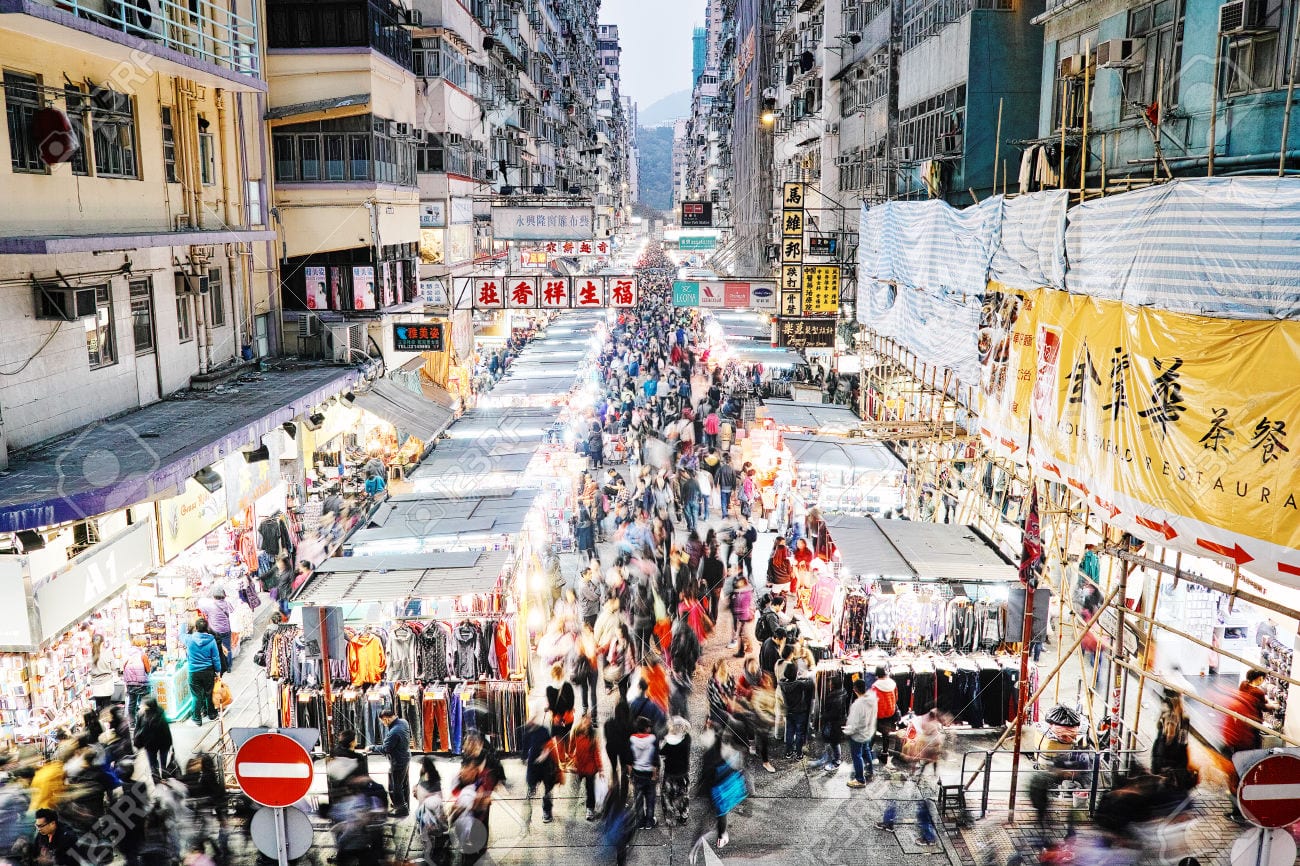
    Hong Kong retail sales, which suffered their worst decline in 13 years last year, saw weak sentiment extending into January on slumping tourist arrivals, weak local consumption and a strong local currency.

    Retail sales in January slid 6.5 per cent from a year earlier to HK$43.6 billion (US$5.61 billion) in value terms, compared with an 8.5 per cent decline in December. In volume terms, January sales decreased 5.2 per cent.

    “The near-term outlook for retail sales will remain constrained by the sluggishness in inbound tourism,” the government said in a statement. “External uncertainties, including a dimmer global economic outlook and US interest rate normalisation, may add further headwinds.”

    The value of retail sales fell for a second year in 2015 – down 3.7 per cent – the biggest decline since 2002 when they dropped 4.1 per cent.

    Hong Kong is confronting mounting economic challenges as the prospect of US interest rate rises drives fears of capital outflows that could put pressure on the financial hub at a time when China’s economy is growing at its slowest pace in 25 years.

    Tensions that have rocked the city, including protests over the Lunar New Year that was sparked off by street vendors, have added to the strains on the retail and tourism industries already suffering from a drop in mainland tourists.

    EXPENSIVE DESTINATION

    The strong Hong Kong dollar, which is pegged to the US dollar, has made the city an expensive destination and China’s cash-rich tourists are heading for more exotic destinations.

    Hong Kong tourist arrivals, which fell 2.5 per cent in 2015 in the first decline since 2003, dropped 6.8 per cent from a year ago to 5.23 million in January. Mainland visitors, which accounted for 77 per cent of the total, slumped 10 per cent to 4.04 million.

    Hong Kong’s comparatively high rents also hurt retailers as fewer mainland tourists come to shop, forcing operators to close and scale back expansion.

    January sales of jewellery, watches, clocks and valuable gifts in value terms fell 16.3 per cent, a 17th consecutive month of decline.

    Department store sales slid 3.6 per cent on year, against a 12.3 per cent drop the previous month. Wearing apparel fell 4.9 per cent while medicines and cosmetics decreased 3.6 per cent.

    Hong Kong’s top jeweler Chow Tai Fook Jewellery Group and cosmetics chain operator Sa Sa International Holdings saw sales declines at least 20 per cent during the key Lunar New Year shopping season in February.

    Department store operator Lifestyle International also saw a double-digit decline in sales during the holiday.

    Last week, Hong Kong rolled out a multi-billion dollar package of sweeteners to bolster its economy as a slowdown in China and rising political tensions deepen its economic woes.


  • Central denies hypermarket ambition

    Central denies hypermarket ambition

    Central Group chief executive Tos Chirathivat says the group has set aside 39 billion baht for investments at home and abroad this year. PHRAKRIT JUNTAWONG

    Central Group yesterday insisted it is not seeking to establish its own hypermarket chain to counter TCC Group’s entry into the big retail segment with the recent acquisition of a major stake in SET-listed Big C Supercenter Plc.

    Instead, it is considering buying Big C store operations in Vietnam from Casino Group, a leading French retailer.

    Tos Chirathivat, the group’s chief executive, said Central did not have any plan to sell its 25% stake in Big C Supercenter in Thailand after TCC Group’s Berli Jucker Plc successfully bought a 58.56% stake in Big C.

    Berli Jucker will make a tender offer for the remaining shares in Big C soon.

    “The hypermarket business has entered the mature stage and its growth may not be as high as in the past 20 years, but we won’t sell our Big C shares,” Mr Tos said.

    Central will not create a new hypermarket store brand because it already has Tops Superstore, which is similar to Big C.

    Mr Tos said he would decide on March 10 whether Central would enter bidding for Big C assets worth 20 billion baht in Vietnam.

    “We have not made our decision yet because there are several factors to be considered carefully, including the complicated process of mergers and acquisitions over there,” he said.

    A market analyst said it was possible Central would join the bidding because Vietnam is one of the group’s strategic investment countries in the Asean region.

    Central’s retail business in Vietnam has more than 6,000 staff and generated revenue of US$600 million last year. If Central wins the bid for Big C assets, its business value will double to 40 billion baht overnight.

    Mr Tos said the group would put more focus on opening new branches and renovating its Thai stores while expanding some new stores in Cambodia, Laos, Myanmar and Vietnam.

    “We will invest cautiously because we are concerned about the impact on the world economic situation from the Chinese slowdown, falling oil prices and the volatility of foreign exchange,” he said.

    The group plans to spend about 39 billion baht this year, 30% more than last year, to open new shopping centres, department stores and other outlets nationwide and renovate some stores.

    It also plans to open five new hotels and some convention centres in destinations including Pattaya, Chiang Mai and Koh Samui.

    It has signed management contracts with 29 new hotels with 6,716 hotel rooms.

    Centara Muscat Hotel in Oman, Centara Grand West Bay Hotel Doha in Qatar and Centara Grand Lykia World Resort & Spa in Turkey will be opened in the third quarter.

    The group also plans to invest in two more four-star hotels in the Maldives and a four-star hotel in Dubai.

    Central Group has 70 hotels with 14,583 rooms in 11 countries.

    The group will allocate 10.4 billion baht to renovate its department stores in Europe from 2016-20. About 3.6 billion will be used for La Rinascente in Italy, 2.4 billion for Illum in Denmark and 4.4 billion for three stores under the KaDeWe Group in Germany.

    Last year, Central’s revenue totalled 283 billion baht, up 13.5% from 2014. The group projects to increase its revenue by 18.9% to 337 billion baht this year. About 76% of sales will come from Thailand.

  • Singapore forecasts 0-3% visitor arrivals in 2016

    Singapore forecasts 0-3% visitor arrivals in 2016


    The Singapore Tourism Board (STB) is forecasting a 0-2% rise in the range of S$22bn to $22.4bn ($15.6bn to $15.9bn) in tourism receipts in 2016 and international visitor arrivals in the range of 15.2m to 15.7m (0 – 3%).

    This follows what the STB describes as the ‘mixed tourism sector performance in 2015 in the face of global headwinds’, as visitor arrivals grew by 0.9% to 15.2m and tourism receipts declined by -6.8% to S$22bn.

    LESS MICE CAUSED MOST OF THE DECLINE

    The STB said that the decline was largely due to a fall in BTMICE (meetings, incentives, conventions and exhibitions) visitor arrivals and spending. This mixed performance came on the back of various headwinds, such as an uncertain global economic outlook and weak currencies in some of Singapore’s top source markets in 2015.

    “As the average BTMICE visitor spends about two times more than the average leisure visitor, the fall in BTMICE visitor arrivals and spending due to companies cutting back on both travel and trip budgets has had a significant impact on our tourism receipts,” he added.STB CEO Lionel Yeo commented: “We are encouraged by the upturn in visitor arrivals from May onwards that led to a positive growth for the whole of 2015. Of particular note is the 2% growth in leisure visitor arrivals in 2015, which helped offset the decline in BTMICE visitor arrivals. This shows that Singapore remains attractive as a leisure destination.

    Singapore Tourism 2015-2016
    In terms of market highlights, the top growth-markets for 2015 tourism receipts were Japan (+6%) and the UK (+4%). Tourism receipts from Japan rose due to greater BTMICE traffic, while more leisure visitors from UK also spent more.

    The STB said that the decline in tourism receipts was most keenly felt in Indonesia (-21%), Australia (-10%) and Malaysia (-26%) with all these markets facing their own economic challenges and currency devaluations.

    Turning to international arrivals by market, China led the way (+22%), followed by India (+7%), South Korea (+7%) and Taiwan (+12%). Notably, there were more visitor arrivals from both tier 1 and secondary cities in China and India, where STB has intensified its marketing and channel development efforts.

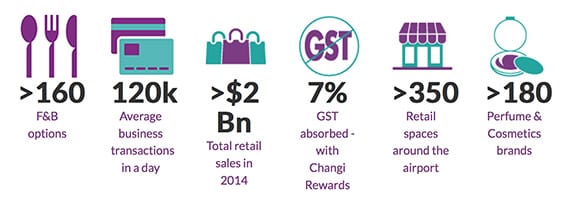
    Changi factfile 2014

    These key numbers relate to Changi Airport in 2014.

    The largest declines were noted from Indonesia (-10%), Malaysia (-5%), Australia (-3%) and Japan (-4%) where the STB reasons that macroeconomic factors, including currency depreciation and an uncertain economic outlook, depressed market demand.

    KEY HIGHLIGHTS

    More positively the key highlights in 2015 included intensified marketing efforts linked to the international attention Singapore attracted during its Golden Jubilee year. STB tried to capitalise on this by collaborating in a joint marketing effort with tourism industry stakeholders to launch a S$20m ($14.2m) campaign in seven key markets.

    The Board also put in place strategic partnerships with Changi Airport Group, Singapore Airlines and TripAdvisor to promote Singapore as the destination of choice.

    Key growth areas identified in  2015 included cruise and business events, with the former noting a year-on-year cruise passenger rise of 14% to 1m in 2015 and nine calls that were new to both Singapore and Southeast Asia.

    Singapore Tourism Board 2015
    The STB also supported more than 350 business events in 2015, representing a 27% year-on-year growth. These events generated 287,000 visitor arrivals and S$478m ($341m) in tourism receipts.

    LOOKING FORWARD…

    The STB is now forecasting that tourism receipts will be in the range of S$22bn to $22.4bn (0 – 2%) and international visitor arrivals in the range of 15.2m to 15.7m (0 – 3%) this year.

    In a statement it said: “Global economic growth may be hampered by the slower growth momentum of the Chinese and US economies, as well as uncertainties such as ongoing reforms in China and the impact of the normalisation of the US monetary conditions.

    “Increasing regional competition will also pose challenges to Singapore’s tourism sector. At the same time, Singapore remains poised to benefit from the projected growth in outbound travel in the Asia Pacific region. The pipeline for business events also continues to be strong.”

  • Aeon Japan shortens opening hours

    Aeon Japan shortens opening hours

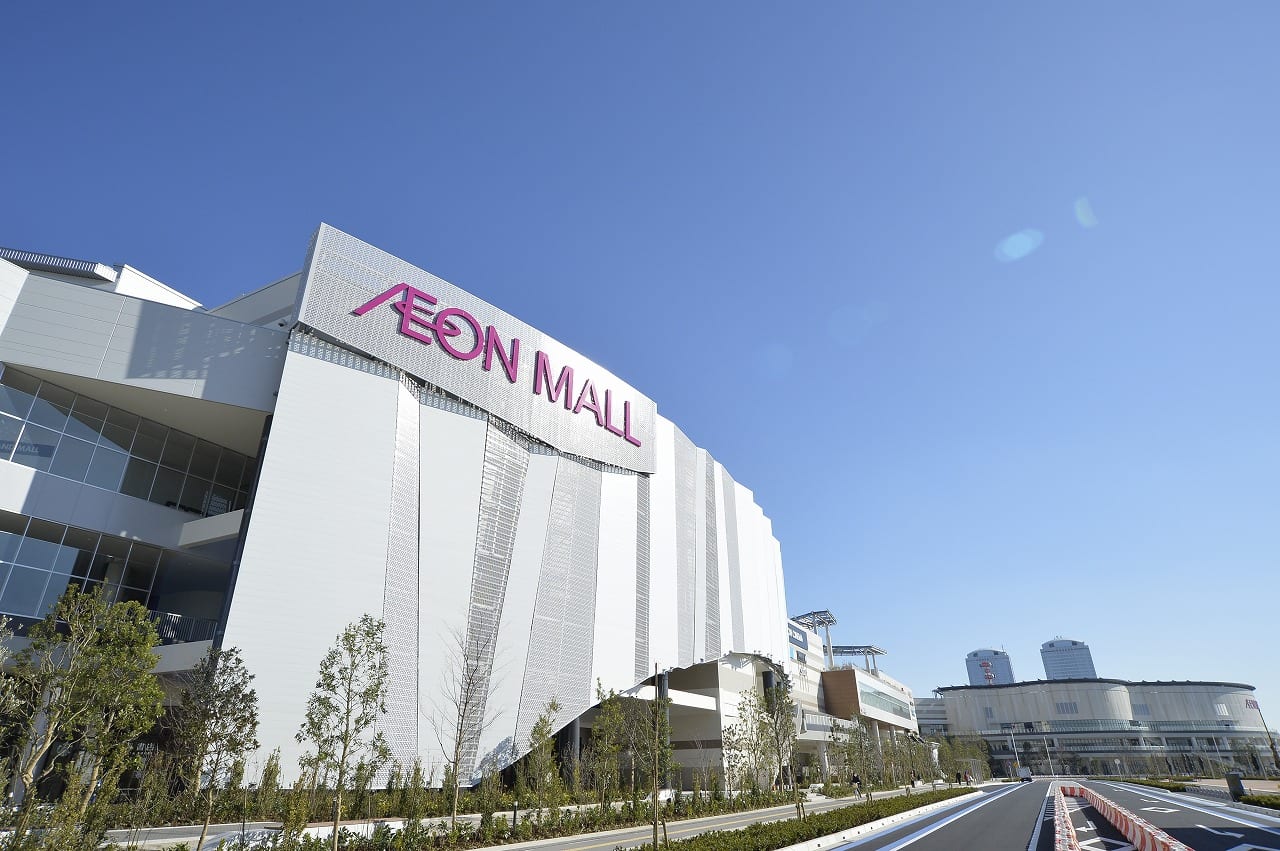
    Japanese retail giant Aeon is chopping back opening hours at most of its Tokyo-area general merchandise stores, seeking more efficiency in the face of staff shortages and competition with convenience stores pushing up costs.

    The opening time at Aeon Japan stores will move from 7am to 8am for grocery sections at 42 of the company’s 64 general merchandise stores in the Tokyo, Chiba and Kanagawa prefectures under brands including Aeon and Aeon Style. Some stores will remain open 24 hours.

    Aeon began opening many of its stores at 7am in summer 2012. Company and local-government policies designed to take advantage of daylight hours following the March 2011 earthquake and tsunami resulted in more people being out and about in the early morning, which was a benefit for businesses. Aeon decided to keep the new hours year-round, and while shoppers in regions such as Japan’s north-east, most affected by the disaster, have continued to support the earlier opening times, Tokyo-area stores have found it hard to retain morning traffic.

    Competition from rapidly expanding convenience stores and small-scale supermarkets is partly to blame. Japan had about 56,000 convenience stores in the year ended last March, about 20 per cent more than before the earthquake. These stores have been growing their fresh- and prepared-food offerings to rope in demand from the elderly, homemakers and other customers, generating more than 10 trillion yen (US$89.7 billion) in sales during the 2014 fiscal year.

    Small grocery stores, such as Aeon’s own My Basket, have also been expanding.
    Staff shortages have also hit Aeon, making early-morning and late-night hours a practical challenge as well as driving up personnel costs.
    General retailers are also losing out to eCommerce, which is worth more than 12 trillion yen in Japan alone.

  • Ikea Kicks Off $444 Million Global Media Review

    Ikea Kicks Off $444 Million Global Media Review

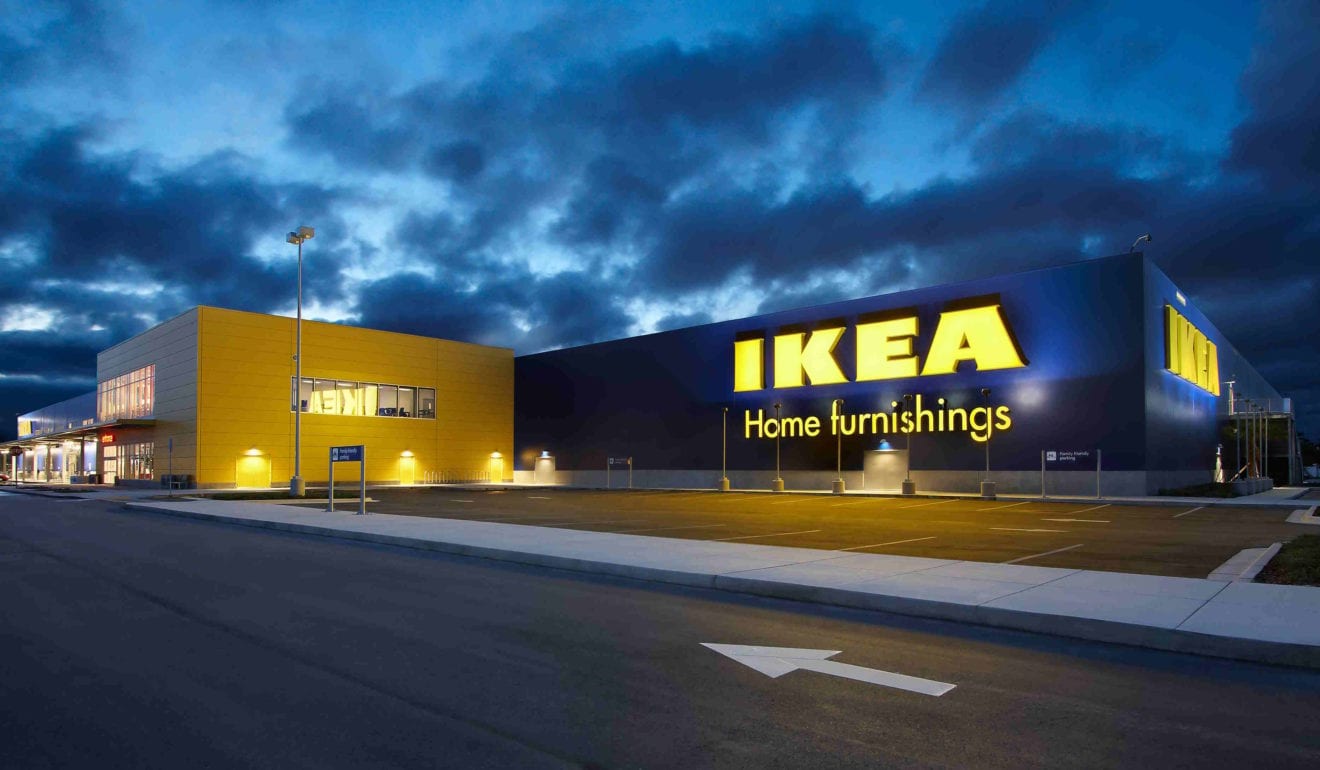
    Ikea is reviewing its entire $444 million global media account, which is currently split between a range of agencies across five different holding companies. WPP’s MEC retained Ikea’s media planning and buying duties in the U.S. following the last media review in 2009. Dentsu Aegis Network’s Vizeum won the U.K. business from WPP’s MediaCom in the same review, which took more than six months to complete. In Asia, Vizeum picked up the business in Singapore, Thailand and Malyasia in September 2015, after winning Korea a year earlier.

    The Swedish furniture retailer confirmed in a statement: “Ikea is currently in the process of reviewing its media agency suppliers globally. ID Comms, our media consultancy partners, will be helping us facilitate this process.”

    An executive familiar with plans for the review said media buying is currently split among agencies from five different agency holding companies.

    Ikea’s statement continued, “As part of our commitment to the ongoing improvement of our media and marketing governance, Ikea periodically evaluates all marketing service suppliers to ensure we maintain the best working relationships with the best agency partners.

    Creative duties on Ikea are not under review. Like the current media arrangements, creative is split between a number of different agencies around the world. New York, BBH Singapore, Buzzman Paris, Mother London, and Forsman & Bodenfors and Akestam Holst in Sweden have all created memorable campaigns for the brand.

    Ikea’s sales reached $35 billion in the year ending Aug. 31, 2015, with like-for-like sales up 5% on the previous year. Including new store openings, sales were up 11.2% last year.

    The company’s head of sustainability, Steve Howard, recently told a conference organized by The Guardian in London, “We have probably hit peak stuff.” He pointed to growing emphasis on repairing and recycling in future, while at the same time declaring a target of almost doubling sales by 2020. China and Russia are currently its fastest growing markets.

    Ikea is No. 66 in the ranking of Top 100 Global Marketers compiled by Ad Age’s Datacenter. In 2014, the vast majority of Ikea’s spending – 79% – was in Europe, with 15% in the U.S. and less than 2% in Asia.

    ID Comms also worked on the $2.6 billion global Johnson & Johnson pitch last year, and on the U.S. and European A-B InBev reviews in 2014.

  • DFS launches new Spring Galleria campaign

    DFS launches new Spring Galleria campaign

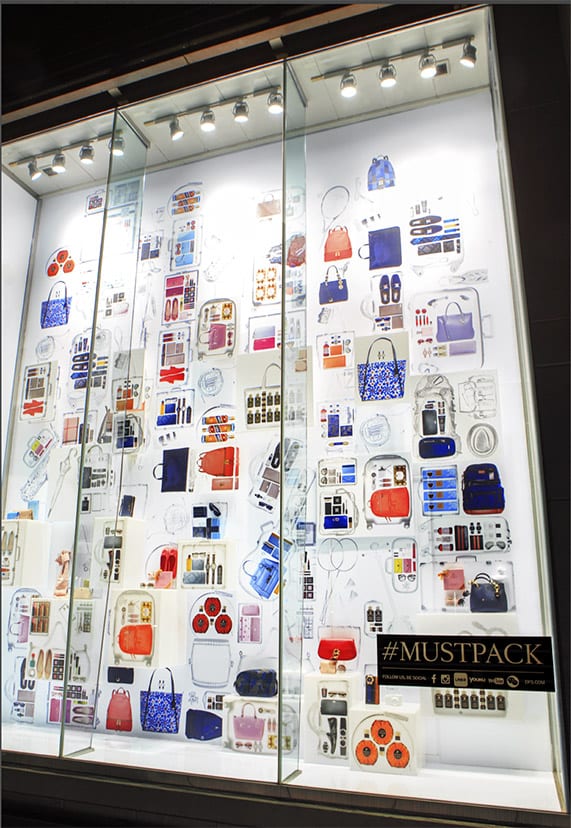
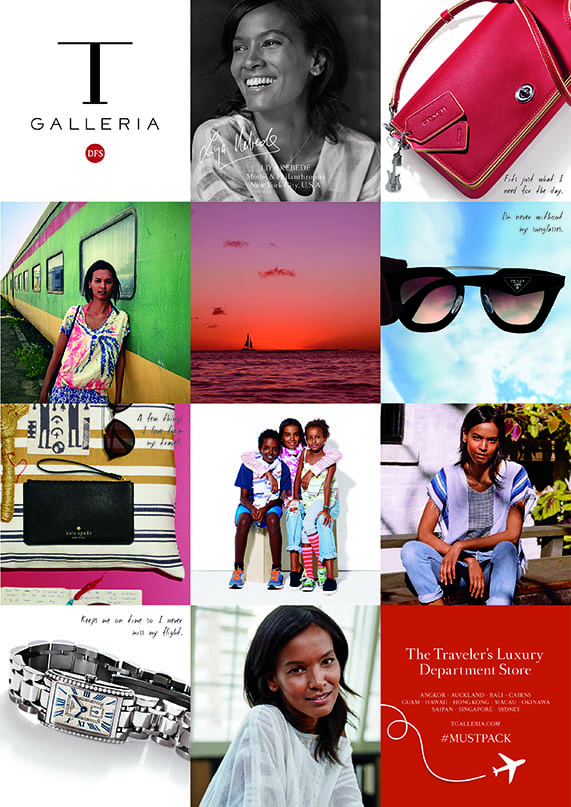
    DFS Group has announced its new Spring 2016 campaign tie up with three international influencers and global travellers to support and celebrate the launch of its new travel #mustpack concept – aimed at equipping travellers with the essentials ‘for wherever your journey takes you’.

    The new campaign features Ethiopian philanthropist and model Liya Kebede, Chinese model Zhao Lei and Chinese actress Chen Ran and is designed to provide DFS’ customers with a photographic inside track on these celebrities’ #mustpack journey choices, using photos and stories from their personal travels.

    DFS says that the campaign will run between March, April and May, allowing its customer to interact with the campaign in-store, online and through its social media channels.

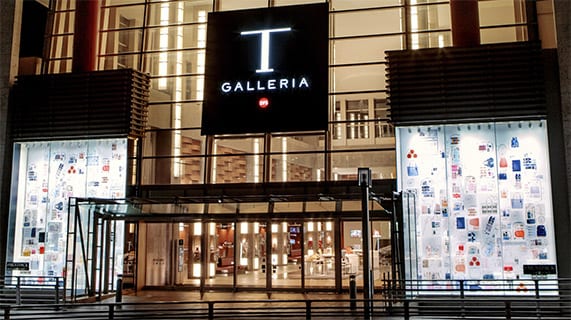
    T Galleria

    How the new T Galleria front window displays look in Hong Kong.

    Mustpack window close up

    A close up of the #mustpack store window display.

    Customers will also be able to connect with each influencer, as well as their travel destinations, plus the selected #mustpack products that will be available for sale at T Galleria by DFS stores

    Commenting on the campaign, John Gerhardt, Senior Vice President, Creative Branding Direction, DFS Group said: “This season we were particularly inspired by those #mustpack items you have to have with you throughout your journey.

    “We wanted to bring that story to life by showcasing Liya, Zhao and Chen’s love of travel through their own personal travel photos, as well their true travel #mustpacks.”

    ‘IMMERSIVE’ DIGITAL EXPERIENCE…

    The retailer says that the new campaign is being shown utilising three videos featuring Liya, Zhao and Chen, plus ‘an immersive digital experience’ at TGalleria.com where customers can discover the videos and travel guides as well as the season’s #mustpack products.

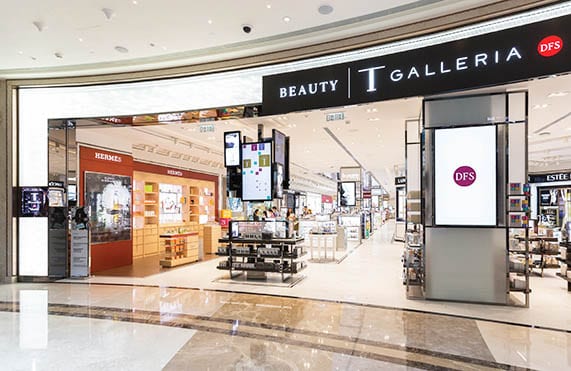
    DFS’ customers in Hong Kong will also be able to meet the influencers, with Zhao Lei set to host a shopping night at T Galleria by DFS, Hong Kong, Canton Road on March 17 and Chen Ren attending the T Galleria Beauty by DFS, Hong Kong at Causeway Bay on April 14.

    The campaign brands feature #mustpack products from 15 of DFS’ most popular brands, including Estée Lauder, Givenchy, Prada, Bulgari, Rémy Martin and others and DFS says this is ‘just a sample’ of the from the 700 brands across its ‘five pillars of luxury’.

    Adding her comments, Sibylle Scherer, DFS Group President Merchandising and Consumer Marketing said: “Our Spring 2016 campaign’s celebration of travel as well those essential items you have to bring with you along the way, truly brings to life everything our customers love about DFS.

    Big 2 T Galleria by DFS Spring 2016 Campaign Featuring Liya Kebede_verticalSTORES ‘PACKED’ WITH #MUSTPACK PRODUCTS

    “From fashion and beauty to watches and wines, our stores are packed with the #mustpack products that complete your journey and we’re thrilled that Liya, Zhao and Chen have joined with us to share that story this season.”

    DFS adds that its store windows now show “x-ray” views into the various suitcases displaying this season’s collection, while in-store customers encounter highlighted #mustpack products at multi-category display tables.

    These are designed to simulate the experience of unveiling products through an airport security x-ray machine.

    DFS concludes that this campaign will also run on social media, with T Galleria by DFS teaming up with various influencers in key DFS locations, such as Gaile Lok in Hong Kong, Halley Elefante in Hawaii and Andrea Chong in Singapore. They will also be giving away the season’s best #mustpack products for dedicated followers of @DFSOfficial.


  • Pomelo founders squeezed out

    Pomelo founders squeezed out

    Competing visions for the future of Pomelo have seen several founders forced out of the company in recent months amid allegations of physical intimidation, threatening emails and defamatory public statements. The Myanmar Times‘ RJ Vogt investigates what went wrong at Yangon’s best-loved social enterprise.

    One of Yangon’s most popular social enterprises, Pomelo, is being torn apart by an ownership dispute built on fundamental questions over how it should develop in the future.

    The founder, general manager and lead designer say they have been forced out of the business, locked out of the store and even physically intimidated in recent weeks as the dispute has escalated.

    According to the original Myanmar partner, however, the recent registration of the business as Pomelo Company Limited (PCL) and subsequent changes in management were necessary to protect its local partners from the business being placed “under a foreign entity”.

    In an interview with The Myanmar Times, Daw Thea Thea said she registered PCL in order to preserve what she believed was Pomelo’s original purpose: to create a producer-focused marketplace.

    “The worst part during the process of reforming governance was when they decided to register as a foreign company,” she said. “It felt like foreign people were taking over the shop. A lot of people raised the question – why does a foreigner want to be the owner of the shop?”

    But Pomelo co-founder Rachael Storaas says Pomelo was never going to be solely foreign-owned. She and her team had planned to set up a joint-venture in order to expand the company so it could provide more training and profits to a growing number of producers. It was always going to be a non-profit, Myanmar-focused business, she insists.

    “Pomelo is not about foreigners against Myanmar nationals,” she said. “It is about working together. It is to show that Myanmar products are successful, well-made, ethically produced products. And we helped to design, develop and sell these products.”

    During a messy and tumultuous February, both sides have sought legal counsel. The Myanmar Times was provided with threatening emails from a PCL adviser, in which the person suggested the recipient could face a protracted court case and deportation. Surveillance cameras at the store also showed the PCL adviser pushing Ulla Kroeber, the former lead designer, during an altercation on February 17.
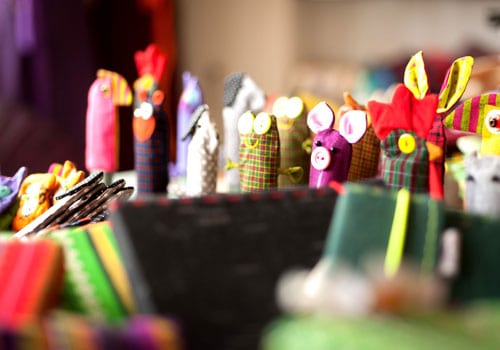
    The store remains open, but the website notes that those running it are not the ones who directed its growth for the last four years.

    The store remains open, but the website notes that those running it are not the ones who directed its growth for the last four years.

    Amid the dispute, the 50-plus producer groups who sell goods at Pomelo have been largely relegated to the sidelines, waiting to find out the future of the business that offered them an opportunity to sell their goods.

    Pau Son, from the upcycling group Shin Thant, said he was not consulted about the recent personnel changes. Other producer groups he has contact with were also in the dark, he said.

    “It’s really rude … It’s horrifying,” he said in an interview on February 24. “This is not Myanmar people’s style. The one thing I’m disappointed in is that they should have met with us before they did this.”

    Seeds of contention

    The struggle has roots dating back to the company’s establishment as a souvenir shop in 2013. Rachael Storaas and Annie Bell, the co-founders, envisioned Pomelo as a social enterprise that would offer Myanmar people a marketplace for sustainably sourced goods, such as recycled notebooks and decorative art. But because Myanmar lacked – and still lacks – the legal infrastructure to licence a social enterprise, Storaas and Bell teamed up with Daw Thea Thea to register the company as a souvenir shop with Yangon City Development Committee.

    Pomelo needed to be registered to a local because foreigners are not allowed to conduct retail operation in Myanmar, so the shop was set up under Daw Thea Thea’s name only.

    Daw Thea Thea says she had been considering setting up Pomelo as far back as 2008. She also organised the early discussions in 2012 that led to its registration the following year, she said.

    “This is a dream we all started together,” she said.

    In just two years, Pomelo rapidly grew from one producer group to more than 50. Ulla Kroeber, an architect from Germany, joined the team as the lead designer. Paula Camba served as a general manager before stepping down to be a volunteer, with Natalie Ortiz as her replacement. The company began to offer training in product design to its producer groups, as well as English lessons and other services. A location within, and then later next to, the popular Monsoon restaurant ensured a steady flow of tourist foot traffic. The shop was soon featured in The New York Times, Lonely Planet and TripAdvisor.

    It appears that producer groups may soon have a choice between Pomelo Company Limited and a new store, to be created by the ousted foreigners.

    It appears that producer groups may soon have a choice between Pomelo Company Limited and a new store, to be created by the ousted foreigners.

    By 2015, Pomelo was clearly outgrowing its souvenir shop status. Filling bulk orders from the United Nations proved near-impossible when the business bank account was technically that of a private individual. Exporting goods overseas required an export licence, which souvenir shops cannot apply for. The souvenir shop had only an unofficial board, comprising Ms Storaas, Ms Bell, Daw Thea Thea and other volunteers, that was often split on issues such as exclusivity agreements with producers. Ms Storaas even admits to harbouring concerns that Pomelo was not paying the appropriate amount of taxes because it was technically just a souvenir shop.

    Ms Storaas and her team began consulting with international law firm Baker & McKenzie for advice on changing the company’s structure.

    “I approached the law firm for assistance so that Pomelo could be, as properly as possible in Myanmar today, registered correctly with myself, Ulla Kroeber, Paula Camba and of course Daw Thea Thea as shared owners,” she said on February 25.

    British Council adviser Don MacDonald told the Pomelo leadership to consider starting two new companies in tandem. One would be a foreign-domestic joint venture, to handle all of Pomelo’s product development, producer training and expansion; the other, purely domestically owned, would handle the retail shop.

    “The aim of our work was to produce a draft constitution, which would involve local producers, along with a marketing plan and a plan for sharing ‘profits’ with local producers,” Mr McDonald said.

    But this proposal did not sit well with Daw Thea Thea and some others involved in Pomelo. She says she was not involved in the process – something that Ms Storaas refutes – and felt excluded from decision making. Bringing foreign ownership to Pomelo, in her mind, was a step away from the original purpose of serving local Myanmar people. She advocated splitting power three ways, between producer groups, Myanmar owners and foreign advisers. That’s when she says the foreign side increasingly began to freeze her out.

    But Ms Storaas says that the proposed changes came with several key stipulations to preserve local producers’ interests, including that the company would only benefit locals, that profits would always be channelled to develop production and that the new arrangement would be temporary until Myanmar laws allowed a better way to register a social business.

    She says Daw Thea Thea was explicitly promised at a December 11 meeting that “all profits would be reinvested back into the company” and given a week to think it over. The follow-up meeting never occurred, and by mid-January a new version of Pomelo had been registered with the Directorate of Investment and Company Administration. According to the DICA website, PCL was registered to the address of Helping Hands, a producer group run by Ms Bell, and had two board members: Daw Thea Thea and Daw Htar Htar of Akhaya Women’s Association.

    A hostile transition

    Two weeks later, Daw Thea Thea and Daw Htar Htar delivered letters of notice to Ms Kroeber, Ms Camba, Ms Bell and Ms Storaas, thanking them for their time and informing them that their expertise was no longer needed.

    Ms Kroeber described her firing at the store on February 4 as “aggressive”. Daw Thea Thea and Daw Htar Htar were accompanied by Ms Bell and Neil MacIntyre, who is listed online as the founder of a children’s nutrition drink company but had not previously been involved with Pomelo.

    The letter Ms Kroeber received gave her just four hours to hand over all company information, passwords and keys. Having been living in the Pomelo office while on extended work visits in Yangon, she was also forced out of her accommodation. Ms Ortiz – Pomelo’s only full-time, salaried foreign employee – received a similar letter, though her position was not terminated. Instead, she was instructed to report directly to the PCL board on all PCL-related matters.

    Pomelo’s iconic vinyl bags owe design influence to Ulla Kroeber, one of several foreign members of Pomelo’s team who has been forced out of the company.

    The first many people heard about the dispute was when Ms Storaas sent a mass email on February 7 giving her side of the dispute and explaining there had been a “difference of opinion” over the future direction of the store.

    The email said that the formation of PCL and the terminations were “in no way originating from the current Pomelo team. The team was furthermore not in any way consulted, nor were the community of producers.

    “There is a great risk of harm to Pomelo, a great risk to undo what has been achieved and at the end of the day a great risk to the income generated for an increasing number of vulnerable groups of producers,” she wrote.

    Shortly afterward, the threats began, Ms Storaas said. She received an email, signed as the “Pomelo Board”, telling her she could expect to face legal action, including defamation and charges under the Electronic Transactions Act.

    Mr MacIntyre followed up with an email on February 15, written in Norwegian, which Storaas speaks.

    “We are determined to ensure that you are kept in this country so that we can have a court case against you to reinstate our reputation,” he wrote. “This will be a slow process. Today, while you still can, you might want to get yourself out of the country.”

    Mr MacIntyre refused to confirm whether defamation charges had been filed.

    The Myanmar Times was also shown security camera footage of Mr MacIntyre pushing Ms Kroeber as well as her husband, Mr Hans ten Feld, in the Pomelo store on February 17.

    Asked for comment, Mr MacIntyre wrote in an email, “There are provisions in the Myanmar Penal Code where a person is allowed to use non-excessive force to prevent a crime against, or to safeguard the damage to property or person; himself or another.”

    He also explained that drawing distinction between “former management” and the “new Pomelo Company Limited” is incorrect.

    “There is no new Pomelo Company Limited. Let me emphasise that there was never a former management. There were usurpers who, by criminal use of force, took over illegal possession of the premises. This required the rightful entity to legally take repossession,” he wrote.

    A few days after the alleged altercation, local police contacted the shop staff, instructing them to hand over the keys to the store to the PCL board members. The lease to the shop was in the name of a Myanmar employee, rather than Daw Thea Thea or Pomelo. On February 20, this person was called to a meeting at Botahtaung police station, so she brought Ms Kroeber and Ms Storaas with her. They refused to give the keys without a written explanation from the police as to why PCL had the right to take over the premises.

    The police refused to put anything in writing and Daw Thea Thea and Daw Htar Htar left without the keys. By Monday, February 22, the shop’s locks had been removed and changed, according to the ousted foreign sides.

    Daw Thea Thea, Ms Storaas and an independent local lawyer confirmed the meeting with police took place. But multiple police officers at Botahtaung police station said they knew nothing about any dispute at Pomelo.

    What’s next?

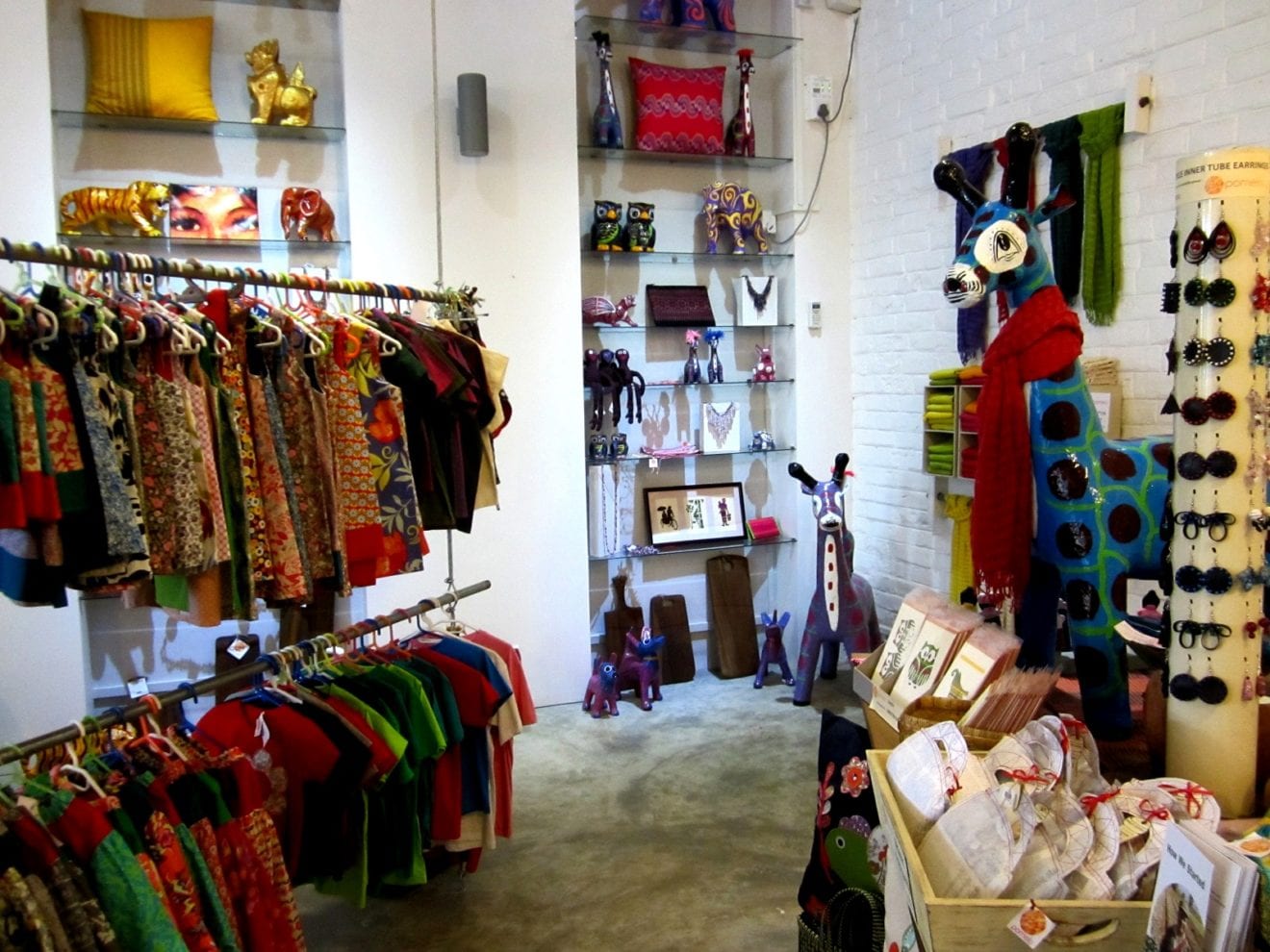
    For Pomelo Company Limited, it looked like business as usual yesterday afternoon. Tourists browsed papier mâché giraffes and trendy seat cushions, oblivious to the recent turmoil. Only the website shows signs of change, with a note pinned to the top stating that emails coming from “pomelopartnerships” are not from the group who ran the day-to-day operation for the past four years.

    Daw Thea Thea describes the past year as “a nightmare” and insists she does not “want to be in this situation”. She is sad that the foreigners have left their former roles, but feels it is necessary to preserve the mission of Pomelo.

    “No one is right or wrong but this is what has happened,” she said.

    In an earlier press statement, the PCL board said, “At this time when Myanmar transitions to a more open and just society, Pomelo can act as a strong example for Myanmar social business across the country.

    “Pomelo is in good hands and the Board wishes to thank its staff and producer groups for their great work, and the community for its ongoing support.”

    Ms Storaas, Ms Ortiz and Ms Kroeber have no legal claims to the Pomelo store, the products in the shop or the money that had been accumulated.

    Because Pomelo was always registered as a souvenir shop under Daw Thea Thea’s name, they have been advised by legal counsel to give up on Pomelo and start over with a different business.

    Ms Storaas, who says she never took a salary from Pomelo and did not get back the US$6000 she originally invested, said that K119 million ($95,967) is now under the control of PCL.

    But she insists that the “services, the ideas, the designs, the support and the training provided by the Pomelo team are no longer part of the shop” that is run by PCL.

    This Pomelo team is already laying plans for a new social business and is looking for partners and support. Some of that support may come from their producers, 24 of whom penned a letter on February 22 objecting to recent changes at the business.

    “We rely on the expertise of Pomelo foreign members in developing new items … This is what made Pomelo successful and we wish not to jeopardise this success through relying on local expertise only,” it states. “We wish to propose that the shop will be run again in the same manner as it was done before the 4th of February.”

    Pau Son reiterated that support in an interview with The Myanmar Times on February 24.

    “I will definitely not join these new Burmese guys,” he said. “You see, Ulla [Kroeber] is like a mother to us all. She is so kind and so sweet. She really does care about us. And what they did to her is really unacceptable. I would rather keep working with Ulla.”

  • Global duty free retailing to hit US$98 billion

    Global duty free retailing to hit US$98 billion

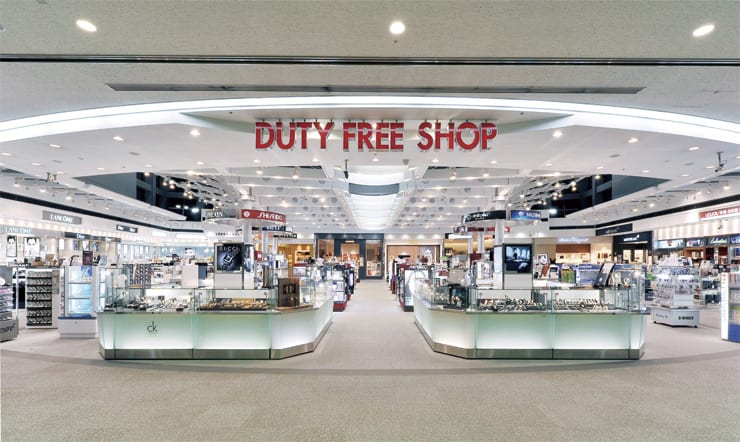
    Global duty-free retailing is expected to reach nearly US$98 billion in revenue by 2019, according to a new study by global technology research and advisory company Technavio.

    With the expansion of low-cost airlines, many middle-class travellers are taking inexpensive holidays, a trend that has helped the Asia Pacific and Middle East emerge as the fastest-growing regions for duty-free retail marketing, says Technavio analyst Vijay Sarathi.

    He says China, India, Indonesia, South Korea and Sri Lanka were among some of the most-desired inexpensive destinations in 2014.

    “During the same period, it is estimated that international tourist inflow in APAC increased to almost 263 million travellers, and it has largely helped the market grow until 2019.”

    Just released in London, Technavio’s report, Global Duty-Free Retailing Market 2015-2019, provides an in-depth analysis of market growth in terms of revenue and emerging market trends.

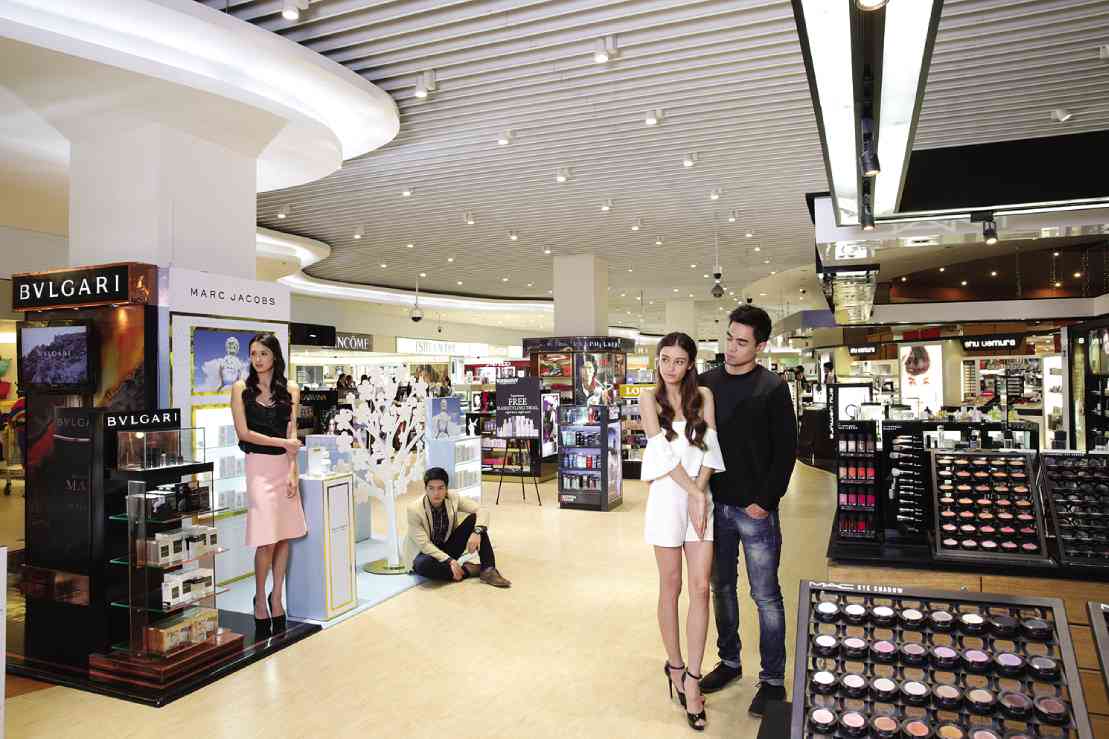
    By products, the global duty-free retailing market for 2014 comprised fashion accessories and hard luxury (32.1 per cent), perfume and cosmetics (29.21 per cent), wines and spirits (16.02 per cent), tobacco (12.43 cent), and confectionery and fine food (10.25 per cent), says the report.
    It says the fashion, accessories and hard luxury segment was valued at close to $20.81 billion, with the most in-demand products including precious jewellery, briefcases, handbags and shoes. The more popular brands include Armani, Burberry, Fossil, Gucci and Michael Kors.
    Technavio researchers say Chinese travellers emerged as the largest consumers of luxury brands last year, contributing nearly 25 per cent of global revenue.
    The perfumes and cosmetics segment is one of the fastest-growing categories in the global duty-free retailing market. APAC and the Middle East are the key regions for this category, with some of the top-selling brands including Chanel, Christian Dior, Estee Lauder and Guerlain.

    With close to 21.5 per cent of revenue share in the category, L’Oreal created a division especially for duty-free stores in 2013, describing the division as “the sixth continent”. In 2014, L’Oréal launched theVichy and Kerastase brands in the duty-free retail segment in Asia, and also launched the Three-Minute Beauty program to engage with potential luxury product buyers at airports.
    The liquor category is expected to grow to $13.47 billion in 2019. In 2014, Diageo opened two Johnnie Walker Houses in duty-free shops in India and Taiwan.

  • A parade of pandas aims to raise awareness in Thailand

    A parade of pandas aims to raise awareness in Thailand

    A parade of 1,600 papier-mache pandas will be touring Bangkok this month as part of a worldwide campaign for the conservation of the endangered species.

    Campaigning in a country that has no wild pandas at all may sound odd, but the message from World Wide Fund for Nature Thailand goes beyond just those cuddly creatures. Thailand is home to a vast population of wild animals, including Asian elephants and Bengal tigers. The panda campaign intends to raise awareness for the conservation of these species, too. At the end of the exhibition, all the pandas will be offered for “adoption” for 600 baht ($16.8) and the proceeds donated to WWF Thailand.

    The pandas, created with recycled materials by French artist Paulo Grangeon, represent the 1,600 or so that were left in the wild when the campaign was first launched in France in 2008. Since then, the art project has traveled to around 100 locations around the world and the number of wild pandas has increased to 1,864, according to the WWF.

    In the Thailand tour, the pandas will appear, flash-mob style, at 10 landmarks in Bangkok and the ancient city of Ayutthaya. They will be on exhibit for just three hours at each spot sometime between March 3 and 16.

    After that, the pandas will be on exhibition through April 10 at Central Embassy, an upscale shopping mall in Bangkok that belongs to retail giant Central Group.

    It is hoped that the pandas will also draw visitors to the mall, which opened just before the military staged a coup in May 2014. The country’s economy and consumer confidence have been sluggish since.

    “Pandas are cute, and the campaign will attract everyone from young children to families and tourists,” Barom Bhicharnchitr, managing director of the mall, said.

  • Singapore feeds first solar power into retail grid to reduce emissions

    Singapore feeds first solar power into retail grid to reduce emissions

    Singapore on Monday announced it had begun to feed solar power into its retail electric grid for the first time, as it seeks to reduce emissions and prepares to fully liberalize its electricity market.

    Singapore, one of the sunniest cities in the world, generates almost all its power from imported natural gas, with solar fuelling less than 1 percent.

    In countries like Germany and Japan, rooftop solar panels have helped boost capacity and bring record levels of renewable energy into the power mix.

    Under Singapore’s plan, commercial and industrial power users can purchase solar-generated power from the power grid. The power is generated through rooftop solar panels owned and operated by Singapore’s Sun Electric, the first solar company given an electricity retail licence, it was announced at an event held by Sun Electric and Singapore’s electricity regulator, the Energy Market Authority (EMA).

    Building owners can agree to place Sun Electric panels on their sites and the power generated can be sold onto the electric grid.

    “The EMA will continue its efforts to facilitate the entry of independent electricity retailers,” said Loh Khum Yean, chairman of EMA.

    Singapore aims to fully liberalize its electricity retail market in the second half of 2018.

    Singapore’s installed photovoltaic capacity has increased from just 1.5 megawatt (MW) in 2009 to 43.8 MW by the end-2015, enough to power around 14,000 four-room flats.

    The government aims to increase capacity to 350 MW by 2020, or about 5 percent of projected peak electricity demand, up from less than 1 percent now, according to EMA.

    At the Paris climate change summit in December, Singapore pledged to reduce its emissions intensity by 36 percent from 2005 levels by 2030.


  • Mohegan Sun-led scheme gets South Korean casino licence

    Mohegan Sun-led scheme gets South Korean casino licence

    The government of South Korea has awarded a licence to build a casino resort to a consortium between U.S.-based Mohegan Tribal Gaming Authority (also known as Mohegan Sun) and South Korean chemicals manufacturer KCC Corp.

    The new property is to be located in Incheon, near the country capital Seoul, the Ministry of Culture, Sports and Tourism said in a statement on its website on Friday.

    The country’s authorities had been reviewing an unspecified number of proposals for new casino resorts, submitted as part of an integrated resort licence bidding process initiated in 2015. There were up to two new casino resort licences up for grabs, but the South Korean government decided to grant only one.

    The licence allows the Mohegan Sun-KCC consortium to set up a foreigners-only casino.

    South Korea currently has 17 casinos, but the country’s nationals are only allowed to gamble at one of them – Kangwon Land in an upland area of Kangwon province.

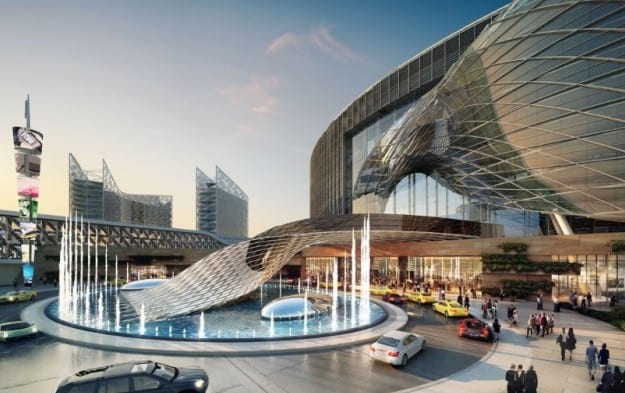
    The winning bid (pictured in an artist’s rendering) has a price tag of US$1.24 billion and includes a hotel, retail areas, a concert arena and venues for conventions, according to South Korea’s Yonhap news agency. The scheme is scheduled to begin operations by 2020.

    “We will closely monitor the project to help support the [winning consortium] in building a world-class integrated resort,” the ministry said, quoted by the news agency. “It is expected to boost the competitiveness of the South Korean tourism industry with various tourism infrastructure, such as a K-pop arena, a theme park and a convention centre.”

    There are already two casino projects proposed for Incheon.

    South Korean foreigners-only casino operator Paradise Co Ltd has linked with Japanese pachinko operator Sega Sammy Holdings Inc for a project in Incheon referred to as Paradise City and already under construction. The scheme, with a total area of 330,000 square metres (3.55 million sq feet), is presented in its official website as having a price ticket of KRW1.3 trillion (US$1.05 billion) and featuring a foreigners-only casino with 160 live table games, 388 electronic table games and 350 slot machines. It is scheduled to open in 2017.

    The other announced project for Incheon is the result of a partnership between U.S. casino operator Caesars Entertainment Corp and Hong Kong-listed real estate developer Lippo Ltd. Construction has not yet started. Analyst Grant Govertsen from Union Gaming Securities Asia Ltd said in a note on Friday “there are uncertainties currently associated with the Caesars project”.

    No regional impact

    Mr Govertsen said in his note following the South Korean government’s announcement that construction for Mohegan Sun-KCC’s project should begin in early 2017. The project has the working title ‘Inspire Integrated Resort’. It will be Mohegan Sun’s first venture outside of North America.

    KCC in November announced it acquired a 24.5-percent stake in Inspire Integrated Resort Co Ltd – a South Korean subsidiary of U.S. regional tribal casino operator Mohegan Sun – for a total consideration of KRW203.8 billion, becoming a joint venture partner in the casino resort project.

    The consortium has a commitment to spend a total of US$5 billion in South Korea over the next 20 years.

    Mohegan Sun’s project includes a 20,000-square metre casino with 250 gaming tables – including 40 VIP tables – and 1,500 slot machines.

    The casino resort will have a two-tower luxury hotel complex with 1,000 rooms, a 20,000-seat arena, and more than 18,500 square metres of shops, restaurants, art exhibition and music entertainment areas, including “a Korean village celebrating Korean food and music, and a Native American cultural and arts experience”, according to Mohegan Sun.

    Union Gaming said in its note it did not expect the three new casino resorts in Incheon to pose a material threat to Macau, Singapore or the Philippines.

    Mr Govertsen noted the ongoing decline in Chinese high roller play around the region. He added that none of the U.S.-based casino operators entering the South Korean market had a significant built-in base of VIP customers, being largely reliant upon mass-market customers to generate a return.

    He said: “Importantly for Macau, its mass market gross gaming revenue is driven primarily by southern China meaning that related persons are unlikely to divert to [South] Korea for gaming. Rather we would expect Incheon integrated resorts to draw from northern Chinese cities (e.g. Beijing, Tianjin) and from Chinese visitors already going to [South] Korea for purposes other than gaming.”

    In a January note, Morgan Stanley said new casino supply did “not bode well” for South Korea’s foreigners-only casinos, especially as the investment bank expected the number of Chinese high rollers to South Korean casinos to continue declining.

    Union Gaming’s Mr Govertsen also noted that the three casino projects for Incheon are not close to each other. “This suggests that there is unlikely to be the natural benefit associated with the cluster effect seen in markets like Las Vegas and Macau (e.g. driving increased visitation and therefore increased revenue).”

    He added: “However, operators who do not have a presence in Asia, like Caesars (coming in capital light) and Mohegan Sun, seem to be less risk averse and could be beneficiaries should [South] Korea ever green light locals gaming beyond the lone locals gaming licence issued to Kangwon Land – although we find this scenario to be highly unlikely for the foreseeable future.”

  • Philipp Selva Japan opens Aoyama store

    Philipp Selva Japan opens Aoyama store

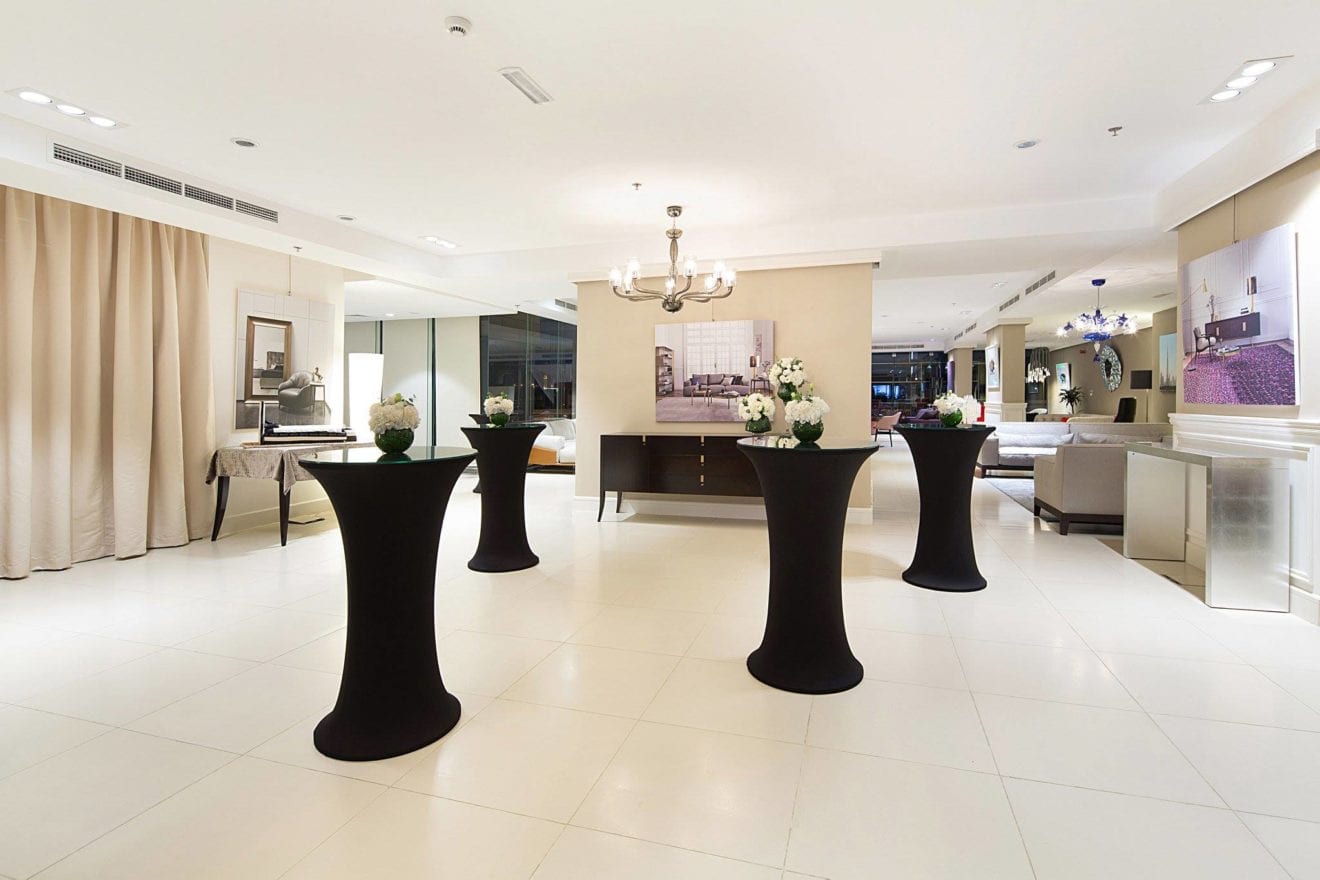
    Upmarket furniture design house Philipp Selva Japan has opened a dedicated store in Tokyo.

    Located in the Aoyama quarter, one of the city’s most elegant residential areas and home to high-fashion brands and architectural firms, the high-end store is surrounded by residences of its target customers.

    Philipp Selva at Aoyama Japan

    The Philipp Selva showroom features exclusive home furnishings and accessories with  a contemporary slant.

    Philipp Selva at Aoyama Japan 4

    Italian-headquartered Philipp Selva describes his designs as a “total living luxury concept”.

    “It is not a collection but a lifestyle concept, which is the protagonist of the most exclusive spaces; a concept that expresses through its products the sophisticated and perfectly balanced taste of deeply rooted craftsmanship, backed by almost 50 years of experience, always in step with a continuously evolving market,” the designer explains on his website.

    Philipp Selva at Aoyama Japan 1

    Philipp Selva at Aoyama Japan 2


    “Continuous research is one of the strong points of Philipp Selva, which distinguishes itself thanks to a unique concept that lends a discreet total living luxury mood to all spaces.”

    Philipp Selva at Aoyama Japan

    The brand was founded in 1968 and exports its furniture to more than 50 countries.

    Philipp Selva at Aoyama Japan 3

  • China duty free push

    China duty free push

    Nineteen inbound China duty-free shops have opened to serve domestic travellers returning home.

    The state’s Ministry of Finance announced the stores have been built in 13 airports including Guangzhou Baiyun, Hangzhou Xiaoshan and Qingdao Liuting, as well as six sea ports.
    Passengers can carry up to 8000 yuan ($1230) worth of duty-free goods, up from the previous 5000-yuan limit, when clearing customs, the ministry said, claiming that the shops feature more products than existing inbound duty-free outlets.

    Isetan Mitsukoshi Holdings says its stores served about 50 per cent more international duty-free shoppers from February 7 to 13 compared with the same holiday week last year, thanks to a spike from mainland China – but customer spend was 15 per cent less this time.

    Visitors from mainland China doubled to five million, helping Japan’s overall tourist numbers reach nearly 20 million – a target the government had hoped to achieve by 2020.

    Shopping by Chinese tourists at department stores and electronics shops last year created a buzzword, “bakugai”, or “explosive buying”, and came as a boon for Japanese retailers smarting from decades of sluggish demand from domestic consumers. However, China’s economy has since sagged to a 25-year low, with stock markets slumping mid-year.