Category: Living

Retail News Asia is committed to providing both local and global retailers with the latest Living news throughout the Asian market. This on a daily base.

  • Dynafit China appoints retail partner

    Dynafit China appoints retail partner

    Ski, mountaineering and backcountry gear manufacturer Dynafit has announced Blue Ice Adventure as its retailing partner for the Chinese market.

    It is part of the Swiss company’s strategy to expand its business in the Asia Pacific region, and it says in a statement that the collaboration is for five years.

    In South Korea, K2 was appointed as its retailer in October, the Dynafit also opened an office in Tokyo.

    It has plans to expand its exclusive sportswear and skiing gear outlets from 120 to 160 in the next two years.

    Dynafit China will showcase its three collections – Vertical Running, Alpine Running and Ultra Running – at the sports business trade show ISPO Beijing, from February 24 to 27.

  • Toys”R”Us® Opens Its 100th Store In China

    Toys”R”Us® Opens Its 100th Store In China

    Ten years after first entering the market, Toys”R”Us, Inc., the world’s leading dedicated toy and baby products retailer, today announced that the company has opened its 100th store in China. The milestone achievement was marked by a grand opening celebration event that took place Saturday, January 16, at the APM Shopping Mall in Wang Fu Jing, one of the leading retail districts in Beijing, where Toys”R”Us® opened one of its 27 new stores across the country within the past year.

    “It’s our mission to be the best toy and baby products retail company in the world, and international expansion, particularly throughout China and Southeast Asia, continues to be an important part of our long-term growth strategy,” said Dave Brandon, Chairman and CEO, Toys”R”Us, Inc. “The opening of the 100th store in China represents a significant achievement for our business as it allows us to meet the increasing demand for high-quality children’s products and family entertainment experiences in this market.”

    Toys”R”Us opened its first store in China in 2006 and currently operates in 44 cities throughout the country, including six where the company established a presence for the first time last year. China has been one of the most important markets for the company’s global expansion plans, and growth in this region is expected to continue with the planned opening of more than 30 new Toys”R”Us stores in 2016.

    “The grand opening of our 100th store is a major milestone for Toys”R”Us on our exciting journey in China,” said Andre Javes, Managing Director, Toys”R”Us, Greater China and Southeast Asia. “What differentiates Toys”R”Us as a specialty toy retailer is the memorable shopping experience we provide for our customers. This includes a combination of the widest assortment of toys and baby products, including exclusive items not available anywhere else in the market, fun store layouts, interactive in-store experiences, product displays and demonstrations, activities and more.”

    Attending the iconic 100th store opening ceremony in the heart of the Capital were: Dave Brandon, Chairman and CEO, Toys”R”Us, Inc.; Dr. Victor Fung, Group Chairman, Fung Group; Monika Merz, President, Toys”R”Us, Asia Pacific; Pieter Schats, Executive Director of Fung Retailing Ltd; and Andre Javes, Managing Director, Toys”R”Us, Greater China and Southeast Asia, along with many important business partners and executives from the toy industry.

    As part of the grand opening, families were also invited to meet and greet popular mascots such as Geoffrey the Giraffe, Ultraman, Barbie™, Ninjago Kai, Balala Emma and more.

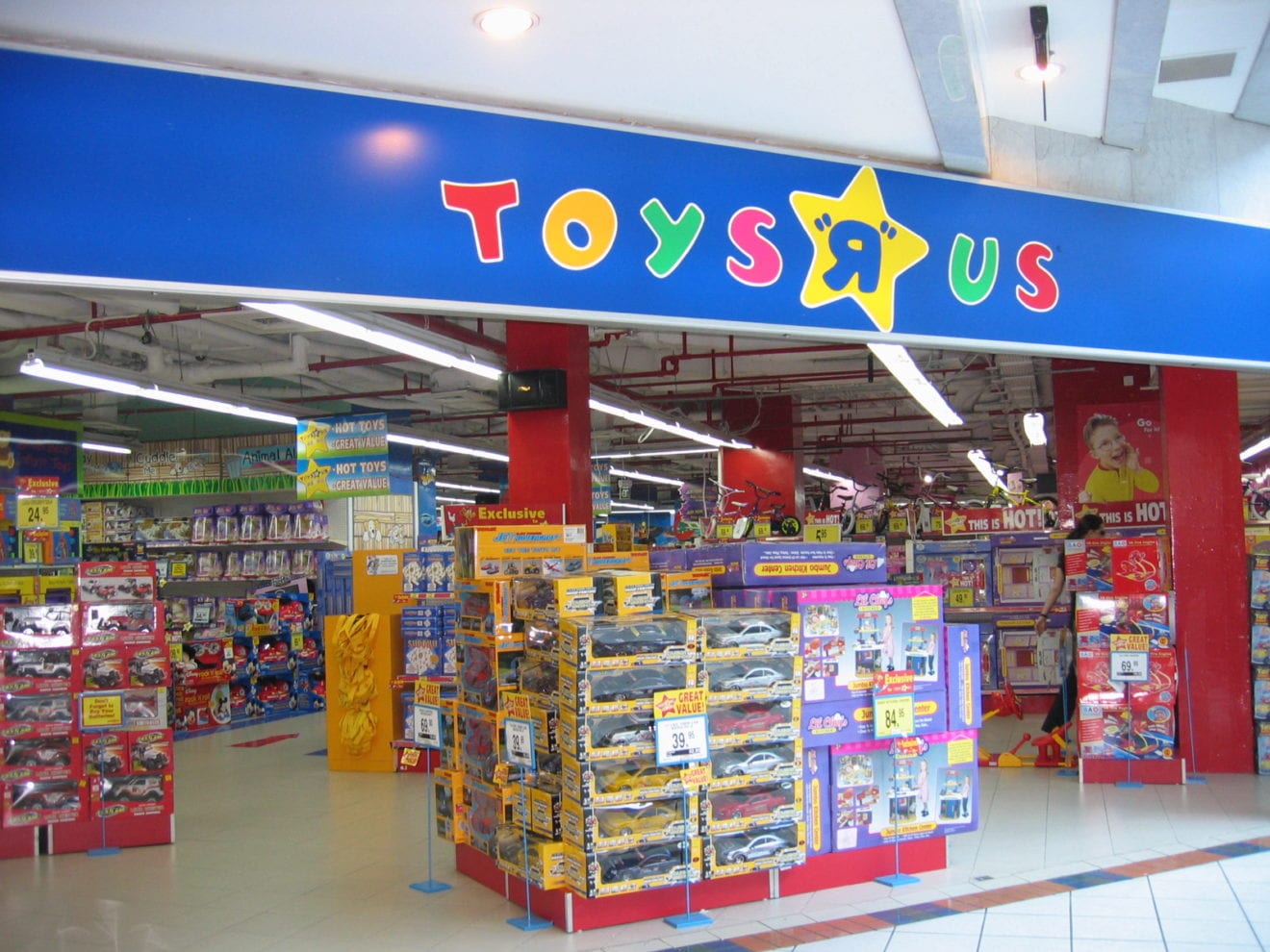
    Toys”R”Us at Beijing APM Shopping Mall Features Innovative Retail Environment
    The new store showcases the very latest in “retailtainment,” digital technology and customer interaction, making shopping at Toys”R”Us a unique and fun experience for kids and adults alike.

    Upon entering the store, customers are immediately immersed into the world of Star Wars™: The Force Awakens – the first-ever Star Wars movie released on the big screen in Chinese theaters – with life-size characters and dramatic scenes from the movie. Shoppers will also find interactive displays from LEGO® and TOMICA, a Balala magical mirror and more.

    Customers can further interact with the huge, 70-inch digital screen at the store entrance, enabling them to browse through promotional items, make purchases, take “selfies” with special photo frames, play games and easily become members of the company’s “Star Card” loyalty program.

    The Toys”R”Us store at Beijing APM also brings amazing exclusive products and assortments, which are not available anywhere else in the market. These private brands offer great value, quality and innovation from the Toys”R”Us brand consumers know and trust, and include FastLane®, Dream Dazzlers®, Universe of Imagination, Pavilion®, Just Like Home®, Edu Science®, You & Me, STATs® and Avigo®.

    In addition, consumers will find various new features throughout the APM mall, sponsored by Toys”R”Us.

    Toys”R”Us in China
    Toys”R”Us has been the leading dedicated retailer of toys and baby products around the world for more than 65 years. Toys”R”Us opened its first licensed store in Shanghai, China in 2006, and since then, has continued to expand aggressively in the country. In 2011, Toys”R”Us, Inc. formed a joint venture with its long-term license partner in China and Southeast Asia, Fung Retailing Ltd, for its businesses in the region, with stores in Brunei, China, Hong Kong, Malaysia, Singapore, Taiwan and Thailand, and became 70 percent majority owned and controlled by Toys”R”Us, Inc. and 30 percent owned by Fung Retailing Ltd.

    As of January 2016, the company has 100 stores in 44 cities across China, including: Beijing, Shanghai, Shenzhen, Chengdu, Chongqing, Hangzhou, Ningbo, Jiaxing, Jinhua, Shangyu, Nanjing, Suzhou, Nantong, Wuxi, Changzhou, Yancheng, Kunshan, Harbin, Shenyang, Changchun, Dalian, Tianjin, Baoding, Tangshan, Shijiazhuang, Zhengzhou, Jinan, Yantai, Zibo, Qingdao, Hefei, Wuhan, Changsha, Luzhou, Ganzhou, Xi’an, Kunming, Nanning, Guangzhou, Xiamen, Fuzhou, Zhuhai, Jinjiang and Zhongshan.

    Enhanced e-Commerce Business and Omnichannel Capabilities in the Chinese Mainland
    Toys”R”Us launched a T-mall Store in April 2012 and its own dedicated e-commerce website at Toysrus.com.cn at the end of the same year. Toys”R”Us, China also operates a mobile-optimized website, enabling tech-savvy consumers across the country to easily shop while on-the-go. Additionally, the company uses its “Ship from Store” capabilities to effectively transform the country’s existing Toys”R”Us stores into mini distribution centers by leveraging their inventory to fulfill online purchases.

    Now, millions of Mainland customers can access a wide assortment of toys, along with product authenticity and a toy safety guarantee from Toys”R”Us.

    Full Range of Toys
    Toys”R”Us provides a broad assortment of products from trusted domestic and international brands for children and their parents in China. Stores feature enticing product displays, demonstrations, “see-me touch-me” packaging, and a large number of products that are only available at Toys”R”Us. All products are made to the highest quality standards and have passed all required safety tests.

    As a global retailer, Toys”R”Us ensures country-by-country shopping patterns are taken into account at the local market level. Parents in China place great importance on the educational value of toys that help children learn and develop skills while they play. Within its Learning category, Toys”R”Us provides among the most comprehensive and widest selection of educational toys, including many uniquely designed by the company’s in-house team. These toys encourage skill development such as learning languages, mathematics, geography, color-differentiation and coordination.

    Digital and New Media Platforms
    Digital and new media is a booming business across China, with rapid growth of brands and stores across e-commerce websites and online instant messaging platforms.

    Mr. Javes also commented, “Toys”R”Us has 1 million followers in WeChat and continues to grow. WeChat followers have been expanding rapidly within the recent two years and we are seeing more than 80 percent of members join in our “Star Card” Membership Program via this social platform, where they can easily play our WeChat game, get the latest promotional information and explore bonus features, which enhance the fun of digital interaction. Along with the fast development of digital platforms such as mobile internet in China, we will continue to engage and excite our consumer on all their digital devices.”

  • Foreign Investors Eyeing Indonesia’s Movie Theater Industry

    Foreign Investors Eyeing Indonesia’s Movie Theater Industry

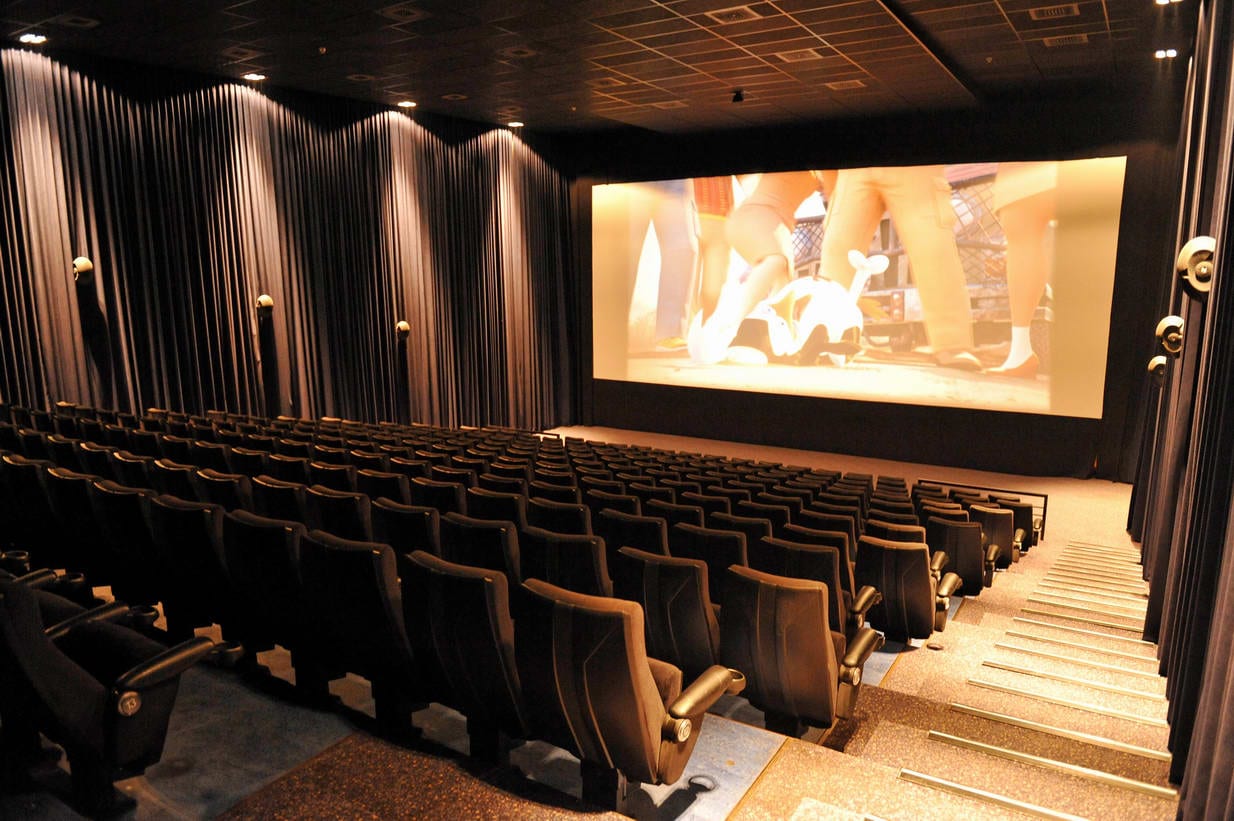
    Foreign investors have had their eyes on Indonesia’s movie theater business for quite some time now. According to the information collected, there are investors from South Korea, Germany, Britain, and India that have made approaches; expressing their desire to invest in the industry.

    One of said foreign investor is Lotte Group. In 2012, the group made aggressive approaches to the government, with plans to open up to 100 cinemas in Indonesia.

    In mid last year, Deutsche Bank and Rothschild Group expressed their interest to provide US$ 100 million for the expansion of Cinemaxx, a cinema network owned by the Lippo Group. Using that fund, Cinemaxx aimed to open 2,000 theaters over the next ten years.

    Endah W. Sulistianti, the deputy for Regional Inter-Agency Relations and Creative Economy Agency, confirmed that foreign investors are attracted to Indonesia’s movie theater business. However, the law prohibits the industry from being entered by foreign investors.

    “Right now the government is discussing over the possibility of allowing foreign investment in the cinema business,” she said last week.

    Hilmar Farid, Director General of Culture, said that the government actually has no problem with foreign involvement in the industry—provided that it poses no harm to national interests. He said it is important to make sure that if foreign investment is allowed, Indonesian cinemas will not only play foreign films.

    “There needs to be clear regulations and the sharing scheme must be clear as well,” Hilmar said during his interview.

  • Tourism has recovered 100 pct after Jakarta bombing

    Tourism has recovered 100 pct after Jakarta bombing

    Tourism Minister Arief Yahya said the Indonesian tourism had returned to normal and recovered 100 percent after the terror acts and bomb explosions in Thamrin Boulevard in Central Jakarta last Thursday.

    He said that Jakarta, particularly area around Thamrin Boulevard, has returned to normal after it was rocked by the January 14, 2016 suicide bombing and shootouts between police and terrorists.

    The normal condition is like what many people in the social media have described that Jakarta has returned to normal life as usual days.

    “Many people even thronged the bomb explosion site of the police station to take their profile pictures,” the minister said.

    During the car-free day on Sundays in the Thamrin Boulevard residents usually use the HI Traffic Circle, National Monument Square and Senayan as points of gathering.

    But this time (Sunday Jan.17), they changed their points of gathering. The police station at the intersection where the suicide bombing occurred on Thursday became their favorite point of assembling.

    According to the minister the Jakarta residents are clearly not afraid. They have no doubts to have their picture with the bombing site as the background. They could later change their profile pictures on the social media, he said.

    “So, the security condition has really returned to normal. Residents can act personally to report the facts and real condition in the Internet through their twitter accounts, facebook, instagram, path, pinterest and others,” the tourism minister said.

    On Thursday (Jan 14), two terrorists launched suicide attacks on a police station in Thamrin Boulevard near the Sarinah Department Store, which was followed by a shootout between three other terrorists and the police at the Starbucks Coffee shop adjacent to the Sarinah Department store.

    Within hours, the police were able to thwart the attackers, shooting to death three of them while two others died in the suicidal bombing. The incident also left three civilians dead (one died at a hospital three days later) and 32 injured, including police personnel.

    Jakarta Metropolitan Police Command Chief Inspector General Tito Karnavian has confirmed that the terrorists who orchestrated the attack in Jakarta on Thursday were linked to the ISIS terror group.

    “Our team is now on the lookout for members of this terror network who are linked to the ISIS group in Raqqa,” he stated during a press conference held at the presidential office following a meeting led by the president on the issue on Thursday evening.

    He said the ISIS group had changed its strategy. They earlier operated only in Syria and Iraq, but after their leader, Abubakar Baghdadi, ordered them to spread their activities outside Iraq and Syria, they had begun setting up ISIS terror modules across the world, he explained.

    “The terror cells can be found in France, Europe, North Africa, Turkey as well as Southeast Asia, including Indonesia, Malaysia, the Philippines, Thailand, and other countries,” he pointed out.

    In Southeast Asia, there is a figure keen to set up a “Khatibah Nusantara,” and he wants to be the leader of the ISIS group in the region.

    “Of late, a rivalry for leadership has developed. In the Philippines, they have set up a terror module in South Philippines, and now, multiple people are competing for leadership. In this connection, one of the ISIS figures launched these attacks. Meanwhile, we have identified the group, and we are still tracking them down,” Tito affirmed

  • Yoo hits the road to promote export plan

    Yoo hits the road to promote export plan

    With a hard hat on, Finance Minister Yoo Il-ho showed up at the Pyeongtaek port in Gyeonggi early Friday morning, just as Kia cars were being readied for the ships that would take them to overseas markets.

    He met with local government leaders and businessmen whose companies specialize in exports, including Panda Korea, a China-based online retail company; Korea FT, an auto parts manufacturer; Dongwoo Fine Chem, a semiconductor developer; and Sinokor Merchant Marine at the Pyeongtaek Port Marine Center.

    Yoo listened to the hardships they face, such as delays in receiving government certificates of product origin and the lack of a bilateral trade agreement with South American countries, over warm bowls of porridge.

    The meeting lasted two hours, an hour longer than initially planned.

    “Our new team will focus on looking for new export products and markets that will boost Korea’s overseas trade,” Yoo said. “Koreans have a certain DNA that allows us to turn adversity into opportunity.

    “We need to undertake structural reforms in order to avoid following Japan’s long stagnation.”

    Yoo’s visit to the port city came a day after he was officially sworn into office as the nation’s finance minister and deputy prime minister for the economy. At the event held Thursday at the Blue House, Yoo promised to focus on bolstering the country’s exports to achieve the targeted 3.1 percent economic growth.

    Yoo’s plan was a marked change from predecessor Choi Kyung-hwan, who unveiled numerous policies the moment he took office in July 2014, including a supplementary budget, lowering the key interest rate and increasing tax cuts, aimed at pushing economic growth through expansion of the domestic market.

    But during Choi’s tenure, Korea’s exports declined for 12 straight months. As the Korean economy is believed to have grown at around 2.7 percent in 2015, it became evident that were are limits to how much economic growth could be generated solely from the domestic market.

    Yoo told the businessmen that he plans to encourage the expansion of online commerce, which will contribute to increasing exports.

    “The government will utilize the Korea-China free-trade agreement and take advantage of Chinese consumer market, which amounts to $6 trillion,” the minister said.

    Later that afternoon, exports were again one of the key issues discussed during Yoo’s first meeting with Bank of Korea Gov. Lee Ju-yeol at the Korea Federation of Banks’ club in Myeong-dong, central Seoul.

    “When I was [in Pyeongtaek], it felt as if we really didn’t have to worry about exports,” Yoo told Lee. “But I get worried when I read the numbers.”

    The finance minister added that he was concerned by the fact that exports in 2015 fell 7.2 percent year-on-year.

    Lee told Yoo that during his recent visit to Basel in Switzerland to attend the Bank for International Settlements meeting, he learned that other countries consider Korea’s economy to be doing better relative to other nations.

    “When I said that Korea’s economic recovery was weak, other participants asked what Korea was concerned about,” Lee said. “They meant [that perspective on an economy] is relative.”

    Lee quickly added, however, that this didn’t mean that he or the finance minister was looking at the Korean economic situation with optimism.

    “We both agreed that the economy is in a difficult state,” Yoo added. “We’re faced with a situation where the G2 risks and uncertainties in emerging markets are overlapping with North Korea’s nuclear test,” the finance minister said.

    “We shared the view that we are at an important point in time where we need to overcome structural problems, including the changes in the global economic structure, changing population structure and weakening foundation of the domestic economy.”

    Later that afternoon, Yoo left for China, which would be his first official visit overseas as the nation’s chief economic policy maker.

    Yoo flew to Beijing, where he will be attending the official launch of the China-led Asian Infrastructure Investment Bank.

  • Singapore developer plans healthcare hubs in 20 to 40 Chinese cities

    Singapore developer plans healthcare hubs in 20 to 40 Chinese cities

    Less than a year after making its first foray into China’s healthcare sector, Singapore developer Perennial Real Estate Holdings has now set ambitious goals for itself: to set up integrated healthcare hubs in 20 to 40 Chinese cities.

    The concept will be similar to that of the Perennial International Health and Medical Hub in south-western Chengdu city, which is touted as the largest integrated healthcare development in western China with 280,000 sq m of gross floor area.

    Located next to the Chengdu East high-speed rail station, the hub will include eldercare homes, hotels, serviced apartments, commercial offices and retail.

    Perennial chief executive officer Pua Seck Guan said at a briefing yesterday that the company is already in talks over similar projects in several cities.

    He hinted that they are provincial capitals and located in the western regions.

    “The projects should be located around transportation hubs to reach a sizeable population. Also, a capital city can provide sufficient human resources for hospitals,” said Mr Pua, at a media briefing yesterday after Perennial secured key tenants for its Chengdu project.

    Perennial, whose businesses were largely retail, residential, office and hotel till its entry into healthcare last July, entered a joint venture on Thursday with two Chinese firms – Shanghai Summit and Shanghai RST Chinese Medicine – to operate the eldercare segment of its Chengdu hub.

    Yesterday, Singapore healthcare operator Parkway Pantai held a lease-signing ceremony to set up the ParkwayHealth Chengdu Hospital that will occupy 48,000 sq m and provide up to 350 beds.

    It will be the first foreign tertiary hospital in western China and also a first for Parkway Pantai, which is a subsidiary of IHH Healthcare, the world’s second-largest healthcare operator by market capitalisation.

    Parkway Pantai Group CEO Tan See Leng said in his speech that the company is investing 900 million yuan (S$197 million) into the hospital, which is targeted to open next year. He added that the company decided to expand into Chengdu as it is one of the fastest-growing cities in western China and that the location at the Chengdu East rail station is ideal, providing transport to some 148 million people within a two-hour train ride.

    Mr Pua said Perennial and Parkway are working together because they are familiar with each other’s strengths, which is crucial for their first healthcare project and first hospital in China, respectively.

    Now with the key tenants settled, the next step is to ensure that the hub, which is set to complete construction this year, would be able to provide top-notch medical treatment and quality service, said Mr Pua.

    He also outlined potential challenges, such as the need to keep costs low as Perennial has to operate the hub over time, instead of just building and selling properties.

    “Another challenge is to win stakeholders in those cities over to our concept.”

  • Giant Malaysia plans six new hypermarkets

    Giant Malaysia plans six new hypermarkets

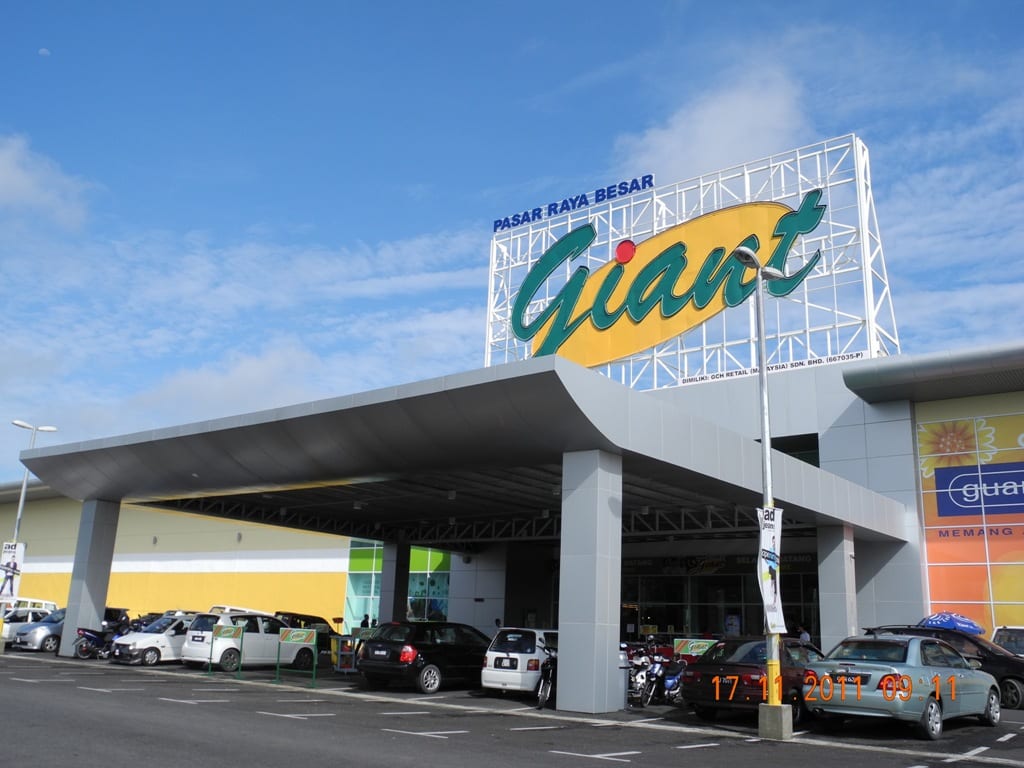
    Malaysian retailer GCH Retail plans to add six stores to its Giant hypermarket network this year and relaunch 28 outlets.

    The new Giant Malaysia stores will open in Setapak (Kuala Lumpur), ICangar (Kedah), Kota Baru (Kelantan) and Jeneh (Terenggam), with the other two sites yet to be revealed.

    Operations director Ernest Potgleter said this week that Giant decided to relaunch its stores after customer complaints they had started to look outdated.

    “We have to revive the business. The stores have not been refurbished for five years, and It is time for a new look.”

    Giant Malaysia serves 23 million customers a week, and Potgleter said the group has to be cheaper than other retailers while providing good service, good products and a good instore environment.

    He was speaking at the relaunch of Giant Hypermarket Shah Alam, in the Selangor state capital, which has been refurbished at a cost of RM2.5 million ($568,000).

    General merchandising director Lee Slew Mei said the store’s layout had been changed to make shopping a one-stop experience for its customers.

    “Child-related products are put together, and we have a seasonal promotional area. A back-to-school promotion is running for six weeks with related products, including stationery, school bags and uniforms, all in one place.”

    At the same time, Giant had brought in new ranges, some of them exclusive, said Lee Slew Mei.

    “We have the O’Fresh range which comes directly from farms in Cameron Highlands. The vegetables do not go through distribution centres so are of better quality and the price is also lower.”

  • Aeon booms despite ‘harsh’ retail conditions

    Aeon booms despite ‘harsh’ retail conditions

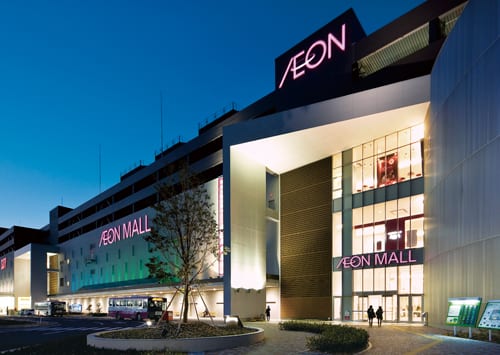
    Against a background of rising consumer prices, harsh retail conditions and increased competition in the shopping centre industry, Japanese developer Aeon opened four new malls in its home country last year and expanded regionally.

    It also renovated existing malls in Japan, and set up promotional programs to stimulate the market.

    Overseas, the company has been working to establish a business foundation with the aim of attracting customers to its malls in China and the ASEAN region, which it reports have been performing well. It has also added three malls in China, opened its first mall in Indonesia and launched its third in Vietnam. It has also announced plans to build a new luxury mall in Bangkok.

    Aeon’s operating revenue for the three quarters totalled 167,704 million yen ($1.4 billion), which is a 113.4 per cent year-on-year increase.

    However, because of expansion, operating costs rose 116.8 per cent year on year to 120,848 million yen, resulting in a gross profit of 46,856 million year (up 105.6 per cent).

    But in an extraordinary loss, the company incurred expenses of 1838 million yen when it closed Aeon Mall Neyagawa and Aeon Mall Fujidera, both in Osaka. This led to a decline in net income to 14,944 million yen (83.8 per cent).

    Several new malls were opened, including, in March, Aeon Mall Asahikawa Ekimae in Hokkaido, which is directly connected to a railway station; in April, Aeon Mall Okinawa Rycom, which has the concept of being a fully fledged resort mall; and in July, Aeon Mall Tonami, Toyama. As the Hokkaido and Okinawa malls are in leading tourist spots, their services were bolstered for foreigners. Meanwhile, the Okinawa mall has started accepting group tours in co-operation with nine travel agencies.

    Replacing Aeon Tonami Store, which closed in 2013, Aeon Mall Tonami opened in an area undergoing urban development, and in October opened Aeon Mall Shijonawate in Osaka, which has one of the largest food offerings in the region.

    Aeon also renewed five malls in the third quarter in addition to the six malls upgraded during the first half, including Aeon Lake Town in Koshigaya City. This comprises three individual malls – Kaze urban mall, Mori lifestyle mall and the Lake Town Outlet – making the complex one of the largest shoppings malls in Japan.

    Overseas, Aeon saw its revenue rise to 7795 million yen (up 186.4 per cent) in China, with an operating loss of 2994 million yen. Openings included Aeon Mall Suzhou Yuanqu Hudong, its second mall in Jiangsu Province, in May; Aeon Mall Beijing Fengtai, its second mall in the capital, in September; and Aeon Mall Hangzhou Liangzhu Xincheng, its first mall in Zhejiang Province, in November. This brings its number of malls in China to nine.

    A series of explosions on August 12 damaged part of Aeon Mall Tianjin Teda. Business was suspended, but general merchandise store Aeon resumed selling food and daily necessities on September. Business resumed for the rest of the mall on November 1.

    ASEAN business saw a revenue rise of 493.1 per cent to 2617 million yen, with an operating loss of 729 million yen. In October, Aeon Mall Long Bien became its first outlet in the Hanoi area and the third in Vietnam.

    Aeon Mall Phnom Penh opened in June 2014 as the company’s first mall in Cambodia, attracting more than 15 million customers in its first year. In Indonesia, BSD City in Tangerang, Banten Province, which opened in May as the first Aeon mall in Indonesia, also performed strongly.

    In its fiscal statement, the company says overseas business is considered as the driver of future growth, but is still at the stage of upfront investment and has yet to contribute to profits.

    In its information on its operating forecast, the company talks about its development plans for the Aeon Mall Tokoname in Japan, which opened in December. There was also an extension to the Aeon Mall Chikushino in the Fukuoka Prefecture, plus a revamp.

    Meanwhile, the company aims to cut costs through improved operations using the economies of scale with more than 140 malls in Japan.

    In China, also in December, the company opened Aeon Mall Wuhan Jingkai as its second property in Hubei Province, and Aeon Mall Guangzhou Panyu Square as its first mall in Guangdong Province. This month it is opening its third mall in Jiangsu, Aeon Mall Suzhou Xinqu, and plans to roll out dominant stores in Beijing-Tianjin, Jiangsu Province-Zhejiang Province, Hubei Province and Guangdong Province.

    In the ASEAN region, construction work has started on Aeon Mall Jakarta Garden City with another mall planned to open in Bogor, West Java Province, in October. New malls are also planned for Vietnam and Cambodia.

  • Savoir Beds Hong Kong showroom opens

    Savoir Beds Hong Kong showroom opens

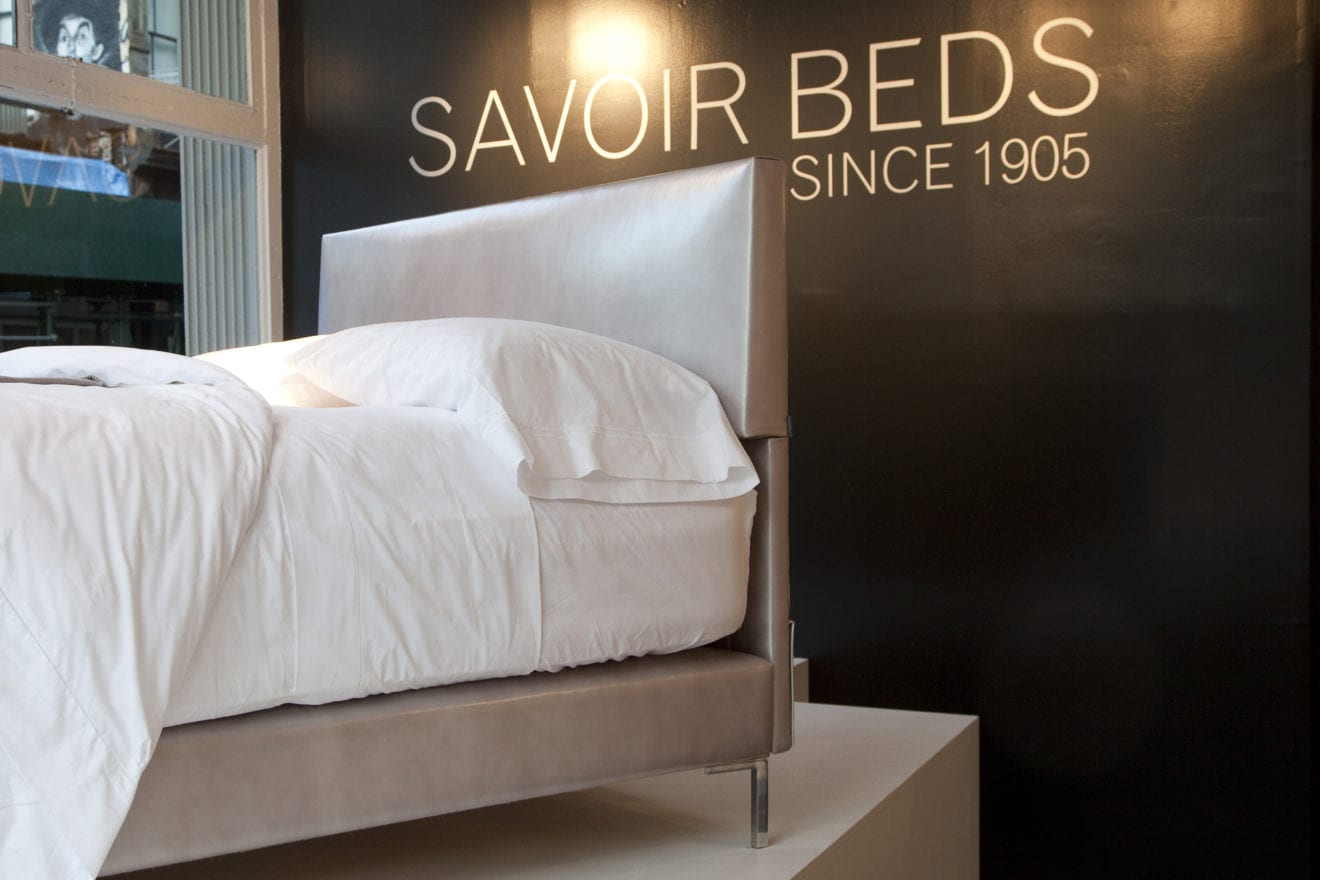
    Luxury British bed maker Savoir Beds has expanded its Asian footprint, opening its first showroom in Hong Kong.

    Savoir already has a presence in Asia in Korea, Taiwan, Mainland China and India.

    The new 150 sqm showroom in Ap Lei Chau, Aberdeen Island, is located in the Horizon Plaza, a multi-storey mall featuring high end furniture, furnishings and fashion.

    Savoir Beds’ Hong Kong partner is Brandon Chau, described as a flamboyant local businessman and socialite.

    The fitout features signature Savoir Beds touches, including subtle hints of gold, contrasted with traditional craft displays. Six beds feature in full display.

    Savoir Beds


    “We’re thrilled to have continued our worldwide growth to Hong Kong – which is known as one of Asia’s most thriving shopping destinations,” said Alistair Hughes, founder and MD of Savoir Beds.

    “We are delighted to be working with Brandon, someone so well connected with the city’s movers and shakers. We have every faith that this new venture will be very prosperous for the Savoir brand and hope its fantastic location continues to flourish.”

    The Hong Kong store takes Savoir’s global network to 14 showrooms.

  • Indonesia Wants Netflix to Open Office, Pay Tax

    Indonesia Wants Netflix to Open Office, Pay Tax

    If Netflix wants to obtain a but, the company must obey local regulations, such as opening an office and hiring employees. Furthermore, it must also obey tax regulations, which means every transaction with Netflix in Indonesia will be taxed.

    According to Kompas.com, the obligation to have a business license also applies to other over-the-top Internet-based services, such as Google and Facebook.

    These permanent businesses are required to pay corporate income tax and value added tax for every transaction made in Indonesia.

    Netflix’s video-streaming service went live in more than 130 countries, including Indonesia, last Wednesday as chief executive Reed Hastings aimed to counter slowing growth in the US.

    Indonesian users can choose from three monthly subscription plans on Netflix, with the basic plan priced at Rp 109,000 ($8) per month.

  • Komodo Island named Indonesia`s main marine tourist destination

    Komodo Island named Indonesia`s main marine tourist destination

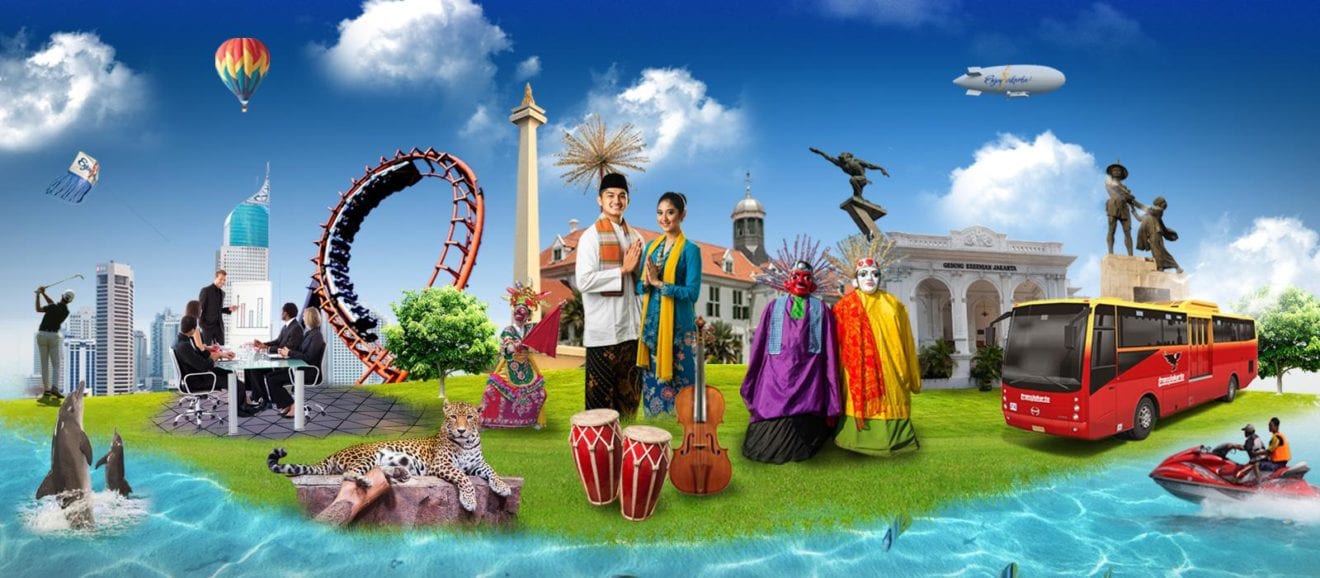
    The Ministry of Tourism has mapped Komodo Island as one of the 12 major marine tourist destinations in Indonesia.

    The other destinations included in the list are Wakatobi in Southeast Sulawesi, Derawan in East Kalimantan, Raja Ampat in Papua, Nias in North Sumatra, Mentawai in West Sumatra, Ujung Kulon in West Java, Anak Krakatau in Sunda Strait, Tomini in Central Sulawesi, and Bali and Lombok in West Nusa Tenggara.

    “The twelve islands are included in the blueprint of the marine tourism development plan for natural resources and creative economy in promoting the brand Wonderful Indonesia,” Welly Rame Rohimone, acting head of the provincial tourism and creative economy office, stated here on Tuesday.

    Komodo Island, the natural habitat of the Komodo dragon (Varanus kommodoensis), has been selected as one of the new seven Wonders of Nature. The tourist area is ideal for diving and cruise tourism.

    “East Nusa Tenggara will be developed as Indonesias tourism gateway besides Bali, West Nusa Tenggara, and ten other islands,” Rohimone noted.

    The Komodo dragon in Komodo National Park can be found on the islands of Rica, Padar, and Komodo.

    “Sail Indonesia, being held since 2009, has also been organized in East Nusa Tenggara in 2013 under the name of Sail Komodo,” he emphasized.

    Komodo Island, with a land area of 390 square kilometers, has a population of over two thousand.

    The island has a beach with sand that appears pink as it contains a mixture of white sand and red sand, formed from pieces of Foraminifera.

  • Europe’s Decathlon sets opening date

    Europe’s Decathlon sets opening date

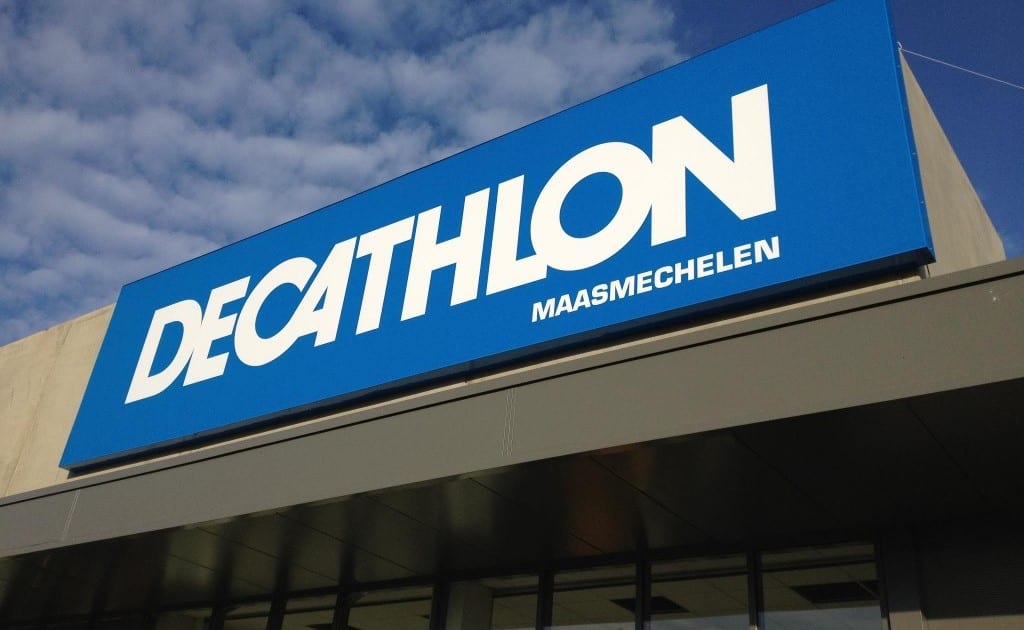
    Europe’s leading sports retailer Decathlon will open its first Singapore store on January 16.

    It follows the unveiling of five stores in Thailand in the two months prior to Christma, as the UK-based retailer builds its Asian footprint.

    Few details of the store have been released, but the accompanying photograph of the first bangkok shop gives readers an idea of how the interior will look.

    The company describes the new flagship as “Singapore’s first sports megastore with 50 sports under one roof” including football, water sports, trekking, running, road biking and golf. Located at 750A Chai Chee Rd, it will trade from 9am to 10pm 365 days a year “to do what we do best – make sports accessible to you!”

    The Thai stores range in size from 1700 sqm to 2700 sqm, and are evenly located around the capital city, Bangkok.

    Decathlon Thailand boss Frederic Bichet says the stores are exclusive retailers of Decathlon’s Passion brands.

  • First Brookstone store China opens

    First Brookstone store China opens

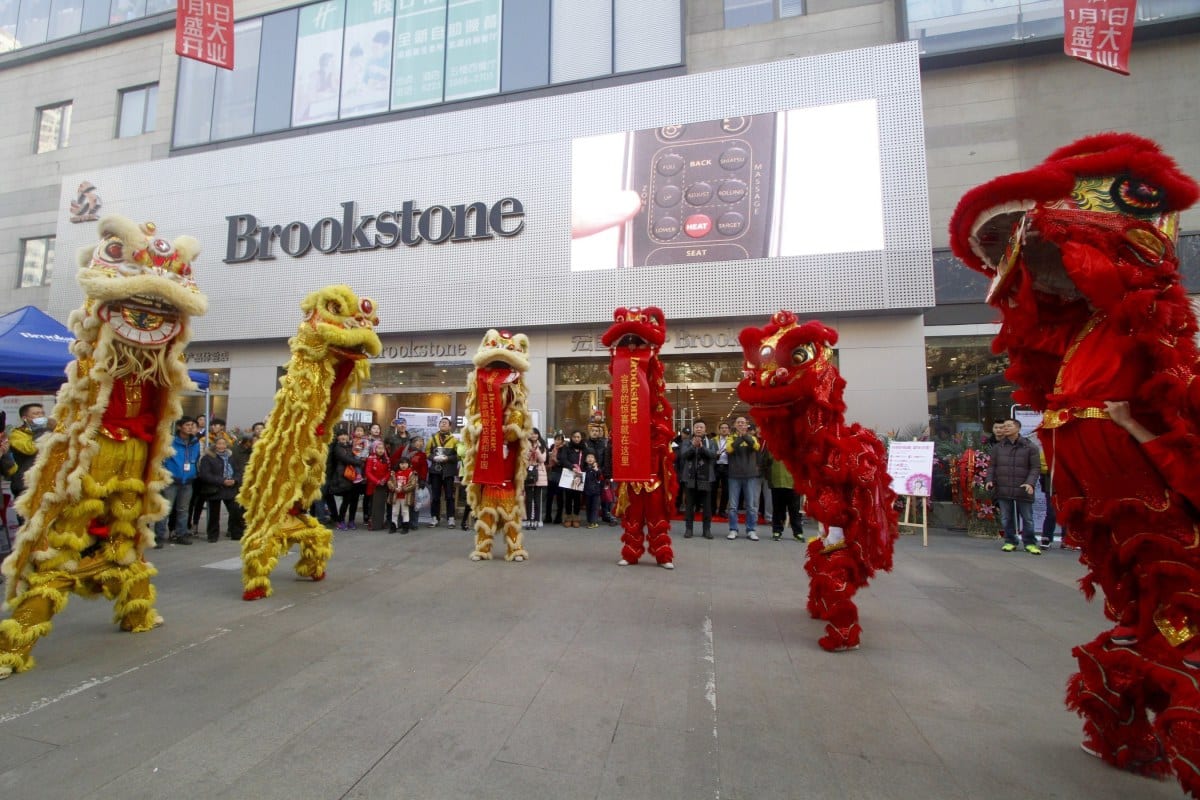
    US specialty retailer Brookstone has opened its first overseas store in one of the largest shopping centers in Nanjing, China.

    First-day sales far exceeded expectations for the new outlet, says CEO Tom Via. “We’re thrilled with how enthusiastically customers are embracing their first Brookstone China store experience.”

    Brookstone shops allow customers to try out products, and Via says visitors to the new outlet “love being able to try out our massagers, wear the Cat Ear headphones and see drones in action”.

    Founded in 1965, Brookstone offers innovative and lifestyle products designed for smart living. It has more than 300 mall and airport stores across the US, plus an online presence and a B2B/wholesale business. Two months after filing for bankruptcy in April 2014, the company was bought by Chinese investment firm Sailing Capital and Chinese conglomerate Sanpower for more than $173 million. By July, the company had emerged from bankruptcy with a restructured balance sheet, improved capital structure and a new strategic partner with a corporate mission to introduce premium American lifestyle products to shoppers in China.

    Over the years, Brookstone has built a following for its memory-foam pillows, sleep-sound machines, massagers and checkpoint-friendly luggage.

    Brookstone China chairman Xin Kexia is using the slogan “Easy surprise” to position the store as a destination for people to find “surprising innovations that make life easier”.

    Not only does the brand have in-house R&D teams that develop exclusive products, it also explores innovative products from makers all over the world.

    “For offline commerce to have any real meaning in the future internet-based society, it must meet the spiritual needs of consumers,” says Xin Kexia, “and offer customers a richer experience. Our mission is to consistently offer fresh and exciting product that customers have never seen before.”

    To help achieve this goal, the Sanpower Group has made active strategic adjustments and joined hands with Brookstone to sign a co-operation agreement with research and innovation institution MIT Media Lab.

    For China, Brookstone is adopting a sales model featuring hands-on interactive shopping. Store “associates” (rather than sales persons) will show customers how to control its products.

    Looking ahead, Brookstone’s China strategy will include opening independent shops in airports and high-speed railway stations, says chairman and Sanpower Group global vice-president Piau Phang Foo. It will also continue to launch store-in-stores in Sanpower’s offline retail brands, including Hisap and Smart Funtalk Telecommunications.

  • CNBC, Trans Media partnership; Government to study Netflix impact

    CNBC, Trans Media partnership; Government to study Netflix impact

    CNBC and Trans Media will launch CNBC Indonesia

    CNBC and the media company own by tycoon Chaerul Tanjung will launch new media services CNBC Indonesia, a dedicated business, financial TV and digital news service in Bahasa.  The partnership agreement was signed in Jakarta by Mark Hoffman, chairman of CNBC and Chairul Tanjung, founder & chairman of Trans Media Corpora’s parent company, CT Corp. Specific launch dates for the digital and TV services are expected to be announced later this year.

    According to Hoffman, the collaboration with Trans Media is a strong addition to the suite of strategic partnerships underpinning CNBC’s emerging markets strategy.

    “We are pleased to bring CNBC’s unique and robust content proposition to millions of Indonesians in their local language, further opening the world of international business and finance to a growing economic powerhouse,” said Hoffman.

    “The primary objectives of the CNBC Indonesia venture are to facilitate global business conversations in Bahasa Indonesia, to educate our growing middle class, and to facilitate better information flow for decision making. This will help realize the full potential of the capital markets and businesses, accelerating the economic development of Indonesia,” added Tanjung.

    Netflix’s presence might affect existing players

    Communication and InformationTechnology Minister Rudiantara said, Netflix’s presence might affect existing playres in the entertainment industry and other online businesses. Hence, his ministry would seek advice from the Culture and Education Ministry to look into the content available on Netflix to gauge its impact on society.

    “If the disadvantages outweigh the advantages, then something must be done to fix that. We have to study the Netflix entrance carefully as we do not want to hinder technology for the sake of the public,” he stated.

    However, Rudiantara was confident that the country’s internet infrastructure would be ready, especially mobile broadband networks to support a service like Netflix.

    Netflix’s listed Indonesian rates are Rp 109,000 per month for its basic service, Rp 139,000 a month for its standard service and Rp 169,000 a month for its premium service.

    Netflix was founded in 1997 with headquarter in in Los Gatos, California. In, 2007, the company grabbed headlines as it delivered its billionth DVD in the United States. The on-demand streaming service was later often cited by media as one of the factors that led to the bankruptcy of video rental chain Blockbuster.

    Currently, Netflix is already available in 60 countries worldwide and aims to cover 200 countries by the end of 2016.

  • PT Trans Media Corpora & CNBC to Launch “CNBC Indonesia”

    PT Trans Media Corpora & CNBC to Launch “CNBC Indonesia”

    PT Trans Media Corpora and CNBC have agreed a strategic partnership that will culminate in the launch of CNBC Indonesia.

    The service, which will be based in Bahasa, Indonesia, will bring CNBC’s unrivalled content to the growing business community in South East Asia’s largest economy and the world’s fourth most populous country.

    The partnership was signed in Jakarta by CNBC Chief, Mark Hoffman and Chairul Tanjung, Founder & Chairman of PT Trans Media Corpora’s parent company, CT Corp.

    Hoffman Said; “This collaboration with Trans Media is a strong addition to the suite of strategic partnerships underpinning CNBC’s emerging markets strategy. We are pleased to bring CNBC’s unique and robust content proposition to millions of Indonesians in their local language, further opening the world of international business and finance to a growing economic powerhouse.”

    “The primary objectives of the CNBC Indonesia venture are to facilitate global business conversations in Bahasa Indonesia, to educate our growing middle class, and to facilitate better information flow for decision making. This will help realize the full potential of the capital markets and businesses, accelerating the economic development of Indonesia,” added Tanjung.

    Specific launch dates for the digital and TV services are expected to be announced later this year.