Category: Living

Retail News Asia is committed to providing both local and global retailers with the latest Living news throughout the Asian market. This on a daily base.

  • ‘Midnight Insanity’ at Ikea Hong Kong

    ‘Midnight Insanity’ at Ikea Hong Kong

    Ikea Hong Kong is opening till 2am this Saturday morning in a promotion dubbed Midnight Insanity.

    The enormous retailer, famend for its crowded flooring and lengthy checkout queues hopes the exceptionally late buying and selling hours will appeal to new clients.

    The ‘Midnight Insanity Sale’ will supply clients reductions of as much as 90 per cent on house and backyard merchandise – and there will probably be a 15 per cent flat price low cost on meals gadgets. However solely between 11pm Friday (June 26) and 2am Saturday.

    The shop is situated within the Mega Field buying centre in Hong Kong Bay.

    As a part of the promotion, supply, meeting and storage providers can be suspended for the three hour lengthy sale.

  • IKEA to furnish Temasek Polytechnic students with retail lessons

    IKEA to furnish Temasek Polytechnic students with retail lessons

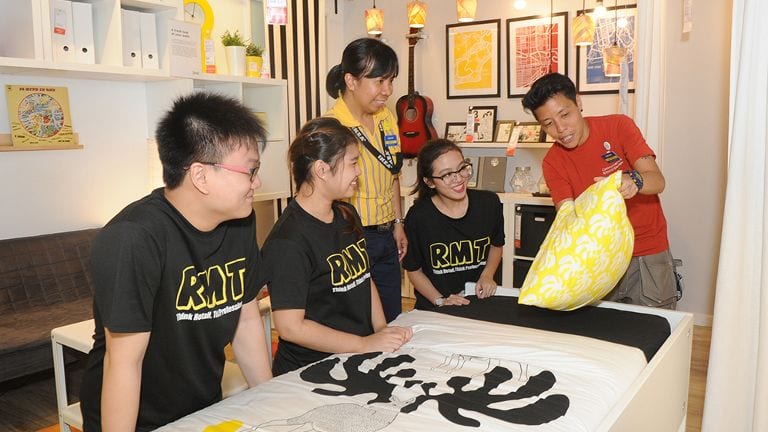
    Furniture giant IKEA will turn into a giant classroom for some Temasek Polytechnic students, after IKEA Singapore launched a three-year partnership with the school on Monday.

    A joint press release by IKEA and TP said this long-term partnership is a first for Singapore’s retail industry and puts IKEA in line with the Government’s SkillsFuture programme. As part of the collaboration, IKEA will provide input across three years of TP’s Retail Management Diploma course.

    IKEA’s Learning and Development team will give classroom lectures, as well as an in-store lesson for second-year students. There will also be a real-time business challenge project for third-year students. This year, the project involves spending four months working on a campaign for the new IKEA METOD Kitchens. IKEA will offer internships that will provide students with a mentor and 12-weeks of hands-on experience in four key departments – Sales, Communications & Interior Design, Customer Relations and Logistics.

    The partnership will see an IKEA Innovation Award presented to a graduating student with the best grades. IKEA and TP named Ms Cheong Say En, who has a Grade Point Average of 3.99, as this year’s winner of the inaugural award. She takes home IKEA furnishings worth S$1,500 and complimentary space planning consultation.

    “TP is glad to collaborate with IKEA Singapore to enhance the level of professional retail training for our students,” said Mr Daniel Yeow director of the School of Business at TP.

    “The IKEA store will be transformed into an ‘external classroom’ where our students will understudy and be mentored by IKEA co-workers. Together, TP and IKEA will create a learning platform for the students to hone their industry-relevant skills as well as to acquire first-hand experience in retailing,” he added.

    Ms Jing Li, Deputy Store Manager at IKEA Tampines said: “This partnership will elevate Singapore’s retail industry by building much needed skills and giving students an inside look at one of the world’s most successful retail operations.”

    “At the same time, we hope this programme will help us to cultivate the next generation of leaders –  exposing young people to long-term career possibilities in everything from sales and customer service to supply logistics and goods flow management,” she added.

  • Vitamins Boost China, By Way of By-Health

    Vitamins Boost China, By Way of By-Health

    The corporate life of Liang Yunchao, 46-year-old chairman of By-health, ended symbolically early last year when he finally ceded his corner office to a colleague. In fact, he’d rarely been showing up for eight years. But the maker of dietary supplements, China’s largest in retail, remains very much his creation and run by his chosen lieutenants.

    “In a full year I probably don’t get to spend over seven days in the company,” Liang says in a hotel suite interview in Hong Kong, where on that day the Guangzhou resident’s business included art shopping. He says he keeps several Rodin sculptures in a warehouse there.

    This billionaire thinker is also a fast talker, and he says he needed to get his mind off day-to-day operations. “I don’t want company employees to feel like they are being watched,” he says. Besides, these days he needs two hours on average mornings for exercise to round out the healthy glow that his products promise.

    He is a marketing exemplar for By-health supplements like spirulina from blue-green algae and squalene, often from shark’s liver. (Liang plays down that line and says the killing of dogfish sharks, which he says aren’t endangered, is being capped.) Digestion, brainpower and other vital functions are said to improve with use.

    Liang Yunchao, founder and chairman of China’s By-health (credit: David Hartung for Forbes)

    Every one or two years Liang grooms a select crop of future corporate leaders, both men and women, by testing their stamina and team spirit in “wildlife training” boot camps, at nature’s mercy. His favorite destinations: Teklimakan Qumluqi , the world’s second-largest desert, in Xinjiang; the Tengger Desert in Inner Mongolia; and Antarctica.

    By-health’s top management includes four founders, among them Tang Hui, who is in charge of the flagship By-health brand, and Liang Shuisheng, who is building up a mobile Web services unit to seize on China’s expanding health consciousness. The executives meet for a monthly collective decision-making session, from which Liang also excuses himself even though he holds 49% of the stock, his net worth pushing $3 billion.

    The founder’s absence has proven to be the company’s gain: Revenue leaped at a compounded-yearly growth rate averaging 38%, and profit grew 40% over the last five years, even as China’s appetite for supplements began to taper. In 2014 By-health reported 1.7 billion yuan ($277 million) in revenue and 503 million yuan ($82 million) in profit, as it led in retail market share (over-the-counter pharmacies excluded) with nearly a third, more than the next four competitors combined. Its retail network reaches 40,000 outlets, up more than fourfold from 2010, and most of its distributors are tied to exclusivity clauses.

    A bout of ingredient scandals dented the overall industry, culminating in 2012 when China-made blue-green algae supplements and soft capsules were found to be laced with heavy metals. But a policy that Liang instituted in 2004 to orient By-health toward foreign suppliers proved propitious.

    From zero, the ratio of non-Chinese ingredients rose past 50% by the time of the company’s listing on the second board in Shenzhen in December 2010 and is now more than 70% (from 19 countries). That does not include what comes under foreign cover. Soft capsules, for instance, are from a China factory of France’s Rousselot.

    When the blue-green algae supplement scandal broke early in 2012, the company was not implicated but swiftly replaced its Chinese supplier with California’s Earthrise Nutritionals.

    “This is one of the reasons why we could become what we are today, giving us a unique competitive edge,” Liang says. “We knew our brand-name history was short. Our brand-name recognition was not as high as global brands such as GNC.

    Foreign purchasing is more costly, sometimes by three or more times, but Chinese consumers are willing to pay. Its remaining major source inside China is nongenetically engineered soybeans grown in the northeast. Globally, “
    these non-GMO soybeans are difficult to find,” Liang explains. Soy protein blend is a line By-health particularly dominates.

    Next up for By-health may be its own offshore organic farms and buying foreign brands. For supplements, “it all depends on the quality of raw materials, the quality of the soil. It’s not as complicated as drugs and medicines,” Liang says.

    To underscore the integrity of its manufacturing, By-health in 2012 opened see-through assembly lines at its massive production center at Zhuhai, Guangdong Province. Three plants there will be joined by a fourth, the biggest yet, around year’s end.

    Visitors can peer through windows at bags of foreign ingredients stored neatly on shelves by their country of origin. Soft gels roll out from automatic trays at a speed of 160,000 capsules per hour. The equipment also is largely foreign-made. The company says 20,000 people a year come to watch–500 were being received on the day FORBES ASIA was in town.

    “We plan to make the production process available in real time on the website, so customers in a retail outlet can see it,” says Liang.

    In October the Chinese government is instituting tighter standards for new product approvals even as it loosens the constraints on previously cleared lines. This will largely spare By-health, even as it hits foreign entrants into retail like GNC and NBTY, which have registered only a relatively few of their extensive offerings from the U.S.

    Before By-health emerged in 2002, there was Amway, the American multilevel marketer that introduced dietary supplements–as distinct from traditional extracts–to China back in 1998. Direct selling is still the main source of China’s supplements trade–about 70% (China is Amway’s top market). But that’s not a business Liang, with his retail model, says he wants to re-create: “Its genes are entirely different from ours.”

    Liang, who’d previously been active in traditional remedies, got interested in America’s appetite for supplements in 2001 during visits to the U.S. as his wife sought a degree in information technology. Walking through supermarket aisles stuffed with colorful bottles of vitamins and minerals, he figured this would work in China, too.

    The product-integrity efforts are also applied to retail: A global tracking system will soon allow registered consumers to track the origin of ingredients. For distributors, retailers and business partners, a second layer of database-tracking would show scans of official documents and papers, import certificates and government approvals, all the way back to suppliers.

    Like many in retail, By-health’s future may lie in China’s booming e-commerce. The new mobile Web health services unit, formed with an alumnus of Alibaba Group’s Ali Health, will work with outside nutritionists, health clinics and soon hospitals.

    “We don’t want to just sell products; we want to meet clients’ needs, cater to their diets and their exercise habits, to help and guide them on the use of supplements,” says Liang. One example: supplements to help pregnant women who have diabetes problems lower their blood sugar without medications.

    Whatever the channel, there’s an undying interest in whatever might be the fount of youthful vigor. Soon By-health will be featuring a new line named Seven Dwarfs–seven multiple-vitamin combinations tailored for different age groups. Enthuses Liang, “The market is getting closer–and indeed very close–to what is popular in North America.”

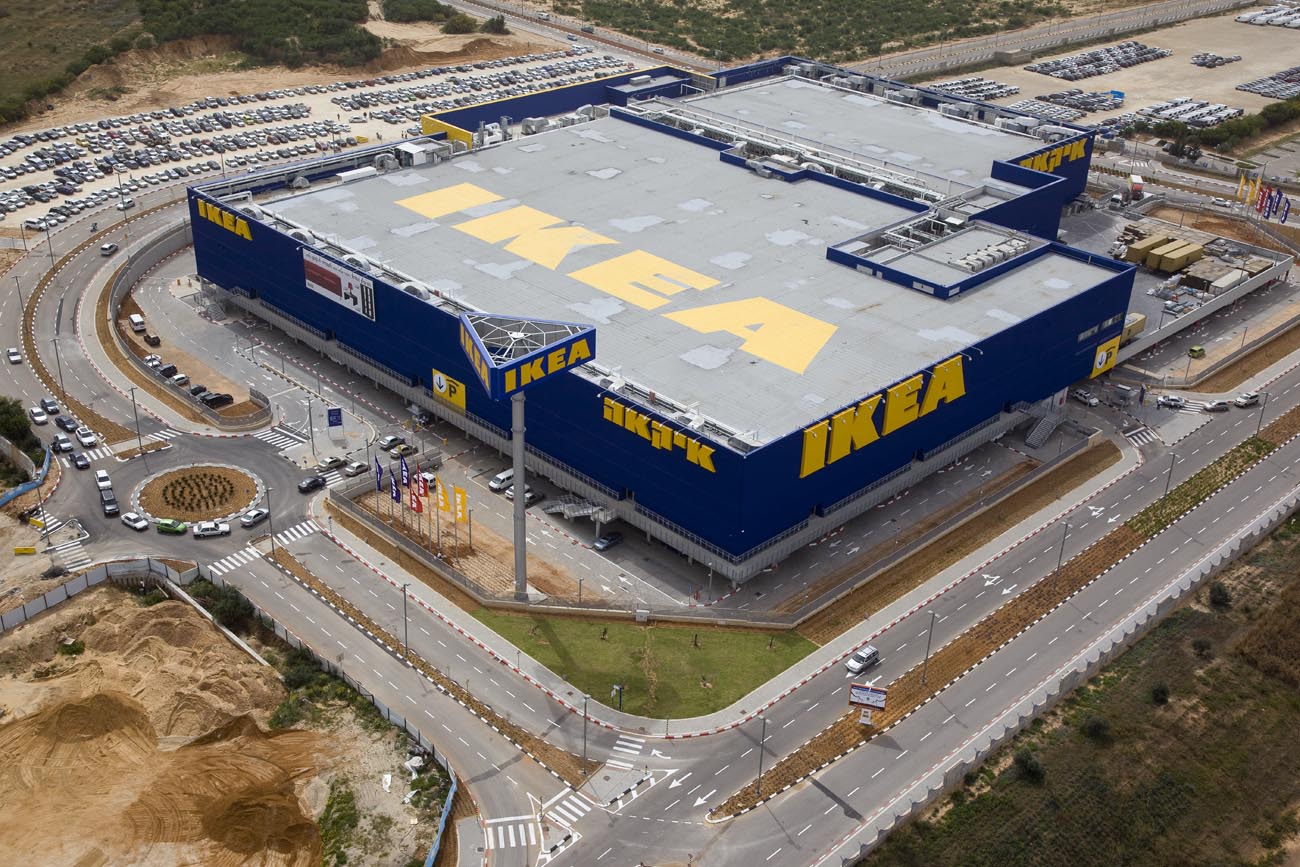
  • Ikea Korea in pricing highlight

    Ikea Korea in pricing highlight

    The costs of couches and wardrobes bought by Ikea Korea, the native unit of Swedish furnishings big, are 15-20 per cent larger than these in different nations, a ballot exhibits.

    The survey by native shopper advocacy group Shopper Analysis confirmed that the worth of 126 merchandise bought within the nation averaged 522,717 gained (US$471.80), which is 15-20 per cent larger in contrast with the fee in Germany, Japan and the US.

    The typical worth was the bottom in Japan at 437,578 gained, adopted by Germany with 453,737 gained and the US with 455,344 gained. They have been calculated utilizing the overseas trade charges on June 15 and solely embrace merchandise which are bought in all 4 markets.

    Costs of some 100 particular person merchandise bought in South Korea have been costlier that these within the three different nations, the report confirmed.

    A Shopper Analysis official stated that merchandise with worth tags larger than 100,000 gained have been usually bought at a better value than in different nations, whereas low-end gadgets have been cheaper in South Korea.

    Ikea Korea refuted the survey outcomes, saying that it considers a mixture of elements, together with overseas change, inventory and tariff charges, in setting costs in every nation.

    The Swedish furnishings model has been embroiled in numerous shopper grievance instances since its native debut in December. A lot of the complaints have been concerning the worth gaps in contrast with different markets, whereas a map product labeling the East Sea because the Sea of Japan additionally sparked backlash in February this yr amid fraying ties between Seoul and Tokyo.

  • Homelegance China in retailer rollout

    Homelegance China in retailer rollout

    Homelegance China plans to confide in 30 shops a yr because the US model builds its Chinese language model consciousness.

    The corporate opened its first China retailer within the metropolis of Tianjin in Might and by the top of August may have six shops buying and selling in complete. By the top of October it expects to increase to 11 and from then on it plans between 20 and 30 new shops will open yearly.

    Homelegance needs to focus on China’s center class with its assortment of predominantly picket bed room, dwelling, eating and workplace furnishings.

    The inaugural Tianjin retailer is a 30,000 sqft franchise opened in a specialist furnishings shopping center, Pink Star Macalline. It’s operated by Li ShiGuang. Tianjin is the situation of Homelegance’s 260,000 sqft warehouse which can provide shops within the rising community.

    Homelegance will licence shops in China to make sure it has native operators who perceive the native markets it enters.

    “We all know that to develop we should look past our conventional US borders to turn out to be the worldwide chief we all know we might be,” Jamie Collins, government VP of Homelegance USA, advised Furnishings At present.

    “There isn’t any higher place for us to focus our efforts than in China. Past constructing a model in China we all know that our new licensees in China will take pleasure in what our retail companions in North America have already skilled, worthwhile positive factors via the sale of Homelegance merchandise.”

    Collins stated the demand for American designs amongst Chinese language is rising yearly.

    “We’ll current Homelegance as a premier way of life model that represents the perfect of what the Chinese language shopper is on the lookout for.”

  • West Elm Philippines makes debut

    West Elm Philippines makes debut

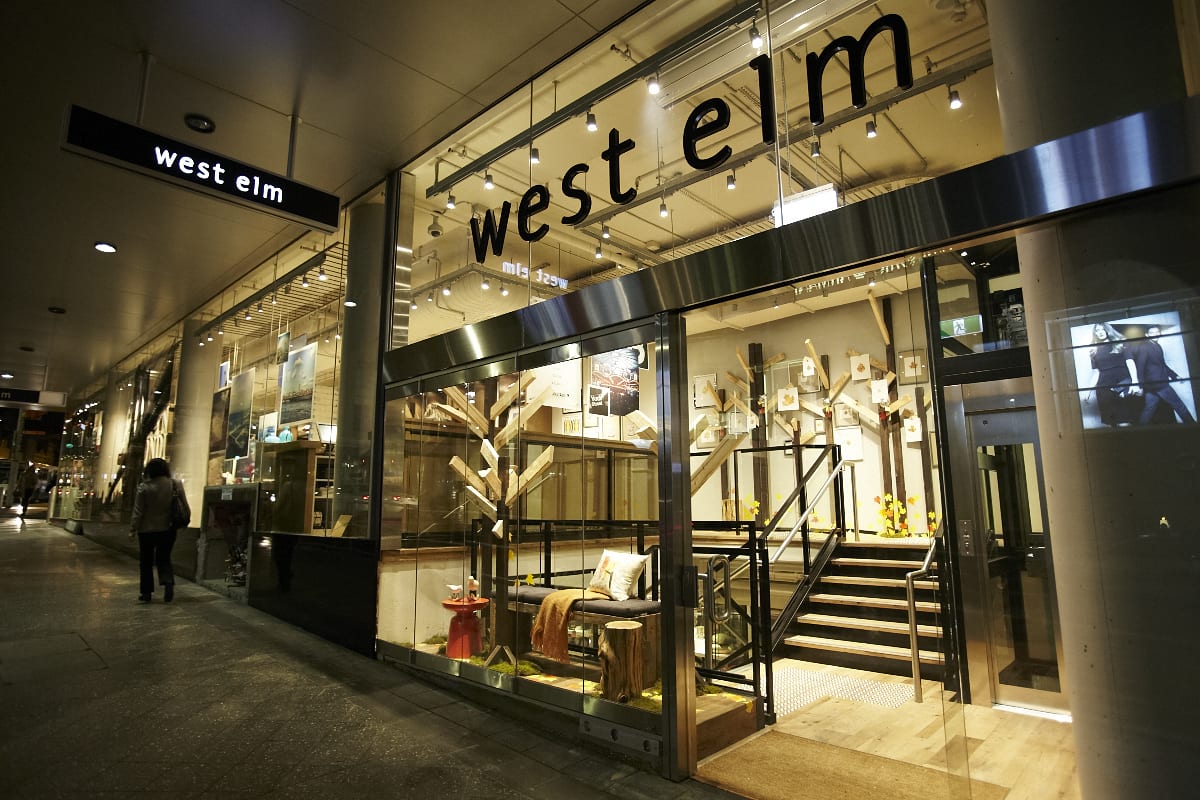
    West Elm Philippines, the furniture chain of Williams Sonoma, has opened its first store in Manila.

    The store, located in the new Estancia Mall at Capitol Commons, Shaw Boulevard, Pasig City. It will compete with Crate & Barrel, which made its Philippines debut last year, and complement another Williams Sonoma brand Pottery Barn.

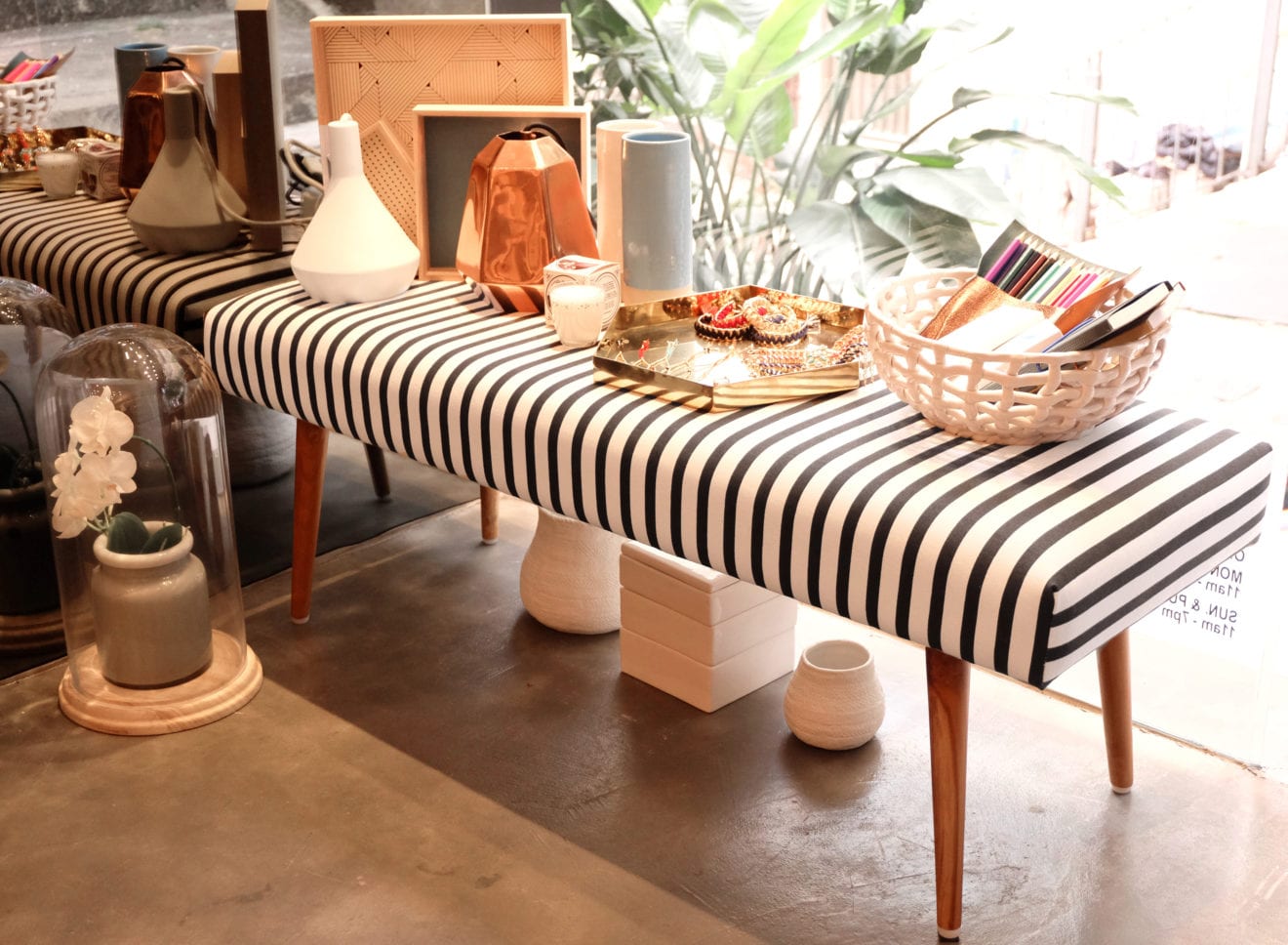
    While skewed towards complete furniture solutions, West Elm also stocks a comprehensive range of homewares. It positions itself as creating “unique and affordable designs for modern living”.

    One standout feature of West Elm Philippines is that it works with local Filipino producers to stock their products, not just imported goods.

    Among locals to feature in the store are Filipino Capiz Artisans, a co-op of family owned businesses preserving traditional capiz handcrafts, including Capiz Chandelier and Pendant lighting; Filipino Weavers, known for their skilled weaving, braiding, twisting and knits using innovative techniques passed down through generations to create braided storage containers; and Santo Tomas Potters, Pampanga-based creators of hand-thrown, hand-cast and hand-painted ceramics.

    Jim Brett, president of West Elm, said he believes there is “a tremendous appetite for well-designed, finely crafted home goods and furnishings” in the Philippines.

    The 7000 sqft store has opened showcasing the brand’s summer collection which includes furniture, bedding, bathroom accessories, rugs, window textiles and hardware, lighting, decorative accessories, dining, kitchen products, and gifts. It also offers services at Design Lab, where customers can partner with design specialists for complimentary consultations and space planning sessions.

    West Elm currently has 71 retail stores in the US, Canada, Australia and the UK. The Philippines is its first Asia market, and it has an unaffiliated franchisee operating stores in the Middle East.

  • Style and residential ornament retailer Uber Tunique launches forth store in HK

    Style and residential ornament retailer Uber Tunique launches forth store in HK

    Hong Kong equipment jewelry and residential ornament retailer Uber Tunique on Wednesday opened its fourth store in Causeway Bay. The Causeway Bay retailer will introduce the 2015 Summer time Assortment of a brand new French trend model Chloe Stora.

    Based by Paris-raised jewelry designer Amandine de Mascarel, Uber Tunique sells trend and homeware gadgets sourced from type capitals all over the world.

    With knowledgeable background that has included expertise with international model icons comparable to Louis Vuitton and L’Oreal in Paris, Amandine has expanded her idea of reasonably priced luxurious past jewelry to incorporate house merchandise, décor, fragrances and textiles, permitting clients to create one-off costume jewelry items, in addition to cater the house surroundings to their very own particular person type.

    Final yr, Uber Tunique opened three shops in Hong Kong at Central, Wanchai, and Repulse Bay.

  • Apple Fitness Director Jay Blahnik Hosting Special Events at Asia-Pacific Retail Stores

    Apple Fitness Director Jay Blahnik Hosting Special Events at Asia-Pacific Retail Stores

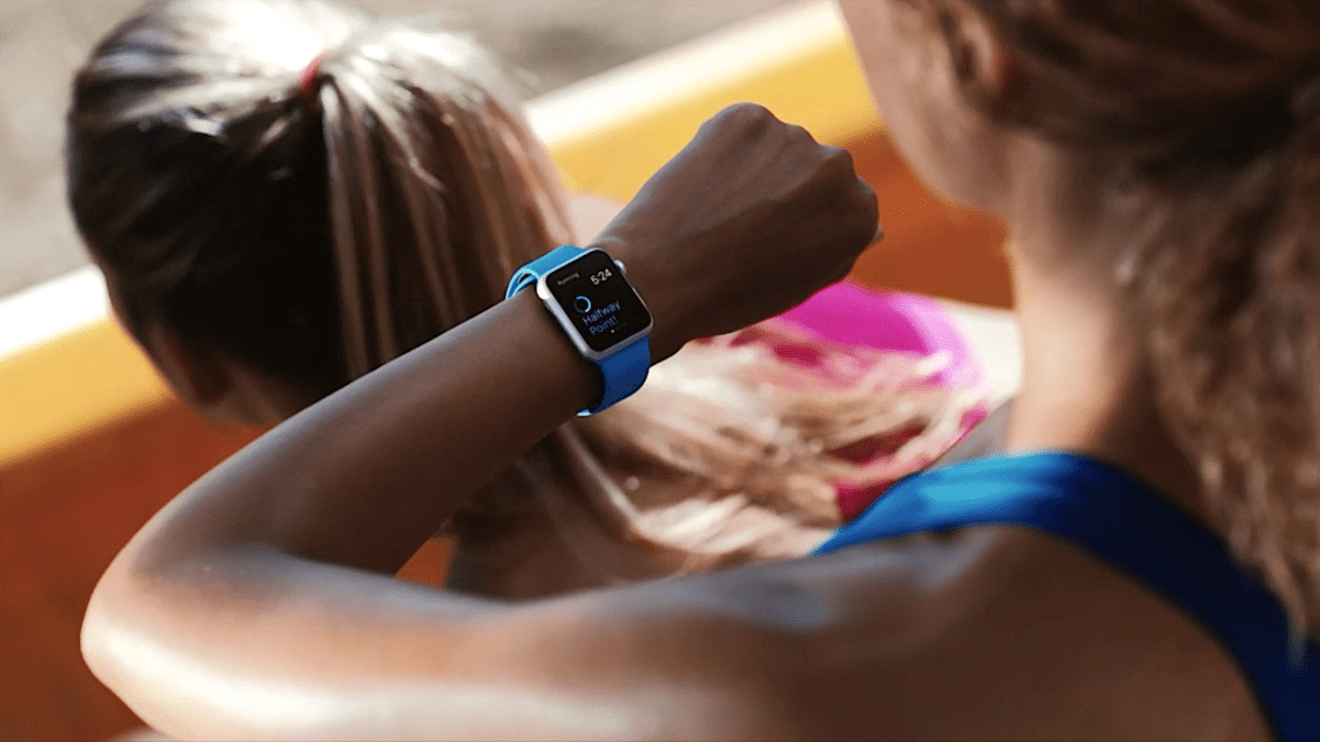
    Apple’s Director of Fitness and Health Technologies Jay Blahnik is touring the Asia-Pacific region this week to host live Q&A sessions with popular personal trainers and other well-known icons at Apple Stores in Australia, China and Japan. The special events focus on the intersection of health, fitness and technology, such as how to live a better life by maintaining a healthy body and mind.

    Jay Blahnik Sydney Instagram

    Blahnik sat down with Australian personal trainer Michelle Bridges for a live Q&A session at the Apple Store in Sydney, Australia on May 29 before heading to the Omotesando Apple Store to speak with technology journalist Nobi Hayashi in Tokyo, Japan earlier today, as noted by Macotakara. Blahnik will now travel to Beijing for an event with Chinese action filmmaker Donnie Yen at the Apple Store in China Central Mall on June 3.

    Prior to joining Apple in July 2013, Blahnik was a Nike FuelBand consultant for almost 20 years and an award-winning fitness instructor and personal trainer. As health and fitness director at Apple, he has played an instrumental role in development of the Apple Watch, working in the company’s top-secret health and fitness lab where it has collected over 18,000 hours of health and fitness data from employee workout sessions.
  • Nu Pores and skin Asia plans to triple gross sales

    Nu Pores and skin Asia plans to triple gross sales

    US celebration plan cosmetics enterprise Nu Pores and skin sees Asia as a key to attaining $5 billion in international gross sales by 2020.

    The Utah based mostly firm says its needs to triple gross sales in Asia to US$1 billion inside 5 years.

    Nu Pores and skin Enterprises says Nu Pores and skin Asia presently contributes 15 per cent of its complete gross sales and its sees biggest potential within the area within the markets of Thailand, Malaysia and Indonesia.

    Apart from growing its community of direct sellers, the corporate is increasing its product vary. A key new product class shall be Y-Span, a meals complement.

    Based in 1984, Nu Pores and skin made its Asian debut in 1991 in Hong Kong. Regardless of being listed on the NYSE giving it credibility, the corporate has courted controversy with its representations to would-be resellers of its merchandise, accused of overstating the revenue potential. It settled with 5 US states over such disputes.

    Final yr it was topic to investigation by Chinese language authorities over allegations of working an “unlawful pyramid scheme”.

    As we speak the corporate operates in 53 nations and boasts a community of 950,000 particular person resellers.

  • Baidu raises $800,000 in a single hour

    Baidu raises $800,000 in a single hour

    Chinese language web search engine Baidu has raised US$800,000 in simply an hour in a charity undertaking aimed toward serving to critically sick orphans.
    Baidu teamed up with 800,000 web sites and 50,000 app suppliers to kick off this yr’s “One Hour,One Click on” marketing campaign on Might 29. Inside only one hour, the marketing campaign attracted four,978,267 on-line customers, raising4,978,267 yuan (approx.US$803,492) for orphans with critical sicknesses, making a high-speed car for the gathering of welfare donations by way of the web inChina.

    Orphans with critical sicknesses, targets of this marketing campaign, are a particular group, categorised as minors who’ve been recognized by their doctor as having not more than six months to stay.

    In response to knowledge, greater than 80,000 individuals on-line had participated within the marketing campaign inside one minute of the Might 29, 11 a.m. Beijing time kick-off time and almost 5 million yuan (approx. US$807,000) was raised inside the first hour.

    On the idea of an orphan with a critical sickness needing 100 yuan (approx.US$16) of nursing and medical care charges (together with 33 yuan (approx. US$5.25) in medical remedy charges) a day, the funds raised in such a brief interval can present 50,000 orphans with critical sicknesses with nursing and medical care charges for at some point. The marketing campaign raised on common 83,000 yuan (approx.US$13,400) per minute, an quantity enough to offer medical remedy for 2515 orphans with critical sicknesses a yr. The typical quantity raised per second is 1,388 yuan (approx. US$224), sufficient to offer medical remedy and look after one orphan with a critical sickness for multiple month.

    Launched by Baidu along with over 600,000 web site companions in 2012, “One Hour, One Click on” now boasts a community of 800,000 web sites (almost one fourth of all web sites in China) and 50,000 app suppliers, and has develop into the most important web public welfare platform for pediatric healthcare.

    From free lunches in 2012, free catastrophic medical insurance coverage insurance policies for youngsters in Ya’an in 2013 and help for youngsters with congenital coronary heart illnesses in 2014, to this yr’s saving the lifetime of orphans with critical sicknesses, this system continues to exhibit the facility of campaigns for the general public good.

  • PopUp Immo set to take their retail revolution around the globe

    PopUp Immo set to take their retail revolution around the globe

    Often the most elegant and successful business ideas are the most straightforward ones. PopUp Immo is looking to address two pressing, basic needs –  brands’ need for visibility with customers at minimal financial investment and commercial real-estate owners’ need to fill their space. With their launch last year, they’ve quickly become the top marketplace in France connecting brands and advertisers with the commercial real-estate sector to create exceptional Pop Up store experiences.

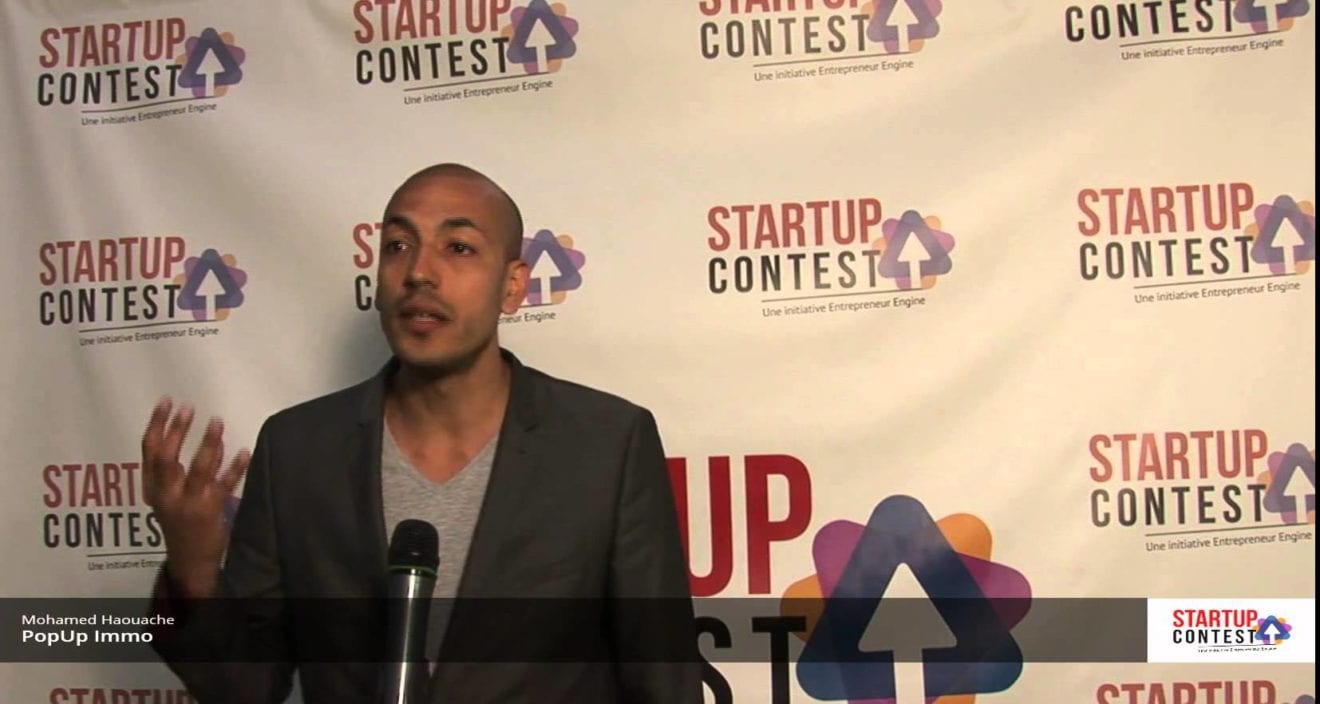
    Fresh off their selection to top-notch acceleration program NUMA Sprint and making the finals last month at leading tech event B Dash Camp in Japan, PopUp Immo founder Mohamed Houache discusses their vision, the unique value they deliver both brands and commercial retail, and their plans to quickly ramp-up internationally, particularly in Asia.

    What is PopUp Immo about and what’s special about what you do?

    PopUp Immo is a retail revolution. What we do is enable brands, artists, designers to find retail space for short-term duration. Although it’s mostly an innovation of service rather than technology, we can say that we’ve been impacting the future of some brands. Before PopUp Immo there was essentially no cost-effective way for smaller brands or brands not based in Paris to engage directly with their customers at retail. What these brands really wanted to test the Paris or French market at low financial risk to them. To do this they needed flexibility as well as visibility on the cost of booking a boutique for two or three days.


    Prior to our launch there was no marketplace like this, meaning essentially that there was no transparency or efficiency around this type of service. As the leading marketplace in France offering rental of short-term retail space, we’re addressing a real, basic need. The ability to launch a Pop Up store also gives an edge to these brands because they can communicate and leverage social networks to bring their fans to their store and connect with them afterwards. In many ways we’re both an online-to-offline and an offline-to-online solution.

    Who specifically do you think is most drawn to what PopUp Immo can offer?

    Think about all the American brands that want to come to here to test the Paris market, all the ecommerce platforms who can’t meet their customers directly, or all the PR or advertising firms who are bidding for contracts with big brands and can offer them this approach which will give them better ROI that pretty much any online marketing campaign.

    Another advantage which we didn’t anticipate is that pop-up stores are also bringing more life back to particular areas of Paris. After we launch a Pop Up store and the brand does a good job at communicating and delivering an experience, people want to come back to the area. For example, last December we had a collective of 10 small men’s accessories brands come together to book a Pop up store on small street in the Sentier district. They promoted like it crazy and the store became the top Pop up store during that month. Following that success, we now we have all types of brands wanting to book that space.

    How are you reaching the owners of these spaces to get them on your platform?

    They’re now contacting us. We really are helping both sides of the marketplace. For private owners and real estate agents they have a few issues. Many really want to reinvent the DNA of the space. Others just want to rent the space temporarily until they can find a more permanent long-term tenant. So as with brands, we can offer owners and agents flexibility.

    What about all the services around it. Do you help in the conception of the Pop up store experience (design, promotion, etc)?

    Not yet. We’re still a very small team and if we expand into an agency business where we connect brands with designers, advertising agencies, etc, you can create an ecosystem around PopUp Immo. But the problem is that it’s not completely scalable, it requires more people and resources, and it really is a different type of business. It doesn’t mean we won’t expand into that in the mid-term, but for now we want to focus first on the marketplace.

    bdash camp


    I understand you were a finalist at last month’s B Dash Camp, an exclusive event for some of tech’s best and brightest in Fukuoka, Japan. Tell me a bit about that.

    I was proud and extremely happy to just have gotten the chance to attend, let alone to reach the final phase of the competition. Initially my plan in going was to test the market and show to the world that there is a French company offering an innovative solution for retail space.  The fact that I was a finalist was a big surprise because there were truly some other fantastic projects as well. Just being there for me was like the final. Being the only European company as a finalist and having such great feedback after the final was a big success for us. What I realized is that we’ve really developed a compelling story around the marketplace and that’s a unique angle.

    I understand you also traveled to Hong Kong during your visit to Asia last month. What are your thoughts on opportunity in Japan and elsewhere in Asia?

    I’ll start with the Japanese market, which is very unique and has several appealing characteristics for PopUp Immo. Customers have a lot of purchasing power. They love and enjoy brands. There’s a very high vacancy rate in Tokyo. When you bring these aspects together, it makes a really interesting opportunity for us. My biggest concern is to be able to find local expertise and be able to put in place PopUp Immo fully tailored to Japanese customers. I met some very skilled people on the VC-side, entrepreneurs and others that stressed that there was real market there for PopUp Immo. For example, we can be a bring between Europe and Japan just by offering retail space.

    I also spent time in Hong Kong. Very a different dynamic. High growth market, completely deregulated and very oriented to shopping malls. There is a lower vacancy rate in Hong Kong than Tokyo, but a lot of brands want to test Hong Kong prior to expanding to mainland China.

    Two amazing and viable options for PopUp Immo, but to grow in these markets we’re definitely going to need more resources, especially local talent.

    What about competition? I imagine there’s an increasing number of startups in this space?

    We’re really keeping our eye on the competition, particularly one in the UK that recently raised a lot of money and one in the US. So far, however, we have been able to do with few resources what our competitors have done with a lot more. I want to very quickly build on the interest we’re getting from increasingly large brands, as well expand to new markets such as London and East Asia, where we want to have the first advantage there.  We feel that in Asia, particularly where you have lots of shopping malls that look similar, Pop up stores offer them a great way to differentiate themselves.

  • Uber Bets on Strong, Steady Demand in Indonesia

    Uber Bets on Strong, Steady Demand in Indonesia

    So far there are reasons to be bullish, says Alan Jiang, who is in charge of launching Uber in each new country it enters and is currently working as acting general manager of Uber Indonesia as it searches for more staff.

    Since launching in Jakarta last August, Uber’s registered users have grown faster than in any other city it serves, said Mr. Jiang. “There is huge opportunity in Jakarta and Indonesia, for this business,” he said.

    Indonesia’s huge population of 250 million people – the world’s fourth-largest – is one reason, Mr. Jiang said. Increasing incomes and urbanization are others.

    Uber works in any city in Indonesia where people who don’t own cars are willing to pay for ways around unreliable public transportation, he said.

    Unlike some of the 58 countries where it operates that rely on freelance drivers, Uber in Indonesia works with private car services to source its cars and drivers.

    But the San Francisco-based app has faced challenges from local government officials who say the service isn’t licensed as a taxi and can’t be used to pick up passengers. Mr. Jiang says Uber is not a taxi service but operates as a private car hire.

    “We are working with regulators around the world to establish a clear, legal framework to allow riders and drivers to have more economic opportunities and safer and easier rides,” he said.

    Uber has also struggled to compete against more established taxi companies, such as Blue Bird. Until earlier this year Uber only offered a premium service called UberBlack, which Mr. Jiang says is about 5% more expensive than a taxi. It launched lower-cost UberX in January to provide more competitive pricing, and Mr. Jiang said it’s fast becoming the more popular service, with prices around 30% cheaper than a taxi.  The average trip in Jakarta is about 40,000 rupiah, or $3, he said.

    The Wall Street Journal caught up with Mr. Jiang recently to talk about Uber’s business model in Indonesia and the challenges of doing business here. Edited excerpts.

    WSJ: How much money has Uber invested in Indonesia?
    Mr. Jiang: We’re investing a lot of money in Indonesia and we will invest enough money to make it work here. Jakarta is fastest growing city ever [for Uber], and we can see that investment is paying off.

    WSJ: What is the company’s business model in Indonesia, and why has Uber taken that approach?
    Mr. Jiang: We take a 20% commission for the UberBlack [service] and drivers keep the rest. For UberX, right now we take no commission. As an investment, 100% goes to the driver’s pocket. In the future, there will be commission. Our focus is to get people into [Uber] cars for the first time. So we [have] partnered with events like [dance music festival] Djakarta Warehouse Project, because the best marketing for us is through user experience.

    WSJ: How do you ensure safety in accident-prone streets of Indonesia, as well as security for Uber passengers?
    Mr. Jiang: When you get into Uber, you specifically are matched with one driver and that’s tracked onto our system. We have basically stepped up our safety game a lot … In Indonesia, we’re really emphasizing on this “Show Your Location” feature, so if the driver ever goes off course you will be notified. We also require background checks to verify that they have no criminal history and every driver must come to our training session, where we explain what the SOP [standard operating procedures] are and we personally screen every single driver.

    WSJ: Uber also only takes credit card payments in a country where few people have them. Have you considered adjusting your system to cater to the non-credit card owners in the market?
    Mr. Jiang: With credit cards, it allows us to make the whole experience completely seamless. You can see the map of where you went after the trip, and if the route looks funny, we can actually adjust the fare. In India we’re running an experiment now with cash payment.

    WSJ: Will you do the same experiment in Indonesia?
    Mr. Jiang: It depends. We’ll see how it goes in India.

    WSJ: What other challenges does Uber face in Indonesia?
    Mr. Jiang: Hiring. Indonesia is one of the toughest markets for hiring, and we are hiring a lot of people this year. For Jakarta, the challenge is obviously the traffic, but we’re getting better and better at predicting where demand’s going to be and to fulfil that demand.

    WSJ: How much revenue has Uber gained from Indonesia since August?
    Mr. Jiang: I can’t say, but our biggest week this year is about 10 times bigger than our biggest week last year, in December. But we’re not profitable yet.

  • Coca-Cola fosters Mama’s Houses to empower ladies in Sichuan communities

    Coca-Cola fosters Mama’s Houses to empower ladies in Sichuan communities

    QIN Guoying, Common Secretary of the China Ladies’s Improvement Fund, and Zhang Huaying, Vice President of Coca-Cola China and Korea, joined representatives from a number of native authorities businesses to collectively inaugurate two new Mama’s House facilities in Leshan Metropolis, Sichuan Province, yesterday.

    Mama’s Houses are group ladies’s empowerment facilities managed in partnership with native authorities, social organizations and companies. The primary aim of those facilities is to advertise household, group and financial improvement in areas affected by the 2008 Wenchuan earthquake.

    Up to now, 4 Mama’s Houses have opened their doorways. It’s estimated that these facilities profit 50,000 ladies annually by providing programs on enterprise subjects, housekeeping, cooking, nursing and handiwork. These facilities additionally assist arrange part-time jobs to serve native communities.

    Designed particularly for moms, these Mama’s Houses are outfitted with childcare areas the place ladies can depart their youngsters as they consider studying expertise or partaking in part-time employment.

    Qin has praised the achievements of the Mama’s Residence’s initiative. “Ladies are the core of households and communities. In contrast to different typical group sponsorship packages, Mama’s Residence pilots a win-win answer to a number of group wants by furthering ladies’s social and financial independence,” she stated.

    Mama’s Houses have loved a lot early success. Many ladies collaborating in this system say they’ve develop into extra assured and happier by serving to themselves and serving others of their native communities.

    Wei Rong, for example, went to Mama’s House day-after-day to attend shuxiu-style embroidery courses in her spare time. After six months of coaching, she bought one piece of handiwork for a number of thousand yuan. Now her dream is to turn out to be an embroidery grasp.

    In the meantime, Lily Wang studied enterprise administration with Mama’s House, and now the grocery retailer she runs brings in sufficient revenue to cowl her household’s every day bills. As an entrepreneur, she is now actively planning a shiny future for her daughter.

    As Zhang remarked, “Coca-Cola strongly believes that sustainable enterprise progress is constructed on the sustainable improvement of the communities the place we function. We’re proud to be a part of this significant program.”

    Additionally in line with Zhang, Mama’s Houses show the native relevancy and collaborative potential of Coca-Cola’s 5by20 packages, a worldwide initiative which goals to empower 5 million ladies by 2020 via Coca-Cola’s worth chain.

    Coca-Cola and the China Ladies’s Improvement Fund are absolutely dedicated to this program and plan to determine a complete of 20 Mama’s Residence facilities in Sichuan province over the subsequent two years, and to regularly broaden the Mama’s Residence program to different provinces throughout the nation.

  • Russia, Indonesia sign deal for peaceful use of nuclear power

    Russia, Indonesia sign deal for peaceful use of nuclear power

    Indonesia’s National Nuclear Energy Agency (BATAN) and Russia’s State Nuclear Energy Corporation Rosatom have signed a memorandum of understanding (MoU) on development of peaceful use of nuclear energy.The two organisations signed the MoU at the ATOMEXPO, an international conference and exhibition of nuclear energy being held here, on Monday.The MoU, signed by Djarot Sulistio Wisnubroto, the chairman of BATAN and Kirill Komarov, the first deputy CEO for corporate development and international business of Rosatom, aims at strengthening the cooperation between Indonesia and Russia for peaceful use of nuclear energy.

    It also confirms the intentions of the two parties to cooperate in implementing programme to create and develop the national nuclear energy sector of Indonesia.”We fully support the strong commitment of BATAN to the development of nuclear technologies in Indonesia. Nuclear energy is viable option for this country, and Rosatom is already cooperating closely with BATAN in the project to design and construct an experimental reactor.”There are many other areas available for the further partnership, and the signed document gives a solid platform needed to bring these opportunities into life”, said Komarov at the MoU signing ceremony.

    According to the MoU, Rosatom and BATAN will intensify interactions on possibility to implement the Russian nuclear power plant projects in Indonesia.In April, BATAN declared RENUKO, the Russian-Indonesian consortium with participation of Rosatom subsidiaries, a winner of the tender for the conceptual design of a 10 MW multipurpose experimental high-temperature gas-cooled reactor in Indonesia.

  • China Nepstar boosts gross sales, reduces loss

    China Nepstar boosts gross sales, reduces loss

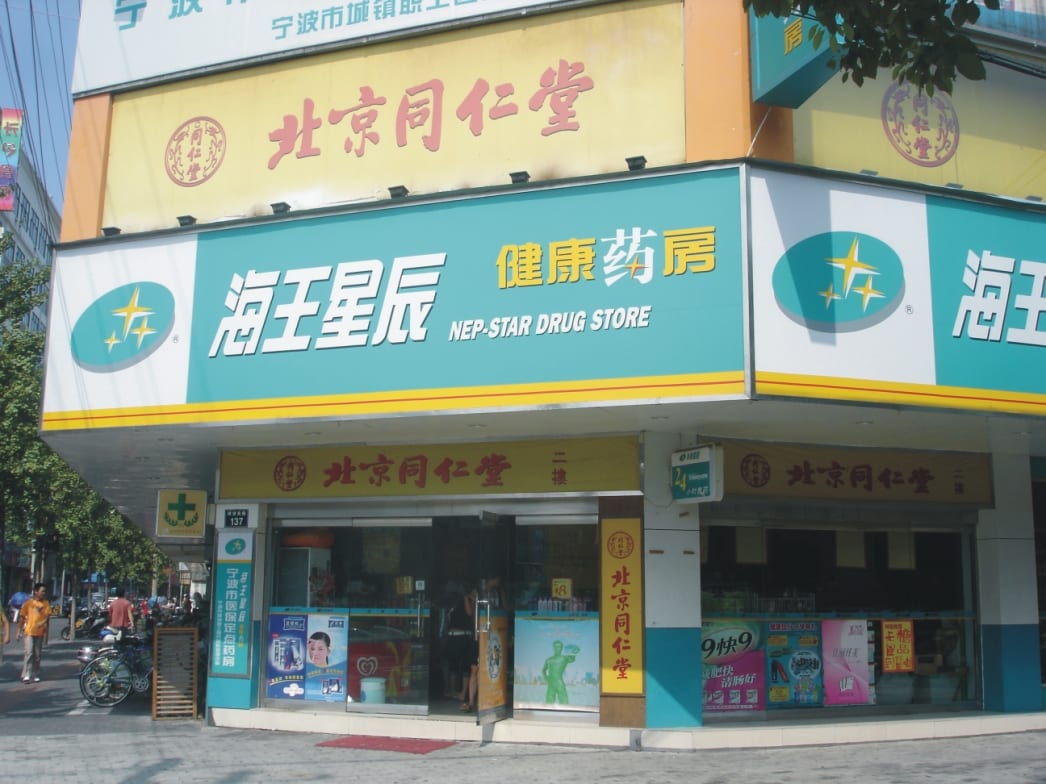
    NYSE-listed China Nepstar Chain Drugstore has introduced a similar retailer gross sales improve of 13.6 per cent for the primary quarter.

    Complete income elevated by 11.9 per cent to RMB759.1 million, or US$122.5 million and it posted a lack of $500,000, only one fifth of that of the identical interval final yr.

    Chairman Simin Zhang stated the improved efficiency was the results of decreasing administrative bills, leveraging its retailer community and growing in-store promotions and advertising efforts for pharmaceutical merchandise.

    In the course of the first quarter of 2015, China Nepstar opened 26 new shops and closed 37, leaving it with 1969 immediately operated retail shops as at March 31.

    The corporate expanded its personal label vary to 2146 varieties of merchandise as at March 31, with gross sales of personal label merchandise now representing 15.four per cent of complete income and 22.7 per cent of gross revenue.

    Zhang stated the corporate is happy by the momentum in its enterprise improvement within the first quarter of 2015.

    “We’ll proceed to give attention to sustaining progress, managing bills and enhancing margins.  We consider that our robust retailer community, optimised product choices and proactive steps to enhance buyer expertise and loyalty, will proceed to drive retailer visitors and income within the close to time period,” stated Zhang.

    Based mostly on retailer numbers, China Nepstar Chain Drugstore is one in every of China’s largest retail drugstores with retailers in 74 cities and 15 regional distribution centres.