Retail News CRM

Category: Living

Retail News Asia is committed to providing both local and global retailers with the latest Living news throughout the Asian market. This on a daily base.

  • Thailand Boosts Bangkok Minimum Wage to $12 Daily, Enhancing Economic Opportunities for Workers

    Thailand Boosts Bangkok Minimum Wage to $12 Daily, Enhancing Economic Opportunities for Workers

    The recent announcement by the National Wage Committee heralds a significant shift for workers in Thailand’s hospitality and entertainment sectors, as reported by Bangkok Post. About 700,000 employees are set to benefit from an impending 7.5% increase in the minimum wage—an enhancement that will bring the daily wage from THB372 to THB400 in Bangkok and the surrounding provinces.

    New Wage Structure Expands Nationwide

    Currently, the THB400 rate is restricted to tourist-heavy areas like Phuket, Chon Buri, Rayong, Chachoengsao, and the island of Koh Samui. After a three-hour debate, the wage augmentation garnered a two-thirds majority support among committee members, as affirmed by Boonsong Thapchaiyut, both the committee chairman and permanent secretary of the Ministry of Labour.

    “This wage increase is focused initially on the tourism and service sectors, where we believe employers will feel less financial strain,” Boonsong stated, clarifying that the THB400 daily wage will apply to hotels rated two stars and above, as well as any establishments with over 50 rooms or a restaurant.

    Support for Businesses Amid Changes

    To ease any potential financial burden on businesses—especially amid these changes—the Ministry of Labor has collaborated with six commercial banks to provide THB30 billion in soft loans. Additionally, discussions about further relief measures are underway.

    Analysts at Finansia Syrus Securities, as reported by Kaohoon International, expect that the minimum wage adjustment will have a minimal impact on Thailand’s retail industry, particularly in Bangkok. This is largely because the capital’s wage figures only account for around one-third of the overall sales in the sector. Most major retail businesses in the city are already exceeding the current minimum wage levels.

    As this wage increase takes effect, one can only wonder: will ice cream cones start costing a fortune as prices rise to cover the new wages?

    Questions & Answers

    What is the new minimum wage for Bangkok and surrounding provinces?
    The minimum wage will increase from THB372 to THB400.

    How many workers are expected to benefit from this wage increase?
    Approximately 700,000 workers nationwide will benefit.

    What sectors will the new wage apply to?
    The THB400 daily wage will apply to the tourism and entertainment sectors, including hotels rated two stars and above, and establishments with over 50 rooms or a restaurant.


  • Indonesia to Improve Sanitary Facilities in Major Tourist Sites

    Indonesia to Improve Sanitary Facilities in Major Tourist Sites

    In a bid to meet the target of 20,000 tourist arrival in 2016,  Public Works and Public Housing Ministry announced that it will build sanitation facilities in 10 major tourism destinations in Indonesia.

    It also said that the construction would involve municipal tap water company PDAM to provide clean water, while the sanitary facilities would be provided by the Ministry.

    Public Works and Public Housing Minister Basuki Hadimuljono said that the construction of those sanitary facilities is important to increase of tourists visiting Indonesia. He also said that the projects would begin this year.

    Basuki added that budget allocated for the projects is not too bit and ensured that the procurements would be done by the government.

    One of the major tourist destinations that still lack sanitary facilities and clean water is Labuan Bajo in East Nusa Tenggara province.

    “Sanitary facilities must be in good condition so tourists would be happy to come and visit,” Basuki said in Jakarta on Saturday (23/1).

    Furthermore, Public Works and Public Housing Ministry said that it would also help improving access to those tourist destinations.

    According to Director of Bina Marga (Highway) of the Public Works and Public Housing Ministry Hediyanto, the Directorate would build strategic roads to those tourist destinations.

    According to Hediyanto, the Ministry is now focusing on road infrastructures in several tourist destinations like Raja Ampat and Tanjung Lesung.

    “The government has allocated Rp4 trillion to build roads,” he added.

  • Marine tourism sector expected to contribute US$4 billion

    Marine tourism sector expected to contribute US$4 billion

    The marine tourism sector is expected to contribute US$4 billion in 2019, or a four-fold increase from the present contribution, according to Tourism Minister Arief Yahya.

    “We hope that the foreign exchange earnings from marine tourism will increase in 2019 from $1 billion this time,” Yahya remarked, during the signing ceremony of cooperation between the Ministry of Maritime Affairs and Fisheries and the Ministry of Tourism in the field of marine tourism here, on Tuesday.

    The minister admitted that the contribution of marine tourism to the foreign exchange at present was still lower than that of the tourism sector as a whole.

    He said that the marine tourism currently contributes to only about 10 percent of the overall foreign exchange of national tourism that reaches $10 billion per year. Thus, the contribution of marine tourism is only about $1 billion.

    The minister compared this to Malaysia, where marine tourism contributes to about 40 per cent of the total foreign tourists.

    Malaysia itself is expected to rake in tourism foreign exchange of about $25 billion per year.

    Yahya argued that the factors that lead to minimal contribution of marine tourism in Indonesia, among others, were regulatory factors, human resources, and the approach on being more concerned about security than services.

  • MyIX to finalise deal with Netflix next month

    MyIX to finalise deal with Netflix next month

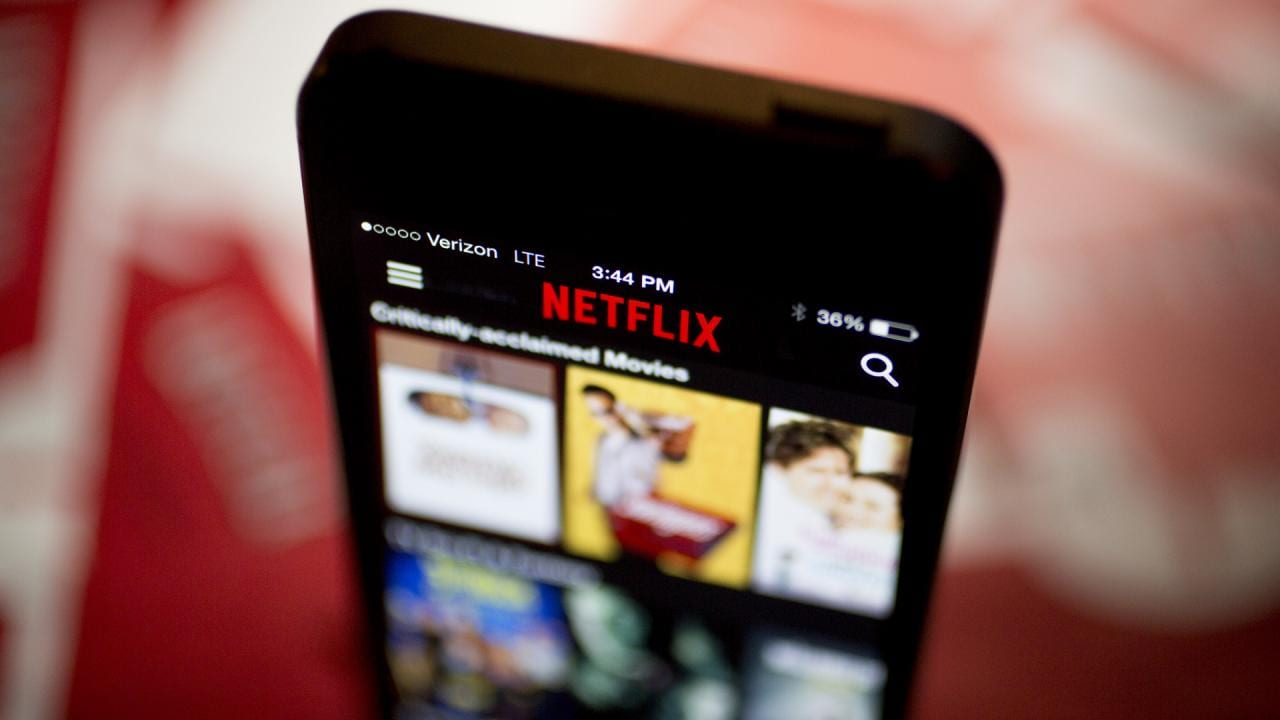
    The Malaysia Internet Exchange (MyIX) will finalise its deal with America’s popular online entertainment company, Netflix, to provide its video and movie content in Malaysia by end-August, says chairman Chiew Kok Hin.

    The non-profit MyIX is the first neutral Internet Exchange where local Internet Service Providers (ISPs) and content providers connect to exchange Internet traffic.

    He said with the deal entered into with the entertainment company, neighbouring countries such as Indonesia could also obtain the content from Malaysia at a nominal fee, hence paving the way for the country to become a content hub in future.

    “We hope with the sealed deal, we can attract other international players to come to Malaysia in the future as we are working to position the country as a regional Internet exchange gateway,” he said.

    Netflix is a popular online American entertainment company that provides a range of videos and movies and is also the world’s ninth-largest Internet company by revenue (US$8.83bil).

    Chiew added that with the country being positioned as an Internet exchange gateway, it would attract South-East Asian countries such as Indonesia, Thailand, Vietnam and Cambodia to make Malaysia their content hub.

    “It will bring the content nearer to us, and neighbouring countries will not only save cost but also improve on content quality,” he said.

    Since MyIX’s inception in 2006, it has closed deals with various parties including Alibaba and Yahoo.

    Chiew also said the cost to bring the content had dropped over the years, allowing telecommunication companies (telcos) to reduce their pricing and offer more data and bandwith to their clients.

    “With this in effect (cost reduction), the pricing set by telcos is being monitored by the Malaysian Communications and Multimedia Commission to ensure it is fairly set,” he said.

    As for the Internet speed in the country, Chiew, who is also AIMS Data Centre Sdn Bhd chief executive officer, said overall, the speed offered to Malaysian Internet users was satisfactory.

    However, there still remained certain areas in the country that did not have receive good Internet coverage.

    “Telcos have taken steps to widen their connectivity but it is acknowledged that there are still obstacles in providing fast Internet speed nationwide,” he said.

    The 3rd Generation Partnership Project (3GPP) early this year mentioned at an international conference that the accelerated 5 Generation (5G) schedule, which would enable 3GPP-based large-scale trials and deployments as early as 2019, would be commercialised worldwide by 2020.

  • Feasibility report ready for Vietnam’s $58 billion high-speed railroad

    Feasibility report ready for Vietnam’s $58 billion high-speed railroad

    Vietnam’s north-south high-speed railway is expected to cost $58 billion, according to a feasibility report released at a meeting Tuesday.

    The 1,545-kilometer route from Hanoi to Ho Chi Minh City will have double standard-gauge tracks of 1.435-m width and 23 stations, according to a consultancy consortium comprising Vietnamese firms TEDI, TRICC and TEDIS.

    It will adopt the distributed traction technology used by Japanese high-speed trains.

    Sixty percent of the tracks will be on viaducts, 10 percent underground and 30 percent on the surface, completely protected by fencing and without a single crossing.

    Two sections – from Hanoi to the central city of Vinh and from the central city of Nha Trang to HCMC – will be built first in 2020-2030 at a cost of $24 billion, and commercial operations are likely to begin in 2032.

    All sections are expected to be completed and operational by 2040-2045. Transport time from Hanoi to HCMC will be eight hours, while the current train takes 24 hours.

    The speed of the trains on the route would determine the attractiveness of the project, the report said, explaining that if it runs at 200 kilometers an hour, it would only account for 2.7 percent of the transportation share on the Hanoi – Nha Trang section.

    But if it increases to 350 kilometers, the share could reach 14 percent and the railroad could compete with airlines, it said.

    The proposal is for trains to run at 160-200 km speed after the first section is complete, and 350 km when the entire project is finished.

    At the meeting, Deputy Minister of Transport Nguyen Ngoc Dong said this feasibility report would be considered by authorities before being scrutinized by a European consultancy.

    “The transport ministry will invite bids to select that consultancy.”

    Efficiency unclear

    Experts at the meeting said the consultants need to make the projects’ financials clear.

    It should be divided into smaller sections to improve efficiency instead of the three large sections proposed now, Dr Nguyen Ngoc Long, deputy chairman of the Vietnam Bridge and Road Association, said.

    “Whatever option is selected, the infrastructure must allow a speed of 350 kilometers an hour.”

    Vu Hoai Nam, head of the urban railway faculty at the National University of Civil Engineering, said the feasibility report does not have a risk analysis.

    “If there is no detailed analysis of the ability to recover the investment, clearance and exchange rate fluctuations, the risk will be high.”

    The railroad would impact the passenger shares of airlines, putting pressure on the economy, and that should be taken into account, he added.

    Revived

    The north-south high-speed railroad was recently revived after being rejected by the National Assembly in 2010 due to its $56-billion price tag, which was half of Vietnam’s GDP then.

    If approved by the government now, it will be submitted to the house again next year.

    Experts said it might be more favorably viewed by the NA as well as the public due to Vietnam’s better financial position and greater demand for advanced infrastructure.

    The existing 3,000-kilometer railroad network has not received any major investment since it was built 140 years ago, and does not have the capacity for high speeds.

    Investment in railways currently accounts for only one percent of the transportation sector’s total budget.

    The NA approved a plan earlier this month to upgrade it at a cost of $300 million.

  • Grab, Vinasun to negotiate $1.8 million compensation dispute

    Grab, Vinasun to negotiate $1.8 million compensation dispute

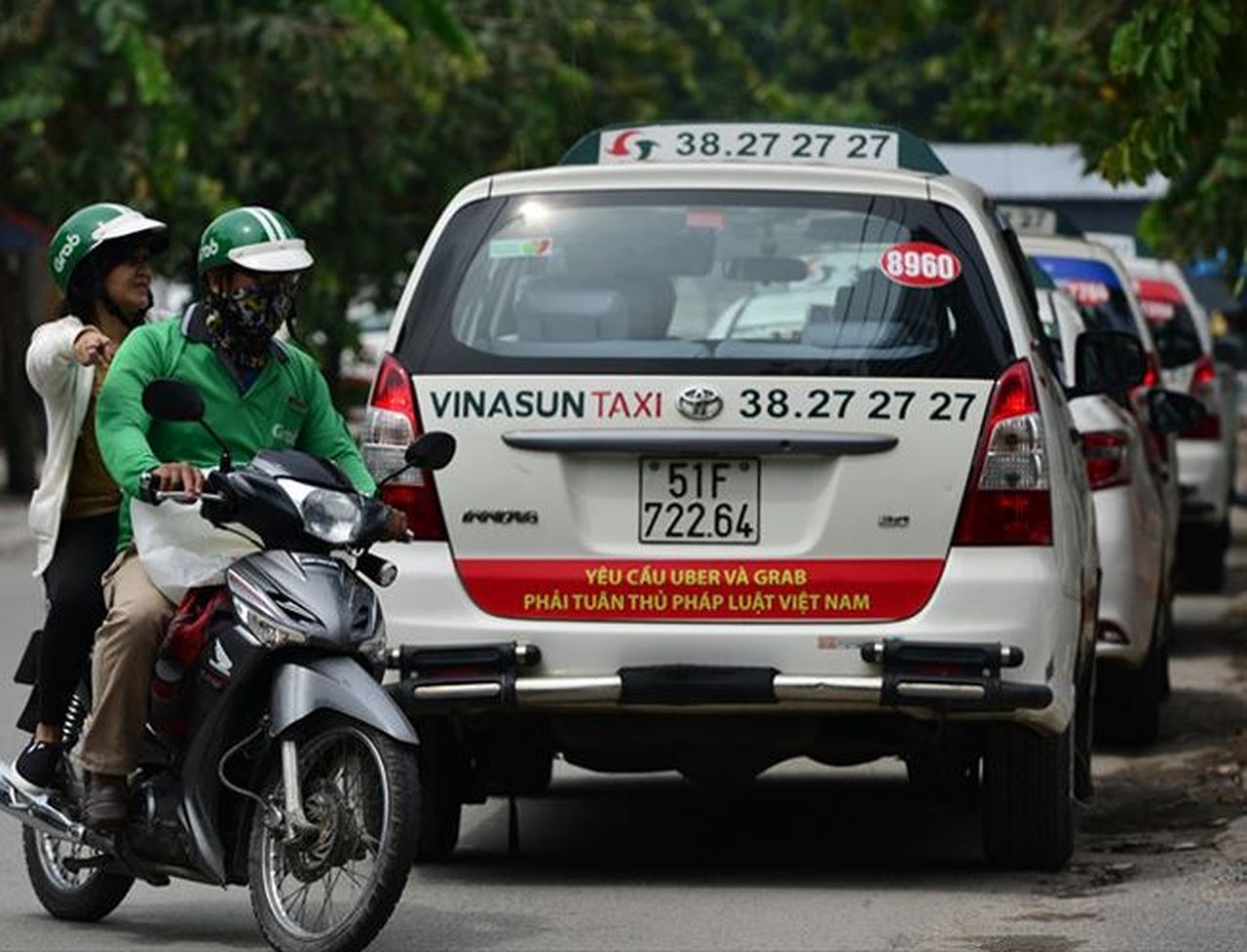
    Top taxi firm Vinasun and ride hailing firm Grab have told the court that they’ll negotiate a compensation dispute. The People’s Court of Ho Chi Minh City on Friday approved the litigants’ wish to ‘sit together,’ and temporarily suspended the trial. The suspension of trial is for no longer than a month, and the reopening date will be announced later, the court said.

    “The lawsuit has dragged on for over a year, but the claimant was not able to prove the damage, as well as the causal relationship with Grab’s influence. The defendant is also very worn out wasting time defending a wrong it did not commit,” said Luu Tien Dung, Grab’s lawyer.

    “This is one of the reasons why both sides have decided to negotiate,” he added.

    Vinasun filed the suit against Grab in June last year, accusing the Malaysia-based firm of abusing the Ministry of Transport’s pilot scheme and committing violations.

    It said Grab’s illegal activities were responsible for nearly VND42 billion (nearly $1.8 million) of the VND76 billion ($3.25 million) in losses that it suffered in 2016 and the first half of 2017.

    The trial began last February, but was adjourned a month later to allow for more evidence to be gathered. Grab protested the valuation of Vinasun’s losses.

    Last October, prosecutors asked the court to accept Vinasun’s petition for compensation of nearly VND42 billion (nearly $1.8 million) in one payment, dismissing Grab’s claim that it was a tech firm and not a taxi company.

    Grab responded by sending a letter to Prime Minister Nguyen Xuan Phuc, saying that identifying Grab as a taxi firm would be “a step backwards from Industry 4.0.”

    Under the latest draft of a decree prepared by the Transport Ministry, transport firms offering services with under 9-seater cars should be registered as taxi firms before they can apply ride-hailing technologies.

    This means that Grab and other ride-hailing firms would have to register their services again as taxi businesses and comply with corresponding legal responsibilities regarding their operating licenses, drivers’ profiles and tax duties.

  • Malaysia to Trim Fuel Subsidies as Prices Remain Southeast Asia’s Most Affordable

    Malaysia to Trim Fuel Subsidies as Prices Remain Southeast Asia’s Most Affordable

    Malaysia is taking a significant step toward fuel subsidy rationalization, with the government aiming to optimize resources for the benefit of lower-income groups. Prime Minister Anwar Ibrahim affirmed this decision on Monday, clarifying that it is designed to protect the majority of Malaysians while targeting affluent individuals and foreigners who account for a striking 40% of total subsidy usage.

    Subsidy Cuts Target Affluent Consumers

    With current fuel prices at an astonishingly low 2.05 ringgit (approximately 50 US cents) per liter for RON95 gasoline, Malaysia boasts some of the most affordable fuel in Southeast Asia—thanks to longstanding government support. However, concerns are bubbling up as the public fears that upcoming subsidy cuts, potentially coming as early as July, could ignite inflation, particularly in a nation where the number of vehicles rivals its population.

    Tax Expansion and Economic Pressure

    This fuel subsidy shift coincides with the government’s plan to widen the Sales and Service Tax (SST) starting July 1, which is expected to strain household budgets further. A new 5% to 10% sales tax will apply to non-essential items like king crab and luxury racing bikes, although essential goods will remain tax-exempt. The SST’s expansion into more sectors, from rentals to private healthcare, has raised alarms among retailers, who are already grappling with rising operating costs.

    Stan Singh, a council member of the Malaysia Retail Chain Association, expressed the challenge faced by businesses: “We can no longer absorb these increasing costs. Eventually, consumers will feel the pinch.” Coupled with a rising minimum wage and new contract-related charges, the pressure to pass costs onto consumers seems inevitable.

    Inflation Forecast and Economic Indicators

    While the economic landscape appears rocky, economists suggest that the broader scope of the SST might not heavily impact average consumers. Analysts from CGS International Research predict a temporary price increase, with inflation expected to rise to 2.2% year-on-year in July before peaking at about 2.4% in September. Despite these projections, the research firm has maintained its full-year Consumer Price Index (CPI) forecast at 2%, attributing stability to subdued global commodity prices, especially oil and palm oil.

    Over time, blanket fuel subsidies have aided Malaysians in managing the cost of living. Still, they have also resulted in overconsumption and smuggling, often favoring wealthier groups. Dr. Mohamad Idham Md Razak, a coordinator at Universiti Teknologi Mara’s Malaysian Academy of SME and Entrepreneurship Development, advocates for this targeted subsidy approach. He believes it improves fiscal efficiency and ensures that those most affected by rising prices receive the necessary support, confusing the issue of cross-border arbitrage.

    In a nutshell, it’s a bold move as Malaysia navigates the fine line between supporting its citizens and managing fiscal responsibility. Let’s just hope the country’s wallet doesn’t feel too light along the way!

    Questions & Answers

    What is the main goal of the fuel subsidy rationalization in Malaysia? The primary goal is to ensure that government resources are targeted toward benefiting lower-income groups while reducing the burden of subsidies on the nation’s budget.

    When are the upcoming subsidy cuts expected to take effect? The cuts may come as early as July, coinciding with the expansion of the Sales and Service Tax (SST).

    How will the expanded SST impact consumers? While the SST aims to generate additional revenue, it may lead to price increases for non-essential items, though essential goods will remain tax-exempt, helping to mitigate the impact on average consumers.

  • Tiktok Influencers Arrested: 800,000 Counterfeit Products Sold In Massive Scheme

    Tiktok Influencers Arrested: 800,000 Counterfeit Products Sold In Massive Scheme

    Le Van Hai, the creator behind a popular TikTok channel boasting 2.6 million followers, has been arrested for a staggering scheme involving the sale of 800,000 counterfeit food and cosmetics products. Alongside his accomplice, Tran Dai Phuc, the duo was apprehended on Monday in the northern province of Ninh Binh.

    The dynamic pair was promoting a range of cosmetic and food items on their TikTok channel, dubbed Hai Sen Family, for the past two years. Among their offerings was Hai Be Syrup, touted as a remedy for stimulating children’s appetites. However, their operation took a nosedive when authorities raided their company and discovered hundreds of products lacking the necessary licenses.

    Upon examination, the contents of the syrup raised eyebrows; tests revealed that the actual concentrations of calcium and vitamins A and C were less than 70% of what the labels advertised. In total, Hai and Phuc managed to distribute a shocking 800,000 products online since last year, including 100,000 boxes of the infamous syrup. The TikTok account has now been suspended, and an ongoing police investigation seeks to unearth the full extent of the operation.

    This incident serves as a vivid reminder that while the social media platform can inspire creativity, it can also provide a stage for deception—who knew the road to digital fame could be paved with imitation goods?

    Questions & Answers

    What charges are Le Van Hai and Tran Dai Phuc facing?
    They are facing charges related to selling counterfeit food and cosmetics products without proper licenses.

    How many products did they sell before their arrest?
    The duo sold over 800,000 products online, which included 100,000 boxes of their Hai Be Syrup.

    What has happened to their TikTok account?
    Their TikTok account has been locked as part of the ongoing police investigation into their activities.

  • 300,000 Seniors in Singapore to Benefit from Nearly US$1,000 Health Support Initiative

    300,000 Seniors in Singapore to Benefit from Nearly US$1,000 Health Support Initiative

    Around 300,000 seniors from Singapore’s “Pioneer Generation” will soon receive government top-ups ranging from SGD 300 to SGD 1,200 (approximately US$234 to US$937) this July, in recognition of their significant contributions during the nation’s early years.

    Generous Increase in Health Support

    This year’s top-up amounts surpass last year’s figures of SGD 250 to SGD 900, as reported by the Ministry of Finance in a statement Monday. The total commitment for this initiative exceeds SGD 160 million, reflecting the government’s dedication to supporting its older citizens.

    These financial top-ups are designed to cover various medical expenses, including premiums for insurance plans, eldercare programs, as well as hospitalization costs and day surgeries. Notably, this financial boost is in addition to the annual vouchers provided to Singaporeans aged 65 and older.

    Supporting Seniors at Every Stage

    To qualify for the top-ups, seniors must be at least 76 years old, with the oldest citizens, aged 91 and above, receiving the highest amount of SGD 1,200. The Pioneer Generation Package, introduced in 2014, serves as a heartfelt tribute to the contributions of these individuals during the country’s formative years.

    The benefits don’t stop there; those aged 91 and above will continue to have their MediShield Life premiums fully covered, while younger pioneers can expect around two-thirds of their premiums to be taken care of.

    In a nation where every dollar counts, the initiative exemplifies how Singapore values its past while investing in the health and well-being of its elders. After all, nothing says “thank you” quite like a little extra cash for your hospital visits!

    Questions & Answers

    Who is eligible for these health support top-ups?
    Eligible seniors for the top-ups are those aged 76 and above, with those 91 years and older receiving the highest benefits.

    How much total funding is allocated for this initiative?
    The total funding for the top-ups is over SGD 160 million, reflecting the government’s commitment to its senior population.

    What does the top-up cover?
    The financial top-up aids in covering insurance premiums, eldercare programs, and various medical expenses, ensuring that seniors maintain access to essential health services.

  • APAC Healthcare Workers Raise Alarm on AI and Data Gaps Impacting Patient Care

    APAC Healthcare Workers Raise Alarm on AI and Data Gaps Impacting Patient Care

    Retail businesses in Asia are in the midst of a transformative phase, as innovative strategies continue to reshape the landscape. With digital integration skyrocketing, brands are reimagining customer engagement and shopping experiences to keep pace with rapidly evolving consumer preferences.

    Digital Trends Transforming Retail

    Retailers across the region are harnessing the power of technology to enhance their offerings. The use of artificial intelligence, augmented reality, and data analytics is not just a trend—it’s a necessity. These technologies are enabling personalized shopping journeys, where consumers receive tailored recommendations, making every interaction feel unique and significant. In essence, the retail experience is swiftly becoming as much about the journey as it is about the destination.

    Experiential Shopping: The New Norm

    Gone are the days when shopping was a simple transaction. Today’s consumers seek immersive experiences that captivate their senses and create lasting memories. Retail outlets are evolving into multifunctional spaces where customers can enjoy everything from gourmet food tastings to interactive product demonstrations. Imagine sipping artisanal coffee while engaging in a lively workshop on sustainable fashion right in the heart of a department store—how delightful is that?

    Omnichannel Strategies on the Rise

    With the rise of e-commerce, retailers are increasingly adopting omnichannel strategies, seamlessly blending in-store and online experiences. Click-and-collect services, live chat support, and virtual shopping assistants are just a few methods being employed to ensure customers can interact with brands in ways that suit them best, whether they’re browsing in their pajamas or navigating a bustling shopping mall.

    As the retail scene evolves, partnering with innovative advertising can further amplify outreach. Agencies are keen on helping businesses craft compelling digital campaigns and engaging them through vivid storytelling.

    Emerging Markets: A Hotbed for Innovation

    Emerging markets in Asia are brimming with potential, sparking exciting retail ventures and attracting global players eager to capitalize on this growth. Brands are not only looking for market entry but are also tailoring products to cater to local tastes and preferences. From street food to fashion, the region offers a rich tapestry of cultural diversity that is influencing product lines and marketing strategies.

    As a surprise twist, a few unconventional retail experiments—like pop-up stores in unexpected locations—are turning heads and attracting curious shoppers, proving that creativity knows no bounds in today’s retail world.

    Questions & Answers

    What are the key factors driving the transformation of retail in Asia?
    The key factors include the integration of technology, the demand for personalized shopping experiences, and the rise of omnichannel strategies that seamlessly connect online and offline interactions.

    How is experiential shopping shaping consumer behavior?
    Experiential shopping is captivating consumers by offering unique, immersive experiences that go beyond traditional transactions, thus fostering stronger emotional connections with brands.

    What role do emerging markets play in the future of retail?
    Emerging markets serve as a hotbed for innovation, drawing international brands that seek to meet diverse local preferences and explore unique retail opportunities that cater to this burgeoning consumer base.

  • Delivery Worker Faces $20 Fine for Exposing Counterfeit Watch to Recipient

    Delivery Worker Faces $20 Fine for Exposing Counterfeit Watch to Recipient

    On a day like any other, a delivery driver found himself in a dilemma that would leave him counting his losses. Tasked with delivering a watch touted as a Japanese brand, he couldn’t shake the feeling that something was off. Sensing it was a counterfeit, he made the decision to alert the customer. But instead of gratitude, he was met with ire. The customer reported him to the seller, who promptly escalated the matter to his employer. The fallout? A fine of VND500,000 (approximately $20), alongside a deduction of two days’ wages and a cut to his monthly bonus.

    Back to the Scene

    Just days later, fate had a peculiar sense of humor as he was assigned to deliver another package to the same customer. This time, she recognized him and unleashed her frustration over the counterfeit watch. An exasperated question hung in the air: if she bought the watch on Facebook, how could he possibly return it? This incident has sparked conversations around the contentious issue of counterfeit goods, as others have shared similar stories of when delivery workers took it upon themselves to caution customers about the authenticity of their purchases.

    Voices From the Delivery Front

    The debate has captivated readers, with one delivery worker, who has been in the job for five years, commenting, “When I spot a counterfeit, I always inform the customer and urge them not to accept it. But some insist on taking it, only to later call me asking if they can return the item.” The helplessness is palpable when the line between professionalism and integrity blurs. Another reader pointed out that fake goods are rampant on online platforms. Some buyers, fully aware of the dubious nature of these items, still succumb to their temptations, while others might be none the wiser, simply drawn in by low prices.

    Concern over counterfeit goods is on the rise, with many advocates calling for stricter regulations. “I would rather invest in a lesser-known genuine brand than buy an obviously fake item,” shared one concerned reader. “If I can’t swing a brand-new watch, a second-hand authentic piece will do just fine.”

    Questions & Answers

    What sparked the initial incident involving the delivery driver?

    The driver, sensing that the watch he was delivering was a counterfeit, warned the customer, but this led to his penalization after she complained.

    How did the customer react to the driver’s warning?

    Instead of being grateful, the customer was upset and reported the driver to the seller, leading to heavy penalties for him.

    What are other delivery workers saying about counterfeit items?

    Many delivery workers echo the same experience, stating they often inform customers about counterfeit goods, only to face backlash or discover the customers still choose to accept them.

  • Gasoline Prices Hit 10-Week High: What It Means for Consumers and Retailers

    Gasoline Prices Hit 10-Week High: What It Means for Consumers and Retailers

    In a notable shift for consumers, gasoline prices in Vietnam surged to their highest level since early April. This change, marked by a notable uptick in fuel costs, came into effect Thursday afternoon, leaving many to watch their wallets a bit more closely.

    Rising Costs at the Pump

    The widely used RON95 fuel experienced a 1.37% increase, reaching VND19,960 (approximately US$0.77), while the biofuel variant, E5 RON92, rose by 1.04% to VND19,460. Additionally, diesel prices climbed by 1.61%, settling at VND17,700.

    Global Factors at Play

    This latest price spike is attributed to a combination of global dynamics. Regulatory authorities have pointed to a variety of influences impacting the fuel market. Key factors include heightened tensions between the U.S. and Iran regarding nuclear negotiations, a reduction in U.S. crude oil reserves, fluctuations in U.S. tax policies affecting trading partners, and the continuing military conflict in Ukraine. As a result, market prices have seen significant shifts, with RON95 reporting a climb to $79.7 per barrel, while diesel saw an increase to $81.51, marking a substantial impact on the overall cost landscape for consumers and businesses alike.

    As we navigate these changes, one has to wonder: will we ever see a dip in prices again, or are we destined for a rollercoaster ride at the pump?

    Questions & Answers

    What are the new prices for RON95 and E5 RON92 fuels? RON95 is now priced at VND19,960, while E5 RON92 costs VND19,460.

    What global events are influencing these price changes? Factors include rising tensions between the U.S. and Iran, falling U.S. crude oil inventories, and ongoing conflicts in Ukraine.

    How much has diesel fuel increased in price? Diesel saw an increase of 1.61%, bringing its cost to VND17,700.

  • India’s Life Insurers Showcase Solid Growth in May Amidst Declining Policy Volumes

    India’s Life Insurers Showcase Solid Growth in May Amidst Declining Policy Volumes

    India’s life insurance industry is experiencing quite the twist, as it reported a year-on-year premium growth of 12.7% in May, bringing the total premiums to a substantial Rs30,463.2 crore. This surge is a welcome improvement from April’s 8.4% growth, although it falls below the impressive 15.1% growth seen in May 2024, largely influenced by the revised surrender value regulations introduced in October 2024.

    Policy Sales Take a Dip

    However, in an unexpected turn of events, the number of life insurance policies sold plummeted by 10.4% during the month. The segment of individual non-single policies suffered a particularly steep decline of 10.5%, totaling at 16.7 lakh. While these figures may sound ominous, private insurers managed to thrive in the individual non-single premiums category. In contrast, the Life Insurance Corporation of India (LIC) faced a 7.8% decrease in this sector. Evidently, private players are enjoying a sweet spot, propelled by a growing preference for higher-value policies.

    Annual Premium Equivalent Sees Impressive Growth

    Amidst this backdrop, the Annual Premium Equivalent (APE) showcased a remarkable uptick of 14.4% in May, compared to a 12.0% rise in May 2024. Over the period from May 2023 to May 2025, the industry’s APE has grown at a steady 13.2% compound annual growth rate (CAGR), with private insurers outpacing LIC at 13.8% versus LIC’s 12.4%. On the other hand, the growth of Unit Linked Insurance Plans (ULIPs) remains subdued, primarily due to market volatility, while group business has become the standout performer this May.

    A Bright Future Ahead

    Looking ahead, industry analysts predict that insurers will intensify their focus on agency channels, especially as banks increasingly prioritize deposit mobilization. Upcoming regulatory changes, such as the proposed Insurance Amendment Act and the Bima Trinity initiatives, are seen as catalysts for market expansion. CareEdge Ratings optimistically forecasts the industry could achieve an annual growth rate of 10% to 12% over the next three to five years, buoyed by innovations in product offerings and enhanced distribution strategies. And who knows? With such promising growth, life insurers might soon find themselves in a healthy competition for policyholder affection!

    Questions & Answers

    What was the growth percentage of life insurance premiums in May? The life insurance industry experienced a growth of 12.7% in May, reaching a total of Rs30,463.2 crore.

    How did private insurers perform compared to LIC? Private insurers saw growth in individual non-single premiums, while LIC recorded a 7.8% decline in this segment.

    What future growth is projected for the life insurance industry? CareEdge Ratings projects a yearly growth rate of 10% to 12% for the industry over the next three to five years, largely driven by private sector expansion and product innovation.

  • Summer Train Travel Soars in Popularity, Weekend Tickets Selling Out Fast

    Summer Train Travel Soars in Popularity, Weekend Tickets Selling Out Fast

    Trains between Hanoi and popular central and southern tourist destinations are in demand, with sleeper berths sold out on weekends, thanks to improved pricing policies and services.

    When Thu Minh from Hanoi attempted to purchase train tickets for her family’s weekend getaway to Da Nang City, she was met with a surprising twist—many trains were completely booked. Out of the nine trains scheduled for the trip, the SE17 train had just two sleeper berths remaining, while SE11 had three available.

    Routes to Nghe An and Quang Binh Province demonstrated similar trends, with sleeper berths becoming increasingly scarce. “I didn’t expect train tickets in June to be this hard to get,” Minh lamented, adding, “My family might have to postpone our trip to next month.”

    The Vietnam Railways Corporation’s ticketing website highlights the limited availability of sleeper berths on weekends throughout June, specifically on routes connecting Hanoi with central and southern provinces. A representative from the Railway Transport Joint Stock Company revealed that over 620,000 tickets have been sold this summer, with a projected passenger increase of 8-10% compared to the previous year by the end of the vacation period.

    Analysts attribute this surge in popularity to several factors: competitive ticket prices for families, free travel for children under six, and an array of conveniences available for those traveling with young kids. Groups can also enjoy discounts of 3-15%.

    Furthermore, the quality of services and amenities has improved significantly in recent years. Many train routes offer breathtaking views, making train journeys to central Vietnam especially sought after. Notably, even premium trains running between Hanoi and Da Nang frequently sell out, with sleeper berth fares reaching VND1.3 million (around US$50) each.

    To accommodate the summer rush, the railroad service is expanding. New trains have been introduced along the Hanoi–Hai Phong City route, and the already popular line between Ninh Thuan Province and Da Lat has added three more trains, bringing the total to six. Daily departures are now also available between Hanoi and Beijing, enhancing connectivity with the Chinese capital.

    Questions & Answers

    What is causing the high demand for train tickets this summer? Many factors contribute to this surge, including competitive pricing for families, free travel for children under six, and improved service quality.

    How much can passengers expect to pay for a sleeper berth on popular routes? Sleeper berths can reach fares of VND1.3 million (approximately US$50) on high-quality trains, yet they still sell out quickly.

    What new routes have been added to accommodate travelers? The railroad service has expanded this summer with additional trains on the Hanoi–Hai Phong route and new options connecting Ninh Thuan Province to Da Lat, plus daily services to Beijing.

    So, if you’re planning a train trip, make sure to book early—unless you fancy practicing your charm at the ticket counter!

  • TikTok Launches Innovative Business Solutions to Accelerate Brand Growth and Engagement

    TikTok Launches Innovative Business Solutions to Accelerate Brand Growth and Engagement

    TikTok has unveiled a remarkable suite of business tools crafted to fuel growth for brands at every stage of the marketing journey. This innovative approach introduces artificial intelligence-powered technologies, fresh advertising formats, and broadened measurement capabilities designed to transform user engagement into tangible business results.

    Empowering Brands with TikTok Market Scope

    Among the standout features is TikTok Market Scope, an analytics powerhouse that guides brands in tracking and engaging audiences as they navigate the purchase journey. Complementing this is a newly launched mid-funnel ad format called Brand Consideration Ads, meticulously crafted to transition viewers from mere awareness to genuine interest.

    Unifying Creativity with TikTok One

    TikTok has also elevated its creative hub, TikTok One, an all-in-one platform that connects creators, agencies, and essential tools. The introduction of Insight Spotlight—a trend-tracking instrument—enables marketers to grasp which content truly resonates with their target audience. Moreover, the Content Suite offers an extensive, searchable library of user-generated content, curated for ad potential and delivering over 40 times more relevant results compared to conventional in-app searches.

    Expanding Creative Opportunities

    In a rebranding move, TikTok has upgraded its creative agency network to the new name Partner Exchange, previously known as TikTok Creative Exchange, while also extending access to its Creator Marketplace, now available to creators in 26 countries.

    Automating Campaigns with AI Tools

    On the automation front, TikTok is scaling its arsenal of three key AI-driven tools: Symphony, Smart+, and GMV Max. These tools empower advertisers to streamline their campaign performance efficiently. Symphony’s content creation capabilities have integrated with Smart+, enhancing its ability to automate performance campaigns with precision.

    Smart+ now boasts enhanced audience targeting, robust brand safety measures, and integration with Catalog Ads that ensure personalized product recommendations are always on display. Furthermore, TikTok is broadening its measurement offerings with new Media Mix Modeling partners, helping brands understand their impact across various channels. The platform’s TopView ad format, which captures users’ attention as they open the app, has also enhanced its delivery controls and interactive features to drive engagement further.

    In a world where creativity meets AI, TikTok is setting the stage for a marketing revolution—who knew social media could be this resourceful?

    Questions & Answers

    What is TikTok Market Scope?
    It’s an analytics platform designed to assist brands in tracking and activating audiences throughout the purchasing journey.

    What new ad format has TikTok introduced?
    TikTok has launched Brand Consideration Ads, intended to transition audiences from awareness to interest.

    How is TikTok enhancing its creative capabilities?
    TikTok has revamped its creative hub to TikTok One, which combines creators, agencies, and tools, along with new features like Insight Spotlight and Content Suite to maximize engagement.