Category: Living

Retail News Asia is committed to providing both local and global retailers with the latest Living news throughout the Asian market. This on a daily base.

  • Malaysia Amplifies Youth Online Safety: Social Media Age Limit Raised to 16 with Mandatory ID Checks from 2026

    Malaysia Amplifies Youth Online Safety: Social Media Age Limit Raised to 16 with Mandatory ID Checks from 2026

    Starting from 2026, Malaysia has decided to raise the age restriction for social media registration to 16 years old. This decision was announced at a recent cyber scam awareness seminar, led by Minister of Communications, Datuk Fahmi Fadzil. The Malaysian government has expressed its commitment to safeguarding children online, and these steps are part of that pledge.

    Identity Verification and Age Restrictions

    Social media platforms will be required to put identity verification measures into place. The aim is to ensure that young users meet the revised age limit. Datuk Fahmi Fadzil explained that a similar regulation has already been planned for implementation in Australia, and that Malaysia will study and learn from the implementation strategies of other countries to develop the most effective practices.

    This initiative is part of an overarching plan to safeguard Malaysian children online. This plan will become law with the Online Safety Act, which will be effective from January 1, 2026.

    Guidance for Parents

    Parents have been encouraged to promote outdoor activities for their children and to monitor their usage of electronic devices closely, in order to reduce screen time. The intention is to cultivate healthier habits in children and to prevent them from becoming overly reliant on digital media.

    Addressing Social Media Use in Schools

    Last month, the Malaysian Cabinet proposed an increase in the minimum age for social media users to 16, a change from the previously suggested age of 13. In order to ensure this, social media platforms will need to verify the ages of users during registration using official identification documents such as MyKad, passports, and MyDigital ID.

    Furthermore, the Cabinet reviewed the idea of establishing a special task force to identify and address issues that schools across the country might be encountering due to the use of social media among students. In line with these discussions, Prime Minister Datuk Seri Anwar Ibrahim has disclosed that the Cabinet is also considering imposing a ban on smartphone usage for individuals below the age of 16.

    Questions & Answers

    Q: What changes are being made to social media registration in Malaysia?
    A: From 2026, the minimum age for social media registration in Malaysia is being raised to 16 years. Social media platforms will also be required to implement identity verification measures during registration.

    Q: What is the purpose of these changes?
    A: These changes are part of the Malaysian Government’s plan to protect children online. The measures are intended to ensure that young users meet the age requirement for social media usage.

    Q: What else is the Malaysian government considering to protect children online?
    A: In addition to the changes in social media registration, the Malaysian government is considering the establishment of a task force to address issues arising in schools due to students’ use of social media. There are also discussions about potentially banning smartphone usage for those under 16 years old.
  • Driving into the Future: Singapore’s Punggol District to Host Country’s First Residential Autonomous Shuttle Service

    Driving into the Future: Singapore’s Punggol District to Host Country’s First Residential Autonomous Shuttle Service

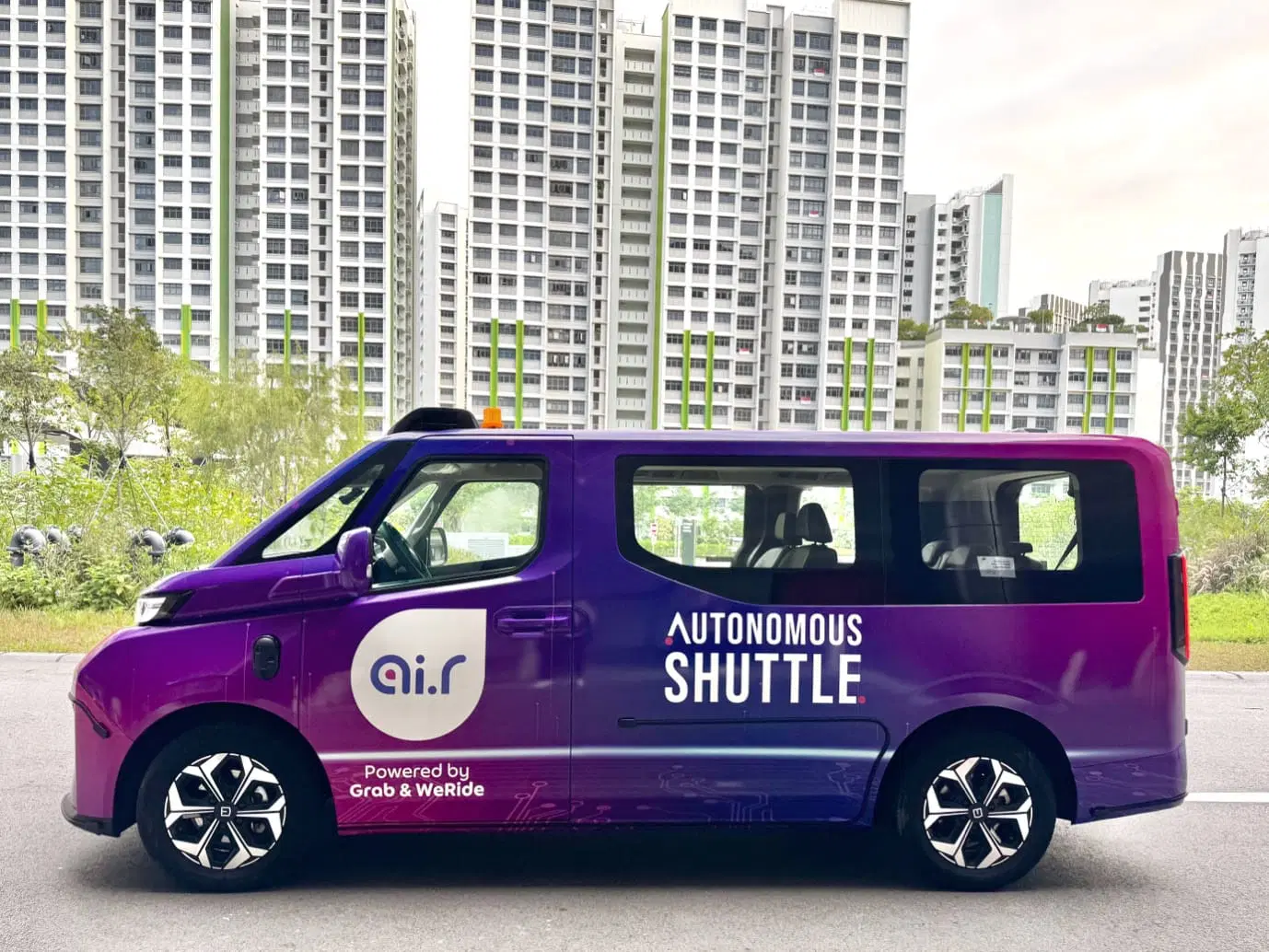
    WeRide and Grab have recently been given the go-ahead by Singapore’s Land Transport Authority to initiate their full-scale Ai.R fleet testing in Punggol. This move is significant as Punggol will be the nation’s first residential area to potentially provide an autonomous shuttle service.

    Launch of First Autonomous Shuttle Service

    The Ai.R, short for Autonomously Intelligent Ride, is an autonomous public ride service jointly operated by Grab and WeRide. The fleet comprises 11 vehicles, with ten being WeRide GXRs featuring five passenger seats each, and one Robobus with eight seats. The goal of this initiative is to transform Punggol into the first Singaporean neighbourhood to offer a dedicated autonomous shuttle service, with public operations anticipated to commence in early 2026.

    Improved Connectivity for Residents of Punggol

    The autonomous shuttles intend to connect residential areas to key facilities that include the Punggol Coast MRT station, the bus interchange at Punggol Coast Mall, retail establishments, and healthcare facilities. Safety Operators will be present on board throughout the testing phase and the preliminary public rides roll-out to supervise operations in real-time and ensure safety.

    Gearing Up for Reliability and Safety

    Each test run of the autonomous vehicles will generate real-world data that can help train and localize the vehicles’ AI driving models better. The AVs will analyze road infrastructure, traffic situations, and behavioural patterns of pedestrians and road users. They are also being equipped to handle Singapore’s well-known unpredictable weather conditions to ensure consistent and reliable performance.

    Navigating Complex Urban Environments

    To be fully operationally prepared, the Ai.R fleet is being trained across various real-world situations. This includes precision driving for smooth acceleration, deceleration, and obstacle avoidance; navigation of narrow residential roads, tight car park turns, and complex intersections; and facilitating seamless pick-ups and drop-offs. Equipped with LiDAR and camera sensors, the vehicles can identify hazards in all weather conditions, enabling adaptive responses to dynamic urban environments.

    Developing the Autonomous Transport Workforce

    Talent development is a crucial aspect of this programme. GrabAcademy and WeRide are working in collaboration to train over ten experienced Grab driver-partners as Ai.R Safety Operators. Post completion of classroom instruction and closed-circuit training, the initial group has moved on to on-road sessions.

    A Step towards Singapore’s Smart-Mobility Future

    The expansion of Ai.R testing underlines Singapore’s wider ambitions to integrate autonomous technologies into its public transport system. For WeRide and Grab, the initiative represents a significant advancement in commercializing autonomous mobility in a densely populated urban environment. This could potentially serve as a model for implementations across Southeast Asia. If successful, Punggol could soon be a shining example of how AV-enabled transit can improve connectivity, resilience, and urban liveability.

    Questions & Answers

    What is the Ai.R service?
    Ai.R, short for Autonomously Intelligent Ride, is an autonomous public ride service that is jointly operated by Grab and WeRide.

    What is the purpose of the Ai.R fleet testing in Punggol?
    The testing serves to transform Punggol into Singapore’s first neighbourhood to offer a dedicated autonomous shuttle service, with operations expected to start in early 2026.

    What is the significance of this initiative for Singapore?
    This initiative aligns with Singapore’s broader ambition to incorporate autonomous technologies into its public transport ecosystem, and also marks a significant advancement in commercializing autonomous mobility in a densely populated urban setting.

  • Vietnam Climbs to 5th Spot in US International Student Rankings; Contributes $1.15B to Economy

    Vietnam Climbs to 5th Spot in US International Student Rankings; Contributes $1.15B to Economy

    During the previous academic year, U.S. higher education institutions saw an unprecedented influx of nearly 25,600 students from Vietnam. As such, Vietnam now holds the title of being the fifth most significant source of international students for the United States.

    Academic Year 2024-2025: A Closer Look

    The 2024-2025 academic session witnessed a significant 15.9% increase in Vietnamese students studying in the U.S., taking the total count to 25,584. This not only marked the highest inflow of Vietnamese students ever recorded but also contributed nearly US$1.15 billion to the U.S. economy.

    The data, which was recorded by the Institute of International Education (IIE), is the highest it has ever been since the IIE commenced tracking Vietnamese students in the U.S. in the 2000-2001 academic session.

    The majority of these students were enrolled in undergraduate programs, comprising 63% of the total. They were followed by graduate students at 17.3%, students on Optional Practical Training (OPT) at 14.2%, and non-degree students making up the remainder.

    Global Presence

    In the same academic year, more than 1.17 million international students from over 200 countries and territories chose to study in the U.S., marking a 4.5% increase from the previous academic year. These international students constituted 6% of the total U.S. higher education population and contributed nearly $55 billion to the U.S. economy, thereby supporting over 355,000 jobs.

    The top countries contributing to the U.S. student population were India with 363,019 students (a 9.5% increase), China with 265,919 students (a 4% decrease), South Korea with 42,293 students (a 2% decrease), and Canada with 29,903 students (a 3% increase).

    Interestingly, while there was a 2.7% decrease in the number of students enrolled in graduate programs (master’s or doctorate degrees), undergraduate student enrollment witnessed an increase of 4.2%. This marks the first significant surge in undergraduate enrollment since the onset of the Covid-19 pandemic. The number of international students pursuing OPT also experienced a substantial growth, reaching 294,253 – constituting a 21% increase from the previous year.

    Over half (57%) of international students across all academic levels pursued STEM fields (Science, Technology, Engineering, and Mathematics). The most popular fields were Mathematics and Computer Science, chosen by one in four students, followed by Engineering, and Business & Management.

    However, it is important to note that despite the overall growth in the number of international students, new enrollments, i.e., students studying for the first time, decreased by 7.2% to 277,118 in 2024-2025.

    Questions & Answers

    What was the increase in Vietnamese students studying in the U.S. during the 2024-2025 academic year?
    The number of Vietnamese students studying in the U.S. increased by 15.9% during the 2024-2025 academic year.

    Which countries contributed the most to the U.S. student population in the 2024-2025 academic year?
    The top countries contributing to the U.S. student population in the 2024-2025 academic year were India, China, South Korea, and Canada.

    Which academic fields were the most popular among international students in the 2024-2025 academic year?
    The most popular academic fields among international students in the 2024-2025 academic year were Mathematics and Computer Science, followed by Engineering, and Business & Management.

  • Unveiling Vietnam’s Top 100 Workplaces in 2025: New Faces Emerge in Annual Ranking

    Unveiling Vietnam’s Top 100 Workplaces in 2025: New Faces Emerge in Annual Ranking

    The 2025 version of the ‘Vietnam 100 Best Places to Work’ list has introduced several newcomers, including KienlongBank and Duy Tan Recycling. Global consumer goods corporation Unilever managed to retain its top spot in the large business category in the 12th annual iteration of this esteemed list.

    Top 10 Contenders

    Other prominent names in the top 10 comprise American drinks manufacturer Coca-cola, Japanese food producer Acecook, retail giant AEON, and Vietnamese powerhouses Vingroup and FPT.

    Leading Medium-sized Enterprises

    When it comes to the medium-sized enterprise category, American beverage producer Foods secured the number one position for the third year in a row.

    The list also welcomed fresh faces like paint manufacturing company TOA Paint, German pharmaceutical firm STADA Pymepharco, fitness equipment brand Yes4All operating out of the United States, Duy Tan Recycling, KienlongBank, and materials production company Phenikaa Group.

    Survey Details

    The list was compiled after assessing over 650 businesses across 18 different industries. The procedure included polling nearly 73,000 employees and students.

    This year’s survey marked the first instance of students’ participation in order to accommodate the interests of the younger workforce seeking transparent working conditions.

    CEO of Anphabe, Thanh Nguyen, expressed that the survey provides critical data which assists companies in improving their strategies for attracting and retaining talent. Anphabe is a company that offers employer branding solutions and plays a significant role in market development for platforms like Meta’s Workplace and LinkedIn.

    Questions & Answers

    Who topped the ‘Vietnam 100 Best Places to Work’ list in the large business category for 2025?
    Unilever retained its position at the top of the list in the large business category.

    Which new companies made it to the list in 2025?
    Newcomers to the list included KienlongBank, Duy Tan Recycling, TOA Paint, STADA Pymepharco, Yes4All, and Phenikaa Group.

    Who led the medium-sized enterprise category?
    The American beverage producer, Foods, held the top spot in the medium-sized enterprise category for the third consecutive year.

  • Fuel Frenzy: Vietnam’s Gasoline and Diesel Prices Tumble Amid Global Petroleum Market Fluctuations

    Fuel Frenzy: Vietnam’s Gasoline and Diesel Prices Tumble Amid Global Petroleum Market Fluctuations

    On Thursday, Vietnam saw a decrease in its petrol and diesel prices, following a surge in the previous week. The frequently-used fuel RON95 saw a 0.15% drop in price, falling to VND20,540 (US$0.78) per litre from its price the preceding Thursday.

    Fuel Price Declines

    Additionally, Biofuel E5 RON92, another widely used fuel in Vietnam, experienced a 0.20% price decrease, bringing its price down to VND19,800. Diesel, another key fuel type, mirrored this trend with a 0.20% price drop, taking its price to VND19,820.

    Global Influence on Fuel Prices

    The global petroleum market, within the last week, was influenced by several factors which had an impact on Vietnam’s fuel prices. The Ministry of Industry and Trade cited the OPEC+ agreement to marginally enhance oil production in December, coupled with the reopening of the U.S. government, as major influences.

    RON95’s global price fell by 0.3%, landing at $82.4 per barrel. Diesel, too, followed suit and saw a 0.3% dip to $93.35 per barrel.

    Questions & Answers

    What was the percentage drop in RON95’s price?
    The price of RON95 fell by 0.15% from the previous week.

    What caused the global petroleum market to be influenced in the past week?
    The global petroleum market was affected by several factors including OPEC+’s decision to slightly increase oil production in December and the reopening of the U.S. government.

    What was the new price for Diesel?
    Diesel’s new price was VND19,820, marking a 0.20% drop.

  • High-End Health: Nestlé’s Vitamin Business on the Selling Block Amid Consumer Shift to Premium Supplements

    High-End Health: Nestlé’s Vitamin Business on the Selling Block Amid Consumer Shift to Premium Supplements

    Nestlé, the Swiss food giant, is facing a challenge in its attempt to divest from its mass-market vitamin brands. The rise in demand for expensive, scientifically-backed products among health-conscious consumers is complicating the corporation’s efforts to secure a high price for its low-growth, low-margin brands.

    A Shift in Consumer Preferences

    In July, Nestlé announced a strategic review of its brands in the vitamins, minerals, and supplements category with an eye towards a potential sale. This decision, reaffirmed by new CEO Philipp Navratil, is driven by a growing consumer trend. Global supplement market trends indicate a shift towards brands offering supplements with scientifically proven ingredients. This trend is a potential hurdle for Nestlé, as it considers the sale of affordable mainstream brands such as Nature’s Bounty, Osteo Bi-Flex, and Puritan’s Pride, as well as its US private label business.

    The supplement market itself is quite fragmented, with its regulatory landscape continually changing. This adds an element of risk to any potential acquisition. Although industry players are showing a lack of interest, private equity funds appear more likely to be potential purchasers.

    The brands Nestlé is contemplating selling account for 2.8 per cent of its yearly sales, approximately $1.25 billion. Nestlé intends to increase its focus on premium dietary supplement brands, like Solgar, which offers a range of products from standard vitamins to those aimed at promoting brain health, hair growth, and stress reduction.

    A Potential Opportunity for Private Equity

    Nestlé’s acquisition of these vitamin brands in 2021, for US$5.75 billion, was the third-largest transaction in the vitamin, mineral, and supplement space of the last 12 years. However, matching these valuations could be challenging given the high consumer interest in brands offering products that have undergone rigorous clinical testing.

    Competitors such as Danone and Unilever are showing a preference for high-end brands with evident growth potential. Both companies are exercising caution regarding the mass supplements market due to the stringent European consumer protection regulation, which poses challenges to making promises about a product’s health benefits.

    Moreover, the return on investment is uncertain in such a fragmented industry. No brand that Nestlé is considering selling owns more than 2.1 per cent of the US vitamin market.

    Future Regulatory Challenges

    The future US regulatory landscape is another factor to consider. In March, the US Health Secretary expressed a desire to tighten the federal approval process for new food additives. Should this be finalized, it could increase scrutiny of new ingredients, making it more difficult for companies to market new food additives without US Food and Drug Administration review. This has elicited opposition from the Council for Responsible Nutrition, a supplement industry trade group.

    The preference against Nestlé’s mass-market vitamins is not limited to direct competitors in the packaged goods arena. GNC, a supplement retailer, is focusing on innovation within its own range and aligning with science-backed standards.

    Despite these challenges, the potential upside is significant. The global dietary supplement market, valued at US$192.7 billion in 2024, is projected to surge to $414.5 billion by 2033. This could attract buyout funds, but they are likely to drive a hard bargain.

    Questions & Answers

    What is the main hurdle Nestlé is facing in selling its vitamin brands?
    The main hurdle is the shift in consumer preferences towards expensive, scientifically-backed supplement products, which contrasts with the affordable, mass-market positioning of the brands Nestlé is considering selling.

    What are the potential regulatory challenges for the supplement industry?
    The regulatory landscape is continually changing, and there is talk of tightening the federal approval process for new food additives in the US. This could increase scrutiny of new ingredients and make it more difficult for companies to market new food additives without review.

    What is the potential future growth of the global dietary supplement market?
    The global dietary supplement market, valued at US$192.7 billion in 2024, is projected to increase to $414.5 billion by 2033. This substantial growth could attract potential buyers despite the current challenges.

  • Score Major Savings with YouTube TV’s Win-Back Offer: Everything You Need to Know

    Score Major Savings with YouTube TV’s Win-Back Offer: Everything You Need to Know

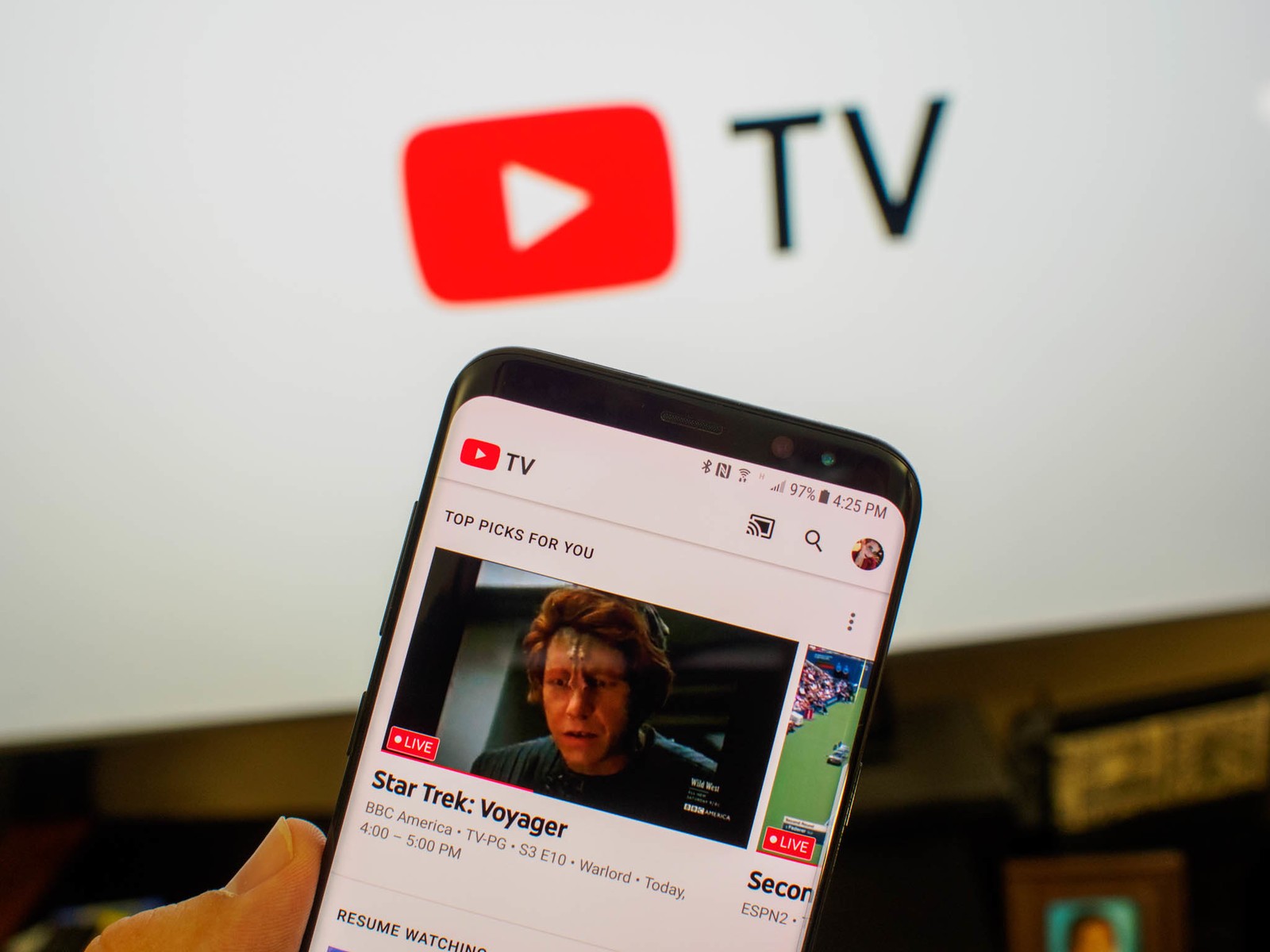
    YouTube TV is making efforts to regain former subscribers by offering a substantial discount. Individuals who have recently ended their subscription may be eligible for savings of up to $60.

    New Attraction for Previous Subscribers

    In a bid to reconnect with past subscribers, YouTube TV, under Google’s umbrella, is proposing a “we miss you” perk. Reportedly, the streaming behemoth is subtly unveiling a retention offer for certain users who have previously terminated or suspended their subscriptions.

    This offer isn’t a universal price reduction, so don’t anticipate it appearing spontaneously on your bill. Based on an unnamed source, a portion of users have uncovered a promotional code that discounts their one-month subscription cost by $60.

    Determining Eligibility

    Since this is a targeted strategy to regain customers, individuals must seek out the offer. Here’s how to do it:

    Access YouTube TV via a web browser (not the mobile app).
    Click on your profile icon and navigate to Settings.
    Choose Membership.
    Under the “Base Plan” section, look for a Manage button or a visible offer.

    If you find the promotion, you have the option to redeem it immediately. However, if you don’t see it, you might be momentarily out of luck.

    There’s no doubt that streaming costs are becoming exorbitant. With YouTube TV’s monthly cost nearing $83, it is considerably one of the most expensive options available, even though it is one of the highest quality services. A $60 discount, even just for one month, makes the service more competitive, particularly against chief competitor Hulu + Live TV.

    For comparison, Hulu + Live TV currently begins at approximately $89.99 per month (with ads included), although this price incorporates Disney+ and ESPN+, adding significant value if you utilize these services. On the other hand, more affordable alternatives like Sling TV range around the $40-$60 mark but come with a more complicated channel division (Orange vs. Blue) and fewer premium features like unlimited DVR.

    Obtaining YouTube TV for roughly $20 positions it in an attractive price bracket, albeit for a limited period.

    Reconsidering YouTube TV

    If I had recently terminated my YouTube TV subscription due to cost, this offer would not be sufficient to entice me back. In my view, the service provides the most seamless live TV experience available for purchase. Nevertheless, I would require more than a one-month discount to return if the initial issue was with pricing.

    Additionally, if you discontinued because the platform lacked specific channels (like the A&E networks or regional sports networks) or if you are drawn to the bundled value of Hulu, a temporary price reduction will not resolve these inherent issues. However, if you’re merely aiming to save money during football season, there’s no harm in accepting the offer, as there’s no contract to sign, and you have the freedom to transition to a more affordable option.

    Questions & Answers

    What is YouTube TV’s new offer?
    YouTube TV is offering a discount of up to $60 for one month to certain former subscribers in an attempt to win them back.

    How can I find out if I am eligible for the discount?
    To check eligibility, log in to YouTube TV from a web browser, click on your profile icon, go to Settings, select Membership, and look for a Manage button or visible offer under the “Base Plan” section.

    Is this offer enough to draw back former subscribers?
    While the discount makes the service more competitively priced for a month, it might not be enough to attract former users back long-term, especially if they left due to high costs or lack of certain channels. However, as there are no contracts, there’s no harm in taking the offer for the short term.

  • Apax Leaders English School Chief Faces Charges for $291M Investment Fraud Scheme: Over 10,000 Investors Duped

    Apax Leaders English School Chief Faces Charges for $291M Investment Fraud Scheme: Over 10,000 Investors Duped

    Nguyen Ngoc Thuy, owner of the English language school Apax Leaders, is facing allegations of defrauding 10,123 investors out of VND7.68 trillion (US$291 million) by selling fraudulent shares in his company, Egroup.

    The Investigation

    The Ministry of Public Security has finalised its probe into the activities of Egroup’s chairman, Mr. Thuy. It has recommended charges of bribery and wrongful misappropriation of assets against him and 29 of his associates.

    The Accusations

    Authorities claim that Thuy and his accomplices misrepresented the financial status of Egroup. They allegedly claimed the company had a charter capital of VND963 billion ($36 million) to appeal to potential investors.

    The reputation of the Apax English school, which Mr. Thuy owned, was also utilised to lure victims. At one point, the school boasted 120 centres scattered across the country, adding to its credibility. Some investors even traded real estate for the supposed shares.

    The 10,123 individuals who invested in Egroup were promised that the company would repurchase the shares after one year at a higher price.

    The Aftermath

    However, the police have discovered that 8,926 of these investors never received any return on their investment, essentially losing their money.

    Questions & Answers

    Who is Nguyen Ngoc Thuy?
    Nguyen Ngoc Thuy is the owner of the English language school, Apax Leaders. He is also the chairman of Egroup, a company involved in this alleged fraudulent case.

    What activities of Egroup is Nguyen Ngoc Thuy being investigated for?
    Thuy is being investigated for allegedly selling fraudulent shares of Egroup to over 10,000 investors, defrauding them of a total of VND7.68 trillion ($291 million).

    What was the false promise made to the investors?
    Investors were assured by Thuy and his associates that the company would repurchase the shares sold to them after one year at a higher price. However, the majority of these investors never received any return on their investments.

  • New Love Trend: Young Vietnamese Couples Investing in Homes Before Rings

    New Love Trend: Young Vietnamese Couples Investing in Homes Before Rings

    In a shift of convention, many young couples are prioritizing financial stability and homeownership over marriage. Rather than saving for a wedding, these couples are committing to mortgage contracts together, seeing this as the true foundation for their future.

    After a short dating period of only six months, Ngoc Ly and Huy Hoang, both 30 years old, decided to jointly purchase a 65-square-meter apartment on Tran Phu Street in Hanoi’s Ha Dong District, valued at USD135,000. The couple is not yet married, but they believe that owning a home lays a secure foundation, after which marriage can follow at any time.

    Hoang and Ly are both architecture graduates and began dating shortly before Lunar New Year festival of 2024. They had been working for six years before deciding to make a joint property purchase, both to grow their investments and to secure a place of their own.

    “In our assessment, we realized that no matter how hard we work, keeping pace with housing prices is almost impossible,” Hoang explains. “As people from other provinces, we’ve always dreamed of having our own place in Hanoi.”

    In May 2024, they jointly purchased the apartment in Ha Dong. A bank loan covered 60% of the property’s value. Another couple in Vung Tau, Le Hoai and Thien Nhi, both 26 years old, made a similar decision.

    The couple bought a two-story, 30-square-meter house for VND2 billion. Despite criticism and doubt from those around them, they believed purchasing a home should come before their wedding. To afford the house, they sold a homestay in Da Lat and borrowed more from relatives. In June 2024, they moved into their new house.

    A Shifting Paradigm

    The trend among young people to prioritize homeownership over marriage is growing. According to data from the Vietnam Association of Realtors Institute for Research and Evaluation, buyers aged 25–35 are now involved in over 40% of all transactions, and this figure can rise up to 70% in some housing projects.

    Truong Anh Tuan, head of the legal department at the Vietnam Real Estate Association, notes, “In recent years more young people have been pooling money to buy property together, especially in major cities. This reflects a shift in their perspective on ownership, which has become more flexible, pragmatic, and open to risk-taking.”

    Dr. La Linh Nga, director of the Center for Psychological and Educational Science Research and Application, adds that young people today approach love with practicality and independence. They plan carefully for each stage of their lives, from dating to marriage, from securing housing to starting a family.

    This trend highlights the harsh reality of homeownership dreams in the face of rising property prices and stagnant wages. As a result, the government has initiated programs like the “One Million Social Housing Units” and preferential credit packages to support young buyers.

    Questions & Answers

    What are the factors influencing young couples to prioritize homeownership before marriage?
    Rising property prices and stagnant wages are pushing young couples to prioritize homeownership. They are pooling resources to buy property together as they believe it provides a secure foundation for their future.

    What is the government doing to support young property buyers?
    The government has initiated several programs like the “One Million Social Housing Units” and preferential credit packages to assist young property buyers.

    What does this trend signify about the new generation’s perspective on homeownership?
    This trend reflects a shift in perspective among the new generation who are more pragmatic, flexible, and open to risk-taking. They are considering joint property ownership as a form of investment and a step towards financial stability.

  • Apple’s Digital ID Revolution: Now, Use Your iPhone for TSA Checkpoints!

    Apple’s Digital ID Revolution: Now, Use Your iPhone for TSA Checkpoints!

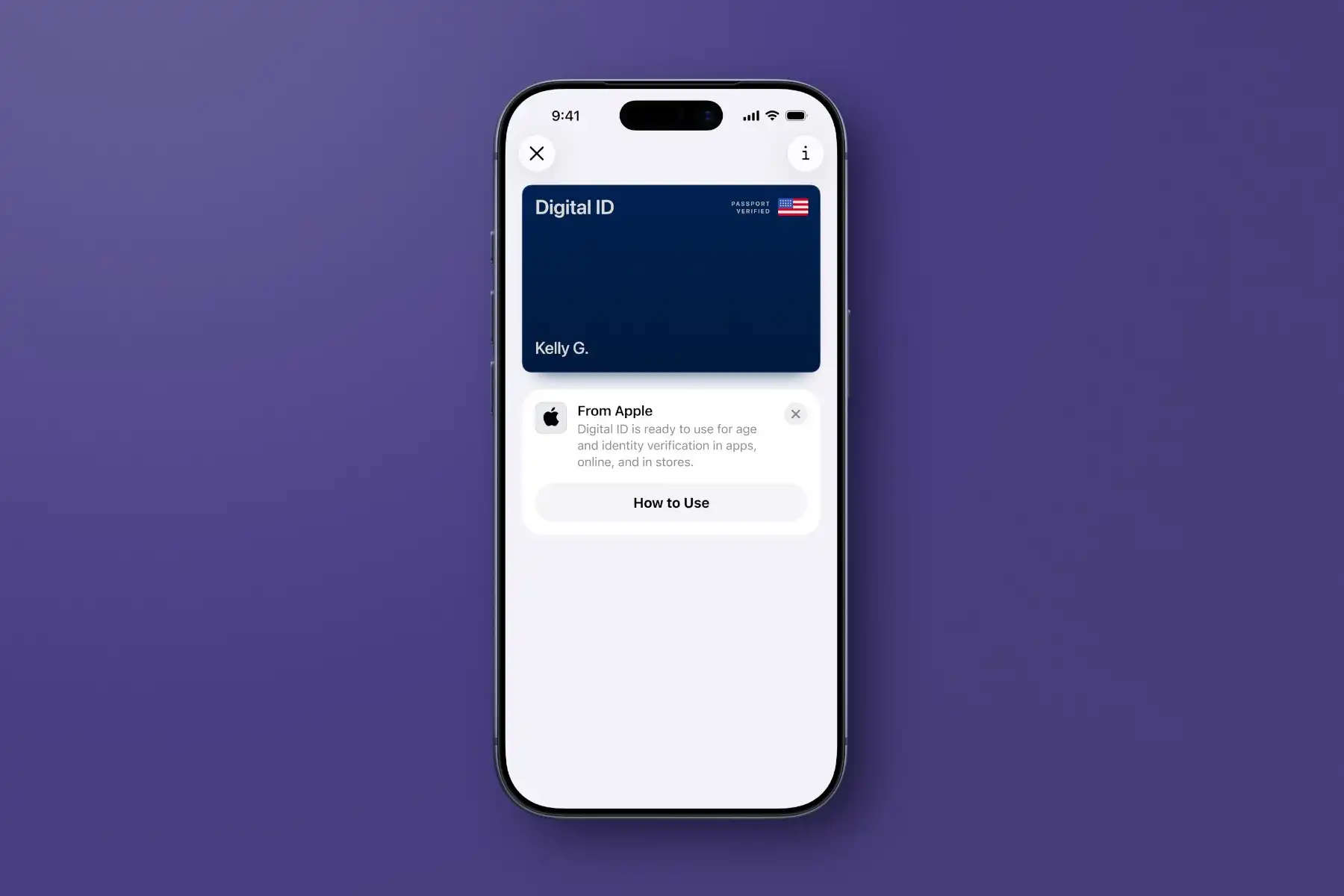
    Apple has unveiled a new Digital ID feature for its Apple Wallet, initially announced at WWDC 2025. The feature facilitates the creation of a Digital ID in the Apple Wallet application using details from users’ US passports.

    US Passport Integration with Apple Wallet

    Apple device owners in the United States, particularly those with iPhones and Apple Watches, now have the ability to add a digital copy of their US passports to their gadgets. The so-called Digital ID can be utilized for identification purposes at selected TSA checkpoints across the US airports for domestic travel.

    The process of creating and presenting a Digital ID based on a US passport requires the following:

    – An iPhone 11 or later with iOS 26.1 or later, or an Apple Watch Series 6 or later with watchOS 26.1 or later
    – Active Face ID or Touch ID and Bluetooth
    – An Apple Account with active two-factor authentication
    – A valid and unexpired US passport
    – A device with its region set to the United States

    Creating a Digital ID is quite simple. It involves opening the Wallet application on your iPhone, tapping the plus sign at the top-right corner, and selecting Driver’s License or ID Cards. From this point, you then select Digital ID and follow the on-screen instructions for setup and verification.

    During the setup, users will be required to scan their physical passport’s photo page using their iPhone, then use the device to read the passport’s chip to verify the authenticity of the data. Additional verification entails taking a selfie and performing a series of facial and head movements.

    Where Can the Digital ID be Used?

    The Digital ID feature can be utilized at over 250 TSA checkpoints in various US airports. However, its usage is currently limited to domestic travel. The feature cannot be used for international travel or border crossings. Apple has stated that the Digital ID is not intended to replace the physical passport. While TSA has a comprehensive list of states supporting mobile IDs, it still advises travelers to carry their physical ID.

    Eventually, Apple plans to expand the usage of the Digital ID to businesses and organizations for identity and age verification purposes, both in-person and online.

    Presenting a Digital ID in person is similar to presenting other IDs in the Wallet. Users need to double-click the side button on their iPhone, select Digital ID, and hold the iPhone near a scanner. They then review the requested information and authenticate with Face ID or Touch ID.

    Apple ensures that all Digital ID data is encrypted and stored on-device, assuring users that neither when nor where the ID data is presented, nor what data is shared can be accessed by the company.

    Expansion and Future of Digital ID

    The Digital ID feature builds upon the existing ID features in the Apple Wallet. Users in 12 US states and Puerto Rico have the option of adding their driver’s license to the Wallet. The feature is also available for Japan’s My Number Card, marking its first international expansion.

    Unlike Google Wallet, which supports state IDs in a few states and features an ID Pass for both US and UK passports, Apple’s Digital ID doesn’t aim for a total replacement of the physical document.

    As Apple moves towards making physical wallets obsolete, the company has introduced a way to store all details about users’ payment cards along with their digital versions in the Wallet, negating the need for carrying physical cards. The application can also accommodate loyalty cards, tickets, passes, and more.

    Once the Digital ID feature gets broader support, including acceptance at event venues, physical stores, and websites with adult content, physical wallets may become a thing of the past.

    Questions & Answers

    What is the new Digital ID feature in Apple Wallet?
    The Digital ID is a new feature in the Apple Wallet that allows users to create a digital version of their US passport for identification purposes.

    What are the requirements for creating a Digital ID?
    To create a Digital ID, you need an iPhone 11 or later running iOS 26.1 or later, or an Apple Watch Series 6 or later running watchOS 26.1 or later, active Face ID or Touch ID and Bluetooth, an Apple Account with active two-factor authentication, a valid and unexpired US passport, and a device with its region set to the United States.

    Where can I use my Digital ID?
    The Digital ID can be used at over 250 TSA checkpoints in various US airports for domestic travel. In the future, the Digital ID will be accepted at businesses and organizations for identity and age verification, both in person and online.

  • Apple Ventures into Health AI: Unveiling a Chatbot-Powered Health+ Subscription Service

    Apple Ventures into Health AI: Unveiling a Chatbot-Powered Health+ Subscription Service

    Despite previous assurances of releasing an improved Siri, Apple has yet to introduce any significant artificial intelligence (AI) features. However, the company is still ambitious about its AI agenda for 2026, with a significant update planned for the Health app.

    AI-Powered Health+ Service in the Works

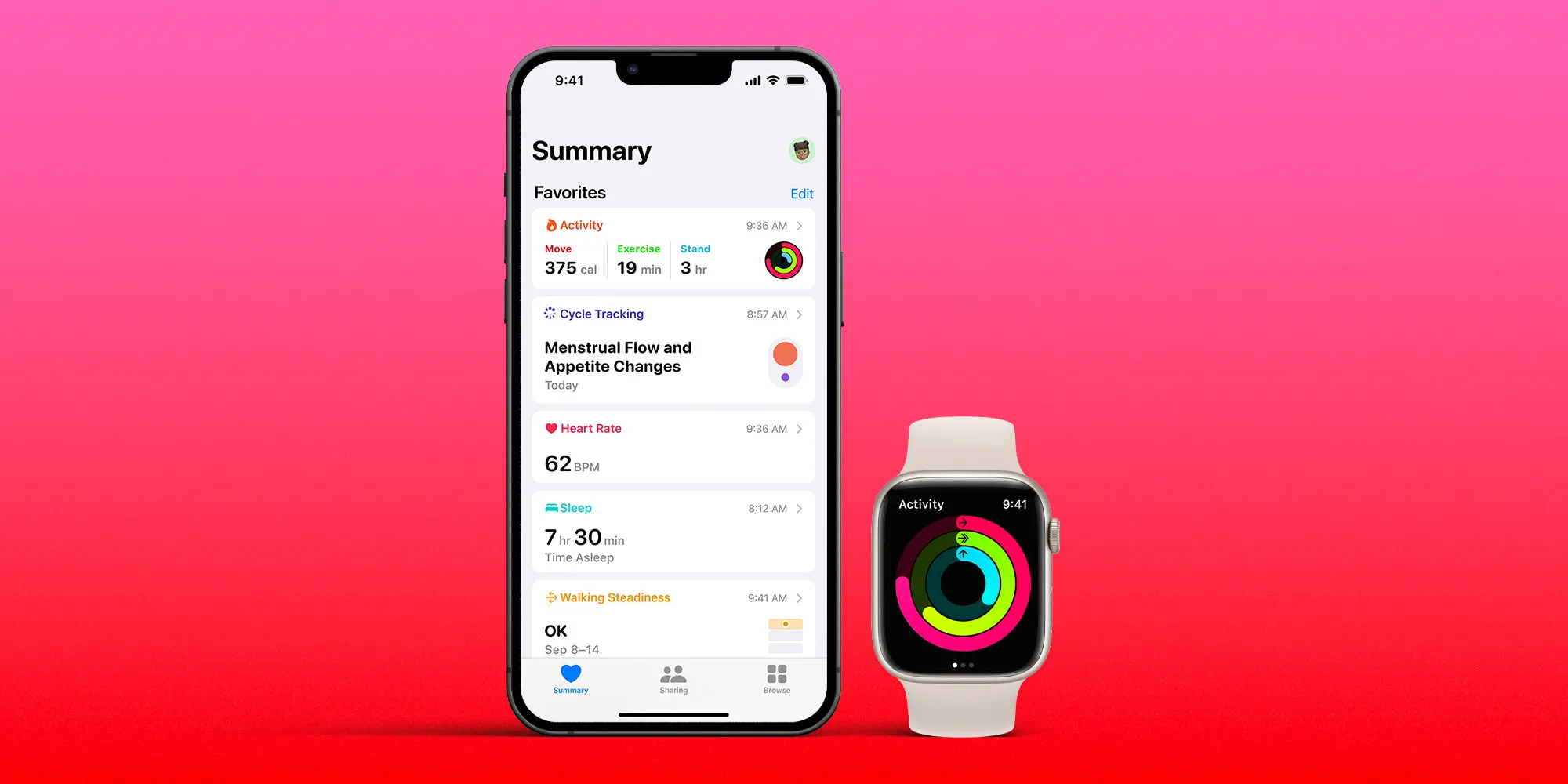
    The tech giant is rumored to be developing an enhanced version of its Health app, complete with a new Health+ subscription service. The proposed service is expected to incorporate an AI component designed to assist users in managing their health.

    The introduction of this service could position Apple at the forefront of the emerging AI health chatbot market. Features are expected to include nutrition tracking and AI-facilitated health coaching. These enhancements could potentially offer users personalized health advice, expert video content relating to different health issues, and guidance on living a healthier lifestyle.

    A Delay in AI Development

    Apple is reportedly set to introduce the long-awaited new version of Siri with iOS 26.4 in April. Additionally, the company is said to be working on a comprehensive revamp of the voice assistant, slated for release with iOS 27. This update also promises an AI-powered web search tool.

    A year after unveiling the “Made for Apple Intelligence” iPhone 16 series, Apple continues to trail its rivals. Samsung’s Galaxy S25 series boasts various Galaxy AI features, while Google’s Pixel 10 devices have Gemini on board. In comparison, Apple’s iPhone 17 series lacks any comparable features. Even the forthcoming OnePlus 15, equipped with the Android 16-based OxygenOS 16, incorporates advanced AI capabilities courtesy of Gemini.

    Apple’s strategy to enhance its standing in the smartphone AI market reportedly involves the development of a custom-made Gemini AI model, a move which could result in Apple paying Google $1 billion annually.

    Is Another Subscription Necessary?

    While there is some hope that Apple could deliver a beneficial health chatbot, the prospect of yet another subscription service may not be well-received. Although Apple will likely incorporate Health+ into Apple One and raise its price, the emerging trend of subscription fatigue indicates that any new service must offer substantial value to attract potential subscribers. Unfortunately, as it stands, the proposed Health+ service may not be sufficiently appealing.

    Questions & Answers

    – **What is Apple’s proposed enhancement to the Health app?**
    Apple is reportedly developing a Health+ subscription service with AI integration, designed to assist users in managing their health.

    – **How might this new Health+ service impact Apple’s standing in the AI market?**
    The introduction of this AI health chatbot could potentially position Apple as a leader in this emerging market.

    – **Why might Apple’s proposed subscription service face challenges?**
    Given the increasing prevalence of subscription fatigue among consumers, the value offered by any new subscription service must outweigh its cost to gain traction. As it stands, the proposed Health+ service may not be sufficiently compelling.

  • Apple Fitness+ Future: Will it Weather the Storm or Face a Shutdown?

    Apple Fitness+ Future: Will it Weather the Storm or Face a Shutdown?

    Despite questions about profitability, Apple’s Fitness+ service is poised to remain a part of the tech giant’s offerings. According to informed sources, it is improbable that the health and wellness service will cease, although it may experience some internal challenges moving forward.

    Apple Fitness+ Likely to Persist

    Fitness+ might not be the primary revenue generator for Apple, but it boasts a substantial user base. A potential discontinuation of the service could trigger an avalanche of negative media attention and social media uproar. The consensus is that Apple cannot afford to terminate Fitness+, as negative feedback would inflict more harm than the operational costs incurred by the service.

    Pressure on Fitness+ to Enhance its Performance

    The road ahead isn’t entirely smooth for Apple Fitness+. Sumbul Desai, the Head of Apple Health, has incorporated Fitness+ into her responsibilities and will now be directly reporting to Eddy Cue, Apple’s Services Chief.

    This structural change could signal a probable push for Fitness+ to boost its performance. The service might witness a substantial increase in promotions or more likely, the introduction of innovative, useful features designed to organically drive subscriptions.

    Unanimous opinion suggests that Apple is unlikely to discontinue Fitness+. Any financial advantage gained from such a move would be meager and would likely be immediately nullified by the subsequent negative media coverage.

    While Fitness+ might not appeal to everyone, the service’s unique elements have garnered a loyal following. What Apple could consider is diversifying the range of programs offered by Fitness+, in an attempt to engage a broader audience.

    Future Pricing Considerations

    Should the service see improvements and start attracting a wider swath of fitness devotees, we might observe a rise in its $10 monthly subscription fee. Given the current speculation that Fitness+ is not yielding substantial profits for Apple, it is conceivable that this could lead to a potential price increase.

    In such a scenario, Apple would need to expertly balance the value proposition of its new offerings with an appropriate pricing strategy for its increasing consumer base.

    Questions & Answers

    What is the future of Apple’s Fitness+ service?

    Apple’s Fitness+ service is expected to continue, although it could face internal pressure to improve performance and drive results.

    What changes can users expect in Apple Fitness+?

    Apple might consider introducing new, useful features and diversifying the range of programs on Fitness+, aiming to attract a larger audience.

    Could there be a price hike for the Fitness+ service in the future?

    If the service sees substantial improvements and gains a wider user base, there is a possibility of an increase in its monthly subscription fee. However, this would need to be balanced with maintaining customer satisfaction and perceived value.

  • Billionaires’ Playground: Sports Teams Emerge as Top Asset Class Among Ultra-Rich, J.P. Morgan Reveals

    Billionaires’ Playground: Sports Teams Emerge as Top Asset Class Among Ultra-Rich, J.P. Morgan Reveals

    Sports have emerged as a significant investment focus for billionaires, being viewed not only as an interest but also as a viable asset class, as highlighted by a report from J.P. Morgan.

    Billionaires Investing in Sports

    Approximately 20% of billionaire principals globally now hold a majority share in sports teams, as revealed in a research study named “2025 Principal Discussions Report” commissioned by J.P. Morgan’s 23 Wall Team, a specialized unit providing institutional coverage to top-tier families served by the bank. This figure is a significant leap from the mere 6% recorded in 2022. Furthermore, 34% have investments in stadiums and sports teams.

    In a ranking of key sectors for investments, sports came in fourth place, trailing behind real estate, technology, and energy.

    The Intersection of Interests and Investments

    Given the strong focus on sports, it is not surprising to find that the hobbies and interests of billionaires are closely connected. Out of the top 10 activities that billionaires are most passionate about, six are sports-related, encompassing tennis, winter sports, golf, gym workouts, fishing, and cycling.

    The report pointed out the enormity of sports investment, stating, “With the combined estimated value of US and European franchises standing at approximately $400 billion, and the total worth of sports Mergers and Acquisitions and investment having increased eight times over the past five years, this asset class has gone beyond just fandom. For many principals, ownership is both a strategic and emotional pursuit – a means to unite family unity, institutional capital, and generational legacy around a shared passion and enduring value.”

    Understanding Success: More than Financial Gain

    While a good return on investment is important, the surveyed billionaires indicated that other aspects hold higher value for them. Over 90% believe that time, health, and relationships – rather than money – are the true markers of a fulfilling life. Nearly 85% define success as their ability to “help others progress”, laying emphasis on creative thinking and values-based leadership.

    As Andrew L. Cohen, the executive chairman of the global private bank at J.P. Morgan, commented, “Principals remind us that prosperity is about much more than financial capital. Their viewpoints challenge us to reassess what building enduring wealth entails, placing importance on purpose, connections, and stewardship at the core of their journey.”

    The findings of the report were derived from comprehensive discussions conducted between March and August 2025 with 111 families spanning 28 countries, boasting a combined net worth exceeding $500 billion.

    Questions & Answers

    What percentage of billionaire principals now own a controlling stake in sports teams?
    Approximately 20% of billionaire principals globally now hold a majority share in sports teams.

    What are the top sectors for billionaire investments?
    The top sectors for investments are real estate, technology, energy, and sports.

    What do billionaires consider more valuable than money?
    More than 90% of billionaires believe that time, health, and relationships are more valuable than money. Nearly 85% define success as their capacity to “help others progress”.

  • Vietnam Cracks Down on Pet Policy: Harsher Fines for Free-Roaming Dogs and Cats on the Horizon

    Vietnam Cracks Down on Pet Policy: Harsher Fines for Free-Roaming Dogs and Cats on the Horizon

    Beginning December 15, a new government decree in Vietnam is set to impose stricter regulations and heftier fines against pet owners who allow their animals to roam freely in public spaces or those who graze livestock and poultry within residential complexes. Violators could face fines up to VND1 million (approximately US$38).

    New Regulations on Pets and Livestock

    The government decree, which pertains to administrative penalties in security, public order, and societal issues, significantly increases the existing fine for loose pets. Previously, the fine was between VND100,000 and VND300,000. With the new regulation in place, the fine will range from VND500,000 to VND1 million.

    The same penalties will apply to individuals who permit their pets, plants or other items to obstruct public spaces such as sidewalks, roads, parks, or communal residential areas.

    Heavier Penalties for Property Damage and Unauthorized Content

    The authorities plan to enforce tougher penalties on pet owners whose animals cause injury or damage property. Fines for such violations will fall between VND2 and VND3 million. In addition, individuals who deface public property such as walls and power poles, or attach unauthorized images or content to these structures, will face the same penalties.

    Regulations against Grazing Livestock in Residential Areas

    For the first time, clear rules have been established against the practice of grazing livestock or poultry within apartment buildings. The decree also outlines the penalties that will be imposed on pet owners whose animals cause harm to people or property.

    Questions & Answers

    What are the new regulations for pet owners in Vietnam?
    Pet owners are now required to prevent their animals from roaming freely in public spaces and grazing livestock within residential complexes. Failure to do so could result in fines of up to VND1 million.

    What are the penalties for property damage caused by pets?
    Pet owners whose animals cause injury or damage will face fines between VND2 and VND3 million.

    Are there penalties for obstructing public spaces with pets, plants, or other objects?
    Yes, individuals who allow their pets, plants, or other items to obstruct public spaces such as sidewalks, roads, parks, or shared residential areas will face fines similar to those for free-roaming pets.

  • H3Tech Leverages Vietnam’s Tech Prowess to Transform Global Healthcare Landscape

    H3Tech Leverages Vietnam’s Tech Prowess to Transform Global Healthcare Landscape

    H3Tech, a pioneer in healthcare technology, seeks to revolutionize the U.S. healthcare sector by employing a sophisticated tech approach and a business model rooted in Vietnam. The company differentiates itself from other offshore providers by being a strategic development collaborator for healthcare tech businesses both within the U.S. and worldwide.

    According to Mikael Ohman and Michael Gilbert, the co-CEOs and co-founders, the healthcare sector represents close to 20% of the U.S. economy. However, it is plagued by high costs and mediocre outcomes. Observing the potential of technology to not only cut costs but also enhance quality, they brought H3Tech into existence. Their vision was to utilize high-tech solutions to make a significant impact on the lives of individuals involved in healthcare.

    Both Mikael and Mike possess extensive experience working with international software engineering firms across the globe. They note that Vietnam boasts some of the highest quality software engineers and technology leaders globally. Thus, when it came to launching H3Tech, Vietnam was their preferred choice. Mike recognized and acknowledged the efforts the Vietnamese government has put into education and additional support for the technology sector.

    Questions & Answers

    What is the goal of H3Tech?
    H3Tech aims to revolutionize the U.S. healthcare sector by leveraging advanced technology and a business model rooted in Vietnam.

    How does H3Tech differentiate itself from other offshore vendors?
    Unlike typical offshore vendors, H3Tech positions itself as a strategic development collaborator for healthcare tech businesses, both within the U.S. and worldwide.

    Why was Vietnam chosen as the primary location for H3Tech’s operations?
    Vietnam was chosen due to its high-quality software engineers and technology leaders. The Vietnamese government’s investment in education and additional support for the technology sector was also a significant factor in the decision.