Category: Living

Retail News Asia is committed to providing both local and global retailers with the latest Living news throughout the Asian market. This on a daily base.

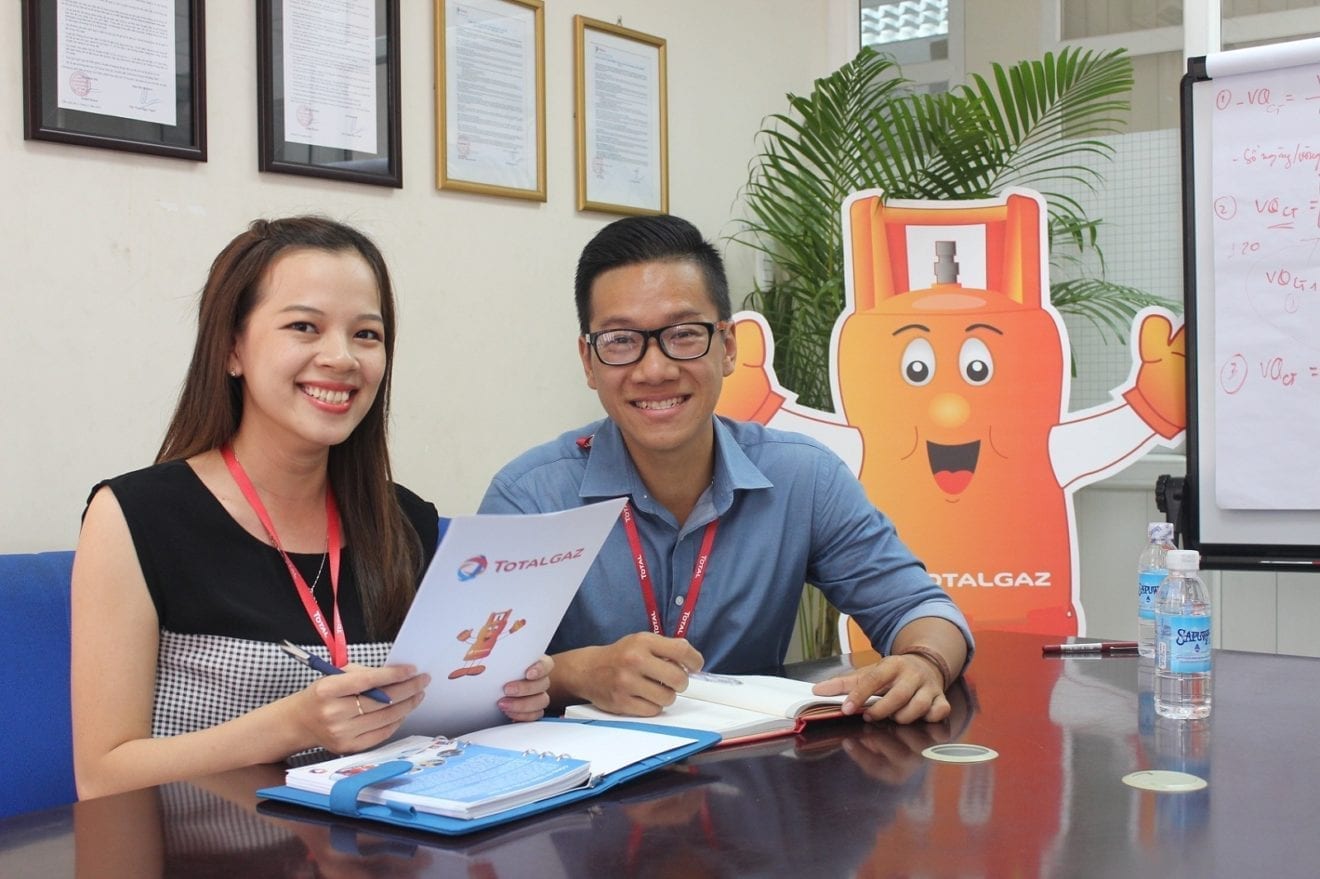
  • Vietnam Leads In Projected Salary Growth In Southeast Asia, Says Global Study

    Vietnam Leads In Projected Salary Growth In Southeast Asia, Says Global Study

    Vietnam is projected to have the most significant salary increase among Southeast Asian countries in 2025, with an estimated growth rate of 7.7%, according to a recent study by a leading global professional services firm.

    Salary Increase and Turnover Study for Southeast Asia

    The study, which ran from July to September 2025, assessed salary alterations and staff turnover rates from over 700 businesses in Indonesia, Malaysia, the Philippines, Singapore, Thailand, and Vietnam. The research indicated that the anticipated salary hikes for Southeast Asia (SEA) are projected to be 5.3% for 2026.

    When examining salaries across various industries per country, the life sciences and medical devices sector is predicted to witness the highest increase in Singapore (4.6%), whereas technology is leading in Vietnam (7.1%) and Indonesia (5.9%). In Malaysia, the consulting, business, and community services sector takes the lead with an expected increase of 4.8%.

    Retaining Top Talent and Reducing Attrition

    Rahul Chawla, the partner and head of Talent Solutions for Southeast Asia at the professional services firm, highlighted the dual challenges organizations are currently grappling with. As companies across SEA ramp up their investments in technology and strategic ventures, they are increasingly concentrating on retaining their best and most skilled employees. According to Chawla, balancing escalating compensation costs with the necessity for agility is paramount. The most successful enterprises are utilizing real-time market data and total rewards strategies to stay competitive.

    The study found that employee attrition rates were in double digits across all countries in the region. The Philippines and Singapore are anticipated to have the highest turnover rates, at 20.0% and 19.3% respectively, followed by Malaysia at 18.2%.

    Attrition rates also differ across industries, with the consulting, business, and community services sector topping the list with a rate of 22.6%. This is followed by the retail sector at 21.6% and manufacturing at 17.5%. The research revealed that 42% of businesses report difficulties in hiring or keeping employees.

    Skills Gap Challenges

    The study also found that 63% of businesses are currently dealing with skills gap challenges, while 12% anticipate short-term gaps, and 16% foresee longer-term gaps. Roles in information technology, engineering, and sales remain the most difficult to fill, while new hire premiums range between 1.3 to 8.2%, which is lower than the previous year, indicating an increased focus on cost control.

    The most sought-after “hot jobs” include sales (24%), information technology (24%), artificial intelligence (AI)/machine learning (ML) (21%), cybersecurity (20%), and engineering (19%). This trend towards digital and risk-focused skills suggests that firms are emphasizing sustained compensation strategies to secure skills that are crucial for the future in an increasingly competitive market.

    Evon Lock, head of data solutions for Southeast Asia at the professional services firm, commented that despite the hiring and retention pressures, most organizations remain cautiously optimistic and plan to maintain or slightly increase their workforce.

    Questions & Answers

    What is the expected salary increase in Vietnam in 2025?
    The expected salary increase in Vietnam in 2025 is 7.7%.

    Which industry is projected to have the highest salary increase in Singapore?
    The life sciences and medical devices industry is expected to have the highest salary increase in Singapore.

    What are the most in-demand jobs according to the study?
    The most in-demand jobs are in sales, information technology, artificial intelligence/machine learning, cybersecurity, and engineering.

  • Global Oil Market Fluctuates: Opec+ Decision, Demand Drop, And Ukraine-russia Conflict Factors

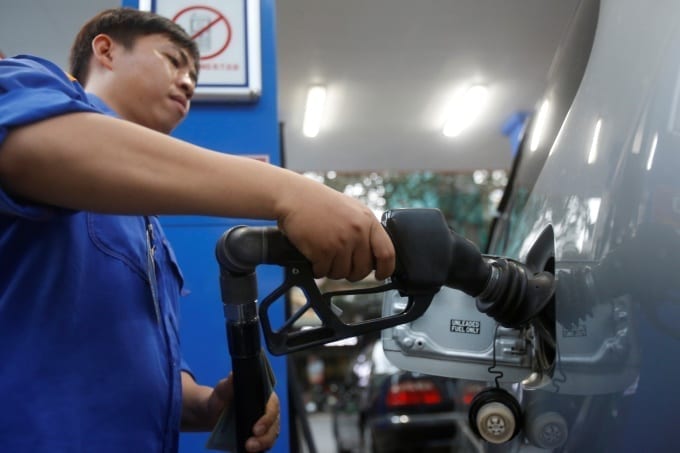
    Global Oil Market Fluctuates: Opec+ Decision, Demand Drop, And Ukraine-russia Conflict Factors

    Over the last week, various elements have shaped the worldwide oil and gasoline market. Among these factors are a smaller-than-predicted rise in oil production for November as stated by OPEC+, a deteriorating trend in global oil demand, as well as ongoing assaults on Russia’s energy base by Ukraine.

    Shifts in Fuel Prices

    There has been a noticeable decline in the prices of RON95 and diesel. RON95 experienced a 2.9% decrease, bringing its price down to $78.3. In parallel, diesel’s cost also fell by 2.6%, reducing its price to $87.66.

    Impacts and Implications

    These shifts in costs indicate a powerful interplay among various factors. The OPEC+ decision to curb the expected rise in production, the fall in global oil demand, and the continued infrastructural attacks in Russia by Ukraine are all working in concert, directly impacting the global oil and gasoline market.

    Questions & Answers

    What factors affected the global oil and gasoline market over the past week?
    Several elements have influenced the worldwide oil and gasoline market in the last week. These include a less-anticipated increase in oil production from OPEC+, a declining global oil demand trend, and ongoing assaults on Russia’s energy infrastructure by Ukraine.

    How have fuel prices changed recently?
    Prices for both RON95 and diesel have seen a significant drop. RON95 decreased by 2.9%, bringing it to $78.3, while diesel fell by 2.6%, reducing its price to $87.66.

    How do these factors interplay to affect the market?
    The various influences such as the unexpected OPEC+ production decision, falling global oil demand, and the continuous attacks on Russia’s infrastructure by Ukraine have a combined effect on the global oil and gasoline market. They work together to cause price fluctuations and shifts in the market.

  • Techcombank brings an AI-powered experience to 13,000 runners at the Hanoi International Marathon

    Techcombank brings an AI-powered experience to 13,000 runners at the Hanoi International Marathon

    The 4th Techcombank Hanoi International Marathon provides an AI-powered video experience for 13,000 runners. For the first time in Vietnam, an AI video generator enabled every runner to create a personalised video to recreate their race experience
    Hanoi, October 8th, 2025 – Following the success of the previous three seasons, the 4th Techcombank Hanoi International Marathon was held on 5th October 2025 and attracted over 13,000 Vietnamese and international athletes who competed over courses running past many of Hanoi’s most iconic cultural landmarks. For the first time ever in Vietnam, an AI video generator enabled every runner to create a personalised video of their race to celebrate their achievement and spread the spirit of Run for a Greater Vietnam.

    The 4th Techcombank Hanoi International Marathon was held under the direction of the Hanoi People’s Committee, organized by the Hanoi Department of Culture and Sports, in collaboration with Vietnam Technological and Commercial Joint Stock Bank (Techcombank) and Sunrise Events Vietnam (SEV).

    A unique feature of this year’s marathon was the application of AI video generation technology on the racecourse to create personalized highlight videos for every runner. By uploading a photo of themselves to an AI video generator, each runner could receive a video within 24-36 hours that recreated their most memorable moments as they ran past the historic landmarks of Hanoi. These videos enabled every runner to become an ambassador for the Techcombank Hanoi International Marathon and Techcombank’s Run for a Greater Vietnam initiative.

    The 4th season of the Techcombank Hanoi International Marathon attracted nearly 1.5 times as many runners as the previous edition. Offering a well-designed racecourse passing through Hanoi’s most famous historic districts, a unique AI-powered video experience and organized to international standards, the event delivered a world-class experience for its runners.

    More than 13,000 runners from 51 countries and territories competed in the 4th Techcombank Hanoi International Marathon, turning Hanoi into a global meeting point. Participants in the races passed through five historic districts in Hanoi and saw many of the city’s most famous landmarks, including the Ho Chi Minh Mausoleum, Long Bien Bridge, and the National Assembly building. Notably, the half-marathon (21km) featured the oldest ever participant in a marathon in Vientam – an 81-year-old runner.

    Ms. Thai Minh Diem Tu, Chief Marketing Officer at Techcombank, said: “The 4th Techcombank Hanoi Marathon was a fantastic occasion that brought the community together, promoted physical fitness and enabled runners to experience the wonderful city of Hanoi. We believe that a Greater Vietnam is not only built on a strong economic foundation, but also on a healthy, connected, and aspirational community. This is why we continue to support the Techcombank Hanoi International Marathon as part of our long-term strategy to elevate the quality of life for Vietnamese people. For the first time ever in Vietnam AI technology has been used to give every runner a personalised highlights video of their race to enable them to share their experience and spread the spirit of Run for a Greater Vietnam in the community”.

    Techcombank’s Run for a Greater Vietnam initiative encompasses community engagement activities aimed at promoting healthy lifestyles among Vietnamese. These include support for the annual Techcombank Hanoi and Ho Chi Minh City International marathons, which in 2024 attracted over 28,000 runners across the two events.

    In addition to the official races, the 4th Techcombank Hanoi International Marathon event also offered a range of other activities for the community held over three days, from October 3 to October 5, 2025. The highlight of these activities was the KIDS RUN, which comprised two races for young athletes from 5 to 14 years, over distances of 1.5 km and 3 km.

    To coincide with the marathon, Techcombank contributed VND 2 billion to the “For the Poor” Fund of Hanoi to build community houses, the Hanoi Child Protection Fund, and the Hanoi Federations of Basketball, Cycling, and Motorsports. This contribution was part of Techcombank’s long-term strategic mission to create better lives, make a positive contribution to the community, and fulfill its corporate social responsibility for a sustainable future.

  • Ikea Acquires Us Tech Firm Locus To Reinforce Delivery Services And Optimize Online Shopping Experience

    Ikea Acquires Us Tech Firm Locus To Reinforce Delivery Services And Optimize Online Shopping Experience

    Swedish furniture giant Ikea has announced the acquisition of US-based logistics technology company, Locus. This strategic move is aimed at enhancing Ikea’s delivery services and facilitating a faster and more streamlined online shopping experience.

    The Strategic Acquisition

    The acquisition is part of a broader $2.2 billion strategic investment by the Ingka Group, the world’s largest Ikea franchisee, in the US market. In the highly competitive US retail sector, Ikea is up against major players like Wayfair and Walmart, while also grappling with increased costs due to higher import tariffs.

    While the specifics of the deal have not been made public by Ikea, Locus was valued at $300 million during its most recent investment round in 2021. Ikea’s decision to acquire Locus is projected to simplify its logistics framework and decrease delivery costs by an estimated 100 million euros ($117.41 million) globally each year.

    Utilizing Artificial Intelligence

    Locus employs artificial intelligence to optimize the grouping of orders and define routes that reduce time spent in traffic by delivery vehicles. This is a significant improvement over the current manual planning process carried out by Ikea employees, according to Parag Parekh, Chief Digital Officer at Ingka Group.

    In addition to delivering faster, Locus will also facilitate Ikea in providing customers with more delivery windows and options. Shoppers will also receive live updates on the location of their packages. Initially, Ikea plans to pilot this technology in the US and UK before implementing it worldwide.

    Improving the Customer Experience

    “Apart from the aspect of speed, the flexibility and the ability to track will significantly improve customer experience,” explained Parekh. As part of the agreement, Locus will continue operating independently and servicing clients beyond Ikea.

    Expansion in the US Market

    With a reputation for its large, blue suburban stores featuring an array of furniture in a maze-like layout, Ikea has been shifting its focus towards its online business and investing in smaller city-center stores to attract younger, urban shoppers.

    Online sales constituted 28% of Ikea’s total retail sales in the 2024 financial year, a significant increase from 11% in 2019. This strategic acquisition follows Ingka Investments’ purchase of a Manhattan building for $213 million, indicating a commitment to US expansion, despite higher furniture import tariffs.

    Questions & Answers

    What is Ikea’s aim with the acquisition of Locus?
    Ikea aims to enhance its delivery services and facilitate a faster, more efficient online shopping experience with the acquisition of Locus.

    How will Locus’ technology benefit Ikea’s operations?
    Locus’ artificial intelligence technology will allow Ikea to optimize the grouping of orders and define delivery routes, reducing delivery times and associated costs. It also enables Ikea to offer customers more delivery options and real-time tracking of their packages.

    What impact has the focus on online sales had on Ikea’s business?
    The focus on online sales has significantly boosted Ikea’s retail sales, accounting for 28% of total sales in the 2024 financial year, up from 11% in 2019.

  • Gold’s Gym Partners With Img Licensing To Launch Branded Consumer Products Globally

    Gold’s Gym Partners With Img Licensing To Launch Branded Consumer Products Globally

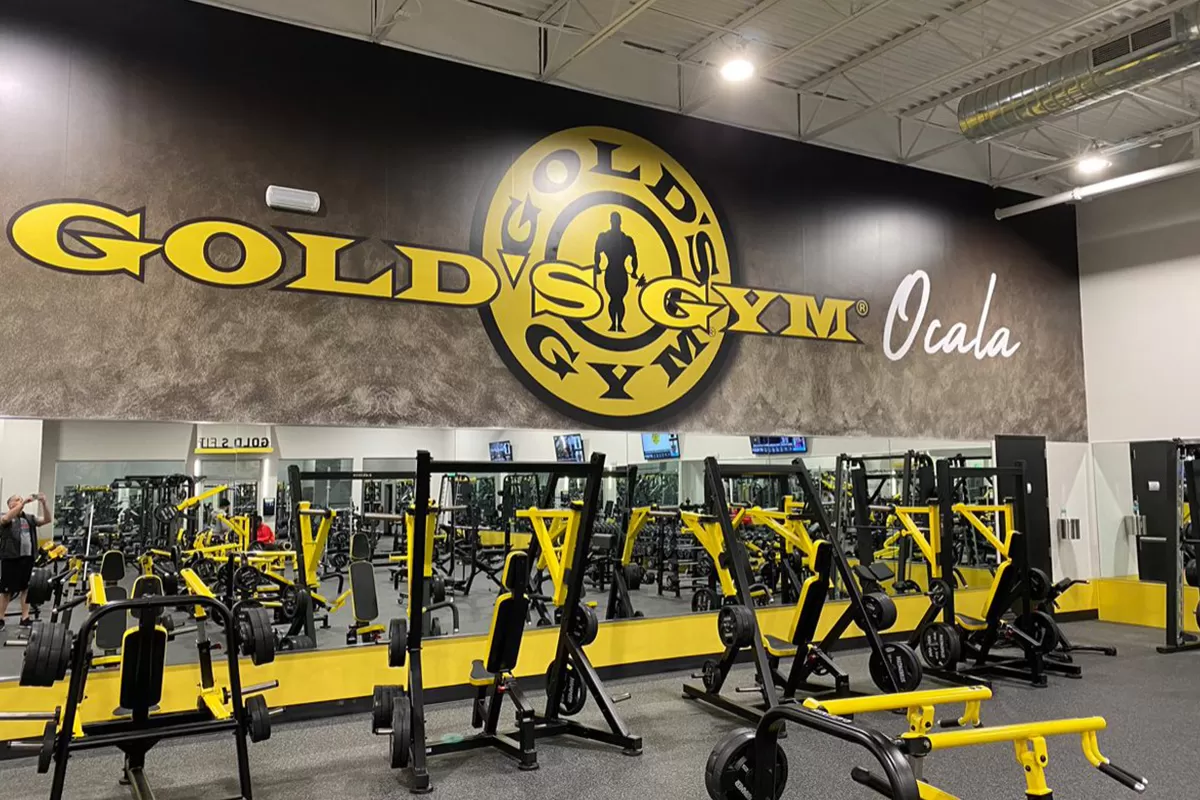
    Gold’s Gym, a long-standing name in the fitness industry, is expanding its horizons beyond its health centers. The company has entered into an exclusive multi-year agreement with IMG Licensing, marking a significant move towards the introduction of branded consumer products on a global scale.

    Sven Thierhoff, Vice President at IMG Licensing, expressed his excitement about the venture. He referred to Gold’s Gym as a legacy fitness brand, and together, they have ambitious plans to deliver high-quality, sustainable products and experiences that will further consolidate Gold’s Gym’s reputation as a trusted pioneer in serious training and fitness culture.

    This strategic move will propel the 60-year-old fitness brand into new markets, such as nutrition and supplements, footwear, travel gear, and sports and leisure goods. This will also lead to an expansion of their existing range of apparel and fashion items.

    Danny Waggoner, CEO of Gold’s Gym, commented on the partnership with IMG. He emphasized that the collaboration allowed them to extend their philosophy from the confines of the physical fitness center into products and experiences. The goal is to inspire people to lead healthier and stronger lives every day.

    Questions & Answers

    What is the primary aim of Gold’s Gym’s partnership with IMG Licensing?
    The primary aim of the partnership is to roll out branded consumer products worldwide.

    What new markets will Gold’s Gym enter with this expansion?
    With this expansion, Gold’s Gym will be entering new markets, including nutrition and supplements, footwear, travel gear, and sports and leisure goods, while also broadening their existing apparel and fashion lines.

    How does the CEO of Gold’s Gym, Danny Waggoner, view this partnership?
    Danny Waggoner views this partnership as an opportunity to extend their philosophy beyond the physical gym, inspiring people to live healthier and stronger lives every day through their products and experiences.

  • True Protein Revamps Electrolyte Formula: Introduces New Flavours, Convenient Packaging

    True Protein Revamps Electrolyte Formula: Introduces New Flavours, Convenient Packaging

    True Protein, a leading health and wellness brand, is set to revamp its True Electrolyte Formula. The refreshed product will sport a fresh look alongside the introduction of two exciting new flavours – strawberry and blueberry. Additionally, the company will offer the formula in convenient single-sachet travel packs, making it ideal for customers on the go.

    The True Electrolyte Formula is a unique blend of sodium, potassium, and magnesium. True Protein asserts that this concoction has been meticulously formulated based on scientific research. The purpose of this blend is to restore essential minerals in the body and promote optimal hydration.

    True Protein emerged from the vision of its founder, Ben Kierath. On returning to Australia from the UK, Kierath spotted a gap in the market for pure, science-backed supplements that were locally sourced and devoid of unnecessary fillers or artificial ingredients.

    “We set out with a mission to inspire a world of healthier people,” Kierath stated, emphasizing the brand’s commitment to creating clean, science-backed products free from artificial and unnecessary additives.

    True Protein’s products are fully certified by Human and Supplement Testing Australia (HASTA), reflecting the company’s dedication to using only clean, natural ingredients in its products.

    Questions & Answers

    What is the True Electrolyte Formula?

    The True Electrolyte Formula is a unique blend of sodium, potassium, and magnesium that is intended to replenish essential minerals in the body and promote hydration.

    Who is the founder of True Protein?

    True Protein was founded by Ben Kierath, who identified a gap in the market for clean, science-backed, locally sourced supplements.

    What certification does True Protein hold?

    True Protein’s products are fully certified by Human and Supplement Testing Australia (HASTA), demonstrating the company’s commitment to using only pure, natural ingredients.

  • Gas Prices Soar: What Consumers Need to Know About the Latest Spike

    Gas Prices Soar: What Consumers Need to Know About the Latest Spike

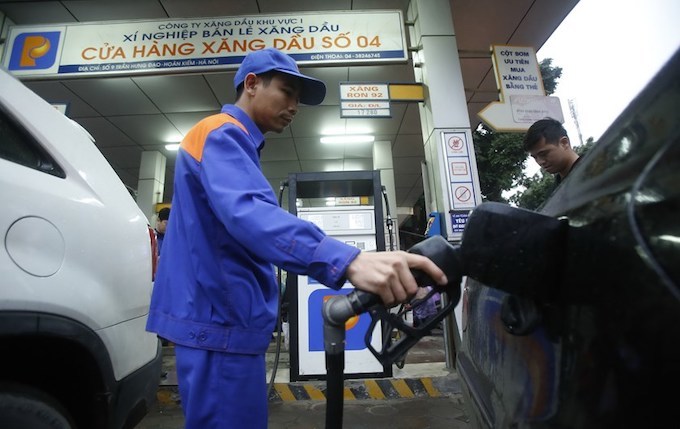
    Gasoline prices in Vietnam saw a notable increase Thursday afternoon, reversing a dip to a five-week low recorded just last week.

    The widely used RON95 fuel rose by 0.19% to VND 20,200 (US$0.77) per liter, while biofuel E5 RON92 edged up slightly by 0.05% to VND 19,620. Diesel, on a more vigorous upward trajectory, increased by a robust 2.03%, bringing its price to VND 19,030.

    This week’s pricing adjustments align with a cocktail of global developments. Analysts noted that anticipated increases in OPEC+’s oil production during October and November, coupled with a rise in U.S. oil inventories, played a significant role in shaping market expectations. Furthermore, ongoing conflicts in Ukraine, particularly attacks on Russian energy facilities, have added layers of complexity to the international energy landscape.

    On a global scale, RON95 saw a 0.3% rise to $80.7 per barrel, while diesel experienced a more substantial increase of 2.4%. With so many market dynamics in play, one might wonder if fueling your car will soon be akin to navigating a rollercoaster ride—exciting, unpredictable, and not always affordable!

    Questions & Answers

    How much did gasoline prices increase in Vietnam this week?
    Gasoline prices in Vietnam saw increases ranging from 0.05% to 2.03%, with RON95 rising to VND 20,200 and diesel leading the charge with a 2.03% increase to VND 19,030.

    What are the key factors influencing these price changes?
    Several factors are at play, including an expected boost in OPEC+’s oil production, increasing U.S. oil inventories, and ongoing conflicts in Ukraine affecting Russian energy facilities.

    How do these local price changes compare to global trends?
    Globally, RON95 rose by 0.3% to $80.7 per barrel, while diesel saw an even steeper increase of 2.4%, suggesting that local prices are closely aligned with international market shifts.

  • Southeast Asia Poised for Wind Power Surge: 26 GW of Onshore Capacity Expected by 2030

    Southeast Asia Poised for Wind Power Surge: 26 GW of Onshore Capacity Expected by 2030

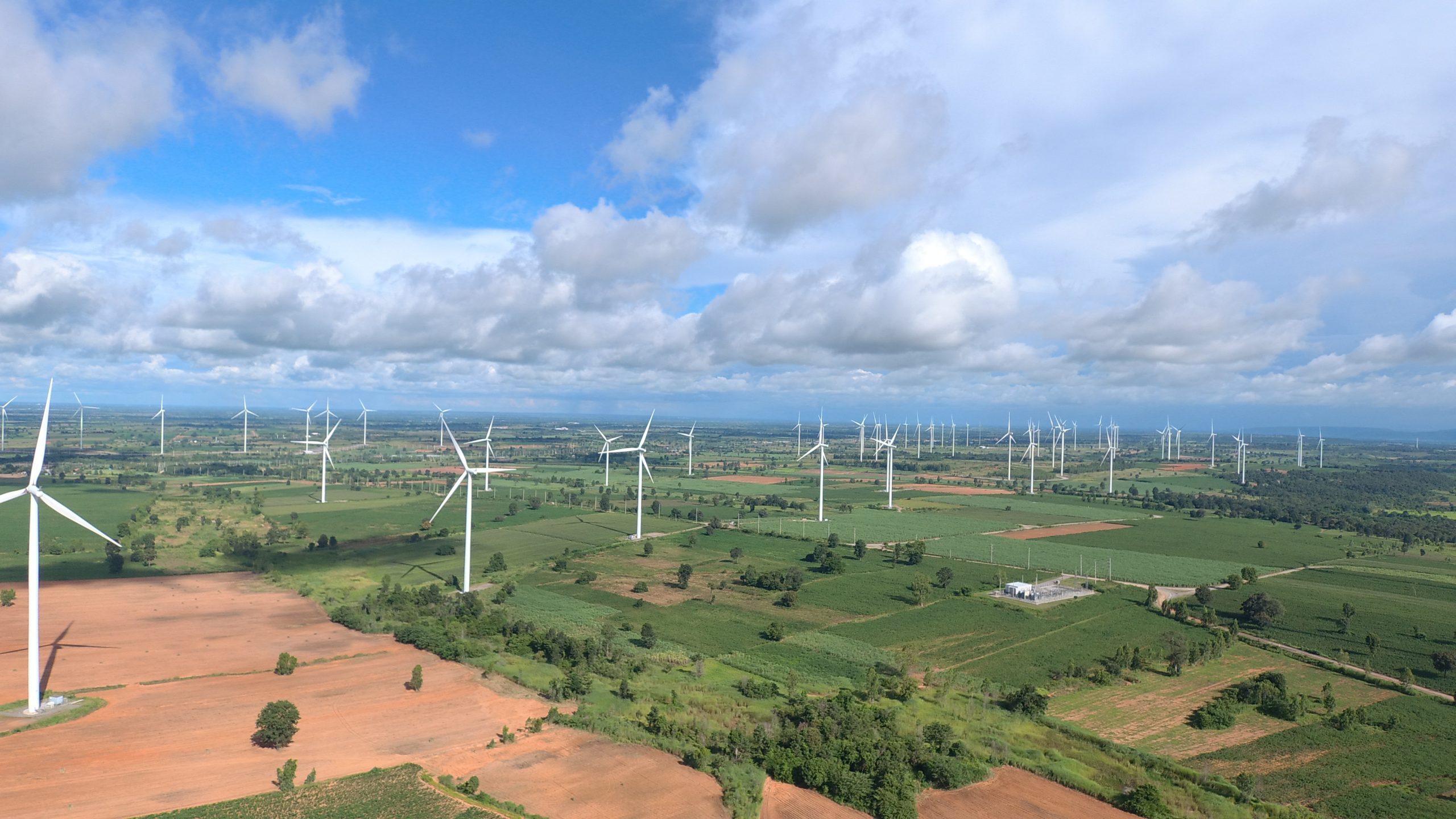
    Onshore wind capacity in Southeast Asia is set for a remarkable transformation, with projections indicating a surge to 26 gigawatts (GW) by 2030, according to Rystad Energy. This figure represents an impressive leap of 19.5 GW from the current 6.5 GW anticipated in 2024.

    Supportive Policies Fuel Expansion

    This soaring expansion is primarily driven by a combination of short-term policy initiatives, including auctions and project awards, paired with attractive feed-in tariffs (FITs). Additionally, the growing acceptance of mainland Chinese wind turbines is playing a significant role in this renaissance of onshore wind energy.

    Technological Advancements Empower Competition

    Raksit Pattanapitoon, lead renewables and power analyst for APAC at Rystad Energy, highlights that “with more mature technology, falling equipment costs, and improved performance at lower wind speeds, onshore wind is increasingly a competitive option for meeting renewable energy targets.”

    Vietnam Leads the Charge

    Currently, Vietnam stands out as the largest market in the region, despite facing some policy-induced fluctuations. It is trailed by the Philippines and Thailand in the onshore wind race. Notably, Laos has just made its entrance into this dynamic market with the commissioning of Southeast Asia’s largest wind project in August, designed specifically for power export to Vietnam.

    Learning from Regional Experiences

    Rystad emphasizes that countries such as Laos, Cambodia, and potentially Indonesia, have much to gain from the experiences of their more established neighbors like Vietnam, Thailand, and the Philippines. The experience in these countries has seen an initial rapid rollout of projects—around 4 GW in Vietnam, 1.5 GW in Thailand, and 400 MW in the Philippines—only to be followed by a frustrating drought of new developments. This stagnation occurred due to inconsistent policy frameworks, leaving Vietnam with no new construction since 2021, Thailand since 2019, and the Philippines since 2015.

    Strategies for Long-Term Success

    Looking forward, Rystad acknowledges that the long-term success of onshore wind in Southeast Asia will be contingent on several factors: consistent policies, stronger grid integration, and the establishment of local supply chains. As they aptly put it, “continued government support and collaboration within the industry are crucial to building a resilient wind market and ensuring wind energy becomes a key pillar of the region’s renewable transition.”

    Questions & Answers

    What is the projected onshore wind capacity in Southeast Asia by 2030?
    Southeast Asia’s onshore wind capacity is projected to reach 26 gigawatts (GW) by 2030, a significant increase from the current estimate of 6.5 GW in 2024.

    Which country currently leads in onshore wind energy development?
    Vietnam is currently the largest market for onshore wind energy in Southeast Asia, followed by the Philippines and Thailand.

    What factors are crucial for the long-term success of onshore wind in the region?
    Consistent government policies, improved grid integration, and the establishment of local supply chains are essential for the sustained growth of onshore wind energy in Southeast Asia.

  • 950,000+ Singaporean Households Set to Enjoy Utility Rebates Up to $150 This October!

    950,000+ Singaporean Households Set to Enjoy Utility Rebates Up to $150 This October!

    Over 950,000 households in Singapore’s public Housing and Development Board (HDB) flats are set to receive utility bill rebates ranging from S$110 to S$190 (US$86 to US$150) this October, aimed at easing the financial burden of rising living costs. In addition to these rebates, eligible families will also benefit from service and conservancy charge (S&CC) rebates, potentially equating to one month of waived fees.

    A striking 80% of Singapore’s residents call HDB flats their home. The S&CC fees collected contribute to essential services such as cleaning, landscaping, waste management, pest control, and the upkeep of electrical systems within the community. The specific amount of rebates depends on the type of HDB unit. For instance, residents of one- and two-room flats will enjoy the maximum rebate of S$190 alongside a full month’s worth of S&CC rebates. Conversely, those residing in larger executive or multi-generation units will see utility rebates of S$110 and about half a month’s S&CC rebate.

    To qualify for these rebates, households must meet certain criteria, such as not owning more than one property, and at least one member must be a Singaporean owner or occupant. Importantly, these rebates will be credited automatically to recipients’ accounts managed by local town councils and the national energy provider.

    These utility and S&CC rebates are part of Singapore’s ongoing GST Voucher scheme, designed to support lower- and middle-income families facing the challenges of escalating living expenses and a higher goods and services tax. Payments are made quarterly in April, July, October, and January.

    Looking ahead to the upcoming fiscal year from April 2025 to March 2026, eligible households could receive up to S$760 in utility rebates and as much as three and a half months of S&CC rebates. The recent announcement comes at a time when Singaporeans are bracing for a slight rise in electricity costs; shortly, the national grid operator SP Group reported a modest increase of 0.3% in electricity tariffs, resulting in an additional monthly cost of about S$0.31 for a typical family in a four-room HDB flat.

    As the cost of living continues to rise, this financial support is a crucial lifeline for many families navigating the urban landscape of Singapore.

    Questions & Answers

    How many households in Singapore will benefit from the utility rebates?
    More than 950,000 households living in HDB flats will receive the utility bill rebates this October.

    What factors determine the amount of the utility rebate?
    The amount of the rebate varies based on the type of HDB flat, with one- and two-room units receiving up to S$190, while larger executive or multi-generation units will receive S$110.

    What is the GST Voucher scheme?
    The GST Voucher scheme is a government initiative to assist lower- and middle-income households with rising living costs, providing support through utility and service charges, disbursed quarterly.

  • Malaysia Expands Fuel Subsidy Program for Commuters Heading to Singapore for Work

    Malaysia Expands Fuel Subsidy Program for Commuters Heading to Singapore for Work

    Malaysia is set to implement a new fuel subsidy program aimed at assisting the hundreds of thousands of citizens commuting to Singapore for work.

    New Subsidy Program for Commuters

    The Malaysian government plans to roll out significant changes to its fuel subsidy system, making it possible for an estimated 200,000 to 250,000 Malaysians, who commute daily to Singapore, to access a 3% discount on fuel prices. This subsidy, which is expected to be effective shortly, will allow eligible individuals to purchase RON95 fuel at MYR1.99 (approximately US$0.47) per liter—a tangible savings for those making the daily trek across the border.

    Implementation Delays Due to Data Integration

    Transport Minister Anthony Loke confirmed that while the initiative was announced on September 22, the system may take around two weeks to properly establish. “They are entitled to the subsidy. In principle, they are Malaysians and live in Malaysia. The only thing different is that they hold Singapore driving licenses,” he stated at a recent press conference. However, he noted that sharing data between the two nations poses a challenge due to Singapore’s stringent privacy laws, which hinder integration with Malaysia’s Road Transport Department.

    Recognizing National Pride and Community

    The introduction of this subsidy is framed as a gesture of appreciation from the Malaysian government, coinciding with National Day and Malaysia Day celebrations, aimed at honoring all Malaysians. In a statement, the Road Transport Department remarked that the initiative acknowledges the commitment and resilience of citizens who cross borders for work. Indeed, in an era where small savings can sometimes lead to big surprises, this subsidy may just give commuters a little more reason to smile at the fuel pump.

    Questions & Answers

    How much fuel can individuals purchase under the new subsidy scheme?
    Each individual is capped at purchasing 300 liters of fuel monthly under the new subsidy program.

    Why is there a delay in implementing the subsidy for drivers with Singapore licenses?
    The delay is due to the lack of data sharing between Malaysia and Singapore, as Singapore’s privacy laws prevent their authorities from sharing information with Malaysia’s Road Transport Department.

    What sparked the introduction of this fuel subsidy?
    The subsidy is intended as a recognition of the spirit of National Day and Malaysia Day, aimed at appreciating the contributions of all Malaysians, including those who work in Singapore.

  • Facing Job Insecurity at 40: Why I Accepted a $300 Monthly Salary

    Facing Job Insecurity at 40: Why I Accepted a $300 Monthly Salary

    For many workers in Asia, the reality of job security and career advancement often feels like a distant dream. An anonymous employee, who has spent over a decade in a role defined by administrative tasks, describes a life caught in a rut. The monotony of data entry and paperwork may seem predictable, but for him, it signals both safety and stagnation.

    A Vicious Cycle of Fear and Despair

    At 40, he faces a grip of anxiety over job prospects that weighs heavier than any clipboard he has balanced for years. Friends and family encourage him to pursue better opportunities, yet the thought of venturing into the job market fills him with dread. The fear of rejection looms large, turning resume submissions into exercises in agony.

    Attempts to break free have been met with silence or outright rejection, largely due to the demands of employers for skills he lacks—English proficiency, technological know-how, and managerial experience. A pointed question from one recruiter still haunts him: “You are 40, can you keep up with a high-pressure job?” Left speechless, he ultimately chose to remain in his role, a lifeline to ensure his family’s basic needs are met.

    Stuck in a Comfort Zone

    Each day is a cycle of repetition, with the clock ticking down to monthly bills that must be paid. His job may not promise promotions or skills development, but the stability it provides is invaluable. The threat of long-term unemployment looms even larger, particularly for workers in his demographic. He worries constantly about being a financial burden, even as he grapples with the frustrations of professional stagnation.

    The Invisible Struggle of Middle-Aged Workers

    Voices of encouragement from others suggest he should leap outside his “comfort zone” and embrace new learning opportunities or entrepreneurial ventures. However, for him, these options seem like a luxury reserved for the youth deliriously unaware of the risks that come with age. Health issues and familial responsibilities magnify his reluctance to take chances.

    In his own words, life at 40 feels like precariously balancing on a rotting bridge: every step forward feels risky, yet standing still only delays inevitable decline. His job, which pays VND8 million a month, isn’t an act of love or passion; it’s a decision made from sheer necessity.

    Through this account, he reaches out to younger generations: the struggles of middle-aged workers often go unspoken, trapped between the fear of change and the harsh realities of unemployment. The past choices may reflect a temporary comfort, but they can transform into a lifetime of regret. He urges the younger workforce to remain proactive, to learn, adapt, and prepare for an unpredictable future filled with opportunities yet to be grasped.

    Questions & Answers

    What keeps the individual from pursuing a new job?
    The fear of rejection and the anxiety associated with change prevent him from seeking better job opportunities, compounded by a lack of required skills.

    How does the individual view his current job?
    He sees his administrative role as a necessary lifeline for his family, even though it offers no potential for growth or fulfillment.

    What advice does he offer to younger workers?
    He encourages them to continually learn and improve their skills, warning that complacency can lead to a precarious future as they age.

  • Thailand’s Rice Exports Face 10-Month Decline: What It Means for the Global Market

    Thailand’s Rice Exports Face 10-Month Decline: What It Means for the Global Market

    Thailand’s rice exports have plunged 30% year-on-year, reaching just US$3.94 billion in August, marking a grim milestone as the country endures a 10th consecutive month of decline.

    According to the Ministry of Commerce’s Trade Policy and Strategy Office, export volume also slipped, down 16.9% to 739,497 tonnes during the same month. The downturn has impacted major markets, including the U.S., South Africa, Senegal, Iraq, and Mozambique, with few bright spots in shipments to Cameroon, China, Malaysia, Hong Kong, and Canada, where demand surprisingly increased.

    Over the first eight months of the year, Thailand’s total rice exports have exceeded 5 million tonnes, reflecting a significant drop of 24.1% compared to the previous year. This substantial decrease comes at a time when domestic rice prices are also trending downward. As reported by the Thai Rice Millers Association, the price of white rice stood at THB6,500-6,700 (approximately US$201-208) per tonne as of Wednesday, which is a THB200 reduction from just a week earlier. Meanwhile, jasmine rice prices appear to be holding steady at THB15,500-16,000 per tonne.

    Market Forces at Play

    With rice being a staple in many households, these shifts in Thailand’s export landscape are raising eyebrows and prompting discussions about broader agricultural strategies. While exports slump, rice’s domestic pricing trends indicate potential shifts in supply and demand that could reverberate throughout the economy.

    Unexpected Bright Spots

    As Thailand grapples with these export challenges, the uptick in shipments to certain countries could signal changing consumer preferences or emerging markets that are keen to fortify their rice supply chains. Amidst the sea of declines, it’s a little like finding a pearl in an oyster—a rare but valuable indication that opportunities still exist.

    What’s Next for Thai Rice?

    Analysts are now closely monitoring how this continuing export decline could affect local farmers, as agricultural livelihoods hang in the balance. As Thailand strives to maintain its position as one of the world’s top rice exporters, the path forward is uncertain but undoubtedly crucial.

    Questions & Answers

    How significant is the decline in Thailand’s rice exports?
    The decline is quite significant, with a 30% drop year-on-year in August, reflecting continued challenges in Thailand’s rice export market.

    Which markets experienced a decrease in rice imports from Thailand?
    Major markets like the U.S., South Africa, Senegal, Iraq, and Mozambique reported declines in rice imports, demonstrating the broad impact of these export challenges.

    What are the current domestic rice prices in Thailand?
    As of Wednesday, domestic prices for white rice were reported between THB6,500-6,700 (about US$201-208) per tonne, showing a slight decrease, while jasmine rice prices remained stable at THB15,500-16,000 per tonne.

  • Skillsfuture Jobseeker Support Scheme Approves Nearly 2,900 Applications Amid Economic Challenges

    Skillsfuture Jobseeker Support Scheme Approves Nearly 2,900 Applications Amid Economic Challenges

    In a recent update, nearly 2,900 applications submitted between the launch of the SkillsFuture Jobseeker Support scheme in April and August have been approved. Minister for Manpower Tan See Leng revealed this information while responding to parliamentary inquiries on Tuesday.

    A deep dive into the demographics shows that most applicants fall within the age bracket of 26 to 40, highlighting a significant segment of the workforce seeking assistance during these challenging economic times. However, for those who didn’t make the cut, the reasons for rejection were notably clear. The top three reasons included being not involuntarily unemployed, exceeding a monthly income of S$5,000, or failing to have worked for at least six months within the past year.

    Tan has made it clear that unsuccessful applicants still have the option to appeal on a case-by-case basis. “We have held the line in these cases, as the JS scheme is meant to support those made unemployed involuntarily… rather than those who have chosen to leave,” he noted in comments reported by The Business Times. In instances of ambiguity regarding an applicant’s unemployment status, Workforce Singapore (WSG) takes the initiative to verify claims with employers, ensuring a thorough assessment.

    Eligibility Criteria for Support

    The SkillsFuture Jobseeker Support scheme is available for Singaporeans aged 21 and above, provided they have worked at least six months in the past year with an average monthly income of S$5,000 or less. To qualify, applicants must have faced unemployment due to uncontrollable circumstances, including retrenchment, company closures, or terminations linked to illness, injury, or accident. Additionally, their residential property value must not exceed S$31,000, a detail not lost on those navigating the tricky waters of financial support.

    Supporting the Workforce

    At the scheme’s launch, the government anticipated that it would benefit around 60,000 residents each year. WSG, which oversees the program, carefully verifies unemployment claims, collaborating with previous employers when needed. It’s not just about financial support; successful participants are expected to actively engage in their job searches by attending activities like career coaching or networking events, earning points to maintain their eligibility. Think of it as a game — the more you engage, the better your chances of leveling up in your job search.

    In his address, Tan also underscored the government’s commitment to collaborating with employers and the labor movement to enhance awareness of the program. Companies facing necessary retrenchments are encouraged to facilitate worker applications, emphasizing community support. Regular reviews of the scheme are planned to ensure it continues to meet the evolving needs of those it aims to assist.

    Questions & Answers

    What is the main purpose of the SkillsFuture Jobseeker Support scheme?
    The scheme is designed to support Singaporeans who have become unemployed involuntarily, helping them find new job opportunities during challenging times.

    Who qualifies for the Jobseeker Support scheme?
    Eligibility is restricted to Singaporeans aged 21 and above, who have worked in Singapore for at least six months within the past year, with a monthly income of S$5,000 or less. They must also demonstrate that their unemployment was due to factors beyond their control.

    What are the consequences of being rejected from the scheme?
    Rejected applicants have the option to appeal their cases on an individual basis, allowing them a chance to challenge the decision made regarding their eligibility.

  • Gasoline Prices Plunge to Lowest Point in Five Weeks: What This Means for Drivers

    Gasoline Prices Plunge to Lowest Point in Five Weeks: What This Means for Drivers

    Vietnam’s gasoline prices have slid to a five-week low, marking a significant shift after reaching an 11-week high just last week.

    The cost of the widely used RON95 has decreased by 2.14%, now priced at VND 20,160 (approximately US$0.76) per liter. Similarly, biofuel E5 RON92 saw a 1.85% drop, bringing it down to VND 19,610, while diesel fuel edged down by 0.27% to VND 18,650.

    This recent price drop is attributed to a confluence of global factors: OPEC+ has ramped up oil exports, geopolitical tensions have escalated in the Middle East, and Ukraine’s ongoing assaults on Russian energy installations continue to ripple through the market, as noted by Vietnam’s Ministry of Industry and Trade.

    On the international front, RON95 is now trading at $80.5 per barrel after a 2.7% fall, while diesel prices have slipped by 0.2% to $87.9 per barrel.

    Questions & Answers

    How have recent geopolitical events affected fuel prices in Vietnam?
    The recent escalation of tensions in the Middle East and ongoing conflicts impacting Russian energy facilities have contributed to fluctuations in fuel prices, as highlighted by the Ministry of Industry and Trade.

    What is the current price of RON95 gasoline in Vietnam?
    As of Thursday afternoon, RON95 gasoline is priced at VND 20,160 (approximately US$0.76) per liter, experiencing a 2.14% decrease.

    Why is the drop in gasoline prices significant?
    This decline is notable as it follows an 11-week high in prices just last week, indicating a potential trend reversal in the local fuel market amidst complex global dynamics.

  • Revolutionizing Parenthood: Meet the ‘Gestation Robot’ Transforming AI in Reproductive Health

    Revolutionizing Parenthood: Meet the ‘Gestation Robot’ Transforming AI in Reproductive Health

    Kaiwa Technology, a forward-thinking Chinese tech firm, is making headlines with its ambitious plan to develop what may become the world’s first “gestation robot.” Set to hit the market in 2026 and priced at approximately USD 13,900, this humanoid robot boasts a revolutionary artificial womb designed to carry a fetus through the entire ten-month gestation period.

    This groundbreaking innovation aims to provide an alternative pathway for individuals unable or unwilling to experience the trials of human pregnancy. However, the announcement has sparked an intense global debate, raising a host of ethical questions even as it offers a glimmer of hope to couples facing infertility challenges.

    Building on Past Breakthroughs

    The concept is not entirely new; it follows in the footsteps of the groundbreaking 2017 “biobag” experiment, where researchers successfully nurtured a premature lamb. With advances in artificial intelligence and biotech reshaping the landscape of reproductive technology, the gestation robot marks a bold—and to some, entirely controversial—leap into the next chapter of human procreation.

    For those watching this space, it’s hard not to feel a mix of excitement and trepidation. After all, one wonders if the future of childbirth might include a friendly robot as a maternal stand-in—imagine a cuddly android ushering a new generation into the world!

    Questions & Answers

    What is the primary function of Kaiwa Technology’s gestation robot?
    The gestation robot is designed to replicate human pregnancy by providing an artificial womb that can carry a fetus through a ten-month period.

    When is Kaiwa Technology planning to release this robot?
    The company is scheduled to introduce the gestation robot to the market in 2026.

    What kind of ethical concerns are being raised by this innovation?
    The introduction of the gestation robot has sparked a debate regarding the implications of technology on natural reproduction, including concerns over the ethical boundaries of artificial procreation and the potential impact on societal norms surrounding motherhood.