Category: Living

Retail News Asia is committed to providing both local and global retailers with the latest Living news throughout the Asian market. This on a daily base.

  • Malaysia Slashes Subsidized RON95 Fuel Price to $0.47 per Liter to Alleviate Cost of Living Concerns

    Malaysia Slashes Subsidized RON95 Fuel Price to $0.47 per Liter to Alleviate Cost of Living Concerns

    In a significant move to alleviate rising living costs, Malaysia will lower the price of the widely used RON95 fuel to RM1.99 (US$0.47) per liter, effective September 30.

    New Pricing Dynamics in Malaysia

    Prime Minister Anwar Ibrahim announced the price reduction from the previous RM2.05 per liter during a regular briefing at the Prime Minister’s Department on Monday. This adjustment reflects the government’s ongoing efforts to tweak fuel subsidies amidst the challenging economic climate.

    Targeted Subsidy Allocation

    The revised subsidized fuel price will exclusively benefit Malaysians who hold a valid driver’s license. In a move aimed at fair distribution, non-citizens will face a higher price of RM2.60 per liter at the gas pump. The government has also put a cap on fuel purchases, limiting it to 300 liters per month per person, although ride-hailing drivers may see exceptions to this rule.

    Investing in Infrastructure and Public Welfare

    Any savings generated from these subsidy alterations are intended for enhancing public infrastructure and providing assistance to those most in need, according to Anwar. This shift, initially hinted at in July, marks a significant policy evolution, though the administration opted not to pursue earlier suggestions to completely remove RON95 subsidies for wealthier segments of the population.

    A Broader Economic Strategy

    Anwar’s administration is enacting various measures to bolster national revenue and productivity. These strategies include implementing a minimum wage increase, raising electricity tariffs for heavy users, and expanding the sales and services tax. It appears Malaysia is not just applying a bandaid to fuel prices, but carefully stitching together a broader economic fabric aimed at sustaining growth.

    Questions & Answers

    What is the new price for RON95 fuel in Malaysia?
    The new price for RON95 fuel will be RM1.99 (US$0.47) per liter, effective September 30.

    Who will benefit from the subsidized fuel price?
    The subsidized price will be available only to Malaysians with a valid driver’s license, while non-citizens will pay RM2.60 per liter.

    How will the government utilize savings from the subsidy changes?
    The government plans to channel any savings from these subsidy changes into improving public infrastructure and providing aid to those in need.
  • Ikea Boosts E-commerce And Introduces Localized Store Formats In Ambitious Asian Expansion

    Ikea Boosts E-commerce And Introduces Localized Store Formats In Ambitious Asian Expansion

    In a strategic shift poised to reshape its footprint in Asia, IKEA has unveiled plans to enhance its e-commerce capabilities as part of a broader effort to adapt to the evolving retail landscape. With the pandemic forcing many consumers into digital shopping, the home furnishings giant recognizes that ease of access and streamlined purchasing options are key to engaging today’s customer.

    Expanding Online Reach in Asia

    The Swedish retail powerhouse announced it will invest significantly in bolstering its online platforms across various Asian markets. This ambitious initiative aims to cater to the increasing demand for online shopping, particularly in markets like China and India, where digital adoption has surged. By enhancing its website functionality and expanding delivery services, IKEA hopes to transform the way customers interact with the brand.

    It’s clear that IKEA isn’t just jumping into the online fray; it’s doing so with a sense of urgency and innovation. Imagine, for a moment, picking out your favorite sofa from the comfort of your own couch — a scenario that feels almost too good to be true for many shoppers.

    New Store Formats and Localized Offerings

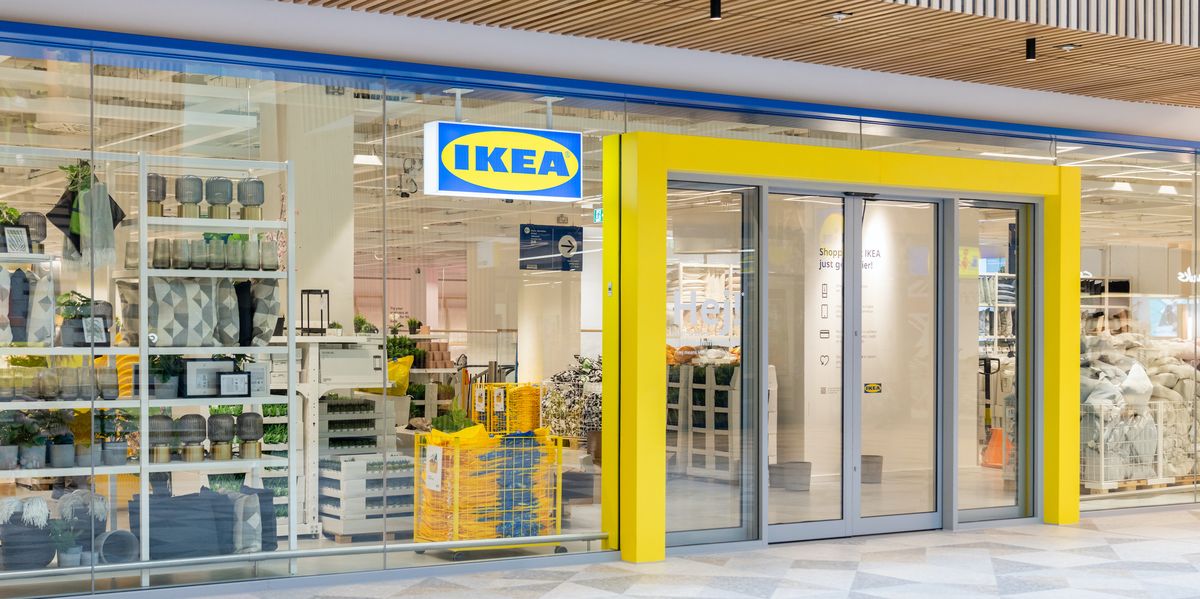
    In tandem with its digital enhancements, IKEA is also looking to reimagine its physical presence in Asia. Plans are underway to launch a series of smaller store formats designed to penetrate urban centers where traditional mega-stores might not be feasible. These new locations will not only display a curated selection of products but also serve as community hubs for design consultations and workshops, fostering a deeper connection with local consumers.

    Additionally, IKEA plans to tailor its product lineup to meet the unique tastes and preferences of Asian consumers. This regional approach is expected to resonate well with shoppers who appreciate local influences in home decor, allowing IKEA to blend its global identity with regional flair.

    Sustainability at the Forefront

    IKEA’s commitment to sustainability will continue to guide its efforts in Asia. The company aims to enhance its circular business model, striving for products that are not only stylish but also environmentally friendly. Initiatives like recycling and sustainable sourcing are on the horizon, appealing to increasingly eco-conscious consumers who want to support brands with strong environmental ethics.

    As Asia’s retail landscape evolves, IKEA’s proactive strategies underline its determination to stay ahead of the curve. The combination of enhanced online shopping experiences and localized in-store formats paints a promising picture for the brand’s future in the region, inviting shoppers to rethink where, how, and what they purchase for their homes.

    Questions & Answers

    What are IKEA’s main objectives in enhancing its e-commerce capabilities in Asia?
    IKEA aims to provide a more accessible and streamlined shopping experience, responding to the growing demand for online retail, especially in fast-developing markets like China and India.

    How will new store formats impact IKEA’s presence in urban areas?
    The introduction of smaller store formats will allow IKEA to effectively penetrate densely populated urban centers, offering a curated product selection and serving as community hubs for consumers.

    What sustainability initiatives is IKEA pursuing as part of its expansion in Asia?
    IKEA is committed to enhancing its circular business model, focusing on environmentally friendly products and initiatives like recycling and sustainable sourcing to appeal to eco-conscious consumers.

  • South Korea’s Warehouse-style Pharmacies: Consumer Convenience Vs. Public Health Concerns

    South Korea’s Warehouse-style Pharmacies: Consumer Convenience Vs. Public Health Concerns

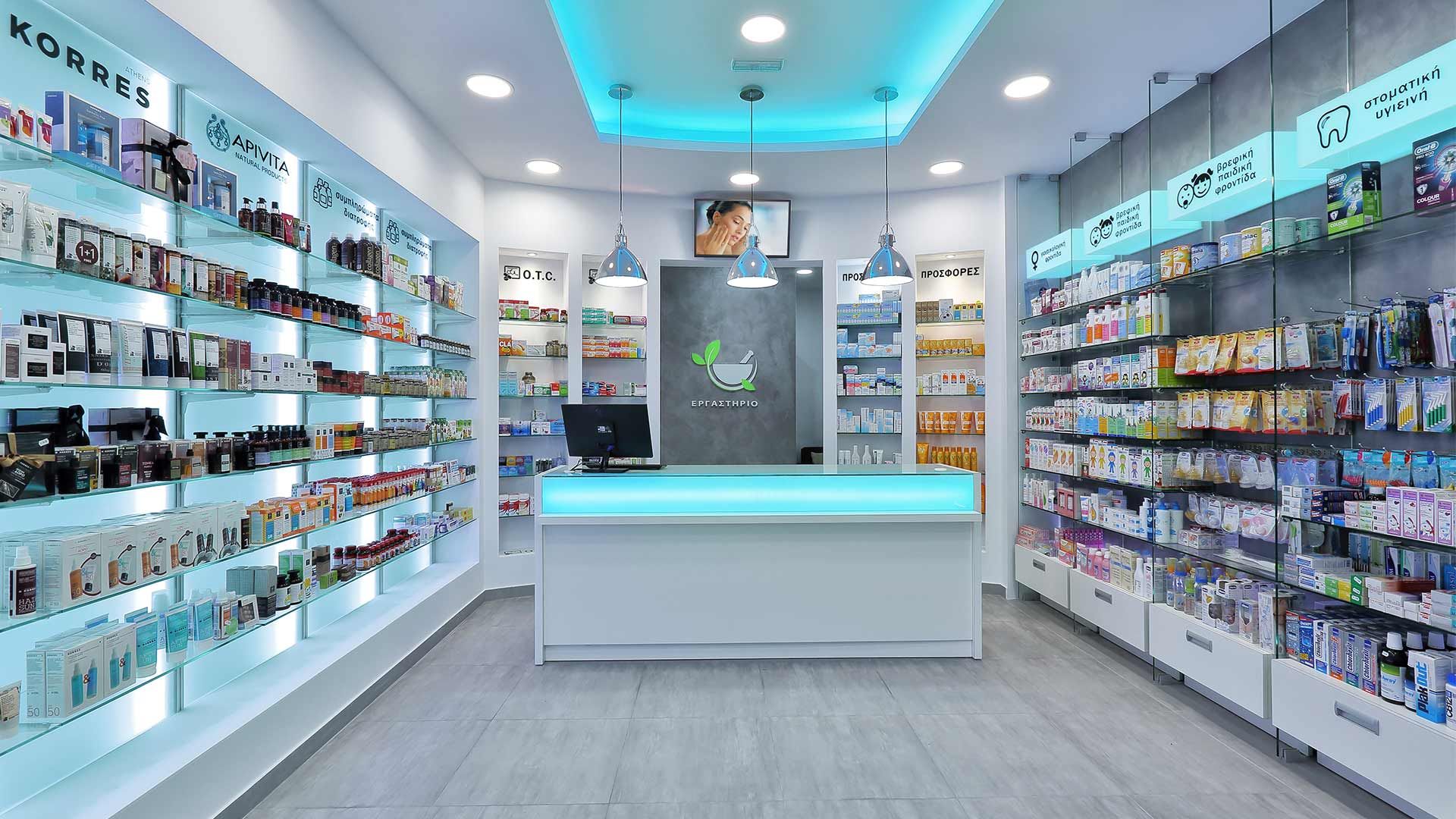
    South Korea is currently experiencing the rapid proliferation of large-scale ‘warehouse-style’ pharmacies, establishments that sell medications and wellness supplements in large quantities. This trend has sparked an intense discussion around public health and market equity.

    The Emergence of Warehouse-Style Pharmacies

    The trend of warehouse-style pharmacies was first noticed earlier this year in Seongnam, located to the south of Seoul. It has since spread to Gwangju, where two sizable pharmacies are preparing to commence operations this month. One of these pharmacies spans an area of 262 square meters, while another, yet to be launched, is expected to cover 760 square meters. Current registration guidelines allow these establishments to operate as long as they comply with legal requirements, thereby making it impossible for local governments to prevent their opening.

    Pharmacists’ Concerns

    Pharmacists’ associations have expressed serious concerns about this trend, warning about the potential risks it poses to patients and smaller community-owned pharmacies. The Gwangju Pharmaceutical Association, in particular, has issued a public statement urging a halt to the opening of new large-scale pharmacies. They emphasized that drugs are not mere consumer products but bioactive substances requiring extensive management and professional counseling.

    The Association further warned that if medicines are treated as commonplace household items in these large establishments, their misuse and abuse would inevitably increase. Such a scenario could also put more than 700 local pharmacies at risk of going under.

    Statistics support these concerns. The daily per-capita consumption of drugs in Korea has risen from 1123 in 2021 to 1432 in 2023. Over the past ten years, drug-associated fatalities have also risen by 1.7 times.

    Pharmacists also caution about the potential risks for patients with chronic illnesses who might face dangerous side effects from common analgesics or allergies caused by certain components without personalized guidance.

    Consumer Perspectives

    On the other hand, consumers see benefits in the new model. They are attracted to the cost competition and bulk display that promise more affordable medicines and increased convenience. Many shoppers, particularly those from Gwangju’s Seo district, appreciate the opportunity to have a wider variety of vitamins and supplements available under one roof.

    This debate mirrors previous conflicts around the sale of basic over-the-counter drugs at convenience stores in 2012, and the more recent surge in online sales of supplements.

    Local governments have admitted their inability to limit these openings under the current laws but have committed to rigorous monitoring. They underscored their commitment to prioritizing citizen safety by closely inspecting facilities, staffing, and adherence to regulations while working in tandem with local pharmacist groups.

    This ongoing debate underscores the growing friction between the consumer’s need for convenience and affordability and the health sector’s concerns regarding safety and societal costs.

    Questions & Answers

    What is the concern of local pharmacists about the trend of warehouse-style pharmacies?
    Local pharmacists express concern about the potential risks it may pose to both the smaller community pharmacies and patients. They worry that treating medicines as common consumer goods could lead to their misuse and abuse, jeopardizing public health.

    How has the daily per-capita consumption of drugs changed in Korea from 2021 to 2023?
    The daily per-capita consumption of drugs in Korea has increased from 1123 in 2021 to 1432 in 2023, according to the statistics.

    What is the stance of local governments on the proliferation of warehouse-style pharmacies?
    While local governments currently cannot restrict the opening of these establishments, they have pledged to maintain rigorous monitoring efforts. They aim to prioritize citizen safety by closely inspecting facilities, staffing, and regulatory compliance.

  • Two Chinese Companies Debut Cutting-Edge Autonomous Shuttle Services in Singapore

    Two Chinese Companies Debut Cutting-Edge Autonomous Shuttle Services in Singapore

    In a significant move toward the embrace of autonomous mobility, two Chinese robotaxi companies are set to collaborate with local providers to launch shuttle services in Singapore, marking a new chapter in the city-state’s transportation landscape.

    Ride-hailing giant Grab has partnered with China’s WeRide, aiming to roll out services by early 2026. Meanwhile, Pony.ai is joining forces with Singapore’s ComfortDelGro, planning similar initiatives. The rapid developments signify Singapore’s ambition to become a focal point for autonomous driving technologies.

    Grab confirmed that it has received approval from local authorities to run two autonomous shuttle routes in the Punggol area. Passengers can expect to board WeRide’s five- and eight-seater vehicles following a thorough testing phase designed to fine-tune the service routes.

    WeRide recently secured a permit from the Shanghai municipal government, enhancing its credentials as it prepares to offer autonomous robotaxi services.

    On the other hand, Pony.ai announced its intention to offer services in Punggol with ComfortDelGro, with an ambitious plan to expand to nearby communities as soon as they clear regulatory hurdles. Singapore’s Land Transport Authority has outlined that Pony.ai and ComfortDelGro will service a 12-km (7.5-mile) route in Punggol, capturing the community’s attention with their innovative approach to transport.

    The Land Transport Authority has also recognized the robust capabilities of both WeRide and Pony.ai, noting their successful deployment of automated vehicles in various global markets.

    Currently, Pony.ai operates commercial robotaxis in four of China’s leading cities: Beijing, Shanghai, Guangzhou, and Shenzhen. The company, which has secured backing from Toyota Motor, is also looking to extend its driverless operations to South Korea and parts of Europe, fueled by a $260 million rise in funding following its Nasdaq listing last November. By year-end, Pony.ai aims to elevate its robotaxi fleet to 1,000 vehicles—talk about a drive for growth!

    The Singapore government, actively exploring autonomous technologies, is taking decisive steps in this direction, with Transport Minister Jeffrey Siow visiting Chinese autonomous driving firms in June to gather insights and bolster collaboration.

    Questions & Answers

    What companies are launching autonomous shuttle services in Singapore?
    Grab has partnered with WeRide, while Pony.ai is collaborating with ComfortDelGro to offer similar autonomous shuttle services.

    When will these services begin operations?
    Grab and WeRide plan to start their shuttle services in early 2026, whereas Pony.ai and ComfortDelGro are looking to commence within the coming months, subject to regulatory approval.

    What is the scope of Pony.ai’s operations?
    Pony.ai currently operates commercial robotaxis in major cities across China and is expanding its services globally, highlighting its ambition to grow its fleet significantly by the end of this year.

  • Vietnam’s 35% Top Income Tax: A Look at Southeast Asia’s Steepest Rates and Its Impact on Retail

    Vietnam’s 35% Top Income Tax: A Look at Southeast Asia’s Steepest Rates and Its Impact on Retail

    In the ever-evolving landscape of taxation, Vietnam’s Ministry of Finance has stirred the pot with a proposal to overhaul the Personal Income Tax Law, aiming to streamline tax brackets from seven down to five. While maintaining the maximum marginal rate at 35%, the ministry plans to raise the income threshold for this rate from VND80 million to VND100 million per month. But wait—this cap might feel like a heavy chain for those earning in the upper-middle class.

    An International Perspective on Taxation

    According to insights from a leading British audit and consulting firm, this proposal aligns Vietnam’s tax structure with similar economies. Thailand, Indonesia, and the Philippines all impose a 35% top rate, while neighbors like China, South Korea, and Japan push the boundary even further, reaching rates up to 45%. The Ministry argues that this alignment is necessary to ensure competitiveness on the global stage.

    Health and Education Deductions on the Table

    In addition to reconfiguring the brackets, the Ministry aims to increase deductions for health and education expenses, offering some relief to taxpayers. Yet many economists have voiced concerns about the hefty 35% rate itself. KPMG Vietnam’s personal tax advisory head, Nguyen Thuy Duong, points out that Vietnam’s threshold for this rate is significantly lower than its regional counterparts, leading the upper-middle class to shoulder a tax burden typically reserved for the wealthiest in other nations.

    Calls for a Rate Reduction

    Some experts advocate for a reduced top rate, suggesting a drop from 35% to 30% to not only reflect more international norms but also to attract skilled professionals to Vietnam. This sentiment has been echoed by entities such as the Ho Chi Minh City Tax Advisors and Agents Association and the Vietnam Automobile Manufacturers Association. A lower tax rate is seen not merely as a burden alleviation strategy but as a catalyst for foreign investment and a tool to combat tax evasion.

    Support for a More Modest Cap

    Supporters of a more conservative tax strategy have proposed a cap of 25%. Phan Huu Nghi, deputy director of the Institute of Banking and Finance, argues this would resonate better with Vietnam’s economic landscape, where average incomes remain modest. “We can consider increasing the personal income tax rate once our average income reaches higher thresholds,” he notes.

    Positive Trends Amid Tax Concerns

    As of last year, Vietnam’s per capita income climbed to $4,700, while the government has set impressive growth aspirations, targeting high-income status by 2045. With a robust annual GDP growth rate of 6.5%, experts like Vu Minh Khuong from the Lee Kuan Yew School of Public Policy predict that per capita income could soar to $15,000 by 2045 and even $20,000 by 2050. Personal income tax currently stands as the government’s third-largest revenue source, generating VND189 trillion last year—a 20% increase from the previous year.

    Public Sentiment Shifts

    A recent survey by VnExpress revealed that a significant majority—73%—favor a maximum personal tax rate ranging from 20% to 25%. Conversely, only 5% supported the 35% cap, highlighting a clear desire for reform. Many analysts urge that even if the 35% rate remains intact, the income thresholds must be adjusted upwards. Nguyen Van Duoc of Trong Tin Accounting and Tax Consulting advocates for raising the threshold to VND120–150 million instead of VND100 million, arguing that such a change is essential to align with economic realities.

    As discussions continue, one thing is clear: Vietnam’s tax landscape is undergoing a significant review, and the stakes are high for both taxpayers and the economy. Will these proposed changes pave the path to a more balanced tax system, or will they perpetuate burdens that challenge economic growth? Time will tell!

    Questions & Answers

    What changes is the Vietnamese government proposing regarding personal income tax?
    The government plans to reduce the tax brackets from seven to five while maintaining the maximum marginal rate at 35% but raising the income threshold for this rate to VND100 million per month.

    Why do some analysts consider the 35% tax rate too high?
    Many analysts argue that the current 35% rate disproportionately affects the upper-middle class in Vietnam, as it applies to incomes significantly lower than what other countries use as thresholds for their highest tax rates.

    What are the public sentiments regarding personal income tax rates in Vietnam?
    A survey indicated that 73% of respondents favored a maximum tax rate between 20% and 25%, with only a small fraction supporting the 35% cap, indicating a strong desire for reform in the tax structure.

  • Singaporean Enterprises Pave the Way for Renewable Energy Revolution Across APAC

    Singaporean Enterprises Pave the Way for Renewable Energy Revolution Across APAC

    Singapore is making significant strides in the renewable energy landscape, surpassing its regional counterparts regarding the integration of low-carbon energy sources. A recent survey by ABB’s Energy Industries division indicates that 30% of companies in Singapore source more than half of their energy from renewables, a figure that surpasses the 25% average for the Asia Pacific region.

    Looking to the future, a strong majority—82% of Singaporean firms—anticipate boosting their renewable energy consumption by more than 20% within the next five years, compared to 77% regionally. This commitment underscores a robust demand pipeline that aligns with Singapore’s decarbonisation ambitions, as noted by ABB.

    Capital Investments Fueling Energy Transition

    In a striking display of commitment, 68% of Singaporean companies plan to allocate over 10% of their capital expenditures to energy transition initiatives over the next five years. Notably, 26% of businesses expect to ramp up their investments in these efforts by more than 50% in the upcoming year, outpacing the 19% anticipated across the broader region.

    AI: The Unsung Hero of Renewable Energy

    The survey highlights artificial intelligence as a pivotal component in this energy transition, with 78% of respondents expressing confidence in its role. Companies are looking to harness AI for data-driven energy management, expedite investments in smart grid technologies, and enhance interoperability across systems.

    Leading the Charge with Solar Energy

    Importantly, solar energy is emerging as the front-runner in Singapore’s renewable push. A staggering 75% of respondents already rely on solar as a primary energy source, exceeding the 73% seen in the wider Asia Pacific region. When asked about the future, companies identified solar (60%), green hydrogen (46%), and wind (42%) as the top three game-changers for renewable energy in the next five years, showcasing a burgeoning optimism for innovative low-carbon technologies.

    As the world fixes its gaze on decarbonisation, Singapore is not just aiming for a greener future but also taking bold steps to lead the charge. It seems the city-state is not only investing in the earth but perhaps has also found a way to put the “green” back in “greenbacks.”

    Questions & Answers

    How does Singapore’s renewable energy sourcing compare to the broader Asia Pacific region?
    Singapore leads the charge with 30% of companies sourcing over half their energy from low-carbon sources, exceeding the 25% average for the Asia Pacific region.

    What percentage of companies in Singapore plan to increase their renewable energy use significantly?
    A remarkable 82% of companies in Singapore expect to boost their renewable energy consumption by more than 20% in the next five years, higher than the regional figure of 77%.

    Which renewable technologies do companies in Singapore view as the most promising for the future?
    Respondents identified solar (60%), green hydrogen (46%), and wind (42%) as the leading technologies likely to transform the renewable landscape in the next five years.

  • L Catterton targets Japan’s furniture sector with stake in Seki Furniture

    L Catterton targets Japan’s furniture sector with stake in Seki Furniture

    L Catterton, an investment firm supported by luxury goods group LVMH, has entered into a strategic partnership with Seki Furniture, a prominent furniture producer and retailer in Japan.

    Established in Okawa in 1968, Seki Furniture originated as a wholesaling business and has since evolved into a leading omnichannel company. Currently, it operates 26 retail outlets, incorporating its Crash Gate brand, and maintains a formidable online presence.

    Seki controls the majority of Japan’s wholesale residential furniture market and is broadening its reach into sectors such as offices, hotels, restaurants, and hospitals.

    The company is backed by an expert in-house design team and an extensive supplier network. Its brands, notably Relaxform, garner recognition for their design, quality, and affordable pricing.

    CEO Hideki Haruta stated, “Moving ahead, we aim to collaborate with L Catterton to achieve additional medium- to long-term growth and augment our corporate value. We remain committed to providing our customers with services and products that offer enduring value.”

    This investment follows L Catterton’s previous investments in home furnishing businesses, including Restoration Hardware and Boll & Branch.

    Earlier this year, L Catterton entered into a strategic agreement with Megabass, a high-end Japanese fishing gear manufacturer, to assist in the company’s expansion.

    Questions & Answers

    What is Seki Furniture’s current market position in Japan?
    Seki Furniture holds the largest share of Japan’s wholesale residential furniture market and is expanding into sectors such as offices, hotels, restaurants, and hospitals.

    What kind of brands does Seki Furniture have?
    Seki Furniture has several brands under its umbrella, notably Relaxform, which is well-recognised for its design, quality, and pricing.

    Who has L Catterton previously invested in within the home furnishing sector?
    L Catterton has previously invested in home furnishing companies such as Restoration Hardware and Boll & Branch.

  • Wanderlust Unveils Biohack: A New Wellness Range Promising Enhanced Mental And Physical Performance

    Wanderlust Unveils Biohack: A New Wellness Range Promising Enhanced Mental And Physical Performance

    Australian health and wellness brand, Wanderlust, has unveiled a new product range, BioHack by Wanderlust. This supplement collection aims to enhance both mental and physical performance, promoting vitality, focus, resilience, and energy.

    The product line, which will be accessible online and in Chemist Warehouse locations, consists of a diverse selection of 23 formulations. Each is specifically designed with the goal of supporting various aspects of human wellness, ranging from vitality and focus to resilience and energy.

    One notable product in this collection is the NAD+ Boost. This unique supplement features the NAD+ precursor ingredient, known for its beneficial role in energy metabolism and cellular vitality.

    Wanderlust Chairman, Radek Sali, expressed the company’s philosophy and goal behind the new product line. “We believe that age is a privilege and our mission is to assist individuals in embracing their current stage of life,” he said. “This way, they can optimise their journey moving forward. BioHack by Wanderlust is not a fringe experiment in biohacking. Instead, it represents intelligent, science-supported decisions that empower individuals to take control of their evolution.”

    Questions & Answers

    What is the goal of Wanderlust’s new product line, BioHack?
    BioHack by Wanderlust is designed to enhance mental and physical performance. The products aim to promote vitality, focus, resilience, and energy.

    Where can consumers access the BioHack by Wanderlust collection?
    The BioHack by Wanderlust collection is available online and at Chemist Warehouse locations.

    What is the function of the NAD+ precursor ingredient in the NAD+ Boost supplement?
    The NAD+ precursor ingredient helps to boost energy metabolism and cellular vitality.

  • Bubs Australia Announces Board Reshuffle: Paul Jensen Steps In As Independent Chair

    Bubs Australia Announces Board Reshuffle: Paul Jensen Steps In As Independent Chair

    Bubs Australia, a prominent infant nutrition company, has recently undergone changes in its executive board. Paul Jensen, one of the non-executive directors, has been appointed as the independent chair. This announcement was made following the exit of the previous chair, Katrina Rathie.

    New Appointments

    Paul Jensen, who has been an integral part of the board since 2023, has now taken on the role of independent chair. Throughout his tenure, Jensen has not only led the company’s audit and risk committee but has also brought to the table more than twenty years of experience. His expertise spans across various industries and includes both ASX-listed and unlisted boards.

    Additionally, Joe Coote, who assumed the position of CEO earlier this year, has been appointed to the board as Managing Director (MD). Coote has a deep-seated background in leadership roles, with over two decades of global experience in consumer products, dairy, and infant formula industries.

    Stronger Outlook

    Expressing his enthusiasm about the future of Bubs and his new role, Jensen said, “I am excited about the future of Bubs and the opportunity to serve as chair and welcome Joe to the board as MD.”

    Jensen further highlighted their commitment to advance board evolution throughout the current financial year. This strategic move aims to make certain that the right blend of skills and experience are on board to oversee their corporate strategy, and to align with corporate governance standards.

    Questions & Answers

    Who has been appointed as the new independent chair of Bubs Australia?
    Paul Jensen, a non-executive director of Bubs Australia, has been appointed as the new independent chair.

    Who has joined the board as the managing director?
    Joe Coote, CEO of Bubs Australia, has joined the board as the managing director.

    What is the main aim of the board evolution at Bubs Australia?
    The main aim of the board evolution at Bubs Australia is to ensure a balanced mix of skills and experience to oversee the corporate strategy and comply with corporate governance standards.

  • Disney’s Inaugural Asia Cruise from Singapore Postponed by Three Months: What to Know!

    Disney’s Inaugural Asia Cruise from Singapore Postponed by Three Months: What to Know!

    In a significant adjustment for eager travelers, Disney has relocated the inaugural sailing of its new cruise ship, the Disney Adventure, from December 15 to March 10 of next year. The shift comes in light of unexpected delays in the shipbuilding process, a decision Disney Signature Experiences President Joe Schott addressed during inquiries from Mothership. “To ensure the experience we deliver reflects our commitment to excellence, we’ve made the decision to adjust our timeline,” he stated, acknowledging the potential disappointment for guests.

    For those affected by the change, Disney is actively providing flexible rebooking options to maintain consumer trust. Guests originally booked for the December voyage will automatically be transferred to the new March sailing, and in a move that mirrors the magic of Disney, they will also receive a 50% refund for the inconvenience, as reported by The Straits Times.

    A Dedicated Home Port in Singapore

    The majestic Disney Adventure, which recently began sea trials to test its systems, will be stationed in Singapore for a minimum of five years. Those unable to join the March 10 voyage can opt for a full refund or rebook any future sailing at half price, available for cruises departing on or before March 31, 2027.

    A Floating Theme Park Awaits

    Originally marketed as a floating theme park for travelers from Southeast Asia and India, the Disney Adventure promises seven themed zones, including the standout feature—a 250-meter Iron Man rollercoaster on the upper deck. This thrilling ride is branded as the longest rollercoaster at sea and the first of its kind on a Disney cruise, guaranteeing a memorable adventure for all guests.

    Impact on Bookings and Capacity

    While the exact number of affected guests remains undisclosed, industry analysts from Bloomberg report that around 25 sailings will experience this rescheduling. With a capacity for up to 6,700 passengers, the Disney Adventure generated considerable buzz when tickets for its maiden voyage sold out on the first day of general sales last December. Pricing for three- and four-night cruises in 2026 starts at $1,060 and $1,412 per person, respectively, according to the cruise’s booking website.

    Delays in maiden voyages are not an uncommon occurrence within the cruise industry. The launch of Disney’s Florida-based ship, Disney Wish, faced similar challenges in 2022, while competitors like Princess Cruises and Royal Caribbean International have also postponed inaugural sailings due to ship completion issues. Notably, the Disney Adventure stands apart from the rest of Disney’s lineup, having been acquired partially built from Genting Hong Kong in 2022.

    Strategic Growth Plans

    Looking ahead, Disney has laid out an ambitious strategy, announcing plans to double its investment in the cruise and parks business to $60 billion by 2033. Alongside this financial commitment, Disney aims to expand its fleet from the current six ships to a total of 13 by 2031, fueling excitement for the future of its cruise offerings.

    Questions & Answers

    How has Disney addressed the change in the Disney Adventure’s maiden voyage schedule?
    Disney has automatically transferred guests to the new March 10 sailing and is offering a 50% refund to those impacted by the delay.

    What unique features will the Disney Adventure offer its guests?
    The ship will showcase seven themed zones, including the first-ever Iron Man rollercoaster at sea, the longest rollercoaster on a Disney cruise, making it a standout in the experience it offers.

    What are Disney’s future plans for its cruise business?
    Disney aims to double its investment in cruise and parks to $60 billion by 2033 and to expand its fleet from six to 13 ships by 2031, indicating significant growth in its cruise operations.

  • Gasoline Prices See End to Nine-Week Rally: What It Means for Consumers

    Gasoline Prices See End to Nine-Week Rally: What It Means for Consumers

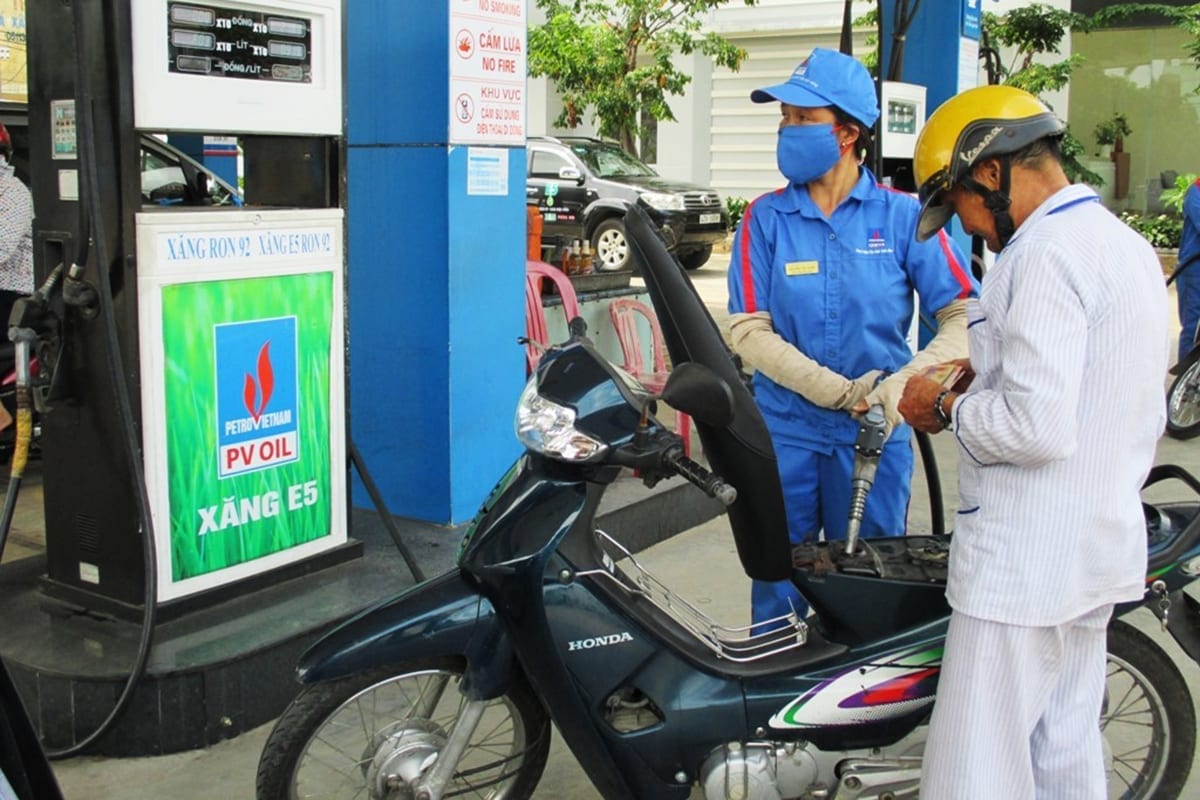
    Gasoline prices in Vietnam took a notable dip on Thursday afternoon, marking the end of a nine-week upward trajectory.

    The widely used fuel RON95 saw a slight decrease of 0.15%, settling at VND20,400 (approximately US$0.77) per liter. Similarly, biofuel E5 RON92 experienced a bigger drop of 0.50%, now priced at VND19,750. While diesel fueled a higher climb, rising by 0.92% to VND18,640.

    This adjustment reflects the recent volatility in the global oil market, influenced by a mix of geopolitical events and economic shifts. Notably, tensions escalated in the Middle East following Israel’s actions targeting Hamas leadership on Qatari territory. At the same time, OPEC+ has ramped up oil production for October, and fluctuations in the value of the US dollar have further complicated the landscape, as highlighted by the Ministry of Industry and Trade.

    In terms of global benchmarks, RON95 dropped by 0.2% to $81.5 per barrel, while diesel ticked up by 1.14%, now valued at $87.64. It’s a bit like watching a tightrope walker; one misstep can send prices plummeting or soaring.

    Questions & Answers

    What trends influenced the recent decline in gasoline prices in Vietnam?
    The decline was largely shaped by geopolitical tensions in the Middle East, OPEC+ increasing oil production, and fluctuations in the value of the US dollar.

    How much did RON95 and biofuel E5 RON92 prices change?
    RON95 fell by 0.15% to VND20,400, while E5 RON92 dropped by 0.50% to VND19,750.

    What impact do global oil prices have on local markets?
    Global oil prices significantly impact local markets, as fluctuations can directly translate into changes in consumer fuel prices, shaping both economic conditions and consumer behavior in the region.

  • Bemoody: Revolutionizing PMS Care With Holistic, Science-backed Solutions

    Bemoody: Revolutionizing PMS Care With Holistic, Science-backed Solutions

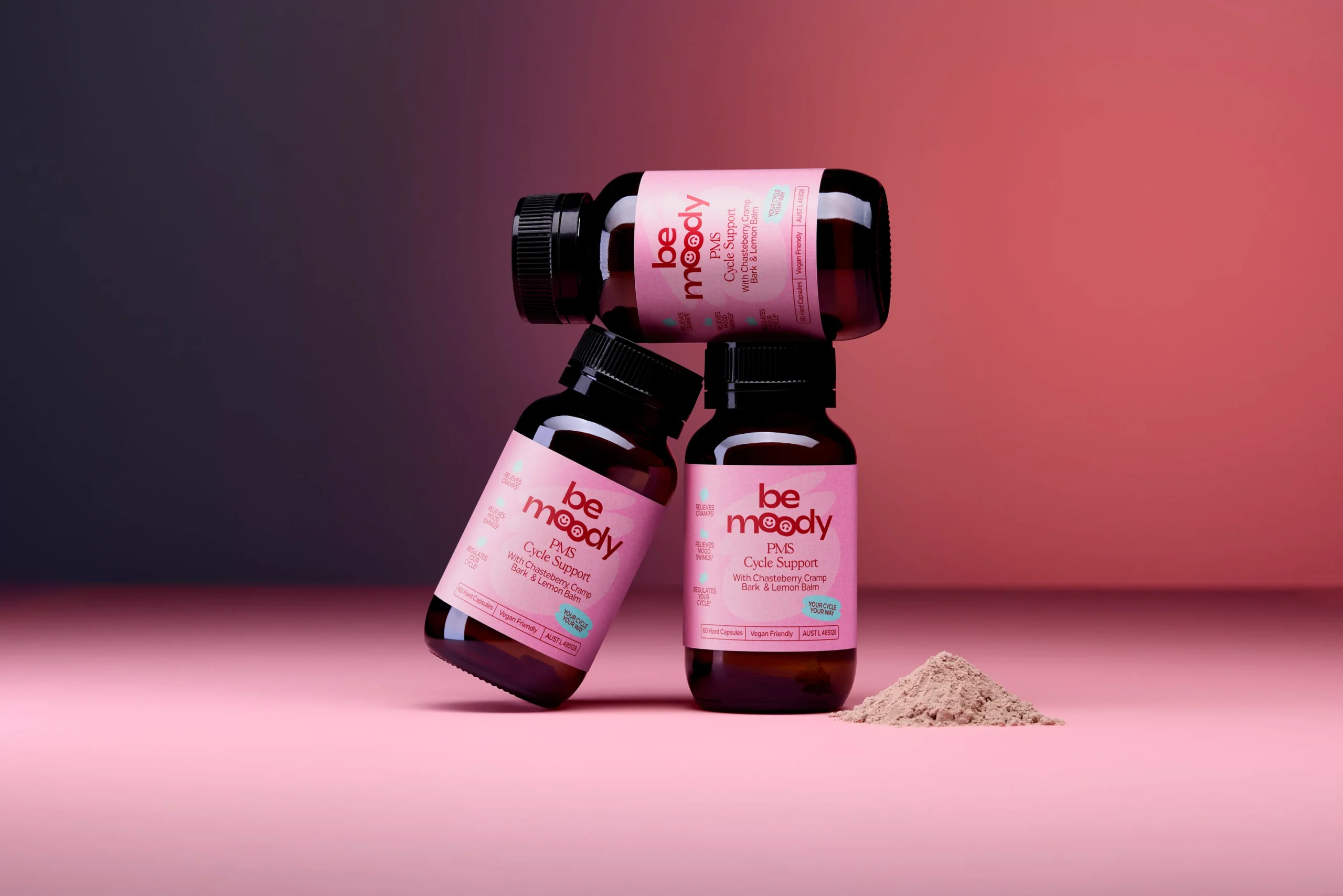
    Founded by Stefanie Mitrevski, the 28-year-old pharmacist, Australian premenstrual syndrome (PMS) support brand Bemoody started its operations in July this year with its flagship product, a PMS Support Cycle supplement. Mitrevski is determined to transform a market sector currently dominated by quick-fix solutions, indifferent counsel, and femininely packaged remedies.

    A Neglected Health Issue

    Bemoody reports that while PMS affects between 70% and 90% of menstruating individuals, it is often disregarded in healthcare discussions. According to Mitrevski, this issue isn’t niche or insignificant. On the contrary, it affects half the population for a significant portion of their lives. She pointed out that many individuals feel underserved and unheard or are unaware that they don’t have to simply endure their symptoms.

    Bemoody’s goal is to revolutionize the industry by appealing directly to Generation Z and Millennial consumers, thereby addressing a significant health issue that has been largely overlooked up to this point.

    An Overcrowded Market

    Mitrevski’s professional experience in hospitals was the catalyst for her initiative. She noticed the tendency to dismiss or downplay individuals’ menstrual symptoms, offering them only superficial remedies. In Mitrevski’s view, the lack of effort devoted to innovating in women’s health is due to a reliance on painkillers, which are easier to market, fall within well-established pharmaceutical categories, and have proven revenue models.

    However, she believes that there is a growing demand for science-backed holistic supplements, as evidenced in the US market. Mitrevski recognized that American consumers are more receptive to direct consumer innovation with supplements, creating a larger, more open market for the products.

    Science-Backed Products

    Mitrevski also mentioned two successful direct-to-consumer supplement brands, O Positiv and Lemmy, as examples of effective marketing and targeted messaging. She noted that Australian consumers, similar to their American counterparts, are incredibly health-conscious and appreciate clean, scientifically supported products.

    This preference among consumers presents an opportunity for Bemoody to succeed in Australia, mirroring the success of major femtech startups in the US. Notably, Bemoody has achieved its current position without any financial backing, entirely bootstrapped by Mitrevski.

    A New Approach to PMS

    The development and preparation of Bemoody’s PMS Support Cycle supplement was a two-year process. Mitrevski was deeply concerned about the lack of effective PMS support and saw the impact on her close friends, her sisters, and others in her community.

    She was determined to create a brand that accurately reflected the realities of people’s menstrual cycles, focusing on the aspects that are often dismissed by conventional brands. In addition to developing a clinically backed formula and collaborating with Australian manufacturers, naturopaths, and the Therapeutic Goods Administration (TGA), Mitrevski aimed to create a brand that stood for something significant.

    Mitrevski emphasizes that Bemoody is not only about product and branding; it’s equally about education. The company uses its e-commerce and social media platforms to educate customers, adopting a stigma-breaking approach in how it communicates. Mitrevski believes this educational component is as important as having a viable product.

    With the successful launch of Bemoody, plans to expand its range of supplements and strategies to break into major retail markets are already in progress.

    Questions & Answers

    How does Bemoody differentiate from other brands in the market?
    Bemoody is unique in its focus on education and breaking stigmas around PMS, using its platforms to inform customers about these often overlooked aspects of health.

    What inspired the creation of Bemoody?
    Stefanie Mitrevski, the founder of Bemoody, was inspired to create the brand after witnessing the dismissive treatment and superficial solutions offered to individuals experiencing menstrual symptoms during her professional experience in hospitals.

    What are the future plans for Bemoody?
    Bemoody plans to expand its range of supplements and has a strategy in place to enter major retail markets.

  • Earth Rescue Launches Plastic-free, Biodegradable Cleaning Products In Sustainable Shift

    Earth Rescue Launches Plastic-free, Biodegradable Cleaning Products In Sustainable Shift

    Earth Rescue, a brand known for its sustainable cleaning products, has introduced a new line of plastic-free scent-boosters, as well as laundry and dishwashing sheets in an effort to contribute to a reduction in plastic waste.

    Eco-Friendly Product Range

    Earth Rescue’s latest products are not just devoid of plastic, but they are also lightweight and pre-measured to ensure zero wastage. These products are packed in compostable cardboard packaging, further reinforcing the brand’s commitment to sustainability.

    The new line includes plant-based biodegradable sheets that are cruelty-free and devoid of parabens and harsh additives. With ultra-concentrated formulas, these sheets are designed to effectively eliminate stains, grease, and odours.

    Addressing Consumer Concerns

    According to Pete Camilleri, Senior VP of Earth Rescue, the launch of these products comes in response to Australians’ growing dissatisfaction with bulky bottles, unnecessary packaging, and ineffective eco products.

    Camilleri explains that Earth Rescue’s goal was to offer consumers a choice that is not only convenient and effective but also affordable and truly beneficial for the environment. He emphasized that the brand aims to make sustainable options the most accessible ones for consumers.

    Availability

    Earth Rescue’s range of detergent sheets for laundry and dishwashing, as well as the in-wash scent boosters, are now available for purchase in Woolworths stores across the country.

    Questions & Answers

    What is unique about Earth Rescue’s new product line?

    The new line is completely plastic-free and designed to minimize waste. The products are lightweight, pre-measured, packaged in compostable cardboard, and made with plant-based, biodegradable ingredients.

    What was the motivation behind the launch of these products?

    Earth Rescue identified a growing concern among Australians regarding bulky and wasteful packaging and ineffective eco products. The brand sought to address these concerns by offering a sustainable, effective, and convenient alternative.

    Where can consumers purchase these new products?

    The new line of products from Earth Rescue is available in Woolworths stores across Australia.

  • IKEA Announces Exciting Launch of Its First Store in New Zealand!

    IKEA Announces Exciting Launch of Its First Store in New Zealand!

    IKEA is set to make a splash in New Zealand with its inaugural store opening at Sylvia Park, Auckland, on December 4. Spanning an impressive 34,000 square meters, this expansive outlet will showcase a staggering array of over 7,500 products, which local customers can explore both in-store and online—talk about a retail playground!

    New Offerings Fit for Every Kiwi Home

    In a first for the retailer in a new market, IKEA will roll out 29 nationwide Pick-Up Points and launch home delivery services, ensuring that Kiwis from all corners have convenient access to their flat-pack treasures. Adding a twist to the traditional retail experience, a Buy Back service will enable customers to return pre-loved furniture, whether it be from IKEA or other brands, making sustainability a key component of their new footprint.

    A Loyalty Programme to Cherish

    In celebration of this upcoming launch, IKEA is unveiling its free IKEA Family loyalty program, designed to give members exclusive benefits and priority access to the store. New Zealanders can get in on the action by registering now at IKEA’s website, ensuring they are among the first to experience the brand’s unique offerings when the doors swing open.

    Part of a Larger Global Vision

    This launch marks a significant milestone as New Zealand is the first new market for Ingka Group, IKEA’s largest retail arm, since 2021. The opening in Auckland is part of a broader ambitious €5 billion global expansion strategy slated to unfold through fiscal year 2027, signalling IKEA’s unwavering commitment to grow its presence in retail overseas.

    As the countdown to December 4 begins, one thing is clear: IKEA’s arrival in New Zealand will undoubtedly change the local retail landscape. Who knew that assembling a bookshelf could also symbolize a nation’s evolving consumer culture?

    Questions & Answers

    What unique services will IKEA offer in New Zealand?
    IKEA will introduce 29 nationwide Pick-Up Points alongside home delivery services, enhancing accessibility for customers across the country.

    What sustainability initiative is IKEA implementing with its new store?
    The company will offer a Buy Back service for customers to return pre-loved furniture, promoting sustainability and responsible consumption.

    When is the grand opening of IKEA’s first New Zealand store?
    The much-anticipated opening is scheduled for December 4, 2023, at the Sylvia Park location in Auckland.

  • Manila’s Hotel Scene Set to Expand with 3,000 New Rooms Coming in Late 2025

    Manila’s Hotel Scene Set to Expand with 3,000 New Rooms Coming in Late 2025

    The hospitality landscape in Metro Manila is brimming with potential as the market anticipates the addition of approximately 3,000 new hotel rooms by the end of 2025. According to a recent report from JLL, hotel occupancy rates are currently strong, yet this incoming wave of accommodations may briefly impact occupancy levels.

    Sturdy Foundations in Metro Manila’s Hotel Sector

    Despite the expected influx of new inventory, Metro Manila’s hotel market shows remarkable resilience, with RevPAR reflecting a positive year-over-year trend. This statistic is a clear signal of robust demand and an upsurge in traveler confidence, suggesting that visitors are keen on experiencing the vibrant hospitality options the area offers.

    In the second quarter of 2025, hotel occupancy hit 78.3%, marking an impressive year-over-year increase of 143.4 basis points. The luxury and upscale segments are leading the charge, demonstrating their enduring allure. What’s more, average room rates have edged up just slightly, from PHP 7,916 in Q2 2024 to PHP 7,917 in Q2 2025—a testament to the market’s stability amid expansion.

    Preparing for Growth Amid New Challenges

    As the holiday season draws near, optimism fills the air in the Philippine tourism sector. The VAT refund program is gaining traction, and combined with strategic tourism marketing efforts, authorities are aiming to reach an annual target of 7.7 million visitors. Even with the new hotel openings, which may disrupt occupancy rates in the short term, the solid fundamentals of tourism and increasing international interest are expected to bolster demand for hotel stays.

    With Manila positioning itself as a compelling destination, it seems the real excitement lies not just in the influx of these new hotel rooms—but also in how they will redefine the competitive landscape for hospitality in the region. After all, having options is never a bad thing, right?

    Questions & Answers

    What is the expected impact of the new hotel inventory on occupancy rates?
    While the addition of approximately 3,000 new hotel rooms could create temporary pressure on occupancy rates, the stable demand driven by tourism fundamentals and market interest is expected to alleviate this shortly.

    How is the hotel market currently performing in Metro Manila?
    The hotel market is performing well, with an occupancy rate of 78.3% in Q2 2025, reflecting a significant year-over-year growth and positive trends in RevPAR, indicating strong demand and visitor confidence.

    What initiatives are anticipated to support tourism growth in Metro Manila?
    Key initiatives include the VAT refund program and targeted tourism marketing efforts, which aim to boost visitor arrivals and help meet the annual target of 7.7 million tourists.