Category: Living

Retail News Asia is committed to providing both local and global retailers with the latest Living news throughout the Asian market. This on a daily base.

  • Vietnam’s Top Students Pursue High-Value Scholarships at International University, Skipping Study Abroad

    Vietnam’s Top Students Pursue High-Value Scholarships at International University, Skipping Study Abroad

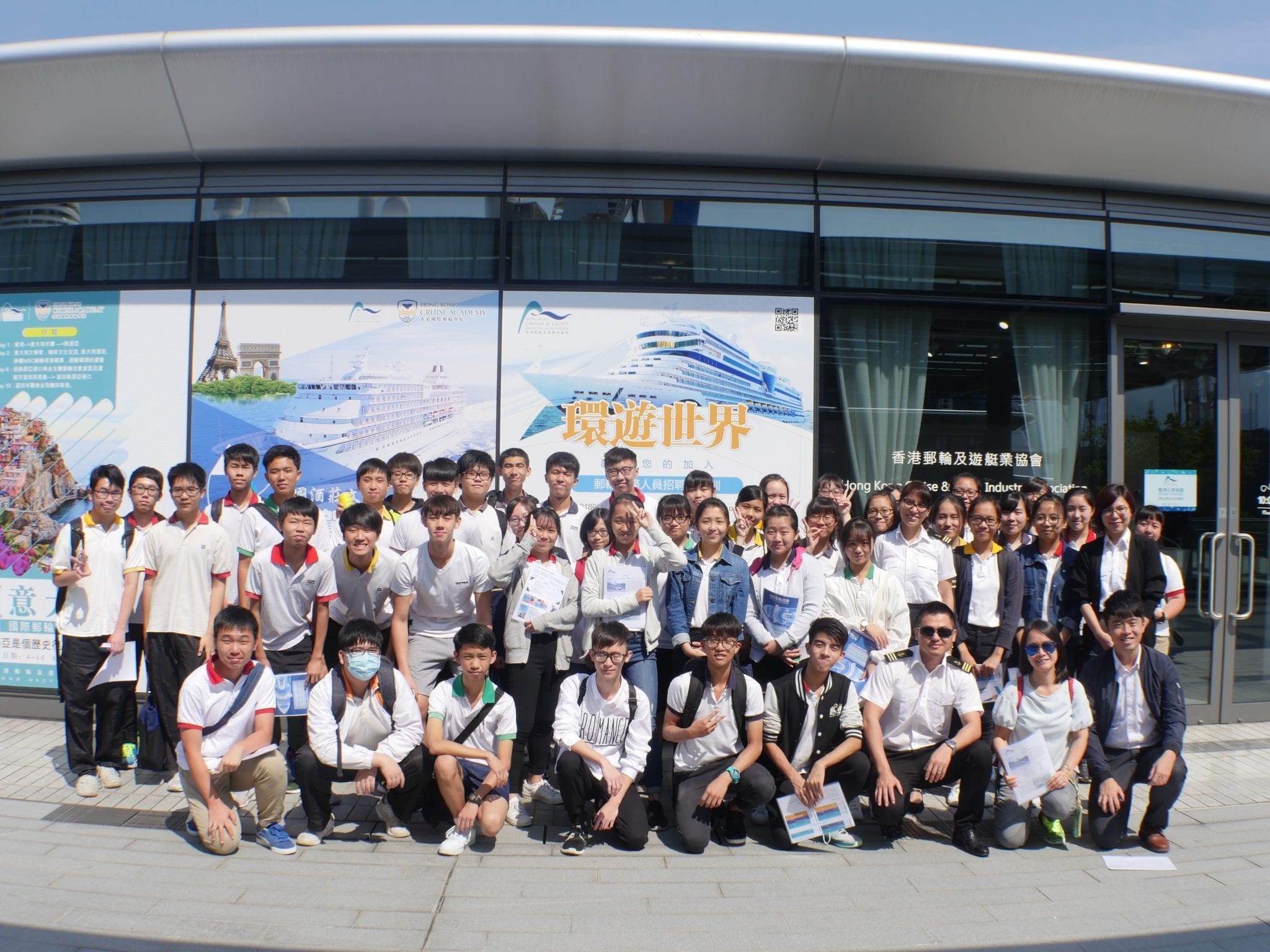
    In a dazzling display of academic excellence, British University Vietnam (BUV) recently celebrated the achievements of 150 exceptional students during its Scholarship Award Ceremony, distributing scholarships worth tens of billions of dongs—approximately VND10 billion equals US$385,170.

    Many of the scholarship recipients hail from revered institutions across Vietnam, including HUS High School for Gifted Students, HNUE High School for Gifted Students, Chu Van An High School, and Kim Lien High School, among others.

    A representative from BUV emphasized that the recipients not only showcased stellar academic records but also exhibited qualities such as dynamism, leadership, and the capacity to inspire their peers.

    Spotlight on Inspiring Students

    Kieu Le Khanh An, a talented student from Phan Boi Chau Specialized High School in Nghe An, earned BUV’s prestigious “The Founders” scholarship with an impressive IELTS score of 8.0 and accolades in English competitions at both provincial and national levels. Opting to study finance at BUV rather than abroad, An highlighted her desire to stay close to family while gaining insights into Vietnam’s financial landscape. “I believe BUV’s enriching environment will prepare me to become a successful risk manager who contributes to Vietnam’s sustainable economic growth,” she shared. Adding a personal touch, she expressed her dream of founding a nonprofit to support premature infants: “Being a premature baby myself, I hope to give back to a cause close to my heart.”

    Nguyen Khoa Dang, another standout from Bac Ninh Specialized High School, received “The British Ambassador” scholarship. He sees BUV as the perfect launchpad for his international academic aspirations. “BUV encourages dynamism and creativity, and its curriculum aligns perfectly with U.K. standards,” he said, reveling in the opportunity to experience an international education without leaving his home country.

    Aiming High in Technology

    Nguyen Khanh Linh, who was awarded BUV’s “Tech Queens” scholarship for women in technology, voiced her long-standing ambition to study in an international environment to access cutting-edge knowledge in her field. She feels that being at a modern university in Vietnam, close to her family, perfectly aligns with her dreams. Her mother, Thuy Linh, initially envisioned studying abroad for her daughter but shifted her perspective upon discovering BUV. “I was especially impressed by BUV’s scholarship program supporting women in tech. I believe my daughter will flourish in this innovative atmosphere,” Thuy Linh commented, radiating pride and hope.

    A Noteworthy Shift in Education Choices

    The growing enthusiasm among top students opting for BUV scholarships signifies an increasing trust in the university’s international-quality education. It reflects a cultural evolution as more families recognize that an international learning experience does not always require traveling abroad. Many are now choosing high-quality educational environments within Vietnam, which offer diverse advantages that cater to financial, cultural, psychological, and long-term aspirations.

    Renowned as Vietnam’s first QS 5-star university and the first in Vietnam and ASEAN to receive accreditation from QAA, the U.K.’s leading higher education quality assurance agency, BUV is dedicated to staying ahead of industry trends. With a curriculum that marries theory and practice, BUV proudly boasts 100% graduate employability or opportunities for further study within three months of graduation.

    Questions & Answers

    What is the total value of scholarships awarded by BUV? The total value reaches tens of billions of dongs, with VND10 billion equating to around US$385,170.

    Which schools did the scholarship recipients come from? The recipients came from prestigious institutions including HUS High School for Gifted Students, HNUE High School for Gifted Students, and Chu Van An High School, among others.

    What unique advantages does BUV provide its students? BUV offers an academic environment that aligns with U.K. standards, modern facilities, and a curriculum designed to ensure 100% employability or further study within three months after graduation.
  • Indonesia Introduces $9 Wage Subsidy Aiming to Support Low-Income Workers

    Indonesia Introduces $9 Wage Subsidy Aiming to Support Low-Income Workers

    The Indonesian Government is on the brink of launching an ambitious wage subsidy program aimed at supporting low-income workers. Set to provide IDR150,000 (approximately US$9.23) monthly, this initiative targets those earning less than IDR3.5 million. It’s an essential step amidst the ongoing global economic challenges.

    A Stimulus for Economic Resilience

    This new subsidy is slated for rollout as part of a broader economic stimulus package in the second quarter of 2025. Chief Economic Affairs Minister Airlangga Hartarto revealed on May 26 that discussions are ongoing with relevant ministries, with the program expected to kick off on June 5.

    The timing of the subsidy couldn’t be more crucial, aiming to bolster public purchasing power just as households are gearing up for increased spending during the school holidays.

    A Multifaceted Approach

    This wage support forms part of an expansive stimulus plan dubbed the Incentive Package, which also includes discounts on electricity tariffs, food aid, subsidies for airline tickets, and various social protection measures. In conjunction with the wage subsidy, the government will reintroduce electricity bill discounts for low-power households starting the same day.

    For the earlier part of this year, a substantial IDR13.6 trillion has been allocated to provide a 50% discount on electricity bills for customers using between 450 volt-amperes (VA) and 2,200 VA, benefiting around 81.4 million households. This multifaceted approach illustrates the government’s commitment to cushioning citizens from economic shocks.

    In a world where financial surprises lurk around every corner, it’s a relief to know that support is on the way—let’s hope it arrives faster than the average delivery pizza!

    Questions & Answers

    What is the purpose of the wage subsidy program?
    The program aims to support low-income workers by providing financial assistance to help sustain their purchasing power amid global economic challenges.

    When will the wage subsidy take effect?
    The wage subsidy program is scheduled to launch on June 5, 2025.

    What additional measures are included in the Incentive Package?
    The Incentive Package includes electricity tariff discounts, food aid, airline ticket subsidies, and other social protection programs designed to support various segments of society.

  • Vietnam Seeks 4,000 Workers to Power Two Upcoming Nuclear Plants

    Vietnam Seeks 4,000 Workers to Power Two Upcoming Nuclear Plants

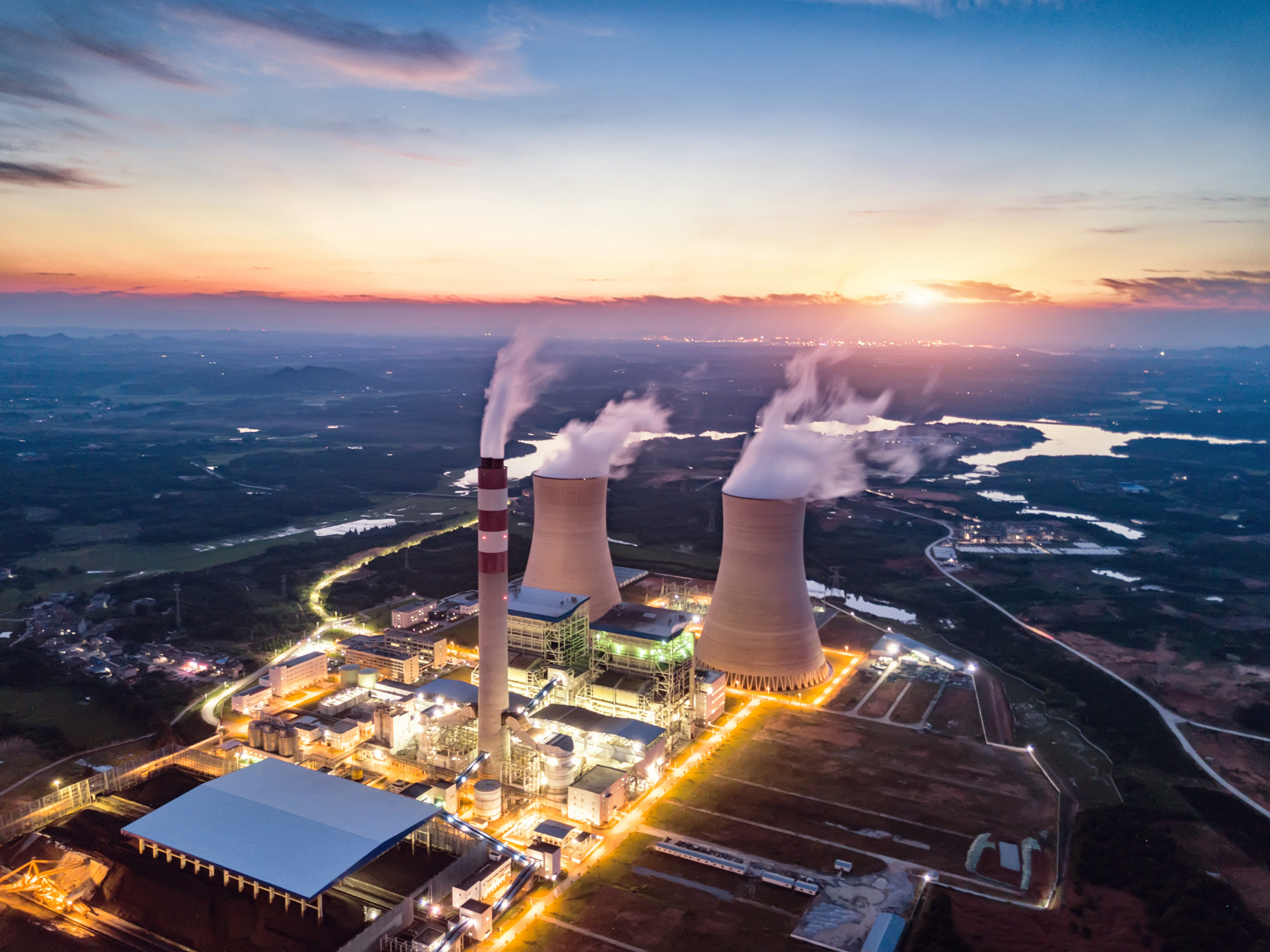
    Nearly 4,000 employees will be needed to operate Vietnam’s two proposed nuclear power plants, set to rise in the central province of Ninh Thuan by 2030. This ambitious initiative aims to bolster the nation’s energy landscape, but it also raises a significant demand for qualified personnel.

    Specialized Training Abroad

    Among the workforce needed, 670 individuals will undergo specialized training overseas to ensure they are well-prepared for the complexities of nuclear energy. The workforce will predominantly consist of engineers and holders of bachelor’s degrees, while the remainder will be equipped with two-year college qualifications. Those chosen for international training will primarily be graduates in relevant disciplines, committed to serving at the plants upon their return.

    Interestingly, the training program is broadening its net by considering first- and second-year university students eager to join post-training. This opens avenues for a fresh wave of talent ready to dive into the world of nuclear energy.

    Collaboration for Expertise

    To cultivate expertise in nuclear plant management and operations, civil servants, experts, and staff from various ministries will provide short-term training and internships. Moreover, around 120 lecturers are anticipated to be enlisted to teach nuclear science to aspiring master’s and doctoral students at local universities.

    In a strategic move, the Vietnamese government has revived plans for the Ninh Thuan nuclear power plants, with the National Assembly giving its enthusiastic endorsement in November. The first of these plants is earmarked to begin generating electricity by 2030, marking a pivotal moment in Vietnam’s energy journey.

    As the nation gears up for this nuclear adventure, it’s not just about numbers; it’s about preparing a workforce that can harness the power of the atom responsibly and effectively. Let’s hope they’re ready for the nuclear future—and maybe even a little fun along the way!

    Questions & Answers

    What is the timeline for the completion of the nuclear plants in Vietnam?
    The first nuclear plant is scheduled to begin generating electricity by 2030.

    How many workers will be needed for the nuclear power plants?
    Vietnam will require nearly 4,000 employees to operate the two planned nuclear facilities.

    What types of degrees will the workforce possess?
    The workforce will include a majority of engineers and individuals with bachelor’s degrees, alongside those with two-year college diplomas.

  • Ho Chi Minh City Plans to Transition 80% of Ride-Hailing Motorbikes to Electric in Two Years

    Ho Chi Minh City Plans to Transition 80% of Ride-Hailing Motorbikes to Electric in Two Years

    The ambitious goal of introducing 400,000 electric ride-hailing motorbikes in Ho Chi Minh City (HCMC) is within reach, provided there are financial incentives, tax exemptions, and the establishment of sufficient charging stations. This optimistic outlook comes from Le Thanh Hai, director of the Institute for Development Studies, who underscores the transition’s potential to cut costs for drivers and enhance environmental conditions in the city.

    Recent research by the institute reveals a striking difference in daily expenses for fuel between traditional fuel and electric motorbike drivers. Grab and Be ride-hailing drivers currently fork out VND70,000–100,000 (approximately $3 to $4) each day on gasoline, based on survey feedback from 400 participants. In stark contrast, drivers of Xanh SM electric motorbikes pay only VND20,000 for charging.

    When considering battery degradation, wait times, and charging expenses, electric motorbike riders can pocket between VND40,000 and VND60,000 more each day—translating to a monthly income boost of about VND1 million—in comparison to their gasoline-powered peers. These savings could enable them to pay off their vehicle loans in just two to 2.5 years.

    Yet, the journey towards electric rides isn’t without its bumps. Charging infrastructure poses a significant challenge. Electric bikes from brands like VinFast, Selex Motors, DatBike, and Honda typically need 4-10 hours to charge and offer a range of 100-200 kilometers—meaning drivers must charge daily, incurring a loss of income during that time.

    Nguyen Huu Phuoc Nguyen, CEO of electric scooter startup Selex Motors, believes that energy infrastructure will cease to be an obstacle as soon as charging speeds catch up with refueling gasoline. Selex Motors is pioneering a quick two-minute battery-swapping service compatible with various brands, currently operating 50 stations in HCMC, with plans to expand to 200 next year.

    However, Nguyen points out that the absence of standardized charging infrastructure remains a critical issue, as companies often function independently. He urges local authorities to motivate businesses to expand shared charging and battery-swapping networks, promoting a collaborative growth atmosphere.

    Financial considerations also play a crucial role in this transition, particularly for technology drivers who often experience low and unstable incomes. The Institute for Development Studies has teamed up with banks to craft specialized credit products and has secured promising commitments from electric motorbike manufacturers and distributors.

    Moreover, the city has proposed appealing to the central government for the elimination of registration fees and value-added taxes on new electric vehicles and technology drivers for the initial two years. Currently, Vietnam’s transportation sector emits 32.9 million tons of CO2 equivalents annually, with HCMC responsible for about 13 million tons. To actively support green transportation, the city aims to convert all buses to electric or green-energy vehicles by 2030, alongside a comprehensive Vehicle Emissions Control Plan that encourages incentive creation and transition roadmaps for taxis, tech vehicles, passenger cars, and vehicles utilized by public agencies and businesses.

    The road to an electric future may be paved with challenges, but an electric motorbike revolution along the bustling streets of HCMC promises a more sustainable urban environment for everyone— and perhaps even a newfound love for battery-powered journeys!

    Questions & Answers

    What financial support is being proposed for the transition to electric vehicles in HCMC?
    The city recommends that the central government waive registration fees and value-added taxes for new electric vehicles and technology drivers during their first two years.

    How much can electric motorbike drivers potentially save compared to gasoline-powered counterparts?
    Electric motorbike drivers can save between VND40,000 and VND60,000 each day compared to traditional gasoline users, leading to an additional VND1 million in monthly earnings.

    What plans does HCMC have for public transportation concerning green energy?
    HCMC plans to convert all buses to electric or green-energy vehicles by 2030, supporting a broader goal of reducing emissions in the city’s transportation sector.

  • Gas Prices Plummet: What the Dip Means for Your Wallet and the Economy

    Gas Prices Plummet: What the Dip Means for Your Wallet and the Economy

    Vietnam’s gasoline prices experienced a slight dip on Thursday morning, striking a chord of relief for motorists across the nation. In an environment often marked by volatility, this latest trend brings a momentary sigh of ease.

    Fuel Price Movements

    The price for the popular RON95 fuel fell by 0.31%, now standing at VND19,530 (approximately US$0.75) per liter. Similarly, the biofuel E5 RON92 mirrored this drop, decreasing by 0.31% to VND19,120. On a contrasting note, diesel saw an uptick of 1.05%, reaching VND17,400.

    Global Market Influences

    The global fuel market has been rocked over the past week by a medley of influences. Heightened tensions in the Middle East, increasing U.S. crude oil inventories, and an ongoing stalemate in the conflict between Russia and Ukraine have all contributed to the tumult. These factors have resulted in a mixed bag for global fuel prices, where the average price for a barrel of RON95 gasoline dipped 0.4% to $76.7. Meanwhile, diesel prices experienced a rise of 1.3%, reaching $80.15 per barrel.

    For consumers, fluctuations in fuel prices often feel akin to riding a rollercoaster—stomach-churning, yet exhilarating.

    Questions & Answers

    What are the current prices for RON95 and E5 RON92 in Vietnam?
    Currently, RON95 is priced at VND19,530 per liter, while E5 RON92 stands at VND19,120.

    How have global factors affected fuel prices recently?
    Recent months have seen tensions in the Middle East and rising U.S. crude oil inventories influencing global fuel prices, resulting in mixed fluctuations.

    Is diesel also seeing significant price changes?
    Yes, diesel prices have increased by 1.05%, now priced at VND17,400 per liter.

  • PM Seeks PowerChina’s Expertise to Boost Railway Industry Growth

    PM Seeks PowerChina’s Expertise to Boost Railway Industry Growth

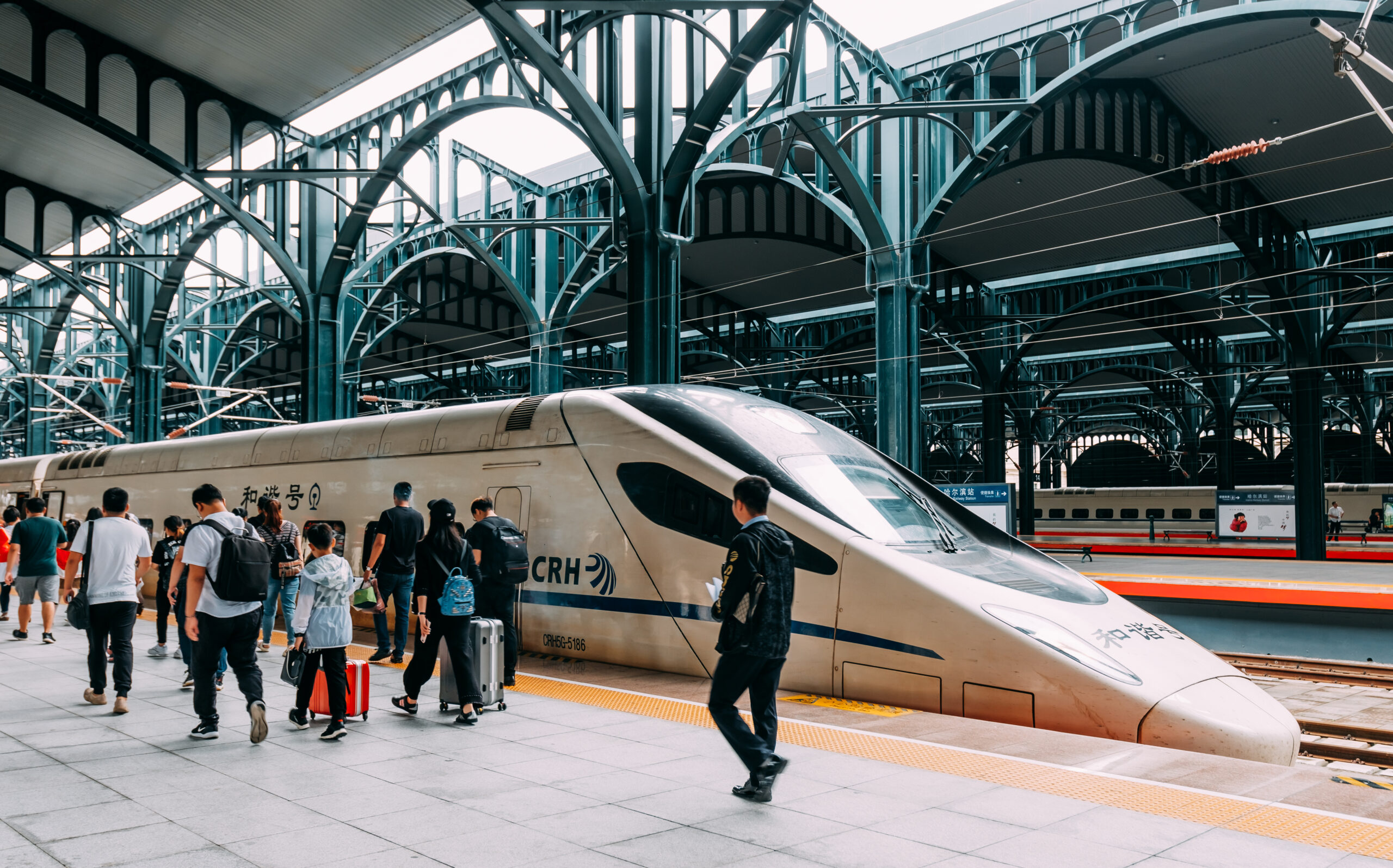
    During a recent reception in Hanoi on May 21, Vietnamese Prime Minister Pham Minh Chinh met with Zhou Jiayi, President of PowerChina Asia Pacific, to discuss exciting prospects for collaboration on the Hai Phong – Hanoi – Lao Cai railway line. This key transport corridor aims to connect with China’s bustling cities of Kunming and Chongqing, opening avenues to European markets and beyond.

    Vietnam’s strategic focus on transport, energy, and digital transformation infrastructure bolsters this initiative, especially in enhancing rail connectivity with China. PM Chinh enthusiastically welcomed PowerChina’s collaboration with local partners, emphasizing the importance of expanding business ventures in Vietnam’s railway sector. He acknowledged China’s longstanding partnership with Vietnam, highlighting that many joint projects have yielded substantial benefits.

    To further invigorate railway infrastructure, Vietnam is keen on inviting reputable Chinese corporations to invest, starting with the Lao Cai – Hanoi – Hai Phong line. The Prime Minister encouraged PowerChina to forge close ties with Vietnam, aiming to develop the railway industry through technology transfer, workforce training, and operational support.

    He also spotlighted recent resolutions aimed at propelling science, technology, innovation, and private sector development, which create a conducive investment climate. Beyond infrastructure, PM Chinh urged PowerChina to incorporate Vietnamese companies into its global supply chain and share clean energy technologies with local giants like Viettel and the Vietnam National Industry – Energy Group for wind turbine and solar panel projects. “The more the merrier!” he seemed to imply about the integration of local firms into broader projects.

    Looking to the future, the Prime Minister conveyed his hope that PowerChina would use Vietnam as a launchpad to solidify its presence in Southeast Asia and beyond. Reiterating Vietnam’s commitment to aligning interests and sharing risks, he assured that the Vietnamese government stands ready to support and protect the rights of foreign investors, including PowerChina, to guarantee effective and law-abiding projects that yield mutual benefits.

    Zhou Jiayi shared PowerChina’s excitement about Vietnam’s rail initiatives, drawing upon the company’s experience in constructing over 2,000 kilometers of railways across China, Laos, and Indonesia. He suggested that government backing could facilitate cooperation with four Vietnamese firms on the Lao Cai-Hanoi-Hai Phong line, promising timely, quality, and cost-efficient construction, alongside the sharing of technical expertise.

    As the world’s seventh-largest energy contractor, PowerChina operates in more than 130 countries, with 2024 revenue projected to surpass $100 billion, making its mark among the top 500 companies globally. With a dynamic portfolio spanning hydropower, irrigation, urban infrastructure, and digitalization, PowerChina has been actively contributing to Vietnam’s energy and infrastructure landscape since the early 2000s, participating in over 100 projects, including seaports.

    In 2024, PowerChina signed a memorandum of understanding with four Vietnamese firms—FECON JSC, Lung Lo Construction Corporation, Song Da Corporation JSC, and Thang Long Joint Stock Corporation—to create the CVRail Consortium, all geared toward nationally significant railway ventures. The consortium’s projected revenue for 2024 stands around VND22 trillion, or approximately $880 million. Imagine what they could achieve if everyone brought their A-game!

    Questions & Answers

    What railway project is Vietnam focusing on with PowerChina?
    Vietnam is concentrating on the Hai Phong – Hanoi – Lao Cai railway line, designed to connect with China’s Kunming and Chongqing.

    What benefits does Vietnam expect from PowerChina’s involvement?
    Vietnam anticipates enhanced railway infrastructure, technology transfer, workforce training, and operational support, fostering economic growth and connectivity.

    What is the CVRail Consortium?
    The CVRail Consortium is a partnership formed by PowerChina and four Vietnamese firms, aimed at advancing significant railway projects in Vietnam, with projected revenues of approximately $880 million for 2024.

  • Vietnam Surges Into Global Top 10 for Social Media Users!

    Vietnam Surges Into Global Top 10 for Social Media Users!

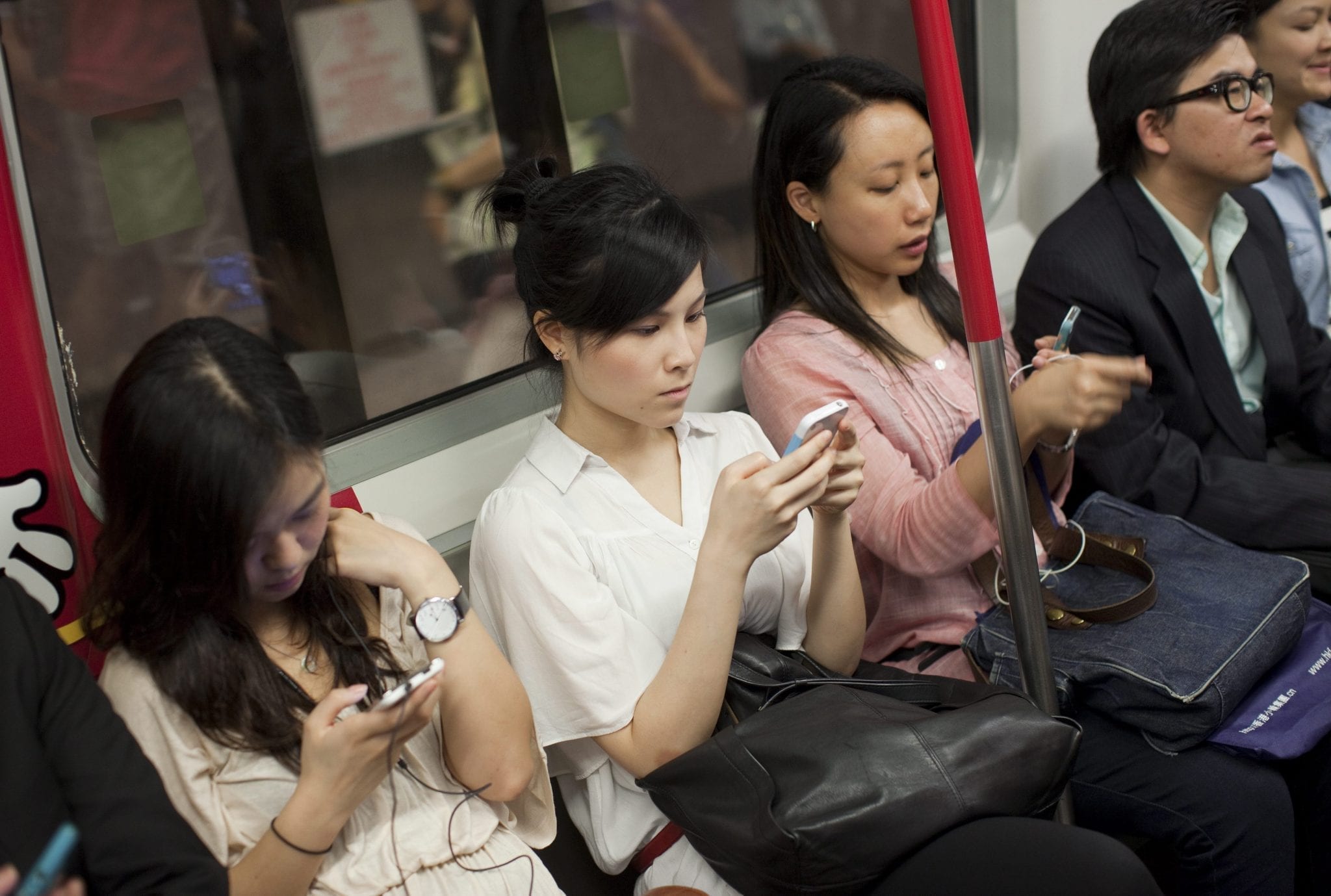
    As digital and social media marketing gains traction, it has become a hotbed for study, promising enticing career opportunities and competitive salaries. The scene is lively in Vietnam, where office workers scroll through social media during lunch breaks, homemakers shop for groceries via mobile apps, and small business owners harness Facebook as their primary sales channel. Both urban and rural consumers are diving headfirst into the digital realm.

    The latest “Digital Vietnam 2024” report by We Are Social reveals some staggering figures: as of January 2024, Vietnam boasts over 168 million mobile connections—outstripping its total population—with 78 million internet users and 72.7 million social media enthusiasts. This dramatic spike signals a substantial shift in consumer preferences toward digital platforms.

    Digital Advertising Soars

    As social media becomes more integral to daily life, businesses are ramping up their investment in digital marketing. Projections by Statista estimate Vietnam’s digital advertising spend will soar to a staggering US$1.8 billion by 2028, reflecting a compound annual growth rate of over 9%. This trend underscores a significant transition from traditional advertising to online avenues.

    The thirst for digital marketing professionals is palpable. In particular, roles related to social media are in high demand, with starting salaries reaching as high as 40 million Vietnamese dong (US$ 1,543) per month, depending on experience and position.

    A survey from British University Vietnam (BUV) highlights that 40%-50% of graduates in digital marketing and social media from international universities find themselves in multinational firms or abroad, drawing starting salaries around VND 30 million (US$ 1,157) monthly.

    Adapting Curricula to New Demands

    In response to this growing demand, Vietnamese universities are revamping their curricula to include modules on digital and multi-platform communication. Starting in 2025, BUV will roll out a Digital & Social Media Marketing program that emphasizes hands-on application and practical skill development.

    According to a BUV representative, while many existing programs merely skim the surface of digital marketing, BUV’s approach takes a deep dive into social media—a key player in shaping consumer behavior and brand strategies.

    Comprehensive Training for a Digital Age

    Social media has transformed into a multifaceted ecosystem that significantly influences brand visibility, customer behavior, and business strategy. Thus, training in this sphere now goes well beyond running ads or crafting content; it encompasses building online communities, analyzing consumer data, navigating communication crises, and tracking engagement in real time.

    “This is precisely why BUV has developed a program that specializes in social media content. It ensures students emerge not just as technically adept marketers but as savvy influencers who can seamlessly connect brands with a digitally active society where Gen Z and Gen Alpha continuously interact and shape trends,” said Dr. Tingting Xie, Program Lead of the Digital & Social Media Marketing Program.

    The program boasts a unique “closed-loop” learning structure, starting with market trend analysis and consumer behavior insights. Students then learn to apply modern digital tools to real-world situations, develop marketing strategies aligned with business goals, and finally engage in hands-on exercises through projects, simulations, and team assignments.

    Blending Theory and Practice

    The program ensures a balanced approach, with students benefitting from lectures infused with industry insights. Company visits, expert talks, consultancy projects, and competitions tackling real business challenges enrich their learning experience. This approach guarantees that graduates are not only academically astute but also fully equipped to transition seamlessly into the workforce.

    As digital economies continue to expand and social media usage climbs, digital marketing is solidifying its position as a strategic career path for those seeking to thrive in this rapidly transforming market.

    BUV stands out as the first university in Vietnam to earn a QS 5-star rating, making it the first in both Vietnam and ASEAN accredited by the U.K.’s Quality Assurance Agency (QAA). Its programs are tailored to meet industry needs, harmonizing academic excellence with practical experience. BUV proudly reports a remarkable 100% rate of graduate employment or further study within three months of graduation.

    Questions & Answers

    What is the projected growth of digital advertising spending in Vietnam?
    Digital advertising spending in Vietnam is expected to reach US$1.8 billion by 2028, with a compound annual growth rate exceeding 9%.

    How does BUV’s Digital & Social Media Marketing program differentiate itself?
    BUV’s program uniquely emphasizes social media, enhancing students’ technical skills while fostering their abilities to connect brands with consumers in the digital age.

    What opportunities are available for graduates in this field?
    Graduates of digital marketing programs in Vietnam often find lucrative roles in multinational companies or pursue opportunities abroad, with many receiving attractive starting salaries.

  • Gasoline Prices Rise, Impacting Drivers Across the Nation

    Gasoline Prices Rise, Impacting Drivers Across the Nation

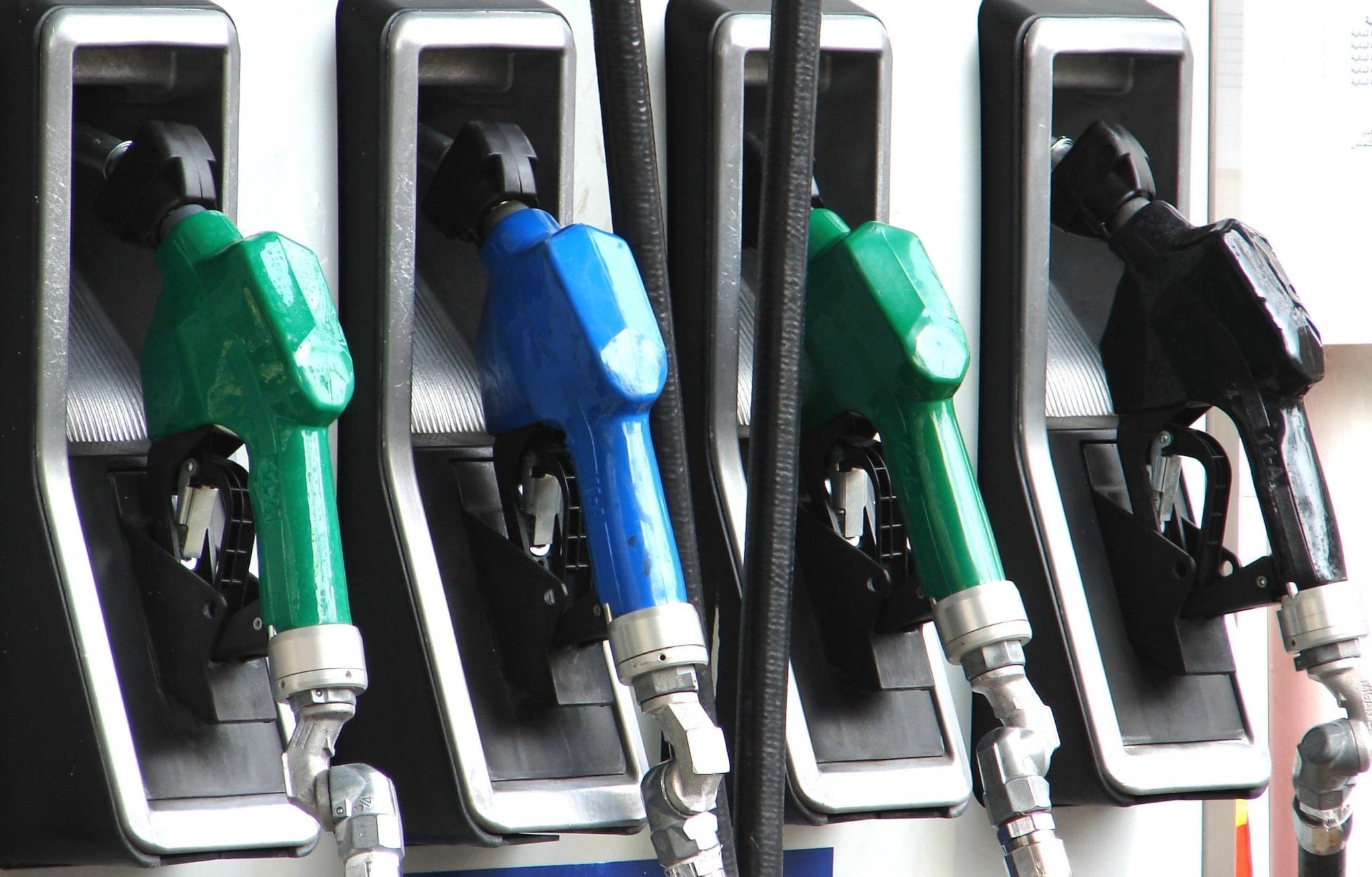
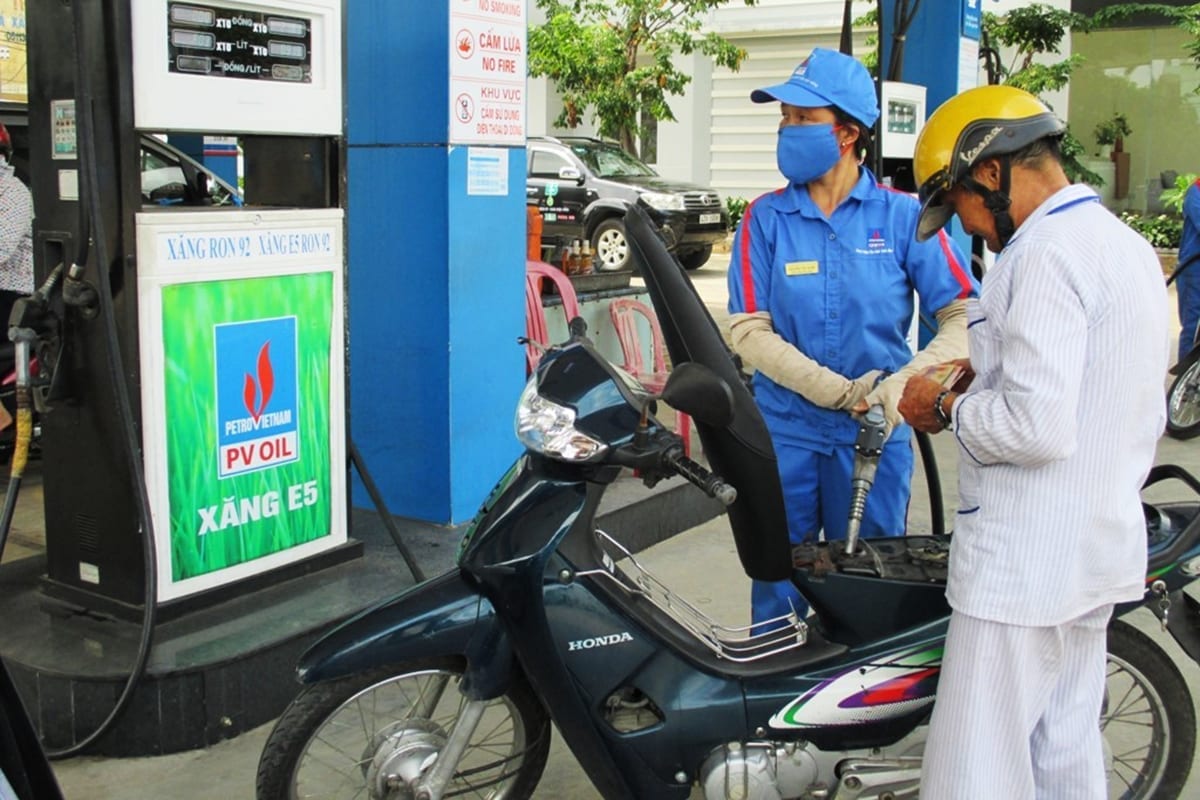
    An employee fills up a vehicle at a fuel station in Ho Chi Minh City, illustrating Vietnam’s evolving fuel landscape. Gasoline and diesel prices saw a modest uptick in Vietnam on Thursday afternoon, following a decline the previous week. This change reflects the dynamic nature of the global fuel market.

    Price Movements

    The widely-used RON95 fuel rose by 2.19%, now priced at VND19,590 (approximately US$0.76) per liter. Meanwhile, the biofuel E5 RON92 also saw an increase of 2.18%, bringing it to VND19,180. Diesel prices surged by 2.5% to reach VND17,220.

    These fluctuations in Vietnam’s fuel prices are tied to a plethora of global factors. Over the past week, a temporary agreement between the U.S. and China aimed at reducing import tariffs has influenced market dynamics. Coupled with increasing tensions in the Middle East, a boost in oil production from OPEC+, and the continuing ramifications of the Russia-Ukraine conflict, the landscape remains anything but stable.

    In the international arena, RON95 climbed to $77 per barrel, while diesel prices also saw a bump, increasing 3% to reach $79.11 per barrel. The interplay of these variables leaves many wondering how prices will continue to evolve.

    As pocketbooks get squeezed globally, it’s clear that even the most routine gas station visit can become a rollercoaster ride of price fluctuations.

    Questions & Answers

    What prompted the recent rise in gasoline and diesel prices in Vietnam?
    The increase is linked to global factors such as tariff agreements between the U.S. and China, tensions in the Middle East, OPEC+ production adjustments, and the ongoing Russia-Ukraine conflict.

    How much have gasoline prices increased recently?
    RON95 prices rose by 2.19% to VND19,590 per liter, while diesel saw a 2.5% increase, now priced at VND17,220.

    What are the current prices on the global market for RON95 and diesel?
    RON95 is currently priced at $77 per barrel, whereas diesel has reached $79.11 per barrel.

  • Singaporean Households Can Now Access $380 Vouchers from New Cost-of-Living Relief Program

    Singaporean Households Can Now Access $380 Vouchers from New Cost-of-Living Relief Program

    The latest distribution of CDC vouchers is set to bring some cheer to Singaporean households, providing much-needed financial relief amid ongoing economic pressures. These vouchers can be claimed online via the official website and are valid until December 31, 2025.

    Where Can They Be Used?

    A split distribution model allows half of the vouchers to be redeemed at participating heartland merchants and hawkers, while the other half is valid at eight major supermarket chains—Ang Mo Supermarket, Cold Storage, Giant Singapore, HAO Mart, NTUC FairPrice, Prime Supermarket, Sheng Siong, and U Stars Supermarket—spanning nearly 400 outlets across the nation.

    This initiative represents the sixth distribution under the CDC voucher scheme, established in 2020 in response to the financial challenges posed by the COVID-19 pandemic, which directly impacted hawkers and local businesses. Last year alone, two distributions totaling S$800 were rolled out, with an impressive 97% of Singapore’s 1.3 million households making claims.

    This year saw an additional S$300 set issued in January 2025, with approximately 97.3% of households already having claimed their share as of Monday. Of those, around 83.4%—equating to over S$324 million—have already been redeemed, as reported by The Straits Times.

    Government Support Continues

    At the launch of the latest distribution on Tuesday, Prime Minister Lawrence Wong emphasized the importance of these vouchers in light of persistent inflation in Singapore, which, while easing more quickly than in other parts of the world, still leaves households wrestling with high costs. Wong highlighted that this initiative is part of a broader set of measures introduced in the national budget to ease financial burdens.

    Singaporeans can expect further assistance in the upcoming financial year from April 1 to March 31 next year, with SG60 vouchers offering S$600-800 coming in July, along with another S$300 in CDC vouchers set for release next January. For a typical family of four with two young children, total support this financial year could reach around S$5,000, illustrating the government’s ongoing commitment to provide relief.

    “This is not a one-off exercise,” Wong assured. “We will continue to strengthen our social support system across various areas—housing, healthcare, education, and retirement,” he noted, as quoted by CNA. “All these updates, changes, and improvements in policy will help give Singaporeans greater assurance at every life stage.”

    Who knew vouchers could be the superhero cape for struggling families?

    Questions & Answers

    **What are CDC vouchers, and how can I claim them?**
    CDC vouchers are financial aids distributed to help households cope with rising living costs and can be claimed online through the official website until December 31, 2025.

    Which merchants accept these vouchers?
    Half of the vouchers can be used at participating heartland merchants and hawkers, while the remainder is accepted at major supermarket chains like Cold Storage and NTUC FairPrice.

    How much total support can a typical family receive this financial year?
    A typical family of four with two young children can receive approximately S$5,000 in total support, thanks to various assistance initiatives and upcoming voucher distributions.

  • Nanogen CEO, Pioneer of Vietnam’s Covid Vaccine Trials, Dies at Age 59

    Nanogen CEO, Pioneer of Vietnam’s Covid Vaccine Trials, Dies at Age 59

    Ho Nhan, the esteemed CEO of Nanogen and a trailblazer in Vietnam’s quest for a Covid-19 vaccine, has passed away at the age of 59. His family confirmed the heartbreaking news early Tuesday, creating a void in the burgeoning biotechnology landscape of Vietnam.

    Nguyen Thi Son, his mother-in-law and the founder of the Son Kim Group—a family enterprise with interests spanning real estate and retail—spoke about his health struggles on social media. She revealed that despite battling heart disease and often expressing fatigue, Hnan remained unyieldingly dedicated to his work.

    A native of New York, Nhan honed his expertise by obtaining a Ph.D. in biotechnology from the University of Arizona. After years spent researching abroad, he returned home in 1997 and established Nanogen Pharmaceutical Biotechnology Jsc, a pioneering force in the field. He led the company as chairman and CEO until 2021, when he passed the baton to his wife, Nguyen Thi Hong Van. However, just six months later, like a phoenix rising from the ashes, he resumed his role as CEO and continued to drive the company forward until his untimely death.

    In 2019, Nanogen was valued at over VND5 trillion (approximately US$193 million), with Nhan holding a commanding 59.6% stake in the company and Van owning 14.6%. Notably, Nanogen was among the few Vietnamese organizations at the forefront of researching Covid-19 vaccines and made history in late 2020 as the first to initiate human trials for its vaccine, NanoCovax. By the following year, the research team reported that a 25-microgram dose provided nearly 52% protective efficacy after 180 days—an impressive feat amid a global health crisis.

    Nanogen’s success isn’t solely measured in efficacy statistics; the company has been pivotal in producing pharmaceutical raw materials and injectable drugs utilizing advanced technologies. Adding another layer to Nhan’s rich background, he also brought financial acumen to the table, serving on the board of directors at Vina Securities Company from 2013 to 2016 and earning accolades for his expertise in mergers and acquisitions in the pharmaceutical, hospital, and medical equipment sectors across the U.S. and Hong Kong.

    In the wake of his passing, Vietnam not only mourns a leader in biotechnology, but it also loses a visionary who combined passion and resilience to achieve the remarkable.

    Questions & Answers

    What was Ho Nhan’s role in the development of Covid-19 vaccines in Vietnam?
    Ho Nhan was the CEO of Nanogen, which was among the first organizations in Vietnam to conduct human trials for a Covid-19 vaccine, NanoCovax.

    What were some significant achievements of Nanogen under Ho Nhan’s leadership?
    Under Nhan’s guidance, Nanogen became known for producing pharmaceutical raw materials and injectable drugs using cutting-edge technologies, and it achieved a company valuation of over VND5 trillion in 2019.

    What other expertise did Ho Nhan possess beyond biotechnology?
    In addition to his work in biotechnology, Ho Nhan had a substantial background in finance, including serving on the board of directors at Vina Securities Company and being recognized for his expertise in mergers and acquisitions in various sectors.

  • Thailand Lifts Alcohol Ban on Five Buddhist Holidays at Airports and Hotels, Boosting Tourism Appeal

    Thailand Lifts Alcohol Ban on Five Buddhist Holidays at Airports and Hotels, Boosting Tourism Appeal

    Thailand is stepping into a new era for travelers, as the government embarks on a journey to boost tourism by allowing limited alcohol sales during five prominent Buddhist holidays. Specifically, from Saturday, international airports, hotels, venues hosting major events, and select nightlife spots will welcome patrons looking to raise a glass—even on days traditionally marked by sobriety.

    Selected Venues, Select Days

    However, not every establishment will be joining the celebration; the rule relaxation is strategically aimed at specific locations rather than a blanket policy. In a statement reported by the Bangkok Post, government spokesman Jirayu Houngsub emphasized that the change is part of the “Amazing Thailand Grand Tourism and Sports Year 2025” campaign, aimed at providing a much-needed boost to the tourism industry. “It will directly benefit businesses in the tourism sector,” he noted.

    Despite its reputation as a premier tourist hotspot known for stunning beaches, lively nightlife, and being the only Southeast Asian nation to decriminalize cannabis, Thailand has often left visitors scratching their heads. Tourists frequently encounter closed bars during religious holidays, even amid peak travel seasons.

    A Cautious Celebration

    People’s Party MP Taopiphop Limjittrakorn, a notable advocate for liberalizing Thailand’s alcohol laws, urged caution in celebrating this change. He pointed out that the ban on alcohol sales persists for many retail outlets. “Roadside food stalls, convenience stores, and supermarkets are not included in the new announcement. They still cannot sell alcohol,” he shared on Facebook.

    In recent months, Thailand has taken significant steps toward relaxing restrictions in the alcohol sector. Earlier this year, lawmakers in the House of Representatives passed an amended alcohol control bill, repealing an outdated 1972 military decree that prohibited alcohol sales before 11 a.m. and during certain afternoon hours. This exciting legislation is currently making its way through the Senate, paving the way for further changes in the beverage industry.

    Who knows—maybe soon, you’ll be sipping a cold one during sunset by the beach, even on a holiday!

    Questions & Answers

    What are the specific locations where alcohol sales will be allowed during Buddhist holidays?
    Alcohol sales will be permitted at international airports, hotels, venues hosting major events, and select nightlife spots.

    Why was this change implemented?
    The change is part of the “Amazing Thailand Grand Tourism and Sports Year 2025” campaign aimed at stimulating the tourism sector and benefiting related businesses.

    Are all businesses allowed to sell alcohol during these holidays?
    No, the new regulations only apply to select locations, and many places like roadside food stalls, convenience stores, and supermarkets will still be prohibited from selling alcohol.

  • HCMC Workers Need 34 Years’ Salary for Homeownership Amid Rising Consumer Demand

    HCMC Workers Need 34 Years’ Salary for Homeownership Amid Rising Consumer Demand

    Vietnam’s housing affordability crisis has reached new heights, with the latest data revealing that the house price to income ratio (HPR) has surged to 32.9 years, up from 32.4 years in the previous year. This figure positions Vietnam among the top five countries globally with the most pressing affordability issues. According to Numbeo, this ratio is a critical indicator, calculated by comparing the average price of a 90-square-meter apartment against the median household income.

    Rising Ratios in Major Cities

    The latest numbers indicate alarming trends across key urban centers in Vietnam. HPR ratios stand at 24.7 in Hanoi and between 25-26 in other parts of Vietnam—significantly higher than the global average of 15. Reports from CBRE emphasize that both Hanoi and Ho Chi Minh City (HCMC) rank among the toughest Asian cities for prospective homebuyers, highlighting a growing disconnect between consumer income and housing prices.

    The Price Gap

    In HCMC, apartment prices are nearing $3,000 per square meter, while residents average an annual income of merely $7,500. This staggering discrepancy suggests that many workers face greater challenges accessing housing than those in more expensive markets like Singapore. A recent survey conducted by the HCMC Institute for Development Studies revealed that families generally have the financial capacity to afford only 53% of their desired real estate within a two-year timeframe.

    Factors Behind Rising House Prices

    Economist Dr. Can Van Luc from BIDV attributes this escalating HPR to several factors, including a supply shortage, heightened living costs, and various unexpected expenses that have driven housing prices up, outpacing income growth. A representative from One Mount Group, which operates property platform OneHousing, added that land utilization in HCMC is nearly maxed out, creating significant barriers for new housing developments. Lengthy legal and approval processes further exacerbate the situation, delaying much-needed projects.

    According to the Department of Construction, only about 3,800 apartments were launched last year, with an average price tag of VND 9.4 billion (approximately $361,200). Meanwhile, the Ho Chi Minh City Real Estate Association reports that affordable units priced below VND 3 billion are increasingly scarce, and options under VND 2 billion are becoming virtually non-existent.

    Predictions for the Future

    Experts forecast that the gap in housing affordability will only widen in HCMC, driven by rising land use fees under new price frameworks and continued increases in construction costs.

    This ongoing situation poses a significant challenge not only for consumers seeking affordable housing but also for the broader retail sector reliant on a stable, economically empowered consumer base. As prices soar and accessibility diminishes, retail news will likely continue to reflect these consumer concerns and shifts in spending behavior.

    Questions & Answers:

    What is the current house price to income ratio in Vietnam?
    The current HPR in Vietnam is 32.9 years, marking a notable increase from last year’s figure.

    Why is housing becoming unaffordable in cities like Ho Chi Minh City?
    Factors include a lack of housing supply, rising costs, and stagnant income growth, leading to stark disparities between housing prices and what consumers can afford.

    What do experts predict for the future of housing affordability in HCMC?
    Experts predict that the gap between housing prices and consumer income will likely widen due to increasing land use fees and rising construction costs, further complicating the affordability crisis.

  • Gas Prices Climb from 5-Year Low, Impacting Retail Sales

    Gas Prices Climb from 5-Year Low, Impacting Retail Sales

    Gasoline Prices in Vietnam See Modest Recovery After Five-Year Low

    Vietnam’s gasoline prices have marked a slight upward shift, coming off their lowest levels in five years. This change comes as various factors in the global oil market begin to stabilize and reshape consumer trends in fuel purchasing.

    Price Surge for Popular Fuels

    On Thursday afternoon, the fuel landscape in Vietnam experienced an increase:

    • RON95: Up by 4.14%, now priced at VND19,630 per liter.
    • Biofuel E5 RON92: Rose 4% to VND19,230 per liter.
    • Diesel: Increased by 2.88%, reaching VND17,520 per liter.

    These price adjustments reflect surging consumer demand and market corrections following the previous lows.

    Factors Driving the Increase

    The recent fluctuations in gasoline prices can be attributed to multiple catalysts within the global oil market. Key influences include:

    • A recent report from the U.S. Energy Information Administration indicating a rise in U.S. crude oil inventories.
    • Policy changes from the Trump administration affecting goods taxes from trading partners.
    • Anticipated increases in OPEC+ oil production shortly.

    The global benchmark prices have also seen upward movement, with RON95 surging to $77.3 per barrel, up by 5%, while diesel increased by 3% to $80.90 per barrel.

    Impact on the Retail Sector and Consumers

    The recovery in gasoline prices could have significant implications for retail, particularly in sectors relying heavily on transportation and logistics. As fuel prices stabilize, consumers might see a gradual adjustment in product pricing, influencing overall spending behaviors.

    Questions & Answers

    1. What led to the recent increase in gasoline prices in Vietnam? The increase is primarily due to a rise in global oil prices influenced by U.S. crude inventory changes and adjustments in OPEC+ production.
    2. How much have prices changed for popular fuel types in Vietnam? RON95 rose 4.14% to VND19,630, Biofuel E5 RON92 increased 4% to VND19,230, and diesel saw a 2.88% increase to VND17,520.
    3. What might be the impact of rising gasoline prices on consumers and the retail sector Rising gasoline prices could lead to higher transportation costs, potentially resulting in increased prices for consumer goods and altering spending patterns in the retail sector.
  • Vingroup Plans $4B HCMC Metro Line to Boost Retail and Consumer Demand

    Vingroup Plans $4B HCMC Metro Line to Boost Retail and Consumer Demand

    Vingroup, Vietnam’s largest private enterprise, has unveiled plans for an ambitious high-speed metro line that will connect downtown Ho Chi Minh City (HCMC) to the coastal district of Can Gio. This transformative project is set to cost $4 billion and promises to significantly boost local transportation and economic activity.

    A Vision for Urban Development

    The proposal, revealed through discussions with city authorities, highlights Vingroup’s intention to undertake the full financial responsibility for the project. Headed by Pham Nhat Vuong, Vietnam’s wealthiest individual, the company aims to finance the construction through a public-private partnership model. In return, Vingroup seeks operational permits for the metro line.

    “Vingroup has a solid history of executing large-scale infrastructure projects,” a company representative stated. This latest initiative aims to provide a seamless transit experience for HCMC residents, significantly enhancing urban mobility.

    Metro Line Details and Projections

    The proposed metro line will span 48.5 kilometers, stretching from Nguyen Van Linh Avenue in District 7 to Can Gio. This coastal district is not only noted for its stunning mangrove forests but also presents substantial tourism potential. Vingroup envisions the metro trains achieving speeds of up to 250 kilometers per hour, thereby elevating business connectivity and commuter convenience across the region.

    Currently, Can Gio is an area of significant development for Vingroup, which is working on an extensive urban project covering nearly 2,900 hectares. This development is expected to accommodate around 230,000 residents with an investment of $9 billion.

    City Approval and Future Plans

    For the metro line proposal to move forward, it requires approval from HCMC authorities. Prime Minister Pham Minh Chinh has previously endorsed Vingroup’s initiative, urging the city to collaborate with private sector firms on major projects to stimulate economic growth.

    In addition, HCMC has set forth an ambitious plan to expand its metro network. By 2035, six new routes are slated for development, alongside three additional lines by 2045, with an overall investment reaching an estimated $67 billion.

    Impact on the Retail Sector

    As Vingroup spearheads this groundbreaking infrastructure project, the potential implications for the retail sector in HCMC are substantial. Enhanced transportation options are likely to increase foot traffic in commercial districts, benefiting local businesses and attracting new investments. This aligns with emerging consumer trends that favor accessible and efficient urban mobility solutions, setting the stage for a vibrant economic landscape in Vietnam’s largest city.

  • Doctors concerned as patients bet their life on TikTok ‘clinic’

    Doctors concerned as patients bet their life on TikTok ‘clinic’

    Two weeks after taking an online “liver cancer cure,” a 37-year-old man was brought back to hospital in a near-terminal state.

    Diagnosed with liver cancer in early 2025, the patient’s doctor had recommended medical treatment combined with palliative care, given the poor prognosis. However, his family declined the advice and opted instead for a treatment advertised on social media.

    The advertisement, on TikTok, promised “a medicine that can destroy tumors and prolong life” at a cost of several tens of millions of dong. Two weeks into this “treatment,” the man was hospitalized with severe liver failure, and all efforts to save him failed.

    “This is an unfortunate case because you bet your health on unverified medical advertisements, and then the disease progresses severely, with no treatment options left,” Dr. Ngo Van Ty of the Hanoi Medical University Hospital’s oncology center says.

    “I was truly heartbroken at seeing the sorrow of the patient’s relatives. But this is an inevitable outcome when the patient turns himself into a victim of baseless promises.”

    According to doctors, this is not an isolated incident. They have seen numerous other cancer patients return to the hospital, often when it is too late, after falling prey to misleading medical claims on social media.

    In one case, a 40-year-old woman with breast cancer stopped her prescribed treatment and followed a regimen she discovered online, drinking papaya leaf juice and asparagus juice to “naturally reduce tumors.”

    Two months later, when her tumor ruptured and the pain became unbearable, she returned to the hospital. But at that stage all doctors could do was provide palliative care, helping her endure her final days with less pain.

    A 47-year-old man with late-stage stomach cancer refused chemotherapy recommended by doctors at K Hospital. Instead, he turned to an online-promoted alkaline water therapy, hoping it would improve his resistance, detoxify his body and shrink his tumor.

    Within three weeks he deteriorated badly and died.

    Dr. Ha Hai Nam, deputy head of the department of abdominal surgery 1, K Hospital, says: “This is the patient’s choice and faith. It is very difficult to convince them if they don’t trust their doctor from the beginning.”

    Cancer is a growing health challenge in Vietnam, with more than 300,000 people currently living with the disease.

    The number of cases has been increasing steadily: There were 182,000 in 2020 with 122,690 of the patients dying.

    The three most common cancers—lung, liver and stomach—have among the highest mortality rates.

    On being diagnosed with cancer, many patients or their families turn to “miracle” treatments they find online, fueled by a combination of fear, despair and misinformation.

    Concerns about chemotherapy’s side effects, fears of tumors spreading during surgery and blind trust in unscientific claims often lead patients away from evidence-based medical care.

    There is no credible medical research supporting the idea that herbal remedies, macrobiotic diets or alkaline foods can cure cancer, doctors say.

    Yet social media, particularly TikTok, has become a fertile ground for unlicensed practitioners to exploit patients’ vulnerabilities.

    In short videos, these “online quacks” often wear white coats to appear credible as they promote unproven methods like fasting or consuming blood-alkalinizing foods to dissolve tumors.

    These videos often get thousands of views and shares, enticing patients to abandon standard treatments in favor of sham remedies that jeopardize their lives.

    While there are no official statistics on how many patients have fallen victim to TikTok-promoted “cures,” cancer hospitals report a troubling rise in their incidence.

    “Most patients only come back to doctors for help when they are past the treatment stage, at the cost of their lives,” Ty says.

    Medical professionals point out that modern medicine offers hope for millions of cancer patients worldwide.

    Data from the U.S. National Cancer Institute shows cancer mortality rates have decreased by nearly 30% since 1991 thanks to advancements in treatment and early screening.

    In Vietnam, early detection and proper treatment have led to cure rates exceeding 90% for thyroid, breast, prostate, and colon cancers.

    “Cancer detected early can be completely cured,” Ty stresses.

    He urges patients to remain clear-headed, trust their doctors and adhere to established treatment protocols.

    Families should remain calm and consult with medical professionals to ensure their loved ones receive the best care available, he adds.