Category: Living

Retail News Asia is committed to providing both local and global retailers with the latest Living news throughout the Asian market. This on a daily base.

  • Spotify to introduce in 2025 the Hi-Fi service

    Spotify to introduce in 2025 the Hi-Fi service

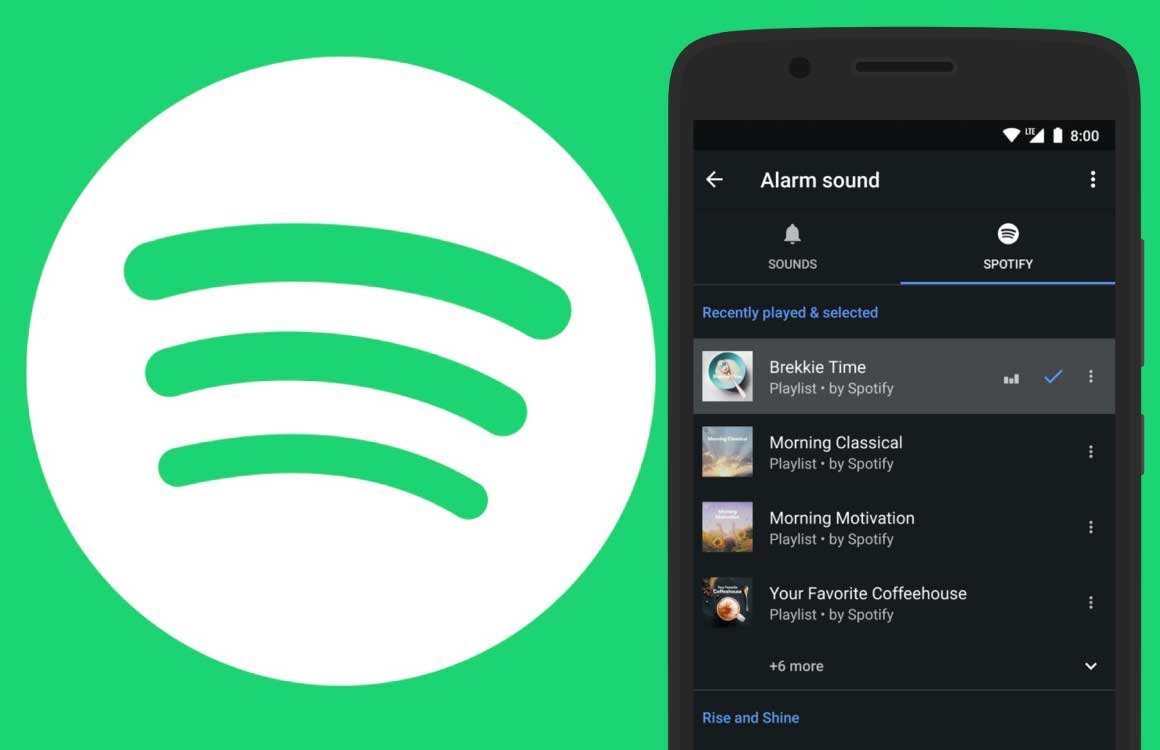
    Just two weeks short of exactly eight (!) years ago, the news broke out that Spotify was about to introduce its Hi-Fi service that offers higher-quality music for an additional fee. Needless to say, none of that happened back in 2017; now, in 2025, it’s once again “Spotify Hi-Fi time”! Let’s hope it’s for real this time.

    The latest bit of info comes straight out of Bloomberg and their report reads that Spotify is preparing to introduce a premium tier called Music Pro, which will offer high-quality audio, but that’s not all. There could be AI-powered remixing tools and exclusive access to concert tickets as well.

    People in Reddit are not exactly feeling like they’ve won the lottery with that last perk, a quick check of the
    r/truespotify Subreddit shows:

    So, the alleged Music Pro service is expected to cost around $5.99 per month on top of existing subscriptions, though final pricing and rollout details are still being determined. The company is in discussions with major music labels to secure rights and is also exploring ways to integrate concert ticket sales, such as presale access or premium seating options.

    While Spotify has yet to make an official announcement, the service is expected to launch later this year. Just don’t make us wait another eight years, OK?

    Right now, Spotify is on the quest to diversify its offerings and generate more revenue from dedicated music fans.

    After years of keeping its pricing relatively stable across major markets, the company now sees an opportunity to introduce new plans tailored to different listener segments. This move aligns with rival trends, as record labels push streaming services to introduce higher-priced tiers to compensate for slowing growth in established markets.

    While Spotify recently raised subscription prices and expanded into audiobooks, Music Pro is designed to cater specifically to superfans willing to pay more for enhanced music experiences.

    Spotify has been working on this premium tier for some time, testing various features and negotiating with labels to secure necessary permissions. Competitors like Apple Music, Amazon Music Unlimited, and Tidal already offer high-fidelity audio, while SoundCloud provides remixing capabilities.

    However, with 675 million users and over 250 million paying subscribers, Spotify remains a major player in the audio streaming industry.

    The company plans to roll out Music Pro gradually, introducing new features over time. While not all users may be interested in the higher-cost service, Spotify believes it will attract millions of passionate music fans who regularly invest in concerts, merchandise, and fan experiences.

  • Vietnam electricity imports from China, Laos set to soar by 2030

    Vietnam electricity imports from China, Laos set to soar by 2030

    The Ministry of Industry and Trade plans to increase electricity imports from China and Laos by 1.6 to five times from between now and 2030.

    Vietnam’s electricity demand is set to rise by 12-14% annually as the government targets an ambitious double-digit growth rate annually to achieve high-income status for the country by 2045.

    This means by 2030 Vietnam’s power capacity would need to reach 210,000 megawatts, up 35% from the current nationwide power plan.

    Imports will therefore play an important role in meeting electricity demand.

    By 2030 imports might account for 5% of total supply as against 4% last year, according to the ministry.

    It wants to import up to 3,700 MW in capacity from China by 2030, a five-fold increase from now.

    But the two sides have made no agreement for this yet. “The governments need to negotiate and sign deals soon,” the ministry said.

    It also wants to buy 6,800 MW from Laos by 2030, 1.6 times the current import.

  • Let Tinder’s AI propose the best match for you

    Let Tinder’s AI propose the best match for you

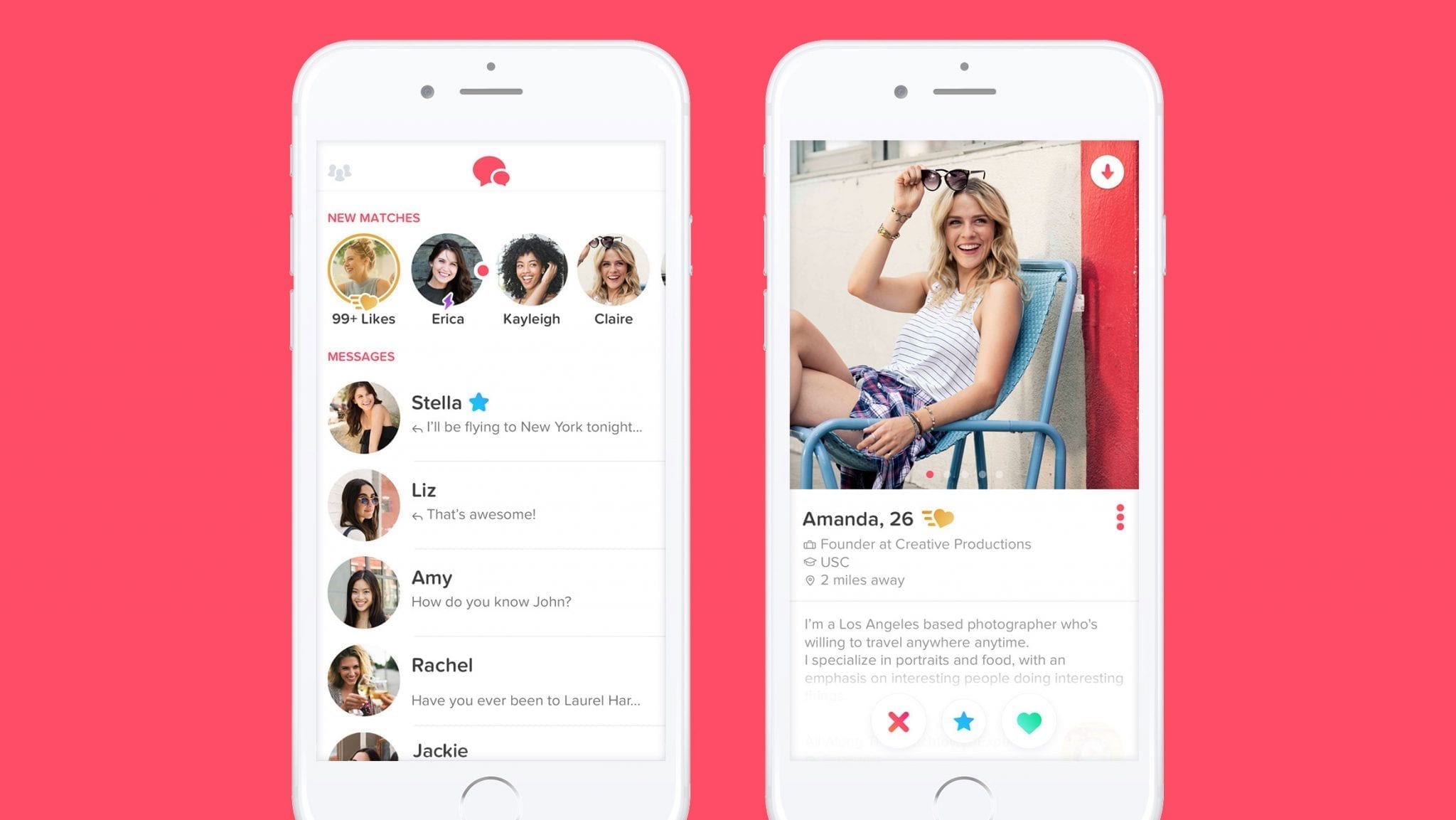
    Tinder, probably the most popular dating app out there, is not getting the love lately: it’s steadily losing users month after month now. So, changes have to be made: upgrades are to be introduced soon. It’s 2025, so you know what that means, right? Correct, it means more AI.

    In the coming months, the app will introduce AI-centric features for discovery and matching, aiming to offer an alternative to the swipe-based system that once defined the platform.

    The company says these AI-curated recommendations will provide more personalized and engaging matches. But don’t you worry! If you’re accustomed to the trademark swipe, you’re safe.

    High-ranking executives emphasize that AI matching will complement swiping rather than replace it, with the goal of improving match quality and user perception.

    This isn’t the first time Tinder is meddling with AI. Another AI-powered addition, the AI Photo Finder, launched last year to help users choose the best profile photos.

    These features arrive at a time when Tinder, along with the broader dating app industry, is struggling.

    Tinder’s global user base continues to shrink. In October 2024, its monthly active users (MAUs) were down 10% year over year, improving only slightly to a 9% decline over the following months. By January 2025, MAUs had fallen around 8%.

    The company’s direct revenue also missed internal projections, coming in at $476 million, below the expected $480-$485 million range. Oops.

    In response, Match Group (the Tinder owner) has appointed Zillow co-founder Spencer Rascoff as its new CEO. Rascoff believes AI could drive a major shift for online dating, comparing its potential impact to the transition from desktop to mobile a decade ago. He pointed to apps like TikTok and Instagram that have leveraged AI to boost engagement and retention, suggesting that Match Group could see similar benefits.

    Despite this optimism, Tinder’s struggles have weighed on Match Group’s overall performance. The company reported Q4 earnings of 82 cents per share, missing analyst expectations of 84 cents. While it generated $860 million in revenue, exceeding estimates, this still marked a 0.7% decline year over year.

    For Q1 2025, Match expects revenues between $820 million and $830 million, reflecting a projected 3-5% decline due to Tinder’s ongoing user losses.

  • Fuel prices drop

    Fuel prices drop

    Gasoline and diesel prices in Vietnam mostly fell Thursday afternoon.

    The popular gasoline RON95 was priced at VND20,920, down 0.38% from seven days ago.

    E5 RON92 gained 0.25% to VND20,440. Diesel fell 0.99% to VND19,050.

    Regulators said that fuel prices in the last seven days were affected by increasing U.S. crude oil reserve, President Donald Trump’s halt on slapping tax on imports from Mexico, and concerns of a new trade war between the U.S. and China.

    Analysts have said that China’s retaliation with high tariffs on U.S. oil and gas products will divert the U.S. exports to other countries.

    In another development, the U.S. President declared “maximum pressure” on Iran. In response, the Iranian President also called on members of the Organization of the Petroleum Exporting Countries (OPEC) to unite against possible U.S. sanctions.

    Analysts expressed concern that if this sanction is reinstated, supply could be disrupted, pushing oil prices up.

    In the last seven days RON95 dropped 0.7% while oils fell 0.5-1.6%. RON95 is now at $86.2 per barrel and diesel $91.8.

  • Google TV removes several free channels from its impressive library

    Google TV removes several free channels from its impressive library

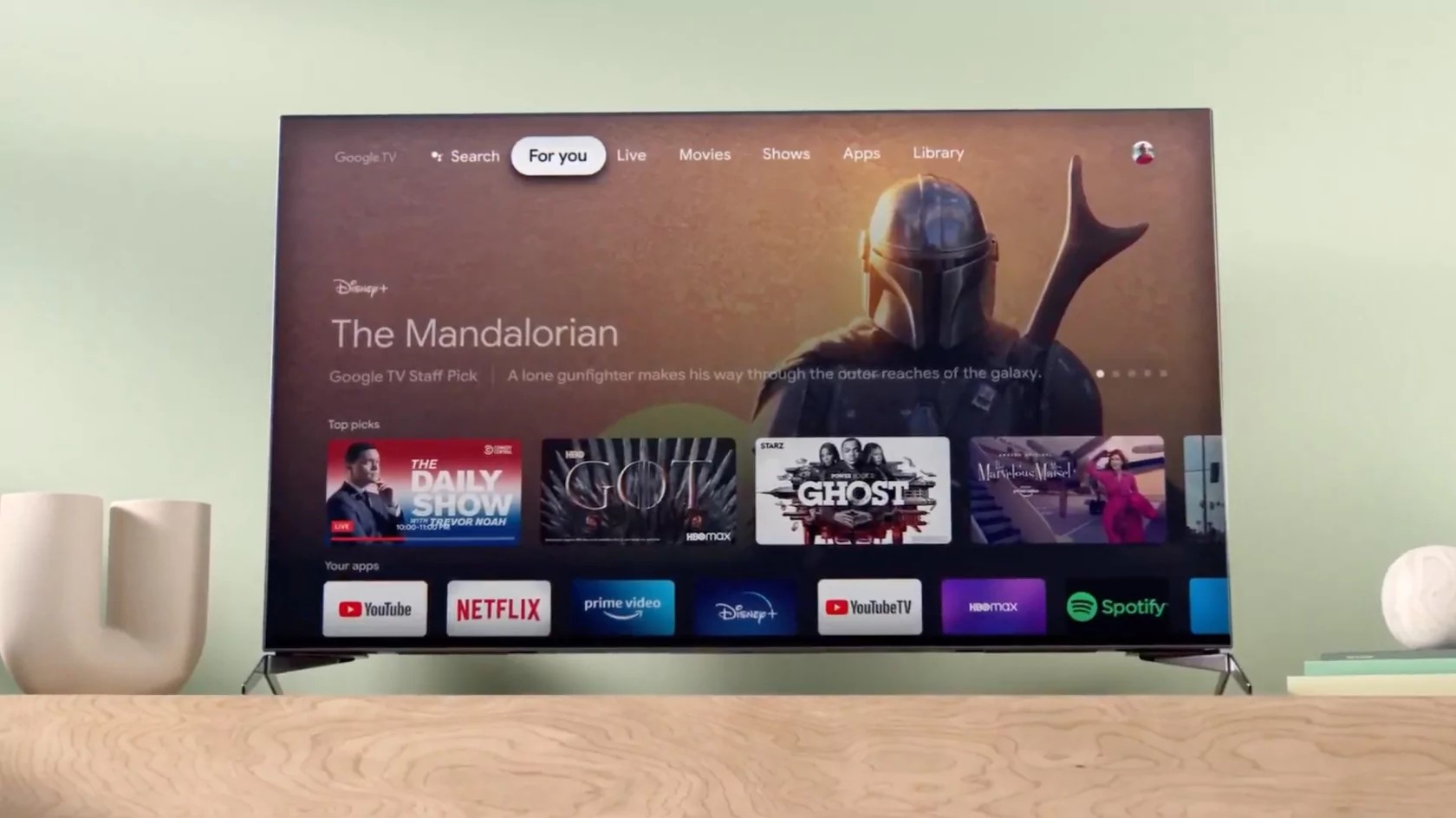
    Google TV is doing a great job keeping consumers entertained thanks to its impressive collection of free channels. Each month Google TV adds a new batch of free channels, so it’s now impossible not to find something interesting to watch that doesn’t require a subscription.

    Unfortunately, it looks like sometime Google TV must remove some of the free channels it previously added to its offering. The folks at 9to5google have just learned that nine free channels have been recently removed from Google TV and can no longer be accessed.

    • The Hill TV
    • Dog Whisperer with Cesar Milan
    • Dove Channel
    • Comedy Dynamics
    • The Bob Ross Channel
    • Shades of Black
    • OutTV Proud
    • Dazn Ringside
    • Dazn Women’s Football

    What’s worse is that these channels have been added relatively recently and most of them are part of the batch. If you didn’t have time to watch these channels while they were available for free via Google TV, you’ll no longer be able to access them.

    Google didn’t offer any explanation regarding the removal of these channels, but this usually happens if an agreement between two entities is no longer valid due to various reasons.

    In this particular case, Google had to sign distribution agreements with at least one partner, Cinedigm, which operates most (if not all) of the channels removed this month.

    Since Google didn’t offer any explanation for the removal of these channels, it’s unclear if all or some of these channels will return to Google TV at some point in the future.

  • Vietnam labor export firms expand to new markets

    Vietnam labor export firms expand to new markets

    Labor export companies are shifting their focus to new markets such as Poland and Australia to find job opportunities for workers.Eastern Sea Labor Export, Services, and Trade (Estrala) in HCMC has been partnering with businesses in Poland and Germany in the last several months to connect them with Vietnamese laborers.

    The company is in the process of sending 100 workers to Poland with an average monthly income of US$1,000, including insurances.

    They will work in the fruits and food packaging industry. Healthy individuals who are in the age of 20-50 with a high school diploma are eligible.

    Workers get weekends off and provision of accommodation, transportation, and meals. They have the option to extend their contracts after two years.

    Estrala offers free English language training and assist workers in acquiring low-interest bank loans.

    It is also transporting workers to Germany for short- and long-term contracts in the food industry.

    “We are expanding to new markets to offer more choices for workers and reduce our dependency a single market,” said Nguyen The Dai, deputy CEO of the company.

    While Estrala has been sending workers to Japan for years, recently it has been facing challenges in this market due to the decline of the yen and increasing competition with other labor exporters.

    Dai said that Europe has a strong demand for labor and countries in the continent offer competitive salaries with robust welfare benefits.

    Germany is an attractive destination for Vietnamese workers as the food packaging industry offers a monthly base salary of EUR2,700 (US$2,761).

    Workers can even bring their spouse and children to the country where they can enjoy free healthcare and education along with an opportunity for long-term residency.

    Another new labor market is Australia, where the Vietnamese government has selected six companies to implement a labor export program in the agriculture sector.

    “This is an opportunity for Vietnamese workers in a new market,” said Nguyen Duc Nam, chairman of the International Manpower Supply and Trading Jsc (Sona), one of the six selected firms.

    The company was approved by Australian authorities thanks to its capabilities, extensive experience in agricultural labor markets, recruitment strategies, overseas worker management plans, and a commitment to not charging service fees to workers.

    Nam said that the Department of Overseas Labor is developing standard contract templates for companies to negotiate with Australian partners, and Sona is studying Vietnamese workers’ demand to build a strong supply for this market.

    Starting this year, Australia will accept around 1,000 Vietnamese workers annually, with basic monthly salaries ranging from AUD3,200 to 4,000 (US$1,960-2,450), before living expenses are deducted.

    Pham Viet Huong, deputy head of the Department of Overseas Labor, said that alongside traditional markets such as Taiwan, Japan, and South Korea, Vietnam is actively expanding into new markets.

    Labor cooperation has been a key agenda item in high-level meetings. Vietnam has already signed agreements – or is in the process of doing so – with countries like Germany, Greece, Finland, Poland and several Nordic nations, he said.

    Other potential markets are France, Denmark, and Spain, where Vietnamese companies are actively seeking partnerships before government-level agreements are achieved, he added.

    Over 650,000 Vietnamese workers are employed in more than 40 countries and territories, sending home an estimated US$3.5-4 billion in remittances annually, official data show.

    Taiwan, Japan, and South Korea remain the top three destinations, with Japan leading for five consecutive years in terms of Vietnamese worker intake.

    South Korea offers the highest earnings, with monthly salaries ranging from US$1,600 to 2,000, followed by Japan (US$1,200-1,500) and Taiwan (US$800-1,200), according to the 2023 Vietnam Migration Profile, released by the Ministry of Foreign Affairs’ Consular Department in late October last year.

    Some European countries offer similar income levels.

    Middle Eastern countries and Malaysia report lower wages: around US$600-1,000 for skilled workers and US$400-600 per month for unskilled workers.

  • Thailand expects high-speed rail link to China to be ready in 2030

    Thailand expects high-speed rail link to China to be ready in 2030

    Thailand expects its 609-km (378 miles) portion of a high-speed railway that will connect it with China through Laos to begin operations in 2030, its government said, nearly a decade later than originally planned.

    More than a third of construction has been completed in the segment connecting the capital Bangkok to the city of Nakhon Ratchasima, about 220 km away and the whole line to Nong Khai at the border with Laos would be ready by 2030, said Thai government spokesperson Jirayu Houngsub.

    A $6 billion, 1,000 km rail line from the Laotian capital Vientiane to the southwestern Chinese city of Kunming began service in 2021, a venture 70% owned by Beijing. That line will connect with Thailand’s Nong Khai via Vientiane, about 25 km away.

    “This is an opportunity for Thailand to connect to the global economy,” Jirayu said, adding it would bring Thailand closer to its goal of becoming a logistics hub.

    The announcement comes a year after China urged Thailand to progress faster on the rail link.

    Discussions on the rail line started nearly two decades ago and Thailand and China signed agreements on its construction in 2017 with plans to begin operations in 2021.

    But construction met delays over disagreements on financing and design, and disruption from the Covid pandemic.

    The plan is part of Chinese President Xi Jinping’s ambitious Belt and Road trade and infrastructure initiative, which includes plans for three routes originating in Kunming that pass through Myanmar, Thailand and Vietnam.

  • Spotify might start paying artists increased royalties after agreement with Universal Music Group

    Spotify might start paying artists increased royalties after agreement with Universal Music Group

    Universal Music Group and Spotify announced multi-year agreements for recorded music and music publishing. Under the new agreements, UMG and Spotify claim artists, songwriters and consumers will benefit from “new and evolving offers, new paid subscription tiers, bundling of music and non-music content, and a richer audio and visual content catalog.”

    Another interesting piece of information mentioned in the announcement is that the new publishing agreement establishes a direct licensing between Spotify and Universal Music Publishing Group across the music streaming service’s current product portfolio in the United States and several other countries.

    This implies that Spotify might finally start paying artists increase royalties, at least in the US and those unnamed countries. Another phares that suggest that is that “the new agreements also renew the companies’ commitment to artist-centric principles, ensuring that artists continue to be properly rewarded for the share of audience engagement that they drive.”The new, multi-year agreements between Spotify and Universal Music Group will certainly benefit both equally, especially that the companies have agree to collaborate on the deployment of Streaming 2.0, UMG’s “vision for the next stage in the evolution of music subscription.”

    According to Sir Lucian Grainge, Chairman & CEO, Universal Music Group, “this agreement furthers and broadens the collaboration with Spotify for both our labels and music publisher, advancing artist-centric principles to drive greater monetization for artists and songwriters, as well as enhancing product offerings for consumers.”

    The monetization UMG’s CEO is talking about will probably involve the launch of new paid subscription tiers and/or a price increase of the existing ones. Those increased royalties won’t come from Spotify, but rather from loyal fans who will have to pay more for some extra benefits.

  • YouTube TV simplifies 4K viewing with a simple pop up

    YouTube TV simplifies 4K viewing with a simple pop up

    YouTube TV just made it easier to find 4K content. Now, when you’re watching something that’s also available in ultra-high definition, a little notification will pop up on your screen to let you know.

    This is a great feature for people who want to watch the best possible picture quality whenever available. As we all know, 4K offers much sharper images and more vibrant colors than regular HD, making your viewing experience that much better.

    But why is this update necessary? Well, for some cord-cutters, YouTube TV has been a viable streaming service that lets you watch live TV channels over the internet. It is akin to having cable, but without the clunky box and the frustrating contracts.  Lots of people are choosing streaming services these days because they offer more flexibility and often cost less than traditional cable — in some cases, at least.

    The thing is, with so many streaming services and so much content, it can be hard to find what you want in the best possible quality. Before this update, YouTube TV made you dig through menus to see if something was available in 4K. That’s not exactly user-friendly. Now, they’ve simplified the process. If a 4K version is available, you’ll get a notification, and you can switch over with a simple click.

    Of course, there’s a bit of a trade-off. To watch 4K content on YouTube TV, you’ll need to subscribe to their “4K Plus add-on.” This add-on costs an extra $10 per month, on top of the regular YouTube TV subscription fee, which recently went up to $83 per month. So, you’ll end up paying a premium for that crisper, more detailed picture.

    That said, if you already have the 4K package with YouTube TV, it makes perfect sense to have this option available, so you can switch to watch the higher quality version that you are already paying for.

    Personally, I love the idea of easily finding 4K content, but I’m not a fan of the rising costs of streaming services these days. We thought we were cutting the cord, but what we actually found was that we could be paying the same, if not more, than we were paying before with traditional cable. It’s a tough situation for sure, as streaming is clearly the way to go these days for quality content that you can watch pretty much anywhere. I hope these price hikes have now reached their peak and do not continue to impact consumers.

  • TikTok confirms that it will shut down unless the Supreme Court blocks or delays the ban

    TikTok confirms that it will shut down unless the Supreme Court blocks or delays the ban

    It’s been a wild ride for the TikTok social media platform, as it faces a potential shutdown in the U.S. due to a law requiring its sale by its Chinese parent company, ByteDance. This legal battle has reached the Supreme Court, where arguments are being heard about the law’s impact on free speech and national security. Today, TikTok confirmed that it will indeed shut down its operations in the U.S. unless the Supreme Court blocks or delay the ban.

    The law, which passed with bipartisan support in Congress and was signed by President Biden, aims to address concerns about the Chinese government’s potential influence over TikTok. U.S. officials argue that Chinese authorities could compel ByteDance to share user data or manipulate content on the platform. However, TikTok maintains that there is no evidence of such actions and that the law infringes on free speech rights.

    The Supreme Court’s decision in this case could have significant implications for the millions of Americans who use TikTok for entertainment, information, and even their livelihoods. Content creators, in particular, are anxious about the potential disruption to their audience and income.

    According to a new report, TikTok has now said that unless the Supreme Court strikes down or delays the date this law is supposed to take effect, which is January 19th, the company will be forced to effectively shut down its site in the U.S. by the deadline. Keep in mind that an interruption of even a just month would cost the app one third of its daily U.S. users, not to mention a significant amount of advertising dollars.
    This case is not the first time the Supreme Court has been asked to rule on matters related to new media technologies. The justices have acknowledged their limited familiarity with these platforms, even as they grapple with complex issues of speech restrictions in the digital age.
    Adding to the urgency of the situation, the law is scheduled to take effect on January 19th, just days after the Supreme Court hears the arguments and a day before President-elect Donald Trump takes office. Trump has also asked for a delay in the case so that he could be involved in seeking a political resolution, but it remains to be seen if the judges will agree to that. The court’s decision could come down to the wire, leaving TikTok users and content creators in a state of uncertainty.

    This situation highlights the challenges of balancing national security concerns with the principles of free speech. The Supreme Court’s ruling will also undoubtedly set a precedent for how similar cases are handled in the future, so this case is definitely one for the ages.

    Create a free account and
  • Apple TV+ is free for everyone to view on these two days

    Apple TV+ is free for everyone to view on these two days

    While we didn’t expect Apple to make this announcement until next weekend, the tech giant announced today that Apple TV+ will be free for everyone to stream on Saturday, January 4th, and Sunday, January 5th. On X (formerly Twitter), Apple wrote, “This weekend, see for yourself. Stream for free Jan 4-5.” On the tweet Apple embedded clips from shows such as Presumed Innocent starring Jake Gyllenhaal as a prosecutor who becomes a suspect in a murder.

    Other Apple TV+ content included in the tweet include Wolfs starring George Clooney and Brad Pitt. The action-comedy film about a pair of “fixers” had a limited theatrical run last September and now can be viewed on Apple TV+. The long awaited second season of Severance is also teased. Starring Adam Scott, Britt Lower, and Patricia Arquette, the psychological thriller is about a procedure that allows employees of a mystery company to separate their work and personal lives.

    You might want to take advantage of the two free days of streaming to watch some of the platform’s more well-known titles include Ted Lasso (starring Jason Sudeikis), The Morning Show (with Jennifer Aniston and Reese Witherspoon), and Shrinking (starring Jason Segal, Harrison Ford, and Wendie Malick. This is a comedy about a recently widowed therapist who tells clients exactly what he thinks in a bid to help them.

    Just this past Saturday, we told you that Apple had been dropping hints about the upcoming two days of free Apple TV+ by releasing promos with the “See for yourself” tagline. This is the first time that Apple is opening up the Apple TV+ app for a full weekend of free streaming. At the same time, Apple is promoting the seven-day free trial it is offering new Apple TV+ subscribers as well as the longer trials given as a reward to those purchasing certain new Apple devices.

    A one month subscription to Apple TV+ costs $9.99 after the aforementioned one week free trial. The subscription can be shared with as many as five family members. Apple is hoping that the two free days of Apple TV+ gets non-subscribers hooked on some of the platform’s content leading them to subscribe to the service.

  • Hanoi aims to create 169,000 new jobs in 2025

    Hanoi aims to create 169,000 new jobs in 2025

    Hanoi plans to create 169,000 new jobs, reduce urban unemployment rate to below 3%, and increase the proportion of trained workers to 75% in 2025, its People’s Committee said.

    The city will implement policies and solutions to support the comprehensive recovery and development of the labor market, with a focused and targeted approach.

    Vu Thu Ha, the committe’s vice chair, said to achieve the targets, the city will focus on ensuring social welfare, developing the labor market, and strengthening the workforce.

    At the same time, efforts will be made to promote economic growth, improve the quality of human resources, and raise the efficiency of job-creation loan programs funded by the city budget through the Vietnam Bank for Social Policies’s Hanoi branch, the official added.

    A total of 255 job fairs are planned throughout the year, aiming to create 50,600 job opportunities, including 4,600 positions overseas.

    The People’s Committee has asked the Department of Labour, Invalids, and Social Affairs to take measures to boost the labor market, create jobs, and continue sending workers abroad.

    In 2024, the city generated about 225,000 new jobs, surpassing the set target by 36.3%. The number of participants in mandatory social insurance exceeded 2.1 million, an increase of 4.5% compared to 2023. Meanwhile, 107,000 people joined voluntary social insurance, a rise of 21.2% year-on-year.

  • Spotify searches return explicit videos after moderation systems fail to spot them

    Spotify searches return explicit videos after moderation systems fail to spot them

    Spotify has a moderation problem on its hands at the moment. Searching for popular artists on the music streaming platform instead sometimes returns explicit videos and audio posted by unmoderated accounts. The situation recently came to light when users started reporting the problem on social media and The Verge reached out to Spotify for comment.

    This isn’t the first time something like this has happened to Spotify. However, previous instances usually consisted of explicit audio clips. Accounts posting those clips have apparently grown more brazen in recent months and have started posting videos instead. The ‘Video’ tab in particular has multiple examples of explicit content being uploaded to the platform.

    A Spotify representative has said that the examples recently brought to light have been removed. How these videos made it past the content moderation systems in the first place is a mystery. I’d have thought these systems would be a lot more effective now with AI powering them but apparently that might not be the case.

    Spotify is hardly the only platform suffering from behavior like this: YouTube has had a similar problem for a very long time. Videos on YouTube marketed towards children have been found to contain some awful content not suitable for those ages in the slightest. Dozens of accounts pop up in a short amount of time and post hundreds of these videos to flood YouTube feeds.

    The Spotify and YouTube issue is also a symptom of a larger matter in my opinion: a lack of care. Yes, both platforms do have systems in place to detect content like this before it’s uploaded but over the years I’ve seen companies care more about ridiculous copyright laws.

    YouTube in particular has a big problem when it comes to this. Advertising containing explicit content runs free on the site while someone humming a song for five seconds is enough to get their video a copyright strike. Their priorities just aren’t where they should be.

    The examples posted by users online may have been taken down but I’d wager that many more are soon to follow. I don’t know what these accounts get from doing this — aside from views perhaps — but they’re unlikely to stop anytime soon.

  • Gasoline prices slip from 3-month high

    Gasoline prices slip from 3-month high

    Gasoline and diesel prices both fell Thursday afternoon, hovering around the same level since mid-October, after reaching a three-month peak last week.

    The popular fuel RON95 dropped 2.19% to VND20,540 (US$0.81) per liter.

    Diesel declined by 0.53% to VND18,630.

    Regulators said that fuel prices in the last seven days were affected by the European Union’s adoption of a sanction package against Russia, geopolitical tensions in the Middle East, and the ongoing military conflict between Russia and the Ukraine.

    RON95 dropped 3-3.1% in the period while oils fell 0.8-1.9%. RON95 is now priced at $83.7 per barrel and diesel at $88.8.

  • No entertainment shows, only movies for Netflix in Vietnam

    No entertainment shows, only movies for Netflix in Vietnam

    Starting Monday Netflix will remove all entertainment and reality shows from its platform in Vietnam and only distribute film-related content to comply with local laws.

    The U.S.-based streaming service would only show films that have been classified, the Authority of Broadcasting and Electronic Information said in a recent release.

    In Vietnam, film and entertainment shows fall under different categories and are subject to different regulations.

    Distributors of entertainment shows need to set up a company in Vietnam, but film distributors do not.

    Netflix has to remove content entertainment and reality shows such as “Love on the Spectrum,” “Longest Third Date” and “Down For Love.”

    After the decree on entertainment shows came into effect in 2023, some platforms withdrew from Vietnam, including U.S.-based Amazon’s Prime Video service which shut down in October after a seven-year presence.

    China’s Iqiyi was flagged the same month for distributing entertainment shows since it has registered only to provide film-related content.

    The broadcasting authority said last year that the enforcement of such regulations aims to ensure fair competition between domestic and international television businesses.

    Earlier foreign platforms benefited from regulatory gaps, with some avoiding taxes or distributing prohibited content, it said.

    “New regulations, issued to ensure fairness, have caused some companies to cease operations in Vietnam,” Le Quang Tu Do, the authority’s director, said at the time.

    “Adjusting business models to comply with local laws is a routine part of doing business.”