Category: Living

Retail News Asia is committed to providing both local and global retailers with the latest Living news throughout the Asian market. This on a daily base.

  • Vietnam to welcome nearly 800,000 international visitors for reunification holiday

    Vietnam to welcome nearly 800,000 international visitors for reunification holiday

    Vietnam is preparing for a surge in air traffic during its five-day reunification holiday, with 792,000 international visitors expected, according to the Civil Aviation Authority of Vietnam.

    From April 30 to May 4, Vietnamese airports are forecast to handle around 5,000 international flights, averaging 830 flights a day, a 20% increase compared to the same period last year. The busiest international hubs will be Tan Son Nhat in Ho Chi Minh City, followed by Noi Bai in Hanoi, Da Nang, Cam Ranh and Phu Quoc.

    Domestically, the southern metropolis of HCMC remains the country’s top traffic hub. Tan Son Nhat Airport alone will account for 70% of all domestic flights, with more than 5,000 flights scheduled over the holiday period. The popular Hanoi–Ho Chi Minh City route is also booming, with over 1,200 flights planned, up 16% from 2024.

    Vietnamese airlines will operate over 7,500 domestic flights, offering around 1.5 million seats, representing a 21% jump from the same period last year. Tan Son Nhat Airport is ramping up operations to handle the influx, increasing flight frequency to 46 flights per hour between 6 a.m. and 11 p.m., compared to the usual 40–42.

    Airlines like Vietnam Airlines and Vietjet Air are also expanding their schedules, boosting night flights by approximately 20% to meet heightened demand. Although Tan Son Nhat’s new domestical terminal T3 has been completed ahead of schedule, most domestic operations for Vietnam Airlines and Vietjet will continue at the existing T1 terminal for now.

    Hanoi’s Noi Bai Airport is preparing for around 370 domestic flights on its peak day, serving roughly 68,000 passengers. The airport has also introduced biometric identification technology via mobile app VNeID to streamline domestic flight procedures.

  • Your Spotify subscription might get more expensive again soon

    Your Spotify subscription might get more expensive again soon

    Get ready to potentially pay a bit more for your Spotify subscription if you’re in Europe or Latin America, as reports suggest another price increase could be on the horizon for the popular music streaming service. This wouldn’t be the first time the audio giant has adjusted its pricing, aiming to boost its revenue streams.

    According to a new report, Spotify is considering an increase for its standard Individual subscription plan by approximately €1 (which is about $1.14 USD) in several countries across these regions. This change could reportedly roll out starting as early as June 2025 with an insider reportedly mentioning that Spotify’s efforts to raise prices “would intensify considerably this summer.”

    This potential adjustment follows price hikes that have already taken place. For instance, Spotify recently increased the cost of all its plans in the Netherlands and Luxembourg without much fanfare. In those countries, the Individual plan saw an 18 percent jump, rising from €10.99 ($12.48 USD) to €12.99 ($14.76 USD). The Family and Duo plans also got more expensive there.

    A familiar tune in streaming

    This news probably doesn’t come as a huge surprise if you follow the streaming world. We’ve seen many services, whether for music, podcasts, or video, gradually increase their subscription fees over the past couple of year

    Companies are constantly trying to balance attracting and keeping subscribers with the need to become more profitable, cover content licensing costs, and invest in new features. While major competitors like Apple Music and YouTube Music haven’t announced similar widespread hikes recently in 2025, they’ve also adjusted their pricing structures in the past. It seems to be a general trend across the digital subscription landscape.

    U.S. spared for now, but a new tier is coming

    If you’re stateside, it looks like your standard Spotify plan won’t be affected by this specific European and Latin American increase, at least for now. However, Spotify has other plans brewing for the US market. The company is reportedly preparing to introduce a brand-new subscription option, sometimes referred to as a “super-premium” tier.

    Details are still emerging, but here’s what we’re hearing about this potential new plan:

    • Higher Cost: It might come with a price tag that’s about $6 higher than the current individual Premium plan.
    • Extra Perks: Code discovered within the Spotify app mentions exploring plans to “get more from your Premium experience with add-ons.” This could potentially include features like higher fidelity audio (HiFi audio), which users have been requesting for years.
    • Exclusive Content?: The report also noted that Spotify is considering options that might restrict access to certain new music releases, perhaps offering them first or exclusively to subscribers of this higher-priced tier.

    It feels like the streaming subscription market is continually evolving. While a small price increase like a dollar or two might seem minor on its own, these adjustments add up over time, particularly for users subscribed to multiple services. We’ll be watching closely to see exactly what these supposed add-ons on a super-premium tier entail and if they offer enough value to justify the extra cost.

  • Toymaker LEGO opens $1.3B green factory in Vietnam

    Toymaker LEGO opens $1.3B green factory in Vietnam

    Danish toymaker LEGO Group inaugurated its first factory in Vietnam, an over-US$1.3 billion green investment, at the Vietnam-Singapore Industrial Park III in the southern province of Binh Duong.

    The factory, inaugurated on Wednesday, is set to employ about 4,000 workers. It is expected to bolster LEGO’s supply chain in Asia, reflecting its global leadership in toy manufacturing.

    The facility, LEGO’s sixth globally and second in Asia, stems from active collaboration between the Vietnamese Government, ministries, agencies and Binh Duong authorities to attract hi-tech and green-focused foreign investment.

    Once fully operational, the factory will run entirely on renewable energy from an on-site solar system, serving as a model for green manufacturing and supporting Vietnam’s shift to a circular economy.

    Niels B. Christiansen, CEO of LEGO Group, called it a strategic move to expand the manufacturing capacity in the Asia-Pacific while reaffirming LEGO’s long-term commitment to sustainable development.

    Deputy Prime Minister Mai Van Chinh hailed LEGO’s investment as a boost to Binh Duong’s reputation as a hub for global manufacturers, citing its prime location, strong transport links, and pro-business climate.

    LEGO is also investing in Vietnam’s workforce, with over 100 foreign experts training local technical and management staff. The company plans to partner with educational groups to bring play-based learning to over 60,000 Vietnamese children this year.

    A distribution center in the nearby province of Dong Nai, its second logistics hub in Asia, is also slated for opening later this year.

  • Fuel prices plunge to 4-year low

    Fuel prices plunge to 4-year low

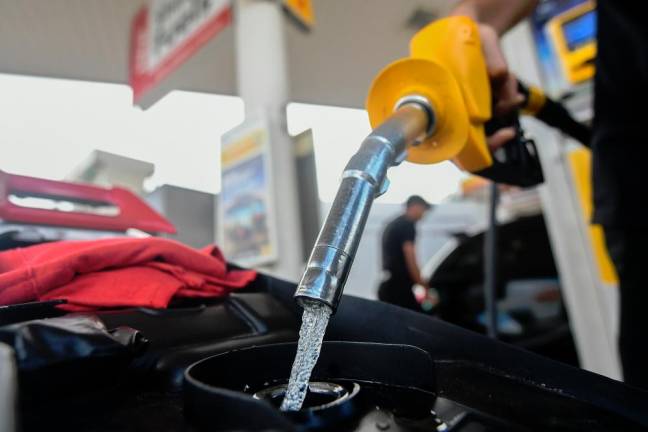
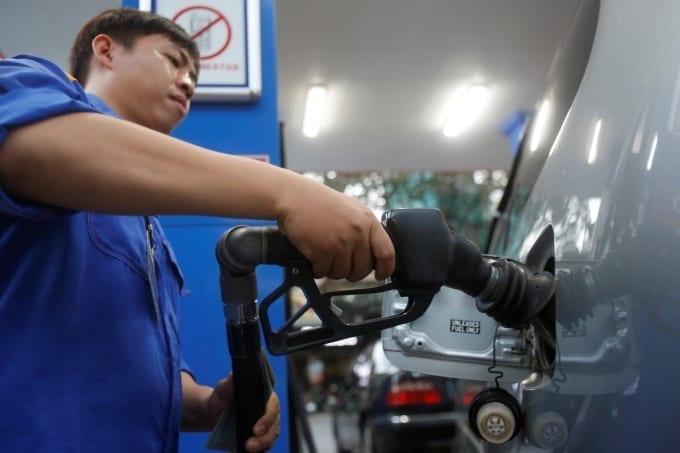
    Vietnam gasoline price plummeted to its lowest in four years Thursday afternoon.

    The popular fuel RON95 fell 8.2% to VND19,200 (US$0.74) per liter, the lowest rate since May 2021.

    Biofuel E5 RON92 declined by 7.3% to VND18,880.

    Diesel dropped 6.7% to VND17,240.

    Regulators said that the global oil market over the past seven days has been influenced by several factors, including a rise in the U.S.’ crude oil inventories and its announcement of a 10% tariff on all imports.

    These factors pushed fuel prices down, with RON95 decreasing by 11.2% to $75.3 per barrel. Diesel went down by roughly 9% to $79.5.

  • Instagram is reportedly changing its mind about this long-ignored Apple device

    Instagram is reportedly changing its mind about this long-ignored Apple device

    Instagram is finally working on something users have been asking for since the early days — a proper app for the iPad. According to a new report from The Information, Meta has started developing a version of Instagram made specifically for tablets. That means, more than a decade after launching exclusively on iPhone, the social platform could soon be much more usable on Apple’s larger screens. Sound familiar? I thought I’d heard that before.

    This change of heart doesn’t seem to be random. The push to bring Instagram to iPad is reportedly tied to the ongoing uncertainty surrounding TikTok. With a possible ban of TikTok in the United States being debated in Congress, Meta sees a real opportunity to win over creators who may be looking for a new home. Offering better tools and support for creators is one of Instagram’s current priorities — and that includes making sure the app works well on more than just phones.

    Instagram has long resisted building an iPad-specific app. Back in 2020, Instagram head Adam Mosseri said the company had limited resources and too many other things to work on. In 2022, he added that there just wasn’t a big enough group of users demanding an iPad app to make it a priority. As a result, users have been stuck using the iPhone version of the app on their iPads, which looks awkward and doesn’t take advantage of the extra screen space.

    However, we have seen how quickly Meta can make features appear seemingly out of thin air, especially when it involves one-upping a competitor. Let’s not forget how quickly the Meta-owned app “Threads” gained a ton of new features once the company realized that competing app “Bluesky” began to rise in popularity and eating into their user base.

    There’s still no official confirmation or timeline for release, and details on what the app might look like are limited. But the fact that Instagram is even considering it now shows how much the competition has shifted. TikTok already has an iPad-optimized app, and YouTube’s Shorts platform runs well across all devices. Instagram risks falling behind if it doesn’t meet creators where they are — and many of them use iPads for editing, planning, and posting content.

    If this finally happens, it could unlock a lot of potential for iPad users. Instagram now has a chance to capitalize on an opportunity to gain more users, and the timing couldn’t be more critical. Maybe this is one thing we can agree to be thankful to TikTok for. Maybe.

  • Waze pulls major reporting tool from iOS app and plans to replace it with Gemini

    Waze pulls major reporting tool from iOS app and plans to replace it with Gemini

    Waze users know that the directions offered by the app to a specific destination are enhanced by the data shared by the Waze community driving on the same road. Whether it is an accident, a slick road, heavy traffic, police activity, or weather, once the crowd-sourced data is shared Waze might change the route thanks to the new information it is presented with. There are multiple options that Waze users have to report this information.

    While most use touch input to report these issues, it is difficult to do while behind the wheel. Waze’s touch input can allow users to tap the on-screen button when spotting a hazard on the road and allow them to wait for a moment when the car is not moving to complete the submission. Another option that Waze users employ to report a hazard is Google Assistant. The digital assistant also was used to quickly arrange for navigation by asking it to navigate to your destination.

    The problem is that Google Assistant has never worked perfectly with the iOS version of Waze. This is the reason why Google is removing Google Assistant integration from the iOS version of Waze. Last week, a Waze staff member named Leigh wrote on the Waze discuss website, “We’ve decided to phase out Google Assistant on iOS…and replace it with an enhanced voice interaction solution in the near future. As always, we are committed to keeping you informed and will share more details as we progress.”

    Waze made it clear that Google Assistant “will continue to function seamlessly on Waze for Android, where it has consistently performed reliably.” While Google has yet to announce the “new voice interaction solution,” Waze will turn to Google’s Gemini AI for conversational reporting of hazards. This will allow Waze users to report issues using a more conversational style that will be less distracting for drivers.

    Here’s how this would work. Let’s say you’re driving and spot an accident on the road. You can press the reporting button and say, “So this crash is why traffic is such a nightmare.” This reports two issues with one quick sentence-the accident and the additional traffic causing a slowdown.

  • Fitbit app redesign finally makes Health Metrics easier to read on Android and iOS

    Fitbit app redesign finally makes Health Metrics easier to read on Android and iOS

    Fitbit continues to advance its mobile app experience and the latest update focuses on one of the most essential areas for health-oriented users—the Health Metrics. Users of Android and iOS devices can now access the updated Health Metrics section..

    Until now, the Health Metrics section displayed data through two tabs dubbed  “Today” and “Trends.” The interface contained health data across both tabs but it appeared disconnected from other sections of the application.

    That’s finally changingFitbit eliminated the tabbed interface structure in their latest update. The health metrics data now occupies a single scrollable page without any tabs. Users can view their health statistics through a simple summary widget located at the top that shows their performance across five health metrics using a five-point scale. This feature used to exist exclusively in the “Today”  feed.

    Underneath the summary widget, there’s now a well-organized list of five core metrics:

    • Breathing Rate (BR)
    • Blood Oxygen (SpO2)
    • Resting Heart Rate (RHR)
    • Heart Rate Variability (HRV)
    • Skin Temperature Variation

    Each metric is shown in a card format, making it easier to understand at a glance. Tapping on any of these entries opens a more detailed “Trends” view that now includes Week, Month and Year filters, giving users a better view of long-term health changes.

    The new and more detailed trend pages include short explanations written in simple language for each statistic. For example, breathing rate is described as “the number of breaths you take per minute.”

    The update seems cosmetic at first glance but it greatly improves the user experience. The redesigned interface provides better responsiveness and improved navigation while maintaining design consistency throughout the application.

    This Health Metrics redesign is part of a broader visual overhaul across the Fitbit app. The Water Tracking screen was updated recently, and now Health Metrics follows suit. Next in line? Food logging, which still uses an older interface and could definitely benefit from a similar revamp.

    The new UI comes with the Fitbit 4.39 update for iOS, while the Android versions is rolling out more slowly. Not all users have access to it just yet, as Google which now lists Fitbit under its official “Google LLC” developer account—appears to be releasing it in waves.

  • Thailand to lift 53-year ban on afternoon alcohol sales

    Thailand to lift 53-year ban on afternoon alcohol sales

    Thailand is set to ease its restrictions on alcohol sales and advertising in an effort to support the beverage industry and boost tourism.

    Lawmakers of the House of Representatives on Wednesday voted to approve an amended alcohol control bill, though it still requires Senate approval to become law.

    The bill is set to repeal a 1972 military decree that prohibits alcohol sales before 11 a.m. and between 2 p.m. and 5 p.m

    The new regulations will also ease advertising advertising restrictions, permitting the promotion of alcoholic beverages.

    Current laws prohibit displaying the names, trademarks, or images of alcoholic products for promotional purposes.

    Lawmaker Chanin Rungtanakiat, a deputy head of the house committee overseeing the Bill, stated that the amendments aim to reduce “unreasonable control” to encourage economic growth.

    These relaxed regulations follow a broader trend of loosening control over Thailand’s alcohol market, which has historically been dominated by a duopoly of Singapore-listed Thai Beverage Pcl and Boon Rawd Brewery Co.

    Earlier in 2025, legislation was passed to support liquor production by microbreweries and small distilleries.

    Thailand is implementing various measures to enhance its appeal as a key tourist destination. It is the only Asian country with legal marijuana and is also planning to legalize casinos.

    Prime Minister Paetongtarn Shinawatra announced in February that the government would review several alcohol-related restrictions that could impact tourism, such as the prohibition on alcohol sales on Buddhist holy days and through online platforms.

  • Gasoline price up

    Gasoline price up

    Gasoline prices on Thursday increased after hitting a six-month low last week while diesel remained steady.

    The popular gasoline RON95 gained 2.24% to VND20,080 (US$0.79) per liter.

    Biofuel E5 RON92 added 2.13% to VND19,690.

    Diesel stayed at VND17,890, steady at the lowest since early October last year.

    Regulators said that fuel prices in the last seven days fluctuated due to a decline in U.S. gasoline and oil product inventories, renewed tensions in the Middle East, and uncertainty surrounding U.S. tax policies on goods from other countries.

    Gasolines dropped 2.7-2.8% while oils (except diesel) declined by 0.2-0.5%. RON95 is now at $80.8 per barrel and diesel at $84.1.

  • Asia’s most prestigious university launches exchange program for Vietnamese students

    Asia’s most prestigious university launches exchange program for Vietnamese students

    For the first time ever, students at the Vietnam National University in Hanoi can apply for an exchange semester at China’s Tsinghua University, the nation’s top university and the most prestigious in Asia, for free.

    According to an announcement by Vietnam National University in Hanoi, starting this year, students from their second year onward at Vietnam National University-Hanoi with strong academic achievements and proficient foreign language skills, either an IELTS score of 7.0 for English or at least an HSK 5 level for Chinese, can apply for a tuition-free semester at Tsinghua.

    Applications for the fall semester (September 2025–January 2026) must be submitted by April 30, while applications for the spring semester (February–June 2026) are due by Nov. 30.

    Selected students will receive free tuition for the duration of their exchange at Tsinghua, but will be responsible for their own living expenses, insurance and visa fees.

    This program is part of a broader cooperation agreement signed between VNU and Tsinghua University on March 2. Similar agreements were also made with Vietnam National University in Ho Chi Minh City and Vietnam’s National Economics University.

    Tsinghua University has been recognized as the most prestigious institution in Asia by Times Higher Education. In the THE World Reputation Rankings 2025, it ranks eighth globally, surpassing both Yale University and the University of Tokyo.

    In THE World University Rankings 2025, it stands at number 12, the highest position of Chinese universities, followed by Peking University, another top-tier institution in the country.

    Tsinghua currently maintains exchange agreements with about 200 universities worldwide.

  • Young Vietnamese risk health with late-night work, entertainment

    Young Vietnamese risk health with late-night work, entertainment

    Young people are increasingly trading their health for late-night work and entertainment and ending up with consequences like sleep disorders, reduced productivity and long-term health risks.

    Nam, a programmer for a multinational technology company, works from 10 p.m. to 4 a.m. due to time zone differences.

    To synchronize his work with colleagues and clients in the U.S., the 27-year-old from Ho Chi Minh City stays up at night.

    His day typically starts at 10 a.m. and his work begins in the evening. He participates in online meetings, writes code, fixes bugs, and deploys projects, often working until 3 a.m.

    Then he winds down by browsing social media, watching movies or listening to music before going to bed at 4 a.m.

    The subversion of his circadian rhythm results in memory loss, difficulty concentrating and lethargy during the day. He has also gained weight, and his skin has darkened and developed acne.

    He says: “It was not until now that I realized the harm of staying up late; I might need to consider changing my job if I don’t want my health to deteriorate further.”

    Mai Anh, 22, admits she is a “TikTok addict.”

    The bright phone screen at night has become a familiar sight for her. From 10 p.m. every day she immerses herself in short videos, from funny clips to trendy dances and life hacks.

    It is often 3 a.m. by the time she turns off her phone.

    She sleeps only three to five hours a night, always waking up tired, sluggish and unable to focus on work. Though she is fully aware of the negative effects of staying up late, the allure of TikTok makes it hard for her to stop.

    “I know it is not good, but just a little scroll each night turns into a habit,” she says.

    In Vietnam, the “night owl” lifestyle is becoming increasingly popular, especially among young people.

    The development of technology, work and study pressures and the appeal of nighttime entertainment are causing many young people to stay up late.

    This is not happening only in large cities but also in rural areas, where young people now have easier access to the internet and online entertainment, according to Dang Nhat Tam, deputy head of the general internal medicine department at HCMC’s Nguyen Tri Phuong Hospital.

    Scientists refer to those who prefer staying up late and sleeping in as “night owls” for obvious reasons.

    Studies show that night owls tend to feel very energetic at night but sluggish in the morning.

    Due to disruption of their natural rhythms, their biological clocks are completely reversed, leading to deterioration of health, a weakened immune system and frequent illnesses.

    One of the main consequences is sleep disorders, which cause memory problems, difficulty concentrating and reduced work efficiency. This prolonged issue also increases the risk of diseases such as cancer, stomach disorders, asthma, chronic obstructive pulmonary disease (COPD), kidney, liver, and musculoskeletal conditions, and immune system-related diseases.

    Associate Professor Dr. Nguyen Anh Tuan, head of the digestive surgery department at the 108 Military Central Hospital, says sleeping late is a major cause of obesity, hormonal imbalances, slowed metabolism, increased appetite and impaired blood sugar balance.

    Staying up late causes the body to use blood sugar inefficiently, leading to fat accumulation and an increased risk of type 2 diabetes.

    Lack of sleep not only causes dark circles under the eyes but also damages the skin due to lack of moisture and reduced pH levels.

    Poor sleep quality limits the production of growth hormones and inhibits collagen production, causing the skin to lose its firmness and become prone to acne and irritation.

    Scientific evidence also shows that circadian rhythm disorders are linked to moodiness, anxiety and depression. While most people feel refreshed and energetic in the morning, “night owls” experience a poor mental state in the morning, which only improves by evening.

    Their sleep-wake cycles are disrupted, with sleep often being too long or too short.

    Sleeping less than seven hours or more than nine hours a day also increases the risk of stroke, particularly brain hemorrhages.

    A proper sleep cycle allows the body organs to rest, recharge and prepare for the next cycle.

    To improve sleep, experts suggest balancing work and rest, maintaining a regular sleep schedule, relaxing with books or music, choosing a comfortable and quiet place to sleep, and adjusting the temperature and lighting.

    It is important to limit phone and electronic device use before bedtime, avoiding screen time at least 30 minutes before sleep, and refraining from work-related stress and keeping a relaxed mind.

    A healthy, balanced diet with nutritious foods, avoiding overeating at night or consuming stimulants that disrupt sleep, can also help.

    Regular physical activity promotes better sleep quality. Regular health checks help detect any underlying issues early.

    If sleep disorders occur, it is essential to consult a doctor or sleep specialist for diagnosis and treatment.

    Self-medication should be avoided, as it can lead to dependence and complications.

    In some cases patients may not need medication, and just adjusting habits and reorganizing life can significantly improve sleep.

    If sleep disorders stem from underlying conditions, treating the root cause is crucial, doctors advised.


  • Fuel prices decline

    Fuel prices decline

    Gasoline and diesel prices fell Thursday afternoon after reaching a six-month high a week earlier.

    The popular gasoline RON95 dropped 1.03% to VND21,110 (US$0.83) per liter.

    Biofuel E5 RON92 went down 0.96% to VND20,650.

    Diesel fell 0.58% to VND18,950.

    Regulators said that in the last seven days fuel prices were affected by the U.S.’ push on hiking tariffs on goods from China and other trading partners.

    Other factors included increasing U.S. oil reserves and the potential of a peace agreement between Russia and Ukraine.

    Gasolines dropped 1.5% in the period while oils fell 0.01%-1.5%.

    RON95 is now at $86.1 per barrel and diesel at $90.2.

  • Gasoline price jumps to 6-month high

    Gasoline price jumps to 6-month high

    Gasoline prices on Thursday rose to the highest since August last year.

    The popular fuel RON95 went up 1.23% to VND21,330 a liter.

    Diesel dropped 0.05% to VND19,060.

    Regulators said that fuel prices in the last seven days were affected by cold weather in the U.S. and Ukraine’s attack on Russian oil infrastructure.

    Gasolines went up 1.2-1.4%, while oils fell 0.03-1.6%.

  • Vietnam to invest $8B in rail link to China

    Vietnam to invest $8B in rail link to China

    The National Assembly has approved plans for the Lao Cai-Hanoi-Hai Phong railway, which links to the border with China, at a cost of US$8.37 billion or $15.96 million per kilometer.

    The cost per kilometer is similar to that of other projects in the region, such as the Vientiane-Boten railway in Laos, which cost $16.77 million.

    According to the proposal approved on Wednesday morning, the line will run 391 km from the border crossing point in Lao Cai Province to the port city of Hai Phong. It will also include 27.9 km of branch lines.

    It will run through nine localities, including Hanoi and the provinces of Yen Bai, Phu Tho, Vinh Phuc, Bac Ninh, Hung Yen, and Hai Duong.

    The railway will be a single-track line with a 1,435 mm gauge used for both passenger and freight services.

    It is designed for speeds of 160 km per hour from Lao Cai to southern Hai Phong, 120 kph through Hanoi, and 80 kph on other sections.

    Funds for the project will come from the state budget and other legal sources.

    Relevant agencies will prepare feasibility reports this year, with the project set for completion by 2030 at the latest.

    The National Assembly has approved several special mechanisms for the project, such as allowing the Prime Minister to issue government bonds to cover shortfalls in the annual investment plan approved by the parliament without increasing the state budget deficit.

    Several other special mechanisms regarding mineral extraction for construction materials, scientific and technological development, workforce training, industrial growth, and technology transfer are also applied to the project.

    Contractors must prioritize domestically produced goods, services, and materials whenever possible.

    The National Assembly Standing Committee said the project aims to meet transport demand, reduce logistics costs, and foster sustainable development.

  • Singapore raises alarm over speeding violations

    Singapore raises alarm over speeding violations

    Singapore will impose stricter penalties for speeding from next year, following a sharp rise in road accidents, fatalities, and violations over the past years.

    Singapore’s Home Affairs and Law Minister K. Shanmugam said on Feb. 15 that the number of road accidents in the country has increased “very significantly” since 2020.

    In 2024, there were nearly 7,200 accidents with 142 fatalities, while the number of speed-related fatal incidents shot up by almost 44% from 2023, to 46.

    The number of speeding violations detected – 192,000 – was also the highest in the past decade, Shanmugam noted.

    While the Traffic Police have stepped up enforcement, such as activating the speed enforcement function in red-light cameras, he said more needs to be done to change or shape behavior.

    To address this issue, the Singapore Road Safety Council (SRSC) is collaborating with various stakeholders to develop public education initiatives aimed at promoting road safety awareness, including the use of social media to reinforce safe driving habits.

    Starting Jan. 1, 2026, the demerit points and total penalties for speeding violations in Singapore will be increased.

    Singaporean authorities will provide further details on the new penalties in due course.