Category: Living

Retail News Asia is committed to providing both local and global retailers with the latest Living news throughout the Asian market. This on a daily base.

  • Gasoline prices soar to new heights in 2023

    Gasoline prices soar to new heights in 2023

    Gasoline prices on Thursday rose to another new peak this year while diesel prices continued to climb.

    The popular gasoline RON95 went up 3.5% to VND25,740 ($1.06) per liter. This was its seventh increase in the last two months.

    RON95 has risen by around 10% since the beginning of the year.

    Biofuel RON92 rose 3.07% to VND24,190.

    Diesel went up 2.34% VND23,590.

    Authorities said that global prices have been rising in the last 10 days due to increasing demand as OPEC+ countries limited their supply.

    RON92 went up 4.7% to $107.95 per barrel, while RON95 rose 4.6% to $114.02. Oils increased by 1.8%-3.4% per barrel.

  • Apple’s hefty new 6TB and 12TB iCloud+ plans are now available for your hoarding pleasure

    Apple’s hefty new 6TB and 12TB iCloud+ plans are now available for your hoarding pleasure

    Although last Tuesday was very clearly Apple’s big day in the spotlight for the season, the Cupertino-based tech giant is treating its hardcore fans and devoted followers to a bunch of exciting announcements today as well.

    These include the highly anticipated public rollouts of the latest iOS, iPadOS, watchOS, and tvOS versions but also something else that was originally announced at last week’s iPhone 15 family launch event, going largely unnoticed due to the sheer number of objectively more glamorous products and features introduced for the fall.

    We’re talking about two new iCloud+ options, which are now available in the US at $29.99 and $59.99 a month. That may sound like a lot of money to spend on cloud storage for your iPhone, iPad, Mac, or even Windows computer (because it is a lot of money), but you do get a lot of storage (as well as other cool stuff) at these sky-high monthly rates.

    Specifically, you’re looking at a hefty 6TB allotment for the “cheaper” of the two newly released plans and an even larger 12TB bucket at the disposal of anyone willing to cough up 60 bucks every… single… month. Of course, the humbler 2TB, 200GB, and 50GB options are not going anywhere, and they’re unfortunately not getting any more affordable either, still fetching $9.99, $2.99, and $0.99 respectively a month stateside.

    All iCloud+ plans come with “premium” features like Private Relay for Safari users, Hide My Email, HomeKit Secure Video, and custom email domains, thus providing very stiff competition in terms of both versatility and affordability for rival platforms like Google One.

    In case you’re wondering, Google’s cloud storage service doesn’t have these same tiers, offering 5 and 10TB allotments in exchange for $25 and $50, respectively, and 20 and 30TB options at $100 and $150, respectively.

  • Vietnam Electricity and the conundrum of establishing a competitive market

    Vietnam Electricity and the conundrum of establishing a competitive market

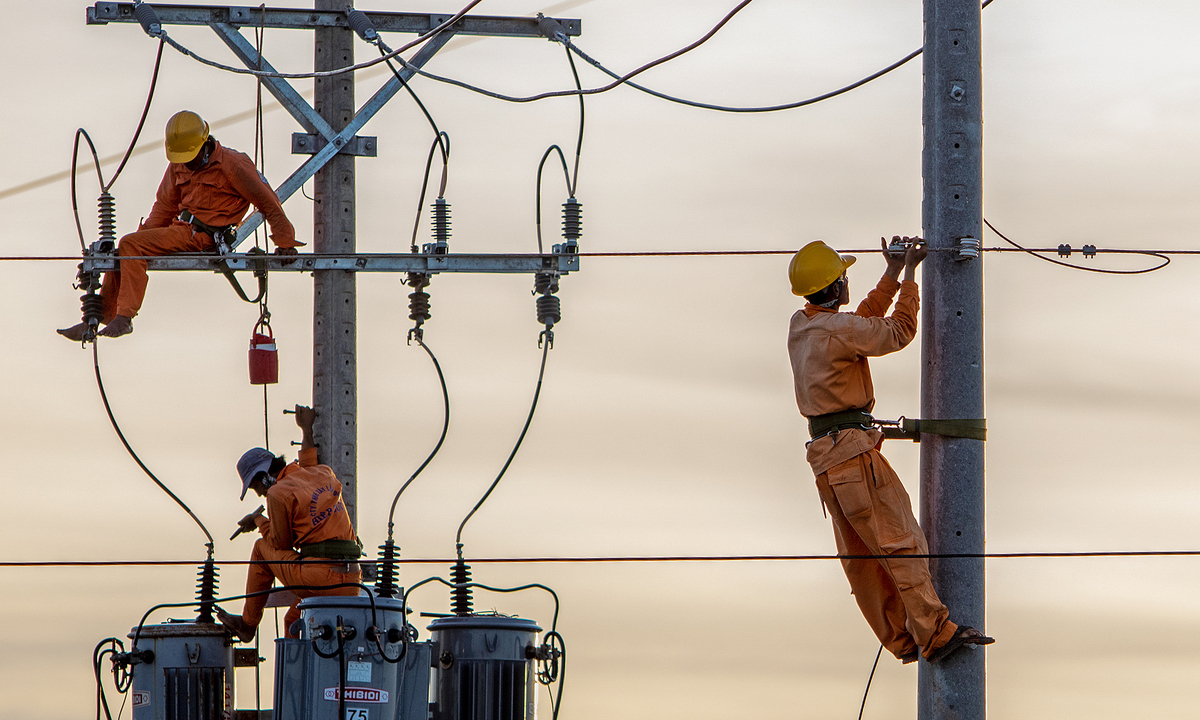
    Vietnam has been making policy changes to open up the electricity industry to private investors, but still remains far from creating a competitive market.

    Until 2006 state-owned Vietnam Electricity (EVN) owned all power plants in the country, but its monopoly has been reducing since, and it now only accounts directly or indirectly for around 37.6% of the country’s installed capacity of 80,000 megawatts.

    This means it has to pay for the remaining 62% of power supplied, mainly to gas and oil giant Petrovietnam, coal mining company Vinacomin and a number of private companies.

    The dilution of EVN’s ownership came about as private companies began to invest large amounts in power generation, especially in the last five years thanks to the boom in renewable energy.

    Private players now own 42% of installed capacity.

    But EVN retains a monopoly in electricity transmission, and owns and operates all transmission lines and substations.

    Though changes in the laws last year allow private companies to invest in transmission, so far only one company has done so, connecting its solar plant with the national grid.

    Analysts say land acquisition problems, low profit margins and red tape deter private companies from entering the transmission business.

    “The monopoly in transmission is a natural monopoly of the state” and not of EVN, Nguyen Minh Duc, a member of the Vietnam Federation of Commerce and Industry’s legal department, said.

    The government needs to retain a monopoly over transmission to ensure national energy security and prevent private companies from taking over and raising prices, he said.

    Evidently, EVN is also the sole buyer of electricity from private power plants.

    This means that the state, not EVN, actually has a monopoly in selling and transmitting electricity, Tran Van Binh of the School of Economics and Management at the Hanoi University of Science and Technology said.

    This explains why EVN has to suffer losses: Retail prices are not determined by it but by the government.

    Last year, the Ministry of Industry and Trade reviewed EVN’s operations and found that the cost of electricity production had actually by increased more than 9% since 2021, but the government eventually approved a retail price hike of only 3%, leaving EVN selling power at a loss of VND112 per kilowatt-hour.

    The government has been making policy changes for over 10 years now to create a competitive energy market, but has yet to complete the task.

    EVN remains the only buyer of electricity.

    This means that when suppliers increase prices due to higher costs, EVN will have to absorb them since it does not have the authority to increase retail tariffs.

    In the event, last year it reported a loss of VND26 trillion.

    Nguyen Dinh Cung, former head of the Central Institute for Economic Management, said production costs are set to increase considerably in the coming years, and if the same model remains in place EVN would continue to make big losses.

    If EVN is not financially healthy, it will not be able to invest in new power plants or ensure transmission stability.

    At US$0.08 per kilowatt-hour, Vietnam’s electricity prices are lower than those of several other countries in the region like Indonesia, Thailand, the Philippines, and Singapore, according to Global Petrol Prices.

    Yet the public often criticizes authorities when prices are raised, Cung said.

    Bui Xuan Hoi, principal of the Northern Electricity College, said Vietnam could “not dream” of having a competitive electricity market if the government keeps making the final call on retail prices.

    Binh of the Hanoi University of Science and Technology said: “In many countries, retail prices go up when a competitive electricity market is established. The same thing will definitely happen to Vietnam.”

    The cost of producing electricity is rising as fossil fuels like coal, oil and gas are running out while hydropower generation has reached maximum capacity.

    Duc said another downside to a competitive market is that underdeveloped areas, such as mountainous regions, would not attract private companies who prefer investing in big cities with high profits.

    This means the government will still need to intervene directly or indirectly to provide electricity to such places.

  • Diesel price continues to rise

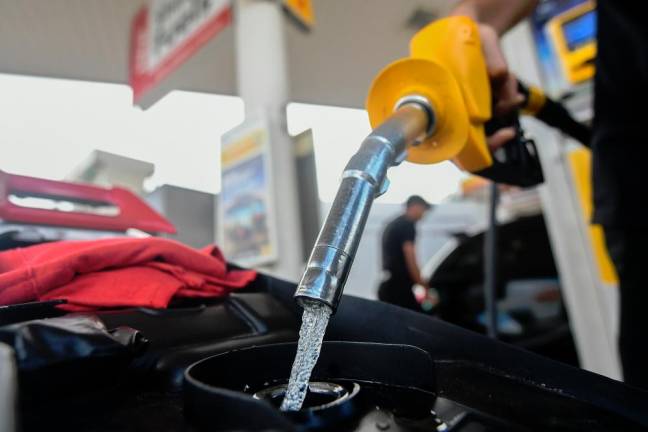
    Diesel price continues to rise

    Diesel price went up 1.81% to VND23,050 per liter on Monday, continuing its climb, which began four months ago.

    The fuel has seen its price increase by over 30% since May 11.

    Authorities said that fuel prices have been fluctuating amid concerns about tightened fuel supply after Russia extended its production cut as OPEC+ countries continued to scale down production, while China’s demand recovery has been slower than expected.

    RON92 gasoline fell 0.1% to $103,14 per barrel last week, while RON95 dropped 0.16% to $108.94.

  • Gasoline prices hit 12-month high

    Gasoline prices hit 12-month high

    Gasoline prices continued to rise on Tuesday and reached the highest since August last year.

    The popular RON95 was 1.10% higher at VND24,870 per liter.

    Biofuel RON92 price went up 0.60% to VND23,470.

    Diesel price also increased by 1.30% to VND22,640 per liter.

    Globally RON92 price went up 0.50% in the last two weeks to $103.25 per barrel, while RON95 rose 0.70% to $109.23, as Russia intended to cut its oil exports.

    Diesel was nearly 2% more expensive in the period at $118.82 per barrel.

  • YouTube Music rolls out redesigned Now Playing with comments section

    YouTube Music rolls out redesigned Now Playing with comments section

    Long gone are the days when we had to hunt for music through friends, exchange tapes, or enjoy our favorite songs solely at concerts or parties. Now, we can pick from numerous streaming services vying for our attention by bringing in fresh features. While YouTube Music isn’t exactly famous for having the most cutting-edge features compared to rival apps, it has been moving forward nicely by at last including long-promised live lyrics- and now releasing even more updates.

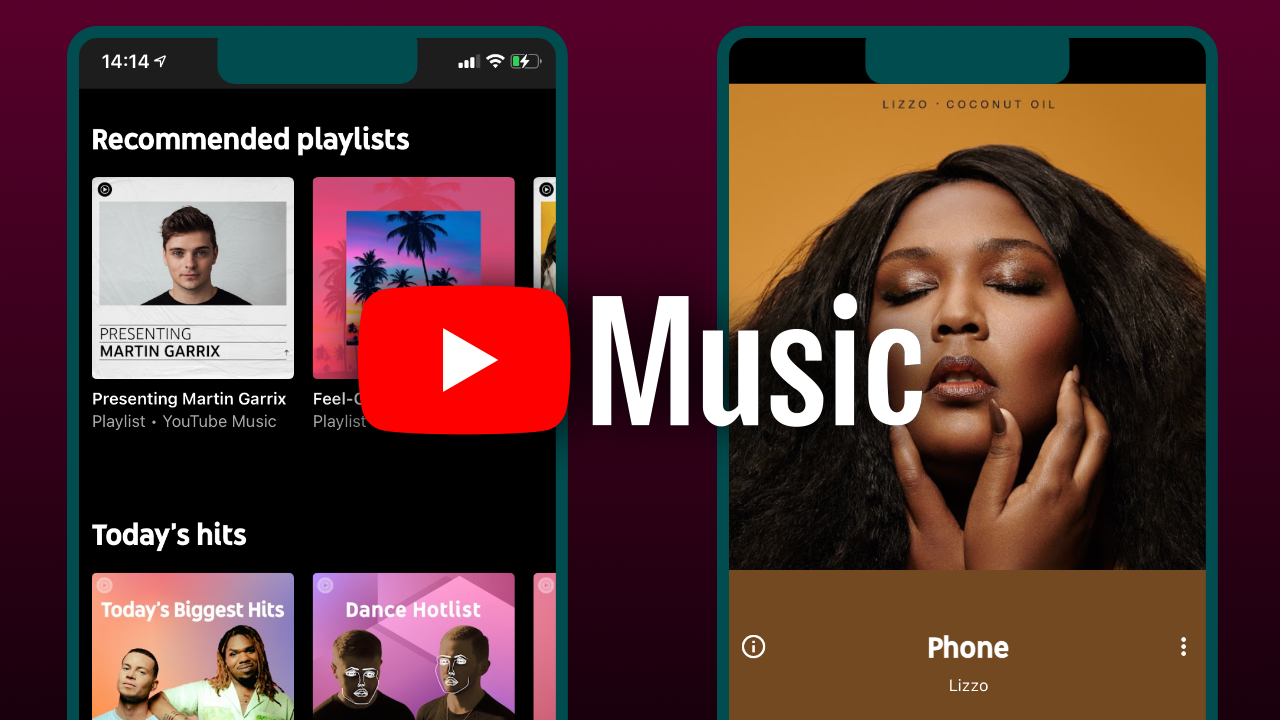
    YouTube Music is introducing the newest redesign of the Now Playing interface on both Android and iOS. This update includes a comments section and new buttons attached to the carousel. These buttons were previously hidden by default and needed users to tap on the artwork to access them.

    The new design makes YouTube Music look even more like the main YouTube app, with the comments section being a copy of what you see on the main YouTube app. The carousel now features buttons to Like, Dislike, view or add Comments, Save, Share, Download the track, or switch to its Radio. Before, only four of these choices appeared when you tapped the album art.

    For some time, YouTube Music might be the sole music streaming app with a live comments section until competitors catch up if they ever choose to. By enhancing the competitiveness of the YouTube Music app against its rivals, Google could be aiming to draw in more users.

    One of the advantages of YouTube Music is that if you already have a YouTube Premium subscription, you get access to Music Premium as well (which means no ads, offline and with your screen off streaming). Or in other words, you can save money by not subscribing to other music streaming services.

  • YouTube now gives its creators a way to wipe content violation warnings from their channel

    YouTube now gives its creators a way to wipe content violation warnings from their channel

    In a surprising move this morning, YouTube published a change to the Community Guidelines that govern what content creators can and cannot do on the platform. Under this new rule, creators that —knowingly or unknowingly— violate any of these guidelines will now get a chance to right their wrong and lift the warning from their channel.
    The announcement was made via a video posted to the official YouTube Creators channel and the YouTube Official Blog which included detailed instructions on what to expect and what creators should do in case of a violation warning. Under these revised guidelines, creators who receive a warning for policy violations now have an intriguing option at their disposal — an educational training course.
    Here’s the great part: once the creator successfully completes the course, YouTube will remove the warning from their channel, just as long as they don’t violate the same policy for the next 90 days. It’s like a friendly handshake agreement to play by the rules. However, should the creator fail to follow through, the video in question will be removed and a strike will be applied to the channel.

    If the creator violates the same policy again, but after the 90 period, the video in question will be removed and the creator will be issued another warning. However – and surprisingly – another chance will be given to take another training course and once again wipe the warning from the channel.

    This change represents a significant shift in how YouTube deals with policy violations. In the past, YouTube would move to immediately remove the video in question and apply a lifetime warning to the channel. Now, it’s all about education and second chances.
    It is clear that monetization is a big motive for the policy change. Previously, policy warnings were more general and affected the entire channel, whereas with the new policy, warnings are more specific on what was breached. Giving creators a chance to fix warnings before they become strikes will allow for more content to stay up on YouTube and avoid the 3-strike rule that has been known to get channels terminated from the platform.
  • Spotify added new ones for Android

    Spotify added new ones for Android

    Alright, let’s hear it. “Widgets suck!”, “they are archaic!” and “nobody uses them!”. Did I get that right? Well, mister-sir, if that was the case, then would one of the biggest streaming platforms — Spotify, which we all got installed on some of the best phones available today — update its widget selection for Android?

    “Ah, but manufacturers and developers are so outdated with people’s needs” you say? Well, then let me raise you this: what is one of the most used features on Spotify? Discover weekly, which allows you to find new artists and jams to rock out to.

    Now, can you guess what these new widgets are adding? That’s right: recommendations based on your listening habits, which is pretty much like an instant-discovery queue. But before I defend the concept of widgets further, let’s explain these new ones from Spotify.

    It took two years for Spotify to update its selection, so I don’t know how archaic the concept is, but I can certainly back up the statement that it is stagnant at times. Anyway, the new widgets total out at two types with both seeming really intuitive.

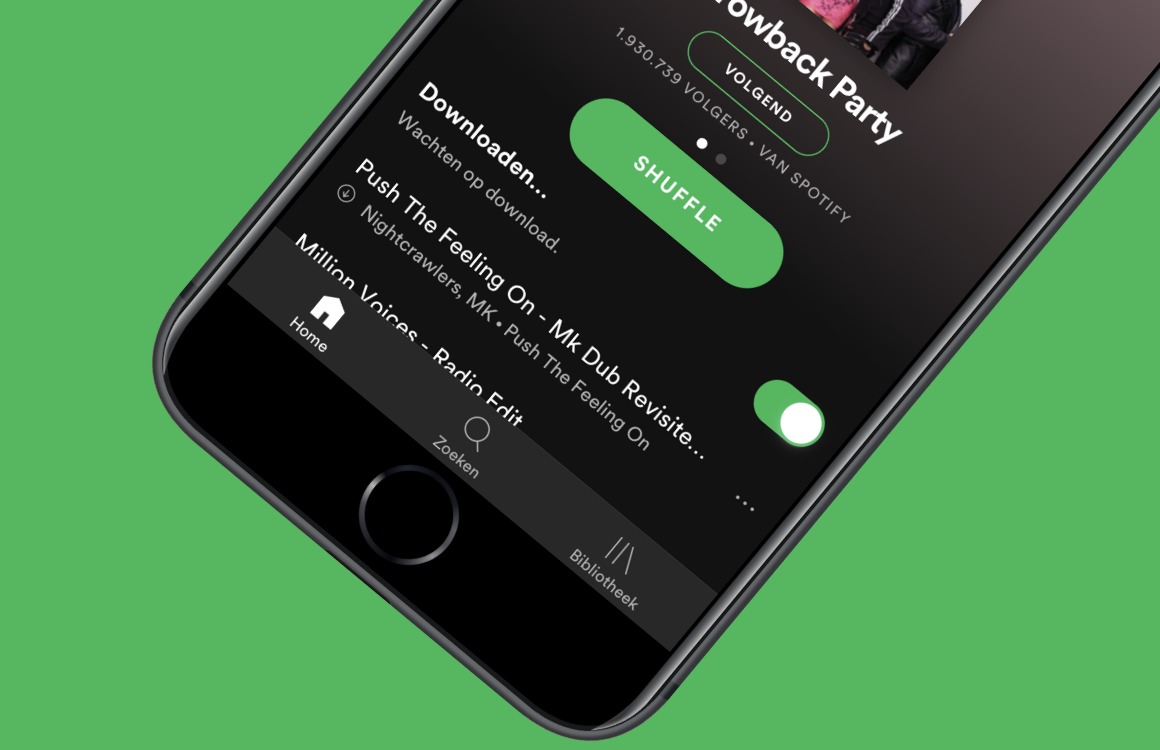
    First off we’ve got the new generic widget, which shows you what you are listening to, the song’s cover artwork — and now that’s what you call a complete package! — and, of course, media controls such as play, pause, next, etc.

    But then we’ve got the new widget, which incorporates all of the above, but also expands on the concept. It can go from a 3×2 size up to a 5×2, which allows for up to five personalized suggestions to show up beneath what is currently playing.

    And, yes, those can be anything from songs and albums to podcasts and audiobooks (where applicable). This new widget was announced last month in July, but it rolled out with version 8.8.50, which means that you may have a Spotify update pending right now.

    But beyond that, my last argument regarding widgets is this: imagine that you have a household tablet that you use for smart home and media controls. Now, wouldn’t having all necessary controls in a sleek and clean manner directly on your home screen just make sense?

    Hence, widgets can really be cool. Are they cool enough to make the transition from this theoretical tablet to your phone? That, in my opinion, depends on style. But it’s absolutely better that we have them still be a thing in 2023.

  • Netflix continues to add subscribers in the U.S. after cracking down on password sharing

    Netflix continues to add subscribers in the U.S. after cracking down on password sharing

    Once Netflix started its plan to crack down on password-sharing in May, the video streamer started to add new subscribers. A report in BroadbandTV News cited stats from Antenna which revealed that after a 12.9% decline in the number of gross additions to its U.S. subscriber list in April, Netflix saw that figure rise 27.8% in May and an incredible 128.9% in June. July showed a 25.7% drop off in U.S. gross additions.
    Still, the company did manage to add 2.6 million U.S. subscribers in July after signing up 3.5 million in June. Since the beginning of the crackdown in May, Netflix has added 7.5 million U.S. subscribers which seems to indicate that the company has done a good job in convincing password borrowers that they still want to watch the platform’s content even if they have to pay for it with their own money.
    Netflix no longer offers the basic ad-free service in the U.S. which means that besides the ad-supported tier, U.S. Netflix subscribers can choose between Standard and Premium. Priced at $15.49 monthly, Standard includes unlimited ad-free movies, TV shows, and mobile games and can be used by two supported devices at a time. Content is streamed in Full HD and one person who doesn’t live with the subscriber can be added for $7.99 per month.
    The Premium service, which costs $19.99 per month, includes unlimited ad-free movies, TV shows, and mobile games and four supported devices can use the service at a time. Content is streamed in Ultra HD, Netflix spatial audio is included, and six supported devices can download content for offline viewing. Up to two extra members who don’t live with the subscriber can be added for $7.99 per month per subscriber.
    Discussing the elimination of its old Basic package, Netflix wrote, “We’ll be interested to see how this impacts the composition of Netflix subscriptions and sign-ups overall in the coming months.” For the quarter that ended June 30, Netflix doubled projections by adding 5.9 million subscribers worldwide bringing its total globally to 238.3 million.
    Meanwhile, some of the new content on Netflix includes PainKiller, a series about the Sackler family and how it pushed doctors to prescribe its Oxycontin painkiller. The second season of Heartstopper also recently dropped on the platform.
  • Parking an expensive headache for Hanoi apartment owners

    Parking an expensive headache for Hanoi apartment owners

    Hanoi apartment owners are spending up to hundreds of million dong (VND100 million = $4,200) on parking spots in their building due to insufficient space to accommodate increasing car ownership.

    For the first time in two years, Phuong Linh in Hanoi’s Ha Dong District was able to park her car in the basement of her own apartment building after paying VND20 million to a neighbor who just moved away.

    Due to the limited space in the basement, Linh has been parking her car in other parking lots around her neighborhood ever since she moved to the building.

    Only car owners who registered early can park their vehicles in the basement, and once they move, other residents like Linh rush to purchase the right to park in the spaces they leave vacant.

    This means that on top of the VND20 million, she still has to pay monthly parking fees.

    “I have to pay a lot, but I consider myself lucky. There are 30 other residents like me waiting for the next empty parking slot.”

    Stories like Linh’s have become increasingly popular in Hanoi, a city of 8.4 million where the number of both condominiums and cars has been surging in recent years.

    Manh Dung in Nam Tu Liem District last month bought an SUV, but he only found out after the purchase that there were no car parking spots left in his building.

    Nearly 100 residents have queued for the next empty slot, he said.

    Using connections, Dung managed to contact one of the building managers and secured a parking slot for VND40 million. The deal was unofficial.

    The manager said that if he moves away in the future, he can sell the slot for almost the same price, as there will always be demand for parking slots in the building.

    “I paid right away. A basement parking space is valuable, especially when it rains.”

    Many developers have set aside auto parking areas in the basement of their buildings, but the increasing number of cars in the city has made the limited number of parking slots a treasured real estate.

    By February this year Hanoi had over one million cars, up 36% from around the same period in 2019. This means that one in every eight Hanoi residents owns a car.

    Some developers, therefore, charge big bucks for parking slots.

    A developer of a 40-floor condominium in Ha Dong District earlier this year charged VND220 million for a 20-year parking space rental contract.

    It also offered to sell a parking slot permanently at VND400 million for a sedan, and nearly VND500 million for an SUV.

    Due to the high price tag, some residents at the building have no choice but to find outdoor neighborhood parking lots and pay around VND1.2 million a month per vehicle.

    In July, a developer of a 30-floor building in Thanh Xuan District charged VND60 million upfront for a five-year car parking slot. Residents protested the policy, saying that they did not want to pay such a hefty sum all at once.

    The developer also offered to lease a parking slot for VND200 million over 40 years. This means that a resident of a 70-square-meter apartment in the building would have to pay 10% of their apartment price for parking.

    Nguyen Viet Huy, a lecturer at Hanoi University of Construction, said that the competition for car parking space at condominiums has become more popular in Hanoi in recent years.

    There are legal requirements on how much parking space is needed at every condo project, but the figures are not backed by any scientific study, he added.

    Dao Ngoc Nghiem, deputy chairman of Hanoi Urban Development Planning Association, said that many developers who built their projects 10 years ago did not expect the number of immigrants in Hanoi would rise as fast at around 1.4% annually.

    “Parking space therefore have become one of the top criteria in apartment purchasing these days.”

    The lack of public parking spaces also contributes to the issue, as only 10% of parking demand in Hanoi has been met, he said, adding that more elevated and underground parking lots should be built.

  • Vöost launches skin hydration effervescent products

    Vöost launches skin hydration effervescent products

    Australian supplement brand Vöost has added two new beauty products to its extensive range of effervescent vitamins and minerals.

    The company says its new Vöost + Skin Hydration and Vöost + Hair, Skin & Nails are designed to support healthy skin, hair and nails from within. The new additions will join the Vöost Collagen effervescent range.

    The Vöost+ Skin Hydration in Rose Lemonade flavour features hyaluronic acid which supports skin hydration, skin elasticity and firmness and helps to relieve skin dryness.

    It contains vitamin C and vitamin E which act as supporting ingredients to reduce free radical damage to body cells.

    Meanwhile, the Vöost + Hair, Skin & Nails in Strawberry + Kiwi flavour contains biotin, selenium, vitamin E, vitamin C and zinc. It supports healthy hair and skin, nails as well as collagen formation.

    The products are available in Woolworths, Coles and Chemist Warehouse stores and online.

  • EVN to review electricity prices every three months

    EVN to review electricity prices every three months

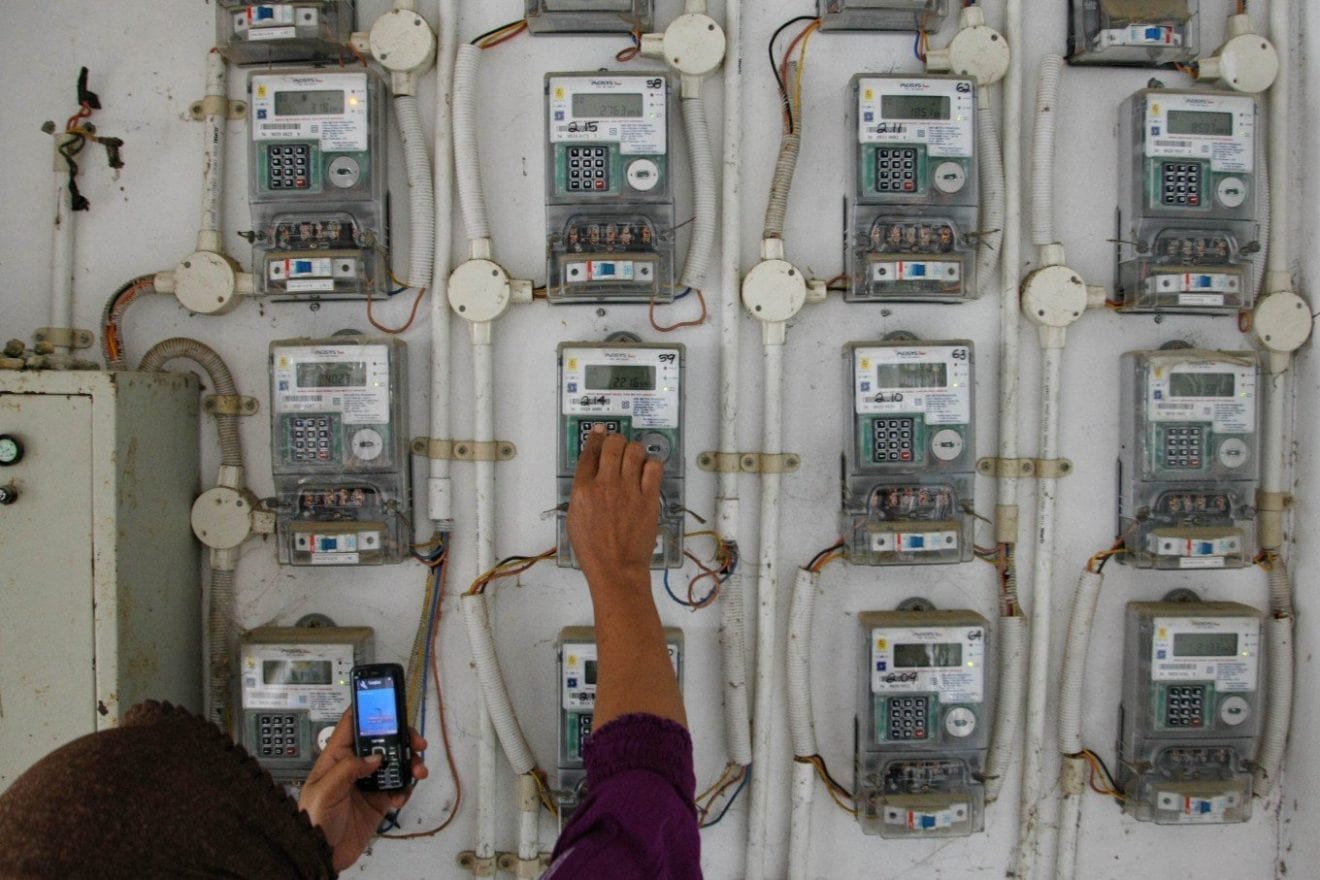
    National utility Electricity of Vietnam (EVN) has agreed with a proposal of the Ministry of Industry and Trade to review retail electricity prices every three months to decide whether to make any adjustments.

    If production costs increase by 3-5%, EVN is allowed to raise retail prices accordingly, but it needs to wait at least three months from the last adjustment, according to a draft decision that is being reviewed by government bodies.

    If costs rise by 5-10% the raise must be approved by the Ministry of Industry and Trade, and higher hikes must be decided by the Prime Minister.

    EVN suggested that the cost of electricity transmission includes system management costs after authorities proposed that the National Load Dispatch Center be moved from EVN to the Ministry of Industry and Trade.

    Vietnam in May raised its retail electricity prices by 3% for the first time in four years.

    Analysts said earlier that retail prices were unchanged for a long time and therefore were not updated with changes in production costs.

  • Gasoline prices up in 5th straight time

    Gasoline prices up in 5th straight time

    Gas prices went up for the fifth time in a row on Monday, having increased non-stop since early July.

    The popular gasoline RON95 was 2.54% higher at VND24,600 per liter. Biofuel E5 RON92 rose 2.23% to VND23,330.

    Diesel fell for the first time in more than three months, dropping 1.79% to VND17,980.

    According to the Ministry of Industry and Trade and the Ministry of Finance, China used its oil reserves to prevent OPEC+ countries from reducing their supply.

    RON92 was 3.14% more expensive at $102.76 per barrel.

    But diesel dropped 0.3% to $116.72 per barrel.

  • Netflix turns your iPhone into a game controller

    Netflix turns your iPhone into a game controller

    A couple of years back, in 2021, Netflix rolled out games on its mobile app. At first, the mobile games collection was kinda tiny, but over time, it got bigger and loaded with loads of free mobile games for Netflix subscribers. Netflix is also getting ready to toss games onto the TV scene too, and it looks like it is getting closer to the launch day by introducing its new Netflix Game Controller app.

    The new app will allow you to play games on TV by using your phone as a controller. You will have to pair your phone with the TV to play the games when they become available on Netflix. The company says it will happen soon. The app is only available for iOS in the App Store.

    Using your iPhone or iPad as a controller sounds like a pretty cool idea because you wouldn’t need to purchase an extra controller to play on your TV.

    There are dozens of games you can play on the Netflix mobile app. The streaming service is adding 40 new mobile games this year and stating that 70 titles are currently in development with its partners. Some of the most popular games on the platform are based on hit shows like Stranger Things and Queen’s Gambit.

    Lately, Netflix has stopped offering its Basic plan in the US and UK, pushing users to opt for pricier options to keep using the service. Meanwhile, Netflix hasn’t raised its plan prices for over a year, likely in an effort to retain more paying subscribers following its password-sharing crackdown.

    As games make their way onto TV screens, we’ll find out whether the prices will remain unchanged or if this new feature will bring about a price hike.

  • Disney hikes pricing of its ad-free streaming services, plans to stop password sharing in 2024

    Disney hikes pricing of its ad-free streaming services, plans to stop password sharing in 2024

    Some big changes are coming to Disney’s streaming services as ad-free Disney+ and Hulu prices are getting hiked. At the same time, Disney says that it wants to start  “actively exploring” how it can better police password sharing just as Netflix is now doing. The company might feel some pressure since the number of global Disney+ subscribers declined for just the second time during the second quarter to 157.8 million, a 4 million decline from the first quarter figure.
    As for ways to combat password sharing, the other day during Disney’s quarterly conference call, CEO Bob Iger said, “We are actively exploring ways to address account sharing and the best options for paying subscribers to share their accounts with friends and family. Later this year, we will begin to update our subscriber agreements with additional terms and our sharing policies. And we will roll out tactics to drive monetization sometime in 2024.”
    Iger added, “We already have the technical capability to monitor much of this, and I’m not gonna give you a specific number except to say it’s significant. We certainly have established this as a real priority, and we actually think that there’s an opportunity here to help us grow our business.”
    If Iger is right about the timing, those Disney+ users viewing the platform thanks to a shared password have at least until the end of this year to continue this behavior.