Category: Living

Retail News Asia is committed to providing both local and global retailers with the latest Living news throughout the Asian market. This on a daily base.

  • Spotify acquires another company to further improve podcasts discovery

    Spotify acquires another company to further improve podcasts discovery

    Spotify bought a few small companies in the last couple of months to further improve the podcast experience. Over the weekend, the music streaming company announced another acquisition that’s meant to contribute to building the best podcast discovery experience: Podz.

    Podz is a small company that owns a technology that Spotify thinks it can successfully complement its own to accelerate the efforts to drive discovery and deliver listeners the right content when they need it.

    Podz technology, just like Spotify’s, is powered by machine learning and generates high-quality clips that offer users the chance to preview important moments from podcast episodes. To sum it up, thanks to the new acquisition, Spotify should be able to make it easier for its listeners to find the content they want to listen to, and for creators to be discovered and build a fan base.

    According to Spotify, Podz technology will be integrated into the music streaming service beginning this year, so users should start seeing the first improvements before the end of 2021.

  • Hairdressers, manicurists make house calls to survive Covid

    Hairdressers, manicurists make house calls to survive Covid

    Barbers in Hanoi and HCMC are going to customers’ homes to make a living as their shops remain closed due to the Covid-19 pandemic. For a month now Nguyen Thai Hoang, 27, a hairdresser in Hanoi’s Long Bien District, has had his business disrupted, and he has begun to visit his customers instead.

    He said: “Since the city ordered salons to close we have no choice but to provide services at our customers’ homes. It’s the only way we earn a living amid the pandemic.” His monthly income of around VND10 million ($435) has fallen by 90 percent after the fourth wave of Covid hit Vietnam two months ago.

    On a Facebook group with 1,400 members in Hanoi, there are around 20 posts every day by barbers offering to visit customers’ houses for VND50,000-100,000 plus transportation.

    “We’ll bring mirrors, masks, protective shields, and rubber gloves to ensure your safety,” one post by a salon in Thanh Xuan District with 20 barbers said.

    “Our job is the same but we have to travel a lot more so it is more challenging,” a barber in Hanoi’s Ha Dong District who asked not be identified said.

    “We still have to pay rents so this is the best we can do while we wait for everything to reopen.”

    Many people have not had a proper haircut since the end of April when everything closed.

    “No salon near my building is open, so I get a barber to come and trim my hair in the hallway of my apartment,” Le Manh Hung, who lives in Hoang Mai District, said.

    “It was uncomfortable to have neighbors walk by and stare, but I got what I needed.”

    On social media there are also many offers for nail, spa, and skin care services.

    In HCMC’s Tan Binh District, last month Mai had to shut her hair and nail salon, which is the main source of income for her family.

    “I had to ask for time to pay rent,” the 40-year-old woman said. She has been providing customers with hairdressing and nail services at home to earn some money.

    However, authorities have expressed concern about this. Nguyen Hong Tam, deputy director of the HCMC Center for Disease Control, said people cannot maintain a minimum distance of two meters when doing hair and nails, and therefore this is a violation of Covid-19 regulations.

    “Going to customers’ homes means shops are still operating, and this is also a violation,” he said.

    But hairdressers are concerned about putting food on the table for their family. Hoang, who has to take care of his mother and grandmother, has three customers booked for tomorrow and he has no intention of canceling them.

  • YouTube users running iOS will soon be able to use PiP to multitask

    YouTube users running iOS will soon be able to use PiP to multitask

    YouTube said today that its Premium subscribers using iOS are currently receiving support for the iOS 14 picture-in-picture mode. All U.S YouTube users running iOS will eventually get this mode regardless if they have a Premium subscription or not. Explaining what picture-in-picture does, YouTube said in a statement that, “Picture-in-Picture (PiP) allows users to watch YouTube videos in a small mini player while simultaneously browsing outside of the YouTube app on their mobile device.”

    YouTube reiterated what we said in the first paragraph. “We’re starting to roll out PiP (picture-in-picture) for YouTube Premium members on iOS and plan to launch PiP for all U.S. iOS users as well.” With this feature, YouTube users will be able to shut the YouTube app and continue viewing the video that they were watching from a small pop-up window.

    There had been certain workarounds that YouTube users with an iPhone could use on mobile Safari to get PiP to run. That would include asking the mobile browser to run the desktop version of YouTube. That workaround has been blocked and frankly, based on what the Google unit is saying today, there really is no reason to put together a workaround for YouTube PiP on iOS.

    Android users viewing YouTube for free already have had the ability to view YouTube video using PiP for multitasking. For years, YouTube had constantly tried to get iPhone users to sign up for the Premium service by promoting PiP multitasking. But soon, even YouTube non-subscribers will be able to use PiP to multitask in the U.S.

  • Laos to supply Vietnam power from Mitsubishi-built wind farm

    Laos to supply Vietnam power from Mitsubishi-built wind farm

    Japan’s Mitsubishi Corporation will develop Southeast Asia’s largest wind farm in Laos to supply electricity to Vietnam, where demand is expected to grow continuously.

    The 600-megawatt onshore project, the first wind farm in Laos, will be located in the southern provinces of Sekong and Attapeu, the company said in a statement.

    By installing a dedicated transmission line to Vietnam, power from the wind farm, which is set to begin commercial operations by 2023, will be sold to national utility Vietnam Electricity for 25 years.

    It is expected that Vietnam’s growing economy will have high demand for power, especially during the dry season, when hydropower generation is limited.

    The onshore wind farm is being developed as part of a memorandum of understanding on power interchange signed between the Vietnamese and Lao governments in October 2016.

    It is expected to be the first cross-border electricity interchange from wind power generation in Southeast Asia.

  • Apple scores big Health Records app win by partnering with the Mayo Clinic

    Apple scores big Health Records app win by partnering with the Mayo Clinic

    While the Wall Street Journal was waxing poetic how Apple’s health industry push has stalled, we wouldn’t be underestimating its transformative potential in the field. Apple, after all, has proven numerous times that it may start slow and tread carefully, but the sheer scale of its market size eventually overcomes the pushback from new industries it is trying to break into.

    The latest case in point are its Health Records app that now has access to your patient portal in the renowned Mayo Clinic network, adding to the list of the already announced Apple Health partners in the HMO intermediary realm.

    The Mayo Clinic access would undoubtedly add plenty to the street cred of the Health Records app, and we don’t need to extoll the institution’s numerous virtues to back up this claim. This partnership is what resulted in the still-unsurpassed ECG function of the Apple Watch that took years to master with the help of Mayo Clinic physicians and databases that spearheaded the algorithm’s creation.

    What can a Mayo network patient can expect from the integration of their data in the Apple Health Records app when the service becomes live this fall? Well, those with an online patient portal account at the Mayo Clinic now have the alternative of the Health Records app to view their health data from multiple providers.

    Android users have the option of a similar app called CommonHealth but Apple has the advantage of sharing the health data derived from its Apple Watch like heart rate and detected falls directly with their physicians.

    While Google hasn’t given up on digitizing your personal health data with a new hospital chain partnership, Apple may eat its lunch in the field by simply leveraging the abundance of information collected in its Health app.

    That’s where all the Apple Watch sensor readings go, for instance, and Apple is now offering you the option to share your health data not only with your doctor, but with friends and family as well, so that users have “a trusted partner on their health journey.”

    New Apple Health app data features in iOS 15:

    • Walking Steadiness – new Mobility algorithms assess balance, stability, and coordination via the iPhone/Watch sensors.
    • Trends – long-term changes in various health and fitness metrics that the Apple Health app integrates.
    • Better Labs – bloodwork lab data tracking and analysis.

    All of these new and old data points can now be securely shared with either your doctor, or your loved ones, so you can have both a specialist and a person that is closer to you, be up to date with your health and fitness points at the same time, for an increased scope of coverage in case something unforeseen happens.

    By the fall, when iOS 15 and watchOS 8 hit your palm and your wrist, respectively, Apple will have likely scooped up many more partners for its Health Records sharing initiative, so we wouldn’t count them out in the health industry realm just yet.

  • Spotify’s rebranded Locker Room mobile app rolling out globally as Greenroom

    Spotify’s rebranded Locker Room mobile app rolling out globally as Greenroom

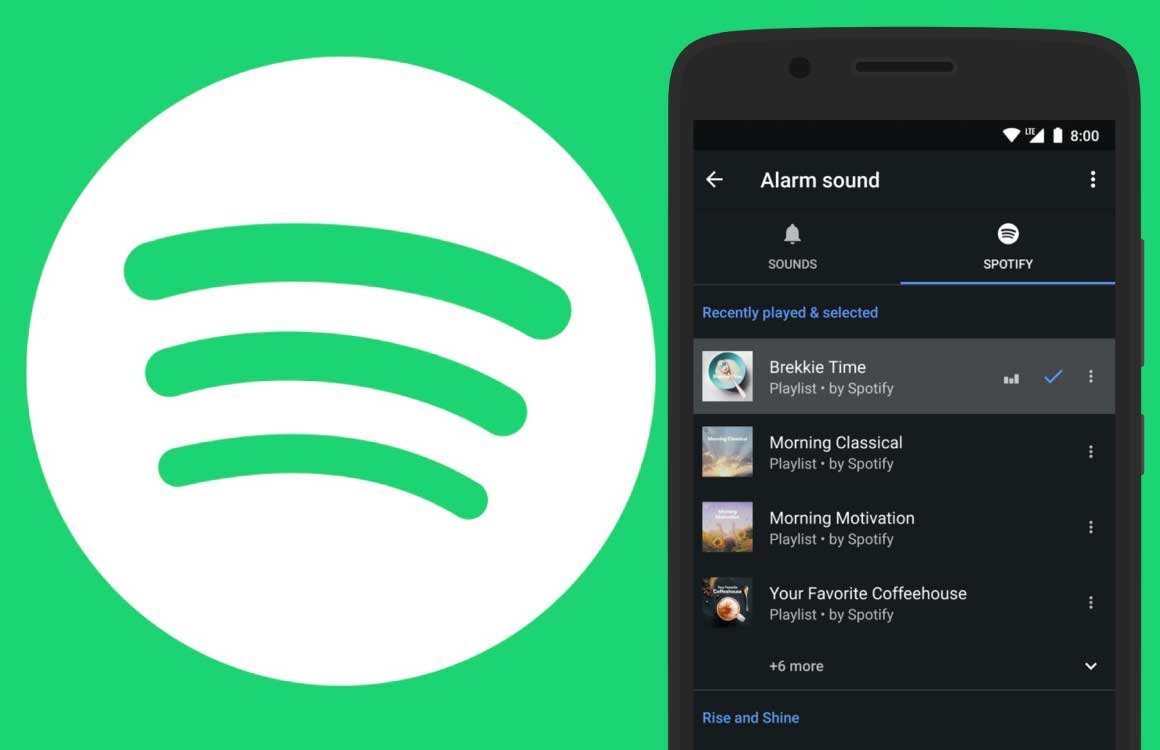
    Locker Room is the mobile app developed by Betty Labs, a studio that’s been acquired by Spotify a few months ago. Originally, Locker Room was an invitation-only social platform dedicated to sports fans, but after being bought by Spotify, the app’s goals have been expanded to accommodate music lovers too.

    More importantly, the app has been renamed to Greenroom and released to more than 135 markets around the world. The new app is now available in its new form on both Android and iOS devices, and here are some of the new features added after Spotify’s acquisition:

    • New app branding (aka Greenroom) and a new overall look and feel
    • The ability for any user to host or participate in live rooms
    • A way to join Greenroom using your Spotify log-in info
    • A new onboarding experience that puts users’ interests front and center
    • Recording capabilities so you can complement your on-demand content with live conversations
    • Chat controls to ensure the best possible experience

    According to Spotify, more new programming to the platform spanning music, culture, and entertainment topics will be added to the app on top of the sports content the previous Locker Room app has been known for.

    In its current state, Greenroom is meant to optimize interactivity and deep connections between participants in live rooms, as well as make it easier for artists to keep in touch with their fans.

  • Vitamin subscription service Vitable raises $5.5m venture funding

    Vitamin subscription service Vitable raises $5.5m venture funding

    Australian vitamin retailing disruptor Vitable has secured $5.5 million in a series A funding round, drawing interest from a raft of recognized investors including Germany’s Rocket Internet, parent of Global Fashion Group and Hello Fresh, among others.

    Founded by Larah Loutati and Ilyas Anane (pictured above) just two years ago, Vitable operates a subscription-based service in Australia, New Zealand and Singapore, creating personalized vitamin and health supplement recommendations for customers who complete an online questionnaire. The monthly orders can be adjusted as the customer’s health needs change and the mobile app provides notification reminders to help build a daily routine and track progress.

    The company says the fresh funds will allow expansion into the wider Asia-Pacific region as it aims to take a share of a global dietary supplement market projected by Grand View Research to be worth US$230 billion by 2027.

    “Ultimately Vitable will grow beyond its core vitamin offer towards a broader vision of a personalized and holistic health and wellness experience, an industry McKinsey recently valued at US$1.5 trillion,” said Loutati, announcing the closing of the funding round.

    Led by Brenteca Investments, other investors include former MD of LinkedIn ANZ and serial tech investor, Clifford Rosenberg, and venture capital firm Artesian.

    Besides boosting geographic expansion, the money will be allocated to product and app development and the recruitment of key personnel.

    “Personalisation and honest guidance through selection and purchase are the future of vitamins and mineral supplements,” said Loutati.

    “This mix of personalization and convenience increases engagement, education, and ultimate user wellbeing.”

    Dave Fenlon, Group CEO BWX Brands and Oliver Samwer, CEO, Rocket Internet, are both members of Vitable’s board of advisors.

    “Vitable is growing rapidly and disrupting a traditional business model that is inefficient and expensive,” said Alexandra Clunies-Ross of Artesian. “The world is increasingly digital, and consumers no longer want to buy supplements from traditional suppliers. Instead, they are looking for more personalized services that can tailor high-quality products to their individual lifestyle and have them delivered to their home for convenience.”

  • Netflix Online store offers limited-edition merchandise

    Netflix Online store offers limited-edition merchandise

    Netflix will launch an online store to sell limited-edition apparel, lifestyle merchandise, and collectibles based on Stranger Things, Lupin, and other popular shows, the streaming giant said on Thursday.

    Netflix.shop will be available in the United States starting on Thursday and expand to other countries in the coming months, Netflix said in a blog post.

    The video streaming pioneer is facing a growing list of competitors offering their own streaming services with new movies and TV shows. In April, Netflix fell short of Wall Street projections for new subscribers.

    The online store offers a new source of revenue for Netflix and expands its product line beyond the items it sells through partners such as Target and Walmart.

    Merchandise in the online shop will be “carefully selected high-quality apparel and lifestyle products,” the company said.

    Items debuting this month include streetwear and action figures based on anime series Yasuke and Eden” and apparel and decorative items inspired by French crime thriller Lupin, Netflix said. The Lupin products were developed with the Louvre museum.

    In the future, the company plans to introduce products based on hit series “The Witcher” and “Stranger Things” and Netflix logo-wear from Japanese fashion house BEAMS.

    Netflix has also created video games based on shows Stranger Things and La casa de Papel (Money Heist).

  • Amazon launches Pharmacy subscription offer in US

    Amazon launches Pharmacy subscription offer in US

    Amazon.com Inc said on Tuesday it was now offering six-month prescriptions starting at $6 for medications of common health issues through its pharmacy.

    The company said prime members would get additional savings when paying without insurance. Customers can pay as low as $1 per month for select medications, including drugs to treat diabetes and blood pressure, and will get free two-day delivery.

    The e-commerce giant launched an online pharmacy in November for delivering prescription medications in the United States and stirring up competition with drug retailers such as Walgreens Boots Alliance, CVS Health and Walmart.

    Shares of pharmacy chains and drug wholesalers fell in morning trading as Amazon’s launch of online pharmacies has been a threat to brick-and-mortar pharmacies at a time when e-commerce has surged due to Covid-19 restrictions.

    Shares of Walgreens and CVS were down 1.2% each, and those of drug distributors AmerisourceBergen Corp and McKesson Corp fell 1% and 1.7%, respectively.

    Amazon is also looking at launching physical pharmacies in the United States, the Insider reported last month.

    Under the new offering, customers can search for their medication by name and find out if it’s eligible for a six-month supply and what the price it will be when using the Prime prescription savings benefit, the company said.

    It added that the supplies would be available only for customers who have a prescription from their healthcare providers.

    Amazon has been trying to enter the pharmacy market since its 2018 acquisition of PillPack, which is a platform used by customers who need pre-sorted doses of multiple drugs.

    Rival Walgreens offers free same-day and next-day delivery options for drugs.

  • Mad Paws to buy dog-treats subscription business Waggly Club

    Mad Paws to buy dog-treats subscription business Waggly Club

    Pet sitting and dog walking service Mad Paws is set to acquire dog-treats subscription retailer Waggly Club.

    Under the agreement, Mad Paws will buy 100 percent of the shares in Gasset Group, which owns Waggly Club, for $2 million in cash payable on completion and $1 million in Mad Paws fully paid ordinary shares. The acquisition is expected to be completed today.

    “We are always interested in strategic acquisitions that accelerate our growth and which fit into the Mad Paws strategy,” said Justus Hammer, CEO of Mad Paws. “The Waggly group perfectly complements Mad Paws not just from a product and strategy perspective but we share the same passion for helping pets to live their lives to the fullest.”

    Founded by Kate Herbert in 2016, Waggly Club provides monthly subscription boxes of Australian-made healthy dog treats and toys. Waggly Club revenue has surged from $800,000 to $1.5 million from FY 2020 to FY 2021.

    “As we look to our next horizon, my aim is to scale Waggly and reach more and more dogs and their fur parents each month,” said Kate Herbert, CEO and founder of Waggly Club.

    “Our products are complementary not only to the Mad Paws Dinner Bowl and Insurance offerings but also for distribution and promotion via the Mad Paws marketplace network.”

  • Vingroup sets up drug company

    Vingroup sets up drug company

    Vietnam’s largest private company, Vingroup, has established pharmaceutical company Vinbiocare with a charter capital of VND200 billion ($8.6 million).

    Its focus will be on medicine, vaccines.

    Vingroup owns 69 percent of Vinbiocare Biotechnology JSC, its formal name, which is headquartered in Hanoi, while Phan Quoc Viet, CEO of tech firm Viet A Technology Corporation, owns 30 percent. The remaining 1 percent is held by an individual investor, Phan Thu Huong.

    Mai Phuong Noi, deputy CEO of Vingroup, is its chairwoman.

    Vingroup entered the pharmaceutical industry in 2018 by establishing Vinfa JSC and setting up a plant in Gia Binh District in the northern Bac Ninh Province.

  • Hanoi metro tickets to cost $0.35-0.65

    Hanoi metro tickets to cost $0.35-0.65

    Fares on Hanoi’s first metro will range from VND8,000-15,000 ($0.35-0.65).

    City authorities have also decided that a day pass on the Cat Linh – Ha Dong metro line for unlimited trips will cost VND30,000.

    A monthly pass will cost VND200,000 and half that for students and workers at industrial parks.

    For businesses buying the monthly pass for its employees, the rate will be VND140,000.

    Travel will be free for seniors, children under six, people with disabilities, and people designated by the government as poor.

    Fares are subsidized to boost the use of public transport, city authorities said.

    People using non-cash payment methods will get a discount of VND500 per trip.

    Travel will be free for the first 15 days after the metro begins operation, though the start date has not been announced yet.

    The full trip from Cat Linh to the south-western district of Ha Dong through 12 stations will take 25 minutes.

    A train can carry 960 passengers.

    Trains will run from 5 a.m. to 11 p.m every day.

  • Industry ministry seeks Covid vaccination priority for retail workers

    Industry ministry seeks Covid vaccination priority for retail workers

    The Ministry of Industry and Trade wants employees at retailers selling essential goods to be prioritized for Covid-19 vaccination, saying they face a high risk of infection.

    It has made the proposal to the Government following demands from large retail chains and the Association of Vietnam Retailers.

    It said workers at supermarkets, convenience stores, traditional markets, and grocery stores come in contact with large numbers of customers on a daily basis. Vaccinating them would also ensure supply chains of essential goods are not disrupted.

    It also urged the Ministry of Health to assist retail businesses with sourcing vaccines and immunizing their workers.

    Some retailers have said they will pay for the vaccines.

    Enterprises in some other sectors like textile and garment, footwear, fisheries, and electronics have also called for prioritizing their workers since most work in industrial zones and face great risk.

    Le Tien Truong, chairman of the Vietnam National Textile and Garment Group (Vinatex), said delayed deliveries could result in contract cancellations and penalties running into billions of dollars, and so textile and garment workers should be prioritized for vaccination, especially in pandemic-hit areas like Bac Ninh and Bac Giang Provinces, HCMC and Hanoi.

    “Vinatex is willing to pay for the vaccines.” He said it is prepared to spend VND100-200 billion ($4.3-8.6 million) for the vaccinations.

    The Private Economic Development Research Board has recommended that the government should allow enterprises to directly buy vaccines from suppliers for their employees.

    Vietnam has had 5,008 Covid cases as of Friday morning in 37 cities and provinces since the new wave began on April 27.

  • Macro launches eco-friendly household cleaning products range

    Macro launches eco-friendly household cleaning products range

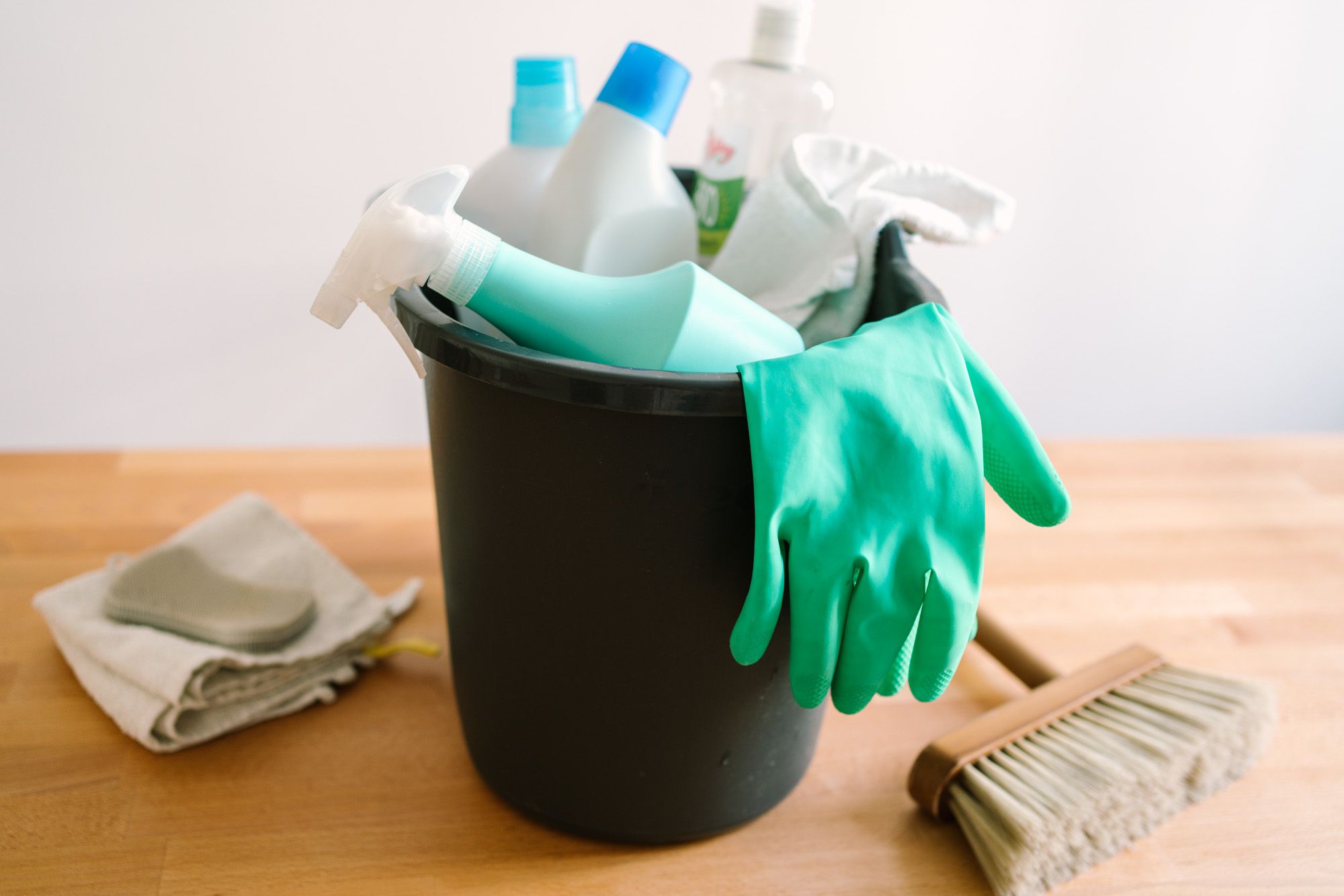
    Macro Wholefoods, Woolworths’ health, and food brand, has expanded into the home category with the launch of “Macro Whole Living”, a range of eco-friendly household cleaning products.

    Products include laundry powders, kitchen liquids and tablets, and multipurpose sprays, which the brand says will help customers keep their homes fresh and clean without harsh chemicals.

    The product range is not tested on animals, contains no synthetic fragrance or dyes, is greywater and septic tank safe, and independently certified by Good Environmental Choice Australia (GECA) under their Cleaning Products and Machine Dishwashing Standards.

    Each Kitchen and Multipurpose bottle from Macro Whole Living is made from 100-per-cent recycled material. In contrast, the Laundry bottle is made from 75-per-cent recycled material and uses a paper scoop instead of the traditional plastic.

    Woolworths is also introducing its first cleaning product refill station, trialed at Burwood Brickworks in Melbourne, where customers can refill their bottles with three products from the Macro Whole Living Range – laundry liquid, multipurpose surface cleaner, and dishwashing liquid.

    The refill stations aim to reduce plastic waste by allowing customers to re-use their existing bottles.

    Pether Hathaway, GM of Macro Wholefoods, said that as more customers look for eco-friendly cleaning products, introducing a cleaning line was a natural extension for the brand to help them make better choices.

    “We’ve put the entire range of Macro Whole Living products through independent tests to ensure they’re not only tough on dirt, grease, and stains but equally as gentle on the environment.”

  • Tidal launches Apple Watch app, adds offline playback

    Tidal launches Apple Watch app, adds offline playback

    Tidal follows in the footsteps of other music streaming services like Deezer and Spotify, which recently announced new offline playback features for the Apple Watch. Beginning today, Tidal subscribers can download the new Apple Watch app and start listening to their favorite tunes.

    Although Tidal was until recently the only music streaming service to offer lossless audio format, that will not be available on the Apple Watch. Tidal announced that subscribers using its Apple Watch app will be limited to 96 Kbps.

    It’s important to mention that the new Tidal app is only compatible with Apple Watch Series 3 or later running WatchOS 7.1 and up. To start listening to music on your Apple Watch, simply download the Tidal app on the smartwatch, head to link.tidal.com, and use the code shown on your watch screen.

    Keep in mind that you can also download music on your Apple Watch and listen offline from anywhere without internet connectivity. Also, you can control the playback of Tidal directly from your Apple Watch independent of your iPhone.