Category: Living

Retail News Asia is committed to providing both local and global retailers with the latest Living news throughout the Asian market. This on a daily base.

  • Malaysian firm to buy stake in five solar farms in Vietnam

    Malaysian firm to buy stake in five solar farms in Vietnam

    A subsidiary of Malaysia’s largest power utility, Tenaga Nasional Berhad, plans to acquire a 39 percent stake in five Vietnamese solar power projects from Singapore’s Sunseap Group.

    The farms were built last December in southern Vietnam and have a total capacity of 21.6 MW.

    After selling 39 percent to TNB Renewables, likely this month, Sunseap will own a 51 percent stake in them.

    President and CEO of TNB, Datuk Bahrain Din, said the deal would mark TNB’s entry into Vietnam’s fast-growing renewable energy and utility market.

    Sunseap Group owns projects in Singapore, Australia, Vietnam, China, Taiwan, and Cambodia.

    In 2019, it completed the $150-million solar farm, the solar power plant CMX Renewable Energy Vietnam, one of the country’s largest in central Ninh Thuan Province.

    TNB has projects in the UK, Kuwait, Turkey, Saudi Arabia, Pakistan, India, and Indonesia, and expects to have 8.3 GW of renewable energy by 2025.

    Of the foreign investors in Vietnam’s renewables sector, the majority are from Thailand.

    In 2020 Thailand’s Super Energy Corporation Public Company invested $456.7 million to build four solar plants in southern Vietnam, Loc Ninh 1, 2, 3, and 4.

    Gulf Group increased its ownership of two solar farms in the southern province of Tay Ninh from 49 percent to 90 percent in the second quarter of last year.

    In 2019, AC Energy, a subsidiary of the Philippines’ Ayala company, and Vietnam’s BIM Group established BIM/AC Renewables to develop projects in the central Ninh Thuan Province.

  • World Bank okays $86 mln for energy efficiency in Vietnam

    World Bank okays $86 mln for energy efficiency in Vietnam

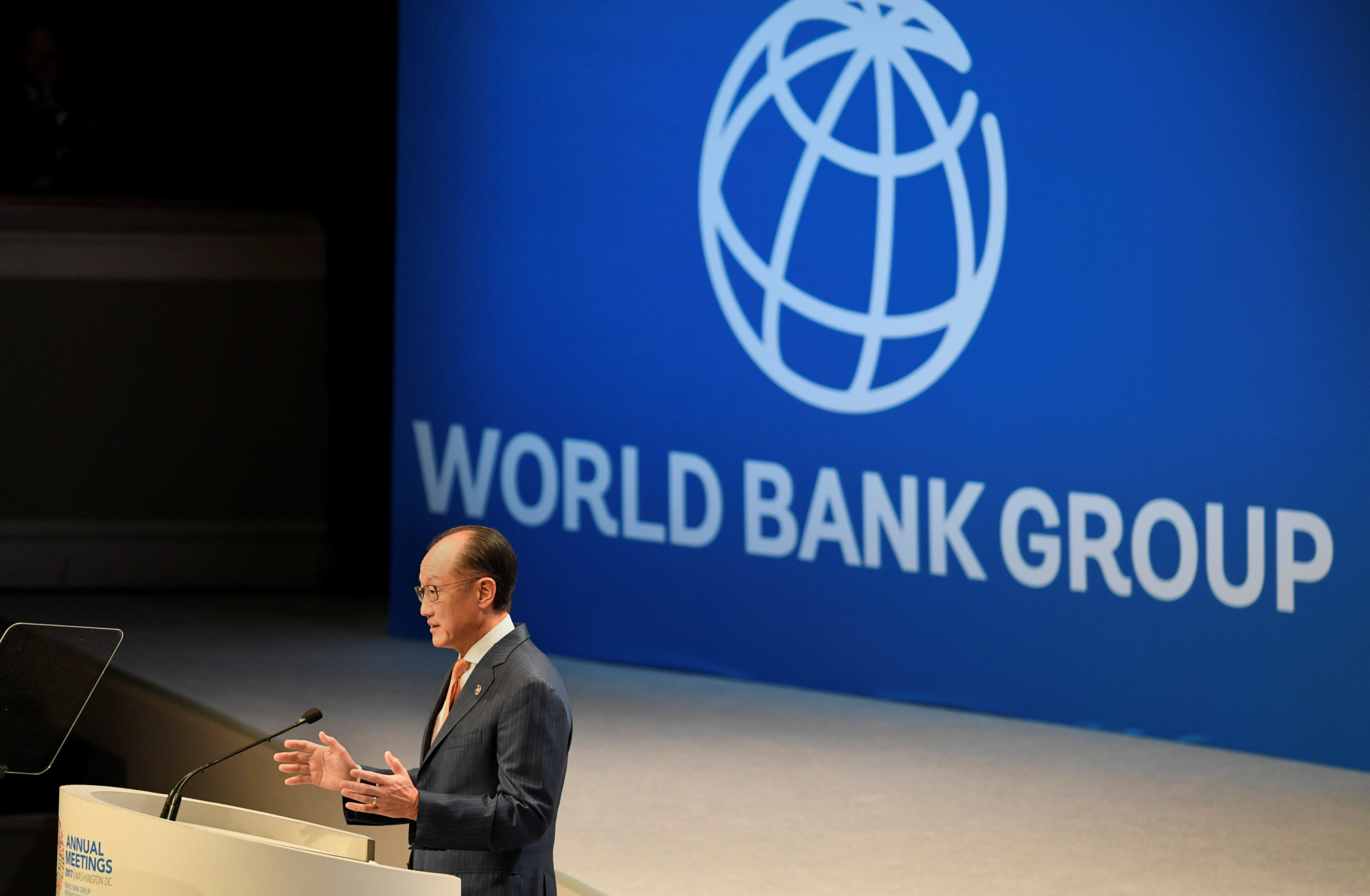
    The World Bank will provide Vietnam with $86.3 million to support the development of a commercial financing market for investing in industrial energy efficiency.

    The provision includes a $8.3 million grant used to build private sector capacity to execute energy efficiency projects, the bank said in a statement.

    It will also provide technical assistance to the Ministry of Industry and Trade and relevant authorities to strengthen policy frameworks on energy efficiency.

    The remaining amount will be used to establish a risk-sharing facility to provide credit guarantees to support local banks in providing loans for energy efficiency projects.

    By reducing lending risks, the facility is expected to mobilize around $250 million of commercial financing to be provided to industrial enterprises and energy service companies at competitive terms and with low collateral requirements.

    “Scaling up energy efficiency is the single best and lowest cost option to achieve multiple goals at once: meeting energy demand, preventing pollution and reducing greenhouses emission while also increasing industry competitiveness,” said World Bank country director for Vietnam, Carolyn Turk.

    The World Bank estimates that Vietnam could save up to 11 gigawatts of new generation capacity by 2030 if comprehensive demand-side energy efficiency investments are carried out.

    The energy efficiency investment need for key industries in Vietnam has been estimated at around $3.6 billion.

  • Disney closing North American stores to focus on e-commerce

    Disney closing North American stores to focus on e-commerce

    Walt Disney Co will close at least 60 Disney retail stores in North America this year, about 20 per cent of its worldwide total, as it revamps its digital shopping platforms to focus on e-commerce.

    The media and entertainment company also is evaluating a significant reduction of stores in Europe, a spokesperson said, adding that locations in Japan and China will not be affected. Disney currently operates roughly 300 Disney stores around the globe.

    In November, Disney launched digital marketplaces in Australia, New Zealand and India.

    The company did not say how many people would lose their jobs as a result of the closures.

    Consumers have been moving to digital shopping over physical locations, and chains including Walmart and Macy’s have shuttered brick-and-mortar stores. The global coronavirus pandemic accelerated that change when people were forced to stay home.

    “While consumer behaviour has shifted toward online shopping, the global pandemic has changed what consumers expect from a retailer,” said Stephanie Young, president of Disney’s consumer products, games and publishing.

    Over the past few years, Disney has expanded its shops inside other retailers such as Target in the US and Alshaya Group stores in the Middle East. Those locations will continue to operate, as well as stores inside Disney parks. Disney-licensed products also will remain widely available through third-party retailers.

    Disney will overhaul its shopDisney apps and websites over the next year.

    “We now plan to create a more flexible, interconnected ecommerce experience that gives consumers easy access to unique, high-quality products across all our franchises,” Young said.

    Digital shopping gives Disney a chance to offer a much broader selection and include higher-end products from all of its Disney, Pixar, Marvel and Star Wars brands.

    New products will include adult apparel, artist collaborations, premium home products and collectibles, the company said. It recently unveiled streetwear featuring Grogu, the “Star Wars” character popularly known as Baby Yoda.

  • Paramount, the Netflix’s newest rival starts streaming today

    Paramount, the Netflix’s newest rival starts streaming today

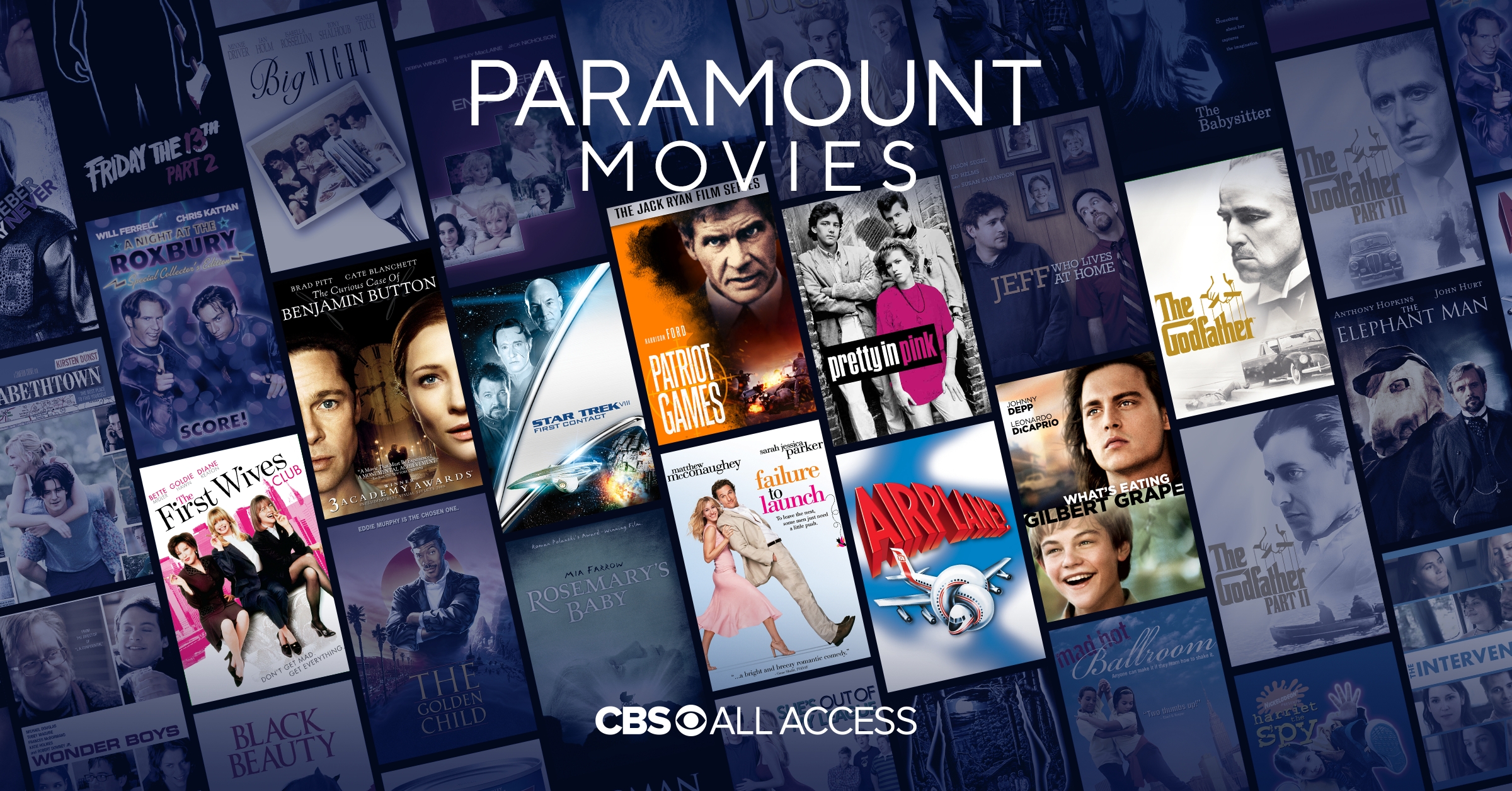
    Paramount+ launches today to give the world exactly what it needs during a pandemic-another streaming app service. Even though we were aiming for sarcasm with that comment, there are statistics showing that streamers are doing well. Disney+, with its highly recognizable brand and videos for just about everyone, said last month that it had 94.9 million subscribers and forecast that it would have 230 million to 260 million by 2024.

    With content from Disney, Pixar, Marvel, Star Wars, and National Geographic, Disney+ has enough movies, television shows, and documentaries to suit everyone. It also has the most streamed program in the world right now with Marvel’s WandaVision MCU spinoff. The leading streamer on the planet, Netflix, had over 203 million global subscribers as of the end of last quarter. Last May, HBO Max became the newest streamer and was guaranteed a decent-sized viewing audience thanks to the $425 million it shelled out to be the exclusive streaming home for popular sit-com Friends.

    Until March 31st, you can get a one-month free trial of Paramount+. After your free month is over, subscription rates in the U.S. start at $5.99 per month for the service (more on this below). Most of the current television shows on the service come from CBS/Viacom and there are listings that you will be familiar with including cop drama Blue Bloods, starring Tom Selleck (just don’t let him talk about reverse mortgages), courtroom hit Bull, and police drama FBI. There are also older shows in the Paramount+ library such as Hot in Cleveland and Reno 911. Paramount+ is also the exclusive streaming home for the RuPaul’s Drag Race franchise.

    Just like its rivals, Paramount+ will try to attract subscribers by producing original content including Kamp Koral, an animated series about Sponge Bob’s younger years. A Frasier reboot starring Kelsey Grammer is on tap and popular kids’ show Rugrats is back with new episodes, this time created using CGI. Programming for the streamer comes from CBS, BET, Comedy Central, Nickelodeon, MTV, and the Smithsonian Channel.

    The Paramount+ app is available from the Google Play Store and the App Store which means that it is available for all Android phones and tablets and can be installed on all iPhone units, the iPod touch and iPad slates. It also can be used with Apple TV, Chromecast, Fire TV, Portal TV, PlayStation 4, Samsung TV, Vizio TV, LG TV, Roku, Xbox, and Xfinity Flex. There are two subscription options for Paramount+ subscribers. The one with Limited Commercials offers over “30,000 episodes and movies, originals, live sports and news with limited commercial interruptions” and is priced at $5.99 a month or $59.99 for a year (which works out to more than a 15% savings for paying a year in advance).

    The second subscriber option is ad-free service. Besides watching content without ads, those with this tier of service are allowed to download content to view offline. The price of this subscription tier is $9.99 per month, or $99.99 for a full year of service. (Pay a year in advance to receive a 15% discount). Each subscription allows content to be viewed over three devices simultaneously and profiles can be created for each member of your family. With Paramount+, users can cancel or change their plan at any time. Thus, there are no commitments.

    Demand for major streaming services has been on the rise. Recently Disney+ was able to hike its monthly subscription price from $6.99 a month to $7.99 a month. While that doesn’t sound like a huge increase for Disney+ members, it is a big deal for Disney since it adds over $90 million a month or over $1 billion into Disney’s coffers over the course of one year.

  • Japan Billionaire Launches Recruitment for Moon Travel

    Japan Billionaire Launches Recruitment for Moon Travel

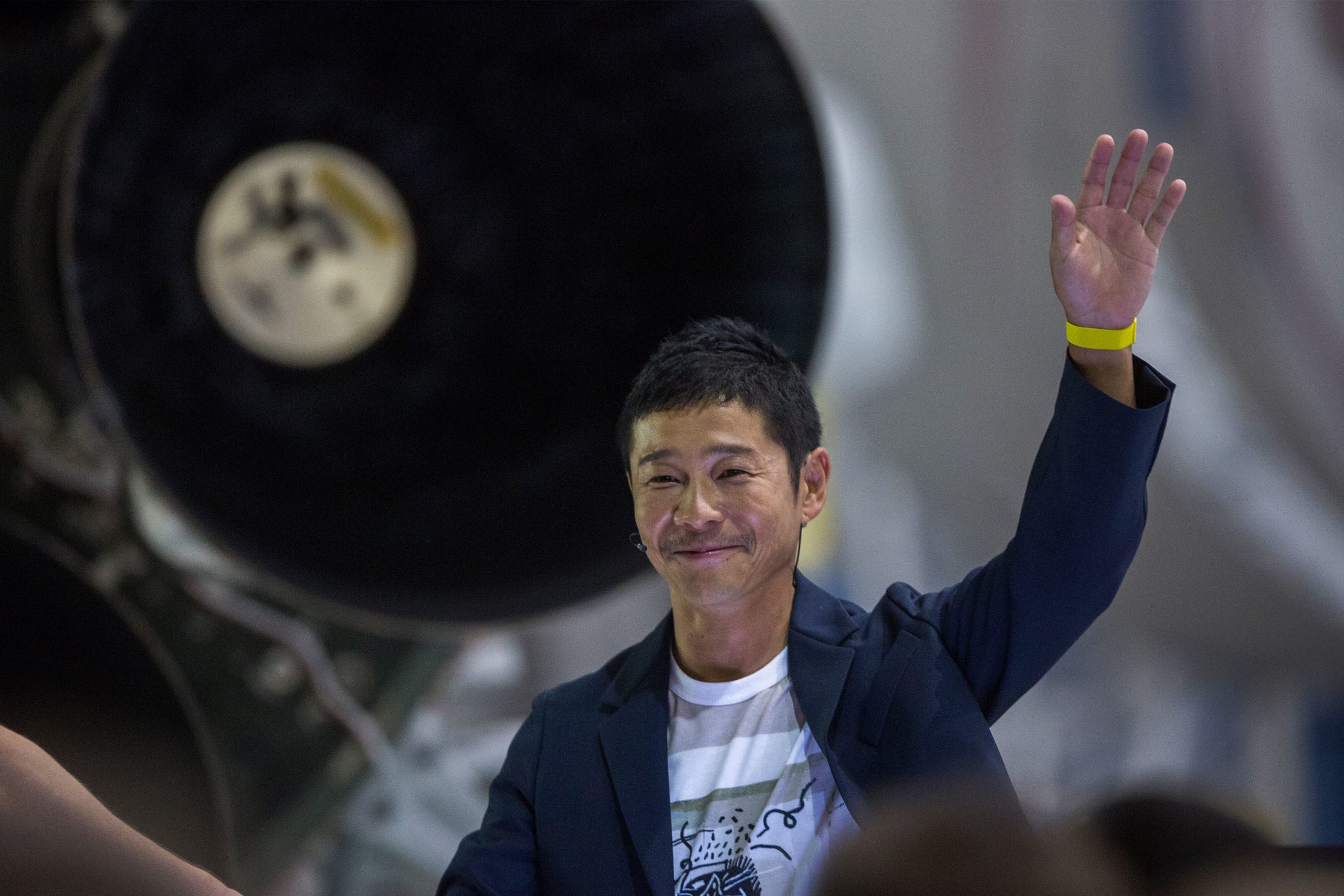
    Japnese billionaire entrepreneur Maezawa Yusaku is once again tapping into the public sphere to further his personal pursuits, this time for the recruitment of co-travelers in a trip around the moon.

    Eight crew members will be chosen for a private SpaceX flight around the moon in 2023, according to the founder of Japanese digital retail giant Zozo in a video posted on Twitter.

    Including Maezawa himself, the six-day trip will involve 10 to 12 people in total. Screening of applicants kicks off on March 21 with the final interviews and medical check targeted for May.

    According to Maezawa, the crew members will be selected based on how they use the trip to «push the envelope» in their respective fields and their willingness to support fellow crew members.

    Maezawa added that he was looking for people of all backgrounds and that that he hoped they would make the trip «fun» together.

    This is not the first time that the high-profiled Maezawa has attracted public interest.

    Last year, he randomly selected 1,000 of his Twitter followers to donate more than $9,000 each to test for actual boosts in happiness from monetary gains. In 2017, he paid $110.5 million for 1982 Jean-Michel Basquiat painting Untitled – an amount that broke his last record set in May 2016 for a mother untitled Basquiat valued at $57 million.

  • Google TV app will turn your phone into a remote control for Android TVs

    Google TV app will turn your phone into a remote control for Android TVs

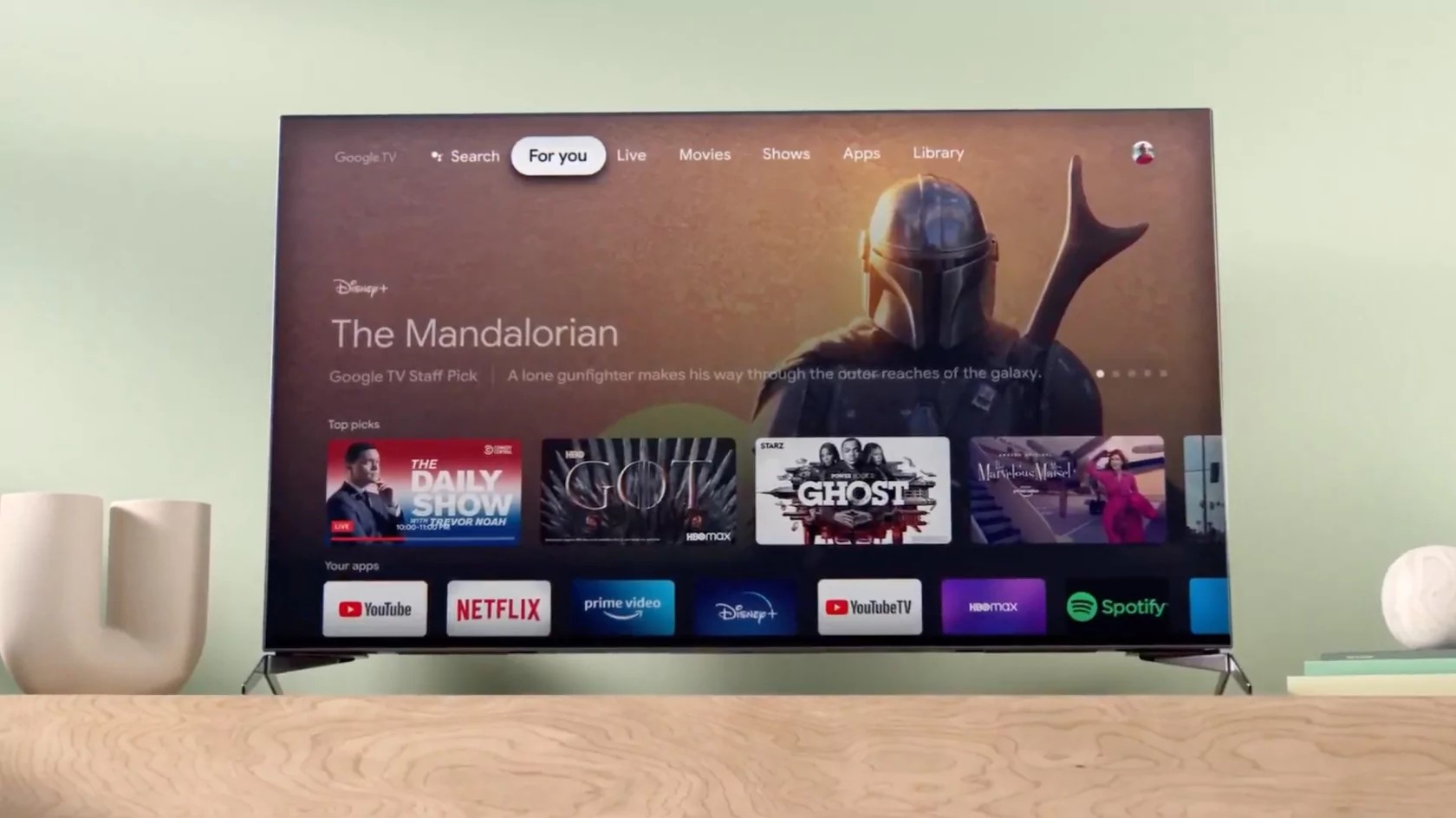
    Android TV owners can already use their phones a remote controls thanks to the Android TV Remote Control app. However, that app hasn’t been updated forever, a sign that Google has other plans for the app and the functionality it offers.

    Those plans have been revealed today when 9to5google discovered code strings in the Google TV app (previously known as Play Movies & TV) that suggest Google is about to add the same remote control capability available in the Android TV Remote Control app.

    The strings refer to a directional pad, enter and back buttons, and the ability to pair a phone to an Android TV, which is exactly what a remote control would do. Unfortunately, the option to turn your phone into a remote control with the Google TV app is not yet functional, but at least we know that you won’t have to use a standalone app to do that.

    Judging by how fast Google is bringing new features to its apps, it won’t be surprising to see the new functionality arriving in just a couple of weeks. We’ll keep our eye peeled for any developments, so stay tuned.

  • Casinos want entry for locals since foreigners cannot fly into Vietnam

    Casinos want entry for locals since foreigners cannot fly into Vietnam

    Casinos want the government to allow Vietnamese entry to make up for foreigners’ inability to come to the country due to Covid-19 flight restrictions.

    A group of casino owners recently petitioned authorities that their facilities in major travel destinations such as Quang Nam and Ba Ria – Vung Tau should be allowed to take advantage of domestic demand.

    Their revenues have plummeted due to the lack of foreign visitors amid flight restrictions, they said.

    Only two casinos, one on the southern island of Phu Quoc and the other in Van Don in the northern province of Quang Ninh, are now allowed to admit Vietnamese.

    The government has for long treated gambling as a “social evil” and prohibited Vietnamese from entering casinos. In January 2019, it began a three-year trial to open certain casinos to Vietnamese. The program does not specify the list of casinos, and licenses are instead given on a case-by-case basis.

    Vietnamese who want to gamble in a casino must be over 21, earn a minimum of VND10 million ($430) a month and have no criminal record or objections from their family.

    The entry fee is VND1 million ($43) for a day and VND25 million ($1,000) for a month.

    Vietnam has eight casinos which earned total revenues of VND2.5 trillion in 2019, according to Ministry of Finance data.

    At Casino Corona in Phu Quoc, the first to allow Vietnamese entry, locals accounted for 45 percent of gamblers in 2019.

  • Sun Life Vietnam reveals strategy to increase insurance market share

    Sun Life Vietnam reveals strategy to increase insurance market share

    In December 2020, Sun Life Vietnam signed a partnership agreement with ACB to expand its budding bancassurance system.

    The new, 15-year partnership with ACB came into effect on the first day of 2021. ACB will distribute Sun Life Vietnam’s products at their 371 branches in 48 provinces, offering innovative and comprehensive financial solutions to millions of potential clients.

    The deal with ACB came after Sun Life’s first exclusive distribution deal with Tien Phong Commercial Joint Stock Bank (TPBank) just a year prior. The two partnerships prove what great stock Sun Life Vietnam puts into the emerging distribution channel and industry-leading collaborations.

    Larry Madge, CEO of Sun Life Vietnam, said: “We believe our cooperation with ACB and TPB will help us significantly expand Sun Life Vietnam’s client reach and enhance our position in the market.”

    Sun Life Vietnam products are now widely available to millions of TPBank and ACB customers, complementing the insurer’s extensive agency network.

    The two bank partners will also collaborate with Sun Life Vietnam on digitally enhancing their offering, client experience and training to ensure the best consultancy services.

    “The new partnership with ACB will be a powerful boost to our distribution capabilities and will enable us to scale up operations even faster. At the same time, we are accelerating the expansion of our agency network by opening new offices across the country and will also continue developing our existing partnership with TP Bank,” said Madge.

    Since the beginning of 2020, Sun Life Vietnam has been steadily increasing its charter capital while boosting investment in technology, branding, products, and services to meet changing client needs and adapt to new trends and a new working environment.

    For example, as Covid-19 was a complete game-changer for the entire industry, Sun Life Vietnam had to roll out several new solutions to adapt to the new landscape.

    The insurer developed Sun Fast, a solution where their advisors and clients could conduct virtual meetings and the entire consultation and purchasing process digitally. They can fill out and sign applications virtually, without face-to-face interaction, so they are not left without protection even during social distancing.

    In December, Sun Life Vietnam also introduced a new QR payment method to improve convenience.

    According to Vietnam Report, there will be more large-scale collaborations between banks and insurance businesses, with an increasing proportion of insurance revenue generated through bancassurance. Deals between FWD and Vietcombank or Sun Life Vietnam, ACB and TPBank all point in this direction.

    The insurance market is still looking at excellent growth potential due to the low number of insurance policyholders in the country, while the middle-class ranks proliferate.

    Remarkably, bancassurance has been growing even more substantial and now contributes nearly 30 percent of total life insurance sales. The annual average growth rate in 2016-2019 was 30 percent, and while the segment was hit hard by Covid-19, it still grew by 19 percent throughout 2020.

    Madge commented: “The Vietnamese economy has been growing steadily by 6-7 percent in recent years, and with the great job the Vietnamese government has done to manage Covid-19 while maintaining the economy, we have high hopes this rapid growth will continue.”

    “Currently, the Vietnamese insurance market is underpenetrated and only accounts for 1.4 percent of the GDP. Simultaneously, the global average is 3.4 percent.”

    Bancassurance deals offer benefits to all three sides – the insurance company, bank, and clients. It provides an efficient distribution channel to the insurance company, increasing its market reach, revenue, and potential client base.

    Meanwhile, it brings significant investment to the bank partner and improves relations with clients via a comprehensive set of products and services. The client can also enjoy improved protection from daily risks through insurance products while accessing flexible services from both the bank and insurer.

  • Workers in high demand as factories expand production

    Workers in high demand as factories expand production

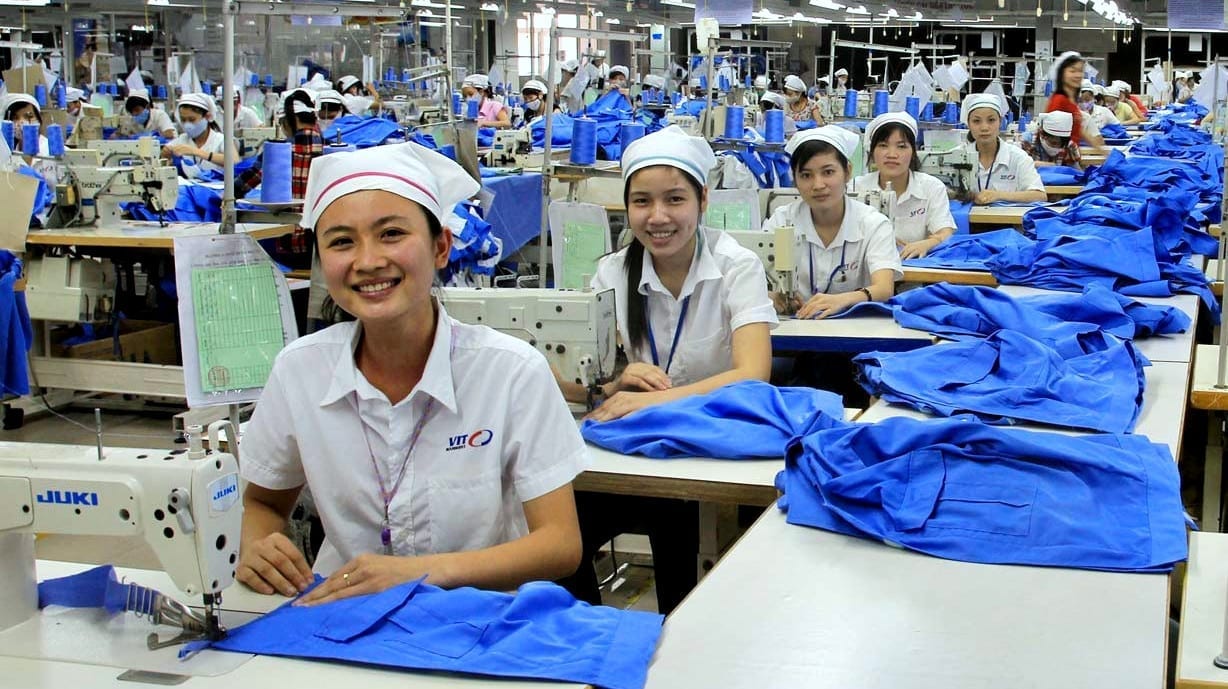
    Several localities have reported demand for thousands of workers as manufacturers seek to scale up production.

    In some industrial parks in the southern provinces of Dong Nai and Binh Duong, hundreds of companies have put up hiring notices this week.

    South Korean textile firm Taekwang Vina in Dong Nai is looking for 3,000 workers as it plans to establish four more production chains this year.

    The company offers a minimum monthly salary of minimum VND7 million ($304). Anyone with basic literacy can apply.

    Another South Korean textile firm in the province, the Chang Shin Vietnam Company, which has 35,000 workers, is also recruiting an unspecified number of new workers as the number of orders received by the end of this year has already exceeded capacity, prompting it to build two new workshops.

    In Binh Duong, official data shows local companies are looking for nearly 40,000 workers in several sectors including textiles, wood processing and household products manufacturing.

    Companies are sending recruiters to sit near main roads to increase the chances of contacting candidates.

    “Businesses are struggling to find workers even though they are offering high salaries of VND7-13 million a month plus benefits,” Nguyen Kim Loan, chairwoman of the Binh Duong Labor Federation, told local media.

    In the northern province of Bac Ninh, where many multinational manufacturers have set up plants, the demand for workers is estimated at 15,000.

    Foxconn, a major supplier for Apple, is hiring 1,000 workers in Bac Ninh and the neighboring province of Bac Giang. It received a license in January to build a $270-million plant produce laptops and tablets in Bac Giang.

    Nguyen The Quyet, chairman of the union of workers at industrial parks in Bac Ninh, said that many companies were unable to complete orders last year due to disruptions caused by the Covid-19 pandemic and were seeking to make up now.

    Another reason is a surge in new orders this year from many countries, pushing factories to expand production and employ more people, he added.

    Recruitment demand was highest among electronics and vehicle parts producers, he said.

    Vietnam’s industrial production index rose over 22 percent year-on-year in January as the economy recovered from Covid-19 impacts, according to the General Statistics Office.

    The country’s GDP growth could hit 7.5 percent this year, compared to 2.9 percent last year, according to credit rating company Fitch Ratings.

  • Ikea starts building shopping mall in India

    Ikea starts building shopping mall in India

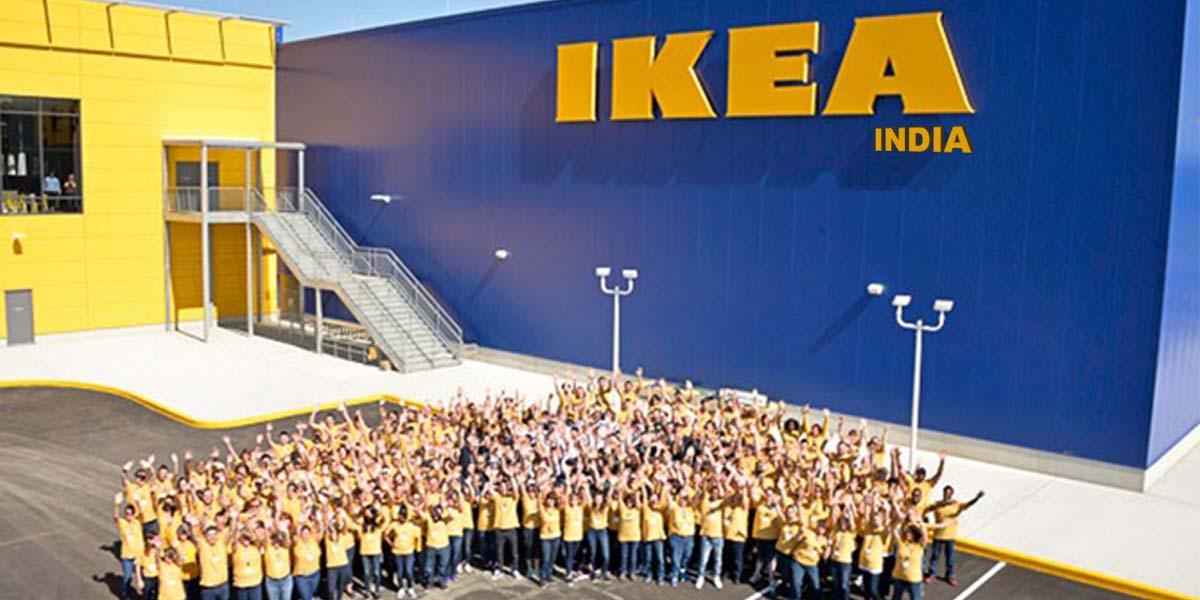
    Ikea’s arm Ingka Centers is to launch India’s first Ikea mixed-use destination in the outskirts of Delhi, Noida.

    The plan was announced after the retailer secured a 47,833sqm plot of land in Noida, Uttar Pradesh. The project will cost about US$760 million and take seven years to complete. The Ikea mega mall will feature two multi-storied buildings of more than 20 floors with separate blocks for retail, office, and hospitality.

    The project will provide more job opportunities, support infrastructure development, and the growth of the organized retail and home furnishings sector in the region.

    “Delhi NCR is one of our most important markets in India and we will reach the many people with our beautiful, affordable, well designed, and sustainable home furnishing products,” said Peter Betzel, CEO at Ikea India.

    “This next step in our expansion is in line with Ikea’s ambition to [reach] 100 million people in India in the coming years.”

    Entering India in 2018 with its first outlet in Hyderabad, Ikea opened its second store in the country last December in Navi Mumbai.

  • Spotify announces HiFi subscription tier, coming to Premium users later this year

    Spotify announces HiFi subscription tier, coming to Premium users later this year

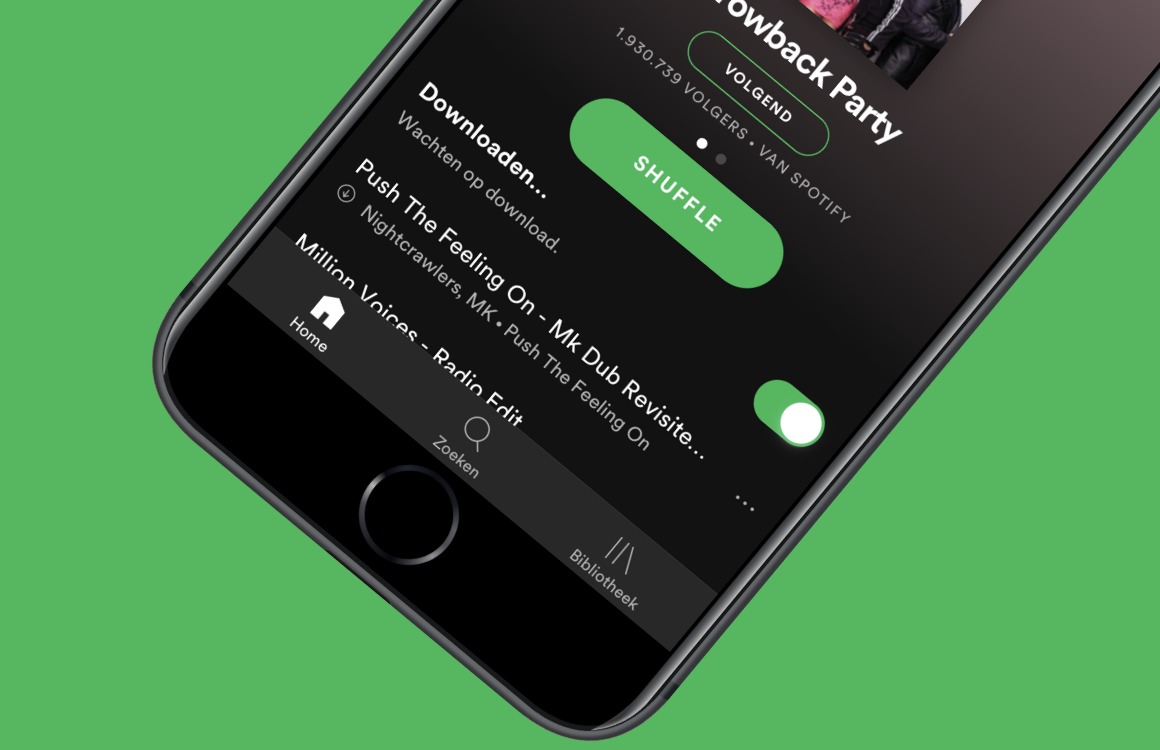
    Spotify is bringing new benefits to users who pay for a monthly subscription. Starting later this year, Spotify HiFi will be available to all Premium subscribers who wish to upgrade, regardless of what platform they use to listen to their favorite music.

    Unfortunately, Spotify HiFi will only be available in select markets, at least at launch. Also, it will not be available for free, although no price has been announced yet. We’ll come back to this when Spotify reveals the launch date and price for its new HiFi subscription tier.

    For now, let’s talk about what Spotify HiFi means. Well, just like Tidal’s HiFi service, this is all about sound quality. Spotify HiFi promises to offer music in CD-quality, lossless audio format to your device and speakers compatible with the streaming service. If you’re looking for high-quality music streaming, Spotify HiFi seems like a great choice, assuming the price won’t be too high.

    On a side note, Spotify revealed a brand new feature aimed at artists: Spotify Clips. It works like Snapchat’s Stories and allows artists to use playlists to share their stories with fans. The company announced Spotify Clips will debut on Spotify playlists, featuring artists in short videos today.

  • US President Joe Biden temporarily lifts ban on TikTok and WeChat

    US President Joe Biden temporarily lifts ban on TikTok and WeChat

    What could come as a big relief to Chinese tech companies banned in the US, newly elected President Joe Biden has temporarily halted legal action against Chinese social media apps TikTok and WeChat, which could have been banned in the United States.

    Outgoing president Donald Trump had sought to ban both apps, claiming they were a national security threat. However, the courts had temporarily blocked the White House’s attempted ban, and the presidential election had put the issue in the back burner.

    Both companies had taken legal action against the proposed bans.

    The new administration has now asked for an “abeyance” – or suspension – of proceedings while it revisits whether the apps really pose a threat.

    What the delay means is that both apps can continue to operate in the US while new staff at government agencies “become familiar with the issues in this case”,  according to the legal documents.

    Trump had claimed that the spread in the US of mobile apps developed and owned by Chinese firms threatened “the national security, foreign policy, and economy of the United States”.

    Messaging app WeChat has more than one billion users worldwide but says the US only accounts for 2% of its revenue. Video sharing app TikTok has about 800 million users worldwide, of which 100 million are in the US.

    The app’s owner, ByteDance, has been in talks with software company Oracle and supermarket giant Walmart to finalize a deal that would see TikTok’s US assets shifted into a new entity, to avoid a ban in the country.

    An earlier court filing had said the US Commerce Department was reviewing whether Trump’s claims about TikTok’s threat to national security justified the attempts to ban it from smartphone app stores and deny it vital technical services.

    The US Commerce Department had blacklisted over 70 Chinese tech companies, preventing them from buying US-made chips and components. The companies including Chinese telecom giant Huawei, were added to the United States’ “entity list”  due to national security concerns.

  • YouTube TV confirms 4K streaming support and offline viewing option

    YouTube TV confirms 4K streaming support and offline viewing option

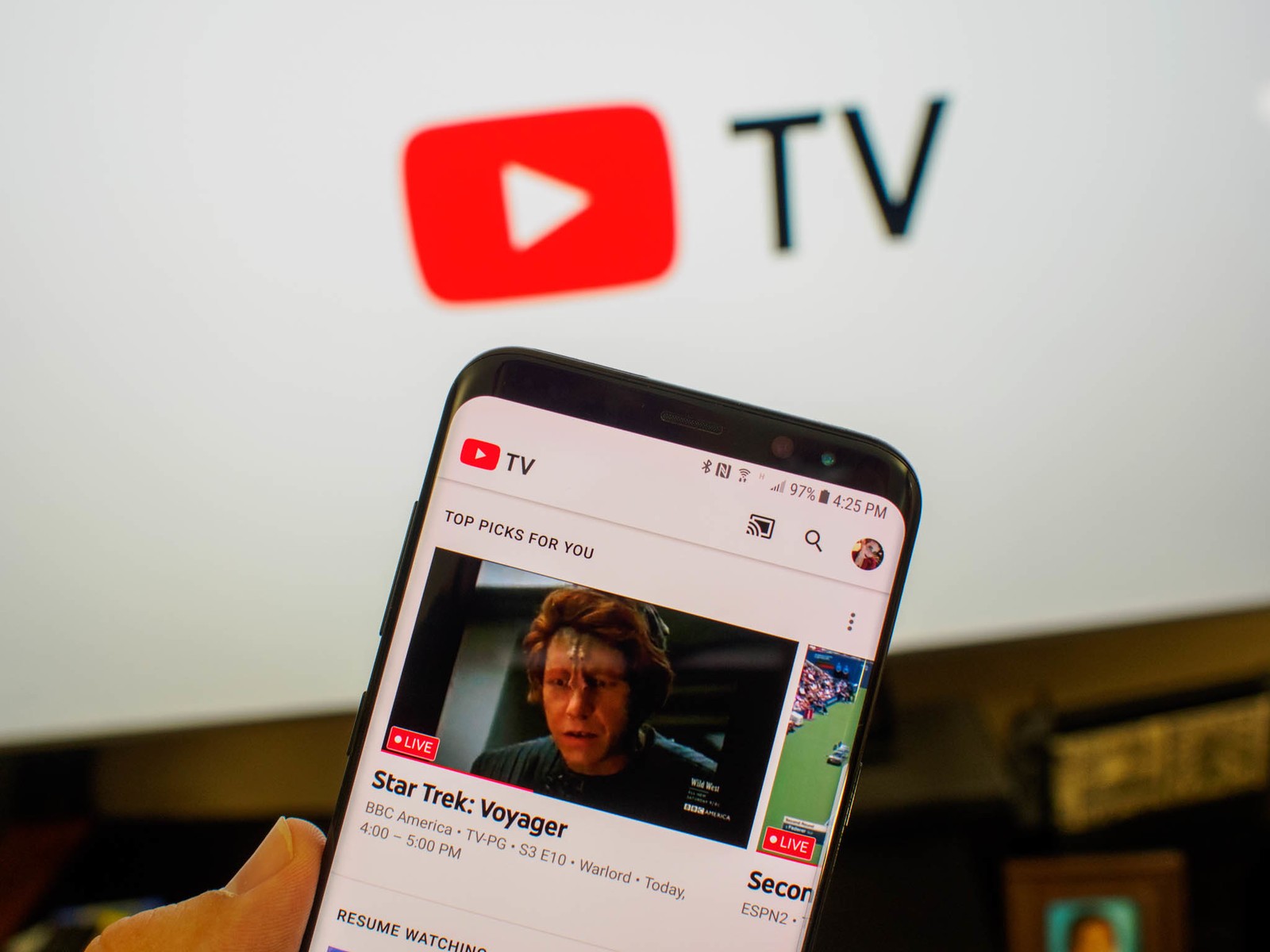
    Word that YouTube TV might allow users to download shows for offline view surfaced a few days ago. Today, the company announced several premium features that will be available for all users of the streaming service.

    First and foremost, YouTube TV will introduce a new add-on package with 4K streaming, offline viewing, and unlimited concurrent streams at home. This means that a YouTube TV base plan that supports six user accounts and up to three simultaneous streams will be able to take advantage of the 4K streaming option without restrictions.

    Unfortunately, this will come as “an optional add-on for members” for which they will have to pay. The amount hasn’t been revealed yet, but we suspect it will be announced once the new features will be ready for prime time.

    What’s really strange is the fact that YouTube TV has decided to put the option to download shows for offline viewing under a paywall too. Other streaming services typically offer these features for free, but for some reason, YouTube TV feels that those 3 million paid subscribers that it now has will be willing to pay extra for something that should be free.

  • YouTube TV might soon allow users to download shows for offline watching

    YouTube TV might soon allow users to download shows for offline watching

    Most streaming services allow their users to download content for offline watching, which is especially helpful while on the go. Spotify and HBO both offer this option to their customers, but not YouTube TV, at least not for the moment.

    The good news is Google plans to add this nifty feature to the Android app. Apparently, there are strings in the app’s code that refer to this particular feature that’s not yet available. Also, the latest YouTube TV update on Android devices introduces a new alert, which notifies the users about incomplete downloads.

    The strings in the code clearly mention the ability to download shows for offline watching, which will be available in the “downloads” tab of the app. They also refer to a “Download” button that’s not yet available in the YouTube TV app.

    Although the feature was only discovered in the Android app, we expect Google to make it available to YouTube TV users on iOS as well probably at the same time. So, if you’ve been waiting for such a feature know that it will be coming, and very soon apparently.

  • With Oil Past Peak, Shell Vows To Eliminate Carbon By 2050

    With Oil Past Peak, Shell Vows To Eliminate Carbon By 2050

    Energy giant Royal Dutch Shell vowed to eliminate net carbon emissions by 2050, raising its ambition from previous targets, as oil output was set to decline from its 2019 peak. The Anglo-Dutch company is in the midst of its largest overhaul yet as it prepares to expand its renewables and low-carbon business in the face of growing investor pressure on the oil and gas sector to battle climate change. Shell last year laid out a plan to reach net-zero by 2050, in line with the Paris climate agreement and European Union ambitions, but it said the goal depended on its customers.

    In a strategy update on Thursday, Shell outlined plans focused on rapid growth of its low-carbon businesses, including biofuels and hydrogen, although spending will stay tilted towards oil and gas in the near future.

    “We will use our established strengths to build on our competitive portfolio as we make the transition,” CEO Ben van Beurden said in a statement. Investors welcomed the upgraded targets.

    “Shell’s net-zero target is industry-leading and comprehensive as it covers all their carbon emissions,” Adam Matthews, Director of Ethics & Engagement for the Church of England Pensions Board, who led investor engagement with Shell, said in a statement.

    Shareholders will be able to vote on Shell’s transition plan at this year’s general meeting, an industry first, Matthews added.

    Shell shares were down 1.1% at 0840 GMT. Its strategy is to continue to rely on its retail business, the world’s largest, aiming to increase the number of sites to 55,000 by 2025 from today’s 46,000 and increase the number of electric vehicle charging points to 500,000 from 60,000 now.

    Shell did not outline any plans to grow its solar and wind power generation capacity, marking a difference from rivals, such as BP and Total, which both aim to boost their ownership of physical wind and solar farms.

    In the near term, Shell will invest at least $5 billion a year in what it calls its growth pillar, dividing the investment roughly equally between its trading and retail business and renewables units. It previously aimed to spend up to $3 billion on renewables and marketing combined.

    Its upstream business, or oil and gas production, will attract a larger share of its budget at $8 billion. It will also spend $4 billion on its liquefied natural gas (LNG) business and up to $5 billion on chemicals and refining.

    Total spending is expected to remain within a range of $19 to $22 billion per year.

    Shell, which said its greenhouse gas emissions peaked in 2018, accelerated its plans to reduce carbon emissions. It aims to reduce its net intensity by between 6% and 8% from 2016 levels by 2023. The target rises to 20% by 2030, 45% by 2035 and 100% by the middle of the century. The company previously said it would reduce its net carbon footprint emission intensity metric by at least 3% by 2022, 30% by 2035 and 65% by 2050 from a 2016 baseline.

    Intensity levels represent emissions per unit of energy produced, technically allowing higher production. Most European energy majors have set some kind of net-zero carbon target by 2050.

    Shell’s ambition differs from BP’s in that it covers the emissions from the end-use of products other companies have produced but which Shell sells to customers.

    Shell’s total carbon emissions, which include its own production as well as sales of products to customers, peaked in 2018 at 1.7 gigatonnes. Shell is the world’s largest oil and gas trader. Oil production is expected to gradually be reduced by 1% to 2% each year from a 2019 peak of around 1.8 million barrels per day, including divestments of oilfields and the natural decline of fields. But it will rely on revenue from its oil and gas division to pay for shareholder returns and the transition. BP aims to reduce its oil output by 40% by 2030.