Category: Living

Retail News Asia is committed to providing both local and global retailers with the latest Living news throughout the Asian market. This on a daily base.

  • Philippines Under Pressure to Close Vape Tax Loophole Hurting Retailers, Boosting Illicit Trade

    Philippines Under Pressure to Close Vape Tax Loophole Hurting Retailers, Boosting Illicit Trade

    Consumer advocacy groups in the Philippines are pressing Congress to revise the nation’s vape excise tax system, asserting that its current design encourages illicit trade. They contend that the significant tax disparity between nicotine salt and freebase nicotine products creates opportunities for misdeclaration, resulting in substantial revenue losses for the government and unfair competition for legitimate retailers.

    Under the existing tax framework, a 10-milliliter nicotine salt vape product incurs a tax of P602, while an equivalent freebase product is taxed at P69.46. This P532.54 difference, where nicotine salt products are taxed almost nine times higher, provides a strong incentive for operators to misdeclare their goods. This issue has been brought to the attention of the House Committee on Ways and Means, which is reviewing several bills aimed at amending excise taxes on tobacco and vapor products.

    Tax Disparity Fuels Illicit Market

    Representative Miro Quimbo, chair of the House Ways and Means Committee, has noted a concerning disconnect between rising vape consumption and declining tax collections, pointing to a growing illicit market. Orlando Oxales, convenor of CitizenWatch Philippines, stated that the problem stems not just from weak enforcement but from a tax system vulnerable to manipulation. Products that appear and are used similarly but are taxed differently based on characteristics difficult for regulators to verify on-site become prime targets for misdeclaration, transforming it into a business opportunity for unscrupulous players.

    Several legislative proposals before the committee suggest replacing the current two-tier system with a single excise tax rate for all vapor products, irrespective of their nicotine formulation. These bills highlight the risks of mislabeling and misdeclaration inherent in the existing framework. Marc Gamboa, convenor of Progreso Para sa Bayan, emphasised that simpler regulations would allow enforcement agencies to concentrate their resources more effectively on combating actual tax evasion. He noted that the Philippines’ specific tax distinction between nicotine salt and freebase formulations is unusual internationally, adding complexity and potential loopholes.

    Unified Rate Proposed For Fairer Trade

    Support for a unified vape tax rate has also come from key government agencies, including the Bureau of Internal Revenue, Bureau of Customs, and the Department of Trade and Industry. These bodies cite enforcement difficulties and potential revenue leakage as major concerns under the current setup. Oxales stressed that tax systems should aid enforcement, not create avenues for illicit operations, arguing that regulatory complexity makes abuse easier.

    While advocating for simplification, the groups acknowledge that different product categories may warrant varying tax treatments. Their primary goal is for Congress to establish a system that is easy to administer, resistant to manipulation, and aligns with broader fiscal and regulatory goals. A streamlined tax regime would not only help stem the flow of illicit products but also create a more level playing field for legitimate retailers and brands operating within the Philippine vape market. Other Southeast Asian nations are also grappling with effective taxation of novel products like vapes, with varying approaches to product classification and excise duties often impacting market dynamics and the prevalence of illicit trade.

  • Japan Households Brace for Further Price Hikes Amid Weak Consumer Spending

    Japan Households Brace for Further Price Hikes Amid Weak Consumer Spending

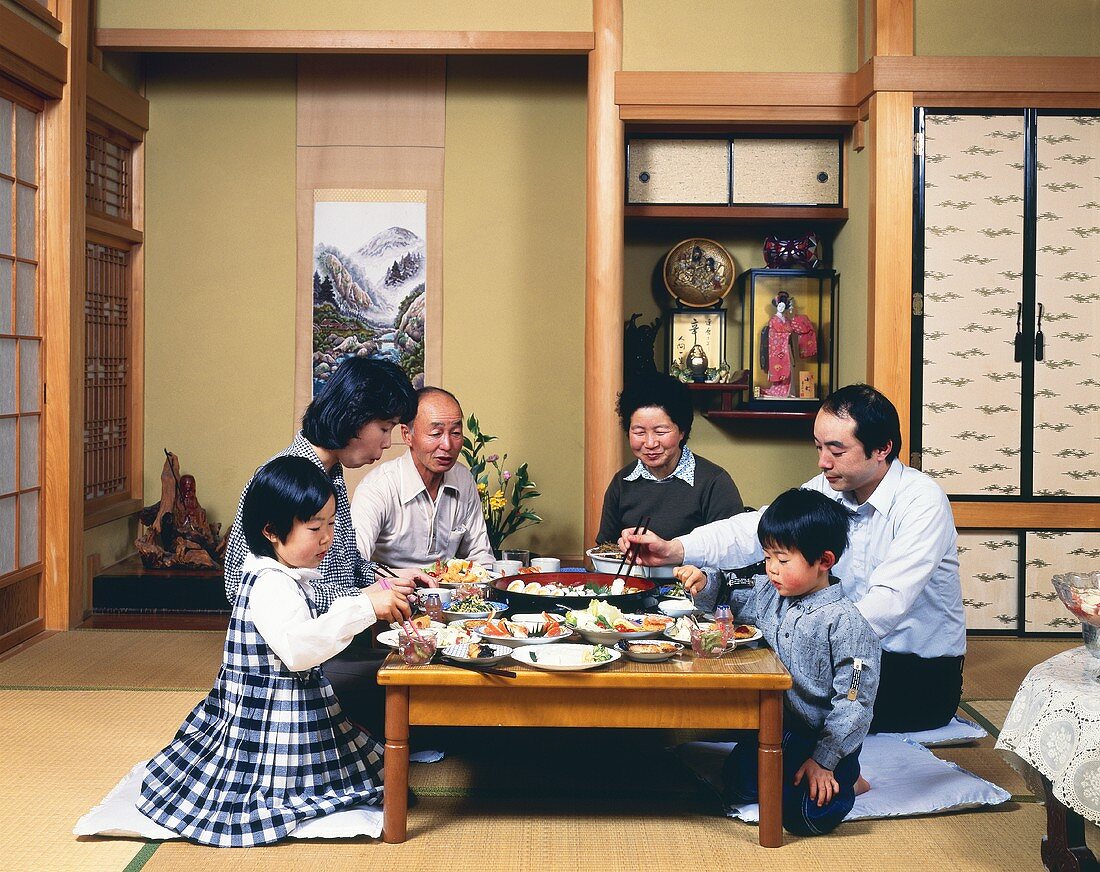
    Japanese households are expected to face increasing financial strain as companies across the nation plan to raise prices for goods and services. These hikes, set to begin this summer, are a direct response to persistently high crude oil prices and other rising operational costs. This development is likely to further dampen consumer spending and could impede economic growth.

    Inflationary Pressures Mount

    The impending price adjustments come at a challenging time for Japan’s economy. The gross domestic product (GDP) for April-June recorded a modest 0.3% quarter-on-quarter growth, translating to an annualised rate of 1.1% after price and seasonal adjustments. However, this growth was not fueled by domestic strength. Both private consumption and corporate capital investment declined during the period, highlighting a significant weakness in Japan’s internal demand. The economy’s expansion was primarily supported by external factors.

    Impact On Retail And Consumer Sectors

    The anticipated price increases are poised to directly affect the purchasing power of Japanese consumers. With households already managing existing cost pressures, new price hikes on essential goods and services will likely lead to a further tightening of budgets. This situation poses a challenge for retailers and consumer brands operating in Japan, as cautious consumers may reduce discretionary spending. Companies will need to strategize carefully to navigate this environment of rising costs and potentially constrained consumer demand.

  • Vietnam’s Top Students Choose South Korea over West for Higher Education

    Vietnam’s Top Students Choose South Korea over West for Higher Education

    Elite students from Vietnam are increasingly choosing South Korean universities for their higher education, often prioritizing them over institutions in the United States and Europe. This shift reflects growing interest in advanced technology fields and strong industry connections available in South Korea.

    South Korea has become the leading destination for Vietnamese international students, with 75,198 enrolled last year. This figure surpassed China’s 74,820 students for the first time, according to the Korean Educational Development Institute. The trend is moving beyond language training, with degree programs now accounting for 51 percent of student visas issued to Vietnamese nationals, exceeding language-training visas.

    Rising Interest in Korean Technology

    The appeal of South Korea’s higher education system is particularly strong among science and engineering students. Hoang Huong Giang, who scored first nationwide in Vietnam’s university entrance exam and a perfect 1,600 on the SAT, has chosen to study computer science at KAIST. She cited South Korea’s advanced science and technology and its close ties with industry as key attractions.

    Similarly, Pham Hai Long, a graduate of Hanoi’s National Economics University, received a Global Korea Scholarship (GKS) to attend KAIST’s Graduate School of Global Digital Innovation. He prioritized South Korea due to its significant investments in cutting-edge technologies and the presence of global companies like Samsung and LG. Students are also beginning their preparation earlier, with many now studying for the Test of Proficiency in Korean (TOPIK) during their first or second year of high school.

    Universities and Government Attract Talent

    South Korean universities are actively recruiting gifted students from Vietnam to address domestic talent shortages, particularly in science and engineering. Professors from Seoul National University’s College of Engineering visited Hanoi University of Science and Technology (HUST) to host admissions information sessions. Major Korean universities, including Konkuk, Sungkyunkwan, Chung-Ang, and Hanyang, are also partnering with study-abroad agencies to offer scholarships to outstanding Vietnamese students.

    The Korean government supports these efforts through its Education Center in Hanoi, which provides Korean-language courses at prominent Vietnamese science and engineering universities. This initiative aims to strengthen educational cooperation and foster closer ties between the two nations.

    Retaining Talent Remains a Challenge

    Despite the success in attracting Vietnamese students, South Korea faces challenges in retaining them after graduation. Nguyen Linh, a KAIST computer science graduate and GKS recipient, returned to Vietnam to join Microsoft Vietnam due to difficulties with Korean language skills, residency status, and employment opportunities in South Korea. She noted that peers studying in English-speaking countries found corporate internships more accessible.

    This situation highlights the need for South Korea to improve conditions for highly talented foreign graduates to settle in the country. Other nations have implemented strategies to address this. Singapore’s National University of Singapore (NUS) and Nanyang Technological University (NTU) offer scholarships requiring graduates to work for local companies for three years. France has established the University of Science and Technology of Hanoi (USTH) to facilitate direct progression to master’s and doctoral programs in France. Japan has significantly eased permanent residency requirements for skilled professionals, reducing the eligibility period for some technical talent from 10 years to just one year, leading to a substantial increase in Vietnamese professionals in Japan.

  • South Koreans Bid Farewell to Dog Meat Tradition Ahead of Nationwide Ban

    South Koreans Bid Farewell to Dog Meat Tradition Ahead of Nationwide Ban

    Historically, the three warmest days of summer were the busiest times for South Korea’s dog meat eateries, with customers seeking traditional foods reputed to boost stamina during the intense heat. However, on the third of the hottest days, known as “boknal,” in 2026, a sense of finality was felt. This marked the last boknal before the total ban on breeding, slaughtering, and selling dogs for meat, which is set to be fully implemented in February 2027.

    At the Moran Market in Seongnam, once the country’s most prominent center for dog meat, lunch-goers continued to flock to the alleys filled with restaurants. Yet, many of these eateries have transitioned to serving other options like black goat stew, and the majority of customers who still ordered “bosintang” or dog meat stew, were predominantly elderly.

    Changing Times

    Kim Yong-book, the head of the Moran Market Merchants’ Association, lamented the decline. Kim, who has been working in the area near Seoul for over 40 years, described it as now being “a town of old people.” The ban marks a significant shift in South Korean culture, reflecting changing attitudes towards animal welfare as pet ownership increases.

    A 2024 survey showed that over 90% of 2,000 respondents had no intention of eating dog meat in the future, and over 80% supported the ban. Almost 95% stated they hadn’t eaten dog meat in the preceding year.

    The ban’s implementation will impact over 5,600 businesses, according to government data. However, officials have noted that most dog farms had already ceased operations in anticipation of the upcoming 2027 deadline.

    The Uncertain Road Ahead

    While some, like restaurant owner and former merchants’ association chairman Lee Kang-chun, agree with the ban considering South Korea’s global image and evolving societal attitudes, they also feel a sense of melancholy. Lee finds it particularly distressing when elderly customers, who believe the dish restores strength, leave his restaurant disappointed after traveling long distances only to find no dog meat available.

    Despite increasing supply costs and dwindling profits, Lee continues to serve the dish primarily for his loyal customers. He believes the authorities should provide more assistance to elderly vendors transitioning to new business models. Many Moran Market restaurants have switched to serving black goat stew, marketed as a health food, but owners report that the transition has been challenging and the new dish hasn’t compensated for the lost dog meat sales.

    Questions & Answers

    What is behind the shift away from dog meat consumption in South Korea?
    The shift away from dog meat consumption in South Korea is largely due to changing attitudes towards animal welfare and an increase in pet ownership.

    When will the ban on breeding, slaughtering, and selling dogs for meat be fully enforced?
    The ban will be fully enforced from February 2027.

    What is the impact of the ban on dog meat-related businesses in South Korea?
    Over 5,600 businesses are expected to be affected by the ban, with most dog farms already having ceased operations ahead of the 2027 deadline.

  • Revolutionizing Bangkok Commute: Single Ticket Policy Caps Electric Rail Fares at $1.36 for 2027 Launch

    Revolutionizing Bangkok Commute: Single Ticket Policy Caps Electric Rail Fares at $1.36 for 2027 Launch

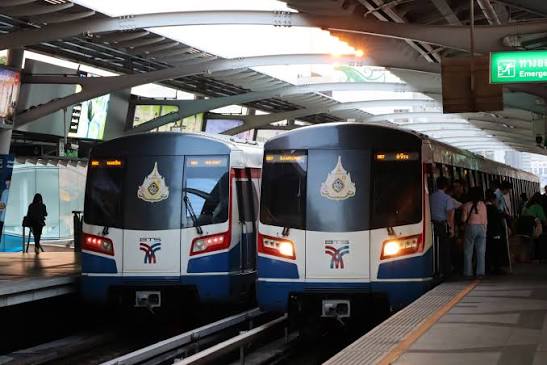
    Thailand has announced its intention to implement a common-ticket policy for electric rail services in Bangkok and the surrounding provinces. This initiative, which is expected to commence next year, will cap fares at 45 baht (US$1.36) per journey to streamline the public transportation system. Additionally, an initial cost of no more than 17 baht will be instituted, which will not be re-imposed if travelers switch to another line, as stated by Deputy Transport Minister Siripong Angkasakulkiat at a recent official gathering.

    Unifying Public Transportation

    The aim of the new fare bracket is to render Bangkok’s disjointed urban rail network more user-friendly. At present, passengers are required to negotiate separate ticketing systems, fare structures, and payment methods when moving between lines. The current SkyTrain fares can amount to as much as 65 baht, depending on the route, as per the Bangkok Mass Transit System’s data.

    The common-ticket policy’s legal and administrative procedures are projected to be finalized by November 2026. System testing is set to commence in December, leading up to the introduction of the common-ticket measure on January 1, 2027.

    Growth of the BTS SkyTrain

    The BTS SkyTrain, which began operations in December 1999 as Bangkok’s premier mass-transit rail system, has seen substantial upgrades since its inception. The original core network has expanded significantly to include approximately 68 kilometers of lines and 60 stations.

    In the last year, the BTS SkyTrain noted a 5.6% increase in ridership from 2024, recording a total of 205.4 million journeys.

    Questions & Answers

    What is the proposed common-ticket policy in Thailand?
    The common-ticket policy is a projected initiative by the Thai government to cap fares at 45 baht per trip for electric rail services in Bangkok and surrounding provinces. An initial charge of up to 17 baht will be imposed, which will not be repeated if passengers switch lines during their journey.

    Why is this policy being introduced?
    The policy aims to simplify navigation of Bangkok’s urban rail network, which currently requires passengers to negotiate separate ticketing systems, fare structures, and payment methods while transferring between lines.

    When is the common-ticket policy expected to be implemented?
    The common-ticket policy is expected to take effect on January 1, 2027, with system testing set to begin in December 2026.

  • Vietnam Gasoline Prices Drop as Global Oil Market Reacts to Strait of Hormuz Developments

    Vietnam Gasoline Prices Drop as Global Oil Market Reacts to Strait of Hormuz Developments

    On Thursday, gasoline prices in Vietnam experienced a modest decline compared to the previous week. The widely used E10 RON95 gasoline dipped by 0.94%, bringing the price down to VND22,110 (approximately US$0.85) per liter. There was a slightly larger drop in E5 RON92 prices, which fell by 2.26% to VND21,230. Similarly, the cost of diesel also decreased, albeit by a smaller margin of 1.13%, to VND27,230.

    Global Influence on Fuel Prices

    The Ministries of Industry and Trade and Finance in Vietnam have commented that this fluctuation in fuel prices aligns with global petroleum market trends. These markets have been recently impacted by events such as negotiations over the reopening of the Strait of Hormuz and lower demand growth forecasts for oil, released by OPEC and the International Energy Agency. The global price of RON95 gasoline decreased almost 2% to $111.7 per barrel, while diesel prices fell 1.1% to $151 per barrel.

    The Ministries also highlighted that following this latest adjustment, the cost of gasoline in Vietnam remains significantly lower than in neighboring countries, with prices ranging from VND4,600-VND22,000 per liter less.

    Comparative Fuel Prices in the Region

    When compared to the gasoline prices in nearby countries, the lower costs in Vietnam become evident. Cambodia and Thailand have gasoline prices ranging from VND26,800-VND28,400 per liter, significantly higher than in Vietnam. The disparity widens further when looking at China, where the prices exceed VND32,000 per liter, and Laos where prices surpass VND44,000 per liter.

    Questions & Answers

    What is the new price of E10 RON95 gasoline in Vietnam?
    The new price of E10 RON95 in Vietnam is VND22,110 (US$0.85) per liter.

    How have global events influenced the recent fuel price changes in Vietnam?
    Negotiations over the reopening of the Strait of Hormuz and lower oil demand growth forecasts from OPEC and the International Energy Agency have influenced the recent decrease in fuel prices in Vietnam.

    How do fuel prices in Vietnam compare to those in neighboring countries?
    Fuel prices in Vietnam are significantly lower than in neighboring countries, with gasoline prices ranging from VND4,600-VND22,000 per liter less than in countries like Cambodia, Thailand, China, and Laos.

  • Wealthy Hong Kong Citizens Prioritize Travel Over Real Estate: A Paradigm Shift in Life Goals

    Wealthy Hong Kong Citizens Prioritize Travel Over Real Estate: A Paradigm Shift in Life Goals

    For affluent Hong Kong residents, the allure of real estate doesn’t hold the same level of appeal as it once did, according to a recent study. Interestingly, travel appears to be taking precedence over traditional investments like property. Only a quarter of those surveyed ranked buying a house as a significant life goal, putting it in seventh place.

    Travel as a Form of Investment

    The study interestingly revealed that immersive travel experiences were a priority for almost half of the wealthy respondents, ranking second only to early retirement. The study polled 1,058 affluent Hong Kong residents aged 30 and above, each with at least HKD1 million of investable assets.

    The report revealed that for a majority of high-net-worth individuals (HNWIs) polled, travel was not just a leisure activity but a means to “build intangible capital, broaden outlook and sustain long-term well-being”. This sentiment was shared by almost three-quarters of the HNWIs who took part in the survey.

    Among wealthy parents, there was a clear trend towards valuing overseas travel as a significant component of their child’s educational investments. It was considered more valuable than tutoring or extracurricular activities.

    The Waning Influence of Real Estate

    Despite the shifting perspective towards real estate, it’s important to acknowledge the historical importance of the sector for Hong Kong households. In the early 21st century, real estate contributed to more than 30% of the city’s GDP. However, it’s influence has been waning, declining to about 21% in 2021.

    As affluent residents shift their financial focus towards travel, the amount they are willing to spend on it is rising. On average, HNWIs planned to spend HKD345,000 on travel this year. This figure is significantly higher than the average of all respondents, though it falls below the peak recorded in 2024 when post-pandemic outbound tourism was notably popular.

    Furthermore, two-thirds of HNWIs reported that their travel expenditures exceeded their daily living expenses, including dining, entertainment, and other forms of lifestyle consumption.

    Questions & Answers

    What is the emerging trend among affluent Hong Kong residents according to the study?
    Travel is emerging as a preferred form of investment among affluent Hong Kong residents, with immersive travel experiences ranking high on their list of priorities.

    How did real estate rank in the life goals of wealthy Hong Kong residents?
    Only 24% of the respondents chose buying their first home or owning a dream home as one of their life goals, making it the seventh most popular life goal.

    Are high-net-worth individuals spending more on travel compared to daily living expenses?
    Yes, two-thirds of high-net-worth individuals reported spending more on travel than on daily living expenses like dining, entertainment, and lifestyle consumption.

  • Vietnams Textile and Garment Exports Soar to $27B in First Seven Months

    Vietnams Textile and Garment Exports Soar to $27B in First Seven Months

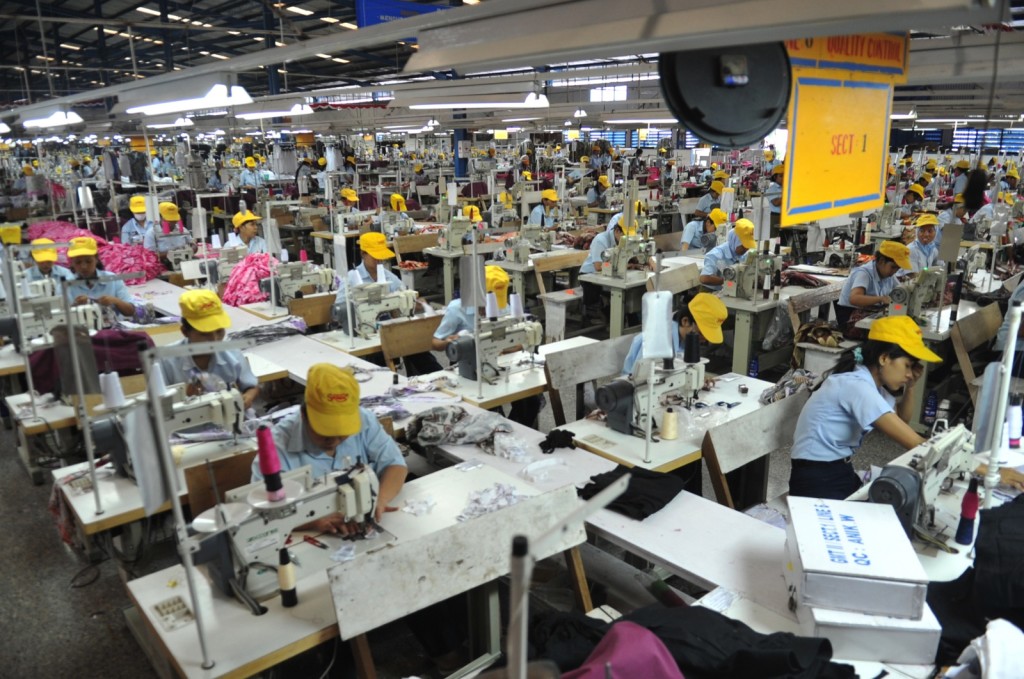
    In July, Vietnam experienced a significant boost in its textile and garment exports, with an estimated total worth of US$4.7 billion. This figure represents a 4.3% increase compared to the same period in the previous year, per official data. The notable July performance contributed to a total export turnover of $27.02 billion for the first seven months of the year, a 2.7% increase year on year. This growth indicates the industry’s ability to secure orders, expand markets, and enhance production, ensuring Vietnam’s strong presence on the global export map.

    Details of July’s Export Performance

    Apparel exports for July alone are estimated to be around $3.74 billion, an 8.9% increase month on month and a 2.1% increase year on year. The total amount of apparel shipments from January to July reached $21.13 billion, a modest increase of 0.70% compared to the same period in 2025.

    During the first seven months, a noteworthy area was the substantial growth of upstream products and garment inputs. Fiber and yarn exports brought in an estimated $2.730 billion, a year-on-year increase of 11.34%. Textile and garment accessories saw an 11.18% increase, contributing $929 million to export revenue.

    Fabric exports in July were valued at $1.763 billion, a 9.57% increase, while non-woven fabric exports amounted to $471 million, a 6.56% year-on-year increase.

    Vietnam’s Textile Imports and Future Outlook

    In July, Vietnam’s textile and garment imports hit $2.231 billion, a decrease of 6% from June, but an 8.0% increase year on year. For the first seven months of the year, imports totaled $15.255 billion, a 3.27% year-on-year increase.

    Fabric imports made up $8.936 billion of the total imports, a 2.08% increase; textile and garment accessories amounted to $2.605 billion, a 3.60% increase; and cotton imports stood at $1.885 billion, a 1.02% increase.

    Looking to the future, it’s important to note that major import markets are focusing more on sustainable development, raw material traceability, carbon emission reductions, and social responsibility. Vietnamese enterprises have been more proactive in the supply chain and are less dependent on imported raw materials, as evidenced by the strong growth in fiber, fabric, and accessory exports over the past seven months.

    To keep growing and reach their annual targets, companies are advised to embrace green transition, invest in energy-efficient technologies, tap into niche markets, and fully utilize incentives built into free trade agreements.

    In order to maintain growth through 2026, experts recommend that companies stay informed about international trade policy changes, particularly strict European regulations related to the circular textile and garment economy. Creating environmentally friendly fashion items, using recycled fibers, and meeting environmental standards will be key to gaining better access to premium market segments.

    Questions & Answers

    What was the total export turnover for the first seven months of the year?
    The total export turnover for the first seven months of the year was $27.02 billion.

    What contributed to the significant growth of Vietnam’s upstream products and garment inputs?
    The growth can be attributed to Vietnamese enterprises becoming more proactive in the supply chain and reducing their dependence on imported raw materials.

    What strategies are recommended for Vietnamese companies to maintain growth through 2026?
    Companies are advised to stay informed about international trade policies, create environmentally friendly fashion items, use recycled fibers, and meet environmental standards. They should also invest in energy-efficient technologies and diversify into niche markets.

  • Revolutionize Your Laundry Routine with Omo’s New Quick Wash Detergents for Sensitive Skin and Dazzling Whites

    Revolutionize Your Laundry Routine with Omo’s New Quick Wash Detergents for Sensitive Skin and Dazzling Whites

    Omo, the prominent laundry brand, has broadened its Wonder Wash product line in Australia through the introduction of two novel liquid detergent variants. The range, designed for quick 15-minute wash cycles, now boasts the Sensitive and Dazzling White variants. These new additions are not only suitable for both top and front-loading washing machines, but also augment Omo’s portfolio of short-cycle products, along with its existing Speed Clean and Odour Refresh items.

    Innovative Features Suiting Consumer Needs

    The new Sensitive variant caters to those with sensitive skin. It possesses a hypoallergenic fragrance that effectively eliminates invisible dirt and odours while being gentle on clothing. On the other hand, the Dazzling Whites variant is designed to tackle daily stains, simultaneously preserving and enhancing the brightness of white fabrics. Furthermore, both these formulations have been engineered to activate swiftly in cold water settings, even as low as 20 degrees Celsius.

    Omo’s internal consumer research has highlighted that about half of Australian consumers overlook garment care instructions. This trend underlines the need for simplified, multi-purpose laundry solutions that are compatible with short machine settings.

    Sara Shorter from Omo gives further insights, stating, “These newly introduced variants are tailored specifically to the present-day Australian laundry practices. Whether consumers are aiming for outstandingly bright whites or a gentle option for sensitive skin, these products assure fresh, revitalized clothes in a mere 15 minutes.”

    Availability and Pricing

    The fresh additions to the Wonder Wash line are available at Coles, Woolworths, and independent grocery retailers across the nation. Customers can purchase these in a 1.18L format for $21 and a 1.94L format for $32.

    Questions & Answers

    What is unique about the new Omo detergent variants?
    The Sensitive and Dazzling White variants are designed to activate quickly in cold water and are suitable for quick, 15-minute wash cycles. The Sensitive variant is tailored for individuals with sensitive skin, while Dazzling Whites is ideal for maintaining and brightening white fabrics.

    What consumer needs are these new products addressing?
    These products cater to the demands of a growing number of consumers who desire simplified, multi-purpose laundry solutions that can accommodate short machine settings, and deliver effective results within a short span.

    Where are these new detergent variants available for purchase?
    The new products are now available across Australia at Coles, Woolworths, and independent grocery retailers. They can be purchased in two sizes: 1.18L for $21 and 1.94L for $32.

  • Bangkok’s $29M Green Transit: New Pedestrian, Cycling Bridge to Span Chao Phraya River

    Bangkok’s $29M Green Transit: New Pedestrian, Cycling Bridge to Span Chao Phraya River

    Bangkok’s local government recently announced a THB1 billion (US$29 million) project to construct a pedestrian and bicycle bridge across the Chao Phraya River. The project, led by Bangkok Governor Chadchart Sittipunt, aims to provide greener transportation alternatives to residents and visitors, with the goal of completion by 2030.

    Connecting Bangkok’s Historic Districts

    The planned bridge will connect the city’s MRT network with pedestrian pathways, providing an urban landmark that promotes a sustainable pedestrian environment. This will link the two historic districts of Songwat and Khlong San. The existing river crossings have been a problem for pedestrians and cyclists, as they’re primarily designed for heavy vehicle traffic. The ferry services’ operation hours are limited, leaving non-motorized commuters with few and frequently unsafe options.

    Governor Chadchart stated that the project aligns with his administration’s objective of developing people-centric infrastructure in conjunction with the city’s main road network. “The city needs a landmark, a bridge across the Chao Phraya River specifically for pedestrians and cyclists since there are enough bridges for cars,” he stated. The Governor also noted that this project would contribute positively to the local community economy and help bridge the gap between the historically overlooked Phra Nakhon and Thonburi districts.

    A New Urban Legacy

    The planned bridge will span 300 meters and be up to 10 meters wide. The project planners have assured that no further land appropriation would be necessary, thus reducing disruption to long-standing riverside communities. The design includes plans to utilize rooftop spaces on adjoining buildings for community shops and street food vendors to help promote local businesses.

    Pichai Wongwaisayawan, Dean of the Faculty of Architecture at Bangkok University, referred to the bridge as crucial “social infrastructure”. Rather than just providing a physical crossing, the bridge connects people, cultures, and transportation systems. “The real value of this bridge is in its ability to connect all transport systems – trains, boats, walkways, or bicycles,” said Pichai. He added that the city needs an interconnected network of public spaces more than landmarks. If the bridge becomes the start of a network of riverfront walkways linking communities and public transit, it will serve as an enduring urban legacy.

    Questions & Answers

    What is the purpose of the new bridge project in Bangkok?
    The bridge is designed to provide green transportation options for residents and tourists, linking two historic districts and connecting the city’s MRT network with pedestrian pathways.

    How will this project impact the local community?
    The project is expected to boost the local community economy by including plans for community shops and street food vendors. It also aims to bridge the gap between the Phra Nakhon and Thonburi districts, which were often overlooked in the past.

    What is the expected completion date for this project?
    The bridge is targeted for completion by 2030.

  • Singapore Attracts Global Talent: High-Earning Visa Holders Surge Over 100% in Two Years

    Singapore Attracts Global Talent: High-Earning Visa Holders Surge Over 100% in Two Years

    The Overseas Networks and Expertise (ONE) Pass program in Singapore, designed for highly skilled foreign professionals, reported a significant increase in participants end of last year. Around 8,500 individuals holding the pass marked a more than twofold increase since its inception in 2023.

    Continual Growth of the ONE Pass Program

    According to Jasmin Lau, the acting Minister for Manpower, the number of ONE Pass holders had risen from 3,600 at the close of 2023 to 6,300 by the end of the following year. This steady growth over the years is a testament to the program’s attractiveness to global talent.

    Notably, three sectors—financial and insurance services, information and communication, and professional services—comprised approximately 70% of those holding the ONE Pass, as per Lau’s statement.

    ONE Pass: A Magnet for Global Talent

    Introduced in 2023, the ONE Pass is a personalized work visa aimed at top foreign talent spanning various sectors. These include business, arts, sports, academia, as well as research. To qualify for the pass, individuals must have earned a minimum of S$30,000 (US$23,370) a month over the preceding year or are set to receive that salary from a future employer based in the city-state.

    The program has significantly contributed to Singapore’s efforts to attract and retain international talent, as it competes with other global financial hubs. Notable ONE Pass holders include Dr. Anders Skanderup, an assistant director at the A*STAR Genome Institute of Singapore who contributed significantly in the development of an AI-based method for monitoring cancer progression, and Oliver Jay, the managing director of international strategy and operations at OpenAI.

    Questions & Answers

    What is the ONE Pass program in Singapore?
    The ONE Pass is a personalized work visa program designed for highly skilled foreign professionals across various sectors.

    What are the eligibility criteria for the ONE Pass program?
    To be eligible for the ONE Pass, individuals must have earned at least S$30,000 a month over the preceding year or are set to receive that salary from a future employer based in Singapore.

    What significance does the ONE Pass program hold for Singapore?
    The ONE Pass program significantly contributes to Singapore’s efforts to attract and maintain international talent, bolstering its competitiveness among global financial hubs.

  • False Quality Claims Threaten Kimberly-Clarks Diaper Sales in China: Repercussions and Recovery Strategies

    False Quality Claims Threaten Kimberly-Clarks Diaper Sales in China: Repercussions and Recovery Strategies

    Kimberly-Clark, the renowned maker of Kleenex tissues and Huggies diapers, lowered their annual profit and sales projections on Tuesday. This forecasting adjustment comes as a result of continuing challenges related to allegations about the quality of Kimberly-Clark’s diapers in the Chinese market, which have negatively affected sales in the second quarter.

    False claims circulating on Chinese social media accused Kimberly-Clark’s Huggies diapers of containing formamide, causing a significant stir just before the all-important ‘618’ shopping festival in June. Formamide is a toxic substance known to cause skin irritation, eye discomfort, and breathing difficulties if inhaled. Two Chinese brands, Babycare and Bibabebe, faced similar accusations.

    Kimberly-Clark defended its product quality by commissioning an independent test from a government-approved third party. The test results refuted the damaging social media allegations. China’s market regulator initiated an investigation into these claims but has yet to update the public on its findings.

    Kimberly-Clark CEO Mike Hsu commented on the ongoing situation, saying that while he is cautiously optimistic, he acknowledges that incidents like these are occurring more frequently. Hsu noted that consumers are becoming increasingly discerning, and the company will need time to navigate through the current challenges.

    Impact on Sales and Profit Forecasts

    Despite being on course to complete the sizable acquisition of Kenvue worth roughly US$40 billion by the end of this year, Kimberly-Clark has revised its 2026 organic sales growth forecast. The company now predicts this figure to fall about 100 basis points below the average growth of its markets and categories, a departure from previous predictions of in-line growth.

    Furthermore, Kimberly-Clark anticipates a high-single-digit growth rate in annual adjusted earnings per share, down from the previously forecasted double-digit growth. This projection factors in a roughly $150 million impact from rising oil prices.

    Kimberly-Clark COO Russ Torres referred to the disruption in China as a “one-time external impact.” He expects it to decrease the International Personal Care segment’s organic growth by three to four percentage points and restrain operating profit growth by 10 to 12 percentage points this year.

    Looking Ahead

    Despite the unexpected setback in China, Kimberly-Clark is making strides in its cost-saving and transformation efforts. The recent controversy, however, has added another layer of complexity to their operations. The company is now focusing on meeting the demands of economically strained consumers.

    Kimberly-Clark recently completed the sale of a 51% stake in its international tissue business to Suzano, forming a US$3.4 billion Arbex joint venture. This strategic move positions the company to compete with industry giants such as Procter & Gamble and Essity.

    In the last quarter, Kimberly-Clark’s net sales experienced a marginal increase of 0.6% to US$4.19 billion, falling slightly short of the estimated US$4.22 billion. Nonetheless, the company reported a 6.2% increase in adjusted operating profit to US$757 million, a boost facilitated by tariff refunds of about US$45 million.

    Questions & Answers

    What were the allegations against Kimberly-Clark’s Huggies diapers in China?
    False claims suggested that Huggies diapers contained formamide, a toxic substance that can cause skin irritation, eye discomfort, and breathing difficulties if inhaled.

    How has Kimberly-Clark responded to these allegations?
    Kimberly-Clark defended its products by commissioning an independent test from a government-approved third party. The test results refuted the damaging social media allegations.

    What impact has the situation in China had on Kimberly-Clark’s sales and profit forecasts?
    The company has lowered its annual profit and sales predictions due to the ongoing controversy. It now expects a high-single-digit growth rate in annual adjusted earnings per share and predicts 2026 organic sales growth to fall about 100 basis points below the average growth of its markets and categories.

  • Record-Breaking 5-Year High: Q2 Layoffs Surge in Singapore Amid Business Restructuring

    Record-Breaking 5-Year High: Q2 Layoffs Surge in Singapore Amid Business Restructuring

    Between April and June of this year, Singapore experienced a significant wave of layoffs, with approximately 4,500 workers losing their jobs. This figure represents the highest rate of retrenchment in over five years, showing a 17% increase from the prior quarter. The last time layoffs had reached this level was during the final quarter of 2020 when 5,640 workers were let go.

    The Underlying Reasons

    The spike in retrenchment occurred mainly within sectors focused on international operations, such as information and communications and manufacturing. This trend largely resulted from business restructuring processes. Companies within these sectors are particularly susceptible to various factors impacting their operations, including geopolitical tensions, shifts in trade policies, and fluctuations within the global economy. Their dependence on external demand makes them vulnerable and forces them to continuously reassess their operational models, leading to restructuring and rationalization of their workforce.

    Despite the surge in layoffs, it is important to note that the numbers are still lower than those recorded during the global financial crisis in 2009 and the Covid-19 pandemic. Furthermore, Singapore’s broader labor market has shown resilience during this period. Overall employment grew by 10,700, and the unemployment rate remained at a steady 2%.

    Economic Performance and Projections

    Singapore’s economy expanded by 5.7% year-on-year during the same quarter, a rate slightly slower than the preceding three months but exceeding the government’s full-year forecast. This positive economic performance has led several economists to revise their 2026 growth projections upwards.

    With regard to labor market projections, there was a marked improvement in June. Approximately 43.9% of businesses surveyed indicated plans to increase their workforce in the following three months, an increase from 40.6% in May. Additionally, around 29.3% of firms expected to raise wages during the same period, up from 23.7%. The expectation to lay off staff fell to 2.7% from the previous 3.2%.

    Although these indicators demonstrate the resilience of labor demand, expectations remain below the levels seen before the energy shock triggered by the Middle East conflict. This suggests that businesses are likely to adopt a cautious approach to hiring and wage decisions in the near future.

    Questions & Answers

    What sectors were most affected by the wave of layoffs?
    Primarily, the wave of layoffs occurred within sectors focused on international operations such as information, communications, and manufacturing, largely a result of business restructuring processes.

    What factors make these sectors particularly vulnerable?
    These sectors are particularly susceptible to various factors, including geopolitical tensions, shifts in trade policies, and fluctuations within the global economy. Their reliance on external demand often forces them to reassess their operational models.

    How has the broader labor market in Singapore responded to these changes?
    Despite the surge in layoffs, Singapore’s broader labor market has shown resilience. Overall employment grew, and the unemployment rate remained stable. However, projections indicate that businesses may adopt a cautious approach to hiring and wage decisions in the near future.

  • South Korea Plans Tax Hike on Wealthy Homeowners to Stabilize Surging Property Market

    South Korea Plans Tax Hike on Wealthy Homeowners to Stabilize Surging Property Market

    South Korea has put forth a proposal that seeks to introduce amendments to the existing property tax laws to levy higher rates on affluent property owners in an effort to stabilize the country’s overheated housing market. This development was made public on Monday following a confidential discussion led by the country’s President, Lee Jae Myung, who held deliberations on the local stock and property markets. The measures come as the government is attempting to calm public resentment over rocketing house prices and an unpredictable stock market.

    Finance Minister, Koo Yun-cheol, stated, “Our aim is to reform the real estate taxes in a sensible way to establish a housing market that prioritizes residence. It is important to remember that a house is meant for living, not for speculative buying.”

    Key Changes in the Proposed Tax Code

    The proposed revisions in the annual tax code, which were announced on Monday, include various changes. The finance ministry has suggested increasing property tax exemptions for individuals who own and live in a single house, while reducing them for others. The proposal also includes a rise in real estate holding tax rates, which could go up by as much as 2.3 percentage points, depending on the property’s price. Furthermore, the tax burden on multiple homeowners and high-priced houses is set to increase due to other changes in the tax code.

    Koo Yun-cheol further explained: “For households with a single property, if the value of their house is under 3 billion won (US$2.1 million), their tax burden will decrease. From 3 billion won to 4 billion won, the tax will incrementally increase, and it will normalize for properties valued between 4 billion and 5 billion.”

    In the previous month, a series of public discussions were organized by Lee’s administration regarding property market policies. This was in response to a surge in house prices for the 13th consecutive month in June, which marked the highest increase since November 2021.

    Other Measures to Stabilize the Economy

    The Bank of Korea has also raised concerns about the significant profits in the semiconductor industry leading to high inflation and escalated housing prices. As a result, the bank increased interest rates last month for the first time in over three years and signaled further hikes in the future.

    In addition to property tax changes, the ministry is planning to introduce tax exemptions on domestically produced goods for local sales in sectors such as solar energy, wind energy, rechargeable batteries, semiconductors, key materials, and AI robots. The proposed changes are expected to be submitted to parliament by September 3.

    Questions & Answers

    What is the primary aim of the proposed tax code revisions in South Korea?
    The principal goal of the proposed tax code changes is to stabilize the country’s overheated housing market by increasing taxes on affluent property owners.

    How will the tax revisions affect homeowners in South Korea?
    For individuals who own and reside in a single house, their tax burden will decrease if the house is valued under 3 billion won. From 3 billion won to 4 billion won, the tax will incrementally increase. The tax will normalize for properties valued between 4 billion to 5 billion won.

    What other measures are being taken in South Korea to stabilize the economy?
    Apart from the proposed tax code changes, the Bank of Korea has also increased interest rates for the first time in over three years due to concerns about high inflation and escalating housing prices. The finance ministry also plans to introduce tax exemptions on domestically produced goods for local sales in several sectors.

  • Social Media Fuels Australias Product Discovery: A $12 Billion Opportunity by 2030

    Social Media Fuels Australias Product Discovery: A $12 Billion Opportunity by 2030

    Research shows that social media is increasingly shaping consumer behavior in Australia, with 60% of consumers taking some form of action after viewing a product on these platforms. These findings come from the 2026 Marketplace Consumer Report by Pattern.

    The Rise of Social Commerce

    According to Pattern Australia’s Managing Director, Merline McGregor, the country’s social commerce market is slated to grow by an estimated 20 percent annually. It’s projected to reach a staggering 12 billion dollars by 2030. McGregor emphasizes the opportunities this growth presents, urging brands to adjust their strategies accordingly in order to maintain relevance and market share.

    Interestingly, consumers don’t rush to purchase a product immediately after discovering it on social media. Instead, the majority (60 percent) opt to search for additional information on Google. Half of them visit the brand or retailer’s official website, while 41 percent check out the product on Amazon. This behavior indicates that while social media often initiates product discovery, the actual purchasing process unfolds across various channels.

    Over a third of consumers finalize their purchases on the brand or retailer’s own website, 28 percent opt for Amazon, and 19 percent prefer to buy in-store. This suggests that while social media is instrumental in generating demand, transactions are typically completed through other retail channels.

    Influence of Content Creators and Trust

    The impact of content creators on consumer behavior is also evident, although it wanes with age. Overall, 38 percent of consumers are more likely to purchase a product endorsed by an influencer they follow. This percentage soars to 60 among consumers aged 18 to 34 but dips to a mere 8 percent for those 65 years and older.

    McGregor advises brands to transition from sporadic influencer campaigns to sustained, creator-led content strategies. Trust continues to be a significant factor in determining where consumers decide to complete a transaction. Twenty-six percent of Australians save products for further research, and a quarter seek recommendations from friends or family before making a purchase. Additionally, 42 percent choose to shop with retailers they have previously patronized due to their trusted customer service and returns policies.

    McGregor concludes that the findings confirm consumers’ tendency to cross-verify what they see on social media before making a purchase. This is done by conducting further research, seeking recommendations, or purchasing from retailers they are already familiar with.

    Questions & Answers

    What role does social media play in consumer behavior?
    It plays a significant role in product discovery. Around 60% of consumers take some form of action after seeing a product on social media.

    What is the projected growth of Australia’s social commerce market?
    The social commerce market in Australia is expected to grow by approximately 20% annually, reaching around $12 billion by 2030.

    How do consumers respond after finding a product on social media?
    Most consumers don’t buy the product immediately. Instead, they search for more information online, visit the brand’s website, or check the product on Amazon.