Category: Living

Retail News Asia is committed to providing both local and global retailers with the latest Living news throughout the Asian market. This on a daily base.

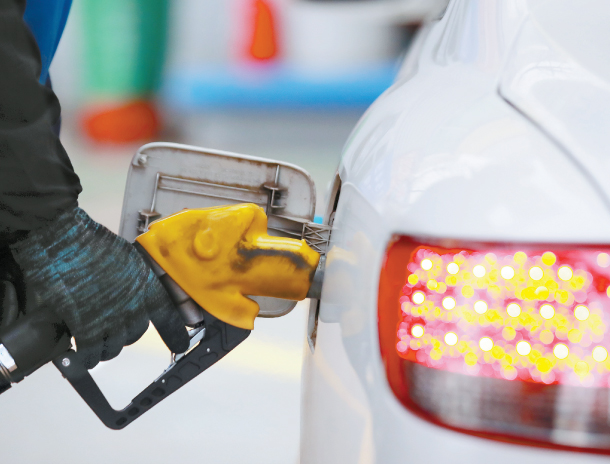
  • Malaysia Slashes Subsidized Fuel Quota Amidst Escalating Global Oil Prices

    Malaysia Slashes Subsidized Fuel Quota Amidst Escalating Global Oil Prices

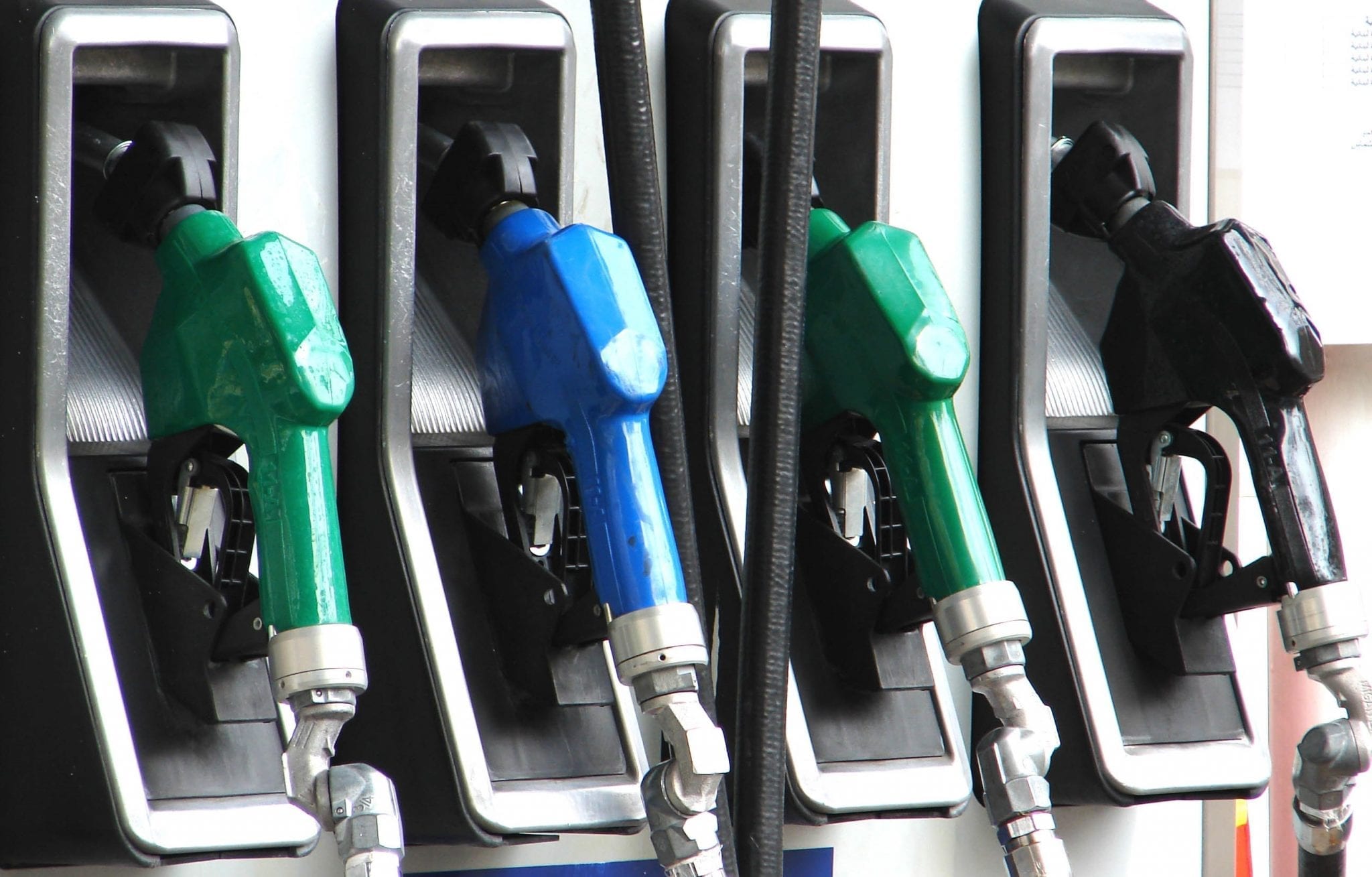
    In response to the recent spike in global oil prices, the Malaysian government has made the decision to decrease the monthly quota for subsidized RON95 fuel from 300 liters to 200 liters, with the policy effective from April.

    Reasons for the Reduction

    This reduction has been deemed necessary due to increases in the government’s subsidy bill. Malaysian Prime Minister Anwar Ibrahim has warned that, if global crude prices continue to remain above $110 per barrel, the subsidy bill could escalate to RM24 billion (US$6 billion) this year.

    Subsidized by the government, RON95 fuel is sold at a fixed price of RM1.99 per liter in Malaysia to ensure affordability for lower-income groups. Currently, eligible individuals can purchase up to 300 liters per month, after which they are charged at market rates. These rates have recently seen an increase from RM3.27 to RM3.87 per liter for the week of March 26 to April 1.

    The unsubsidized price of this fuel has also seen two increases since March 11, resulting in a combined increase of 45%. The latest weekly adjustment has also seen an increase in the pump price for RON97 to RM5.15 per liter, marking an overall increase of 58.46% since March 11, while diesel has seen an increase to RM5.52 per liter, up 76.92% over the same period.

    Global Oil Supply Disruptions

    This decision comes at a time when the global oil supply has been disrupted due to conflicts in the Middle East, specifically in the Strait of Hormuz, a crucial route that typically carries around 20% of the world’s oil flows.

    Brent crude has experienced a drop to $94.49 per barrel after peaking at nearly $120 earlier this month. However, it still remains more than 33% higher than before the conflict began in late February. Despite being an oil producer, Malaysia isn’t exempt from these shifts in the oil market, as it imports a significant proportion of its oil, nearly half of which comes via the affected route.

    In a recent social media post, Anwar noted that Malaysia exported approximately $5.5 billion in crude oil last year but imported nearly $12.6 billion. Furthermore, the country’s monthly subsidy bill for petrol and diesel has seen a significant surge from RM700 million to RM4 billion.

    Possible Implications

    While higher global prices may increase government income and benefit the national oil firm Petroliam Nasional, sustained volatility could lead to inflationary pressures and add to the fiscal burden of fuel subsidies. Announcing the weekly price adjustments, Malaysia’s Ministry of Finance declared the government’s ongoing commitment to protecting the public from rising costs and maintaining the subsidized RON95 prices at RM1.99 per liter.

    Analysts have suggested that tightening the subsidy quota could be a practical option to alleviate pressure on government funds, along with another possibility of increasing the subsidized fuel price to RM2.05 per liter.

    Questions & Answers

    What are some of the reasons for the reduction in subsidized RON95 fuel?
    This reduction has been deemed necessary due to increases in the government’s subsidy bill. If global crude prices continue to remain above $110 per barrel, the subsidy bill could escalate to RM24 billion (US$6 billion) this year.

    How has the global oil supply been disrupted?
    The global oil supply has been disrupted due to conflicts in the Middle East, specifically in the Strait of Hormuz, a crucial route that typically carries around 20% of the world’s oil flows.

    What could be some potential implications of this situation?
    While higher global prices may increase government income and benefit the national oil firm Petroliam Nasional, sustained volatility could lead to inflationary pressures and add to the fiscal burden of fuel subsidies.

  • Vietnam Experiences Significant Fuel Price Drop Amidst Global Declines and Tax Adjustments

    Vietnam Experiences Significant Fuel Price Drop Amidst Global Declines and Tax Adjustments

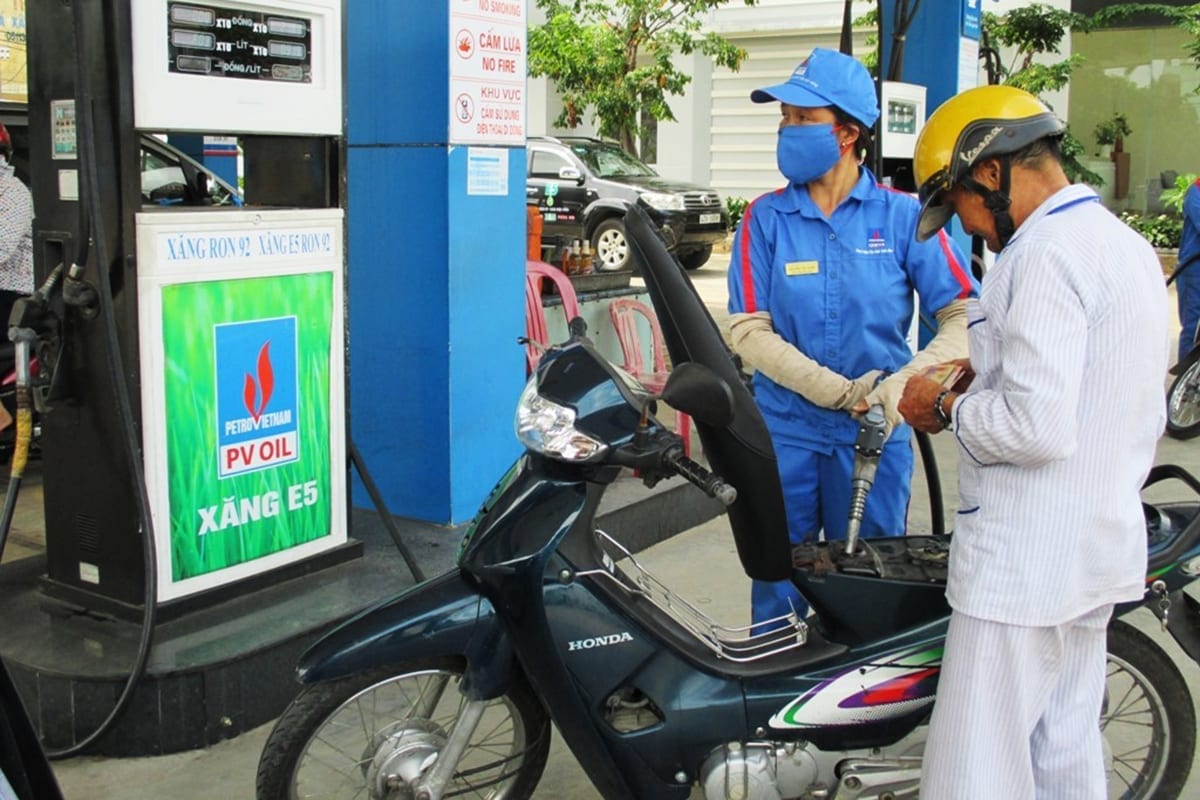
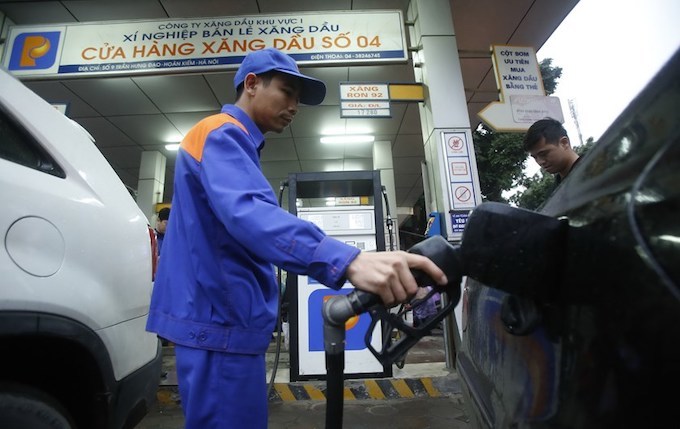
    In a notable development, gasoline prices in Vietnam saw a significant drop ranging from 6.47% to 18.8% late on Thursday. The widely used RON95 fuel recorded the highest decrease of 18.8%, reducing its price from Wednesday to VND24,330 (equivalent to US$0.92) per litre.

    Decrease in other fuel prices

    Along with RON95, other fuels also witnessed a price drop. Biofuel E5 RON92 plunged 16.9%, bringing its price down to VND28,070 per litre. Diesel, another essential fuel, recorded a 6.47% decrease to VND35,440 per litre.

    Global fuel price trend

    The decline in Vietnam’s fuel prices aligns with the global trend. Internationally, RON95 gasoline decreased by 7.4% from Wednesday, reaching $135.6 per barrel, and diesel fell 6.5% to $204.6 per barrel. These global price changes were reported by the Ministry of Industry and Trade and the Ministry of Finance.

    Tax Changes Influence

    However, the global price drop is not the sole cause for the fall in Vietnam’s fuel prices. A series of tax adjustments implemented late on Thursday also contributed to the decrease in local rates. The environmental protection tax on gasoline, excluding ethanol, diesel, and aviation fuel, has been reduced to zero from the previous VND1,500–2,000, as per a decision of the Prime Minister.

    Additionally, the excise tax on all types of gasoline and the value-added tax on gasoline, diesel, and aviation fuel have been modified, with the former being cut to 0% from an earlier 10%.

    Local Fuel Market Situation

    Despite the ongoing conflict in the Middle East, which has put added pressure on the domestic fuel market, the local fuel supply in Vietnam remains stable, according to an earlier statement by the trade ministry.

    Questions & Answers

    What was the percentage decrease in the price of RON95 fuel in Vietnam?
    The price of RON95 fuel in Vietnam decreased by 18.8%.

    What other factors contributed to the decrease in fuel prices apart from the global price drop?
    A series of tax adjustments, including a reduction in the environmental protection tax and excise tax on gasoline, also influenced the decrease in fuel prices.

    Despite the conflict in the Middle East, how is the domestic fuel supply in Vietnam?
    Despite the escalating conflict in the Middle East, the domestic fuel supply in Vietnam remains secure and stable.

  • Billionaires’ Battle: India’s Race to Revolutionize Weight-Loss Drugs with Affordable Alternatives

    Billionaires’ Battle: India’s Race to Revolutionize Weight-Loss Drugs with Affordable Alternatives

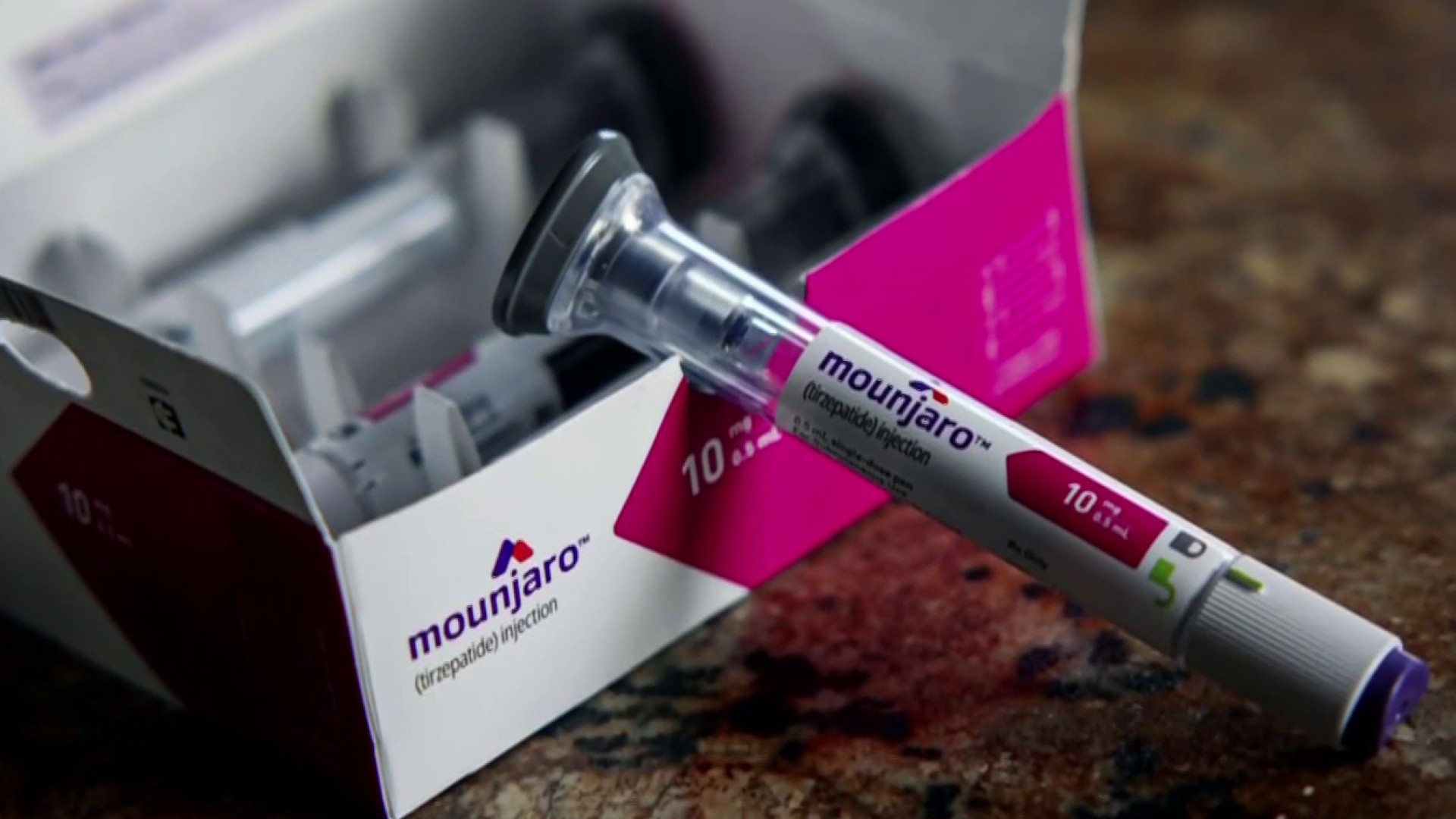
    Indian billionaires are vying to introduce cost-effective medications for diabetes and obesity in response to the escalating demand for reasonably priced alternatives to the well-known weight-loss drug, Ozempic. Sun Pharmaceutical Industries, established by billionaire Dilip Shanghvi, has recently released weight-loss pen injections under the Noveltreat and Sematrinity brands.

    Competitive Pricing

    Priced at approximately INR3,600 (US$38.3) per month for the lowest dose, Noveltreat competes directly with higher-priced options. Sematrinity offers a similarly affordable alternative at INR3,000 monthly, less than half the cost of Ozempic and Wegovy, notable weight-control medications manufactured by the Denmark-based company, Novo Nordisk.

    Kirti Ganorkar, Sun Pharmaceutical’s Managing Director stated, “With the launch of Noveltreat and Sematrinity, we are striving to offer a high-quality, cost-effective therapy to a broader patient demographic in India.”

    Expanding Treatment Options

    Dr. Reddy’s Laboratories, the brainchild of billionaires Satish Reddy and G. V. Prasad, has also launched Obeda, an injectable drug for managing type 2 diabetes, priced at INR4,200 per month. In addition to Obeda, the firm plans to create an integrated care ecosystem including metabolic centres aimed at enhancing diabetes treatment and associated metabolic conditions.

    Erez Israeli, CEO of Dr. Reddy’s, expressed that Obeda reinforces the company’s vision of “ensuring advanced diabetes treatments are not only accessible but affordable.”

    Similarly, Torrent Pharmaceuticals, led by billionaire brothers Sudhir Mehta and Samir Mehta, has introduced both injectable and oral weight-loss drugs under the Sembolic and Semalix brands, priced at INR3,999 per month.

    CEO Amal Kelshikar said, “Our entry into the GLP-1 therapy segment reflects Torrent’s commitment to expanding treatment options available to healthcare professionals managing complex metabolic conditions at affordable prices.”

    The Market Landscape

    A study conducted in 2023 by the Indian Council of Medical Research revealed that over 100 million people in India have diabetes, and the World Health Organization estimates that approximately 8% of the population is obese.

    These companies are part of a larger group of at least eight significant pharmaceutical manufacturers that have introduced semaglutide copies. The market has quickly become competitive, with research firms estimating that up to 40 companies could eventually enter the segment.

    As a result, a price war is predicted, with analysts projecting that intense price competition could reduce the cost of some weight-loss drugs in India by up to 90%. Investment bank Jefferies referred to the development as a “magic pill moment” for India, predicting the market could grow to $1 billion.

    India, often referred to as the “pharmacy of the world,” is now emerging as a crucial low-cost supplier in the global fight against obesity, much like its past role in reducing the cost of HIV treatments and expanding access worldwide.

    Regulatory Oversight

    The increase in new product launches has led to heightened scrutiny from regulatory bodies. Concerns have been raised about the availability of generic versions of weight-loss drugs through various channels, such as retail pharmacies, online platforms, wholesalers, and wellness clinics.

    The Ministry of Health in India has cautioned that these drugs, when used without proper medical supervision, could potentially lead to serious adverse effects and related health risks. The ministry has also imposed restrictions on marketing such drugs, banning indirect promotional activities that could mislead consumers or promote off-label usage.

    There are concerns that patients may view these weight-loss drugs as a “magic pill” solution and may rely on them indefinitely. Mumbai-based diabetologist Rahul Baxi cautioned that these medications are not a substitute for a proper diet or lifestyle change.

    Questions & Answers

    What is the price of the new weight-loss medications?
    Noveltreat is priced at approximately INR3,600 (US$38.3) a month, while Sematrinity costs INR3,000 a month. Obeda, a diabetes medication, is priced at INR4,200 a month.

    Is there a predicted price war in the pharmaceutical industry?
    Yes, analysts project intense price competition could decrease the cost of some weight-loss drugs in India by up to 90%.

    What are the concerns raised by the Ministry of Health in India?
    The Ministry of Health has raised concerns about the availability of generic weight-loss drugs without proper medical supervision, which could potentially lead to serious adverse effects and health risks. It has also expressed worry about potentially misleading or indirect promotional activities for these drugs.

  • Cambodia Ramps Up Fuel Imports from Singapore and Malaysia Amid Middle East Conflict

    Cambodia Ramps Up Fuel Imports from Singapore and Malaysia Amid Middle East Conflict

    Cambodia has been increasing its fuel imports from Singapore and Malaysia in a bid to compensate for supply shortages caused by ongoing conflict in the Middle East, which continues to hamper global fuel supply chains. The Minister of Mines and Energy for Cambodia, Keo Rottanak, communicated this on Wednesday.

    Fuel Stations and Supply

    Last week, Rottanak reported, approximately one-third of the nation’s 6,300 fuel stations were temporarily closed due to worries about the conflict’s effect on fuel prices. However, the situation has since improved, and now only 5.77% of stations still remain closed.

    Rottanak also pointed out that Cambodia is augmenting its fuel imports from Singapore and Malaysia, while its usual suppliers are making every effort to keep exports steady amid increasingly strained supply conditions.

    Increasing Imports

    Figures from Kpler indicate that during the first 18 days of the current month, gasoline and diesel exports from Singapore and Malaysia to Cambodia have risen by 25% compared to the same period in 2025. However, this is a 40% decrease compared to the last 18 days of February.

    Fuel Reserves and Energy Security

    According to the minister, the fuel reserves of Cambodia are presently at levels similar to earlier periods. The country lacks a domestic oil refinery and usually keeps stocks of diesel, jet fuel, liquefied petroleum gas, and gasoline that suffice for less than one month under standard conditions.

    The Cambodian government is taking steps to bolster its energy security and lessen geopolitical risks. Preliminary discussions have been held this month with Woodside Energy, an Australian company, in an attempt to secure liquefied natural gas (LNG) supplies for a planned 900MW power plant that is expected to start operations in 2027.

    Renewable Energy and Future Plans

    Rottanak added that the shock from the Middle East has been partially mitigated in Cambodia thanks to the swift growth of renewable energy in the country. Overall fuel imports have remained relatively stable compared to the levels in 2022, bolstered by increased electrification from renewable sources. He underlined that the conflict underscores the pressing need to speed up the development of cross-border power grid connectivity among ASEAN nations.

    Questions & Answers

    What steps is Cambodia taking to address fuel supply shortages?
    Cambodia is increasing its fuel imports from Singapore and Malaysia. Its traditional suppliers are also working hard to maintain exports in spite of tough supply conditions.

    What is the current status of Cambodia’s fuel reserves?
    Cambodia’s fuel reserves are currently at levels similar to previous periods. The country typically maintains diesel, jet fuel, liquefied petroleum gas and gasoline stocks sufficient for less than one month under normal circumstances.

    What measures is Cambodia taking for energy security?
    The Cambodian government is enhancing its energy security by holding talks with Australia’s Woodside Energy to secure LNG supplies for a planned 900MW power plant. The government is also accelerating the development of cross-border power grid connectivity among ASEAN countries.

  • Vietnam Gasoline Prices Skyrocket Amid Middle East Conflicts: Highest Surge since 2022 Crisis

    Vietnam Gasoline Prices Skyrocket Amid Middle East Conflicts: Highest Surge since 2022 Crisis

    Last Thursday, Vietnam experienced a significant surge in gasoline prices, which increased by 20% to reach their highest level since July 2022. This sharp rise is linked to ongoing conflicts in the Middle East, which have prompted a double-digit escalation in global prices. The most commonly used fuel in the country, RON95, saw a 20% boost, pricing it at VND30,690.

    Other Fuels See Increase

    In addition to RON95, the price of Biofuel E5 RON92 also saw a substantial rise of 20.7%, elevating it to VND22,170. Diesel prices also spiked, with a 23.7% increase bringing the cost to VND33,420. Compared to prices at the end of February, just before the onset of the Middle East conflict, RON95 and diesel are now 52% and 73% more expensive, respectively.

    Global Petroleum Market Impact

    The global petroleum market has been heavily influenced recently by factors such as proliferating tensions resulting from the military clashes involving the U.S., Iran and Israel. This situation is made more problematic by Iran’s control over the Strait of Hormuz. Around the world, RON95 gasoline has risen by 16.4% to $150.4 per barrel. Other fuels have also seen increases, with diesel up by 18.6%, kerosene by 28.8%, and fuel oil by 13.1%.

    Government Subsidies and Global Comparisons

    In response to these skyrocketing prices, the Vietnamese government has stepped in to subsidize diesel by VND4,000 per liter and gasoline and other fuels by VND3,000. This marks the sixth consecutive time subsidies have been employed to combat rising fuel costs. The cost of RON95 in Vietnam is now at its highest since a global fuel crisis sparked by the Russia-Ukraine conflict in July 2022. However, it remains lower than the peak level of VND32,870 established in June 2022. Concurrently, kerosene and fuel oil prices have reached their highest point since 2019.

    Petroleum Imports and Government Response

    From the start of the year to March 15, Vietnam imported nearly 2.71 million tonnes of petroleum products, valued at over $1.94 billion, representing a year-on-year increase of 42–43%. In the first half of March alone, import volumes surged by 41.4%, pushing import value up by 89.2% compared to the same period last year. In order to secure energy security, Prime Minister Pham Minh Chinh has been in contact with multiple countries’ leaders and met with ambassadors in Vietnam to appeal for oil supply support. Simultaneously, the Ministry of Industry and Trade and the Ministry of Finance have extensively used the petroleum price stabilization fund and reduced the preferential MFN import tariff to 0% as a strategy to ease fuel prices.

    Energy Security Measures

    During a meeting with the Energy Security Task Force on March 17, PM Chinh assured that despite the price hikes, fuel and energy supplies remain adequate to support production and consumption. Furthermore, he emphasized that the negative impacts on the public and businesses have been minimized as much as possible.

    Questions & Answers

    What was the impact of the Middle East conflict on fuel prices in Vietnam?
    The conflict in the Middle East led to a 20% surge in gasoline prices in Vietnam, with popular fuel RON95 rising to VND30,690.

    What measures has the Vietnamese government taken to curb rising fuel costs?
    The government has provided subsidies for diesel and gasoline and other fuels to help keep prices manageable for consumers. This marks the sixth time in a row that the government has stepped in with subsidies.

    How have Vietnam’s fuel imports been affected this year?
    From the start of the year to mid-March, Vietnam imported nearly 2.71 million tonnes of petroleum products, representing a year-on-year increase of 42–43%. The value of imports also rose significantly, particularly in the first half of March.

  • Coles Bids Farewell to Swaggle: The Unexpected Turn in Australia’s Pet Care Industry

    Coles Bids Farewell to Swaggle: The Unexpected Turn in Australia’s Pet Care Industry

    Swaggle, a pet care subsidiary of supermarket titan Coles, will be shutting down after a two-year run, it has been confirmed. Swaggle marked Coles’ entry into the thriving pet care industry which is currently valued at over $33 billion annually in Australia.

    Headquartered in Victoria, Swaggle was supervised by Chad Burke, previously a category manager at Coles Group. The online marketplace boasted an extensive inventory of items, featuring both niche and prominent brands in the industry.

    Despite its initial promise, Coles has decided to cease Swaggle’s operations beginning from April, just over two years after its inception.

    A representative from Coles praised Swaggle as one of the company’s most important innovation projects. The representative stated, “The venture demonstrated our ability to quickly ideate and trial in the market, and highlighted what a dedicated, nimble team can achieve when they stay attuned to the customer’s needs and are willing to experiment.”

    The company plans to investigate options for relocating Swaggle’s workforce within its group, while providing support to others during the transition.

    The representative further added, “It also serves as a reminder of the need to acknowledge market shifts and to redirect our focus and capital to ensure the continued execution of our strategy.” The spokesperson went on to express, “As the pet market’s demands have transformed and client needs have developed, we have made the difficult decision to close down our Swaggle Pet business from the beginning of April.”

    Questions & Answers

    Why is Coles closing down its pet care business, Swaggle?
    Coles is closing down its pet care business, Swaggle, due to evolving customer needs and shifting demand in the pet market.

    What will happen to the employees of Swaggle after its closure?
    Coles is exploring opportunities to relocate Swaggle employees within its group and promises to support others during the transition period.

    What was the significance of Swaggle to Coles?
    Swaggle was one of the most significant innovation initiatives at Coles, demonstrating the company’s ability to quickly create and test in the market, and highlighting the achievements of a small, talented team.

  • Exploring Australia’s Potential Crackdown on Infant Formula Ads: A Move to Protect Breastfeeding Rates

    Exploring Australia’s Potential Crackdown on Infant Formula Ads: A Move to Protect Breastfeeding Rates

    The Australian federal government is currently seeking public feedback on the possibility of enacting laws to regulate the marketing of infant formula in the country. This consultation process is open for submissions until the 10th of April.

    The Background

    Prior to February 2025, a voluntary agreement had been set in place in which Australian formula brands pledged not to advertise formula products for infants aged 12 months or less. This agreement was instituted as part of an effort to encourage and safeguard breastfeeding practices. However, recent statistics have shown that the rates of breastfeeding in Australia are not as high as desired. This has prompted the government to consider not renewing the voluntary agreement and instead, exploring more stringent measures.

    These proposed measures are not intended to explicitly promote breastfeeding. The main objective is to curb marketing practices that present formula as a better or equivalent alternative to breastfeeding.

    The Problem with Formula Advertising

    Breastfeeding offers numerous health benefits for both the mother and child. These include protection against gastrointestinal and respiratory infections for newborns, decreased risk of obesity and type 2 diabetes later in life for the child, and a lower risk of ovarian and breast cancer for the mothers.

    In light of these benefits, Australian guidelines propose exclusive breastfeeding for the first six months of a child’s life. Additionally, the World Health Organization recommends continued breastfeeding for the first two years.

    Despite high rates of breastfeeding at birth in Australia, these rates significantly decrease over time. In 2022, it was reported that only 37% of babies were exclusively breastfed by the time they reached six months.

    There are various reasons why mothers choose not to breastfeed, but the advertising of formula products is a key area of concern. It has been found to muddle parents’ understanding of the nutritional benefits of breastfeeding versus formula, reduce the initiation and duration of breastfeeding, and position formula as a more favorable solution to breastfeeding challenges.

    The Role of Online Advertising

    Online advertising operates differently from traditional forms of advertisement. Online ads target individuals based on their search history, browsing activities, or significant life events. As such, they can reach new or expectant parents at times when they may be most uncertain or susceptible to suggestions.

    Analysis of Infant Formula Ads

    An analysis of online formula advertisements targeting parents in Australia was conducted by the ADM+S Australian Ad Observatory. The study found that formula brands used various tactics to appeal to parents. These included highlighting positive customer reviews, offering free downloadable resources such as cookbooks and baby proofing guides, and partnering with prominent retailers to direct individuals to online shopping platforms.

    Potential Government Actions

    The government is contemplating several options, including maintaining the status quo with no regulation, introducing legislation that mirrors the former voluntary agreement, or introducing legislation that also restricts the marketing of toddler milk for children aged one to three years.
    Questions & Answers

    What are the benefits of breastfeeding for mothers and children?
    Breastfeeding offers significant health benefits, including protection against gastrointestinal and respiratory infections for newborns, decreased risks of obesity and type 2 diabetes later in life for the child, and a reduced risk of ovarian and breast cancer for the mother.

    Why is the advertising of infant formula products a concern?
    Advertising can confuse parents about the nutritional benefits of breastmilk versus formula, decrease the initiation and duration of breastfeeding, and present formula as a more favorable solution to breastfeeding challenges.

    What potential actions is the Australian government considering?
    The government is considering several options including maintaining the status quo with no regulation, introducing legislation that mirrors the former voluntary agreement, or introducing legislation that also restricts the marketing of toddler milk for children aged one to three years.
  • Will Australia Clamp Down on Infant Formula Ads? Exploring New Federal Consultation on Marketing Restrictions

    Will Australia Clamp Down on Infant Formula Ads? Exploring New Federal Consultation on Marketing Restrictions

    Australian Government Considers Infant Formula Marketing Regulations

    The Australian federal government recently invited public responses to a consultation paper, exploring the potential introduction of laws to limit or completely halt the marketing of infant formula across the country. This open consultation has been set to terminate by April 10.

    Since February 2025, manufacturers of Australian infant formula have been adhering to an agreement, albeit voluntary, to avoid advertising formula milk products for babies who have not yet reached their first birthdays. The unstated goal of this agreement was to encourage and safeguard the practice of breastfeeding.

    However, with recent statistics indicating a lower-than-expected rate of breastfeeding in the country, the government has decided against renewing the voluntary arrangement. Instead, it is now considering implementing stricter measures.

    While these new measures do not directly advocate breastfeeding, they are designed to curb marketing strategies that present formula milk as a similar or better alternative.

    Our evaluation of online ads for infant formula aimed at Australian parents shows that companies exploit parental fears. This also illustrates the issues arising from a voluntary arrangement.

    The Problem with Formula Advertising

    Breastfeeding offers substantial health benefits to both the mother and baby. These include safeguarding newborns from gastrointestinal and respiratory infections, lowering the risk of obesity and type 2 diabetes in later life, and reducing the likelihood that mothers will develop ovarian and breast cancer.

    For these reasons, Australian guidelines advise exclusive breastfeeding for the first six months after birth. The World Health Organization recommends continued breastfeeding for the first two years.

    In Australia, while breastfeeding rates are high at birth, they swiftly decline. Only 37% of babies were reported to be exclusively breastfed by six months in 2022.

    There are various factors contributing to a mother’s decision not to breastfeed, but advertising of formula products is a key concern. Such advertising has been shown to create confusion among parents about the nutritional benefits of formula versus breast milk, decrease breastfeeding initiation and duration, and present formula as a superior choice in the face of breastfeeding difficulties.

    Formula milk is crucial and often the only option for those who cannot breastfeed. However, it is also costly and can place financial stress on families, especially during the first year of a child’s life.

    Online advertising differs significantly from traditional ads. Online, ads are targeted based on people’s search and browsing histories or life events, reaching new or expecting parents at times when they may be most uncertain or susceptible to suggestion.

    Infant Formula Advertisements: What Are They Promising?

    The ADM+S Australian Ad Observatory, which we and our colleagues manage, collects data on ads encountered by Australians online in order to understand how digital advertising systems work.

    In 2022, we collected ads from 1200 Australian adults who voluntarily installed a plug-in on their browsers to capture ads while they browsed Facebook. Since 2025, we have been collecting ads from about 300 Australians who use an app to share ads that appear while they scroll through Facebook, Instagram, TikTok and YouTube on their phones.

    In this analysis, we studied ads collected in both years and identified 158 ads promoting formula products from local and international brands.

    We found brands used various tactics to attract parents. Some highlighted positive customer reviews or offered complimentary downloadable cookbooks and baby-proofing guides for homes.

    Other ads were in collaboration with prominent retailers, directing people to online shopping interfaces with “buy now” buttons.

    Most formula brands made some claims about the nutritional or behavioural benefits of their products. These claims exploit the anxiety parents often feel about their children meeting nutritional, sleep and developmental milestones.

    Some manufacturers claimed their product was fortified with vitamins and prebiotics that would “improve gut health” or help a toddler sleep longer at night.

    Others claimed their formula would give mothers “a moment of calm” or strengthen their toddler’s immune system. This is despite scientific evidence showing that breast milk can provide necessary antibodies to a sick child in real time.

    Starting early: The Problem with the Voluntary Advertising Agreement

    Many ads used images of very young toddlers who could easily be mistaken for infants aged 12 months or under. In one case, we found an ad explicitly promoting formula designed for babies under 12 months.

    This, along with the use of images of very young children to market ‘toddler milk’ (formula marketed for children aged one to three years), underscores some of the problems with a voluntary advertising agreement.

    Since toddler milk marketing was exempt, brands could target parents of newborns. This would generate brand awareness and consumer trust, potentially leading a parent to choose to start their child on formula instead – or earlier than they otherwise would.

    Enforcement has also been a challenge. The penalties for violating the agreement – listing the breach on the Department of Health website – have not been viewed as severe enough by the Australian Competition and Consumer Commission.

    Moreover, the digital advertising environment offers little visibility into what marketing is actually in circulation or who is being exposed to it.

    Outside of specialised research tools like our Ad Observatory and the Australian Internet Observatory, there is no systematic method for observing infant formula ads appearing on personalised social media feeds.

    Potential Government Actions

    The government is mulling over several options:

    Maintaining the status quo – no regulation.
    Introducing legislation mirroring the former voluntary agreement, preventing promotion of infant formula (for babies aged 12 months or under).
    Introducing legislation that also restricts toddler milk marketing (for children aged one to three years).
    We have provided all our data to the government to assist in the decision-making process. However, while the ads we discovered provide a glimpse behind the scenes, they likely underestimate the extent of formula marketing happening online.

    Infant formula can be a critical, sometimes life-saving, intervention for families in need. However, health interventions do not require persuasive advertising to fulfil their purpose.

    The essential policy question is whether a product designed to support infants should be promoted through the same marketing systems selling snack foods, cosmetics and financial products.

    Questions & Answers

    Why is the Australian government considering legislation to restrict infant formula marketing?
    The Australian government is considering this move due to concerns over lower-than-expected rates of breastfeeding in the country. There is a belief that marketing strategies by formula manufacturers might be presenting formula as a preferable choice to breastfeeding, potentially influencing parents’ decisions.

    What are the key issues with formula advertising?
    Formula advertising may cause confusion among parents about the nutritional benefits of formula versus breast milk. Ads may also suggest that formula is a superior alternative when facing breastfeeding challenges. Furthermore, these ads may exploit parents’ anxieties about their children’s nutritional and developmental needs.

    What are the potential options the government is considering regarding the regulation of infant formula marketing?
    The government is considering several options: maintaining the current situation with no regulation; introducing legislation similar to the former voluntary agreement that prevents the promotion of infant formula for babies aged 12 months or under; or introducing legislation that also restricts the marketing of toddler milk for children aged one to three years.
  • Iranian Conflict Sparks 7% Surge in Vietnam’s Gasoline Prices: Government Leans on Stabilization Fund

    Iranian Conflict Sparks 7% Surge in Vietnam’s Gasoline Prices: Government Leans on Stabilization Fund

    The price of gasoline is on a continual rise, leading the government to depend on its stabilization fund to provide subsidies. On Tuesday, there was yet another increase, with the price of RON95 fuel skyrocketing by 7.69% to VND29,120 (US$1.11) per litre.

    Biofuel and Diesel Prices Also Rise

    Alongside gasoline, the prices of biofuel E5 RON92 and diesel also saw an increase. Biofuel E5 RON92 rose by 5.35% to VND26,570 per litre, while diesel prices saw a 1.59% increase, taking the price to VND30,710 per litre.

    For the first time in three years, both the Ministry of Industry and Trade and the Ministry of Finance have been forced to tap into the fuel stabilization fund. This has been done in an effort to subsidize RON95 by VND4,000 per litre and diesel by VND5,000 per litre.

    The price of RON95 is now approximately at the same level as it was in July 2022, a period when the global fuel supply chain was disrupted due to the Russia–Ukraine conflict. Diesel, on the other hand, is at its highest level since 2019.

    Global Market and Production Disruptions

    Ongoing military conflicts involving the United States, Israel, and Iran over the weekend have impacted the global market, according to ministry reports. All oil-exporting countries within the Gulf have cut down production as transport through the Strait of Hormuz is currently disrupted.

    It’s also notable that the trend of most countries stockpiling fuel has resulted in a sharp rise in global prices.

    The price of RON95 gasoline has seen a dramatic 27% increase to $147.5 per barrel, with diesel rising by 20%, kerosene by 4%, and mazut by 41%.

    Changes in Pricing and Supply

    Fuel prices in Vietnam were adjusted on Tuesday, deviating from the usual Thursday adjustment, to reflect global price changes of over 7%. Although global prices have begun to stabilize, domestic prices remain high due to a delay in the pricing cycle.

    Earlier on Tuesday, prices began to decline following a statement from U.S. President Donald Trump indicating that the conflict in the Middle East would soon come to an end.

    The prices of RON95 gasoline and diesel have dropped by around $20 per barrel in Singapore, falling to $127.2 and $160.4 respectively. These lower levels will be reflected in Vietnam after the next adjustment.

    To ensure short-term supply, Deputy Minister of Industry and Trade, Nguyen Sinh Nhat Tan announced that the government had procured four million barrels of oil from its partners. With this existing crude oil stockpile and further supplies expected shortly, he projects that the supply will suffice for 30–45 days, depending on demand and production plans at domestic refineries.

    Government Measures to Control Prices

    In addition to ensuring supply, the government is taking measures to control retail prices. They have slashed most favored nation import tariffs on gasoline and certain blending materials to zero. This move is intended to incentivize distributors to import fuel from countries that do not have free trade agreements with Vietnam.

    The Ministry of Finance has also requested that the government abolish the environmental protection tax on fuel starting March 12. Currently, this tax ranges from VND1,000-2,000 per litre, depending on the type of fuel.

    Questions & Answers

    What measures are the government taking to control the rising fuel prices?
    The government is using its stabilization fund to subsidize gasoline. They have also cut import tariffs on gasoline and certain blending materials to zero and are considering removing the environmental protection tax on fuel.

    What significant change has occurred in Vietnam’s fuel pricing system?
    Fuel prices were adjusted on Tuesday instead of the usual Thursday, due to the significant global price changes.

    How is the government ensuring short-term fuel supply?
    The government has procured four million barrels of oil from its partners, and more supplies are expected shortly. This is expected to meet domestic demand for the next 30–45 days.

  • Revolution in Digital Age Verification: Child Safety Advances Amid Global Social Media Clampdown

    Revolution in Digital Age Verification: Child Safety Advances Amid Global Social Media Clampdown

    In recent years, technology firms have been reluctant to constrict minors’ access to their platforms, citing technical constraints, practicality issues, overreach, and security threats. However, an increasing number of governments are now viewing these challenges as surmountable and are moving forward with stringent new age-verification requirements for social media networks, AI chatbots, and adult content providers alike.

    Global Regulatory Shifts

    Following Australia’s notable prohibition on adolescent social media accounts three months ago, regulatory bodies across Europe, Brazil, and several U.S. states are seeking to replicate the move. High-profile political figures such as California Governor Gavin Newsom and former President Donald Trump have also reportedly shown interest in implementing age restrictions.

    The driving forces behind these regulatory changes are mounting anxieties over online abuse and adolescent mental health issues, recent outrage over AI-generated explicit images of children, and a growing faith in the potential of ‘age assurance’ software. Such software can estimate an individual’s age based on facial analysis, parental permission, ID checks, and other digital hints.

    Technological Advancements and the Age Assurance Market

    Recent strides in artificial intelligence have enhanced the efficiency and reduced the cost of age-verification tools. Social media enterprises can now often accurately determine a user’s age group using digital indicators such as the account creation date and the type of content viewed. Meanwhile, an emerging industry of age-verification vendors offers added layers of checks through automated tools like facial scans and machine-based analysis of government IDs.

    App store platforms like Apple and Google have also introduced tools that enable parents to communicate their child’s age range to app developers. This overall improvement in technology and the resultant drop in verification costs have expanded the scope of its application.

    Cost and Effectiveness of Age Verification

    Age-verification vendors usually charge less than a dollar per check for basic machine-only age-assurance tools. Traditional methods that were standard a decade ago, such as human confirmation and triangulation of personal data, are still available at a premium but are needed less frequently. Furthermore, independent evaluations show progress in the accuracy and precision of these tools.

    For example, face-scanning software was off in age estimations by an average of 4.1 years in 2014, while by 2024, this average has dropped to 2.5 years. The latest models from vendors like Yoti and Persona boast of an average error of less than two years for the age range of 13 to 18.

    Challenges and Limitations

    Despite these advancements, there are still limitations. The systems face difficulties with certain skin tones and older phones. Also, they might fail to catch attempts by youngsters to appear older than they are. However, executives believe that facial age estimation can offer a digital equivalent of offline age screening.

    Adding to this, social media services generally require fewer facial scans and ID checks than adult content or gambling sites due to the abundance of personal information they have on users. This allows them to depend more on an age-verification method called ‘inference’.

    Early Implementation Results

    While it’s too early to assess the full impact of Australia’s teen ban, preliminary results are promising. According to Australia’s eSafety Commissioner, companies have blocked 4.7 million suspected underage accounts since the law came into effect. Regulators in other countries are closely monitoring these developments as they consider implementing similar measures.

    Questions & Answers

    What are some of the driving forces behind the implementation of age verification measures?
    Concerns over online abuse, adolescent mental health issues, and the spread of AI-generated explicit child images have all contributed to the push for stricter age verification measures.

    How have technological advancements influenced the age assurance market?
    Advancements in artificial intelligence have improved the efficiency and lowered the cost of age-verification tools. This has broadened the scope of their application beyond high-value transactions.

    What limitations do current age-verification systems face?
    Current age-verification systems can struggle with certain skin tones and older phones. They may also fail to catch attempts by youngsters to appear older than they are. These challenges highlight the need for ongoing refinement and improvement in this technology.

  • Cambodia Tightens Grip on Retail Fuel Sales to Ensure Safety and Stability

    Cambodia Tightens Grip on Retail Fuel Sales to Ensure Safety and Stability

    The Ministry of Commerce in Cambodia has sent out a public appeal to all citizens and fuel station owners to desist from hoarding fuel in an attempt to maintain a stable supply chain throughout the country. The public notice, issued on the 6th of March, further implores strict adherence to safety standards when selling and storing petroleum products, as a measure to mitigate any potential safety hazards.

    Emphasizing Risk Management in Fuel Trade

    The Ministry stressed on the importance of risk management in the processes of buying, selling, and storing fuel. This is deemed critical to protect consumers and preempt any accidents that could potentially result from unsafe storage practices. It also highlighted that improper or excessive storage of fuel can lead to severe risks, such as fire hazards that could pose a threat to properties and community safety.

    Appeal for Responsible Fuel Usage

    In the public notice, the Ministry further urged the citizenry to use fuel responsibly and refrain from panic buying or unnecessary stockpiling of fuel. The notice cautions that excessive storage could lead to unwarranted safety challenges.

    Continual Inspections by Regulatory Officials

    Simultaneously, officials from the Ministry’s General Department of Consumer Protection, Competition and Fraud Repression, in collaboration with provincial and municipal commerce departments and local offices of the Ministry of Mines and Energy, are conducting regular inspections of fuel stations across the country. These checks aim to ensure that the stations are in compliance with technical standards, maintain fair practices in fuel sales and proactively prevent any cases of opportunistic price manipulation or irregular price hikes.

    Questions & Answers

    What measures are being taken by the Cambodian Ministry of Commerce to ensure a stable fuel supply?
    The Ministry has issued a public notice urging the citizens and fuel station operators to avoid hoarding fuel and to adhere to safety standards when selling and storing petroleum products.

    What is the importance of risk management in the fuel trade as highlighted by the Ministry?
    The Ministry emphasizes that proper risk management in buying, selling, and storing fuel is critical to protect consumers and prevent accidents arising from unsafe storage practices.

    What is the purpose of continual inspections of fuel stations?
    The ongoing inspections by ministry officials aim to ensure that fuel stations comply with technical standards, maintain fair practices in fuel sales, and prevent opportunistic price manipulation or irregular price increases.

  • Experience Authentic Kyoto Lifestyle at Muji’s New Hotel Concept, Muji Base, Launching this May

    Experience Authentic Kyoto Lifestyle at Muji’s New Hotel Concept, Muji Base, Launching this May

    Muji, the renowned Japanese lifestyle retailer, is set to launch a hotel in Kyoto, a city well-known for its rich historic and cultural heritage. The grand opening of this hotel, christened Muji Base Kyoto Kiyomizu, is slated for May 20th.

    Location and Renovation

    The newly established hotel can be found at the gateway to the historic Kiyomizu-dera Temple, a famed landscape and UNESCO World Heritage site in the city. A former 40-year-old building, previously known as the Amenity Hotel Kyoto, was renovated to create this 18-room hotel. The makeover included a preservation of the building’s original exterior.

    Offerings and Amenities

    Guest rooms, showcasing Muji products and furniture, also integrate art by local artists. Additional amenities include a utility room equipped with a water server, washing machine, dryer, and iron. The hotel’s ground floor features a lounge that serves Ogawa Coffee.

    Unlike the Muji Hotel in Ginza, Muji Base follows a new concept, situating itself in local neighborhoods rather than bustling urban areas. This positioning allows guests the opportunity to immerse themselves in the authentic local lifestyle and culture.

    Local Experiences

    Beyond the exploration of Kiyomizu-dera, the hotel has curated several community-based experiences for its guests. These include the practice of kintsugi, an art form that employs gold in the repair of broken pottery, traditional tea shops and gift stores, bathhouses, and outlets selling freshly made tofu. The hotel also facilitates participation in water-related purification rituals at temples.

    To aid in their exploration of the area, guests are provided with a ‘walking basket’ that contains maps, water bottles, and other essential items.

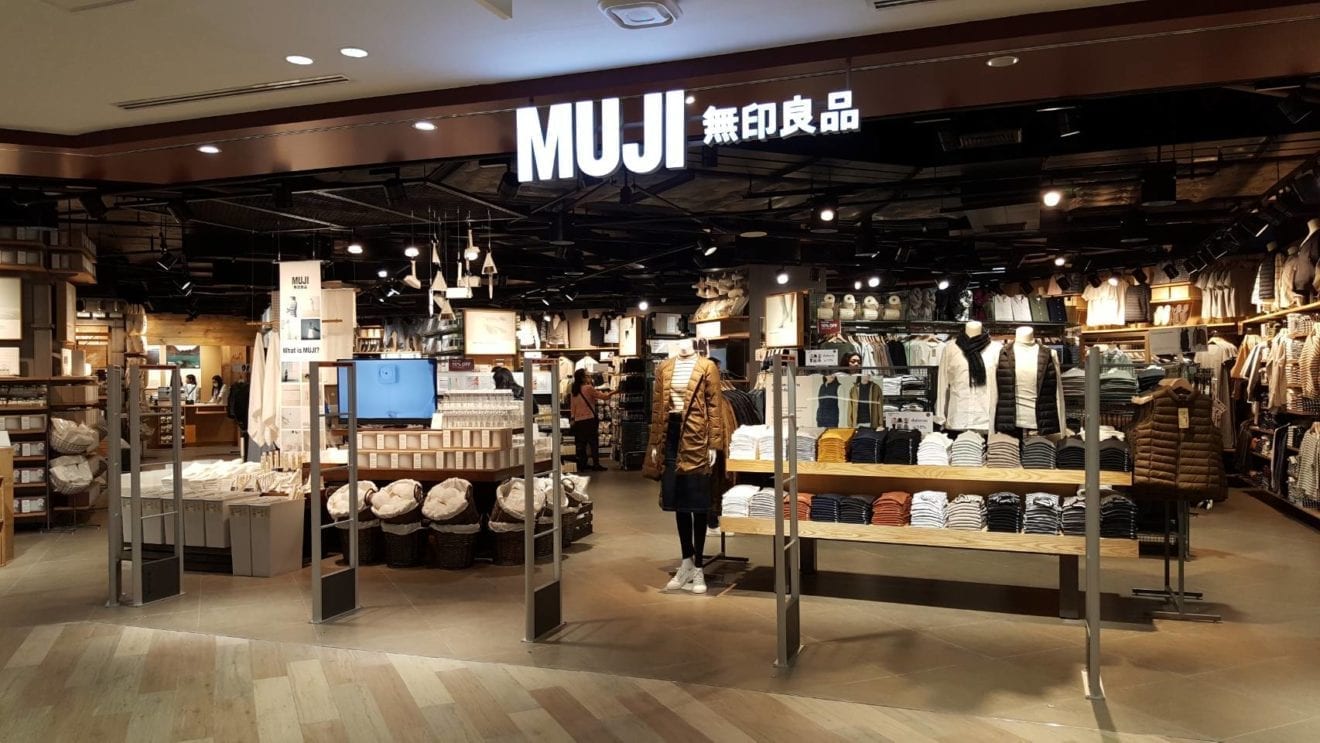
    The hotel is conveniently located approximately 15 minutes by car from Muji’s large format store in Kyoto. Here, guests can explore a vast selection of product offerings which, in addition to the brand’s standard lineup, includes an array of food items such as fresh vegetables, meat, fish, pre-prepared meals, and groceries.

    Booking and Rates

    Room rates at Muji Base Kyoto Kiyomizu start at 20,200 yen (US$128) per night. Reservations can be made via the hotel’s website.

    Questions & Answers

    Where is Muji’s new hotel located?
    The new hotel, Muji Base Kyoto Kiyomizu, is located in the city of Kyoto, at the entrance to the historic approach to Kiyomizu-dera Temple.

    What unique experiences does the hotel offer?
    The hotel offers guests the opportunity to involve themselves in several community-based experiences such as kintsugi, traditional tea shops and gift stores, bathhouses, and outlets selling freshly made tofu.

    How can room reservations be made?
    Reservations can be made directly through the hotel’s website.

  • IKEA Revolutionizes Green Logistics with Autonomous Electric Trucks in China

    IKEA Revolutionizes Green Logistics with Autonomous Electric Trucks in China

    Ikea China has recently introduced electric autonomous trucks into its Shanghai logistics network, following the successful completion of a preliminary 35,000-kilometer trial program. The trial program, initiated in April of 2024, has since evolved into daily utilization for customer deliveries, creating a connection between the Ikea Xuhui store and the Shanghai distribution center.

    Autonomous Trucks in Action

    The electric autonomous trucks are tasked with the transportation of goods along a 40-kilometer course. The pilot phase of this initiative spanned a ten-month period, throughout which the vehicles were responsible for the successful delivery of over a thousand shipments. Now, having transitioned to full-scale operations, the primary objectives are to enhance logistics efficiency and minimize carbon emissions within the supply chain.

    Impact of Autonomous Software

    The implementation of autonomous software has had a profound impact on the optimization of routing and timing, thereby reducing the strain on Shanghai’s congested road networks caused by retail logistics. The transition to a fully electric, autonomous fleet aligns directly with Ikea’s ongoing global objective to become a climate-positive entity by the year 2030. This is achieved by curtailing energy consumption and reducing tailpipe emissions.

    Logistics Network Integration

    Fredrik Axén, a representative from Ikea China, stated the successful trial affirms the feasibility of integrating autonomous technology into their pre-existing logistics network. He emphasized that this progress enables Ikea to enhance its delivery capacity while simultaneously aligning their transport operations with their broader objectives to lower emissions.

    Questions & Answers

    What was the purpose of integrating electric autonomous trucks into Ikea China’s logistics network?
    The primary aim was to increase logistics efficiency and decrease carbon emissions within the supply chain.

    What was the outcome of the 35,000-kilometer trial program?
    The pilot program was successful, leading to the daily use of these electric autonomous trucks for customer deliveries between the Ikea Xuhui store and the Shanghai distribution center.

    How does this integration align with Ikea’s global goals?
    The successful integration of autonomous technology into their logistics network supports Ikea’s global goal to become climate-positive by 2030, by reducing energy consumption and tailpipe emissions.

  • Pokemon Centre at Jewel Changi Aims for Localised Transformation – Get Ready for a Cultural Spin and Expanded Merchandise!

    Pokemon Centre at Jewel Changi Aims for Localised Transformation – Get Ready for a Cultural Spin and Expanded Merchandise!

    The Pokémon Centre, located in Jewel Changi Airport in Singapore, has decided to temporarily close its doors starting from April 1. This temporary closure is to allow for renovations aimed at introducing a completely localised store concept.

    Previous Store Offerings

    Ever since the center first opened in 2019, it has been a hub for a wide range of Pokémon-themed products. These products range from video games and trading cards to plush toys and bag charms.

    What to Expect from the Revamped Store

    Upon completion of the renovation, the revamped Pokémon Centre will feature several design elements and installations inspired by Singapore’s rich heritage and culture. Additionally, customers can look forward to an expanded merchandise selection and a host of immersive experiences.

    Temporary Pop-Up Stores

    During the three-month renovation period, Pokémon will set up temporary pop-up stores at Jewel Changi and Plaza Singapura. These stores will continue to cater to the needs of Pokémon fans, ensuring that they can still access their favorite merchandise during the renovation period.

    Shunsuke Sasaki, the Managing Director of Pokémon Singapore, reflected on the brand’s journey. “Over the past seven years, Pokémon has become an increasingly meaningful part of everyday life, and we are proud to have been part of that journey,” he said.

    He also shared a glimpse of what the refreshed store will offer: “The refreshed store will feature curated products, including some limited edition merchandise, and an enhanced interior design concept. We look forward to welcoming everyone soon.”

    The Pokémon Centre at Jewel Changi Airport is set to reopen its doors in the third quarter of the year.

    Questions & Answers

    When will the Pokémon Centre at Jewel Changi Airport be closed for renovations?
    The Pokémon Centre will be temporarily closed starting from April 1.

    What changes can customers expect from the revamped store?
    Customers can expect to see design elements and installations inspired by Singapore’s heritage and culture. The store will also offer an expanded merchandise range and immersive experiences.

    Will there be any temporary stores during the renovation?
    Yes, during the renovation period, Pokémon will open temporary pop-up stores at Jewel Changi and Plaza Singapura.

  • Singapore’s Fertility Freefall: Record Low Rate Triggers Alarm for Aging Nation

    Singapore’s Fertility Freefall: Record Low Rate Triggers Alarm for Aging Nation

    The total fertility rate (TFR) of Singapore residents hit a new low of 0.87 in 2025, according to preliminary statistics. This downward trend, coupled with a rapidly aging population, is causing concern about how it will impact Singapore’s societal and economic structure.

    Deputy Prime Minister Gan Kim Yong expressed his concerns on February 26, stating that the unprecedented fall in birth rates could lead to a reduction in Singapore’s citizen population by the early 2040s if there are no new interventions.

    There has been a noticeable drop in marriage rates. Furthermore, those who do get married are having fewer children or none at all. These factors culminated in approximately 27,500 resident births in 2025, the smallest recorded number in Singapore’s history.

    The Deputy Prime Minister also pointed out that the growth of the citizen population, even taking immigration into account, was only 0.7% in 2025, a rate that has been slowing down over the past decade.

    He emphasized that the aging of Singapore’s population is accelerating at a rapid pace. In 2025, one out of every five citizens was aged 65 or older, an increase from one in eight in 2015.

    Questions & Answers

    What is the current total fertility rate (TFR) of Singapore residents?
    The total fertility rate (TFR) of Singapore residents has hit a new low of 0.87 in 2025 according to preliminary statistics.

    What are the consequences of the falling birth rates as mentioned by Deputy Prime Minister Gan Kim Yong?
    The Deputy Prime Minister expressed concerns that the unprecedented fall in birth rates could lead to a reduction in Singapore’s citizen population by the early 2040s if no new interventions are introduced.

    What are the current trends regarding marriage and childbirth in Singapore?
    There has been a drop in marriage rates in Singapore. Additionally, those who do get married are having fewer or no children at all, leading to a record low number of resident births in 2025.