Category: Living

Retail News Asia is committed to providing both local and global retailers with the latest Living news throughout the Asian market. This on a daily base.

  • Introducing PineDrama: TikTok’s Free, Ad-less Portal to Micro Drama Series, Now Live in the US

    Introducing PineDrama: TikTok’s Free, Ad-less Portal to Micro Drama Series, Now Live in the US

    For devotees of brief video content, the introduction of TikTok’s latest application focused on ‘micro dramas’ comes as exciting news. This new application is a development of TikTok’s commitment to fostering engagement and innovation in the realm of digital entertainment.

    Micro Dramas – The New Craze

    Micro dramas, also known as mini or vertical dramas, are swiftly gaining popularity in the mobile entertainment space. These dramas are segmented into brief episodes that typically last for around 60 to 90 seconds. This app, named PineDrama, has been launched in the United States and Brazil and is exclusively dedicated to this format.

    Unlike standalone videos, these mini series are designed to be viewed in order, drawing in the audience with numerous quick clips. In doing so, the potential for higher view counts increases dramatically, potentially reaching into the millions.

    Modern Day Soap Operas

    Drawing parallels with the global popularity of soap dramas several decades ago, micro dramas seem to be enjoying a similar resurgence. PineDrama tends to favor genres of romance and the supernatural, with common narratives revolving around love triangles, billionaires, vampires, and werewolves.

    One of their series, titled ‘Love at First Bite’, has already amassed 18 million views. The three most popular shows on the app have all garnered over 100 million views according to in-app counters, which speaks to the traction that this app is already gaining.

    Monetization Strategy

    Traditionally, the majority of micro drama platforms resort to aggressive monetization strategies, often involving viewer payments. In 2025, micro dramas were estimated to have generated $1.3 billion in the United States largely from these direct viewer payments.

    Typically, platforms like DramaBox and ReelShort offer a limited number of free episodes before implementing a paywall that can cost upwards of $20 a week. PineDrama is adopting a markedly different stance at its launch, allowing users to sign in with their existing TikTok accounts to access full series at no cost, with no advertisements or visible payment prompts.

    This lack of an advertising model or paywall implies that PineDrama may still be in the early stages of testing. It appears that, at least initially, TikTok is prioritizing user engagement over revenue generation.

    Questions & Answers

    What are micro dramas?
    Micro dramas, also known as mini or vertical dramas, are a rapidly growing format in mobile entertainment. They are brief episodic dramas that usually last for around 60 to 90 seconds.

    What kind of content does PineDrama focus on?
    PineDrama primarily focuses on romance and supernatural themes. Storylines often involve love triangles, billionaires, vampires, and werewolves.

    How does PineDrama plan to monetize its content?
    Unlike other platforms that use aggressive monetization tactics such as paywalls, PineDrama currently allows users to watch full series for free. This suggests that the platform is prioritizing user engagement over revenue generation during its initial phase.

  • Singapore Injects $466,000 Lifeline Into Workforce: Relief for Workers Stranded by Company Liquidations

    Singapore Injects $466,000 Lifeline Into Workforce: Relief for Workers Stranded by Company Liquidations

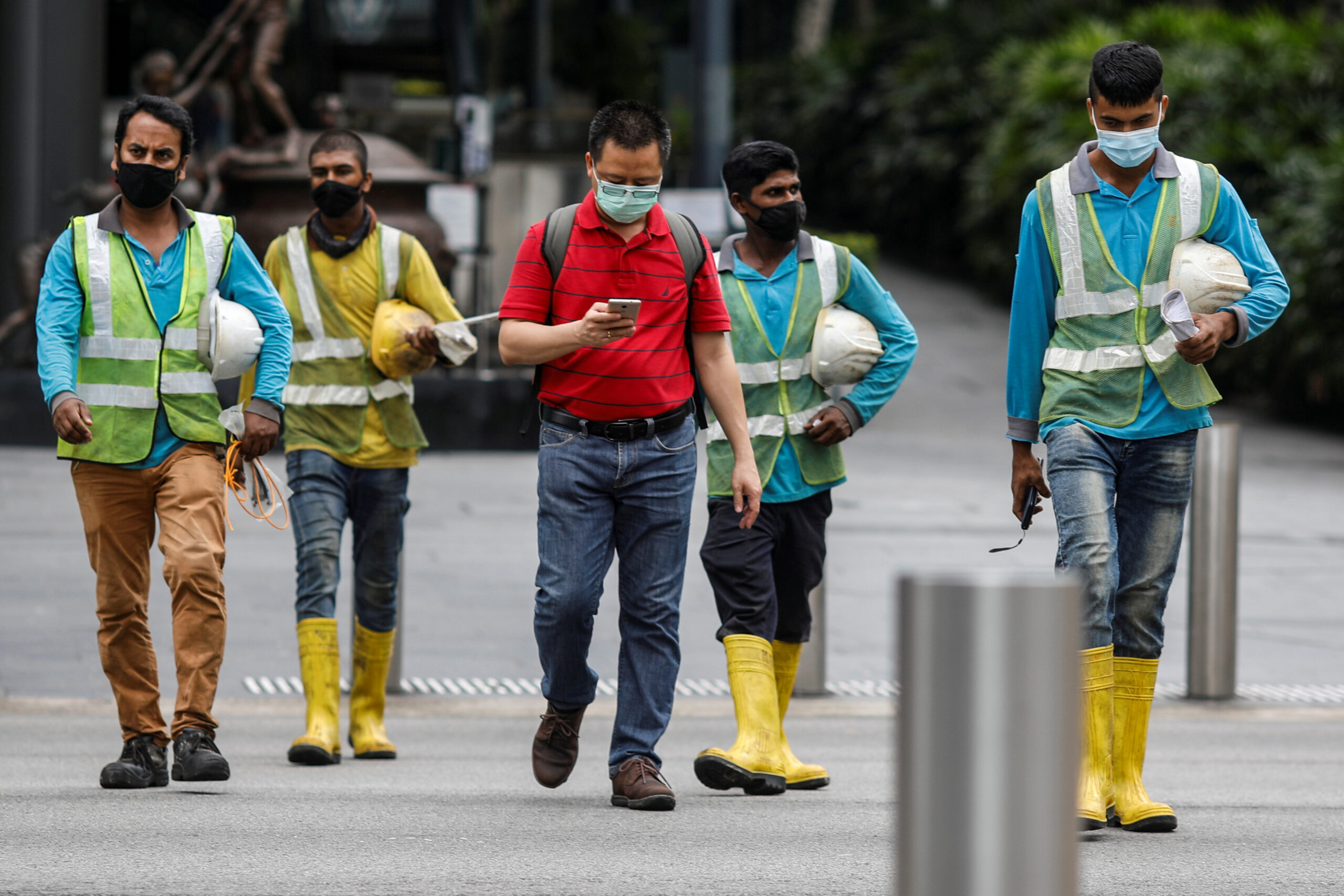
    Between 2023 and 2025, the Singapore government allocated SGD600,000 (US$466,000) from its short-term relief fund to provide financial aid to 260 employees who were left without pay when their companies went into liquidation. The relief fund aims to support employers who genuinely cannot meet their salary obligations due to business failure, according to Manpower Minister Tan See Leng.

    Regulations and Protections

    Companies that intentionally refrain from paying wages despite having the resources to do so will potentially face legal consequences for violating employment laws when their businesses are liquidated, Minister Tan pointed out. While his ministry does not actively monitor the total count of workers left unpaid as a result of corporate liquidations, he highlighted the government’s understanding of the crucial nature of employees’ salary claims during such circumstances.

    Support Beyond Financial Aid

    Apart from offering aid via the short-term relief fund, the government also assists impacted workers in finding and securing new opportunities with promising long-term prospects through career-matching services and training programs.

    The SkillsFuture Jobseeker Support scheme provides eligible workers who lose their jobs involuntarily with up to SGD6,000 over a six-month period. For lower-income households that require assistance with basic expenses, they can seek financial support from their local social service office.

    Minister Tan emphasized the government’s encouragement and support for Singaporeans to maintain their career health and remain relevant in their professional roles.

    Labour Market Outlook

    Minister Tan also shared insights about the labour market. The financial and insurance services, professional services, and information and communications sectors have been actively hiring and seeing wage growth for professionals, managers, executives and technicians.

    As of September 2025, these sectors had 14,200 job openings, a rise from 12,600 in the previous year. The roles within these sectors are suitable for fresh graduates, according to Tan. He further noted that real median incomes in these sectors in 2025 grew at a rate that exceeded the overall median income increase of 4.3%.

    Questions & Answers

    What is the purpose of the Singapore government’s short-term relief fund?
    The fund is designed to assist employers who genuinely cannot pay their employees’ salaries due to business failure.

    What kind of support does the government provide for workers affected by corporate liquidations, apart from financial aid?
    The government offers career-matching services and training programs to help these workers find and secure new jobs with promising long-term prospects.

    What are the job prospects in Singapore’s labour market according to Manpower Minister Tan See Leng?
    According to Minister Tan, the financial and insurance services, professional services, and information and communications sectors are actively hiring and seeing wage growth, making them promising sectors for job seekers.

  • Singapore Clinches Second Place as World’s Richest Nation in 2025, Drops in Work-Life Balance Rankings

    Singapore Clinches Second Place as World’s Richest Nation in 2025, Drops in Work-Life Balance Rankings

    In 2025, Singapore achieved the status of the second-wealthiest nation globally according to per capita gross domestic product (GDP), with a figure standing at US$90,700. This impressive economic performance placed the Asian island state just behind Switzerland, the front-runner with a GDP per capita of $100,000. The third position was held by Norway, with a per capita GDP of $86,800.

    Work Hours Influence Wealth Rankings

    However, the economic landscape changed significantly when factoring in working hours. By considering the average hours worked, Norway ascended to the top of the national wealth rankings. Singapore fell to the eighth place behind countries like Qatar, Denmark, and the Netherlands.

    According to data released by Singapore’s Ministry of Manpower, the average employee in the city-state worked 43.3 hours per week in 2024. This figure starkly contrasts with the average workweek in Norway, where employees logged an average of 33.2 hours per week in the same year, as per statistics from the International Labour Organisation.

    Singapore’s Position in Global Work-Life Balance

    Further highlighting the impact of work hours on quality of life, Singapore was ranked 25th out of 60 nations in a 2025 Global Life-Work Balance Index. Singapore’s score in this index was 57.85 out of a total 100 points. Despite the middling position, it’s worth noting that Singapore was the highest-scoring Asian nation in terms of balancing work and personal life.

    The Index was topped by New Zealand, Ireland, and Belgium, with respective scores of 86.87, 81.17, and 75.91. These figures reiterated the importance of a healthy balance between work and personal life in assessing a nation’s overall prosperity and well-being.

    Questions & Answers

    What was Singapore’s ranking in terms of GDP per capita in 2025?
    Singapore was ranked as the second-richest country in the world in 2025 based on GDP per capita.

    How did the ranking change when work hours were taken into account?
    When average work hours were factored in, Singapore dropped to the eighth place in the global wealth ranking.

    Where did Singapore stand in the 2025 Global Life-Work Balance Index?
    In the 2025 Global Life-Work Balance Index, Singapore secured the 25th place out of 60 countries, making it the highest-ranked Asian country in terms of work-life balance.

  • Revamping Bangkok: A Sneak Peek at Pedestrian-Centric Vision for New Cycling Bridge Over Chao Phraya River

    Revamping Bangkok: A Sneak Peek at Pedestrian-Centric Vision for New Cycling Bridge Over Chao Phraya River

    Bangkok is currently evaluating proposals for a pedestrian and cycling bridge across the Chao Phraya River. This initiative is part of an effort to rejuvenate the city’s historic old town and create a fresh, urban landmark. The Bangkok Metropolitan Administration has recently released concept images, which include designs from an acclaimed international architecture company, MVRDV.

    Bridge Vision

    The proposed bridge aims to enhance cross-river connectivity between Phra Nakhon and Thonburi districts. At present, citizens largely depend on road bridges or limited-hour ferry services for these crossings. The bridge is intended solely for pedestrians and cyclists, filling a crucial gap in Bangkok’s transportation infrastructure.

    In addition to serving as a safe route for daily commutes, the bridge is also expected to boost cultural tourism in historic communities on both sides of the river. It provides a platform for walking, relaxing and appreciating river views, reflecting Bangkok’s “walkable city” principles. These principles emphasize an improved quality of life, reduced reliance on cars, and the promotion of environmentally sustainable modes of transport.

    Project Status

    Officials have indicated that the project is currently in the study and preliminary design phase, with an environmental impact assessment being prepared. Any actual construction is yet to be approved and will be subject to review and budget sanctions by the Bangkok Metropolitan Council.

    Questions & Answers

    What is the purpose of the proposed bridge?
    The bridge aims to enhance cross-river connectivity and boost cultural tourism. It is intended solely for pedestrians and cyclists, filling a gap in Bangkok’s transportation infrastructure.

    What principles is the bridge project based on?
    The bridge project reflects Bangkok’s “walkable city” principles which emphasize an improved quality of life, reduced reliance on cars, and the promotion of environmentally sustainable modes of transport.

    What is the current status of the bridge project?
    The bridge project is currently in the study and preliminary design phase. Any construction is yet to be approved and will be subject to review and budget sanctions by the Bangkok Metropolitan Council.

  • Unmasking the Mystery: Instagram Clarifies Source of Unsolicited Password Reset Emails

    Unmasking the Mystery: Instagram Clarifies Source of Unsolicited Password Reset Emails

    Instagram users have recently been reporting an influx of unsolicited password reset emails. Instagram has now responded by stating that these emails are the result of an internal glitch, not a security breach.

    Instagram’s Response to Password Reset Emails

    Instagram has clarified that the unusual password reset emails received by its users were due to a software glitch. This clarification came after numerous users voiced concerns about the possibility of their accounts being compromised.

    The company categorically denied that there had been any major security breach, countering last week’s claims that it had suffered a data breach. It was previously suggested that sensitive information of 17.5 million Instagram users, including usernames, email addresses, phone numbers, and physical addresses, was being offered on the dark web.

    In their statement, Instagram did not elaborate on the nature of the software issue that resulted in these emails being sent out. However, they assured users that there had been no breach of their systems and that user accounts are secure. Users were advised to disregard the password reset emails.

    Advice for Users

    Regardless of Instagram’s assurance, users are always encouraged to exercise caution when dealing with their account security. It is a standard security practice to ignore and delete any unsolicited password reset emails, without clicking on any links they may contain.

    To enhance account security, users should employ unique passwords for each of their accounts, and change these on a regular basis. In addition, enabling two-factor authentication provides an extra layer of security. Instagram users can check the devices logged into their account via the Meta Account Center, helping identify any potential security issues.

    Unresolved Issues

    Despite Instagram’s reassurances, there are still unanswered questions surrounding this incident. The company has not explained how external parties could have sent out authentic password requests, or who these external parties may be. Many hope that Instagram will provide more clarity on this issue, although it remains uncertain whether they will do so.

    Questions & Answers

    What were the email notifications Instagram users received?
    Users reported receiving unsolicited emails prompting them to reset their Instagram passwords.

    Did Instagram confirm a data breach?
    No, Instagram categorically denied any data breach, attributing the password reset emails to a software glitch.

    What should users do if they receive unsolicited password reset emails?
    Users are advised to delete such emails without clicking on any links they contain. It is also recommended to have unique passwords for each account and to regularly change these passwords. Enabling two-factor authentication is another suggested security measure.

  • Japan Bolsters Benefits to Retain Vietnamese Workforce Amid Economic Shifts

    Japan Bolsters Benefits to Retain Vietnamese Workforce Amid Economic Shifts

    Yoshihisa Tawara, a Japanese business owner, is taking measures to improve benefits for his Vietnamese employees in order to secure their continued employment. Tawara’s concerns arise from the fear that rapid economic development in Vietnam, combined with an increasing yen, may discourage Vietnamese workers from seeking employment in Japan.

    On the Frontline of Japan’s Canning Industry

    At the Choshi fishing port in Chiba Prefecture, Ho Thi Thuy Nhung begins her shift at eight in the morning. In a display of raw skill and concentration, she deftly cuts off fish heads and tails and sends them down the grill line. Initially, she found the intricacy of the process overwhelming but has since fully adapted.

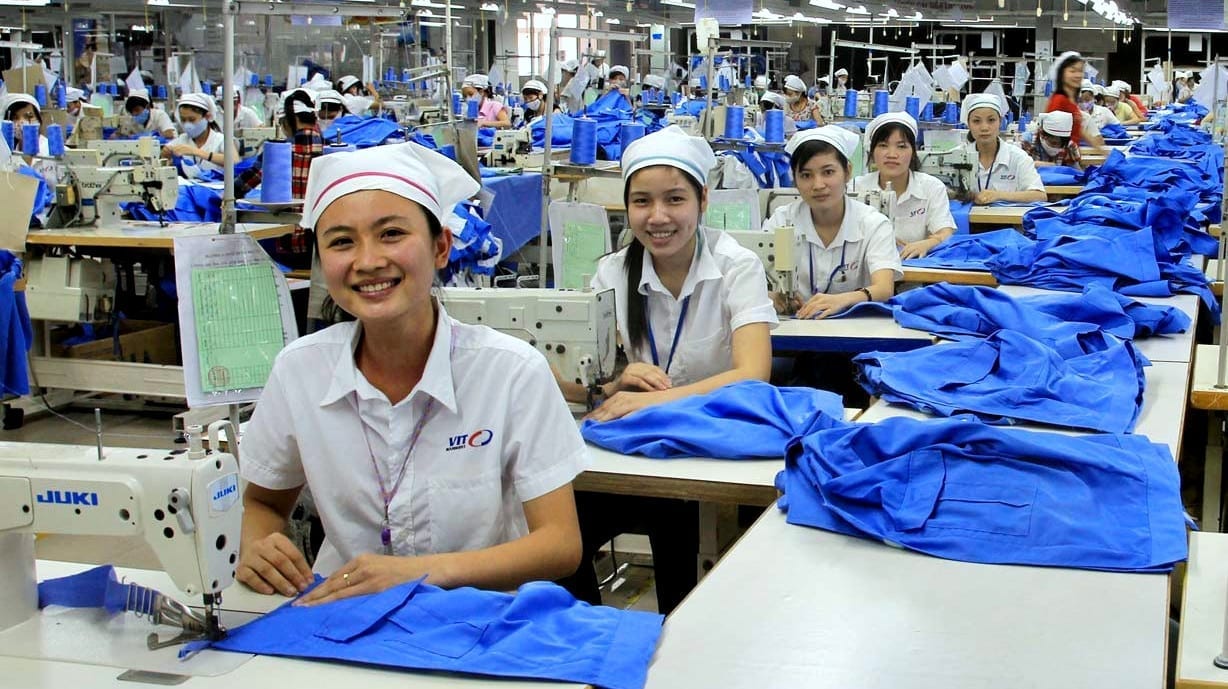
    Nhung is one of 16 Vietnamese employees who work alongside 64 others at the canning factory. Tawara, the factory’s general director, asserts the indispensable role of migrant workers in the functioning of leading industries in Chiba – particularly within the canning sector. They tackle a vast range of tasks, from fishing to unloading and processing.

    The Complexity of Migrant Work

    Nonetheless, Tawara is increasingly concerned about whether employees like Nhung will choose to continue working in Japan. His worries are not baseless. Japan’s population is aging, and Southeast Asian nations, notably Vietnam, are making leaps in economic advancement and offering increasingly competitive salaries.

    Nhung moved to Japan for work last summer, leaving behind her family in Vietnam. Despite working strenuously for 14 hours each day in Vietnam, she was only earning US$500 a month, barely managing to cover her family’s living expenses. Her husband was also struggling financially.

    The decision to take a $3,800 loan and relocate to Japan for work was a significant risk for Nhung. Despite the challenges, she felt compelled to secure a better future for her son. Today, she earns approximately $830 a month (after taxes and other deductions) and sends $510 back home.

    Improving Conditions for Migrant Workers

    Recognizing the importance of migrant workers such as Nhung, Tawara has initiated significant changes to his business. He transformed a three-story townhouse into a fully furnished dormitory for his employees and furnished it with all necessary amenities, including cooking appliances. Over the past three years, he has prioritized hiring women over 30, valuing their resilience and professional dedication.

    In light of the current situation, Japanese authorities are planning to overhaul the existing technical internship program, criticized for labor exploitation, with a new scheme in 2027 that will offer more benefits to workers.

    Nhung hopes to achieve financial stability and return to Vietnam within the next three years. In contrast, her colleague, Nguyen Thi Kim Thuan, has decided to stay longer to support her two children through college.

    According to Tawara, migrant workers don’t just come to Japan for work – they have lives and the right to make their own decisions. If they elect to stay, he believes employers have a duty to offer support and companionship on their journey.

    Questions & Answers

    What does Yoshihisa Tawara attribute the success of his canning factory to?
    Tawara believes that the significant contribution of migrant workers is fundamental to the smooth functioning of his canning factory.

    What are the main factors causing concern about Vietnamese migrant labor in Japan?
    The rapid economic growth in Vietnam and the weakening yen in Japan are the main factors causing concern about the future of Vietnamese migrant labor in Japan.

    What steps has Yoshihisa Tawara taken to improve the conditions for his Vietnamese workers?
    Tawara has provided a fully furnished dormitory for his workers, equipped with all necessary amenities. Additionally, he has prioritized hiring women over 30, recognizing their perseverance and professional commitment.

  • Vietnam Hits Five-Year Low in Gasoline Prices: A Dive into the Market Factors

    Vietnam Hits Five-Year Low in Gasoline Prices: A Dive into the Market Factors

    As of Thursday, gasoline prices in Vietnam have significantly dropped, hitting a record low since February 2021. The highly preferred fuel, RON95, witnessed a decrease of about 1.85%, bringing its price down to VND18,560 (US$0.71) per liter.

    Likewise, Biofuel RON92 experienced a price reduction of around 1.08%, now costing VND18,230 per liter. Diesel fuel also saw a 1.10% decrease, lowering its price to VND17,060 per liter.

    According to the Ministry of Industry and Trade, these changes in the domestic petroleum market are a result of several influential factors in the global petroleum market. Notably, the decision by OPEC+ to maintain oil production output stable in the first quarter had a significant impact.

    In terms of international costs, the average price of RON95 fell by 2.4% to $72.2 per barrel. Diesel prices also fell, but by a slightly lesser margin of 1.3%, bringing the cost down to $78.85 per barrel.

    Questions & Answers

    What was the percentage decrease in the price of RON95 fuel in Vietnam recently?

    The price of RON95 fuel in Vietnam recently fell by about 1.85%.

    Which body made the decision to maintain oil production output stable for the first quarter and how did it impact the prices?

    OPEC+ decided to keep the oil production output stable for the first quarter. This decision significantly influenced the reduction in the domestic and global petroleum prices.

    What was the impact on the international costs of RON95 and diesel?

    Internationally, the average price of RON95 fell by 2.4% to $72.2 per barrel, while diesel prices decreased by 1.3% to $78.85 per barrel.

  • Ikea to Close Seven Stores in China Amid Retail Struggles, Focuses on Online Growth and Precise Market Cultivation

    Ikea to Close Seven Stores in China Amid Retail Struggles, Focuses on Online Growth and Precise Market Cultivation

    Swedish furniture giant, Ikea, has announced that it will be shutting down seven of its outlets in China, effective from February 2. The decision was revealed in a statement issued by the company on Wednesday.

    The targeted locations for the shutdown include a branch in Shanghai’s suburbs, another in Guangzhou, as well as several others scattered across secondary cities such as Nantong, Xuzhou, and Harbin.

    Retail businesses, in general, have been grappling with sales growth in China, as consumer confidence continues to wane, stemming from a long-standing property crisis, job security worries, and stagnant wages.

    Presently, Ikea has approximately 40 stores operating on the Chinese mainland. The company disclosed in its statement that five new stores of varying sizes have commenced operations recently.

    China, being the world’s second-largest economy, contributes approximately 3.5% to Ikea’s global sales. However, an increasing proportion of these sales originates from online flagship stores. To further nurture this online sales growth, Ikea inaugurated a new store on JD in August of the previous year.

    The company stated that it will be shifting its strategy from large-scale expansion to precise cultivation, focusing on major markets such as Beijing and Shenzhen. This strategy includes the launch of over ten smaller stores within the next two years. The company also stated that it anticipates new store openings in the cities of Dongguan and Beijing during the first half of 2026.

    Questions & Answers

    Which Ikea stores in China are slated for closure?
    Ikea plans to close stores in suburban Shanghai, Guangzhou, and several other locations in secondary cities such as Nantong, Xuzhou, and Harbin.

    What proportion of Ikea’s global sales does China account for?
    China accounts for about 3.5% of Ikea’s global sales.

    What is Ikea’s strategy going forward in China?
    Ikea plans to shift from large-scale expansion to precise cultivation, focusing on major markets like Beijing and Shenzhen, and opening more than ten small stores over the next two years. There are also plans for new store openings in Dongguan and Beijing in the first half of 2026.

  • Indonesia’s Gen Z Tackles Rising Unemployment and AI Influx: Is the National Internship Program the Solution?

    Indonesia’s Gen Z Tackles Rising Unemployment and AI Influx: Is the National Internship Program the Solution?

    Indonesia is currently experiencing a “demographic dividend” phase, characterized by a surge in the young population. However, this younger generation, primarily Generation Z (those born between 1997 and 2012), is wrestling with significant employment obstacles.

    Employment Challenges for Gen Z

    By 2023, nearly 10 million individuals from this generation were neither employed nor receiving an education or vocational training, according to data from Statistics Indonesia. This figure, consisting primarily of women, highlights the persistent problems of youth unemployment and skill deficits.

    Furthermore, these individuals must adapt to an increasingly competitive job market, exacerbated by the advent of Artificial Intelligence (AI). According to a report from the World Economic Forum, AI’s broader implementation in workplaces is projected to alter approximately 23% of all jobs.

    Indonesia’s Population and Economic Prospects

    Indonesia’s population, which is growing at an annual rate of about 1.11%, is expected to reach 284.4 million by 2025. During the “demographic dividend” decade from 2020 to 2030, Generation Z has become the largest demographic, comprising almost 28% of the total population, or roughly 75 million people.

    Despite this surge, the demographic dividend period offers not only potential opportunities but also significant challenges. If not properly harnessed, it could hinder the country’s economic growth and overall wellbeing.

    In early 2025, a hashtag translating to “Just Escape for Now” gained popularity among young Indonesians, symbolizing a collective urge to seek better opportunities overseas.

    National Internship Program

    To address these issues, the Indonesian government launched the National Internship program in 2025. The Ministry of Manpower reported that the program successfully achieved its target of enrolling 100,000 participants, primarily recent graduates, during its first year. The program is expected to continue in 2026 with an equivalent number of participants.

    Media Wahyudi Askar, the Director of Public Policy at the Centre of Economic and Law Studies, believes that the National Internship Program could expedite the shift towards improved access to formal employment opportunities.

    Questions & Answers

    What is the “demographic dividend” period in Indonesia?
    The “demographic dividend” period refers to the current decade (2020-2030) in Indonesia where Generation Z (those born between 1997 and 2012) has become the most significant population group.

    What are the major employment challenges faced by Generation Z in Indonesia?
    The primary issues include high rates of unemployment, a lack of necessary skills, and changes in the job market due to the implementation of Artificial Intelligence.

    What is the objective of the National Internship program initiated by the Indonesian government?
    The National Internship Program aims to address employment challenges faced by the younger generation by providing them with better access to formal employment. The program enrolled 100,000 participants in 2025, with a similar number expected to continue in 2026.

  • Yirong Wee Ascends to CEO Role at PROPEL: Singlife’s One-Stop Service Center Celebrates Year of Success

    Yirong Wee Ascends to CEO Role at PROPEL: Singlife’s One-Stop Service Center Celebrates Year of Success

    Insurer Singlife’s comprehensive shared service center, PROPEL, has announced a change in leadership one year after its inception. Yirong Wee has assumed the role of chief executive officer (CEO), succeeding Steven Ong, who will spearhead a new business venture within Singlife, starting 2026.

    A Wealth of Experience

    Yirong Wee brings to the table an impressive 18-year track record in financial services, operations, and distribution strategy. Prior to her appointment as CEO, Wee held the position of chief operating officer (COO) of group distribution at Singlife. Her experience also extends to her role as COO at GROW with Singlife, an integrated investment solutions platform for financial advisor representatives.

    About PROPEL

    PROPEL is an all-inclusive shared service center designed for financial advisory firms under the Singlife group. Since its inauguration in January 2025, it has successfully recruited over 1,300 financial advisor representatives.

    Questions & Answers

    What is the function of PROPEL?
    PROPEL is a comprehensive shared service center for financial advisory firms under the Singlife group.

    Who is the new CEO of PROPEL?
    Yirong Wee has been appointed as the new CEO of PROPEL.

    What will the ex-CEO of PROPEL, Steven Ong, be doing in the future?
    Steven Ong will be leading a new business initiative within Singlife from 2026.

  • 2026 Health Sector Boom: Five Key Drivers Powering a Robust Year in Healthcare

    2026 Health Sector Boom: Five Key Drivers Powering a Robust Year in Healthcare

    The healthcare industry is entering the new year with a strong momentum, backed by increased transparency surrounding government healthcare policies and a surge of investor interest. The sector’s future earnings prospects are on the rise, spurred by a robust innovation pipeline and the emergence of new market segments. Despite this, healthcare stocks continue to trade at a discount relative to the global market, creating a re-evaluation underway that is accelerating. At present levels, there are still appealing opportunities for increasing exposure to the healthcare sector.

    Five Key Developments Driving the Sector’s Momentum

    The sector’s momentum is being bolstered by five key developments:

    Firstly, policy clarity is attracting investors back to the sector. The pricing agreement reached between the US administration and Pfizer in September, and subsequent agreements with Eli Lilly and Novo Nordisk in November, marked a significant turning point. These developments have resulted in a predictable framework for drug pricing and reimbursement policies, thereby reducing uncertainty and improving planning visibility. Reaction from investors was swift, with healthcare emerging as one of the strongest global stock market performers this quarter, attracting an additional $8 billion in capital to healthcare ETFs worldwide in just three months.

    Secondly, a re-evaluation process has begun, with further potential for catch-up. Healthcare valuations are moving back towards historical averages, but the sector is still valued approximately 13% lower than global stocks. The future looks bright for healthcare companies, with average profit growth predictions for biopharmaceuticals and life science tools between 2024 and 2027 standing at approximately 15%, more than double the historical growth rate of about 7% per year.

    Thirdly, the biopharma sector is set to benefit from formidable growth drivers and high M&A capacity. Looking ahead to 2026, this sector stands to gain from various structural trends such as new oncology treatment classifications, advances in obesity and diabetes treatments, and therapeutic innovations in cardiovascular care.

    Fourthly, the medical technology sector continues to be a key growth driver, spurred by high demand in established markets and the emergence of new billion-dollar niches. Markets such as robot-assisted surgical systems, glucose monitoring devices, and structural heart disease treatment continue to register double-digit growth rates.

    Lastly, emerging markets are boosting their innovation capabilities and market clout. These markets are steadily transforming into innovation powerhouses in their own right. China, for instance, is transitioning from an out-licensing partner to a global pharmaceutical player, while India’s rapidly growing middle class and substantial government healthcare infrastructure spending stand out as growth engines.

    Conclusion

    Entering 2026, the healthcare sector is backed by strong structural growth drivers and improved earnings visibility. Innovation continues to be key, supported by robust pipelines, new therapy platforms, and tech-enhanced solutions. However, the sector’s performance disparity, as measured by the MSCI World Healthcare Index, is also noteworthy, with a performance gap of +72% and -38% between the best and worst-performing stocks in the first half of 2025.

    After a recent period of policy uncertainty, the healthcare sector is back in its historical position of innovation, growth, and high operational visibility, a position from which it has consistently delivered tangible value.

    Questions & Answers

    What has attracted investors back to the healthcare sector?
    Investors are being drawn back to the healthcare sector due to increased policy clarity, including agreements on drug pricing and reimbursement policies between the US administration and pharmaceutical companies.

    What are some key growth drivers for the biopharma sector looking ahead to 2026?
    Key growth drivers for the biopharma sector include new classifications of oncology treatments, advancements in obesity and diabetes treatments, and therapeutic innovations in cardiovascular care.

    How are emerging markets contributing to the growth of the healthcare sector?
    Emerging markets like China and India are increasingly becoming innovation powerhouses in their own right. China is transitioning from an out-licensing partner to a global pharmaceutical player, while India’s growing middle class and substantial government spending on healthcare infrastructure are key growth drivers.

  • Vietnam Gasoline Prices Tumble: Global Market Shifts Trigger Unexpected Fuel Cost Decline

    Vietnam Gasoline Prices Tumble: Global Market Shifts Trigger Unexpected Fuel Cost Decline

    On Thursday, Vietnam witnessed a decrease in gasoline prices, continuing the downward trend from the previous week, in line with the global slump in fuel costs. The nation’s common fuel, RON95, experienced a 3.16% decrease, bringing it down to VND19,000. Meanwhile, Biofuel E5 RON92 saw a reduction of 2.7%, lowering its price to VND18,710.

    Diesel Cost Also Declines

    Diesel, another commonly used fuel, wasn’t immune to the trend. The fuel’s price also tapered off, albeit at a slower pace. The cost of diesel fell by 1.26%, bringing it to VND17,250.

    Global Oil Market Influences

    The global oil market has been volatile over the past week. This volatility has been shaped by a number of geopolitical factors, including the potential for a peace agreement between Russia and Ukraine, as well as ongoing tensions between the U.S. and Venezuela. These factors have influenced fuel prices worldwide, including in Vietnam.

    Notably, the price of RON95 on the global market dropped by 4.1%, settling at $74.4 per barrel. Meanwhile, diesel saw a slightly smaller decrease of 1.5%.

    Questions & Answers

    What caused the drop in Vietnam’s fuel prices?
    The decline in fuel prices in Vietnam is a reflection of the global drop in fuel costs, influenced by factors such as potential peace talks between Russia and Ukraine and tensions between the U.S. and Venezuela.

    Which fuels have been most affected?
    The common fuel RON95 saw a significant decrease of 3.16%, while Biofuel E5 RON92 fell by 2.7%. Diesel also saw a decrease, though it was smaller, at 1.26%.

    What were the global price changes for these fuels?
    On the global market, RON95 dropped 4.1% to $74.4 per barrel, while the price of diesel fell by 1.5%.

  • Vietnamese Migrant Workers Struggle with Homecoming: An Inside Look at the Tough Transition

    Vietnamese Migrant Workers Struggle with Homecoming: An Inside Look at the Tough Transition

    Three years ago, Thanh Truc, a 33-year-old Vietnamese woman, returned home from Japan with a savings of VND200 million (approximately US$7,600). Now, she finds herself preparing to leave her homeland once more.

    From Beautician to Factory Worker

    Prior to leaving Vietnam in 2016, Truc was employed as an assistant beautician and earned a monthly wage of roughly VND5 million. As her parents’ health deteriorated, she found herself under increasing financial strain. In an attempt to alleviate this burden, Truc took out a bank loan and applied to Japan’s Technical Intern Training Program.

    She was accepted into the program and assigned to a component manufacturing factory in Aichi, Japan. There, Truc capitalized on overtime hours and a robust yen, earning between 150,000 and 160,000 yen (US$954–1,017) per month. After accounting for her living expenses, she was able to send a significant portion of her income back home, ending her financial woes within six months.

    Upon the conclusion of her contract in late 2019, she returned to Vietnam with a sizeable savings, intending to renovate her home and open her own beauty salon.

    Re-entry Struggles

    But reality had other plans for Truc. Finding employment proved immensely challenging and her cosmetology skills had become antiquated during her time in Japan. Standards, tools, and techniques within the industry had advanced considerably, and the cost of updating her skills through refresher courses was prohibitive.

    Employers showed a preference for younger workers, further compounding her difficulties. With her savings depleting rapidly, Truc relocated to Ho Chi Minh City, securing a job at a Japanese-owned packaging factory under the assumption that her language skills would prove advantageous. Unfortunately, even with overtime, she was only able to earn a monthly salary of about VND11 million – a fraction of what she used to earn in Japan.

    By the end of 2023, unable to establish a sustainable lifestyle in Vietnam, Truc resigned from her job and once again applied for a visa to Japan.

    The Challenges Faced by Returnees

    Truc’s experience is far from an anomaly. Data reveals that a mere 26.7% of Vietnamese citizens find steady employment upon their return home, even when they return with savings ranging from VND300–500 million.

    Returnees often face three major challenges. The first is the gap in income and skills. The typical blue-collar worker in Vietnam earns VND8–10 million per month, which is roughly one third of what they could earn in Japan. Moreover, their overseas factory experience often doesn’t prepare them for the white-collar or skilled occupations they aspire to.

    The second challenge is the psychological pressure. There is a societal expectation that returnees should be financially successful, having “made it” abroad, especially in rural regions where employment opportunities are scarce.

    The final challenge faced by returnees is the danger of unsuccessful entrepreneurship. Many invest their savings into small businesses or ventures without possessing the necessary knowledge, resulting in failure.

    A Cautionary Tale

    A case in point is 30-year-old Phan Van Thanh and his wife. After spending six years in Japan, they returned to Vietnam in mid-2023 with VND400 million, intending to be self-employed. They invested VND100 million in wedding decoration equipment, but found no profit in the venture.

    To offset losses, Thanh bought a car and started driving it for ride-hailing apps. Despite the fact their savings were running out, the couple considered going back to Japan. It took a year for their venture to stabilize, but as Thanh mentioned, “Still, compared to my life abroad, things are much tougher.”

    Experts advise migrant workers to plan their careers long-term, ideally five to ten years ahead, and to acquire skills and certifications that will be valuable in Vietnam before they return. The role of employers and labour agencies in providing transparent information and reintegration support is also crucial.

    Without proper preparation, many returnees find themselves starting over again, losing both time and accrued capital. Consequently, it is estimated that 60–70% of Vietnamese workers eventually choose to return to Japan.

    Questions & Answers

    What challenges do returning migrant workers face?
    Returning migrant workers often face an income and skills gap, psychological pressure, and the risk of failed entrepreneurship.

    What advice is given to migrant workers planning to return home?
    Migrant workers are advised to plan their careers long-term, ideally five to ten years ahead, and to acquire skills and certifications that are valuable in their home country before they return.

    What percentage of Vietnamese workers return to Japan?
    It is estimated that 60–70% of Vietnamese workers eventually return to Japan.

  • Groundbreaking Deal: TikTok’s U.S. Assets Acquired by American-led Consortium

    Groundbreaking Deal: TikTok’s U.S. Assets Acquired by American-led Consortium

    The well-known, short-form video application, TikTok, has made strides towards securing its future in the U.S. market. The company’s U.S. assets will be sold to an American investor group following the signing of necessary agreements. This move is a significant step towards relieving the app from its present Chinese owners, ByteDance, as mandated by a law passed last year and validated by the Supreme Court. ByteDance is required to relinquish at least 80% of TikTok’s U.S. assets or face a potential ban.

    Investor Agreements and Implications

    TikTok’s CEO, Shou Chew, informed the company’s staff about the new developments through a memo delivered on a Thursday. The memo highlighted the signing of agreements with investors that would result in the creation of a new TikTok U.S. joint venture. This venture would enable the 170 million American users of the app to continue being part of the global community that TikTok provides.

    The U.S. had previously shown significant bipartisan support for a TikTok ban due to worries about ByteDance’s collection of personal data from American children and possible propagation of Chinese government propaganda through the app’s feeds. However, the company’s crucial algorithm, which powers the ‘For You’ page and controls user feeds, will remain with ByteDance. ByteDance will license a copy of the source code to the new U.S. entity.

    Deadline Extensions and User Preferences

    The deadline for the sale of TikTok had been extended multiple times during the second Trump presidency. The deadline was pushed further when President Trump signed an executive order, following a deal with China, which allowed the transfer of control of TikTok’s U.S. operations to American investors. The executive order provided a qualified divestiture, delaying the enforcement of the deal’s deadline for 120 days.

    Interestingly, Americans spend more time on TikTok each day than on YouTube, Instagram, and Facebook.

    Closing the deal

    Despite the leaps made in the transaction, more work remains before the sale can be finalized. The current target for the deal’s closure is January 22nd, 2026. ByteDance and TikTok have come to an agreement on the terms of the deal. A new American entity, TikTok USDS Joint Venture LLC, will be created as part of the agreement.

    Three companies will jointly own 50% of TikTok USDS Joint Venture LLC. These are Oracle, Silver Lake, and MGX. Oracle is a U.S. firm tasked with storing TikTok’s data in the U.S. Silver Lake is a U.S. private equity firm with ties to the tech and media industries. MGX is an Abu Dhabi-based firm responsible for providing funding.

    Investment Details

    Other equity partners include affiliates of existing investors, who hold 30.1% stake in the venture. These investors are U.S.-based firms, such as General Atlantic and Susquehanna, which had already invested in ByteDance globally. ByteDance, the original Chinese parent company, will retain a 19.9% stake, ensuring that the new venture does not fall under the classification of “foreign controlled”.

    TikTok’s Global Impact

    TikTok’s global influence is undeniable, as its 1.59 billion monthly active users in early 2025 made it the fifth-largest social media platform globally. In the U.S. alone, there are 135.79 million users, the highest of any country. The app also boasts notable financial success, generating $23 billion in global revenue last year, with advertising making up 77% of this revenue.

    In terms of user demographics, the majority of TikTok’s user base (71%) is aged between 18 and 34, totalling 1.05 billion individuals. Users aged 45 and above make up a mere 3.6% of the total user base. Regarding gender distribution, 55.7% of TikTok users are male, with women comprising 44.3%.

    American users spend an average of 52 minutes daily on the platform, surpassing the average time spent on YouTube (48 minutes), Instagram (35 minutes), and Facebook (30 minutes).

    Questions & Answers

    What is the current status of TikTok’s U.S. operations?
    The short-form video app has taken steps towards securing its future in the U.S. market by signing agreements that enable the sale of its U.S. assets to an American investor group.

    What are the implications of the new investor agreements?
    The crucial algorithm of TikTok, which powers the ‘For You’ page and controls user feeds, will remain with ByteDance, while a copy of the source code will be licensed to the new U.S. entity.

    Who are the new investors in TikTok?
    Three companies will jointly own 50% of the newly created entity—TikTok USDS Joint Venture LLC. These are Oracle, Silver Lake, and MGX. Other equity partners include affiliates of existing investors and ByteDance.

  • Tourism Trends Shift in South Korea: Visitors Opt for Affordable, Lifestyle Retail Over Luxury Shopping

    Tourism Trends Shift in South Korea: Visitors Opt for Affordable, Lifestyle Retail Over Luxury Shopping

    Tourists visiting South Korea are increasingly opting for value-driven shopping experiences that align with their personal preferences, marking a departure from the previously popular high-end, large-scale purchases. This shift in consumer behaviour has been highlighted in recent data from the Korea Tourism Organization (KTO).

    Shift in Shopping Patterns

    A comprehensive analysis of foreign credit card transactions from 2018 to September 2024 reveals that shopping remains the primary expenditure for tourists, accounting for 51 percent of total spending. Notably, the nature of these purchases has transitioned over time. The average amount spent per transaction has dropped from 150,000 won in 2019 to 120,000 won in the current year, despite an overall increase in per-person spending by 83 percent. This surge can be attributed to a significant 124 percent rise in the number of purchases, indicating tourists are buying a larger quantity of items at lower prices.

    According to KTO, this change signifies a growing predilection for moderately priced goods and lifestyle products that embody a unique Korean aesthetic. For instance, sales at ‘gacha’ toy capsule shops have seen a remarkable 142 percent rise in the first nine months of the current year compared to the same period in the previous year. Similarly, transactions at stationery stores and bookstores have increased by 48.7 percent and 39.9 percent, respectively. The iconic stationery brand Artbox has seen substantial growth across transportation hubs and regional commercial districts.

    Rise in Fashion and Beauty Purchases

    The fashion sector has also benefited from this trend, recording an increase of 23.4 percent from the previous year. This is largely driven by significant growth in the purchases of underwear, sportswear, and accessories.

    Korean beauty and wellness-related products continue to be strong contenders in the market. Spending in these categories has seen a steady annual growth rate of 19.1 percent from 2018 to 2023, and further expanded by 40.4 percent this year. Retailer Olive Young has experienced phenomenal growth in emerging commercial areas such as Seongsu and around Gyeongbokgung. Pharmacy sales have also seen a boost due to the rising trend of everyday wellness, while the demand for traditional health foods like red ginseng and ginseng continues to ascend.

    Influence of Korean Culture

    Lee Mi-suk, head of KTO’s tourism data strategy team, commented on this evolving consumer behavior. She stated, “The move toward practical, lifestyle-driven consumption shows how Korean culture and K-content are increasingly shaping global tastes.”

    Questions & Answers

    What is the primary expenditure for tourists in South Korea?
    The primary expenditure for tourists in South Korea is shopping, accounting for 51 percent of total spending.

    How has the nature of tourist purchases in South Korea changed over time?
    The average amount spent per transaction has decreased, but the total per-person spending has increased. This suggests that tourists are buying a larger quantity of items at lower prices.

    What are some of the key sectors benefiting from the shift in tourist spending in South Korea?
    Mid-priced goods and lifestyle products have experienced a significant increase in sales. Additionally, the fashion sector, K-beauty, and wellness-related product sectors have also seen a rise in purchases.