Category: Living

Retail News Asia is committed to providing both local and global retailers with the latest Living news throughout the Asian market. This on a daily base.

  • Ikea makes catalogues “shoppable” on Pinterest

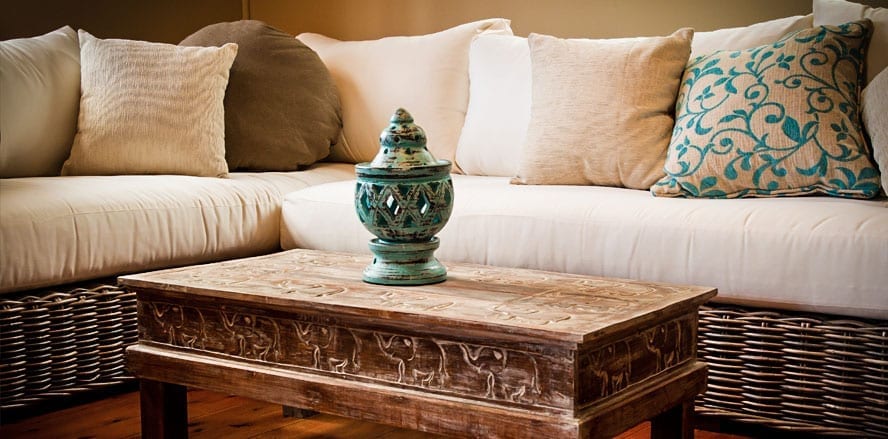
    Ikea makes catalogues “shoppable” on Pinterest

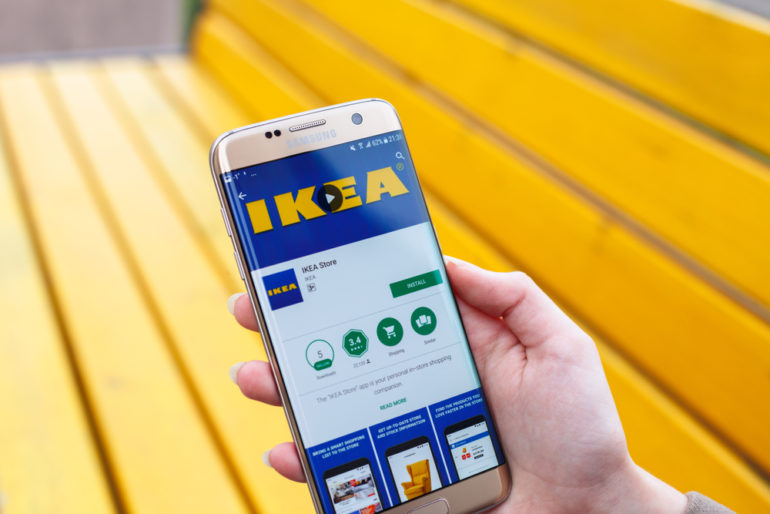
    Global furniture retailer Ikea will start putting its product catalogue on Pinterest to give the print publication a longer lifespan and to allow customers to move more quickly from inspiration to purchase.

    According to a report in Digiday, Ikea has been working to monetise its presence on the social platform for some time, which has led to a shoppable version of its catalogue.

    “We didn’t want to just copy and paste – we already have a digital catalogue online,” Ikea media project manager Kerri Longarzo told Digiday.

    “But promotions in the past felt a little stale. We were running out of ways to show the catalogue to people online, so we sought out something different.”

    Pinterest differs from its social media contemporaries in that rather than sharing aspects of their lives, Pinterest users search for images of furniture, recipes, wedding ideas and more, and save it to their ‘boards’ for later reference. Essentially, it’s an online scrapbooking tool.

    “Catalogues have been a pretty big part of the Ikea concept from the very beginning,” Longarzo said.

    “As we get to 2019 and realise customer behaviours are shifting, the world is going more digital, having this print-only piece was becoming more challenging.”

    Ikea’s US Pinterest page boasts more than 10 million monthly unique viewers, while its Australian arm sees numbers closer to 350,000.

    On Ikea Australia’s Pinterest page, you can find boards ranging from bedroom ideas, recipes, and home inspiration – which when clicked through will take users to the relevant product page on the online store, allowing for further shopping or purchases. Adtech Ad

    The pinned images also automatically show other users’ images of the same product, allowing customers to see how the product looks in practical use.

    “People come to Pinterest in a shopping mindset open to discovering products, which creates a great connection between Pinners and businesses,” Pinterest wrote in a statement announcing its catalogue feature to businesses in March.

    “In the past year, we’ve been bringing together the worlds of visual search and shopping to make it easy to shop for anything you see on Pinterest, and for brands to reach people on Pinterest while they’re actively looking for inspiration.”
  • Toys ‘R’ Us returning to Australia with online focus and small-format stores

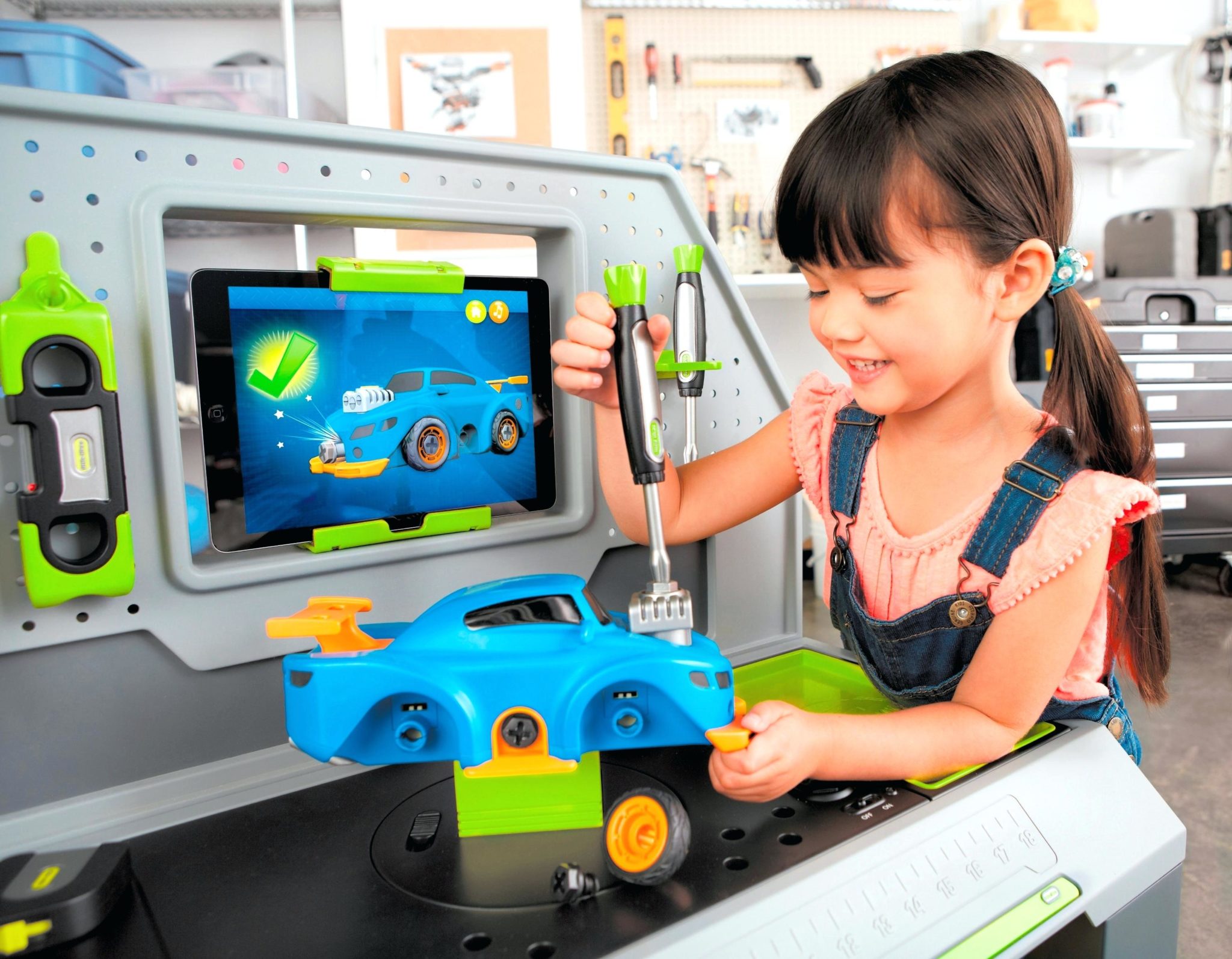
    Toys ‘R’ Us returning to Australia with online focus and small-format stores

    Toys ‘R’ Us and Babies ‘R’ Us are returning to the Australian market through an exclusive licensing agreement with Hobby Warehouse.

    The agreement allows Hobby Warehouse to sell through the Toys ‘R’ Us and Babies ‘R’ Us websites in Australia and New Zealand, including private label products owned by parent company Tru Kids Brands – such as Fastlane, Imaginarium, Koala Baby, and Koala Kids. This is the first time Toys ‘R’ Us and Babies ‘R’ Us have had a presence in the New Zealand market.

    Launching on June 12, the offering will initially be online-only, but Hobby Warehouse plans to launch smaller-format ‘experience centres’ for Toys ‘R’ Us and Babies ‘R’ Us beginning in 2020.

    “We are delighted to bring the much-loved brands of Toys ‘R’ Us and Babies ‘R’ Us back to Australia and introduce them to New Zealand,” Hobby Warehouse chief executive and Toys ‘R’ Us Australia director Louis Mittoni said.

    “Our mission is to encourage children to engage with as many forms of play as we possibly can. Hobby Warehouse is a digital native with a keen understanding of how to accelerate and match the requirements of the modern shopper.”

    Tru Kids executive vice president of global licensing and general counsel James Young said that Mittoni and his team have a strong digital vision, and understand the heritage of the Tru Kids brands, as well as how to evolve this heritage for the modern consumer.

    “This is an exciting milestone for our company as we continue to grow Toys ‘R’ Us and Babies ‘R’ Us around the world,” Young said.

    The Toys ‘R’ Us Australia management team. Left to right: Toys ‘R’ Us marking manager Tristan McLindon, Toys ‘R’ Us Australia director Louis Mittoni, Mittoni Pty Ltd general manager Lian Yu and Toys ‘R’ Us Australia chairman Kevin Moore

    Tru Kids Brands president and chief executive Richard Barry confirmed in February that the company had begun discussions with partners in Australia, and that the brand would focus on serving customers through all retail channels.

    Prior to its demise, Toys ‘R’ Us was the largest toy retailer in the country with a market share of over 20 per cent, according to IBISWorld senior industry analyst Kim Do.

    The retailer will be returning to a very different market, however, with its collapse changing the way consumers shop for toys.Adtech Ad

    “The company’s decline… accelerated the rate at which department stores and online-only retailers have captured market share, as consumers have shifted their spending away from industry retailers,” Do said.

    The shift away from physical retail, and towards a more online-centric offer, should make the retailers re-entry smoother.

    “Previously, the Toys ‘R’ Us and Babies ‘R’ Us business model in Australia was focused primarily on large physical retail stores which had high fixed costs and extended periods of relatively low sales due to seasonal factors,” said commercial advisor Kevin Moore, who helped negotiate the agreement.

    “Going forward, the business model for Australia and New Zealand will be online focused, with smaller and fewer physical ‘experience centres’ that allow children and their families and friends to see and touch our products.”

    According to IBISWorld data, the toy and game retailing industry is expected to see a revenue drop of almost 16 per cent over 2019, with the market expecting to generate around $740 million – down from the $880.2 million seen in the prior year.

  • Kiehl’s pop up opens at Sha Tin, using AR to engage

    Kiehl’s pop up opens at Sha Tin, using AR to engage

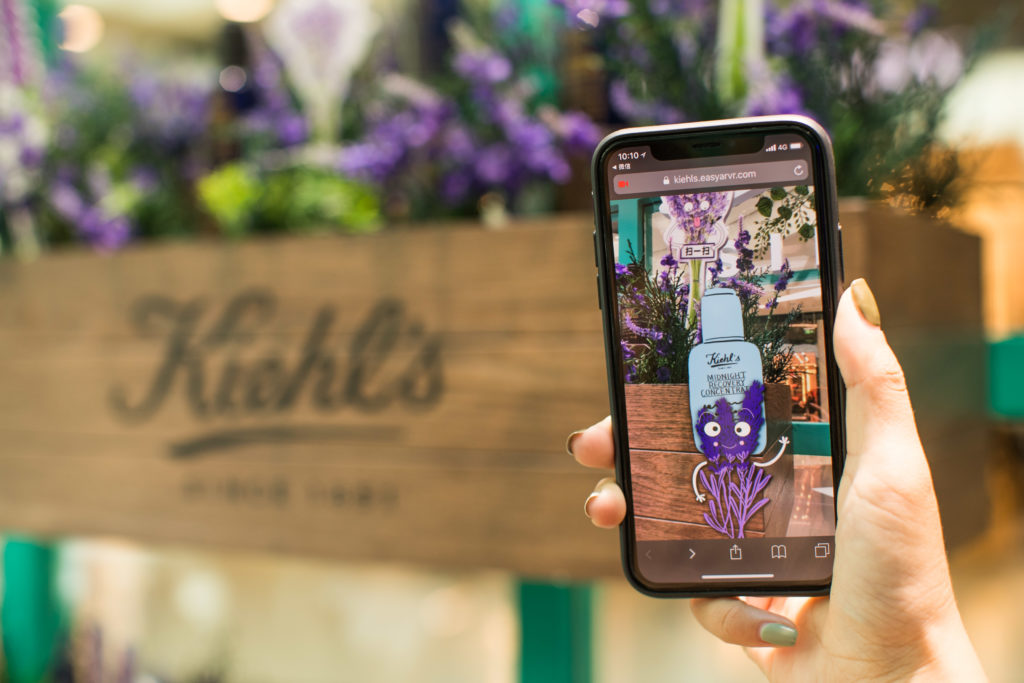
    A Kiehl’s pop up at Sha Tin features an AR gaming app to engage with shoppers.

    The beauty products retailer’s short-term store at the New Town Plaza in Sha Tin has been launched to promote Kiehl’s Calendula Serum-Infused Water Cream, and displays a giant 3D Calendula flower in the centre of the atrium that is only visible through visitors’ mobile phones.

    Visitors who upload images from the pop-up to their social media can redeem a special cosmetics product. Other product samples and a skin analysis are available for customers browsing the store.

    Kiehl’s has also designed an AR game that can be used at its regular stores after the pop-up closes, which will be playable until June 30. The game has collected 8000 registrations over the course of the campaign.

  • Futuristic Ikea robotic furniture debuting in Hong Kong

    Futuristic Ikea robotic furniture debuting in Hong Kong

    Ikea has developed a robotic furniture suite in collaboration with American start-up Ori that is set for roll-out first in Hong Kong.

    The Rognan furniture platform includes several items, including a double bed, workstation, wardrobe, media unit, bookshelf and sofa. They are designed with cramped city living spaces in mind, targeting residents of urban micro apartments.

    The Rognan unit can transform at different times of the day to fulfil different uses. Furniture owners can reform the platform into a bedroom, walk-in closet or lounge using a touchpad interface.

    “We have been working with developing small space living solutions for a long time, and we know that some of the biggest challenges in peoples’ homes are storage and finding the place to do all the activities that you’d want to do in your home,” said Ikea product developer for new innovations Seana Strawn. “This is especially the case in big cities where people have to make compromises in the functions of their homes. We wanted to change that.”

    Residents using the Rognan system can free up 8sqm of living space without compromising storage space or comfort.

    Pricing for the robotic furniture has yet to be released. It is expected to launch commercially next year in both Hong Kong and Japan before a broader international roll out.

  • Spotify brings its lightweight Stations app

    Spotify brings its lightweight Stations app

    Spotify users in the United States will have one more alternative app that will allow them to listen to their favorite radio station starting today. Suggestively named Stations, Spotify’s lightweight app was originally launched in Australia last year.

    Although it’s still considered an experiment, Stations is aimed at users to prefer a more streamlined music experience. It’s worth mentioning that while the app was initially available to Android users only, Spotify released an iOS version last month.

    Starting today, Stations is available in the United States on both Android and iOS platforms. If you’re not a premium Spotify customer, you’ll hear ads in Stations, but if you pay for the music streaming service, you’ll get special features and ad-free listening.

    Also, Stations allows users to filter music by genre, decade, activity and more, but the more the app is used, the more in-depth options users will have at their disposal. Of course, the option to customize your own playlists is available as well.

    If you’re living in the US and give the app a try, you can now download Spotify Stations for free via App Store and Google Play Store.

  • Luxury CBD store opens in Manhattan

    Luxury CBD store opens in Manhattan

    A new luxury CBD store in the heart of New York City speaks volumes about where the fast-growing industry is headed as regulations are relaxed around the world.

    The 420: An Entertainment Hospitality Company has launched its first CBD-focused retail concept in Manhattan’s luxury shopping district, Soho.

    The 420: A CBD Store features a collection of premium, hand-selected products from top CBD and emerging luxury brands against a backdrop of bespoke art installations.

    “Over the next several years, our company will be taking a big stake in large-scale, cannabis-related hospitality entertainment across marquee locations throughout the world,” said The 420: An Entertainment Hospitality Company founder and CEO Robert Frey.

    “We believe CBD retail is the best place to begin to elevate the consumer experience. The space is ready for a new dimension of immersive luxury retail. We aim to provide the consumer with both established and undiscovered brands plus education through high quality seminars.”

    According to cofounder Eddie Miller, plans are already underway for six additional New York locations.

    The interior of the luxury CBD store features mid-century modern furniture, antiques and modern custom designed fixtures as well as a collection of finds acquired throughout New York City.

  • BSH opens Asia’s first UnserHaus

    BSH opens Asia’s first UnserHaus

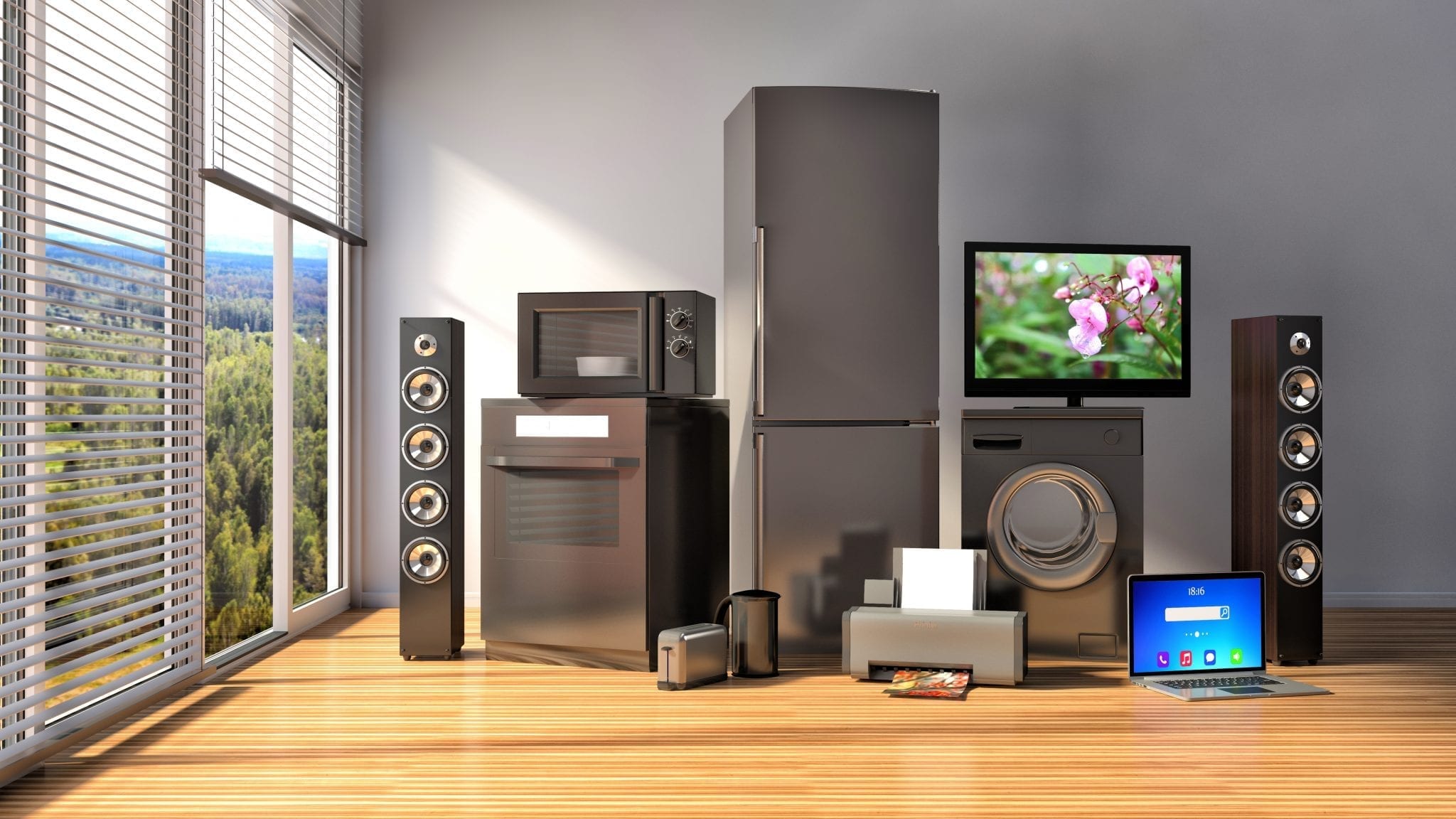
    BSH Home Appliances has opened Singapore’s first UnserHaus Customer Care Centre and a UnserHaus Experience Centre.

    Meaning “our house” in German, the UnserHaus centre is a lifestyle concept featuring Bosch and Gaggenau appliances in a home-like environment.

    “UnserHaus is an exciting new proposition that gives BSH’s home appliance brands, business partners and collaborators a chance to flourish,” said Hendrik Kretzer, CEO and head of BSH Home Appliances Asia Pacific Region.

    “Our philosophy and core ethos are focused on building long lasting trust with all of our customers and partners. We provide a platform to learn and experience unique ideas, future thinking, and real passion and understanding of the products that could benefit the way we live.”

    Located next to the Bosch building, the 1350sqft UnserHaus Customer Care Centre resembles a modern-day home, with a repair room that allows customers to watch technicians through a glass divide.

    While waiting for their appliances to be repaired, customers can visit either the dining room, which provides a hands-on experience with built-in appliances like dishwashers, coffee machines and ovens; or the living room, where they can sit down, unwind and relax with music or a wide-screen television. There is a children’s playing space as well.

    All products at UnserHaus come tagged with a QR code that allows visitors to purchase and pay for them online.

    UnserHaus Experience Centre

    Previously known as the Bosch Experience Centre, the UnserHaus Experience Centre is a functional open-concept home that allows customers to experience the latest Bosch and Gaggenau appliances.

    Located in the Bosch Building, the centre is divided into adjacent Bosch and Gaggenau brand zones. Visitors can try and choose Bosch- or Gaggenau-themed kitchens for their own kitchen planning. Hands-on experiences are available for appliances from six product categories: laundry, dishcare, cooking and baking, refrigeration, food preparation and indoor cleaning.

    Customers can also join cooking classes, held with partner chefs in live kitchens.

  • Aldi China Opened in Shanghai Last June 7th

    Aldi China Opened in Shanghai Last June 7th

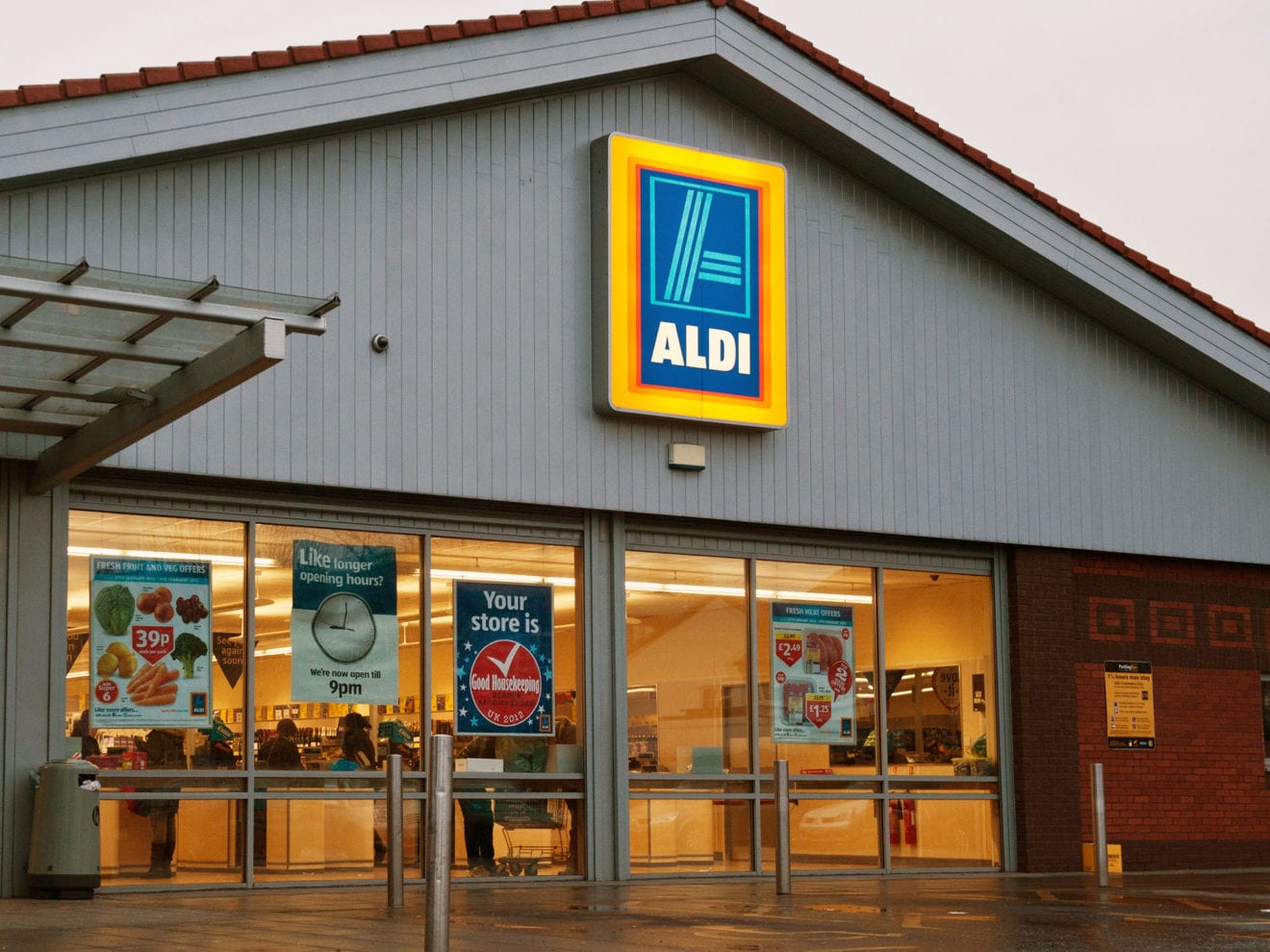
    Aldi will launch in China a week from now opening the first of 11 stores initially planned for Shanghai. But the Aldi China store format will be considerably different to the German discount grocer’s shops in the other 11 offshore markets it has entered: sources in Germany report the stores will have a more upmarket feel, stocking cosmetics and a broader range of dairy products.

    The stores will carry the signature brand positioning line “Everyday value – hand picked for you”.

    The location of the first two stores are in “noticeably prosperous neighbourhoods,” reports Lebensmittel Zeitung.

    The first Aldi China store opens on Friday June 7, and has been described by Aldi insiders as “more modern than company stores in Europe”. They will stock shelf-stable goods imported from Europe and Australia and fresh produce sourced locally.

    Nick Miles, head of Asia-Pacific at IGD, said that while Aldi Sud (South) has been testing the Chinese market for some time, having launched on Alibaba’s Tmall Global platform in April 2017, China will be “a new challenge” for the discount retailer.

    “Aldi currently operates stores in Europe, Australia and North America. Trading in Asia, and particularly China, will be very different. Many international retailers have entered this market over the past 20 years and not succeeded, while discount is a grocery channel that doesn’t currently exist in China – or Asia – in any meaningful way. Discounter Dia sold its business in China in April last year, while Lidl has recently pulled back from selling products via online platforms in the market,” said Miles.

    Lebensmittel Zeitung reports that Aldi South has been working on a plan to enter China through its thriving Australian subsidiary. “The growing business contacts between these two countries mean that the no-frills retailer can also draw on Australian suppliers with considerable experience in exporting to China.”

    Miles, meanwhile, predicts a significant challenge for Aldi will be overcoming potential resistance to its own-label lines.

    “Brands are king in China, while Aldi relies heavily on its private-label ranges.”

    Another challenge is that online grocery retailing and digital technology in retail are “exploding in the market” while Aldi’s business model has traditionally been through physical stores.

    “Aldi will be aware of all these challenges and more but plans to position its stores so that they appeal to China’s rapidly growing middle class and their desire for high-quality, imported products. It has ambitions to open 50-100 stores in the medium term and will be aware to not spread its operations too wide – a mistake other retailers have made in the past.”

    Choosing Shanghai to launch Aldi China makes sense because of the city’s population of more than 30 million, the sophisticated supply-chain infrastructure in the city and the local population’s relatively higher level of income compared with other Chinese cities. It is also a major global logistics hub.

    Meanwhile, IGD forecasts China to overtake the US and become the world’s largest grocery market by 2023.

    “The opportunity for Aldi to be present in the market is therefore clearly significant, but it will not come without its risks,” added Miles.

  • 7-Eleven opens Cassier free Checkout in Australia

    7-Eleven opens Cassier free Checkout in Australia

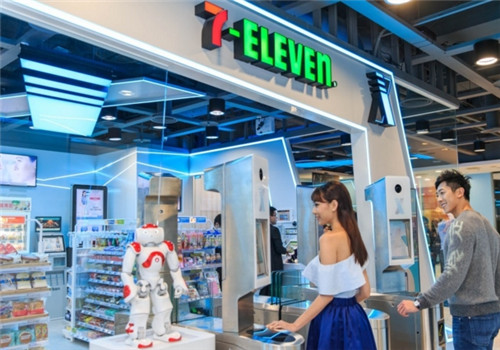
    7-Eleven Australia has removed the physical checkout from the store at its head office in Melbourne. Now, customers there can pay only via mobile app.

    Located in Melbourne’s inner suburb of Richmond, the store provides a more enjoyable and convenient shopping experience, 7-Eleven said, with more space and no queues.

    “Nobody likes to wait, so eliminating queues was part of the mission for this mobile checkout,” Angus McKay, 7-Eleven’s CEO, said in a statement about the new store concept.

    “The store feels more spacious and customers avoid being funneled to a checkout location creating a frictionless in-store experience,” he said.

    Instead of bringing their items to a cashier at the front of the store, customers simply scan the barcode of items they want to purchase with a specially designed app, pay with a card on file and walk out.

    Staff are free to focus on greeting and assisting customers and delivering 7-Eleven’s growing food offer, the retailer said.

    7-Eleven has been working on the cashless and cardless store concept for the past 12 months, thinking through the customer and staff experience and building the app. It recently trialed the concept alongside traditional payment methods in another store on Exhibition Street in Melbourne’s CBD.

    That trial, which concluded on Monday, revealed some areas that needed improvement. For instance, staff wanted better visibility about which customers in the store were shopping via app, and which ones weren’t.

    But Stephen Eyears, 7-Eleven’s head of strategy, innovation and business development, said this shouldn’t be a problem, since 7-Eleven offers a companion app for store staff, so they can see which customers in the store have opened the scan-and-pay app on their phones.

    Customers also have to upload a selfie to use the app, so staff can identify them. This way, staff can be certain that customers have paid before they simply walk out of the store with items in their hands.

    Other checkout-free stores, such as Amazon Go, avoid this scenario altogether by identifying the items customers pick up off the shelf via cameras and sensors and adding it to their digital cart automatically.

    Eyears said 7-Eleven will continue to tweak the concept based on learnings from the Richmond store trial, though there currently is no specific time-frame on the trial or firm plans to expand the concept to other stores.

    “We’re just starting to think about what else we need to learn operationally, and what else we could do to enhance the CX. There could be further tweaks down the track,” Eyears said.

    “It’s not something we want to rush, we want to get it right,” he said.

    If 7-Eleven does roll out the concept to more stores, Eyears expects it would be in addition to traditional payment methods, rather than the only way to pay, as it currently is in the Richmond store.

    Certain cities in the US have now outlawed stores that are completely cash- and card-free, saying they discriminate against consumers who don’t have a smartphone or online account with the retailers that operate them.

    Amazon has confirmed to US media outlets that it will start accepting cash at its checkout-free Amazon Go stores.

    7-Eleven is the latest retailer to trial checkout-free stores since Amazon Go debuted in the US in December 2016, sparking a conversation about the future of convenience retail.

    Woolworths has also trialed a scan-and-pay app in stores in NSW.

  • Boots Chain Closing Down 200 Stores

    Boots Chain Closing Down 200 Stores

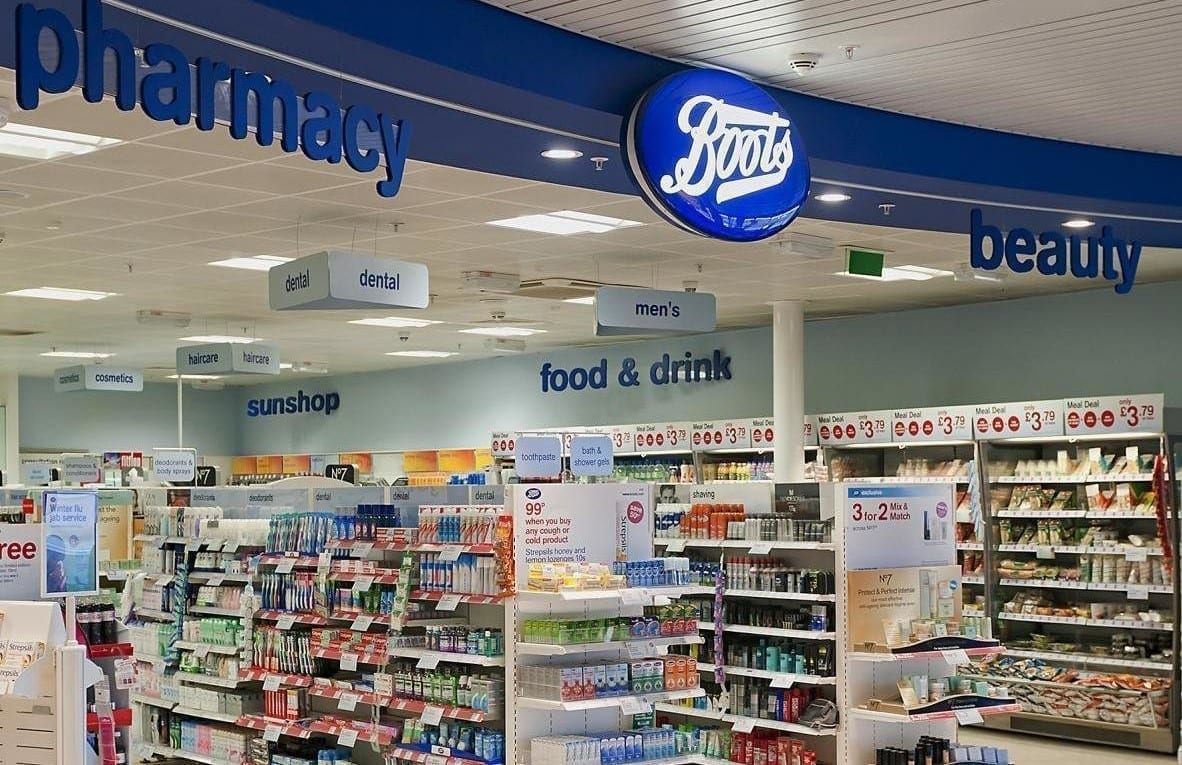
    The Boots chain of health & beauty stores is looking to cull as many as 200 outlets in its home UK market as its US parent embarks on a strategic review.

    Walgreens Boots Alliance (WBA) says the Boots business saw profits fall 20 percent to £398 million for the year to August 31. Sales slipped 0.8 percent to £6.7 billion during the period.

    Many of the Boots chain stores would close when their current leases expire. Others which are performing badly, would be shuttered more quickly, especially in smaller towns where there are two stores operating yet one would suffice.

    WBA will review the future of 2500 stores worldwide, including about 200 in the UK, which is equivalent to about 10 percent of Boots’ local network.

    Patrick O’Brien, UK retail-research director at GlobalData, said the Boots closures are overdue.

    “It has taken Boots a long time to address the midmarket squeeze that has wrought so much damage to major multichannel retailers in other sectors such as food, fashion and department stores. Shoppers have been trading down to discounters, and trading up to higher-end retailers for more expensive treats and gifts,” he said.

    “Like Tesco and M&S it has actually been in this predicament for years, but unlike them, it has done little to address the issue until very recently, and now we have to wonder if Boots has left it too late to halt its market share decline.”

    O’Brien said a long-term lack of investment in stores has become more noticeable to shoppers.

    “Its dated approach also extends to pricing, where multi-buy promotions and a generous loyalty scheme have made its shelf edge prices uncompetitive with discounters such as Aldi, Lidl and Savers, who have all been eating into its market share in health & beauty,” he concluded.

  • Kidsland launches FAO Schwarz store in Beijing

    Kidsland launches FAO Schwarz store in Beijing

    China’s largest toy retailer and distributor Kidsland has introduced FAO Schwarz, an international toy brand store with 157 years of history, in its first Asian flagship store.

    The FAO Shwarz Beijing flagship is located inside the Kidsland flagship store at China World Mall in a prime shopping and lifestyle district.

    Staff wearing soldiers’ uniforms from Grimm’s Fairy Tales are positioned at the entrance to greet and escort customers into the 30,000sqft store, interacting with customers throughout the shopping experience. The store also features “toy demonstrators” who invite customers to play with the toys. The “Toy Soldiers” and demonstrators are overseas-trained and make up 20 per cent of the staff.

    Founded in 1862, FAO Schwarz is one of the oldest toy stores in the world. The brand returned to New York last November with a new 20,000sqft flagship at Rockefeller Center in Manhattan.

    Kidsland has a comprehensive online and offline integrated sales network within China. In December it counted 257 independent stores in 44 cities within the region, along with 519 self-operated consignment counters and 931 distributors covering more than 3000 additional points of sale. Kidsland also represents multiple brands in operating 18 online stores in China.

    “The introduction of FAO into China reflects our confidence in the potential of the Chinese economy and market development,” said chairman and CEO of Kidsland Lee Ching Yiu. “We believe there is strong demand for quality toys among families and young people, so this is an important advantage for Kidsland to provide quality experiential retailing there. In this way, we hope to serve as a bridge, enabling Chinese consumers to experience the latest and best toys in the world.

    “FAO Schwarz plans to open a large flagship and several medium-sized stores in China in the next two years. We will also establish a kidsland experiential retail flagship store, and in the coming one to two years, we will open a mid-sized kidsland retail store to bring an enriched retail experience to wider spectrum of the public.”

  • Coco Republic Finally enters the US

    Coco Republic Finally enters the US

    Australian furniture retailer Coco Republic has launched its outdoor collection at HD Buttercup, a showroom in Los Angeles. The move last week represents Coco Republic’s first foray into the US market.

    “This line is one that I’m incredibly proud of, having designed the majority of the collection in-house,” Anthony Spon-Smith, Coco Republic’s creative director, said in a statement about the launch.

    “It is even more exciting to start seeing my designs in Californian homes for the first time.”

    The collection, which was inspired by coastal Californian living and its alfresco lifestyle, includes 40 items selected exclusively for the US market.

    Pieces include teak dining tables and contemporary chairs for entertaining, modular lounges and sofas and a mix of occasional pieces, including accent stools and planters. They are made from a mix of natural and manmade materials and textures, including teak, concrete and outdoor rope.

    The 40-year-old furniture retailer recently announced plans to enter the New Zealand market, with its first international store set to open in Westfield Newmarket in Auckland mid-year.

    “We’ve been on an exciting growth strategy over the last few years,” Coco Republic CEO Nicholas Foster said in a previous interview.

    “We’re a premium aspirational design services brand but we’ve consciously focused on ensuring that we remain accessible from a customer’s perspective,” he said.

  • Dialog Axiata enters partnership with Netflix

    Dialog Axiata enters partnership with Netflix

    Sri Lanka’s Dialog Axiata has announced a strategic partnership involving the provision of carrier billing for the popular streaming platform.

    Under the agreement, all Dialog postpaid mobile customers will be able to add their Netflix subscription fee to their monthly bill.

    These customers will also be provided with 5GB of uncharged data per month for Netflix streaming.

    Netflix features including downloads for offline viewing, screen switching and others will be available to Dialog subscribers.

    “Our partnership with Netflix gives our customers access to their stellar catalog of original and licensed content, thereby strengthening the content portfolio offered by Dialog ViU, “Dialog Axiata senior GM for global and content services Mangala Hettiarachchi said.

    “Dialog customers can now watch the best of content available on Netflix on the best video network in Sri Lanka ad free – anytime, anywhere, and on any Internet-connected screen. Customers can activate the service on their mobile and watch on any screen including their smart television.”

  • Ixina Kitchens opens first China stores

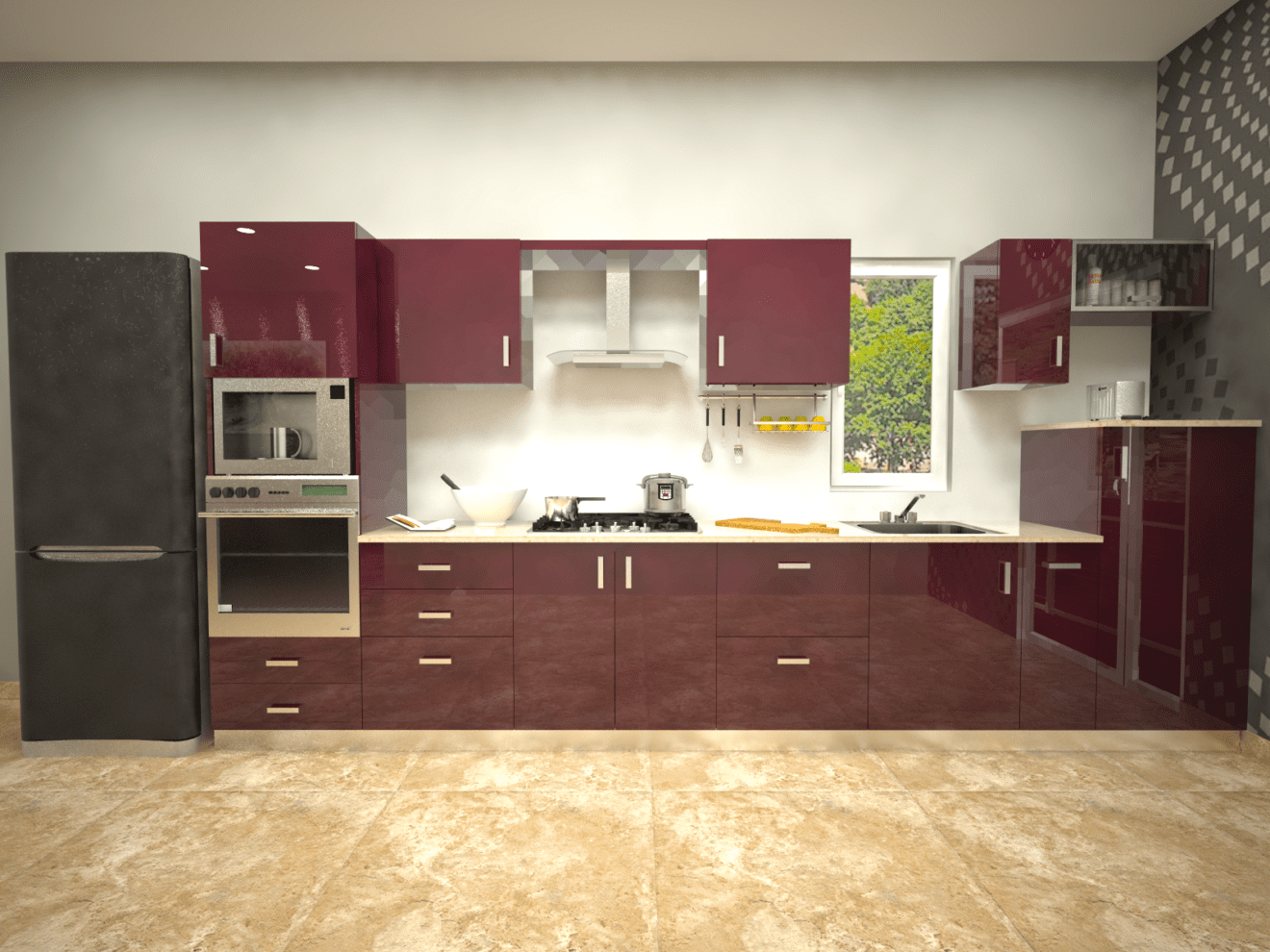
    Ixina Kitchens opens first China stores

    European kitchen retailer Ixina has opened stores in both Beijing and Shanghai, marking the brand’s official launch in China.

    Brought to China by Gome Retail, Ixina plans to open six more stores this year – including in Wuxi and Nanjing – expanding to 100 within the next three years.

    China’s kitchen furniture and appliances market is estimated at more than RMB400 billion (US$57.86 billion) currently.

    The president of Gome Retail, Wang Junzhou, says selling individual products far from meets new consumption habits, with package solutions more popular.

    For more than a year, Gome Retail has extended its business scope and strategic outreach based on its strong home appliance supply chain. New businesses such as Comfortable Home, Ixina and Kitchen Space have now been introduced, and a self-operated home-decoration business will soon be launched.

    “These businesses are essential approaches to achieving Gome Retail’s Home Life strategy,” said Wang.

    Gome Retail currently operates more than 2100 stores in 630 Chinese cities.

  • Zephyr Toymakers Pvt Ltd: Raising children to be future-ready through play

    Zephyr Toymakers Pvt Ltd: Raising children to be future-ready through play

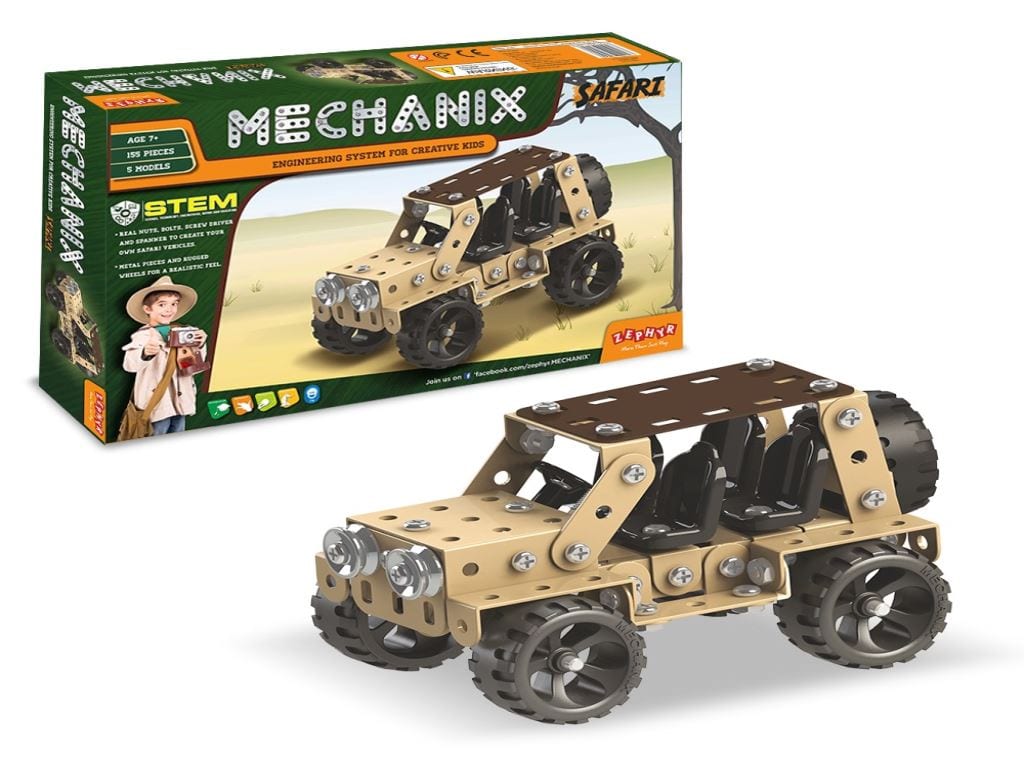
    Zephyr Toymakers Pvt Ltd is India’s largest indigenous toy manufacturing company and parent to the most well-known toy brands ‘Mechanix’ and ‘Blix’. The company endeavours to encourage kids to be innovators of the future. All their products serve the purpose of being fun as well as educative.

    Zephyr stands by the motto to make your kids future ready. They believe that there are two types of people, ‘Technology creators’ and ‘Technology Consumers’. Majority of today’s population of young adults fall under the latter category, where they are consuming technology created by Gen X to simplify the chores.

    Zephyr Toymakers focuses on to develop logical thinking skills as well as teaching children as young as ten years how to program. The point is to curate products that help the child to learn the fundamentals of how a machine works as well as to develop curiosity and problem-solving skill. By keeping the above-mentioned points in mind, Zephyr with its wide range of toys focuses on to develop Problem-solving skills, Critical thinking skills, Creative thinking skills, Ability to learn and adapt Interdisciplinary skills and Social skills. In simple terms give the children the skill sets to adapt to the future and make the most of this fast-changing scenario and the forever changing world.

    Since tomorrow is unknown, one cannot fathom the skills a child will need then but the skills that will help them learn those necessary skills needs to be learnt today. Thus, Zephyr invests in manufacturing products that help the child in early learning. They are more involved in STEM education (Science, Technology, Engineering and Math) and other toys that are designed to enhance cognitive development in children at a young age.

    Zephyr’s most popular toy brand ‘Mechanix’ specifically helps a child develop design thinking skills and problem-solving skills. For instance, when a child is playing and making a ‘Mechanix’ model they will encounter situations where they might get stuck and realise, they cannot do what they anticipated to do next. This encourages them to think around the problem and find a new way to go ahead on their own.

    ‘Blix’ by Zephyr is an amazing new system that develops and explains the technical part of engineering to kids as young as a 10-year-old. It basically allows the kids a backdoor entry into the high-tech engineering that is put in to build a motorcycle, a car or even a remote control. They learn the technicalities of how gears and circuits work to change speed, direction and create interesting motions. This allows the kids to learn how a circuit or a gearbox works and inspire them to always rebuild something out of their imagination using the same parts.

    ‘Mechanix’ and ‘Blix’ being Zephyr’s popular toy brands they also offer a variety of board games. Memory Skill, Dog and the Bone, Alien Invasion, Oranges and Lemons to name a few. These are basically two-player games which help kids learn how to make a choice and decide the next move by analysing the information they already have. Other than this, Zephyr has games like Doctor sets, Discover India and Teaching Aids that include Alpha Numero Board and E- Circuit Sets. The only mission Zephyr toys have is to impart learning through play.

    Moiz Gabajiwala, CEO at Zephyr Toymakers Pvt Ltd quoted “At Zephyr, we believe that in today’s age of fast learning and exposure, it is important we introduce kids to correct and productive tools that aid in developing their personality. It is important to share the responsibility towards a child’s development by developing toys that provide not only hours of productive work but also instill in them the skills during their formative years to help them thrive”.