Category: Living

Retail News Asia is committed to providing both local and global retailers with the latest Living news throughout the Asian market. This on a daily base.

  • Vietnamese women’s presence in senior management ranks second in Asia

    Vietnamese women’s presence in senior management ranks second in Asia

    With 36 percent of senior management teams in Vietnam including women, the country ranks second in Asia in female representation. In Asia, Vietnam’s proportion of women in senior management positions is only below Philippines at 37.46 percent. It is higher than countries like Singapore at 33.04 percent, Indonesia 31.85 percent and South Korea 29.89 percent, according to a report released Thursday by Grant Thornton International.

    Vietnam’s ration in this regard is also higher than the global average of 28 percent.

    The top four roles of Vietnamese women in business are Chief Finance Officer (36 percent), Chief Executive Officer or Managing Director (30 percent), Human Resources Director and Chief Marketing Officer (25 percent).

    “In Vietnam, women in business always play significant parts,” said Nguyen Thi Vinh Ha, national head of Advisory Services and deputy general director, Grant Thornton Vietnam.

    “We are proud of having many influential and inspirational female in general and look forward to a generation of successors.”

    However, Vietnamese women in senior positions still face many challenges, the report said.

    It said 40 percent of Vietnamese women lack access to “developmental” work opportunities, higher than the global proportion at 27 percent.

    Thirty-five percent lack access to networking opportunities, while the global rate is 26 percent.

    They also have caring responsibilities outside of work, at 39 percent in Vietnam versus 25 percent in the world.

    “If we want to continue seeing female representation trend upwards in senior positions, more deliberate action needs to be taken and leaders will play a critical role,” said Kenneth Atkinson, executive chairman of Grant Thornton Vietnam.

    “Policies that address equal opportunity in career development, bias in recruitment and flexible working can’t just be a nice to have. To achieve meaningful progress, they must be adhered to, enforced and regularly revisited to assess their effectiveness.”

  • Vietnamese fresh grad income one-sixth of Singaporean peer

    Vietnamese fresh grad income one-sixth of Singaporean peer

    A newly-graduated college student in Vietnam makes one-sixth the income of his Singaporean counterpart, a report says. The minimum base salary of an entry-level position in Vietnam for the first six months last year was $250 a month, according to job advertising company JobStreet, which operates in five countries in Southeast Asia.

    The corresponding figure was $493 in Malaysia, $605 in Thailand and $1,481 in Singapore.

    Among the five countries surveyed, Vietnam’s minimum entry-level salary was only higher than that of Indonesia, which was $225.

    The report found that an entry-level worker was able to earn the most in the real estate industry, with a minimum salary base of $378.

    Information technology and secretary positions followed at $296 and $286 respectively.

    Fresh graduates who work in food technology and sales earned $280 a month.

    The minimum salary base for four employment levels in Vietnam showed increases from the full salary data of 2017.

    Entry-level salary increased by 11 percent, that of junior executive (with 1-3 years of experience), up 6 percent, manager, up 7 percent, and senior manager, up 30 percent.

    The report said that for non-managerial positions, Malaysian employers offered higher salaries than Vietnam.

    But for manager position and above, the Vietnamese market showed greater increments due to high demand, reducing the gap with Malaysia, compared to 2017.

    Although Vietnamese labor productivity increased across the economy in 2018, 48 percent of employers said they faced difficulties in recruiting qualified skill candidates.

    The report used data from 40,000 job advertisements in 50 industries.

  • Vietnam media giant could lose $20 mln as YouTube pulls plug on deal

    Vietnam media giant could lose $20 mln as YouTube pulls plug on deal

    Digital media conglomerate Yeah1 is set to lose 28 percent of future revenues after YouTube unilaterally terminated its content hosting agreement with it. The company’s financial statements for 2018 showed that activities connected to YouTube generated around VND462 billion ($19.93 million) for Yeah1, or nearly 28 percent of its revenues.

    Profit after tax from these activities were worth VND92 billion ($3.9 million), accounting for more than half of its total profits.

    The termination came after YouTube claimed SPRINGme Pte. Ltd, a Thai multichannel network (MCN) in which Yeah1 owns 16.93 percent had violated its policies with some of its channel management activities.

    Yeah1 Group shares plummeted on Monday following Youtube’s announcement, losing 7 percent. The share fell by 7 percent each in the next two trading sessions too.

    Yeah1 started offering entertainment services combined with advertising after becoming YouTube’s MCN partner in 2015.

    An MCN acts as an intermediary connecting creators of video content and YouTube for a cut. Content creators in return receive benefits such as copyright protection, income tax support, access to IP licensed contents to develop new products, and optimized advertising.

    For Yeah1, views from Vietnam account for nearly 73 percent of total views but only contribute about 18 percent of revenues. The rest comes from ad revenues generated in 150 other countries, with the U.S., Germany and Canada being the main contributors.

    Founded in 2006, Yeah1 is Vietnam’s largest MCN ecosystem, operating TV channels, movie studios, YouTube networks, and digital news.

    It was also the first media company to go public, listing on the Ho Chi Minh Stock Exchange (HOSE) last June.

  • Global legal cannabis market growth stable

    Global legal cannabis market growth stable

    The volume of the legal cannabis market is expected to soar nearly 14-fold within six years according to research by Euromonitor International. Legal cannabis sales reached US$12 billion globally last year with exponential growth ahead, will reach $166 billion by 2025, based on Euromonitor’s projections.

    The global cannabis market, both legal and illicit, stands at $150 billion today, according to the firm’s new white paper. By 2025, legal cannabis will represent 77 per cent of the global market.

    “Within 10 years, cannabis will be a regular part of daily routines,” said Zora Milenkovic, head of drinks and tobacco at Euromonitor International. “From a functional ingredient to an intoxicating buzz, cannabis will reshape fast-moving consumer goods, with food, beverages, beauty, health and tobacco having the most potential for disruption.”

    The greatest potential for cannabis is to capitalise on health and wellness trends that are shifting consumption habits and consumer preferences across industries.

    The growth of low- and non-alcoholic beverage consumption and the shift from cigarettes to vaping provide an opportunity for cannabis to replace alcohol and tobacco in social occasions.

    From 2018 to 2025, legal cannabis is estimated to grow more than 2000 per cent globally, compared to alcoholic drinks at 1.4 per cent and tobacco at 1.2 per cent, according to the report.

    In consumer health, Euromonitor expects vitamins and dietary supplements to be the largest cannabis-related category by 2025, with 2 per cent of sales to come from products containing THC or cannabidiol, better known as CBD. It projects global sales of packaged food with CBD to double over the next two years, further blurring the lines between consumer health and food.

    Last week a US analyst singled out Starbucks as one of the first major companies globally to adopt CBD ingredients in consumer products, however the Seattle-based company denied it had any plans to develop such beverages at this time.

  • Anti-plastic campaigns pay off for Starbucks and 7-Eleven

    Anti-plastic campaigns pay off for Starbucks and 7-Eleven

    Starbucks Korea and 7-Eleven Thailand have announced positive results for their respective anti-plastic campaigns.

    A report revealed that the local Starbucks subsidiary has seen consumption of single-use straws cut by half in the months since introducing strawless lids on drinks without whipped cream or that do not need stirring.

    The initiative, introduced last November, has resulted in the monthly average of 15 million straws used across its coffee chain stores drop to 7.5 million per month. The company now only provides straws to customers who request them.

    Aiming to further reduce straw usage by up to 70 per cent, Starbucks Korea is planning an online event to offer rewards to customers who upload pictures of drinks taken without using straws. It has also introduced paper straws for usage in some beverages.

    7-Eleven saves 169 million bags

    Meanwhile, in Thailand, more than 169 million plastic bags have remained unused over the past two months at 7-Eleven stores, according to a report, the result of a management initiative to phase out their use. The move, which has been supported by local celebrities, encourages shoppers to refuse plastic bags or bring reusable bags to the store.

    The reductions are reported to have saved the chain more than 33 million baht, which operator CP All Public Company will donate to a local hospital.

    All about perception?

    Despite these reports, there have been growing concerns among critics in the media regarding the perceived environmental benefits of similar plastics initiatives worldwide.

    The sippy cup lid adopted in Korea is identical to the design used in North American stores, which was shown in a Reason magazine report last year to use more plastic than the previous lid design and straw put together.

    Plastic shopping bag initiatives similar to the one adopted by 7-Eleven have provoked skepticism among observers who point out that of all single-use plastic packaging used throughout supermarkets and convenience stores, the shopping bag is the only item that tends to be reused in the home.

  • Three Kaufland sites got approved for Victoria

    Three Kaufland sites got approved for Victoria

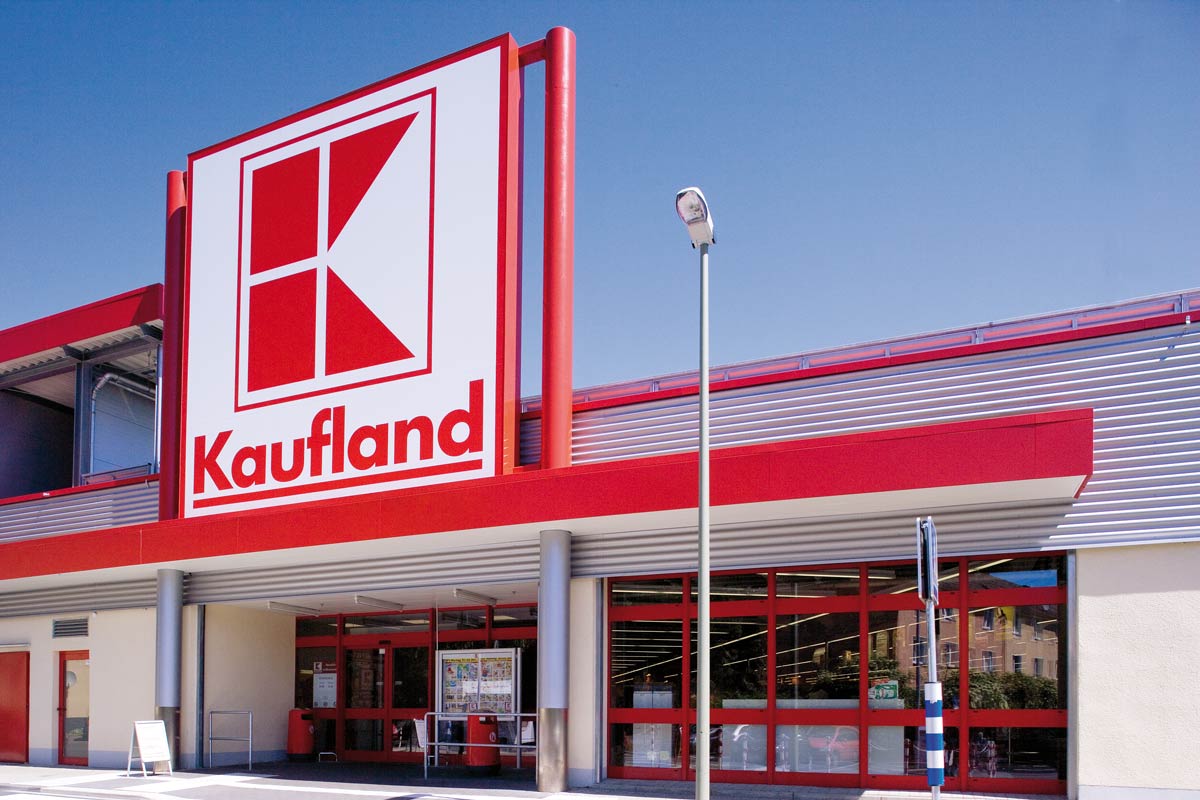
    The big players on the Australian supermarket scene will be buckling up for some stiff competition this Friday morning, with the announcement that German hypermarket Kaufland has received planning approval for its first three stores in Victoria and Australia’s largest distribution centre.

    The first stores at Chirnside Park, Dandenong and Epping received planning approval after an independent Advisory Panel process and despite the objections of many other players in the market.

    The state-of-the-art distribution centre to be located in Mickleham, will be the largest in Australia and will act as the point of consolidation and distribution of goods to its supermarkets.

    The proposed Melbourne headquarters was also approved.

    Kaufland Australia managing director Julia Kern celebrated the news today with Treasurer of Victoria and Minister for Economic Development, Tim Pallas.

    “Kaufland is committed to long term investment both in Victoria and across Australia. The development and approval of our first three stores, our distribution centre and our proposed future headquarters in Victoria will result in the creation of up to 1,600 Victorian jobs,” Kern said.

    “Our initial investment of $459 million will create opportunities for local businesses and stimulate much needed competition and consumer choice in Australia’s supermarket sector.”

    Kern thanked the Victorian Government and everyone who participated in the independent Advisory Panel process. She said she was looking forward to opening Kaufland stores in Victoria in due course.

    Kaufland supermarkets will have a total store area of 4,000 square metres and will be stocked with local, regional and international products at discount pricing. Each store will include a bakery, butcher and liquor areas.

    A number of independent local businesses such as cafés, sushi bars or nail salons will compliment the overall shopping destination.

    “Kaufland will be a one-stop destination supermarket. Our aim is to provide all Australians with more service and choice, highlighted by our principles of simplicity, quality, variety and price.”

    “Kaufland is delighted to call Australia our new home. We look forward to continuing our commitment to partner with local businesses and the wider community to ensure we create the best outcome possible.”

    “Being customer centric is at the heart of all that we do – driven by our values of Performance, Dynamics and Fairness, we aim to increase choice, provide high quality service and promote fair competition to ensure that the customer is always the winner,” Kaufland said in a statement.

    Three further proposed Kaufland sites, at Oakleigh South, Coolaroo, and Mornington, are currently being reviewed by the Advisory Panel.

    The supermarket this week began advertising for Area Manager positions after receiving an additional $145 million capital injection from its German parent Schwartz Group for its ambitious plans down under.

    The family-owned business currently operates 1,200 stores in 7 countries, with over 150,000 employees across Europe.

  • Tesco Asia sales slip further, but profit up

    Tesco Asia sales slip further, but profit up

    Tesco Asia like-for-like sales continue to decline while the UK-headquartered company repositions its offer – masking a stronger underlying performance for the business.

    “We have made good progress in our discussions with suppliers towards a new commercial approach,” explained Tesco CEO Dave Lewis in a quarterly update.

    “We also accelerated planned changes to our operating model in Thailand, helping to reduce costs and underpinning our profit recovery.”

    Lewis said that despite minor changes to the government-issued welfare cards scheme during the third quarter, Tesco Thailand sales fell by about 1 per cent for the 19-weeks including the key Christmas trading period.

    Restructured Thailand store operations have led to reduced costs, underpinning profit recovery at the expense of sales.

    Referring to Tesco’s global operations, Lewis added: “We have more to do everywhere but remain bang on track to deliver our plans for the year and as we enter our centenary we are in a strong position.”

    The December quarter represented the 12th consecutive quarter of like-for-like sales growth for Tesco globally, with sales up 2.6 per cent.

  • Link’s Stanley Plaza launches seaside speed-dating for dogs

    Link’s Stanley Plaza launches seaside speed-dating for dogs

    Link’s Stanley Plaza is presenting Hong Kong’s first seaside speed-dating event for dogs. Now in its eighth year, the Paws by the Sea 2019 event will involve a series of events held at the plaza on the weekends from March 23 to 31, including the doggie speed-dating activity. Dog owners and their dogs are invited to attend together to find their true love, and loving dogs-in-waiting will have the chance to be adopted into a new family.

    The events constitute part of Link’s Stanley Plaza’s commitment to providing innovative services for customers and their pets as Hong Kong’s first pet-friendly shopping mall.

    Stanley Plaza and the Society for Abandoned Animals will hold a “Walk the Dog Experiential Tour” for people who are considering adopting a dog to assess their chemistry with the dogs being considered for adoption. On March 31, Link will also host the “Doggie Wedding Gown Exhibition and Design Competition”, in which dog owners can design a unique wedding dress for their doggies and dress up them as a model in the catwalk show. At the same time, there is a dog wedding exhibition which collects various dog marriage information for each dog owner.

    Stanley Plaza will also challenge the Guinness world record for the “Longest Line of Glass Bottles” again on March 24, where dog owners will write love letters to their dogs and decorate their own “love bottle” to add to the line. After the event, owners may take their bespoke bottle home as souvenir.

    Several large-scale dog photo spots, exciting activities and workshops are also being arranged concurrently, including a photography tour, a “Love the Dogs Educational Workshop”, a “Pet Doctor Workshop Doggie” and “Love Is in The Air Carnival Exhibition”.

  • TikTok partners Malaysian handicraft organisations to promote local art

    TikTok partners Malaysian handicraft organisations to promote local art

    TikTok has paired up with the Malaysian Handicraft Development Corporation (Kraftangan Malaysia) and the National Craft Institute (NCI) to launch its #ilovearts campaign, in conjunction with National Craft Day 2019.

    The campaign is in line with the 17th annual National Craft Day event organised by Kraftangan Malaysia under the theme “Culturising Craft in Lifestyle”, and aims to encourage the usage of local craft products in today’s lifestyle. The campaign also invites crafters to share their artistic talent and craftwork on TikTok, to further promote Malaysia’s unique craftsmanship to a global audience online.

    The partnership also saw TikTok conducting a recent workshop at NCI on ways to leverage its platform for students to amplify their talent. The workshop focused on short video-creations and encouraged digital adoption to amplify Malaysian arts. The #ilovearts campaign runs until 11 March and participants stand a chance to win prizes worth RM6,500.

    Donny Eryastha, TikTok’s head of public policy, Indonesia, Malaysia and the Philippines, said that the campaign resonates with its mission of capturing and presenting the world’s creativity, knowledge, and moments that matter by enabling everyone to be a creator.

    “We are honoured to be collaborating with NCI and Kraftangan Malaysia through this initiative that aims to bring Malaysian art, heritage and tradition to the rest of the world,” Eryastha added.

    NCI senior director Zainal Abidin Bin Che Pa said the industry recognises the role of technology in its effort to promote Malaysian’s unique craftsmanship globally.

    “By partnering with a digital platform like TikTok, our crafters are able to share their expertise and talent with others from all over the world. We are hopeful that partnerships like this would open new opportunities for our crafters to go beyond our shores and obtain international exposure, resulting in a greater appreciation for Malaysian arts,” he added.

    Recently, TikTok agreed to pay US$5.7 million to settle US Federal Trade Commission allegations that it illegally collected personal information from children. The violations were committed by the newly defunct Musical.ly app, which was folded under TikTok after it was was acquired by Chinese media firm ByteDance for around US$1 billion in 2017.

  • Entrepreneur looks to replace corporate travel agents

    Entrepreneur looks to replace corporate travel agents

    Auckland-based entrepreneur Hiten Parbhu has launched an online corporate travel booking app that makes finding and booking flights easier for small business owners, personal assistants and admin staff.

    The online app Rogue Travel, which launched today after a few months of beta testing, will “take the pain out of corporate travel booking”, Parbhu said.

    “The big travel amalgamators like Skyscanner make finding flights easy, but that’s about it. They give you lots of options, but then leave you on your own when it comes to the really tedious thing: entering passenger details.”

    “Plus, they send you all over the web to various providers instead of keeping all your bookings in one central place.”

    Rogue Travel, Parbhu said, does that and more.

    The web app keeps an organisation’s passenger details, like names, date of birth, passport numbers, frequent flyer memberships and so on, on the one platform.

    Users will simply search, just as they would on other travel websites, to find the cheapest and most convenient flights and hotels.

    They then select on the who’s travelling tab and all passenger details are automatically added.

    Parbhu said this would save hours of chasing individual people up for updated passport numbers and so on.

    Payment is made directly through the site and all trip details are kept through the one platform.

    “We’ve built a tool which effectively removes the need for a corporate travel agent.”

  • Best Mart 360 launches loyalty app for customers

    Best Mart 360 launches loyalty app for customers

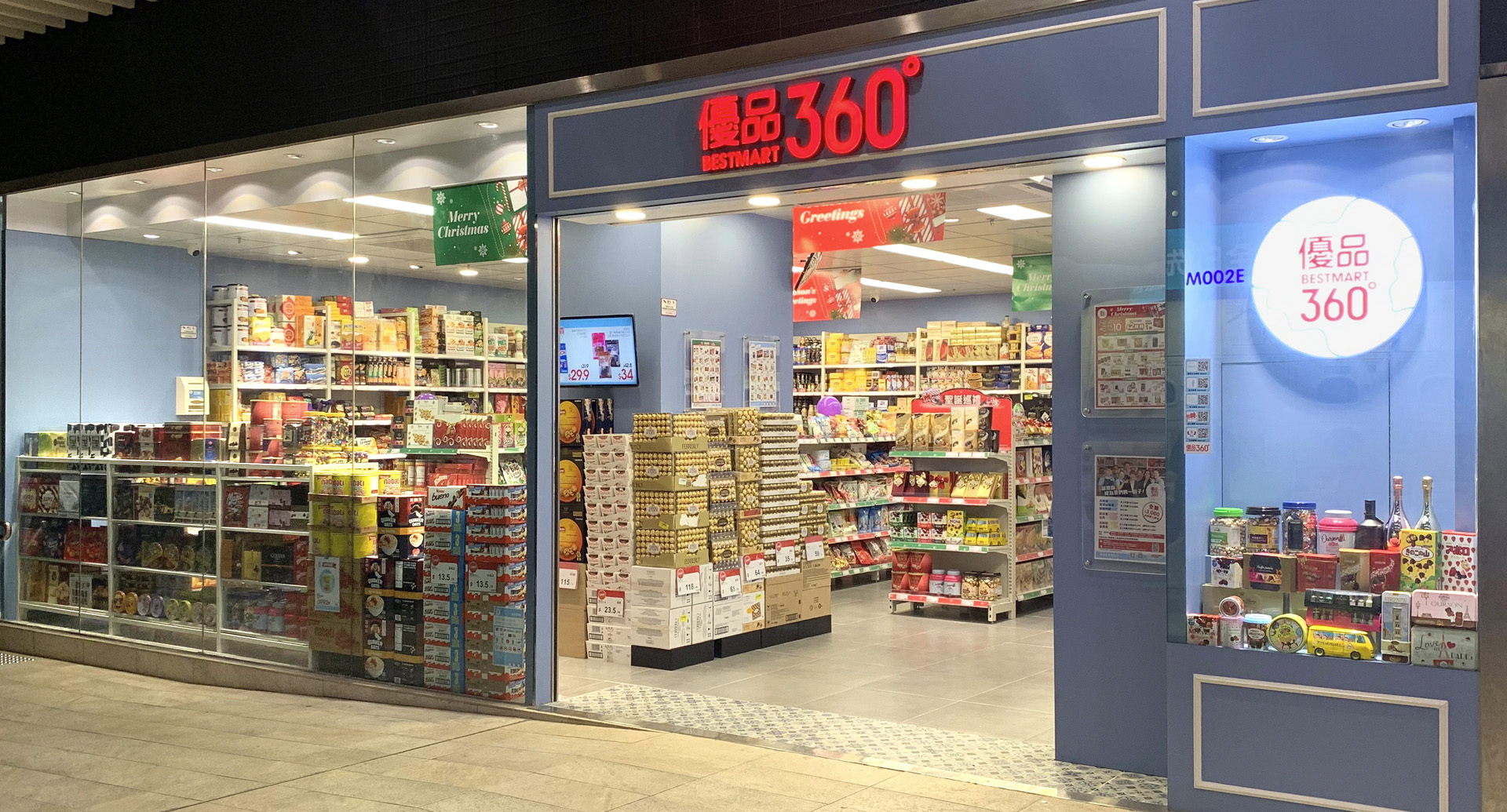
    “Leisure-food retailer” Best Mart 360 Holdings has launched a member mobile app.

    The new app is offering a range of promotions, member privileges and a reward points scheme, and enables members to view the group’s latest product information anytime and anywhere.

    The group, which operates 88 retail stores in 18 districts in Hong Kong, established its membership scheme in April 2015 in order to promote consumer loyalty, stimulate sales at retail stores and further expand its customer base. As of December, the group had more than 1 million members.

    “We intend to further expand our member base by offering additional member benefits and enhance our communication channels with our members,” said Best Mart 360’s CEO Hui Chi Kwan.

    “We believe that by expanding our member’s coverage, we are in a favorable position to secure recurring business and maintain sustainable growth of our business. Our membership scheme also allows us to collect purchasing information and data of our frequent customers for surveying and analysing customers’ purchasing preferences, needs and habits that are significant for enriching our product portfolio, determining our pricing strategy for individual products and providing better customer services.”

    The new app aims to enhance members’ consumer experience by providing information on latest promotional offers, selective products, the retail shop network, member privileges and reward points record, as well as accumulating e-coupons for future purchases.

  • Muji sues Singaporean retailer Luiga

    Muji sues Singaporean retailer Luiga

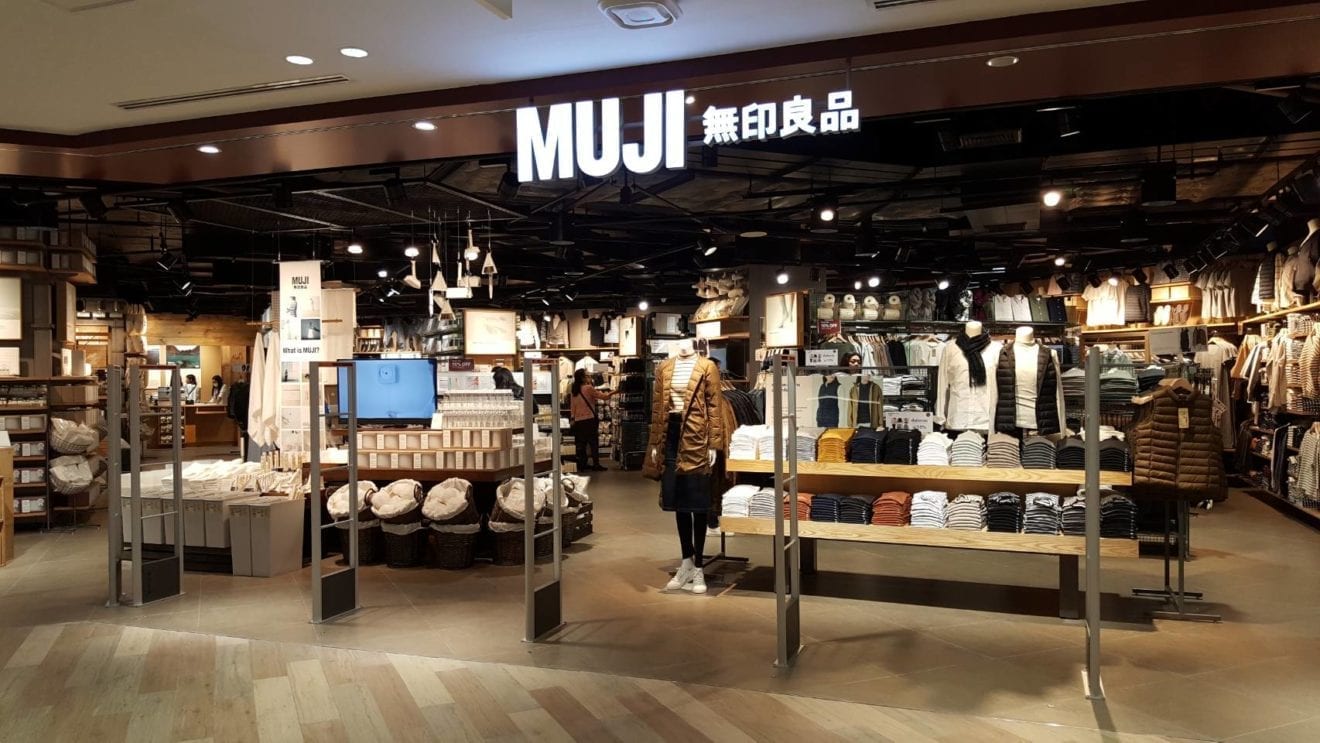
    Muji parent Ryohin Keikaku has filed a lawsuit against Singaporean retailer Iuiga alleging trademark infringement. During an interview Muji president Satoru Matsuzaki said the lawsuit was filed against Iuiga in Singapore courts in late January for “trademark infringement and passing-off under Singapore law”.

    The Japanese retail giant is seeking a court order to stop the use of the Muji trademark in Iuiga’s statements, as well as compensation for damages and losses.

    According to the report, the Singapore firm has used statements such as “Muji same manufacturer” and “direct from Muji manufacturer” on its e-commerce website and in its physical store.

    “We requested Iuiga to disclose information on their manufacturing factories to verify their statements. However, we did not receive any response,” a Muji spokesperson said.

    The Japanese firm added that its manufacturing contractors have denied manufacturing or supplying products to Iuiga.

    Iuiga’s chief growth officer Jaslyn Chan said the company has “done nothing wrong”, adding that the information on its website is factually accurate and its “manufacturing processes are legal”.

    She added that Iuiga works with “original design manufacturers”, and that there “is no direct ownership of the product by any single brand entity, allowing the original design manufacturers to produce for more than one brand”.

  • China’s baby-care market sees boost

    China’s baby-care market sees boost

    China’s baby-care market achieved total sales of RMB9.617 billion (US$1.4 billion) last year, reflecting rapid growth, according to new research from Mintel. Between 2013 and last year, the market recorded a CAGR of 19 per cent thanks to the relaxation of the one-child policy and a consumer trend towards premiumisation in the country.

    Baby skincare is the largest segment of China’s baby-care market, accounting for 60 per cent. The baby-bath and soap segment comes in second, at 31 per cent, followed by the baby-hair products segment which accounts for roughly 10 per cent.

    “China’s baby-care market grew at a considerable rate in recent years and will see sustained growth in the next five years,” said Vicky Zhou, research analyst at Mintel China.

    “Although the current slower birth rate will affect the market, increased spending on each child and higher usage frequency should make up for the market’s growth.”

    Usage

    Insect repellents for babies was the fastest-growing sector last year, with as many as 47 per cent of Chinese consumers aged 20-39 with children aged up to three years old saying they have used baby insect repellents more often during the last year.

    Meanwhile, nearly half of Chinese consumers say that they have been using baby shower gels and baby body lotions or creams more often in the past year, rounding up the top three products with the highest change in usage frequency among Chinese consumers.

    Baby suncare also has recorded the least increase in usage frequency with only 15 per cent of Chinese consumers having used this more often in the past year, and more than 65 per cent have not used baby sun-care products.

    Skin is always a priority among Chinese parents. ‘Solve skin problems’ (71 per cent) and ‘contain ingredients that can benefit skin’ (68 per cent) are the top two attributes that parents are willing to pay a premium for when purchasing baby-care products.

    Problems

    Just over a third (34 per cent) of Chinese consumers say their biggest concern when choosing products is not knowing if it is suitable for their babies, while 32 per cent say they are afraid to try products they have not used before.

    Furthermore, 29 per cent say they do not know the ingredients used in the products, and lack understanding of the advantages of one brand versus another.

    “Parents are interested in and willing to pay a premium for baby-care products with premium claims, specifically products that can solve skin problems or contain ingredients that can bring benefits to their babies’ skin,” Zhou concluded.

    China’s baby-care market is expected to see sustained growth during the next five years, with total sales set to grow at a CAGR of 14.5 per cent, reaching RMB18.888 billion in 2023.

  • YSL Beauty Hotel to open in Singapore

    YSL Beauty Hotel to open in Singapore

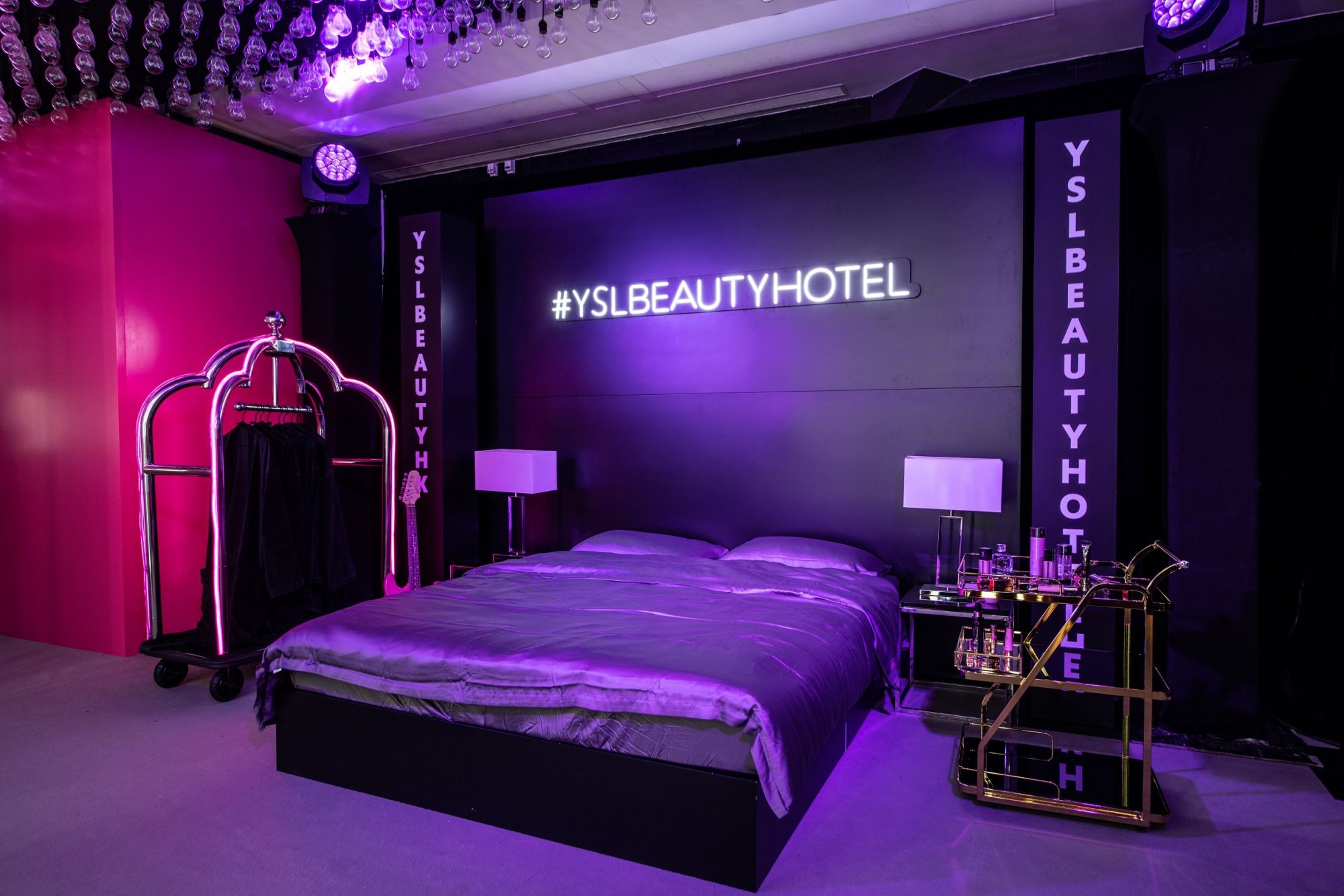
    SL Beauty Hotel is coming to Singapore this month, as part of a tour of the world’s fashion meccas, including Paris, New York, Tokyo, Hong Kong, Shanghai and Seoul.

    Precise details of the Singapore ‘hotel’ have yet to be revealed, but it is expected to have same style of neon lights, sleek furnishing, and comfy bedding as in previous cities. Themed rooms like the All Hours Lounge, interactive game machines, photo booths and YSL Beaute products will be on site for visitors to experiment with and Instagram.

    Products in the spotlight will likely include the Encre de Peau Cushion Leather Collector’s Edition, Rouge Volupte Shine, and All Hours Foundation.

    The one-day pop up is set to open on March 16, from 10am to 5pm, at Cherry Discotheque in Cecil Street.