Category: Logistics

Retail News Asia is committed to providing both local and global retailers with the latest Logistics news throughout the Asian market. This on a daily base.

  • Higher shipping fees hurt smaller firms

    Higher shipping fees hurt smaller firms

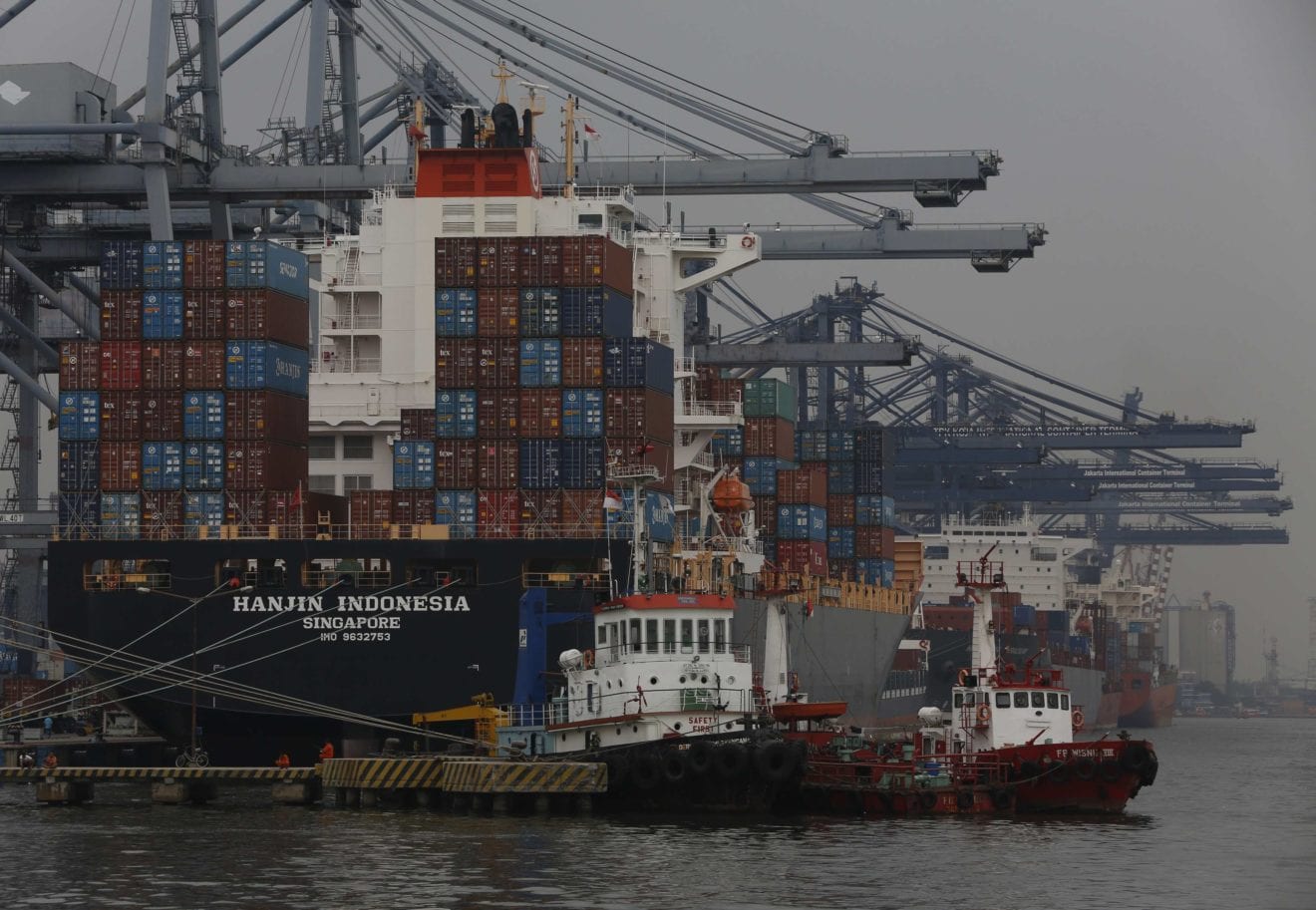
    Vietnamese exporters are struggling to send goods abroad despite high demand because of a nearly five-fold year-on-year surge in container shipping costs.

    Shipping costs from Asia to Europe rose above $10,000 per container for the first time on record last week, a 485 percent increase year-on-year, according to the Drewry World Container Index.

    Ho Van Hiet, CEO of Prime Logistics Vietnam, said that while foreign direct investment giants with established contracts are mostly unaffected by the price increase, small and medium Vietnamese exporters were fighting to secure container slots for their shipments.

    “Exporters who used to send 10 containers per shipment are having to cut it to a few as most ships are filled up,” he said.

    Nguyen Dinh Tung, CEO of fruit exporter Vina T&T, said that that rising transportation costs has become a global issue and it has pushing smaller companies out of the market.

    A shortage of containers also means longer transportation time and this affects the export of some products like fruits.

    Mangoes from Vietnam, for instance, can be preserved for 35 days. Before, it took 25 days to deliver the product to Western buyers, but now it takes 30-35 days, Tung told local media, adding that many buyers have stopped importing because there is not enough time to sell the products.

    Industry insiders say that container transportation charges have risen as demand rises in the Europe and the U.S., with their economies beginning to recover from Covid-19 impacts. Companies are beginning to restock and make more purchases.

    Nguyen Thi Anh, the spokeswoman for a HCMC-based logistics company, said that as container costs rise so do related fees like storing and moving them out of ports.

    Since last year, many exporters have been struggling to negotiate logistics costs with buyers; some have either left the market or accepted losses in order to retain customers, she told local media.

    Some small exporters of garment products, furniture and seafood have stopped exporting altogether after not being able to negotiate a contract with buyers, she added.

    Hiet said he sees another increase in shipping rates in June, sending prices of shipping a 40-foot container from Vietnam to Europe to around $11,000, up 10 percent from now.

    The rates could go even higher as demand typically peaks in August and September, he added.

    The only solution for Vietnamese exporters is to book their delivery soon so to ensure they have secure container slots on ship, he said.

  • E-commerce boom triggers cold storage shortage

    E-commerce boom triggers cold storage shortage

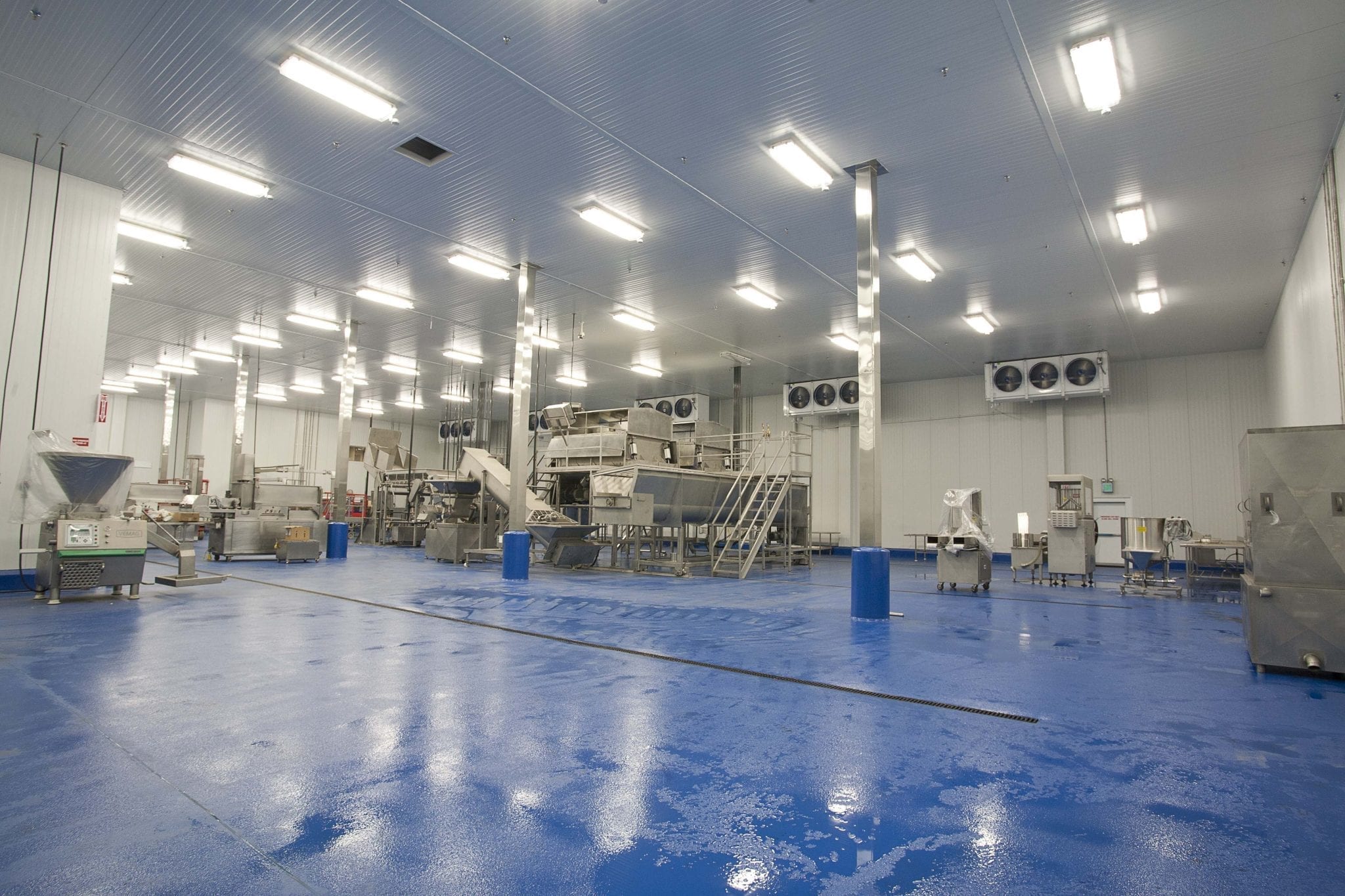
    Vietnam is facing a shortage of cold storage facilities as demand for fresh food preservation rises with the ongoing e-commerce boom.

    The nation’s cold storage facilities had to operate at maximum capacity during the Covid-19 period last year after 30-50 percent of seafood orders were canceled, said Trang Bui, head of markets at real estate consultancy JLL Vietnam.

    Vietnam is the world’s third-largest seafood exporter.

    The country’s cold storage facilities are mostly located in the southern region because of the large demand there, and 60 percent of the market share is owned by foreign investors, according to JLL.

    One reason for the limited supply of such facilities is that their construction takes more time and costs more than that of other asset types.

    A cold storage investment is two to three times that of a normal storage facility and construction takes up to six months longer.

    The leasing period for such facilities typically ranges from 15-20 years, which makes supply even lower, Trang said.

    Michael Ignatiadis, JLL Asia Pacific’s head of supply chain and logistics solutions, said the fast-expanding middle class in Asian countries is pushing up demand for fresh food delivery and therefore the need for cold storage.

    Demand for grocery deliveries is set to rise 30 percent annually in the Asia Pacific region until 2024, according to market research company Forrester.

    Despite the surging demand there are very few companies participating in Vietnam’s cold storage market, and none has provided a complete supply chain, Trang said.

    “As Vietnam’s cold supply chain is decentralized and mostly operated by small and medium suppliers, cold storage facilities are major investment opportunities,” he added.

  • Building Resilience in the Retail Supply Chain During and Post-Pandemic

    Building Resilience in the Retail Supply Chain During and Post-Pandemic

    While many industries have been severely hit by COVID-19, retail supply chains in particular have faced significant changes over the past year as more consumers have migrated towards e-Commerce for their purchases.  This has caused many retailers to review and adjust their supply chains to improve their resilience and flexibility to address the changes and challenges they have faced recently, and to position themselves to be more competitive in the future.

    The rise of e-Commerce and consumer expectations

    Today, the service level expectations of consumers in the online retail space are exceptionally high. Online shoppers expect almost unlimited choice, they want products available at the best price, and they want it delivered as quickly as possible… and for free. Many retailers have gone beyond next-day delivery, and are now offering same-day deliveries to give them a competitive edge.

    Consumers have an endless amount of information at their fingertips that allows them to easily and quickly compare product specifications, price, availability, delivery timing and returns policies.  They also have access to products from all over the world.  This is driving a new era of hyper-competition

    Increasing consumer expectations, combined with an uprising of online demand and hyper-competition, are putting enormous pressure on supply chains all around the world.

    The retailers who are investing in making their supply chains adaptable to these changes are proving to be the ones that succeed in turning these challenges into opportunities, taking advantage of the growth potential they are presented with, and finding ways to do so profitably.  However this is not an easy feat.

    Sharper consumer expectation makes for increased supply chain stress

    Much of the pressure on supply chains is experienced in distribution centres (DCs).  Many retail supply chains have traditionally used large central DCs to fulfil bulk orders for replenishing stores in case or pallet quantities.  These DCs are now not only required to replenish stores, but also required to fulfil a rapidly growing number of online orders, fast, accurately and at the low cost.

    Automating for Productivity, Speed and Accuracy

    Online orders typically consist of a small number of products, picked and packed in piece quantities for delivery direct to a consumer.  Compared to replenishing stores, the additional effort and cost required at the DC to distribute a given amount of product in this way can be up to 10 times higher.

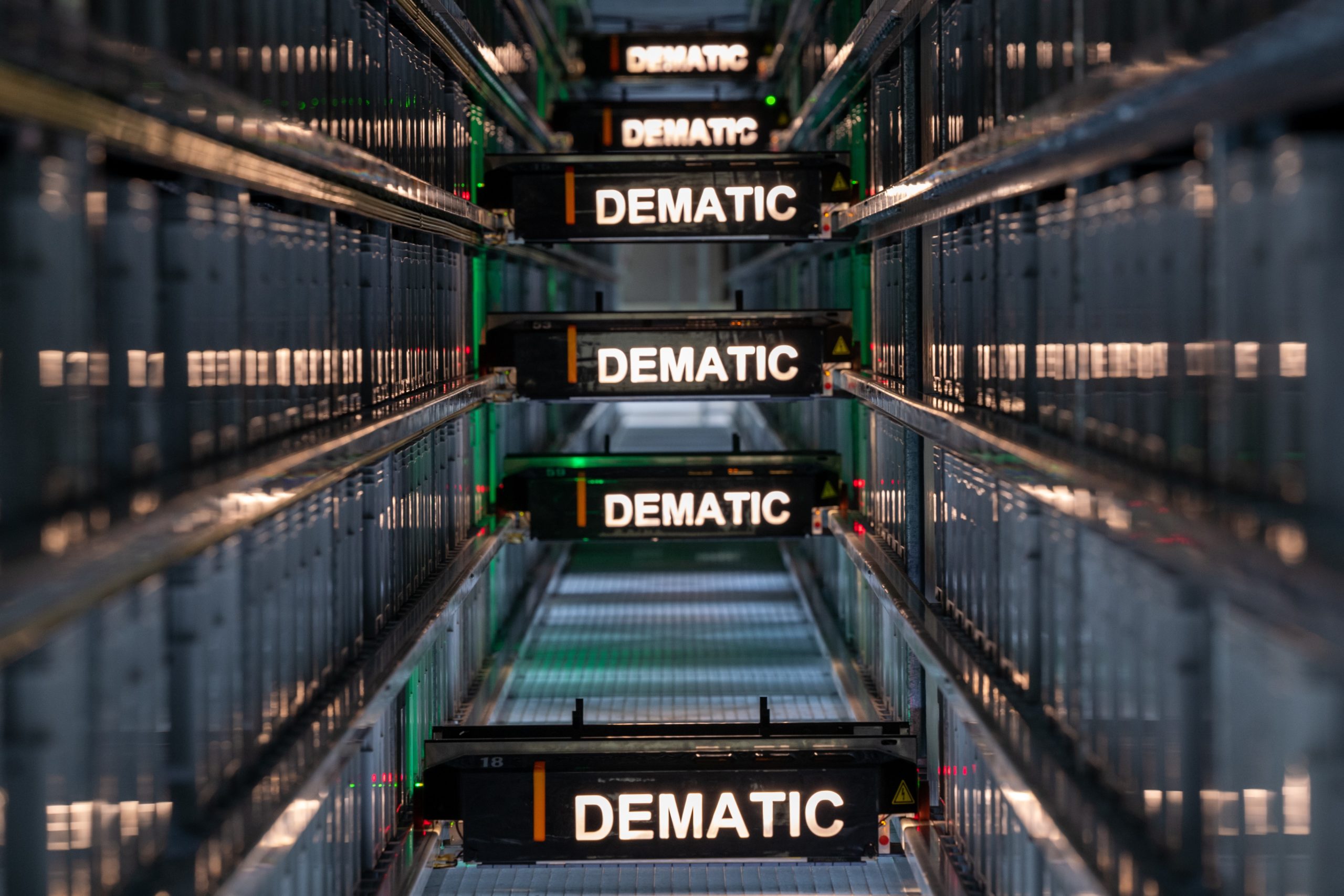
    To address the labour effort in fulfiling these orders, and to reduce the footprint required, goods-to-person solutions are delivering outstanding results.  In these solutions robotic shuttles are used to store and retrieve products in an extremely compact footprint.  Products are automatically delivered to operators working at high rate picking stations in the sequence they are needed for orders, eliminating their need to travel, dramatically improving productivity and slashing fulfilment times.

    With the need to optimise fulfilment speed and cost-effectively manage last mile delivery, retailers (and some pioneering food manufacturers) are establishing micro-fulfilment centres in their networks.  These are implemented in compact spaces (often in stores) located close to customers.  To provide the best use of space in terms of storage and throughput capacity, and to drive low cost fulfilment with minimum labour, good-to-person automation is often applied to support the picking process.  The same kind of automation can also be used for the buffering and consolidation of completed orders in preparation for their despatch windows.

    It is unfortunate that the execution of returns policies frequently results in disposal and waste due to the high cost of reverse logistics, inspection and re-stocking.  Automated solutions can greatly reduce the time and effort associated with returns, providing retailers with the ability to re-stock and re-sell products, rather than discarding and writing off.  Ultimately this can translate into better pricing levels for their customers.

    Automation builds resilience in the retail supply chain

    Automation has traditionally been viewed as a way to increase productivity, but at the expense of flexibility.  However today’s automated solutions feature both flexibility and modularity that allows them to scale and adapt to change and offer the high levels of redundancy necessary to support round the clock operations.

    Increasing labour costs have always been a key driver for automation. However besides the cost savings, the recent pandemic has demonstrated many additional benefits in minimising the size of a workforce.  These range from availability of sufficient resources, to complying with social distancing restrictions, to reducing the risk of contaminating products and, most importantly, to minimising business disruption. All of these things have contributed to accelerated application of automation in supply chains.

    Building resilience in the era of e-Commerce and omnichannel

    Most retail models are geared towards meeting the demands of their customers — but these are rapidly changing in today’s e-Commerce and omnichannel landscape.  Retailers with resilient operations, that are flexible and adaptable to change will cope best.  Automation and technology is certainly helping to provide retail supply chains with this resilience, and is increasingly being recognised as a path to their profitable and sustainable growth, and indeed survival.


  • High costs a drag on domestic logistics industry

    High costs a drag on domestic logistics industry

    High costs and delivery failure rates continue to plague local logistics companies, which are unable to compete with foreign-owned rivals.

    Dao Trong Khoa, vice president of the Vietnam Logistics Business Association (VLBA), said the cost of logistics in Vietnam is equivalent to 20 percent of GDP while the global average is around 11 percent.

    The delivery failure rate is around 10 percent, adding to the cost of logistics as businesses have to bear additional expenses for storage and inventory management.

    The vast majority of domestic logistic companies are small ones that primarily provide low-value-added services and intensely compete among themselves.

    The lack of coordination among them means they are unable to compete with multinational companies, who have grabbed an 80 percent market share.

    Deputy Minister of Industry and Trade Tran Quoc Khanh said local logistics companies have to find new spaces to grow.

    Tran Trung Hung, general director of Viettel Post, warned they would continue to languish if there is no technical innovation, especially in digital transformation.

    Do Huy Binh, director of the digital solutions provider Smartlock, said digital transformation is key to reducing costs, and logistics companies could cut up to 30 percent of their costs. “Investment in technology is a no-brainer for logistics companies; it is a step into the future.”

    According to the VLBA, there are around 30,000 logistics companies in the country, 4,000 of them foreign-owned.

    The industry is growing at 12-14 percent annually and is now worth $40-42 billion.

  • Container shortage compounds Vietnamese exporters’ shipping woes

    Container shortage compounds Vietnamese exporters’ shipping woes

    Vietnamese businesses are once again struggling to get containers to export their goods amid a global imbalance in the logistics sector. Bui Thi Ngoc Tuyen, deputy director of Bich Chi Food Company in the southern province of Dong Thap, said as empty containers have become scarcer, prices have tripled.

    “We struggle to get enough containers for our goods, and even if we do, there is no ship to transport them.”

    Duy Tan Plastics, which gets one-fifth of its revenues from exports, is also caught in a similar struggle, with logistics costs on some main routes rising 95–231 percent year-on-year. The company has seen the number of orders declined by around 10 percent due to higher shipping costs, its deputy director Le Anh said.

    Tran Thanh Hai, deputy director of the Agency of Foreign Trade under the Ministry of Industry and Trade, said sea shipment costs have risen because container costs have surged seven or eight times.

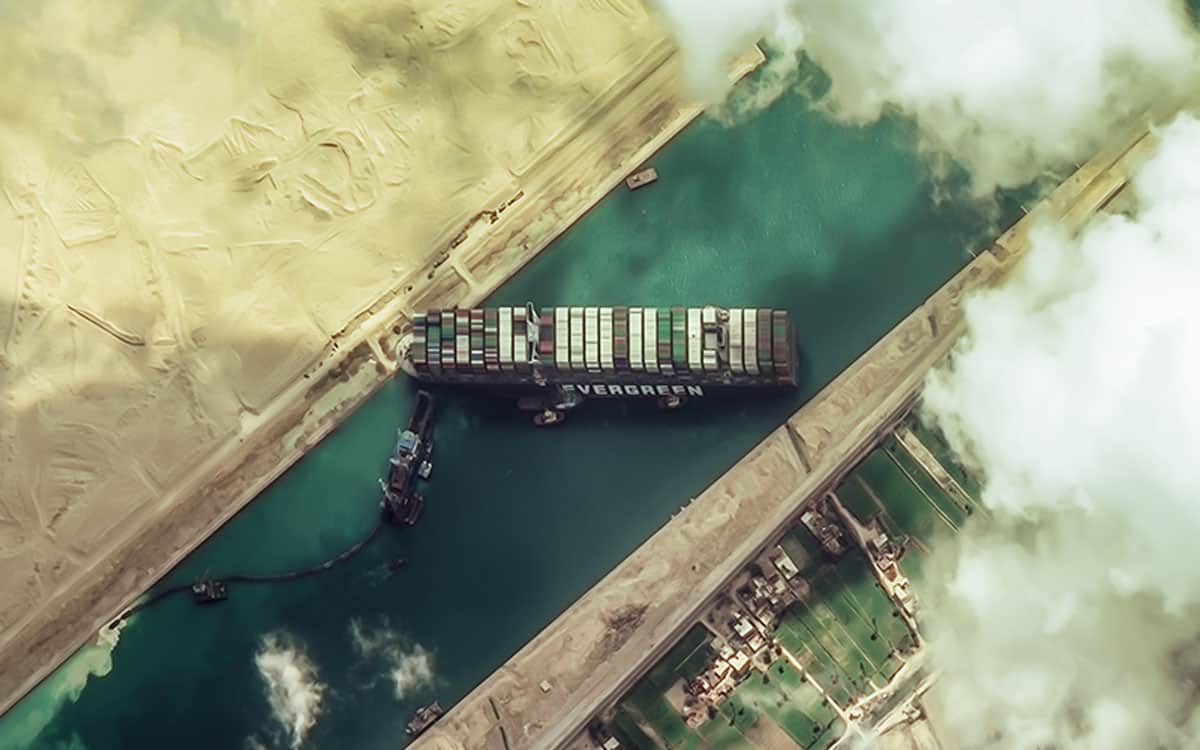
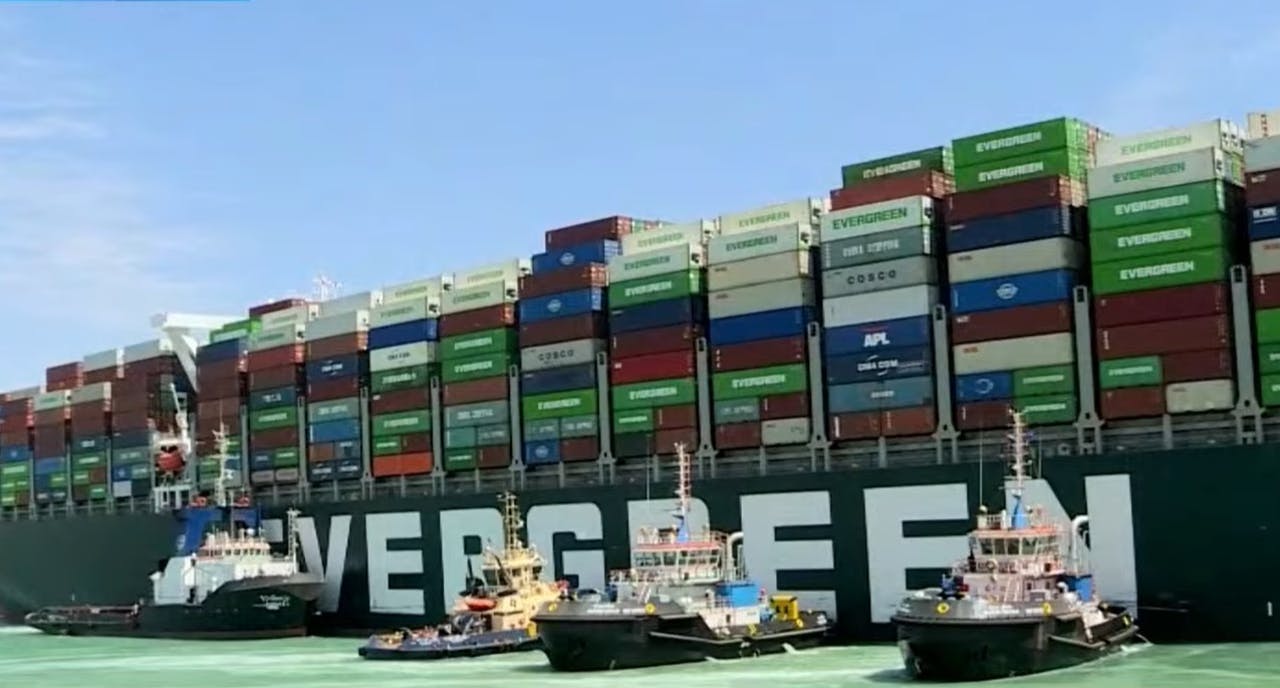
    Vietnamese companies had already faced a container shortage towards the end of last year and earlier this year as global trade rebooted after months of limited activities caused by the Covid-19 pandemic, but the recent Suez Canal blockage has once again triggered shortages that could severely hurt exporters.

    Although the mega-ship Ever Given has been freed from the canal, some ships had been forced to reroute on a longer journey, and a two- or three-week delay of shipments is expected.

    This means Vietnamese exporters will have to wait a couple of weeks or even a month to receive empty containers for the next shipment, and they will have to bear higher costs due to shortage of the metal boxes, said Ho Van Hiet, CEO of Prime Logistics Vietnam, which transports around 200 containers a month.

    Container rents in December and January had surged 5-10 times from earlier due to a global shortage of containers. Although prices dropped by 10-20 percent last month, they could return to the previous peak in this and the next month due to the Suez blockage, Hiet told VnExpress International.

    His company has been urging customers to make quick deliveries now, before prices climbed again.

    Lam Thi Thanh Bong, CEO of Karl Gross Logistics Vietnam, said that after a period of limited trade activities last year caused by the Covid-19 pandemic, many Western countries are having an oversupply of empty containers while some Asian ones are seeing shortages.

    “This imbalance in supply and demand will have major impacts on Vietnamese exporters,” she said.

    For now, exporters need to book their shipment between two and four weeks prior to ensure they have slots on the vessels and they should negotiate sharing higher logistics costs with their partners, she added.

  • Vietnamese exporters squeezed by Suez blockage

    Vietnamese exporters squeezed by Suez blockage

    The congestion caused by the Suez Canal blockage is delaying the shipment of Vietnamese goods to Europe and the Americas, and the exporters are fretting.

    The owner of a seafood exporting company in the southern province of An Giang is waiting for a five-container ship to pass through the canal on its way to France.

    However, the ongoing congestion will not allow the ship to exit the canal until Friday or Saturday, delaying the shipment by two weeks, exposing the company to fines of 0.3-0.5 percent of the order value.

    This is the first major delivery of the company this year and the owner fears major damage, given the high value of the shipment. He is hoping that the buyer will acknowledge the force majeure circumstance and not impose any fine.

    Many Vietnamese logistics companies are in the same boat after the six-day blockage caused by the mega-ship Ever Given disrupted the global supply chain by jamming the shortest shipping route between Europe and Asia.

    Even though the ship was moved on Monday, Le Duy Hiep, chairman of the Vietnam Logistics Business Association, said most companies were still seeing their shipments delayed.

    Imports from Europe and the Americas to Vietnam are also being put off, he said.

    “Nearly 400 ships, including those from Vietnam, are queued up at the canal. It will take days to clear all the ships, causing damage to both logistics companies and exporters,” he said.

    Europe is one of Vietnam’s biggest seafood export markets with a value of more than $1 billion last year. The resurgence of Covid-19 in some countries there and the Suez blockage is causing major difficulties for Vietnamese exporters.

    Truong Dinh Hoe, general secretary of the Vietnam Association of Seafood Exporters and Producers (VASEP), said that Vietnam and many other countries are short of containers for exports and face surging freight rates, and the Suez blockage could make this go even higher.

    Tran Thanh Hai, deputy head of the export-import department under the Ministry of Industry and Trade, said that the blockage is a wake-up call for Vietnamese businesses. He urged them to be more careful and prepare for worst-case scenarios.

    For example, transporting goods by train from Vietnam to Germany costs slightly higher than ships, but takes 15-20 days less, and businesses should consider this an alternative option, he said.

    Businesses should also buy the insurance and think of it as part of their regular expenses instead of taking chances, he added.

  • Rhenus Logistics opens free zone warehouse in Bangkok

    Rhenus Logistics opens free zone warehouse in Bangkok

    Global logistics service provider Rhenus Logistics has opened a new free zone warehouse in Bangkok, Thailand, as it aims to serve a wider range of industries.

    The warehouse is strategically located within a 10-kilometre radius of three existing warehouses that house general cargo and dangerous goods.

    Rhenus says the facility, located within Bangkok’s free trade zone, will offer a wider range of services to key industries like manufacturing, medical devices and healthcare, whilst offering better value for customers, including duty exemptions.

    “The warehouse provides added convenience to customers who conduct business in the nearby Bangkok metropolitan city, with its close proximity to key freight hubs at Suvarnabhumi Airport and Thailand’s major sea ports,” the company said.

    Rhenus noted that the facility features its latest in-house technology and an ecofriendly design. Customers in electronics and medical devices with specific storage requirements can safely and securely tap on its 450-sqm temperature and dust-free controlled room, ambient storage facilities and the anti-static testing room.

    The warehouse supports pallet storage for standard cargo and block space for oversized cargo up to 3 tonnes, offers flexible in-transit capacity for large shipments, with comprehensive 24-hour security measures within and around the facility.

    “With its strategic proximity to the Bangkok Free Trade Zone, we hope to better support evolving warehousing needs by providing more space options, improving quality and all while reducing operational costs for our customers,” said Tim Burger, director warehousing and transport, Rhenus Logistics Thailand.

  • Suez blockage threatens Vietnam trade with Europe, US

    Suez blockage threatens Vietnam trade with Europe, US

    The Suez Canal blockage caused by the Taiwanese container vessel Ever Given is threatening to delay some of Vietnamese exports and imports.

    The longer it lasts the more losses Vietnamese seafood exporters would suffer since they are the one in charge of shipping seafood to their partners, according to Truong Dinh Hoe, general secretary of the Vietnam Association of Seafood Exporters and Producers (VASEP).

    “Vietnam and many other countries are short of containers for exports and face surging freight rates. The Suez blockage could make freights rise even higher, putting Vietnam’s seafood export firms in difficulty,” he told local media.

    The blockage would temporarily increase Vietnamese exports’ transportation time to the U.S. and Europe by at least one to two weeks since ships have to go around the southern tip of Africa.

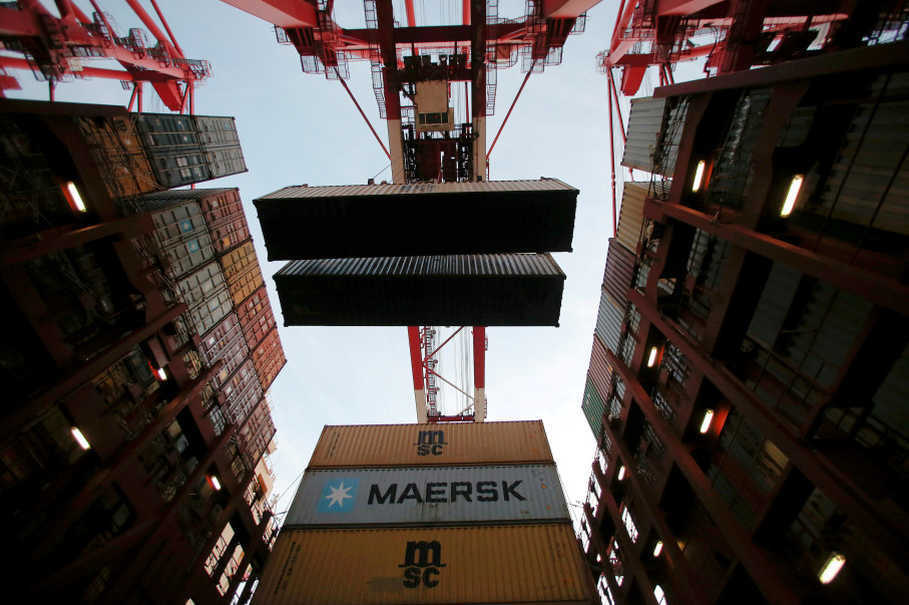
    Maersk, a Danish shipping company, said it has three vessels stuck in the canal and 27 others waiting to enter, with two more expected to reach the site on March 28.

    The company has decided not to wait for Ever Given to be extracted and instead redirected its vessels around the Cape of Good Hope, adding 10-14 days to their itinerary to U.S. ports.

    “In Vietnam, shipping route TP17 from the Cai Mep-Thi Vai Port in the southern province of Ba Ria-Vung Tau to the U.S’s east coast, which goes through the Suez Canal, is affected,” a spokesperson for a Vietnamese logistics firm said.

    Multinational electronics companies in Vietnam will be affected if the blockage prolongs since it will delay imports of components.

    Tran Thanh Hai, deputy director of the Agency of Foreign Trade, said the impact of the blockage on Vietnam-Europe trade would depend on the time it takes to dislodge the ship.

    The Ministry of Industry and Trade has instructed Vietnam’s trade office in Egypt to keep it updated on the extrication of the ship.

    On March 23 Ever Given ran aground in one of the world’s busiest waterways. According to the Suez Canal Authority, the ship was unable to keep a straight trajectory due to high winds and a sandstorm that reduced visibility.

    In the morning of March 29, Ever Given was wrenched from the shoreline and set partially afloat again after six days in the ground, according to Inchcape, a British provider of marine services.

  • DHL Express To Deploy 89 EVs Produced By Lighting eMotors

    DHL Express To Deploy 89 EVs Produced By Lighting eMotors

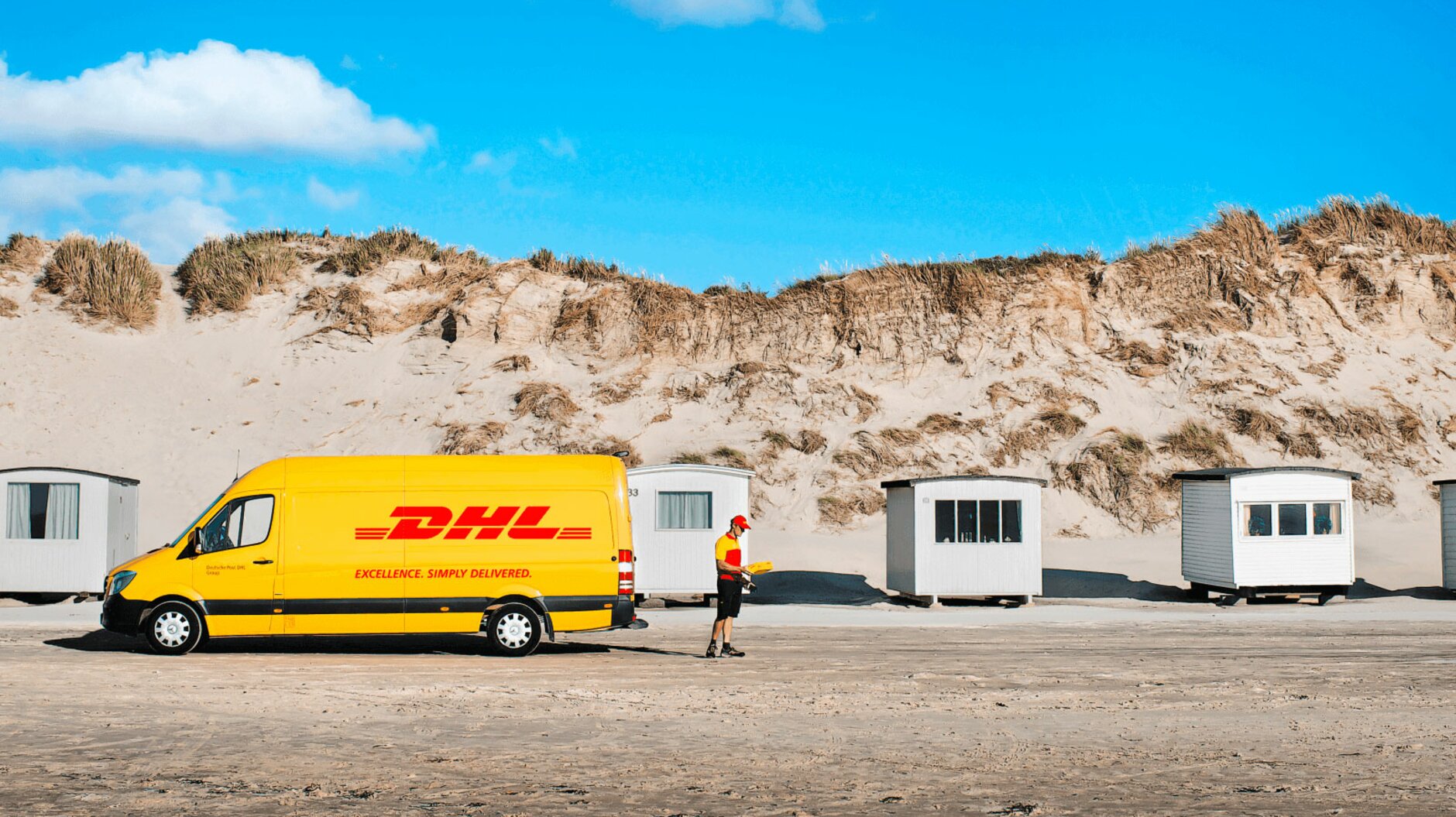
    DHL has announced that it is expanding its green fleet in the US with the help of EV maker Lightning eMotors. It will acquire 89 more Lighting eMotors this year after a successful pilot run of nine EV vans. The DHL Green Fleet expansion is part of a larger sustainability roadmap launched by the DHL Group. It aims for the group to have zero emissions by 2050 in its logistics.

    “These new electric vans are designed to better serve DHL customers and help couriers to more efficiently and effectively deliver packages. At the same time, they are helping DHL to meet its commitments to reduce greenhouse gas emissions and improve urban air quality, as well as reduce noise on the streets,” said DHL in a statement.

    Even outside the US, in Sweden, DHL Freight has teamed up with Volvo trucks. This comes back of the heels of the nine electric Ford Transit 350HD vans electrified by Lightning eMotors.

    Lightning eMotors is a Colorado-based EV maker that specializes in zero-emissions solutions for commercial fleets by designing, engineering, customizing, and manufacturing EVs to support a wide assortment of fleet customer needs. This even includes electric versions of class 3 cargo vans to class 8 motorhomes.

    These electric transit cargo vans can do 61 miles per gallon as opposed to 13 miles per gallon on a similar internal combustion engine vehicle. These vehicles also come with proprietary telematics and analytics software. This will also help DHL in route optimization, driver training and efficiencies.

  • Kerry Logistics Network posts 30% growth in revenue core net profit increased by 33%

    Kerry Logistics Network posts 30% growth in revenue core net profit increased by 33%

    William MA, Group Managing Director of KLN Group, said, “The COVID-19 pandemic has brought unprecedented challenges to everything from global public health to people’s livelihoods. The stop-and-go momentum of the global economy has caused severe disruption to the global supply chain. With human mobility severely curtailed, the role of logistics has become ever more paramount. Every link in the supply chain from sourcing and manufacturing to the distribution of finished products must still be maintained. Even as the pandemic forced millions of corporate employees around the world to work from home, our teams have been working tirelessly on the frontline, maintaining 24/7 services across some 150 international hubs to support various industries and sustain people’s daily lives. In 2020, thanks to the collective efforts of our colleagues and business partners, KLN Group achieved record growth in both revenue and core net profit, clearly demonstrating the Group’s resilience and capability to evolve through the pandemic.”

    IL Growth Sustained

    KLN Group’s IL division recorded a normalised segment profit growth of 8% in 2020, mainly driven by the strong performance in Hong Kong and Taiwan.

    In Hong Kong, the IL division grew by 10% in 2020, benefitting from the rise in demand for home-delivered daily necessities, electronic goods and pharmaceutical logistics. The Hong Kong warehouse business contracted in 2020 compared with 2019 mainly due to the disposal of two warehouses in 2019 1H.

    In Mainland China, the segment profit for the IL division bounced back in 2020 2H, offsetting the 37% drop in 2020 1H. This was due to the resumption of manufacturing activities, recovery of local consumption and the rapid growth of the e-commerce market in Mainland China.

    In Taiwan, the IL business expanded by 19% year-on-year in segment profit, capitalising on the growth of semi-conductors and electronics manufacturing, the increasing demand in pharmaceutical logistics as well as the rise in e-commerce business. The robust performance of Science Park Logistics’ bonded operations was another driver for its growth.

    In Asia, the IL business sustained despite severe lockdowns across the region, driven by the switch from consumer goods business to the essential supply sectors. The Group expanded its express business to the Philippines through the establishment of a joint venture company in 2021 Q1 in which the Group has a 51% interest.

    IFF Thrived

    The IFF division was the powerhouse of KLN Group’s business in 2020, accounting for 28% of the total segment profit, with its segment profit for the full year increasing by 64% year-on-year compared to a 40% growth in 2020 1H. The growth was mainly driven by a high global demand for pandemic-related goods as well as production and exports from Mainland China. It created the favourable conditions for the Group to capture opportunities from the unprecedented volatile global freight market, in terms of rates, capacity and equipment availability.

    Kerry Apex recorded an increase in volume of 17%, strengthening its Trans-Pacific market position. It was the number one NVOCC from Thailand, Vietnam, Indonesia and Malaysia to the US, the number two NVOCC from Asia to the US for 2020.

    Facility Portfolio Updates

    In Mainland China, the 340,000-sq-ft chemical logistics centre in Cangzhou commenced operation in 2021 Q1. Construction of the 827,000-sq-ft logistics centre in Qingdao is expected to complete in 2021 Q2. The 1,043,000-sq-ft logistics centre in Guangzhou, the 305,000-sq-ft chemical logistics facility in Zhangjiagang, the 

    644,000-sq-ft hub and logistics centre in Zhuhai and the 545,000-sq-ft bonded logistics centre in Hainan are expected to complete construction in 2022.

    Proposed Strategic Investment from S.F. Holding

    On 10 February 2021, a Joint Announcement was made amongst S.F. Holding (acting through its wholly-owned subsidiary), the Company and Kerry Properties Limited, a Controlling Shareholder and substantial shareholder of the Company. Pursuant to the Joint Announcement, S.F. Holding will make a voluntary conditional cash offer to shareholders to acquire a controlling stake in the equity interest of the Company. The proposed transaction is subject to satisfaction of certain pre-conditions. These pre-conditions include certain inter-conditional special deals, including the disposals of certain Hong Kong warehouses and the Company’s Taiwan businesses, being entered by the Company with Kerry Holdings Limited, the substantial shareholder of the Company. If the proposed transaction does not proceed, these special deals also will not proceed.

    William Ma concluded, “Scale and technological advances are crucial for any company in this industry to retain its competitiveness over its peers and drive changes in the global logistics arena. To this end, the proposed strategic cooperation with S.F. Holding will scale up KLN Group, extending its reach and enhancing its R&D capabilities. The Group’s performance in 2020 stands as testament to the capability in devising creative and efficient logistics solutions, which were in high demand when the global supply and logistics infrastructure suffered damage. KLN Group is prepared to seize any opportunity that may arise, as well as to enhance its value for stakeholders.”

  • Vietnam posts $665 million trade surplus with the UAE

    Vietnam posts $665 million trade surplus with the UAE

    Vietnam posted a $665 million trade surplus with the United Arab Emirates (UAE) in the first two months of 2021, alongside an increase in both exports and imports.

    Vietnam’s exports to the UAE rose 60 percent year-on-year $737 million, while imports increased 44 percent to $72 million, according to the General Department of Vietnam Customs.

    Total Vietnam-UAE trade value surged 58 percent year-on-year during this period.

    Phones and components were Vietnam’s foremost exports to the UAE with a value of $551 million, up 108 percent year-on-year. Exports of agriculture and aquaculture products also experienced robust growth. Cashew exports hit $10.3 million, a year-on-year rise of 600 percent.

    Vietnam’s main import from the UAE is the plastic raw material, reaching $41.8 million, a year-on-year increase of 66 percent. Among the products imported from the UAE, only petroleum products saw a 42 percent year-on-year decline to $2.5 million.

  • Steel giant to manufacture containers for first time in Vietnam

    Steel giant to manufacture containers for first time in Vietnam

    Steelmaker Hoa Phat plans to manufacture 500,000 twenty-foot equivalent unit containers a year to mitigate a shortage since containers are stuck at ports after Covid-19 hit trade.

    It plans to build its first container manufacturing factory in Binh Duong or Dong Nai province and near Cat Lai Port in HCMC and Cai Mep – Thi Vai International Port in Ba Ria – Vung Tau Province.

    The southern region has an especially high demand for containers. Market research by Hoa Phat in fact found that three out of every four containers are used there.

    Nguyen Manh Tuan, vice chairman of the Hoa Phat Group, said the containers would be made of weather-resistant hot-rolled coil steel with enhanced corrosion resistance produced at its Hoa Phat Dung Quat 2 steel plant to be launched in early 2022.

    The logistics sector is suffering from a severe container shortage since many remain in various ports around the world, unable to offload their goods, while demand for containers to export to Europe and the U.S. is high.

    At the end of 2020, the Vietnam Maritime Administration had to order container shipping lines to publicly declare their freight rates and surcharges, saying it had received numerous complaints about inflated prices due to a shortage of containers and warning it would not tolerate gouging.

    Most shipping lines have hiked freight by 2-10 times in the last three months.

    In Vietnam, there is no container production.

    Tuan explained that the price of weather-resistant hot-rolled coil steel used for making containers is high, and would cause losses for companies if they have to import it.

    “Hoa Phat can produce this type of steel,” he said.

  • Vietnam ranked among world’s top 10 emerging logistics markets

    Vietnam ranked among world’s top 10 emerging logistics markets

    Vietnam has jumped three spots to eighth in this year’s global index of emerging logistics markets after emerging as a popular manufacturing hub.

    The country had an overall score of 5.67 out of 10 in the 2021 Emerging Markets Logistics Index released by leading logistics company Agility.

    The firm ranked 50 economies based on three factors that make them attractive to logistics providers, freight forwarders, shipping lines, air cargo carriers, and distributors: domestic logistics opportunities, international logistics opportunities and business fundamentals.

    Vietnam performed well in international opportunities, ranking fourth globally. It was 18th in domestic logistics opportunities and 21st in business fundamentals, which include regulatory environment, credit and debt dynamics, contract enforcement, anti-corruption safeguards, price stability, and market access.

    “Vietnam has made strides as a manufacturing destination as a small number of companies has looked to ease dependence on Chinese production as a result of U.S.-China trade friction, rising costs and the Covid-19 crisis,” the report said.

    Vietnam’s climb by three places to eighth demonstrates it effectively contained the spread of the virus, positioned itself deftly to absorb manufacturers seeking to leave China and possesses an enviable investment pipeline across a number of sectors, including fashion and electronics, which could see its rise continue in 2022, the report said.

    China remained the world’s leading emerging logistics market followed by India. Indonesia (3rd) and Malaysia (5th) were Southeast Asian countries that did better than Vietnam in the ranking.

    According to the Vietnam Logistics Business Association’s latest survey, there are around 30,000 logistics companies in the country, 4,000 of them foreign-owned.

    The industry has been growing at 12-14 percent annually and is now worth $40-42 billion.

  • S.F. Holding and Kerry Logistics Network Announce Strategic Investment

    S.F. Holding and Kerry Logistics Network Announce Strategic Investment

    S.F. Holding and Kerry Logistics Network Limited (‘Kerry Logistics Network’ or ‘the Company’; Stock Code 0636.HK) are pleased to announce the proposed strategic investment and cooperation between the two companies.

    Subject to satisfaction of certain pre-conditions, the Offeror, being an indirect wholly-owned subsidiary of S.F. Holding, will make a Partial Offer to obtain 931,209,117 ordinary shares of Kerry Logistics Network, representing approximately a 51.5% stake (on a fully-diluted basis) of the Company at a cash offer price of HK$18.80 per share (the ‘Partial Offer’). In conjunction with the Partial Offer, Kerry Logistics Network’s warehouse assets in Hong Kong will be disposed of to a wholly-owned subsidiary of Kerry Holdings Limited to unlock its shareholder value, and for the Company to operate under an asset-lighter model comparable to international industry peers.

    Subject to the completion of the warehouse sale, substantially all of the proceeds from the warehouse sale will be distributed to all those shareholders of the Company who are shareholders of record on the record date as a special dividend of HK$7.28 per share. The total amount of offer price plus special dividend to be received by a shareholder of the Company for every share that the shareholder tenders and is accepted under the Partial Offer would be HK$26.08, comprising the offer price of HK$18.80 per share and the special dividend of HK$7.28 per share.

    To facilitate the transaction, the Company’s business in Taiwan, including the interest in Kerry TJ Logistics Company Limited, which is listed on the Taiwan Stock Exchange (‘Kerry TJ Logistics’; Stock Code 2608.TW), will also be sold to a wholly-owned subsidiary of Kerry Holdings Limited in compliance with the laws and regulations in Taiwan. The proceeds from the Taiwan business sale will be retained by the Company for its ongoing growth and developments.

    The Partial Offer is subject to fulfillment of certain pre-conditions including, amongst others, the disposal of the Hong Kong warehouse assets, and the disposal of the Taiwan business becoming unconditional under their respective sale agreements, and upon independent shareholders’ approvals being obtained at a Special General Meeting and the relevant regulatory approvals in various jurisdictions in connection with the Partial Offer being obtained.

    The cooperation will bring together the core competencies of S.F. Holding and Kerry Logistics Network across multiple verticals to create a leading Asia-based global logistics platform to meet ever-changing demands.

    Under the strategic cooperation, Kerry Logistics Network will be positioned as S.F. Holding’s platform for international business. S.F. Holding and the Company will also collaborate with each other in Greater China to better align their respective businesses. By tapping into different customer segments, S.F. Holding and Kerry Logistics Network will coexist as separate entities in Mainland China, Hong Kong and Macau. The Company will continue to grow its logistics businesses, both in terms of scale and coverage. The partnership is expected to create significant synergies to boost both companies’ growth and leadership in the logistics sector with clear business focuses and complementary strengths to bring value to investors.

    Subsequent to the completion of the proposed transaction, Kerry Logistics Network’s listed status on the Hong Kong Stock Exchange will remain unchanged. The Kerry Group of companies will still hold a significant interest in the Company, which will continue to operate under the “Kerry” names with a clear brand identity and be managed by its current core leadership team across all markets.

  • DHL Global Forwarding Asia Pacific recognized as Certified Top Employer 2021 second time in a row

    DHL Global Forwarding Asia Pacific recognized as Certified Top Employer 2021 second time in a row

    DHL Global Forwarding, the air and ocean freight specialist of Deutsche Post DHL Group, was recognized as Top Employer for 2021 in Asia Pacific. The certification attests to DHL’s achievement in implementing HR best practices, focused on fostering a positive work environment and encouraging its employees’ personal and professional development. In addition to being certified Top Employer 2021 in Asia Pacific, DHL Global Forwarding was also once again named Top Employer globally and in 34 countries, including India, Indonesia, Malaysia, Philippines and Thailand. The Top Employers Institute Global Certification Program annually certifies and recognizes companies in participating countries who demonstrate excellence in people practices.

    During the pandemic, Deutsche Post DHL Group’s purpose of “Connecting people. Improving lives” proved more pertinent than ever. Employees kept the network running 24/7 to ensure a steady supply of Life Sciences & Healthcare necessities further highlighted the commitment and importance of each individual at DHL Global Forwarding and the rest of the Group.

    “With more than half a million employees across the globe, Deutsche Post DHL Group counts our people as our greatest asset. By ensuring that our superstars are happy at work and fired up to give their best each day, we are creating a virtuous cycle that feeds into great business outcomes. We are delighted that the Top Employers Institute has recognized DHL Global Forwarding Asia Pacific’s people-first strategy with the Top Employer 2021 award,” said Kelvin Leung, CEO, DHL Global Forwarding Asia Pacific.

    The Top Employers Institute program certifies organizations based on the participation and results of their HR Best Practices Survey. This survey covers six HR domains consisting of 20 topics such as People Strategy, Work Environment, Talent Acquisition, Learning, Well-being and Diversity & Inclusion and more. In total, the program has certified more than 1,600 Top Employers in 120 countries/regions across five continents.

    “Receiving the Top Employer award again this year has revalidated that our human resource strategy for DHL Global Forwarding Asia Pacific is on the right path. However, we are not resting on our laurels and we are continuously innovating to stay ahead of the evolving needs of our people, our business and the environment that we are operating in,” said Celine Quek, Vice President and Head of Human Resources, DHL Global Forwarding Asia Pacific.

    At DHL Global Forwarding, training opportunities and talent development programs are consistently reviewed and benchmarked against industry requirements. All employees go through a mandatory DHL Certified International Forwarder (CIF) program upon induction to ensure that they adhere to the same global standards as colleagues in the global network, abiding by the strictest code of conduct and business principles. In its fifth year, the CIF is a key initiative with a portfolio of culture and capability enhancing programs that support DHL Global Forwarding growth strategy.

    Further, DHL Global Forwarding started initiatives to promote diversity and inclusion in the company, such as “Women at DHL Global Forwarding, Freight”, which enables more women to fill leadership roles. The initiative aims to promote a cultural mindset with a keen focus on equal opportunities by offering work arrangements, transparency, and career support.

    Another initiative, “Well-being at DHL Global Forwarding, Freight” engages employees  by examining how employees’ tasks, expectations, stress levels and working environments affect their overall health and happiness. Especially in challenging times, such as when a global pandemic is affecting nearly every aspect of life, a pulse check and active management of employees’ well-being are crucial. The organization encourages employees to boost their “well-being” in three ways: Be Social, Be Present, Be Active.

    Top Employers Institute CEO David Plink says: “Despite the challenging year we have experienced, DHL Global Forwarding has continued to demonstrate the power of putting their people first in the workplace. We are proud to share this year’s announcement and congratulate the organizations who have been certified in their respective countries through the Top Employers Institute program.