Category: Logistics

Retail News Asia is committed to providing both local and global retailers with the latest Logistics news throughout the Asian market. This on a daily base.

  • January exports up 50 pct

    January exports up 50 pct

    Exports rose by 50.5 percent year-on-year in January to $27.7 billion with triple-digit increases in shipments of smartphones and machinery.

    The U.S. was the largest market, followed by China, the E.U., ASEAN, Japan, and South Korea, according to the General Statistics Office.

    Six products saw exports exceed $1 billion, including smartphones (up nearly 115 percent), electronics and computers (up 50 percent), and machinery and equipment (up 115 percent).

    Some agricultural products also achieved strong increases, including rubber (nearly 120 percent), cashew (52 percent) and pepper (42 percent).

    Imports rose 41 percent to $26.4 billion, giving Vietnam a trade surplus of $1.3 billion, with China remaining the largest seller, followed by South Korea, ASEAN and Japan.

    Last year exports had risen by 6.5 percent to $281.5 billion.

  • New CEO for DB Schenker in Asia Pacific

    New CEO for DB Schenker in Asia Pacific

    DB Schenker announces the appointment of Dr Niklas Wilmking as CEO for the Asia Pacific region, with effect from 1st January 2021.

    Following his successful tenure as Executive Vice President Global Airfreight at DB Schenker Head Office, responsible for the global airfreight network, flight operations, procurement, revenue management, operational excellence and digitalization, Dr Wilmking returns to the Asia Pacific region, based in the Regional Head Office in Singapore to lead its over 15,000 strong workforce across 20 countries.

    Since joining Schenker in 2002, Dr Wilmking has held various operational and corporate leadership positions in Europe, Asia as well as Global roles, including extensive stints in Asia Pacific leading corporate strategic transformation projects and managing comprehensive portfolios of P&L.  Notably, Dr Wilmking led the freight and logistics project for the Beijing Olympics, as well as the M&A integration for Bax Global and Schenker. He was also CEO of Schenker in Vietnam, as well as CEO of Star Global in Hong Kong which were subsidiaries of the Schenker Group.

    Prior to joining Schenker, Dr Wilmking spent seven years in operational positions at Lufthansa. He holds a Ph.D. in Logistics Engineering from Technical University in Berlin.

  • Kerry Logistics Network opens chemical logistics centre in Cangzhou, China

    Kerry Logistics Network opens chemical logistics centre in Cangzhou, China

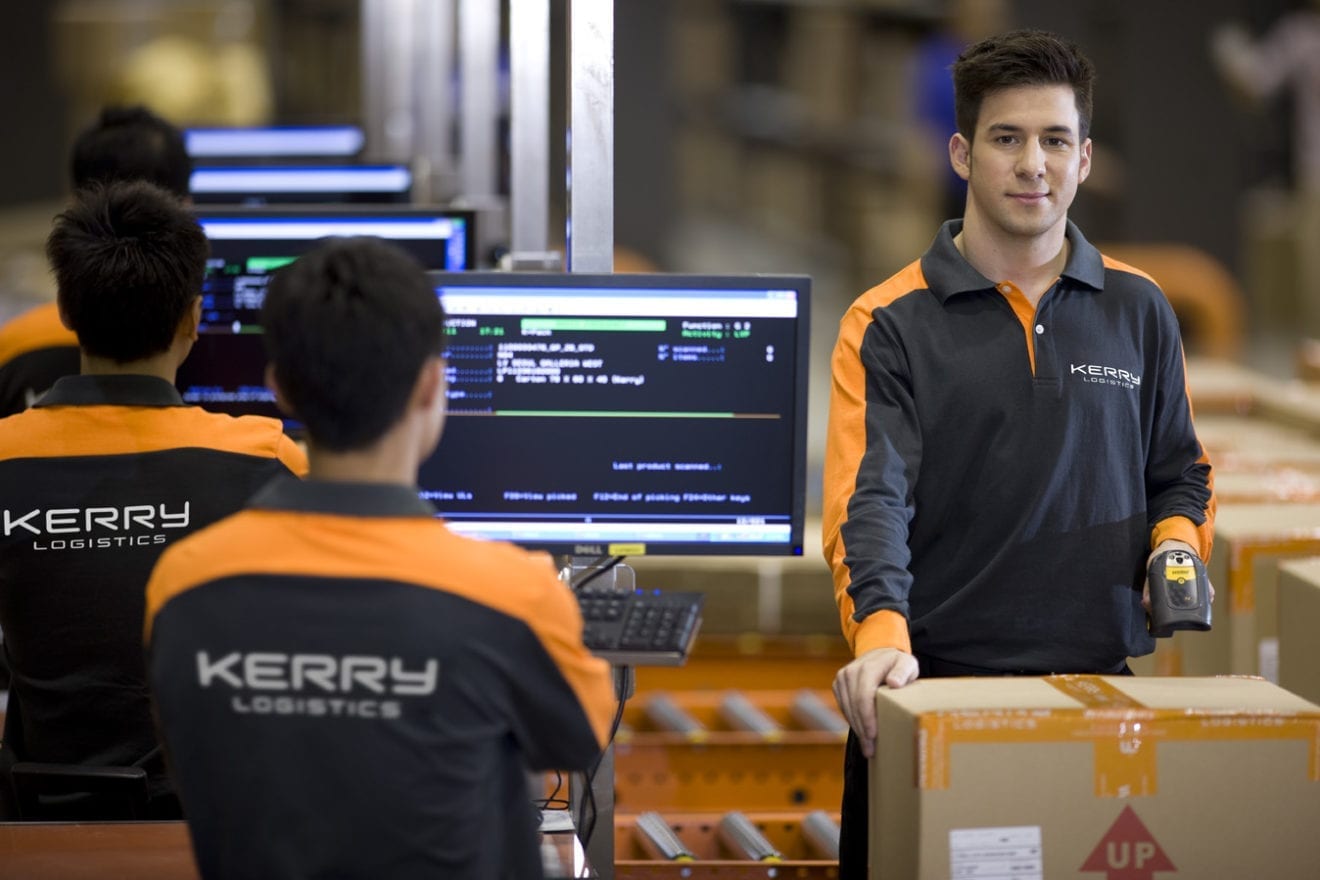
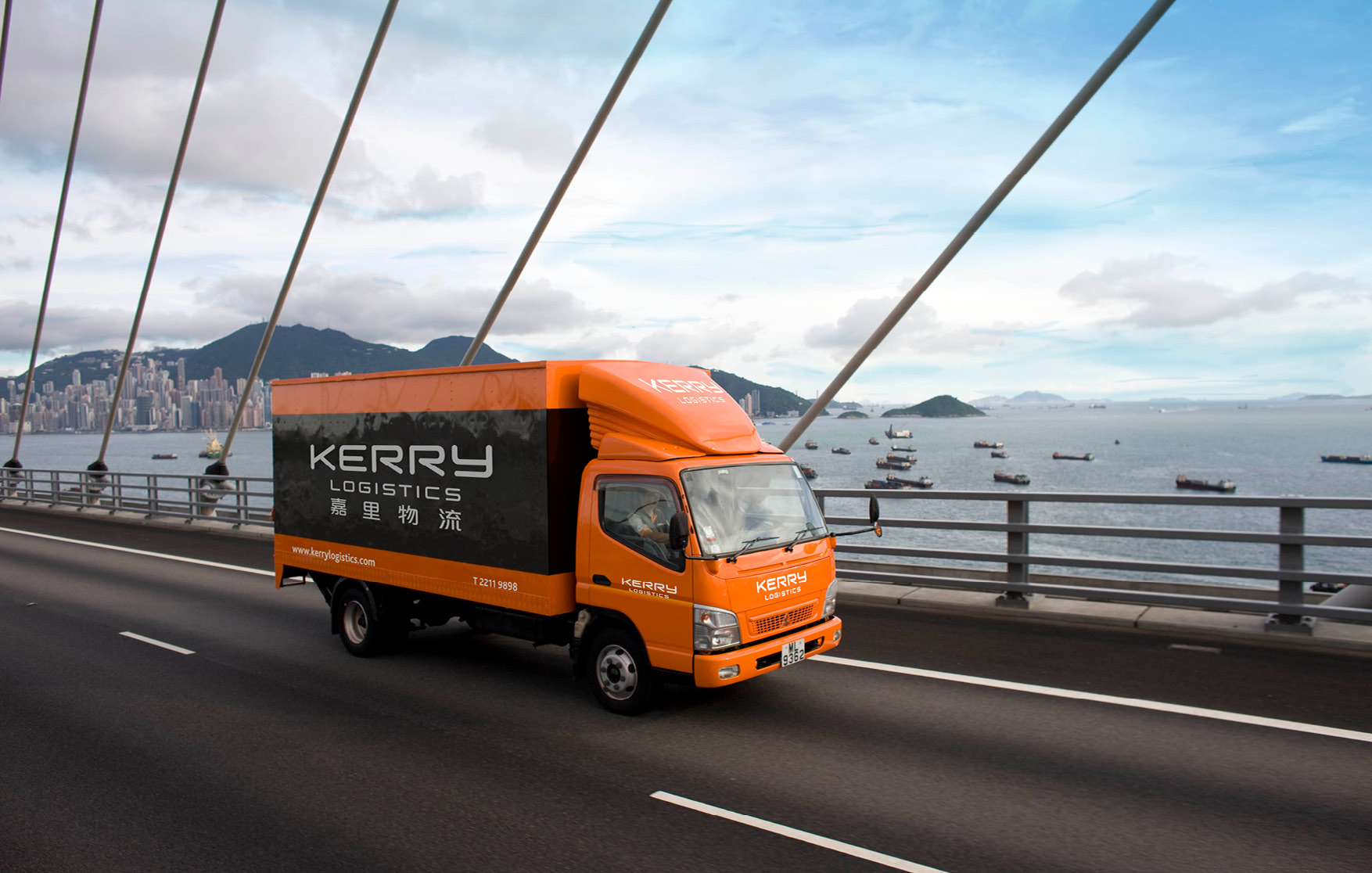
    Kerry Logistics Network Limited (‘Kerry Logistics Network’; Stock Code 0636.HK) has opened a logistics centre in the Cangzhou Lingang Economic and Technological Development Zone in Hebei province, China under Kerry IMS Chemical Logistics to capture the market potential in chemical logistics. The logistics centre was opened and commenced operation on 8 January.

    The Kerry IMS Chemical Cangzhou logistics centre was developed to strengthen Kerry Logistics Network’s service capability in the chemical sector and an important base in Northern China, consolidating the Company’s combined resources in logistics, export industries, an international-standard operating platform and transportation facilities. Located in the proximity of the Tianjin Nangang Industrial Zone, the logistics centre has a total area of 320,000 sq ft, comprising Class A warehouse, Class B warehouse, as well as office facilities, and has the capacity to handle 400,000 tonnes of Class A and Class B chemicals per year. The logistics centre was designed and built above Chinese national standards and is equipped with smart monitoring and management systems. At present, it is handling mainly industrial raw materials, mostly packaged in Intermediate Bulk Containers (IBC), drums and pails. The warehouse will store 38 types of dangerous goods, including flammable liquids and solids, oxidisers and corrosive substances.

    William Ma, Group Managing Director of Kerry Logistics Network, said, “The Kerry IMS Chemical Cangzhou logistics centre is the flagship development in Kerry Logistics Network’s expansion of its chemical logistics business, unleashing its strength as a 3PL in the chemical and dangerous goods market. With this logistics centre, Kerry Logistics Network is confident that it will greatly enhance its service capabilities in chemical and dangerous goods logistics, enriching user experience and service quality to offer growth initiatives to the industry.”

    Edwardo Erni, Managing Director – China and North Asia of Kerry Logistics Network, said, “There is enormous potential and development prospects in the chemical logistics market. The completion and opening of the Cangzhou logistics centre will allow us to provide professional chemical supply chain consolidation services to our customers in the Beijing-Tianjin-Hebei Region. It will give support to our customers’ national and regional framework and consistently optimise supply chain networks to raise the autonomy of the chemical industry supply chain.”

    Leveraging the geographical advantage of the Cangzhou Lingang Economic and Technological Development Zone, the Kerry IMS Chemical Cangzhou logistics centre is supported by Kerry IMS Chemical Logistics’ strong chemical warehousing, long-haul trucking and distribution services and network. Not only can it fulfil the warehousing and transit needs of local chemical companies, but can also provide services to the Hebei, Tianjin, Shanxi and Shandong regions, integrating regional resources and upstream and downstream industries to create a sustainable industry chain. The logistics centre is the implementation of Kerry Logistics Network’s operation strategy of synchronised distribution from the warehouses in Eastern, Southern, Northern and Southwest China, so that the logistics and distribution time nationwide is shortened, ensuring the timely delivery of goods to increase the competitiveness of its customers’ products.

  • UAE among top export destinations of Cebu Pacific for Philippine produce and goods

    UAE among top export destinations of Cebu Pacific for Philippine produce and goods

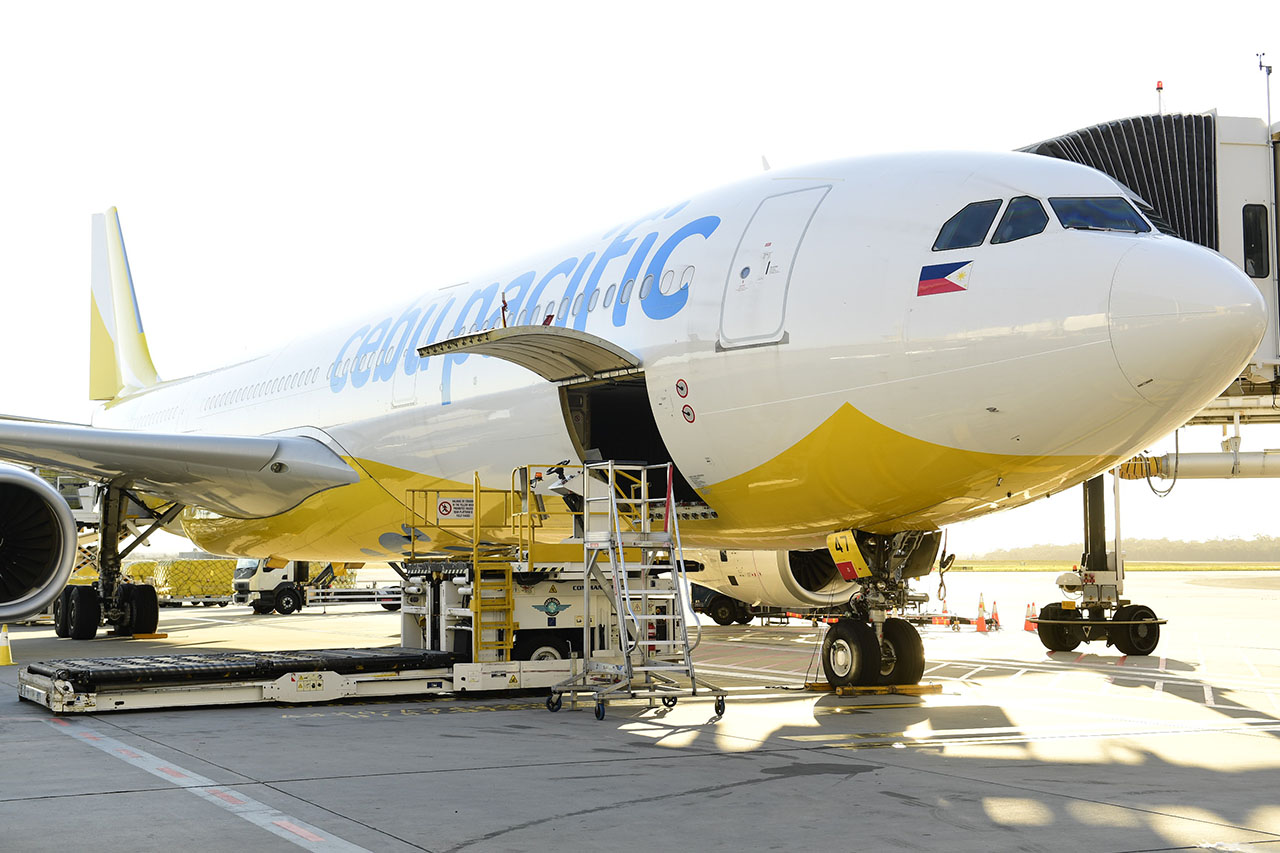
    Cebu Pacific (CEB), the Philippines’ largest national carrier, continues to fly Philippine produce and goods via its direct flights to the UAE amidst the current pandemic.

    In its steadfast commitment to serving the Filipinos in the UAE including in months with stern movement restrictions, CEB has conducted 12 cargo flights from the second and third half 2020 (Q2 to Q3 of 2020) for Manila to Dubai and vice versa. Prior to the onset of the global health crisis, the airline had operated in first quarter (Q1 of 2020) 75 cargo flights on the same route for the export of food commodities from the Philippines.

    According to the cargo data released by CEB from January to September 2020, the UAE is one of the top global export destinations of the airline for Philippine produce. Of the total 37,405 kilograms of fruit exported to various international destinations, 29 percent or a total of 10,674 kilograms were delivered to Dubai. It ranked second to Hong Kong, where the airline delivered 55 per cent or a total of 20,641 kilograms of fruit in the same period.

    The Philippine mango topped CEB’s list of most exported fruits, amounting to 27,132 kilograms. This was followed by Philippine lime or calamansi, soursop or guyabano, sapota or chico, and turnip or singkamas at 6,178 kilograms.

    According to Charmaine Yalong, Commercial Attaché of Philippine Trade and Investment Centre (PTIC) of the Department of Trade and Industry, the increasing demand for Filipino food products in the UAE may be attributed to the high disposable incomes of consumers, primarily owing to the large presence of Filipinos in the country, as well as the growing proportion of Filipino brands being mainstreamed in the market.

    “The continued support to Philippine exporters, through trade referrals and organization of Philippine participation in trade exhibitions and outbound business missions, contributed to the increasing presence of Philippine products in the UAE. As such, aside from gratifying the cravings of our kababayans for native Philippine products, the cosmopolitan tastes of locals and expatriates in the UAE are now being catered to as well. A wide range of these products are now available side-by-side with other products from Asia, Europe and the United States in the shelves of supermarkets here in the UAE,” Yalong said.

    Yalong highlighted that during the first half of 2020, Philippine food exports to UAE has seen sustained growth. Aside from fruits, the Philippines saw an uptick trend on the export of its processed food and beverages to the UAE which accounted for a whopping US$20.86 million or AED76.61 million. Also on the list were pineapple and by-products, US$14.02 million; fresh bananas, US$12.9 million; tuna, US$3.3 million; and fresh/processed fish, US$0.59 million.

  • Container shortage hits exports

    Container shortage hits exports

    Exporters complain they face difficulty delivering goods due to a shortage of containers, whose rentals are rapidly increasing as a result.

    The Vietnam Maritime Administration (VMA) on Monday wrote to container shipping lines, instructing them to publicly declare their freight rates and surcharges, warning it would not countenance profiteering or unreasonable prices, which cause difficulties for exporters and disrupt the shipping market.

    It has received numerous complaints about inflated prices due to a shortage of containers and ships.

    Most shipping lines have hiked freight by 2-10 times in the last two months, depending on the sector. For instance, while it normally costs $1,420 to ship a 20-foot container to the U.K., it rose to $5,420 in November and $7,200 in December.

    Before October renting a container from the U.S.’s Los Angeles to Vietnam cost $700-1,000, but this increased to $5,000 in November.

    Phan Minh Thong, CEO of Phuc Sinh, one of the largest pepper and coffee exporting companies, said the cost of a container increased by 700 percent yet many of his orders were not delivered because “they were unilaterally canceled by the shipping company.”

    “There have been occasions when we reached an agreement with the shipping line at night but were told in the morning it was canceled because they received a higher bid. On some days we received cancellation notices for 40-50 containers.”

    From shipping 40-50 containers a day, Phuc Sinh was down to three to five in November and December.

    As a result, they had to buy less from suppliers, reducing from nearly 10 tons a month to three tons or less now though it is the harvest period for items such as pepper and coffee.

    The Vietnam Association of Seafood Exporters and Producers has advises its members to have plans in place to minimize supply chain disruptions and export losses.

    It had expected rising exports in the fourth quarter to take seafood exports for 2020 to $8.6 billion, but lack of containers and ships in the last two months could affect this.

    The Covid-19 pandemic is the main reason for the container shortage, Kieu Ngoc Phuong, deputy general director of Tan Thanh Trading Mechanic JSC, which manufactures and distributes containers, said.

    Many are stuck at ports since they could not be emptied, while the pandemic itself has caused many shipping lines to go bankrupt, she said.

    “The number of customers contacting Tan Thanh to rent containers has increased by 10 times from normal months. We have to reject a lot of orders because we cannot meet all the demand.”

    Concurring, Thong also said shipping lines had to cut routes this year, resulting in a shortage of cargo space, and there has been a slowdown in goods processing and freeing up empty containers at ports in Europe and North America, the world’s two biggest import markets, while demand during the year-end holiday season is huge.

    According to the Ministry of Industry and Trade, China has been getting containers from various countries by paying high prices following a serious shortage earlier this year.

    It did so just in time to see exports rise 21 percent year-on-year in November, as manufacturing recovered post-pandemic, creating a general scarcity in the region.

    Given the situation, the VMA assured that it would inspect shipping lines and crackdown if there are deliberate violations of transparency rules.

    The Ministry of Industry and Trade forecasts the shortage of ships and containers to continue until March or even longer if Covid-19 is not controlled.
  • Malaysia is 16th most connected logistics country in the world

    Malaysia is 16th most connected logistics country in the world

    Malaysia is now ranked the 16th most connected country, according to the DHL Global Connectedness Index 2020.

    The country is also the second most connected in the East Asia Pacific, behind Singapore which remained as the second most connected nation in the world.

    “Besides ranking countries on their actual level of globalization, we compare actual levels to predictions. based on the country’s size, economic development, and location.

    “And Malaysia is one of our top five outperformers relative to expectations on the index,” said Professor Steven Altman, the lead author of the latest edition of the DHL Global Connectedness Index, in a virtual press conference today.

    Altman is also a senior research scholar at New York University’s Stern School of Business.

    Looking forward, Altman noted that there are some interesting opportunities on the horizon for Malaysia such as the growth of supply chains in Southeast Asia that continues to be quite strong, continued Asean integration efforts as well as opportunities that are forwarded in the Regional Comprehensive Economic Partnership (RCEP).

    Overall, citing the report, Altman said the DHL Global Connectedness Index is set to decline in 2020, but it is unlikely to fall below where it stood during the 2008-2009 global financial crisis, based on the analysis of preliminary data and forecasts.

    According to the report, Malaysia has long been ahead of its peers in terms of the depth of its global connectedness.

    “Like the other top countries, it exceeded expectations on both depth and breadth scores,” the report read, adding that Malaysia has the distinction of being the most populous country with a depth score in the top 25.

    “Its top pillar rank was fourth on the trade pillar in 2019, through a combination of relatively high ranks on both depth and breadth,” the report said, noting that Southeast Asia is a region where countries tend to have unusually high trade depth.

    “Southeast Asian countries benefit from linkages with wider Asian supply chain networks as well as ASEAN policy initiatives promoting regional economic integration,” it said.

    Meanwhile, DHL Express CEO John Pearson described his company’s performance in Malaysia as “extraordinarily strong”, saying the country was as one of DHL Express’ fastest growing countries.

    “Malaysia is certainly in the 20%-30% growth and has been for many months, and that is helped by one new product which is called ‘Durian Express’, which exports the king of fruits abroad,” he said.

    Pearson said this “niche product”, on top of the e-commerce business, drives Malaysia’s growth, adding that the outlook in Malaysia is positive.

  • Kerry Logistics wins The Asset Jade Award at The Asset ESG Corporate Awards 2020

    Kerry Logistics wins The Asset Jade Award at The Asset ESG Corporate Awards 2020

    Kerry Logistics Network Limited (‘Kerry Logistics Network’; Stock Code 0636.HK) is pleased to win the newly-established The Asset Jade Award, the highest award category, at The Asset ESG Corporate Awards 2020 (the ‘Awards’), for its outstanding environmental, social and governance (‘ESG’) performance and transparency. Kerry Logistics Network was previously the winner of The Asset Platinum Award for two years in a row. In addition, it has received the Best Investor Relations Team Award for the second consecutive year.

    Apart from being commended for its excellence in ESG standards, commitment and practices, Kerry Logistics Network was lauded for its commitment to safeguarding the environment, employees’ health and safety while fulfilling their social responsibility to the community at large during the COVID-19 pandemic. Its investor relations team was recognised for its excellent day-to-day achievements as well as successful troubleshooting and initiatives in newer arenas such as social media and web-delivered services.

    William Ma, Group Managing Director of Kerry Logistics Network, said, “We are honoured to be distinguished and promoted to the top Jade Award category in its debut year. Despite the disruptions caused by the pandemic, this year we have remained ever committed to protecting our employees’ health and safety and contributing to the communities where we served. The Asset Jade Award is a much-appreciated recognition and encouragement that drives us to redouble our efforts in ESG performance and transparency in our operations going forward.”

    Organised annually by the regional financial magazine The Asset since 2000, the Awards are conferred based on criteria such as financial performance, management, corporate governance, social and environmental responsibility and investor relations. The Awards are the longest running and the most prestigious ESG awards programme in Asia. The Asset Jade Award made its debut this year specifically to recognise ESG performance and transparency over and above that normally accorded to Platinum Award winners.

  • Kerry Logistics Network Recognised at the Hong Kong Green Awards 2020

    Kerry Logistics Network Recognised at the Hong Kong Green Awards 2020

    Kerry Logistics Network Limited (‘Kerry Logistics Network’; Stock Code 0636.HK) is the proud recipient of the Corporate Green Governance Award – Corporate Leadership at the Hong Kong Green Awards 2020 (the ‘Awards’), recognised for its excellent commitment and outstanding execution in the area of green governance policies and implementation.

    Inaugurated in 2010, the Awards are organised and presented annually by the Green Council to acknowledge companies with exceptional performance and achievements in green procurement, green management, environmental, health and safety management and green governance. It also aims at encouraging companies to increase their environmental considerations and responsibility, and to drive better environmental performance.

    William Ma, Group Managing Director of Kerry Logistics Network, said, “We are very happy to receive recognition for our commitment and efforts to incorporate green initiatives and practices into our governance and operations. With environmental management now becoming an essential and pressing issue, we are eager to fulfil our role as a socially and environmentally responsible corporate citizen, to create value for our shareholders while contributing to a sustainable future.”

    Kerry Logistics Network is dedicated to making its operations greener by managing its emissions, optimising the use of resources and protecting the natural environment and ecosystems that we rely on. Guided by its environmental policy, Kerry Logistics Network endeavours to minimise its environmental footprint by reducing air and GHG emissio

  • Cainiao Launches Reverse Logistics Channel to Provide Cross-Border eCommerce Goods Return Service in Hong Kong

    Cainiao Launches Reverse Logistics Channel to Provide Cross-Border eCommerce Goods Return Service in Hong Kong

    Cainiao Smart Logistics Network, (“Cainiao Network”), the logistics arm of Alibaba Group Holding Limited, today announced the launch of its reverse logistics channel to offer cross-border eCommerce goods return service to Hong Kong customers. Approximately 85 percent of the goods bought on Alibaba’s eCommerce platforms – Taobao and Tmall, and delivered by Cainiao, will be eligible for returns within seven days. Non-returnable goods include food and health products/ supplements. There are plans to launch a direct reverse logistics channel with Mainland China in other key markets such as Singapore, Malaysia, Taiwan, Macau and Russia.

    The streamlined reverse logistics channel comprises 42 drop-off locations across Hong Kong island and a digital customs clearance system. The entire return process can be monitored in real-time by customers on the Taobao app.

    Currently, the eCommerce industry lacks a stable and cost-efficient reverse logistics channel to cater to the needs of merchants’ and Hong Kong customers due to challenges in customs clearance and cross-border logistics. Industry data revealed that the return rates in eCommerce sits at approximately 20 percent, and this figure surges to 30 percent during the holiday season. However, without a reliable goods return service, 31 percent of the customers have kept unwanted items to avoid the hassle of returning them. With an easier return experience, 96 per cent would shop with a retailer again.

    “Today, goods returns form an integral part of the holistic online shopping experience, and central to good customer experience and loyalty. Therefore, we are aiming to simplify the returns process with the launch of the first reverse logistics channel between Mainland China and Hong Kong, and deliver a more seamless and fuss-free shopping experience amid the eCommerce boom. As Taobao and Tmall’s official logistics provider, we are continuously leveraging cutting-edge technology and industry partnerships to create a more efficient cross-border logistics service to benefit businesses and consumers,” says Ray Cheuk, Head of Operations (Hong Kong), Cainiao Network.

    This announcement comes after the recent launch of its delivery guarantees to provide assurance and offer protection against late deliveries, damaged and lost goods, while offering value-added services such as customer support via WhatsApp and goods returns.

  • CapitaLand sells three Japanese malls to invest in logistics

    CapitaLand sells three Japanese malls to invest in logistics

    Capitaland has divested three malls in Japan and an office building in South Korea for a total of S$448.7 million, as part of its ongoing portfolio reconstitution strategy, it said Tuesday morning in an exchange filing. It also announced that it has made its first foray into Japan’s logistics sector, entering into a joint venture with Mitsui & Co Real Estate, with CapitaLand as the majority partner, to develop and operate a logistics project in Greater Tokyo.

    The divested properties in Japan are La Park Mizue and Vivit Minami-Funabashi in Greater Tokyo, as well as CO-OP Kobe Nishinomiya Higashi in Greater Osaka, which were sold for a total of 21.99 billion yen (S$283.6 million).

    It also divested ICON Yeoksam in Seoul for 142.2 billion won (S$165.1 million) in August this year. The office building was held through a private fund, Ascendas Korea Office Private Real Estate Investment Trust (Reit) 5. CapitaLand remains the asset manager of ICON Yeoksam and will continue to receive fee income.

    CapitaLand said the divestments were done above valuation, and the buyers are unrelated third parties. Post divestment, CapitaLand will retain S$3.8 billion of assets under management (AUM) in Japan and S$2 billion of AUM in Korea.

    With the divestments, the total gross value of divestments by CapitaLand and its real estate investment trusts (Reits) would be S$3.02 billion, crossing its annual target of recycling S$3 billion of capital.

    CapitaLand and its Reits have invested more than S$3.3 billion into new assets as at end-November.

    “The divestment of these mature malls and office assets is part of CapitaLand’s capital recycling strategy to unlock value by reinvesting the capital into new growth opportunities such as the logistics sector in Japan,” said Jason Leow, president, Singapore & International, CapitaLand Group.

    “By paring down our exposure in Japan’s retail sector and leveraging our logistics experience in markets such as Singapore, Australia and the United Kingdom to expand into the new economy sector in Japan, we are responding swiftly to shifting market trends and consumer behaviors, positioning CapitaLand for future growth,” he added.

    CapitaLand’s new logistics venture in Japan is close to Central Tokyo, and is expected to be completed in Q4 2022. The four-story logistics facility will have a gross floor area of about 24,000 square metres.

    Gerald Yong, chief executive officer, CapitaLand International, said the logistics sector in Japan presents “significant opportunities” for CapitaLand.

    “The global pandemic has accelerated the growth of e-commerce and the logistics sector has been a prime beneficiary of this trend,” Mr Yong said. “We aim to achieve meaningful scale over time by leveraging Mitsui & Co Real Estate’s local knowledge and access to business opportunities to grow our logistics portfolio in Japan.”

  • J&T Express expands its network of warehouses in Singapore to deliver quality customer experiences

    J&T Express expands its network of warehouses in Singapore to deliver quality customer experiences

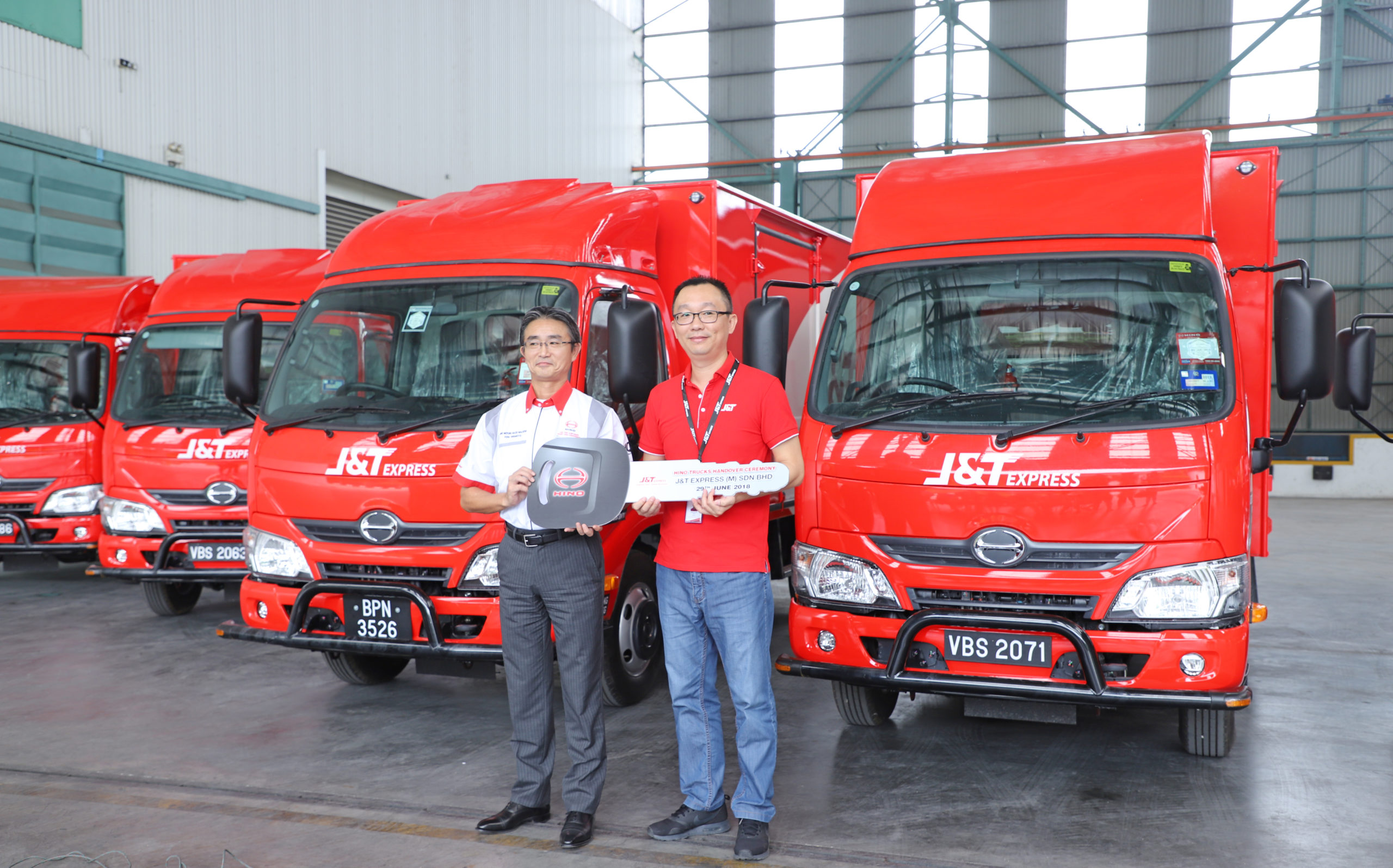
    J&T Express, Southeast Asia’s leading e-commerce logistics provider, today announced the opening of its third warehouse in Singapore as part of its plan to develop a nationwide warehouse network. The opening reflects the exponential growth experienced since its launch in January 2020 and the company’s commitment to drive service excellence in the logistics industry.

    Housed in the west of Singapore, the new warehouse will allow the company to deliver an enhanced experience to both its sellers and consumers in Singapore. The warehouse will enable J&T Express to improve the efficiency and increase its daily volume capacity. 

    “The plan to open our third warehouse within a year of entering the Singapore market is a significant achievement for the team at J&T Express. Our agility and ability to adapt have contributed to our unprecedented growth during this period of drastic change,” said Andrew Sim, CEO, J&T Express Singapore.

    J&T Express has rapidly increased its headcount to deliver on its commitment of service excellence in the e-commerce logistics space. Understanding the importance to resolve feedback at speed, it has achieved multiple growth of seller support strength and customer service team. Furthermore, customer service team’s working time has been extended to seven days a week to effectively act on consumers’ queries and improve the flow of communication.

    “We recognise our role as the bridge between our customers and their consumers”, said Mr Sim. “The opening of our latest warehouse is a reaffirmation of our commitment to the Singapore market and our dedication to improving our suite of offerings so we can deliver the best experience possible.”

    The changes in consumer behaviour are set to stay with more than three quarters (76%) of Singapore consumers indicating that they do not intend to return to the pre-pandemic levels of online shopping, according to Nielsen. In fact, during the recent circuit breaker period, J&T Express experienced a 100% increase in the number of daily deliveries. To meet the rising demand for deliveries, the e-commerce logistics provider accelerates its expansion plans for additional warehouses.

    Operational efficiency is a key priority for J&T Express. In response to the increased demand, the existing operation and delivery capabilities have been strengthened with the enhanced delivery system and tools in place. To ensure the timely delivery of parcels, the company has extended the daily delivery hours from 9am to 10pm, and has hired and trained more drivers, provided with the most optimised routes.

    Complementing more warehouses is an increase in the company’s fleet, which includes a mix of smaller vans and larger trucks. The variety in fleet solutions will allow J&T Express to better support its partners in delivering parcels of all sizes. This comes as the company sees a growth in consumers turning to e-commerce platforms to purchase larger household items, which were previously purchased in-store, such as furniture.

    Recognising that quality control measures is critical to become operationally efficient, J&T Express has expanded its quality control team and enhanced the existing systems. At the same time, its suite of solutions places it in prime position to support the burgeoning demand for deliveries in Singapore and Southeast Asia, fully leveraging the country’s strategic location as a gateway to the region.

    “We are proud to have built strong relationships with our customers, without whom we would not be where we are as a business today,” shares Mr Sim. “E-commerce is here to stay and will be the key driver of the logistics industry in the years ahead. This makes being our ability to pivot a key trait that will allow us to continue supporting our customers as they turn to digitalisation.”

    Since its launch in 2015, J&T Express has grown from humble beginnings in Indonesia, to a network of eight markets across Singapore, Malaysia, Vietnam, the Philippines, Thailand, Cambodia and China, making it one of the fastest growing e-commerce logistics companies in the region. In Singapore, the company’s long-term relationships with both local and global brands across a host of industries and marketplaces including Amazon, Lazada, Shopee and eCapitaMall, have propelled it into a position among the top logistics companies.


  • Express operators pour investment into Asia Pacific to grab e-commerce traffic

    Express operators pour investment into Asia Pacific to grab e-commerce traffic

    Two of the world’s biggest express operators are beefing-up their Asia Pacific operations amid an “historic” peak season for e-commerce cargo.

    DHL Express said today it would invest €690m ($813m) to increase capacity in the key growth markets of Australia, Japan, Hong Kong, South Korea, Malaysia, India and Bangladesh.

    It will also spend €60m on new aircraft and direct airfreight routes to South-east Asia.

    The company is expecting shipment volumes in Asia Pacific to be 30-40% up on last year’s peak season, following “unprecedented” 50% growth in e-commerce volumes since the start of the year.

    Ken Lee, CEO of DHL Express Asia Pacific, said: “These investments are testament to our continued confidence in the region. They are crucial not only in the near term as we expect an unusually strong peak season, but will make sure we are well-positioned to keep global trade running as e-commerce and cross-border trade grow.”

    In North Asia, DHL will open a 21,000sq metre facility in Osaka by the end of the year, its largest in Japan. And in South Korea, it will triple warehousing space in Incheon to 58,700sq metres, making it the company’s largest gateway in Asia Pacific.

    In Hong Kong, €377m has been earmarked to boost warehouse space by 50% and increase handling to 125,000 pieces a day.

    Investment in South Asia includes a new facility in Bangladesh to increase shipment processing by 35% by Q1 22 and, in India, construction of a new gateway facility in Bangalore is slated for completion next year.

    In Malaysia, DHL plans to triple warehousing capacity and increase processing by 200% at Kuala Lumpur International Airport to compete with Alibaba logistics unit Cainiao’s new regional hub.

    New air freight routes include direct services to underserved Vientiane and Yangon and more frequent connections to Australia and New Zealand.

    Sean Wall, EVP network operations & aviation, said: “The growth in e-commerce shipment volumes will continue to outpace available air cargo capacity, strengthening the case for investing in adding dedicated aircraft to our fleet, opening new routes and supplementing our fleet with charter flights.”

    Meanwhile, Cainiao has now launched operations in Japan. The Chinese juggernaut said it would provide end-to-end logistics services to local businesses, warehouse management, international shipping, trucking and customs clearance.

    “This will bring about a 40% improvement in shipping efficiency, reducing shipping duration from 18-22 days, to 11-13,” said Cainiao.

    Operations in Japan include warehouses in Tokyo, Osaka, Yokohama and Kobe; air and sea forwarding to and from China; and trucking partnerships with Nippon Express, among others.

    “Japan has always been a key market for us,” said James Zhao, general manager of Cainiao Global Supply Chain. “Our launch in Japan will allow us to provide a stronger logistics infrastructure to support businesses’ export and import needs.”

    Meanwhile, yesterday Alibaba set another record-breaking ‘Singles Day’ shopping festival, with $74.1bn transacted in gross merchandise volume. Anmd during the 11-day event, Cainiao processed 2.32 billion delivery orders and operated more than 700 charter flights.

  • Vietnam wants to cut logistics cost to improve goods competitiveness

    Vietnam wants to cut logistics cost to improve goods competitiveness

    The government wants its agencies and businesses to reduce logistics cost to enhance the competitiveness of the country’s goods, Deputy Prime Minister Trinh Dinh Dung has said.

    Speaking on Thursday at the Vietnam Logistics Forum, he said the cost for logistics remains high, leading to higher product costs and lower competitive advantages for Vietnamese goods and its economy.

    Heightened costs stem from reliance on land-based transport and inefficient delivery systems. Take the Hai Phong – Bac Ninh waterway for example. The waterway allows ships with a capacity of 120 TEU (20-foot equivalent units), and they can cover the distance in 8 to 11 hours, three times longer than by road, but at 20 percent lower cost, said Dao Trong Khoa, vice president of the Vietnam Logistics Business Association.

    Dung said the goal is to double logistics services’ share of GDP to 8-10 percent and total logistics costs to 16-20 percent of GDP. To achieve the targets, unnecessary procedures need to be immediately eliminated, he added.

    Khoa said it is necessary to promote the use of digital transformation in logistics via integrating blockchain and artificial intelligence technologies to existing digital platforms for transport and port and warehouse management.

    He underlined the importance of developing international rail links and waterways in the northern Red River Delta and southern Mekong River Delta. These would help reduce costs for logistics service providers, manufacturers and import-export companies.

    The cost of logistics services in Vietnam in early 2019 accounted for 25 percent of the country’s GDP, while the rate was just 9.5 percent in the U.S, 11 percent in Japan, 16 percent in South Korea, and 21.6 percent in China, according to the Vietnam Chamber of Commerce and Industry.

    According to the Vietnam Logistics Business Association’s latest survey, there are around 30,000 logistics companies in the country, including 4,000 international ones.

    The industry has been growing at 12-14 percent annually and is now worth $40-42 billion.

  • DHL Supply Chain to build warehouse at DP World London Gateway

    DHL Supply Chain to build warehouse at DP World London Gateway

    DHL will construct the brand-new bespoke facility at Plot 3040 on London Gateway’s Logistics Park with the main facility build due to commence in early 2021. On completion, DHL will lease the facility from DP World London Gateway.

    The 42m high bay warehouse will feature 36m of clear internal eaves height. DHL said it would be fully automated and ready for operation in early 2023.

    When completed, the facility will be the largest single-unit at London Gateway’s Logistics Park.

    Oliver Treneman, Park Development Director at DP World London Gateway, said: “The most striking feature of this new letting is DHL’s significant investment in automation that underpins its commitment to this strategic location.”

    DHL joins UPS, Dixons Carphone, MADE.COM, Lidl, Ceva Logistics, P&O Ferrymasters, Halo Handling (SH Pratt), Ziegler UK and Compagnie Fruitiere at DP World London Gateway.

    DP World sponsored the Supply Chain Excellence Awards 2020. Discover how it feels to win a Supply Chain Excellence Award by watching the virtual ceremony on-demand.

  • DHL names new management in South Korea

    DHL names new management in South Korea

    DHL Supply Chain has appointed Edmund Hsiung as managing director for its South Korea business. Hsiung, who has relocated to Seoul, will manage the business operations across 11 facilities, and oversee business strategy, new business development, expansion, and accelerate digitalization projects in the country.

    With more than three decades of experience in the logistics industry, Hsiung has spent half of that performing various roles at DHL Supply Chain and DHL Express, both of which are under the Deutsche Post DHL Group.

    He was most recently the head of strategic partnerships for DHL Supply Chain in Asia-Pacific, where he was instrumental in driving key corporate initiatives in the region, including a ten-year strategic partnership with SF Holding and a joint venture with JG Summit, one of the largest conglomerates in the Philippines, to provide best-in-class transportation, warehousing, and distribution solutions.