Category: Logistics

Retail News Asia is committed to providing both local and global retailers with the latest Logistics news throughout the Asian market. This on a daily base.

  • Bolloré Logistics’ Osaka Office Certified CEIV Pharma by IATA at Kansai Int’l Airport

    Bolloré Logistics’ Osaka Office Certified CEIV Pharma by IATA at Kansai Int’l Airport

    On March 31st, 2019, Bolloré Logistics Japan was successfully certified by the International Air Transport Association (IATA) as Center of Excellence for Independent Validators in Pharmaceutical Logistics (CEIV Pharma) at its platform located in the Kansai International Airport (KIX), in Osaka. The certification is a globally recognized and standardized certification for healthcare airfreight shipments. Bolloré Logistics Japan began the certification process according to the IATA CEIV Pharma standards in the second quarter of 2017. The CEIV Pharma certification will allow Bolloré Logistics Japan to have a strategic advantage in the healthcare logistics market with a stronger, more competitive and enhanced air cargo service.

    “Earning the CEIV Pharma certification demonstrates our ability to successfully build and deploy a team of experts who are fully capable to offer end-to-end logistics solution for the pharmaceutical related temperature sensitive products through the Kansai International Airport (KIX). In the near future, we are also keen to acquire the same certification in Haneda Airport (Tokyo) in order for us to expand the expertise nationwide,” said Goro UMEZAWA, Sales Manager at Bolloré Logistics Japan.

    This new success shows our commitment to achieve the highest international quality standard in the global pharmaceutical supply chain for its customers, by continually improving our processes and infrastructures to be compliant with IATA CEIV Pharma standards. With Australia, Singapore, South Korea, China and now Japan certified, the aim of Bolloré Logistics is to deploy this action throughout its global network with on-going certifications on other sites in the Asia-Pacific region
    such as China Hong Kong.

    In Europe, Bolloré Logistics has already received the IATA CEIV Pharma certification for its Paris Roissy CDG platform (France) as well as its sites in Brussels (Belgium), Frankfurt (Germany) and Lisbon (Portugal). The International Air Transport Association (IATA) created Center of Excellence for Independent Validators in Pharmaceutical Logistics (CEIV Pharma) in 2014. It aims to set the industrial standard for air cargo supply chain in pharmaceutical handling excellence. It addresses industry’s need for more safety, security, compliance and efficiency, by the creation of a globally consistent and recognized pharmaceutical product handling certification. CEIV Pharma encompasses, or even supersedes, many of the existing pharmaceutical standards and guidelines, such as IATA Temperature Control Regulations (TCR), European Union Good Distribution Practices (EU GDP), World Health Organization Annex 5, United States Pharmacopeia Standards.

  • DHL To Drive the Growth fro Abu Dhabi

    DHL To Drive the Growth fro Abu Dhabi

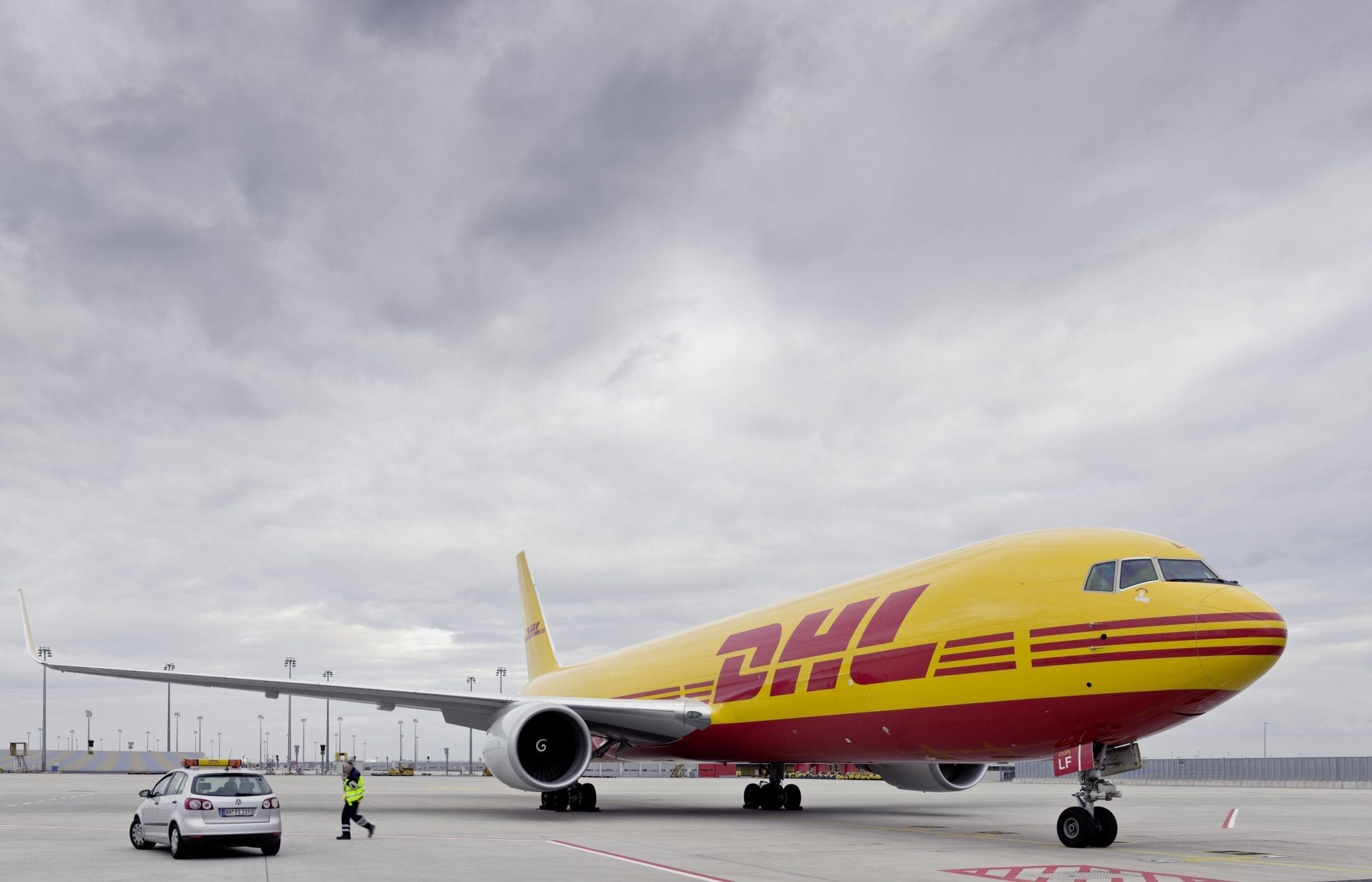
    DHL Global Forwarding has signed a deal with KIZAD – Abu Dhabi’s industrial hub and a subsidiary of Abu Dhabi Ports, to establish a distribution centre to serve the needs of its customers.

    Under the agreement, DHL Global Forwarding will set up warehouses in KIZAD to provide end-to-end logistics and supply chain services to its customers, who seek to leverage the optimal geographical location of KIZAD to propel their growth trajectory. The warehouses will be used for storage and consolidation of all shipments, equipped with high-volume racking, as well as fully-managed kitting, packing and dispatching process to support customers’ growing capacity requirements.

    KIZAD’s strategic location, which offers easy access to all the major transportation hubs in the UAE, will enable DHL Global Forwarding to minimise customers’ shipment times along their global supply chains. With the new Abu Dhabi warehousing facility, DHL Global Forwarding is strengthening its network of global hubs for overseas distribution. With a view to further benefit from KIZAD’s unique proposition and recognising KIZAD as its preferred location for warehousing and distribution in Abu Dhabi, DHL Global Forwarding is working closely with the authorities to expand the size of its KIZAD distribution centre by April 2019.

    Amadou Diallo, CEO, DHL Global Forwarding, Middle East and Africa said: “We are looking forward to connecting KIZAD to our extensive global network, to further propel the growth potential of Abu Dhabi as a gateway to the rest of the world. Beyond the immediate needs of our customers who currently operate out of KIZAD, we are also looking to invest more resources on expanding our presence here, so we can serve more customers. The emphasis on infrastructural investment by the government is also set to rejuvenate the logistics sector, and we are committed to enabling more trade flows to and from this part of the world.”

    Samir Chaturvedi, CEO of KIZAD, said: “We are pleased to welcome DHL Global Forwarding to KIZAD, which is rapidly becoming the location of choice in the UAE for local and international logistics companies. We look forward to supporting DHL Global Forwarding in continuing to provide world-class logistics capabilities and are proud to help strengthen its global freight network and warehousing infrastructure. By hosting DHL Global Forwarding, KIZAD will be advancing key sectors such as the aerospace industry, which is an important component of Abu Dhabi’s economic diversification strategy.”

  • Gido launches cross-border express delivery services

    Gido launches cross-border express delivery services

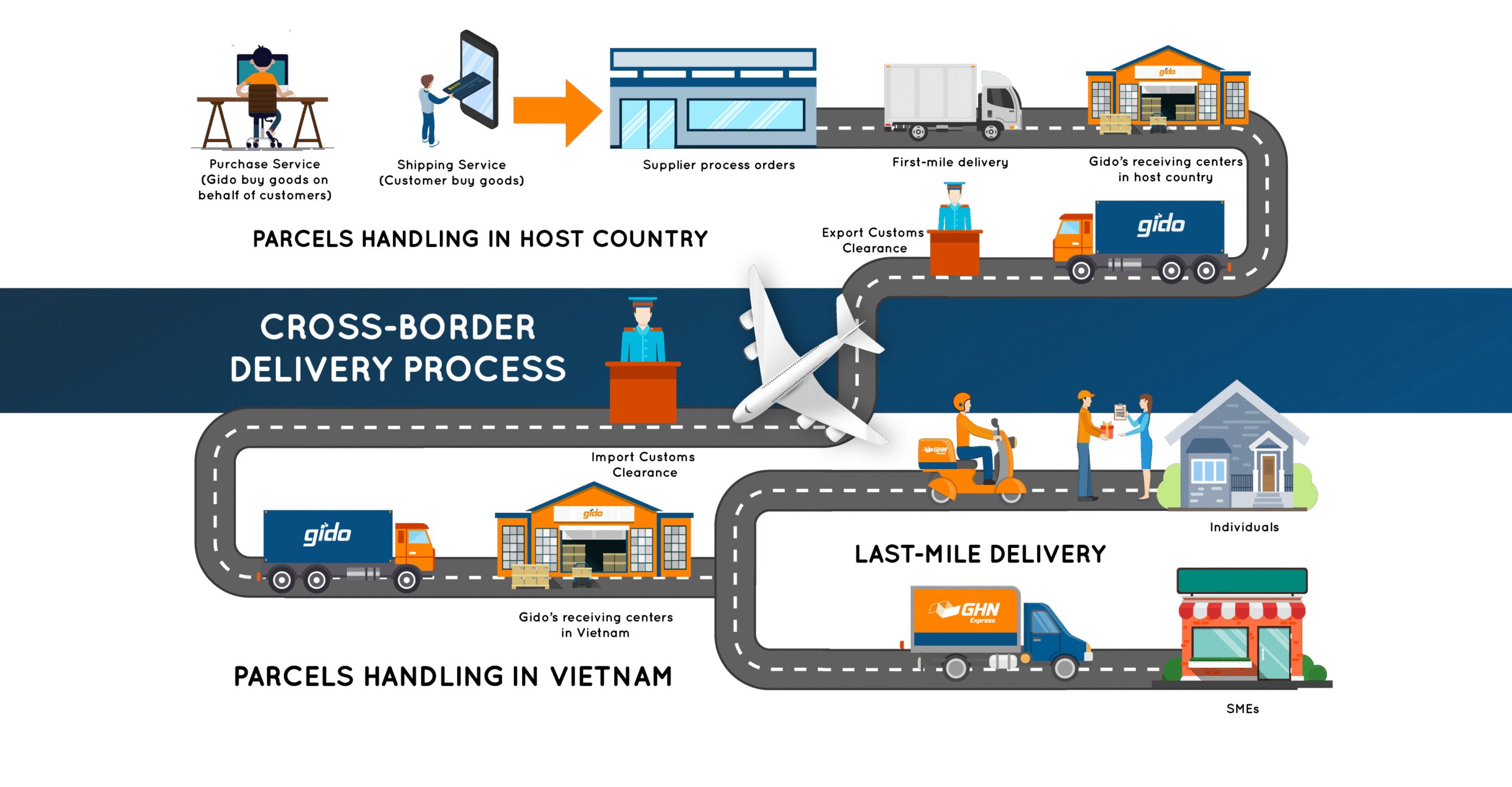
    Gido has launched an express cross-border delivery service from China to Vietnam, promising three working day turnaround.

    All parcels shipped by Gido are offered at the price US$1.95, including customs clearance.

    Customers can submit information about the parcels and recipients via an Excel file or integrate their API with Gido system.

    Parcels will be delivered from Gido’s hub in Shenzhen to end recipients in Hanoi and Ho Chi Minh City within three days, and a maximum of five days for other provinces.

    As a branch of Vietnamese e-commerce delivery service GHN, Gido has a modern IT system connecting multiple delivery partners in different countries along cross-border routes on a single platform to increase handling capacity, reduce transit time, tracking transparently in order to scale things up with the lowest cost.

    “We are inspired by asset-light business model of Cainiao, 4PX, Janio to connect multiple delivery partners along cross-border routes on one single platform,” said Hai Vo, Gido CEO.

    “This enables us to combine partners’ operation capacity with our own infrastructure more than 1000 stations, 30,000 drivers nationwide to provide a comprehensive cross-border e-commerce delivery solution with minimal setup time and cost in comparison to other asset-heavy companies.”

    Gido’s consolidation center boasts a capacity of more than 100,000 parcels per month.

  • V-MORE expands their redemption product range to users

    V-MORE expands their redemption product range to users

    Today, V-MORE makes an indelible mark in the e-commerce space with the launch of a luxury fashion line for redemption. Consumers are able to redeem more than 800 products ranging from iconic luxury bags, shoes, apparels to exclusive accessories on V-MORE shopping site. International renowned brands, Gucci, Balenciaga, Burberry, Jimmy Choo, LV and Tods are amongst the swish brands that make their presence on V-MORE with their latest and new season range; giving consumers the widest and trendiest choice for redemption.
    V-MORE shop, save and earn program rewards sellers and buyers. Sellers list for free on V-MORE. Buyers receive rebates and earn points to redeem quality products. The more consumers shop, the more they are rewarded. The luxury products are offered to V-MORE customers for redemption globally.

    “V-MORE teams up directly with renowned fashion houses to offer luxury products for redemption that will be delivered to members right to their doorsteps globally. We will continue to provide an even wider range of products for our members to choose from,” said Sir Eldee Tang, CEO and Founder of Noble Vici.

    “Based in Singapore, Noble Vici boasts of a new five-storey HQ facility at Ubi Crescent specifically designed to oversee V-More operations regionally as well as to provide financial administration. E-commerce and luxury products are readily embraced by the Singapore market, forming a base ground here for us to have a foothold in and more importantly for us to expand regionally,” Sir Eldee added.

  • Tigers is launch customer for new instant freight rate quote enginepowered by tech start-up Doozee

    Tigers is launch customer for new instant freight rate quote enginepowered by tech start-up Doozee

    Tigers is the launch customer for a new instant freight rate quote engine developed by tech start up Doozee, as Tigers continues to embrace the digital revolution in logistics. The new tool will be available to Tigers’ extensive international agent network and will be hosted on the Tigers SmartHub:Connect portal following the release of future versions of Doozee.

    Doozee will then allow customers to access live quotes between all Tigers locations globally, and to customise the service they receive through SmartHub:Connect.

    “This is a significant step in the digitalisation process for Tigers,” said Mark Gatenby, Chief Information Officer, Tigers.

    “Doozee is a free of charge, agnostic ‘plug-in and play’ for everybody, and it is unique because it allows for community and collaboration between a company and its agents.”

    The current version of the Doozee Cloud-based engine will enable Tigers agents to send customers full quotes in seconds via email or as an online link, with customers able to respond with the click of a button.

    In the future, Tigers’ customers will be able to see instant quotes on SmartHub:Connect by inputting details of their consignment and route on their dashboard.

    USA-based start-up Doozee will further develop the engine’s functionality to include links to postal operators, supporting Tigers’ e-commerce customers.

    Doozee was founded by tech pioneer Dr Scott Deerwester who co-invented Latent Semantic Analysis (LSA) technology, which has become a commonly used tool in search engine optimisation (SEO).

    “Tigers is a forward-thinking global company, and, as a technologist, I share their commitment to embracing digitalisation, which makes SmartHub:Connect the perfect platform to launch Doozee,” said Deerwester.

    “Doozee has been designed in a way that is appropriately transparent and the business rules are clear, so that it is easy to use.”


    Doozee is available in 12 different languages and contains an algorithm for ranking freight forwarders by transit times, reliability, price, and online ratings.

  • Two-hour on-demand delivery platform has Arrived in Australia

    Two-hour on-demand delivery platform has Arrived in Australia

    Think two-hour delivery is years away for Australian retailers? Wrong. It’s already on offer and customers are ready and willing to pay extra for the service.

    Despite some reports suggesting the service won’t be widely available for another decade, eDelivery just launched its on-demand two-hour delivery platform this year, using cutting-edge technology and Uber-style crowdsourcing.

    “The technology is a world-first. It’s super fast, it costs under $8 an order and from the moment the customer places the order online, it takes two hours to have it delivered to them with our 24/7 delivery service,” says eDelivery CEO Carl Popovic.

    Here’s how it works

    1. Customer makes an order online.
    2. The order is directed to the closest location to be picked, packed and labelled within 45 minutes.
    3. Once the order is ready for delivery, it’s directed to eDelivery for collection through its IT platform that is integrated with the retailer’s.
    4. The order is then directed to the private driver network, a crowdsourced network of self-employed drivers who are fully compliant and trained.
    5. The app technology selects the most suitable delivery vehicle of the order. Orders are batched for delivery every 15 or 30 minutes, depending on their size.
    6. A notification is issued to the closest driver. Driver accepts the order via the app and is directed to the store, where he/she scans each parcel and confirms delivery.
    7. With delivery underway, drivers are given the most direct and quickest path for multiple collections and deliveries.
    8. Customers are given a 10-minute advance SMS delivery notice.
    9. At each delivery point, the driver obtains proof of delivery signature, then goes onto the next delivery.

    What customers want

    Even in the past couple of years, consumer expectations have skyrocketed, particularly in terms of delivery, according to PwC’s 2018 Global Consumer Insights Survey. Nearly a quarter of respondents said they would be influenced to buy from a particular retailer if they offered fast or reliable delivery. More than 40 per cent of online shoppers said they would pay extra for same day delivery or for the option to receive their packages within a one or two-hour window of their choosing.

    “When retailers are up against the likes of Amazon who have excellent delivery services, it’s essential that they can compete with a similar offering,” Popovic says. “Customers don’t want to wait for their purchases for a week or two anymore. It’s just not good enough.”

    Two-hour delivery is particularly useful for retailers in the liquor, chemist, grocery, office supplies, hardware, telco or fast fashion categories. Shoppers who go online to fulfil a prescription don’t want to wait for antibiotics in two or three days’ time, neither do those planning to stock up on bubbly for a party they’re hosting tonight.

    At the moment, eDelivery is in talks with department stores, major electronics retailers and chemists to roll out the service.

    “In today’s world, it’s extremely important to be able to use a crowdsourced environment to complete the delivery process. It’s on-demand, it’s cost-effective, it’s efficient, it’s compliant – it basically ticks all the boxes in order for us to fulfil a two-hour delivery service,” says Popovic.

    “It’s time that Aussie retailers step up their game and give customers what they want.”

  • GreyOrange to showcase new modular sortation system at ProMat 2019

    GreyOrange to showcase new modular sortation system at ProMat 2019

    Robotics and warehouse automation company GreyOrange will showcase its new FlexoTM modular sortation system and demonstrate upgraded versions of its Butler and PickPal on April 8-11, at ProMat 2019, the leading trade show for supply chain and logistics.

    Today’s modern supply chains are under immense pressure to improve productivity as businesses grapple with unpredictable demand and labor shortages to handle omnichannel distribution. The intelligent robotics solutions from GreyOrange address these challenges head on with high-level flexibility in terms of design that helps businesses adapt easily to changes in customer demand and market strategies while controlling costs.

    GreyOrange Co-founder and Group CEO Samay Kohli will speak on April 10 at 11:30 am at The Chief Robotics Officer Summit, organized by RoboBusiness. He will discuss how a new generation of robotics for warehousing that optimizes machine learning and AI, delivers the Flexible Automation that modern distribution centers need to maintain a competitive edge. The robotics systems from GreyOrange have the agility to deploy quickly, adapt on the fly to evolving operational demands and unlock new levels of productivity for applications in omnichannel Retail, ecommerce, 3PL and fast-moving consumer goods(FMCG).

    At Automate 2019, GreyOrange Boston R&D Labs Director and Head, Andreas G Hofmann will present a session on “Intelligent Robotics for Flexible Supply Chain Automation” on April 10 at 3:30 pm. He will highlight new robotic technologies that address challenging problems in warehouse automation that provide flexibility with a limited set of product morphologies. This allows for addressing rapidly changing warehouse needs while managing product customization costs. Automate is a leading automation solutions event by the Association for Advancing Automation, and is co-located with ProMat 2019.

    See the new GreyOrange FlexoTM modular sortation system at ProMat. Flexo enables destination sortation; inbound and outbound, in fulfilment, distribution and logistics centers.  Designed for flexibility, Flexo adapts to existing layouts, can easily scale and handle versatile payloads without constraints to future growth. Flexo is easy to deploy and is portable across facilities. Capable of operating 24/7, this system reduces cost per shipment and dependency on additional labor during peaks. Flexo components are designed to allow for fast implementation in as short as 15 days due to its modularity and standardization, and can be easily scaled to handle large peaks.

  • Nike global warehouses goes carbon neutral

    Nike global warehouses goes carbon neutral

    A Nike warehouse in Melbourne’s Altona North suburb has become the first facility in Australia to receive a ‘whole-of-building’ carbon-neutral certification from the National Carbon Offset Standard.

    The certification is the latest recognition for the site, which has also received a Green Star Performance rating and was named the ‘Best Industrial Project’ at the National Energy Efficiency Awards in 2017.

    The 18,000sqm warehouse, which is owned by the Stockland property group and was custom-built for Nike by Toll, was designed with environmental efficiency in mind.

    Some of the site’s unique features include translucent roof sheeting to maximise daylight so warehouse lighting can be switched off when ambient light is sufficient, roof insulation to assist with temperature control and an optimised conveyor system, which was rewired and reprogrammed to operate in relation to product volumes, eliminating unnecessary movement.

    The retrofitting of 1300 light fixtures with high-efficiency LEDs also helped the site to halve its total electricity consumption, exceeding the greenhouse reductions required by NCOS.

    Toll and Nike offset the remaining greenhouse emissions generated by the building by investing in forest conservation projects in Tasmania as well as in an energy recovery waste water treatment plant in Thailand. These projects protect local biodiversity and native species support jobs in local communities and reduce greenhouse gas emissions, according to a statement from the comp

    Nike’s operations director Marie Varrasso said the success of the facility reflects its commitment to reducing its carbon footprint whilst delivering efficient solutions and savings which can be passed on to its customers directly.

    “Through this collaboration, continuous improvements have been introduced into the supply chain, which ultimately benefits Nike’s footwear, apparel and equipment customers. It’s a unique relationship, with innovation at the heart of everything we do,” she said.

    Stockland’s general manager of logistics and business parks Tony D’Addona said the project has has been a worthwhile education process for the property group’s warehousing and logistics business and helped to improve its management approach to sustainability.

  • Dubai now as important as Singapore for DHL

    Dubai now as important as Singapore for DHL

    Brexit, trade wars, an economic slowdown in China and humanitarian crises on the regional doorstep – despite these headwinds, Amadou Diallo, DHL Global Forwarding CEO for the Middle East & Africa, isn’t worried. The outlook for the logistics sector in the UAE for 2019 is upbeat, DHL’s recent Global Connectedness Index put the country at number five among the most connected countries in the world in terms of logistics, and Emirates NBD’s Dubai Economy Tracker Index shows that the wholesale and retail sectors (major drivers of demand for 3PL services) are at their strongest outlook since the post-2008 years.

    There is light on the horizon, then. But, despite this, the major players in the market are worried. At the World Government Summit in Dubai, DP World chairman and CEO Sultan Ahmed Bin Sulayem hit out at the UK government over its handling of the Brexit process.

    “Our problem is the indecisiveness of the government,” he said. “We don’t care as businessmen whether they have Brexit, or Brexit with an agreement, or Brexit with a good agreement, or Brexit with a bad agreement,” he said. “Once they decide, as businessmen, we are capable of running our business once all this basically indecisive environment disappears.”

    The statement was unprecedented from one of the most mild-mannered (and most powerful) figures in the Middle East logistics industry. But, he was venting a frustration expressed privately by many executives this magazine has interviewed during the last year. The world’s sixth-largest economy is at risk of crashing out of the world’s largest trading bloc without a contingency plan in place for trade and logistics.

    As the award-winning journalist James Ball wrote in a recent CNN piece, “The world needs to start panicking about Brexit”. The UK’s crisis was therefore a natural starting point for our wide-ranging interview with Amadou Diallo, DHL Global Forwarding CEO for the Middle East & Africa – but unlike many industry commentators, he insisted there was no need for concern in this region.

    Brexit is one of a handful of challenges we’re currently facingBrexit is one of a handful of challenges we’re currently facing,” he says. “DHL’s Logistics Trends Radar has highlighted Brexit as a potential headwind, among evolving trade tensions between the US and China, and China’s own domestic economic slowdown, that will likely impact trade volumes transhipping through the Arabian Gulf.”

    “This is an evolving and dynamic market. It’s always changing.”

    According to Diallo, DHL’s history and sheer size (DHL Group is the largest courier in the world), gives it the stability and resources to mitigate these challenges. “DHL has been around for more than 24 years and we’ve seen our fair share of market shifts,” he says. “Because we’re present in more than 220 countries around the world, we’re sustainable and dynamic enough to find new solutions and opportunities amid these global dynamics.”

    For this reason, he doesn’t see DHL Global Forwarding’s regional operations being unduly hampered by Brexit, whether it be hard or soft. In fact, he suggested the process might have a positive effect on the Middle East and African markets.

    “The UK trades with many markets, our region covers anything that goes to or from Afghanistan, Turkey, the Middle East and Africa, and many countries in this region have a solid trading relationship with the United Kingdom,” he says. “So, any enterprises and people in the UK who find themselves suffering due to Brexit may look to their existing trade relationships in other parts of the world to find some measure of mitigation and stimulate these trade flows. If people are inward-oriented, trade flows are the first thing to suffer.”

    For DHL Global Forwarding itself, the uncertainty and shifting nature of supply chains will likely drive demand for its services, he added. “DHL Global Forwarding is a sizeable organisation in the United Kingdom and we’re market leaders worldwide when it comes to logistics. We do supply chain services, customs brokerage, and other services that are going to be in high demand from UK companies if a hard Brexit occurs,” he says.

    And while Brexit remains a question mark looming large over the industry, what Diallo feels is a certainty of support to the market is the EXPO 2020 Dubai, which the government is spending US $9-billion to host, as part of a wider series of infrastructure investments amounting to US $3.2-billion in 2019 alone for the UAE Vision 2021 and Vision 2030 initiatives to diversify the economy.

    Dubai EXPO 2020 is definitely an opportunity for us, for growthDubai EXPO 2020 is definitely an opportunity for us, for growth,” he says. For a company like DHL Global Forwarding, providing air and ocean freight forwarding services and major logistics projects under the brand name DHL Industrial Projects, the opportunity is two-fold. “We had this experience in Milan and in China and we shouldered the burden of getting all the goods into the country for the expo itself for countries wanting to come and promote their cultures and countries, but also for the immense infrastructure development that comes with events of this kind,” says Diallo.

    “And then once the EXPO is over, there’s a lot of material that needs to be shipped by air or sea back to the point of origin, or donated, which is often the case, to other countries,” he says. “These are operations that need to be completely flawless and it’s something that we have become very good at.”

    DHL Global Forwarding is working closely with key partners in the run-up to the event, such as Emirates SkyCargo. “Emirates SkyCargo is helping us ensure that we provide a seamless service to foreign and domestic clients ahead of EXPO 2020. They’re a key provider of air freight solutions for DHL Global Forwarding,” he said. “We operate in all the same markets as the airline and work very closely with Nabil Sultan, the head of cargo for Emirates.”

    Emirates SkyCargo, like Emirates itself and DP World’s Jebel Ali Port, has turned Dubai into a major global logistics hub, and because of this DHL is significantly expanding its operations in the city. The DHL Group at the beginning of February established its first Global Competence Centre for Humanitarian Logistics in Dubai.

    “The centre is a cross-business unit involving the entire DHL Group to help logistics companies and NGOs respond to the various disasters and humanitarian crises occurring in the region,” says Diallo.

    “The competence centre will support the work of the International Humanitarian City. We see that many NGOs and aid organisation have offices and DCs here, and so this is the ideal city to use as a logistics hub for humanitarian relief.”

    Dubai is one of three global humanitarian logistics hubs for DHL’s disaster relief teams, and this, along with the Competence Centre, underscores the city’s significance within the wider DHL network.

    “This is the largest hub we have in the Middle East and Africa region,” says Diallo. “It’s up there with Singapore, Shenzhen, Germany and the United States.”

    DHL Global Forwarding has around 300,000sqm of warehousing space in the Middle East, with 260,000sqm of that located in Dubai. It’s also in Dubai that it has the AOG competence centre for all the airlines carrying air cargo into and out of the region, and a dedicated team of 75 people working in Dubai on its infrastructure logistics solutions through DHL Industrial Projects. “With a lot of energy plants and oil & gas projects in the region, and immense infrastructure developments in Saudi Arabia and other GCC countries and in Africa, and Dubai’s global connectedness, it makes sense to concentrate a lot of these tools here in Dubai,” says Diallo.

    When it comes to infrastructure and development projects in Saudi Arabia, as part of the massive Saudi Vision 2030 plan, Diallo says this represents another major logistics opportunity. When asked whether initiatives such as the development of King Abdullah Port and King Abdullah Economic City could challenge the UAE’s logistics dominance via Jebel Ali Port, he’s more hesitant.

    “There is a long lag time between deciding on a goal and achieving it,” he says. And while the ultimate impact for the UAE may be so way away, he also doesn’t feel that the redevelopment of Saudi Arabia’s logistics industry is intended to challenge the UAE’s dominance.

    “We are actively participating in, and working on, the Logistics 2030 strategy of Saudi Arabia, which is part of the Vision 2030 initiative. I’m part of the advisory board in that effort, so we know the ambitions and goals that are being worked on,” he says.

    “The UAE has been a major driver of logistics development in Saudi Arabia organically, so many of its imports and exports still transit through Dubai and I don’t think that will change any time soon. And when it does, it won’t be a zero-sum game,” he adds.

    According to Diallo, it’s not dissimilar to the rise of Singapore and China as major economic and logistics powerhouses. “Singapore was the first major logistics hub in the region, before China was the economic giant it is now,” he explains. “China is a logistics leader now, but that doesn’t mean that Singapore has suffered or been displaced as a regional and global logistics hub. I think the same will apply here in the region.”

    In Saudi Arabia, the investments being made are aimed at supporting the domestic economy, and the Kingdom’s ability to diversify and grow. “These changes are related firstly to growing the economy to satisfy the needs of a growing population. Saudi Arabia is the largest economy in the GCC and there’s liberalisation, industrialisation, and diversification taking place,” he says.

    These changes require an evolution in the country’s supply chains and logistics networks. “It’s logistically more economically feasible to have cars assembled in Saudi Arabia than shipped via roro in a turn-key state from Japan, South Korea, and Mexico. The same goes for other consumer goods. This creates more job opportunities, and therefore more personal wealth, and therefore more demand for goods.”

    The goal then is to enable the economy to be more diverse, more self-sustaining and more stable. The changes taking place in Saudi Arabia’s logistics sector are going to boost the country’s ability to meet these targets, to become a larger, more diversified economy, says Diallo. “But it won’t take traffic or logistics capabilities away from Dubai.”


  • SingPost Looks to Plug Last-Mile with More Delivery Options

    SingPost Looks to Plug Last-Mile with More Delivery Options

    The resurgence of e-commerce in Southeast Asia has helped mitigate the decline in postal mail volumes, but it has also raised last-mile delivery challenges. To address this, Singapore Post (SingPost) is looking to build up its network and offer more options for consumers to receive and send packages.

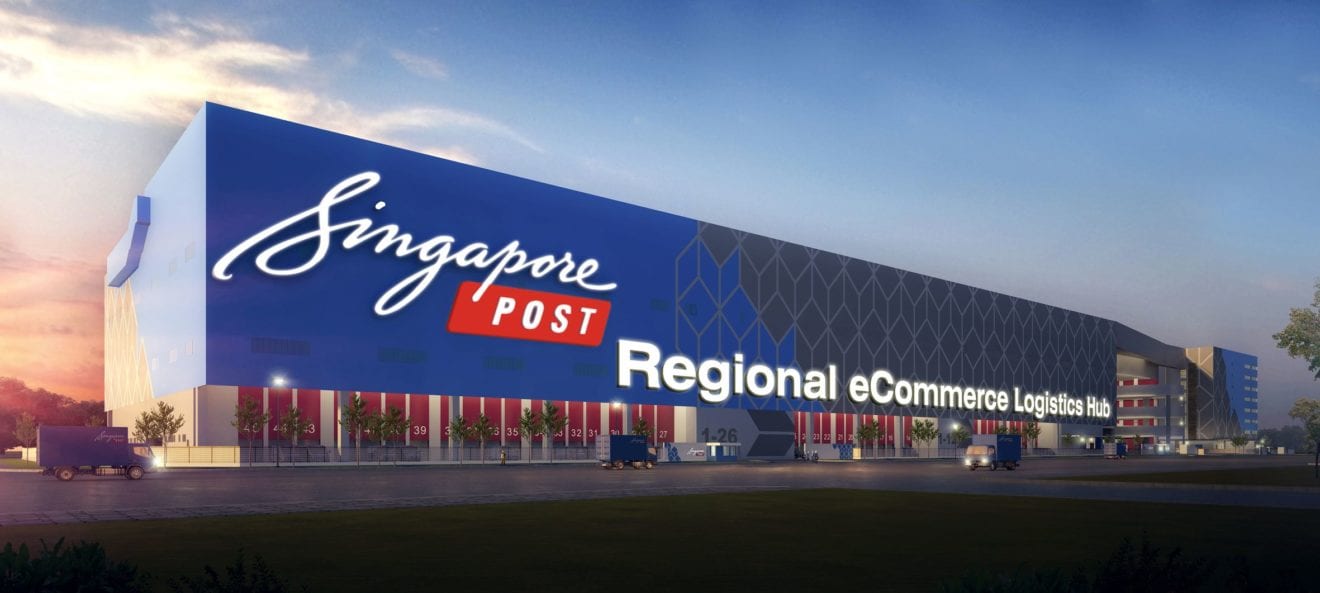
    Established more than 160 years ago, SingPost in 2016 launched its Regional E-commerce Logistics Hub, which has a sorting capacity of 100,000 parcels a day. Parcel volumes in November 2018 climbed 25% year-on-year and the highest volume of parcels processed in one day clocked at 40,000. During the peak period of November to December 2017, some 2,700 tonnes of parcels were delivered.

    In this Q&A with Retail News, SingPost’s group chief digital and technology officer Alex Tan discusses how the postal service provider has been working to keep pace with the region’s e-commerce boom and address challenges in last-mile delivery.

    In what ways have the rise of e-commerce impacted SingPost and the company’s growth and technology roadmap?

    Alex Tan: E-commerce presents a huge opportunity for us and we are driving a lot more e-commerce traffic through our postal and logistics networks. This mitigates the decline in letter mail volumes that is seen all over the world.

    It’s also why we are progressing on a three-year transformation strategy to shore up our footprint in e-commerce logistics. Our vision is to be the regional last-mile delivery and urban logistics platform of choice for Southeast Asia. Our current suite of e-commerce logistics solutions includes frontend web management, warehousing and fulfilment, last-mile delivery, and international freight forwarding.

    In November 2018, we unveiled our latest next-generation logistics platform Last Mile Platform (LaMP), which consolidates various last-mile delivery services such as courier services, parcel lockers, and brick-and-mortar collection points, onto a single platform. Being technology-agnostic, LaMP can integrate services from different retailers and logistics providers to provide greater convenience, flexibility, and control to customers.

    The platform is also location-agnostic and can connect last-mile partner services across Southeast Asia. Through LaMP, retailers can offer their customers the ability to receive their online purchases via any last-mile delivery node in the network, in any country within the region. Consumers may even redirect en-route deliveries to an alternative delivery node on the platform.

    In 2016, we also opened our SGD$182m (£104.08m) Regional E-commerce Logistics Hub, which is fully automated and harnesses the latest warehouse fulfilment and parcel sorting technologies, integrating warehousing and parcel sortation systems for greater efficiency.

    We are also building on our partnerships with our major shareholders, Singtel and Alibaba Group, working closely with them on cross-border e-commerce and digital innovation, in areas such as big data, warehouse robotics, and artificial intelligence (AI).

    There has been numerous customer feedback on SingPost’s delivery service, most of which revolved around non-deliverables or failed/missed deliveries even when the recipient was home. What challenges does SingPost face in fulfilling the last-mile delivery component, which is especially crucial in e-commerce, and how are you looking to resolve these with technology?

    Providing integrated solutions for last-mile delivery is one of the biggest challenges faced by postal and logistics providers. To improve the last-mile delivery experience, we have installed over 160 POPStation parcel lockers across Singapore. These enable our customers to collect, return, and ship parcels at their convenience. In addition, we are working with the Infocomm Media Development Authority on a pilot for the Locker Alliance, an open access delivery network of 43 lockers in Punggol that residents can use to receive and return parcels conveniently, regardless of which logistics firm handles the delivery. We continue to expand on our network of parcel lockers, installing them in more housing estates and developing new features that facilitate e-commerce services beyond online shopping.

    To enhance customer experience, service quality, and operational efficiency, we launched SmartPost in November 2018, which is an integrated suite of solutions that harnesses mobile and digital technologies. In the current phase, it enables better tracking of deliveries and electronic signing-over of registered mail. It also upskills our postal staff with new tools and technologies that elevate their efficiency and capabilities. To date, we have equipped all of our 1,000 postal employees with a proprietary mobile app that works with Near Field Communication (NFC) tags installed at around 15,000 delivery points across the island.

    Looking ahead, we are working towards providing delivery alerts and status updates to customers via SMS or email, as well as electronic notifications, to collect missed deliveries – replacing physical delivery notes that are currently used.

    In addition, LaMP will augment the online shopping experience, empowering customers with greater choice of delivery options and collection locations, including the option to make changes while a delivery is underway. Leveraging AI, LaMP will soon provide customers with SMS alerts half an hour before their courier arrives.

    With customers today wanting a more seamless, digital experience, we are expanding our Smart Post Office network, which combines our physical branch network with our SAM Omnichannel platform, It comprises self-service kiosks, mobile app, and web portal.

    How has the introduction of drone deliveries improved the last-mile fulfilment? Can you provide an update on SingPost’s deployment of drone deliveries?

    There is huge potential in UAV (unmanned aerial vehicle) technology to provide game-changing urban logistics solutions for last-mile e-commerce and mail delivery in the future. We are working with Airbus’ Skyways project to explore how drones can be used to move collect and deliver items autonomously within cities. After a successful flight demonstration in February 2018, we are working towards operating a trial e-commerce delivery service at the National University of Singapore in the coming months.

    Alibaba made significant investments in SingPost in 2014 and 2015. How have the funds been deployed and how has the partnership materialised in terms of the number of deliveries SingPost fulfils from Alibaba’s online marketplaces?

    We have been working closely with Alibaba and its extended ecosystem, which includes Cainiao Network, 4PX, and Lazada.

    Together, Alibaba and its ecosystem have brought in significant cross-border e-commerce volumes for SingPost. We also are collaborating with Alibaba and its technology affiliates on several projects involving AI, warehouse robotics, big data, and cloud computing with the aim to create more opportunities for us to digitally transform our business.

    Alibaba’s investments into SingPost are focused on strengthening our regional e-commerce logistics infrastructure and network, so we can grow and enhance our e-commerce logistics capabilities to better serve the region’s rapidly growing online retail markets.

    What new technologies are you looking at in the next year and how will these be deployed at SingPost?

    We are integrating AI into LaMP to provide parcel traceability and reliability for our customers across Southeast Asia.

    The platform will be able to autonomously plot optimised courier delivery routes based on multiple factors such as parcel destinations, customers’ preferred delivery times, and real-time ground data including traffic and weather conditions. It will be able to analyse and proactively alert all stakeholders on courier movements, and allow customers to receive an alert half an hour before their parcel arrives. This a significant improvement in terms of convenience, especially in dense cities such as Bangkok and Jakarta, where customers are typically provided vague parcel arrival times due to myriad reasons such as traffic jams and extreme weather conditions. On LaMP, all of these will be managed from a single screen called the ‘control tower’, providing enhanced visibility and connecting multiple GPS-tracking systems and APIs.

    On a personal note, when you buy something online, what kind of services do you think these sites should provide in terms of delivery/logistics?

    People want flexibility and control, whether it is choosing the time and location or the mode of delivery, and with the option to change your mind along the way. There is growing agnosticism with regards to geography, where e-commerce shoppers want to be able to shop at online stores in any country and expect a seamless experience no different from buying on a domestic website.

    This calls for a transformation of the logistics industry, and it is why SingPost is harnessing digital technology across the entire supply chain – from transforming our last-mile infrastructure for greater efficiency and responsiveness, to creating agile and open platforms that integrate delivery networks across organisations and geographies.

  • DHL renews partnership with Africa’s largest e-commerce event

    DHL renews partnership with Africa’s largest e-commerce event

    DHL Express in Sub-Saharan Africa (SSA) has announced that the company has once again signed on as lead sponsor for the 2019 DHL eCommerce Africa Conference and Exhibition, which will be held at the Cape Town International Convention Center on the 19thand 20thof March 2019.

    The eCommerce Africa Conference and Exhibition, delivered by DHL, is hosted by South African conferencing company, Kinetic, and is one of Africa’s biggest opportunities to bring stakeholders in the ecommerce sector together. Later in the year, Kinetic will also bring the conference to Kenya, with the eCommerce East Africa Edition, also delivered by DHL, set to take place in Nairobi on the 12thand 13th of June 2019.

    This year’s event offers participants an opportunity to learn from world-class thought leaders, both from Africa and the rest of the globe, on the innovative strategies that will unlock e-commerce opportunities over the years to come. Delegates from some of the continent’s biggest tech, retail, banking and legal firms will be in attendance to share their experience and engage with attendees to exchange knowledge.

    According to the McKinsey Global Institute’s report, Lions Go Digital, e-commerce and fintech represent two of Africa’s biggest growth opportunities, with the growth of the mobile technology market driving both of these sectors. “More than half of urban African consumers already have Internet-capable devices and this number is increasing. Online shopping in Africa could account for up to $75 billion in retail sales by 2025.”

    Steve Burd, Vice President Sales for DHL Express Sub-Saharan Africa, explains that the ongoing partnership between DHL and eCommerce Africa is a good fit. “As the market leaders in express logistics in Africa, we have extensive first-hand experience of the positive impact that ecommerce has on the continent. The massive growth in cross-border and international ecommerce in Africa sees DHL working with thousands more customers across the continent each year, helping them to expand their brand across borders.”

    He adds that the development of ecommerce in Africa continues to unlock major opportunities for growth. “E-commerce allows entrepreneurs and SMEs to connect with a large customer base and scale up rapidly, which accelerates the need for support services. E-commerce growth therefore has a ripple-effect on many other industries on the continent.”

    “DHL’s partnership with eCommerce Africa provides us with an additional platform to connect with organisations and help them to understand key logistics considerations, and learn how to plan for and overcome any logistical challenges,” adds Burd.

    Terry Southam, Kinetic Managing Director, says that the collection of thought leaders and the topics under discussion this year are aimed at creating an immediate impact for African ecommerce companies.

    “From marketing to fulfilment, the world’s best will be on stage sharing best practice and innovative hacks to drive online growth. It is quite remarkable to have all of these industry leaders on the same stage – not only willing to share but actively working to grow the industry and ensure African customers receive a world-class online shopping experience. This year’s theme for the conference is ‘Conquering Scale’ and we couldn’t be happier to have a market leader like DHL on board, to help us deliver 2 key e-commerce events on the continent this year,” he concludes.

  • DHL Expands For Temperature Sensitive Shipments

    DHL Expands For Temperature Sensitive Shipments

    The WMX service in Mexico will expand by early Q2 2019 into 17 new origin cities, including Zapopan, Toluca, Cuernavaca, Cuatla, Pachuca, Saltillo, Aguascalientes, Puebla, Celaya, San Luis Potosi, Torreon, Morelia, Leon, Guanajuato, Jalapa, Orizaba and Durango.

    The integrated transportation solution, which DHL launched in Mexico in July 2018, facilitates the delivery of Mexico-based patient samples to U.S. central labs in less than 24 hours. This reduces transit times for these urgent temperature sensitive shipments from primary cities (beyond Mexico City) by an additional day.

    “Sponsor pharmaceutical companies have told us that the enhanced transit times have delivered significant improvements during prospective sample analysis, and improved testing results – particularly for Biomarkers and Flow Cytometry Assays,” says Brian Bralynski, Director Life Sciences Healthcare for DHL Express Americas. “Those types of gains are highly impactful and a direct benefit to patients requiring such treatment or sample analysis.”

    DHL can provide improved transit times, in part, due to its asset-based air-network and ability to export from multiple gateways in Mexico. DHL operates direct daily flights from Mexico City, Guadalajara and Monterey, linking to its regional hub at Cincinnati/Northern Kentucky International Airport (CVG), and then connecting to most U.S. cities and central lab locations the next morning and in less than 24 hours from patient draw time.

    For Mexico origins, exporters of record (typically sponsors or Clinical Research Organisations / CRO’s) will administer a one-time administrative change process, in order to authorise DHL to export samples on their behalf from three export points.

    “DHL Medical Express continues to meet the needs of the pharmaceutical industry and clinical research sectors with forward-thinking, intelligent healthcare solutions, while also expanding our wide range of services in Mexico,” said Mike Parra, CEO of DHL Express Americas. “At DHL, we focus on connecting healthcare stakeholders, deeply caring about the ultimate link of the chain – the patients, and to do so, we ensure we strictly comply with every regulation – global or local, and innovate in every front. A combination of responsiveness, transparency and cost-effectiveness will enable this service to be advantageous to all clinical trial stakeholders and, most importantly, clinical trials’ patients.”

    Qualified customers for the service receive a choice of temperature options (ambient, chilled and frozen) through specialised thermal packaging. Pre-determined contingencies circumvent delays, and DHL quality control centres monitor the shipments 24/7. The service is suitable for transporting laboratory kits and medical devices, biological samples, research products, vaccines and drugs for commercial and non-commercial use.

  • DHL Express Opens €93 Million Hub in Spain

    DHL Express Opens €93 Million Hub in Spain

    DHL Express has opened a new hub at Barajas Adolfo Suarez Airport in Madrid, creating 200 new jobs and strengthening the position of Madrid as a hub for international commerce, particularly between Europe and Latin America.

    By investing in high-quality infrastructure and the newest technologies, DHL Express will quadruple its capacity in Madrid. The 14,500 m2 building, which includes offices, will facilitate the sorting of 24,500 packages per hour.

    John Pearson, CEO of DHL Express said:  “With this latest investment in our infrastructure, we are further expanding the capabilities of our European and global network, enabling continued growth supported by a platform of quality. Customers from our traditional sectors as well as e-commerce customers in both private b2c as well as businesses who are driving their own b2b growth agendas through e-commerce will benefit from the investment. With this new hub in Madrid, we are connecting sellers and consumers around the world with even greater speed and efficiency.”

    The new hub has a total of 176 loading docks enabling 160 road movements each day, as well as 10 daily flights operated by DHL’s own aircraft, and 30 daily commercial flights servicing 20 international destinations, mostly in Latin America.

    “We are investing in infrastructures to increase efficiency and to improve our delivery capability. This will allow us to provide an even better service to our customers,” adds Miguel Borrás, Managing Director, DHL Express Spain and Portugal. “This new hub is a critical nexus between Europe and the LatAm countries. Thanks to this, we could connect businesses from all industries and private consumers alike, and enable them to leverage from the increasingly growing e-commerce worldwide”.

    In accordance with DHL’s GoGreen Program the new hub will help to reduce the company’s carbon footprint thanks to the use of new and more efficient sorting technology, improved building insulation, and more efficient energy systems to manage the consumption of electricity, water and cooling systems.

  • Meet Scout, Amazon’s new delivery robot

    Meet Scout, Amazon’s new delivery robot

    Amazon is field testing a new delivery robot called Scout, which the company describes as a “fully-electric delivery system” designed to safely get packages to customers using autonomous delivery devices.

    Six robots are initially being tested in a Snohomish County neighbourhood in the U.S. state of Washington, where they’ll be delivering packages Monday through Friday during daylight hours. The devices will autonomously follow their delivery route but are initially being accompanied by an Amazon employee.

    Customers in Snohomish County order just as they normally would and their Amazon packages will be delivered either by one of Amazon’s partner carriers or by Amazon Scout.

    The robots, which are the size of a small cooler box, were created at Amazon’s research and development lab in Seattle. They’re designed to roll along sidewalks at a walking pace and safely navigate around pets, pedestrians and anything else in their path.

  • DHL Global Forwarding appoints Fabian Rybka to head Bangladesh and Sri Lanka

    DHL Global Forwarding appoints Fabian Rybka to head Bangladesh and Sri Lanka

    DHL Global Forwarding, the leading international provider of air, sea and road freight services, has appointed Fabian Rybka as Cluster Head for DHL Global Forwarding’s operations in Bangladesh and Sri Lanka, along with partner operations in Bhutan, Nepal and the Maldives.

    Rybka brings to the role more than 10 years of experience at DHL Global Forwarding in both Asia and Europe, serving most recently as Head of Business Strategy and Development for DHL Global Forwarding ASEAN and South Asia, where he spearheaded successful growth initiatives in Bangladesh and Sri Lanka amongst other markets. Previous roles saw him specialize in designing and executing growth plans for DHL Global Forwarding’s high-potential markets including Italy, India, Singapore, Bangladesh, Indonesia and the Philippines, as well as key operations in European markets.

    “Fabian has built up a formidable track record for turning even the most challenging business situations into environments of high growth and customer satisfaction,” said Thomas Tieber, CEO, DHL Global Forwarding ASEAN and South Asia. “He has already proven that ability in guiding our teams in Bangladesh and Sri Lanka to significant results while understanding the nuances of the local market operations. I can think of no better individual to lead these growth markets and further build on our strong market position.”

    In the new role, Rybka will apply his extensive business development expertise to further boost productivity and expand DHL Global Forwarding’s range of services in the markets under his leadership, focusing particularly on developing key products in ocean freight and value-added services like customs and integrated warehousing. He also continues to lend his business turnaround skills to projects throughout the broader South Asia and Asia Pacific regions.

    “I firmly believe Bangladesh, Sri Lanka and the surrounding markets of Bhutan, Maldives and Nepal hold opportunity for substantial growth. We have a role to play to connect these economies to the rest of the world, supporting foreign businesses to invest in these markets, and also encouraging exports from local businesses overseas,” Rybka said. “Bangladesh’s GDP is growing faster than almost anywhere else in Asia at 7.3% per annum, while Sri Lanka continues to see steady increases in both imports and exports[2] that point to its growing connectedness and market opportunity within the global economy. As business optimism grows, my goal is to ensure we make our world-class logistics services as accessible and reliable as possible to enterprises of all sizes throughout the cluster.”

    Rybka holds an MBA from the University of Cooperative Education in Stuttgart, Germany, as well as a Global DHL CEO Award for his work in CSR and sustainability. Formerly one of Germany’s top junior football coaches, he also organizes and hosts youth football competitions — including one of the world’s largest, in Switzerland — to support the community work of SOS Children’s Village, a DHL GoTeach partner organization with whom he has volunteered for more than 10 years.

    Read more at https://vietnamnews.vn/media-outreach/505358/dhl-global-forwarding-appoints-fabian-rybka-to-head-bangladesh-and-sri-lanka-operations.html#qzaaIQjDkqMUVr8X.99