Category: Logistics

Retail News Asia is committed to providing both local and global retailers with the latest Logistics news throughout the Asian market. This on a daily base.

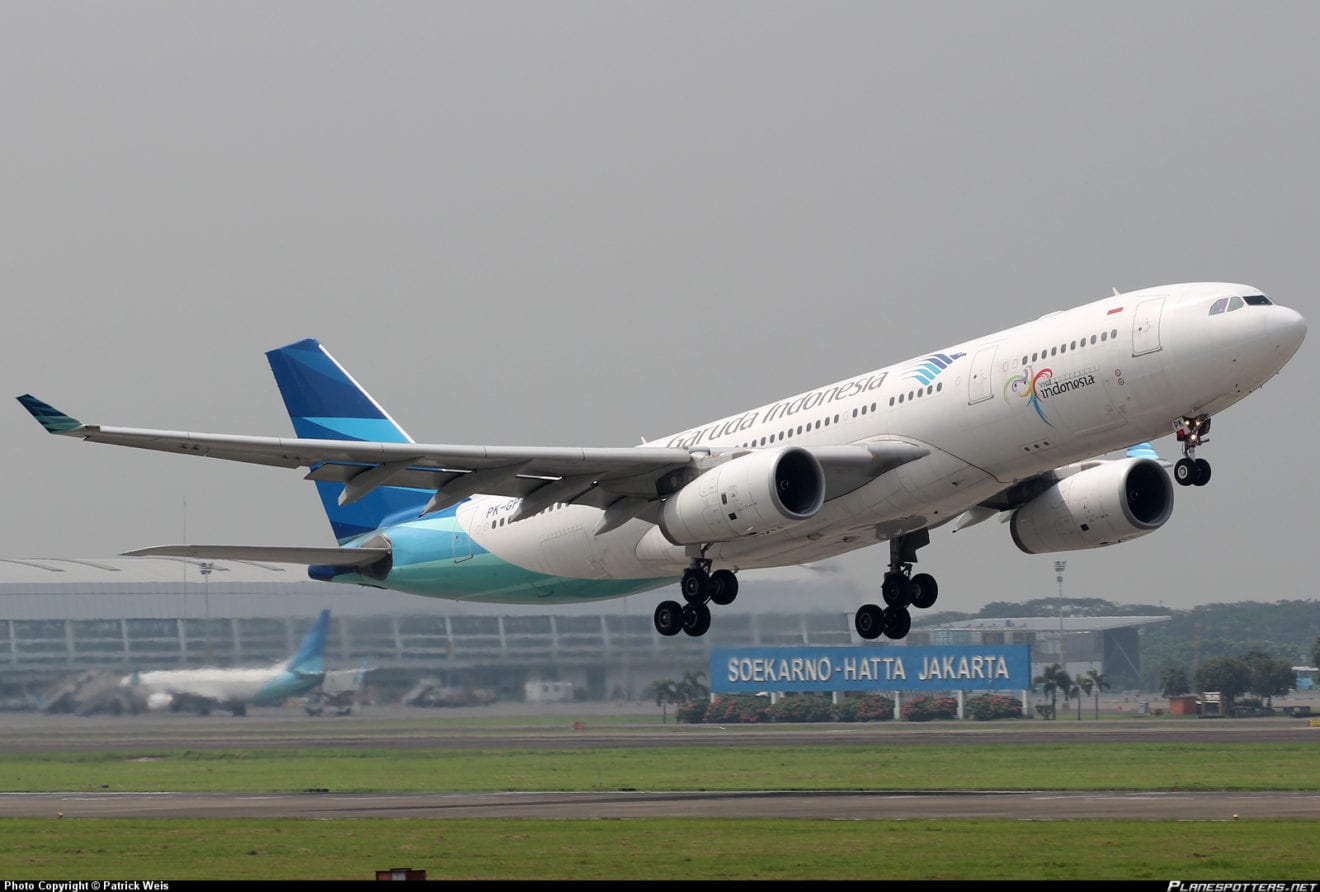
  • Indonesian airline Garuda talking with Go-Jek to provide logistics support

    Indonesian airline Garuda talking with Go-Jek to provide logistics support

    Indonesia’s national carrier Garuda and Go-Jek are in talks for a partnership that will make it easier for the ride-hailing and e-commerce app to move goods to customers within the 17,000 islands of the sprawling Southeast Asian archipelago. Garuda chief executive Ari Askhara told Reuters the talks are in an advanced stage and an agreement is expected to be finalised by the two companies in the next few months. Askhara said Garuda was developing a new technology relating to e-commerce and logistics. The partnership would enable goods ordered via Go-Jek’s app in one city in Indonesia to be delivered in another using Garuda’s fleet, he said. The CEO did not provide more details.

    Started in 2011 in Jakarta, Go-Jek has evolved from a ride-hailing service to a one-stop app through which its customers can make online payments and order everything from food, groceries to e-commerce goods.

    Go-Jek, which is valued at between US$9 billion and US$10 billion according to sources, declined to comment.

    E-commerce has been growing rapidly in Southeast Asia’s biggest economy, but one of the main obstacles is logistics as the islands are sprinkled across an area bigger than the European Union.

    Go-Jek recently raised over US$1 billion in a funding round as it challenges Singapore-based rival Grab for a larger share of the region, sources told Reuters.

    The Go-Jek proposal is one of several being explored by Garuda to cut its dependence on passenger traffic as the airline tries to grow its profits after a bumpy 2018.

    The airline has been battling for market share against local market leader Lion Air, which in October suffered a crash of a Boeing Co 737 MAX jet, killing all 189 people on board.


  • Pierre Poignant succeeds Lucy Peng as Lazada Group CEO

    Pierre Poignant succeeds Lucy Peng as Lazada Group CEO

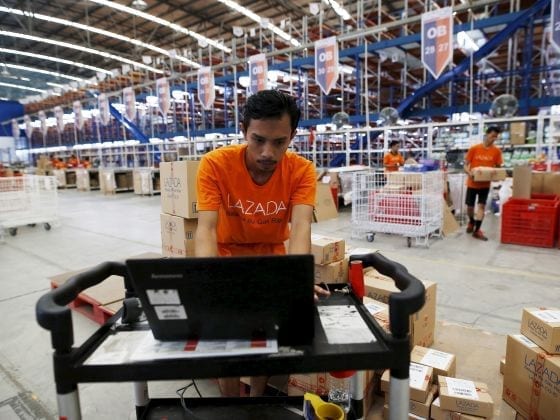
    Lazada Group has announced its new CEO this year, with group executive president Pierre Poignant taking the role immediately. The move is a leadership succession plan for both Lucy and Pierre where Lucy will remain as Executive Chairwoman and continue to be based in Singapore.

    In a media statement, Lazada described the change as “succession planning”.

    Poignant, who was appointed president in August, will lead the company’s strategic development into new growth pillars, while continuing to manage Lazada’s operations in Indonesia, Malaysia, the Philippines, Singapore, Thailand and Vietnam, working closely with country CEOs and regional functional team leaders.

    “Pierre is a well-respected Lazada co-founder, who has contributed tirelessly to the company for the past six years,” said Peng. “He and the team of other co-founders had the vision to build our logistics network from the ground up back in the days when no one in Southeast Asia believed in e-commerce – this valuable asset has now set us apart from the competition. Over the years, Pierre has consistently delivered beyond his call of duty and excelled in every role he has taken up.”

    Poignant said Lazada has benefitted from the Alibaba ecosystem, from the technological prowess to the logistics network.

    “This year is a turning point for Lazada. We have improved and evolved and now come out stronger, more efficient, and more agile than the start of the year. Our transformation has just begun and I am confident next year will be another watershed year,” said Poignant.

  • Looking at Omnichannel presence in India: IKEA

    Looking at Omnichannel presence in India: IKEA

    Swedish home furnishings major IKEA Thursday said it plans to have an Omnichannel presence in India going forward, reiterating its long-term commitment to the country. Last year, the company opened its first store in Hyderabad, spread over 13 acres of land and has a built up area of 4 lakh sq.ft. “We are long term committed to India. We are planning to have omni-channel presence here. We will have three formats — big stores, online and smaller stores here,” Peter Betzel, CEO, IKEA India said.

    According to a report, the presence in three formats is to bring the customers closer, he added. The Hyderabad store is the first of 25 such outlets planned to be set up in India by 2025.

    The company will be opening big stores in India, starting with a store in Mumbai this year, followed by one in Bengaluru in spring-2021 and then in Delhi-NCR, Betzel said.

    However, he did not provide any timeline for the opening of the store in Delhi.

    IKEA will have its online presence in Mumbai and will also expand smaller stores category there, he added.

    When asked how the company plans to fund the expansion, Betzel said: “It will be through our own money.”

    In 2013, IKEA received nod from the government to invest Rs 10,500 crore in single-brand retail out of which it had invested Rs 4,500 crore in its different ongoing projects in India.

    IKEA has been present in India for 30 years, sourcing many different products for IKEA stores worldwide.

  • Kerry Logistics expands e-commerce fulfilment through E-Services Group JV

    Kerry Logistics expands e-commerce fulfilment through E-Services Group JV

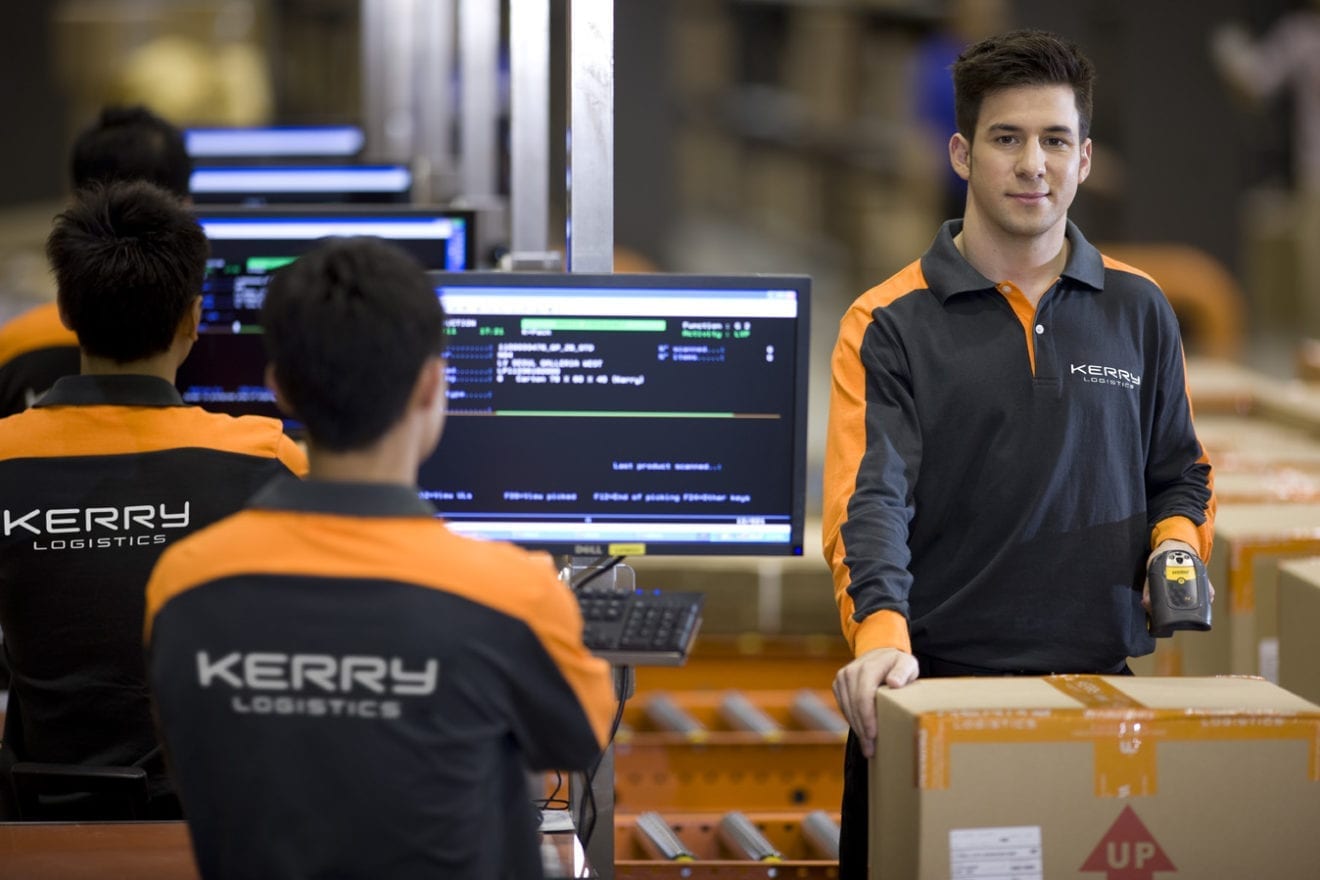
    Hong Kong-based Kerry Logistics is expanding its e-commerce fulfillment capabilities through a joint venture with Asian e-commerce specialist E-Services Group. Their joint venture, Kerry ESG (HK) Company Limited, will combine Kerry Logistics’ global supply chain capabilities with ESG’s technology platform, global marketplace networks, and e-commerce expertise to offer etailers cost-efficient solutions internationally.

    ESG, founded in 2002, claims to be ‘the leading international end-to-end e-commerce company in Asia’, headquartered in Hong Kong, with offices in China, Singapore, and Taiwan. As the strategic partner to over 20+ leading global marketplaces such as Rakuten, JD.id, and Cdiscount, ESG not only enables its 28,000+ etailers to grow their businesses internationally through marketplaces, but also supports them with comprehensive shipping solutions.

    Kerry ESG, set to debut in March 2019, aims to become one of the leaders in global e-commerce fulfillment solutions, enabling etailers to deliver products to customers anywhere in the world quickly and cost-effectively. Through direct integration with leading shopping carts and global marketplaces, etailers using Kerry ESG’s services will be able to seamlessly manage their order fulfillment, inventory, and returns to and from multiple logistics centres through one platform.

    William Ma, Group Managing Director of Kerry Logistics, said: “We are thrilled about the growth opportunities in global e-commerce. With Kerry ESG, we are creating a unique platform with total solutions from upstream marketing to downstream logistics that will capitalise on the booming international marketplace model to facilitate the exports for our international brand customers. Combining forces as industry leaders, Kerry Logistics and ESG are well-positioned to unlock the potential in the market with this new joint venture.”

    Alan Lim, Founder and CEO of ESG, added: “Winning at e-commerce means getting every piece of the puzzle right, and fast, reliable fulfillment is a critical component of success. This partnership gives etailers access to an extensive distribution network to support e-commerce fulfillment in every market and with every online channel. With Kerry Logistics we have found a great partner, whose capabilities complement ours and whose culture and vision matches that of our team. I am excited about how we can grow this business together.”

    Kerry Logistics said it has identified cross-border e-commerce, particularly between Greater China and ASEAN, as a major growth sector which plays to its strengths. The new partnership with ESG, which is the official partner of leading marketplaces including JD.id, Rakuten, and Newegg.com, will play a pivotal role in strengthening the foothold that the two companies have in this area.

    Kerry Logistics has a network covering 53 countries and territories, and is managing 53 million sq ft of land and logistics facilities worldwide.

  • DHL Expands Green Fleet With New Electric Delivery Vans

    DHL Expands Green Fleet With New Electric Delivery Vans

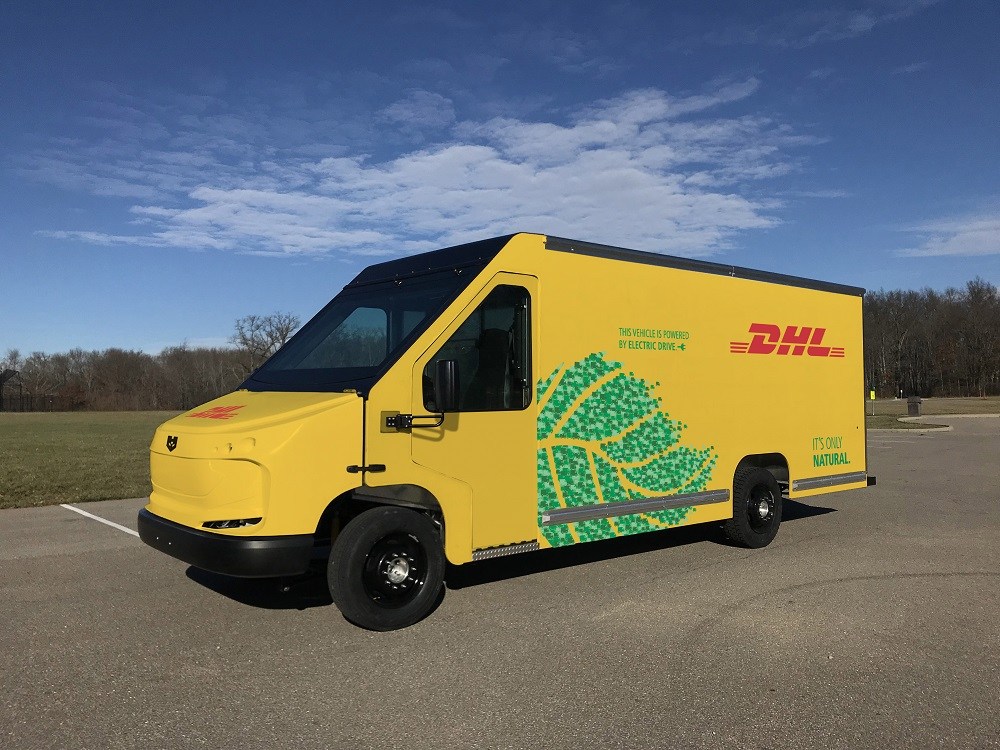
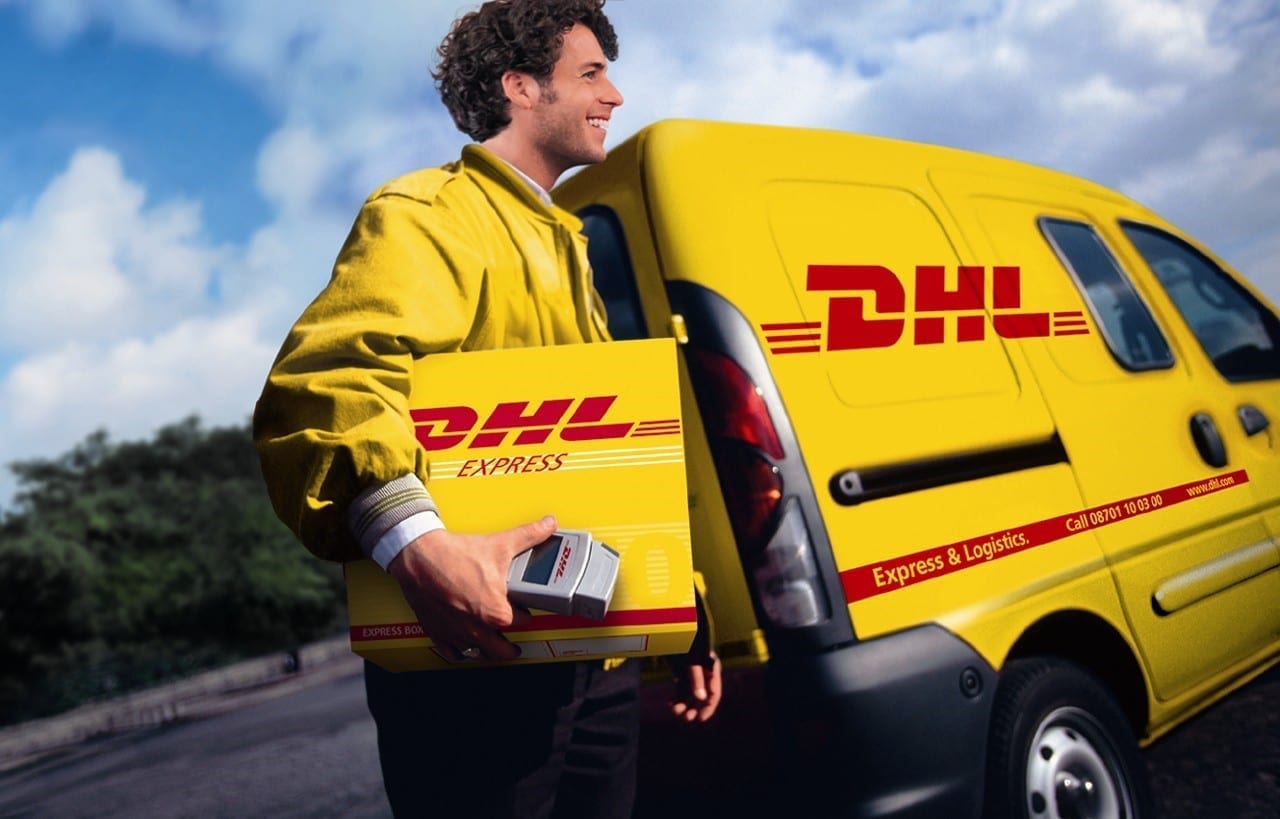
    DHL Express is rolling out a new fleet of 63 electric delivery vans in the United States as part of the German company’s goal to reduce logistics-related emissions to zero by 2050. Thirty battery-powered NGEN-1000 vehicles from Workhorse Group will be deployed in San Francisco with the remainder in other unspecified markets around the country later this year.

    The new vehicles have a range of 100 miles and 1,008 cubic feet of cargo capacity.

    DHL said its delivery fleet in the United States already includes electric, hybrid-electric, compressed natural gas and clean diesel-powered vehicles. The company has set a target of operating 70% of first- and last-mile delivery services with what it considers “clean transport” modes by 2025.

    “This year alone, nearly 30% of our new vehicles will be alternative fuel,” said Greg Hewitt, CEO of DHL Express U.S. in Plantation, Fla. “We’re excited about the technologies that continue to emerge in this area and how they are benefiting the logistics industry.”

    Workhorse Group launched commercial production of the NGEN-1000 and three smaller-capacity electric cargo vans in October 2018.

  • JD.com has just marked a breakthrough for drone delivery in Southeast Asia

    JD.com has just marked a breakthrough for drone delivery in Southeast Asia

    JD.com announced the completion of Indonesia’s first government approved drone flight – a breakthrough for drone delivery in Southeast Asia. The successful pilot opens the door for future commercial drone use in Indonesia and the Southeast Asia region, subject to further regulatory approvals. Representatives from Indonesia’s Ministry of Transportation, Civil Aviation and Air Navigation were present for the flight. The news was announced during the World Economic Forum Annual Meeting.

    The test flight took place on January 8, 2019, in West Java, Indonesia, where the drone flew from Jagabita Village, Parung Panjang to MIS Nurul Falah Leles Elementary School to deliver backpacks and books to students.


    The items delivered by drone were part of a larger donation of supplies from JD.com to the school. JD has a long history of offering philanthropic support to those in the communities where it operates. The company often taps its technology and nationwide logistics network to provide immediate support for natural disasters such as earthquakes in China.

    JD.com and its JV partner, e-commerce company JD.ID, were early movers in bringing high quality e-commerce to Indonesia. JD.ID, which launched e-commerce operations in 2016, sells 1 million SKUs and serves more than 20 million consumers across the country. Its operations leverage a logistics network consisting of ten warehouses across seven islands, covering 483 cities and 6,500 counties.

    Given the fact that the country is spread out across many islands, the implementation of drones for regular use in e-commerce deliveries, as well as other logistics-related services, will enable citizens in Indonesia to enjoy more efficient and reliable services, and help JD.ID realize its goal of being able to deliver 85% of orders same- or next-day. JD.ID is also committed leveraging its logistics and other resources to support humanitarian efforts like earthquake disaster relief.

    “It is a privilege to have contributed to this important moment in Indonesia’s history,” said Jon Liao, Chief Strategy Officer at JD.com. “We have been using drones for real deliveries in China for over two years now, and have seen the profound impact that the technology can have on people’s lives around the country. We look forward to working closely with WEF and the Indonesian government to realize the full potential of this technology, and provide more convenience to Indonesian citizens.”

    JD.com is a strategic partner of WEF and a partner of WEF’s Centre for the Fourth Industrial Revolution. The C4IR is a global hub for multi-stakeholder cooperation to develop policy frameworks and advance collaborations that accelerate the benefits of science and technology. Leveraging drone technology to deliver supplies to areas in need is a high priority on the C4IR’s agenda. WEF and JD have been working closely together to ensure the success of the pilot in Indonesia.

    “This trial represents the first government approved drone delivery operation in Indonesian history,” said Timothy Reuter, Head of Drones and Tomorrow’s Airspace at the World Economic Forum. “These tests are an opportunity for Indonesia to become a leader in the Southeast Asia region by leveraging drone delivery to improve access to vital medical, humanitarian, and commercial goods in remote areas.”

  • GreyOrange to launch new products at LogiMAT 2019

    GreyOrange to launch new products at LogiMAT 2019

    Robotics and warehouse automation company, GreyOrange, will launch its new modular sortation system and demonstrate upgraded versions of its Butler and PickPal at LogiMAT 2019, the 17th International Trade Fair for Intralogistics Solutions and Process Management in Stuttgart, Germany on 19-21 February.

    Nowadays, retailers and logistics businesses face many new kinds of complexities and challenges due to the unprecedented growth in volumes, combined with the volatility of peak periods and increased pressure to cut operational costs. GreyOrange will present a portfolio of AI-powered solutions that bring Flexible Automation to life; it reduces complexities and delivers maximum productivity, from inventory management and picking to sortation.

    Sid Chatterjee, Vice President – Products, GreyOrange, said, “The GreyOrange solution portfolio offers a strong business case for Flexible Automation. In the past year it has been adopted globally by industry-leading players in retail, 3PL and e-commerce. At LogiMAT we will demonstrate how our new solutions can help address the complexities of retail distribution. We invite everyone to visit our booth to get a hands-on demo to see how higher throughput can be achieved.”

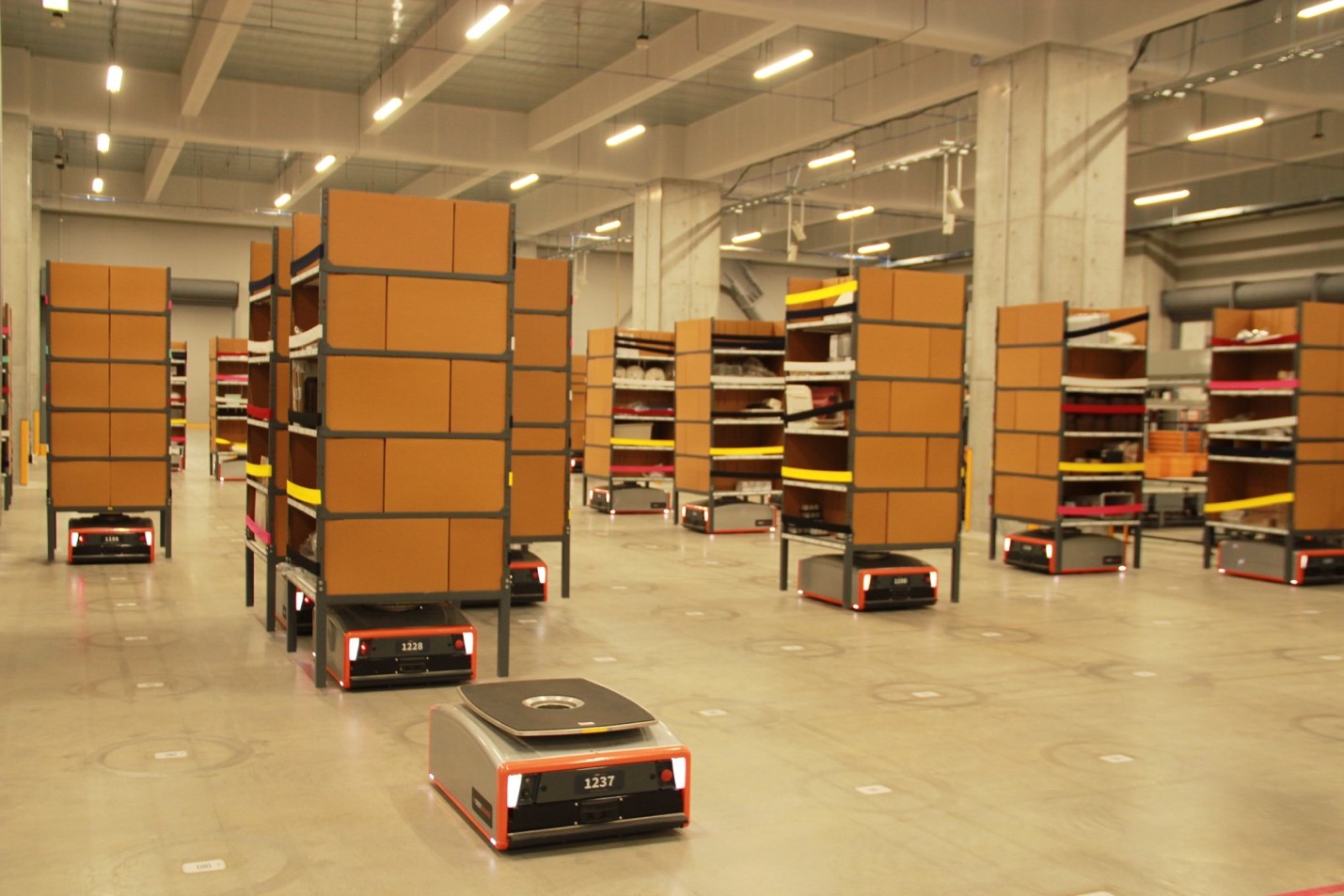
    The new GreyOrange modular sortation system, designed for flexibility and portability, comprises modular components that deliver significantly higher throughput per unit area; it improves space utilization and reduces operating costs. The AI-enabled robotics system can be easily scaled making it more investment-friendly and usable for a range of applications across retail and logistics industries.

    In the demo of the GreyOrange Butler goods-to-person system, visitors will see how this robotics solution uses an AI-first approach to optimize order fulfillment processes from inventory management to order picking. It has been deployed in distribution centres in Japan, India, Europe and the Americas across industries such as 3PL, e-commerce, electronics and retail. Additionally, the Butler PickPal handles high-speed auto-fulfillment with AI-powered shelf picking.

    GreyMatter, the Warehouse Execution System, is the software platform developed by GreyOrange to make flexible warehouse automation a reality, and address the complexities of warehouse operations caused by ever-changing retail trends. By connecting people, processes and material more efficiently using Artificial Intelligence and Machine Learning, it provides granular control and visibility across warehouse processes and enables systems to adapt flexibly to changing business demands.

  • Last-mile delivery investment will boost sales

    Last-mile delivery investment will boost sales

    Increased investment by retailers in last-mile delivery is essential to uncover new revenue streams, according to a new study released by the Capgemini Research Institute. According to the report, 97 per cent of organisations believe that current last-mile delivery models are not sustainable for full-scale implementation across all locations, and that free shipping costs cannot be maintained unless delivery costs are reduced through automation.

    “Today, customers are neither satisfied with the quality of delivery services, nor willing to bear the total cost of last-mile delivery,” said Tim Bridges, global sector leader, consumer products, retail and distribution at Capgemini.

    “Therefore, the dilemma facing retailers is to provide last-mile delivery services that customers value, without damaging their own profitability. If done right, and their last-mile experience can win over customer satisfaction, retailers stand to gain loyalty, increased purchase value and frequency, while mitigating profitability risk through automation and optimisation of fulfillment locations,” he said.

    Among its conclusions, the report stated that with warehouse and product sorting representing one-third of supply chain costs, there is a significant opportunity in automation. Recognising this opportunity, 89 per cent of organisations are investing in the mechanisation and automation of store back-rooms to expedite fulfillment and deliveries.

    Speed boosts sales

    Fast and effective last-mile delivery were also shown to increase customer spend and loyalty. Seventy-four per cent of satisfied customers intend to increase spend by as much as 12 per cent with retailers they frequently purchase from. The majority (82 per cent) of customers have shared positive experiences with friends and family, and just over half (53 per cent) would be willing to purchase a paid membership for a good delivery service. However, despite 55 per cent of customers expressing that offering two-hour deliveries would increase loyalty, only 19 per cent of firms currently provide this compared to 59 per cent of firms that offer a delivery timeframe of more than three days.

    The report found that consumers are not satisfied with the current state of last-mile delivery with high prices (59 per cent), non-availability of same-day delivery (47 per cent), and late deliveries (45 per cent) driving delivery dissatisfaction.

    According to the findings, 97 per cent of organisations believe that current last-mile delivery models are not sustainable for full-scale implementation across all locations. As such, they must be viewed as a key investment for this year, with only 1 per cent of customers willing to absorb the total cost incurred for last mile deliveries.

    Despite low delivery costs being the top priority for half of all customers, only 30 per cent of organisations considered it a top priority for themselves.

    Recommendations for retailers

    The report closes with the following recommendations for last-mile delivery success:

    Optimise fulfillment locations: Increasing store-based deliveries by 50 per cent could potentially lead profit margins to soar by as much as nine per cent. Dark stores – retail outposts with store-like layouts intended only to fulfil online orders – can also process high delivery volumes and are 23 per cent cheaper than conventional stores for same-day deliveries. Additionally, if 30 per cent of deliveries and returns are routed through parcel locker collection arrangements, organisations could expect an eight percent increase in profit margins.

    Automate delivery options: Back-room automation could increase profits by up to 14 per cent by reducing the cost of click-and-collect orders and deliveries from store. Furthermore, automation offers a range of benefits including reduction of fulfillment errors and managing returns (which forms 26 per cent of the delivery cost).

  • DHL announce ecommerce service expansion in Turkey

    DHL announce ecommerce service expansion in Turkey

    German based logistics firm DHL Express has said it will be investing more on ecommerce operations and infrastructure in Turkey in a bid to expedite parcels passing to and from Europe and several other parts of the world. A key part of the innovations and improvements will be a new operations hub at Istanbul airport but more developments are planned.

    The announcements were made at the DHL International Cross Border eCommerce Summit, which took place in Istanbul during December. And it was noted that the importance of Turkey is its strategic position as the meeting point between Europe, Africa and Asia. As a crucial trading hub, they reckon that DHL will be able to move consignments to numerous destinations in the Middle East and Africa more quickly by operating through Turkey.

    This makes Turkey a very important country for us, and we are working to make it a regional hub,” Leendert van Delft, VP Global Sales Programs DHL Express said. The operation center at the airport in Istanbul will be the first step in that direction the vice president announced. “Today, when you look at the world, everyone speaks of the US and China as ecommerce markets. But in the case of Turkey, you’re not at the initial phase of this journey, but you have actually moved from the infancy to the stage of walking. It is time for Turkey to run now.

    DHL says that their current share of global ecommerce deliveries is estimated to be in the region of 29% but they they hope to achieve something closer to between 40-50% by the end 2020. They also note that the DHL portion of same stood at 5% in 2016 and increased to 10% at the start of 2017 before rising to 15% in November 2017. And as competition and ecommerce increases, an ongoing share of business of roughly 25-30% is their reported aim.

  • FamilyMart expands Bangkok delivery service with Kerry

    FamilyMart expands Bangkok delivery service with Kerry

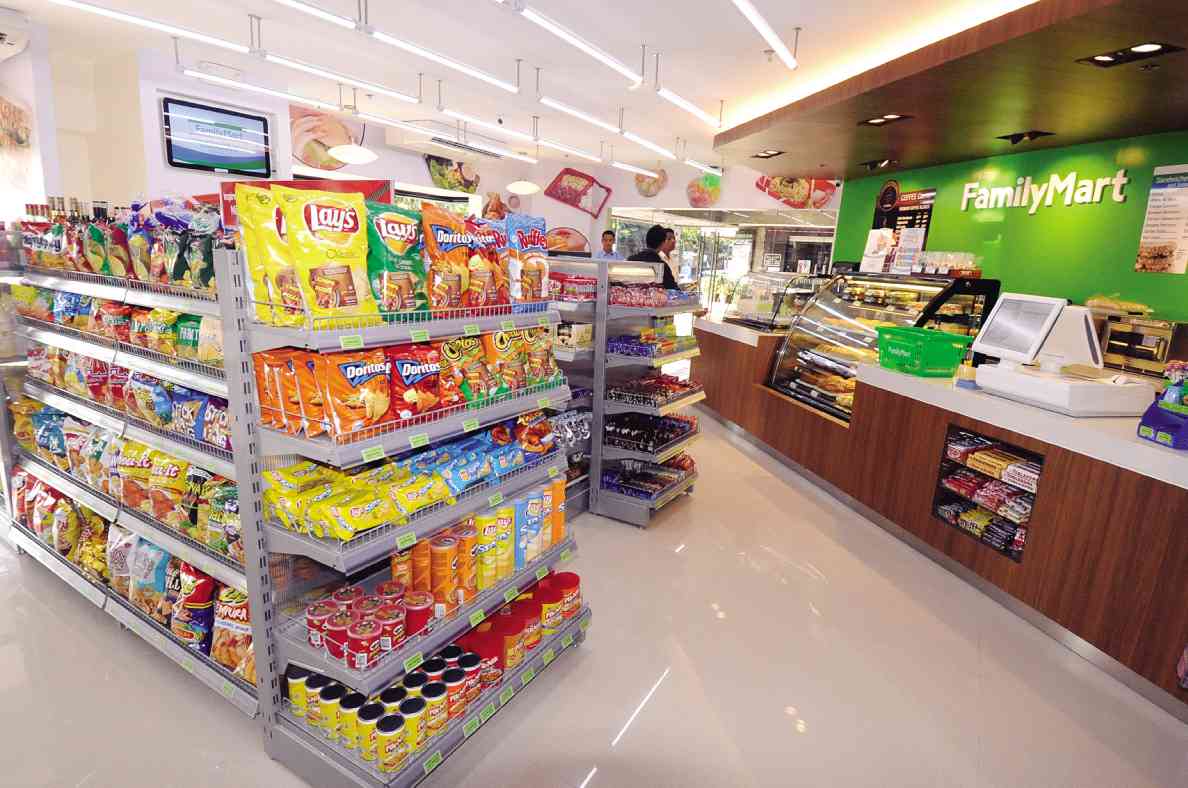
    Convenience store chain FamilyMart has partnered with logistics operator Kerry Express to expand its Bangkok delivery service. “Today, the e-commerce market has grown continuously for more than 20 per cent annually, and individual consumers have also had a greater demand for express delivery over the past three to five years,” said Central FamilyMart president Chiranun Poopat.

    “We have introduced Kerry Express, an express delivery service, available 24 hours a day at our FamilyMart stores in Bangkok and surrounding locations. The door-to-door express delivery will be provided to our individual customers so that they will be able to send their parcels to any locations throughout the Kingdom with fast and high-standard delivery process.”

    The new service is being promoted with a free limited-edition parcel delivery box available to customers during the Christmas period. The box will be provided to customer spending more than THB79 (US$2.42) via its express delivery service.

  • Vietnam’s four major transport projects on track for completion next year

    Vietnam’s four major transport projects on track for completion next year

    Vietnam is set to complete four infrastructure projects next year, some of them after long delays lasting several years.

    Hanoi’s first metro line 

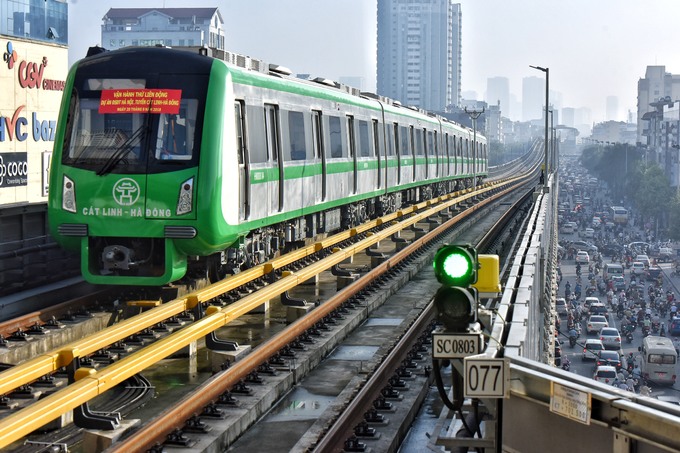
    The 13-kilometer Cat Linh – Ha Dong metro line is expected to open commercial operations before the Tet Lunar New Year holiday starting February 2, 2019.

    All 13 trains on the route are being trial run every day now, running from Cat Linh Station in downtown Dong Da District to the Yen Nghia Station in the south-west Ha Dong District.The 13-kilometer Cat Linh – Ha Dong metro line is expected to open commercial operations before the Tet Lunar New Year holiday starting February 2, 2019.

    Each train has four coaches, with a total capacity of 1,000 passengers. The stainless steel coaches are approximately 19 meters long. The trains now run at 30-35 kilometers an hour, even though they are designed to reach speeds of 65 kilometers an hour. A complete trip takes about 30 minutes.

    Work on the project is 96 percent complete, officials say, adding that the terminals and depots are “83 percent equipped.”

    Construction of the Cat Linh-Ha Dong elevated railway started in October 2011 and was originally scheduled for completion in 2013. But several hurdles, including loan disbursement issues with China that were only resolved last December, have been stalling the project for years.

    The original cost estimate of $552.86 million has also ballooned to more than $868 million, including $670 million in loans from China.

    Bac Giang – Lang Son expressway

    The expressway connecting Bac Giang Province north-east of Hanoi to the northern Lang Son Province bordering China is expected to be completed next December.

    The four-lane expressway runs 64 kilometers. A 110-kilometer stretch of the existing National Route 1A connecting the two provinces will also be upgraded to be part of the expressway.

    The total project cost has been estimated at VND12.19 trillion ($523.67 million).

    Most of the expressway has been completed. Next year, operators will finish laying asphalt and installing road signs and lights.

    Work on the expressway started in October 2015 and was scheduled for completion last year. However, the  Ministry of Transport had to select a new investor for the project after the original one was found wanting.

    The Bac Giang – Lang Son expressway is part of the Hanoi – Lang Son expressway, connecting the capital with the Huu Nghi International Border Gate in Lang Son Province.

    Cu Mong Tunnels 

    The Cu Mong Pass, lies mostly in Binh Dinh and partly in Phu Yen, is one of the most dangerous passes in Vietnam. The new tunnels are expected to reduce the number of dangerous traffic accidents that the pass has become infamous for. They would also reduce travel time between the two provinces.The Cu Mong tunnels, connecting the southern provinces of Binh Dinh and Phu Yen, are expected to open on January 21, allowing all vehicles to go through free of charge during the February 2-10 Tet holiday.

    The two tunnels are 2.6 kilometers long and 30 meters apart and have a 4-kilometer lead-in road. The tunnels allow a maximum speed of 80 kilometers an hour. For an unspecified first period, only one tunnel will be operated. For now, the second one will be reserved for use in emergencies.

    The tunnels have a total capital of almost VND4 trillion ($171.82 million). Construction started in September 2015.

    Vam Cong Bridge in the Mekong Delta Region

    This is the second bridge over the Hau River after the Can Tho Bridge, which is 48 kilometers away. It is part of the route connecting Can Tho with An Giang Province, built to boost the socio-economic development of the Mekong Delta region.The bridge, which connects the southern province of Dong Thap with Can Tho City, is expected to be operational by next July.

    The bridge was supposed to be completed by November 2017, but authorities found out that a horizonal beam had a crack four centimeters wide and two meters long.

    The Ministry of Transport ordered repairs, and so far 26 out of 38 steps for this process has been completed.

    The bridge’s budget of $270 million was sourced through official development assistance from South Korea and Vietnam’s counterpart funds.

  • Completion of Heaviest and Tallest Cargo Transportation in the History of Uzbekistan

    Completion of Heaviest and Tallest Cargo Transportation in the History of Uzbekistan

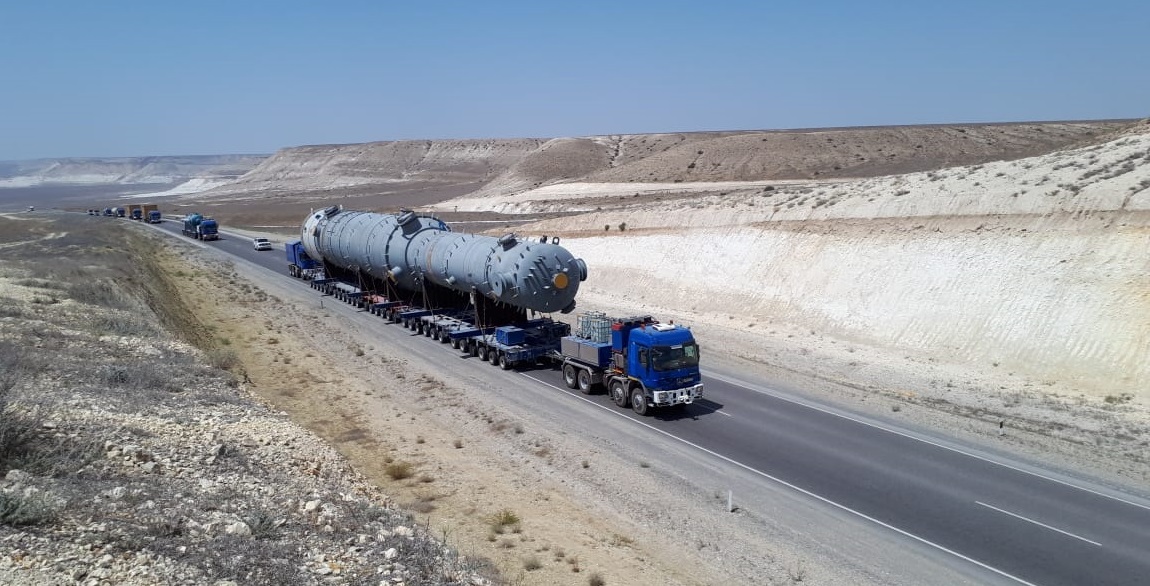
    In 2017, Bolloré Logistics Japan was awarded the transportation of materials and equipment from Mitsubishi Corporation for a large-scale fertilizer plant in Navoiy, a city in the central region of Uzbekistan. By September 2018, our team had successfully transported 24 heavy-lift units by hydraulic conventional trailers, including 17 units over 100 MT each.

    Located in Central Asia, Uzbekistan is one of only two landlocked countries in the world surrounded by five countries, namely, Afghanistan, Kazakhstan, Kyrgyzstan, Tajikistan and Turkmenistan. This makes Uzbekistan one of the most difficult areas to transport cargoes. The port of discharge selected by Bolloré Logistics varied from one time to another as there was no standard transportation route. Depending on the port of loading & discharge, weight, dimensions, transit time, and cost efficiency, Bolloré Logistics Japan provided the best transportation route and mode for Mitsubishi Corporation.

    The heaviest unit, an Ammonia Converter, registered at 422 tons and the widest and tallest unit, a Package Boiler, recorded at LWH (mm) 12,700 x 8,700 x 10,720 – making history as those were the heaviest and tallest cargoes handled in Uzbekistan.

    The scope of work included Free On Board (FOB) from various ports of loading to Navoiy’s site, together with import customs clearance formalities.

    Timely arrangement of breakbulk vessel, Volga-Don class sea river vessel or barge, road permits, conventional hydraulic trailers and more were requested from our team in order to meet the construction schedule’s deadline with all the requirements.

    As for the heaviest and most voluminous cargoes, Bolloré Logistics visited the vendor’s factories several times prior to the breakbulk shipments and physically checked the cargo figures, lifting points, lashing points, to successfully design the transportation plan accordingly.

    But the most challenging part remained the inland transportation from the Caspian Sea port to the job site.
    First of all, the distance from the Caspian Sea port to the job site is around 1,700 km. These days, most cases of heavy lifts are handled by self-propelled modular transporter (SPMT), just for short distances only, but in our case it was transported by conventional hydraulic trailers, for 1,700 km. As 1,700 km is a long journey, Bolloré Logistics Japan had to anticipate unexpected trouble on the way and prepare a backup plan, while respecting the construction schedule.

    Road surveys were carried out several times and we decided to adopt the safest transportation route. However, it was still not enough as infrastructures were limited and could not withstand transportation of such heavy and voluminous cargo; it therefore had to be improved.

    As a result, Bolloré Logistics improved 24 bridges (including the construction of a new bridge and installation of new piles on another bridge), constructed 15 bypass roads (including two long ones), expanded five corners, replaced electric poles at one place, and widened roads at four points.

    Yet, it was still not enough. During the transportation of heavy lifts cargo, Bolloré Logistics mobilized construction machinery teams such as dump trucks, road rollers, wheel loaders, etc., in order to improve unpaved road temporarily. We also mobilized an electrical team such as cherry pickers, mobile cranes to shut down / remove power cables and other overhead obstacles.

    Thanks to Mitsubishi Corporation’s full cooperation and Bolloré Logistics’ team effort; we were able to meet the cargo readiness in accordance with heavy lift transportation schedule and unloading heavy lifts on time at the site.
  • DB Schenker signs a MoU for logistics centre in China

    DB Schenker signs a MoU for logistics centre in China

    DB Schenker, one of the world’s largest logistics service providers, and the Eastern China city of Changshu signed a Memorandum of understanding for the establishment of a state-of-the-art logistics center in the Changshu Economic and Technology Development Zone.

    Due to its convenient location near the metropolitan areas of Shanghai, Suzhou and Wuxi, and its proximity to the deep-water port of Yangshan as well as to a new port currently developed on the Yangtze River near Changshu, the city is a strategic location for a logistics center. Moreover, DB Schenker will be the first international third-party logistics provider (3PL) with a fully owned logistics site in Changshu.

    The new facility will provide state-of-the-art logistics and supply chain management services with a high level of automation to customers from the automotive and healthcare industry as main target group as well as to companies from other industry sectors situated around the Yangtze River Delta and Greater East China Region. The construction start of the center is scheduled for the end of 2019 with duration of two years.

    “After our strategic investment in a logistics center in Pinghu in July, the logistics facility in Changshu will be our second 100% owned distribution center in China. Both facilities complement our local growing warehouse portfolio with existing presence and partnerships with warehouses in Beijing and Shenyang”, says Christopher Pollard, CEO Greater China, Schenker China Ltd.

    With over 50 years of experience in China, DB Schenker is one of the biggest 3PL companies in the local market offering extensive air, ocean, road and rail freight services, as well as integrated contract logistics service and supply chain management.


  • El Corte Ingles inked global distribution deal with Alibaba

    El Corte Ingles inked global distribution deal with Alibaba

    Spanish department store operator El Corte Ingles is to open a flagship store on Alibaba’s Tmall as part of a broad collaborative approach to reaching Chinese consumers. In a wide-ranging agreement, El Corte Ingles and Alibaba will enable a raft of Spanish and international brands commonly sold in El Corte Ingles department stores, to be sold worldwide via both AliExpress and Tmall.

    AliExpress will consider opening a number of physical stores at El Corte Ingles shopping centres in Spain to create a unique and engaging shopping experience while promoting some of its latest products available to Spanish shoppers. This follows a trial pop-up store in the El Corte Ingles Sanchinarro shopping centre in Madrid earlier this month during Alibaba’s 11.11 Global Shopping Festival.

    El Corte Ingles and Alibaba say they will also explore closer cooperation in delivery and supply-chain infrastructure and channels, allowing Alibaba to benefit from the Spanish company’s logistics knowledge and capabilities in the country, and explore the use of its distribution centres as collection points for online purchases made through AliExpress.

    Smart payments

    El Corte Ingles signed an agreement with Alibaba’s Alipay in March to bring seamless payment experience to Chinese tourists visiting Spain. This may now be expanded, as El Corte Ingles and Alibaba will work on creating new shopping experiences for Chinese visitors.

    El Corte Ingles CEO Victor del Pozo said the agreement will allow the two companies to combine both the physical and online worlds to offer the best shopping experience to its customers.

    “Together, we are writing the future and placing ourselves at the forefront of trade and technology. El Corte Ingles owns department stores in the best locations of the main cities of Spain and Portugal, and is granted with the confidence and trust of national and international customers. All of this, joined to Alibaba’s technology, will allow us to offer a proposal of unbeatable value.”

    Alibaba Group MD for Italy, Spain, Portugal and Greece, and BDM for Tmall in Europe, Rodrigo Cipriani Foresio, said digital transformation and innovation in all fields are fundamental drivers of Alibaba’s mission of making it easy to do business anywhere, with the ultimate goal of better serving consumers and stakeholders worldwide.

    “Hence, we are confident that the expertise and skills brought by both companies will generate incredible value and opportunities as the cooperation takes shape.”

    El Corte Ingles, which opened in 1940, is Europe’s largest chain of department stores.

  • 7-Eleven Korea launches locker service

    7-Eleven Korea launches locker service

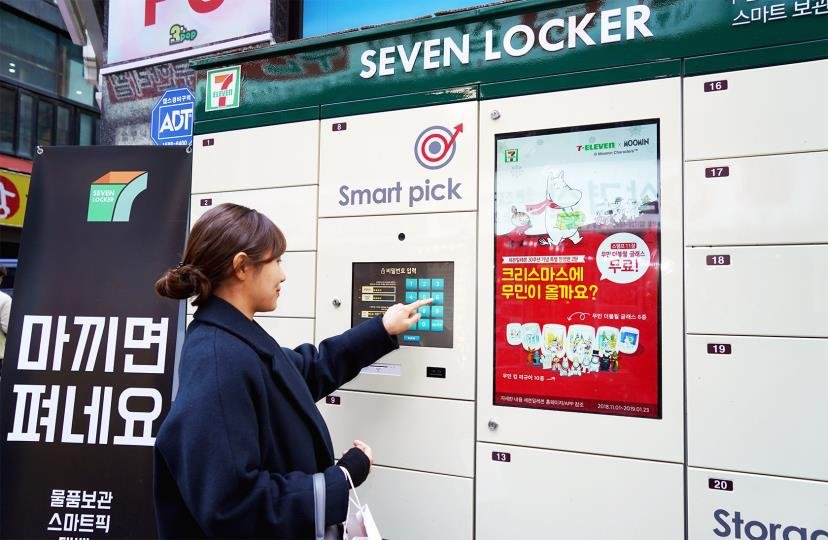
    7-Eleven South Korea has launched an unmanned locker service called Seven Locker at two stores in Seoul.

    The initiative is part of the company’s effort to diversify operations and generate more profits for its convenience stores.

    The Seven Locker trial operations started at two stores in Seoul’s Hongdae and Jongno districts, with another eight on track to open by year’s end to better gauge customer response and growth potential. The plan calls for 100 lockers to be placed at 7-Eleven stores across the country in the first half of next year, with the service to be extended to all key stores going forward.

    The lockers will be set up near tourist attractions and entertainment districts where there is demand for such services among locals and foreigners alike.

    The convenience store chain said depending on the size of the space, storage fees will range from 2000 won (US$1.76) to 4000 won for a four-hour period, with users allowed to make payments using their credit cards.

    “The lockers can create more profit for stores, while providing a differentiated service to our customers,” a local 7-Eleven executive said.