Category: Logistics

Retail News Asia is committed to providing both local and global retailers with the latest Logistics news throughout the Asian market. This on a daily base.

  • DHL Express recognized as Asia Pacific Best Employer in 2018

    DHL Express recognized as Asia Pacific Best Employer in 2018

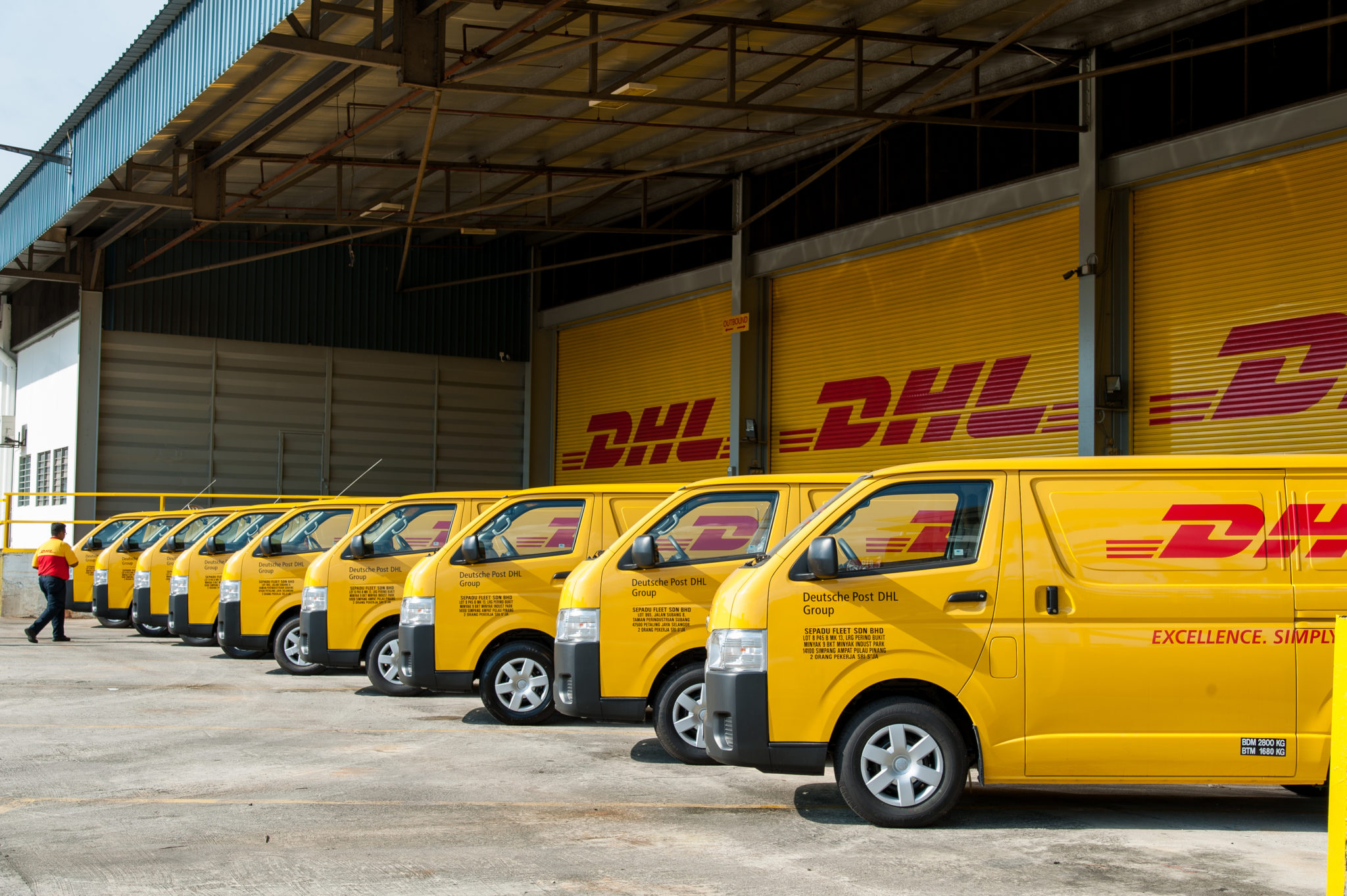
    DHL Express, the world’s leading international express services provider, has been named Asia Pacific Best Employer 2018 by Aon Hewitt, the global talent, retirement and health solutions business of Aon plc. This is the fifth time DHL Express has won this award in the region, since 2013.

    This accolade is conferred to companies which have won Aon Hewitt awards in at least three countries across the region, and DHL has exceeded this expectation by winning Best Employer in India, Malaysia, Philippines, Singapore and Thailand.

    Ken Lee, CEO, DHL Express Asia Pacific said, “It is an honor to be recognized as a leading employer and an excellent workplace in Asia Pacific again. This award is a huge win for the region because it is strong proof that we have been successful in building positive relationships with our employees, who are such vital assets to the success of our organization. As we aim to remain Employer of Choice, employee engagement continues to be our top priority and we are committed to sustained investment in our employees to help them realize their full potential.”

    Based on a comprehensive study, nominated companies were thoroughly assessed by an independent external committee based on three types of sources: employee opinion survey, human resources practices, and CEO questionnaire and interview. According to Aon Hewitt, DHL Express has demonstrated and achieved consistently high performance in key areas of Employee Engagement, Compelling Employer Brand, Effective Leadership and High Performance Culture across the region. Additionally, employee perception indicates that DHL Express excels in critical execution enablers including infrastructure and technology that drive productivity and encourage collaboration, and openness to diversity in the environment.

    DHL Express’ continuous investment in talent growth, including its Certified International Specialist (CIS) and Certified International Manager (CIM) programs has trained over 60,000 employees in Asia Pacific as of 2017. Employees are trained on the company strategy, and fundamentals of international and management skills such as ensuring respect and results while interacting with colleagues.

    In addition to the CIS and CIM programs, DHL Express regularly organizes activities that celebrate and recognize employees’ dedication and cultivate employee engagements at all levels. These include initiatives such as ‘Staff Appreciation Week’ and ‘Employee of the Year’. Most recently in August 2018, DHL Express held its DHL AsiaCup in Singapore — the annual employee football and cheerleading event involving more than 1,000 employees, to rally teams across the region to build an even stronger employee network and celebrate their successes.

    First conducted in Asia in 2001, Aon Hewitt’s Best Employers study aims to recognize companies that have a real competitive advantage by investing in its people, and to explore the winning attributes of a workplace of choice.

  • DHL APAC Innovation Centre Incepts Vechain as a Partner as it Displays it on its Partner Wall

    DHL APAC Innovation Centre Incepts Vechain as a Partner as it Displays it on its Partner Wall

    While most coins are trying to find solutions for a variety of industries, Vechain has its focus set on the bringing blockchain and cryptos to the logistics sector. And its hard work and focus seem to have paid off as Vechain finds itself on the partner wall of DHL’s Asia-Pacific Innovation Centre (APIC) in Singapore.

    VechainThor’s DApp and DHL partnership could bring blockchain to logistics

    The news of the partnership with DHL shared by Sarah Nabba, Country Manager for Singapore at VeChain Tech where she said the DHL center provides an immersive experience to clients by introducing new solutions from both established co. & startups and the Vechain would look for collaborations with DHL.

    This could prove to a really good news for the project as DHL is one of the biggest names in logistics globally. It would also provide Vechain to grow under DHL’s guidance at the Innovation Centre and may get a chance to collaborate on a variety of projects in the logistics space.

    DHL Asia-Pacific Innovation Centre is first of its kind in Asia-Pacific. This SGD$10m facility is DHL’s first innovation center outside of Germany and the first dedicated center for innovative logistics services in the Asia-Pacific region. Launched with the support of the Economic Development Board (EDB) of Singapore, the APIC showcases futuristic technologies that will transform logistics operations.

    VeChain is continuously working on its business model of Blockchain-as-a-Service (BaaS) provider that targets enterprise-level businesses. Vechain had recently had announced that it has co-developed a blockchain-based supplier evaluation system with global logistics provider DB Schenker. This new decentralized application (DApp) will use the VeChainThor blockchain to score DB Schenker’s third-party logistics partners in China based on collected data –  the result being an evaluation for services such as packaging, transportation, and the quality of goods.

    The Vechain Foundation claims that the DApp is the first ever implementation of blockchain for supplier management purposes

    “In the future, the system and its related applications can potentially evolve into a platform [that is] widely shared and co-constructed by a broad range of logistics service providers.”

    Logistics sector has significant roadblocks which blockchain can provide a solution to. Blockchain has potential to rehaul the logistics and supply chain industry by providing the tamper-proof tracking of products is being recognized by an increasing number of global industry giants, among them Maersk, IBM, and FedEx, as well as South Korean electronics leader Samsung and Walmart. Understanding this space well, Vechain is making its move correctly towards mending this problem.

    Technology can actually make things better for the logistics sector and blockchain and Vechain is just here to do that. Blockchain does have a potential to fundamentally change the logistics industry and Vechain would look forward to cooperating with more industry players building a logistics ecosystem based on mutual construction, trust, collaboration, and benefit.

  • Indonesian logistics startup Waresix secures $1.6m funding

    Indonesian logistics startup Waresix secures $1.6m funding

    Indonesia’s US$240 billion logistics market is said to be growing by double digits per year. Tapping into that opportunity is Waresix, a startup that aims to improve warehouse services in Southeast Asia’s biggest economy.

    Waresix today announced that it has obtained US$1.6 million in pre-series A funding from investors led by East Ventures and Monk’s Hill Ventures.

    Founded in 2017, the startup built a marketplace that connects businesses and individuals in need of warehouse space with warehouse operators. The site allows users to book a wide range of storage options in less than 24 hours. It also provides cross-border warehousing services for overseas customers looking to distribute goods in Indonesia.

    Waresix covers 26 cities across the archipelago. It has partnered with more than 75 warehouse operators that handle general cargo, retail fulfillment, and cold storage.

    Warehouse and fulfilment needs account for 16 percent of Indonesia’s logistics market – equal to a market size of over US$30 billion, according to market estimates. This segment is expected to expand significantly alongside the country’s ecommerce sector.

    “As the ecommerce industry grows at extremely fast pace, it’s important to ensure that movement of goods is as efficient as possible – which makes the warehousing industry an inevitable part of supply chain optimization,” explains East Ventures managing partner Willson Cuaca.

    SMDV and Triputra Group were the other investors that participated in this latest fundraise, which comes months after Waresix raised its seed round.

  • Logistics startup Expedito wins Seedstars Jakarta

    Logistics startup Expedito wins Seedstars Jakarta

    Seedstars Jakarta, the Indonesian round of global seed-stage startup competition Seedstars World, on Friday named logistics startup Expedito as its first winner at Ruang & Tempo, South Jakarta.

    Expedito is a price comparison website and online booking service for international shipping.

    Selected out of nine finalists, Expedito will take part in the week-long Seedstars Summit in Switzerland in April 2019. The startup will have an opportunity to meet more than 65 winners from other Seedstars competitions, as well as investors and mentors from around the world. At the final day of the summit, the startups will pitch for an opportunity to win up to US$1 million in equity investment and other prizes.

    In addition to Expedito, sharia-based P2P lending platform Ammana has been named as second prize winner while equity crowdfunding platform Bizshare has been named as third prize winner.

    The finalists are include retail solutions provider Do-Cart, recruitment startup for blue collar jobs Pakaruto, GPS-tracking solutions provider Lacak, agritech startup Aglonera, queueing app Qiwii, and healthtech platform for patients of varicose vein disease Varises Indonesia.

    The panel of jury for this event includes Arum Kalbuadi Putri (Openspace Ventures), Melina Subastian (Alpha JWC Ventures), Paul Luo (BStartup), Joseph de Leon (Gravitas Prime), Octa Ramayana (Digitaraya), and Gaby Fernandez Scala (Seedstars).

    For this year’s event, Seedstars World Asia partners with Merck Accelerator to support early stage startups with a focus on life sciences.

    To organise the Jakarta event, Seedstars work with Digitraraya, Kumpul, Prosehat and Ruang & Tempo, with support by Kibar, Greenhouse, FlySpaces, Freak Out, Bat Ventures, RASI, Asosiasi Tech Startup Indonesia, ANGIN and media partner Daily Social.

    The event stated that it had attracted interest from over 110 startups and around 70 attendees.

  • DHL E-commerce Makes it Easier to Ship from China to Australia

    DHL E-commerce Makes it Easier to Ship from China to Australia

    DHL eCommerce has partnered with AuMake, an ASX listed retailer connecting Australian suppliers directly with Chinese consumers, to enable quality deliveries direct from Australia to China, starting today. AuMake’s growing database of over 80,000 members will now be able to ship direct to China with DHL eCommerce Parcel International Direct shipping solution, a high quality and affordable tracked solution with fast transit times of 5-7 days.

    “We’re proud to partner with AuMake to offer Parcel International Direct China to their customers and provide reliable and high quality direct shipping solutions. We understand that trust is highly important for Chinese shoppers particularly in the delivery process. Our shipping solution offers great transit times, high quality handling and tracking visibility to connect Australian brands to Chinese consumers,” said Denise McGrouther, Managing Director, DHL eCommerce Australia.

    Australian products are highly sought after by Chinese online shoppers, contributing to 20% of cross-border purchases into China in 2017, up 9% from 2016[1]. In addition, there are an estimated 400,000 ‘daigous’ operating in Australia who act as an overseas personal shopper to buy and ship products from Australia to China.

    Through its growing footprint of showroom-style stores, AuMake and Kiwi Buy across Sydney, Australia, customers can easily make purchases and arrange a pick up by DHL eCommerce for international deliveries from AuMake’s retail stores with the launch of the new service.

    “The demand for Australian products from China is insatiable and through AuMake’s retail stores and the collaboration with DHL eCommerce, we are making it easier to ship from Australia to China. AuMake’s customers can shop and ship with the additional choice of using a well known and trusted logistics provide like DHL eCommerce, providing peace of mind that their purchases will be safely and quickly delivered,” said Joshua Zhou, Managing Director, AuMake International Limited.

  • New CEO for DHL Global Forwarding to drive Growth in North Asia

    New CEO for DHL Global Forwarding to drive Growth in North Asia

    Charles Kaufmann has been appointed by DHL Global Forwarding as CEO, DGF North Asia South Pacific with effect from 1 October 2018.

    Kaufmann brings more than 40 years of logistics experience to the new regional cluster, most recently serving as the leader of DHL Global Forwarding’s operations in North Asia and Japan as well as Head of Value-Added Services in the Asia Pacific region.

    “Charles understands the nuances of trade and freight forwarding in North Asia like no one else, and has shown remarkable ability to continuously improve operational standards and customer satisfaction with each passing year,” said Kelvin Leung, CEO, DHL Global Forwarding Asia Pacific.

    “His experience lies at the intersection of logistics innovation and sustainable, efficient freight solutions, making him our obvious choice to tackle the rapidly evolving needs of both North Asia and the South Pacific.”

    Since joining Deutsche Post DHL in 1973, Kaufmann’s expertise has steadily broadened from air and ocean freight into fields like customs brokerage, integrated warehousing, and international supply chain solutions. As CEO of DHL Global Forwarding North Asia, he led the enhancement of innovative products in the division’s core businesses of air and ocean freight, as well as the development of new multimodal services by sea and rail from Korea and Japan via China to Europe.

    “Despite volatile rumblings in the global trade environment, the future for North Asia’s economic powerhouses like South Korea and Japan continues to look bright, and I’m looking forward to further building on the strong network and service standards that we’ve established in the past few years to give the region’s industries a stable platform for growth no matter the headwinds,” said Kaufmann. “At the same time, we see significant opportunities to help businesses in the South Pacific to grow internationally in a sustained and cost-effective manner.

    “Even as Australia and New Zealand remain on track for steady economic growth, emerging countries like Papua New Guinea and Fiji are beginning to build stronger links to the world’s biggest markets, giving us a clear mandate to support these developments with more cost-effective freight connections, streamlined logistics solutions, and market-leading service at every customer touchpoint. I’m excited about taking up this expanded remit, and look forward to working with our extremely accomplished teams in North Asia and the South Pacific as best I can.”

    Kaufmann takes over from Tony Boll, outgoing CEO of DHL Global Forwarding South Pacific and Country Manager for DHL Global Forwarding Australia, who enters retirement in February 2019 after more than 52 years in the Deutsche Post DHL Group.

  • DHL brings “Cash on Delivery” to Malaysia, Thailand, & Vietnam

    DHL brings “Cash on Delivery” to Malaysia, Thailand, & Vietnam

    E-commerce exporters in China and Australia, consumers in Malaysia, Thailand and Vietnam, and DHL eCommerce are all expecting benefits from the introduction of a Cross Border Cash-on-Delivery (COD) system by Deutsche Post DHL Group.

    The DHL e-Commerce Cash on Delivery (COD) service will allow consumers in the three Asean countries to pay in cash when they receive their online purchases.

    With more than 73 per cent of Southeast Asia’s population unable to access credit cards or internet banking services, DHL is realising that reverting to low-tech cash has the potential to see significant increases in volume (and revenue), as the regions burgeoning middle-class looks further afield for their purchases.

    “The low level of credit card penetration has forced e-commerce retailers to offer alternative modes of payment methods, such as cash on delivery, digital payments, and in some cases paying in-store”, said Charles Brewer, CEO of DHL eCommerce.

    “This opens up a huge potential by reaching out to a new group of unbanked consumers, and also meeting the needs of consumers who prefer to pay in cash.

    “With our fully-owned domestic delivery network in Malaysia, Thailand and Vietnam, we are able to deliver on-time with secure features like cash-on-delivery”, Mr Brewer added.

    The DHL eCommerce COD service allows sellers, specifically in China and Australia, to collect cash on delivery in the three Asean member states, with payment status tracking available on the DHL portal. Vendors receive their money every 14 days.

    Comprising a total solution, DHL eCommerce offers parcel pick-up, easy IT integration of the seller’s inventory into the DHL shipping process, end-to-end tracking, dynamic routing and distribution, returns management, and more.

    DHL Vietnam to truck Sendo’s local sales

    Meanwhile in Vietnam, DHL recently announced a partnership with Sendo, Vietnam’s leading local e-commerce platform.

    The deal will see the German logistics giant provide delivery to Sendo customers in Ho Chi Minh City (HCMC), Hanoi, and other primary markets in the country.

    Describing the deal as delivering benefits to everyone, Tran Hai Linh, CEO of Sendo said the international standard delivery service will boost the confidence of the country’s eCommerce shoppers, and deliver increased business to the 300,000  vendors, micro-entrepreneurs, and small businesses who sell their products online.

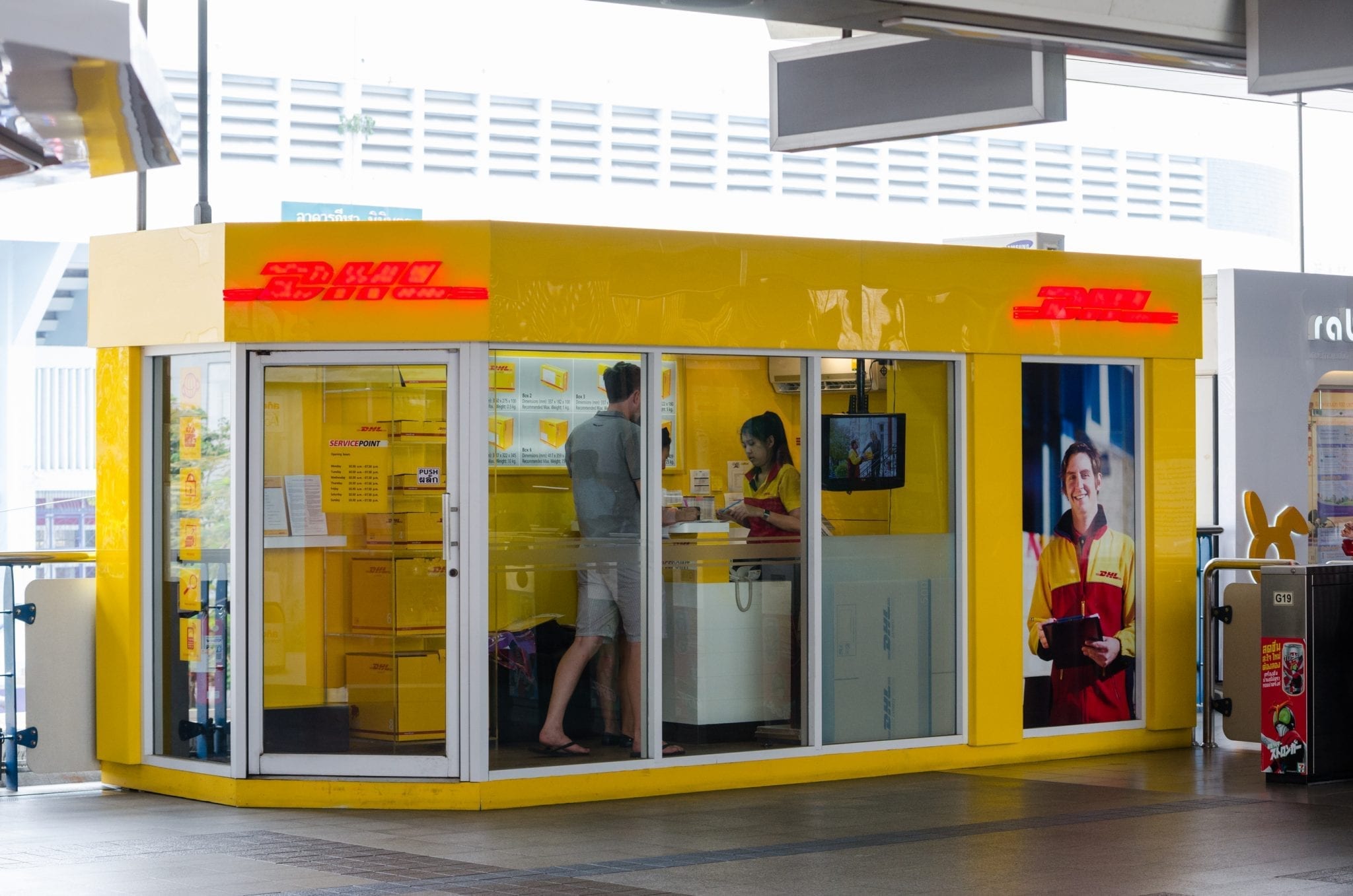
    To kick-start the arrangement DHL eCommerce has placed more than 300 ServicePoints in locations that provide easy access to Sendo’s sellers.

    Vendors can either drop off their parcels and receive discounts of up to 20 per cent, or arrange for a pickup by DHL for direct door-to-door delivery.
  • GDEX acquires 44.5% stake in Indonesian courier

    GDEX acquires 44.5% stake in Indonesian courier

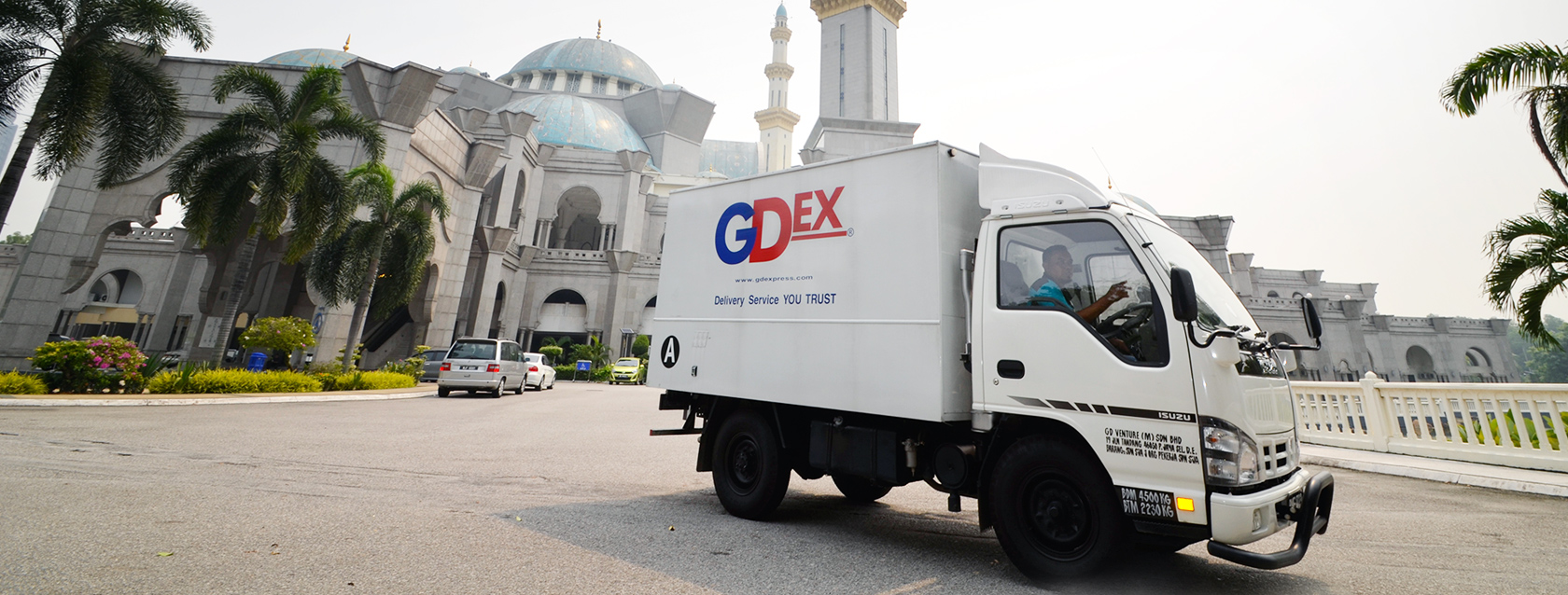
    GD Express Carrier Bhd (GDEX) and two of its wholly owned subsidiaries have taken up a 44.5% stake in PT Satria Antaran Prima TBK (SAP Express) via an initial public offering (IPO) for IDR92.71 billion (RM25.8 million) or IDR250 per share.

    SAP Express is slated for listing this week.

    GDEX told Bursa Malaysia that the group and two units GDEX Sea Sdn Bhd and GD Valueguard Sdn Bhd have subscribed for a 16.5%, 18% and 10% stake in SAP Express for RM9.57 million, RM10.43 million and RM5.79 million, respectively.

    The subscription sum will be satisfied entirely in cash through internal generated cash and cash in hand.

    Headquartered in South Jakarta, SAP Express mainly provides services in the express delivery segment, as well as transportation, distribution and warehousing.

    As of March 2018, it is able to cover the whole of Indonesia supported by its 58 branches and 12 representative branches as well as more than 100 retail counters.

    GDEX said the participation in SAP Express’ IPO will enable the group to tap into the fast-growing express delivery industry in Indonesia, which is also in line with the strategy of regional expansion starting with Indonesia.

    “We believe Indonesia offers a vast growth opportunity for the courier business, supported by the growth of e-commerce as well as conventional business. The continuation of the company’s partnership with SAP Express will enable the company to provide business advice and support as well as knowledge transfer between the two companies.”

    Its shares gained 1.5 sen or 3.6% to close at 43 sen today with 1.01 million shares changing hands.

  • DHL eCommerce on a roll for top spot in logistics solution

    DHL eCommerce on a roll for top spot in logistics solution

    A division of Deutsche Post DHL Group, DHL eCommerce focuses on providing e-commerce logistics solutions.

    “Having launched the first DHL ServicePoints in December 2017, the company has been rapidly expanding its network towards the target of 1,000 outlets by the end of this year. We are on track and will team up with SE-ED book center and selected retail chains to further expand our footprint, providing more choices and convenience for sellers and buyers with extensive drop-off and pick-up locations,” he added.

    The company launched DHL Parcel Metro earlier this year, a same-day delivery service for Greater Bangkok. Retailers can send parcels, weighing up to

    20kg each, under a cut-off delivery time of 12 pm on the same day. It came as an addition to the existing next-day service across most parts of Thailand, and the two-to-three day delivery service to some rural areas.

    “We will also introduce more SME-friendly services for small businesses, such as those needing less than 5 shipments a day. It will be mobile-friendly, with competitive and transparent pricings, without the need to open an account,” he added.

    “Our upcountry pick-up capability enables Thai micro-SMEs, particularly those in the rural areas, to tap on e-commerce for an easy and convenient way to ship their parcels,” he said.

    Kiattichai added that the company is very upbeat on the growth prospect of  e-commerce in Thailand.

    “2018 is an excellent year for us as we have seen very positive and encouraging growth in volumes and customers. Besides B2C (Business to Consumer), we have also been supporting B2B companies requiring domestic deliveries, including banks and retailers with multiple branches across the country.”

    Last week, the Department of International Trade Promotion reported that  the value of buy and sell transactions on the e-commerce channel totalled Bt2.8 trillion last year, due to greater

    Internet accessibility and more people buying products from online platforms. Of the total, business-2-business e-commerce accounted for  Bt1.67 trillion in value, business-2-consumer Bt812 billion, other kinds of e-commerce Bt324 billion. The e-commerce boom has led to continuous expansion of the logistic business with annual growth of 10 to 20 per cent, reaching Bt28 billion in value last year,according to department data.

    Recently DHL eCommerce has enabled Kasemchaifood, one of Thailand’s major egg producers, to deliver fresh eggs directly to consumers within 24 hours by leveraging on DHL eCommerce’s nationwide delivery network in Thailand.

    “Our team of e-commerce delivery experts are specially-trained to ensure they are able to handle all parcels with care and deliver a smile in the last mile – even for the most fragile item,” Kiattichai said.

    DHL eCommerce has also worked with Kasemchaifood to design and test shipping packages with protective and shock-resistant packaging. It has also enabled a last-mile delivery technology platform for Kasemchaifood, making it possible for consumers to track their deliveries from farm to table.

    He added that the e-commerce market is fairly new, still in its growth stage with many new players in a very competitive environment.

    “However, quality is a huge issue and we are proud that our consistent quality remains to be the market-leading differentiator in e-commerce delivery. It is an excellent time to be in e-commerce and we are extremely excited to grow our service to become the market leader in e-commerce logistics,”.

    “Innovation is a huge focus for DHL and we will continue to invest in small innovations (aimed at improving productivity) and big innovations (eg new business models) to digitize the logistics industry,”

    “Our Innovation Centers in Singapore, Troisdorf in Germany and Chicago in the US are fully focused on developing, testing and rolling out new innovations such as Artificial Intelligence and we will do this with customer input to ensure we always provide value to them,” Kiattichai said.

  • DHL eCommerce has rolled out a fleet of electric motorbike in Vietnam and Malaysia

    DHL eCommerce has rolled out a fleet of electric motorbike in Vietnam and Malaysia

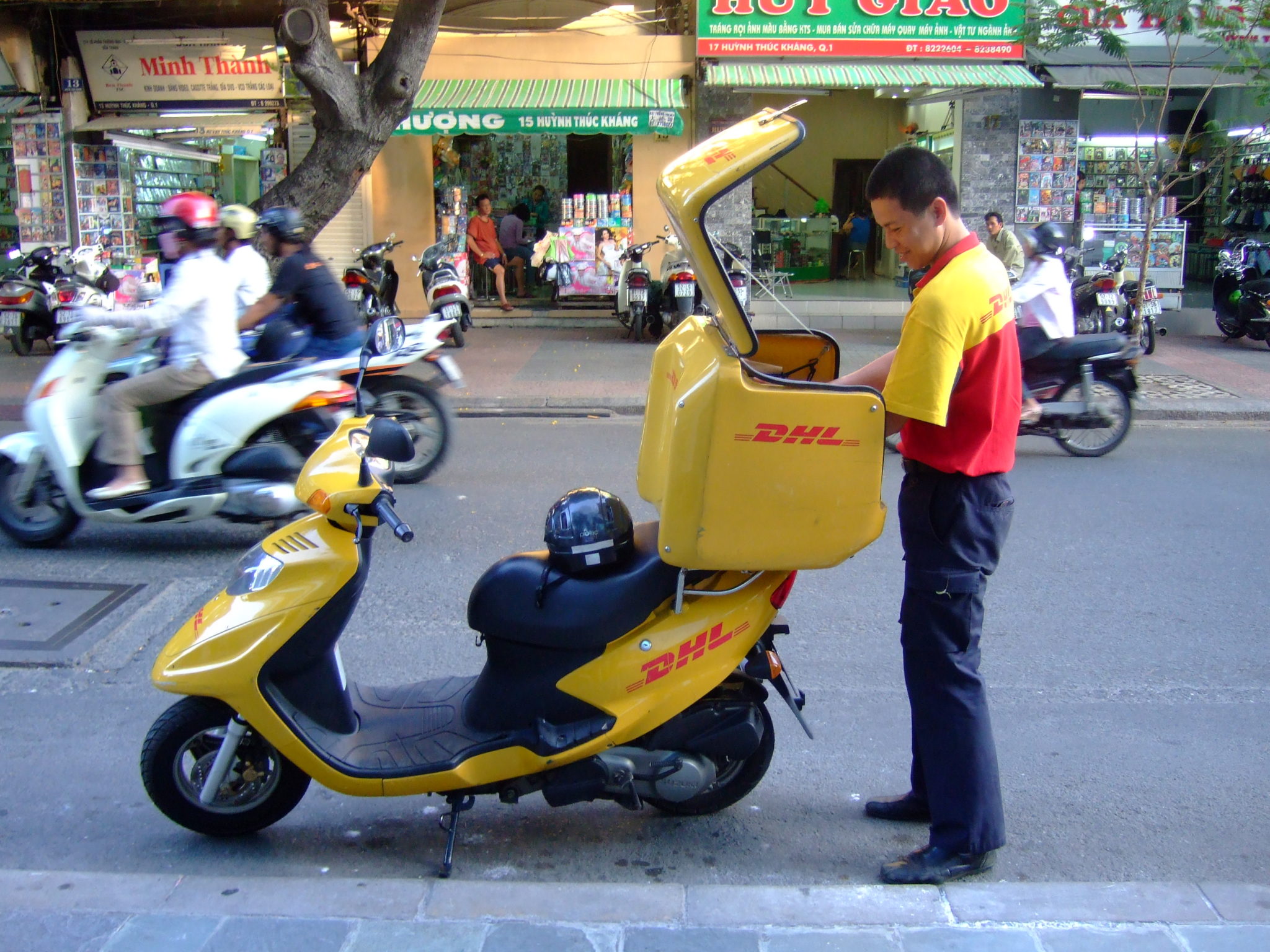
    DHL eCommerce has rolled out a fleet of electric motorbikes as part of Deutsche Post DHL Group’s commitment to Zero Emissions by 2050.

    DPDHL announced that it will operate 70% of its own first and last mile services with clean pick-up and delivery solutions.

    “In parallel with the continued growth in e-commerce, we expect a strong demand for deliveries and we recognize the need for sustainable delivery solutions. As part of DPDHL’s commitment to Zero Emissions by 2050, our fleet of electric vehicles will provide greener deliveries and we are committed to steadily and consciously increasing our fleet of electric vehicles in our domestic delivery network.” said Kiattichai Pitpreecha, Managing Director, Southeast Asia, DHL eCommerce.

    The first fleet of electric vehicles are already in use and the plan is to increase the fleet gradually by sunsetting older vehicles and prioritizing ‘green and clean’ approaches. Delivery hubs in Puchong and Cheras in Malaysia and Ho Chi Minh and Hanoi in Vietnam will be retrofitted with electric charging points with fast charging capabilities.

    DHL eCommerce provides nationwide domestic delivery with fully-owned operations in Malaysia and Vietnam to enable e-commerce businesses to deliver to their consumers. The domestic delivery network also includes DHL ServicePoints for drop-off and pick-up with convenient locations to provide greater convenience for sellers and consumers while optimizing delivery for greater efficiency.

    “Consumers are becoming more environmentally conscious and are placing greater value on sustainable options when they shop. We are super pleased to be rolling out our electric fleet in Malaysia and Vietnam to support our customers — it is great for us, great for our customers and great for the country.” added Kiattichai Pitpreecha, Managing Director, Southeast Asia, DHL eCommerce

  • Singapore Airlines bans lion bones in cargo

    Singapore Airlines bans lion bones in cargo

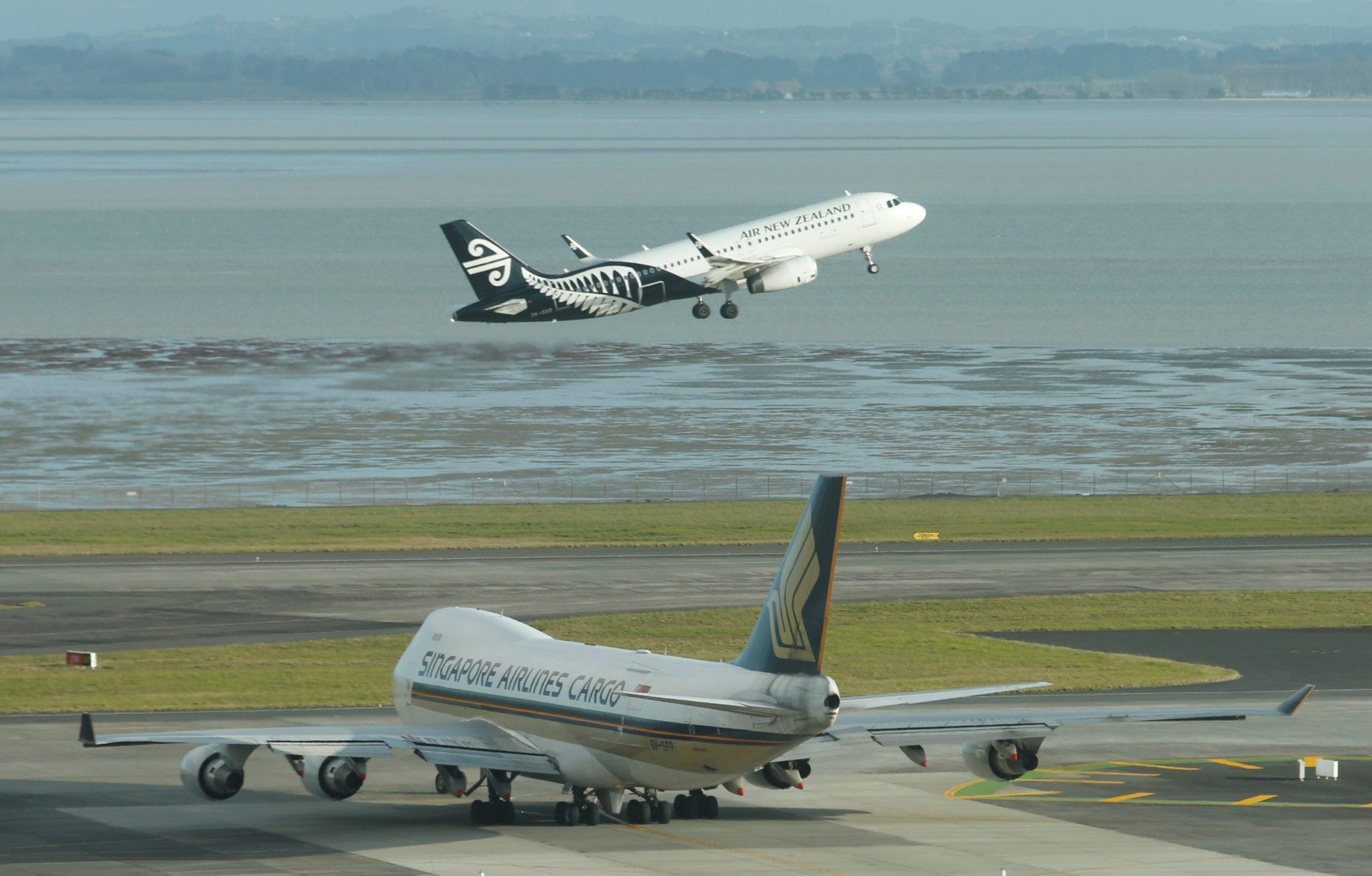
    Singapore Airlines said Friday (Sep 21) it has stopped accepting lion bones for cargo after the carrier was singled out in a report for transporting the animal parts from South Africa.

    Campaigners have long called for a ban on the controversial trade in big cat bones, which are sought after for medicine and jewellery in Southeast Asia.

    Singapore Airlines was the sole carrier importing lion bones from South Africa to Southeast Asia last year, according to a report released in July by the non-profit EMS Foundation and animal rights group Ban Animal Trading.

    At least 800 lion skeletons had been exported with the blessing of the South African government in 2017, the report said, making it the world’s largest exporter of lion bones.

    The airline told it had stopped accepting lion bones as cargo, but did not say when the policy had come into effect.

    “Singapore Airlines does not accept the carriage of lion bones as cargo following a review which took into account increasing concerns around the world,” the company said in an email.

    EMS Foundation director Michele Pickover said her organisation had sent the report to the airline and “appealed to them to immediately stop its involvement in this terrible trade”.

    “I believe that once they were informed about what this trade entails they took the correct and logical decision not to support it,” she told.

    South Africa has been sending lion bones to Southeast Asia since at least 2008 and it was likely that Singapore Airlines had been transporting them since that year, Pickover added.

    Lion bones and other body parts are highly sought after in parts of Southeast Asia – particularly Laos, Thailand and Vietnam – for use in jewellery and for their supposed medicinal properties.

    In Vietnam, lion bone is cooked and turned into balm while claws and teeth were used as body ornaments, the report said.

    While trade of body parts from wild lions is banned, international treaties allow the sale of parts taken from lions bred in captivity.

  • DHL Express Opens $2.98m Distribution Center in East Jakarta

    DHL Express Opens $2.98m Distribution Center in East Jakarta

    The local unit of Deutsche Post DHL, the world’s largest logistics company, has opened a $2.98 million facility in Pulogadung, East Jakarta, to accommodate growing demand and expand its presence in the capital.

    The new facility, located in Jakarta Industrial Estate Pulogadung, replaces the old one in Kelapa Gading, North Jakarta, which has exceeded its capacity.

    “The facility is proof of our commitment to meeting customers’ needs and international shipping demand. With this new strategic location, we expect to bring world-class services to our business customers,” Ahmad Mohamad, senior technical advisor at DHL Express Indonesia, said in a statement on Monday (17/09).

    The 1,800 square meter facility, which is equipped with motorized conveyor belts and weighing equipment to improve efficiency and accuracy, has the capacity to process 314,000 parcels annually. It is also equipped with an advanced security system, including 70 closed-circuit television cameras.

    The newly opened Pulogadung facility is one of several investments DHL Express has made in Indonesia.

    The company also has a gateway facility at Soekarno-Hatta International Airport in Tangerang, Banten; new service centers in Batam, Riau Islands; Solo, Central Java; and Makassar, South Sulawesi; and mobile service stations in several areas in Jakarta.

    DHL Express’s 7,000-square-meter distribution center in Cengkareng, Banten, established in November last year, is the company’s largest investment in Indonesia at Rp 60 billion ($4.03 million).

    The company, which operates in Indonesia through Birotika Semesta, reportedly plans to invest $2 million this year to expand its existing distribution centers and establish new service centers in several locations in the archipelago, while also increasing its cargo-carrying capacity.

  • DHL e-Commerce to launch Cash-on-delivery service

    DHL e-Commerce to launch Cash-on-delivery service

    DHL eCommerce has launched a cross-border cash-on-delivery service for Southeast Asian customers.

    The service will allow sellers in China and Australia to target consumers in Malaysia, Thailand and Vietnam who do not have credit cards or even a bank account – an estimated 73 per cent of the region’s population. It enables cash collection from buyers in these regions upon delivery.

    Collected cash will be remitted to a local bank account at the destination or the billing country based on the local destination currency. Remittance will be made to sellers every fortnight and tracking visibility of the status of COD is available on the DHL portal.

    CEO of DHL eCommerce Charles Brewer said that despite growing credit card adoption in Southeast Asia, the low level of credit card penetration has forced e-commerce retailers to offer alternative modes of payment methods such as cash on delivery, digital payments and in some cases paying in-store.

    “This opens up a huge potential by reaching out to a new group of unbanked consumers and also meeting the needs of consumers who prefer to pay in cash.

    “China and Australia are huge e-commerce export markets and our DHL Parcel International Direct product provides a direct entry into high demand markets with excellent transit times of three-to-five business days with economical shipping prices. With our fully-owned domestic delivery network in Malaysia, Thailand and Vietnam, we are able to deliver on-time with secure features like cash-on-delivery.”

    CEO of DHL eCommerce’s new Vietnamese partner Sendo, Tran Hai Linh, added: “Being a home-grown company allows Sendo to have a deep understanding of the Vietnamese local market and culture. Sendo aims to support over 300,000 individual vendors, micro-entrepreneurs, and small businesses to sell their goods online and deliver them affordably throughout Vietnam. With our collaboration with DHL eCommerce, we will provide not only the sellers but also several million buyers on our platform with an international quality delivery experience in Vietnam.”

    DHL operates more than 300 ServicePoints across Vietnam accessible to Sendo, meaning buyers can choose to have their parcels dropped off at these locations instead of waiting for a pick-up and enjoy discounts of up to 20 per cent.

    DHL eCommerce Vietnam’s MD Thomas Harris said Micro, small, and medium-sized enterprises continue to play a major role in Vietnam, accounting for 98 per cent of all enterprises, 40 per cent of GDP and 50 per cent of employment.

    “However, they face unique challenges such as access to finance and international partners. DHL is passionate about supporting small businesses and we are excited to work with Sendo to support their sellers with an excellent, high quality domestic delivery network.”

  • DHL Birmingham (UK) Facility Becomes 300th TAPA-Certified Site

    DHL Birmingham (UK) Facility Becomes 300th TAPA-Certified Site

    DHL Express Birmingham (UK) achieves TAPA “A” certification, becoming the 300th TAPA-certified site in the DHL Express global network.

    The Birmingham Service Centre of DHL Express in the UK, has become the 300th facility worldwide to be awarded with the Transported Asset Protection Association (TAPA) security certification.

    This independent recognition confirms that DHL Express has implemented the highest security standards for transporting shipments through the supply chain.

    This milestone for the DHL Express global network demonstrates the company’s commitment and tireless efforts to meet the highest TAPA Freight Security Requirements (FSR) worldwide.

    The internationally recognized TAPA certification is one of the most rigorous logistics and supply chain security certifications.

    This independently audited certification is widely respected as the leading security standard in this sector, and focuses on the way in which high-value goods are handled, warehoused and transported.

    As the global leading logistics provider DHL Express ensures that its processes and services provide the highest standards possible in the industry.

    DHL is Global Leader in TAPA Certified Facilities

    With 300 certified TAPA Level A and B sites, DHL Express is the global industry leader with the number of TAPA certified facilities.

    The accredited facilities now span 82 countries, with 96 DHL Express facilities located in Europe, 87 in Asia-Pacific, 25 in China, 43 in the Americas, 30 in Sub Saharan Africa and there were 19 certificates obtained in the Middle East and North Africa.


  • The Supply Chain management dynamics in the Indian retail industry

    The Supply Chain management dynamics in the Indian retail industry

    Efficient supply chain management has a cascading impact on all aspects of retail – from sourcing of raw materials based on demand forecast and then speeding up the production to getting the product to the store and finally to the consumer, everything depends on the supply chain. Experts unanimously agree that besides infrastructure and complications in taxation, it is the efficiency of manpower and adoption of technology that gives a huge boost to supply chain management. However, it still remains to be seen whether the Indian Retail Industry has actively invested in the smooth running of its backend supply and logistics.

    Setting the context of the story, Farah Malik Bhanji, Metro Shoes says, “While supply chain may be invisible to the end consumer, it is definitely very visible on a business’ balance sheet. It is as critical to the functioning of a retail business, as the central nervous system is to the functioning of a body. A warehouse is the heart of a business and the nerves are the dispatches across the retail network.”

    Malik throws light on two aspects of supply chain management –the first is the physical movement of goods and the second is the tracking of these movements and bringing efficiencies into place. She points out that where there is not a very high level of talent needed for the former with goods needing to go from A to B, it is however vital to know the processes, and the flow of supplies and to understand that to be able to achieve the latter.

    Vasanth Kumar, Managing Director, Lifestyle International shares, “Supply chain is increasingly getting sophisticated on two counts: one is that there is constant demand to deliver freshness always at the B&M stores. And two, we are moving to an Omnichannel world where customer delivery happens through real time supply chain connecting warehouse or store inventory for which supply chain needs to implement advanced ERP/ planning tools to be effective including web order fulfillment. With the advent of e-commerce and Omnichannel, the supply chain function is no longer limited to B2B as it now encompasses B2C deliveries direct to customer. And the single biggest factor which affects NPS is quality of deliveries which is very much the responsibility of the supply chain. This is a huge shift in terms of mindset and capabilities indeed moving from cost efficiency to customer experience orientation.”

    Echoing the effects of e-commerce in shaping up supply chain management efficiency, Hemant Gupta, Chief Operating Officer & Chief Finance Officer – The Mandhana Retail Ventures Ltd. shares, “The introduction of e-commerce in the Indian market has brought about a drastic change in the retail scenario leading to a different perception of the supply chain management. The advancement of technology has helped decrease manual processes comparatively and has also been adopted by our logistic partners and warehouses easing out the entire supply chain process.”

    Talking specifically about the jewelry sector, Vijay Jain, CEO & Founder Director, ORRA shares, “Historically, supply chain in diamond jewellry centers around trust and long term relationships and while prior experience, or training/ certification in diamond and allied areas is given due regard is taken as secondary to integrity and trust. However, given the new complexities of businesses what is held in premium is skills that understand the trade offs in managing inventories, vendors, commercial demands, deliveries, and responsiveness to market conditions and balances the pressures across departments, like design, merchandising, procurement, vendor management and logistics. Mind sets required to run the front end part of the business and supply chain are different.”

    Moving towards food, the role that supply chain management plays cannot be underestimated. Gaurav Dewan, COO & Business Head, Travel Food Services shares his take, saying, “India today has a burgeoning economy, rising urban population and a fast growing middle class; and along with an increase in their disposable income, there has also been a proportionate rise in travel and consumption rates. However, given the vastness of the country, and the magnitude of people, there are definitely challenges involved, being in the F&B sector. Among the major challenges that we face, the lack of proper infrastructure is one that has hampered the growth of the food retail sector across the country. And while we are in the process of developing the right infrastructure to support the growth, we also need to build a network of reputed and reliable suppliers, to move away from the current scenario of multiple vendors and lack of aggregators for products. Because of this, we also face challenges in the distribution system, which is quite poor across the country.”

    “The logistics and supply chain management function has been undergoing an unprecedented transformation in the last few years, fueled by innovations in IT and digitization. Government initiatives like Make in India and Digital India are providing thrust towards the logistics and supply chain management function. According to a study by The Associated Chambers of Commerce and Industry of India (ASSOCHAM), the logistics market in India is expected to grow to US $307 billion by the year 2020, recording a CAGR of 16 percent on an average,” says Vivekanand, Country Manager, India & SAARC, Greyorange.

    Complications & Challenges

    Complications in taxation are one of the biggest hurdles gripping the industry besides infrastructure. Where GST has bee introduced to simplify the taxation woes, there seems to be a long way to go before the issue of taxes, invoicing etc. cease to be an issue. Gupta explains, “The challenges we face are more on the statuary compliance side with the change in laws on day-to-day basis like the introduction of GST and error in E-way bills due to lack of knowledge and inefficient websites. Currently due to the difficulty in generating the E-way bills, the entire process of movement of goods has been slowed down.”

    On the challenges, Malik says, “While logistics companies are doing very well today, there is still a lot of uncertainty involved in Tier II players. Tier I logistics players are still very highly priced and have not passed on benefits of scale to companies. There is a heavy dependence on documentation that can be better streamlined through efficient technology solutions like tracking and tagging.”

    Elaborating on the set of challenges and roadblocks being faced as a retailer when it comes to implementation of effective supply chain, Malik talks about infrastructure particularly the conditions of the roads.

    She says, “Although in recent years there has been an improvement, but still a lot more is needed. This coupled with a lot of documentation requirements lead to an uncertain lead time. During monsoons and extreme weather conditions, this lead time is further extended.”

    However, she does add that there has been some relief as far as documentation is concerned as on the introduction of GST last year multiple taxes and multiple documents are done away with. A new e-way has also been built and hopes are high that it will ease the lead time as well.

    Malik, however, shares some concerns with regards to the e-way stating, “The recent introduction of the e-way may cause some disruptions initially but are then expected to help smooth movement of goods without much harassment from various authorities. Another area, which may not be very relevant to us is the availability of proper storage facilities, particularly for perishable goods. While bigger companies are adopting advanced technology to make the supply chain efficient and robust, small and medium scale industries also need to have access to the benefits of these technological advances.”

    Jain talks to challenges specific to his sector i.e. diamond jewelry, “Supply chain challenges stem primarily from the complexity induced by the range of stock keeping units that jewelry demands in its variety that is further accentuated by sizes, diamond qualities, regional preferences, price points preferred and coordinated ensembles. The increasing use of technology has helped cope with the complexity. However, while technology can manage complexity it does not mitigate uncertainty. Uncertainty in preferences, demand, regulatory changes make demands on organization mechanisms like teams, cross functional groups etc. that have to keep sharing information to respond to market conditions, competitive pressures etc. Diamond jewelry continues to be a closely held conservative business that remains fragmented despite the growth of organised retail. While new regulatory controls have brought more transparency and eliminated grey zones it will still take a while to bring in greater transparency.”

    Dewan adds, “As aggregators, we are into all formats of QSR, which makes supply chain management across our various restaurants requires to be individually managed. In India, supply chain management is still in its nascent stages and the entire ordering process is still very manual, making it a challenge for us. Logistics too, which forms a very important part of seamless supply chain management needs to be developed further with the inclusion of GPS enabled vehicles to track their movements. If we are to be on par with other developed countries, these are two very important aspects which need to be worked on.”

    He further adds, “As diverse as India’s culture is, her travelscape is equally so, and to tend to each variant in the sector, we need to understand the different nuances of each. Although we have the second largest road network in the world, logistics and supply chain management are not yet fully developed, keeping in mind, the location of most highways and roads being in remote locations. And while we also have the fourth largest railway network in the world by size, fully developing supply chain management in the sector is reliant on traditional small-midsized vendors who operated on a cash system, and in some cases are not too educated. With regards to the air travel sector, these are high security zones and entry into facilities is an elaborate process, often taking hours on end. At TFS, we follow a system with thorough internal checks and receiving audit frameworks to ensure products are supplied in the most desirable state. Therefore, we maintain high inventory levels and have to be extremely careful with supplies.”

    Highlighting the challenge gripping the industry from logistic point of view, Vineet Kanaujia, Vice President – Marketing, Safexpress Pvt. Ltd. shares, “Due to the significant increase in customer expectation and demand over the last decade, time-definite delivery of goods has been the biggest challenge for the retail supply chain. Also, the demand for last mile delivery continues to be an uphill task for the industry. With the vast geographic spread of our country, time-definite delivery will continue to be a major challenge. And with congestion on the highways as well as inside city limits being at all-time-high levels, managing last mile delivery has never been tougher.”

    With access to 22,344 pincodes, Safexpress has been helping the Indian retail industry with warehousing support and time-definite deliveries of goods anywhere in India.

    The Supply Chain Challenges

    The growth in retail is outpacing the delivery of key infrastructure programs within India. This will only be exacerbated by the ongoing population growth and the rise of megacities. Technology costs have hindered retailers in the past however this is an area that retailers will need to have solid investment plans for the future. Modernisation of supply chains will require a combined effort from government, private industry and foreign investments. The challenges are also amplified by volatile demand and increasing expectation of the consumers, changing trends and preferences of the consumers, increasing number of SKUs and the huge Indian customer base – ranging from highly populated metro cities to millions of sparsely populated villages.

    Having the right pricing strategy and tools is another factor to consider. It is a well-known fact that 50 percent of promotions don’t generate the necessary ROI.

    For a diverse market like India with many fragmented players, what works at national level doesn’t necessarily work at regional level. Executing a sledgehammer promotional strategy across the entire chain without understanding factors like local events, weather, localized competitors can result in suboptimal returns. Retailers need a pricing tool which not only helps them automate decision making across the enterprise but also provides important metrics like halo and cannibalisation to compete eff ectively.

    Another tricky area for retail in India is that of last mile delivery. Indian retailers are tackling these challenges in ways that cannot be addressed by a cookie-cutter approach used in the developed countries. The preferred mode of delivery like trucks in these countries face a difficult time navigating the crowded streets. Postal services can be leveraged but they are known for delays. A new option in India is the use of couriers to deliver goods using smaller modes of transportation like motorcycles and scooters. It is a common sight to see these drivers carrying giant backpacks filled with merchandise. These drivers navigate narrow streets, potholes, and erratic drivers to deliver everything from ice cream to guitars to laptops. Without the use of these couriers to deliver, the e-commerce market as a whole would grind to a halt in India.

    The Role of Technology in Supply Chain Management

    Jain is quick to point out, and rightly so, that adoption of new technology is not a matter of choice but timing; organizations cannot insulate themselves from the same. He shares, “Though technology is widely deployed the depth of its penetration remains limited. Technological capability outstrips our ability to harness its possibilities though it inexorably invades our decision making. ORRA has chosen two platforms that are under integration ETP and ICSoft that drive point of sale demand to supply chain responsiveness.”

    Accentuating the benefits of technological advancements in boosting supply chain management, Gupta minces no words when he shares, “Due to lack of technology, there was a huge gap in the time taken between the arrivals of merchandise in the warehouse till the time taken to dispatch the goods as all the processes were then done manually. The introduction and advancement of technology has played a very important part in the supply chain, including the logistics and warehousing functions. We now have an electronically generated process which helps decide the key responsibility area which clearly indicates the cycle for the goods to come in and move out. The entire supply chain management functioning has evolved over a period of time and has been structured in a way to adhere to timelines accordingly which helps to reduce our working cycle capital of the overall supply chain management. For e.g.; to track a package, earlier one would have to manually dial a number and call the logistic partner to find out where the package is, today most of the logistic partners have developed websites with GPS enabled systems thus making tracking easier.”

    “We use an ERP call Genesis which is a retail solution. It has an inbuilt operation that tracks all the processes including billing, tracking and tallying the goods. It also helps us manage our inventory agent which is an important part as far as the supply chain is concerned,” he adds.

    Kumar says, “At Lifestyle International we have successfully implemented Oracle ARS as well as TOC Symphony software apart from single view inventory (SVI) order management for effective last mile deliveries from warehouse.”

    At Metro Shoes, the company has migrated to SAP as an ERP. According to Malik, this has enabled them to get accurate data on the movement of goods across the country. She explains, “SAP ensures that movement of goods and the accounting of those movements happens simultaneously. This enables us to analyse our data much closer to realtime and monitor the cost effectiveness of our processes. We have invested in TOC (Theory of Constraints) to automate replenishments to stores as well as analyse vendor effectiveness. This has allowed us to streamline our purchase process and capitalize on styles preferred by customers in a much faster time period. It is also the ability of our internal team to be able learn how to look at data effectively and base their decision making on data that has been vital in the optimization of these processes.”

    The lack of/ sporadic robotics technology adoption is also a challenge. While robots are widely used in manufacturing and assembling, the supply chain function has remained technologically starved for a long time. In the last five years, e-commerce and logistics companies across the globe have pioneered adoption of advanced robotics technology to create high productivity warehouses and optimizing supply chains to match the dramatic evolution – in terms of volumes and values. The vital challenge now is faster adoption of new technologies and trends such as 3D printing, automation, robotics and big data in the supply chain function.

    “More international retail companies and brands are investing in supply chain automation in other parts of the world. Our Butler system is being deployed in Japan, Europe and the Americas at a faster rate,” says Vivekanand.

    Supply Chain Management & E-commerce

    The onset of e-commerce has played a huge role in having retailers work diligently on strengthening their supply chain management systems and practices. A large section of people has migrated to online shopping and they have become accustomed to having their products delivered to them within a day or so. Therefore, more and more retailers are upgrading their warehouses with some degree of automation as they race to deliver goods to the shoppers ever faster. The increasing demand for goods to be delivered, not only on time but on the same day is pushing the need for robotised warehouses which will make the whole process of sorting orders and delivery quicker.

    Online players have been more receptive towards investing in automated supply chains as they do not have any physical stores and have relied completely on technology to run their operations. Many offline retailers could be seen as laggards in this trend simply because their development and growth may not have primarily depended on technology.

    “The absence of technology and limited online presence, means that offline retailers are not faced with the kind of volume and surge ordering often witnessed by online platforms/ e-commerce players. Hence, such players are not pressed to invest in automation at the warehouse level,” says Vivekanand.

    According to Gupta, the introduction of the Omnichannel module has helped to bridge the gap in the supply chain. Elaborating further, he shares, “If you are running out of stock in a store in a particular category, the Omnichannel module helps to deliver the product to the consumer due to the specialization in deliveries of the Omnichannel partners. Additionally, even at the retail store, E-look books are available which helps the customer to browse through and place their orders which can then be delivered at their doorstep. To cater to our customer’s needs, we too have started the Omnichannel module. It will keep the pressure off from the normal logistics and supply chain function and they can save the cost of transferring the goods from one location to another.”

    Sourcing Manpower

    Effective human resource management is often the biggest hurdle to overcome for businesses across genres. Besides lack of skilled manpower, it is the attrition level that increases that challenge of having the right team in place. Supply Chain Management until recently faced a huge challenge when it came to sourcing of manpower owing to two reasons – being a backend process, not many opted for a career in supply chain due to lack of exposure and excitement and secondly because the industry was at its nascent there was a lack of organized training. Though things are changing gradually.

    Gupta says, “As far as sourcing talent is concerned, there is no problem as the retail industry is now considered to be growing successfully at a fast pace. With courses specializing in supply chain management and the introduction of technology, it is now becoming easier to source talent as opposed to earlier times.”

    One of the leading logistics company in supply chain management, Safexpress Pvt. Ltd. has set a lot many standards for the industry to follow. From a world class logistic parks to a well-equipped transportation system in place, the company has a team of efficient skilled manpower as well.

    Vineet Kanaujia of Safexpress says, “Training has a huge role to play in this industry, and we have been focusing heavily on the same. This has helped us in managing an employee retention rate which is way ahead of the industry average.”

    EOSS & Supply Chain Management

    A mad rush to grab discounts and offers is common during the EOSS. But it is only those brands that can cater to the demand of customers in terms of size and style will see an inflow of customers during the next EOSS. Hence the role of supply chain management is ever so important during EOSS to ensure that the store is well stocked.

    Gupta says, “During EOSS, the movement of goods is faster as compared to the normal period, thus ensuring timely replenishment of goods is a must. Especially in retail chains, there is a term called pivotal sizes which includes 28-36 sizes as 80 percent of the demand is in these sizes. This is where the auto replenishment technology is extremely beneficial to the supply chain ensuring timely deliveries. There should not be any deliveries planned which will take longer period to reach the customer as it will increase the stock only without increasing the sales.”

    Brand Speak

    On the supply chain management system in place at Metro Shoes, Malik reveals, “We have over 415 stores of 4 different brand formats – Metro, Mochi, Walkway and Crocs, in 110 cities in India. For Walkway we also have shop-in-shops format in DMart stores. We retail our in-house brand as well as other brands such as Clarks, Skechers, Fitflop, etc. In case of in-house brands, the goods are received from the vendors as per purchase orders raised by our buyers in our central warehouse at Bhiwandi. The vendors are from Mumbai and from other cities such as Agra, Kanpur, Delhi, Chennai. We receive goods in our warehouse and dispatch it to 110 cities across India from our centralized warehouse. It takes between one to seven days to receive the goods from the warehouse to a store, depending on the distance of the store from the warehouse. The dispatches are on daily basis. After the introduction of GST, the company has been preparing tax. There are detailed processes in place at the warehouse to ensure control over inventory and safety. The goods at various stages of processes are recorded and daily MIS is sent to the management which covers the goods received, processed and dispatched highlighting any delay in processing or dispatch. Very recently, the company has implemented SAP ERP in the warehouse in place of warehouse management system and the inventory is kept style/ item wise in these bins so that it is tracked through system.”

    She further adds, “In case of other brand’s goods, they are dispatched by the manufacturer or distributor to our stores directly as these are from organized players and there are generally no quality issues. On receipt of goods at a store, they are checked for any damage or discrepancy in quantities and then added in the stock and discrepancy is intimated to the warehouse or the supplier for corrective action. The goods received at the stores from customers for repairs are sent to repair depots in Mumbai and after repairs sent back to the stores for delivery to the customers. We run our e-commerce operation through a separate warehouse facility where we conduct Flipkart and amazon processes through our own warehouse. We currently work with eight portals in India.”

    At Being Human Clothing (Mandhana), the company has a warehouse of approximately 25,000 sq.ft where they manage almost around 30 lakh pieces in a year with a team strength of about 50 people.

    There is formulised KRAfunction of each employee defining each one’s role in the entire process. The company has also partnered with various logistic partners depending on the zones to ensure a quicker turn around /in the respected areas.

    From ensuring the sourcing is done on a timely basis from the different vendors to management of the goods to decrease the time taken to dispatch, each and every minute detail is carefully taken note of to ensure timely deliveries to the consumer.

    At ORRA, the front end and the backend of the supply chain use two different but integrated technology platforms. The key functions of the supply chain team include, diamond and metal procurement, production planning and control, vendor selection and management, quality control, pricing, distribution, repairs and custom order management apart from support processes of audit and raw material inventory management. The staff strength of the supply chain team is approximately a third of the total HO staff .

    Providing the Best Service

    Talking about the services offered by Safexpress, Kanaujia says, “Safexpress covers all 720 districts of India through its massive distribution network of over 620 destinations. The company has a fleet of over 6,000 GPS-enabled vehicles, operating 365 days a year on more than 1,000 defined routes across the country. The firm delivers in excess of 100 million packages to over 5,000 corporates in India. We offer 3PL solutions ranging from designing, implementing to operating the complete supply chains of companies. These solutions help in reducing costs, streamlining delivery schedules and enabling organizations to focus on their core competencies. The 3PL services offered include inventory management, packaging, labeling and reverse logistics and the services are supported by 35 ultra-modern Logistics Parks and a total warehousing space of over 14 million sq.ft. across India.”

    Besides logistical support, Safexpress also offers value added services in the form of supply chain consulting. Kanaujia adds, “The team of consultants is vastly experienced and offers global know-how, best practices and cutting edge technology solutions, to make an organization’s supply chain model more dynamic. We create strategies which focus on processes and technologies required to drive growth and profi tability. The consulting services include planning, strategising, network designing as well as end-to-end supply chain implementation.”

    It is interesting to note that Safexpress has been early adapter of technology for ease of taxation. Kanaujia shares, “We are India’s first logistics service provider to adopt Oracle Fusion Cloud, the next generation compliance and accounting solution for instant GST accounting. With GST having been implemented for more than a year now, technologies like Oracle Fusion Cloud ensure accounting compliance which is proving to be crucial from a customer perspective. This has led to a considerable increase in demand for our services.”

    The GreyOrange Butler goods-to-person solution for automated material movement in warehouse also caters to end customer, retail stores and production floors. The AI-powered Butler robots, using Machine Learning, are able to react to various situations as well as adapt to scenarios such as seasonal peaks, or surge in demands due to flash sales. In 2018, they introduced the AI-powered Butler XL that can be used in manufacturing facilities and Omnichannel warehouses, to move different kinds of loads from raw materials to finished goods.

    Talking about another innovation by the company, Vivekannd says, “The GreyOrange sorter is an advanced sortation system that automates outbound profiling and sortation process in fulfillment and distribution centres. It is a conveyor based system that routes packages based on customized logic such as destinations, cut-off times, vehicles, cities, zip codes and more. This system enables faster sorting of same and next day deliveries. This is very useful for month end scenarios in Retail/ FMCG sector.”

    Niranjan Thirumale, Senior Vice President & Managing Director of Global Centers of Excellence (India, Poland, and Mexico) at JDA Software says, “JDA can address the end-to-end retail supply chain to assist retailers in delivering a profitable Omnichannel shopping experience for their customers.”

    He talks about the three key areas that JDA solutions cover are Intelligent Planning, Intelligent Fulfillment and Intelligent Store: JDA Intelligent Planning which parses data from all demand channels, JDA Intelligent Fulfillment which synchronizes all physical and digital order demand channels and JDA Intelligent Store which aligns inventory, labour and store operations with demand, merchandising and fulfillment tasks.

    In conclusion, effective supply chain management unlike before is not plagued with challenges that cannot be tackled, all thanks to technology and the changing mindset of decision makers.

    Where the Government is seen working towards building on a strong infrastructure, companies and brands too are realising the need to invest in supply chain as that truly is the backbone of the organisation.

    When a product fails to reach the customer the way it is intended to, the entire purpose stands defeated. Outsourcing supply chain management to industry experts such as Safexpress can boost the companies’ allocation of resources and when in able hands, logistical challenges can be turned into opportunities.