Category: Logistics

Retail News Asia is committed to providing both local and global retailers with the latest Logistics news throughout the Asian market. This on a daily base.

  • Kerry logistics acquires stakes in Saga Italia

    Kerry logistics acquires stakes in Saga Italia

    With their newly acquired stakes in Saga Italia S.p.A, Kerry logistics is looking to strength their project logistics capabilities.

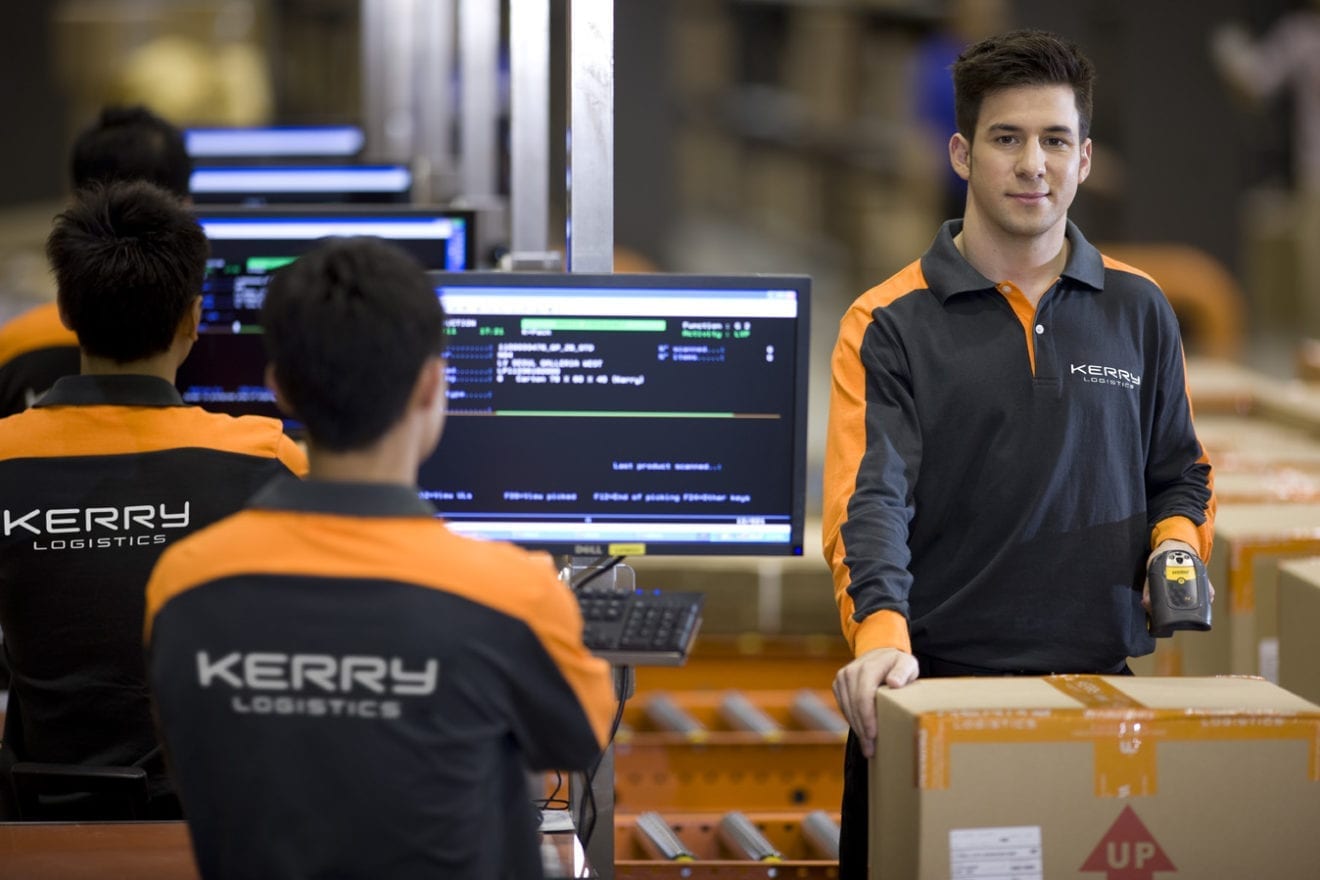
    Kerry Logistics Network Limited (Kerry Logistics) has acquired a majority stake in Saga Italia S.p.A. (Saga Italia) as part of its ongoing global expansion strategy. With the acquisition of the Milan-based logistics company, Kerry Logistics strengthens its overall service portfolio by adding Saga Italia’s specialised know-how in the fields of project logistics, heavy lift services, and material management.

    The acquisition will also add three new countries to Kerry Logistics’ network, namely, the Republic of the Congo, Uganda, and Egypt, as well as new offices in Kazakhstan, Turkmenistan, United Arab Emirates, Russia, and the US.

    Founded in 1985, Saga Italia provides end-to-end solutions tailored to its customers’ project requirements. More than 150 logistics professionals manage projects for multinational corporations across the globe, particularly for customers in the oil and gas industry. Saga Italia’s comprehensive range of services also includes a complete suite of international freight forwarding services covering air, ocean, and overland transportation.

    Thomas Blank, Managing Director of Europe, Kerry Logistics, said, “With this step, we continue to build upon our expertise in project logistics which currently spreads across China, The Philippines, Indonesia, The Commonwealth of Independent States, and India. Saga Italia’s specialised knowledge further strengthens our activities and will support us to tap into the immense business opportunities as more Belt and Road projects get off the ground. With Saga Italia on our team, we are able to provide a platform to consolidate our project logistics capabilities across the globe.”

  • DHL breaks ground on new Americas innovation centre

    DHL breaks ground on new Americas innovation centre

    DHL will extend its network of technological showcase centres to North America in summer next year when it opens its third Innovation Center in Chicago.

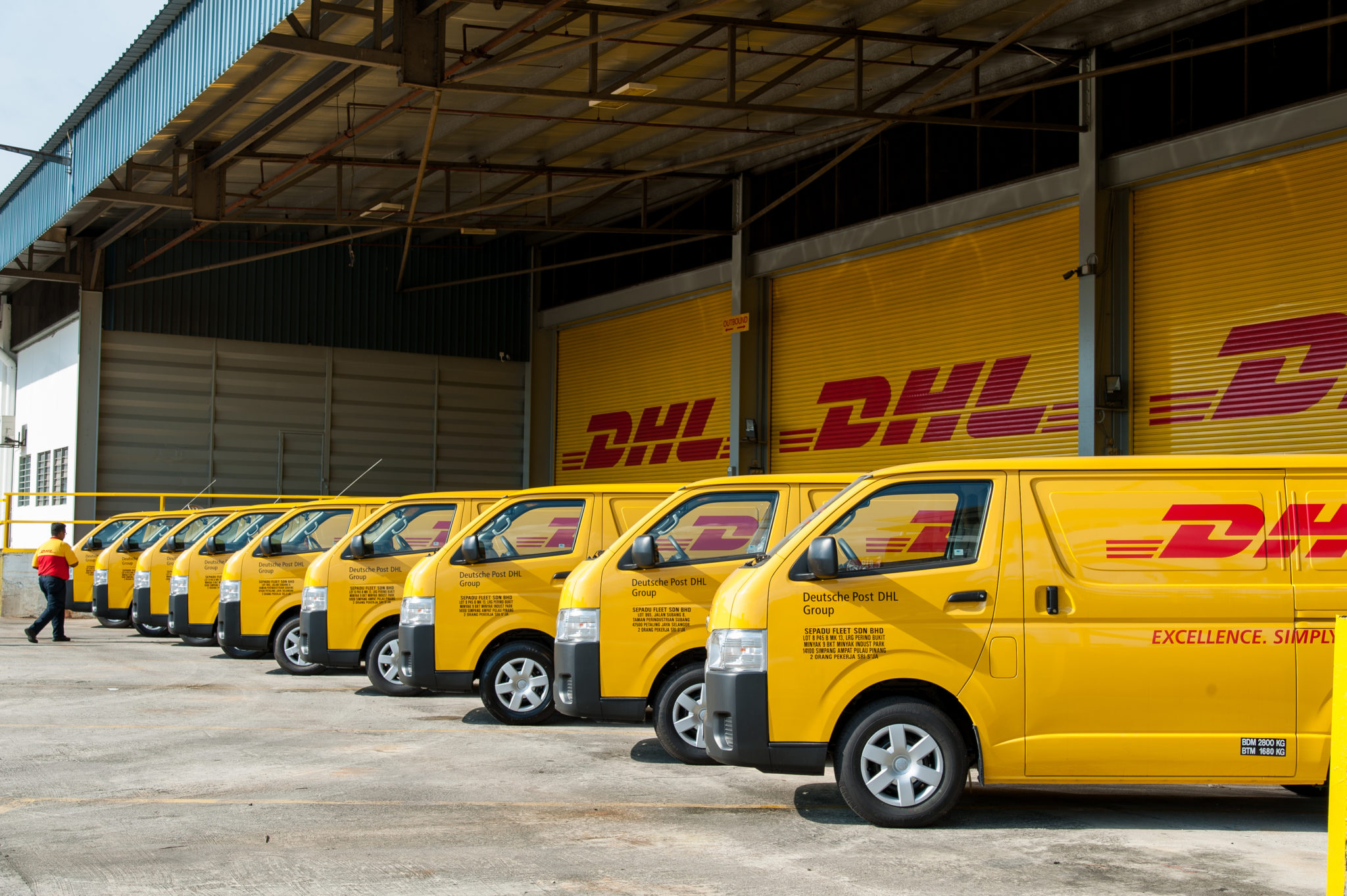
    Like the existing DHL Innovation Centers in Troisdorf, Germany, and Singapore, the Americas Innovation Center will house DHL’s logistic innovations and robotics.

    It will offer customers and partners a peek into what the world and its transport infrastructure might look like in 2050, as well as the latest technology trends in robotics and automation, artificial intelligence, self-driving vehicles, the Internet of Things, and virtual reality.

    The 24,000sq ft space can host events for up to 300 guests.

    DHL’s  global head of innovation and commercial development, Matthias Heutger, said: “We aim to support strategic customer engagement that has the potential to create new business and leverage thought leadership to explore the different ways in which technological development can benefit DHL and our customers in the future.

    “Our new Americas Innovation Center – in close proximity to some of the world’s most dynamic technology and innovation hubs – will help us to shape the future of logistics.”

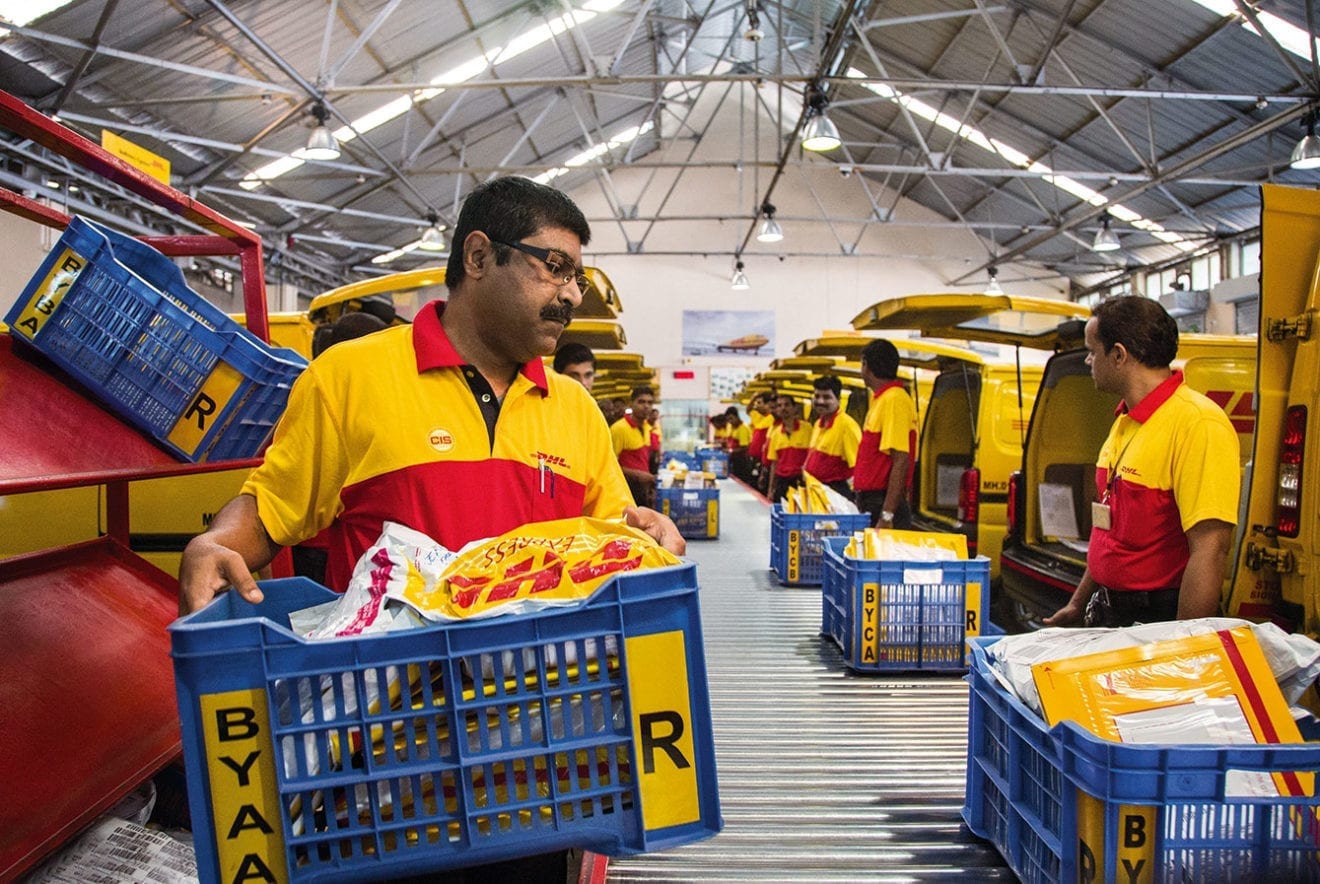
    DHL Supply Chain, the contract logistics specialist within Deutsche Post DHL Group, has used augmented reality technology in warehouses, with smart glasses that provide visual displays of order picking instructions and item locations to boost productivity by 15% in trials.

    In addition, it has deployed drones with surveillance cameras to ramp up security at warehousing sites in Brazil and Mexico.

    It also uses collaborative robots designed to help with repetitive and precise tasks, such as picking and packing, in a number of its North American warehouses.

    DHL Global Forwarding also uses virtual reality and artificial intelligence in countries like the US and Chile for employee training programs and to optimise customer service.

  • DHL Express partners blu for parcel pickup service

    DHL Express partners blu for parcel pickup service

    DHL Express and Singapore-based retail logistics company blu have partnered to offer all DHL Express customers the option to directly collect their shipments from DHL Service Points, which include blu’s island wide network of over 55 bluPort Parcel Terminals in Singapore.

    Provided at no additional cost, this service is now officially available island wide, and aims to offer greater flexibility and convenience to recipients of home-bound parcels.

    Under this partnership, DHL customers have the flexibility to direct their residential-bound parcels to a bluPort Terminal or any other DHL Service Point for collection at their convenience. Recipients will receive an email or SMS with a link to the DHL Express On Demand Delivery platform when their parcels are picked up in the origin country. They can manage their delivery options on this platform and request for their parcels to be directed to a bluPort Terminal.

    When shoppers select the option to collect parcels from DHL Service Points, the parcels bound for bluPorts are handed over to blu. blu is responsible for managing same-day delivery into the respective bluPorts. Following this, SMS notifications are sent to the parcel recipients to inform them of their personalized bluCode as well as collection expiry time. Shoppers will have 48 hours to collect their parcels from the bluPorts, with an automatic extension of 24 hours thereafter, if the parcel remains uncollected.

    “The rise of e-commerce has established new shopping habits and expectations, as with the speed and convenience of parcel delivery. Singapore is no exception – especially as the country pushes to grow e-commerce receipts significantly by 2020. Through this partnership with blu, we hope to give our customers the freedom to choose where and when they receive their parcels. We will continue to enhance such options by expanding our network with trusted partners like blu, and innovating our service and offerings.” said Lyndon Morgan, Vice President of Operations, DHL Express Singapore.

    “Our partnership with DHL Express further reaffirms the shift towards a seamless shopping experience for today’s shoppers, many of whom are time strapped and simply cannot afford the luxury of time to wait for a parcel to arrive,” said Mr Prashant Dadlani, founder of blu. “We look forward to growing blu’s network of bluPorts further together with DHL Express as a trusted partner.”

    blu’s network of bluPorts has been in operation since October 2016, offering the first same day self-collection option in Singapore. blu’s partnership with DHL Express aims to eliminate the frustration and unpredictability of waiting times for the arrival of many more parcels, putting the consumers in greater control of their inbound parcels.

  • Cainiao-led Joint Venture to Build New Logistics Hub at HK International Airport

    Cainiao-led Joint Venture to Build New Logistics Hub at HK International Airport

    Cainiao Network (“Cainiao”), the logistics arm of Alibaba Group, announced today that it will lead a joint venture to invest approximately US$1.5 billion (approximately HK$12 billion) to build a world-class digital logistics center at Hong Kong International Airport, the world’s busiest cargo airport.

    Cainiao will lead the project through its controlling joint venture with China National Aviation Corporation (Group) Limited and YTO Express. The companies hold a 51%, 35% and 14% stake in the joint venture respectively. With advanced environmental protection standards and state-of-the-art technologies, such as automated warehousing and temperature-control solutions, the center will be put into operation in 2023 with an estimated gross floor area of 380,000 square meters. It will include air cargo processing center, sorting center and order fulfilment center, among other functions. The center will handle tens of millions of parcels every year to meet the surging cross-border e-commerce needs of global SMEs, bringing an incremental cargo volume of approximately 1.7 million tonnes per annum to the Hong Kong International Airport when the center operates in full capacity, and reinforcing the city’s position as a key gateway in the global logistics chain.

    The move forms part of Cainiao’s broader effort to expand and strengthen its global logistics network. Just last week, Cainiao unveiled plans to open five hubs in five cities around the world – Dubai, Hangzhou, Kuala Lumpur, Liège (Belgium) and Moscow. The new Hong Kong hub will mark another enhancement to this network. It is also part of Alibaba’s commitment to invest more than 100 billion yuan in an efficient smart logistics network that drives 24-hour delivery in China and 72-hour delivery to the rest of the world.

    “The Hong Kong hub will be yet another milestone on our way to achieving our goal of 72-hour global delivery, and will further empower SMEs locally and globally to more readily tap the benefits of more inclusive globalization through cross-border e-commerce,” said Wan Lin, President of Cainiao Network. “The Hong Kong International Airport has been the world’s busiest cargo airport for many years. As an important gateway for global goods to enter the mainland China market and vice versa, Hong Kong is of strategic importance to Cainiao and we have a strong commitment to help the city address the surging needs of the future.”

    Cainiao already has three Global Fulfillment Centers in Hong Kong which are operated by its partners. As well, Cainiao opened an airfreight route between Hong Kong and Belgium last month. This is its second such international airfreight route specially for e-commerce parcels following the opening of its HangzhouMoscow route earlier this year.

  • Bolloré Logistics Crowned Best Green Logistics Operator at the 2018 AFLAS Awards

    Bolloré Logistics Crowned Best Green Logistics Operator at the 2018 AFLAS Awards

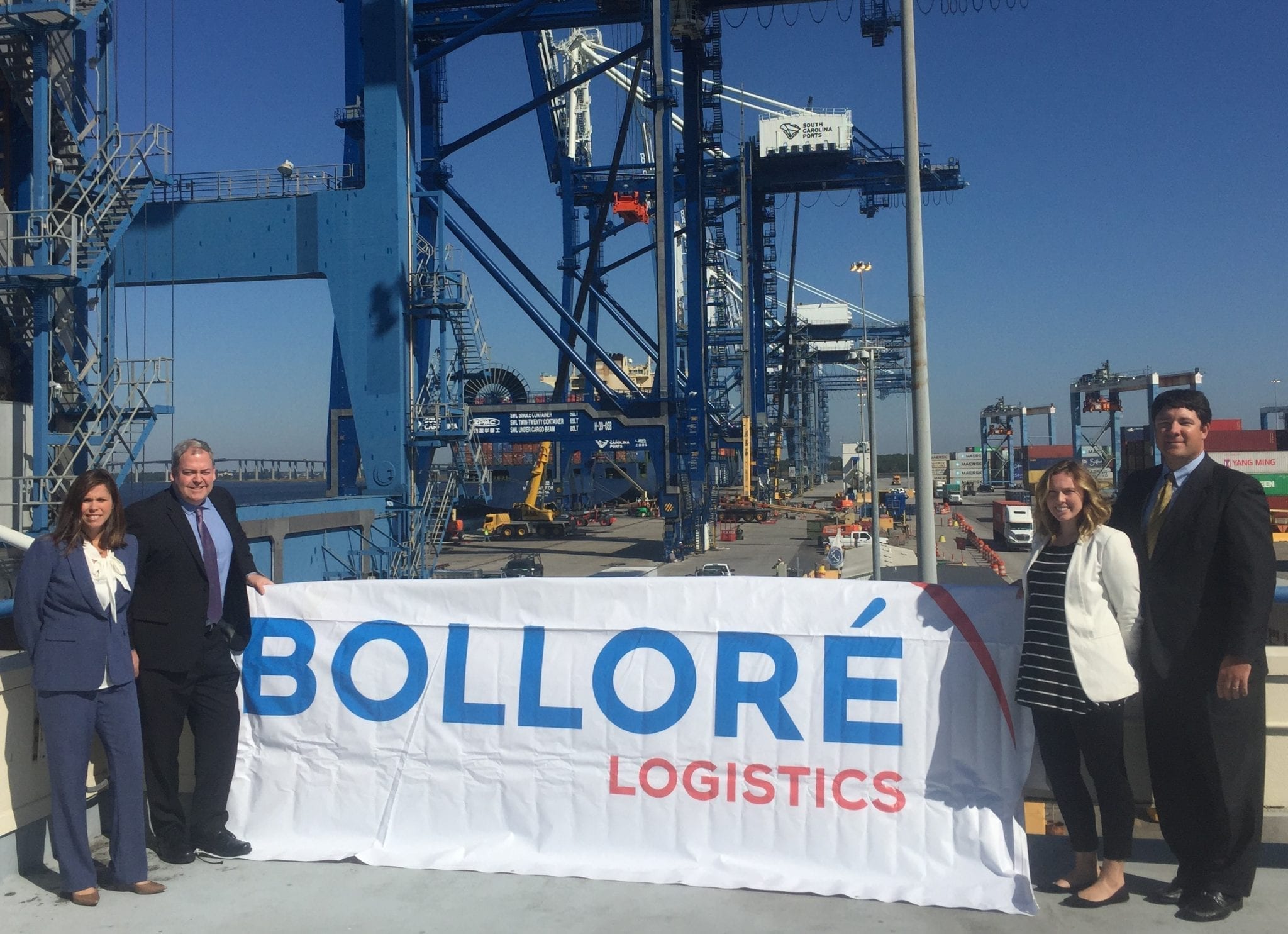
    Present on May 15th at the 2018 Asian Freight, Logistics and Supply Chain Awards (AFLAS) organized by Asia Cargo News and held in Shanghai at the Wanda Reign on the Bund, Bolloré Logistics received – for the second consecutive year – the Best Green Logistics Operator award in front of the transport and logistics community.

    Mr. Stéphane GUESNIER, Regional Director at Bolloré Logistics Greater China, was honored to receive the award on behalf of the company from the hands of Mr. Eddie CHUI, Assistant General Manager, Aviation Logistics of Airport Authority Hong Kong. “Bolloré Logistics is truly honored to have received this ‘Best Green Logistics Operator’ award for the second year in a row, as we keep extending our efforts towards more sustainability throughout the region,” mentions Mr. Stéphane GUESNIER. “Our Asia-Pacific teams are fully engaged to promote green solution to customers, but also to raise awareness internally through various local green staff activities,” he adds.

    Organized annually by Asia Cargo News – the only newspaper covering logistics and cargo supply chains in the Asia-Pacific region – this event recognizes transport and logistics service providers for their excellence in service quality, innovation, customer relationship management and reliability. Thousands of shippers and customers voted for the 2018 AFLAS winners, therefore truly reflecting the opinion of the industry experts. The nomination criteria followed a technical evaluation. At first, the top eight firms in each category were short-listed; after which, the top three firms in each category made up the final shortlist.

    A Glance at Bolloré Logistics’ Green Projects in Asia-Pacific

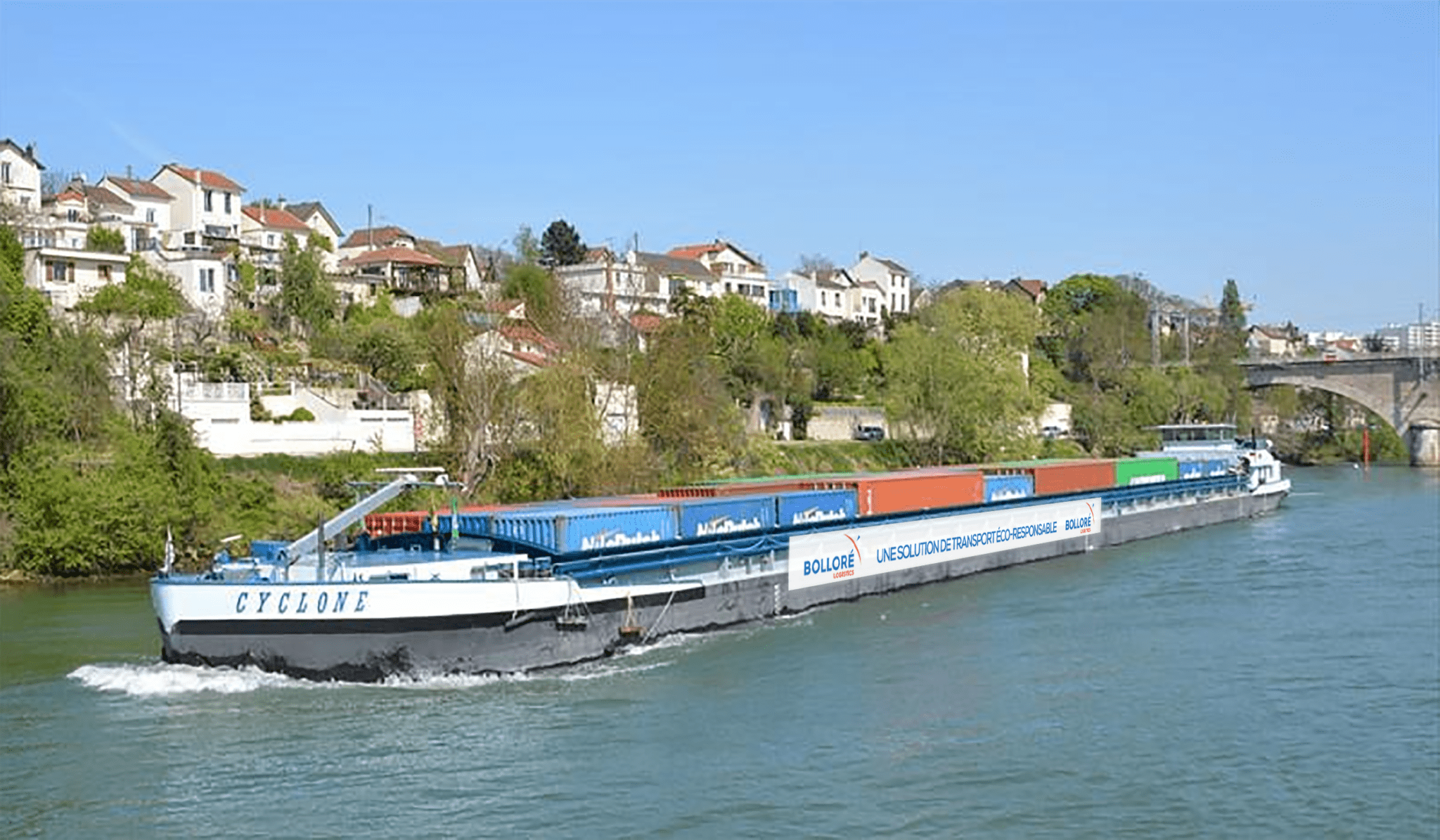
    Bolloré Logistics has been deeply committed to greener transportation by partnering with the bestin-class carriers, making the newest and greenest transport modes available to all customers. Our detailed in-house CO2 calculation methodology is a key tool for our customers to understand, monitor and reduce their environmental footprint.

    Innovative solutions have been imagined and implemented, with a focus on Asia road transportation and the opening of two road lines, Singapore – Kuala Lumpur and Singapore – Bangkok; a solid alternative to air shipment allowing a similar lead time paired with +90% reduction of CO2 emissions. Bolloré Logistics also joined Green Freight Asia, an industry-led program focused on lowering fuel consumption across Asia-Pacific, and a key partner on our road to greener transportation.

    As a key regional center and the largest warehousing location for Asia-Pacific, Bolloré Logistics Singapore has also been driving continuous efforts to promote greener solutions to its customers. Warehouses are implementing the “3R: Reduce, Reuse, Recycle” policy across the city-state to minimize wastage and reduce the environmental impact on the environment. Offices and operations keep going more and more paperless; and our Green Hub in Singapore – Green Mark Platinum* and LEED Gold** certified – is getting even more energy-efficient with an upgraded IOT system.

    Bolloré Logistics’ SAVE PROGRAM

    With SAVE PROGRAM, Bolloré Logistics supports its customers aiming at reducing GHG emissions and atmospheric pollutants along the supply chain, thus limiting environmental impact. SAVE PROGRAM acts on two levers: improving air quality in urban areas and fighting against climate change.

  • GreyOrange to showcase end to endsolutions at the India Warehousing Show 2018

    GreyOrange to showcase end to endsolutions at the India Warehousing Show 2018

    GreyOrange, a multinational robotics and supply chain automation company, will showcase its portfolio of end-to-end solutions for supply chain automation at the 8th edition of India Warehousing Show on 21-23 June in Pragati Maidan in New Delhi.

    Vivekanand, Country Manager, India & SAARC, GreyOrange, said, ”We are proud to be a partner for the India Warehousing Show, a premier event for the logistics and supply chain industry. GreyOrange solutions have been widely adopted by a variety of users and we are excited to share the many use cases applicable for different industries. We invite visitors to meet with our Solution Experts to get to know how our technology can maximize end-to-end efficiencies in their warehouses.”

    In the global logistics and warehouse automation market for robots, significant growth is expected in the years 2018 to 2022, with a CAGR of more than 11 percent. India too has seen unprecedented growth as innovation in supply chain optimization will be the key differentiator for businesses to stay competitive. Among the solutions GreyOrangeTM will showcase are the Butler robotics system that has been deployed globally, the Sorter and Pick-Put-to-Light (PPTL) systems suited for high volume sortation, and its software platform, GreyMatter.

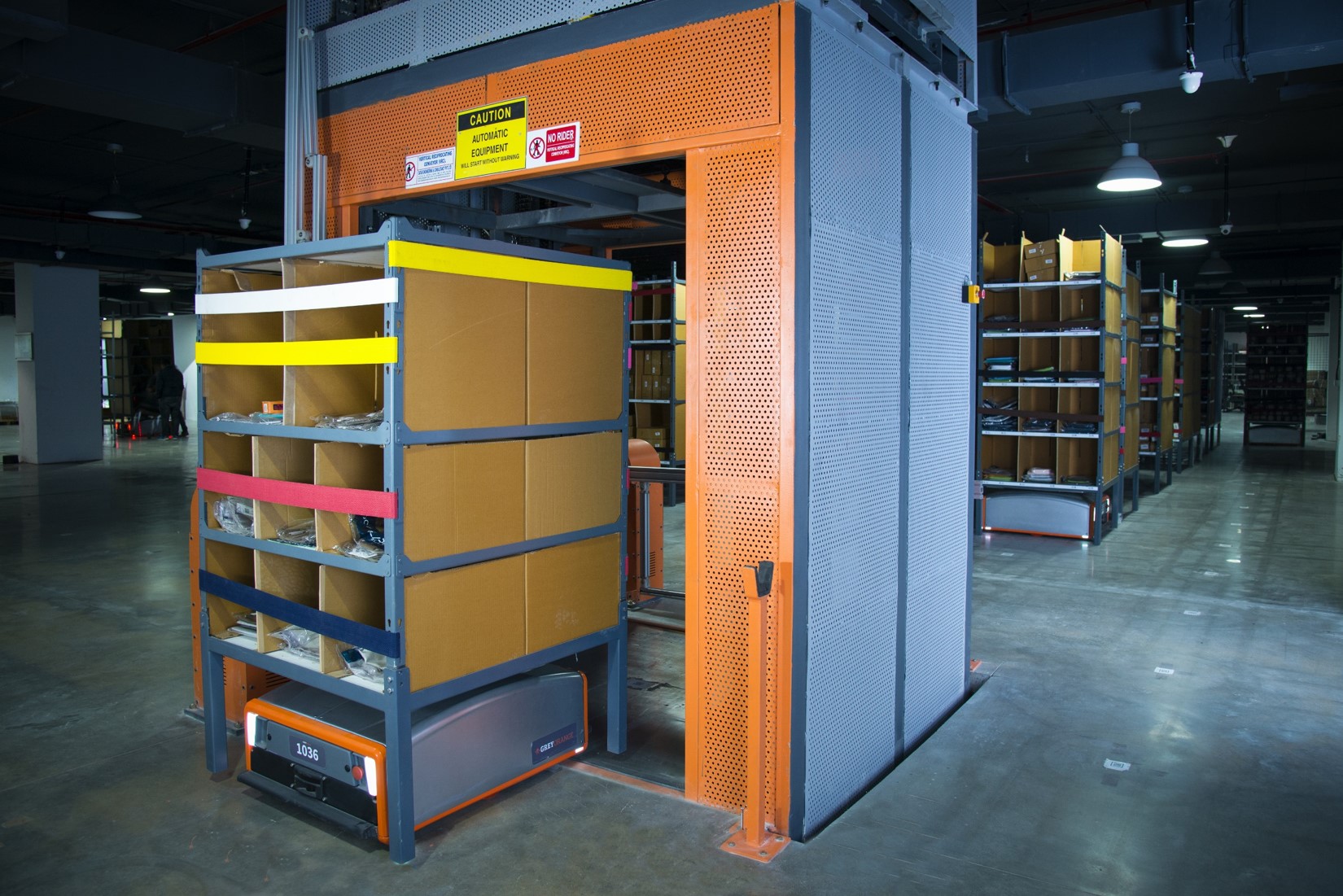
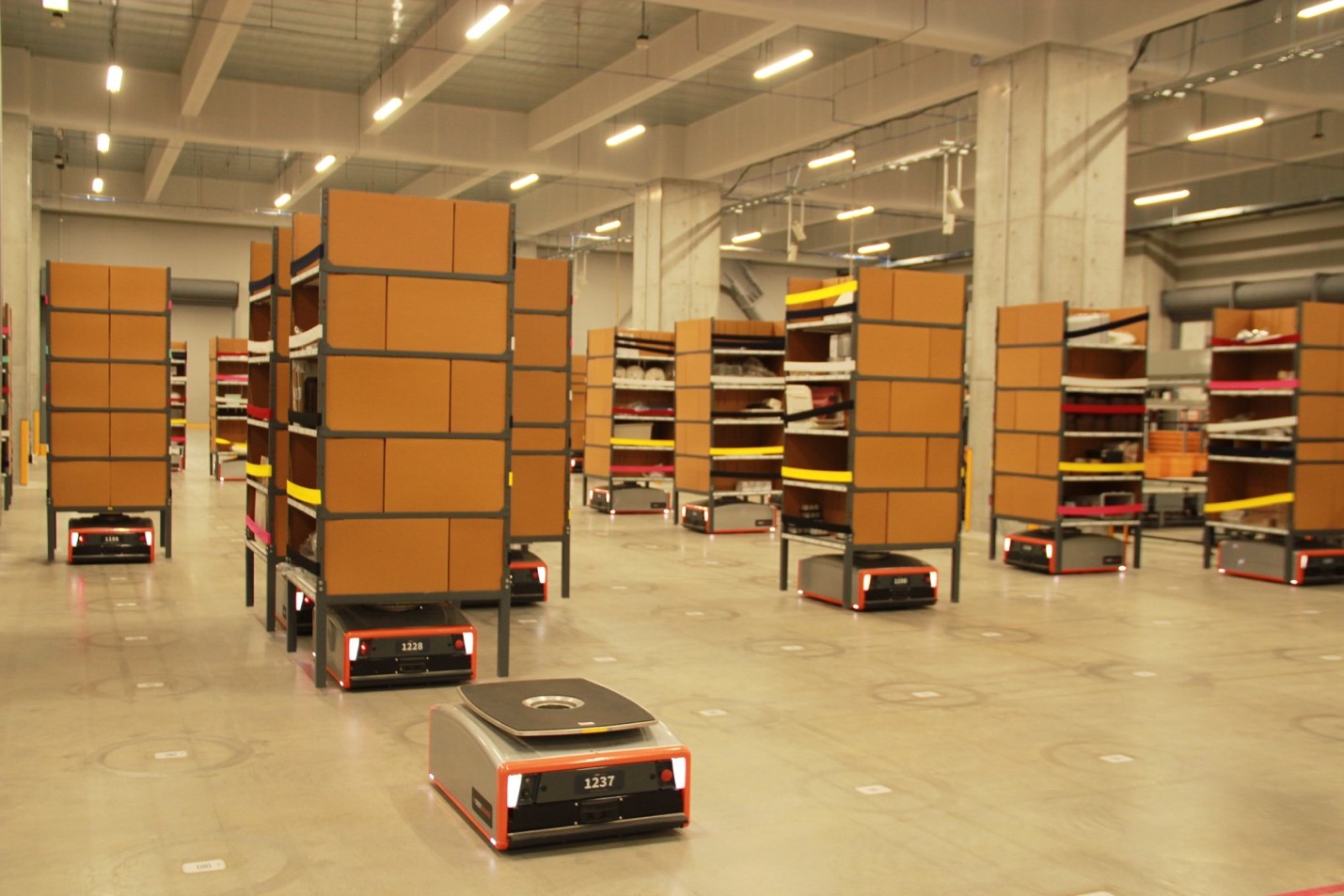
    The ButlerTM goods-to-person system, deployed in Japan, India, Europe and the Americas, is used in distribution centers and omni-channel warehouses. The Butler range can handle a payload of 100 to 1600 kgs (220 to 3500lbs) to move different kinds of loads from finished goods to raw materials, including pallets, drums and sacks. It can use an elevator on its own and will support multi-floor operations, providing even greater flexibility to handle inventory across a facility.

    In a few years, the advanced Linear Sorter from GreyOrange has been installed in over 50 sites serving the fast-growing e-commerce markets from India, Singapore to Indonesia.  It handles high-speed sortation for parcels in all shapes and sizes, including consumer goods, e-commerce and apparel.

    Up to 70 percent of operating costs in a warehouse are incurred during picking and replenishment process, and are often one of the top priorities for warehouse managers to address with advanced technology solutions. The GreyOrangeTM Pick-Put-to-Light system improves operators’ efficiency and accuracy, contributing immensely to increasing productivity.

    GreyMatterTM is the software platform from GreyOrange that integrates multiple automation systems to synchronize material flow, and to gain the highest efficiencies, to manage omni-channel warehouses. It leverages Artificial Intelligence (AI) and Machine Learning (ML) to optimize, in real-time, large and complex operations for e-commerce, Retail, Manufacturing and 3rd Party Logistics (3PL).

  • Jack Ma at the Global Smart Logistics Summit 2018

    Jack Ma at the Global Smart Logistics Summit 2018

    Cainiao’s 2018 Global Smart Logistics Summit was held 31 May 2018 in Hangzhou.

    Alibaba Group will invest over 100 billion yuan to build the technical backbone for a smart logistics network aimed at improving delivery reach and efficiency, as well as sharply driving down logistics costs, said Jack Ma, Executive Chairman of Alibaba Group at the 2018 Global Smart Logistics Summit.

    The network mainly aims to push 24-hour delivery across China and push logistics costs down to less than 5% of China’s gross domestic product from around 15% at present, and thereby increasing profit margins for the manufacturing industry and logistics sector. It also aims to push 72-hour delivery to the rest of the world.

    Over the past five years since its establishment, Cainiao Network, Alibaba’s logistics affiliate, has witnessed an increasingly intelligent logistics industry as a result of the joint efforts of Cainiao and its partners. Through technology innovation and open collaboration, Cainiao has currently reduced cross-border shipping time from an average of 70 days to less than 10 days for some countries.

    The number of B2C parcels that go through customs clearance is now one million every day. Within China, Cainiao’s same-day and next-day delivery now covers 1,500 counties and districts.

    “This network is not only national, but global. This is what we will work closely with our partners to achieve and bring benefits to all,” said Ma. “As the industry will increasingly become tech-driven, Cainiao aims to be the ‘brain’ of the logistics industry. Since the first day of its birth, Cainiao’s mission is not to deliver goods, but to help delivery firms to deliver goods by building a network that links all logistics elements and connects every deliver person, every warehouse, every hub, every city, and every house.”

    Today, about 100 million parcels are processed through Cainiao’s logistics platform every day. What has made it possible is Cainiao’s efforts in driving industry digitalization. For example, the electronic bills and labels have helped digitize and standardize the industry infrastructure.

    China’s logistics landscape has undergone massive change in recent years, reaching unprecedented scale. Ma noted the industry started from zero ecommerce parcels and is now delivering 130 million parcels per day, while there are about five million people working at courier and food-delivery companies in the country, and seven delivery companies have gone public.

    With that pace of change, it’s not unreasonable that the peak handling during the company’s 11.11 megasale will become the daily average a decade later.

    “We want to build this network to help the industry to meet the future needs,” said Ma. “Today, the industry can process 100 million packages a day. In the future, we will need to process 1 billion packages a day. The logistics industry need to get prepared for that with a robust infrastructure.”

  • Pos Malaysia’s Q4 profit nearly triples to RM29m on higher contribution from courier biz

    Pos Malaysia’s Q4 profit nearly triples to RM29m on higher contribution from courier biz

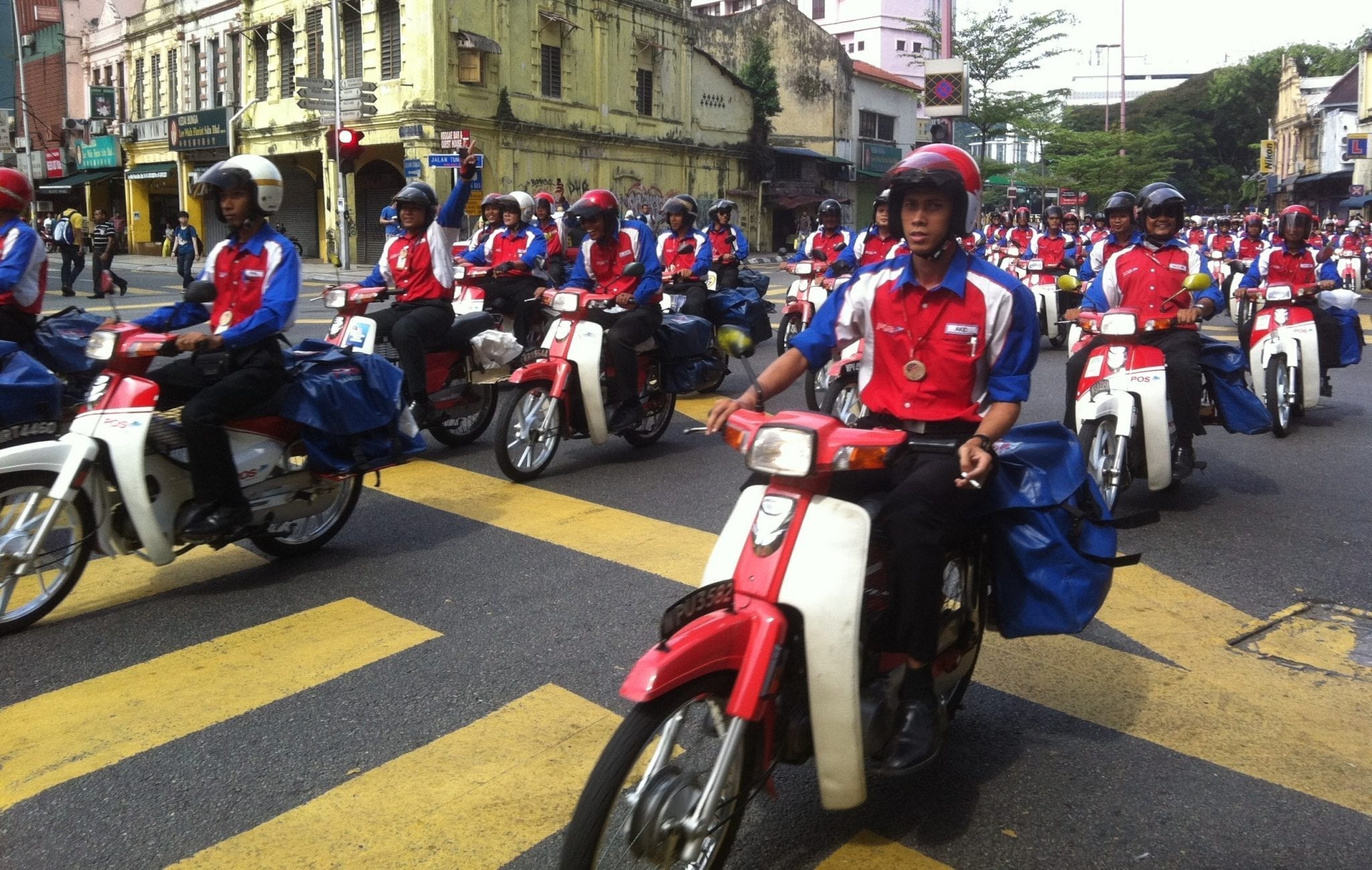
    Pos Malaysia Bhd’s net profit for the fourth quarter ended March 31, 2018 almost tripled to RM29.03 million from RM9.89 million a year ago, mainly due to higher contribution from the courier business coupled with improved cost management.

    Against the same quarter the previous year, its revenue increased 3% to RM653.08 million from RM653.55 million.

    For the full year period, Pos Malaysia’s net profit jumped 13.9% to RM93.25 million from RM81.88 million a year ago, while revenue was up 18.7% to RM2.47 from RM2.08 billion.

    Pos Malaysia the group’s future performance is mainly driven by the continued growth in e-commerce.

    “Technology and e-commerce remains a key platform to spur the growth of small and medium enterprises (SMEs) within the country. As the key player in the e-fulfilment space and with the widest last mile delivery network, the group is a key beneficiary of e-commerce growth in Malaysia. This will also benefit our end-to-end logistics businesses as heightened economic activity should increase the need for our services. Accordingly, we are generally optimistic Pos Malaysia’s prospects remain positive.”

    Pos Malaysia’s share price fell 5 sen or 1.4% to close at RM3.55 on some 197,200 shares done.

  • DHL leverages IoT to slash trucking time across India by up to 50%

    DHL leverages IoT to slash trucking time across India by up to 50%

    Deutsche Post DHLGroup (DPDHL),  the world’s leading mail and logistics company, today announced the launch of DHL SmarTrucking to provide an innovative trucking solution across an extensive line-haul express road network in India.

    DHL SmarTrucking is the company’s first official move to accelerate the development of technology-enabled logistics solutions around the world, under the newly formed board department, corporate incubations, which was launched in April this year. The company has also appointed Neeraj Bansal as CEO of DHL SmarTrucking, who will be responsible for leading the company’s growth in India.

    “India is an incredibly important market for Deutsche Post DHL Group. Presently, road freight comprises the majority of the total freight movement and is the largest transportation segment in India,” said Juergen Gerdes, Board member for corporate incubations, Deutsche Post DHL Group. “With greater efficiency from DHL SmarTrucking, we expect to transport 100,000 tonnes of cargo and cover a distance of approximately 4 million kilometres across India daily.”

    TechLog cuts transit time, reduces driver workload

    DHL SmarTrucking’s ‘TechLog’ is logistics made smarter through the use of new and emerging technologies. Following a successful, three-month pilot that covered over 2,770,000 kilometres, DHL SmarTrucking leverages Internet of Things (IoT) technology and data-driven insights for route customisation.

    This reduces transit times by up to 50 percent compared to the traditional trucking industry and provides over 95 percent reliability with ease of use, end-to-end consignment visibility, temperature-controlled capabilities and real-time tracking.

    IoT-enabled sensors, monitored through the company’s centralized control tower, provide real-time temperature and consignment tracking. Information starts and status updates are also sent to customers and DHL SmarTrucking’s operations teams through the customer portal and external  and internal mobile applications.

    Utilising an innovative and agile model, drivers are rotated at predetermined stops located across the country, with the original driver returning to the point of origin with another truckload

    “This transportation model not only helps optimise efficiency but also reduces fatigue among drivers who spend less time on the road, enabling them to go home to their families every two or three days,” said Malcolm Monteiro, CEO, DHL eCommerce India. “Additionally, with the demand for temperature-controlled transportation estimated to grow at 15 percent per annum from 2016 to 2020, DHL SmarTrucking allows our customers in India to scale up and streamline their business operations to meet consumers’ needs.”

    “DHL SmarTrucking’s emphasis on TechLog will change the game for customers in India,” said Neeraj Bansal, CEO, DHL SmarTrucking. “Leveraging the potential of the infrastructural transformation in India’s logistics ecosystem and our innovations through DHL SmarTrucking, we can help Indian businesses reach customers and markets in a faster and more secure manner.”

  • DB Schenker Scores a Hat-trick for Rail Logistics in Asia Pacific

    DB Schenker Scores a Hat-trick for Rail Logistics in Asia Pacific

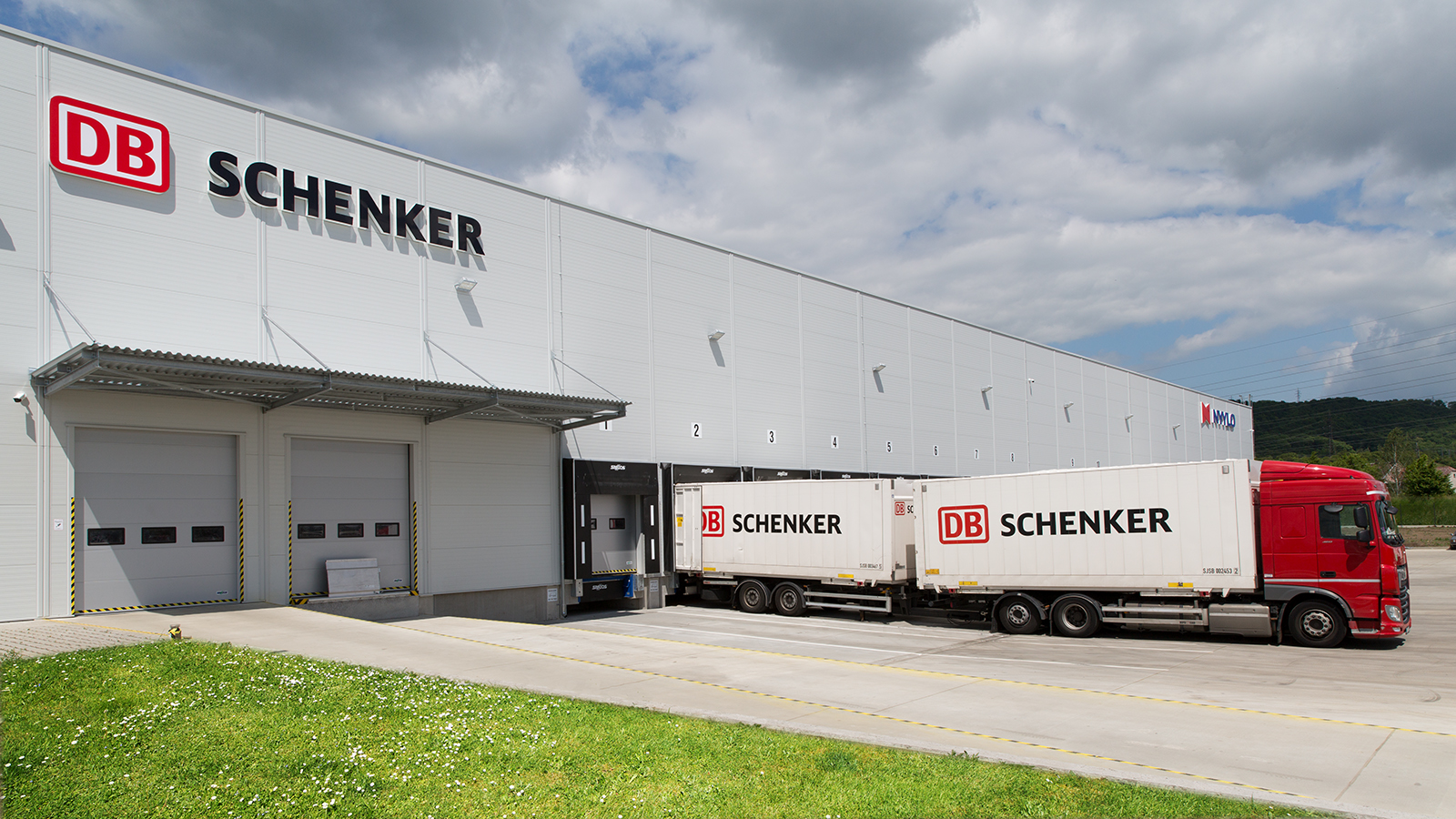
    DB Schenker has been crowned for the third year in a row, as the Best Logistics Service Provider – Rail, at the Asian Freight, Logistics & Supply Chain (AFLAS) Awards ceremony held in Shanghai on 15th May 2018.

    The award, organized by freight and logistics publication Asia Cargo News, is conferred based on votes cast by more than 10,000 of its readers and subscribers. It recognizes expertise, innovation, technology application, service standards leadership and bespoke solutions for shippers. “Thousands of shippers and industry experts have voted, making the results a true reflection of industry expertise.” said Asia Cargo News publisher Darren Barton.

    Having pioneered Rail Freight services a decade ago with its first Asia – Europe rail link from China to Germany in 2008, DB Schenker has continually developed an extensive portfolio of market-leading rail solutions in Asia Pacific, offering Full-Container-Load (FCL), Less-than-Container-Load (LCL), Blocktrains, multi-customer, reefer services and so on, to customers in the Automotive, Electronics, Industrial/Chemicals, Consumer Goods, and other sectors.

    Apart from the highly-established China-Euro rail services, Rail solutions are also offered in Australia (Pan-Australia Rail solutions network linking Sydney to Melbourne, Adelaide, Brisbane, Darwin and Perth), Indonesia (Trans-Java Rail solutions in Indonesia linking Jakarta with Surabaya and Semarang), and recently also developed rail solutions in Vietnam and India as well.

    This hat-trick of awards for Rail, is complemented with past AFLAS Awards won for Best Logistics Service Provider in Sea Freight, Air Freight, and Best Road Haulier.

    “We are indeed thankful and humbled by the recognition from the industry and customers past and present. This inspires us continuously to strive and offer our customers an unmatched suite of award-winning solutions for their supply chains. Additionally, DB Schenker’s heritage and pedigree in Rail is testimony to our unique proposition in inter-modal supply chain solutions for businesses in Asia”, said Mr Peter Hult, Executive Vice-President for Contract Logistics/Supply Chain Management in Asia Pacific.


  • BOLLORÉ LOGISTICS Participates in the Breakbulk Europe Conference & Exhibition 2018

    BOLLORÉ LOGISTICS Participates in the Breakbulk Europe Conference & Exhibition 2018

    Bolloré Transport & Logistics, one of the 10 world’s leading transport and logistics groups, will be present as an exhibitor at the next Breakbulk Conference, from 29-31 May in Bremen, Germany.

    This major event in Europe gathers companies involved in the shipping of heavy-lift, project cargo and traditional breakbulk cargoes. On this occasion, Bolloré Transport & Logistics is showcasing its tailormade solutions through its different brands: Bolloré Logistics, for industrial projects logistics, and Bolloré Ports for cargo handling and shipping services.

    BOLLORÉ LOGISTICS, an expert in Industrial Projects Logistics

    It is the 10th participation to the Breakbulk Europe Conference for Bolloré Logistics. This event will be the opportunity to share the latest news on our global project activities.

    Within the Project organization Bolloré Logistics continues to establish greater synergies, both commercially and operationally, between its regional project divisions in Europe, Asia, The Americas and Africa. In Europe the Industrial Projects teams are striving to mirror the organization of their key project customers and markets by increasing their footprint and expertise throughout the continent. The result of this can be seen today in terms of the dedicated industrial project branches implemented in the majority of key countries.

    “2017 saw more investment in specialized personnel, for example within our Engineering and Solutions department and we continue to invest in people with strong industry expertise and Project Logistics skills who can add value to our European Project organization.” said Philippe LEJEUNE, Industrial Projects Europe Director.

    “We strongly believe, as showcased in our recent advertising campaign that People are the key to our success, and this is especially so in the Industrial Project field. “added Philippe LEJEUNE.

    Bolloré Logistics proposes tailor-made solutions in sectors such as oil and gas, petrochemical and chemical, mining, construction and equipment and in various other industries.

    Its unique operational solutions meet stringent specifications requested by the major global players and the success of each project is supported, among other things, by this network of experts in Europe as well as all over the Bolloré Logistics network in the world.


  • China Tech Giants Bet on Untangling Logistics of Indonesian E-Commerce

    China Tech Giants Bet on Untangling Logistics of Indonesian E-Commerce

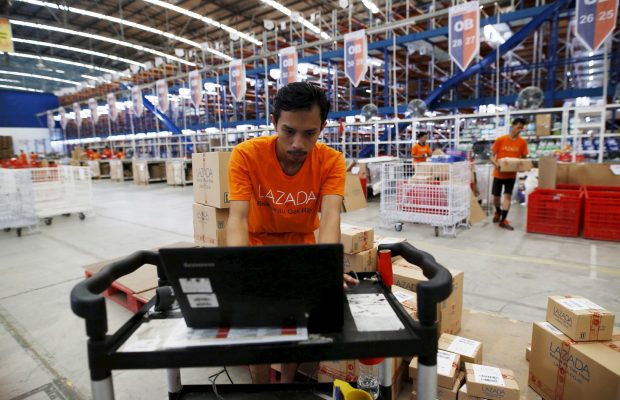
    In a warehouse on the outskirts of Indonesia’s capital, supervisors at e-commerce company Lazada use bikes or electric scooters to zip around a floor the size of four soccer fields, where up to 3,000 staff pack and dispatch goods around the clock.

    The warehouse is one of five that Lazada has opened across Indonesia to cut costs and expand its reach in an archipelago whose 17,000 islands are sprinkled across an area bigger than the European Union.

    Chinese tech firms, including Lazada’s top investor, Alibaba Group Holding, have poured at least $6 billion into nearly every aspect of Indonesian e-commerce.

    Lazada uses Alibaba’s inventory management systems and has tied up with ride-hailing companies, often using their motorbikes to deliver goods in a country with creaking infrastructure and traffic-clogged cities.

    The payoff could be huge. It is a market forecast to grow from about $7 billion last year to $63 billion by 2027, according to Morgan Stanley.

    “Indonesia, both in terms of the customers and behaviour, is a very unique challenge and we need to adapt,” Florian Holm, co-chief executive at Lazada Indonesia said.

    Lazada and Tokopedia, in which Alibaba is also an investor, dominate Indonesia in customer traffic, with more than 117 million monthly website visits each, according to data from e-commerce aggregator iPrice.

    Alibaba doubled its investment in loss-making Lazada to $4 billion in April, underscoring its global ambition to secure a bigger share of the e-commerce market.

    Between the investment and the rewards, however, lie enormous complexities.

    The World Bank has said logistical costs swallow up around a quarter of Indonesia’s gross domestic product, citing bottlenecks in supply chains, long dwelling times in ports and lengthy trade clearances.

    Lazada has opened warehouses in places like Balikpapan, on the coast of Borneo, to avoid hauling everything from Jakarta. Holm said that had in some cases reduced shipping costs by 90 percent. Competitive pressure is growing. Another Chinese heavyweight, JD.com, arrived in Indonesia in 2016. And the US giant Amazon, which opened a warehouse in Singapore last year, may be prepared to dip a toe into the Indonesian market soon.

    Chinese Influence

    Indonesia’s e-commerce sales are set to rise from 3 percent of retail activity now to 19 percent by 2027, Morgan Stanley estimates. The same report said there were 159 million smartphones in Indonesia at the end of 2016, a number that could rise to 275 million by 2021.

    Indonesia’s young population and room for improvement in transportation and communications add to the prospects for growth, the bank said.

    That has attracted other Chinese companies. Tencent Holdings, which owns regional e-commerce player SEA, has entered the fray.

    Tencent and JD.com have stakes in Indonesia’s ride-hailing firm Go-Jek, while JD.com has invested in online travel company Traveloka.

    But Usman Akhtar, a partner at Bain & Co in Jakarta, said Indonesian companies such as Blibli, backed by a unit of the Djarum group, remain a force.

    “I would not characterize Indonesia as turning into a replica of China’s e-commerce market, at least not yet,” said Usman, referring to how JD.com and Alibaba dominate in China. Kusumo Martanto, who heads Blibli, said that the company had seven warehouses in Indonesia with seven more planned, and said it was important for local e-commerce companies to compete against Chinese players.

    Alibaba founder Jack Ma is on an Indonesian government steering committee for e-commerce, advising on areas such as tax, cyber security and human resources.

    Indonesia’s communications minister, Rudiantara, said there was no conflict of interest in Ma’s role, describing him as a “guru” who could help sell the country’s potential.

    But some policies seem to be turning toward Ma’s home turf.

    Indonesia, which is trying to tackle a shortage of talent in the digital sector, dropped sponsorships for 20 students to study in places like Australia and the United States.

    Instead, 10 students will go to India and 10 to China to study this year “because the future of the digital economy is in China and India,” said the minister, who uses one name.

    Eying Amazon

    Caterine, a 30-year-old housewife who lives west of Jakarta, used to shop in conventional stores once a week, but after her baby was born six months ago, she has been shopping online two to three times a week for convenience.

    “I prefer online shopping because it is quick. I can just click and click and the goods will arrive,” she said, adding she mostly used Shopee and Tokopedia for goods such as diapers and clothing.

    Morgan Stanley said delivery times of all types across Indonesia are down to about 3 days from 10 days, while deliveries in big cities can take 24 hours or less.

    While in urban areas delivery times have greatly improved, other parts of Indonesia’s e-commerce supply chain are still inefficient, said Willson Cuaca, co-founder of East Ventures, a tech investment fund.

    “To send goods from point A to B, the logistics company needs at least two modes of transport,” he said, referring to the complications of operating across so many islands.

    Amazon, by contrast, prefers to control its own supply chains from start to finish. But entering a market like Indonesia could require it to revisit that strategy.

    Amazon Singapore did not respond to a request for comment on whether it had plans for Indonesia.

    Much of the U.S. giant’s international focus has been on developing its business in India, even though some view its entry into Singapore last year as a stepping stone for expansion in the region.

    “At this moment, I believe it is trying to test the market, by selling products through third-party sellers,” said Daniel Tumiwa of the Indonesian e-commerce Association.

    Zhang Li, who heads JD.com’s Indonesian joint venture with Provident Capital JD.ID, was not overly concerned about competition from the likes of Amazon.

    “E-commerce is a global and borderless business, so we have to prepare and do continuous improvement to make our customers happy,” Zhang said.

  • DHL conferred Best Logistics Service Provider – Express at the 2018 Asian Freight, Logistics and Supply Chain Awards

    DHL conferred Best Logistics Service Provider – Express at the 2018 Asian Freight, Logistics and Supply Chain Awards

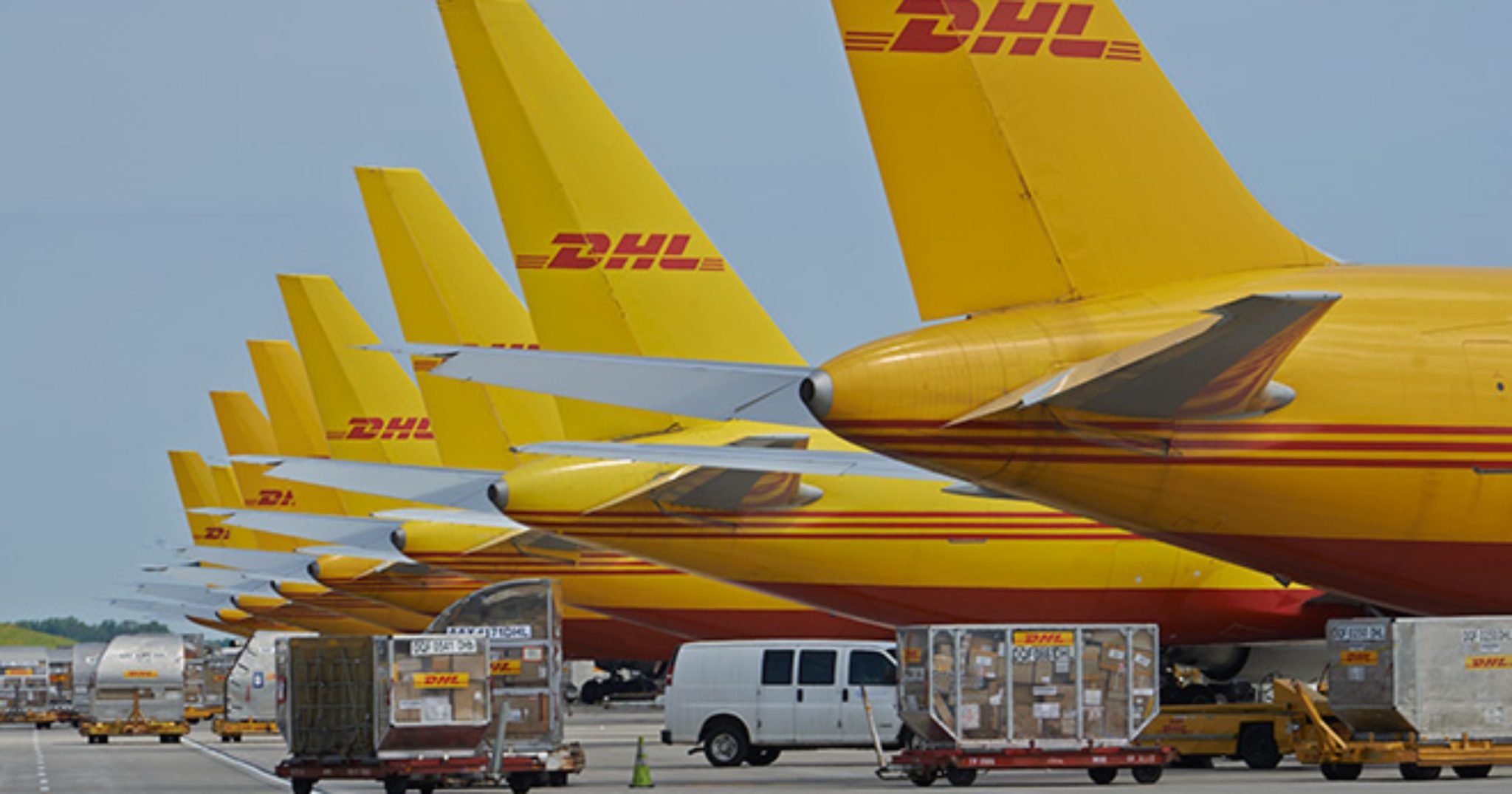
    DHL affirmed its position as the world’s leading logistics company when it was conferred Best Logistics Service Provider — Express for the 29th time at last night’s 30th Asian Freight, Logistics and Supply Chain Awards (AFLAS). The award was presented to DHL at a ceremony held yesterday in Shanghai, China.

    The awards come as DHL continues to invest significantly in the Asia Pacific region, in order to constantly improve its offerings in integrated logistics and boost customer satisfaction. The AFLAS are the only Asian logistics awards to be decided by customer votes alone, giving them a well-earned reputation as an authority on customer sentiment in the logistics industry.

    “We are humbled to be named the Best Logistics Service Provider — Express for the 29th time. We believe our customers see the real value we bring to them as we continue to invest in our people and infrastructure to deliver quality service such as the expansion of our Delhi Gateway and Central Asia Hub. These awards clearly demonstrate the trust our customers have in us — we have worked hard to earn their trust, and will continue to outperform the competition to exceed customers’ expectations,” said Ken Lee, CEO, DHL Express Asia Pacific.

    Wu Dong Ming, CEO of DHL Express China, said, “Winning this award is testament to the strength of our extensive international network and we are honored by the win. As we continue building on our achievements, we remain focused on our customers. We are constantly enhancing our infrastructure and air connectivity to deliver the best quality and customer experience every day.”

    The AFLAS Awards is organized by Asia Cargo News to honor companies in the logistics industry that exemplify excellence in leadership, as well as consistency in service quality, innovation, customer relationship management and reliability. Over 15,000 readers and e-news subscribers of Asia Cargo News were asked to nominate who they viewed as the best service providers.

  • Bolloré Logistics Awarded by IATA as CEIV Pharma in China

    Bolloré Logistics Awarded by IATA as CEIV Pharma in China

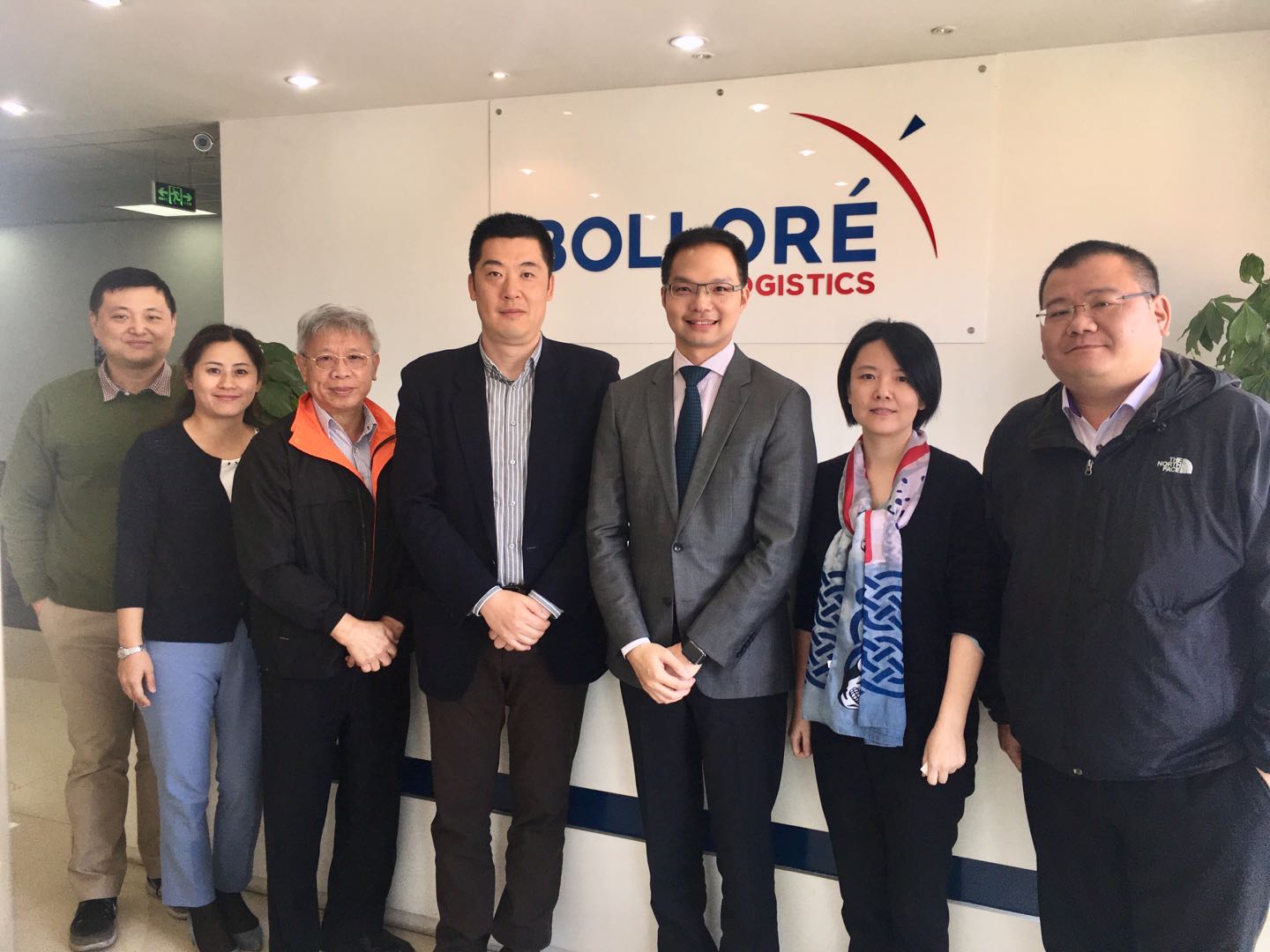
    Bolloré Logistics China was successfully awarded by the International Air Transport Association (IATA) as Center of Excellence for Independent Validators in Pharmaceutical Logistics (CEIV Pharma) at its platform located in the Pudong International Airport Logistics Park, in Shanghai, and became one of the first transport and logistics companies in China to receive this certification.

    Being certified CEIV Pharma by IATA, Bolloré Logistics China fully conforms to all applicable pharmaceutical standards expected from pharmaceutical manufacturers in terms of facilities, equipment, operations and staff and being capable to provide seamless cool chain transportation all along the supply chain.

    “This certification demonstrates our commitment on full compliance in handling pharmaceutical products and other temperature-sensitive commodities. Meanwhile, it will greatly reinforce our capability to further develop our core competency in transportation and logistics service for the healthcare industry,” said Jessie ZHOU, General Manager of Operations at Bolloré Logistics Shanghai.

    The CEIV certification will allow Bolloré Logistics China to have a strategic advantage in the China healthcare logistics market with a stronger, more competitive and enhanced air cargo service.

    This is new success shows Bolloré Logistics’ commitment to achieve the highest international quality standard in the global pharmaceutical supply chain for its customers, by continually improving its processes and infrastructures to be compliant with IATA CEIV Pharma standards. With Singapore, Australia, South Korea and now China certified, the aim of Bolloré Logistics is to deploy this action throughout its global network with on-going certifications on other sites in the Asia-Pacific region such as China Hong Kong and Japan.

    In Europe, Bolloré Logistics has already received the IATA CEIV Pharma certification for its Paris Roissy CDG platform (France) as well as its sites in Brussels (Belgium), Frankfurt (Germany) and Lisbon (Portugal).

    With its modern and innovative facilities, the excellence of its quality management system, the expertise of its teams and its multiple certifications, Bolloré Logistics is a major global player in the supply chain of pharmaceutical products.

  • Ninja Van ready to pounce on rivals in Singapore

    Ninja Van ready to pounce on rivals in Singapore

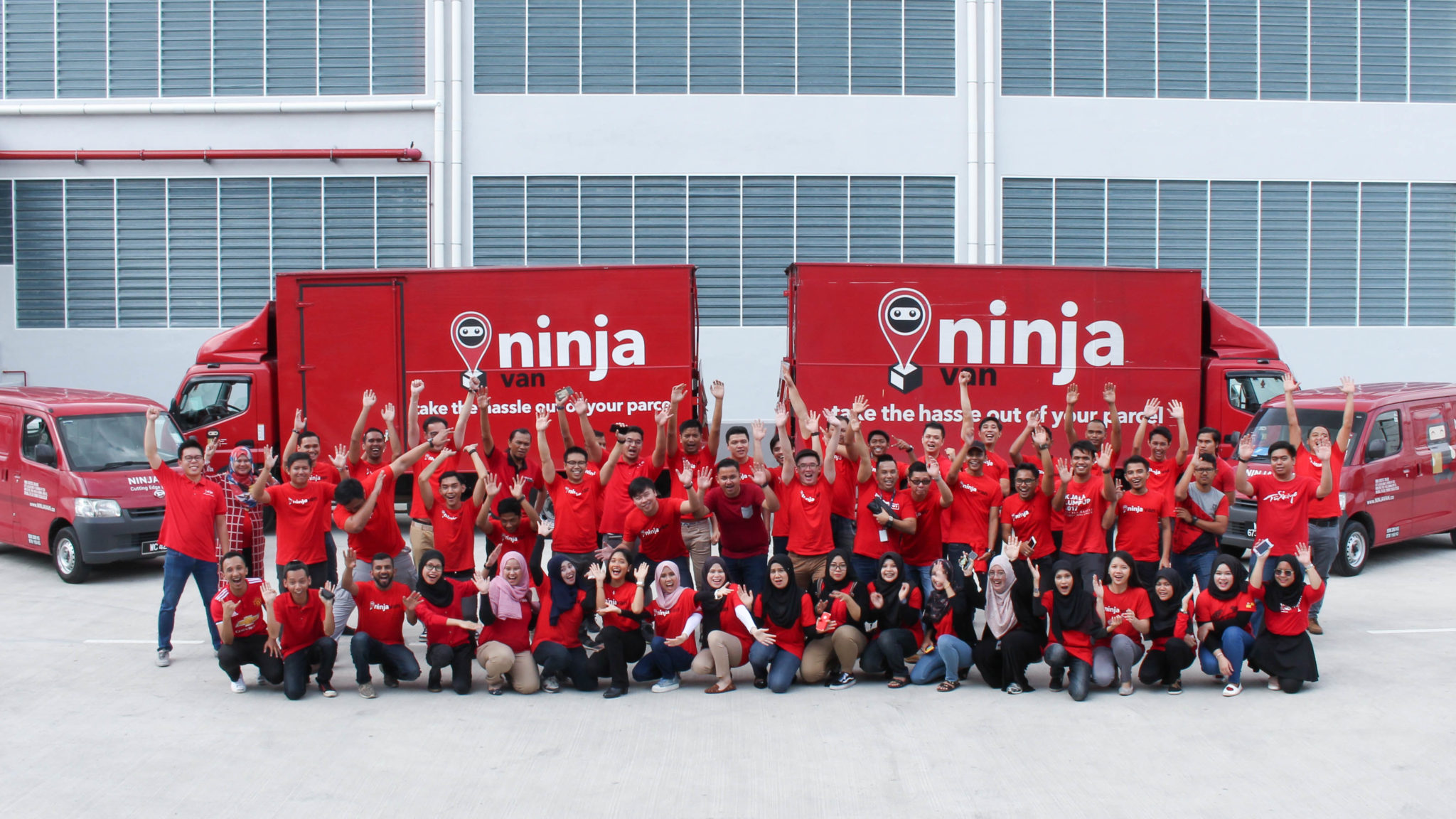
    Like the Japanese warrior it is named after, homegrown logistics tech startup Ninja Van is taking the fight to its rivals in its bid to become the top delivery e-commerce service here and in the region.

    For a start, Ninja Van plans to increase its parcel collection points to 500 by the end of the year — more than doubling its current number of 200 stations around the island. They are usually found near MRT stations and in shops, and the locations include Toa Payoh, Woodlands, Clementi, Punggol, and Orchard Road.

    To help enhance the customer’s delivery experience, it plans to give them a “live” option to redirect their parcels. Mr Lai Chang Wen, 31, Ninja Van’s co-founder and chief executive, said in an interview with TODAY that the service will be launched here before the end of the year, and will be gradually rolled out in other countries in South-east Asia.

    It will provide customers with information on when their parcels will arrive, and if they are unable to receive it in person, they can redirect it to a nearby Ninja Point, or request for it to be left at the door or neighbour’s house via the company’s website or mobile application.

    Mr Lai said this service is designed to cater to customers’ demands, making it “hassle-free”, and that it will help improve the collection experience.

    “We want to give customers more options, rather than just tracking,” he said.

    Currently, customers can also choose to self collect the parcels rather than have them delivered to their homes. Some collection points, such as those at shopping malls, are very “popular”, he added.

    The collection point service, known as Ninja Collect, includes automated parcel lockers called Ninja Box, as well as Ninja Points that allow for collection at retail shops.

    Ninja Van’s 500 points islandwide ensures that there is a pick-up point located within 500 metres from any residential home, said Mr Lai. TODAY understands that its rival, government-linked company Singapore Post (SingPost), has over 150 automated parcel lockers, called POPstations, in Singapore.

    While this push by Ninja Van could be seen as a threat to SingPost, Mr Lai insisted that both firms can “co-exist and challenge each other to keep improving”. He believes that Ninja Van’s e-commerce parcel delivery service is “on par” with SingPost’s.

    In the next three to five years, the firm will focus on strategies such as social commerce where customers shop on social media platforms such as Facebook, Instagram and Internet forums.

    He added: “We are looking at how we can allow mid-tier Korean cosmetic brands to sell (their products) in South-east Asia. For social commerce… the sellers need to find a way to ship the parcels. We provide that solution for them.”

    Ninja Van’s social commerce business is currently focused on Indonesia, Thailand and Vietnam. An expansion within the region would potentially increase their driver numbers by over 300 per cent, bringing the total count in the region to between 30,000 and 50,000 drivers.

    WE’RE A RHINOCEROS, NOT A UNICORN

    Founded here in 2014 by Mr Lai and his partners, Ninja Van has since expanded its business to the rest of South-east Asia, including Malaysia, Indonesia, Thailand, Vietnam, the Philippines, and Myanmar.

    The Singapore office employs 200 staff and 400 drivers, while its businesses overseas have a total of 2,000 full time staff and 10,000 drivers.

    Early this year, the tech company raised a record amount — believed to be over US$85 million (S$111.5 million) — in its series C funding round. It is believed to be the largest series C funding raised for the region.

    The development drew the attention of observers, who said that Ninja Van could be the next “unicorn”, which is a privately held startup company that is valued at US$1 billion or more.

    Ninja Van has raised more than US$115.5 million to date.

    Mr Lai said that the company’s expansion plans are “on track”. The startup currently covers about 80 per cent of South-east Asia, and with the funding, it can grow its network of depots, trucks, drivers and sorting spaces, he added.

    He also said that the firm is focused on South-east Asia for now. There are also no plans to diversify from its core logistics business, nor does it plan to pursue new projects such as ride hailing firm Grab’s e-wallet payment solution Grabpay, for instance.

    Dismissing talk that the company could be a “unicorn”, Mr Lai prefers for it to be seen as a rhinoceros instead.

    “A unicorn gives the connotation of being sexy, too prim and proper, and elusive,” he said.

    “A rhinoceros is more grounded. It’s rare but you can actually find it. It is a bit grungy, and dirty and real. That’s the business we are in.”

    LIVING THE DREAM?

    Looking to the future, Mr Lai said that Ninja Van needs to keep its digital and innovative culture alive and well in order to prevent it from being “disrupted” by competitors.

    Aside from its staff, technology is also a key part of its business. For example, in Vietnam, the company uses a “certain form of machine learning” and tech algorithms to identify addresses in the country and check if the location is accurate.

    While running a startup and being your own boss might sound like he is “living the dream”, Mr Lai, who did not have any experience in logistics when he co-founded Ninja Van, said that would-be entrepreneurs should not think that way.

    He said: “People join for the wrong reasons. They think it is very cool, but it is quite tiring. The real reason to start a company should be because you want learn, to challenge yourself, and to try to make a difference.”

    The busy entrepreneur works seven days a week, and he is always on his phone replying to messages and taking business calls. He only spends around 80 days a year in Singapore, with the rest of his time spent travelling around the region for his business.

    He added: “There is no line (between business and leisure). Whatever needs to be done, you do it.”