Category: Logistics

Retail News Asia is committed to providing both local and global retailers with the latest Logistics news throughout the Asian market. This on a daily base.

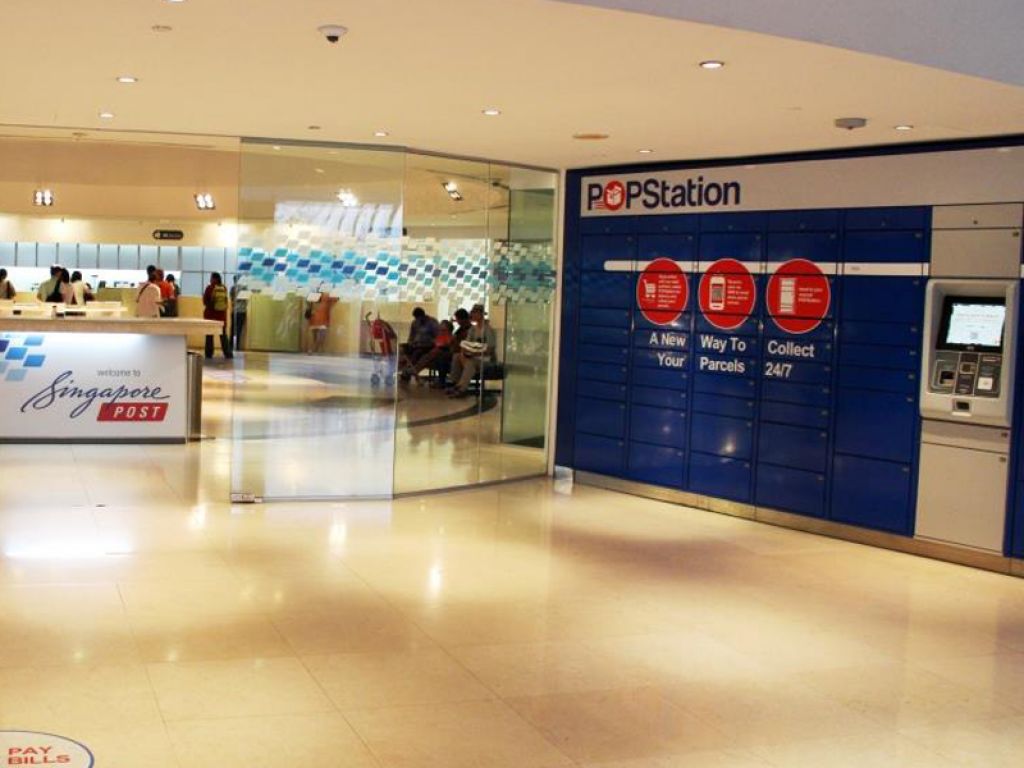
  • SingPost back in black with $23.9m profit and a bright future

    SingPost back in black with $23.9m profit and a bright future

    Singapore Post (SingPost) swung back into the black for its fiscal fourth quarter, booking profit of $23.9 million in the absence of one-off impairment charges in the corresponding period last year.

    Revenue for the three months to March 31 was also up 13.5 per cent to $367.5 million on growth in e-commerce-related activities across its postal and logistics segments, SingPost said. Earnings per share were up to 0.9 cent from a loss per share of 3.03 cents last year.

    For the full year ended March 31, SingPost booked a profit of $126.4 million on the back of $1.46 billion in revenue.

    The board recommended a final dividend of two cents per share to be paid out on July 31.

    For the fourth quarter last year, SingPost was hit with an impairment charge of $208.6 million related largely to the TradeGlobal and Postea acquisitions, as well as a property in Toh Guan, which SingPost highlighted was partially offset by a fair value gain on investment properties of $108.7 million, mainly for the SingPost Centre building.

    The postal segment’s revenue rose 18.2 per cent in the quarter and 15 per cent for the full year as strong growth in international mail revenue helped offset the decline in domestic mail revenue, SingPost said.

    Domestic mail revenue declined 6.6 per cent for the full year to $229.4 million, due to lower letter mail volumes with the “continued migration” towards electronic forms of communication.

    Revenue for SingPost’s e-commerce segment rose 15.7 per cent in the fourth quarter to $65.31 million, and was stable for the full year.

    “SingPost is well positioned to benefit from the strong growth in global e-commerce and last-mile deliveries as we progress to the next phase of our strategy,” said group chief executive Paul Coutts. “We continue to execute on our transformation and build on our partnership with Alibaba in e-commerce. We are integrating and scaling our e-commerce businesses in the United States and South-east Asia, as well as the rest of our overseas operations, and optimising the cost structure of the SingPost group.”

  • FedEx Malaysia trains eye on growth post-merger

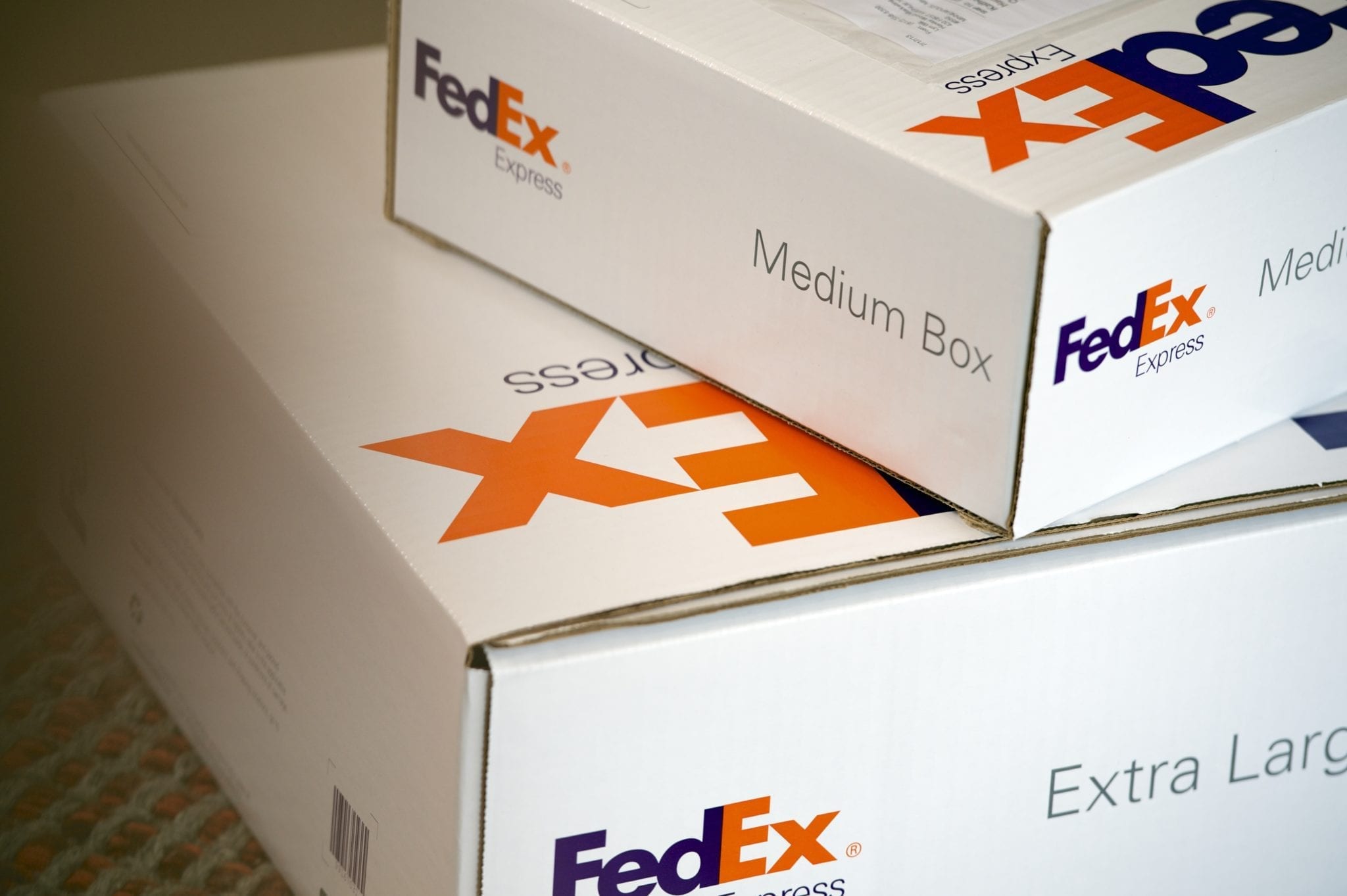
    FedEx Malaysia trains eye on growth post-merger

    Following the merger of its parent company with rival TNT Express a year ago at the global level, FedEx Malaysia is now positioning itself for greater growth in the country.

    “Our aspiration is to always be better than before,” FedEx Malaysia managing director Chong Siang-Chung told us in an interview, saying the group is focused on sustainable growth and contributing to the country’s gross domestic product (GDP).

    While declining to share the specific details of its growth target, Chong alluded to projections on the country’s GDP growth as a benchmark. The World Bank sees Malaysia’s GDP growing at 5.8% this year, while Bank Negara Malaysia forecasts the growth rate to come in between 5.5% and 6%.

    FedEx Malaysia currently operates a fleet of over 200 trucks and vans in the country and flies two of its four aircraft from Malaysia on a daily basis. Globally, FedEx Corp operates a fleet of over 660 planes and 170,000 vehicles, and delivers some six million parcels a day.

    It has two Malaysian gateways — Kuala Lumpur International Airport and Penang International Airport — both part of the group’s AsiaOne network that connects 20 major cities in the Asia-Pacific region for next-day deliveries.

    FedEx Corp acquired TNT for €4.4 billion in May 2016, which it said was to strengthen its European road network.

    In Malaysia, the merger of the logistics service providers’ operations has been going smoothly, according to Chong. Integration of their ground operations, which began on July 31 last year, is already completed. Its sales operations will be integrated by June this year.

    “Our customers already know by now that when they make their orders through FedEx or TNT, vans carrying either brand may show up,” shared Chong. On top of that, customers have been able to enjoy earlier shipping and response times as a result of both brands’ immediate coverage expansion, he said.

    FedEx first established freight operations in Malaysia in 1989 and introduced express operations in 1993, while TNT has had a presence here since 1976.

    Chong joined FedEx Malaysia in 1998 before moving to TNT Malaysia in 2003 as a sales and marketing director. He was later appointed TNT Malaysia managing director for Malaysia and Brunei in 2011.

    According to him, the shared values of both FedEx Malaysia and TNT, which place emphasis on prioritising people, have smoothed the merging of operations and his transition into his current role, to which he was appointed in November 2017.

    Going forward, Chong said FedEx Malaysia still sees much excitement in the last-mile delivery segment due to the e-commerce boom, which the group views as an opportunity.

    “We get many requests to change delivery addresses and time based on what is convenient to customers,” Chong said. With that in mind, the group is leveraging on technology to address this need through FedEx Delivery Manager, which offers SMEs (small and medium enterprises) and e-retailers flexible delivery options.

    The group is unfazed by the intense competition in the domestic market among courier service providers, which has crimped margins for companies such as GD Express Carrier Bhd and Nationwide Express Holdings Bhd.

    “We see it as a good thing that the industry is attracting more and more players,” Chong said, noting that this signals business is growing.

    FedEx Malaysia sees its own value proposition in providing “total custodial services”, Chong said, particularly to SMEs, for which it has developed various shipping options that include cost-effective alternatives, and web-based solutions.

    Although the group has historically served mostly large multinational corporations, Chong shared that it has seen an increasing number of SMEs relying on its services for e-commerce deliveries.

    “Our current portfolio is quite balanced between SMEs and big businesses,” he said, adding that FedEx Malaysia is still largely focused on business-to-business transactions.

    A 2016 Asia-Pacific survey by FedEx, which focused on SMEs, found that most of these companies had limited knowledge of overseas markets. FedEx, therefore, found that it could act as a source of sharing knowledge, Chong said.

    As for challenges the group faces in Malaysia, he said customer requirements are growing increasingly sophisticated based on industry-specific needs.

    “Some of our customers, such as those in the healthcare supply chain, want to know more about how their parcels are being transported,” he said. To cater to such requests, one of the products it has developed is FedEx SenseAware, which allows customers to monitor the temperature, humidity, light exposure, barometric pressure and location of their shipments using data collected from multiple sensors.

    Chong also said FedEx Malaysia is committed to supporting the government’s initiatives under the national Logistics and Trade Facilitation Masterplan, which aims to make Malaysia the “preferred logistics gateway to Asia” by 2020.

    This includes the establishment of a Digital Free Trade Zone by the Malaysian government in partnership with Alibaba, which Chong welcomes as a measure to promote trade.

    “We also have a responsibility to support this initiative seeing as how it is expected to benefit the economy of Malaysia,” he said, adding that FedEx Malaysia would therefore continue to provide strong support to businesses and SMEs here as a logistics service provider.
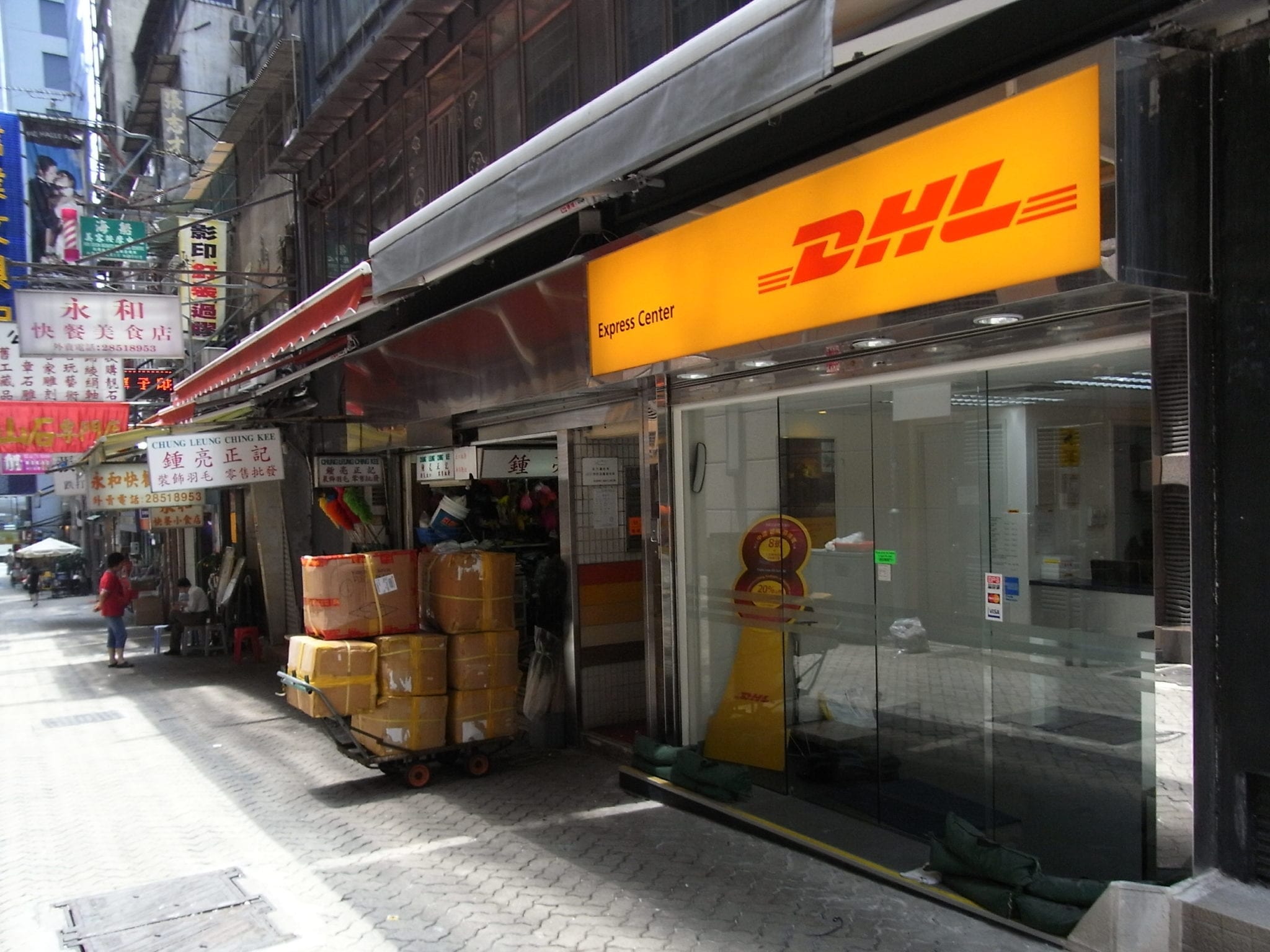
  • DHL Hong Kong Air Trade Leading Index Q2 2018

    DHL Hong Kong Air Trade Leading Index Q2 2018

    The DHL Hong Kong Air Trade Leading Index has published its results for Q2 2018.

    Highlights of the DTI Q2 2018 include:

    • The overall trade outlook for Q2 2018 had a slight downward adjustment

    amid concerns over escalating trade conflict between the United States and

    China. Despite this, the latest DTI survey found that there are limited concerns

    about air trade and overall outlook for air trade is more positive, compared to

    the same period last year.

    • Outlook on air imports remains optimistic despite a modest dip from the

    previous quarter.

    • Air exports index dropped and is predicted to encounter challenges. Market demand has gained strength and turned positive in the Americas, but is countered by issues in Asia Pacific and Europe. • The Hong Kong government is planning to use its financial surplus to improve residents’ livelihoods. It is generally believed that this development will boost air import demand

    The DHL Hong Kong Air Trade Leading Index report is available at u.hkpc.org/dti_eng.

    The first indicator of its kind in Hong Kong, commissioned by DHL Express Hong Kong and compiled by the Hong Kong Productivity Council, the DHL Hong Kong Air Trade Leading Index aims to provide a forward looking perspective on overall air export and import trade volumes by analyzing key attributes of business demand.

  • FedEx to link Guangzhou and Memphis hubs with air bridge

    FedEx to link Guangzhou and Memphis hubs with air bridge

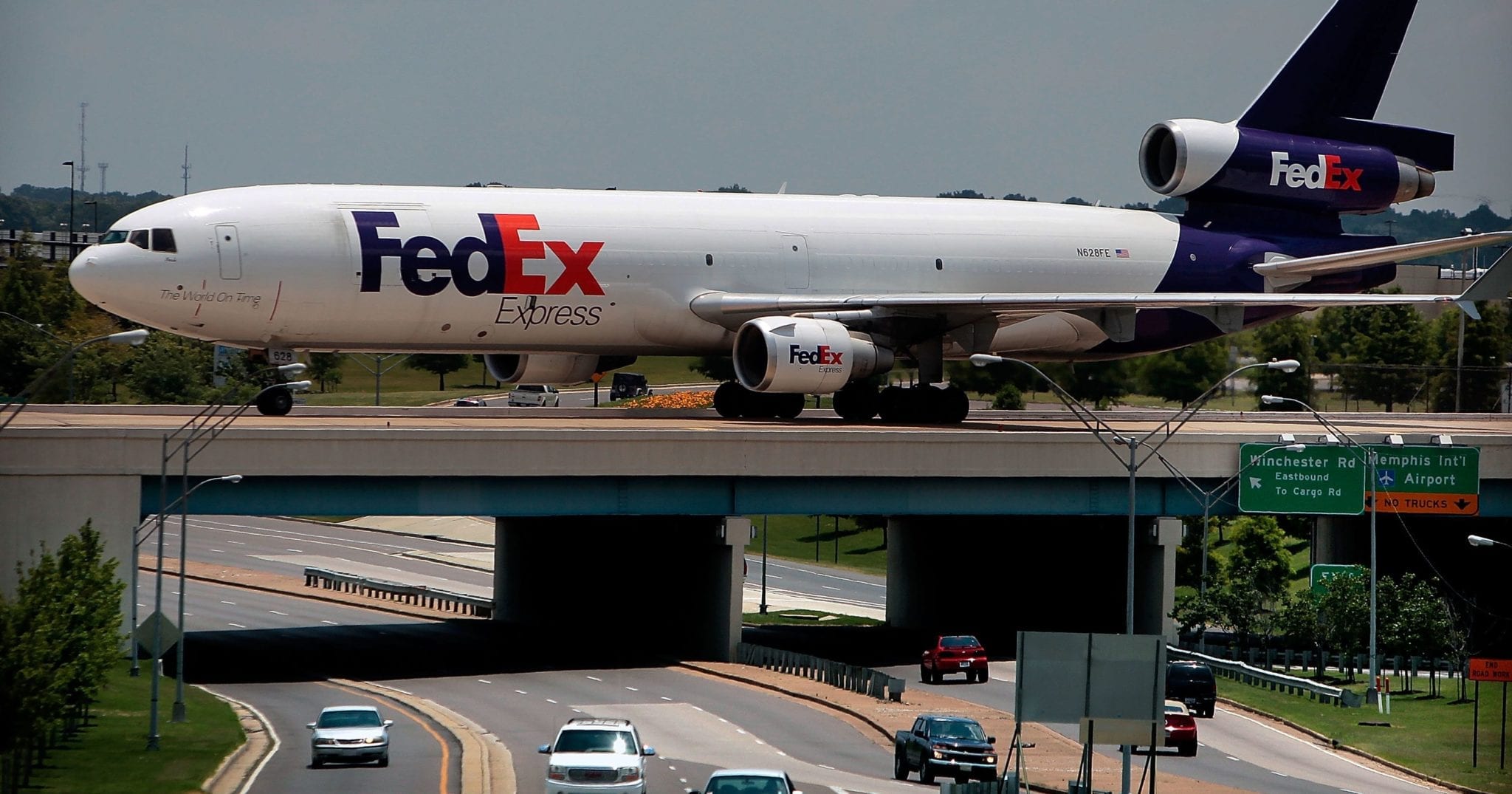
    FedEx Express has launched a new route connecting its Asia Pacific hub in Guangzhou with its global Memphis hub. Initially, an MD-11 freighter is being used for the five-times-per-week route, but it will be replaced with a B777 freighter in May, to meet increasing shipping demand.

    In April, the flight departing from Guangzhou stops in Osaka and Anchorage, but with the change of freighter in May, the Alaskan stop will be dropped on four of the five flights — the Saturday flight stops in Honolulu and Anchorage.

    “As our business continues to develop across the Asia Pacific region, we constantly adjust our network and routings to better meet dynamic market needs,” said Karen Reddington, president, Asia Pacific, FedEx Express.

    “Adding volume and a faster, more direct connection to our Memphis World Hub will give Asia Pacific businesses a stronger competitive advantage in connecting to customers in North America and beyond.“

    The express operator said that Asia Pacific region is predicted to grow at a rate of 6.5% in 2018, 2% faster than the projected global growth rate, according to the World Economic Forum.

    Meanwhile, Boeing forecasts that air cargo flowing from Asia to North America is expected to increase by 4.7% per year over the next 20 years.

    In addition, 2017 saw Guangdong’s total import and export value of goods grew by 8% year-on-year, while the total import and export value with the US grew by 10.4% year-on-year.

    FedEx Express launched two new routes last year – one connecting Liège, Belgium and Memphis, with stops in Seattle, Anchorageand Shanghai and another linking Shanghai and Oakland.

    Early this year, FedEx Express officially opened its FedEx Shanghai International Express and Cargo Hub, the second international hub in China.

    Currently, FedEx operates more than 250 flights per week in China, with more than 160 of these flights going through the FedEx Asia hub.

  • DHL expands airfreight operation in response to Asian demand

    DHL expands airfreight operation in response to Asian demand

    DHL Global Forwarding is expanding its round-the-world freighter operation to meet demand growth on Asian and transpacific trades.

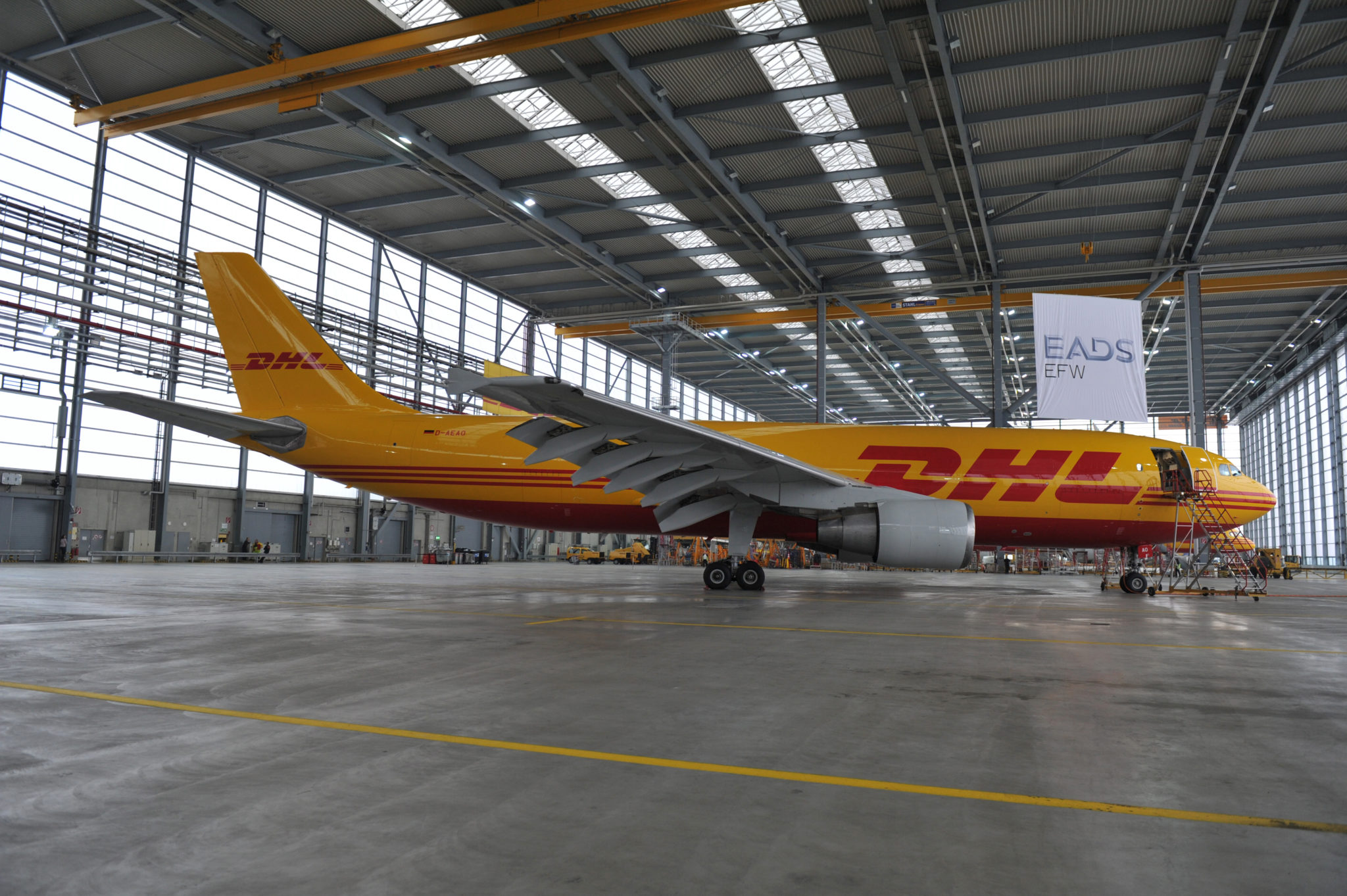
    The forwarding giant said that it would a deploy a second dedicated Boeing 747-400F — ACMI-leased through Atlas Air — to connect the US, Europe and Asia, following on from the launch of a first flight last year.

    The 100 tonne capacity flight will operate Shanghai Pudong to Cincinnati, from where it returns to Incheon, South Korea. Afterwards it will connect Korea to Wuxi, China continuing to Frankfurt-Hahn in Germany, and then back to Shanghai-Pudong Airport.

    Meanwhile, the operation launched last year will be re-routed to offer twice weekly departures from Wuxi to Frankfurt-Hahn.

    “The division is thus responding to strong growth in demand for air freight, chiefly for outbound services ex Asia and on the conventional transpacific route, fueled by almost all industries,” the forwarder said.

    DHL Global Forwarding chief executive Tim Scharwath said: “Demand is currently exceeding supply mainly due to the large economies performing strongly.

    “On major trade lanes volumes are high, but capacities are low – a trend that will continue. To increase our operational efficiency and to offer our customers the best-possible solution, we thus decided to create further capacities we have direct control over.”

    The forwarder said that increasing demand for airfreight capacities on Asian routes is fueled by all major industries, but specifically China’s electronics, electric motors, electrical and mechanical appliances as well as medical equipment companies are bolstering demand.

    China’s main export destinations are South Korea and Germany which are served by the new charter as well, but due to well-preforming global trade volumes are also increasing from the US and Europe.

    The positive development of world trade and its continuation is also clearly shown by the DHL Global Trade Barometer.

    The index recently increased to 66 points in March from 64 points in January. With an index value clearly above 50, the DHL Global Trade Barometer signals solid further growth for global trade for the next three months.

    “The gap between the well-performing world trade with a high demand for cargo space on the one hand, and at the same time a difficult capacity situation on the other side, has encouraged us in our decision to further deploy self-controlled capacity to the market,” added Scharwath.

    Last year a spate of freight forwarders began operating airfreight flights as they looked to meet a demand surge. Others expanded their block space agreements with airlines to meet the demand growth.

  • Airline cargo capacity rises faster than demand

    Airline cargo capacity rises faster than demand

    IATA says airfreight capacity rose faster than demand in March for the first time in 20 months. Demand rose 1.7 percent year-on-year, a drop of 5.0 percent over February, to produce the slowest growth in 22 months. The increase in global capacity fell to 4.4 percent from 6.3 percent in February.

    As forecast last month, IATA says the slowdown is due to the end of an inventory restocking cycle coupled with a “softening” of global trade.

    “We would caution against reading too much into the softening in seasonally adjusted volumes in recent months as yet,” said IATA economist David Oxley. “We continue to expect freight-tonne kilometres to grow in the region of 4-5 percent in 2018. However, the bigger picture is that the recent period of airfreight outperformance looks to be firmly behind us.”

    Airlines in all regions except Latin America reported year-on-year declines, with Africa falling 3.4 percent after reporting the fastest growth for 17 of the last 18 months; Asia-Pacific carriers produced growth of just 0.7 percent; European airlines’ traffic rose 1.0 percent as the € gain against the US$; Latin American airlines by comparison saw a 15.5 percent growth in volumes, in part due to an improved Brazilian economy; a growth of 0.8 percent by Middle East carriers in March was consistent with a “general weakening” over recent months; and North American airlines produced a 3.9 percent rise in traffic – although the US inventory-to-sales ratio rise in 2018 suggests an airfreight boost from restocking is over, says the Association.

  • Vietnam Airlines considers creating cargo unit

    Vietnam Airlines considers creating cargo unit

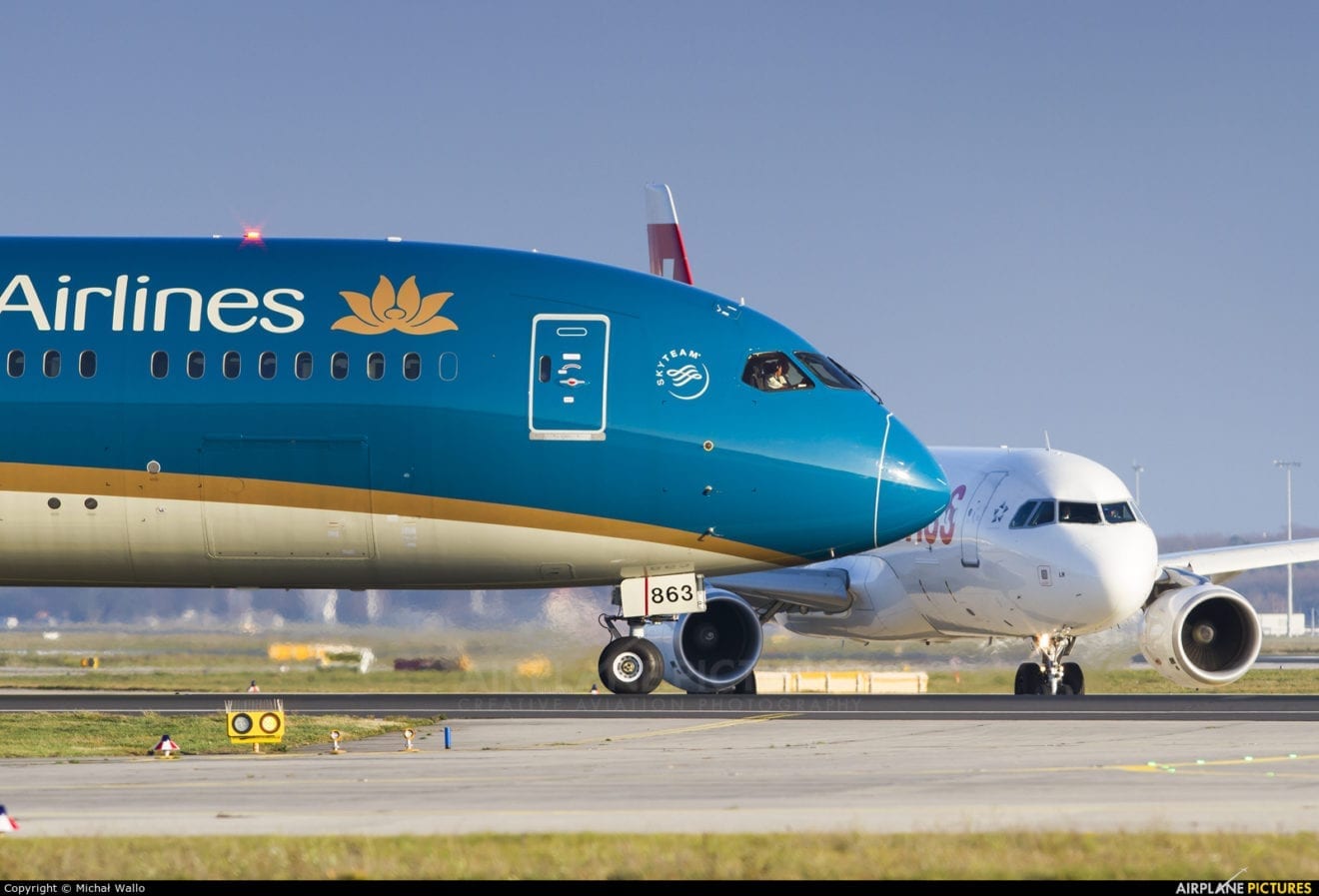
    Vietnam has become a major manufacturing hub, providing an air freight opportunity for the state-owned carrier. Vietnam Airlines is looking to boost growth by starting a dedicated cargo unit, according to a company official.

    With companies such as Samsung annually producing billions of dollars worth of devices, there is an air freight opportunity for the national carrier, Vietnam Airlines CEO Duong Tri Thanh told.

    Investments by companies such as Samsung, LG and Nestle have fueled the country’s manufacturing sector and driven it to become one of the fastest growing in the region.

    Vietnam’s economy expanded by 7.38 percent in the first quarter of this year, the highest rate in a decade, according to the General Statistics Office. The country is looking to attract more visitors and develop tourism as a key industry.

    “We expect a higher number of international passengers, especially from Japan and Korea, and more middle-class passengers domestically, thanks to Vietnam’s fast economic growth,” Thanh said.

    The airline was rated among the 11 best major airlines in Asia by the 2018 Traveler’s Choice Awards, which collects travelers’ ratings from the past year in terms of legroom, customer service, cleanliness, food and beverages, comfort, value for money, check-in and boarding, and in-flight entertainment.

    Competing with the nation’s largest private carrier, VietJet, the state-owned airline is also focusing on attracting premium passengers at the front-end as faster economic growth drives incomes higher.

    Vietnam Airlines is planning a route to Los Angeles by late 2019 or early 2020. Last year, it formed a venture with Air France to add 17 more destinations in Europe to the existing three.

  • New deep-sea port to boost logistics capacity in Vietnam

    New deep-sea port to boost logistics capacity in Vietnam

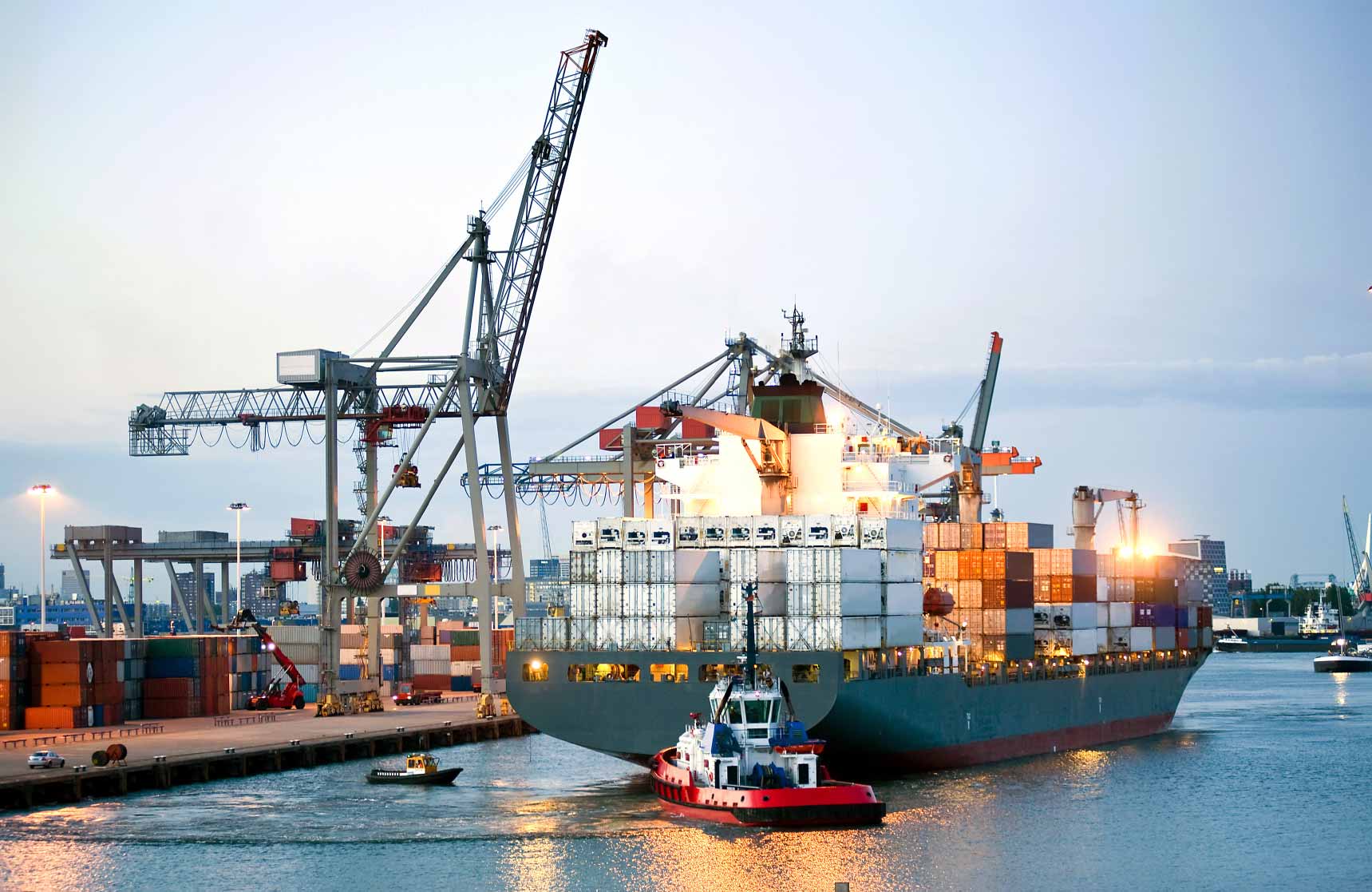
    The new terminal will double the current loading capacity of the biggest port in northern Vietnam. A new deep-water port is set to open this month in Vietnam’s northern city of Hai Phong.

    The city is a major sea gateway for Vietnam, but the existing port cannot receive large container ships as it lies on the Cam River, which is only seven meters deep.

    The new Lach Huyen International Gateway Port faces the sea, where the water is 14 meters deep.

    It stretches 750 meters (2,460 feet), which is double the length of Hai Phong Port, and has two container cranes.

    Work started on Lach Huyen Port in 2013 at an estimated cost of $1 billion, and when the first phase is completed on May 13, it will be able to handle around 300,000 20-foot equivalent units, or TEUs.

    That figure will rise to between 2-3 million TEUs in 2019, which is double the current capacity of Hai Phong Port.

    At a ceremony to mark the construction of Lach Huyen’s second phase in 2016, Prime Minister Nguyen Xuan Phuc said the new port “holds a key role in Vietnam’s maritime strategy”.

    Infrastructure to support the operation of the port has been taking shape, including an expressway connecting Hai Phong with the capital Hanoi that cuts travel time by half to roughly 90 minutes, and Southeast Asia’s longest cross-sea bridge, which opened to traffic in September last year.

    Spanning 15.63 kilometers (10 miles), the $523-million bridge connects Tan Vu Port to the new Lach Huyen Port.

    At a government meeting in Hanoi last month, PM Phuc said Vietnam’s logistics costs are putting a strain on local businesses and need to be cut in order to make firms more competitive.

    Vietnam’s logistics costs accounted for 20.9 percent of GDP in 2016, according to the World Bank, and were higher than regional peers China, Thailand and Japan.

    The reason for this is the cost of transporting goods via land, he said.

    In Vietnam, transportation accounts for 59 percent of all logistics costs, Deputy Minister of Industry and Trade Nguyen Van Cong told the meeting.

    The cost of transporting a 40-foot container by land from Hanoi to HCMC is about VND40 million ($1,785), which is 9.7 times more than transporting it by water and 2.5 times more than moving it by train, he said.

    According to a 2016 report released by the ministry, 77.2 percent of goods are transported by land in Vietnam, while just 5.22 percent go via water and 0.42 percent by train.

  • Continental extends inbound deal with Kerry Logistics

    Continental extends inbound deal with Kerry Logistics

    Kerry Logistics has secured a four-year extension to its contract with the tyre-making division of tier supplier Continental.

    The third-party logistics provider’s division in Germany will handle international ocean freight export of tyres and provide logistics services for Continental’s procurement of raw materials to production sites worldwide, mainly from Asia.

    Kerry Logistics’ German division has been working with Continental for more than 25 years in providing procurement operations for raw materials including rubber, carbon black and steel cord from Asian source countries including China, Thailand, Japan, Malaysia, Indonesia and India.

    Kerry has 40 logistics professionals managing the transport of materials from Asia to western Europe. Continental’s tyre division has seen an increase of more than 10% in materials moved in recent years. The 3PL said it was now organising logistics solutions for Continental sites in 13 countries and managing transport services, as well as partly acting as customs broker. In addition, Kerry Logistics is now providing warehousing and distribution solutions in China and the United Arab Emirates.

    “We are delighted to continue our cooperation with Kerry Logistics,” said Jorge Almeida, senior vice-president, rubber division purchasing and corporate indirect materials at Continental. “Kerry Logistics’ global network supports us in our growth strategy and expansion of our international business. The team in Bremen provides tailored solutions that meet our supply chain demands, leveraging our sourcing and export activities in multiple countries.”

  • CJ Logistics to launch Asia-Europe overland parcel delivery service

    CJ Logistics to launch Asia-Europe overland parcel delivery service

    South Korea’s top courier CJ Logistics Corp. will start a door-to-door overland parcel delivery service from China to Europe via railways and trucks.

    The company said it will start the Eurasia Bridge Service that uses both Trans China Railway trains and trucks to deliver containers directly from China to clients’ manufacturing plants and logistics centers in Europe.

    The service will use the train route connecting Chengdu, China to Lodz, Poland and Nuremberg, Germany then to Tilburg, the Netherlands. After containers arrive at each station, trucks will deliver cargos to final destinations located within 400 kilometers from the train stations.

    It is the first time for a courier company to offer a door-to-door parcel delivery service via trains and trucks in a route connecting Asia and Europe, according to CJ Logistics.

    For its new courier service, the Korean firm will be working with Rail Transportation Service Broker GmbH (RTSB), which operates railway services across Europe and the Commonwealth of Independent States (CIS) region.

    By using the Trans China Railway, the freight charge between Europe and Asia would drop to one-fifth of air shipping. It also would take only a third of the time needed for ship freight, said CJ Logistics. The company plans to increase its courier service routes from Asia to Europe to 52 and the reverse routes to 74. It also aims to expand its courier service to connect 30 major European cities and 24 Asian countries in the future.

  • DHL expands e-commerce fulfillment internationally

    DHL expands e-commerce fulfillment internationally

    DHL Parcel and DHL eCommerce are now offering online retailers a global solution for their e-commerce fulfillment needs with a global fulfillment platform and new fulfillment centers in the UK, Americas and Southeast Asia,emphasizing once again Deutsche Post DHL Group’s aspiration to become one of the leading global providers in e-commerce logistics. Through DHL’s unique family of divisions Deutsche Post DHL Group is the most international company worldwide, present across 220 countries and territories and online retailers are able to leverage the Group’s strong global footprint for their e-commerce retail strategy.

    Today’s e-commerce market is placing aggressive demands on the retailer to provide fast fulfillment and delivery, and doing so without increasing costs. This is simply not possible for most merchants because they lack capital or the ability to manage the complexity. DHL has built a new IT platform that provides seamless access to a network of fulfillment centers and is closely integrated with DHL’s shipping capabilities to allow our customers to meet their fulfillment and shipping requirements in a much more efficient fashion. DHL is investing in this platform as well as in expanding its fulfillment centers in key international markets, enabling retailers to reach their consumers worldwide.

    “Without seamless and reliable logistics processes, the current e-commerce boom would be inconceivable. The physical storage of ordered goods, their picking and packaging, the global shipping and delivery to the end-user’s front door or desired address — we now offer all of this in even more markets and from one single source,” says Jürgen Gerdes, CEO of the Post – eCommerce – Parcel division at Deutsche Post DHL Group. “By further internationalizing our fulfillment portfolio we will be able to do even more to help online retailers tap into new regions and benefit from the global e-commerce boom.”

    With existing fulfillment centers in the U.S., Mexico, Colombia, Hong Kong, India, Australia, Germany, and now in the United Kingdom and Southeast Asia, DHL already covers major e-commerce markets with its own presence and will expand these further in the future. Situated near London on an area of about 6,500 square meters, the latest addition to the fulfillment network in the English town of Radlett, offers great potential for same-day processing for the Greater London area due to the center’s good transport links. Apart from the center in Radlett, DHL is already working on the expansion of its fulfillment centers across other European markets, like the Netherlands, Poland or Switzerland.

    The new IT platform allows DHL to provide online retailers with access to all of these important e-commerce regions from a single source. This ensures simple and secure data synchronization as well as an easy connection to new business locations or regions since a reintegration is no longer required. “Online retailers don’t have to look for new logistics partners anymore if they want to expand their international reach,” Gerdes says. By directly integrating the new DHL solution into the webshop of the relevant retailer, the business can access different reporting options in real time and view current order data, for example, or the stock of individual products.

    More and more retailers and companies recognize the increasing importance of smooth fulfillment processes because traditional approaches that are aligned with individual sales channels have long since failed to satisfy the purchasing habits and expectations of modern consumers. Today’s consumers not only want to be able to shop at any time and in any place, but also want to have their goods delivered at any time and in any place. Without the behind-the-scenes logistics processes that effectively orchestrate the movement of goods through multiple sales channels, and a highly fragmented fulfillment landscape hassle a free shopping experience would not be possible for the consumer.

  • DHL adds second around-the-world flight connecting Asia

    DHL adds second around-the-world flight connecting Asia

    DHL Global Forwarding, the leading international provider of air, sea and road freight services, today announced the launch of its second around-the-world scheduled flight, to connect Asia, Europe and the US. This is in response to the strong growth in demand for air freight capacity, chiefly for outbound services from Asia and on the popular transpacific route. The Boeing 747-400F freighter will operate a South Korea-China-Europe-China service, in addition to transpacific east- and westbound flights that includes Shanghai, China, and Cincinnati, USA.

    With a capacity of more than 100 tons per flight, the bi-weekly scheduled flights provide significant and reliable capacity on the transpacific route from Shanghai, China to Cincinnati, USA from where it continues to Incheon, South Korea. Following which, it will connect Incheon, South Korea with Wuxi, China and continue on to Frankfurt-Hahn in West Germany, before returning to Shanghai, China. The service will depart twice per week at each airport.

    “We have been seeing an increasing demand for air freight capacities on Asian routes. China remains the largest global trading partner of South Korea , Germany and the USA, with China becoming the second nation to top US$600 billion in trade with the USA in 2017. China is Germany’s largest source of import at US$120 billion and its third largest export market at US$105 billion. For South Korea, China is its top import and export country, accounting for close to 25% of its global trade in 2017 , said Kelvin Leung, CEO of DHL Global Forwarding Asia Pacific.

    ” To facilitate timely and safe movement of goods between the countries, efficient and reliable logistics infrastructure and services are key . The new scheduled flights will streamline the transportation process, thereby optimizing our customers’ supply chains and improving their products’ time to market in today’s highly competitive business environment”, Leung added.

    Results from the latest DHL Global Trade Barometer indicate that overall trade index for China recently increased by 2 points from January 2018, and the overall trade index in South Korea remaining well over 50 points at 69, signaling a positive growth for both markets in Q2 2018 which will continue to fuel demand for air freight services.

  • Shopee teams up with DHL eCommerce in Thailand to offer a seamless delivery experience

    Shopee teams up with DHL eCommerce in Thailand to offer a seamless delivery experience

    DHL eCommerce, a division of the world’s leading logistics company, Deutsche Post DHL Group, is partnering with Shopee, the leading e-commerce platform in Southeast Asia and Taiwan, to offer greater convenience and choice to Shopee users in Thailand. Sellers on Shopee can now access over 500 DHL ServicePoints across Thailand to drop off their parcels and have them delivered to their shoppers across Thailand. Alternatively, sellers can also arrange a pickup from DHL for door-to-door delivery service to their buyers.

    “We are thrilled to be partnering Shopee to offer greater ease, choice and control over  the online delivery experience. Shoppers’ expectations are growing with regards to their entire purchasing experience — they expect a great and seamless experience from the time they click to purchase until the goods are received. A recent report states that 60% of consumers purchased from one online merchant over another because delivery options were more convenient for their needs, highlighting the pivotal role of delivery in the overall online shopping experience[1] ,” says Kiattichai Pitpreecha, Managing Director, Southeast Asia, DHL eCommerce. 

    “Shopee is excited to work with DHL eCommerce and we are confident that our users will benefit from the suite of services and features offered by DHL. We aim to become the online shopping destination of choice in all our markets and will continue to explore synergies between the two companies to make both buying and selling on Shopee as easy and seamless as possible,” says Terence Pang, Chief Operating Officer of Shopee.

    DHL’s domestic delivery network in Thailand offers high quality delivery service and a range of other services, such as easy IT and API integration, end-to-end tracking, delivery insurance, cash on delivery and more, tailored for the booming e-commerce industry. This enables sellers and leading brands on Shopee to efficiently reach out to customers across the country. Shoppers on the other hand will benefit from the consistent quality and convenience of delivery options. DHL eCommerce will also be growing its ServicePoint footprint in Thailand to over a thousand in the coming months to offer increased touchpoints with users.

    To mark the start of the partnership, Shopee and DHL will be extending a limited period free shipping promotion. Shopee sellers can enjoy free shipping nationwide (terms and conditions apply) from now until 30 June 2018 when they select DHL as the logistics provide for their shipments.

  • China Present at the 2018 Automotive Logistics China Conference

    China Present at the 2018 Automotive Logistics China Conference

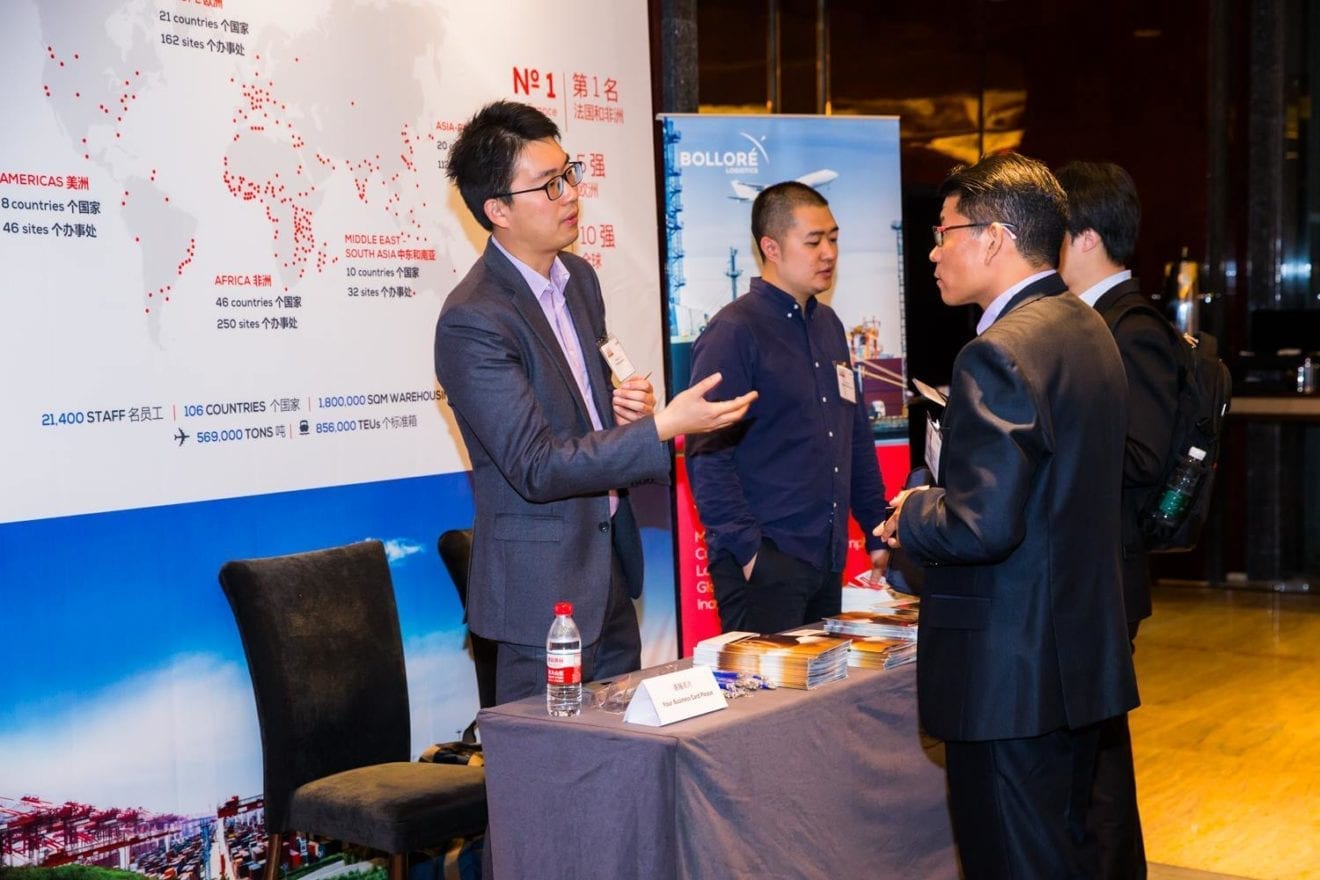
    Bolloré Logistics China successfully presented its automotive competency at the Automotive Logistics China Conference in Chengdu as a Silver Sponsor during April 17-19, 2018.

    More than 500 participants from automotive industry joined the conference including experts from automotive manufacturers, parts suppliers, and representatives from logistics companies as well as government officials. Jointly held by China Federation of Logistics & Purchasing (CFLP) and British magazine Automotive Logistics, the conference shared the latest logistics solutions for production parts, finished vehicles and aftermarket spare parts, covering the upstream and downstream of automotive industry.

    Bolloré Logistics’ automotive logistics solution experts from North China, South China, Central China and Japan gathered at our silver sponsor booth. Our presence reinforced our brand recognition in the automotive industry and our agile and professional solutions were communicated to a wide audience where many commercial opportunities were identified.

    “At the booth, we were happy to see lots of industry players showing their interest towards our solutions and recognizing the Bolloré Logistics brand,” said Steven Sun, Automotive Product Manager at Bolloré Logistics Greater China. “What’s more important is that by organizing this event, our teams are joining forces to strengthen our competitiveness,” Steven added.

    Following the event, a cross-regional automotive team meeting was held at Bolloré Logistics Chengdu office to discuss the optimization strategy for automotive business development in the company. By sharing the local market information and intelligence, our automotive network was further enhanced and leveraged.

    “One of our greatest strengths is having a world-spanning network and industry know-how staff specialized in automotive that are directly plugged into local teams and sector partners”, says Warren Wang, Bolloré Logistics Greater China Vertical Market Director.

    Bolloré Logistics China had a very productive time in Chengdu and would like to thank the team for having worked towards a successful event, as well as our customers and prospects who took the time to visit us at our booth. By mobilizing the automotive team in Greater China and Asia-Pacific region, Bolloré Logistics demonstrated the active determination to play a bigger role in the automotive industry sector.

  • CEVA Logistics opens a new hub in Malaysia

    CEVA Logistics opens a new hub in Malaysia

    CEVA Logistics, one of the world’s largest supply chain management companies, has officially opened a new multi-user facility in Penang, Malaysia. Situated within the Bayan Lepas Free Industrial Zone Phase IV, the 70,000 sq ft facility is only 10 minutes away from the Penang International Airport and 10 minutes from the Penang Bridge, connecting the island to mainland Malaysia.

    This new multi-user warehouse delivers cost efficiency and flexibility through an optimized layout design and improved infrastructure to serve our customers. It includes a combination of temperature-controlled and ambient storage space, conducive and modern office space for in-plant customers, advanced materials handling equipment, advanced RF warehouse management system and Customs stationed on-site to facilitate on-time clearance.  This is also an integrated hub that will house under one roof CEVA’s contract logistics and freight management teams for Malaysia as well as its global supply chain solutions control tower teams who support its 24×7 largest customers globally.

    “CEVA continues to invest in its customer needs in Malaysia, this new facility which has doubled our footprint in Penang will continue to support our growth needs and positions us for future expansion in the market. With its strategic location in the northern part of Malaysia, coupled with the air cargo hub at Bayan Lepas airport, it aims to cater to a wide range of logistics and warehousing services and  offer even greater value and benefits to our customers, ” says CEVA’s Elaine Low, Executive Vice President, South East Asia.