Category: Logistics

Retail News Asia is committed to providing both local and global retailers with the latest Logistics news throughout the Asian market. This on a daily base.

  • Due diligence: The key to long term success in business within Asia-Iran shipping industry

    Due diligence: The key to long term success in business within Asia-Iran shipping industry

    The Iran nuclear deal which took effect January 2016, known officially as the Joint Comprehensive Plan of Action (JCPoA), was implemented after United Nations inspectors said that Iran had dismantled a large portion of its nuclear programme.  The Iranian economy has grown because of these easing of sanctions and Iran remains one of the last great untapped emerging markets.  Now that Iran can return to the oil market, the government hopes to rebuild the country’s energy industry and capture an increased share of the global market by shipping an estimated 300,000 barrels per day.  For all parties involved, the continued criminal activity of a few risk sullying the image of an industry working hard to remain transparent and prosperous.

    Since the easing of the United Nations’ sanctions on Iran in January 2016, Iran has been making significant efforts to increase trading and business with the rest of the world.  Especially within Asia, there remains significant economic potential for growth in pursuing business opportunities with linkages with Iran.  Asia is the biggest importer of Iran’s crude oil with the top four countries of China, India, South Korea and Japan, totalling a combined average of 1.60 million barrels per day.  Since the sanctions ended, the Iranian government has tried to in­crease production rapidly to reclaim Iran’s market share, especially in Asian markets.  Iran’s shipping industry is one of the main areas which will benefit from the easing of sanctions, as many global companies are increasing their foreign interest and investment in shipping companies and ports within this trade route.  However, despite optimism of a corruption-free future within the industry, criminals are still engaging in illicit shipping practices which risk undermining the progress in the industry made to date.

    While not an everyday occurrence, as recently as March 2017, Iran was shipping weapons and equipment to Yemen’s Houthi rebels.  The Houthi rebels are engaged in a civil war with the Yemeni government.  Iran was using cargo ships to deliver these supplies to Yemen either directly or via Somalia, bypassing Western efforts to intercept the shipments.  Once arrived at the Yemeni ports, the supplies were transferred from the cargo ships to small fishing boats to complete the final leg of the journey.  Policing and enforcement, even if local authorities attempted to interdict, is extremely difficult due to the sheer number of small fishing vessels in these waters.

    Reports also indicated that the Islamic Revolutionary Guards Corps (IRGC), under the Iranian military, set up shell companies to facilitate the illegal shipment of weapons and illicit goods.  In addition to weapons, the IRGC is suspected of illegally importing other high-profit items such as alcohol, cigarettes and satellite dishes. The IRGC also commandeered some of the commercial ports in Iran to maintain direct control of other illicit activities.

    Before the implementation of JCPoA in January 2016, for decades, Iran survived crippling economic sanctions and international isolation.  Iran found ways to circumvent and evade sanctions through a host of illegal business dealings, illicit shipping practices and contraband smuggling.  For example, Asian buyers of Iranian’s oil paid with their local currency, which avoided the transactions from being registered within the financial systems visible to the United Nations.  The funds were then used to buy capital and consumers goods in these Asian countries.

    In both instances, illegal modus operandi like forging shipping manifest and bills of lading, and other paperwork in the process, was used to obscure country of origins, and sometimes, destinations.  From 2013 to present, criminals continue to find ways to hack the Automatic Identification System (AIS) of shipping vessels to disguise their identities.  One of these hacked vessels even entered the water off of eastern Singapore.  The AIS, which is a system used to track maritime shipping around the world, remains vulnerable to cyber criminals involved in these same illicit dealings.  Despite sanctions being relaxed and the significant potential opportunities everyone can legally pursue, a few recalcitrant parties still engage in these shady practices for monetary gains or other political goals.

    Albeit fewer in number when compared to when before sanctions were relaxed, criminal actions of individuals, businesses and/or governments place the improvements in image and transparency made to date in the shipping industry at risk.  These criminals operating within the industry deter the crucial foreign investment as required at this time to expand and grow.  Executives leading the industry must implement more robust due diligence practices as part of “Know Your Client” (KYC) requirements in evaluating new, and existing, business partners.  It is the responsibility of the executives of companies working within this industry to proactively ensure their companies have implemented a framework for checks and balances to best root-out corruption and demonstrate compliance with international law.

    While a global problem, executives within shipping companies involved in the Asia-Iran trade routes must more aggressively focus on this problem due to the quickly evolving nature of this emerging market.  This will help ensure legitimate companies do not unknowingly become a pawn in shady business dealings by associating with criminal elements.  Robust due diligence measures, including investigations and audits, must include any new relationship and also incrementally be incorporated to evaluate existing client relationships.  Evaluating representative agents, vendors, suppliers and any international relationships will help reduce the risk of a company unknowingly being involved with a blacklisted or sanctioned foreign government official, state-owned enterprise, or otherwise illicit entity.

    The private sector must be the drivers of change to pursue a zero-tolerance, corruption-free working environment which is fully compliant with industry best practices and international law.  Working together, this will uplift the industry as a whole, increase efficiency in the process, attract global investment, and ultimately result in improved long-term profits for all who strive to root out the residual corruption remaining in the industry.


  • Silk Contract increases efficiency, safety with Zebra Technologies solution

    Silk Contract increases efficiency, safety with Zebra Technologies solution

    Zebra Technologies Corporation has announced that Silk Contract Logistics has deployed Zebra’s voice-directed warehouse picking solution to enhance its worker productivity and competitive advantage. Silk Contract Logistics operates across a range of sectors, including retail and fast-moving consumer goods (FMCG), light industrial and food and dairy, providing a tailored approach to wharf cartage, warehousing and distribution.

    With 21 warehouses spread across Australia, Silk Contract Logistics has deployed a suite of Zebra’s warehousing solutions, supported by Zebra’s PartnerConnect Premier Solution partner Skywire, to both futureproof its business and establish itself as an innovator in the Australian warehousing industry.

    The Enterprise Asset Intelligence solutions that the third-party logistics company deploys include Zebra’s mobile printers, and wearable computers equipped with voice-directed picking software TekSpeech Pro – making it the first enterprise in Australia to fully harness Zebra’s multi-modal voice solution. With these visibility solutions, Silk Contract Logistics aims to increase offerings to its customers, provide better safety to staff, improve functionality and efficiency, and enhance its service profile for its clients’ future use.

    Matt Hannah, chief information officer, Silk Contract Logistics, said, “We’re always looking at ways to lean on technology to enhance the warehouse experience, particularly for staff and clients. With Zebra’s wearable technology and voice-directed TekSpeech Pro software, our staff are now able to adopt a ‘hands-free’ approach on the warehouse floor – increasing accuracy and improving safety during the picking process.”

    James Shepherd, CEO, Skywire Australia, commented, “The multimodal wearables allow pickers on the floor to access and verify information – swiftly and accurately – improving operational visibility. Skywire is proud to have partnered Zebra in delivering a robust solution that has built Silk Contract Logistic’s status as an innovator in the warehousing space.”

    “Zebra has worked with Silk Contract Logistics for a number of years. As a forward-thinking logistics provider, Silk has now moved to a fully integrated system. Silk is the first business to implement TekSpeech Pro in Australia so we are looking forward to seeing Silk and its clients gain financial and operational efficiencies from this voice-directed warehousing solution,” said Tom Christodoulou, regional director, Australia / New Zealand, Zebra Technologies Asia Pacific.

    Key facts

    • Silk Contract Logistics has deployed Zebra’s wearable solution including the WT41N0 wearable computer, the Bluetooth-enabled RS507 ring scanner and TekSpeech Pro voice-directed picking software.
    • The WT41N0 wearable computer screen can be used to display images of goods or complex identifiers such as serial numbers (in non-barcode format) that are not efficiently conveyed in a voice-only system, while ring scanners allow workers to handle material with both hands.
    • TekSpeech Pro has the capability to combine functionalities of a camera, display screen, location services and RFID, which also opens-up applications in areas outside the warehouse, such as retail and field service. Silk Contract Logistics is the first enterprise in Australia to deploy this solution
    • Silk Contract Logistics has also deployed the QLn-series direct thermal mobile printers that are able to produce labels on-demand at the point of activity. These printers are built to be tough, yet small enough to be used on the move. The QLn420 is able to withstand the rigors of the warehouse and is proven to have drop-resistant durability. Its ease of use also enables increased worker productivity.
  • Decline in traditional ship finance, lack of provision from regional banks threaten ME shipping

    Decline in traditional ship finance, lack of provision from regional banks threaten ME shipping

    Delegates at Seatrade Offshore Marine & Workboats Middle East (SOMWME), opening at Abu Dhabi National Exhibition Centre (ADNEC) on 25-27 September 2017, will hear how shipping faces a capital shortfall of tens of billions of dollars, this year alone, as European banks restructure products and scale back ship financing operations.

    According to reports verified by Reuters, the substantial decline in finance from European banks, compounded by a lack of shipping finance provisions from regional banks, has caused liquidity in the shipping industry to tighten, forcing marine operators to seek alternative finance in order to continue operations.

    The discussion will be tackled during the SOMWME Finance Update, in a session titled “Taking stock – how to make the most of your company assets,” which concludes the first day of the conference programme.

    The session will analyse the viable financial options and trends shaping the offshore marine and workboat industries. The panel features renowned industry experts such as David Manuel, Senior Marine Specialist — Petrodata, IHS Markit; Knut Mathiassen, Managing Partner, NorthCape DMCC; Bora Bariman, Head of Energy & Marine, Corporate & Institutional Banking Group, National Bank of Fujairah and Tien Tai, Partner, HFW.

    Calling for the Middle East shipping industry to urgently reassess how it secures liquidity, Tien Tai commented: “The traditional European banks with ship finance desks are no longer lending the historic amounts they once did and this is compounded by a number of European banks retreating from the ship finance sector altogether.

    “In the Middle East, we see some new lenders coming into the shipping industry but this does not replace the capital shortfall left by the exiting banks. There has been an ascendancy of alternative capital providers in the last 18 months, offering liquidity at a higher pricing, although these are more suited to one or two ship projects and not a substantial refinancing.”

    The industry has weathered many storms since the global credit crunch impacted operations in 2009, however, there is hope on the horizon.

    Islamic finance is widely regarded as a positive means by which to generate equity and maintain health in the sector, although growth is hampered currently by muted enthusiasm from major local banks to operate active shipping desks.

    Recognising that liquidity was tightening, earlier this year Dubai Maritime City Authority was examining the possibility of creating a US$1 billion shipping fund to support the emirate’s maritime sector during this time. According to ship valuation company VesselsValue, the UAE’s shipping fleet is estimated to be worth up to US$10 billion.

    Tai added: “In terms of what it takes to get financing these days, you really have to be a top tier owner with a strong credit rating – but not everyone is a strong owner. The owners in the Middle East dominate the small and mid-tier space and it is these owners feeling the squeeze in the decline of traditional ship finance.

    “The companies we see receiving finance from banks all demonstrate a strong track record of previous borrowing, contributions from owner and shareholder equity, and a transparent structure and a young fleet.”

    Commenting on the importance of the finance session at SOMWME, Emma Howell, Group Marketing Manager, Seatrade Portfolio, UBM EMEA commented: “The finance update is always an essential element of every SOMWME event we organise and the 2017 version will no doubt contribute vital insight to a very timely conversation. The issues that face the global industry are amplified in this region by the fast pace of growth and the economic importance of shipping and trade

    “The ability for the regional banking industry to identify and react to the gap in the market will be vital to the health and agility of the sector in future as countries across the region realise their developmental ambitions.”

    Moving away from the conference – new to the exhibition floor this year will be ‘Drone Zone’ in partnership with ABS and Drone Pro. With three live demonstrations shown daily, this exciting Zone will showcase new tools such as wearable technologies, unmanned aerial vehicles /drones, and remotely operated vehicles.

    “These live demonstrations reflect the growing use of advanced inspection technologies across the shipping and offshore sectors as the increasing complexity of assets and operations shifts how classifi­cation services are delivered,” added Howell.

    ABS, which is bringing the presentations to SOMWME with Drone Pro, is currently conducting field studies to evaluate how the current capabilities of wearable technology, particularly eyewear, are best applied to enhance asset-inspection practices. The pilot programs, which include a range of vessel and offshore asset types, are focused on improving the efficiency of class opera­tions, streamlining the capture and visual display of information and creating a more collaborative environment for remote interaction.

    Seatrade Offshore Marine & Workboats is the largest workboat and offshore marine event outside of the USA, attracting more than 100 offshore marine and workboat companies.

  • BluGate broadens delivery options

    BluGate broadens delivery options

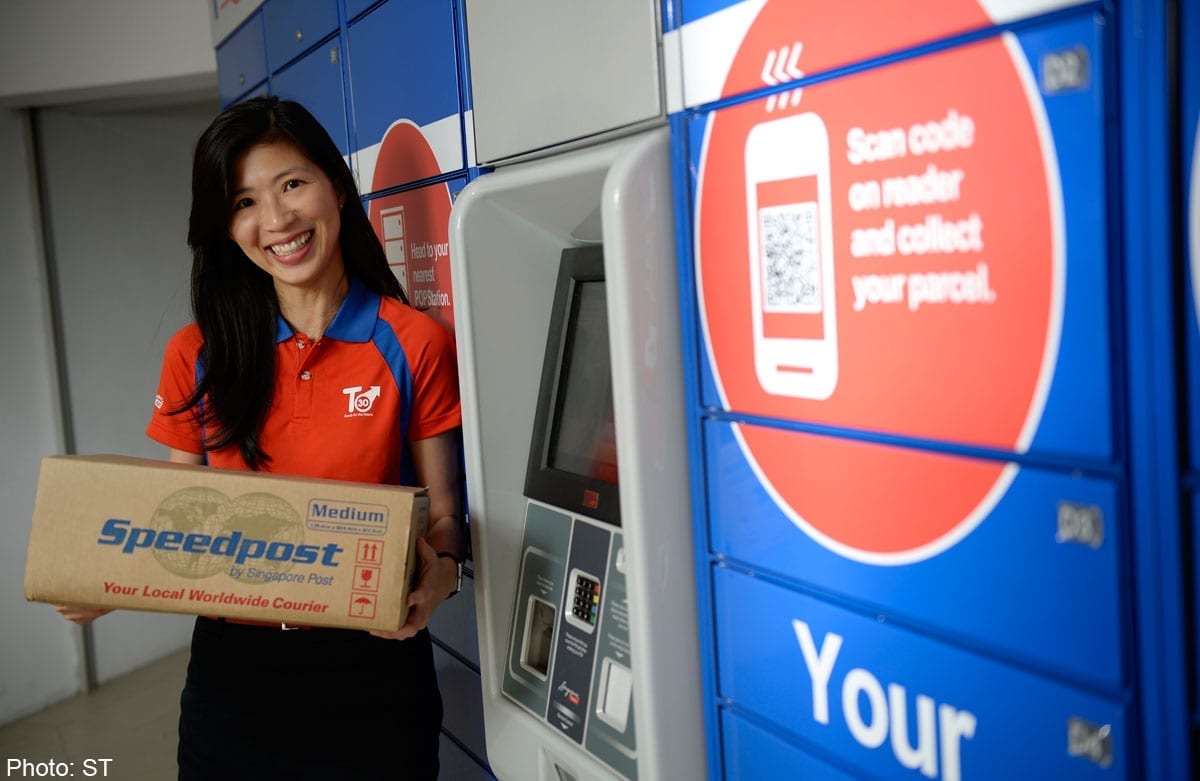
    Singapore startup Blu has introduced BluGate, a service that offers online shoppers more flexibility with deliveries.

    It has a network of 49 BluPort Parcel Terminals where shoppers can opt to pick up their purchases. These are situated in shopping malls, office buildings, Cheers convenience stores and Esso petrol stations.

    To use the service, shoppers sign up online for a BluGate account and buy BluTokens, available on demand or by plan. This gives them access to a virtual shipping address, corresponding to the parcel terminals.

  • DHL doubles airfreight capacities to support Norwegian seafood exports

    DHL doubles airfreight capacities to support Norwegian seafood exports

    DHL Global Forwarding, the air and ocean freight specialist of Deutsche Post DHL Group, expands its airfreight capacities in response to the increasing exports of the Norwegian seafood industry. The demand has been continuously growing since the introduction of DHL’s new service solution in May this year. As of now DHL will double its flight frequency by deploying a dedicated Boeing 747-400 cargo plane that ships seafood from Oslo to Seoul and Shanghai twice a week. Furthermore the new solution will also increase the operational efficiency on DHL’s transpacific trade lane by performing around-the-world flights.

    “As the international leading logistics provider and enabler of global trade, Deutsche Post DHL Group is committed to always support its customers with effective and efficient logistics solutions. The introduction of our new around-the-world air freight services not only increases the capacities for the Norwegian seafood industry, it also demonstrates the creative and customer centric approach of our Global Forwarding division,” says Frank Appel, CEO Deutsche Post DHL Group.

    The newly deployed Boeing 747-400 around-the-world freighter service is yet another step in re-designing intercontinental supply chains while generating significant, reliable and efficient capacities for customers along the route from Brussels to Oslo, Seoul, Shanghai Cincinnati and back to Brussels. The aircraft will start in Brussels and pick up the seafood at the DHL terminal in Oslo. From there it will be flown to Seoul, where the plane will be discharged and loaded with general cargo for its next destination in China .This procedure repeats at the next stops in Shanghai and Cincinnati and prior to the return to Brussels.

    In addition to the expanded capacities along the transpacific route, DHL Global Forwarding will also manage the increasing demand of fresh seafood, by doubling the number of flights from Norway to Asia. Twice a week DHL will transport seafood from Lakselv Airport Banak via its terminal in Oslo to Seoul. From the origin, only 100 km from the North Cape to its final destination in Korea the time for the whole supply chain is cut down from 48 to 20 hours.

    “Given our expertise in temperature controlled logistics solutions and rapid transportation by plane, we make sure that the seafood arrives at its destination in the best possible condition,” says Ingo-Alexander Rahn, Global Head of Airfreight, DHL Global Forwarding. “Cutting the lead-time by more than 50 percent and providing seamless logistics processes, furthermore help the Norwegian fishing industry to grow and win considerable market shares with high quality seafood around the globe. DHL does not only provide greater transportation capacities of fresh seafood to Asia, we overall contribute to the logistical accessibility of the region and improve the global supply of the time-sensitive goods.”

  • SingPost Centre starts opening in phases

    SingPost Centre starts opening in phases

    The SingPost Centre mall has started opening in phases following the repurposing of space as part of an omni-channel e-commerce experience.

    The mall aims to offer convenience by bringing together retailers, customers and e-commerce last-mile fulfillment all under one roof.

    OCBC Investment Research says the mall will complete the omnichannel e-commerce experience involving both online and offline retailers.

    When fully opened, the mall is expected to produce S$17 million (US$12.6 million) a year in rental and property-related income.

  • FedEx Singapore named best employer by Aon for the sixth time

    FedEx Singapore named best employer by Aon for the sixth time

    FedEx Express has been named a Best Employer by Aon in Singapore. This year, FedEx is also awarded the Best Employer in Asia Pacific after it was named the Best Employer in three out of seven Asia Pacific markets that have announced the results – Malaysia, New Zealand and Singapore.

    Representatives from FedEx Express receive the awards for Aon Best Employers Singapore 2017 and the Aon Regional Best Employers in Asia Pacific 2017. Pictured from left: Jeremy Andrulis, Chief Executive Officer, Southeast Asia, Aon Hewitt; Audrey Cheong, Managing Director, FedEx Express Singapore; Mohamed Gani Bin Salleh, Operations Coordinator, FedEx Express Singapore; and Amy Leung, Managing Director, Human Resources Services, South Pacific Region, FedEx Express.

    “We are extremely honoured to be recognised as an employer of choice in Singapore by Aon. Ensuring that our employees are engaged and feel valued is one of our core focus areas, and this recognition further reinforces our commitment to continue moving in the right direction,” said Audrey Cheong, managing director, FedEx Express Singapore. “Credit goes to our employees who manifest their high level of engagement by consistently fulfilling our Purple Promise to deliver an outstanding experience to customers.”

    The Best Employers accreditation program evaluates organisations based on four critical areas: employee engagement, effective leadership, compelling employer brand and high performance culture.

    “The rapidly evolving business environment needs organisations to accelerate organic growth, digitise their business, reduce risk exposure and embrace change,” said Jeremy Andrulis, CEO of Aon Hewitt, Southeast Asia. “These themes demonstrate the importance of having a highly engaged, agile and productive workforce. Best Employer organisations like FedEx are able to identify the capabilities they need from their employees and create an environment conducive to their employees’ growth and productivity not just now, but in the years to come. As a result, they outperform the market in employee engagement while continuing to retain the exceptional talent they already have.”

    Prior to this year, FedEx Singapore was also in Aon’s Best Employers list in 2001, 2003, 2004, 2008, 2011. In 2016, the company received a Special Recognition for Commitment to Engagement by the Aon Best Employers – Singapore program.

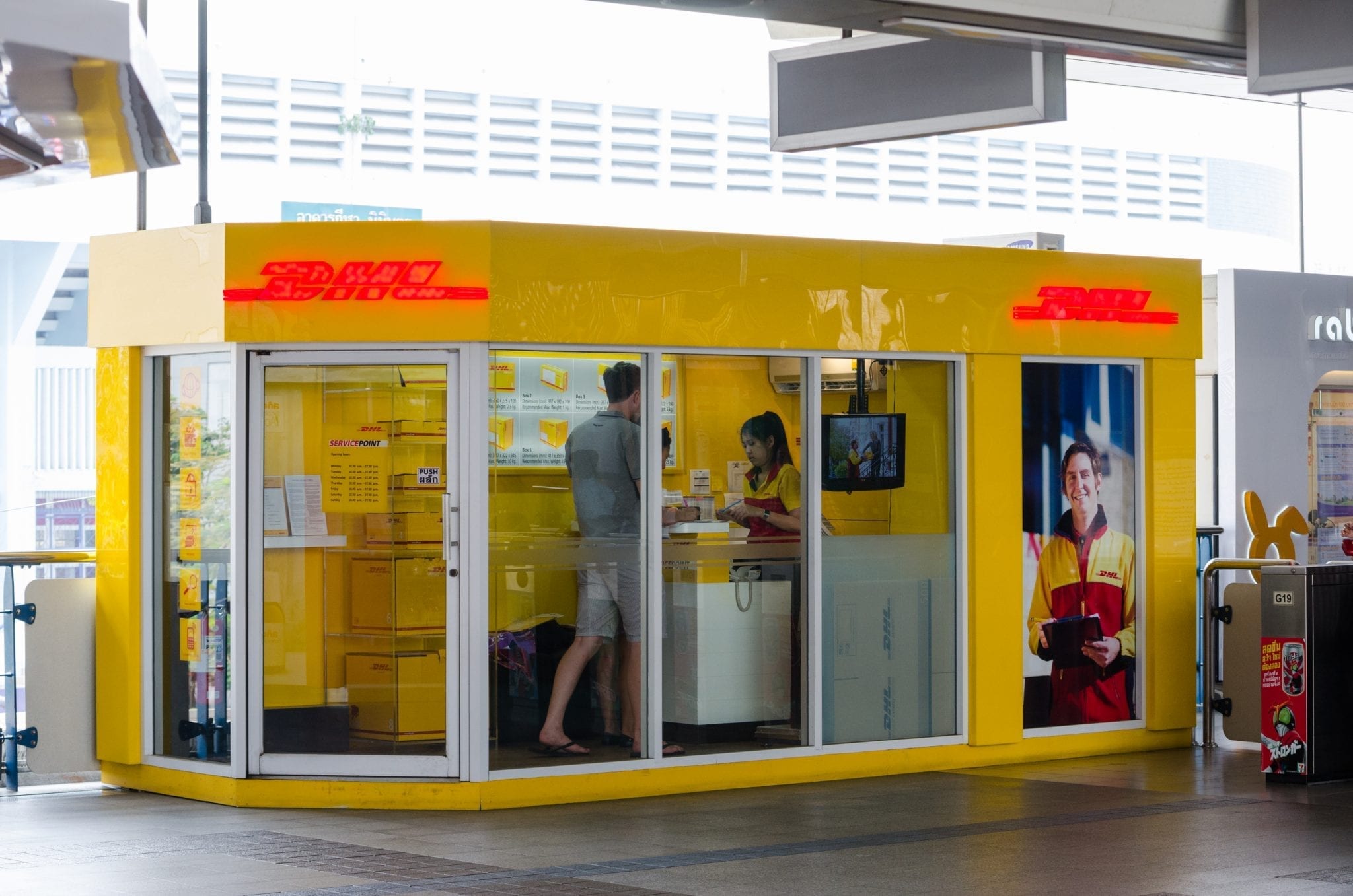
  • DHL Express opens new facilities in Budapest Airport

    DHL Express opens new facilities in Budapest Airport

    wo express facilities have opened at Budapest Airport, as part of the EUR160 million (HUF50 billion) BUD:2020 Development Programme.

    DHL Express is the latest to launch at the warehouse and office complexes, which have automated sorting systems, and represent the largest air cargo development at Budapest Airport to date, with a total land area development of just over 60,000 square meters.

    “DHL Express has already been present in Hungary for more than 25 years. The new lease agreement between Budapest Airport and DHL Express for another 15 years clearly reflects the commitment of Deutsche Post DHL Group to Hungary and the airport,” said Zoltán Bándli, Managing Director, DHL Express Hungary.

    “The 6,000 m2 warehouse capacity will give DHL space to accommodate the volume growth of our business, with the new state-of-the-art sorting technology, which includes fully automatic shipment processing, allowing us to process more than 6,000 pieces per hour, which is three times our current capacity.

    “As DHL Global Forwarding and DHL Freight are also located at Budapest Airport, synergies between the three business units will strengthen, and contribute to a more effective operation, further improvement of services, and development of cross dock businesses. The move will also mean a quality improvement in working conditions, and further efficiency gains in warehouse operations.”

    More than 600 employees will be based at the two new express complexes, which are located in the area next to Terminal 1, further cementing Budapest Airport’s role as a regional leader for integrators.

    The next freight phase of the BUD:2020 Development Programme will be the development of Cargo City next to Terminal 2, due to be completed in 2019.

    The new facilities will provide centralised cargo operations, and expand the Hungarian hub’s cargo handling capacity to 250,000 tonnes per year.

    “We are pleased to kick start a new era for cargo at Budapest Airport with the opening of our new express facilities,” said René Droese, Director Property and Cargo, Budapest Airport.

    “We have seen strong cargo growth during the last 18 months, and we look forward to further establishing Budapest Airport as the ideal location for air cargo distribution in Central Europe.”

    Budapest Airport handled a record volume of 72,161 tonnes of air cargo from January to July 2017, an increase of 19.6 per cent on 2016.

    The Hungarian hub experienced continuous growth with new freighters, such as Qatar Airways Cargo, the volume increase of current freighter partners, such as Cargolux and Turkish Cargo, and the belly cargo capacity of passenger operators, including Air China and Emirates Airlines.

    The recently announced LOT Polish Airlines services from Budapest to New York and Chicago, and the daily American Airlines flight from Philadelphia to Budapest will establish direct belly cargo connections between Hungary and the cargo hubs in the USA.

  • China’s e-Shand Redwood sells logistics assets to Invesco

    China’s e-Shand Redwood sells logistics assets to Invesco

    e-Shang Redwood (ESR), a pan-Asia logistics real estate developer, owner and operator, has formed a joint venture with Invesco Real Estate to acquire and manage core logistics assets in China, marking the first collaboration of its kind for both parties in the region.

    The portfolio consists of class A stabilized logistics real estate assets in China, valued in excess of RMB 2 billion (US$300 million). Invesco acquired a majority stake in the portfolio from ESR. ESR will retain an equity interest and act as the project and property manager of the assets to drive future value for Invesco in partnership with Invesco’s asset management team.

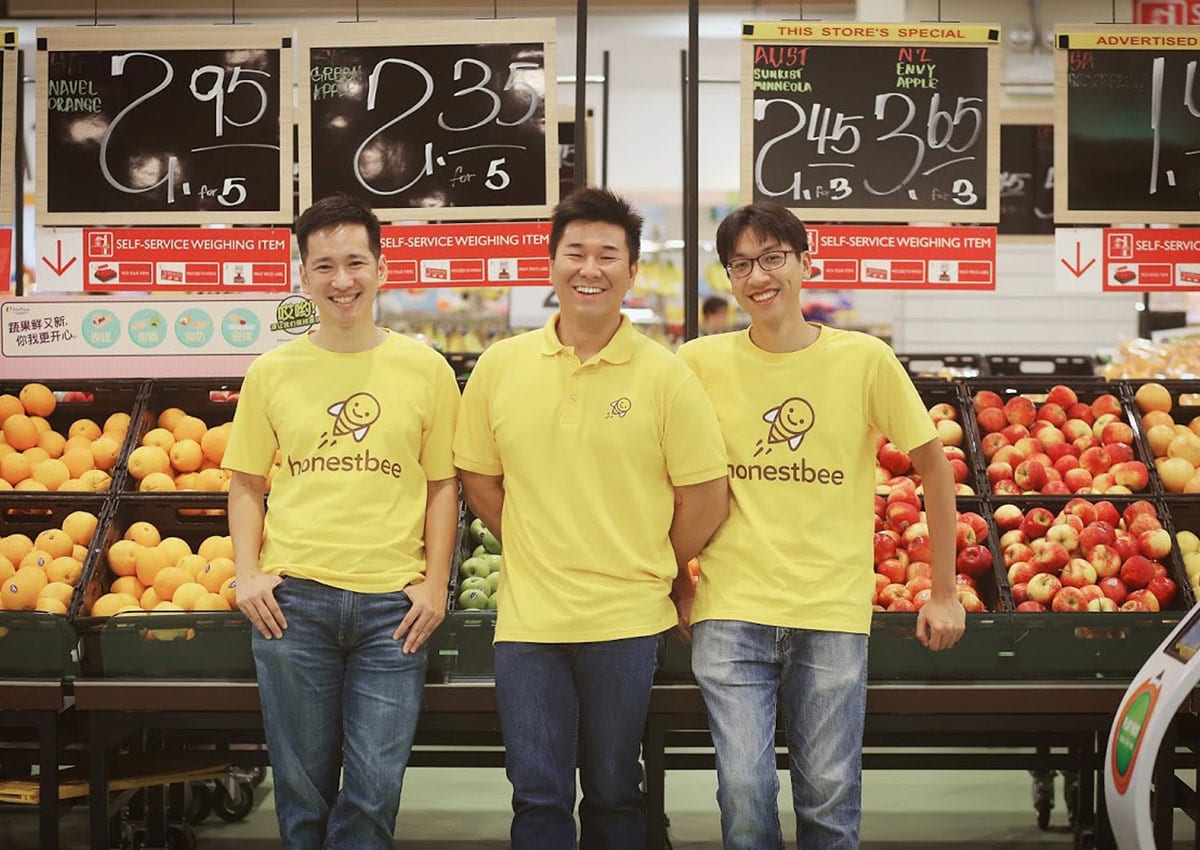
  • Honestbee flies high with new logistics services honestbee GOODSHIP

    Honestbee flies high with new logistics services honestbee GOODSHIP

    Honestbee, Asia’s leading and trusted online concierge and delivery service has today officially announced the launch of honestbee GOODSHIP, their logistics service in Thailand.

    Honestbee GOODSHIP has been operating parcel deliveries in Bangkok for a couple of months before this official announcement, catering to B2B and B2C deliveries. The focus is on last-mile same-day or next-day e-commerce delivery with a move towards on-demand delivery for end-consumers within an hour to follow soon.

    Country Head of honestbee GOODSHIP, Theresa Mathawaphan has a background in retail, technology management and business start-up and was part of the international team who developed the country’s first tech start-up incubator at the Thailand Science Park. She is confident that honestbee GOODSHIP will be a good partner for many businesses in the city.

    “Logistics can let companies down and therefore being able to call on the reliable services of a third-party, and one that understands the need for a fast, trustworthy delivery is crucial, particularly in a city where, whether online or offline, goods need to move quickly. Customer tracking and a real-time fleet tracking system are essential elements of this service too.”

    Thailand’s Electronic Transactions Development Agency has forecasted that the total e-commerce market in Thailand this year will be worth Bt2.52 trillion (USD74 billion).

    With daily deliveries of honestbee GOODSHIP now surpassing the grocery and restaurant deliveries combined, the target is to deliver in excess of 50,000 orders per day over the next 12 months.

    As well as Thailand, honestbee GOODSHIP has a successful presence in Singapore, Malaysia, the Philippines and Japan.  More countries are to be rolled out to provide the excellent services to its partners and non-partners.

    Currently, honestbee runs two B2C delivery services in Bangkok; groceries handpicked by shoppers and delivered fresh to customers’ doors in one hour as well as restaurant food deliveries with customers ordering online and on-demand delivery in less than 60 minutes.

    Bounthay Khammanyvong, honestbee Country General Manager, Thailand has experience in building up successful companies to create billion-dollar businesses and working with cutting edge e-commerce. He believes that honestbee GOODSHIP is a natural progression for honestbee and will really take flight in Thailand.

    “E-commerce in Thailand is going through an incredible boom period, and at the heart of that success is logistics, both for businesses which need products delivered to certain branches or retail outlets and for consumers who order online. With its own boutique-style e-commerce platform, honestbee has relevant experience of business and consumer delivery demands in order to create the right quality of customizable services and branding customers can trust.”

    The Thai e-commerce market is not only growing but consumer experience online is growing as is the digital ecosystem, Internet penetration and social commerce channels which contributes to the majority of all deliveries.

    Currently honestbee GOODSHIP’s fleet consists of 80% delivery motorbikes or ‘Rider-Bees’ and 20% delivery trucks. There are also services rolling out soon that would help marry the online and offline world.

    Some of the current honestbee GOODSHIP clients include Nu Skin, SE-ED Books, aCommerce, Aramex, Siam Outlet, City-Link and OfficeMate.


  • Tigers Linking Rail Freight Destinations

    Tigers Linking Rail Freight Destinations

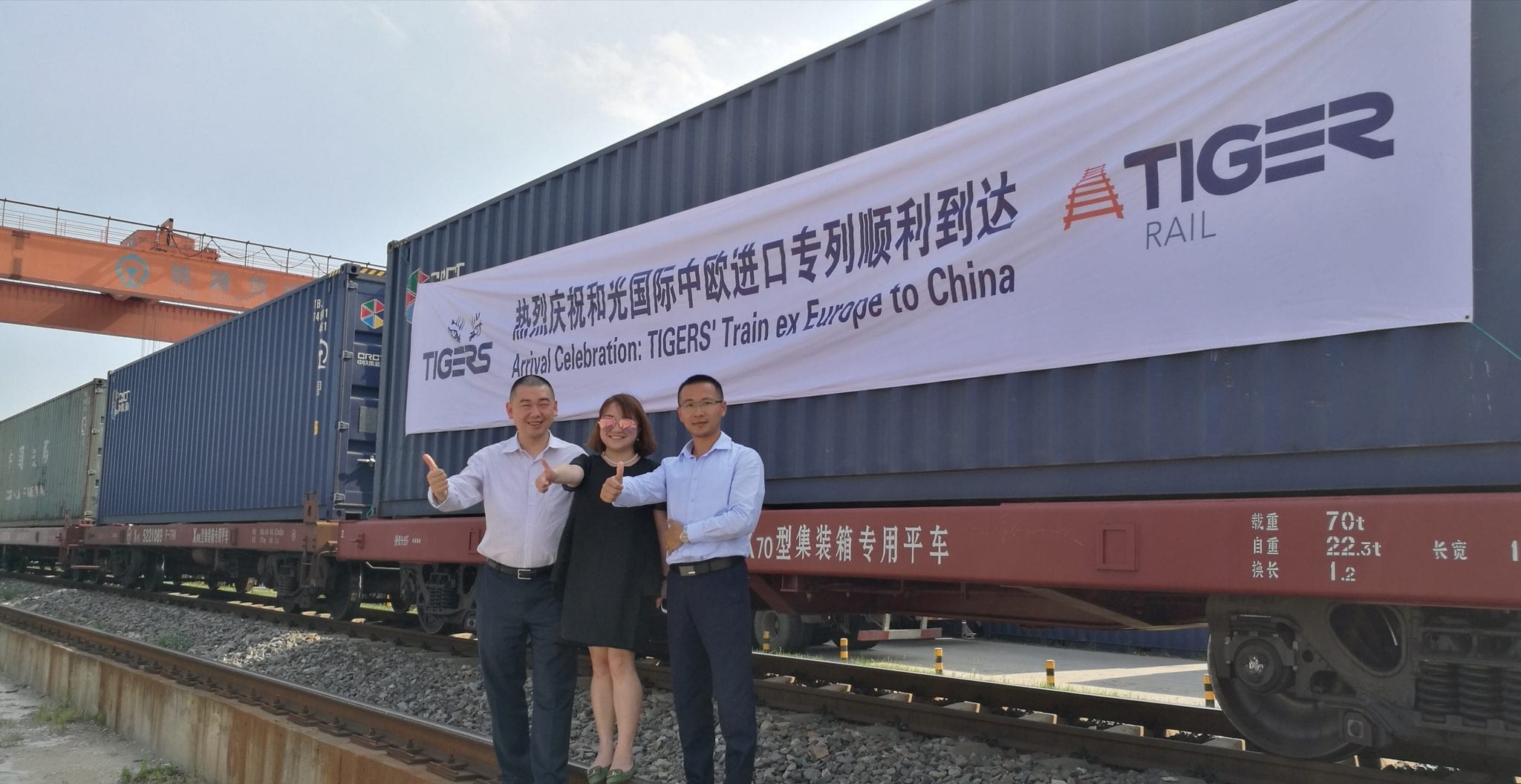
    Tigers has launched a new rail freight service, called Tiger Rail, offering customers a 16-day transit time both east and westbound, between Duisburg, Germany, and Hefei, Chongqing, and Chengdu, China.

    Tiger Rail customers can charter a train, or book Full Container Load (FCL) or Less than Container Load (LCL) shipments on weekly scheduled services to and from over 15 origin stations in China.

    The Hong Kong-headquartered supply chain specialist is also planning to offer

    e-commerce customers shipping parcels from Europe to China a cost-effective service along the new Silk Road.

    “We have seized the opportunity to provide integrated logistics for our customers, who increasingly require shorter transit times than ocean freight, and lower costs than airfreight, making Tiger Rail the perfect solution,” said Paul Huang, Managing Director, Tigers China.

    “Our customers benefit from lower shipping costs by empty container return in Switzerland for westbound services, and Shipper’s Own Container (SOC) for eastbound services, for both FCL and LCL.

    “Tigers has already supported customers to transport over 500 TEUs as FCL, and 1500 cubic meters (CBMs) as LCL along the new Silk Road.”

    Tiger Rail’s inaugural shipment took place over the summer, on behalf of one of one of the largest manufacturers of exhaust and suspension systems, which chartered a train to transport construction materials, auto parts, and electronics.

    “We are currently preparing test shipments for European Union (EU) Business to Consumer (B2C) parcels importing to China with Tiger Rail, and look forward to expanding our rail freight capabilities even further,” said Andrew Jillings, Chief Executive Officer and Group Managing Director, Tigers.

    Tiger Rail customers can track and trace their freight shipments using the Tiger Trax platform.

    The launch of Tiger Rail comes only weeks after Tigers achieved Authorised Economic Operator (AEO) certification in the UK, expanded its footprint with a new office in Leeds, and launched a post-Brexit solution to combat any disruption caused by Brexit.

  • DHL distributes 200,000 umbrellas to pilgrims

    DHL distributes 200,000 umbrellas to pilgrims

    DHL Express Saudi Arabia has distributed more than 200,000 umbrellas to pilgrims during this year’s Hajj, double the amount given out last year.

    The distribution was made in Mina and Arafat by 25 dedicated DHL Express staff members working from 15 trucks.

    “DHL Express Saudi Arabia is committed to social responsibility in the Kingdom, which extends to our support for pilgrims performing the most sacred religious duty of their lives,” said Faysal Al-Hajjami, country general manager of DHL Express.

    “This is the fourth year in a row that we have implemented the umbrella initiative, which has proved to be much appreciated by the pilgrims.”

    DHL Express has a global CSR strategy under the three key pillars — Go Help, Go Teach and Go Green — that cover various aspects, including education, the environment and aid to charitable causes.
    Implementing this strategy locally, in addition to its help for Hajj pilgrims, DHL Express has partnered with Tarabot, a charity located in the Eastern Province, to support patients struggling to cover the cost of medical treatments by providing safe and comfortable transportation from their homes to the treatment locations.

    Other DHL activities include regular fun days for child cancer patients and orphans.
    “Being a good corporate citizen of the Kingdom is inherent in our DNA and we firmly believe that our CSR programs, particularly our Go Help initiative, genuinely benefits the communities where we operate,” added Al-Hajjami.

  • Hong Kong Post issuing shopping-street stamps

    Hong Kong Post issuing shopping-street stamps

    Hongkong Post is issuing a set of special stamps with Hong Kong’s shopping streets as their theme, together with associated philatelic products.

    The six stamps introduce shopping streets with a special local history and culture – in Mong Kok, shops in the Goldfish Market and others in the Flower Market; Chinese Medicine Street in Sheung Wan, which is more than a century old; Yau Ma Tei’s Jade Market; the wholesalers in Kitchenware Street; and the Yau Ma Tei Wholesale Fruit Market.

    The official first-day covers are available now at all post offices, while the stamps and associated products will be displayed at the General Post Office, Tsim Sha Tsui Post Office, Tsuen Wan Post Office, Sha Tin Central Post Office and Tuen Mun Central Post Office.

  • Dematic expands solution set to include AutoStore

    Dematic expands solution set to include AutoStore

    Dematic has signed a global agreement with AutoStore. The agreement will enable Dematic to expand its omni-channel integrated solution offering with an ultra-high density storage and goods to person piece picking system to optimise order fulfilment and kitting. As a qualified system integrator, Dematic will design, configure, engineer, install and support AutoStore as a sub-system within an overall Dematic solution or as a standalone piece picking system throughout the globe.

    Dematic helps customers achieve operational excellence by offering the most appropriate solution for each application. Including the AutoStore system into the Dematic portfolio of solutions creates more choices for customers to optimise order fulfilment. For example, if storage density is the most important consideration, the AutoStore system may be the most effective option.

    With the AutoStore partnership, Dematic has the ability to provide scalable solutions that work across all elements of the dynamic order profiles and SKU velocities associated with e-commerce and omni-channel solutions. In addition, the Dematic iQ Warehouse Execution System (WES) will manage all functional areas of the operation including piece picking and the AutoStore system. This Dematic one source, solution provider capability, insures production and distribution operations employ a holistic integrated solution that harmonises information and material flow from receiving to shipping.

    “The Dematic suite of solutions is comprehensive; adding AutoStore to the mix enables users to obtain the ideal storage, buffering and piece picking solution” according to Jeff Moss, CEO, Dematic International. “The ability to design and implement a wide variety of system configurations is critical to effectively accommodate the growing demands of omni-channel distribution in this age of acceleration,” Moss continued. “The Dematic expanded solution will be a sure way for our customers to serve their customers better and faster.”

  • BluJay Solutions partners with NMB Solutions

    BluJay Solutions partners with NMB Solutions

    BluJay Solutions announced a strategic partnership with NMB Solutions, a Microsoft partner specialising in third-party parcel and LTL shipping integration with Dynamics AX/365 for Operations.

    NMB Solutions has been providing Dynamics AX integration for BluJay’s Parcel (formerly Kewill Flagship) and other third-party parcel solutions for nearly ten years, starting with Dynamics AX 4.0. NMB’s flagship product, the Packing Workbench, provides AX users with powerful tools that integrate BluJay’s Parcel directly into AX’s sales order, pick/pack, and finance functions.

    The partnership brings together BluJay’s global transportation management strength and experience with NMB’s robust Dynamics AX integration and in-depth knowledge of AX/365 for Operations, to create even more powerful solutions for the Microsoft Dynamics 365 community.

    “This is a really exciting time for us – the partnership allows us to focus our development on the integration of the incredible tools BluJay has to offer, not only for parcel shipping, but for TMS as well,” said Chris Morgan, Managing Director at NMB. “The ability to integrate features like AES filing, denied third-party screening, and hazardous material labeling will make our Packing Workbench even more efficient, and allows clients to realize their ROI faster.”

    BluJay is the only vendor that offers these supply chain solutions in a single platform, with connectivity to the world’s largest Global Trade Network.

    “Working with the BluJay team has been fantastic,” Morgan added. “As we move toward releasing our 365 for Operations version, we will have the capability to integrate into BluJay’s Parcel cloud offering. This enables us to offer a complete parcel shipping solution on the Microsoft Dynamics Marketplace.”

    In the next phase, NMB will provide similar integration to BluJay’s global Transportation Management platform, combining the full suite of BluJay’s shipping tools with the power, ease-of-use, and global reach of Microsoft Dynamics 365.