Category: Real Estate

Retail News Asia is committed to providing both local and global retailers with the latest Real Estate news throughout the Asian market. This on a daily base.

  • Hanoi Welcomes a Stunning 50,000sqm Luxury Mall Set to Open This Year!

    Hanoi Welcomes a Stunning 50,000sqm Luxury Mall Set to Open This Year!

    The retail landscape in Hanoi is poised for a transformative shift, particularly with the impending launch of the Hanoi Centre shopping mall, set to debut in 2025. Located within the Tien Bo Plaza mixed-use project, this 50,000 sqm retail space promises to bring fresh shopping experiences to the city. Meanwhile, the City Fringe area will see the addition of Takashimaya, a 20,000 sqm retail gem slated for completion by the end of 2026. With this wave of new supply, landlords may find themselves in a tug-of-war to entice tenants by offering attractive lease terms in a competitive environment.

    Market Dynamics and Current Trends

    Despite some turbulence, particularly marked by a negative net absorption of 25,530 sqm—largely due to Vincom Nguyen Chi Thanh’s exit from the Prime retail basket after downsizing—Hanoi’s retail market is not without optimism. The recent report from JLL underscores a resilient performance in the food and beverage, lifestyle, and entertainment sectors, especially those appealing to Gen Z and families. “New entrants and expansions—featuring Asian brands like KKV, OH!SOME, and Mr DIY—signal a strong leasing activity, as these businesses secure significant retail spaces ranging from 500 to 1,000 sqm,” the report noted.

    Impact of Recent Developments

    The second quarter of 2025 did not welcome any new prime mall openings, leaving the supply in the City Centre at 55,000 sqm. Conversely, the City Fringe saw its total retail space contract to 581,045 sqm with the exclusion of Vincom Nguyen Chi Thanh. As a result, the City Centre’s vacancy rate crept up slightly to 4.6%, but with new vacancies set to attract tenants by late 2025. In contrast, City Fringe’s vacancy rate dropped to 7.3%, benefiting from the supply adjustments.

    Rent Dynamics and Future Prospects

    When it comes to retail rents, Hanoi’s City Centre experienced a monthly climb to USD 132.6 per sqm for ground-floor spaces in Q2. Meanwhile, rents in the City Fringe stabilized at USD 54.2 per sqm. Year-on-year, this marked a 3% increase in City Centre rents, even as City Fringe saw a slight dip of 0.9%. The competitive landscape of premium malls, including Lotte Mall West Lake and the upcoming Takashimaya, Thiso Mall Westlake, and CJ Shopping Centre slated for 2026-27, suggests that rent growth in the City Fringe will be measured in the coming years.

    As the retail scene evolves, it appears that the thrill of shopping in Hanoi will continue to attract not only local shoppers but also adventurous visitors eager to explore fresh offerings. After all, you never know when a delightful discovery will pop up right around the corner!

    Questions & Answers

    What are the key upcoming developments in Hanoi’s retail sector?
    The Hanoi Centre shopping mall, a significant 50,000 sqm venue, is expected to open in 2025 within Tien Bo Plaza, while Takashimaya is anticipated to add another 20,000 sqm to the City Fringe by the end of 2026.

    How has occupancy changed in Hanoi’s retail market?
    The City Centre’s vacancy rate has slightly increased to 4.6%, while the City Fringe saw a decrease to 7.3%, largely due to the exclusion of Vincom Nguyen Chi Thanh from the Prime retail basket.

    What trends are impacting retail rents in Hanoi?
    Retail rents in the City Centre have increased by 3% year-on-year, reaching USD 132.6 per sqm, while City Fringe rents have dipped by 0.9%. The competitive landscape, driven by new mall developments, poses challenges for rent increases in the City Fringe.


  • Bangkok Set to Debut Two Exciting Office Projects by Year-End

    Bangkok Set to Debut Two Exciting Office Projects by Year-End

    In a significant development for Bangkok’s commercial landscape, two major office projects are set to reshape the city’s Grade A office market by the end of 2025, introducing an impressive 161,000 square meters of new stock. According to a recent report from JLL, this expansion is expected to bring the total office space in Bangkok to approximately 1.8 million square meters.

    Vacancy Rates on the Rise Amid Supply Surge

    As the market braces for an influx of new office space, the year-end vacancy rate is projected to hit a daunting 30%, surpassing earlier predictions. This spike in vacancies can be attributed to wavering business confidence and a steady stream of incoming supply.

    JLL highlights that the new and upcoming additions to the market are likely to drive rental growth, albeit against a backdrop of price sensitivity as occupiers closely monitor their expenses. The report also notes that capital values are expected to experience marginal compression, reflecting the cautious sentiment of investors navigating these uncertain times.

    Leasing Activity Slumps in Q2

    Bangkok’s prime office market recorded a net absorption of just 9,800 square meters in Q2 2025, a staggering decline of 42.9% from the previous quarter. This downturn signals a notable slowdown in leasing activity, with many tenants choosing to hold onto their current spaces rather than commit to new leases. The aftershocks of the recent earthquake appear to have further amplified this wait-and-see mentality among businesses.

    New leasing activity during this quarter was predominantly driven by newly completed projects like One Bangkok Tower 4 and Grande Centre Point Lumphini. In contrast, the broader market experienced only flat to minimal occupancy changes.

    New Supply Challenges Older Buildings

    Bangkok welcomed a new addition to its skyline with the completion of APAC Tower, which introduced an additional 32,400 square meters of space, achieving around 20% pre-commitment. The total prime office stock in the city has now reached 1,603,000 square meters. However, with this new supply, the prime vacancy rate has surged to 28.6%, reflecting an increase of 84 basis points quarter-over-quarter. This trend is expected to persist as older buildings struggle to compete with the appeal of new premium options.

    Rental Rates Show Slight Decline

    Amidst these shifts, prime gross rents in the Central Business Area (CBA) saw a slight decline of 0.4% quarter-over-quarter in Q2 2025, dipping to THB 1,025 per square meter. Prime net effective rents also experienced a downturn, falling by 0.3% to THB 784 per square meter per month. Average rent-free periods reached two months, which could be seen as a silver lining for tenants seeking favorable terms.

    In contrast, capital values have held steady compared to the previous quarter but have increased by 3.2% year-over-year, now sitting at THB 167,000 per square meter. This stability underscores the ongoing pressures linked to development costs, economic uncertainties, and the prevailing cautiousness among investors.

    Questions & Answers

    What are the expected impacts of the new office projects in Bangkok?
    The introduction of 161,000 square meters of office space is expected to escalate vacancy rates to around 30% by year-end, reflecting increased supply and softened business confidence.

    How did the leasing activity in Q2 2025 compare to previous quarters?
    Leasing activity saw a significant downturn, with net absorption dropping by 42.9% quarter-over-quarter, indicating a cautious approach from tenants following recent market disruptions.

    What trends are emerging in rental rates and capital values?
    Prime gross and net effective rents have slightly decreased, while capital values remain stable on a quarterly basis but have risen year-over-year, suggesting a complex market landscape for stakeholders.

  • Tokyo Welcomes Three Sophisticated Luxury Hotels Set to Launch in Late 2025

    Tokyo Welcomes Three Sophisticated Luxury Hotels Set to Launch in Late 2025

    Tokyo’s hospitality landscape is in for a makeover, with an exciting lineup of luxury hotels poised to make their debut. A recent report by JLL reveals that while there were no new international hotel openings in the Japanese capital during the second quarter of 2025, the second half promises to be bustling with activity as major brands prepare to enter the market.

    A Luxury Surge on the Horizon

    Notable names like Fairmont, JW Marriott, 1 Hotel, and Caption by Hyatt are gearing up for launches, indicating strong confidence among international brands to tap into Tokyo’s upscale travel market. This comes on the heels of a recovery in the city’s hotel sector, which has shown remarkable growth across all segments. The surge in inbound visitors has led to a steady rise in average daily rates (ADR), while hotel occupancy continues to rebound steadily.

    Positive Trends and Room for Growth

    According to the JLL report, Tokyo’s luxury and upper upscale segments witnessed notable improvements compared to the previous year. Year-to-date figures through June show that both ADR and occupancy have increased year-on-year, contributing to a substantial rise in revenue per available room (RevPAR). However, the city’s occupancy rates still trail behind levels seen in the vibrant Q2 of 2019.

    Staying Vigilant Amid Global Uncertainty

    Looking ahead, the buoyant trends observed in the first half of 2025 may face some turbulence due to rising geopolitical risks and global instability. JLL cautions that these factors could significantly influence hotel performance in the latter half of the year. While exchange rate fluctuations haven’t yet affected hotel metrics, a continuous decline in department store revenues, which fell year-on-year for five consecutive months starting February, suggests a shift in consumer spending habits among international visitors to Japan. It appears that tourists may be opting for memorable dining experiences and local attractions over traditional shopping sprees.

    In an industry where maintaining a balance between luxury and experiential offerings is crucial, Tokyo is set to redefine its hospitality narrative in the coming months—making it an exciting moment for both investors and travelers.

    Questions & Answers

    What luxury hotel brands are planning to open in Tokyo by late 2025?
    Fairmont, JW Marriott, 1 Hotel, and Caption by Hyatt are among the international brands set to debut in Tokyo during the second half of the year.

    How has Tokyo’s hotel sector performed in 2025 so far?
    The sector has seen continued growth across all segments, with improvements in average daily rates and occupancy rates compared to the previous year, though overall occupancy is still below pre-pandemic levels.

    What challenges could impact Tokyo’s hotel performance in the latter half of 2025?
    Rising geopolitical risks and global instability could create uncertainty, potentially affecting hotel performance as both exchange rates and consumer spending change.

  • Singapore’s Retail Spaces Set for a 2% Rent Hike This Year—What It Means for Shoppers and Stores!

    Singapore’s Retail Spaces Set for a 2% Rent Hike This Year—What It Means for Shoppers and Stores!

    Amid a landscape of recovering tourist arrivals, Singapore’s retail sector is preparing for a bumpy ride, navigating uncertain economic waters. A recent report by Savills highlights that while there is potential for growth, particularly from the influx of tourists, the economy is set for subdued performance through the latter half of the year. This is primarily due to anxieties surrounding Liberation Day tariffs and a notable decline in non-oil domestic exports, which many businesses rushed to ship in anticipation of these increased costs.

    Retail Struggles Amid Economic Uncertainty

    Domestic-oriented sectors, particularly retail and food & beverage, are feeling the pinch, having reported subdued performance in the first half of the year. Savills notes that while the distribution of government consumption vouchers, such as CDC and SG60, could provide a temporary boost to retail activity, a sideways trend in overall sales is anticipated. This stagnation is largely fueled by cautious hiring sentiments and the softening indicators of resident employment, which could further limit consumer spending power. Adding to the complexity is Singapore’s strong currency, which continues to tempt shoppers to look overseas for value.

    Suburban Resilience Amid Central Region Pressures

    Interestingly, while the retail market braces for a challenging period, the tapering supply pipeline could bring some stability to occupancy rates and rents in the next two years. However, the overarching mood remains cautious, with both hiring and spending expected to lag. Suburban malls, particularly those well-connected to transport hubs and serving dense communities, may find themselves somewhat insulated from these broader industry challenges. In contrast, malls located in the Central Region are likely to experience continued pressure from declining spending power.

    A Shift in Tenant Dynamics

    Savills anticipates a rising tenant turnover rate as struggling stores vacate prime locations. While landlords may swiftly fill these coveted units with new tenants, they might need to offer shorter leases or attractively lower rental incentives to maintain occupancy in less desirable spaces. As the region gears up for a rebound in tourism, Orchard Road’s malls are expected to benefit, with rental prices projected to rise.

    The silver lining in this retail narrative is the expectation that both Orchard Road and suburban mall rents could see an uptick of up to 2% by 2025, fueled by the ongoing recovery of tourist arrivals. As the tide of tourism begins to lift Singapore’s retail waters, it seems that for some, the return of shoppers may indeed feel like a breath of fresh air amidst the uncertainty.

    Questions & Answers

    What factors are influencing Singapore’s retail sector performance this year?
    Singapore’s retail sector is grappling with uncertainties stemming from Liberation Day tariffs, a reduction in non-oil domestic exports, and softening resident employment, which collectively dampen consumer spending power.

    How are suburban malls poised to perform compared to those in the Central Region?
    Suburban malls with good transport connectivity and a solid residential base may remain more resilient, whereas Central Region malls may struggle under pressure from declining spending capacity.

    What is the forecast for retail rents in Singapore for 2025?
    Retail rents in both Orchard Road and suburban malls are expected to increase by up to 2% in 2025, spurred by a resurgence in tourist arrivals.

  • Clementi Mall Hits Singapore Market With S$750 Million Price Tag Amid Cuscaden Peak’s Portfolio Optimization Strategy

    Clementi Mall Hits Singapore Market With S$750 Million Price Tag Amid Cuscaden Peak’s Portfolio Optimization Strategy

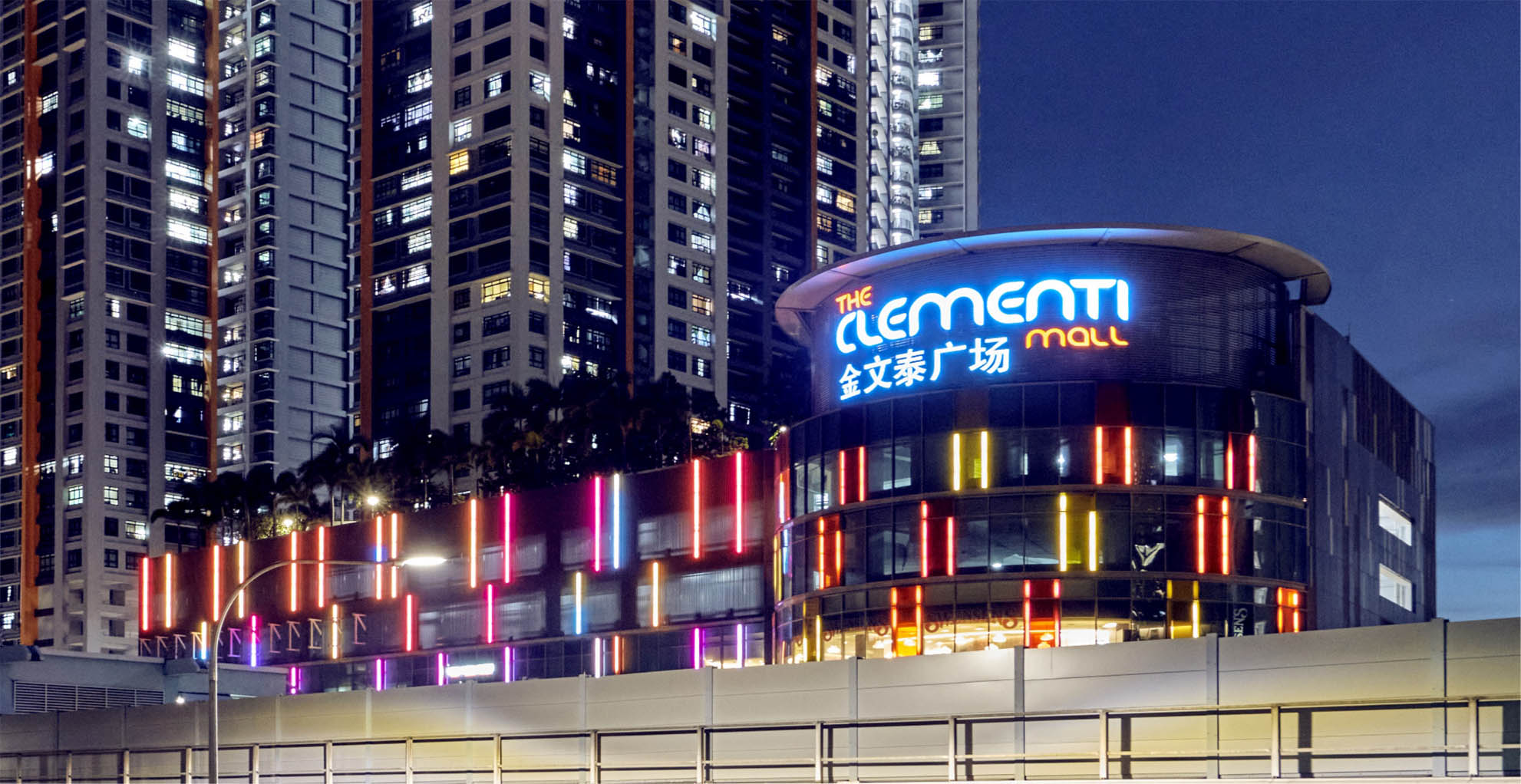
    Cuscaden Peak Investments has made the decision to put the Clementi Mall, located in Singapore, on the market. The asking price for the suburban, mid-range shopping hub is expected to be around S$750 million, as per sources privy to the matter.

    Property Details and Background

    The Clementi Mall is a bustling hub of activity, featuring a six-storey retail podium along with a basement level. The mall is home to approximately 160 tenants, providing a wide range of services and products to meet various consumer needs. A key selling point for the commercial property is its direct link to the Clementi MRT station, which attracts an impressive footfall of around 300 million visitors annually.

    The rumored sale is reportedly a part of Cuscaden Peak Investments’ larger business strategy of portfolio optimization and capital recycling.

    The mall’s current asking price represents an increase of about 15% compared to its previous valuation of approximately $645 million in December of the previous year.

    Managing the Sale

    To streamline the sale process, two renowned real estate service providers, Cushman & Wakefield and Savills, have been appointed.

    Cuscaden Peak Investments, the current owner of the mall, is a wholly-owned subsidiary of Cuscaden Peak. The latter, a consortium, was initially founded by Hotel Properties Ltd (HPL), CLA Real Estate Holdings of CapitaLand, and a Mapletree Investments unit.

    In 2022, this consortium made headlines by acquiring Singapore Press Holdings (SPH), which included The Clementi Mall within its portfolio. The mall was a part of SPH Real Estate Investment Trust and was later rebranded as Paragon Reit.

    Over time, HPL chose to exit the consortium. Subsequently, Paragon Reit underwent privatization in April and was delisted in June.

    Questions & Answers

    What is the estimated value of the Clementi Mall?
    The current asking price for the Clementi Mall is around S$750 million, which is a 15% increase from its valuation in December of the previous year.

    Who are the managers appointed for the sale of the mall?
    Real estate service providers Cushman & Wakefield and Savills have been tasked with managing the sale of the mall.

    Who are the current owners of the Clementi Mall?
    The Clementi Mall is currently owned by Cuscaden Peak Investments, a subsidiary of Cuscaden Peak.

  • Paramount Secures 28% Stake In Envictus International For $29.5m In Strategic Diversification Move

    Paramount Secures 28% Stake In Envictus International For $29.5m In Strategic Diversification Move

    Paramount, a Malaysian property developer, is preparing to secure a 28% share in Envictus International, a firm managing both Texas Chicken and San Francisco Coffee within Malaysia, with an investment of approximately US$29.5 million.

    Details of the Acquisition

    This acquisition would have Venice Concepts, a wholly-owned subsidiary of Paramount, purchase around 85.17 million shares constituting the 28% stake in Envictus International, currently listed on the Singapore Exchange. The shares would be directly acquired from JAG Capital.

    Envictus International has a diversified presence across various sectors. Besides its operations managing quick-service and coffee chains, the company also engages in trading and the frozen food business through Pok Brothers. Additionally, it has a dairy division marketing the SuJohan creamer brand.

    Paramount’s Current Holdings and Future Growth Strategy

    Paramount already has ownership of two restaurants within Kuala Lumpur – Dewakan and Bidou – that were recently inaugurated. This acquisition marks a strategic move supporting Paramount’s efforts to future-proof its business through investments in alternative sectors.

    According to Jeffrey Chew Sun Teong, Group CEO of Paramount, this acquisition is a step towards diversifying the company’s earnings base. He voiced his optimistic view of the evergreen Food & Beverage (F&B) sector and highlighted the potential it holds for Paramount’s growth.

    This investment in Envictus International is Paramount’s second significant financial move since the previous year, when it acquired a 21.54% stake in EWI Capital for a sum of $39.9 million.

    Questions & Answers

    What is the expected impact of Paramount’s acquisition of a stake in Envictus International?
    The acquisition is expected to help Paramount diversify its earnings base and invest in the evergreen F&B sector.

    What does Envictus International do?
    Envictus International operates Texas Chicken and San Francisco Coffee in Malaysia. Besides its quick-service and coffee chains, the company also manages a trading and frozen food business via Pok Brothers, and markets the SuJohan creamer brand through a dairy division.

    What was Paramount’s major financial move last year?
    In the previous year, Paramount made a significant investment by acquiring a 21.54% stake in EWI Capital for $39.9 million.

  • Vingroup Unveils Ambitious $14B Port and Logistics Complex Project in Hai Phong

    Vingroup Unveils Ambitious $14B Port and Logistics Complex Project in Hai Phong

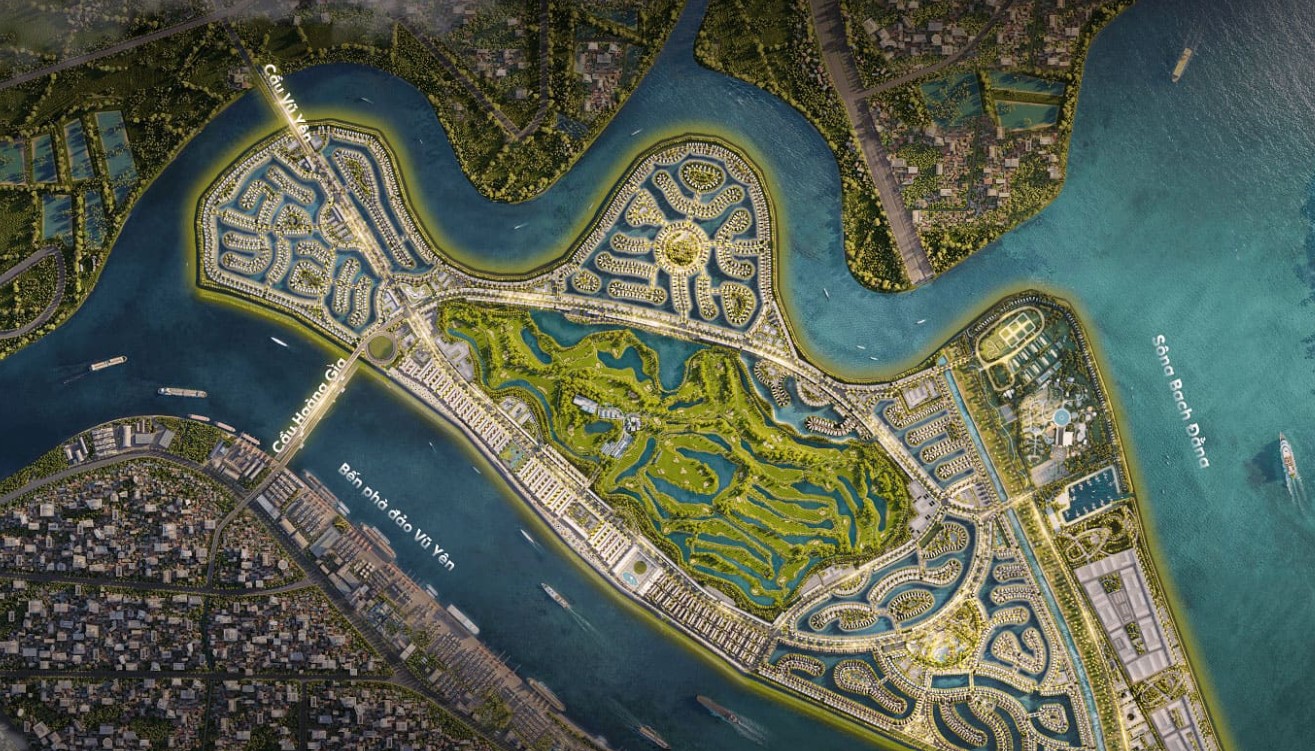
    In a significant development plan for Hai Phong, a sprawling 4,400-hectare complex in the southern part of the city will unfold over three phases, as announced by the board of directors. The initial phase is set to kick off next year, aiming for completion by 2030, while the following phases are slated for 2031 to 2035 and 2036 to 2040.

    Vingroup intends to finance 15% of the project from its own resources, with plans to secure the remaining funds through external partnerships. In recent years, the Vietnamese conglomerate has made substantial investments in Hai Phong, including the notable $1.5 billion VinFast automobile factory located in the industrial zone on Cat Hai Island.

    The real estate arm, Vinhomes, is simultaneously broadening its footprint in Hai Phong, currently developing its fourth project across 240 hectares. This expansion complements its successful completion of three key residential projects: Royal Island, covering 870 hectares; Imperia, at 78 hectares; and Mariana, encompassing 50 hectares.

    New Industrial Parks on the Horizon

    In addition to its residential developments, Vingroup has ambitious plans in the industrial sector, as it prepares to break ground on two new industrial parks in Hai Phong next year. There’s also an upcoming liquefied natural gas-to-power project, further underscoring Vingroup’s commitment to enhancing the region’s infrastructure.

    Positioned as a burgeoning industrial hub, Hai Phong has firmly established itself as a leader in northern Vietnam’s production landscape. Following its recent merger with Hai Duong Province in July, the city now boasts 15 large industrial parks and one of the country’s most extensive deep-water port networks. This strategic geographical advantage is paying off, with cargo throughput at Hai Phong’s ports consistently rising by 12-15% annually.

    In 2024, the port facilities managed an impressive 190 million tons of cargo, and expectations are set even higher for this year, with projections reaching 212 million tons. Meanwhile, the city’s plans for a southern coastal economic zone, announced last year, indicate a need for 20,000 hectares and an investment ranging between VND 400-600 trillion (approximately $15-23 billion).

    Local leaders acknowledge that foreign industrial investment has been a pivotal factor in driving economic growth over the past decade. However, challenges remain, particularly with the Dinh Vu-Cat Hai economic zone, which, established in 2008, is nearing full capacity and struggling to accommodate new projects.

    Questions & Answers

    What are the key phases of Vingroup’s development project in Hai Phong?
    The development will unfold in three phases: the first starting next year and set for completion by 2030, with subsequent phases planned from 2031-2035 and 2036-2040.

    How much is Vingroup planning to invest in the project?
    Vingroup is set to invest 15% from its own resources while seeking additional funding through other sources.

    What challenges does Hai Phong face with its industrial zones?
    The Dinh Vu-Cat Hai economic zone, established in 2008, is almost fully developed and lacks available land for new projects, which poses challenges for future growth.

  • Nobu Danang Launches Exciting Branded Studio and One-Bedroom Residences for Luxury Living

    Nobu Danang Launches Exciting Branded Studio and One-Bedroom Residences for Luxury Living

    According to Savills, the past year has witnessed a remarkable occupancy rate of over 80% for studio and one-bedroom units in primary resort areas. What distinguishes these accommodation options? A significant cost advantage, with prices 30–50% lower than those of two- and three-bedroom apartments, while rental rates remain surprisingly competitive. This potent combination is driving exceptional rental profit margins and attractive returns on investment.

    At the forefront of this trend is Nobu Danang, leveraging its globally acclaimed brand to ensure superior operational performance. As international tourism rebounds, Nobu Danang’s studio and one-bedroom units stand out for their high-yield potential and flexible size, tailored for premium short-term stays. Investors looking for sustainable, long-term strategies are likely to find enticing opportunities here.

    Promising Profit Margins on the Horizon

    Profitability projections for Nobu Danang are optimistic, with studio units anticipated to generate about 3.7% yield in the first year, given a 50% occupancy rate. As operations mature and occupancy stabilizes at around 70%, returns could rise to a robust 6.4% by year five. Similarly, one-bedroom units are projected to begin with an attractive 3.2% yield, steadily increasing to 5.5% by year five. These figures underline the stable profitability and growth prospects for savvy investors.

    Robust Revenue Estimates

    With projected rental rates starting at VND 3.8 million (US$145) per night for studios and VND 5.5 million (US$220) for one-bedroom units, cumulative profits over a decade are estimated at an impressive 59.7%—equivalent to more than VND 5 billion in revenue, excluding potential asset appreciation.

    Nobu Danang underscores that these profit margins derive from a well-structured operational strategy responsive to genuine demand for quality accommodations, rather than speculative trends. As the market enters a new phase of scrutiny, such fundamentals become increasingly vital for prudent investment decisions.

    Luxury Living for the Discerning Elite

    For business elites, a studio residence at Nobu Danang isn’t just real estate; it’s a haven that transforms high-pressure trips into rejuvenating escapes. Owners enjoy exclusive access to an array of luxurious services, including 24/7 concierge support, entry to the renowned Nobu restaurant, a serene heated infinity pool, stringent security measures, and gourmet in-residence dining prepared by a Nobu chef—all at no additional charge.

    Emphasizing Elegant Space Management

    These studio and one-bedroom residences exemplify modern, efficient living that does not compromise on space. While the market standard for studios typically hovers between 30 to 35 square meters, Nobu Danang offers a generous 38–42 square meters. One-bedroom apartments provide even more expansive options, ranging from 60.6 to 68 square meters, catering to those who seek comfort and style in equal measure.

    Elevated by refined interiors that embrace the Japandi design aesthetic—a seamless blend of Japanese minimalism and Scandinavian comfort—these units maximize natural light and ocean views, crafting spaces that feel both luxurious and refreshingly close to nature. It’s a cocoon of elegance that might make you forget the hustle and bustle outside.

    “The studio and one-bedroom units here transcend the notion of merely high-performing investment assets. They are symbols of prestige and refined taste,” a representative from Nobu Danang remarked. “Each unit serves as a private retreat, designed to enrich life’s most inspiring journeys.”

    Flexible Financial Solutions

    Nobu Danang offers tailored payment options to meet diverse financial goals. Clients may choose a standard plan with 14 scheduled installments leading up to the issuance of ownership certificates, or opt for an accelerated payment plan that offers discounts of up to 10%. To further enhance investor confidence, Nobu Danang guarantees a 6% annual rental return for the first two years, transitioning to a profit-sharing model from the third year onwards. These dynamic financial policies empower buyers to secure premium branded real estate while maximizing cash flow and minimizing risk.

    Questions & Answers

    What kind of rental yields can investors expect from Nobu Danang’s units?
    Investors can anticipate a yield of approximately 3.7% for studio units in the first year, potentially increasing to 6.4% by the fifth year. One-bedroom units are projected to achieve yields starting from 3.2% and rising to 5.5% over the same period.

    How does Nobu Danang ensure high occupancy rates?
    A combination of its prestigious brand recognition, strategic pricing, and a location appealing to both leisure and business travelers contributes to the strong demand and occupancy rates of its units.

    What amenities do owners of Nobu Danang residences enjoy?
    Owners benefit from exclusive perks, including 24/7 concierge service, access to the famed Nobu restaurant, a heated infinity pool, enhanced security, and gourmet dining options, all designed to create a unique living experience.

  • Southeast Asia Emerges As Preferred Destination For Luxury Homebuyers, Boasting High Rental Yields

    Southeast Asia Emerges As Preferred Destination For Luxury Homebuyers, Boasting High Rental Yields

    Phnom Penh is rapidly emerging as a hotspot for the discerning investor, boasting impressive rental yields of 8% to 10%. In a telling shift, luxury homebuyers across Asia are increasingly looking closer to home, with a notable uptick in investments directed towards regional properties, particularly in Southeast Asia.

    Andrew Grimley, head of Global Distribution at International Property Alerts, shared insights during the Global Property Expo in Singapore, held from July 18 to 20. He noted, “While buyers are still purchasing homes in Europe, North America, and some parts of the Middle East, there’s a marked rise in investment activity for Southeast Asian real estate.”

    Among the standout markets in Southeast Asia are Cambodia, Thailand, the Philippines, and the picturesque island of Bali, Indonesia. Grimley enthusiastically described Cambodia as a captivating marketplace, thanks to its lack of capital gains tax, robust rental yields, and notable potential for capital appreciation.

    “Established markets like Thailand are still performing exceptionally well, and we’re witnessing significant growth in Bali, while the Philippines is drawing increasing interest,” he elaborated.

    Grimley highlighted that both Bali and Thailand are top picks for rental yield seekers, with Phnom Penh also making its mark as an emerging contender. Beyond Southeast Asia, he pointed to Sydney and Melbourne as reliable options for investors keen on solid rental income.

    For those considering property investments, Grimley emphasized the importance of collaborating with reputable management companies and focusing on capital appreciation alongside rental income. “It’s essential to pay attention to market growth—both from a tourism perspective and overall economic performance,” he advised.

    With Southeast Asia becoming a focal point for property investments, it seems the region is ready to not just attract attention, but to hold it, like the promise of a sunny beach day after a long week.

    Questions & Answers

    What is driving luxury homebuyers toward Southeast Asian real estate?
    Luxury homebuyers are drawn to Southeast Asian properties due to attractive factors such as high rental yields, capital appreciation potential, and favorable tax conditions like the absence of capital gains tax in markets like Cambodia.

    Which Southeast Asian countries are becoming popular among investors?
    Countries such as Cambodia, Thailand, the Philippines, and Indonesia—particularly Bali—are gaining traction among investors for their growth and investment prospects.

    What should investors prioritize when purchasing properties in these markets?
    Investors should seek reputable management companies and focus on both capital appreciation and rental yields, considering overall economic growth in addition to tourism growth in these regions.

  • Nam Long Group Welcomes Tokyu Corporation as Exciting New Partner in Izumi City Development

    Nam Long Group Welcomes Tokyu Corporation as Exciting New Partner in Izumi City Development

    On July 30, an important partnership was sealed between Nam Long Group and Tokyu Corporation, as company representatives gathered for a signing ceremony that signals a significant step in urban development in Vietnam.

    Two Giants Collaborate for Sustainable Living

    Lucas Loh, Group CEO of Nam Long, expressed enthusiasm about the alliance, emphasizing that this collaboration embodies both parties’ dedication to creating sustainable, high-quality developments aimed at enhancing living standards within Vietnamese communities. Loh acknowledged Tokyu’s involvement as a vital addition of global expertise to the Izumi City project, aligning perfectly with Nam Long’s vision of crafting vibrant, livable townships.

    Creating a Modern Township

    “We appreciate the trust Tokyu Corporation has placed in Nam Long and look forward to shaping future communities that will nourish a high quality of life for generations,” Loh stated, weaving optimism into the narrative of this burgeoning partnership.

    Ogata Yoshinori, Executive Officer of Tokyu Corporation’s International Business Division, highlighted Izumi City as a forward-thinking township developed to address the surging housing demand in Southern Vietnam. With its green, interconnected design and strategic location, the township promises residents easy access to Ho Chi Minh City and its satellite towns.

    “By integrating the strengths of Nam Long, Hankyu Hanshin Properties, and Tokyu Corporation, we intend to create a model community where Vietnamese families can truly flourish,” Ogata affirmed, conjuring an image of flourishing families amidst a robust urban landscape.

    Izumi City: A Vision Realized

    Spanning an impressive 170 hectares in Long Hung Ward, Dong Nai Province, Izumi City occupies a key area within one of southern Vietnam’s most vibrant economic zones. Its prime location offers excellent access to major infrastructures, including National Highway 51, the Ho Chi Minh City–Long Thanh–Dau Giay Expressway, and the upcoming Long Thanh International Airport — a connectivity that could make urban living feel almost like a stroll through a park.

    The ambitious project’s first phase aims to introduce approximately 2,900 low-rise housing units, with plans for a comprehensive ecosystem featuring schools, healthcare facilities, commercial spaces, and leisure options. This well-rounded environment will support a burgeoning community and promote an enriching lifestyle for future residents.

    The inclusion of Tokyu Corporation and Hankyu Hanshin Properties—renowned Japanese firms with vast experience in urban development—adds considerable strength to this Japan-Vietnam collaboration, cementing a robust foundation for the promising future of Izumi City.

    Questions & Answers

    What significance does the partnership hold for Nam Long Group and Tokyu Corporation?
    The partnership is seen as a commitment to sustainable, high-quality urban developments aimed at improving living standards in Vietnamese communities, with Tokyu bringing valuable international expertise to the table.

    What amenities can future residents of Izumi City expect?
    Residents can look forward to a complete ecosystem of services, including schools, healthcare facilities, commercial areas, and entertainment options, all designed to promote a balanced, quality lifestyle.

    How large is the Izumi City project and where is it located?
    Izumi City covers an expansive area of 170 hectares in Long Hung Ward, located within one of southern Vietnam’s dynamic economic zones, making it a prime location for growth and development.

  • Phuket Real Estate Soars as Foreign Buyers Fuel Thriving Market Expansion

    Phuket Real Estate Soars as Foreign Buyers Fuel Thriving Market Expansion

    Phuket’s property market is undergoing a notable transformation, embracing modern, eco-friendly designs while catering to the rising demand for long-term living. Recent insights from Kate Nonteraransi, director of Sales at Mouana, reveal that foreign buyers represent an impressive 70% of real estate demand, reflecting shifting preferences among investors.

    In a conversation with Real Estate Asia during the Global Property Expo in Singapore, Nonteraransi highlighted the evolving landscape of buyer expectations. “Buyers initially favored Balinese-style properties, but we’ve seen a significant shift towards modern, contemporary design,” she stated, indicating a clear pivot in the market’s aesthetic sensibilities. This evolution is not just a trend but a reflection of broader lifestyle changes, particularly in the wake of the pandemic.

    Investments in branded developments are increasingly popular, with Mouana positioning itself as a trusted name among investors. Nonteraransi noted, “We have our construction workers, an architect team, civil engineering teams, and an after-sales service team. This comprehensive support makes us a very trustworthy brand in the eyes of buyers.” The melding of quality construction with attentive service is proving to be a key differentiator in a competitive market.

    The rise of remote work has also reshaped buyer priorities, with many seeking properties that accommodate co-working spaces. Nonteraransi elaborated, “As more buyers work from home, they are looking for larger, more usable areas.” This newfound flexibility is fostering a demand for designs that harmoniously blend living and working environments.

    Transactions are predominantly led by foreign buyers from Russia, Ukraine, Europe, and Southeast Asia, underscoring the global appeal of Phuket’s real estate. This international interest is buoyed by the island’s robust infrastructure, which boasts 17 international schools, three international hospitals, and attractive rental yields ranging from 8% to 12%. Such features not only enhance the quality of life but also solidify Phuket’s position as a compelling long-term investment hub.

    As Phuket continues to modernize its real estate offerings, it appears that the island is not just a paradise but also a savvy destination for those seeking a viable and vibrant living investment.

    Questions & Answers

    What key trends are shaping the property market in Phuket?
    The market is shifting towards modern, eco-friendly designs, with a significant demand for properties that cater to remote working needs, like co-working spaces.

    Who are the primary buyers in Phuket’s real estate market?
    Foreign buyers, primarily from Russia, Ukraine, Europe, and Southeast Asia, dominate the transactions, indicating strong international interest.

    What aspects make Phuket an attractive investment destination?
    Phuket offers a solid infrastructure with international schools and hospitals, alongside promising rental yields of 8-12%, making it appealing for long-term investments.

  • Osaka Sees Strong 5.5% Surge in Investment-Grade Office Rents in First Half of 2025

    Osaka Sees Strong 5.5% Surge in Investment-Grade Office Rents in First Half of 2025

    Rents for investment-grade offices in Osaka surged by 5.5% in the first half of 2025, hitting JPY24,000 per tsubo, according to a recent report from Savills. This spike underscores the robust demand for premium office space, particularly in newly constructed properties where rental figures have leapt from above JPY30,000 to even exceed JPY40,000 per tsubo, with the pinnacle reaching a remarkable JPY43,000 per tsubo.

    All-Grade Rents on the Rise

    Overall, all-grade rents increased by 0.8% quarter-on-quarter, settling at JPY12,200 per tsubo. The Umeda submarket stood out with the most considerable growth, climbing by 1.7% quarter-on-quarter, while Minami-Mori experienced a modest decline of 0.7%. The remaining submarkets, however, continued to show promising upward trends in rental rates.

    Vacancy Rates Tighten as Demand Peaks

    The office market absorbed significant new supply in 2024, leading to tighter investment-grade vacancy rates, which dropped by 1.3 percentage points to 2.6% in the first half of 2025. Notably, Yodoyabashi-Honmachi is likely to encounter temporary disruptions due to an influx of substantial new office developments slated for 2025. Yet, experts anticipate this submarket will become a hotbed for tenants in search of high-quality spaces, as it prepares to welcome premium office developments that will help maintain robust leasing activities well into 2026.

    The all-grade office vacancy rates also saw improvement, decreasing by 0.5 percentage points to 3.8%. The Shin-Osaka submarket recorded the most significant enhancement, with vacancy tightening by 1.5 percentage points to an enticing 2.7%, the lowest level seen since just before the pandemic, propelled by strong leasing activity.

    Questions & Answers

    What factors are driving the increase in rental rates for investment-grade offices in Osaka?
    The increase is primarily driven by strong demand for high-grade office spaces, particularly in newly constructed properties where rental prices are rapidly rising.

    How did the new office supply in 2024 affect the vacancy rates in Osaka?
    The new office supply was absorbed well by the market, leading to tighter vacancy rates, especially for investment-grade offices which saw a decrease.

    Which submarket in Osaka recorded the most notable rental growth?
    The Umeda submarket experienced the most significant rental increase, climbing by 1.7% quarter-on-quarter, showcasing its attractiveness in the current market.

  • Toshin Development Boosts Its Presence with New Strategic Investment in Hanoi

    Toshin Development Boosts Its Presence with New Strategic Investment in Hanoi

    In Vietnam, Toshin Development continues to leave a significant mark on the commercial real estate landscape, with notable projects such as Saigon Centre, AB Tower, The Loop by Takashimaya Group (IPH), and its latest venture, Lancaster Luminaire. With an eye on enriching the retail experience, the company has carved a substantial niche in Ho Chi Minh City and is now setting its sights firmly on Hanoi, responding to a rising demand for premium shopping options.

    A Shift Toward Premium Experiences

    Recent insights from Savills Vietnam reveal a noteworthy resurgence in global retail investment, projected to recover to 12.4% by 2025. Capital flows are steadily rebounding, particularly since the latter half of 2024. Simultaneously, Vietnam’s burgeoning middle class is expanding at an impressive clip of 10–12% annually and is poised to comprise 26% of the population by 2026, as highlighted by the World Bank. This socio-economic landscape is positioning Vietnam as a vital player in the realm of premium consumerism.

    Hanoi’s Retail Market: A High-Stakes Game

    Despite the positive trends, Hanoi is grappling with a constrained retail market. The occupancy rates of shopping centers have climbed to 86%, yet the introduction of new spaces struggles to match the rigorous standards set by international brands. The second quarter of 2025 is on track to welcome a diverse range of entrants, including luxury names like Dior Beauty and Prada Beauty, along with more accessible brands such as Mr. DIY, highlighting Hanoi’s allure for quality retail options.

    Starlake: The Next Retail Hotspot?

    Experts are increasingly eyeing Starlake, an urban township in Tay Ho Tay, as a burgeoning retail hotspot. Its strategic location, robust infrastructure, and an international residential community make it a magnet for premium offerings. Matthew Powell, Director at Savills Hanoi, notes, “Starlake is gradually taking shape as a strategic destination for international brands,” as many retailers seek to plant their flags in this developing hub.

    Future Prospects: A Major Retail Project on the Horizon

    Forecasts from Savills indicate that Hanoi will see a mere addition of 10,600 square meters of high-quality retail space over the next three years, a striking mismatch with current demand. This discrepancy paves the way for seasoned international developers like Toshin Development to join the fray. Although details remain under wraps, sources suggest that Toshin is laying the groundwork for an expansive retail project in Starlake Tay Ho Tay. Expected to embody Takashimaya’s development ethos, the project promises premium retail venues, exceptional service, and refreshingly designed relaxation areas that will elevate the visitor experience.

    The Future of Luxury Retail in Hanoi

    Emphasizing sustainability, contemporary architecture, and an array of integrated amenities, Toshin Development’s upcoming project is anticipated to adhere to LEED green building standards. These features are not only in line with evolving consumer preferences but also strategically position the project in Hanoi’s bustling retail ecosystem. Real estate experts contend that this development could serve as a pivotal influence on the city’s high-end retail environment, potentially attracting international brands keen to establish flagship locations in the capital.

    Toshin Development’s strategic maneuvers underscore a vibrant shift in Hanoi’s retail narrative, signalling sustained interest from international investors in Vietnam’s market potential. With a groundbreaking ceremony likely slated for early August, the city is on the cusp of a transformative phase for premium retail that may redefine the landscape from 2025 to 2030.

    Questions & Answers

    What is Toshin Development’s investment strategy in Vietnam?
    Toshin Development is focused on creating luxurious retail spaces that enhance customer experiences, having already established a significant presence in Ho Chi Minh City and now expanding into Hanoi with a refreshed investment approach.

    What challenges does the retail market in Hanoi currently face?
    Hanoi’s retail market is experiencing pressure due to limited space and high occupancy rates, with shopping centers reaching an 86% occupancy while new developments fail to meet the leasing demands of international brands.

    What is unique about the upcoming project in Starlake, Tay Ho Tay?
    The new project in Starlake is set to embody sustainable practices and modern design while offering premium retail experiences, including upscale relaxation areas—elements that are increasingly important to today’s discerning consumers.

  • Discover the Asian City Where Home Prices Are Reaching New Heights!

    Discover the Asian City Where Home Prices Are Reaching New Heights!

    As the retail landscape in Asia continues to evolve, major players are adapting with innovative strategies to capture consumer attention. One such shift is occurring in Singapore, where Sephora has announced a unique partnership with Singapore Airlines. This delightful collaboration promises to enhance the in-flight experience for passengers, who will soon be able to shop for exclusive beauty products directly through their IFE (in-flight entertainment) systems.

    Sephora’s New Adventure in Travel Retail

    Sephora, known for its vibrant storefronts and vast selection of beauty products, is taking its commitment to customer engagement to new heights—literally. By joining forces with Singapore Airlines, the beauty retailer aims to tap into the lucrative travel retail sector, allowing passengers to browse and purchase products mid-flight. This initiative not only diversifies Sephora’s market reach but also serves to transform the airborne shopping experience into something that could soon rival that of a luxurious beauty boutique.

    A Win-Win for Travelers and Beauty Enthusiasts

    The partnership will give passengers access to exclusive product lines available only on flights, meaning your favorite red lipstick might not just stay in your suitcase anymore. With the potential for in-flight beauty tutorials and product showcases, travelers can look forward to engaging with the latest trends in cosmetics while comfortably seated at 30,000 feet. It’s almost like having a Sephora store in the sky—talk about high-flying glamour!

    The Broader Implications for the Retail Sector

    This collaboration represents a significant trend in the retail industry, where partnerships between travel and retail brands are becoming increasingly common. As air travel continues its recovery post-pandemic, strategies that enhance passenger experiences will be vital. Sephora’s move also highlights the larger shift toward personalized shopping experiences, a trend that is poised to resonate with an increasingly discerning consumer base across Asia.

    What Lies Ahead for Beauty Retail

    As beauty retail continues to innovate, this partnership is emblematic of how brands can create new touchpoints with consumers in midair. Retailers are not just competing on the ground anymore but are also looking for ways to elevate the shopping experience beyond traditional storefronts. In this dynamic environment, brands must stay nimble and creative to capture the hearts and wallets of consumers.

    Questions & Answers

    How does the Sephora and Singapore Airlines partnership benefit passengers?
    Passengers will soon be able to shop for exclusive beauty products directly through the in-flight entertainment system, enhancing their travel experience with luxury brands at 30,000 feet.

    What makes this partnership significant in the retail landscape?
    This collaboration highlights a growing trend where retail brands are innovating their engagement strategies by partnering with travel-focused companies, thus creating unique shopping experiences for consumers.

    What can we expect from in-flight shopping in the future?
    As travel resumes, we can anticipate more brands following suit to provide exclusive products and personalized experiences that cater to onboard passengers, making shopping a journey of its own.

  • Australian Real Estate Sees 13% Dip in Transaction Volumes, Totaling $8.2B in First Half of 2023

    Australian Real Estate Sees 13% Dip in Transaction Volumes, Totaling $8.2B in First Half of 2023

    In a notable shift, Dexus Research recently highlighted that the unlisted real estate sectors in Australia have experienced a much-anticipated recovery, with significant returns reported for the year ending in June. Retail and industrial funds showcased impressive returns of 7.6% and 6.2% per annum, respectively, while office funds also demonstrated a degree of resilience, closing at -0.6% for the year.

    A Turning Point for Returns

    The report emphasizes a pivotal moment for diversified funds, noting that positive capital returns in June suggest that the valuation cycle bottomed out in the first half of 2025. Analysts predict an optimistic trajectory ahead, with returns across all sectors projected to surpass 7% per annum within the next year as revaluations trend positive.

    The Transition from FATE to FOMO

    As the recovery unfolds, it will be fascinating to witness how quickly the Fear of Acting Too Early (FATE) transitions to the Fear of Missing Out (FOMO). The findings clearly indicate that real estate markets have hit their nadir, with strong income growth pointing to value recoveries in the coming years. The emergence of positive returns is expected to bolster confidence, paving the way for increased transaction activity.

    Market Dynamics and Trends

    This resurgence in returns is coming at a time when Australian shares have also shown resilience, bouncing back to deliver a robust return of 13.8% after an April slump fueled by tariff impacts. Australian Real Estate Investment Trusts (AREITs) fared equally well, rallying to a return of 15.4%. This rise in AREIT pricing suggests a growing confidence in the potential for appreciation in the underlying asset values.

    Transaction Volumes Reveal Mixed Signals

    However, the landscape isn’t without its challenges. In the first half of 2025, real estate transaction volumes dipped by 13.4% year-on-year, totaling $8.2 billion. This decline is attributed to sellers reluctant to part with properties for lesser amounts, compounded by geopolitical uncertainties that have made buyers skittish. Interestingly, retail transaction volumes defied the trend, rising by 3.0%, while office transactions fell notably, down 16.8%. Furthermore, the number of office buildings sold for over $100 million in the past year has dropped to less than half of pre-pandemic levels.

    Looking Ahead: Positive Outlook

    Despite the current volatility, there is optimism on the horizon. With interest rates projected to ease and a general uptick in sentiment as valuations increase, market activity is expected to regain momentum in the year ahead. Who knows? The retail sector might turn out to be the Cinderella story of the real estate ball.

    Questions & Answers

    How are the returns for the retail and industrial funds in Australia performing?
    The retail and industrial funds reported solid returns of 7.6% and 6.2% per annum, respectively, marking a significant recovery after previous weaknesses.

    What factors have contributed to the decline in overall real estate transaction volumes?
    The decrease can be attributed to vendors holding out for higher prices and the broader geopolitical uncertainties that have made buyers hesitate.

    What is the outlook for the Australian real estate market moving forward?
    The market is expected to strengthen due to easing interest rates and improving sentiment, with returns likely to exceed 7% per annum within the next year.