Category: Real Estate

Retail News Asia is committed to providing both local and global retailers with the latest Real Estate news throughout the Asian market. This on a daily base.

  • Downtown HCMC Retail Rents Soar to $300 per Square Meter: What It Means for Shoppers and Retailers

    Downtown HCMC Retail Rents Soar to $300 per Square Meter: What It Means for Shoppers and Retailers

    In a recent overview of Ho Chi Minh City’s retail landscape, property consultancy Avison Young highlighted that the minimum rent in the downtown area remains stable at $45 per square meter for the second quarter, unchanged from the previous quarter. Luxury shopping destinations have seen significantly higher rates; Saigon Centre and Vincom Center Dong Khoi charge rents between $200 and $250, while Times Square tops the charts at $300 per square meter.

    In sharp contrast, retail spots in non-central neighborhoods only fetch $20 to $117, illustrating the premium placed on properties in the bustling city center. Yet, despite these steep prices, foot traffic in downtown areas remains robust, with occupancy rates soaring to 96% in the heart of the city and 86% in outer zones. CBRE corroborated these figures, noting that only 5% of retail space is unoccupied in prime districts and 8% elsewhere.

    David Jackson, CEO of Avison Young Vietnam, attributed the upward pressure on rents to an influx of global brands setting up shop in the city. American coffee giant Starbucks has recently increased its footprint, opening a new outlet at the Bitexco tower and securing additional space at Diamond Plaza. Meanwhile, Japanese retail giant Uniqlo is also moving into the market with a new store at Vincom Le Van Kiet, further indicating the growing international interest in Ho Chi Minh City.

    Popular malls like Saigon Centre and Vincom Dong Khoi continue to shine, boasting impressive occupancy rates between 98% and 100%. Jackson noted that with limited new supply coming to market, these established retail spaces are leveraging their prime locations to maintain high occupancy levels. Fashion and food-and-beverage brands are particularly strong in leasing, especially in vibrant, high-traffic areas.

    The evolving landscape of retail has heightened the importance of consumer experience, with the design and layout of spaces, integrated amenities, and after-sales services gaining traction as critical factors influencing rental prices. Mai Vo, director of retail services at CBRE HCMC, remarked on the surge of Chinese brands such as Oh!Some and Polarpopo entering this dynamic market.

    Responding to these trends, mall developers are reimagining tenant layouts, merging smaller units into larger spaces to accommodate burgeoning lifestyle brands. This transformation aims to turn shopping centers into “one-stop shops,” providing an array of services and amenities to enhance the overall customer experience.

    Looking ahead to the latter half of 2025, Vo anticipates the addition of around 25,000 square meters of new retail space within two central projects, signifying ongoing growth in Ho Chi Minh City’s retail sector. As consumers become increasingly discerning, often researching prices and seeking out deals, retailers are being pushed to adopt omnichannel strategies, blending digital and in-store experiences to capture this elusive market.

    Questions & Answers

    What are the current rental rates in Ho Chi Minh City’s downtown area?
    The minimum rent in the downtown area is $45 per square meter, with high-end shopping centers charging significantly more, ranging from $200 to $300 depending on the location.

    How are occupancy rates in Ho Chi Minh City’s retail spaces?
    Occupancy rates are notably high in the downtown area, reaching 96%, while non-central areas show an occupancy rate of 86%, indicating a robust demand for retail space.

    What strategies are mall developers employing to attract customers?
    Mall developers are restructuring tenant layouts by combining smaller units into larger ones to better accommodate lifestyle brands, aiming to transform shopping centers into integrated hubs that enhance customer experiences.
  • Bangkok Condo Supply Hits 16-Year Low, Signaling Major Shift in the Real Estate Market

    Bangkok Condo Supply Hits 16-Year Low, Signaling Major Shift in the Real Estate Market

    Thailand’s property market is navigating a turbulent landscape, with new condo launches plummeting by a staggering 94% year-on-year, resulting in only 373 units introduced in the first half of the year. This downturn marks the lowest level since 2009, a year when the market was still shaking off the effects of the subprime mortgage crisis, surpassing even the declines experienced during the peak of the Covid-19 pandemic, according to a recent report by property service firm Colliers Thailand.

    This alarming trend has prompted a crucial reassessment of strategies among property developers and market analysts alike. “This is not merely a seasonal slowdown but rather a pronounced reflection of buyer hesitation and a cautious approach from developers,” stated Pattarachai Thaweewong, director of research at Colliers International Thailand. He emphasized that, despite a slight uptick in the market between 2022 and 2023, there is still a long way to go before it regains its pre-crisis momentum.

    The downturn in 2025 is particularly stark when viewed against the historical backdrop, where the second quarter typically sees an average of 8,000 to 12,000 new condo launches each year. The supply crisis has persisted from the previous quarter, evidenced by the installation of 6,306 new condo units in Bangkok—an impressive 72% increase compared to last year, but a troubling 35% decline from the fourth quarter of 2024, as reported by Bangkok Post.

    Thaweewong attributes this substantial drop to several key factors: high interest rates are significantly impeding the purchasing power of genuine buyers, while rising costs for construction materials and land are squeezing developer profit margins. Furthermore, ongoing economic uncertainty paired with an unclear government policy direction continues to erode confidence in the market.

    In light of these challenges, many developers are opting to delay new project launches, shifting their focus towards mitigating existing inventory while bolstering cash flow—a prudent but perhaps surprising strategy in a market where fresh launches are typically anticipated. Interestingly, as the Bangkok market cools, property developers are pivoting towards Thailand’s vibrant southern island, Phuket. This shift aims to capitalize on the burgeoning demand from tourists and retirees primarily from China and the U.S.

    Colliers reports that around 10,000 new flats are set to hit Phuket’s market this year, with new project launches taking place weekly, creating a scenario reminiscent of a frenetic game of real estate Tetris, as developers scramble to align their offerings with market demand, as mentioned by South China Morning Post.

    Questions & Answers

    What caused the significant decline in new condo launches in Thailand?
    High interest rates, escalating development costs, and ongoing economic uncertainties are primary factors leading to buyer hesitation and developer caution.

    How does the current condo launch situation compare to previous years?
    The current figures show a 94% year-on-year decline, marking the lowest level of new launches since 2009, significantly less than the second quarter average of 8,000 to 12,000 launches seen over the last decade.

    Where are developers focusing their efforts amid the downturn in Bangkok?
    Developers are increasingly targeting Phuket, with plans for around 10,000 new flats this year, catering to rising demand from tourists and retirees from abroad.

  • Shangri-La Asia Welcomes New CEO: Daughter of Malaysia’s Wealthiest Tycoon Takes the Helm

    Shangri-La Asia Welcomes New CEO: Daughter of Malaysia’s Wealthiest Tycoon Takes the Helm

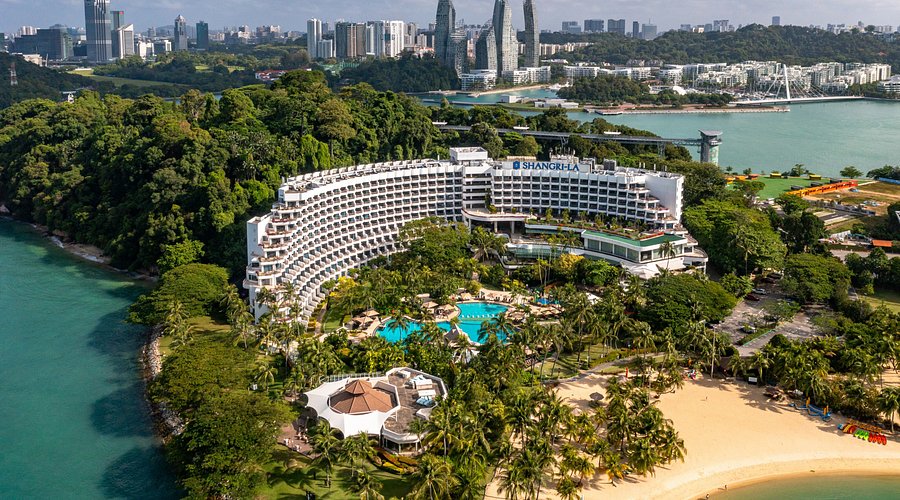
    Shangri-La Asia, a leading player in the Asian hospitality sector, has named Kuok Hui Kwong as its new chief executive officer, effective August 1. Kuok is the daughter of Robert Kuok, who stands as Malaysia’s wealthiest individual.

    Solid Leadership Experience

    At 47 years old, Kuok has been a pivotal figure within Shangri-La, having served as executive director since June 2016 and as chairperson since January 2017, as noted by Business Times. Holding a distinguished background, she boasts a degree in East Asian Studies from Harvard University and was previously managing director and CEO at SCMP Group, the publisher behind the South China Morning Post.

    Generous Compensation Package

    Her new role comes with considerable compensation: a monthly base salary of $73,377, along with potential discretionary bonuses and pension benefits, according to The Straits Times. Yet, it’s not just about the dollars; Kuok’s impressive business acumen has propelled her to 40th place on Fortune’s 2024 list of Asia’s most powerful women — a fitting title for someone stepping into the CEO role of one of Asia’s largest hotel chains.

    A Thriving Hotel Empire

    Shangri-La Asia’s recent 2024 annual report highlights the company’s robust portfolio, comprising 81 of the more than 100 hotels it operates across four prominent brands: Shangri-La, Kerry, Hotel Jen, and Traders. These properties hold a combined net asset value of $10.83 billion, reflecting not just a legacy of luxury, but also a definitive foothold in the competitive hotel landscape.

    Questions & Answers

    What experience does Kuok Hui Kwong bring to her new role as CEO?
    Kuok has been involved with Shangri-La Asia for several years as both an executive director and chairperson, and she previously held the position of managing director and CEO of SCMP Group, showcasing her extensive leadership experience.

    How is Kuok’s salary structured in her new position?
    Kuok’s compensation includes a monthly base salary of $73,377, complemented by discretionary bonuses and pension benefits, positioning her as one of the well-compensated leaders in the hospitality sector.

    What does Shangri-La Asia’s hotel portfolio look like?
    The company operates over 100 hotels under its four main brands, with a significant portion owned by the group, amounting to a robust net asset value of $10.83 billion, solidifying its strong market presence.

  • Sydney Set for a Housing Surge: 2,554 New Apartments to be Completed by 2025

    Sydney Set for a Housing Surge: 2,554 New Apartments to be Completed by 2025

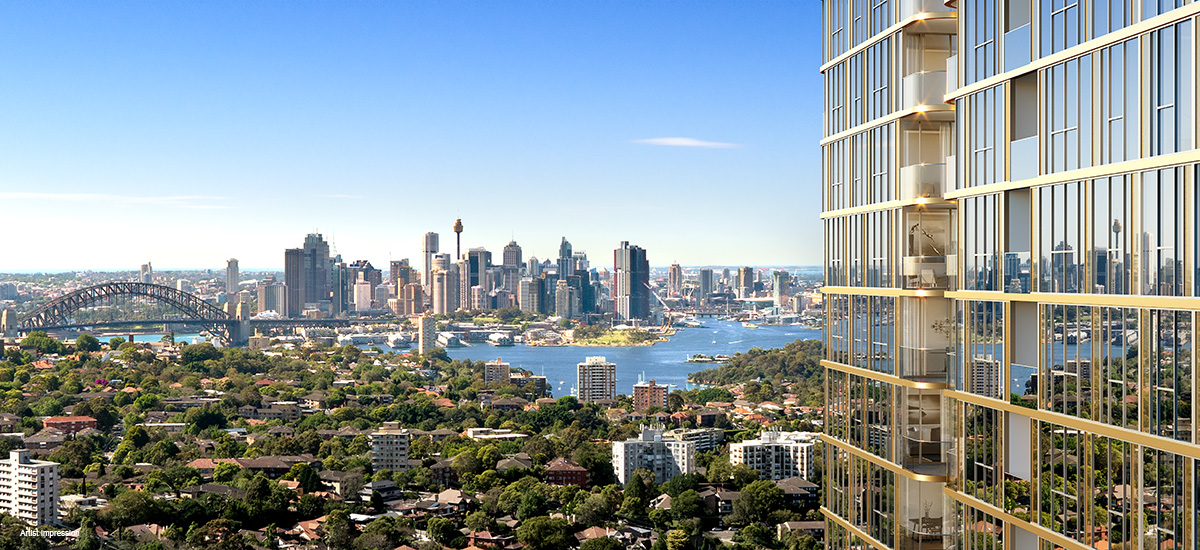
    The apartment market in Sydney’s inner precincts is undergoing a notable slowdown in completions, according to a recent report from JLL. A total of 804 apartments have been completed in the first quarter of this year, and projections indicate that 1,750 more apartments are under construction, scheduled for completion in 2025. If all these projects meet their deadlines, the total number of apartment completions for 2025 could reach 2,554, reflecting a 13% decline compared to 2024 levels.

    Amid these figures, some positive trends emerge. Sydney’s apartment market is experiencing an upward trajectory in both capital values and rental prices. The median unit price has surged by 2.6% year-on-year, now standing at AUD 799,990. Similarly, rents for two-bedroom units have jumped 7.7%, reaching AUD 700 per week. One might say the rental market is dancing to a lively tune, driven by formidable demand and limited supply.

    This strong performance in rents mirrors the pressing demand and constricted supply dynamics within the rental market. However, even with low vacancy rates, affordability challenges are starting to dampen the pace of rent increases.

    Looking ahead, the interplay of supply constraints and growing demand is poised to continue influencing both rents and property prices. Nevertheless, the persistent affordability issues prevalent in capital cities—where soaring detached house prices are beyond the reach of many—are likely to redirect demand toward more affordable housing options. As potential buyers seek lower entry points for homeownership, units may see their rents and prices rise at a pace that moderately outstrips that of detached houses.

    In the ever-evolving landscape of Sydney’s real estate, the struggle between affordability and demand unfolds, painting an intricate picture that both investors and residents must navigate.

    Questions & Answers

    What trends are emerging in Sydney’s apartment market?
    Sydney’s apartment market is witnessing an increase in both capital values and rental prices, with a median unit price of AUD 799,990 and a rise in two-bedroom rents to AUD 700 per week.

    How does the current completion rate compare to last year?
    The completion rate for apartments this year is projected to decline by 13% compared to the previous year, with 2,554 units expected to be completed if current projects stay on track.

    What factors are influencing the rental market in Sydney?
    The rental market is being influenced by strong demand and limited supply, though affordability constraints are starting to limit the pace of rent increases despite low vacancy rates.

  • Construction Begins on Singapore’s Innovative Next-Gen Green Comcentre

    Construction Begins on Singapore’s Innovative Next-Gen Green Comcentre

    Singtel and Lendlease have officially embarked on an ambitious project, breaking ground on the SGD 3-billion Comcentre, which aspires to be Singapore’s first fully carbon-neutral development. This landmark project promises to reshape the urban landscape by incorporating cutting-edge design, construction, and operational practices aimed at sustainability.

    The ceremony marked by the presence of Minister for National Development Mr. Chee Hong Tat and key executives from both firms signals not just a new building, but a potential new chapter in commercial real estate in the Orchard Road area, where available office space has been increasingly scarce.

    A Vision for the Future Workplace

    In an inspiring collaboration, Singtel is transforming its Comcentre headquarters into a state-of-the-art sustainable workplace infused with the latest in smart building technologies. Serving as both a co-developer and anchor tenant, Singtel aims to showcase groundbreaking innovations, not least of which is a dedicated 5G+ network that will redefine connectivity within the development. This ambitious initiative will seamlessly connect innovators, technology and finance leaders, as well as forward-thinking retailers, all while providing ultra-fast speeds and robust security.

    This dedicated 5G+ network is set to bolster technologies such as artificial intelligence (AI), with Singtel harnessing its power not only internally but also offering it to businesses keen on digital transformation. The Comcentre will also feature AI-enabled robotics, adaptive smart building systems, and tech-enhanced environments poised to challenge conventional notions of work and retail.

    Leadership Speaks

    Singtel Group CEO Mr. Yuen Kuan Moon expressed his enthusiasm: “We are remaking Comcentre into a new icon of innovation by integrating world-class 5G+ network slicing technology into the AI-enabled building. It’s designed not just for us, but for businesses to leverage the latest tech in crafting innovative products and solutions.” Moon’s vision captures the essence of a future where connectivity and intelligent systems redefine daily life.

    Lendlease, the development partner, brings its expertise in sustainable construction to the table. The partnership aims for ‘Triple Certification’—a prestigious trio of accolades that includes the Green Mark 2021 Platinum Zero Energy Certification, the WELL v2 Core Platinum Certification from the International WELL Building Institute, and the Zero Carbon Certification from the International Living Future Institute.

    “The new Comcentre is a testament to the transformational placemaking we champion at Lendlease,” stated Mr. Tony Lombardo, Group CEO and Managing Director of Lendlease. “We pride ourselves on combining our sustainable development expertise with a forward-thinking vision for the future of urban living and working.”

    A Green Oasis in the City

    With a total gross floor area exceeding 110,000 square meters, the Comcentre will consist of two 20-story buildings that offer premium Grade A office space. The project isn’t just about office space; it aims to enrich its surroundings with a large, sheltered arcade and vibrant urban areas that forge connections within the neighborhood.

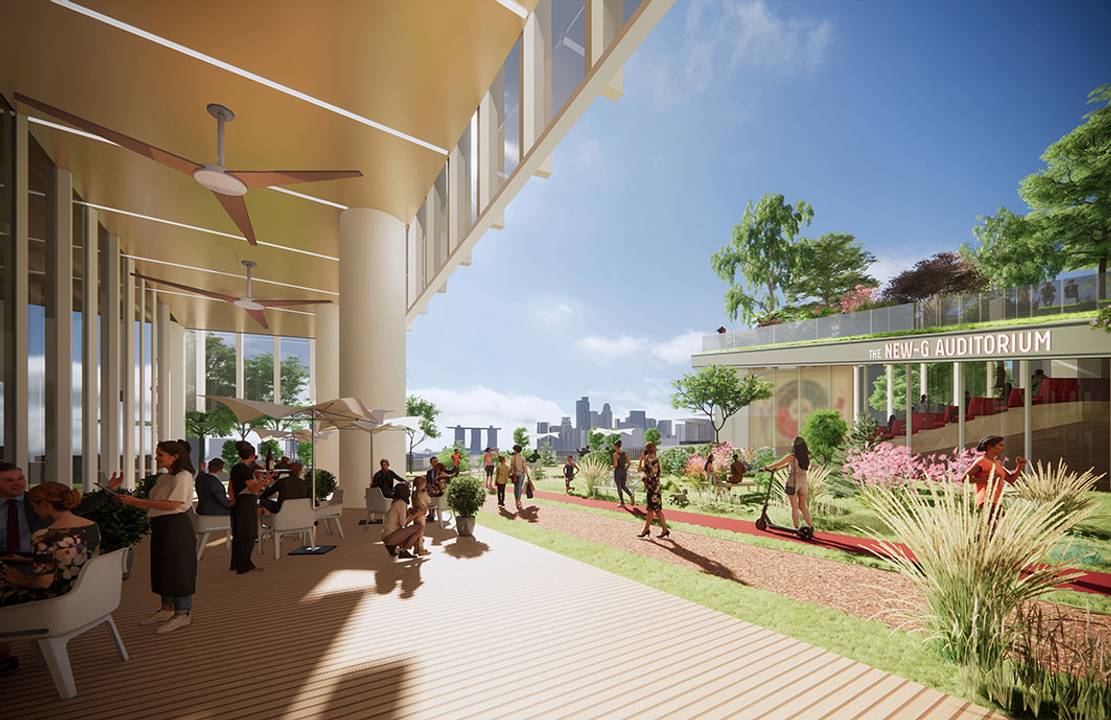
    Expected to be completed in 2028, the new Comcentre promises not only to include Singapore’s largest elevated urban park but also 20,000 square meters dedicated to lifestyle and retail. This space will play host to Singtel’s flagship store, a variety of food and beverage options, medical suites, a gym, and even an auditorium. Furthermore, it strives to meet stringent sustainability standards, aspiring to be the first Green Mark Platinum (Zero Energy) high-rise commercial building in Singapore and aiming to attain all five sustainability badges.

    The innovative design seeks a 70% reduction in energy consumption compared to the Green Mark 2005 baseline, thus setting a new standard for energy efficiency in large-scale, high-rise commercial buildings. The redevelopment will employ integrated digital delivery methods, leveraging advanced technologies to streamline processes and enhance efficiency throughout the building’s lifecycle—who knew that cutting-edge construction could also be a performance art?

    Questions & Answers

    What is the significance of the Comcentre project?
    The Comcentre project signifies Singapore’s commitment to sustainable development, aiming to be the first fully carbon-neutral commercial space in the country while transforming the Orchard Road area into a hub for innovative businesses.

    How will Singtel’s 5G+ network benefit tenants?
    The dedicated 5G+ network will offer ultra-fast speeds, seamless connectivity, and enhanced security, enabling tenants—including innovators and retailers—to leverage advanced technologies for growth and digital transformation.

    What certifications is the Comcentre aiming to achieve?
    The Comcentre seeks ‘Triple Certification’ that includes the Green Mark 2021 Platinum Zero Energy Certification, the WELL v2 Core Platinum Certification, and the Zero Carbon Certification, indicating its commitment to sustainability.

  • Ho Chi Minh City Set to Welcome 6,000 New Prime Apartments This Year

    Ho Chi Minh City Set to Welcome 6,000 New Prime Apartments This Year

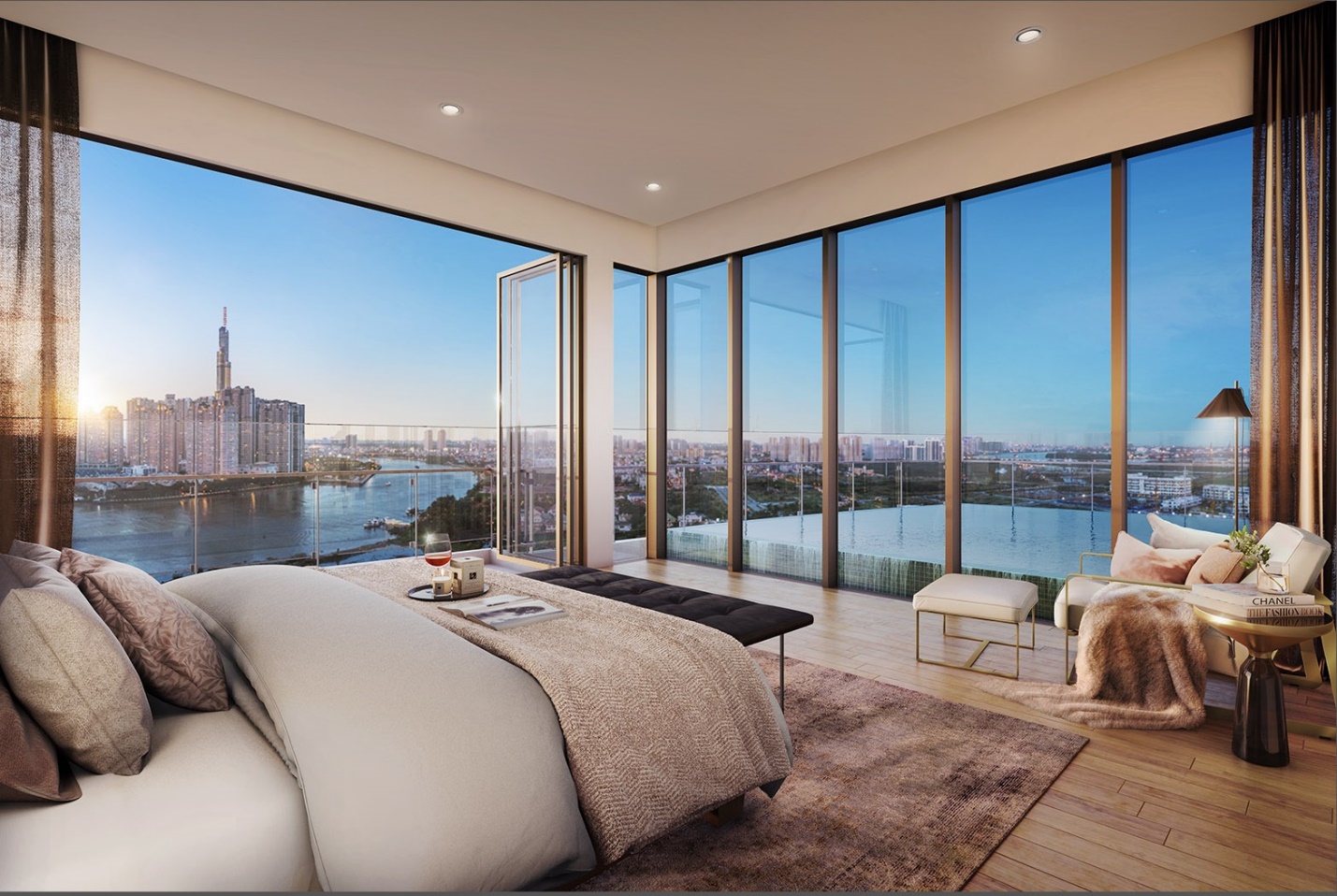
    In a dynamic shift for Ho Chi Minh City’s real estate sector, JLL projects the introduction of an impressive 5,500 to 6,000 high-end apartments and around 1,300 RBL (residential building lot) units by 2025. This surge is anticipated following significant infrastructure completions and the city’s proactive measures to address legal bottlenecks affecting 22 pivotal projects.

    Breaking Ground: HCMC’s Push for Affordable Housing

    Despite being primarily characterized by high-end residential offerings, the report hints that more affordable housing projects are on the horizon, particularly in the outer districts of the city. JLL notes that attractive sales strategies are likely to propel buyer interest, a welcome development for those longing for more budget-friendly options.

    Market Insights: Trends in the High-End Segment

    During the first quarter of 2025, Ho Chi Minh City saw a mere 118 transactions in the high-end apartment market. The excitement, however, is palpable with soft launches from reputable developers such as Eaton Park and Lancaster Legacy anticipated to attract eager buyers.

    In the RBL sector, just 29 transactions were logged, yet Phase 2 of L’Arcade shone brightly with all units sold. The limited primary inventory remains a hurdle, presenting high unit values that pose access challenges for many potential buyers.

    Supply Dynamics: The Search for Balance

    The supply of high-end apartments showcased limited growth in Q1 2025, introducing only 82 new launches, including Kieu by Kita in the CBD fringe. Activity remains vibrant ahead of several large-scale project launches in Q2, with developers collaborating with distribution agents to maximize reach for upcoming ventures such as The Global City’s Sola by Masterise Homes and Keppel’s FORESTA by Khang Dien.

    Price Momentum: Reflecting Investor Confidence

    Price trends are also noteworthy, with the primary cost for high-end apartments increasing by 2.0% quarter-on-quarter to USD 5,104 per square meter. This uptick is bolstered by the handover of 630 units from the ultra-luxury Grand Marina, which saw completed-home prices jump by 5.7% quarter-on-quarter, now standing at USD 3,866 per square meter. Even in the landed property market, primary prices climbed 1.4% quarter-on-quarter and 6.6% year-on-year, illustrating sustained investor confidence.

    Questions & Answers

    What type of housing projects are expected to emerge in Ho Chi Minh City by 2025?
    JLL anticipates a mix of high-end apartments and an important influx of more affordable housing options, especially in the outer districts, to cater to diverse buyer needs.

    How did the high-end apartment market perform in Q1 2025?
    The market recorded only 118 successful transactions, though interest remains healthy with exciting upcoming launches like Eaton Park and Lancaster Legacy drawing attention.

    What factors are driving price increases in Ho Chi Minh City’s real estate market?
    The price growth is largely attributed to the completion of high-end projects like Grand Marina, driving up overall completed-home prices and reflecting strong investor confidence in both high-end and landed property segments.

  • Singapore’s Private Home Price Growth Cools in Q2: What It Means for Buyers and Sellers

    Singapore’s Private Home Price Growth Cools in Q2: What It Means for Buyers and Sellers

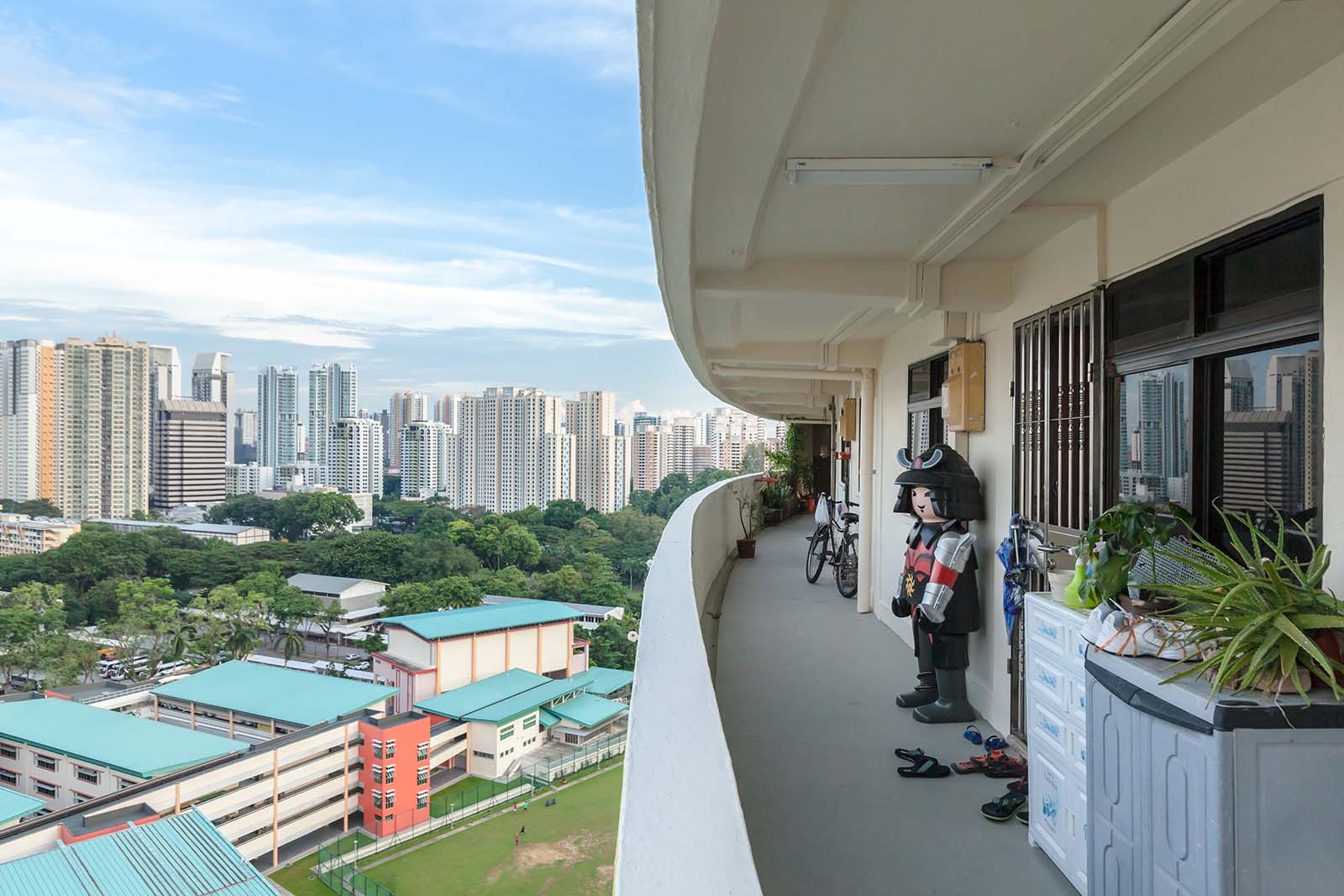
    In a gradual shift, private home prices in Singapore edged up by a modest 0.5% during the second quarter of 2025, marking a slowdown from the more robust 0.8% growth seen in the previous quarter. According to the Urban Redevelopment Authority (URA) and the Housing and Development Board (HDB), this slower pace reflects a more sustainable trend in the housing market.

    Market Dynamics: Weaker Sales and Cooling Measures

    A recent report by PropNex highlights the impact of weaker sales and a limited number of new launches on private residential property prices, while also noting that the robust supply of new flats and various cooling measures have put pressure on the prices of HDB resale flats. Notably, in Q2 2025, a flat in Queenstown achieved a record-high resale price, contributing to a new quarterly peak for properties sold at over $1 million.

    Landed Homes Lead the Charge

    The growth in home prices was predominantly fueled by the landed private homes segment, where prices increased by 0.7% quarter-over-quarter. Despite this rise, transactions in this segment saw a significant dip of about 17.5%, with only 410 units sold during Q2. Interestingly, the average unit price per land area jumped by 1.2%, thanks largely to the semi-detached and terrace house markets—but who would have thought a slice of land could fetch such a premium?

    Non-Landed Homes and Regional Performance

    For non-landed private homes, prices rose by 0.5% quarter-over-quarter, showing a clear deceleration from the 1.0% growth in the first quarter. The Rest of Central Region (RCR) witnessed its first price decline in six quarters, with a notable drop of 1.1%. Meanwhile, the Core Central Region (CCR) and Outside Central Region (OCR) defied the trend, seeing respective price increases of 2.3% and 0.9% in the same period.

    New Launches: A Mixed Bag

    New launches during this quarter were predominantly centered in the RCR, with projects such as One Marina Gardens and Bloomsbury Residences hitting the market. One Marina Gardens stood out, selling 462 units at an average price of approximately $2,951 per square foot, while Bloomsbury Residences moved 151 units at about $2,477 per square foot.

    On Track for Growth

    PropNex estimates that developers sold at least 1,153 new units (excluding executive condos) in Q2 2025, bringing the total for the first half of the year to an impressive 4,528 units—a significant increase from the 1,889 transactions in the same period last year. As we look to the upcoming quarter, the expectation is clear: new private home sales are likely to gain momentum with a robust assortment of launches on the horizon. Meanwhile, the resale market reflects a strong activity level, with 2,949 transactions recorded in Q2, slightly surpassing the 1H 2024 figures.

    Questions & Answers

    What is the current trend in Singapore’s property market?
    Private home prices are experiencing a modest increase of 0.5% in Q2 2025, indicating a shift towards more sustainable growth.

    How have recent cooling measures affected resale flat prices?
    The introduction of cooling measures and an ample supply of new flats have exerted downward pressure on HDB resale flat prices.

    What impact did new launches have on private home sales this quarter?
    New launches significantly boosted private home sales, with developers recording 1,153 new units sold in Q2 2025, highlighting a compelling demand in the market.

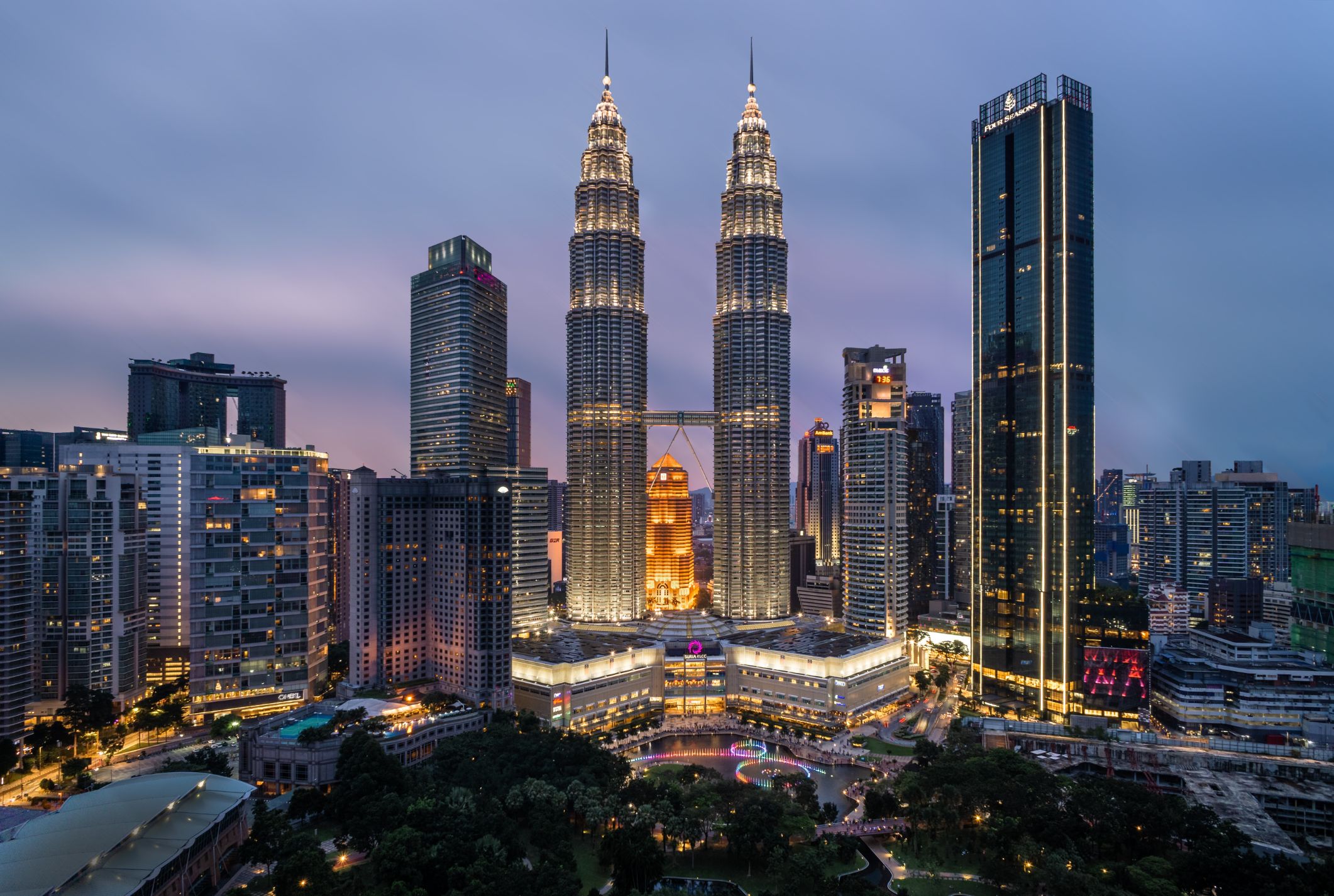
  • Kuala Lumpur’s Prime Residential Market Set for Exciting Growth Ahead

    Kuala Lumpur’s Prime Residential Market Set for Exciting Growth Ahead

    Two projects were completed and another two were launched in Q1.

    Prime Residential Sector on the Rise

    Kuala Lumpur’s prime residential sector is gearing up for significant expansion, buoyed by a post-pandemic recovery, supportive government initiatives aimed at bolstering homeownership, and innovative financing options like green home programmes. These factors are not just catching the eye of locals—they’re also enticing foreign investors eager to tap into a market poised for growth.

    A recent report by JLL underscores this promising outlook. “Ongoing infrastructure developments are expected to enhance the appeal of suburban areas and transit-oriented developments, while the city’s affordability compared to other Asian markets should continue to drive investment, despite global economic challenges,” the report revealed. It paints a picture of a landscape ripe with opportunity.

    Dynamic Growth Despite Market Concerns

    As Kuala Lumpur shakes off the remnants of the pandemic, its prime residential sector is seeing a remarkable resurgence, characterized by rising sales and property values. However, experts urge a tempered enthusiasm, noting that concerns about potential market overheating necessitate cautious optimism for the medium term.

    Newly launched and ongoing projects are witnessing robust interest, with take-up rates fluctuating between 30% to 50%. Soft-launch schemes have also experienced promising booking levels, highlighting a healthy appetite in the market that just might surprise those who thought buyers had soured on the idea of investing.

    New Developments Take Center Stage

    This quarter saw the completion of two substantial residential developments, Allevia and Sunway Belfield, which together contributed 1,624 units to the market. Simultaneously, two new projects, CloutHaus Residence and Hanaz Suites, have been introduced, adding 955 units to the mix. The infusion of these developments speaks volumes about the resilience and sustained interest in Kuala Lumpur’s real estate.

    Favorable Conditions for Investors

    The attractiveness of the prime residential market continues to hold firm, with stable rates and competitive pricing serving as a magnet for investors even amid global economic uncertainties. Bank Negara Malaysia has kept the Overnight Policy Rate steady at 3.00% since May 2023, fostering a conducive atmosphere for borrowing. This policy has made mortgages more accessible and affordable, further stimulating demand for property investment.

    Despite pervasive global inflationary pressures, Kuala Lumpur’s prime residential market remains appealing, characterized by property prices that are among the most affordable in Asia. This affordability continues to attract both local and foreign investors looking to navigate the choppy waters of today’s economic landscape.

    Questions & Answers

    What factors are driving growth in Kuala Lumpur’s residential sector?
    Post-pandemic recovery, government initiatives supporting homeownership, and innovative financing options, such as green home programmes, are key motivators behind the growth.

    How have the recent projects performed in the market?
    Newly launched and ongoing projects boast solid take-up rates ranging from 30% to 50%, indicating a healthy appetite among buyers.

    What makes Kuala Lumpur’s prime residential market appealing to investors?
    Stable pricing and competitive rates, in conjunction with accessibility to affordable mortgages thanks to a maintained Overnight Policy Rate, make Kuala Lumpur an attractive proposition for investors in comparison to other Asian markets.

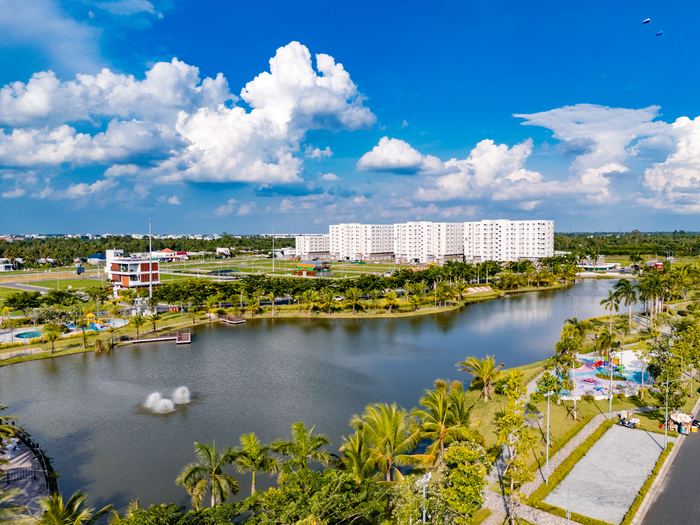
  • Nam Long Launches Construction of 671 Innovative EHomes for Social Housing in Can Tho

    Nam Long Launches Construction of 671 Innovative EHomes for Social Housing in Can Tho

    Nam Long Group has officially commenced the next chapter of its EHomeS social housing initiative in Can Tho City, reinforcing its commitment to social responsibility and sustainable growth on June 25.

    The groundbreaking ceremony for 671 new apartments attracted attention, bringing together local government officials, representatives from the Can Tho Department of Construction, and key players in the project, including project developer Nam Long and general contractor Nam Khang.

    A Vision Aligned with Government Goals

    In line with government initiatives, Nam Long’s ambitious plan includes developing 60,000 social housing units by 2030, with Can Tho positioned as a crucial hub. The EHomeS brand embodies affordable living principles through its 3S model — saving, smart, social — and aims to address the pressing housing needs of diverse segments of Vietnam’s population. To date, EHomeS has successfully rolled out approximately 5,000 apartments that are now home to satisfied residents.

    Major Investments Drive Progress

    Nam Long’s investment in the EHomeS project encompasses 1,788 units in Can Tho, with 1,117 already completed and handed over, all meeting regulatory standards from the Department of Construction. The latest development phase includes four apartment blocks, totaling 671 units, slated for completion by the fourth quarter of 2026.

    Community Living with Urban Amenities

    These new apartments will be part of the 43.8-hectare Nam Long II Central Lake integrated township, promising residents access to urban amenities like a central lakeside park, sports facilities, and recreational spaces. Perhaps even more enticing, the development prioritizes sustainable lifestyles by regularly hosting community programs aimed at enhancing residents’ quality of life — a unique advantage that sets EHomeS Can Tho apart from typical social housing projects.

    Commitment to Long-Term Development

    With 33 years under its belt, Nam Long has firmly established itself in Can Tho, undertaking significant urban projects such as the 23-hectare Nam Long Can Tho 1 launched in 2002, the 16-hectare Nam Long Hong Phat inaugurated in 2016, and the extensive Nam Long II Central Lake. The ongoing development emphasizes Nam Long’s steadfast commitment to the Can Tho market and its contribution to the broader real estate landscape, aligning seamlessly with the national housing strategy and reflecting the company’s mission to foster enriching living environments and community-centered spaces.

    Questions & Answers

    What is the purpose of Nam Long’s EHomeS project?

    The EHomeS project aims to provide affordable housing in response to Vietnam’s pressing housing needs, aligning with government initiatives to construct 60,000 social housing units by 2030.

    How many units are being constructed in the latest phase of EHomeS?

    The latest phase of the EHomeS project involves the construction of 671 new apartments, set to be completed by the fourth quarter of 2026.

    What distinguishes EHomeS Can Tho from other social housing projects?

    EHomeS Can Tho stands out by offering a strong community focus, with amenities and programs designed to improve residents’ quality of life, alongside sustainable urban features that many similar projects lack.

  • Hong Kong Retains Title of World’s Most Expensive City for Homebuyers, Surpassing Zurich and Singapore

    Hong Kong Retains Title of World’s Most Expensive City for Homebuyers, Surpassing Zurich and Singapore

    The latest report from the Deutsche Bank Research Institute reveals a significant dip in the average price of city-center apartments in Hong Kong, which now stands at US$25,946 per square meter, a sharp decline from $31,943 in 2020. This shift positions Hong Kong as the city with the highest home purchase prices globally, a fact that piques interest amid its challenging housing market dynamics.

    Singapore and Zurich Close Behind

    Trailing Hong Kong are Zurich and Singapore, with average prices of $23,938 and $22,955 per square meter, respectively. However, the report highlights that these financial powerhouses often rank lower in quality of life, largely due to exorbitant housing costs. In fact, Hong Kong finds itself ranked 48th globally in terms of livability, an ironic twist for a city with such soaring property values.

    The Rental Landscape: New York Takes the Crown

    In the rental arena, New York steals the spotlight, boasting an average price of $8,388 per month for a three-bedroom apartment. Hong Kong, meanwhile, places seventh in this category, with average rents at $4,807 per month—not too shabby, yet still overshadowed by cities like Singapore, Boston, London, San Francisco, and Zurich, according to the South China Morning Post.

    Super-Prime Properties Still Shine

    In an earlier report, The Wealth Report 2025 from property consultancy Knight Frank affirmed Hong Kong’s status as a top contender for super-prime property transactions, recording a remarkable 166 sales valued at $10 million or more last year. This appeal stems from the city’s robust financial infrastructure, strategic placement, and a penchant for ultra-luxury real estate. The report noted that the finite supply of prime properties combined with a consistent global thirst for these trophy assets keeps the super-prime market a central feature of Hong Kong’s investment landscape. It’s said that with a budget of $1 million, buyers can snag just 22 square meters of luxury in Hong Kong, while the same sum gets them 32 square meters in Singapore—a stark reminder of the differences in affordability across the region.

    Questions & Answers

    How has the average price of apartments in Hong Kong changed since 2020?
    The average price of city-center apartments in Hong Kong has dropped from $31,943 per square meter in 2020 to $25,946 in the latest report.

    Which city has the highest rental rates for three-bedroom apartments?
    New York takes the lead with average rental prices of $8,388 per month for three-bedroom apartments, while Hong Kong ranks seventh at $4,807 per month.

    What factors contribute to Hong Kong’s appeal in the super-prime property market?
    Hong Kong’s attraction lies in its robust financial infrastructure, strategic location, limited supply of prime properties, and a sustained global appetite for high-value real estate.

  • Hong Kong Sees 42% Dip in Q1 Commercial Property Investment: What’s Driving the Shift?

    Hong Kong Sees 42% Dip in Q1 Commercial Property Investment: What’s Driving the Shift?

    Transaction values in Hong Kong’s commercial property market plummeted to HK$4 billion during the first quarter of 2025, according to the latest report by Savills. This reflects a staggering 42% decline compared to the previous year and amounts to just one-tenth of the total transaction volume for 2024. As the stock market began to show signs of recovery and the impact of interest rate cuts lessened, investment sentiment within the commercial sector has remained tepid.

    Positive Trends Amid the Decline

    Despite the overall downturn, there was a noteworthy reduction in distressed sales during this period. The ratio of distressed transactions dropped to 40%, amounting to HK$1.8 billion for deals over HK$50 million. For context, these figures contrast sharply with the previous quarter, which recorded a rate of 49% and a total transaction value of HK$6.3 billion.

    High-Profile Transactions Mark the Quarter

    Among the most significant deals of early 2025 was the sale of nine office floors and select retail units at One Exchange Square, sold to the Hong Kong Exchange for HK$6.3 billion in April. This acquisition will serve as HKEX’s permanent headquarters, showcasing a remarkable average price of HK$32,000 per square foot—70% higher than recent stratified Grade A office transactions, all while featuring floor efficiency estimates of about 80%.

    This strategic move also involves extensive renovations, with Hongkong Land planning to upgrade the reception lobby and provide direct access to the HKEX Connect Hall. Public-facing areas, including the rooftop, will feature HKEX-branded signage, with total refurbishment costs potentially soaring to HK$400 million. With such ambitious updates, it seems the Hong Kong Exchange is setting itself up not just for business but for a grand presence as well.

    End Users Capitalizing on Opportunities

    In another significant transaction, the Airport Authority purchased the Winland 800 Hotel in Tsing Yi for HK$765 million, translating to HK$960,000 per room, for their own use. Meanwhile, the English Schools Foundation secured two office floors totaling 40,380 square feet for about HK$300 million, equating to approximately HK$7,429 per square foot, also intended for self-use.

    The founder of Meitu made headlines as well by acquiring Park Aura in Tin Hau for HK$650 million, planning to dedicate part of the space to AI, IT, and crypto-related ventures. Meanwhile, religious institutions are also taking advantage of declining prices, with a Buddha religious institution purchasing a retail podium on the second floor of Amber Commercial Building for an impressive HK$108.5 million, or merely HK$5,000 per square foot, further emphasizing the opportunity-filled terrain of the commercial sector.

    Market Challenges and Future Outlook

    Despite these transactions, the overall fundamentals of the office and retail sectors remain weak, with rents decreasing by 1.6% and 3.6%, respectively, during Q1 2025. Rising vacancies and an influx of new supply continue to dampen investor enthusiasm, leading many to adopt a cautious investment approach, typically seeking initial yields of 6% or higher.

    As investors gaze into the future, the trajectory of interest rate movements and lending policies from banks will be pivotal in shaping the investment landscape. If the current low levels of HIBOR hold true, and further rate cuts are on the horizon, distressed sales may decline over the next few months. However, this could also spur local investors to divest non-distressed commercial assets proactively, preparing for any anticipated shifts in interest rates.

    The broad approach of banks will significantly affect how willing investors are to offload commercial assets and the level of interest from potential new entrants into the market. With a cocktail of caution and ambition, the commercial real estate scene in Hong Kong remains one to watch closely.

    Questions & Answers

    What was the total transaction value in Hong Kong’s commercial market for Q1 2025?
    The total transaction value was HK$4 billion, reflecting a 42% decline year-over-year.

    Which entity made a significant acquisition at One Exchange Square?
    The Hong Kong Exchange acquired nine office floors and retail units for HK$6.3 billion, marking a notable transaction early in the year.

    How have rental rates in the office and retail sectors changed recently?
    Rental rates have decreased by 1.6% in the office sector and 3.6% in the retail sector during Q1 2025.

  • Centara’s Newest Maldives Oasis Introduces Sanctuary of Indulgence and Serenity

    Centara’s Newest Maldives Oasis Introduces Sanctuary of Indulgence and Serenity

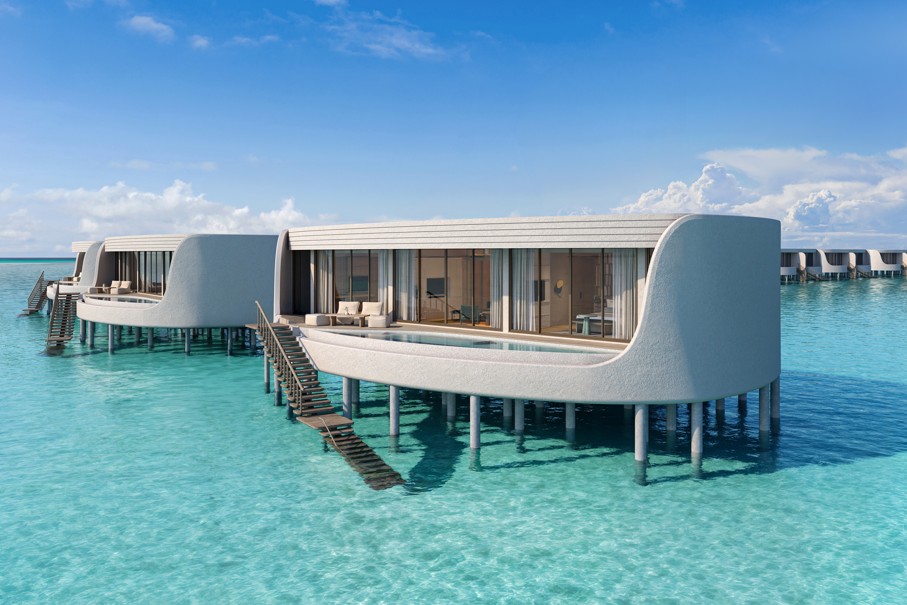
    Centara Hotels & Resorts, Thailand’s leading hotel operator, has officially opened Centara Grand Lagoon Maldives, welcoming guests to a secluded haven where gracious Thai hospitality meets Maldivian allure. Nestled within The Atollia by Centara Hotels & Resorts, this sophisticated retreat marks Centara’s fourth distinctive property in the Maldives.

    To celebrate its grand opening, Centara presents the Grand Island Indulgence: Exclusive Introductory Offer. Available for bookings until 30 June 2025 for stays until 15 October 2025, this luxurious experiential package offers more time to unwind with complimentary nights, along with meal plan upgrades, champagne, and a relaxing couples’ massage. Guests will also enjoy exclusive access to The Club lounge and a choice of captivating ocean excursions, with additional privileges for CentaraThe1 members.

    The resort introduces 142 elegantly designed beachfront and overwater villas and residences ranging from 78 to 290 square metres. With direct access to a private stretch of beach or a serene slice of the ocean, guests can enjoy as much connection or seclusion as they desire.

    Each accommodation is crafted to complement the island’s natural charm, featuring a private pool, Jacuzzi, or both, with select villas offering connecting options for families and groups. The Grand Two Bedroom Beach Pool Villa, Three-Bedroom Sunset Beach Pool Residence, Grand Two Bedroom Overwater Pool Villa, and Three-Bedroom Sunset Overwater Pool Residence, provide the ultimate in spacious living, including indoor and outdoor lounging and dining areas, and even a fully equipped kitchenette, from which the resort’s chefs will happily serve in-villa tipples and culinary experiences for private romantic or family dining, or group entertaining.

    Centara Grand Lagoon Maldives invites guests on a gastronomic journey across its diverse dining venues. The Gallery serves as a vibrant all-day dining hub, featuring live tandoor and teppan grills. Bluefin brings a sophisticated Mediterranean beach club atmosphere, with fresh seafood and live music, while Coco Drift, the resort’s swim-up bar, offers laidback cocktails and light bites. Sunset Social presents a premier champagne bar set over shimmering waters, while The Club offers exclusive fine dining, featuring raw bars, expertly paired tapas and wines, and intimate buffet setups.

    “We are thrilled to officially welcome guests to Centara Grand Lagoon Maldives,” said Andrew Jansson, Cluster General Manager of Centara Grand Lagoon Maldives & Centara Mirage Lagoon Maldives. “From our picturesque beachfront and overwater villas to our exquisite dining and wellness journeys, our team has worked tirelessly to ensure every aspect of this magnificent property exceeds expectations. We look forward to offering travellers stays that embody both Centara’s signature warm hospitality and the beauty of this Maldivian paradise.”

    Thirayuth Chirathivat, Chief Executive Officer of Centara Hotels & Resorts, commented, “The launch of Centara Grand Lagoon Maldives is a testament to our commitment to providing extraordinary guest experiences in the world’s most sought-after destinations. This resort not only completes our visionary multi-island project, The Atollia by Centara Hotels & Resorts, but also strengthens Centara’s position as a leader in the hospitality industry.”

    Just a short speedboat ride from Malé International Airport, Centara Grand Lagoon Maldives is designed for both indulgence and discovery. Embark on transformative wellness journeys at Spa Cenvaree Retreat, an oasis of holistic well-being where immersive spa experiences rejuvenate mind, body, and spirit; explore our vibrant underwater life, or enjoy family fun at the diverse children’s clubs for both teenagers and little ones.

    The opening of Centara Grand Lagoon Maldives also signifies the completion of The Atollia by Centara Hotels & Resorts, a visionary project set to redefine experiential travel in this breathtaking destination. As part of this exclusive multi-island destination, Centara Grand Lagoon Maldives blends sophisticated tranquility with immersive experiences, catering to discerning travellers seeking a refined escape while also granting guests unprecedented access to the thrilling water attractions and vibrant facilities of neighbouring Centara Mirage Lagoon Maldives.

  • Former HSBC Executive Makes Bold Moves In Hong Kong’s Sluggish Real Estate Market

    Former HSBC Executive Makes Bold Moves In Hong Kong’s Sluggish Real Estate Market

    In a surprising twist for Hong Kong’s real estate landscape, Peter Wong, the former HSBC executive, has been actively investing in the city’s housing market over the past three months. According to Bloomberg, these acquisitions were facilitated through Lion Rock, a local firm where Wong serves as the sole director.

    Luxury Living in Hong Kong’s Prime District

    The most recent transaction, finalized earlier this month, involved the purchase of two connected units within the prestigious Hong Kong Parkview. The deal, valued at an impressive HK$121.5 million, encompasses a generous 4,616 square feet of living space, which translates to a substantial HK$27,080 per square foot ($37,130 per square meter), as detailed by the South China Morning Post. This upscale complex, nestled in the city’s Southern District, continues to attract high-profile buyers even amid market fluctuations.

    A Smart Investment in a Sluggish Market

    Wong’s investment strategy seems particularly bold, considering that just a few months earlier, he had splurged HK$109 million for two adjacent units in another tower of the same development. This flurry of activity occurs against the backdrop of a sluggish Hong Kong housing market, which has grappled with a nearly 30% decline in prices since peaking in 2021. Factors contributing to this downturn include rising mortgage rates, a shift in professional demographics as many expatriates chose to depart the city, and a broader economic malaise, as reported by Reuters. However, signs of life are beginning to emerge; private home prices have actually ticked upwards for two consecutive months in April and May, offering a glimmer of hope for potential recovery.

    Legacy and Influence

    Peter Wong, 73, is not only a seasoned businessman but also holds a prestigious title as the non-executive chairman of HSBC’s Asian entity. His position affords him access to the grand Taipan House, a historic mansion situated on Victoria Peak, once reserved for the bank’s top executive and previous chairmen. The property has been under Wong’s stewardship since 2011, after being acquired in 1983 for the role of HSBC’s top executive.

    Following in Father’s Footsteps

    Interestingly, Peter’s son, Jeremy Wong, is also making waves in the business world; his LinkedIn profile indicates his current role at HSBC, along with a directorship at Energy World, a local enterprise that includes his mother, Camay Wong, and Peter Wong. This family affair in business adds a personal touch to the unfolding story of Hong Kong’s real estate investment landscape.

    Questions & Answers

    What inspired Peter Wong’s recent real estate purchases in Hong Kong?
    Peter Wong’s investments are likely driven by his confidence in the recovering Hong Kong housing market, despite its recent downturn. The strategic acquisitions at this time suggest he sees significant potential as signs of price increases emerge.

    How has the Hong Kong housing market changed recently?
    After enduring a considerable price decline of nearly 30% since 2021, the Hong Kong housing market has shown positive trends with home prices increasing for the last two months, indicating a potential rebound.

    What roles do Peter Wong’s family members play in the business?
    Peter Wong’s son, Jeremy, is active at HSBC and serves on the board of Energy World, a venture that includes both his parents. This family collaboration highlights their ongoing influence in Hong Kong’s business sector.

  • Tokyo’s Average Asking Rents Experience a 0.5% Decline: What It Means for Renters and Landlords

    Tokyo’s Average Asking Rents Experience a 0.5% Decline: What It Means for Renters and Landlords

    The latest findings from Savills, based on a semi-annual survey by the Japan Real Estate Institute (JREI) and BAC Urban Projects, paint a promising picture for retail in Tokyo. Average asking rents for first-floor (1F) units have increased by 3.0% quarter-on-quarter, despite a slight decline of 0.5% year-on-year. Meanwhile, non-1F units have seen a more significant rise, with rents up 4.3% on a quarterly basis and 2.8% on an annual one. This overall performance highlights the resilience of Tokyo’s prime retail markets, fueled by robust growth in inbound tourism, which has tightened the availability of sought-after retail spaces in tourist-heavy areas.

    A Surge in Sales Fueled by Tourists

    The Japan Department Stores Association recently reported staggering figures for 2024, indicating that nationwide department store sales soared to JPY5.8 trillion—an increase of 6.8% year-on-year. Duty-free sales also experienced a remarkable upswing, climbing 85.9% year-on-year to a hefty JPY648.7 billion, largely driven by tourists splurging on luxury goods. As Japan continues to solidify its status as a favored travel destination, the number of inbound visitors reached nearly 37 million in 2024, with projections suggesting this will exceed 40 million in 2025. Talk about a shopping spree!

    Tourist Spending Hits New Heights

    Expenditure per inbound tourist has been on the rise as well, reaching an impressive JPY227,000 per traveler in 2024—a staggering 43% increase compared to pre-pandemic levels in 2019. The total spending by foreign tourists hit a remarkable JPY8.1 trillion, reflecting a 53% growth over 2023, albeit still hovering around just 1.5% of Japan’s GDP, according to the Japan Tourism Agency (JTA).

    A Notable Return of Chinese Tourists

    The numbers indicate a promising trend for the industry, with inbound tourists already surpassing 10 million in the first quarter of 2025—up about 23% from the same period in 2024. The resurgence of Chinese visitors is particularly striking, with 2.4 million arrivals recorded in Q1/2025, marking a 78% increase year-on-year. This rebound can be partly attributed to the recently relaxed visa application process for Chinese nationals, opening the floodgates for eager shoppers.

    Expo 2025 to Amplify Tourist Interest

    The successful launch of the Expo 2025 in Osaka is set to draw an estimated 28 million attendees, further bolstering inbound tourism. Meanwhile, domestic spending remains robust, buoyed by ongoing strong wage growth, creating a favorable environment for retail. As shoppers eye both domestic and luxury items, the future of Japan’s retail market promises to sparkle with potential.

    Questions & Answers

    What factors are contributing to the growth of rental prices for retail spaces in Tokyo?
    The increase in rental prices is primarily driven by strong inbound tourism, which boosts demand for retail spaces in prime locations, as well as a sense of scarcity in high-traffic areas.

    How has spending by inbound tourists changed in recent years?
    Inbound tourist expenditure has skyrocketed, reaching nearly JPY227,000 per traveler in 2024, marking a 43% increase compared to 2019, with total spending reaching JPY8.1 trillion, a 53% rise from 2023.

    What impact is Expo 2025 expected to have on Japan’s retail market?
    Expo 2025 in Osaka is projected to attract 28 million attendees, further enhancing inbound tourism and, consequently, retail spending, creating a positive outlook for the market.

  • Bangkok Sees Surge in Luxury Housing Demand, With 24,790 Units Sold in April!

    Bangkok Sees Surge in Luxury Housing Demand, With 24,790 Units Sold in April!

    The luxury housing market in Bangkok and its outskirts remains a beacon for high-potential buyers, with units priced at 10 million baht and above continuing to draw interest. A recent report by Knight Frank reveals that demand has surged, reaching nearly 24,790 units sold, translating to a noteworthy sales rate of 65.6%. This vibrant market clearly reflects the appetite of affluent individuals and senior executives for spacious, fully functional homes nestled in prime locations.

    Mid-to-Upper Luxury Appeal

    The report highlights that around 75% of total sales fall within the price segment of 10 to 40 million baht. This concentration underscores a clear trend toward mid-to-upper luxury housing, designed to entice High Net Worth Individuals (HNWIs) who are actively seeking upscale residences.

    Challenges Amid Economic Uncertainty

    Despite this robust demand, the outlook for luxury housing sales has encountered a bump in the road. Between 2024 and April 2025, sales are projected to range from only 1,000 to 1,500 units, a drop from the averages seen in prior years. Buyers appear to be exercising caution, taking their time to weigh purchasing decisions in light of ongoing economic uncertainties. Power isn’t the problem—purchasing decisions are just taking a leisurely stroll.

    Geographic Demand Distribution

    Analysis of accumulated luxury housing demand indicates that Eastern Bangkok has captured the lion’s share, accounting for 28% of the market. This area has become increasingly popular due to its connectivity to major expressways, the airport, and burgeoning business hubs, particularly around the Krungthep Kreetha–Rama IX corridor.

    Following closely are Western Bangkok and the Western Suburbs, which command 21% and 16% of the demand, respectively. Factors driving this interest include spacious living environments, competitive pricing, and the expansion of the electric train network. In stark contrast, the Downtown zone has witnessed a mere 4% of demand, largely attributable to limited land availability and exorbitant prices steering buyers towards more budget-friendly suburban options.

    Price Range Trends

    A closer look into price ranges reveals that demand stays robust between 10 and 30 million baht. Notably, homes priced between 10 and 20 million baht achieved remarkable sales, comprising 38% of total transactions in the latter half of the year. This trend illustrates buyers who, despite their financial clout, emphasize value for money. Typical buyers in this range are usually executives, entrepreneurs, or young families on the hunt for exceptional residences.

    Interestingly, while luxury homes exceeding 70 million baht are scarce, they boast an impressive sales rate of 84%, particularly in the 71–99 million baht range. This segment is sought after by ultra-affluent clientele desiring properties that cater to their distinct tastes in location, privacy, and status. These buyers, often disinclined to use mortgages, make choices driven by lifestyle aspirations rather than financial constraints.

    Questions & Answers

    What drives the demand for luxury housing in Bangkok?
    The demand is largely driven by affluent individuals and executives seeking spacious and well-located homes, with a significant portion of sales concentrated in the mid-to-upper luxury segment.

    How does economic uncertainty affect buyer behavior in the luxury market?
    Buyers are currently hesitant, taking longer to make purchasing decisions amid economic uncertainty, despite having strong purchasing power.

    Which areas in Bangkok are most popular among luxury homebuyers?
    Eastern Bangkok tops the demand chart, favored for its connectivity to expressways and emerging business centers, while Western Bangkok also shows strong buyer interest.