Category: Real Estate

Retail News Asia is committed to providing both local and global retailers with the latest Real Estate news throughout the Asian market. This on a daily base.

  • Home Purchasing Tips: What to Look for in a Townhouse

    Home Purchasing Tips: What to Look for in a Townhouse

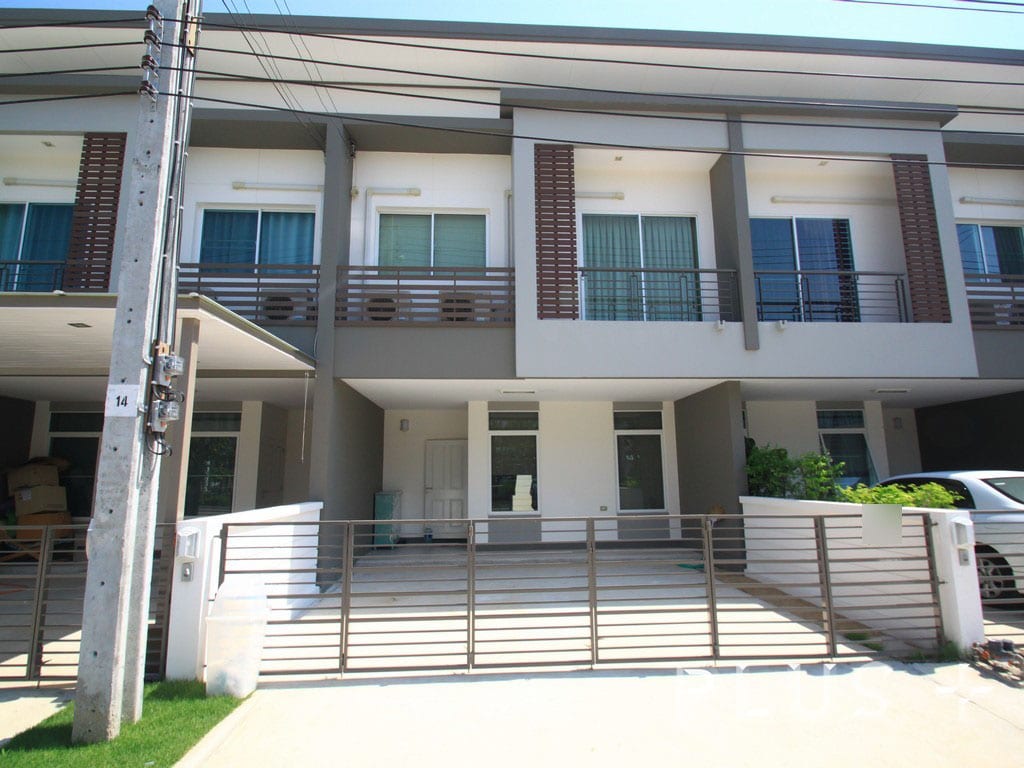
    You’ve reached a point in your life where you are now thinking about buying a property that you can live in well into the conceivable future. After a few days of internal debate, you believe that a townhouse in the city would be an adequate purchase since you don’t really need a lot of space and you want to be close to where you work and the different malls. However, before you start visiting DD Property and typing in “townhouse” in the search bar, there are several different factors that you need to take into consideration.

    What Can You Reasonably Afford?

    Before you even start looking for a townhouse, you need to determine what sort of payment scheme you would be able to afford in the long term. For example, if you make 35,000 baht per month yet the payments for the house amount to 30,000 baht per month, this just leaves you with 5,000 baht which is far too small to be able to buy enough food for the rest of the month, this doesn’t even take into consideration other expenses such as electricity, water, etc.

    As such, it is highly advisable that you contact the bank that you have an account with, determine how much money you can reasonably borrow for a home purchase loan and examine the interest rates and the number of years to pay a particular loan has. While it might be tempting to pick loans that allow you to pay the entire amount within 20 years, these often have extremely high rates of interest. It is advisable that you select loan terms that allow you to pay the entire amount in 10 years with stipulations that allow you to increase the amount you pay in order to reduce the interest rates.

    Once you have a budget outlined based on the loan terms that were presented, that’s when you can begin searching since, at this point, you know what you can afford.

    Examining Potential Locations

    Another factor is the general location that you want to start living in and its proximity to different services. Just because a townhouse may seem affordable in an online listing doesn’t ensure that it is located in an area that is actually nice. The value of land tends to increase significantly the greater its proximity to certain services and locations such as malls, hospitals or business centers.

    This has a corresponding impact on the price of the townhouse itself resulting in situations where two townhouses are exactly alike yet one costs two times more because it is located a short walk away from a mall. While it is tempting to get a townhouse close to where you work, since this helps to cut down on the amount of time you spend commuting, you have to ask yourself whether you’re going to be working for the same company 5 years down the line.

    If not, then your purchase of a townhouse in that location would be a complete waste since the office of the new company that you would work for could be located much farther away. The best method of selecting a good location is to consider which areas you are familiar with, which locations you frequent for fun (i.e. which malls, bars, etc.) and make your choice based on these areas. You should not choose a location just because it’s close to where you work, you should choose based on where you will be spending most of your time when you’re not at work and where you can relax.

    Gated Community or Not?

    The last decision you should make is to determine whether you want to purchase a townhouse in a gated community or not. Within Thailand, gated communities have become increasingly popular over the years due to the amount of crime within the city. With their amenities and security, gated communities seem to be an ideal choice; however, there are some factors that do detract from their appeal.

    One of the first issues is connected to the monthly association dues that you have to pay. While on the surface this may seem to be reasonable, you have to consider that the amount paid often reaches 3,000 baht or more a month which is an additional added cost on top of the amount that you will be paying the bank for the loan. Not only that, the price of townhouses within gated communities is far higher than those that are located outside of them.

    Conclusion

    Once you have gone over the steps outline in this article, that is when you can start searching for a townhouse online since at this point you will know what you can afford, where you want it and whether or not a gated community appeals to you.
  • Lendlease-ADIA to include 429 apartments in Paya Lebar project

    Lendlease-ADIA to include 429 apartments in Paya Lebar project

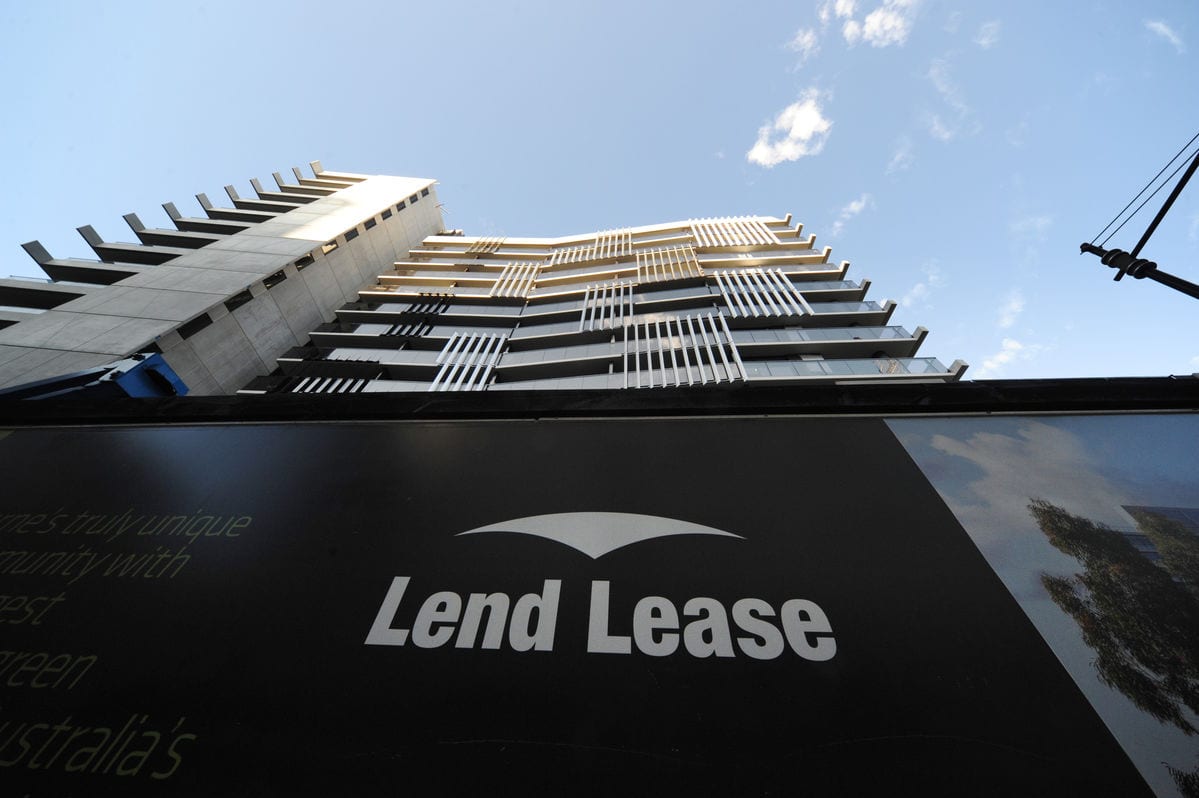
    The consortium comprising Lendlease and Abu Dhabi Investment Authority (ADIA) that last year bagged a plum site in Paya Lebar Central, has obtained provisional permission from Singapore’s planning authority to build a project that will comprise offices, retail space as well as 429 apartments.

    Going by market talk, the apartments are expected to be launched for sale probably next year.

    This will mark the first time the Australian group will be developing homes in Singapore. It has been operating here for more than four decades.

    The Urban Redevelopment Authority (URA) granted provisional permission last month for the developers to build a project that will have 91,340 square metres (983,175 sq ft) gross floor area (GFA) of office space and 43,740 sq m (470,813 sq ft ) of retail space in addition to the 429 apartments.

    The project is expected to be completed, that is, receive Temporary Occupation Permit in 2018, according to fourth quarter 2015 property market data released by the URA recently.

    When contacted, a spokesman for Lendlease said that the apartments will be in three towers. ” . . . Lendlease is confident that the . . . project will rejuvenate the precinct when it is completed,” he added.

    Word on the street is that CBRE and JLL have been appointed as leasing agents for the office space. Given its experience in the Singapore retail market, Lendlease will probably market the retail space itself.

    The Lendlease-ADIA consortium was the highest bidder for the 99-year leasehold site at a state tender that closed on March 31, 2015. Its winning bid of S$1.67 billion worked out to S$942.56 per square foot of potential gross floor area.

    The site comprises four plots – two land parcels, an underground area and an airspace. The site can be developed to a maximum GFA of 164,794 sq m (about 1.77 million sq ft). Of this, at least 90,000 sq m (968,751 sq ft), amounting to nearly 55 per cent of total GFA, has to be for office use. The project will boast direct connection to both the Paya Lebar East-West Line and Circle Line MRT stations .

    Lendlease has a 30 per cent stake in the consortium developing the project, while ADIA holds the majority 70 per cent.

    According to a previous article, the Abu Dhabi sovereign wealth fund (SWF) is said to be an investor in the Asian Retail Investment Fund (ARIF) managed by Lendlease.

    ARIF I has a 75 per cent stake in the 313@Somerset mall in Orchard Road, while ARIF III owns 75 per cent of the Jem office and retail development in Jurong East.

    ADIA is also understood to have invested in BlackRock-managed funds that developed the Asia Square project in the CBD.

    The SWF also previously held a 49 per cent direct stake in AXA Tower along Shenton Way in addition to being one of the investors in a BlackRock-managed fund that had owned the other 51 per cent in the circular office building opposite Tanjong Pagar MRT Station. They sold AXA Tower to a consortium led by Perennial Real Estate Holdings last year for S$1.17 billion.

    Lendlease is an integrated property and infrastructure group that has operated in Singapore since 1973; its capabilities span the entire property spectrum – development, investment management, project management and construction, and asset and property management.

    The URA’s Q4 2015 data also showed that MCL Land, a unit of Hongkong Land, obtained provisional permission in October for a 710-unit condo along Jurong West Street 41. The project’s name is Lake Grande.

    Chinese developer MCC Land received the URA’s provisional nod in December for a condo project of 626 units along Tampines Street 86.

    Meanwhile Gem Homes, the shareholders of which are Malaysia-listed group Gamuda, Evia Real Estate (7) and Maxdin, received provisional permission in November to develop a 578-unit condo in Lorong 5 Toa Payoh. When contacted, Evia Real Estate managing director Vincent Ong said that the project is slated for release in late April or early May; the average price will be S$1,480 psf. The development will have two 38-storey towers.

    The project was slated for launch in late March, but this has been delayed after the authorities turned down an earlier proposed name; the developers are now awaiting approval for a new name that they have proposed for the 99-year leasehold project.


  • More space, lower rents in Singapore

    More space, lower rents in Singapore

    More retail space is available in the city, with a slight dip in prices and a decrease in rental costs.

    Singapore retail vacancy rates rose to 7.2 per cent at the end of the fourth quarter last year from 7 per cent at the end of the third quarter, according to the Singapore Urban Redevelopment Authority.

    During the quarter, there was a 0.1 per cent dip in the prices of retail space, compared to a decrease of 0.3 per cent the previous quarter. Rental rates fell 1.3 per cent, following a 2 per cent drop in the third quarter.

    For the year overall, prices for retail space were down 0.8 per cent while rentals fell by 4.1 per cent.

    At the end of the fourth quarter, there were 808,000 sqm of retail space in projects in the pipeline.

    Occupied retail space grew 8000 sqm in the fourth quarter of last year, compared to a drop of 13,000 sqm in the previous quarter. In the same period, the stock of retail space increased by 22,000 sqm compared to a 24,000 sqm decrease.

  • Lotte World Tower wins awards in challenging times

    Lotte World Tower wins awards in challenging times

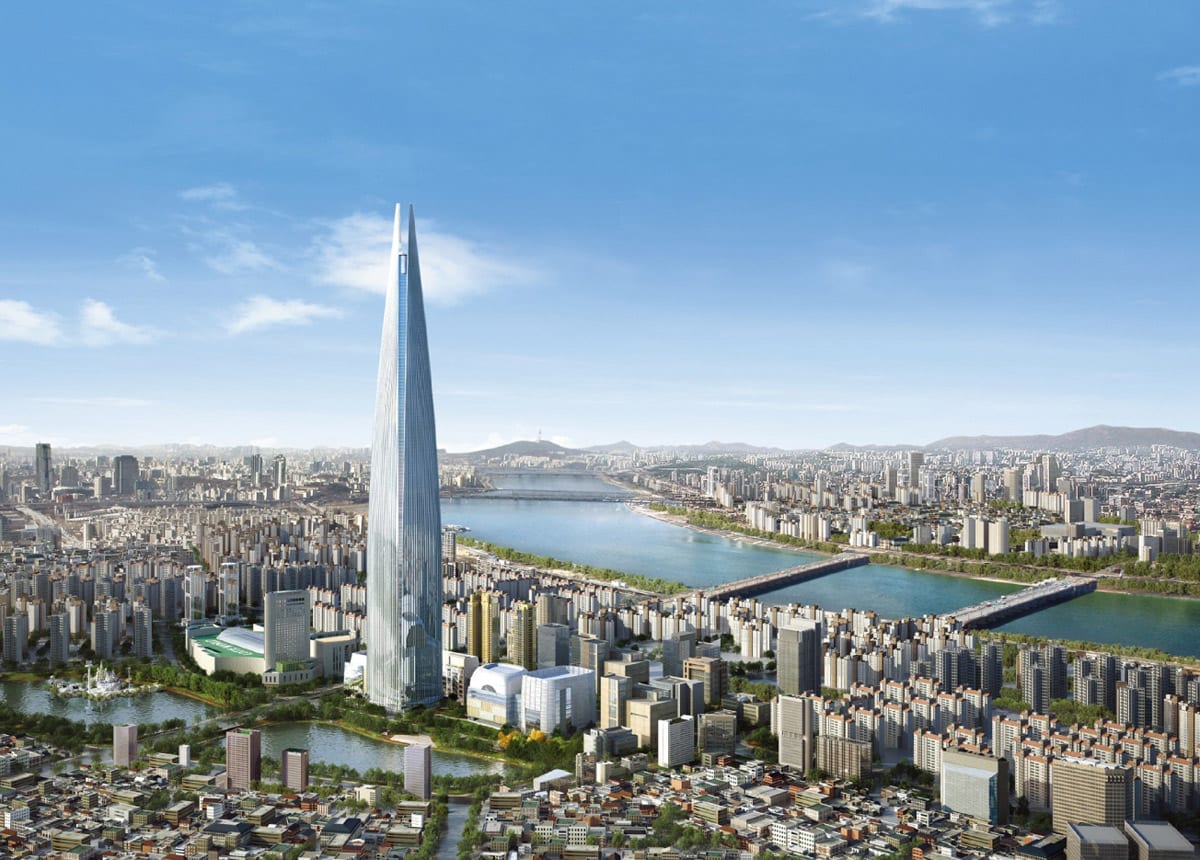
    Lotte Duty Free’s $3bn 555m World Tower duty free store in Seoul has won three globally recognised and prestigious design awards for the first time in the Korean duty free business.

    Besides winning the ‘2015 Good Design Awards’ in the Environments category, the retailer also swept the board with three world-class prestigious design awards in the USA.

    Sun-wook Jang, President of Lotte Duty Free said: “Lotte Duty Free World Tower has contributed a lot in promoting the new duty free shopping environment. I’m so glad that we won the prestigious global design awards for the first time as a Korean duty free shop.”

    The retailer says it is the first duty free shop in Korea to win the Good Designs Awards prize, although it should be said that celebrations related to this high recognition are doubtless a little less than normal, considering Lotte actually lost its duty free licence back in November of last year.

    [Lotte Duty Free] Interior of the Worldtower store (3)

    [Lotte Duty Free] Interior of the Worldtower store (2)

    Lotte Duty Free opened its $3bn World Tower branch in the southern Seoul Chamshil area of Gangnam on October 16, 2015

    The duty free industry in Seoul was shocked at the time, although we understands that Lotte has since been investigating whether it will be possible to transfer one of its other Seoul duty free retail licences to the World Tower 11,000sq m operation to maintain its ‘downtown duty free’ status which it still holds at this time.

    But this aside, few could argue that the building itself is not a huge achievement and this has been recognised with these latest awards. South Korea’s largest duty free retailer says that the interior design was optimised for shopping right from the very beginning, with high ceilings to allow brands to express offers and cultures.

    In addition, the retailer has installed ‘world-class’ LED screens to support the environmental design in harmony with the digital era.

    In a statement, the retailer said: “The Media Wall (large LED screens), the Column (cylindrical LED screens surrounding the columns) and the Cylinder (LED screens hanging on the ceiling) make the place new and trendy.

    [Lotte Duty Free] Interior of the Worldtower store (1)

    [Lotte Duty Free] Interior of the Worldtower store (4)

    Within the store, chiffon and indirect lighting has been used to create an effect of ‘the sun shining through white clouds’. Other features include a large number of HD TV screens located around the store, providing details of products and special promotions. At the opening these featured exclusive promotional advertisements featuring the top model Su Hyun Kim.

    “The company has invested more than three thousand million Won ($2.4m) for installation [and] six hundred million Won ($498,174) for the initial stage of content development, which needs a steady investment.”

    Lotte adds that the three LED installations are integrated throughout the shop space, with the video content alternating throughout the day to offer entertainment, local heritage and natural environmental content.

    The company concluded: “The distinct shopping experience of [the] Lotte Duty Free World Tower store which presents the new cultural experience beyond shopping has been highly valued in terms of design by the awards.

    “Besides, the company has won the Bronze prize of HUB Prize (USA) in [the] Brand Experience category and [the] Merit award of Graphis Competition (USA) in Innovative Environment category.”

  • Indonesia’s ex-President Habibie to build billion-dollar apartment project in Batam

    Indonesia’s ex-President Habibie to build billion-dollar apartment project in Batam

    The company of former president BJ Habibie, who ruled Indonesia from 1998-1999, is set to built luxury apartments worth a total of US$1 billion (S$1.42 billion) in Batam.

    The project, which features 11 towers of apartments, offices, hotel rooms and a hospital on a nine-hectare plot of land, aims to attract buyers from Indonesia’s neighboring countries, particularly Singapore.

    Work on the project, called Meisterstadt, will start in the middle of this year, Ilham Akbar Habibie, President Habibie’s son and commissioner of his company, Pollux Habibie International, told thejakartapost.com at the project’s launch in Batam on Saturday that the Meisterstadt superblock would be built in four stages.

    “Initially, the plan to construct a hospital in the superblock was in the last will and testament of my mum (the late Ainun Habibie) it will be implemented in the third stage of this superblock’s construction,” said Ilham.

    Pollux Properties Indonesia president commissioner Muladi, who was known as Habibie’s right-hand man during the latter’s presidential term, Batam Free Trade Zone Authority (BPK FTZ) head Mustofa Widjaja, Batam mayor Ahmad Dahlan and Meisterstadt Batam operational general manager Yosef Eduardus attended the ceremony.

    Ilham said the property business in Batam was promising because the area was quite close to Singapore. The developer hoped Singaporeans would be the main buyers of the apartments.

    “Singapore now has 5 million residents and it has continued to grow. We hope that we can benefit the country’s population, particularly in the property sector,” said Ilham.

    He added: “It happened in Hong Kong in the 1950s, during which the region’s population had flown to several provinces of the Chinese mainland near Hong Kong. We’ve now seen a similar situation in Guangdong, in which industries and businesses from Hong Kong have flown to the city.

    “Such an effect will happen between Singapore and Batam.”

    Ilham said the company hoped that a third of the apartments in the superblock complex would be bought by foreigners while the remainder would be marketed to local buyers.

    As many as 1,575 apartments in two of the towers, which will be built in the first stage of the construction project, have been booked by potential buyers with VVIP pass cards who attended the launch. In total, 1,874 VVIP pass cards were issued for the event.

    Three sizes of apartments, namely 24.82 sq m, 42.51 sq m and 51.59 sq m, will be built in the first stage of construction from 2016 to 2019. Prices for the units start at Rp 400 million (S$41,618).

    Batam mayor Ahmad said it was time for Batam to shift from landed to vertical housing due to its limited land.

    “The land in Batam is very limited. For our urban planning, we have recommended residences with the tower or vertical building concept. From the business aspect, it is very prospective because many noted developers have built their projects here. It means they see a huge market potential here,” said the Batam mayor.

    Mustofa said the authorities need to accommodate the need for premium residential compounds in Batam.

    “The growth of the number of Batam residents is the fastest in the world because of migration. To anticipate such a rapid growth, the Batam administration will also complement this city with toll roads and overpasses, which have been included in the national strategic project,” he said.

    “The toll roads and overpasses are aimed at anticipating traffic congestion in the next 10 years.”

  • Expatriates Start Acquiring Properties in Surabaya

    Expatriates Start Acquiring Properties in Surabaya

    About 10 percent of 450 apartments and Small Office Home Office (SOHO) developed by Operational Cooperation (KSO) PT Darmo Permai and PT Waskita Karya in the 88 Avenue Surabaya Project had been purchased by expatriates.

    KSO Wskita Darmo Permai managing director Kevin Sanjoto said that 65 percent of the 450 units had been sold. About 50 percent of the buyers were from Surabaya, 10 percent were expatriates, 15 percent from Jakarta and the rest of them were buyers from East Indonesia.

    “The expatriate buyers are from Japan, Singapore, and Korea. Some of them need places during their stay in Surabaya, including as preparations to face the ASEAN Economic Community (AEC),”Kevin said during the ground breaking ceremony of the project on Saturday, January 30, 2016.

    Waskita Karya Realty president director Didit Oemar Prihadi said that KSO Waskita Darmo Permai would hold road shows in big cities to boost the sales.

    “With such a strategy, we believe that we will gain new buyers, because many investors outside Java are interested in investing in Surabaya,” Kevin added.

    The apartment and SOHO project was a part of a superblock project developed on a 3.4-hectare land in West Surabaya. It was planned that the project would have eight towers consisting of SOHO, The Residence, The Suites, The Sky, The View, The Terrace, The Heritage and The Infinity. SOHO and The Residence would be the first towers to be completed.

    “By looking at the sales figure, and since the development project has been started, we expect to complete the project by 2018, and the handover can be conducted on August 8, 2018,” Didit said.

  • Nakheel to showcase USD4.6bn real estate in Dubai Property Show in Hong Kong

    Nakheel to showcase USD4.6bn real estate in Dubai Property Show in Hong Kong

    Dubai-based real estate master developer Nakheel , creator of some of the world’s most famous landmarks including Palm Jumeirah, is heading east to showcase new projects with construction values of over US$4.6 billion at the Dubai Property Show in Hong Kong this week.

    Nakheel , whose projects already span more than 15,000 hectares and provide homes for over 200,000 people, is the biggest developer at the show, which will highlight Dubai’s unrivalled opportunities for real estate investment. Nakheel will exhibit a diverse range of new master developments, residential properties and retail and hospitality projects at the three-day event.

    Investors from Hong Kong and other parts of the Far East and South-east Asia have already bought around 500 villas, apartments or land plots from Nakheel , spending a combined US$245 million in the process. Chinese investors account for nearly 80 per cent of these purchases: 390 properties worth US$212 million. The biggest group of overseas investors with Nakheel is Indians (4,400 properties worth US$2.5 billion).

    Thousands more Chinese people have invested in Dragon Mart, Nakheel ‘s sprawling, recently-expanded retail and trading complex in Dubai. Dragon Mart is the world’s biggest Chinese trading hub outside mainland China, with more than 4,000 shops, restaurants and entertainment outlets welcoming an average 80,000 visitors daily.

    Nakheel Chairman, Ali Rashid Lootah, said: “The Dubai Property Show is the ideal platform from which to highlight how investors in Hong Kong can be part of the Dubai real estate success story, as end-users or with a view to renting out.

    “Dubai’s excellent transport, education, trade and leisure facilities act as a magnet for people to live and work in the emirate. These people need accommodation, meaning a huge demand for rental properties, which offer substantial investment returns. We look forward to further strengthening our relationship with investors in this part of the world through this exciting event.”

    Nakheel ‘s projects on show in Hong Kong include the 15.3 square kilometre Deira Islands coastal city; luxury high-rise apartments in the 52-storey Palm Tower and high-end waterfront units at Azure Residences at Palm Jumeirah; and spacious three-bedroom townhouses at Warsan Village, a new, gated community located near Dragon Mart and Nakheel ‘s biggest master community, International City. Warsan Village and International City are already home to 300 investors from China and the Far East.

    Deira Islands

    Deira Islands, Nakheel ‘s new, 15.3 sq km waterfront city, is set to transform Dubai’s Deira district into a world-class hub for tourism, retail and entertainment, adding 40 km, including 21 km of beachfront, to Dubai’s coastline in the process.

    The project will contribute significantly to the Government of Dubai’s tourism vision by paving the way for the development of hundreds of new hotels, serviced apartments, mixed-use buildings and residential waterside developments.

    Nakheel itself is developing a significant amount of the 4.5 million square metre south island, creating a unique creek side destination with an array of retail, entertainment and hospitality attractions including Deira Mall; Deira Towers and Boulevard and Deira Islands Night Souk. Nakheel is also developing five hotels at Deira Islands, with planned joint ventures already announced for three of them with Spain’s RIU Hotels & Resorts, Thailand’s Minor Hotel Group and Thailand-based Centara Hotels & Resorts.

    The Palm Tower Residences, Palm Jumeirah

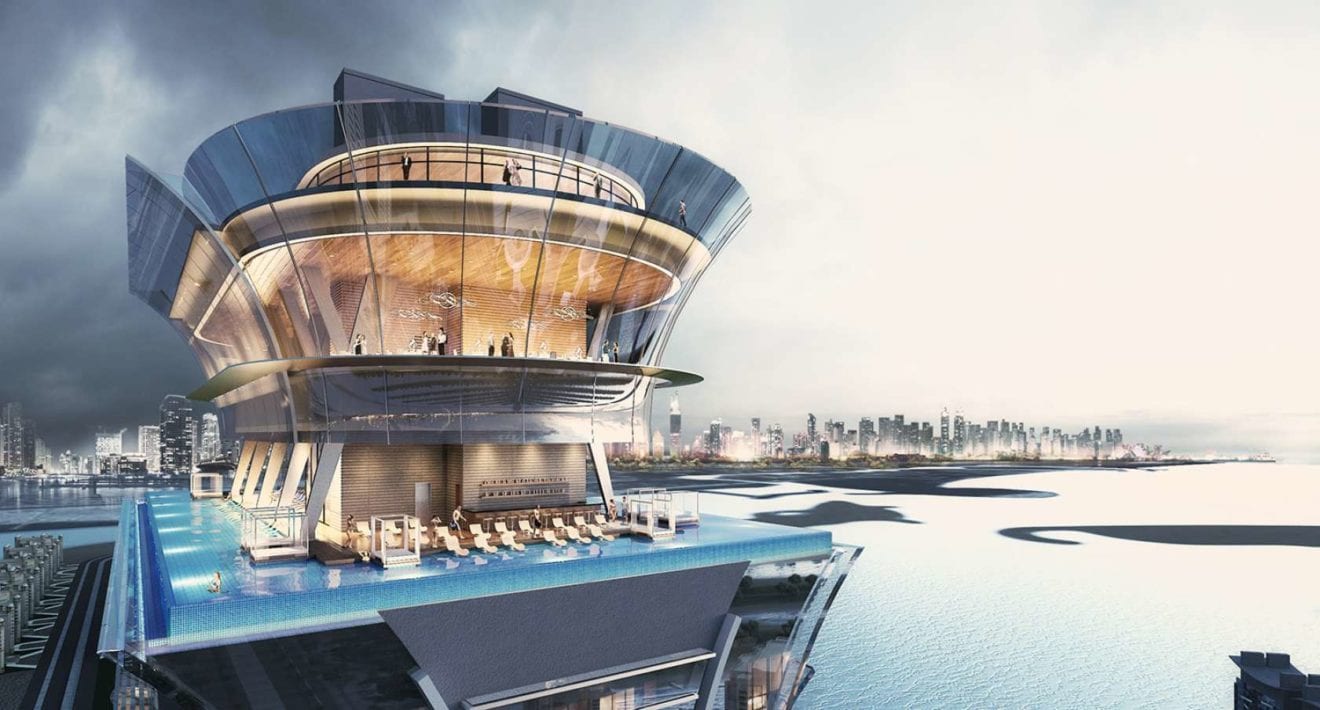
    The 52-storey Palm Tower, currently under construction at the heart of Palm Jumeirah, is a landmark development with 504 luxury residences and a five star, 290-room hotel – to be managed by Starwood Hotels & Resorts under the luxury St Regis brand – with an array of dining and leisure facilities, including a rooftop infinity pool, restaurant and viewing deck

    The Residences, on sale from around US$460,000, comprise furnished studios and one, two and three bedroom apartments with uninterrupted, panoramic views of Palm Jumeirah, the Arabian Gulf and the Dubai skyline.

    The Palm Tower is adjacent and linked to Nakheel Mall, also under construction, meaning residents will have more than 300 shops, cinemas, medical facilities, fitness centres and a roof terrace with fine dining outlets on their doorstep. Palm Jumeirah’s beach clubs and other retail and entertainment outlets are within easy reach, too.

    Azure Residences, Palm Jumeirah

    Azure Residences is a new collection of beachfront apartments and dining outlets on Palm Jumeirah’s eastern shoreline. With spectacular views of the Arabian Gulf and Dubai’s skyline, Azure Residences includes 170 one and two bedroom apartments – which will ready for occupation by summer – and nine restaurants, including the Breakwater signature restaurant with 360 degree water and city views. There is also a sea-facing infinity pool, rooftop gym, 266 car parking spaces and mooring facilities for water taxis.

    Apartments come with an equipped kitchen and private terrace. Prices start from approximately US$690,000 for one bedroom units and US$1.28 million for the two bed option. All two bedroom units have a maid’s room. Azure Residences is close to a wide range of Nakheel retail, dining and entertainment developments on the island, including the newly-opened Golden Mile Galleria and the upcoming Nakheel Mall, The Pointe, Palm Tower, Boardwalk and Palm Promenade.

    Warsan Village

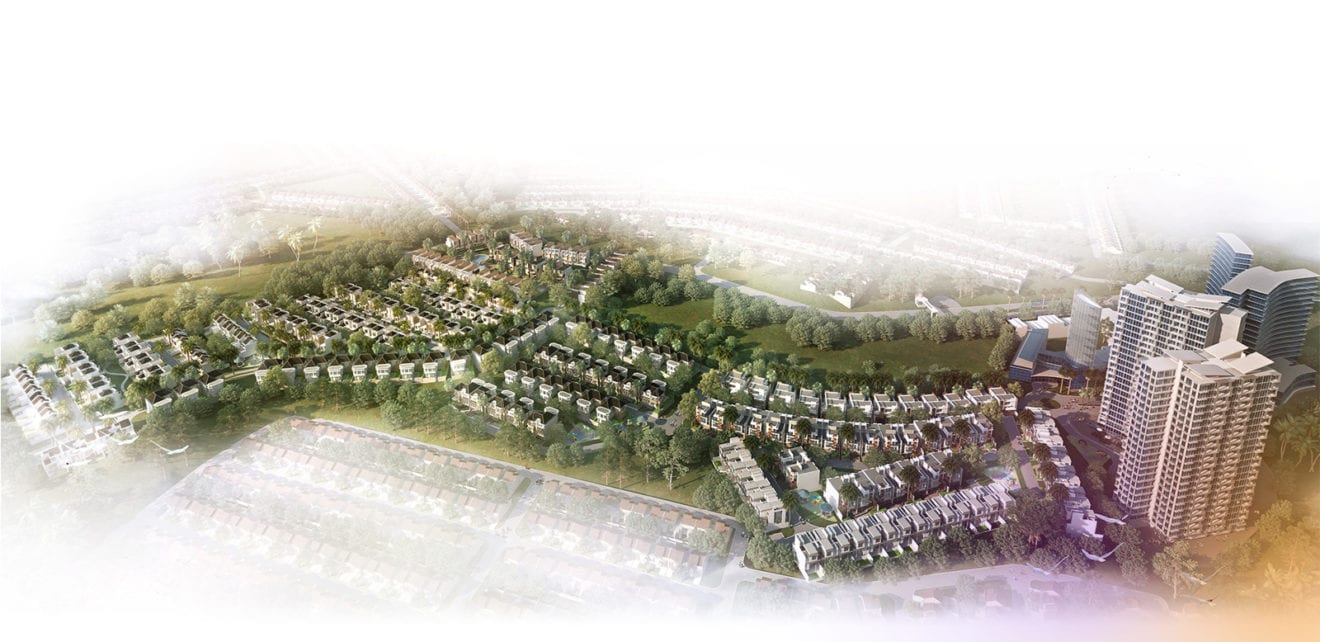
    Warsan Village is a new gated, mixed-use community with over 1,300 quality, three-bedroom townhouses, a sprawling souk with 1,170 shops, a mosque and a sports and recreation centre.

    Currently under construction, Warsan Village is set on a 47.5 hectare site close to the recently expanded Dragon Mart retail hub.

    Each town house covers 2,000 square feet and comes with a maid’s room, three bathrooms, powder room, two balconies, private garden and parking for two cars. Prices start at around US$480,000.

    At the heart of Warsan Village will be a recreation centre with swimming pool, sports courts and gymnasium; a mosque with car parking; and extensive shaded, green space including a large park with a 1.7km jogging track. The community also features Warsan Souk, a vibrant retail and dining hub with 1,170 shops, two department stores and 30 cafes and restaurants with indoor and outdoor dining. The souk, designed as a modern take on a traditional Arabic souk is already fully leased.

    Nakheel is also offering investment opportunities at a diverse selection of large-scale retail, dining and entertainment hubs in Dubai. Among them are Nakheel Mall and The Pointe on Palm Jumeirah; Deira Mall on Deira Islands and Al Khail Avenue and the Circle Mall at Jumeirah Village.

    Nakheel and its projects,was in stand D8 at the Dubai Property Show, Hong Kong Convention and Exhibition Centre, 28-30 January 2015.

  • The Sapphire Bloc represents the Philippines as ‘Best Condo Development’

    The Sapphire Bloc represents the Philippines as ‘Best Condo Development’

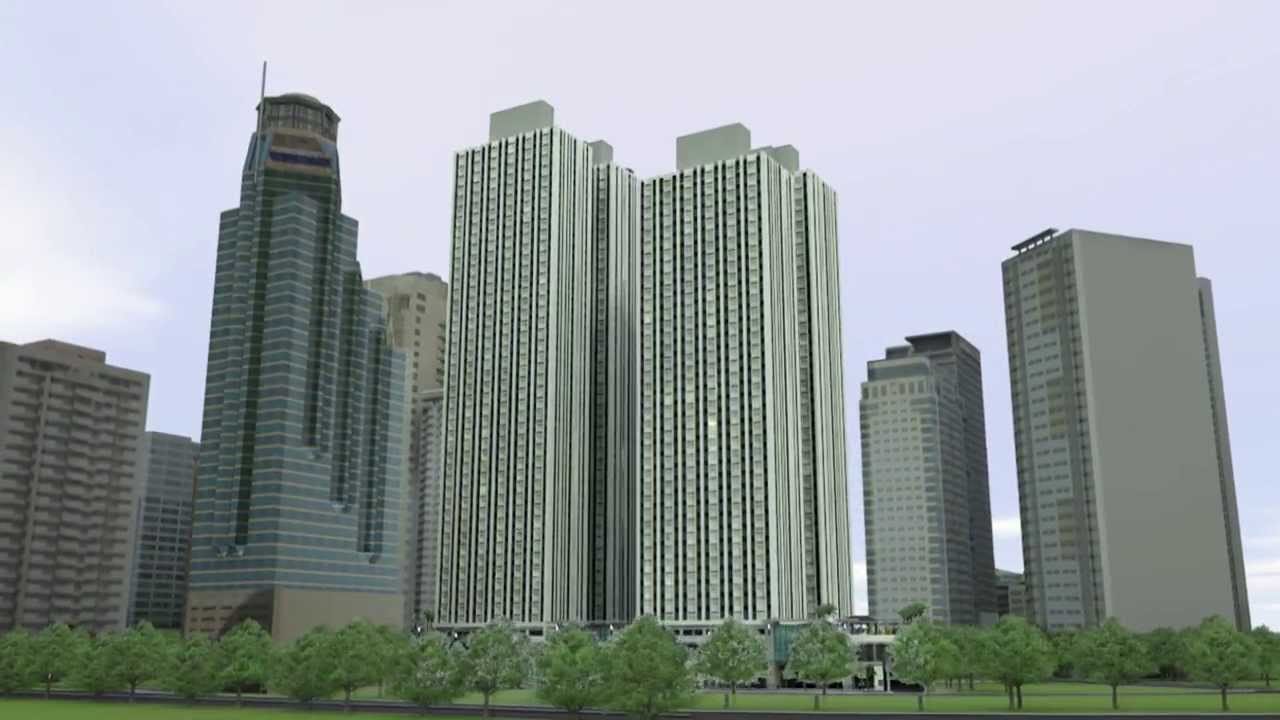
    Robinsons Land Corp. (RLC) ended 2015 by receiving another accolade for its four-tower residential complex called The Sapphire Bloc developed by Robinsons Residences, a trusted residential development brand under RLC.

    The Sapphire Bloc represented the Philippines as “Best Condo Development” in the prestigious South East Asia Property Awards 2015. This real estate award-giving body is known as the largest and most recognized industry awards event in the region.

    RLC joined the roster of top honorees from a pool of about 400 top and emerging names in the South East Asian real estate industry. The awarding ceremonies were held recently at the Shangri-La Hotel Singapore.

    Earlier in the year, The Sapphire Bloc bagged the “Best Condo Development” (Philippines) and “Best MidRange Condo Development” (Metro Manila) awards at the prestigious 2015 Philippine Property Awards which has been rewarding high-caliber work in construction, architecture and interior design of property developments in Asia. Moreover, RLC was named “Outstanding Developer” by FIABCI, a Paris-based real estate federation for its other residential project called The Trion Towers.

    “To be highly commended in the South East Asia Property Awards further drives us to continuously innovate on what comfortable and modern condo living means, as akin to the changing needs and preferences of people over time,” remarked Trina Cipriano, VP for business development at RLC.

    Located at the Ortigas Center in Pasig, The Sapphire Bloc is RLC’s latest foray in modern vertical development that has since become a member of an elite league of other property projects now being recognized throughout the region.

    Lifestyle Feature ( Article MRec ), pagematch: 1, sectionmatch:

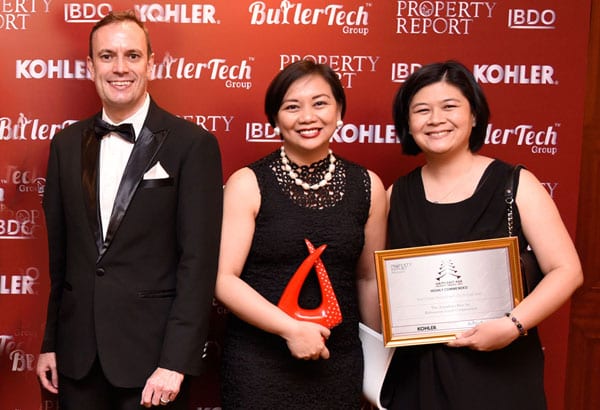
    Robinsons Land Corporation represented by May Precilla, VP for sales and marketing (second from left), and Trina Cipriano, VP for business development, receives the citation from the South East Asia Property Awards 2015. With them is Terry Blackburn, CEO of Ensign Media.

    Its Art Deco architecture amid contemporary buildings gives the Pasig City skyline a unique charm. Its enviable location provides an added measure of value since it is connected to three major cities, and has nearby shopping malls, offices, skyscrapers, building complexes, nightlife bars and restaurants.

    Moreover, the master-planned development offers retail space measuring up to 8,000 square meters that is currently redefining destination dining in the metro. The entire stretch of the ground floor has been dedicated to serving up new and one-of-a-kind retail shops which can satisfy every craving.

    “Again, The Sapphire Bloc has proven our company’s commitment to our ‘City Living Done Right’ mantra, that aims to offer a level of distinction on comfortable and stylish living in the metro,” enthused Trina Cipriano, vice president for business development at RLC. “Representing the country in the South East Asia Property Awards further inspires us to continue embedding the highest industry standards in all our developments.”

    The South East Asia Property Awards is the grand finale of the Asia Property Awards. Started in Thailand in 2005, the Asia Property Awards has since expanded to reward developments, consultants, architects and designers in Singapore, Malaysia, the Philippines, China, Myanmar, Indonesia, Cambodia and Vietnam. With a professionally run and fully transparent judging system, which is audited by BDO — one of the world’s largest accountancy networks — the awards have for a decade helped celebrate the region’s real estate industry on the world stage.

  • Hang Lung Properties China woes hit developer’s 2015 earnings

    Hang Lung Properties China woes hit developer’s 2015 earnings

    China’s slowing economy has claimed another victim, as Hang Lung Properties reported on Thursday a 56% fall in 2015 net profit from a year ago.

    The property developer said its net income declined to 5.09 billion Hong Kong dollars ($653 million) for the financial year ended on Dec. 31. Total revenue shrank by 47% to HK$8.94 billion from a year ago. Property sales in Hong Kong fell 88% to HK$1.2 billion.

    Over the year, only 63 apartments and a few car parks were sold — a dramatic downturn from 2014’s sales of 412 residential units that generated a turnover of HK$9.81 billion.

    Although the company’s rental income from commercial properties in both Hong Kong and the mainland rose by 7%, total operating profit of its mainland China portfolio — comprising eight shopping malls and three office towers — dipped 3% year-on-year to HK$2.72 billion. Overall rental margin fell by 7 percentage points to 65%.

    “The [property] market in mainland China is in the doldrums, if not deteriorating,” said Hang Lung Chairman Ronnie Chan. He said that turnover in the second half of the year typically outperformed the first half, but that was not the case in 2015. “I can’t see how it is going to improve in the short run,” said Chan.

    Such distress was most palpably felt in cities outside of Shanghai. Occupancy rates in Hang Lung’s malls in Shenyang and Wuxi fell 87% and 72% respectively, while retail sales, excluding autos, dropped 3%.

    “If the market is not there, we may have no choice but to lower rent,” said Chan, adding that negative rent reversion is a pressure.

    Hang Lung’s commercial and office complexes are built for the high-end, premium market. But China’s slowing economic growth is eroding sentiment and demand for luxury goods in Hong Kong. International brands are worried about opening in China and Hong Kong.

    Hang Lung said the weakness in retail supply, rental growth and high-end spending will continue in 2016. But Chan said the company had no plans to refashion its establishments for the mid-market, or to suspend construction projects in China, given their still bullish outlook for China in the long run.

    “It is the only country that can maintain a higher-than-6% GDP growth in the next few years,” said Chan.

    In line with its lackluster annual results, dividend payout for the year will be slightly trimmed to HK$0.75 per share. “The cut is less about maintaining cashflow, but a reflection of our bearish outlook on the [property] market strained by China’s slowing economy. I don’t have a clue when spring will return,” said Chan, adding that the company is still holding plenty of cash at around HK$31.3 billion.

    Hang Lung’s shares have shed 17.8% to HK$21.25 year-to-date. Citibank analysts see no upside for the stock.

  • Is It expensive to enjoy Rambler Channel?

    Is It expensive to enjoy Rambler Channel?

    How much would you be willing to pay for a stay at a Li Ka-shing hotel? Well, how about just a tad over HK$90?

    No, we’re not kidding! This is exactly what some mainland tourists are paying this month for a night at a Tsing Yi hotel owned by the Hong Kong billionaire. 

    According to rates quoted by Qunar, a popular mainland travel portal whose name means “Where to go?”, one can get a double bedroom at the Rambler Garden Hotel for as little as 73 yuan (HK$86.7).

    Adding the tax, you get an all-in price of 76.65 yuan (HK$91.1) for a night’s stay at the Cheung Kong Group property. That was price offered for January 28, a date that falls less than two weeks before the Lunar New Year.

    Who says Hong Kong is an expensive destination? Of course, not everyone can get a room with a splendid view of the Rambler Channel and the nearby container terminal.

    To be eligible for the offer, you have to be a mainlander. So, if you hold a passport of any other country or region — even those of Taiwan or Macau — count yourself out.

    Next, you can only check in after 5pm. Meanwhile, you would also have to put up with another problem: there won’t be in-room wi-fi.

    All these point to a typical mainland group tour package as Hong Kong’s hospitality and retail sectors grapple with a decline in visitor numbers from across the border.

    Tourism workers, meanwhile, are also faced with tougher rules as the Travel Industry Council has unveiled measures such as refund protection scheme for visitors and curbs on “forced shopping”.

    As new regulations have basically killed “zero fee” tours, travel operators and related firms have been forced to readjust their marketing strategies.

    It is possible that mainland operators are securing extra-low rates from hotels by offering firm commitments on the occupancy volume.

    As for the hotels, guaranteed bookings for a portion of their inventory, even it means selling the rooms at cost, will help them remain on the radar of cross-border tourists.

    A sub-HK$100 rate per room puts the clock back to the 70s when a breakfast at Cafe de Coral used to cost less than HK$10 and the Hang Seng Index was around 1,000.

    This makes it a screaming bargain for visitors, helping them forget the outdated TV sets in the rooms and the absence of modern communication facilities.

    Well, we should also bear in mind that January is a non-peak travel season this year given the gap between Christmas and the Lunar New Year.

    Seizing the low-season fares and hotel room rates, many people have booked trips to Hong Kong this month.

    A friend who came to Hong Kong this week for medical check-up paid merely HK$500 per night in a four-star Causeway Bay business hotel.

    He kept saying it was a bargain – although the yuan devaluation made him pay slightly more than what he used to earlier – because he remembered the same hotel was charging over HK$3,000 yuan per night during a Lunar New Year season previously.

    Mainland visitor arrivals were down 1.7 percent to 42.1 million in the first eleven months of 2015, according to Hong Kong Tourism Board data.

    Things could get more challenging this year as the weaker exchange rate will make mainlanders think twice before making their usual trips across the border.

    But if more Hong Kong hotels step up discounts and offer rooms at bargain-basement prices, the story could well turn out different.


  • Keppel Reit divests Sydney property for $160 million

    Keppel Reit divests Sydney property for $160 million

    Keppel Reit has divested its 100% interest in 77 King Street in Sydney, Australia to ARE Noble Pty Ltd, a wholly-owned subsidiary of Invesco Asia Core Fund for A$160 million (S$160 million), resulting in a divestment gain of A$28 million (S$28 million).

    77 King Street is located within Sydney’s CBD, and has 147,000 sq ft of net lettable area over 18 levels of offices and two basement levels of retail space. The sale price is 40% above Keppel Reit’s original purchase price of A$116 million at end 2010, and a 27% premium over the property’s latest valuation of A$126 million.

    Following the divestment of 77 King Street, Keppel Reit will still have four premium grade office buildings in Australia, comprising a 50% interest in 8 Chifley Square in Sydney; 275 George Street in Brisbane; the office towe and annex at the Old Treasury Building site in Perth; as well as 8 Exhibition Street, with two retail units and a 100% interest in its three adjoining retail units in Melbourne.

  • Soilbuild bags US$9.4m Myanmar contract

    Soilbuild bags US$9.4m Myanmar contract

    It’s for a shopping center’s addition, alteration works. Soilbuild Construction has nabbed a build and design contract worth about US$9.4m, or $13.4m.

    According to the company’s media release, as Soilbuild’s second contract in Myanmar, the US$9.4m deal is for the addition and alteration works of St. John Shopping Center in Yangon. It was awarded by a joint venture between two reputable companies in Myanmar, which have activities in retail and real estate development.

    The work for St. John Shopping Center is expected to begin in the first quarter of 2016, and is to be completed within 8.5 months from the commencement.

    Soilbuild notes that this project is not expected to materially impact the company’s net tangible assets and earnings per share for FY16.

  • Hong Kong bets on Chinese demand to drive property market

    Hong Kong bets on Chinese demand to drive property market

    Mainland China’s influence continues to grow across the four core sectors of the Hong Kong property market, according to the latest research from JLL.

    Demand for office space is increasingly being underpinned by mainland corporates, while a persistent slowdown in inbound tourism from China has put a large dent in retail sales growth of late.

    Cross-border trade remains the lynchpin of the city’s warehouse sector, while mainland participation in the residential market is slowly transitioning from a buyer to that of a developer.

    Office market

    New mainland policy initiatives, including the development of the offshore renminbi market, the expansion of CEPA and the roll-out of the Stock-Connect Pilot Programme, have played a leading role in driving demand for Hong Kong office space.

    In 2015, mainland Chinese firms were among the most active in the market, accounting for about 36 per cent of all new leasing transactions in Central. Their share of new lettings in the Grade A office market has doubled over the past five years and today accounts for about 21 per cent of all floor space leased in Central.

    Denis Ma, Head of Research at JLL, said, “With China’s economy starting to slow and its financial markets showing increased volatility, there is growing concern whether demand from the mainland will be sustained. But looking ahead we remain confident that mainland companies will continue to play a pivotal role in the short- and long-term growth of the city’s office market.

    “Government policies will play a large part in growth and help to attract more foreign companies to establish or grow operations in Hong Kong. We estimate that up to 28 per cent or 7 million sq ft of the tenant base in the Central Grade A office market will be mainland corporates by 2021.”

    Retail market

    Hong Kong’s retail sector flourished at the same time mainland tourist arrivals increased three-fold between 2006 and 2015, accounting for more than three quarters of all tourist arrivals last year.

    Latest figures show mainland tourists spent an estimated HKD 178 billion on shopping in Hong Kong last year, accounting for about a third of all retail sales and spending an average of HKD 3,900 per visit. Despite the growth of mainland arrivals slowing since their peak in 2014, some of the causes that have led to a retail sales slump of late can be reversed through policy changes.

    “If the restrictions placed on multi-entry visas were eased and the Individual Visit Scheme (IVS) programme was expanded as proposed in 2012, up to HKD 21 billion in sales could be added to Hong Kong’s retail market. But the type of tourists would likely be more focused on mass market goods rather than luxury items,” said Mr Ma.

    Industrial market

    Since China’s economy has slowed, Hong Kong’s logistics market has shown signs of vulnerability. In 2015, trade with China retreated for the first time since the Global Financial Crisis, dropping 1 per cent y-o-y through the first 11 months. With external trade accounting for about 70 per cent of all warehousing demand in the city, the slowdown has led to an easing of new warehousing demand.

    But as Pearl River Delta (PRD) industries move up the value chain, they have increasingly turned to Hong Kong’s logistics market to move their goods, taking advantage of the higher quality provisions and security offered by warehouse in the city.

    Other positives for the sector include the completion of new infrastructure that will bring the Western PRD within a 3-hour commute of Hong Kong and permit cargo flowing from the Western PRD to be moved through export facilities at Hong Kong International Airport (HKIA) and the Kwai Chung Container Port.

    Mr Ma said, “According to HKIA Master Plan 2030, cargo handled by HKIA will increase at an average of 4.2 per cent per year, with the bulk of growth being driven by the movement of goods in and out of mainland China.

    “Based on our estimates, the increase in cargo volumes at HKIA translates to about 300,000 sq ft of additional warehousing demand per year. Hong Kong’s status as a key logistics and trading hub will further be cemented by the ‘One Belt, One Road’ policy initiative, while the demand for warehouse will increase.”

    Residential market

    Mainland homebuyers had accounted for as much as 40 per cent of all sales in individual projects in the primary market before retreating to 10 per cent in 2015, largely as a result of the government’s stiff Buyer’s Stamp Duty introduced in 2012.

    Today, attention has shifted to the growing participation of mainland developers. Mainland developers have bid on over half of all residential land sales tendered by the government in 2015, winning about a quarter of awarded tenders and elbowing aside local developers that had long enjoyed an entrenched position.

    They are also setting new benchmarks for the market. The bid prices of mainland developers exceeded market expectations in 73 out of 100 instances between 2013 and 2015, compared with 59 out of 100 for local developers.

    Mr Ma said, “We expect mainland developers will continue to expand in the city. Hong Kong’s traditional developers are still expected to dominate the market but will face increasing competition in acquiring residential plots from a larger pool of bidders.

    “Based on JLL’s supply forecasts, residential units built by mainland developers will account for up to 8 per cent of the overall private housing supply between 2016 and 2019, with the majority delivered in the New Territories (56 per cent) and Kowloon (35 per cent).

    “With around 119,000 new households expected to be formed between 2016 and 2019, about one in ten new families opting for primary homes in the private market could end up living in properties developed by mainland developers.

    “Whether mainland developers are able to grow their business in the city to a point where they can influence market direction remains to be seen and will be dependent on the response to the first wave of their units that come to the market.”

  • Singapore investors buy record US$26.3b of overseas properties in 2015

    Singapore investors buy record US$26.3b of overseas properties in 2015

    Singapore-based investors purchased a record US$26.31 billion (S$37.83 billion) in overseas real estate in 2015, up 49 per cent from US$17.63 billion in 2014, going by preliminary data compiled by real-estate data and analytics firm Real Capital Analytics (RCA) as at Jan 12.

    The increase reflects Singapore investors’ strategy of targeting the world’s most liquid markets to diversify and grow their portfolios in the low-interest-rate environment.

    Last year’s record level of deals was boosted by big-ticket purchases by heavyweights such as GIC and Global Logistic Properties (GLP); however, mid-sized and smaller property purchases were also made by Singapore developers and family offices increasingly turning overseas in the face of a dour outlook for real estate at home, with the imposition of property cooling measures.

    RCA’s numbers may be updated as more transactions come to light.

    Globally, Singapore ranked as the fourth-largest cross-border property investor in 2015, the same as in 2014.

    US buyers were the most active in 2015, pouring US$58.74 billion in capital outside their borders; they were followed by their counterparts in Canada (US$32.17 billion) and Hong Kong (US$31.44 billion). China was in fifth position, at US$23.35 billion.

    Marc Giuffrida, executive director of global capital markets (Asia) at CBRE, said it was not surprising that Singapore-based investors emerged the fourth largest cross-border investors of real estate: “Singapore is a relatively small country, but has a relatively large wealth pool to invest – not just sovereign wealth, but corporates, families and private wealth. So there are only so many opportunities for them to put that money to work in Singapore.”

    The overseas property investment brigade from Singapore last year was led by bigwigs GIC, GLP, Temasek Holdings, Mapletree, ARA Asset Management Group and Ascendas Real Estate Investment Trust.

    RCA’s database covers only transactions above US$10 million in various asset classes, including development sites, office, industrial, retail, apartment, hotel and serviced apartments.

    The US$26.31 billion that Singapore investors ploughed into overseas real estate last year was six times the US$4.24 billion figure for 2009, when central banks embarked on the first round of quantitative easing, noted Petra Blazkova, senior director of analytics for the Asia-Pacific at RCA.

    The firm’s analysis also showed that the US$26.31 billion comprised 126 completed transactions, compared with 139 deals in 2014 and 26 in 2009. RCA also noted that there were 68 Singapore-based investors active overseas in 2015, almost double the 33 five years ago.

    Ms Blazkova said: “As more Singaporean investors look abroad to diversify a growing pool of domestic wealth, they have been drawn to offshore opportunities in real-estate markets that offer stable fundamentals, regulatory support and market transparency.”

    Historically, Singapore investors have been interested in the familiar Chinese property market. It was the top destination for Singaporean capital, attracting about US$25.87 billion of investment from 2009 to 2015. The next most popular destination was the US, which drew US$20.29 billion from the island-state’s investors during the same period, followed by Australia (US$15.35 billion), the UK (US$10.80 billion) and Japan (nearly US$7.1 billion).

    For 2015 itself, the US was the top investment destination for Singapore investors in search of overseas property; the US$14.76 billion they invested there was boosted by mega acquisitions by the likes of GIC and GLP in the industrial property sector. This resulted in industrial property being the most sought-after property class overseas among Singapore investors, drawing US$13.92 billion last year.

    A joint venture between GLP and GIC purchased Blackstone’s Indcor portfolio of 117 million sq ft across the US for slightly over US$8 billion; GLP also paid US$4.52 billion for a portfolio of industrial properties in the US which it acquired from Industrial Income Trust.

    In Australia, Ascendas Real Estate Investment Trust picked up a portfolio of 26 logistics properties for A$1.01 billion from GIC and Frasers Property Australia.

    Office and retail property remained popular among Singapore investors; they bought US$5.45 billion worth of office property and US$3.15 billion in retail property overseas last year.

    Of note was GIC’s purchase of a US retail portfolio comprising five malls from Macerich, said RCA.

    While Singapore’s overseas property investments have expanded over the past few years, the inflow of foreign capital into the Singapore property market remained stable at US$3.51 billion last year. This was in line with most of the previous years, with the exception of 2014, when the figure fell to US$1.22 billion.

    Ms Blazkova said: “Chinese investors maintained their lead as the largest source of foreign capital investing in Singapore property, accounting for US$1.03 billion of properties and development sites purchased in 2015.

    “That said, one of the largest sales of Singapore property to a foreign entity also took place in 2015, when a development site in Paya Lebar was acquired for total of US$1.28 billion by a joint venture between Abu Dhabi’s sovereign wealth fund Abu Dhabi Investment Authority and the Australian developer Lend Lease.”

    Apart from this transaction, China’s MCC (China Metallurgical) and Hao Yuan Investment group were the most active foreign investors in Singapore’s real estate market last year.

    Ms Blazkova noted that between 2011 and last year, the preferred route for foreign investors looking to access real estate in Singapore was by purchasing a development site. During the period, they picked up almost US$8 billion of development sites, accounting for 58 per cent of inward investment into Singapore real estate.

    Market watchers said this is partly due to the ease and transparency of the tender process when it comes to buying land at state tenders as well as a dearth of completed investment-grade properties available for sale, as most owners are long-term holders. Moreover, profit margins from property development are typically higher than rental yields.

    Mr Giuffrida of CBRE highlighted a recent trend of more transactions in the lower price bracket of, say, below US$100 million. This segment is starting to attract keen interest from smaller developers, family offices and private wealth on the lookout for opportunities, particularly for yield plays.

    For this year, he predicts two key trends for global cross-border property investments:

    The first is heightened interest in smaller-ticket deals from Asian investors, including Singaporean investors. The second trend is that more investors will move outside core locations. “In the Australian context, if they were previously looking at downtown CBD office buildings, now they are prepared to look at city-fringe locations.

    “In Europe, they might have previously focused on Central London office buildings, development sites and hotels; now they are looking at regional UK and branching into continental Europe.”

    Greg Hyland, head of capital markets, Singapore at JLL, said: “London is still a very important market, but there is an element of caution because of price appreciation; so investors may see better value in continental Europe – for example, Germany, Portugal, Italy, Spain and France.”

  • CapitaLand Malls ‘resilient’ to tough times

    CapitaLand Malls ‘resilient’ to tough times

    CapitaLand Mall Trust says its portfolio of “necessity malls” has proven resilient to the challenging economic and retail period of the last year.

    CapitaLand Mall Trust Management (CMTML), the manager of CapitaLand Mall Trust (CMT), has reported a distributable income for 2015 of S$392.0 million, up 4.4 per cent on 2014.

    Danny Teoh, Chairman of CMTML, said CMT has delivered a good set of financial results in 2015.

    “Distribution per unit to unitholders for 2015 increased 3.8 per cent to 11.25 cents, underscoring the underlying strength of our portfolio – made up of predominantly necessity shopping malls connected to or near transportation hubs serving large catchment areas.”

    Teoh says the trust reinforced its leadership position as Singapore’s largest real estate investment trust with the acquisition of Bedok Mall on October 1.

    “In addition, we unlocked value for unitholders with the sale of Rivervale Mall on December 15, where we recognised a gain of about S$72.7 million. Going forward, CMT’s established track record in proactive mall and asset management will ensure that we remain well-positioned to continually create value for our unitholders.”

    Wilson Tan, CEO of CMTML, said tenants’ sales per square foot and shopper traffic increased by 5.3 per cent and 4.9 per cent respectively last year.

    “Portfolio occupancy remained high, registering 97.6 per cent at December 31.”

    Clarke Quay achieved more than 90 per cent committed occupancy for the reconfigured space in Block C. Anchored by Zouk, a world-class dance club, Block C also comprises popular food and beverage (F&B) and entertainment outlets such as DV8 Club, a top notch live Mandopop concert club; Warehouse, a restaurant and bar with live music; Privé Clarke Quay, a new bar concept by lifestyle group Privé Group; Maziga Café & Bollywood Club, an Indian restaurant helmed by the team behind the Punjab Grill; and the highly anticipated Ramen Keisuke Lobster King, the latest offshoot of the well-known ramen chain Ramen Keisuke.

    “Singapore’s largest outlet mall IMM Building further enhanced its shopping experience and increased its total number of outlet stores to 85 with new designer brands such as Outlet by Club 21, Juicy Couture and Cole Haan. It also boosted its F&B offerings with additions such as Dôme Café. We will continue to transform our malls through asset enhancement initiatives and reinforce our relevance to the communities that we operate in,” said Tan.

    CapitaLand Mall Trust owns 16 shopping malls, strategically located in the suburban areas and downtown core of Singapore, comprise Tampines Mall, Junction 8, Funan DigitaLife Mall, IMM Building, Plaza Singapura, Bugis Junction, Sembawang Shopping Centre, JCube, Raffles City Singapore (40.0% interest), Lot One Shoppers’ Mall, 90 out of 91 strata lots in Bukit Panjang Plaza, The Atrium@Orchard, Clarke Quay, Bugis+, Westgate (30 per cent interest) and Bedok Mall.

    CMT also owns 122.7 million units in CapitaLand Retail China Trust, the first China shopping mall REIT listed on SGX-ST in December 2006.