Category: Real Estate

Retail News Asia is committed to providing both local and global retailers with the latest Real Estate news throughout the Asian market. This on a daily base.

  • Tata Group sees Vietnam, Myanmar as potential markets to power growth

    Tata Group sees Vietnam, Myanmar as potential markets to power growth

    At least seven companies of India’s oldest conglomerate, Tata Sons, have zeroed in on Vietnam and Myanmar as markets that need to be penetrated into. Growing economies and an expanding middle class, as well as pacts with global powers and tax incentives have made these countries important for firms that seek to reach out further into the Asean and global markets.

    “The demographics and the economic development stage of these countries represent a market for several products and services from the Tata group,” a Tata Sons spokesperson said. “Tata companies like Tata Power, Tata Projects, Tata Chemicals, Titan, Tata Motors, Rallis (and) Tata International among others are either active or are exploring opportunities in the Vietnam and Myanmar markets,” the spokesperson said in an e-mail, responding to ET’s queries.

    For the business house, Singapore is the nodal country for its Asean markets that include more than 660 million people with a $2 trillion economy. Asean members include Indonesia, Malaysia, the Philippines, Singapore, Thailand, Brunei, Myanmar, Cambodia, Laos and Vietnam.

    “The region has recorded more than 5% GDP growth on average since the year 2000 and, when combined, Asean nations would represent the world’s seventh largest economy. The region is therefore regarded by many as the third pillar of economic growth within Asia, after China and India,” said Shashank Tripathi, leader at PwC’s strategy&.

    In an interview to its quarterly in-house magazine, Tata Group Resident Director for the Asean region KV Rao said: “From a group perspective, we have identified two focus markets: Vietnam and Myanmar.” The group has a memorandum of understanding each in the two countries for power projects. “We are now working on deepening the engagement with these markets from a strategic and operational point of view,” he added.

    The Vietnam-EU Free Trade Agreement (VEFTA), signed in Brussels on December 2 after nearly three years with 14 rounds of negotiation, will remove nearly all tariffs between the Southeast Asian country and the EU once implemented by 2018. The country becoming a global trade partner for the US, EU and China in exports makes it important for Indian firms.

    While recent years have been a bit sluggish for many Asean countries affected by global economic conditions, Vietnam was among the few to record robust GDP growth – 6.0% in 2014. Recently released government figures further estimate 6.7% growth in 2015, its highest since 2007, due to a significant increase in industrial production and a strong push by the government to improve the business environment and reform its state-owned enterprises.

    Indian companies have been investing in sectors such as oil and gas exploration, mineral exploration and processing, sugar manufacturing, agrochemicals, IT and agricultural processing in Vietnam. Some of the companies that have a foothold there include ONGC Videsh, Tata Power, KCP Industries and Tech Mahindra.

    Coming out of junta rule with promises of economic reforms has made Myanmar an important geography for businesses. Major Indian companies there include ONGC Videsh, Jubilant Oil and Gas, CenturyPly, Tata Motors, Essar Energy, RITES, Escorts, Sonalika Tractors, Zydus Pharmaceuticals, Sun Pharmaceutical Industries, Cadila Healthcare, Shree Balaji Enterprises, Shree Cements, Dr Reddy’s Laboratories, Cipla, Gati Shipping, TCI Seaways, Apollo and AMRI Hospital.
  • Capitaland Retail China Trust sees 4.4% rise in Q4 DPU to 2.59 cents

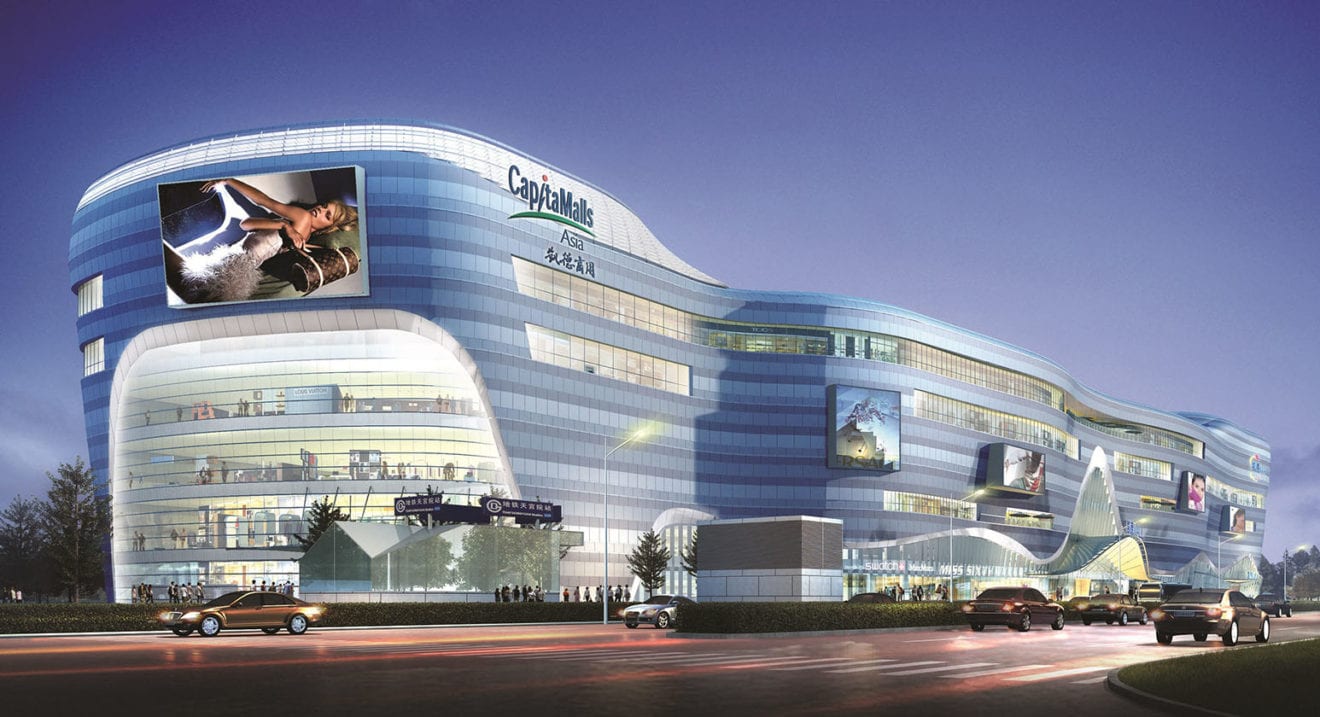
    Capitaland Retail China Trust sees 4.4% rise in Q4 DPU to 2.59 cents

    Capitaland Retail China Trust (CRCT) reported on Thursday (Feb 4) a 4.4 per cent rise in distribution per unit (DPU) to 2.59 Singapore cents for its fourth quarter ended Dec 31, 2015 from 2.48 cents for the year-ago quarter.

    Gross revenue increased 6.7 per cent to S$56.2 million while net property income rose 5.2 per cent to S$35.3 million.

    The rental growth came mainly from CapitaMall Qibao and CapitaMall Saihan. This increase was partially offset by lower revenue from CapitaMall Wuhu due to lower occupancy rate as the mall is undergoing tenancy adjustments and a one-off forfeiture of security deposits at CapitaMall Xizhimen.

    The bottomline in Singapore dollar terms was stronger than in yuan terms due to the appreciation of the Chinese currency against the Singapore unit during the quarter.

    Said Mr Tony Tan, CEO of the trust’s manager: “For FY 2015, CRCT’s gross revenue crossed the RMB1.0 billion mark for the first time. Portfolio occupancy remained high at 95.1 per cent as at Dec 31, 2015, while rental reversion for the full year was 8.1 per cent. Annual tenants’ sales increased 11.6 per cent and shopper traffic rose 1.8 per cent year-on-year.”

    “We will continue to strengthen our malls’ tenant mix and uplift the shopping experience through continual asset enhancement initiatives to remain relevant and attractive to the communities we serve,” he said.

    DPU for the full-year was up 7.9 per cent to 10.60 cents from 9.82 cents a year ago.

    Based on CRCT’s closing price of S$1.460 on Feb 3, the distribution yield for FY 2015 was 7.3 per cent.

    Unitholders can expect to receive their DPU of 2.59 cents for the fourth quarter along with their DPU of 2.64 cents for the third quarter, totalling 5.23 cents, on March 30. The book closure date is 16 February 2016.

  • Perennial hints at changes afoot at Capitol Singapore

    Perennial hints at changes afoot at Capitol Singapore

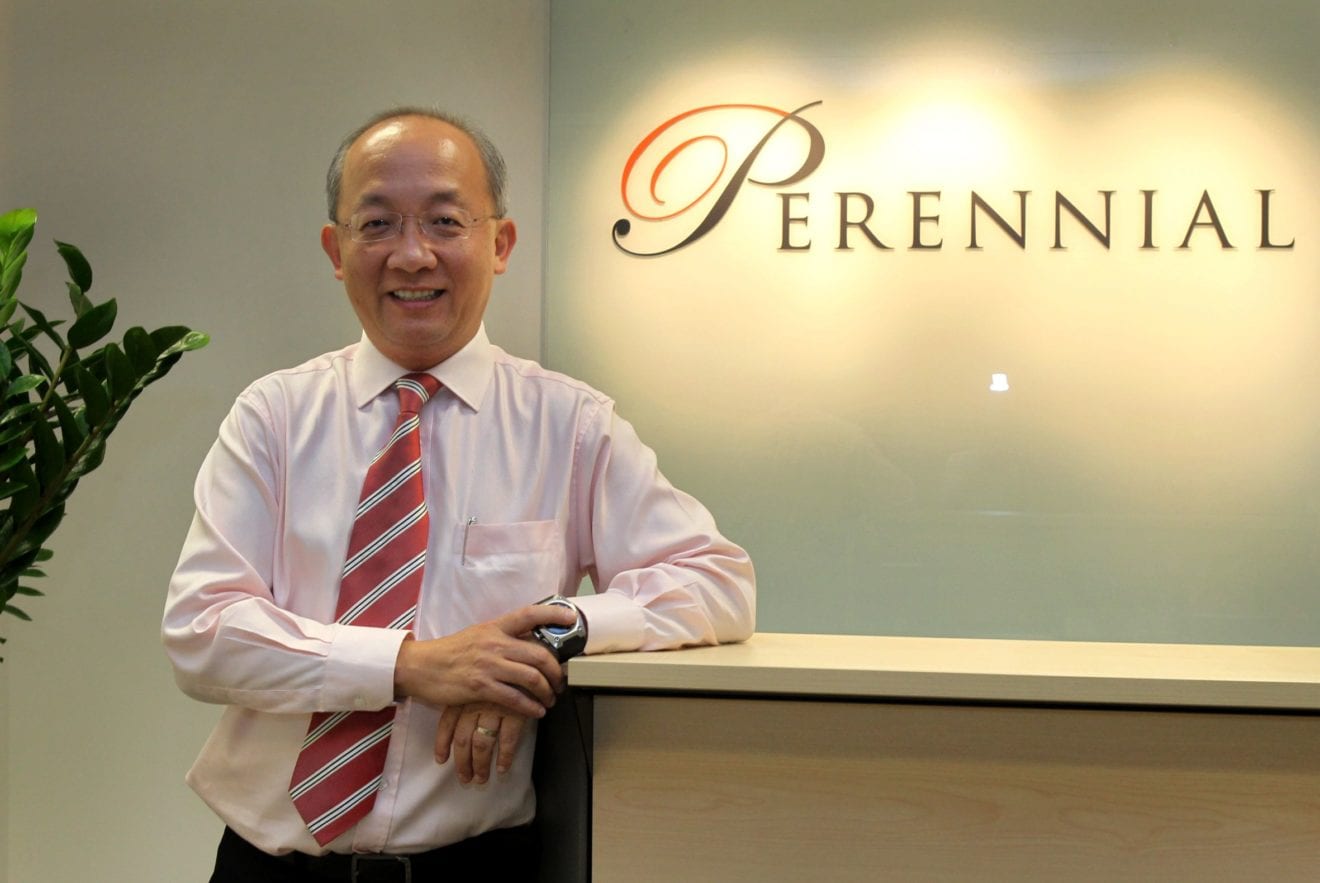
    Some changes could be afoot at Capitol Singapore after it has been hit with a depressed retail environment. Landlord Perennial Real Estate on Friday (Feb 5) said it is looking at ways to help tenants.

    CEO of Perennial Real Estate Holdings Pua Seck Guan, said: “The retail sector is not easy now, because a lot of retailers are faced with the problem of labour shortage and also in this volatile market.

    “As a landlord, we therefore have to adopt a strategy to find the right tenant and a win-win rental structure, and some of the rentals we may have to get it on a turnover basis rather than insist on a very high base rent.”

    The announcement comes as Capitol Singapore integrated development is edging closer to completion. The 157-room The Patina hotel has been completed, although it has not yet opened its doors. Meanwhile, the luxury Eden Residences expects to receive its Temporary Occupation License by end-February. The retail complex has been opening in phases since May 2015.

    Concerns about Capitol’s retail tenants aside, Perennial presented a strong report card for the three months to December at a briefing on Friday, with net profit almost doubling up 93 per cent to S$41.1 million.

    Property consultant, Chestertons, said Capitol could get a boost when the hotel starts operating. “One potential catalyst that might come out for Capitol’s retail centre would be the opening of Patina Hotel,” said managing director of Chestertons Donald Han.

    “The Patina is almost ready to open its doors and it would welcome high-end or business tourists. So effectively, that could be a crowd puller to be able to support some of the high -end offering in Capitol. This year might potentially might see some footfall traffic. I think it might see higher occupancy settling in, as the year moves on. ”

    Turning to its other Singapore properties, Perennial said it hopes to start selling office space and medical suites at TripleOne Somerset sometime in the second quarter, and it is awaiting final approval to do the same for AXA Tower.

    Perennial’s other properties in Singapore include Chinatown Point and CHIJMES. The Singapore properties account for 21 per cent of the group’s total assets, behind China whichs accounts for around 73 per cent.

  • Lotte aims for $109m with new Osaka DWT store

    Lotte aims for $109m with new Osaka DWT store

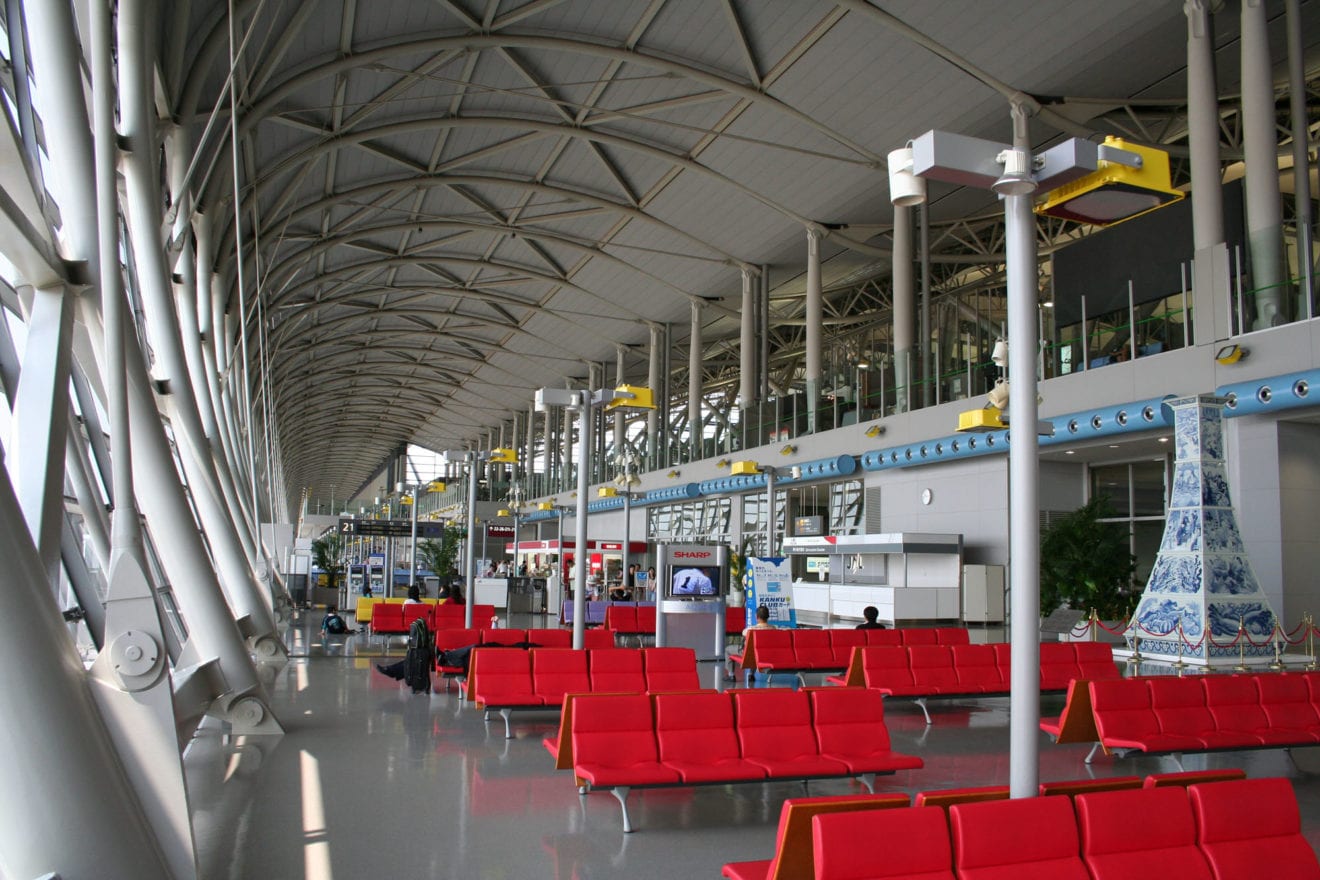
    This new store will have a sales turnover target of W130bn ($109m) in the first year and will also complement Lotte’s existing small joint-venture retail presences at Kansai Airport and also at the Tokyo Ginza Mitsukoshi downtown store – as reported back in September 2014.

    Lotte Duty Free said it will now open its Osaka downtown duty free shop next year, as it also unveiled the basic details yesterday at a press conference alongside its partner, New Kansai International Airport Company and KAA, its Kansai Airport Agency retail subsidiary company.

    The new 4,400sq m store will be located on the sixth and seventh floors of the Big Camera Namba, in Namba, Osaka and will feature ‘global luxury brands, cosmetics, perfumes, fashion accessories’.

    Lotte said that the attraction of Osaka’s Namba district is its large transient population where shopping malls and restaurants that tourists prefer are ‘concentrated’.

    For its part, the NKIAC Company said it is working with Lotte because it is a major player. The company said: “Lotte Duty Free is the leading duty free company in Korea; [it] is equipped with the successful know-how and experience in operating downtown duty free shops as a global top three duty free shop [player]; and is the duty free shop brand which Asian customers like the most.”

    Sunwook Jang, President of Lotte Duty Free added: “Based on the successful experience to operate the duty free shops in Korea, we are expanding our shops in Asian countries like Japan, Thailand and Indonesia.

    “We will do our best to globalize the Korean duty free shop by global expansion, to help the Korean brands to expand overseas and to induce foreign tourists to Korea by making connection with the stores in Korea.

  • Lippo Malls Trust buy integrated development in Yogyakarta

    Lippo Malls Trust buy integrated development in Yogyakarta

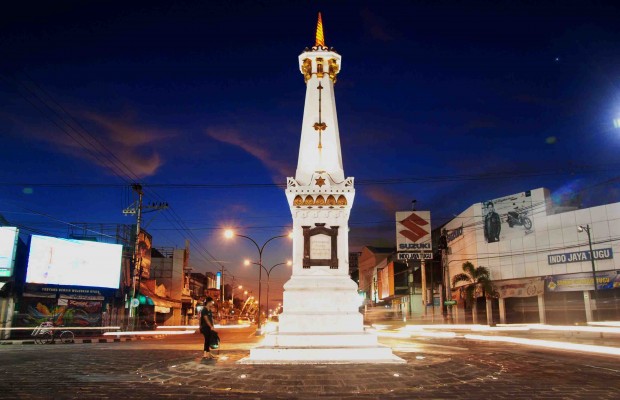
    First Reit has entered into a joint venture with Lippo Malls Indonesia Retail Trust (LMIRT) to jointly buy an integrated development in Yogyakarta, Indonesia, from their sponsor PT Lippo Karawaci Tbk.

    The property comprises Siloam Hospitals Yogyakarta (SHYG) and a retail mall component known as Lippo Plaza Jogja (LPJ).

    The purchase consideration for SHYG at S$40.82 million, which will be borne by First Reit, represents a discount of 9.69 per cent to S$45.20 million, being the higher of two independent valuations.

    The lower valuation by KJPP Willson & Rekan (in association with Knight Frank) put its value at S$41.52 million as at end-September 2015.

    The property is held under one “Right to Build” (Hak Guna Bangunan) title certificate and currently, in Yogyakarta, there are no regulations permitting the regional government of Yogyakarta to subdivide the property and issue separate strata titles for SHYG and LPJ.

    First Reit and LMIRT have, therefore, decided to jointly acquire the asset. They own mostly hospitality and retail assets in Indonesia respectively.

    The property, comprising a hospital and a retail mall, is a 10-storey building including one basement and one mezzanine level on a total land area of 13,715 square metres, with a shared multi-storey parking area on the upper levels and a rooftop helipad.

    The joint acquisition will boost First Reit’s portfolio to 18 properties and strengthen its asset base by 3.15 per cent to S$1.31 billion, from S$1.27 billion.

    First Reit will finance the SHYG portion of the joint acquisition by a drawdown from its debt facilities and internal cash.

    As for LPJ, its purchase consideration of S$51 million, which will be borne by LMIRT, represents a discount to both the independent valuations it obtained.

    LMIRT will finance the retail mall acquisition using debt financing.

    The manager is currently exploring the options of bank loan facilities and/or issuance of unsecured bonds under the EMTN programme it set up last September.

  • What businesses occupy the most expensive retail space?

    What businesses occupy the most expensive retail space?

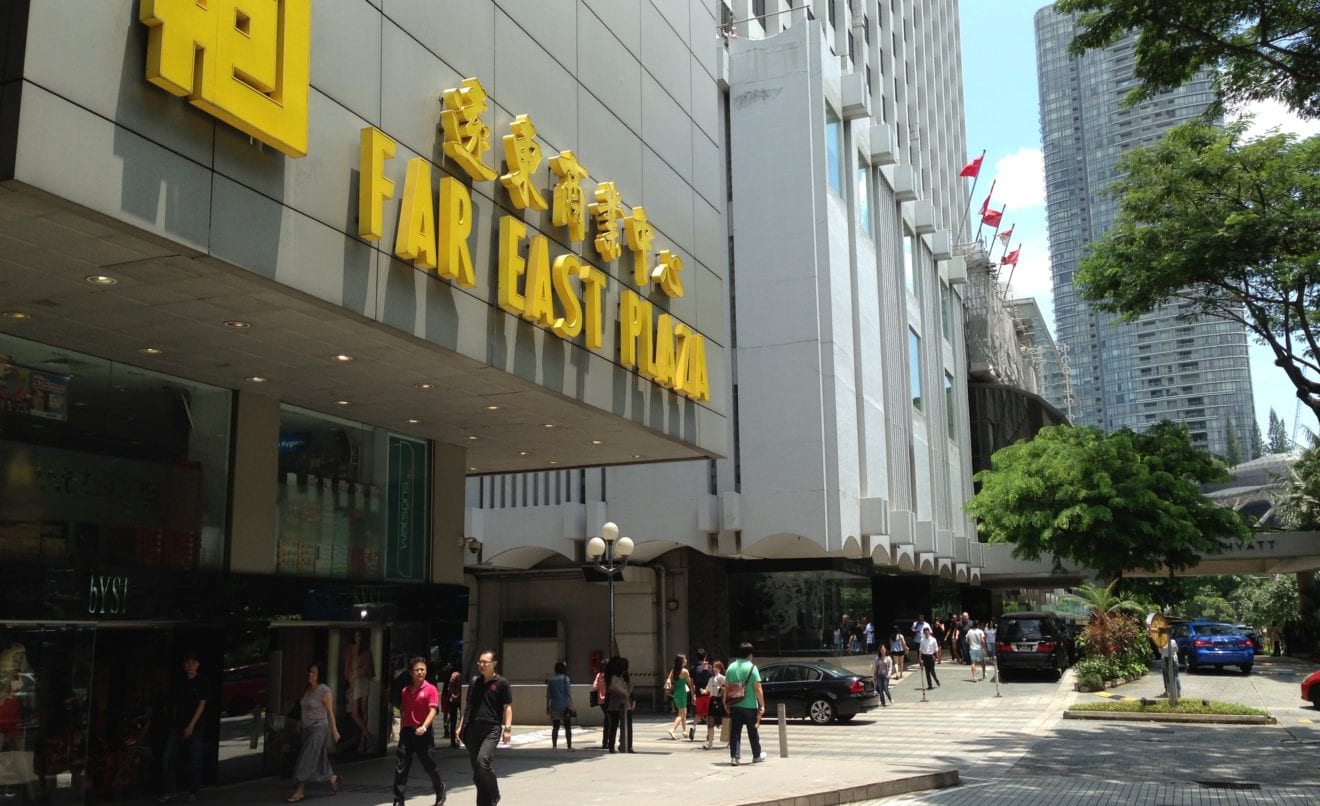
    At least 51 strata retail transactions have crossed the $10,000 psf mark, based on URA’s caveat data so far. These transactions took place as far back as 2005 at just nine developments: Alexandra  Central, Centrepoint, Far East Plaza, Lucky Plaza, Novena Regency, Pavilion Square, People’s Park Complex, Sim Lim Square and The Arcade.

    A 43 sq ft, ground-floor unit at The Arcade is by far the most expensive on price psf terms. The unit changed hands for $1.4 million, or $32,516 psf, in December 2015. The shop is prominently located at the entrance facing Raffles Place Park and enjoys high footfall. It is currently occupied by a money changer. Only two transactions at The Arcade crossed the $10,000 psf mark. The second transaction was that of a 65 sq ft shop on the second floor that fetched $780,000, or $12,077 psf, in February 2015. It is tenanted by a florist. The Arcade is a 99-year leasehold office-cum-retail development, with three levels of retail space, located within walking distance of Raffles Place MRT station. The Edge Property could not trace the profitability of these two transactions at The Arcade as there were no prior caveat records for the units.

    A new-sale transaction for a 161 sq ft unit at Alexandra Central that sold for $2.87 million, or $17,820 psf, in January 2013 ranks second on The Edge Property’s list of most expensive strata retail space psf. The unit is currently leased to an F&B business. According to the business’ director, who wished to remain anonymous, the monthly rent is $7,000 and the business is stable despite the low occupancy rate at the mall. Based on this, the monthly rent is $43.48 psf and gross rental yield is 2.9%.

    Transactions at Alexandra Central accounted for eight of the 51 top-dollar deals. All eight were new-sale transactions for ground-floor units that were sold in 1Q2013 at between $10,498 and $17,820 psf. Six of the eight units were unoccupied when The Edge Property visited Alexandra Central on Jan 5; two were occupied by F&B businesses Toast Box and 1-Box Bento.

    The third-most-expensive shop in terms of price psf is a 151 sq ft unit located on basement one of Lucky Plaza. The unit changed hands for $2.65 million, or $17,550 psf, in May 2011 and is occupied by a jewellery business.

    Based on the matching of caveats, the previous owner enjoyed a profit of $1.79 million, or 19% annualised capital gains, from the sale of this unit bought at $860,700 in April 2000.

    Lucky Plaza plays host to 14 of the 51 top- dollar cases that crossed the $10,000 psf mark. There were 58 transactions at Lucky Plaza between 2011 and 2015, with 11 above the $10,000 psf mark. The price ranged from a low of $1,490 to $17,550 psf, with the average at $6,994 psf.

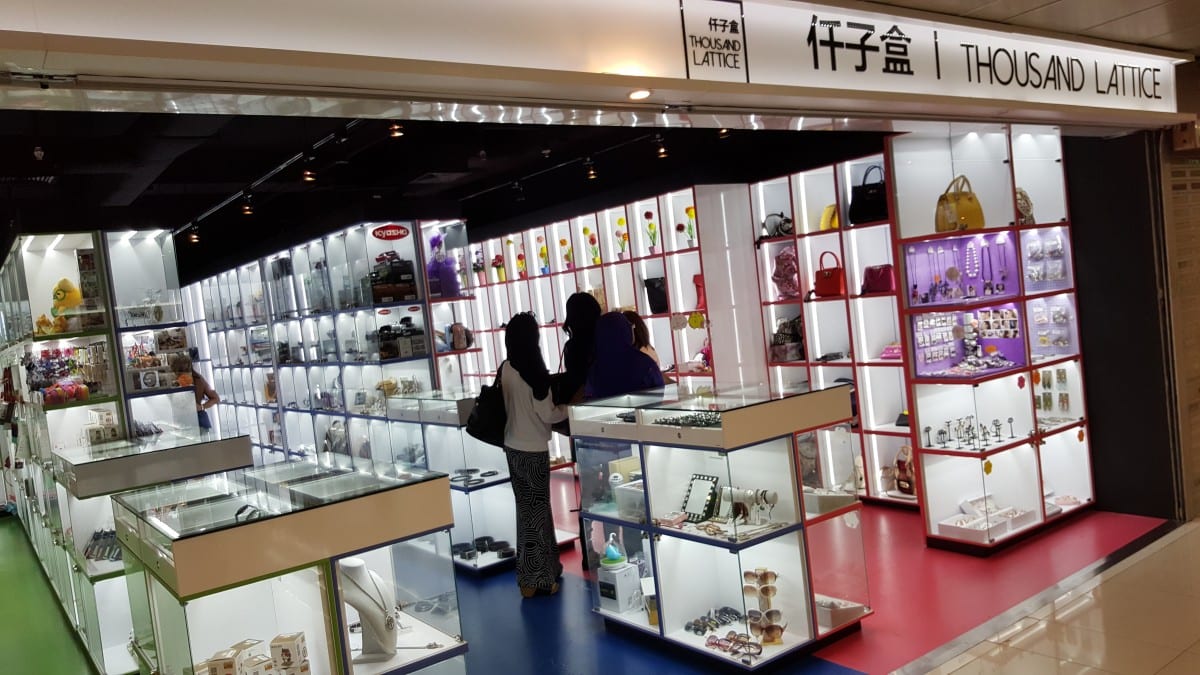
    Far East Plaza is another location with some of the priciest retail space, with 14 transactions crossing the $10,000 psf mark. The most expensive is a third-storey, 344 sq ft unit sold at $4.45 million, or $12,919 psf, in December 2012. Along with the two adjacent units, which are also on our list of pricey units at $12,533 and $12,514 psf respectively, the space is occupied by a consignment store offering micro retail “cubes” and shelf space.

    Of the 14 transactions at Far East Plaza, 13 were for units located on the third floor. The sole exception was a second-storey, 215 sq ft unit transacted at $2.65 million, or $12,310 psf, in April

    2014. According to the tenant, Suresh of Master Tailors, the monthly rent is $8,200. This puts the monthly rent at $38.14 psf and gross rental yield at 3.7%. “This location close to the escalators is important for my business as tailored suits are impulse buys. Although we have many repeat clients, we cannot move to another unit, as they will think that we have closed,” Suresh says.

    The most expensive unit at Far East Plaza is occupied by a consignment store. 

    far east plaza shop thousand lattice

    Six of the entries on the list of priciest retail space are at Pavilion Square, a residential and commercial development located on Geylang Road and slated for completion later this year. All six were new-sale transactions for first-floor units that took place in April 2013. The most expensive was a 118 sq ft unit sold at $1.29 million, or $10,879 psf. There have been 25 new-sale transactions for first-floor units at Pavilion Square, with the lowest price being $7,000 psf and the average at $8,658 psf. For the 25 second-storey units that were transacted, the price ranged from $5,097 to $5,791 psf and the average was $5,523 psf.

    Of the 51 transactions that crossed the $10,000 psf mark, 24 were resale cases whose previous caveats can be traced.  All 24 sellers reaped profits ranging from $132,000 to $11,680,000, or $3,047,871 on average.

    The transaction with the highest profit in absolute quantum was for a 1,281 sq ft, third-floor unit at Far East Plaza that is currently occupied by a fashion boutique. The previous owner bought the unit for $1.32 million in April 2005 and sold it for an $11.68 million profit in October 2014, resulting in an annualised profit of 93%.

    Among the 24 transactions, the highest annualised profit of 155% was for the 549 sq ft, third-floor unit at Far East Plaza occupied by the consignment store. This unit was purchased at $600,000 in March 2006 and subsequently resold at $6.88 million in December 2012.

    Three most expensive retail units over $10,000 psf mark per development

    No. Location Floor Type of business Area (sq ft) Type of sale Price ($ psf)  Price ($) Contract date
    1 Alexandra Central 1 F&B 161 New Sale        17,820 2,869,000 Jan-13
    2 1 Unoccupied 140 New Sale        17,221 2,411,000 Feb-13
    3 1 Unoccupied 161 New Sale        15,646 2,519,000 Feb-13
    1 Centrepoint 1 Department store 344 Resale        15,988 5,500,000 Jun-14
    1 Far East Plaza 3 Consignment store 344 Resale        12,936 4,450,000 Dec-12
    2 3 Accessories/Salon 549 Resale        12,750 7,000,000 Nov-12
    3 3 Consignment store 549 Resale        12,532 6,880,000 Dec-12
    1 Lucky Plaza B1 Jewellery 151 Resale        17,550 2,650,000 May-11
    2 B1 Perfume 151 Resale        17,351 2,620,000 Jul-11
    3 B1 Souvenir 151 Resale        16,424 2,480,000 Oct-10
    1 Novena Regency 1 Unoccupied 161 New Sale        10,298 1,658,000 Apr-13
    1 Pavilion Square 1 Uncompleted 118 New Sale        10,916 1,288,128 Apr-13
    2 1 Uncompleted 118 New Sale        10,492 1,238,048 Apr-13
    3 1 Uncompleted 118 New Sale        10,492 1,238,048 Apr-13
    1 People’S Park Complex 1 Bakery 291 Resale        10,997 3,200,000 Feb-13
    1 Sim Lim Square 1 Electronics 420 Resale        12,024 5,050,000 Nov-12
    2 1 Electronics 355 Resale        11,268 4,000,000 Jun-11
    3 1 Unoccupied 420 Resale        10,714 4,500,000 Mar-13
    1 The Arcade 1 Money changer 43 Resale        32,558 1,400,000 Dec-15
    2 2 Florist 65 Resale        12,000 780,000 Feb-15
    Source: URA, The Edge Property
  • Hang Lung Properties’ net profit sinks 56 per cent on lower property sales in Hong Kong

    Hang Lung Properties’ net profit sinks 56 per cent on lower property sales in Hong Kong

    Hang Lung Properties chairman Ronnie Chan Chichung said on Thursday the developer cut its final dividend for the first time in 16 years amid weak sales in Hong Kong and the poor retail outlook in China would be a headwind over its prospects going forward.

    On Wednesday, Hang Lung said core earnings plunged 56 per cent last year -the largest fall in terms of percentage points since 2011 – to HK$4.38 billion.

    It owns a portfolio of eight shopping malls in the mainland which are occupied by high to mid-end retailers such as Apple, Prada, Louis Vuitton.

    “The cut in dividend was not because of the question of cash flow as we have cash reserve of more than HK$30 billion. The board wanted to send out a message to our shareholders about the grim market outlook,” he said.” We do not know when spring will come back.”

    The cut in dividend will only save HK$44 million.

    His remarks come a day after Apple forecast its first revenue drop in 13 years and reported the slowest-ever increase in iPhone shipments as the critical Chinese market showed signs of weakening.

    IPhone sales were expected to fall for the current quarter compared with the same quarter last year, chief executive officer Tim Cook said on a conference call with analysts on Wednesday.

    Hang Lung is the first to kick off result announcement among developers and analysts said its performance could provide a guide for the prospects of the retail industry in the months ahead.

    Other major developers who own and operate shopping malls in China include Sun Hung Kai Properties, Wharf (Holdings) and Henderson Land Development.

    Mainland Chinese rents account for 54 per cent of Hang Lung’s HK$8.94 billion revenue, down 47 per cent from 2014. It declared a final dividend of 58 HK cents, 2 per cent lower than 59 HK cents in 2014.

    The last time it cut its dividend was in 1999.

    Chan said he was told by clients that sales in the second half were worst than the first-half of last year.

    “It is not an encouraging sign as the track record shows sales in the second half year used to be better,” he said. Many high-end brands in the second-tier cities were facing difficult operating environments with decreasing sales.

    “Some even exited from the market entirely, causing occupancy of our Forum 66 in Shenyang and Center 66 in Wuxi to retreat to 87 per cent and 72 per cent , respectively,” the company statement said.

    Its mainland portfolio recorded a revaluation loss of HK$266 million mainly due to lower valuation of the malls at Forum 66 and Center 66 in Wuxi.

    Thomas Lam, head of valuation and consultancy at Knight Frank attributed the lower revaluation reflected the malls generated less rental income from previous year.

    “Landlords of mainland malls are reeling from a double whammy,” he said.

    During the year, Hang Lung said property sales plunged 88 per cent to HK$1.19 billion from the sale of 63 apartments and some car parking spaces.

    Chan, however, said Hang Lung gross rental income in Hong Kong and on the mainland still edged up 7 per cent to HK$7.75 billion last year due to the benefitting from various asset enhancement.

    Net profit declined 56 per cent to HK$5.09 billion as a result of smaller revaluation gains on investment properties.

  • Short term lease boom

    Short term lease boom

    Growing ranks of Hong Kong landlords are renting out retail space for as little as 90 days to ride out the downturn.

    The number of short term Hong Kong leases has risen sharply since November, according to property agent Midland IC&I.

    The trend began in the lead up to the Christmas-New Year retail peak when landlords opted to have tenants for a short term in preference to forgoing any rent at all.

    Now, in the lead-up to Lunar New Year, the trend has continued as retailers look for opportunities to optimise sales in a peak spending season – and landlords are happy to achieve a return on otherwise empty space.

    The most likely retailers to sign up are jewellers – the hardest hit by the changing demographic of Mainland Chinese tourists – and apparel brands creating pop up stores.

    Retailers are securing space for as little as three months while landlords are achieving about 70 per cent of the normal rent they would have received prior to the retail downturn kicking in.

    Midland IC&I CEO Wong Hon-shing told the Hong Kong Economic Journal retail tenants liked the flexibility of being about to exit the space with as little as seven days’ notice.

    The HKEJ said brands to take advantage of the new environment include Bossini, Tse Sui Luen Jewellery and Colombia. It reported TSL was paying about $350,000 a month for space in a three month lease set to end in February after the Lunar New Year.

  • Indonesian Housing market showing positive signs in 2016

    Indonesian Housing market showing positive signs in 2016

    The increase in housing sales in several regions of Indonesia is a positive sign of growth in the countrys property sector, according to Indonesia Property Watch (IPW).

    “Research conducted by the IPW on the housing sector in the fourth quarter of 2015 revealed a 16.6 percent growth compared to that in the previous quarter,” Ali Tranghanda, the executive director of IPW, stated here on Wednesday.

    He admitted that the growth in sales could not yet be taken for granted as a consistent upward trend in sales, but at least it is a positive signal for the housing market.

    This is because the growth rate in annual sales is still 10.87 percent lower than that in the previous year, he reminded.

    However, based on its research, the IPW found that the sales of houses in the potential areas in Bekasi, a Jakarta buffer town in West Java, had increased significantly by 72.01 percent in the fourth quarter compared to that in the previous quarter.

    The sales in other areas of Jakartas satellite towns, such as Bogor, recorded a growth increase of 15.44 percent but dropped by 8.52 percent in Tangerang, which is another Jakarta buffer city in Banten.

    “The satellite towns of Bekasi, Bogor, and Depok in West Java are expected to contribute positively to the increase in housing sales in Jakartas areas and Tangerang,” noted Ali.

    He reminded that the ongoing construction of public mass transportation projects such as the Mass Rapit Transit (MRT) and the Light Rail Transit (LRT) would increase the added value of houses in the areas.

    It was forecast that 2016 would be the year of rising optimism in the property sector in Indonesia, but property businesses should also continue to maintain high vigil, international property consultant Jones LaSalle (JLL) had announced earlier.

    “The interest of our investors and residential clients remains high, and we look at 2016 with consistent optimism and vigilance,” Country Head of JLL Indonesia Todd Lauchlan remarked.

    Todd noted that 2015 could be viewed as a year full of challenges for the property sector in Indonesia as the economy grew below the predicted target, among other factors.

    Moreover, he pointed out that the other factor was the fluctuations in the rupiah and other currencies, which weakened significantly against the US dollar. The drop in the prices of commodities had triggered concerns in Jakarta.

    “This year, however, there will be an increasing market demand for offices and residences, while the production sector is also expected to remain stable,” he added.

  • Soilbuild Construction secures US$9.4m contract in Myanmar

    Soilbuild Construction secures US$9.4m contract in Myanmar

    Soilboild Construction Group announced on Tuesday that it has attained a design and build contract worth about US$9.4 million to carry out addition and alteration works at St John Shopping Center in Yangon, Myanmar.

    The project was awarded by a joint venture between two companies in Myanmar which have activities in retail and real estate development.

    Construction on the project is expected to commence in the first quarter of this year and will likely be completed within eight and a half months.

    Executive director of Soilbuild Construction Ho Toon Bah said: “We are hopeful that Myanmar will continue with its economic reforms that would create significant growth opportunities to various industrial sectors whereby the group could offer our construction expertise and contribute to the country’s well-being. The group will strive to strengthen its business presence in Myanmar and to execute its expansion plan there progressively.”


  • Benoy’s Portfolio Expands in the Philippines

    Benoy’s Portfolio Expands in the Philippines

    Benoy, the global studio of Architects, Masterplanners, Interior and Graphic Designers, announces its expansion across the Philippines as the firm’s portfolio grows with new and built projects. Benoy is excited to confirm five new appointments as well as welcome the completion of two schemes in the island nation.

    Benoy Director Stephen Chow commented on the firm’s expanding portfolio, “The Philippines is one of the strongest economies in Southeast Asia and it has been an incredibly dynamic market for Benoy. Working in the region for more than ten years, we have seen the opportunities increase as the country grows and competes on an international scale. Our experience within global markets balanced with our local understanding has therefore been an attractive offer.”

    New Appointments

    Benoy’s growing order book is mainly concentrated in the Metro Manila area, the country’s most populous region. Working with leading developers such as Ayala Land and Filinvest, the firm is involved in multiple sectors and across the full complement of its services, from Masterplanning and Architecture to Interiors and Graphic Design.

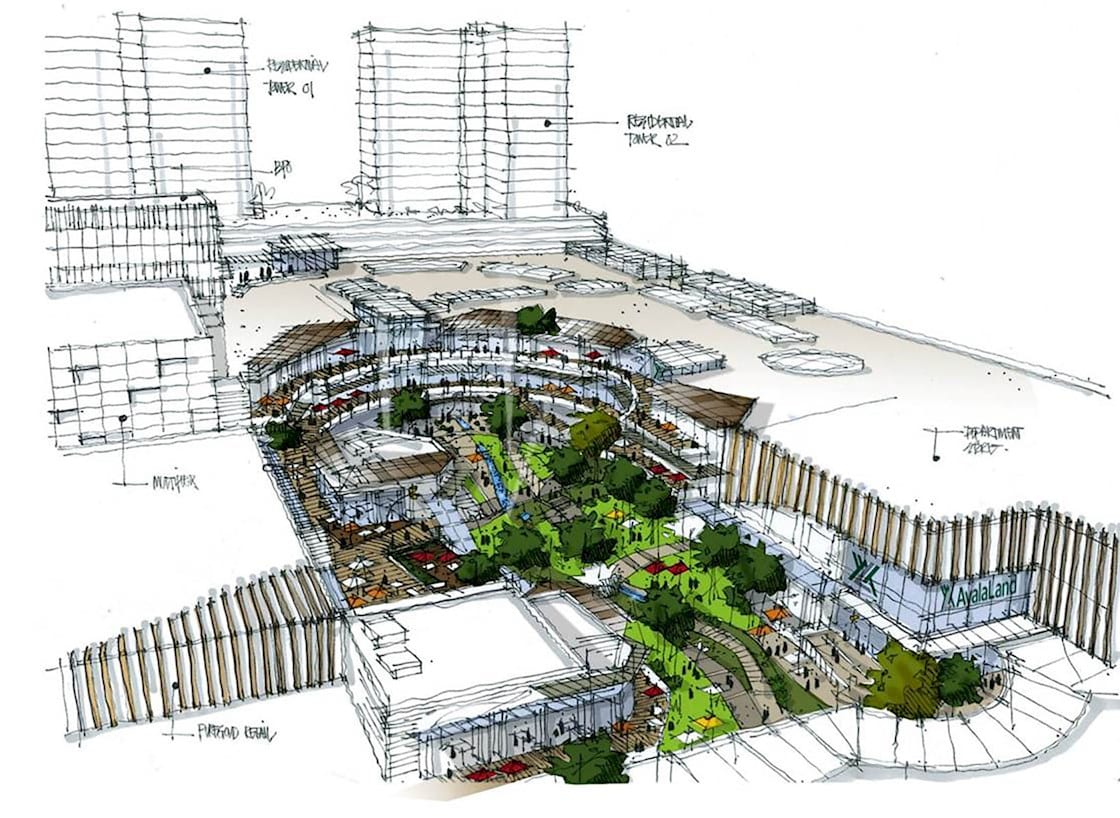
    In the City of Taguig, Benoy has been appointed as the Podium Architect and Interior Designer on West Super Block, the latest edition of an integrated urban plan known as Bonifacio Global City. The development will consist of a four-storey retail podium, an all-suite residential tower and a Grade A office block where the Philippines Stock Exchange will be located.

    At the heart of Manila’s commercial and financial centre, Benoy is masterplanning and completing the architecture for the future Makati Mixed-use Development. The scheme will include a commercial podium, 15-storey office tower and 39-storey residential tower which will be one of the tallest in the district.

    In Balintawak, a major gateway from the north into Metro Manila, Benoy is delivering an 11ha mixed-use masterplan. Positioned at the intersection of two highways, the Balintawak Masterplan will include Retail, Residential, Commercial Offices, a Hospital and act as a regional transportation hub. Benoy is also the Architect for the regional mall situated on the site.

    The full scope for One Binondo, a new mixed-use development in the heart of Manila’s Chinatown, has also been appointed to Benoy. The four-storey podium will feature, among many offers, ‘Micro Retailing’, a trading form famous within the district. A Grade A office tower and three residential towers with landscaped gardens, club house, pool and recreation facilities will be seamlessly integrated above the retail scheme.

    To conclude Benoy’s new appointments, the firm is delivering a visionary redevelopment plan for Alabang Town Centre, one of the most successful retail destinations in southern Metro Manila. As part of this development, the firm will also complete the Architecture, Interior Design and Landscape Design of a new Lifestyle Centre sitting at the heart of the scheme.

    “We are thrilled to be building such a diverse portfolio in the Philippines. It is very exciting to have the opportunity to help shape the future of the country and we look forward to delivering creative, intelligent and considerate design solutions to these projects,” said Stephen.

    Completed Developments

    The firm has also seen the completion of two recent projects in Quezon City, U.P. Town Center and Fairview Terraces, both developed by Ayala Land.

    U.P. Town Center has opened at the University of the Philippines campus. The development is a lively combination of indoor and outdoor retail, dining and commercial uses integrated within a landscaped setting. The scheme covers a GFA of over 88,000m2 and 40% of the site area has been designated as open space. As Masterplanner and Architect, Benoy is overseeing the three phase project. The first two phases have opened and the final phase is due to complete in 2016.

    Situated in the city’s north, Fairview Terraces is a 135,000m2 retail-led, mixed-use development. The mall is spread over five levels and features around 420 retailers and a ‘Boutique Super Market.’ The focal point of the scheme is the generously landscaped central promenade which is surrounded by pocket gardens and al fresco dining. A natural gathering place for residents, shoppers and workers, the design has established this project a thriving community hub. Benoy completed the Architecture and Interior and Graphic Design.

    During the construction phases of both schemes, careful attention was made to protect the existing trees on the sites; preserving the character of the areas. In the case of Fairview Terraces, a long-standing mango tree has now become the very heart of the design, sitting at the centre of the development.

    With the completion of these two schemes, Benoy adds to its growing built portfolio in the Philippines which already includes the extensive renovation of Ayala Alabang Town Centre. With new appointments under construction, the firm looks forward to expanding its offer across the country and creating thriving future hubs for the Philippines community.

  • Lotte founder appears in court to prove his health

    Lotte founder appears in court to prove his health

    The 93-year-old founder of South Korean retail giant Lotte Group walked into a court hearing on Wednesday to prove that he still remains healthy, which has emerged as a critical factor in the bitter family feud between his two sons.

    Shin Kyuk-ho appeared at the Seoul Family Court after his younger sister claimed her aging brother is no longer capable of making consistent decisions, requesting the court to pick her as his legal guardian.

    The gaunt tycoon claimed his mental competency is the same as in his 50s during an hour-long hearing and exited the court in a wheelchair, his lawyer told reporters, without elaborating on details.

    Shin Kyuk-ho, a 93-year-old founder of South Korean retail giant Lotte Group, enters a Seoul court on Feb. 3, 2015, for a hearing on his legal guardian. (Yonhap)

    Shin Kyuk-ho, a 93-year-old founder of South Korean retail giant Lotte Group, enters a Seoul court on Feb. 3, 2015, for a hearing on his legal guardian. (Yonhap)

    His lawyer said Shin will go through physical check-ups and ask for the court’s decision on whether he needs a legal guardian.

    After a months-long succession feud, Shin’s second son, Dong-bin, took control of the nation’s fifth-largest conglomerate last year. His older brother, Dong-joo, was stripped from the company’s senior posts, but he has claimed that his father chose himself as the legitimate successor for the group.

    Dong-bin has claimed that his father is unable to make reasonable judgments due to mental health problems.

    The founder and his family members have come under fire for exerting uncontrolled power over the business empire with a meager stake, tarnishing the corporate image with the nasty succession fight.

    South Korea’s antitrust watchdog said Monday that the founder and immediate family members of Lotte Group own just 2.4 percent of a stake in the businesses they run, which include food, leisure, construction and chemical businesses.

    The group initially began as a small confectionery business in Japan before it built up operations in South Korea. At present, the bulk of the group’s business comes from South Korea, with Shin and key family members all holding South Korean citizenship.

  • Tanjong Pagar Centre — GuocoLand’s crowning glory

    Tanjong Pagar Centre — GuocoLand’s crowning glory

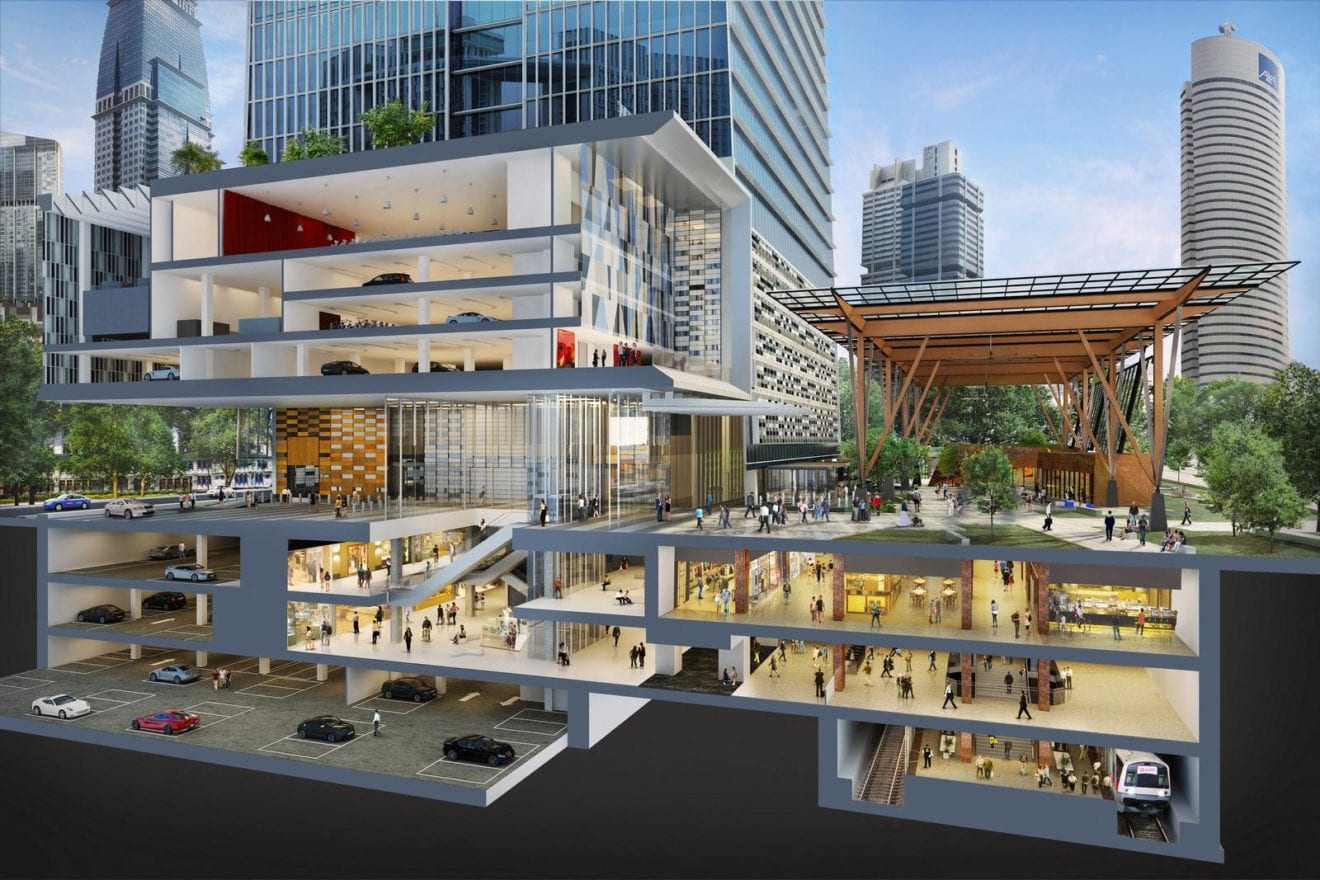
    GuocoLand held the topping-out ceremony of its $3.2 billion Tanjong Pagar Centre on Jan 13. Standing at 290m, it is Singapore’s tallest tower and the latest landmark at Tanjong Pagar.

    The mixed-use scheme will have a total of 1.7 million sq ft when completed and will be integrated with the Tanjong Pagar MRT interchange station. The development will have 890,000 sq ft of office space (Guoco Tower); 100,000 sq ft of retail space; 181 luxury apartments — Wallich Resi dence; the 222-room Sofitel Singapore City Centre; and a 150,000 sq ft landscaped urban park.

    Malaysia’s Employees Provident Fund took a 20% stake in Tanjong Pagar Centre five years ago. Shahril Ridza Ridzuan, CEO of EPF, attended the ceremony, along with Singapore’s Minister for National Development Lawrence Wong.

    The giant mixed-use scheme will be completed in phases. The office and retail components are expected to be completed in 2H2016, followed by the hotel, which is scheduled to open towards year-end. The residential block will be the last phase to be completed.

    Slow take-up of office space
    According to GuocoLand, tenants that have signed up for office space at Tanjong Pagar Centre include DNB Asia (subsidiary of Norway’s largest financial services group DNB Bank ASA), Hong Leong Bank, GuocoLand Group, trading and risk management solutions provider Open Link and serviced office provider Regus, resulting in a take-up rate of 10%.

    “The days of a mega tenant taking up 50% to 70% in a building are gone,” says Cheng Hsing Yao, managing director of GuocoLand (Singapore). In the current economic climate, office landlords prefer to have a diversified tenant base. The office space at Guoco Tower is seeing interest from occupiers looking at half a floor to two whole floors. Such tenants are more likely to commit closer to completion, he adds. Guoco Tower’s premium office floor plates measure 27,000 to 30,000 sq ft.

    “A 10% office space pre-commitment six months before TOP is quite normal,” says Chris Fossick, JLL’s managing director for Singapore and Southeast Asia. Serious discussions are underway for another 40% of the space.

    By contrast, the retail space at Tanjong Pagar Centre has achieved a 60% pre-commitment level. Fitness club Virgin Active is the anchor tenant and will take up 31,000 sq ft (31%) of the retail space.

    Rebranding of hotel, residences

    The hotel and residences at Tanjong Pagar Centre were previously branded Clermont, an extension of The Clermont Club, a members-only casino in Mayfair, London. The club is owned and operated by Clermont Leisure (UK) Ltd, a wholly-owned subsidiary of GuocoLeisure, a sister company of GuocoLand.

    The rebranding of the hotel to Sofitel and the residences to Wallich Residence took place last November. “Both companies [GuocoLand and Guoco- Leisure] felt that it may be too early to bring the Clermont brand to Asia,” explains Cheng. “We wanted a strong hotel group with a strong international network.” That led to its appointment of AccorGroup as the hotel management company and the re-branding of the hotel to Sofitel a week ago.

    The residential component was renamed Wallich Residence, as it sits on Wallich Street. This is in line with GuocoLand’s approach to turn its luxury residences into place makers — for instance Goodwood Residence on Bukit Timah Road, which overlooks Goodwood Hill, and Leedon Residence on Leedon Heights.

    So far, 16 of 54 units released at Wallich Residence have been sold at an average of $3,100 psf. The units are a mix of one- to four-bedroom apartments measuring 614 to 2,034 sq ft. The residential block takes up the 39th to 64th floors, and is crowned by a triplex super penthouse of 21,108 sq ft. GuocoLand’s Cheng says the price of the super penthouse has yet to be finalised. Two years ago, it was tagged at $30 million.

    GuocoLand will launch the residences closer to completion so that potential buyers can appreciate the quality of the final product, says Cheng. “We saw that happen with Goodwood Residence and Leedon Residence.” Both Goodwood Residence and Leedon Residence were launched when they were completed and they emerged the best-selling high-end condos in 2014 and 2015 respectively. Cheng is confident that Wallich Residence will draw a similar response upon completion.

  • The Golden Rules to Buying the Best Resale Value Condo

    The Golden Rules to Buying the Best Resale Value Condo

    As you look into the condo market in Malaysia, always keep in mind that you should exercise utmost care. Remember, that although a condominium may appear aesthetically stunning and neat from the outside, some condo buildings are dens of problems arising from poor construction to mismanagement and unexpected repairs left unattended due to a lack of reserve funds. To avoid buying into such a property, here are a few golden rules if you are looking to invest in a condo as an investment vehicle or residence.

    Do Not be Rushed to Buy a Condo

    Buying on impulse is part of human nature, especially when people see something that look good. They will usually make a purchase before making a thorough inspection of the item they are buying, later to discover defects the seller was not aware of or failed to mention. Likewise, if you are an overeager condo buyer, you are likely to run into problems when you rush to complete the transaction without thoroughly examining the unit.

    People rushing to buy a condo are more likely tempted by:

    • The allure of becoming homeowners
    • Sales pitches pressure and developer promises that are too lofty
    • Not realizing that owning an apartment does have its problems
    • Not understanding what communal ownership entails

    Beware; There are Condo Bargains that Come With High Fees 

    If you find a condo unit selling at rock bottom price, but with unusually high fees, think twice before negotiations start. Some troubled condo complexes will sell their units for cheap rates due to poor construction or mismanagement, often also due to real-estate market drop. Such complexes deplete their reserve fund to cover repairs and maintenance. They will compensate for their low selling prices by charging higher than usual monthly maintenance fees.

    Avoid Low Down Payments

    To enjoy lower mortgage and associated monthly payments and enjoy greater chances of refinancing in the future, put more money in as down payment. Avoid advertisements that allow you to make down payments as low as 3 percent. Low down payments require that borrowers pay an extra fee for mortgage insurance which can add up to thousands of ringgits making the purchase that much more expensive.

    The best down payment should be of about 25 percent the value of the condo, and this will not attract private insurance fees. In addition, this will protect you from mortgage renewal should interest rates increase or your unit’s value decreases on the market. If a unit value drop during mortgage renewal, your only choice is to apply for a high-ratio mortgage using equity in your property – your initial down payment.

    No matter the size of your down payment, make sure it is not borrowed. Ideally, it should be from your savings. Borrowing cash for a down payment is risky since it create inequity in your budget and can place you in a risky position, much like those buying condos at low down payments. Remember the following:

    • If you do not have a solid down payment, do not commit to buy
    • Money should not be borrowed for down payment
    • A solid down payment should be from your savings, wait till you have enough
    • There are always great opportunities to own property at Property Guru. The longer you wait, the better you choice will be

    Verify the Physical Facts 

    Inspect your prospective condo unit carefully, especially the well-being of the complex. Each complex is different depending on its builder and developer. Construction quality also varies. Verify the reputation and experience of the complex builder. When buying into an existing property at Property Guru, find out from the residents if there have been any unexpected repair problems recently and whether they anticipate future repairs.

    Take note of utility billing. If each unit is billed separately, you will have more control over the energy you consume and monthly expenses. While some complexes are self-managed, others are run by contracted management companies. If the latter is true in your case, investigate the management company to establish their reputation.

    To conduct checks, hire a qualified home inspector and an attorney. If the complex is poorly constructed or managed, you will be glad that you spent the money.

    You have to consider all the facts carefully before you make any form of commitment in what may be the biggest investment you make. Take a deep breath, if necessary; sleep over your decision for a few days. Otherwise, you might succumb to developer or real estate broker pressure as they seek to make a sale for a commission.

    In addition, do not let others make the decision for you. Read the rules above for days and even weeks. When you adhere to them, you will develop the buying skills that will enable you make educated decisions before putting your signature to paper.

  • Selling Your Depok Home for the Best Price in a Tough Market

    Selling Your Depok Home for the Best Price in a Tough Market

    Your home is more than just where you live, it’s an investment – especially in a city with a University like Depok. Just as with any other investment, when you go to sell, you want to make sure you are getting the best return that you can. This can be difficult, especially in a tough real estate market. Here are a few tips to get you started as you work on selling your home in Depok.

    Stay Realistic

    The market dictates the selling price of your home, so you have to prepare yourself by understanding what you home is worth and how much you can get for it. When the market is softer you cannot expect to get the price you could have a year or two earlier. You can save yourself a big headache by beginning with a price that is best for you home and best for the market at the time you plan to sell. This will save you time and ultimately money. Understandably, sellers are often reluctant to undercut the market, but it’s a guaranteed way to sell your home fast and for more money than you would probably get by keeping it on the market for an extended amount of time.

    A good rule of thumb is to list your home in a soft market for 10 to 15 percent less than the other houses for sale in your area. This is bring a lot of attention to your home and may just end up with two or more people in a bidding war – and that means more money for you!

    Give It a Facelift

    You need to the put the best face of your home forward if you want to sell it fast and get the most money you can out of it. Think about what you would look for in a home you were buying. Would you be more reluctant to buy a shabby home in need of repairs or a home that is in good condition? When the market is good this may not be as much of a problem in Depok since most properties will sell no matter the condition. However, it is always a good idea from an investment standpoint to present an attractive product to potential buyers.

    You will get the most return for you investment when you put money into updating kitchens and bathrooms. They tend to be the most expensive rooms in a home to update, but they also will attract the most interest of the people who are looking to buy. Make sure if you do attempt updates, however, you take the time to do them right. If new materials aren’t installed correctly, people can tell and this will not end up making your updates an attractive feature.

    For the kitchen, stainless steel appliances are a must, and potential buyers are also looking for granite countertops. If a slab of granite is out of your budget, try granite tiles to get the look of granite without the large cost. If you cabinets are in good shape you don’t need to replace them, simply refinish them or paint them to give them a facelift.

    Market the Property Well

    Marketing is one of the most important things to do if you want to sell your house quickly and for the most money. The best person to help you with marketing is a certified real estate agent. They have the connections and the know-how to market your property correctly and to the right people. Aside from placing ads, open houses are also very popular. This allows potential buyers to see your property for themselves and to see if they can envision themselves living there.

    If you do have an open house, make sure you make your property look as appealing as you possibly can. So, clean every nook and cranny. Another great tactic, though a lesser known one, is to advertise the open house well to make sure there are many people there. This has the psychological impact on people viewing the property because they see it as a demand for the home.

    Buyer Incentives

    If the market is slow then you need something that will attract buyers to your particular property, so incentives are a great tactic. Buyers want to feel as if they are getting a good deal and incentives are a way to create that feeling for them.

    You can throw in a free home inspection with the sale of your house or offer to pay a portion of the closing costs. There’s no hard and fast rule for this one, and you can get creative with it if you want to. The bottom line is that if your buyer feels they are getting favorable terms, they’ll be happy.

    If All Else Fails

    If you have tried everything to sell your home in a slow market and have had no luck then renting is always an option. In fact, in a city like Depok you may be able to make a nice income from the population of students or young people commuting to Jakarta.

    These are just a few of the things you should know to make sure your home sells fast and for the most money it an in a slow market. If you have other questions, you should contact a real estate agent.