Category: Real Estate

Retail News Asia is committed to providing both local and global retailers with the latest Real Estate news throughout the Asian market. This on a daily base.

  • Chinese Estates shares falls as much as 11 per cent despite rise in core profit

    Chinese Estates shares falls as much as 11 per cent despite rise in core profit

    Shares of Chinese Estates dropped as much as 11 per cent on Tuesday despite its core profit jumping 3.4 times last year to HK$16.78 billion, mainly driven by asset disposals.

    The company’s shares end the day 8.65 per cent or HK$1.80 lower at HK$19 after hitting an intraday low of HK$18.50.

    The hefty increase in core earnings, excluding revaluation gains on investment properties, folllowed the sale of investment properties including a Tsim Sha Tsui commercial building, The One, and buildings in Chengdu, Chongqing and Shanghai.

    In a filing to the Hong Kong stock exchange, Chinese Estates said a final dividend of 1 HK cent would be paid, down 98 per cent from 50 HK cents a year ago.

    Shareholders received a conditional interim dividend of HK$2 in January. The group will continue to closely monitor the changes in local consumption patterns – Lau Ming-wai, Chinese Estates

    Net profit, including revaluation gains on investment properties, fell 11.67 per cent to HK$7.72 billion last year due to lower rental income after its disposal of Silvercord and The One in Tsim Sha Tsui.

    Turnover tumbled 41.22 per cent to HK$1.54 billion.

    “The group remains cautiously optimistic in the rental income growth from its retail investment properties,” said chairman Lau Ming-wai, who is the son of Joseph Lau Luen-hung, the firm’s controlling shareholder.

    The group’s overall gross rental income from Hong Kong tumbled 35.23 per cent to HK$1.09 billion last year. Rental income from retail properties fell 50.8 per cent, while rental income from non-retail properties rose 7.09 per cent.

    Lau said some retail business sectors had shown indications of reaching their peaks, especially tourist-related business.

    “Although the group’s well-located retail investment properties in Hong Kong leased well during the year, the group will continue to closely monitor the changes in local consumption patterns, refine its tenant mix, boost customer flow and spending for its retail investment properties by organising various marketing and promotional activities,” he said.

    Lau said the disposal of MassMutual Tower in Wan Chai in January would mean the rental income contribution from office buildings would be significantly lower this year.

    Chinese Estates sold the MassMutual Tower to Evergrande Real Estate for HK$12.5 billion.

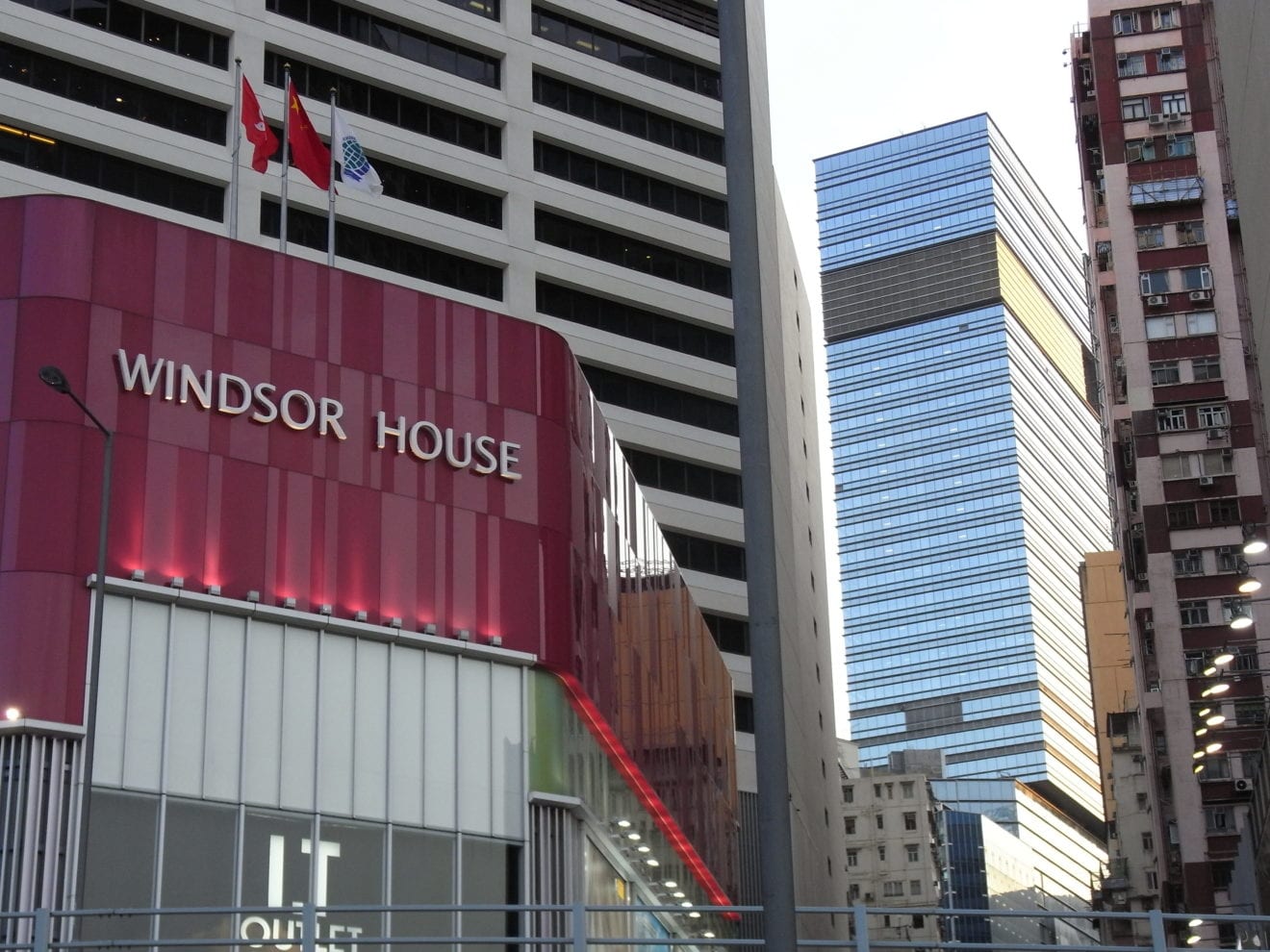
    In December , the firm sold the Windsor House in Causeway Bay for HK$12 billion to a company wholly owned by Joseph Lau. The deal will be completed this year.

    It said the majority of the sale proceeds from the sale of Windsor House would be declared as a dividend.

    This month, it said it had entered into a sale and purchase agreement with an independent party to acquire a London freehold property at St George Street, Mayfair, for £121.7 million (HK$2.33 billion).
  • Thai Robinson to invest $479 mln on new stores over 5 years

    Thai Robinson to invest $479 mln on new stores over 5 years

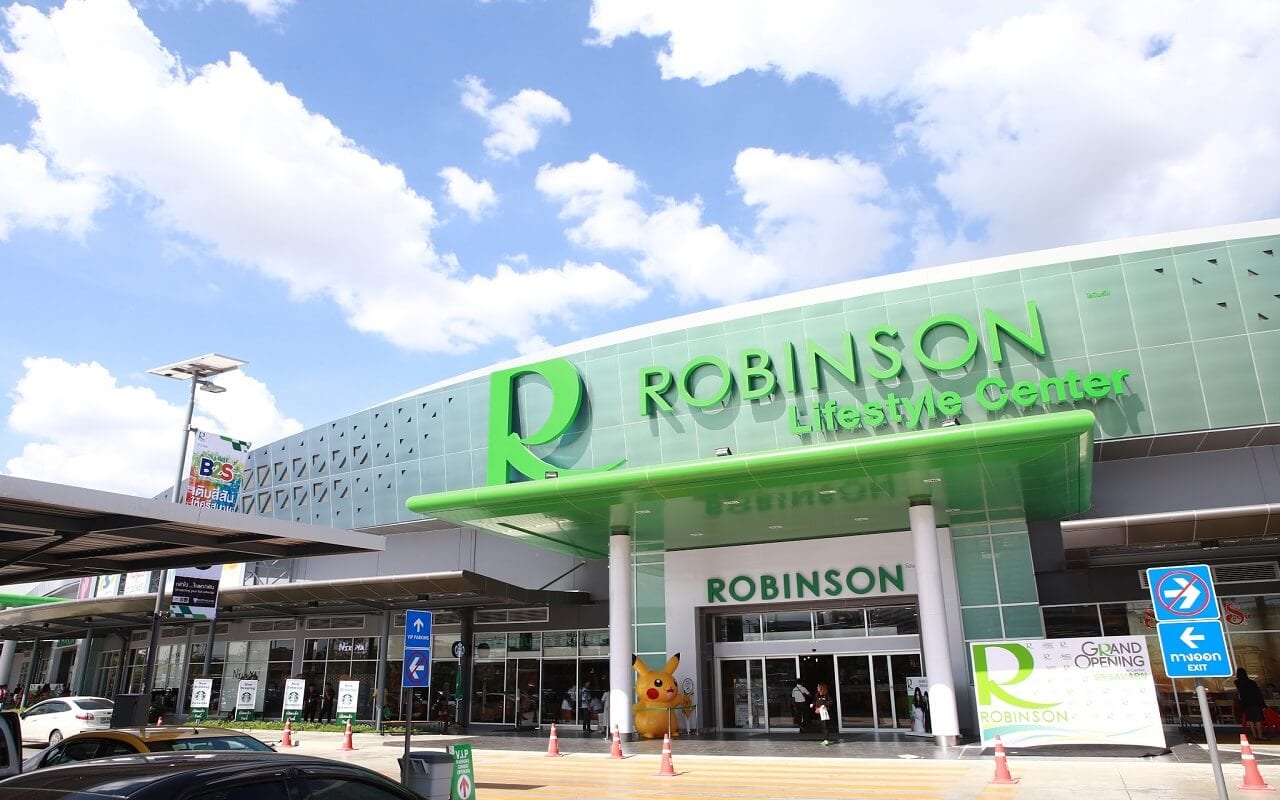
    Thailand’s Robinson Department Store PCL said on Tuesday it aimed to invest about 16.8 billion baht ($479 million) over the next five years on opening new stores in a move to boost average sales growth by 5-7 percent a year.

    Speaking at a news conference, President Alan Thomson said Robinson, majority-owned by Thailand’s largest retail conglomerate Central Group, planned to boost the number of stores to 56 by 2020 from 42 now, pinning its hopes on government economic stimulus measures stoking a pickup in the country’s now-depressed consumer spending.

    Growth at that pace would be equivalent to an average of 2.8 new stores a year. But Robinson’s rate of expansion has slowed recently, dropping to two new stores this year, versus four in 2015 and five two years earlier, a deceleration that reflects Thailand’s current economic weakness, Thomson said. This year, the company will spend 1.6 billion baht on opening two branches. It’s aiming for sales growth of 7 percent from 2015’s 25 billion baht, and expects sales to reach 35 billion baht by 2020, Thomson said.

    He also said Robinson planned to spend 2.5 billion baht to renovate 20 existing stores in an effort to respond to changing retail patterns and attract more customers despite the spread of online shopping.

    Robinson also operates two stores in Vietnam, and aims to double that by 2020, Thomson said. “We are trying to identify challenges before we expand in Vietnam,” he said, adding the company would likely invest more in Vietnam next year after a pause in 2016.

    After being hit in recent years by weak spending in the slowing economy, like other Thai retailers, Robinson has seen signs of improvement in demand, thanks to the government’s stimulus measures, Thomson said.

    The company’s same-store sales rose 3.1 percent in the fourth quarter of 2015, versus a drop of 2.1 percent for the
    full year, according to company data.


  • Trump’s luxury hotels in Indonesia could face backlash over his anti-Muslim remarks

    Trump’s luxury hotels in Indonesia could face backlash over his anti-Muslim remarks

    Few villagers living near a half-built golf course in Indonesia’s West Java province know the name Donald Trump, and fewer still are aware that one of his firms will be managing a six-star hotel and luxury resort in their backyard.

    But in the capital, Jakarta, a growing number of Indonesians want the U.S. presidential candidate and his businesses banned from the world’s most populous Muslim-majority nation after Trump pledged to temporarily bar Muslims from entering the United States if elected.

    The anger simmering across the Pacific is a likely preview of the strained relations a Trump presidency could expect from the Muslim world.

    Indonesia, whose more than 200 million Muslims largely practice a moderate form of Islam, has close relations with the United States. Many Indonesians think highly of President Barack Obama, who spent part of his childhood in Jakarta.

    “If (Trump) continues his racist position, it will bring danger to American assets,” said Hasanuddin, a parliamentarian who is also a member of the assembly’s commission overseeing foreign policy. “Donald Trump’s arrogance could be harmful for U.S. citizens around the world.”

    Fadli Zon, the deputy speaker of the house, said he would seek restrictions on U.S. trade and investment if Trump became president.

    The United States is Indonesia’s second-largest export market, worth about $16 billion last year, and is a popular study destination with children of the elite.

    An online petition, set up anonymously, is urging Indonesian President Joko Widodo to ban the billionaire and his businesses from the country and has received more than 45,000 signatures.

    “Donald Trump doesn’t want Muslims of the world to enter the United States . . . so we should do the same to him,” signatory Ayu Dyah wrote on the petition website. “Condemn, refuse and boycott every Donald Trump business and his affiliations. . . . We should prove that we have power.”

    Widodo has not responded to the petition.

    Trump’s comments on Muslims have already provoked strong reactions elsewhere, with British politicians in January debating barring the real estate tycoon from entering the country, where he also has business interests.

    The hostility toward Trump could threaten his company’s expansion efforts into Southeast Asia’s largest economy, Indonesian lawmakers and government officials said.

    “It’s just his statement hurts many people in this Muslim-majority country,” said Edy Putra Irawady, Indonesia’s deputy chief economic minister. “Surely it will be a black shadow for his business.”

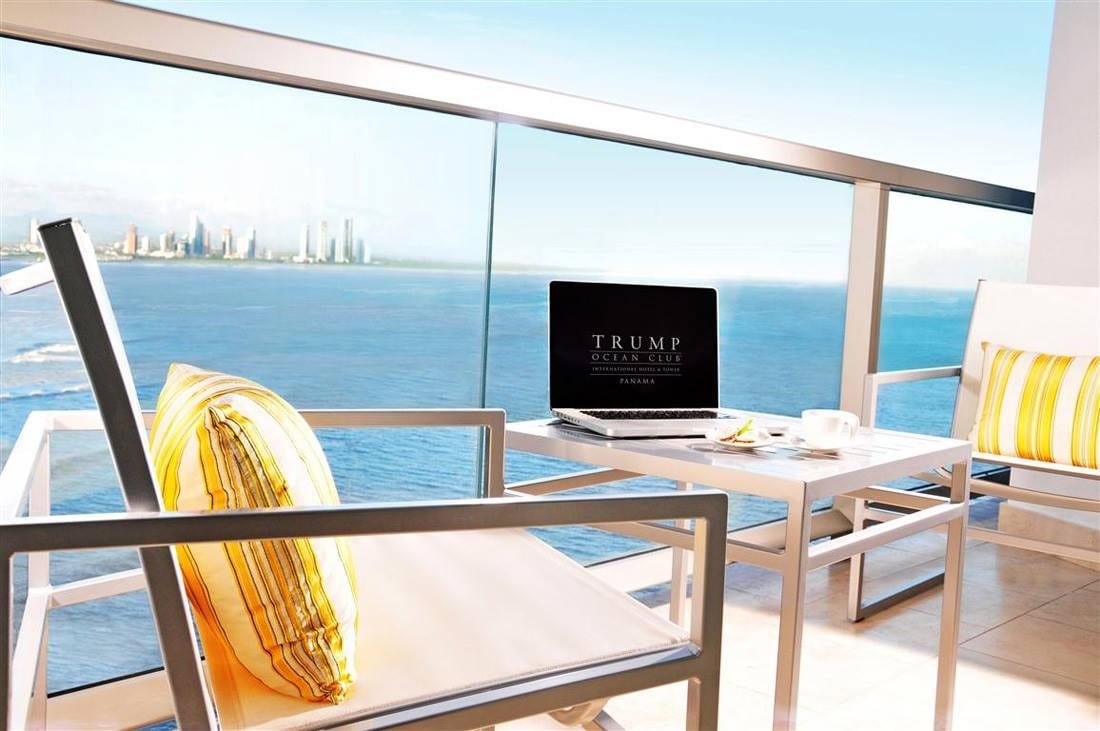
    Trump Hotels Collection last year announced a partnership with Indonesia’s PT Media Nusanta Citra (MNC) to manage new luxury hotels on Bali and in West Java, the Trump unit’s first foray into Asia.

    In Bali, one of Asia’s most popular holiday destinations, Trump Hotels will operate a six-star hotel atop a cliff overlooking the Indian Ocean and Tanah Lot, a popular sea temple on a small rock formation.

    MNC, which will be building both resorts, declined to comment on Trump’s politics.

    “Business is business. The implication for wider Indonesia, we have to see later,” said Syafriel Nasution, corporate secretary of MNC Group, adding that he had not seen any damage to the company’s brand due to its relationship with Trump.

    MNC Group is controlled by billionaire Hary Tanoesoedibjo, Indonesia’s 28th-richest person, who also owns four national television stations and last year launched a new political party.

    A senior member of Muhammadiyah, Indonesia’s second-largest Muslim organization, said protests are possible if Trump becomes president, though none were yet planned.

    “Indonesian Muslims are very strongly united,” said Abdul Mu’thi, the group’s secretary general. “If he is elected, there will be a strong reaction from Indonesian communities to any business that is run by Donald Trump.”

    In West Java, near where Trump’s golf resort will be built, one villager said he had never heard of Trump and wouldn’t be protesting against him. “If we protest, he will likely close his business,” said Agus, who owns a small mobile phone shop. “And for the time being, earning money is hard.”

  • Hongkong Land’s 2015 results in line with expectations and support its ratings

    Hongkong Land’s 2015 results in line with expectations and support its ratings

    Hong Kong, March 10, 2016 — Moody’s Investors Service says Hongkong Land Holdings Limited’s (HKLH) results in 2015 reflected lower underlying profit but were in line with expectations and continue to support its A3 issuer rating.

    The results also support the A2 issuer rating of Hongkong Land Company Limited, a wholly-owned subsidiary of HKLH.

    The outlook for all ratings remains stable.

    “HKLH’s overall financial profile remained strong, despite the company reporting lower profitability and weaker financial metrics in 2015 as a result of lower earnings in its property development business,” says Joe Morrison, a Moody’s Vice President and Senior Credit Officer.

    HKLH’s revenues for 2015 grew by 3% year-on-year to $1.93 billion, as both rental income and property development revenue experienced moderate growth during the year.

    However, its adjusted EBITDA fell by around 14% year-on-year to $1.08 billion in 2015 due to an 11% year-on-year drop in the underlying operating profit of its property development business to $354 million. The drop was caused by completion and delivery of lower margin projects along with lower provision write-backs for two residential projects in Singapore during the year.

    Nevertheless, HKLH’s financial profile continues to support the A3 rating level. HKLH ‘s adjusted EBITDA interest coverage — which excludes fair value gains, but includes dividends from associates and joint ventures — was 7.9x for FY2015, down from 9.3x in 2014, while adjusted debt/EBITDA increased moderately to 3.6x from 3.4x.

    “The company’s investment property business remained strong in 2015, and the limited office supply situation in Central will continue to support its rental and occupancy rates over the next two years,” says Morrison.

    HKLH’s office vacancy rate declined to 3.4% at end-2015 from 5.4% at end-2014, while average office rents remained stable. Retail space remained fully let, with average net rent increasing around 3.3% year-on-year to HKD221 per square feet.

    The vacancy rate of HKLH’s Singapore office portfolio remained low at 3% at end-2015 compared to 1.7% at end-2014. However, taking into account the committed area under new leases, the adjusted vacancy would have been 1% at end-2015.

    The company’s rental income grew around 1% year-on-year to $851 million, benefitting from positive rental revisions for its Central office and retail portfolio during 2015.

    Moody’s expects HKLH’s EBITDA interest coverage and adjusted debt/EBITDA to weaken moderately over the next 2 years, as the company raises debt for potential land acquisitions and development projects.

    The impact should be mitigated by the contribution from property development. At end-2015, HKLH had unrecognized contracted sales of USD821 million for its projects in Mainland China, with around 70% scheduled for delivery in 2016.

    HKLH’s liquidity profile remained robust. The company had cash of $1.6 billion and committed unutilized facilities of $2.5 billion at end-2015. These resources are more than sufficient to cover its short-term debt of $169 million over the next 12 months.

    The principal methodology used in these ratings was Global Rating Methodology for REITs and Other Commercial Property Firms published in July 2010.

    Hongkong Land Holdings Ltd is a Bermuda-incorporated holding company engaged in property investment, management, and development. HKLH is 50%-owned by Jardine Strategic Holdings Ltd. (A2 stable).

    The Hongkong Land Company Ltd (A2 stable), incorporated in Hong Kong, is a wholly owned subsidiary of HKLH and holds the group’s portfolio of 5 million square feet of prime office and retail space in Hong Kong, the Central portfolio.


  • Executive reshuffle for JLL China

    Executive reshuffle for JLL China

    JJL Greater China, an outpost of the US real-estate services company, is undergoing an executive reshuffle.

    Eddie Ng - JLL Shanghai and East China

    Eddie Ng has been appointed MD of Shanghai and East China for the group, succeeding Anthony Couse who moves on to become CEO of JLL Asia Pacific.

    Ng’s role as MD of Chengdu and West China will be split, with Xi’an MD Chiao Sheng taking on the West China office as well, and Chengdu retail head Shelly Xie taking over as MD of that office.

    All changes take effect on June 1.

    Shelly Xie - - JLL Shanghai and East China

    Ng joined JLL Hong Kong in 1996, moving to Chengdu in 2005 to set up the firm in the emerging West China region. It was the first corporate office in a Tier II city for JLL China.

    From managing a team of five people to running three corporate offices (Chengdu, Chongqing and Xi’an) with a total of 1200 staff today, Ng established JLL’s strategic presence in the region in less than a decade.

    JLL Greater China MD KK Fung says East China is one of the most important markets in China and the Asia Pacific for JLL.

    - JLL Shanghai and East China

    Ng says he plans to capitalise on the strong platform built by Couse over the past decade.
    Chiao Sheng joined JLL China in 2009, being responsible for its retail business in Chengdu and West China. In 2013, he was promoted as MD of the new Xi’an office and has developed it into the largest professional real-estate services firm in Xi’an. He has had 15 years’ real estate experience in China.

    Shelly Xie joined JLL in 2006 and became a key founding member of the firm’s Chengdu office. She led the strategic consulting and research teams in West China, and has been responsible for JLL’s retail business in Chengdu since 2013.

  • SM founder Henry Sy still on top

    SM founder Henry Sy still on top

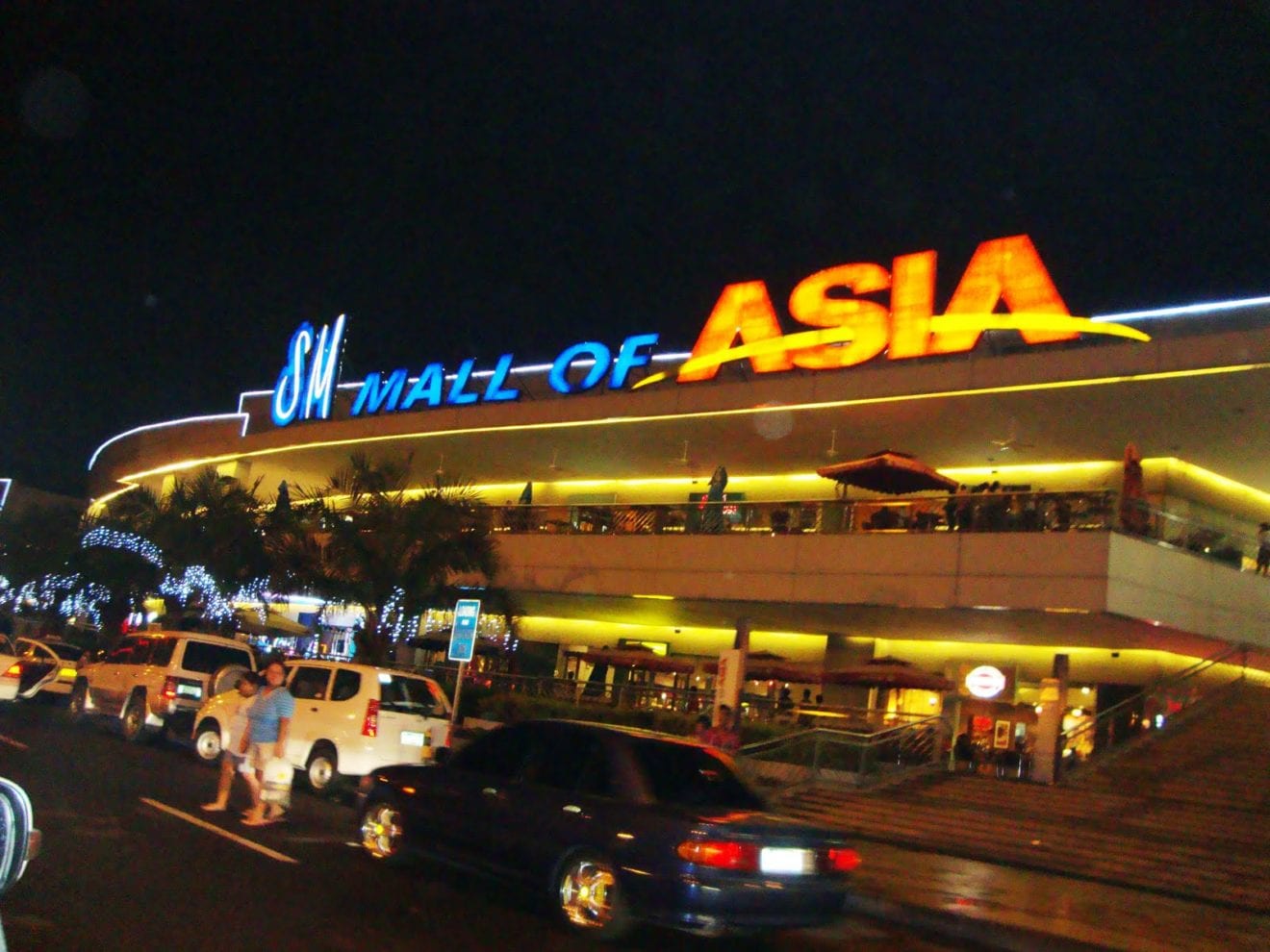
    Retail king Henry Sy, Sr. remains the Philippines’ richest person, according to the Forbes 2016 Global Billionaires’ list.

    Henry Sy SMSy, 91, has an estimated net worth of $12.9 billion – roughly P562.3 billion – as of  this month, making him the world’s 71st richest person.

    His net worth dropped from $14.2 billion in 2015 due to the volatile global market, weak oil prices and strong US dollar.

    Born in Xiamen, China in 1924, Sy migrated to the Philippines and conquered the retail scene becoming the SM founder. His eldest daughter, Teresita Sy-Coson, has become one of Asia’s most powerful businesswomen.

    Sy’s family business empire, SM Investments Corporation (SMIC), includes  retailing, real-estate, hospitality, banking, mining, education and healthcare services.

    In 2015, SMIC reported a 13 per cent growth in recurring income, with consolidated net income of P28.4 billion and consolidated revenues of nearly P300 billion. The increase came on the back of 17 per cent growth in retail earnings, 14 per cent growth in property net income and 10 per cent growth in bank income.

  • Shilla looks ahead to landmark Phuket opening

    Shilla looks ahead to landmark Phuket opening

    Hotel Shilla has described Phuket as an eventual “crown jewel” of Thai travel-retail after confirming it is to open its first overseas downtown duty-free shop on the island with a local  partner in the second half of the year.

    While the exact size of the store in Tambon Kathu, Amphoe is unknown, the store will consist of traditional core duty-free products such as liquor and tobacco and a mix of local Thai products.  It will also be equipped with “support facilities” to ensure optimum customer experience.

    A Hotel Shilla spokesman told DFNIonline that preparation is going quite well and the alliance with the local partner looks very promising.

    The spokesman also said Bangkok was an option for the outlet, but the contract between Airports of Thailand (AoT) and King Power (Thailand) made it impossible. He explained: “The Shilla Duty Free chose Phuket, where the pick-up counter is serviced by a common operator which has responsibility to give a service to the duty-free operator.”

    He added: “The temporary pick-up counter in [Phuket] terminal one will be operated by The Shilla Duty Free and permanent pick-up counter in T2 by King Power, which will handle the delivery of Shilla Duty Free products due to the contract between AoT and King Power.”

    Reflecting on Phuket as a destination for the new store, the spokesman said: “Chinese inbound passengers have been showing constant growth in Thailand and Phuket in particular, the second most popular travel destination in Thailand, which is leading the growth.  With The Shilla Duty Free’s accumulated know-how of serving Chinese travel-retail consumers, Phuket is a more than satisfactory destination.”

    In order to attract even more Chinese consumers, the retailer, which secured approval this month for a new themed hotel in central Seoul – the Shilla downtown Seoul outlet will eventually move to the new hotel — will focus on travel agencies in Mainland China and Thailand. “In the case of Chinese travel agencies, The Shilla Duty Fee has a good understanding and good relationships.

    “Apart from Chinese customers, Russians might be the secondary target since Phuket is also a popular choice for Russian travellers looking for somewhere sunny for holidays.”

    Looking ahead, the retailer is expecting the Thai travel-retail market in general to grow significantly and the spokesman admitted it is not as mature as the Korean equivalent. “It is believed to be one the fastest growing markets in global travel-retail and our most important objective is enhancing that growth.”

  • Mitsubishi Estate to build Myanmar’s ‘Marunouchi’

    Mitsubishi Estate to build Myanmar’s ‘Marunouchi’

    Major real estate firm Mitsubishi Estate Co. is planning to start a roughly 50 billion yen (about $438,616,000) redevelopment project featuring office buildings, apartments and hotels in what is now a run-down district in front of a central train station in Yangon, Myanmar.

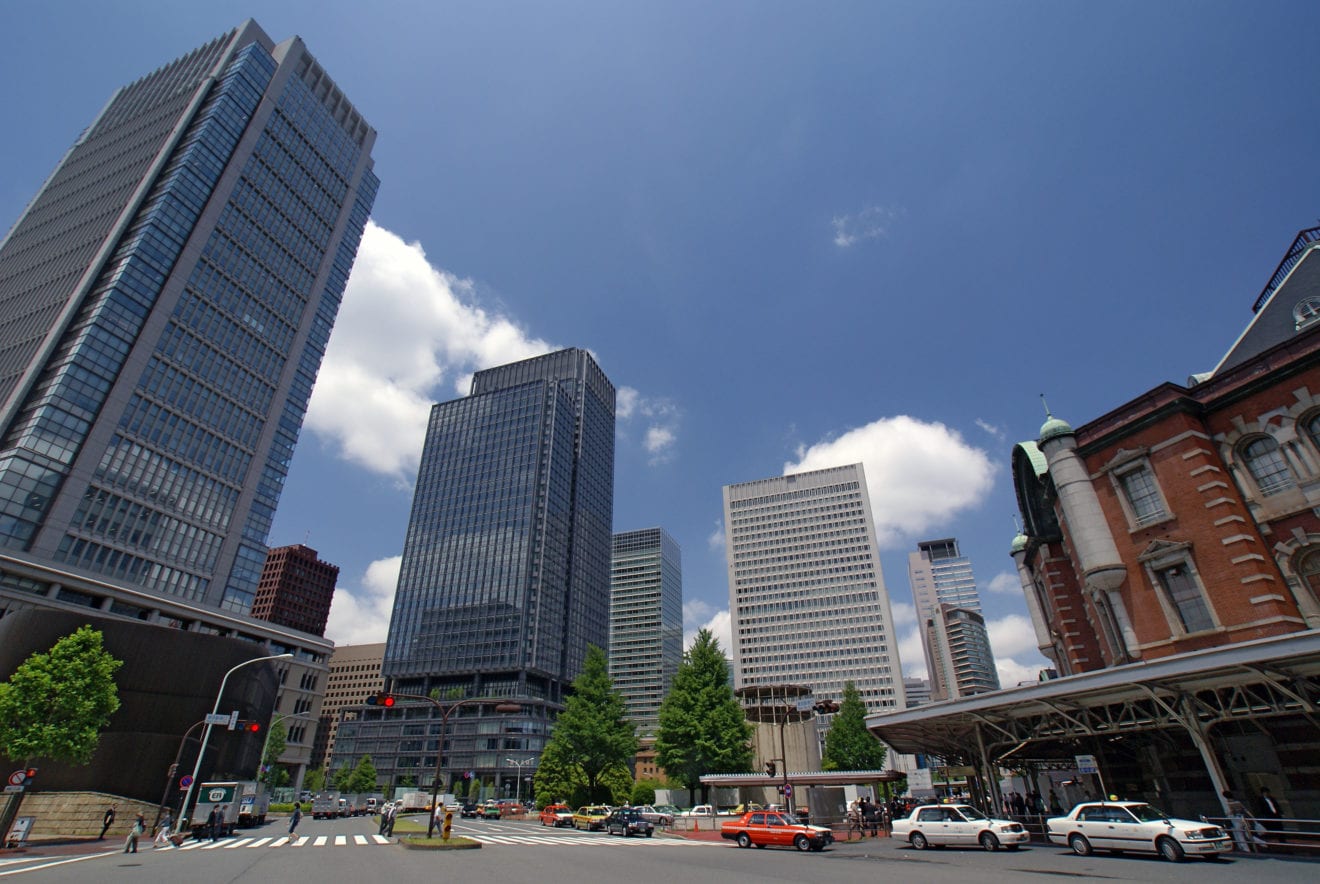
    Mitsubishi Estate plans to draw on its experience of developing Tokyo’s Marunouchi into a world-class business district to create a Myanmar version in Yangon. The company is also planning similar projects in other Southeast Asian nations.

    Mitsubishi Estate is looking into a 40,000-square-meter site(about 9 acres) in front of Yangon’s central railway station, which serves as a gateway to Yangon. The district is currently filled with dilapidated offices and other buildings.

    Mitsubishi Estate is working with Mitsubishi Corp. and a local real estate firm in Myanmar for the project, which is now under way, to build multiple high-rise buildings that will house offices, commercial facilities, apartments and hotel accommodations. The total project is estimated to cost about 50 billion yen.

    Myanmar is facing real estate development woes, including office shortages stemming from its rapid economic growth. The landscape of the Marunouchi district in front of Tokyo Station, which was rapidly developed from the Meiji era (1868-1912) through the rapid postwar growth period, has been cited as a good model for the Yangon development project.

    Marunouchi grew into a town that attracts many visitors as a gateway to Japan, home to the offices of leading companies as well as retail stores, restaurants and hotels.

    Mitsubishi Estate is aiming to work on similar development projects in other South Asian countries by promoting its approach to build complex facilities on prime urban real estate.

    “We will export our urban development system,” Mitsubishi Estate President Hirotaka Sugiyama told The Yomiuri Shimbun. “The Yangon project will be an opportunity to introduce our approach.”

    Investment in Myanmar has sharply risen since the country made its transition in 2011 from military rule to a democratic government.

    According to the Japan External Trade Organization, foreign investment in fiscal 2014 stood at $8 billion (about 940 billion yen) – twice as much as the previous fiscal year.

    Japan-affiliated firms have entered into business in Myanmar one after another during its economic expansion period. There are now more than 280 companies belonging to the Japan Chamber of Commerce and Industry, Myanmar.

    Buildings are rapidly sprouting up, concentrated in the Yangon area. There are also more and more businesspeople visiting Myanmar, resulting in expensive rent for office buildings even for Southeast Asia as well as relatively high hotel charges.

  • An Oasis for Rama IX

    An Oasis for Rama IX

    Thailand’s first retail and entertainment mega-complex on Rama IX Road, recently announced that it has added a 14-rai area to its existing 27-rai project to create an outdoor component to its complex. The new area, the company says, includes facilities for major outdoor stage performances as well as a creative outdoor market.

    Located on prime land in the Jaturatis-Rama IX area, Oasis Outdoor Arena and Creative Market is adjacent to Show DC and officially opened on December 25, when it hosted a major K-pop concert, ahead of Show’s DC indoor component, which is scheduled to launch in June.

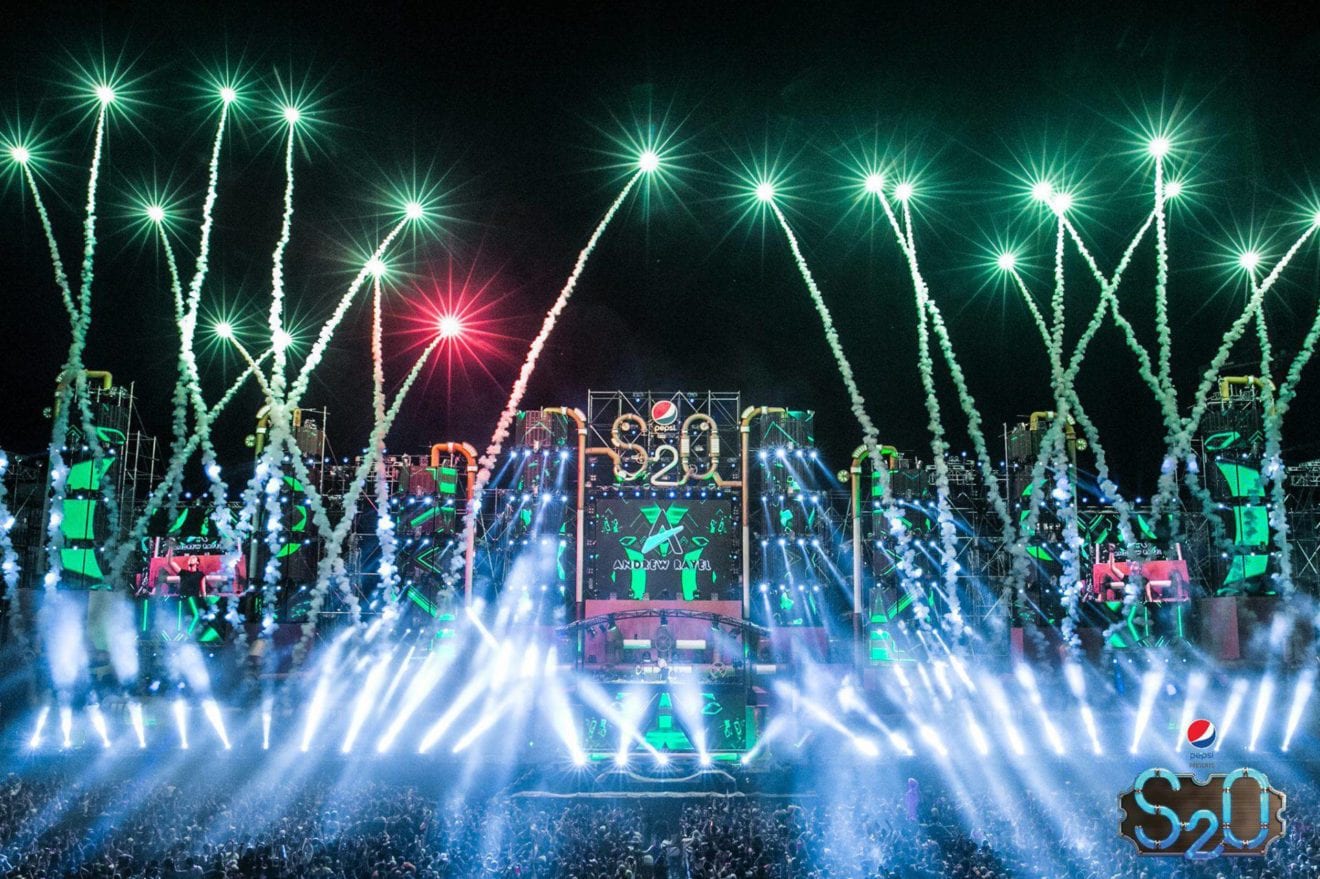
    The Oasis Outdoor Arena & Creative Market is spread over 30,000 square metres and aims to be a new hip outdoor venue.

    “Oasis offers a rich mix of retailing and food and beverage with spectacular entertainment facilities. We want to offer visitors a great indoor experience as well as a great outdoor experience. According to our research, the addition of a massive outdoor component adjacent to Show DC is in line with global consumer preferences for outdoor destinations, and grows our total footprint from 27 rai to a massive 41 rai. We have invested an additional Bt1.1 billion in this outdoor component on top of our original Bt9.5 billion investment in Show DC,” says chairman Chayaditt Hutanuwatra, adding that the two venues combined expect to draw more than 100,000 visitors a day.

    The Oasis Outdoor Arena and Creative Market, he says, can “host world-class, outdoor international and local shows and performances. Visitors can shop, eat and enjoy lively street art in the market area”.

    “It will be a best-practice example of ‘eco-social business’ that aims to combine the interests of tenants, entrepreneurs, the developer and the surrounding community by giving an opportunity for all to prosper together from this project,” he says. The Outdoor Arena has 10,000sqm space for up to 30,000 spectators but can easily be scaled down for smaller groups.

    The market is spread over 20,000sqm and uses recycled shipping containers to create 500 outlets, including shops for fashion, food and drinks plus organic fruits and vegetables direct from growers.

    “This is first time in Thailand’s retail industry that a comprehensive and wide range of outdoor and indoor experiences are on offer in a single venue. Oasis will be a hip hangout place for everyone – families, animal lovers, health seekers, shopaholics, foodies, art lovers, concert-goers or show-goers, those who love special performances and those just want a new place to relax.

    We have a complete range of retailers and entertainment facilities at Oasis including Food & Fruit Trucks, shops for organic products, foods and desserts, pets, eco products and spaces for art shows,” he says.

    “And right door, we have Show DC, which meets indoor lifestyle needs with the best experiences in entertainment, shopping and dining and includes the world’s biggest K-Town, the Thai Fantasy Himmapan Avatar spectacular show, an Asian food street, sports arena, entertainment park and performance hall.”

  • Taubman Asia opening centre in Xi’an

    Taubman Asia opening centre in Xi’an

    A modern shopping experience is promised in north-west China’s Xi’an city with the opening next month of a seven-level shopping centre, anchored by a Wangfujing Department Store.

    The joint development has been developed by Hong Kong-headquartered Taubman Asia, a subsidiary of Taubman Centers, and the Wangfujing Group.

    “We have taken a disciplined approach to growth in Asia and are thrilled to see our first China project come to life,” says Taubman Asia president Rene Tremblay.

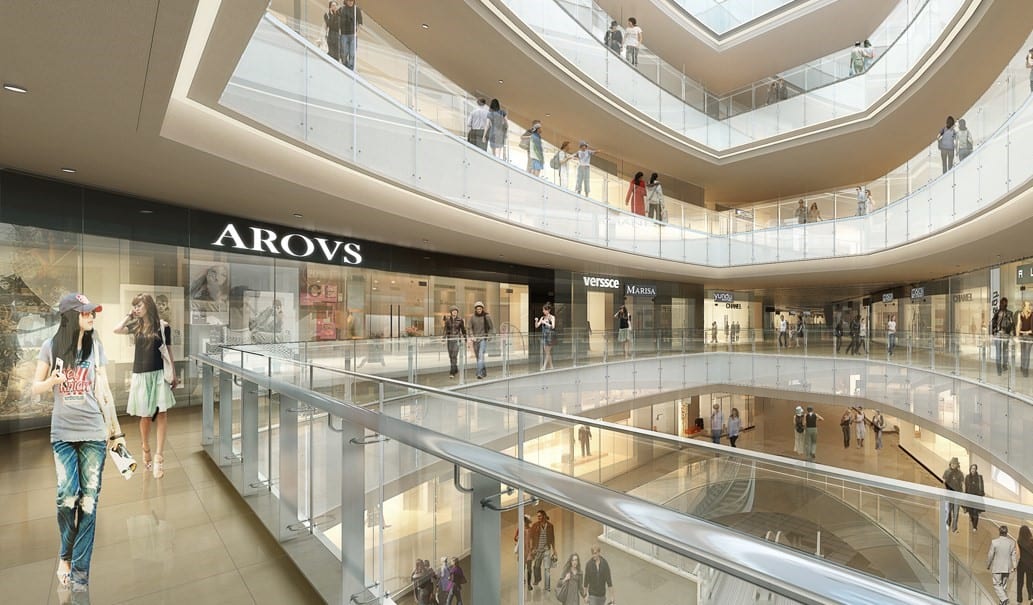
    Opening on April 28, the 90,000 sqm CityOn Xi’an shopping centre is in the heart of Xi’an’s new CBD and administrative center. It will have a mix of domestic and international designer and lifestyle brands from fast fashion to accessible luxury.

    CityOn Xi’an shopping centre

    It will also feature local, regional and international cuisine across all price-points and in both seated restaurants and quick-service formats, as well as child-friendly experiential, educational and entertainment offerings.

    “There has been excellent tenant demand and we expect to well exceed 90 per cent
    leasing at opening,” says Taubman Asia group VP for leasing Paul Wright. “The stellar line-up of brands shows great confidence in CityOn Xi’an.”

    Tenants include:

    Retail: Bershka, BJIL Moda, Candies, Coach, Forever 21, Gap, H&M, I Do, INXX, La Babite, La Chapelle Group, Ludao Ordinary Life, Massimo Dutti, Me&City, Monki, Muji, Nordic by Nature, Vero Moda, P+, Semir, Stradivarius, UR, Westlink, Yishion Classic, Zara and Zara Home.

    F&B/entertainment/kids/lifestyle: Balabala, Cartoony World, Cousin Restaurant, Gymboree, Holiland, Impression of MaWei, Kids World, Kidsmoment, Ma La Kuai Le Ying, MusangKing, Nobleman Training Club, Open Life, Open Oven, Oscar International Cinemas, Pacific Coffee, PGL, Quan Zi/Jessie Wa/Brunch&Coffee, Romp n’Roll, Rong Li Ji, Skyland Food Court, Starbucks, Tanyu, Xi He Ya Yuan Peking Duck, Xu Ji Seafood.

    Taubman Asia is a subsidiary of Taubman Centers, and the platform for the US mall company’s expansion into China and South Korea. Founded in 1950 with headquarters in Michigan, the parent company owns, manages and/or leases 23 regional shopping centres in the US and Asia.

    Founded in Beijing in 1955, the Wangfujing Group is committed to transforming its traditional department store business into a modern retail group. Its sales network spans seven major economic zones in China with 46 large-scale retail stores in 28 cities, including department stores and shopping malls.

  • Ayala Land takes control of Tutuban Center

    Ayala Land takes control of Tutuban Center

    Prime Orion Philippines (POPI), which developed and owns Tutuban Center in the shopping district of Divisoria, Manila, is being taken over by retail and property conglomerate Ayala Land.

    In a deal worth P5.625 million (US$118.41 million), it is acquiring a majority interest by subscribing to 2.5 billion common shares for P2.25 each. The shares represent 51.06 per cent of the total outstanding stock of POPI.

    ALI has already paid 25 per cent (P1.41 billion) of the total purchase price, with the rest to be paid upon fulfillment of certain terms and conditions.
    With the resulting change in management, POPI has appointed new directors to the board including ALI president Bernard Vincent Dy, who will serve as chairman, Felipe Yan as vice-chairman, Jose Jalandoni (president), Ruby Chiong (treasurer), Rhodora Revilla (CFO and compliance officer), June Vee Monteclaro-Navarro (corporate secretary) and Nimfa Ambrosia Perez-Para (assistant corporate secretary).

    ALI and POPI jointly announced the deal in August but needed more time to finalise the transaction.

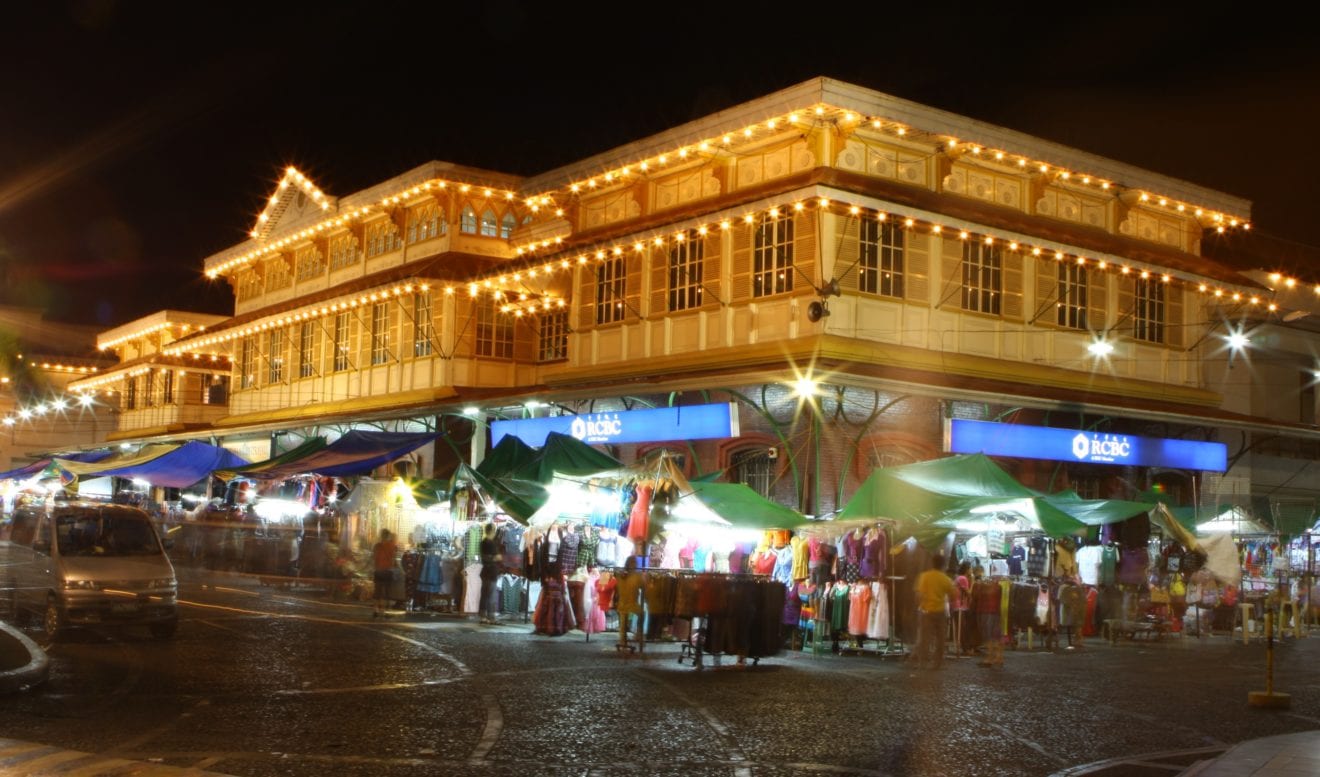
    In Tondo, Manila, Tutuban Center is a retail complex with a gross leasable area of about 60,000 sqm, offering various concepts from wholesale and bargain stalls to regular retail and food outlets. Meanwhile, the Divisoria Market has announced on its website that it is updating and relaunching.

  • The Mall Group plans further expansion

    The Mall Group plans further expansion

    Despite a tougher retail market, The Mall Group in Thailand plans to expand this year, allocating 5 billion baht (US$139.8 million) for new projects and upgrades.

    CEO Phaibul Kanokvatanawan says this includes 800 million baht pegged for a new building behindThe Mall Bang Khae.

    Parking will also be increased to 3800 spaces from 3000, and the remaining 4.2 billion baht will pay for an extension of two malls in Nakhon Ratchasima, scheduled to open soon. After relaunching its Korat project in September, total space at the complex will be 200,000 sqm.

    Two billion baht will be spent on developing Blue Port, the group’s latest retail project in Hua Hin. About 80 per cent complete, this project is scheduled to open in October, earlier than planned.

    Part of the budget will be allocated renovating The Mall Bang Kapi to respond to the rapidly changing customer profile of the area.

    While competitors have expanded their retail complexes on Rama IX and Ekamai-Ram Intra, including Crystal Park Phase II, Central East Ville and Show DC, Phaibul is optimistic, saying his company will thrive by both catering to core customers across a complete range of products and fostering brand loyalty.

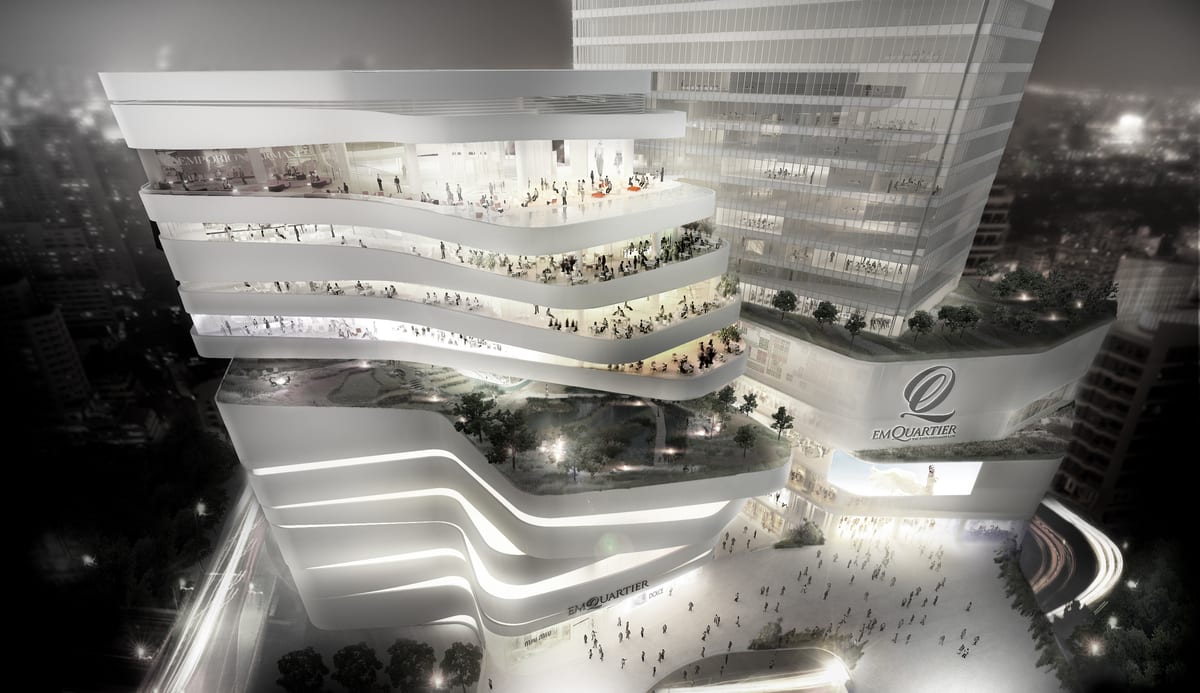
    However, the spending power of Thai consumers has not improved despite heavy consumption at the end of last year sparked by a government tax break, he says. Also, overseas tourist levels are back to normal at Siam Paragon, The Emporium and EmQuartier since the Lunar New Year holiday.

    “We want the government to speed up the airport extension to attract more tourists to Thailand.”

    Phaibul says the company expects sales growth of 5 per cent to 52 billion baht this year.

  • Mall of Qatar wins award at Asia Retail Congress

    Mall of Qatar wins award at Asia Retail Congress

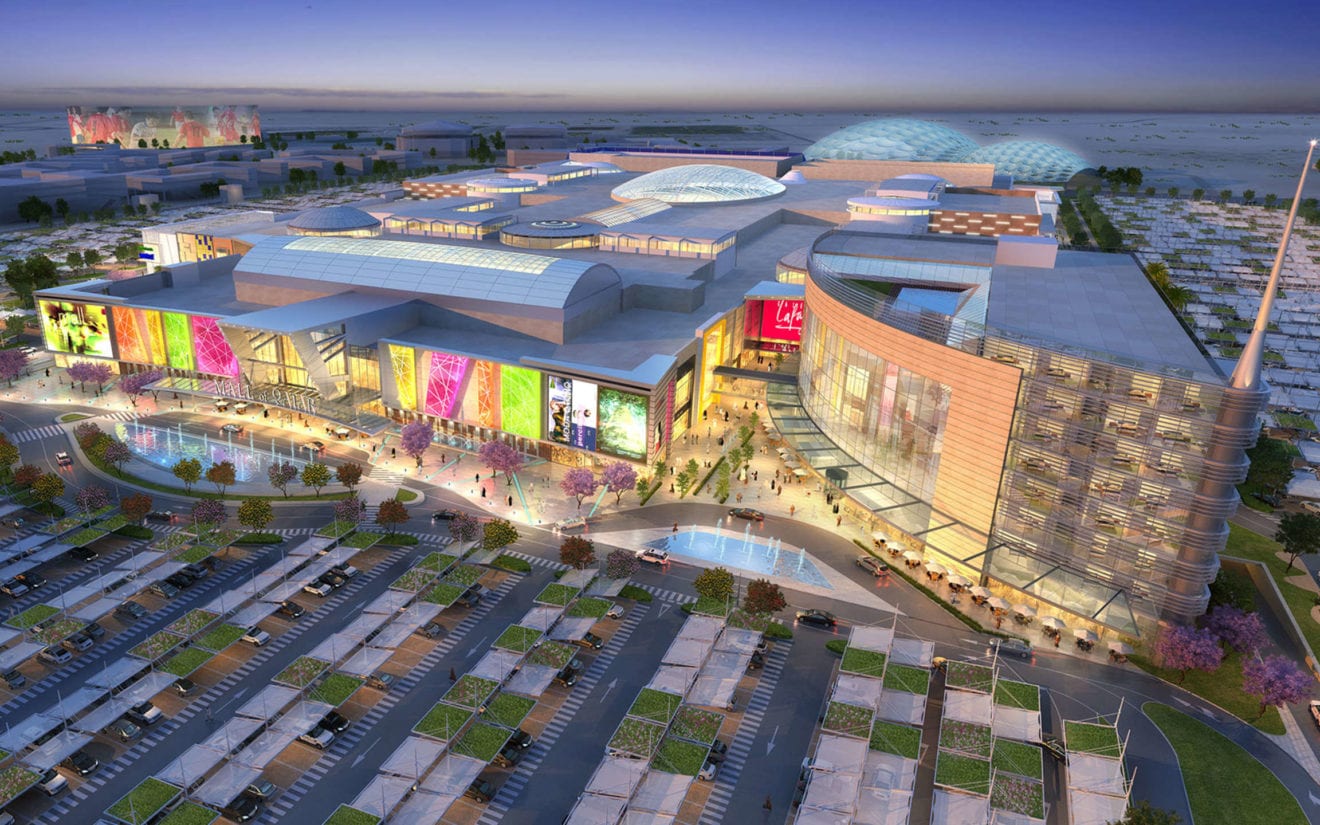
    Mall of Qatar has won the Retail Leadership Award in the real estate category at Asia Retail Congress 2016 held recently in Mumbai, India.

    On behalf of Ramez al-Khayyat, managing director of UrbaCon Trading & Contracting (UCC), the award was received by Siva Kumar, estimation and proposal director of UCC, and Patrick Hage-Chahine, PR and events manager at Mall of Qatar.

    “Being developed by UCC’s Doha branch, this super-regional mall spread over 5.4mn sqft of area combines incredible shopping with captivating live entertainment and leisure options,” according to a statement. “An innovative and inspiring architecture, easy accessibility, fascinating new live entertainment concepts and signature restaurants will all capture the imagination of the nation when the Mall of Qatar opens its doors in the third quarter of 2016.”

    The Asia Retail Congress recognises best practices in the retail industry across categories such as fashion, consumer durables, mobile & telecom services, food, travel & hospitality, health and real estate.

    Speaking on the occasion, al-Khayyat said: “We are privileged to receive this esteemed recognition from the Asia Retail Congress. This recognition provides a great incentive to continue our journey to provide best-in-class services and create new benchmarks in the retail industry.

    “One of the major distinguishing architectural features of the Mall of Qatar is the 30m-high, 6,000sqm glassed dome roof that illuminates a captivating central arena called The Oasis, which will become the heart of the project. The Oasis will host live entertainment shows performed daily on a revolving circular stage, set in a pond surrounded by interactive dancing fountains.”

    Expected to receive a footfall of 20mn customers annually, the Mall of Qatar will feature 7,000 underground and surface car parking spaces, 500 shops, including over 100 restaurants, and a 19-screen cineplex, as well as a 200-bedroom luxury and fashion hotel operated by Curio, a Collection by Hilton, the statement adds.

  • Wanda said to plan massive retail-leisure project near Paris

    Wanda said to plan massive retail-leisure project near Paris

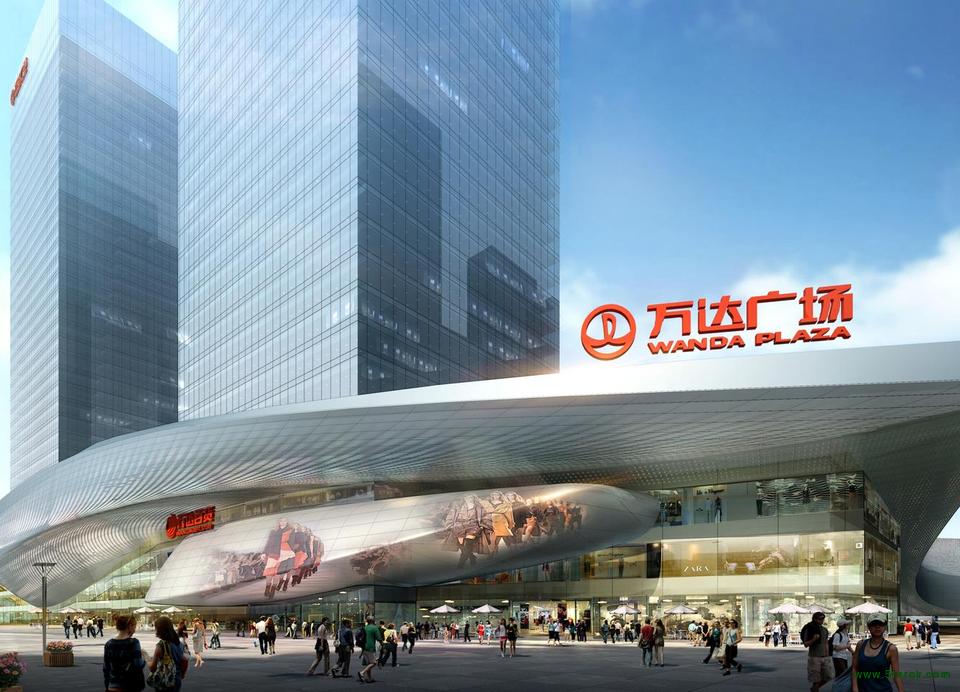
    Chinese billionaire Wang Jianlin’s Dalian Wanda Group Co. plans to invest billions of euros in a retail and leisure development outside of Paris, Bloomberg reports, citing people familiar with the matter.

    Wang said at the University of Oxford on Tuesday that Wanda would announce a “major deal” this week, though he didn’t provide details.

    The project, known as EuropaCity, will be built in Gonesse, a town 16 kilometers northeast of Paris, between Le Bourget and Charles de Gaulle airports, according to a website for the property.

    For Wanda, which runs theme parks across China, movie theater chains in the United States and a soccer club in Spain, the move represents a renewed overseas push, underscoring Wang’s increasingly global ambitions.

    The conglomerate agreed in January to buy “Godzilla” producer Legendary Entertainment for US$3.5 billion, paving the way for the tycoon to become the first Chinese person to control a Hollywood film company.

    Construction on EuropaCity is slated to begin in 2019, with the project opening in 2024, according to the website.

    The development, being built by property company Immochan, will include a theme park, shopping center, water and snow parks, sports fields, performance spaces and hotels, according to the site.

    Immochan is the development arm of Groupe Auchan, a family-owned supermarket operator. A spokesman for Immochan declined to comment.

    Wang, who is estimated by the Bloomberg Billionaires Index to be worth US$27.2 billion, told executives in January that visitor arrivals and revenue at Wanda’s tourism projects in Wuxi and Guangzhou will beat those of Disneyland in Shanghai and Hong Kong, respectively.

    Besides the Legendary deal, Wanda announced a US$2.3 billion investment in three hospitals, the formation of a financial group and the signing a US$10 billion development deal in India.

    In addition, Wanda has said it’s planning five major acquisitions in 2016, three of them overseas.

    Separately, the group’s Wanda Cinema Line Co. theater chain unit was suspended from trading in Shenzhen on Wednesday pending the announcement of an acquisition.

    The Wall Street Journal reported that the group is seeking to raise US$1.5 billion from domestic Chinese investors for its closely held film-making Wanda Pictures subsidiary.

    While Wang’s investments in Europe include the Club Atletico de Madrid soccer team and Swiss marketing firm Infront Sports & Media AG, Wanda’s culture-and-entertainment business has a relatively smaller presence in the region than in China.

    Wang’s film, tourism and sports operations all fall under Wanda’s fast-growing Cultural Industry Group, which saw revenue climb 46 percent last year and is forecast to climb 30 percent in 2016.

    By comparison, Wanda Group estimates overall sales rose 19 percent in 2015 and will probably decline 12 percent this year because of the slump in its property business.


  • Mohegan gaming authority wins license for Korea casino

    Mohegan gaming authority wins license for Korea casino

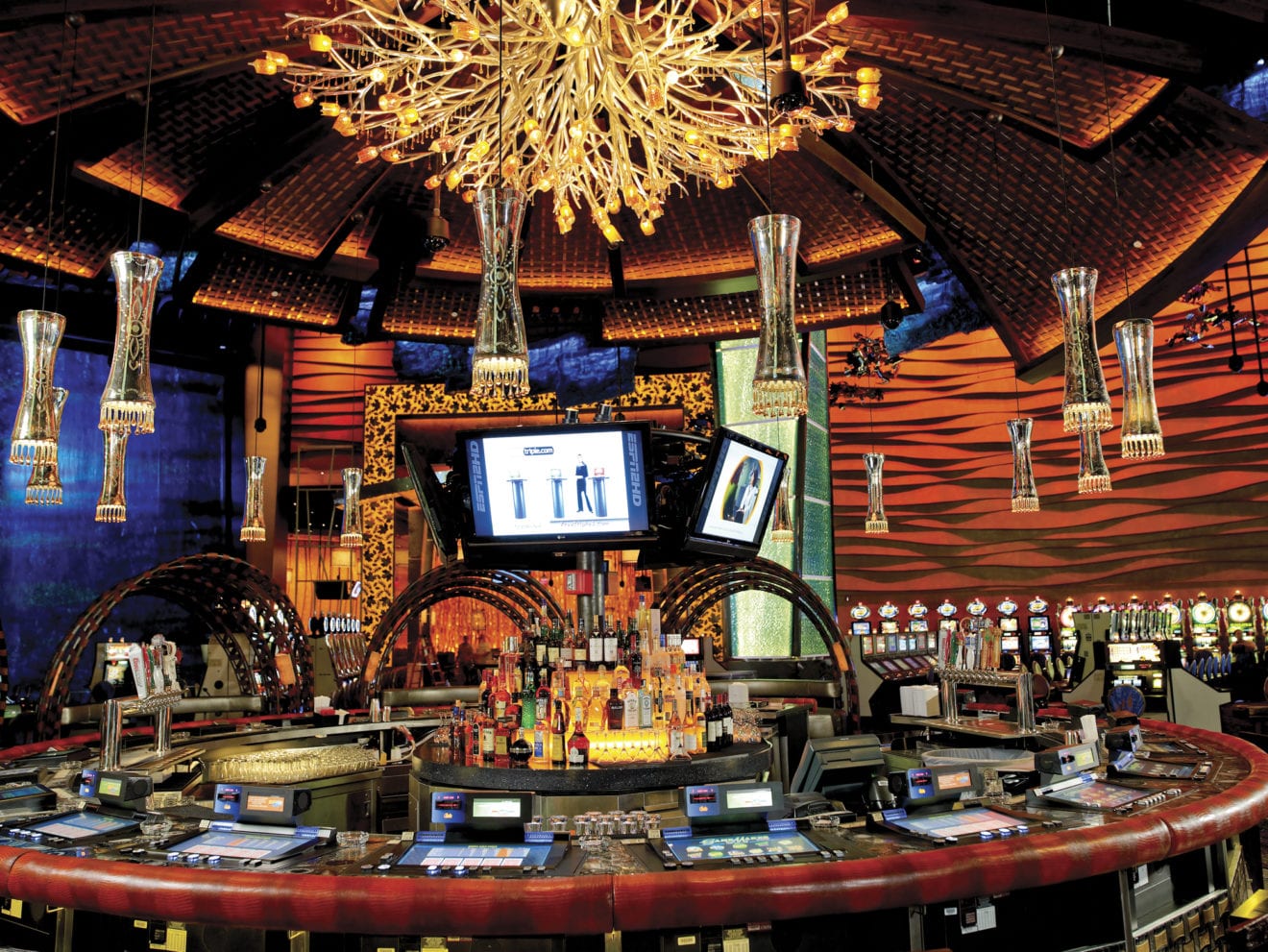
    UNCASVILLE, Conn. (AP) – The parent company of the Mohegan Sun casino says it has received a license from the Korean government to build a $5 billion resort near the international airport in Seoul.

    The Mohegan Tribal Gaming Authority says the project will include a hotel complex with 1,350 rooms, more than 20,000 square meters of retail space and an arena that it says would be the largest in South Korea.

    The gaming authority is teaming with the KCC Corp., a South Korean chemicals company, and the airport for the project.

    Gaming authority president Bobby Soper said Friday the company aims to help the Korean government fulfill its vision of “driving economic development by growing tourism, creating jobs, and showcasing Korean culture via the integrated resort.”