Category: Real Estate

Retail News Asia is committed to providing both local and global retailers with the latest Real Estate news throughout the Asian market. This on a daily base.

  • Retail closures add to Wing Tai woes

    Retail closures add to Wing Tai woes

    Costs related to the closure of retail stores were among the factors contributing to reduced second-quarter earnings for Singapore’s Wing Tai Holdings.

    Store closures caused a 12 per cent rise to S$23.8 million in administrative and other expenses quarter-on-quarter, according to a stock exchange filing by the company.

    Lower rental income and depreciation from its Singapore retail outlets also resulted in a 20 per cent fall in distribution expenses to S$22.2 million from S$27.7 million. No dividend was declared for the quarter.

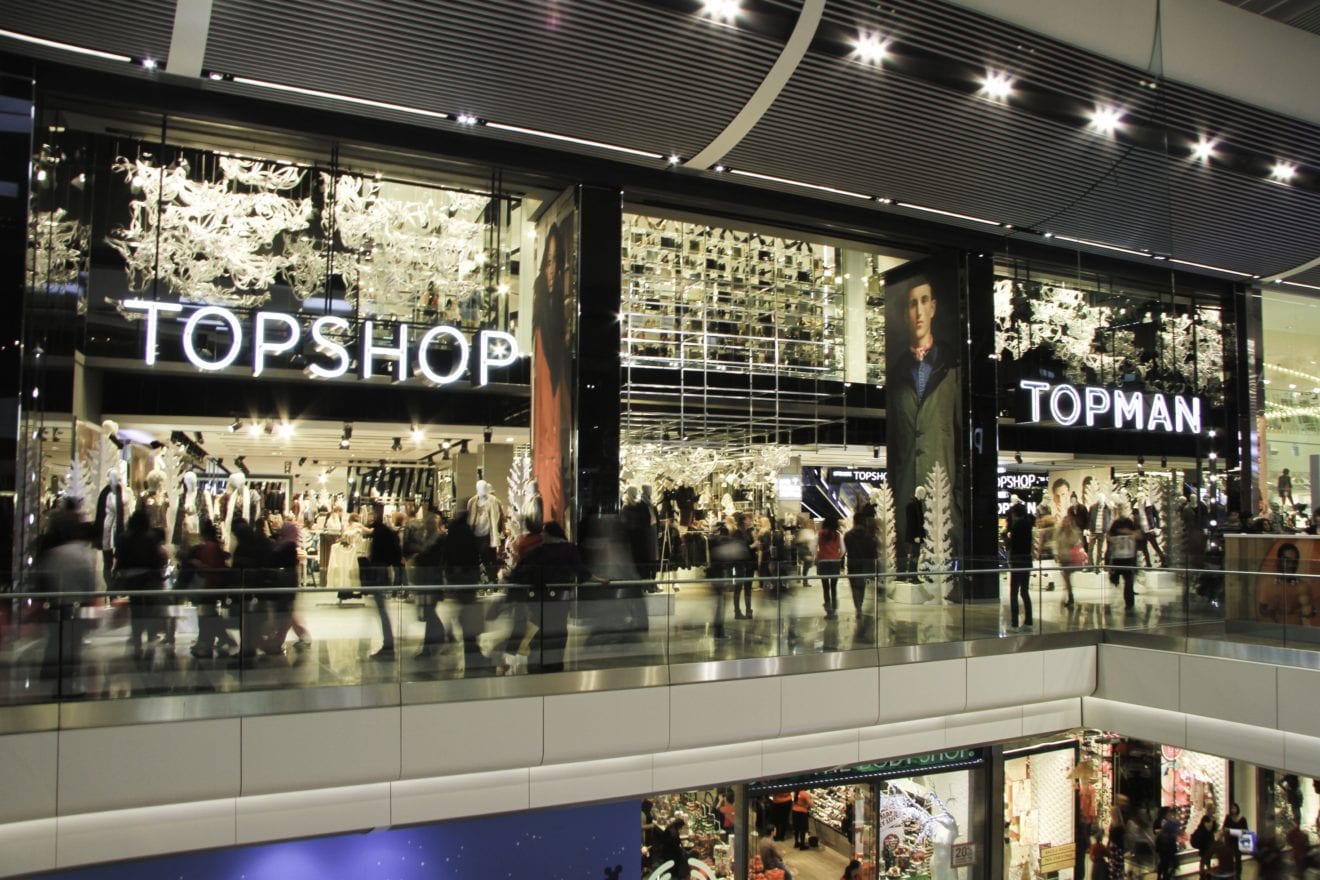
    Wing Tai’s retail division represents the brands Adidas, Fox Kids and Baby, Topshop, BCBGMaxazria, G2000, Topman, Burton Menswear London, I.T., Uniqlo, Dorothy Perkins, Karen Millen, Warehouse, Etam, Pumpkin Patch and Yoshinoya. The company also has hospitality, residential and commercial property interests.

    Also contributing to the second-quarter net profit fall of 85 per cent year-on-year to S$1.08 million were lower contributions from the property development segment and a higher tax rate. These were partially offset by a stronger share of profits from associates/JVs, and lower distribution expenses.

    Overall, the group said earnings had come in below expectations as its operating and sales environment had proved tougher than anticipated. However, it is confident it is well-positioned to ride out the current down-cycle with its portfolio of prime residential and investment assets.

    Cooling measures will continue to weigh on market sentiment in Singapore this year, the group expects, while economic conditions in Malaysia will probably keep sales soft.

  • Metro Philippines plans 100 stores

    Metro Philippines plans 100 stores

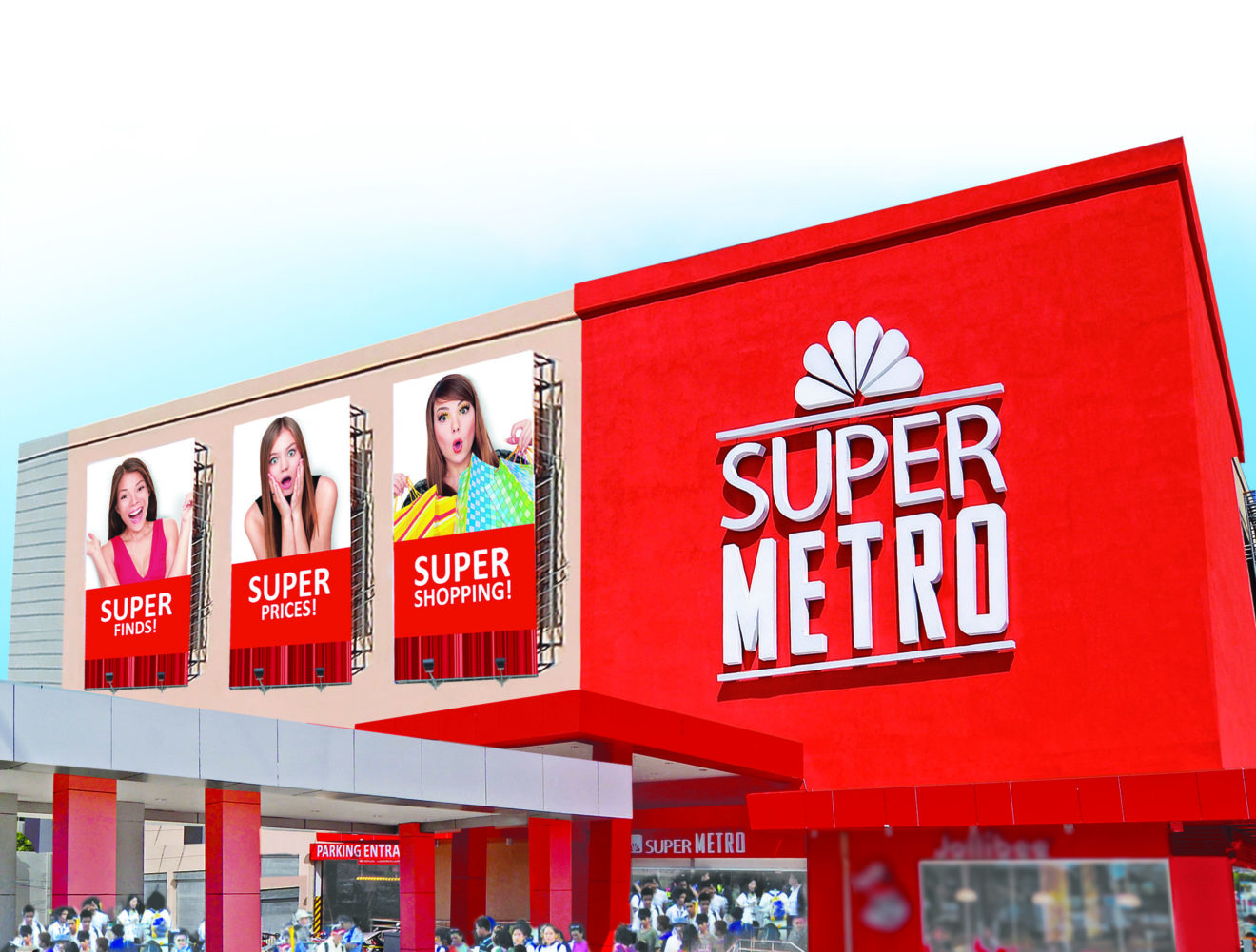
    Listed retailer Metro Retail Stores Group, based in Cebu, has launched an expansion program aimed at taking its network in The Philippines to 100 stores within five years.

    Nearly three years after supertyphoon Yolanda devastated the coastal community in the Leyte region, the biggest retailer in the Visayas plans to open a store in Tacloban City.

    Metro representatives met with Mayor Alfred Romualdez last month to tell him of the company’s decision to invest in Tacloban, reports the Cebu Daily News.

    Metro plans a two-storey building for a 2ha. property in Real Street, owned by a church. The Metro Gaisano in Tacloban will create job opportunities and also help the city government in terms of taxes. Construction is scheduled to start next month, with the store expected to open within a year.

    Metro, the country’s fourth-largest retailer, earlier said it planned to open 50 to 70 new stores in the next five years. Most of these would be in the Visayas.

    There are two other Gaisano-owned shopping malls in Tacloban — the Gaisano Capital and Gaisano Central.

    The retail arm of Vicsal Development, Metro debuted on The Philippines stock market in November.

  • Chinese influx lifts Jeju’s growth

    Chinese influx lifts Jeju’s growth

    The southern resort island of Jeju showed the highest rate of growth in productivity in the service sector and retail sales last year.

    Jeju’s service sector productivity rose 6.7 percent in the fourth quarter of 2015 compared to the same quarter the previous year, according to a Statistics Korea report released Thursday. The growth rate is two times higher than the national average rate of 3.1 percent and nearly three times more than Seoul’s 2.3 percent.

    Statistics Korea said productivity growth rates were high in areas such as Jeju, South Chungcheong and Gangwon, as more financial and social welfare businesses moved in to the areas. Gyeonggi and Seoul also saw increases of around 2 percent, but their rates were relatively small as the number of related businesses decreased last year.

    The nation’s retail sales also rose in the fourth quarter of 2015 from the same quarter of the previous year.

    Retail sales increased most in Jeju at 10.8 percent, which is nearly two times higher than the national average of 5.7 percent, while Gyeonggi and South Chungcheong each scored 6.7 percent to tie in second place. In these places, sales at large discount stores and car dealers rose significantly, according to Statistics Korea.

    Sales in large discount stores accounted for 20.8 percent of total retail sales in the fourth quarter of 2015 in Jeju.

    Industry experts believe Jeju is over-performing in both productivity and sales growth rates as more Chinese tourists are visiting the island.

    For example, real estate and leasing services accounted for 25 percent of total productivity growth in Jeju. Currently, many Chinese are interested in investing in the island’s real estate. Jeju, the warmest place in Korea, was also able to attract more local and foreign tourists in the fourth quarter.

    Additionally, the popular trend of urbanites heading back to suburban areas like Jeju has also helped bolster the island’s economy. Net migration, the difference between immigrants and emigrants, reached 14,257 last year. In 2014, it was at around 11,112.

    In all 16 major cities and provinces, both service sector productivity and retail sales increased in the fourth quarter of 2015.

    Meanwhile, the service sector productivity growth rate nationwide last year is expected to reach 2.9 percent from the previous year. In 2014, the growth rate was 2.2 percent. The nation’s retail sales growth rate is projected at 3.4 percent, double the 1.7 percent in 2014.

  • Did The Hong Kong Property Market Just Burst? 2 Stocks That May Be Affected

    Did The Hong Kong Property Market Just Burst? 2 Stocks That May Be Affected

    Hong Kong property prices have been surging over the past few years. A report from Swiss bank UBS indicated that Hong Kong property prices have appreciated around 340% from 2003 to 2015.

    But, 2016 might not be such a good year for Hong Kong real estate.

    Based on January 2016 data, monthly home sales in the city had reached its lowest levels since such data was first tracked in 1991. More alarming is that a recent government-released land parcel in Hong Kong’s New Territories area was sold at a price (on a per square foot basis) nearly 70% lower than a similar transaction that took place in September 2015.

    Piling on the pressure is the government of Hong Kong – it is planning to increase the amount of housing supply to the market over the next five years due to high property prices which has made housing unaffordable for the city’s residents.

    Will these developments be the trigger to mark the start of a prolonged slump in Hong Kong’s property market? Will any potential troubles that may arise in the residential real estate market hit other real estate sectors such as commercial and retail?

    In Singapore’s stock market, there are a few companies and trusts that are exposed to the Hong Kong real estate market. Two of the bigger entities in that category would be Hongkong Land Holdings Limited (SGX: H78) and Fortune Real Estate Investment Trust (SGX: F25U).

    Stock Market capitalisation (15 February 2016)
    Hongkong Land Holdings US$13.6 billion
    Fortune REIT HK$14.7 billion

    Source: S&P Global Market Intelligence

    Hongkong Land is one of the largest property owners in Hong Kong’s Central district, owning many premium commercial office towers there. Meanwhile, Fortune REIT is a real estate investment trust that invests mainly in retail malls located in Hong Kong. At the moment, the REIT has 17 properties in its portfolio.

    With the possibility of a slump in property prices in Hong Kong – at least for the residential real estate sector – what does the near term future hold for both Hongkong Land and Fortune REIT?

    Hongkong Land might have an advantage over Fortune REIT when it comes to withstanding any downturn in real estate.

    With Hongkong Land’s strong balance sheet (it has a net debt to equity ratio of only around 9%), it has flexibility and is facing lower financial risks even if its properties are revalued to a much lower level.

    That said, if there’s a prolonged slump in Hong Kong, the rental rates for Hongkong Land’s properties might still take a hit in the future, hurting its earnings going forward. Before that becomes a reality, it seems that the market is already punishing the company. Hongkong Land is currently valued at just 0.48 times its tangible book value; that’s a valuation last seen back in 2011.

    Fortune REIT is also facing a similar situation. But, given that a REIT tends to have much tighter restrictions on its debt level (whereas companies are given free rein), a huge drop in the value of its properties might have a big impact on the trust.

    Moreover, as Fortune REIT has a weaker balance sheet as compared to Hongkong Land – the REIT has a gearing ratio (total debt over total assets) of 30.1% – a sharp drop in the value of its properties might increase the REIT’s leverage to onerous heights, thereby raising the possible need for the REIT to raise equity capital and thus cause its investors to face dilution risks.

    How the Hong Kong property market will play out is still unclear. Although demand seems to be slowing, the eventual impact on property prices is yet to be seen. Moreover, the current slump is mainly in the residential sector, so it is also unclear how it might affect the commercial and the retail sector of Hong Kong’s property market.

    But, it is still wise and prudent for investors here in Singapore to be aware of possible dangers ahead for some Singapore-listed companies as a result of their exposure to the real estate market in Hong Kong.


  • Grim outlook for Singapore retailers

    Grim outlook for Singapore retailers

    Singapore retailers are facing “dark days”, including store closures, according to Singapore real estate company CBRE.

    With falling domestic demand and soaring costs, there will be more store consolidations and closures, it says in a new report.

    It predicts the retail market to undergo further restructuring following a muted performance last year, with weak brands being elbowed out, reports the Singapore Business Review.

    “This year will be marked by challenging conditions that could push weaker-performing brands to close or downsize.”

    There will also become harder to hire staff, with the report warning it is “highly unlikely” the government will lift restrictions on hiring foreigners. However, the costs and time associated with innovation and revamp are likely to keep a lid on expansion plans.

    CBRE says the fast-fashion segment will be particularly hit hard by manpower constraints and lack of suitable retail space. It says cheaper running costs in neighbouring countries have helped pull fast-fashion retailers’ attention away from Singapore.

  • China’s neighbourhood malls a bright spot in sluggish retail sector

    China’s neighbourhood malls a bright spot in sluggish retail sector

    While operators of luxury shopping centres in China are scratching their heads for ways to attract affluent buyers, property consultants say one-stop neighbourhood shopping malls have become bright spots in the industry.

    There are many such retail centres in the suburbs of Beijing and Shanghai, as well as in some 1.5 tier cities, said Steven McCord, head of research for JLL North China. These malls mainly serve the everyday needs of residents in local neighbourhoods, with amenities such as restaurants and entertainment facilities.

    “They are a one-stop shop [where] people can get what they need. These malls are close to where they live so the need to go to city centre is less frequent,” said McCord.

    Some neighbourhood malls that opened in the last two years include Jinyu Vanke Square, BHG Lippo Mall and Livat (Ikea Xihongmen).

    Property consultants said tenants might consider these malls as business opportunities.

    The juxtaposition of a building boom amid softening retail sales growth has sparked concerns about an oversupply of retail space in China.

    According to CBRE, tier-1 cities such as Shanghai and Guangzhou will see a peakin new supply. Almost half of new supply in these cities will be located in completely new areas. For example, Shanghai’s Hongqiao business district will experience a first wave of new supply, which is expected to reach 200,000 square metres this year.

    At the same time, the prevalence of online shopping has forced operators and retailers to rethink their strategies.

    The domestic economic slowdown and fast e-commerce growth are weighing on bricks-and-mortar retail, according to CBRE.

    Retailers continue to focus on expanding their e-commerce platforms. Online retail sales surged by 33.3 per cent year-on-year in 2015.

    Retailers of luxury brands and luxury mall operators also face other challenges, including mainland Chinese buyers shopping overseas and competition from discount outlet malls, according to McCord.

    CBRE said as the urban population continues to spread to the suburbs, tenants may see new opportunities arising from mature residential areas where modern commercial facilities are lacking, and in regions where there is an emerging population.

    In view of the rapid increase in consumer income in tier-2 cities, retail businesses in these cities will not only focus on setting up in traditional downtown areas, but will also take advantage of the rapid development of community businesses.

  • Nakheel to double size of its Dubai retail complex catering to Chinese businesses

    Nakheel to double size of its Dubai retail complex catering to Chinese businesses

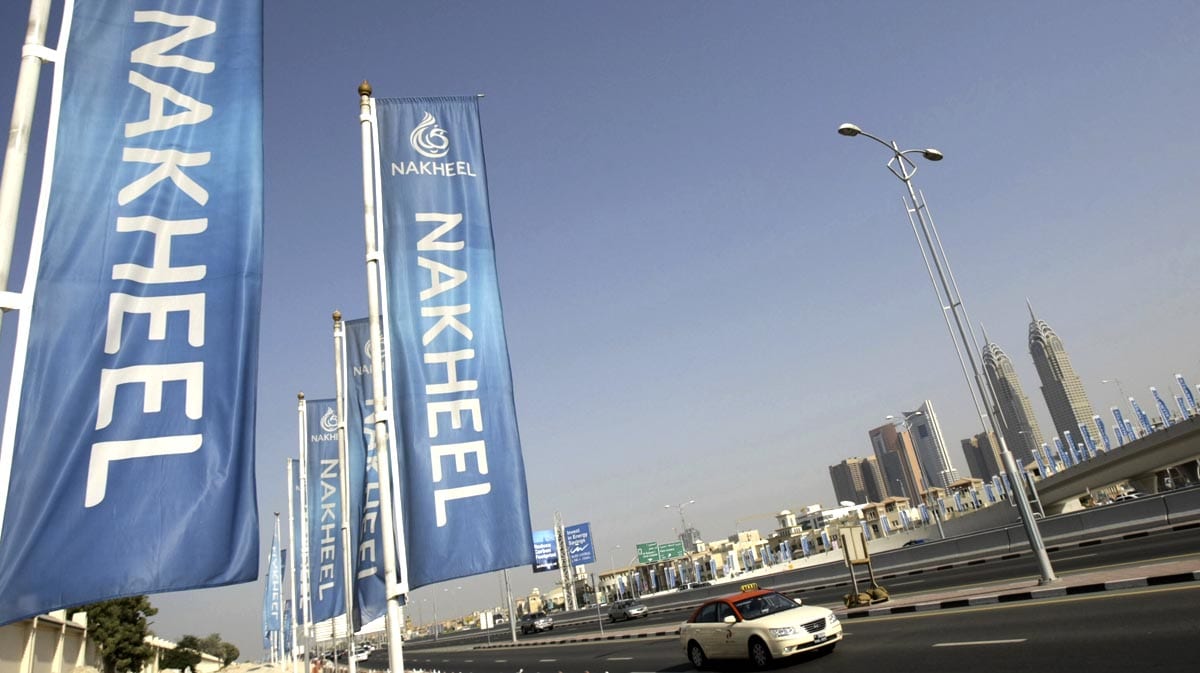
    The government-owned developer plans to expand the current 4,000-shop retail complex into a community named Dragon City by adding an extra 6.5 million square feet of shops, residential housing and hotels, increasing the total gross floor area to 11 million square feet.

    The expansion comes after the successful launch of the Dragon Mart phase one development which opened in 2014, and phase two of the development which opened in November last year.

    “Today, Dragon Mart is the world’s biggest Chinese trading hub outside mainland China with more than 5,000 Chinese businessmen operating there,” said chief executive Sanjay Manchanda, who declined to disclose the total investment cost.

    There are more than 4,000 shops, restaurants and entertainment outlets handling an average of 80,000 visitors daily, he said.

    In view of the strong demand for retail space at Dragon Mart phase one and two, which was built in the shape of a Dragon to appeal to Chinese investors, Manchanda said businesses were keen to lease the new retail space.

    According to the proposed expansion plan, the developer will add an extra 1.3 million square feet of showroom-style retail units, with sizes from 500 square feet to 10,000 square feet, as part of Dragon Mart phase three to phase six. The annual rental cost is from as low as US$75 per square foot.

    Located on Hatta Oman Road and easily accessible from Sheikh Mohammed bin Zayed Road, the entire development will comprise 5,700 stores when completed.

    Besides retail, Dragon City will include two residential towers housing 1,120 apartments and two 250-room hotels, plus 12,000 car parking spaces. The whole project is due for completion in three to five years.

    The developer participated in a three-day Dubai property exhibition last month to woo Hong Kong investors amid a slump in Dubai home prices which have declined for five consecutive quarters.

    But Manchanda rejected suggestions that home prices would undergo a downward adjustment due to an increasing supply of flats. For the latest launch of its 960-unit residential tower Warsan Village, 70 per cent of the units were snapped up by Chinese investors, according to Manchanda.

    Currently under construction, Warsan Village is located on a 47.5 hectare site about three kilometres from the recently expanded Dragon Mart retail hub. Each town house covers 2,000 square feet and comes with a maid’s room, three bathrooms, powder room, two balconies, private garden and parking for two cars. Prices start at around HK$3.7 million.

    Industry consultants Cluttons said in a report that Dubai home prices had recovered to near peak values in 2014 after falling by about half from 2008 highs.

    Cluttons is predicting residential prices will fall 3 to 5 per cent over the following 12 months because of a faltering global economy and an increasing supply of residential units.

    “We have even seen some Chinese buying plots of land near Dragon Mart and they plan to build homes for renters who are doing business there,” said Manchanda.

    In C-Suite on P3, Manchanda talks more about the property investment market in Dubai

  • Foreigners, beware of condo laws

    Foreigners, beware of condo laws

    If you are foreign and you marry a Thai, and you agree between you that all of your marital assets will be split 50:50 and designated as such, the Thai Government has found a way under which, even post marriage, part of this agreement can be completely excluded.

    This does not relate to the well-known exclusion of land, but to condominiums. Condominiums are much heralded as generally being available and favorable for foreign investment. Unfortunately, this is not always so.

    Most of my clients over the years have bought their condominiums outright with cash from overseas, or had the cash in Thailand, and due to the quirky rules on ensuring you have a ‘Foreign Exchange Transaction Form’ had to move monies out and then move those monies back into Thailand again with the bank fees and potential foreign exchange losses thrown in for good measure. I took out a loan many years back for my first condominium purchase in Thailand and the monies were loaned in foreign currency through HSBC Thailand which had its retail banking in Thailand taken over by the Bank of Ayudhya.

    We then decided to buy a condominium for rental investment purposes in Bangkok. We went through the mill when it came to applying for and obtaining a loan. We applied through seven banks. The first was the ‘favored’ bank of a well-known developer in Bangkok. They took literally every piece of financial information imaginable about me and my wife and looked at my various companies’ assets and credit history; tax payments and even the number of employees in my business. After three months, we were told we could obtain a loan only for an amount of 20 per cent of the outstanding balance due on the condominium. We then rushed out and made six further applications. One bank came through but the conditions were:

    (i) we had to take out a loan for furnishing the condominium

    (ii) we had to take out the hefty insurance premium through the bank’s ‘preferred’ insurer

    (iii) the loan had to be taken out by my wife because “she is Thai and you are a foreigner”

    Notwithstanding this, we was still expected to sign all the loan documentation and be involved.

    Fast-forward, and we were close to the transfer date. All of a sudden, I am informed that I must sign a ‘declaration of Sin Suan Tua’ (personal property). What is all that about, I thought – I have already made my agreement with my wife when I got married. Also Sin Suan Tua is by definition supposed to apply to all matters before marriage.

    Then the reality of the situation became apparent. Due to the fact my wife was borrowing the money from the bank, regardless of who would be making the mortgage payments, the authorities have found a way to exclude a marital asset from the marriage and adjust the entire concept of Sin Suan Tua.

    The Land Department insists that a foreigner must declare that a condominium belongs entirely to his/her spouse and that he or she (the foreigner) has absolutely no rights or interest in such condominium unless:

    (i) He/she pays for the unit and obtains a Foreign Exchange Transaction form – an impossibility if the monies are loaned in Thailand

    (ii) He/she has Permanent Residency – and many long term expatriates know how long and difficult that process is

    (iii) He/she is permitted to enter Thailand under the ‘Investment Promotion Act’ – which is very rare.

    So, if you believe being married to a Thai is somehow advantageous when it comes to investing in property as a foreigner, the reality is quite the opposite. The Land Office I attended in Bangkok was very helpful, efficient and polite while I signed the document confirming that our condominium would have nothing to do with me despite the fact of my marriage and that I’d paid the down payment.

  • Trendsetter who fought shy of limelight

    Trendsetter who fought shy of limelight

    He stayed out of the limelight and shied away from the media, so few might know that Mr Jopie Ong Hie Koa was one of Singapore’s true trendsetters.

    The late managing director of Metro Group, who died suddenly on Tuesday night at age 75, was the first to introduce luxury brands such as Mont Blanc, Cartier and Gucci here, long before Singapore was considered a shopping destination.

    He was even the first to introduce a splash of colour to men’s fashion, recalled long-time business partner and friend Nash Benjamin, the chief executive of fashion and lifestyle group FJ Benjamin.

    “In the early 70s, Metro imported a line of shirts from Whitmont, an Australian brand. At the time, men’s shirts in Singapore were all white. But these Whitmont shirts were purple, mustard, red,” he said.

    “He brought me over and made me pick out one in each colour. So he started the trend of coloured shirts here. He was always on trend.”

    FASHION FORWARD

    In the early 70s, Metro imported a line of shirts from Whitmont, an Australian brand. At the time, men’s shirts in Singapore were all white. But these Whitmont shirts were purple, mustard, red… He started the trend of coloured shirts here. He was always on trend.

    MR NASH BENJAMIN, chief executive of fashion and lifestyle group FJ Benjamin, on Mr Ong spotting the latest fashion.

    Indeed, Mr Ong had a great talent for spotting the next big thing, not only in fashion but in the wider world of business.

    It was under his leadership that Metro grew from a two-storey shophouse at 72, High Street – a textile store founded by his father, Mr Ong Tjoe Kim, who hailed from Indonesia – into a retail behemoth and later, into a substantial property player with interests in China, Japan and Britain.

    Mr Ong joined Metro in 1964 and was appointed to the board in 1973, the same year he guided the firm to a listing on the Singapore Exchange, where, for many years, it was considered a blue chip.

    Metro had its heyday in the early and mid-1980s, when it became known as a purveyor of posh European brands such as Cartier, Burberry, Givenchy and Yves Saint Laurent, making it a haunt not only of wealthy tourists but also Singapore’s increasingly affluent, English-educated middle class.

    It had moved aggressively into Orchard Road, with four or five stores along the stretch. But by that time Mr Ong, always ahead of the curve, was looking at expanding his business interests further. In the early 1980s, thanks to an idea by Dr Jannie Chan, he entered into a joint venture with her and Mr Henry Tay to set up The Hour Glass, which specialises in quality Swiss brands such as Rolex and Patek Philippe.

    Then in 1985, he entered the auto industry, starting Komoco Auto, now Komoco Motors, with two partners. It started by distributing Hyundai cars.

    The move complemented Mr Ong’s own love of cars: His was apparently the first Lamborghini to be driven on Singapore’s streets and his collection of rare, luxury cars included several Ferraris and a gold Porsche sports utility vehicle.

    But it was also a shrewd decision that capitalised on Singapore’s then booming demand for affordable family vehicles.

    “He had the foresight to see ahead and was always searching, wherever it may be, for new business opportunities,” recalls Komoco managing director and co-founder Teo Hock Seng.

    “Singapore was in a recession when he came up with the idea to get into the auto trade.

    “We were supposed to be recession-proof and so we had to have prudence in our approach. And for the last 30 years we have been profitable. People accepted the product, which was value for money.”

    It was not long before Mr Ong was involved in yet another business project. By the early 1990s, even as Singapore was fast gaining a reputation for being a top-notch shoppers’ destination, Mr Ong could see that retail was not going to be as lucrative a business as it once was due to increasing rents and wages, so he started repositioning Metro as a property firm.

    He entered a joint venture with Ngee Ann Kongsi to build Ngee Ann City, from which Metro would earn a handsome rental income.

    Today, property is a core business for Metro alongside retail. The firm has interests in prime retail and office investment properties in first- tier cities in China, as well as residential and mixed-use development properties, held mainly for sale.

    It also has stakes in a mixed-use development in Manchester and a residential project, The Crest in Prince Charles Crescent, in Singapore.

    On the retail side, there are now only three Metro department stores in Singapore – at Paragon, The Centrepoint and Woodlands. The website lists nine in Indonesia. Metro also operates speciality shops for the Monsoon, Accessorize and M.2 brands here.

    Throughout the years, Mr Ong shied away from the media spotlight, so much so that when Metro held a press conference on its financial results in May 2008, it was the first time the company had done so in at least a decade. The fact that Mr Ong himself fronted the conference was as much news as the numbers he was there to announce.

    But away from the limelight Mr Ong lived large and generously. Friends recall not only his flashy cars and ceaseless smoking, but also the dinners held at his District 10 bungalow in Bishopsgate – monthly affairs that would include about 300 guests at a time and at which the host himself would often cook.

    A big fan of local hawker fare, he was known to whip up a mean nasi lemak, yong tau foo and leg of lamb.

    The twice-divorced Mr Ong leaves four children and four grandchildren.

    He also leaves a business in good shape – Metro’s net profit climbed 33 per cent to $142.4 million last year. His sister, Mrs Wong Sioe Hong, oversees the retail operations and the acting group chief executive is his right-hand man of many years, Mr Lawrence Chiang.

    Still, along with the rest of the retail and property industry, it faces a challenging business environment, especially as China, its key real estate market, is experiencing slowing growth.

    Without Mr Ong’s guiding hand to lead the ship, investors will likely be keen to see how the company steers through the choppy waters ahead.
  • CapitaLand China growth outpaces economy

    CapitaLand China growth outpaces economy

    Singapore-based shopping mall investment company CapitaLand Retail China Trust (CRCT) grew its income last year by 10.3 per cent to S$89.2 million ($63 million) from S$80.9 million.

    With China’s economy growing 6.9 per cent last year, the company’s retail sales drew 10.7 per cent of RMB30.1 trillion ($4.58 trillion), reports CRCTML chairman Victor Liew (CRCTML manages CRCT).

    “China’s slower growth is reflective of an economy undergoing transition, but it is expanding from a much larger base now and its growth is still considerably faster than those of most other economies,” says Liew. “CRCT’s family-oriented shopping malls are well-placed to benefit from China’s growing urban population and rising retail sales as domestic consumption becomes the country’s new growth engine.”

    It was the first time CapitaLand China’s gross revenue had crossed the RMB1-billion mark, says CRCTML CEO Tony Tan. “Portfolio occupancy remained high at 95.1 per cent  as at December 31, while rental reversion for the full year was 8.1 per cent.

    “Annual tenants’ sales increased 11.6 per cent and shopper traffic rose 1.8 per cent year-on-year.

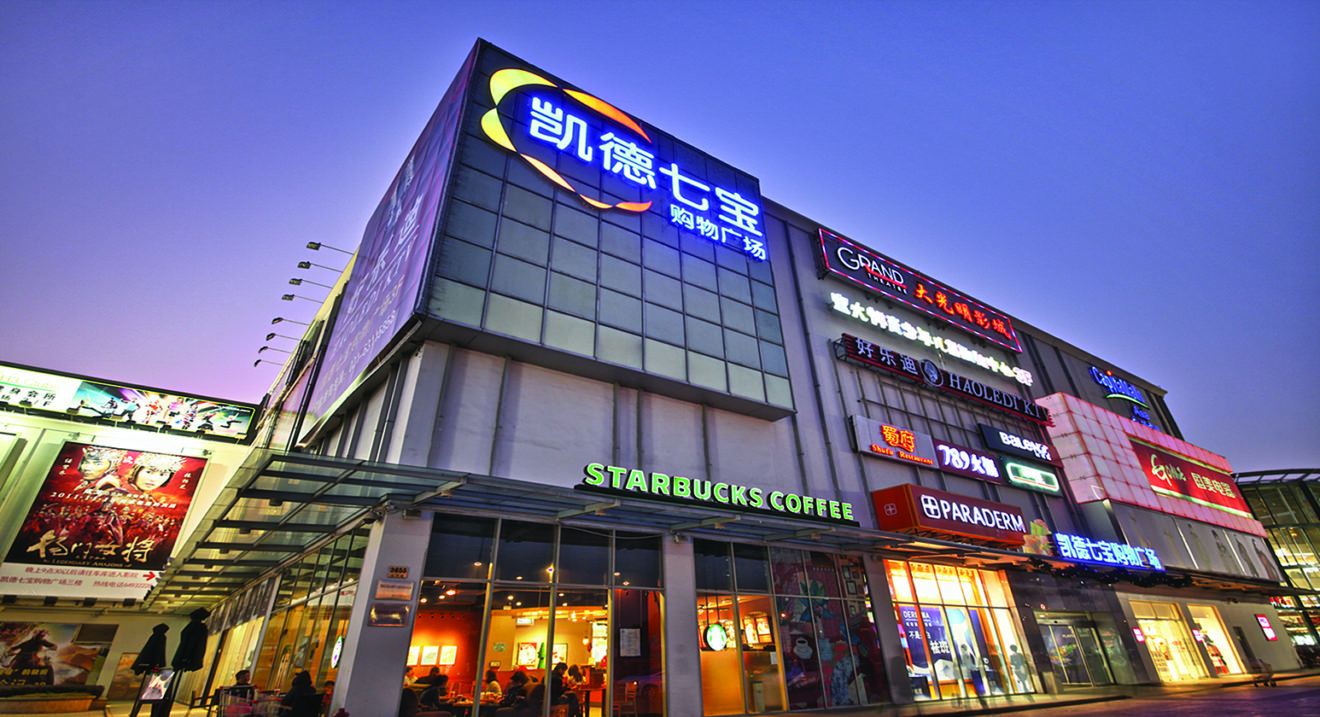
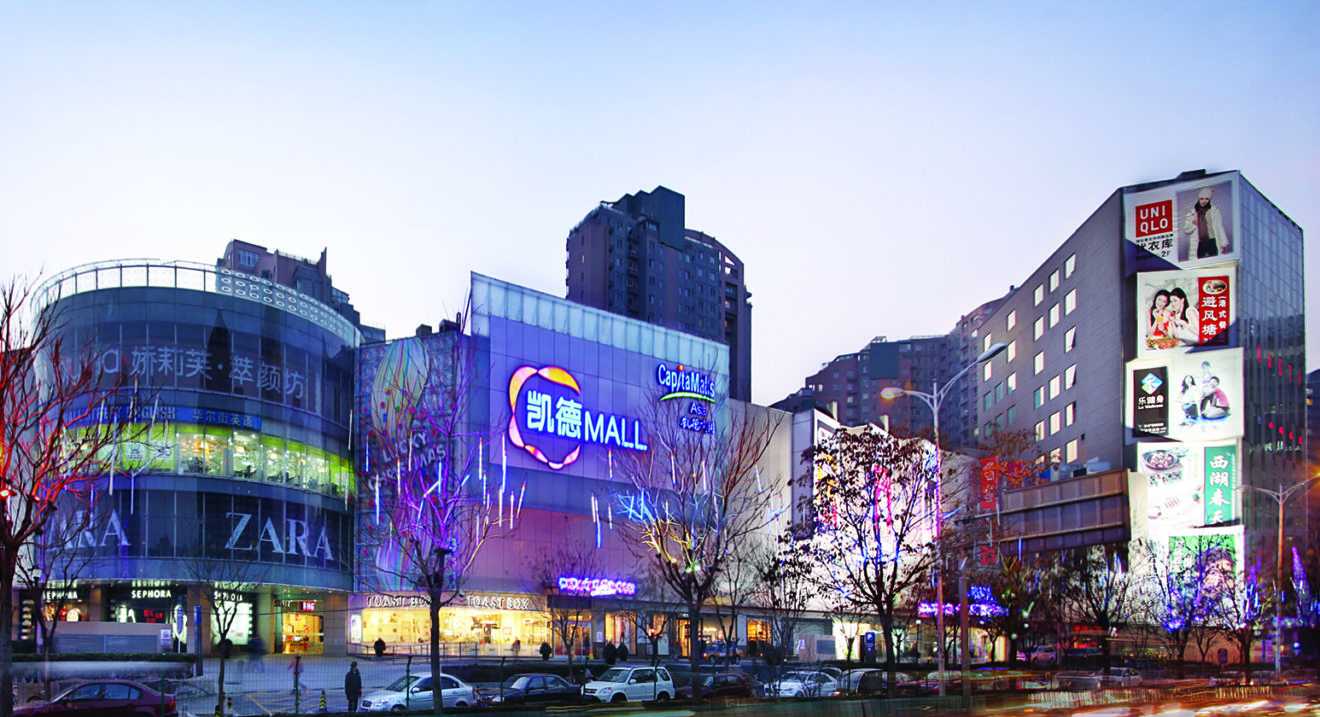
    “We continually refresh our mall offerings to stay relevant to our shoppers’ evolving preferences and needs. For example, CapitaMall Xizhimen (pictured) brought in the popular Jing Ge Steamboat to increase the variety of its F&B offerings, while CapitaMall Qibao introduced a water park.

    “To improve sustainability and the shopping experience, CapitaMall Grand Canyon installed energy-saving LED lights in common areas and upgraded its car park with new flooring.

    “CapitaMall Wangjing is carrying out renovation work to rejuvenate its façade, and is on track to unveil its new look by June.

    “We will continue to strengthen our malls’ tenant mix and uplift the shopping experience through continual asset enhancement initiatives.”

    Gross revenue for the year increased RMB17.5 million, or 1.8 per cent, over the previous year. This was attributed mainly to rental growth from the multi-tenanted malls, partially offset by lower revenue fromCapitaMall Minzhongleyuan, which was impacted by road closure for the building of a subway line, and from CapitaMall Wuhu, where tenancy adjustments are being introduced to achieve stronger positioning and better trade mix.

    CRCT is the first China shopping mall real estate investment trust (REIT) in Singapore, with a portfolio of 10 malls. Listed in Singapore in 2006, its objective is to establish long-term investments in a diversified portfolio of real estate used primarily for retail in China, Hong Kong and Macau.

    A significant portion of CapitaLand China’s properties’ tenancies comprises major international and domestic retailers such as the Beijing Hualian Group, Carrefour and Wal-Mart. The anchor tenants are complemented by specialty brands such as BreadTalk, Innisfree, KFC, Nanjing Impressions, Nike,Sephora, Starbucks, Uniqlo, Watsons and Zara.

  • Wing Tai’s Q2 net profit falls 85% to $1.08m

    Wing Tai’s Q2 net profit falls 85% to $1.08m

    Earnings plunged 85 per cent at developer Wing Tai Holdings in the second quarter due to the absence of a one-off gain in the corresponding quarter last year.

    The group had recorded a gain of $21.1 million on the disposal of a property subsidiary in Indonesia in the same period a year ago.

    Net profit this time came in at $1.08 million for the three months to Dec 31 while revenue fell 5 per cent to $120.6 million.

    The decline in turnover was due mainly to progressive sales of units recognised from The Tembusu, additional units sold at Le Nouvel Ardmore in Singapore, The Lakeview in China as well as contribution from Phase 2 of Jesselton Hills in Penang.

    The group’s share of profits from associated and joint venture companies fell by 25 per cent to $15.8 million, largely due to the lower contributions from Wing Tai Properties in Hong Kong.

    Distribution expenses fell 20 per cent to $22.2 million from $27.7 million due to lower rental and depreciation from its Singapore retail outlets. Administrative and other expenses rose 12 per cent to $23.8 million from $21.3 million a year ago due to the closure of Singapore retail outlets.

    Earnings per share tumbled to 0.40 cent from four cents, while net asset value per share rose to $4.09 as of Dec 31 from $4.07 as at June 30.

    No dividend was declared.

    The firm said the effect of the cooling measures will continue to weigh on market sentiment here this year while economic conditions in Malaysia will likely keep sales soft.

    In China, residential sales are expected to improve with the relaxation of home purchase restrictions in certain cities.

    Wing Tai shares closed 0.3 per cent or 0.5 cent up to $1.525 yesterday.

  • Regent Asia eyes double-digit growth in busy 2016

    Regent Asia eyes double-digit growth in busy 2016

    Regent Asia Group Ltd is anticipating a strong increase in duty free revenue over the next few years and expects to double sales by 2018. With the company’s number of luxury duty free brand boutique outlets due to grow quickly over the next 12 months, Regent Asia is targeting a double-digit increase in duty free revenue this year following a Q4 2015 upturn.

    Last year’s duty free revenue growth follows a flat year in 2014 due to the first quarter impact on the Philippines tourist industry of super Typhoon Haiyan Yolanda that struck the central Visayas region on 8 November, 2013.

    After reaching an estimated US$45m in 2015, duty free sales are expected to rise this year as new airport and downtown arrival duty free stores begin trading.Regent reported total travel retail revenue of about US$60m in 2014 by its subsidiary Landmark companies, of which two thirds was generated by duty free sales and one third from duty paid travel retail operations.

    “I predict we will double our duty free sales by the end of 2018,” Regent Asia Group Ltd Managing Director, Jose Maria ‘Chim’ Esteban told TRBusiness.

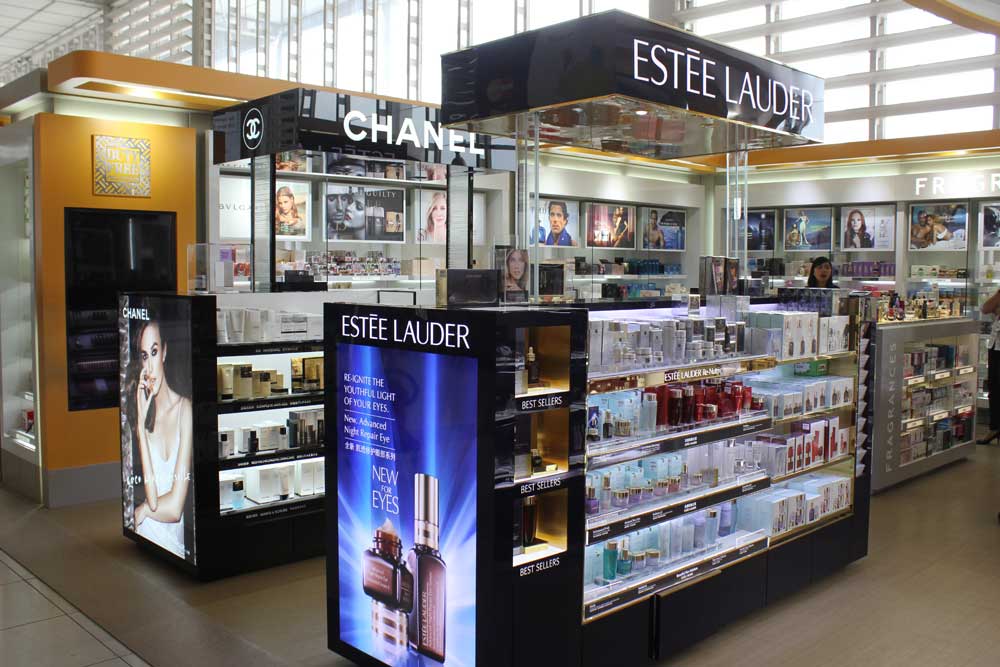
    “Currently we are 60% perfume and cosmetics and 40% fashion but probably fashion growth will be stronger as we will have more brands with our luxury downtown store opening; the T3 landside downtown store will include aspirational fashion brands.”

    Manila-NAIA-T1-departure-2-Regent-Asia

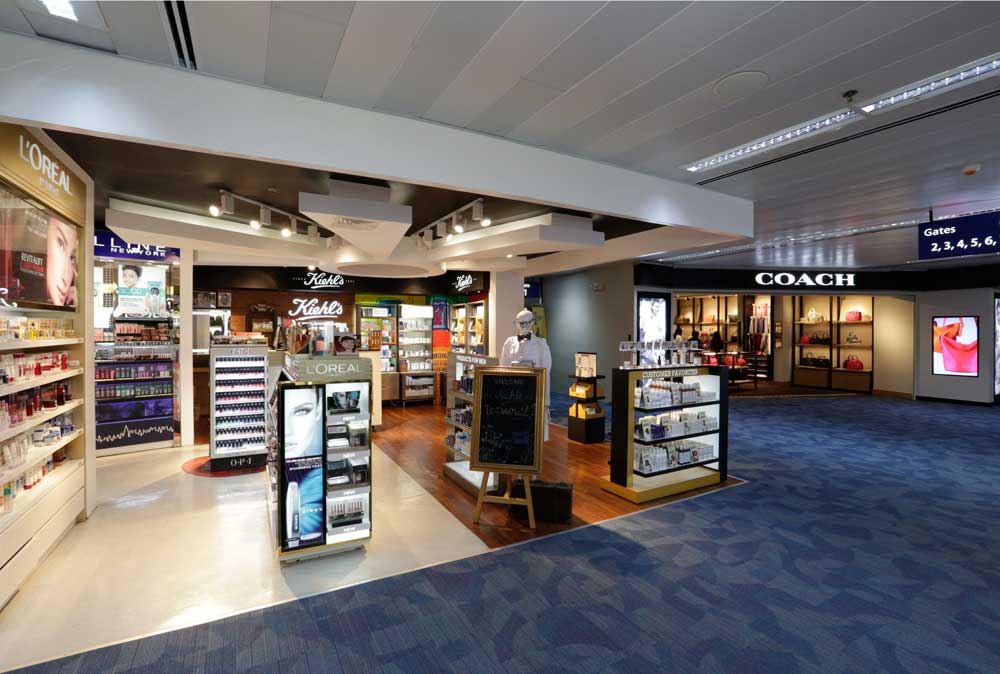
    Regent Asia departure stores at Manila Airport’s T1.

    The duty free market in the Philippines appears to be on the cusp of a very productive period, with new projects initiating all over the Southeast Asian country. These include airside and landside duty free shops and boutiques at Manila’s Ninoy Aquino International Airport and the planned opening of the capital’s first luxury downtown duty free store in early 2017.

    Manila-Airport-T2-departure-2015

    “Currently we are 60% perfume and cosmetics and 40% fashion but probably fashion growth will be stronger as we will have more brands with our luxury downtown store opening; the T3 landside downtown store will include aspirational fashion brands,” says Chim Esteban.

    New facilities scheduled to open in Manila Airport this year include a parade of luxury boutiques in Terminal 3 and the first phase of Duty Free Philippines’ new T3 landside downtown duty free arrival store.

    Close to the airport, work continues on upgrading facilities at Duty Free Philippines’ Fiesta Mall downtown duty free arrival shop, as reported in the January issue of TRBusiness. Elsewhere outside the capital a number of new duty free and tax paid travel retail outlets are preparing to open in some of the Philippines’ smaller provincial international airports.

  • Benoy expands in Philippines

    Benoy expands in Philippines

    Global design company Benoy is expanding its portfolio in The Philippines, confirming five new commissions while completing two schemes.

    A studio of architects, masterplanners, and interior and graphic designers, Benoy has been working in the region for more than a decade.

    “The Philippines is one of the strongest economies in Southeast Asia, and it has been an incredibly dynamic market for Benoy,” says director Stephen Chow. “We have seen opportunities increase as the country grows and competes on an international scale.”

    Benoy’s growing order book is mainly concentrated in the metro Manila area. Working with such developers as Ayala Land and Filinvest, the firm is involved in multiple sectors using the full complement of its services.

    In the City of Taguig, Benoy has been appointed as podium architect and interior designer for West Super Block, the latest edition to the Bonifacio Global City integrated urban plan. The development will comprise a four-storey retail podium, an all-suite residential tower and a Grade A office block that will house The Philippines Stock Exchange.

    Benoy is also doing the masterplan and architecture for a Makati mixed-use development in the heart of Manila’s commercial and financial centre. The scheme includes a commercial podium, 15-storey office tower and 39-storey residential tower – one of the tallest in the district.

    In Balintawak, a gateway from the north into Manila, Benoy is delivering an 11ha mixed-use masterplan. At the intersection of two highways, the Balintawak Masterplan includes retail, residential, commercial offices and a hospital. It will also be a regional transportation hub. Benoy is also architect for the regional mall on the site.

    A mixed-use development in Manila’s Chinatown has also been appointed to Benoy. One Binondo will feature a four-storey podium and include “micro retailing” (a trading form popular in the district), a Grade A office tower, three residential towers with landscaped gardens, a clubhouse, pool and recreational amenities.

    Also, Benoy is working on a visionary redevelopment plan for Alabang Town Centre, a retail destination in southern Manila. As part of this development, the firm will also complete the architecture plus interior and landscape design of a Lifestyle Centre at the heart of the scheme.

    “We are thrilled to have such a diverse portfolio in the Philippines,” says Chow. “It is very exciting to have the opportunity to help shape the future of the country.”

    Meanwhile, Benoy has completed two projects in Quezon City, the U.P. Town Center and Fairview Terraces, both developed by Ayala Land.

    U.P. Town Center, at the University of The Philippines campus, combines indoor and outdoor retail, dining and commercial uses within a landscaped setting. Forty per cent of the 88,000 sqm site has been designated as open space. As masterplanner and architect, Benoy is overseeing the three-phase project, with the final phase due for completing this year.

    In the city’s north, Fairview Terraces is a 135,000 sqm mixed-use development led by retail. Over five levels, the mall has about 420 retailers and a “boutique” supermarket. The focal point is a landscaped central promenade surrounded by pocket gardens and al fresco dining. Benoy completed the architecture as well as interior and graphic design.

    During construction for both schemes, trees on the site were protected. In the case of Fairview Terraces, a long-standing mango tree sits at the centre of the development.

    Previously, Benoy has overseen an extensive renovation of Ayala Alabang Town Centre.

  • Will escalating China woes derail CRCT’s growth story?

    Will escalating China woes derail CRCT’s growth story?

    It will benefit from increased consumption.

    CapitaLand Retail China Trust is still poised for growth despite China’s slowing economy, according to a report by DBS.

    Although investors are currently fearful of the slowdown in China’s GDP growth, DBS said that RCT should remain well positioned as it should benefit from China’s move towards a consumption-based economy. This trend is illustrated by the 10.7% jump in retail sales for FY15, faster than the overall GDP growth of 6.9%.

    “Going forward, we understand CRCT remains confident of generating positive rental reversions (in the “single-digit range), although lower than the 15-20% achieved over the past few years,” DBS said.

    The lower level of rental reversion is also due to CRCT making a strategic decision to attract certain tenants as part of its constant tenant remixing to sustain the performance of its malls in the long term, DBS noted.

    “CRCT’s earnings have been negatively impacted by the road closures surrounding Minzhongleyuan over the past two years. As these works are scheduled to be completed by end-2016, we believe we are approaching an inflection point for the mall’s earnings,” the report added.

  • Lippo-Sponsored Investment Trusts to Acquire Property Assets in Yogya, Bali

    Lippo-Sponsored Investment Trusts to Acquire Property Assets in Yogya, Bali

    They are held under one “right to build” title certificate as the local government is not allowed to subdivide the property and issue separate strata title certificates.

    Siloam Hospitals Yogyakarta offers 240 hospital beds, while Lippo Plaza Yogya offers a 66,098-square-meter gross floor area (35,965 square meters for the mall area and 30,133 square meters for parking), which is already occupied by various tenants, including a movie theater operator, food sellers and a hypermarket. This mall has been in operational since June 2015.

    Separately, LMIRT alone will acquire Lippo Mall Kuta, a retail mall component worth Rp 800 billion, situated on Bali Island, Indonesia’s most popular tourism destination.

    Lippo Mall Kuta has been in operation since 2013, offering 21,132 square meters of commercial space occupied by tenants selling international and local brands such as Nike, Bata, Quiksilver, Planet Sports, Matahari Department Store, Hypermart and Cinemaxx.

    “I’m pleased to report that we have signed a contractual sales and purchase agreement for two of our malls and one of our hospitals to our REITs, which will yield up to Rp 1.7 trillion [worth of transactions],” Ketut B. Wijaya, president director of Lippo Karawaci, said in the company’s statement.

    REITs are investment funds that own, operate and profit from real estate through property or mortgages.

    They are also traded on exchanges, such as the Singapore Stock Exchange.

    The move, according to Ketut, is part of the company’s “light assets program” in which the property developer recycles capital that has achieved sustainable income in order to reduce operating costs and maximize profits.

    Since the funds are listed in Singapore, the plans are still pending approval from regulators in Singapore, the Monetary Authority of Singapore and Singapore Exchange Securities Trading Limited, according ot the statement.

    The Jakarta Globe is affiliated with LMIRT and First Reit through the Lippo Group.