Category: Real Estate

Retail News Asia is committed to providing both local and global retailers with the latest Real Estate news throughout the Asian market. This on a daily base.

  • Nakheel to showcase portfolio in Hong Kong

    Nakheel to showcase portfolio in Hong Kong

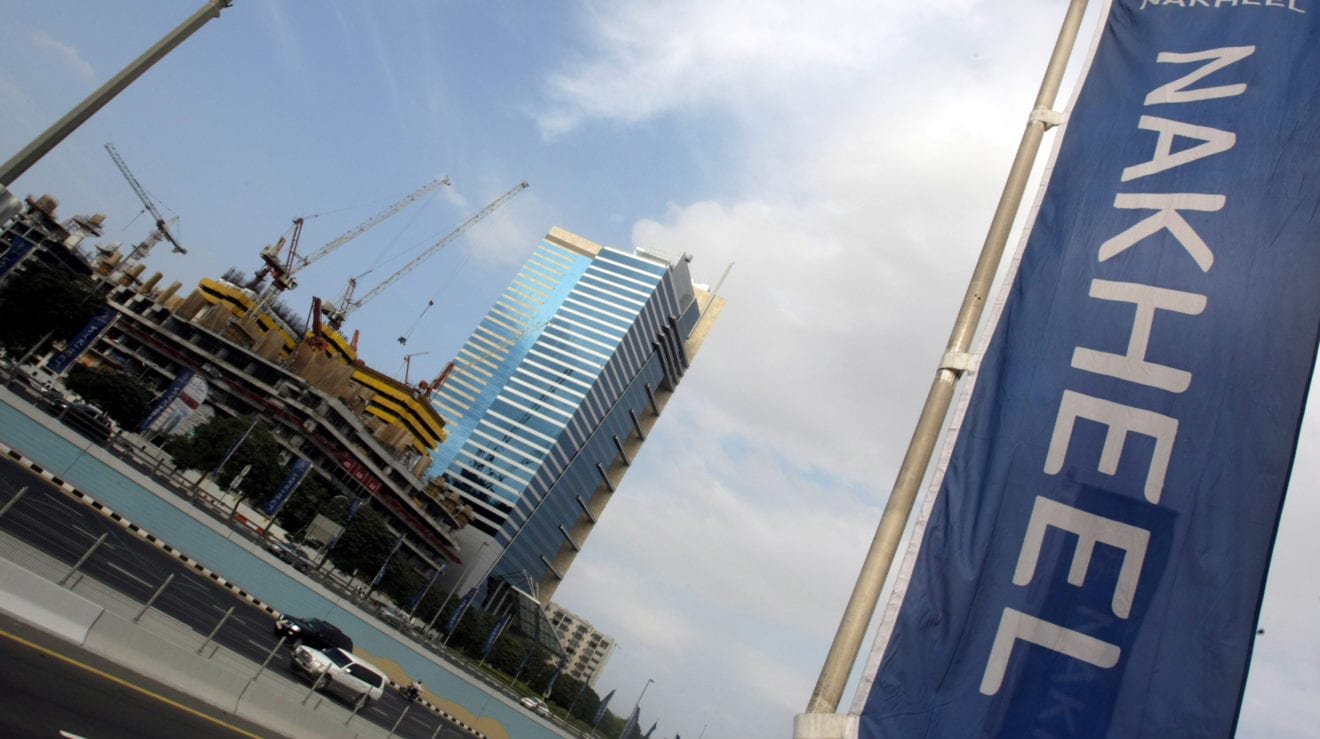
    Nakheel will exhibit a diverse range of new master developments, residential properties and retail and hospitality projects at Dubai Property Show in Hong Kong.

    Dubai-based real estate master developer Nakheel is heading east to showcase new projects with construction values of over $4.6 billion at the Dubai Property Show in Hong Kong this week.

    Nakheel, whose projects already span more than 15,000 hectares and provide homes for over 200,000 people, is the biggest developer at the show, which will highlight Dubai’s unrivalled opportunities for real estate investment.

    Nakheel will exhibit a diverse range of new master developments, residential properties and retail and hospitality projects at the three-day event.

    Investors from Hong Kong and other parts of the Far East and Southeast Asia have already bought around 500 villas, apartments or land plots from Nakheel, spending a combined $245 million in the process.

    Chinese investors account for nearly 80 per cent of these purchases, with 390 properties worth $212 million.

  • Keppel Land FY2015 net profit jumps 45% yoy to $701 million

    Keppel Land FY2015 net profit jumps 45% yoy to $701 million

    Keppel Land’s full year net profit jumped 45% to $701 million from $482 million a year ago. Full year revenue for FY2015 rose 11% to $1.9 billion from $1.7 billion a year ago.

    The group sold about 4,570 homes, double the units taken up in 2014. About 3,280 of the units sold in FY2015 were in China, with another 930 in Vietnam, 190 in Singapore, and 130 in Indonesia. Property prices in China’s first-tier cities continue to rise strongly with high absorption rate and falling stock.

    Keppel Land says it will continue to tap demand in recovering property markets across Asia. It currently has about 20,000 launch-ready homes in its portfolio, mostly in China. It will also develop its commercial portfolio which has increased to 9.04 million sq ft of gross floor area (GFA), with some coming on stream over the next two years. In Vietnam, Keppel Land’s Saigon Centre Phase 2 retail mall in Ho Chi Minh City has achieved pre-commitment of 97.5% and will open in 3Q2016. The anchor tenant is Takashimaya Department Store. In Myanmar, Keppel Land’s new 29-storey Inya Wing hotel has opened, adding another 431 guest rooms and suites, along with an exclusive retail gallery at Hotel Sedona Yangon.

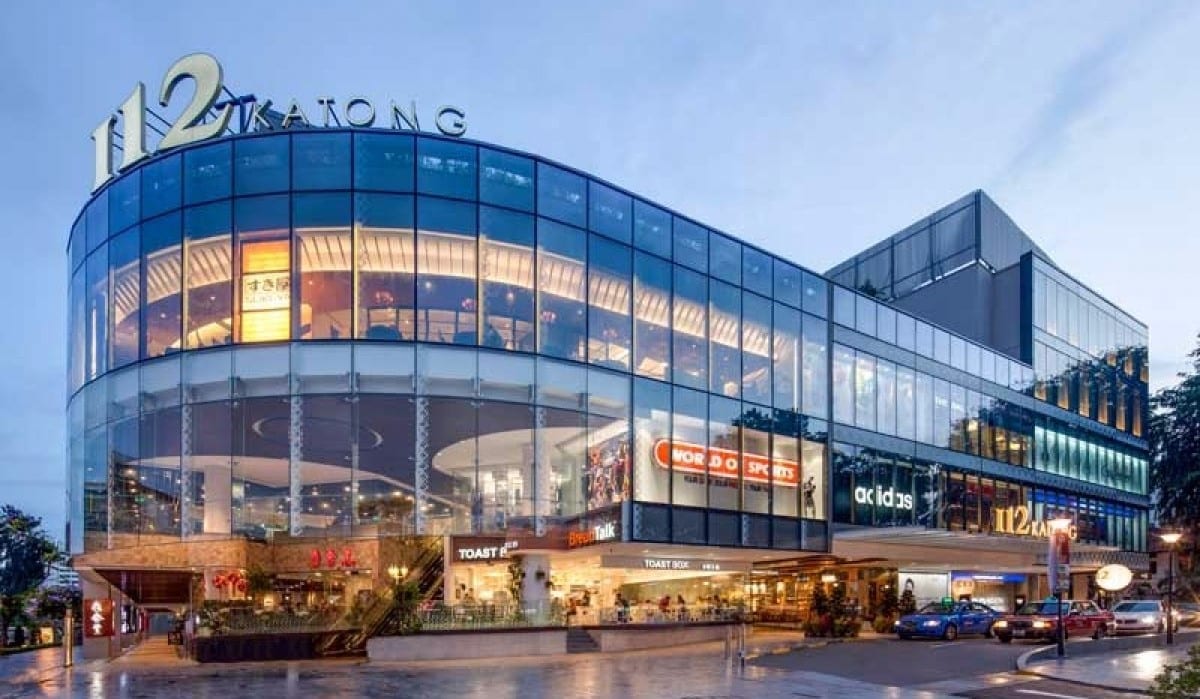
    In Singapore, Keppel Land just added 112 Katong to its commercial property portfolio with its acquisition of a 22.4% interest announced last week. The remaining 77.6% interest in 112 Katong is held by its property fund management arm, Alpha Investment Partners (AIP). Keppel Land Retail Management has been appointed as the retail manager. The property fund portfolio managed by Keppel Reit and AIP rose 10% y-o-y to $20.5 billion in FY2015 from $18.7 billion in FY2014.

    Keppel REIT’s portfolio of office buildings in Singapore and Australia continues to maintain a high occupancy of 99.3%. Meanwhile, Alpha’s Asia Macro Trends Fund II has invested in three prime office properties with City Developments Ltd. With the success of the first two Asia Macro Trends Funds, it will be embarking on its third fund in the series.

  • Keppel Land acquires 22.4% interest in 112 Katong

    Keppel Land acquires 22.4% interest in 112 Katong

    Keppel Corp’s property arm Keppel Land has acquired a 22.4% interest in 112 Katong Mall from BHG Holdings, Imagine Properties and Perennial Singapore Investment Holdings for $51.4 million in cash. The remaining 77.6% stake is held by a fund managed by Alpha Investment Partners, Keppel Land’s property fund management vehicle.

    Perennial Real Estate’s stake in the mall amounts to 1.46% or $3.4 million. Along with the divestment of its stake in the asset, Perennial Real Estate is also selling its 23% stake in the trust manager of I12 Katong Mall for $1 a share. A Perennial-led consortium had purchased the former Katong Mall for $247.55 million in November 2009. The mall underwent a $70 million asset enhancement exercise that increased its net lettable area by 20% to 206,000 sq ft today.

    “The investment in 112 Katong will add to our quality portfolio of retail and mixed use developments,” said Ang Wee Gee, CEO of Keppel Land in a statement. “We will focus on strengthening the mall’s positioning as a lifestyle and dining destination in the East.”

    Following the acquisition, the mall will be managed by Keppel Land Retail Management headed by Michael Leong, a property veteran with 30 years’ experience in the retail sector. Leong was the former CEO of Array Real Estate, in which Keppel Land acquired a 75% stake in December 2014. Array’s Leong was previously executive director of Guthrie GTS, and over the years, has been instrumental in the development and mall management of 3 million sq ft of retail properties in Singapore such as Jurong Point Shopping Centre, Heartland Mall, Century Square, Tampines One and Tiong Bahru Plaza.

  • Bina Puri rebuffs offers for Main Place mall

    Bina Puri rebuffs offers for Main Place mall

    Despite its orphan status on the asset register of Malaysian energy company Bina Puri, the Main Place mall in Selangor will not be sold any time soon.

    The Subang Jaya shopping centre has renowned retailers including Uniqlo, Cotton On, Brand Outlet, Starbucks, McDonald’s and Toys R Us on its tenant list, which has a heavy skew to food and beverage.

    In time with an announcement of the company’s latest trading results, group executive director Matthew Tee declared the group had “no plans” to sell the shopping centre.

    “Since the mall opened its door last year, we have received three [acquisition] offers, but we have rejected them all. We are still enjoying the benefit of the retail mall and [we believe] it is too early for us to sell it,” he said at a press conference.

    Bina Puri Holdings Bhd expects its net profit to grow by 20 per cent in the year to December 31, 2016, driven by its construction and power business segments.

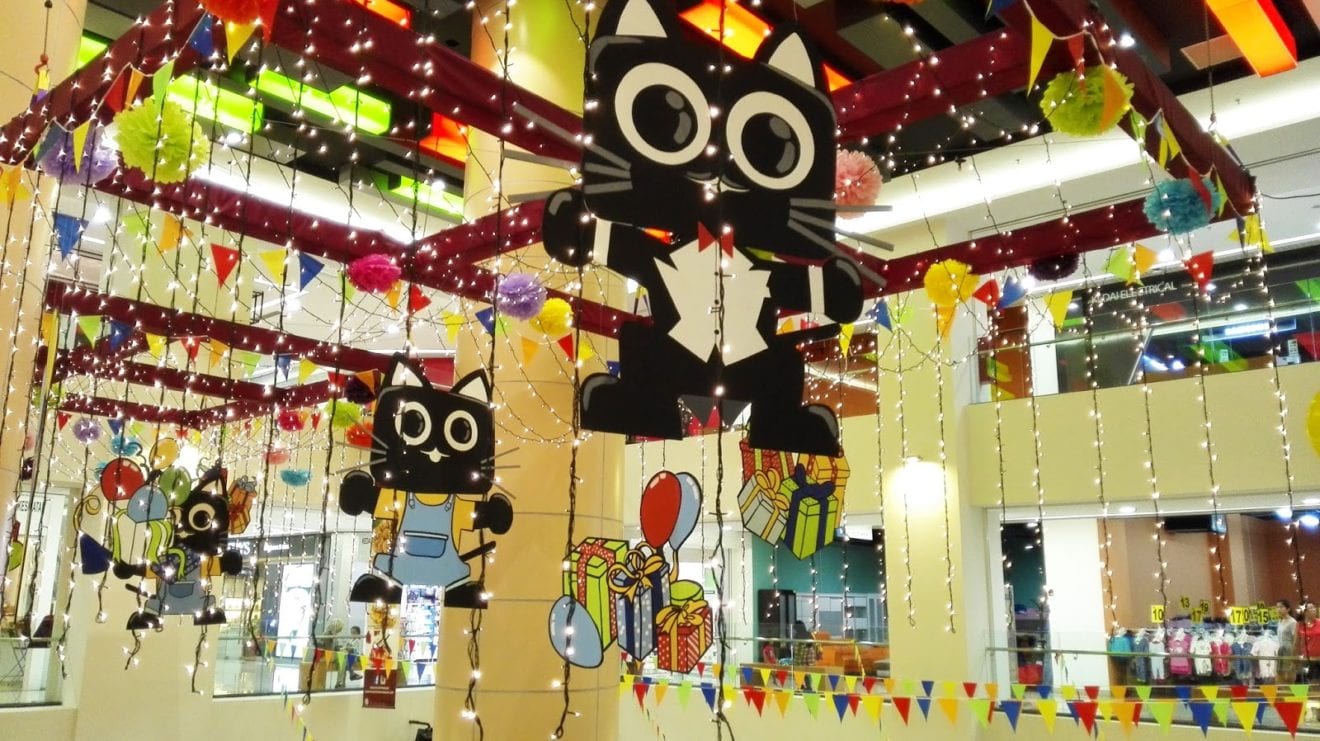
    Main Place Mall is recognised in marketing in Malaysia by its distinctive cat logo and character (pictured above). Centre management explains cats have long been revered as “a mythical creature across cultures and traditions”.

    “They are regarded as the guardian of the home and embody domestic goodness. Being ‘Your Neighbourhood Mall’, we want you to feel at home when you’re here and we assure that you will be well taken care of.”

  • Tanjong Pagar Centre: New tallest building in Singapore after 20 years

    Tanjong Pagar Centre: New tallest building in Singapore after 20 years

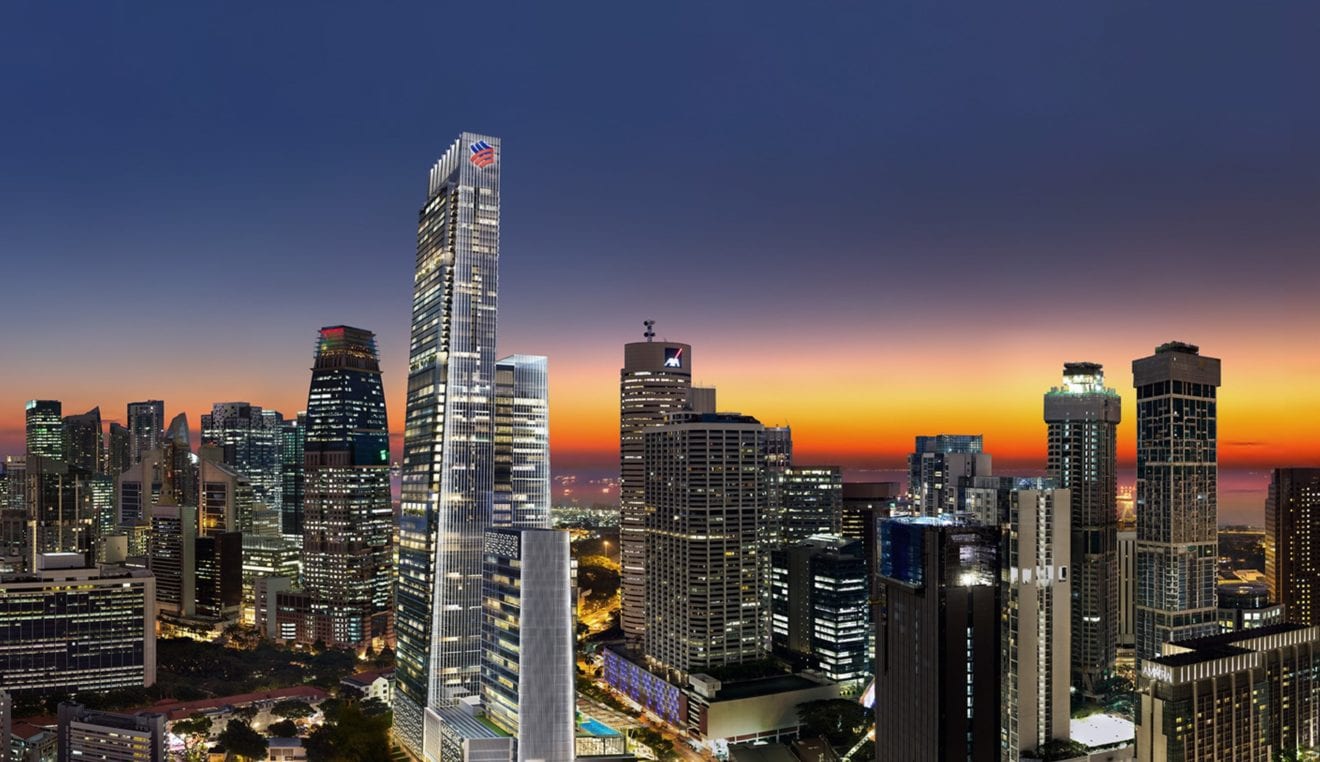
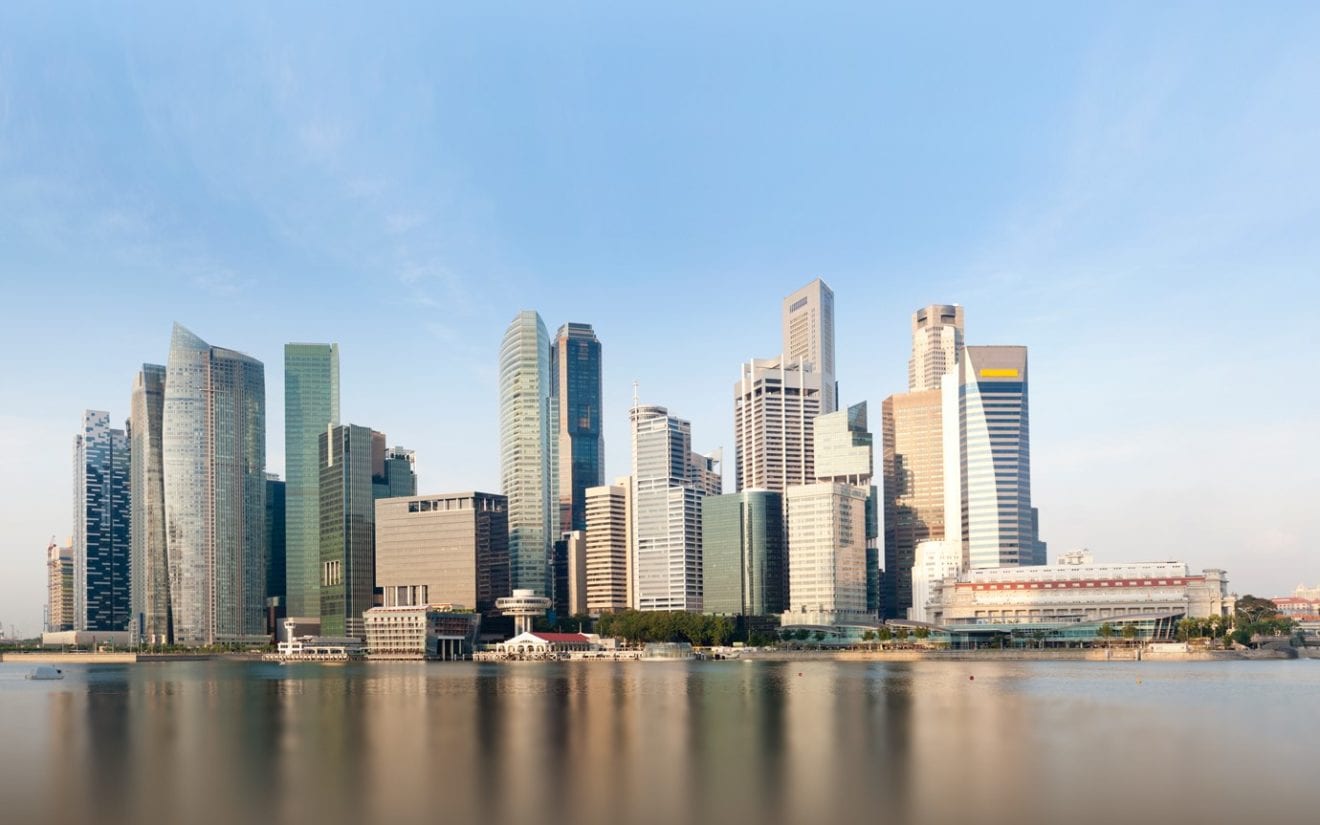
    It’s a record that has held for more than 20 years but by the middle of the year, Tanjong Pagar Centre will claim the title of the tallest building in Singapore – even if it is by just 10m.

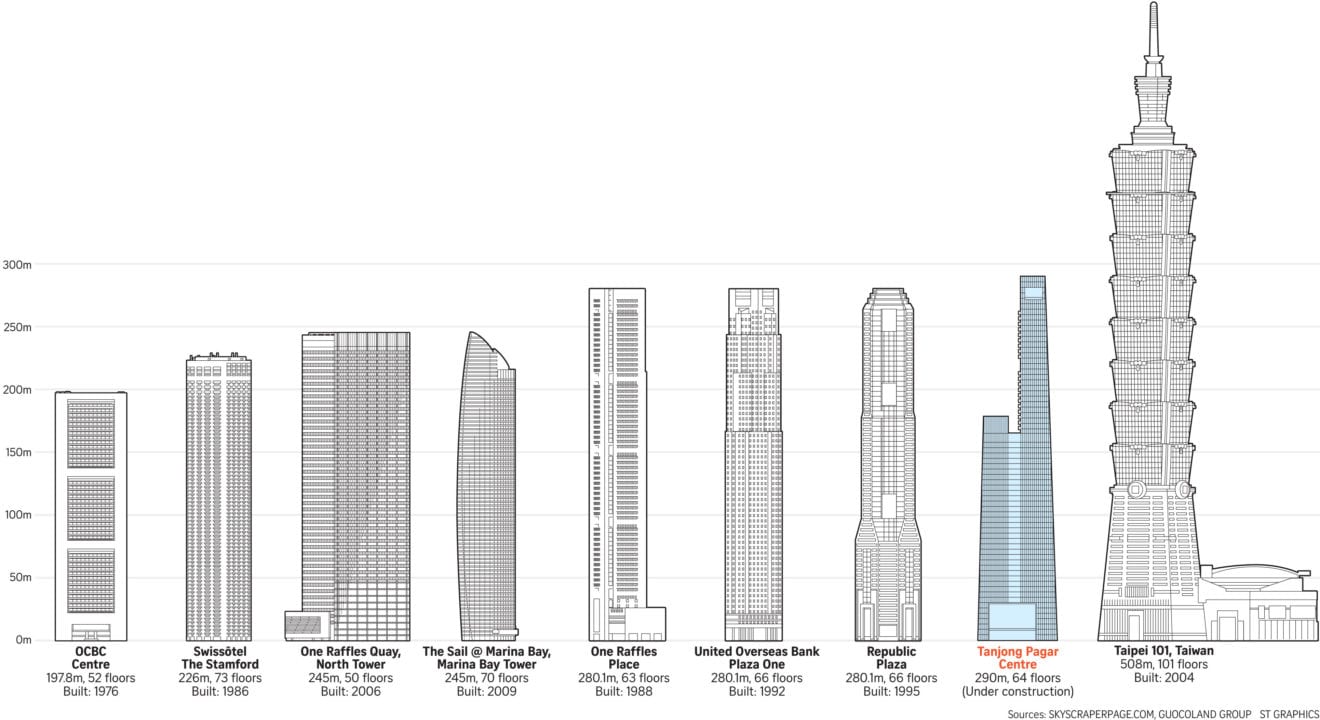
    At 290m, Tanjong Pagar Centre will tower over the central business district, displacing UOB Plaza One, One Raffles Place and Republic Plaza, which had jointly held the title.

    The three buildings are about 280m tall – One Raffles Place was completed in 1988, UOB Plaza One in 1992 and Republic Plaza in 1995.

    But the buildings here pale in comparison to some of their overseas counterparts. The tallest building in the world is the 829.8m Burj Khalifa in Dubai; nearer home in Taiwan, Taipei 101 reaches 508m, almost double the height of Tanjong Pagar Centre.

    Last week, Tanjong Pagar Centre’s developer GuocoLand held a topping out ceremony, with National Development Minister Lawrence Wong as guest of honour.


    Sources: SKYSCRAPERPAGE.COM, GUOCOLAND GROUP ST GRAPHICS

    The 64-storey development, which cost $3.2 billion, comprises Guoco Tower, or 890,000 sq ft of Grade A office space; 100,000 sq ft of retail and food and beverage space; a 100,000 sq ft urban park; a 181-unit luxury residential component Wallich Residence; and the 222-room Sofitel Singapore City Centre hotel.

    The take-up rate at Guoco Tower is about 10 per cent. Tenants who have signed on include DNB Asia, Hong Leong Bank, Open Link and Regus. The company is in advanced discussions with tenants who could potentially form another 40 per cent of demand.

    While the office leasing market is not as exuberant as several years ago, there is still activity – from companies looking to upgrade, contract or expand, GuocoLand Singapore managing director Cheng Hsing Yao told reporters yesterday.

    Many interested parties are looking for half a floor, or a floor or two, and they tend to sign on closer to when the building is completed and they can see the product, he said.

    The retail component is 60 per cent committed, with gym operator Virgin Active as the anchor tenant.

    As for Wallich Residence – which was recently renamed from Clermont Residence, to honour its street address – 16 units have been sold since its soft launch at an average price of about $3,200 per sq ft.

    But while the building is the tallest in Singapore, Mr Cheng said it was not given a lofty name because GuocoLand wanted the building to reflect its surroundings.

    “It goes back to why we were interested in this piece of land… It is geographically in the heart of the district, which has offices, residences and hotels, and heritage shophouses… The name will grow and we are confident that we will create a transformation in Tanjong Pagar,” he said.

    And now that the building is close to completion, Mr Cheng said he had seen the view from the top and “it was really amazing”.

  • Myanmar Property Awards 2016 returns for a second year

    Myanmar Property Awards 2016 returns for a second year

    Awards gala in Yangon will be preceded by the high-level forum Property Report Congress

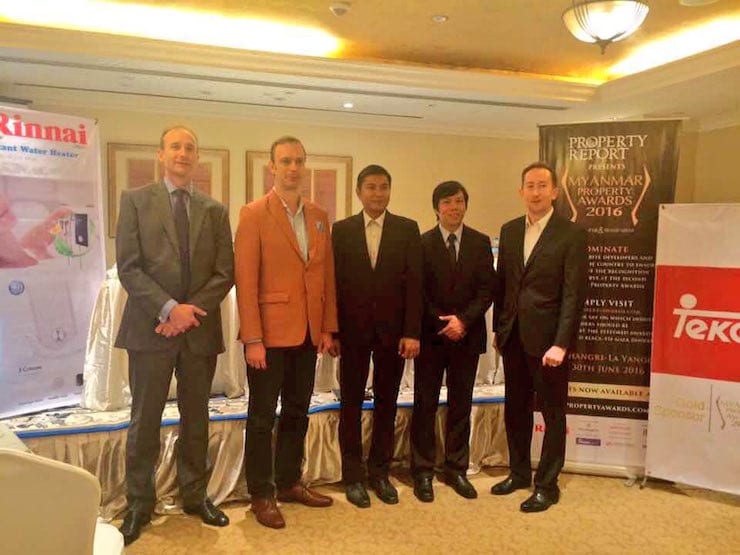
    Richard Emerson of Savills Myanmar, chairman of the judging panel; Terry Blackburn, founder of Asia Property Awards and publisher of Property Report; Aung Kuaw Thu, project manager of gold sponsor Rinnai; Htun Naing, general manager of Empire Holding Co Ltd, authorised distributor of gold sponsor Teka Myanmar; and Paul Ashburn, co-managing partner of BDO Myanmar, awards supervisor

    Following on from a hugely successful inaugural event in 2015, the Myanmar Property Awards gala dinner and awards ceremony will once again bring together the leading names from the real estate industry.

    More than 250 of the country’s top and emerging industry players last June celebrated the success of the likes of Yoma Strategic Holdings, which picked up the highest award for Best Developer (Myanmar), and multiple winner Myint & Associate Co Ltd.

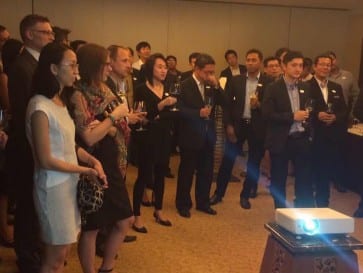
    A pre-launch party for the Awards – part of the acclaimed Asia Property Awards series – was held on Tuesday, 19 January, at the Sule Shangri-La Yangon, the official hotel venue of the Awards, followed by the press launch on Wednesday morning, 20 January.

    The 2016 event has already started to welcome nominations from developers and the general public. The official shortlist will be revealed on Monday, 30 May, and the Winners will be announced at a glittering black-tie awards gala at the prestigious Sule Shangri-La Yangon, on Thursday, 30 June. For the first time ever, the gala will be supported by the Property Report Congress Myanmar 2016, a high-level conference featuring top regional executives and local experts who will discuss the past, present and future of Myanmar real estate.

    With 2015’s historic general election – widely considered the country’s first free election in 25 years – behind it, Myanmar is on the brink of welcoming potential game-changing policy changes, including the proposed Condominium Law, that should impact the country’s growing real estate sector.

    “Now that the election period is over, market activity is Myanmar is expected to accelerate once again, with a flurry of exciting, new, world-class projects under construction or in the planning stages,” commented Terry Blackburn, founder of the Asia Property Awards.

    “The Myanmar Property Awards is the most respected platform to showcase those developments to a global audience,” he said. “As we begin 2016 with the exciting news that the Asia Property Awards, along with Asia’s industry-leading Property Report magazine and the Property Report Congress, are now part of the PropertyGuru Group, we’re delighted to recognise the innovations coming from talents in Myanmar for the second year running, and we encourage everyone to submit their nominations in advance.”

    Covering a range of segments, including condominium, housing, hotel, resort, serviced, renovated, office and retail, the Myanmar Property Awards will hand out more than 20 trophies in 2016.

    Entry for the Myanmar Property Awards is free. Nominations are accepted until 1 April, while entries for the various Developer, Development and Design categories will be open until 8 April.

    Judging will again be supervised by BDO, one of the world’s largest accounting and auditing firms, and the trusted awards supervisor of the Asia Property Awards, which, in its 11th year, is widely recognised for its fairness and transparency.

    In addition to the various award categories, the editors of Property Report will present a special recognition to the Myanmar Real Estate Personality of Year, whose influence and achievements have made an indelible mark on the industry. At the inaugural ceremony in 2015, the honour belonged to Dr Stephen Suen, founding chairman of Marga Group of Companies, the driving force behind the ambitious Dagon City 1 project in Yangon.

    More information on the Myanmar Property Awards 2016 are available on the official website. Super early bird tickets for the gala dinner in Yangon can be purchased until 12 April only.

    Sponsorship and media partner opportunities are also available. For details, email info@asiapropertyawards.com or call +66 (0) 2662 5195.
  • Empty shops ahead, says DTZ Hong Kong

    Empty shops ahead, says DTZ Hong Kong

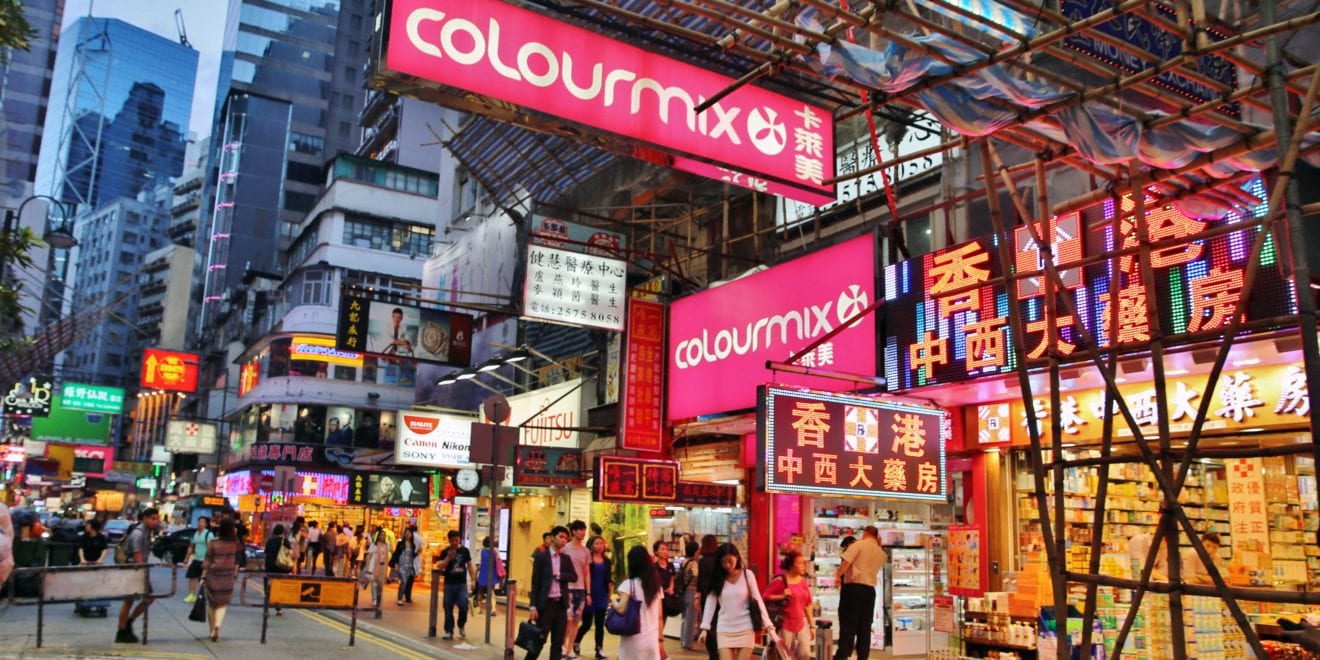
    Higher vacancy rates in prime retail sites in Hong Kong are expected after the Chinese New Year holidays, reports property consultancy DTZ.

    This could potentially lead to a 5 to 10 per cent drop in rental rates in the first half of this year, whereas rents are likely to rise for prime office space in the Central district.

    Vacancy rates of prime storefronts in the city’s four major districts – Causeway Bay, Tsim Sha Tsui, Central and Mongkok – are in the 2.4 to 6.8 per cent range, says DTZ Hong Kong head of business space Kevin Lam.

    He has told the Hong Kong Economic Journal that many short-term tenants will move out after the Chinese New Year.

  • Hang Lung’s Chan Says Hong Kong Property Market Healthy

    Hang Lung’s Chan Says Hong Kong Property Market Healthy

    Hang Lung Group Ltd.’s Chairman Ronnie Chan said Hong Kong’s property market, which began a correction last quarter, is the “healthiest” he’s seen in 25 years.

    Speaking in an interview Monday with Bloomberg Television, Chan said a price decline of 10 percent to 20 percent in Hong Kong’s housing market is “no big deal.” Chan also said the residential property market in mainland China is getting “healthier and healthier,” after data showed that home-price gains are spreading to more Chinese cities, especially smaller ones.

    Chan’s optimism on the Hong Kong market comes against a backdrop of slumping prices in the city. Secondary residential prices in Hong Kong dropped 6.9 percent in the fourth quarter of 2015, the biggest quarterly slump in seven years, according to data from Centaline Property Agency Ltd. Home sales in December fell 32 percent to HK$29.8 billion ($3.8 billion) from a year earlier, the Hong Kong Land Registry said Jan. 5.

    Hang Lung, which is listed on the Hong Kong Stock Exchange, invests in property in Hong Kong and mainland China through its subsidiary.

    Chan’s outlook for the China retail market was less bullish. He said a combination of falling rents, a weakening domestic economy and the slowdown in retail sales, especially for high-end luxury, created a “triple whammy” for Hang Lung’s shopping malls in the mainland.

    He said that retail outlets in Shanghai and Beijing will weather the storm better than in second and third-tier cities, which “are being hit pretty hard.” One of those cities is Dalian, where Hang Lung just opened a new 2.4 million square foot shopping center.

    Still, Chan said the longer-term prospects for China retail are good.

    “If anything in the economic world is sure, it’s going to be consumerism in China,” he said. “In the long run we are okay, it’s just in the short run it is very very difficult.”

  • Singapore rents dip, says DTZ Research

    Singapore rents dip, says DTZ Research

    First-storey rents throughout SIngapore have fallen by 1.2 per cent to about $30.50 a square foot, according to the DTZ Research South-east Asia fourth-quarter report on the retail sector.

    This is the third consecutive decline since the second quarter of last year, says the report, released today. For the whole of 2015, average first-storey rents fell at a faster pace (5.9 per cent) compared to the 0.3 per cent decline the previous year. The fall was mainly attributed to weakened consumer sentiments amid uncertain global economic conditions.

    Orchard Road rents were the most resilient. Average first-storey rents in Orchard and Scotts Roads saw a more gentle decline than other areas, falling by 1 per cent quarter-on-quarter and 5 per cent year on year to $38.05 a sq ft in the fourth quarter. The Orchard/Scotts Road rates were buoyant because of the likelihood of no new completions for the next four years. Only pockets of new retail spaces will be added through asset enhancement initiatives and other mixed-use projects.

    Average first-storey rents in suburban areas were relatively resilient, says the report, dipping by 1.2 per cent q-o-q and 5.7 per cent y-o-y to $30.70 a sq ft in the same period. In contrast, average first-storey rents in the other city areas had a greater decline – 1.4 per cent and 6.9 per cent to about $21.80 a sq ft, mainly because of the dependence on the weekday office crowd for sales volume.

    Although islandwide rental values have softened over the past year, occupancy rates stayed healthy for the first three quarters of last year as landlords become more flexible. In fact, according to the latest Urban Redevelopment Authority statistics, overall retail occupancy inched up 0.3 per cent to 92.1 per cent in the third quarter. Occupancy rates in Orchard/Scotts Road were unchanged at 92 per cent q-o-q in Q3, while rates edged up in the other city and suburban areas by 0.6 per cent q-o-q and 0.1 per cent y-o-y to 90.6 and 93.1 per cent respectively.

    Looking forward, says the DTZ report, expected completions this year coupled with consumer sentiment are expected to exert further downward pressure on rental values, especially in the other city areas. About 743,000 sq ft of net lettable area (NLA) of retail space (or 60 per cent of the 1.2 million sq ft of NLA in this year’s pipeline) will be added to the existing stock of retail space in other city areas. This is more than double the annual net demand (302,000 sq ft) for retail space in other city areas between 2009 and 2014. Retail developments heading for completion in the other city areas include OUE Downtown Gallery, The Heart at Marina One and Tanjong Pagar Centre, each a mixed-use development comprising more than 100,000 sq ft of retail NLA.

    “While the pending completions will pressure retail rents in other city areas to fall, the decline is likely to be temporary,” says DTZ director of research Dr Lee Nai Jia. “We anticipate retail rents will recover when the residential components in the mixed-use developments receive their temporary occupation permits. The increase in resident population in the other city areas will support the retail trade.”

    Despite many retail completions lined up for the new year, 2015 also saw the exit of such brands as Goods of Desire, Lowrys Farm and M)phosis because of the challenging operating environment within the retail sector. Additionally, big players like Isetan, FJ Benjamin and Metro also reported disappointing sales figures in the same period. In a bid to revitalise the retail scene, landlords have collaborated with online retailers such as Zalora and Love Bonito via pop-up stores to reignite consumer interest. During the year, brick-and-mortar retailers extended their market outreach by adopting omnichannel marketing amid competition from e-commerce.

    “With the softer market, landlords have certainly become more open to exploring new retail concepts,” says DTZ director of retail Anna Lee. “As landlords become more flexible, brick-and-mortar retailers have more leeway to experiment with new retail offerings to improve the overall shopping experience.”

    Anna Lee cites the launch of Café&Meal Muji in September at Paragon, next to its Muji store. After opening the F&B outlet, Muji recorded a y-o-y increase of about 40 per cent in its store sales. At the same time, lifestyle concept store Latulle also introduced a full-service cafe.

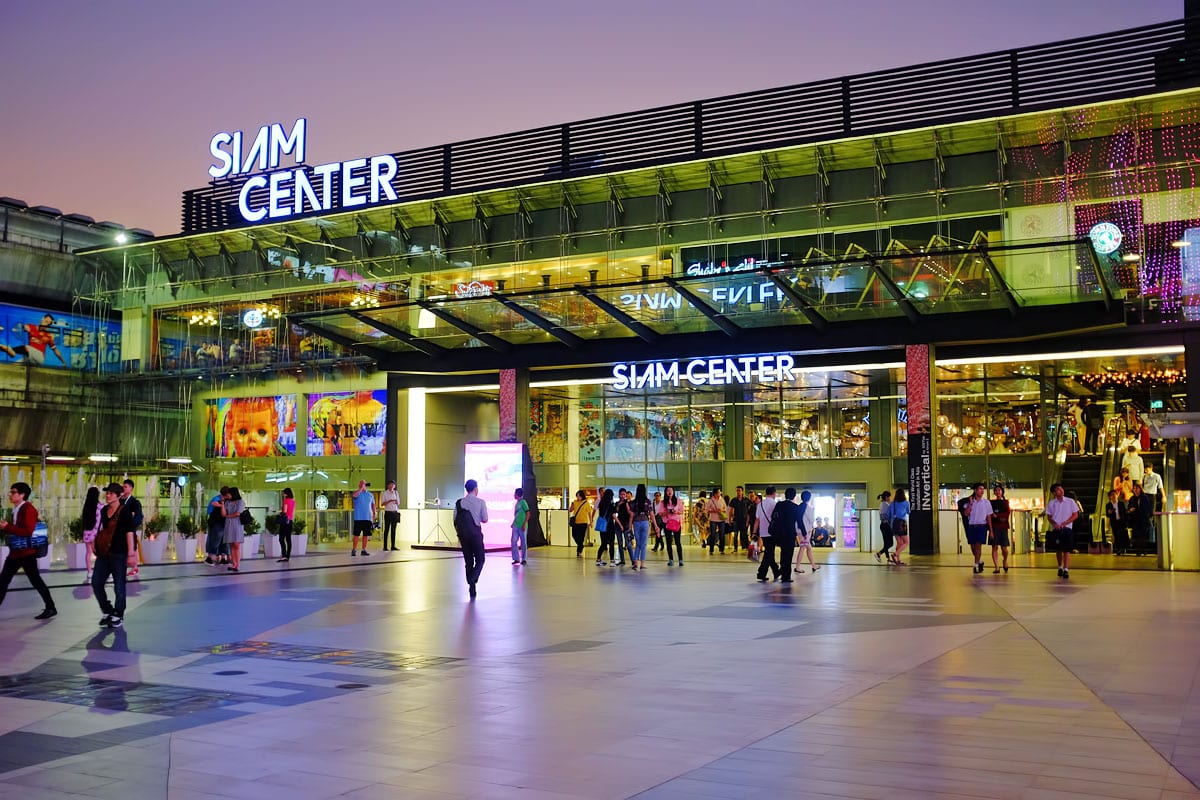
  • Freak accident injures Siam Paragon patrons

    Freak accident injures Siam Paragon patrons

    Sixteen people, mainly children, were injured when a tent at an outdoor event crashed down on them at a Bangkok shopping mall on Saturday.

    Strong winds are blamed for the tent collapsing at Siam Paragon shopping mall, according to acting police chief Lt. Gen. Sanit Mahathaworn.

    He says the tent flew up about a metre in the air and wooden signs attached to the back of the tent flew off and injured nearby people. Among the injured were at least 12 children between about six and nine years old. They were among dozens of people at a “Pokemon Day” dance party as part of Thailand’s Children’s Day celebrations.

    One mother was trying to protect her child, but both received broken legs. They were taken to a nearby hospital along with the other victims. Only two persons were kept in hospital.

    In a statement, Siam Paragon said it “regretfully apologised” for the accident on behalf of the event organisers, which included other Thai companies.

    Mahathaworn said police would press criminal negligence charges against the owners of the company that installed the tent. They could face up to three years’ prison and a fine of 6000 baht ($165).

  • Colliers Singapore’s senior executives for industrial services quit

    Colliers Singapore’s senior executives for industrial services quit

    THE exodus of executives from Colliers International Singapore has continued this week. This time, some senior executives in its industrial services team including the division head are leaving for a rival firm.

    Colliers’ executive director and head of industrial services, Tan Boon Leong, three other senior executives and one support staff are said to be joining Knight Frank Singapore.

    This leaves Colliers with two industrial brokers. Meanwhile, Knight Frank’s industrial department will increase significantly to 11 executives, comprising nine brokers and two administrative staff with Mr Tan helming the team.

    Their official starting date at Knight Frank is not confirmed yet. But sources told BT that Mr Tan is expected to join Knight Frank in March after two months of gardening leave. He will be reporting to Knight Frank Singapore group managing director Danny Yeo.

    An internal email to employees announcing the changes were sent out by Knight Frank at 5.30pm on Friday.

    Colliers’ traditional strengths are said to be in industrial services and valuation.

    But last June, five industrial brokers from Colliers Singapore, including executive directors Brenda Ong and Rimon Ambarchi, jumped ship to CBRE. Its former managing director, Dennis Yeo, later joined CBRE as regional head of industrial and logistics services in Asia.

    Since some leadership changes took place at Colliers International, the firm became a poaching ground here.

    In September, a team of eight experienced valuers including Colliers’ head of valuation and deputy managing director, Cynthia Ng, moved to Savills Singapore.

    All three directors of its office services team joined Savills Singapore earlier in February and four members of its retail team hopped over to JLL’s retail agency team in June.

    This week, one of its deputy managing directors, Calvin Yeo, and head of investment service, Stella Hoh, also left the company.

  • Hong Kong Airport tenders fashion concession

    Hong Kong Airport tenders fashion concession

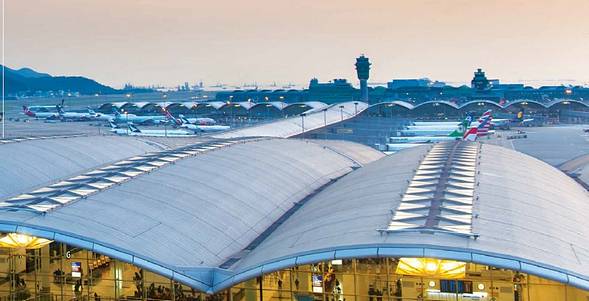
    The Airport Authority of Hong Kong (AAHK) is inviting interested companies to tender for a shoes, fashion accessories and sports concession at Hong Kong International Airport, in Terminal 1.

    The tender is due to close on 25 February 2016, at 14:30 (Hong Kong Time) for the 57sq m concession space.

    As the airport authority has been keen to communicate in recent years, HKIA presents a ‘unique business opportunity ‘for retail operators at this aviation hub in Asia. Taking this into consideration, AAHK believes this to be another ‘extraordinary business opportunity in a premier location’.

    The new shop will be erected on Level 7 of the East Hall Departures lounge.

    “HKIA is a world-class international transport hub with extensive air, sea and land links as well as round-the-clock facilities, serving over 100 airlines and 63.3m passengers in 2014 with an annual growth of 5.8%,” adds HKIA.

    “HKIA’s affluent mix of passengers come from all over the world, with over 45% being executives, professionals and proprietors.”

    Interested companies, who wish to receive the tender documents are asked to send a cashier’s order of HK$500 (non-refundable) made payable to ‘Airport Authority’, along with a written request on company letterhead paper specifying the tender number, company name, contact details and trading name to the following address.

    Ms. Dorothy Tan
    Assistant General Manager
    Retail & Advertising
    Airport Authority Hong Kong
    5/F, HKIA Tower, 1 Sky Plaza Road
    Hong Kong International Airport
    Lantau, Hong Kong

  • Thailand’s TCC buys Metro supermarket

    Thailand’s TCC buys Metro supermarket

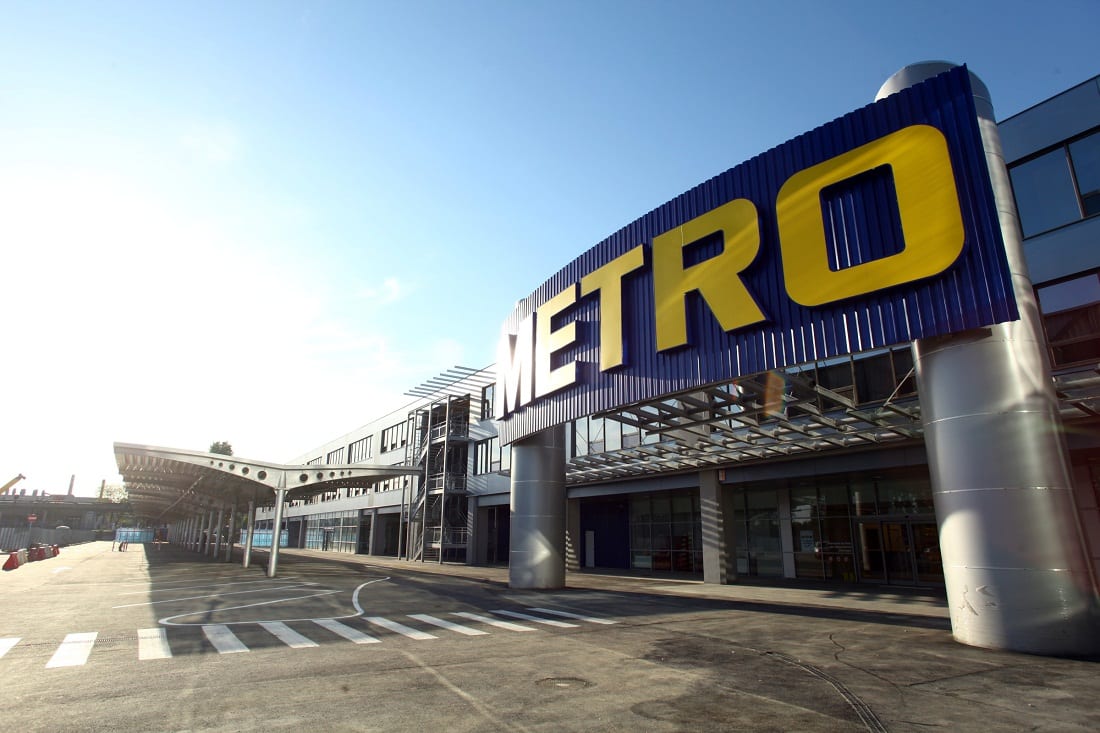
    Metro said TCC Land International Pte, Ltd, a subsidiary of TCC Holding Company Ltd, has acquired its complete operations in Vietnam for 655 million euros (US$706 million).

    In a press release, it said: “This results in a cash inflow of around 400 million euros [$432 million]. The payment has been already made.”

    Metro Cash and Carry Vietnam told Viet Nam News that under the new ownership the wholesaler would operate under the old name and management and continue to serve over a million professional customers with the same products and services.

    Metro came to Vietnam in 2002 and now has 19 stores around country with more than 3,300 employees.

    Over the years it has invested in the local trade infrastructure and food hygiene and safety, and trained more than 20,000 Vietnamese farmers and fishermen, helping them increase their yields and product safety.

    In August 2014 Metro announced it had agreed to sell to Berli Jucker (BJC).

    But last February BJC’s majority shareholder TCC replaced BJC as the buyer.

    BJC, a conglomerate with interests in multiple sectors including retail, will run Metro for TCC.

  • Seoul retail rents fuelled by food frenzy

    Seoul retail rents fuelled by food frenzy

    In the backstreets of Seoul, hipster culture is flourishing, and specialist cafés and eateries are jostling with big brand names to gain exposure in so-called “hot” neighborhoods. And as the crowds grow, so too do the retail rents.

    Just 10 years ago, Seoul wouldn’t have been the first city that came to mind as hip. As its economy picked up, a new class of Korean consumer has emerged and many are well travelled, knowledgeable and have discerning tastes, reports JLL Retail Views.

    Nick Kim, head of retail advisory & marketing in JLL’s Seoul offices, attributes the popularity of backstreet food and beverage (F&B) outlets to the fact that locals are always looking for “new, trendy, different places”.

    “They enjoy the blending of Korean and international cultures,” he says, and find cultural innovation on the backstreets, where prices are cheaper and the atmosphere is more casual.

    The rapid rise of artisan eateries and stylish bakeries in these alleyways was aided by the gentrification of districts such as Hongdae and Itaewon – formally avoided because of their association with crimes and drunkenness. F&B entrepreneurs typically set up shop on the back streets for good reason: real estate is far cheaper in the alleys than on the main roads.

    The pull of South Korean cool

    Thanks to promotional efforts by the government and the huge international success of South Korean pop music and television shows, the country’s cultural exports have gone beyond Kimchi and Psy’s global hit Gangham Style.

    According to Food Industry Asia, ‘Seoul Food’ is enjoying an international renaissance. Korean food tops the list of foods purchased at foreign specialty stores in China, is the most prominent emerging style of restaurant and cuisine in Singapore and is among the most popular cuisines for Australian consumers in 2014. his proliferation of modern Korean culture has led to a surge in the number of visitors to South Korea, from the region, notably from mainland China.

    As retail sales growth averaged about 2 per cent in recent years, a rising number of local fashion brands and F&B outlets have contributed to the steady rise of retail rents in Seoul’s prime submarkets.

    One example is Garosugil, one of Gangnam district’s most renowned enclaves, where rents have almost doubled over the past five years. The high street shops in Myeong-dong, the city’s prime shopping district, command the highest rents in South Korea at $6,244 per square meter per annum. Myeong-dong ranked third in Asia Pacific’s high street rents in the second quarter of this year, behind Hong Kong’s Russell St and Tokyo’s Ginza.

    However, when a backstreet turns into a main street, often following the entry of big brand names or retail chains, some diners move on. This sometimes leads to the creation of other alleyways, which is what happened in Garosugil, once known for its unique eateries. After big names such as H&M and Starbucks moved onto the street, newer, authentic outlets started to spread along many vertical roads nearby, says Kim. This has given Serosugil, a series of small alleyways near Garosugil, a new lease of life.

    In recent years, Seoul’s food culture has not only spilled over from its backstreets to Asia’s retail malls but has also hit the streets of London and New York. Following in the footsteps of K-pop, K-beauty and K-movies, K-food is increasingly gaining prominence in Western markets.

    There are already signs of a growing trend towards Korean fusion restaurants such as the American-Italian-Korean cuisine offered at Piora in New York City’s West Village and Jin Jiu in London. Key to the success of K-food culture overseas is the strong advocacy by the country’s Ministry of Agriculture, Food and Rural Affairs, which has been actively organizing food fairs in Indonesia and Malaysia and has even opened Korean culinary classes in universities in Vietnam and China.

    So far it’s been a winning strategy – and the appetite for all things Korean is far from sated.

  • Understanding CapitaLand Limited From An Investor’s Perspective

    Understanding CapitaLand Limited From An Investor’s Perspective

    CapitaLand Limited (SGX: C31) is one of Asia’s largest real estate companies with a presence in Singapore, China, Indonesia, Malaysia and Vietnam. It is listed on the Singapore Exchange with a market capitalization of over S$13 billion.

    The company has a diversified suite of real estate businesses. This includes the development of residential and commercial properties, as well as the ownership and management of retail malls, offices, and hospitality properties. In addition, CapitaLand has a number of Singapore-listed trusts under its umbrella and these include:

    • CapitaLand Mall Trust (SGX: C38U), a real estate investment trust (REIT) that owns and manages mainly retail malls in Singapore.
    • CapitaLand Commercial Trust (SGX: C61U), a REIT with a portfolio of predominantly Singapore commercial/retail buildings.
    • Ascott Residence Trust (SGX: A68U), a REIT that holds hospitality-related properties (such as serviced residences) in the U.S., Europe, Asia, and Australia.
    • CapitaLand Retail China Trust (SGX: AU8U), a China-focused REIT that owns a portfolio of retail malls in the country.

    2015 was a year in which the Singapore stock market, as represented by the Straits Times Index (SGX: ^STI), fell by 14%. CapitaLand, however, bucked the trend with a gain, albeit a meagre one of just 1.4%.

    Let’s analyze the company’s financials to understand if it may be a potential investing opportunity now. For this we will be using four metrics, namely the price to earnings (P/E) ratio, price to book (P/B) ratio, net debt to equity ratio, and dividend yield.

    CapitaLand has a trailing 12 months (TTM) earnings per share of S$0.288, according to S&P Capital IQ. With the company’s current share price of S$3.14, this implies a P/E ratio of 11. This is on par with the P/E ratio of the SPDR STI ETF (SGX: ES3) – an exchange-traded fund tracking the Straits Times Index – which stands at 11.

    As at the end of the third-quarter of 2015, CapitaLand has a net asset value per share of S$4.14. This would mean that the company has a P/B ratio of 0.76 at its current share price. What this means is that investors are able to buy the company’s assets, net of all liabilities, at a discount at the moment. Investors might thus be able to get a margin of safety with CapitaLand.

    Moving on, CapitaLand had net debt (total borrowings minus cash) of S$12.5 billion and equity of S$24.5 billion as of 30 September 2015. This would imply a net debt to equity ratio of 51%, which is on the high side, in my opinion.

    Lastly, the company has a dividend yield of 2.9% based on its 2014 annual dividend of S$0.09 per share. It’s worth noting that CapitaLand’s ordinary dividend has been growing over the past few years, rising in 1 cent per share increments in each year from S$0.06 per share in 2011 to S$0.09 in 2014.

    In looking at the four metrics, the negatives appear to outweigh the positives. While CapitaLand’s low P/B ratio may give investors some margin of safety, its high net debt to equity ratio could add some risk. Moreover, CapitaLand’s P/E ratio and dividend yield are not very attractive.

    To sum it up, the four metrics seem to suggest that CapitaLand may not be a potential investing opportunity for investors currently. That being said, a deeper look will still be required before any firm investing conclusion can be reached – the four metrics only represent a useful starting point for further research.