Category: Real Estate

Retail News Asia is committed to providing both local and global retailers with the latest Real Estate news throughout the Asian market. This on a daily base.

  • Aeon plans B6bn Bangkok complex

    Aeon plans B6bn Bangkok complex

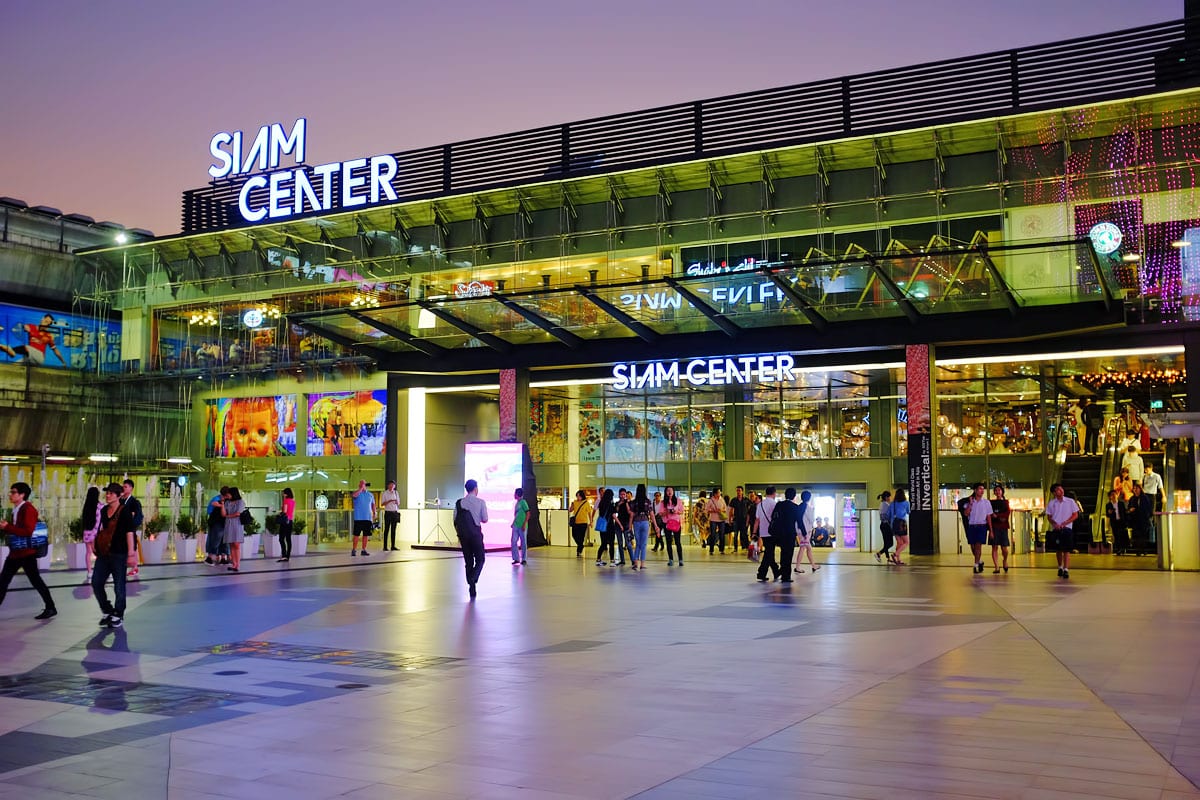
    Aeon expects its planned Bangkok mega shopping complex will compete with Siam Paragon, CentralWorld and The Emporium, says managing director Masamitsu Ikuta.

    Aeon (Thailand) is set to compete head on with Central Group and The Mall Group, vowing to develop its first megaproject in central Bangkok as part of a 10-billion-baht investment over the next five years.

    Managing director Masamitsu Ikuta said the company would allocate 10 billion baht for new retail development from 2016-20.

    Most of it will be used for developing three major retail models in central Bangkok — MaxValu supermarkets, a megaproject and speciality stores.

    Aeon will open 10 MaxValu stores in each of the next five years, taking the number of MaxValu stores in all formats to 130 by 2020.

    It will open three MaxValu supermarkets this year with an investment of 50 million baht, while it will spend about 10 million baht to open five MaxValu Tanjai stores.

    The company will build its megaproject in Bangkok in the next few years to cash in on the Asean Economic Community, which will draw more foreign tourists to Thailand.

    The project will have retail space of 200,000 to 300,000 square metres and require an investment of 6 billion baht.

    “The new retail megaproject will have the same image as Aeon in Japan,” Mr Ikuta said.

    “We want this shopping complex to be able to complete with inner-city retail megaprojects such as Siam Paragon, CentralWorld and The Emporium.”

    The project is expected to open in 2018. Aeon is looking for a suitable plot of land. It plans to develop about 20 mega shopping complexes in the next 15 years.

    The move towards huge projects in Thailand comes after its Japanese parent company recently set a plan to expand its retail business in Asean aggressively between now and 2020.

    Aeon plans to open speciality stores for drugs, bicycles, cosmetics and pet food in Thailand. Two speciality store brands will be launched next year.

    Three or four branches will be opened for each brand. If it receives a positive response from Thai consumers, the company will open about 20 branches per brand each year.

    Some funds for business expansion will come from listing the company on the Stock Exchange of Thailand in 2020.

    For its MaxValu supermarkets, the company plans to add more TopValu items, its house brand, to its range to differentiate its stores from other supermarket chains.

    TopValu products include shampoo, soap, toothbrushes and canned fish produced by original-equipment manufacturers in Thailand to serve MaxValu stores in this country and for export to Aeon stores in Japan.

    The Japanese parent recently chose Thailand as its production base for house brands of T-shirts and socks to serve Thailand and Aeon networks in Cambodia and other Asean members.

    Sales from house brands in Thailand are worth 3.45 billion baht, with 150 million generated in Thailand and 3.3 billion from exports.

    Mr Ikuta said house brands accounted for up to 3% of the company’s sales but would contribute 15% by 2020.

    Sales of TopValu brands worldwide are forecast to total ¥5 trillion (1.52 trillion baht) in 2020, up from ¥80 billion annually now.

    With its aggressive plans in Thailand, the company expects supermarket sales of Aeon in this country will reach 20 billion baht in 2020, nearly triple last year’s sales of 7 billion.

  • Singapore firms join Chongqing project

    Singapore firms join Chongqing project

    A slew of Singapore firms, including property giant CapitaLand and banks DBS and UOB, have joined the third Sino-Singapore government-led project, which is based in Chongqing.

    DBS inked four strategic partnerships with Chinese government agencies and banks to provide comprehensive financial services for the project. One of them will see DBS and the Industrial and Commercial Bank of China providing financial solutions and services to the Chongqing government to boost trade and investment.

    Financial services is one of four priority areas of the China-Singapore (Chongqing) Demonstration Initiative on Strategic Connectivity, which focuses on modern connectivity and modern services.

    The others are aviation, transport and logistics, and information and communications technology.

    DBS Bank (China) chief executive Neil Ge said the bank will leverage on its experience and expertise in developed financial markets such as Singapore and Hong Kong “to explore financial innovation with its partners as well as strengthen economic ties between Singapore, Chongqing and western China”.

    UOB inked a memorandum of understanding with the Chongqing financial affairs office to promote cross-border trade and investment between Chongqing and South- east Asia. They will help Chongqing firms expand into South-east Asia through UOB’s advisory unit, banking products and regional network.

    Mr Eric Lian, president and chief executive officer of UOB (China), said in a statement that the bank’s Chongqing branch has doubled its wholesale banking customer base since its launch in September 2014, in areas such as electronics, retail and wholesale services and infrastructure sectors that are to be developed as part of the project.

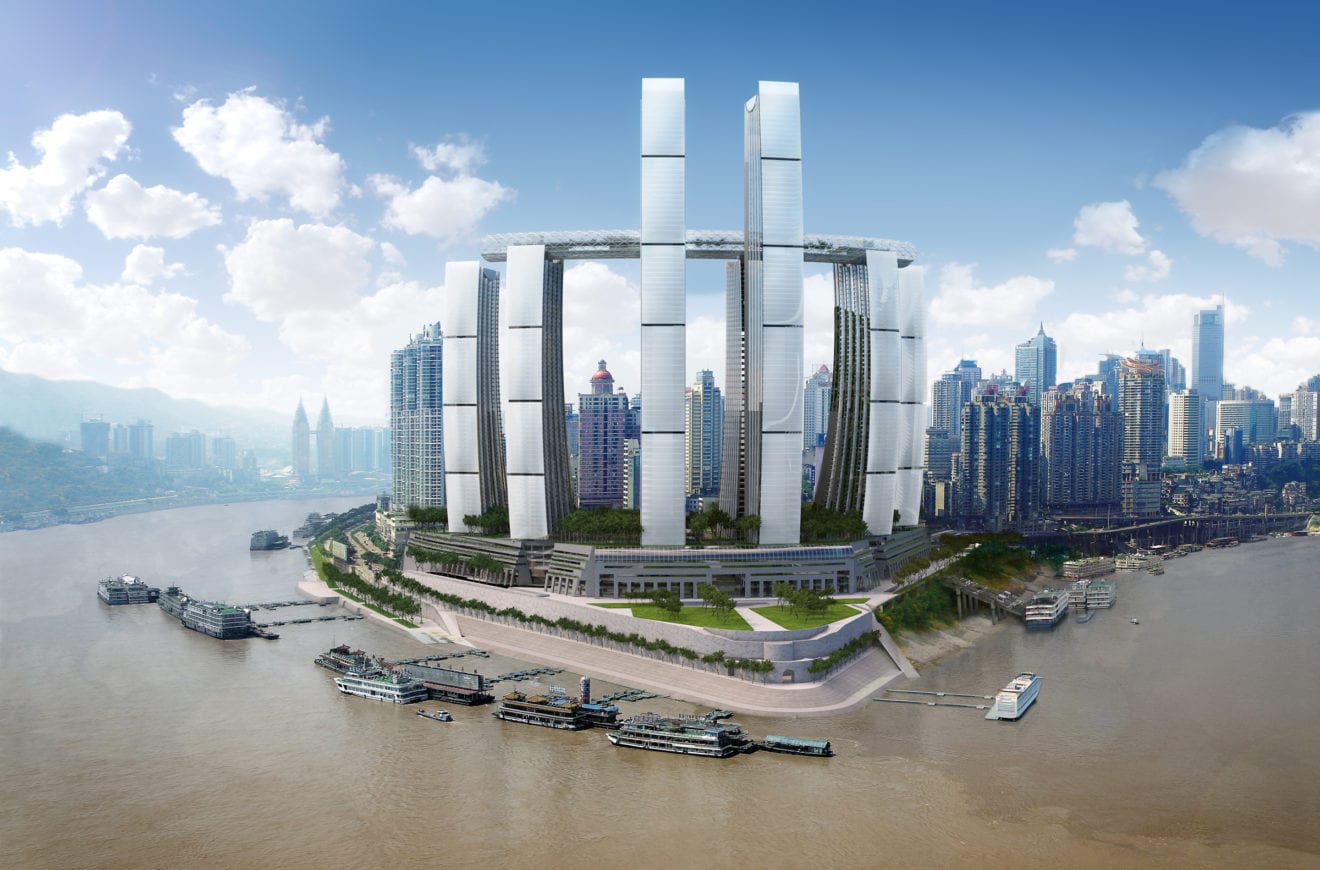
    CapitaLand is partnering the Yuzhong district government to set up the Sino-Singapore Collaboration Centre at Raffles City Chongqing, its biggest single project in China costing 24 billion yuan (S$5.2 billion), to be completed by 2018.

    CapitaLand president and group CEO Lim Ming Yan said its Raffles City aims to be a testbed for the latest technologies in areas such as modern retail, collaborative workspace and smart homes.

    “Coupled with the support of the Sino-Singapore Collaboration Centre located therein, it will be able to effectively bridge companies pursuing cross-border expansion to the immense growth opportunities in Chongqing,” he added.

  • BlackRock sells luxury Kuala Lumpur mall

    BlackRock sells luxury Kuala Lumpur mall

    In a MYR160 million ($37.33 million) deal, asset manager BlackRock has sold a luxury shopping mall in central Kuala Lumpur to Malaysia’s Pavilion Real Estate Investment Trust.

    Reputed to be the world’s largest asset manager, BlackRock, registered on the New York Stock Exchange, bought Intermark Mall in 2007, along with two corporate office towers and a hotel, for $600 million through a private real estate fund. One of the office towers and the hotel have since been sold, reports Deal Street Asia.

    In a filing with the Malaysian Stock Exchange, Pavilion REIT said it had entered into a sale and purchase agreement with The Intermark Sdn Bhd for the acquisition of the six-storey retail building, which has a strata floor area of about 337,427sqft (31,350 sqm) together with basement parking for 367 cars.

    With a 74 per cent occupancy rate, the Intermark will return guaranteed rentals of MYR15 million for three years, to be held by a trustee for Pavilion REIT. The company expects the purchase to be completed this first quarter.

  • Ramada Bali Sunset Road Kuta Opens in Indonesia

    Ramada Bali Sunset Road Kuta Opens in Indonesia

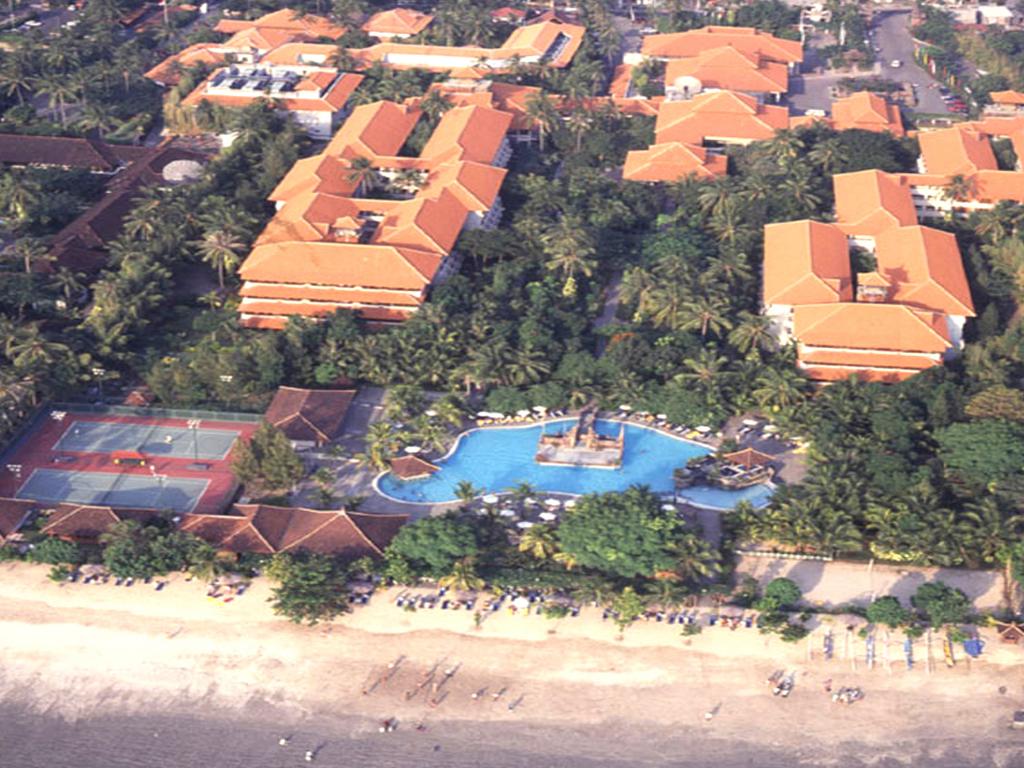
    Demonstrating strong and increasing interest in its portfolio of brands in South East Asia, Wyndham Hotel Group has introduced a third hotel in Bali, Ramada Bali Sunset Road Kuta, located in the heart of the vibrant Kuta district.

    Formerly the Best Western Premier Sunset Road, the 271-room property is owned by Sun Motor Group and managed by PT Wyndham Hotel Management, an Indonesian subsidiary of Wyndham Hotel Group. Ideally located close to Jalan Legian and popular Seminyak Beach, the stylish guest rooms feature contemporary décor, while suites boast separate living areas. The well-appointed facilities include a rooftop pool, gymnasium, on-site spa, meeting rooms, business centre and two distinct dining establishments.

    “Bali is one of Indonesia’s most popular destinations, attracting close to four million visitors a year,” said Barry Robinson, President and Managing Director of Wyndham Hotel Group South East Asia and Pacific Rim. “With the 2013 expansion of Ngurah Rai International Airport and this year’s four-fold increase in government spending on tourism, we believe it’s a market prime for year-on-year growth.”

    Wyndham Hotel Group is focused on strategic expansion throughout South East Asia as part of its larger global development strategy—especially as it relates to its Ramada brand. The company believes Ramada Bali Sunset Road will become a landmark hotel for visitors.

    President and Commissioner of Sun Motor Group, Imelda Sundoro said “Ramada is a globally known brand with an enviable reputation for offering exceptional experiences in some of the world’s most sought after destinations. That strong recognition, combined with the expertise and resources of a partner like Wyndham Hotel Group, made Ramada the clear choice for us as we look to grow our hospitality developments in Indonesia.”

    All Ramada hotels in Indonesia participate in Wyndham Rewards®, the simple-to-use, revolutionary loyalty program from Wyndham Hotel Group that offers members a generous points earning structure along with a flat, free-night redemption rate.

  • The opening of Joy City Chengdu

    The opening of Joy City Chengdu

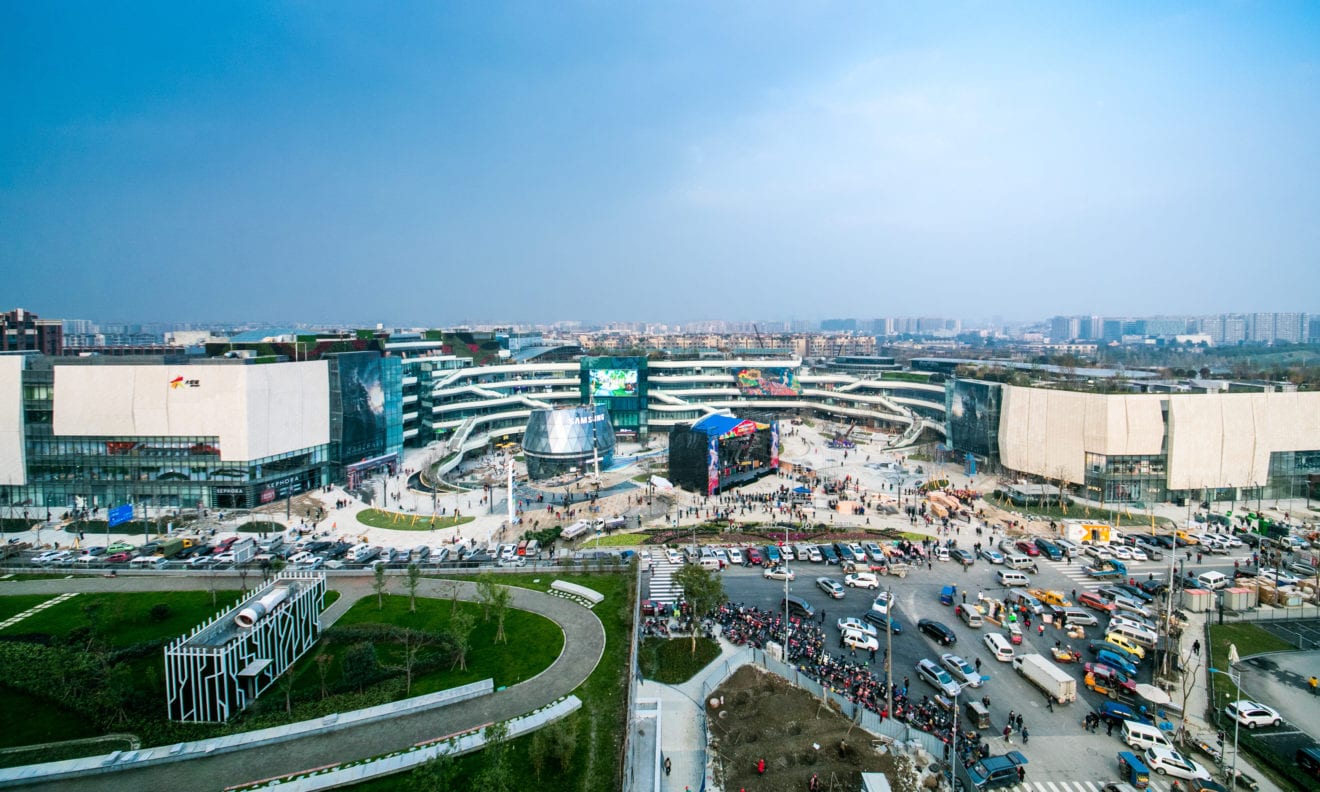
    Hong Kong-listed Joy City Property has opened its newest Mainland China mall – Joy City Chengdu.

    The new 400,000 sqm mall opened its doors on Christmas Eve – five days after the opening of sister mall, Joy City Shanghai.

    Joy City Property describes the Chengdu development as China’s “first experiential recreation-cum-shopping park”.

    Located in the Wuhou District of Chengdu, Sichuan Province, Chengdu Joy City is also the company’s first Joy City project in the southwestern part of the country. Chengdu Joy City’s main building is comprised of a grade-A office building, shopping centres and themed indoor pedestrian streets.

    “Inspired by the scenery of the renowned Jiuzhai Huanglong, the architectural design of Chengdu Joy City incorporates elements of Chengdu’s lifestyle and culture, and showcases Joy City Property’s innovation in creating unique modern shopping spaces,” the company said.

    In Joy Street, a round-the-clock themed commercial district of Chengdu Joy City, consumers can enjoy various activities including bars, a mini-theatre, KTV, a video game arena, a studio for creative arts, boutiques, restaurants offering Chengdu cuisine, the largest indoor playground for children in southwestern China and a farm themed adventure park. In addition, there is the Gulu School for original living which consists of 44 creative boutiques in various styles. Serving as a landmark for leisure and social life, the Gulu School fills the gap in the regional market for shopping space.

    Zhou Zheng, VP of Cofco and chairman of Joy City Property, said the development marks his company’s “great stride in expansion of the domestic market”.

    Chengdu Joy City Dec 2015 2

    “This experiential recreation-cum-shopping park is expected to become a landmark for a new style of living and consumption among the locals. Overall, the earlier successful opening of Shanghai Joy City and the grand debut of Chengdu Joy City on Christmas Eve this year mark a milestone in Joy City Property’s development.”

  • Esprit sells Hong Kong offices to free cash

    Esprit sells Hong Kong offices to free cash

    Embattled apparel retailer Esprit has sold its Hong Kong office block on a leaseback arrangement to free capital for its continuing reform plan.

    The transaction will deliver Esprit an estimated one-off net gain of HK$725 million.

    The company said in a statement the  proceeds will be used by the group as general working capital, including funding any future investment opportunities that may arise.

    “The lease of the Hong Kong offices will better reflect the cost of the local operation, and hence help management efforts to streamline the actual current cost structure.”

    The property has been sold to Phoenix Property Investors for $918 million.

    The offices comprise five floors and 16 car park spaces at 39 Wang Chiu Rd in Kowloon, with settlement scheduled for March 21 next year.

    Four of the floors will be leased back and 13 of the car park spaces for six years initially, representing a 20 per cent contraction of the group’s office space requirement.

    In the year to June 30, Esprit reported a net loss of $3.7 billion, largely due to impairments.

  • Malaysians sell Singapore mall

    Malaysians sell Singapore mall

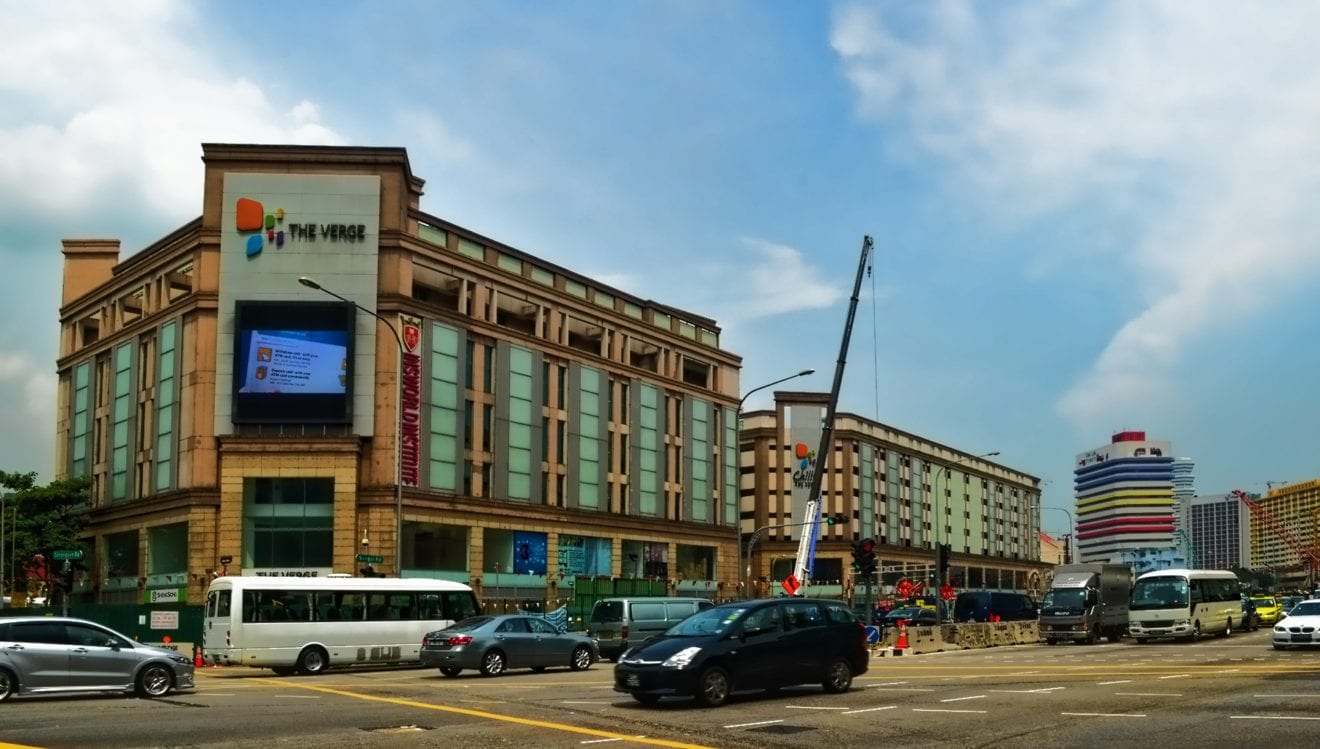
    Malaysia-listed DRB-Hicom and minority partner investors are selling at property at Little India which will be converted into a mixed use development including a multi-storey shopping centre.

    The property, previously named Tekka Mall and now known as The Verge, is located opposite the Tekka Centre in Serangoon Rd and has been on the market for a year.

    Heritage Group, headed by Keith Tang, the grandson of the late Tang Choon Keng, who founded Tangs department store, has spent $317 million to buy the site.

    Heritage owns a network of luxury hotels and serviced apartments in Australia and New Zealand and this project will be the company’s first in Singapore.

    DRB-Hicom stands to record a gain of about MYR427.5 million (S$139.4 million) from the sale of the Little India mall.

    The property comprises two blocks: The Verge, a six-storey shopping mall with two basement levels; and adjoining block Chill@The Verge, an eight-storey building with two storeys of retail units and a six-storey car park. The two buildings boast a combined 238,527 sqft of retail GFA.

    Leslie Ang, a spokesman for Mr Keith Tang, told the Straits Times Tang plans to redevelop the property into “Studio by Tang” serviced apartments, a mall and a “Signature” block which is likely to be offices or retail space.

  • National Park’s rental income surges with new tenants

    National Park’s rental income surges with new tenants

    The National Parks Board (NParks) collected a lot more rent in its last financial year, ending March 2015, with rental income surging by 48 per cent, or about $2.6 million.

    It had a new museum tenant in Fort Canning Park, as well as two fairly new retail shops in the Singapore Botanic Gardens, to thank for boosting its coffers.

    NParks said the opening of Singapore Pinacotheque de Paris, the first global offshoot of France’s largest private museum, as well as two shops by gift retail chain Risis, helped to increase rental income.

    According to NParks’ latest annual report, its rental income rose from about $5.5 million in financial year (FY) 2013 to about $8.2 million in FY2014. Rental income made up about 34 per cent of its total income for FY2014.

    The increase in rental income reflects how parks today have evolved to include many amenities and attractions, said Mr Chris Koh, director of estate agency Chris International.

    He said: “In the past, parks used to be just places of greenery, but now you have museums, retail and food and beverage shops.

    “While NParks needs revenue for these places, members of the public will also stand to benefit by having such amenities.”

    There are more than 60 tenants in public parks around the island, with most being dining outlets, according to NParks’ website.

    Overall, NParks’ income increased by 29 per cent to about $24 million in FY2014, mainly because of more income from rents and admission charges, said a spokesman.

    The rise in admission charges was due to ticket sales for the Singapore Garden Festival in August 2014, which had about 300,000 visitors, she added.

    Both the museum and Risis declined to say how much rent they are paying.

    Risis now has three outlets in the Singapore Botanic Gardens which opened in 2013 and 2014, ranging in size from 49 to 215 sq m. The rent for shops at the gardens could be about 20 per cent lower than those in shopping malls, said R’ST Research director Ong Kah Seng. A 49 sq m shop space in a mall could cost $7,000 to $10,000 a month. He added: “Retailers these days have more avenues to get niche retail spaces which are unlike those in conventional shopping malls.

    “The shoppers are those who like to visit interesting places and they may like the greenery that NParks can provide.”

    Mr Sanchit Bhatnagar, director of sales, marketing and communications at Art Heritage Singapore, which manages the Singapore Pinacotheque de Paris museum, said it chose Fort Canning Park for its central location and greenery, among other reasons.

    Since its opening in May last year, the museum, which is in the Fort Canning Arts Centre, has attracted 30,000 visitors to both paid and free galleries.

    “Visitors have shared that the museum is suitably placed at a venue with strong local history. We are working with the relevant stakeholders to further enhance accessibility for the public,” he added.

    Ms Wee Swee Poh, chief executive officer of BP de Silva, the parent company of Risis, which manages the three outlets at the Singapore Botanic Gardens, said it had space constraints when it had just one outlet there.

    She said: “Having three stores within the gardens allows us to better cater to visitors. ”

  • An Investor’s Guide: The Owners of Orchard Road

    An Investor’s Guide: The Owners of Orchard Road

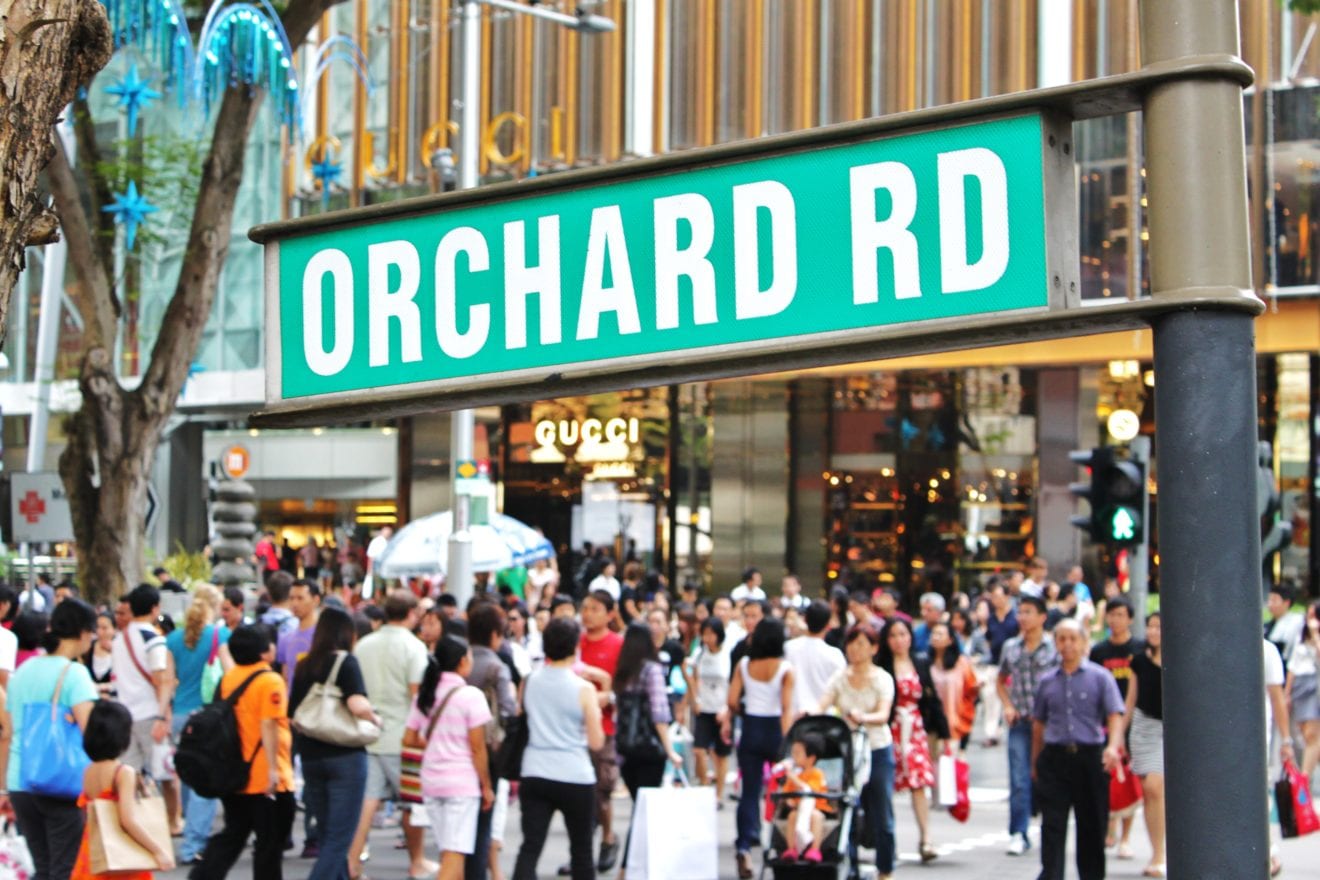
    Have you walked down our Garden City’s famous shopping belt, Orchard Road, recently?

    I was not expecting to see the sheer number of people I did on Orchard Road when I was there recently. The amount of foot-traffic on this famous road seems to move only in one direction year after year – up.

    Imagine that you are a landlord on one of the properties on Orchard Road. Wouldn’t you feel happy just by standing on the roadside and watching the crowd walk by with their handfuls of shopping bags?

    Ho ho ho…

    As it turns out, we can indeed own many of the properties on Orchard Road, albeit indirectly. There are numerous properties in the shopping belt that are owned by companies or by real estate investment trusts that are listed in Singapore.

    If you are interested in the properties on Orchard Road, here is a quick guide on how you can get exposure to some of them:

    1-5) ION Orchard, Wisma Atria, Ngee Ann City, Mandarin Gallery, Mandarin Orchard Singapore 

    6) The Centrepoint

    One of the oldest shopping malls on Orchard road, The Centrepoint has been open since 1983. The shopping mall is owned by real estate outfit Frasers Centrepoint Limited. Valued at S$646 million on its balance sheet, Frasers Centrepoint counts The Centrepoint as one of the most valuable properties in its portfolio.

    7) Paragon

    One of the most upscale properties on Orchard road, Paragon consists of nearly 490,000 square feet of retail space and 230,000 sqft of medical suites and offices. Paragon, which is most recently valued at S$2.6 billion, is part of newspaper publisher Singapore Press Holdings Limited’s real estate portfolio. The company is the majority owner and manager of the retail-focused real estate investment trust SPH REIT, which in turn owns and manages Paragon.

    8) Wheelock Place

    Wheelock Place, a S$915 million seven-storey retail mall and 16-storey office tower, is seated at the edge of Orchard road. The property, which is owned by Wheelock Properties (Singapore) Ltd, had enjoyed close to 100% occupancy as of 2014 and is a very important piece of real estate for the company.

    Summary

    Feeling impressed by any of the buildings you come across while shopping along Orchard Road? Who knows, you just might be able to share in the economic benefits of some of them.

  • Shortage of warehouse space in Hong Kong likely to continue

    Shortage of warehouse space in Hong Kong likely to continue

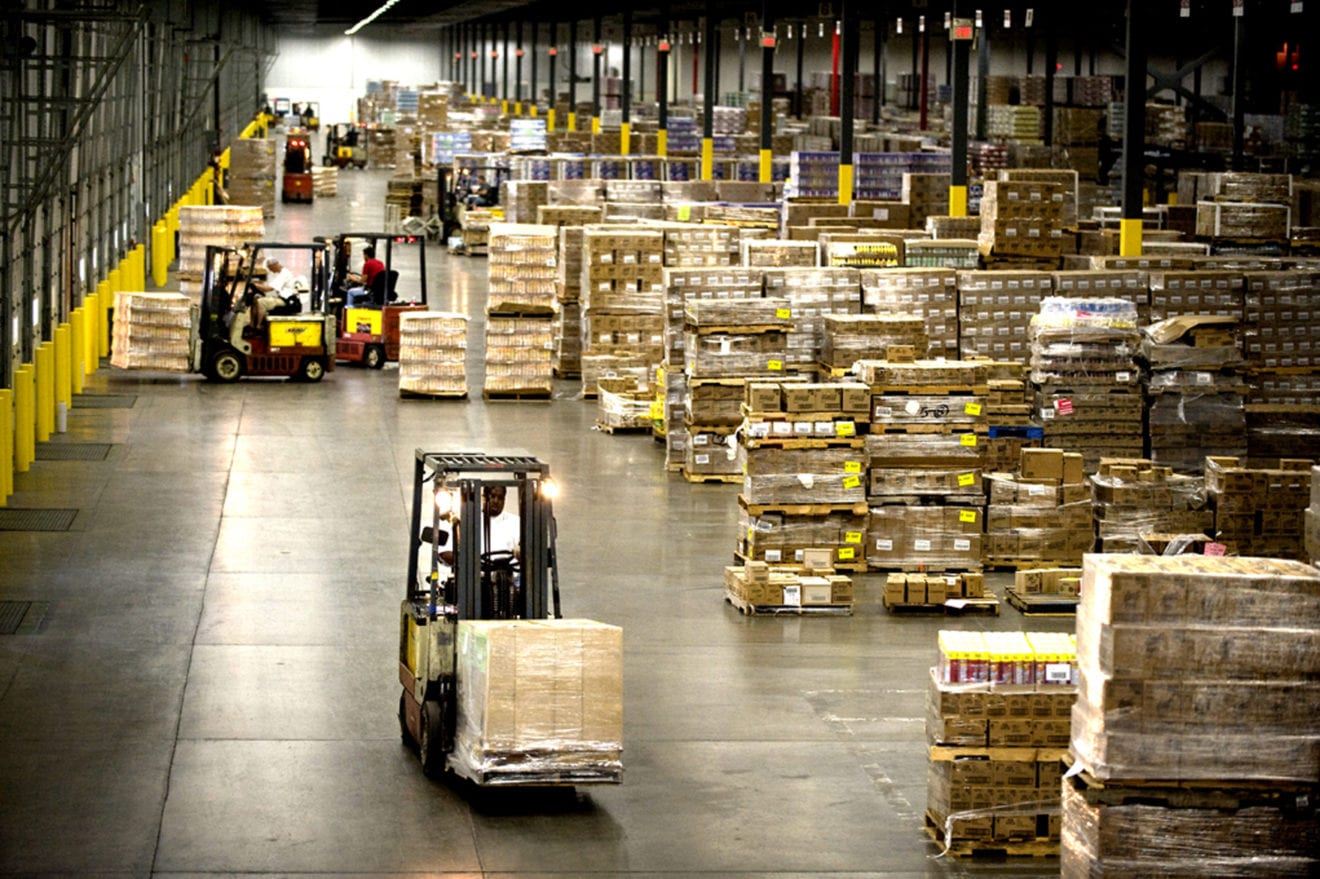
    Despite its position as a regional logistics hub, Hong Kong’s lack of industrial land and a resulting warehouse shortage have long been headaches, with the warehouse vacancy rate remaining below 2 per cent and unlikely to improve much next year.

    A slowdown in retail sales led to a slight easing in demand for warehouse space this year, but new supply is extremely limited.

    Warehouse vacancy ratesdeclined to 1.7 per cent in the third quarter of this year, from 1.9 per cent in the second, according to property consultancy Savills, picking up from near zero last year.

    No industrial site is listed for auction or tender on Hong Kong government’s 2015-16 land sale programme and only one of the 36 plots sold in 2014-2015 was industrial land.

    “There will be no large supply of industrial land in the next two to three years; the shortage will continue,” said Thomas Lam, head of valuation and consultancy at Knight Frank.

    Lam said a softening in retail sales due to a decline in demand from mainland visitors had only had a limited impact on the demand for storage space.

    There will be no large supply of industrial land in the next two to three years; the shortage will continue

    Thomas Lam, Knight Frank

    “Luxury brands are closing stores but others such as fast fashion brands are opening new shops, and the latter is a heavier user of stock space,” he said.

    Modern warehouses in prime locations are eagerly sought after and close to full occupancy.

    Goodman, a leading modern warehouse operator and Hong Kong’s largest industrial landlord, owning 14 properties, recorded a 99.6 per cent occupancy by the end of September.

    Although trading and logistics is one of Hong Kong’s four pillar industries and accounts for roughly 26 per cent of gross domestic product, the government has been less motivated to turn over land for logistics use because its main focus is to increase the supply of land for housing.

    Meanwhile, vast amounts of industrial stock have been replaced by residential and commercial developments under the government’s industrial revitalisation scheme since 2010, further depleting the options available to industrial occupiers.

    The authorities have noticed the problem in recent years and have earmarked 10 hectares of land in Tuen Mun for industrial use, but researchers said it was unlikely to come onto the market by the end of 2020.

    Hong Kong Logistics Association president Stephan Chan said he expected the vacancy rate would remain flat in 2016, but rents could be cheaper.

    Chan said two new warehouse projects in Tsing Yi were scheduled to be launched in the first quarter of next year, but demand would be solid because more cross-border e-commerce operators were looking for industrial space in Hong Kong to build up distribution centres.

    “The rent is already too expensive so there is room to decline a bit,” Chan said, adding that some older warehouses in the New Territories had cut monthly rents from HK$13.50 to HK$10 per square foot.

    Hong Kong’s warehouse rents have surged 59 per cent since 2010, according to data from global real estate adviser CBRE.

  • Pavilion Real Estate Investment Trust is buying The Intermark Mall

    Pavilion Real Estate Investment Trust is buying The Intermark Mall

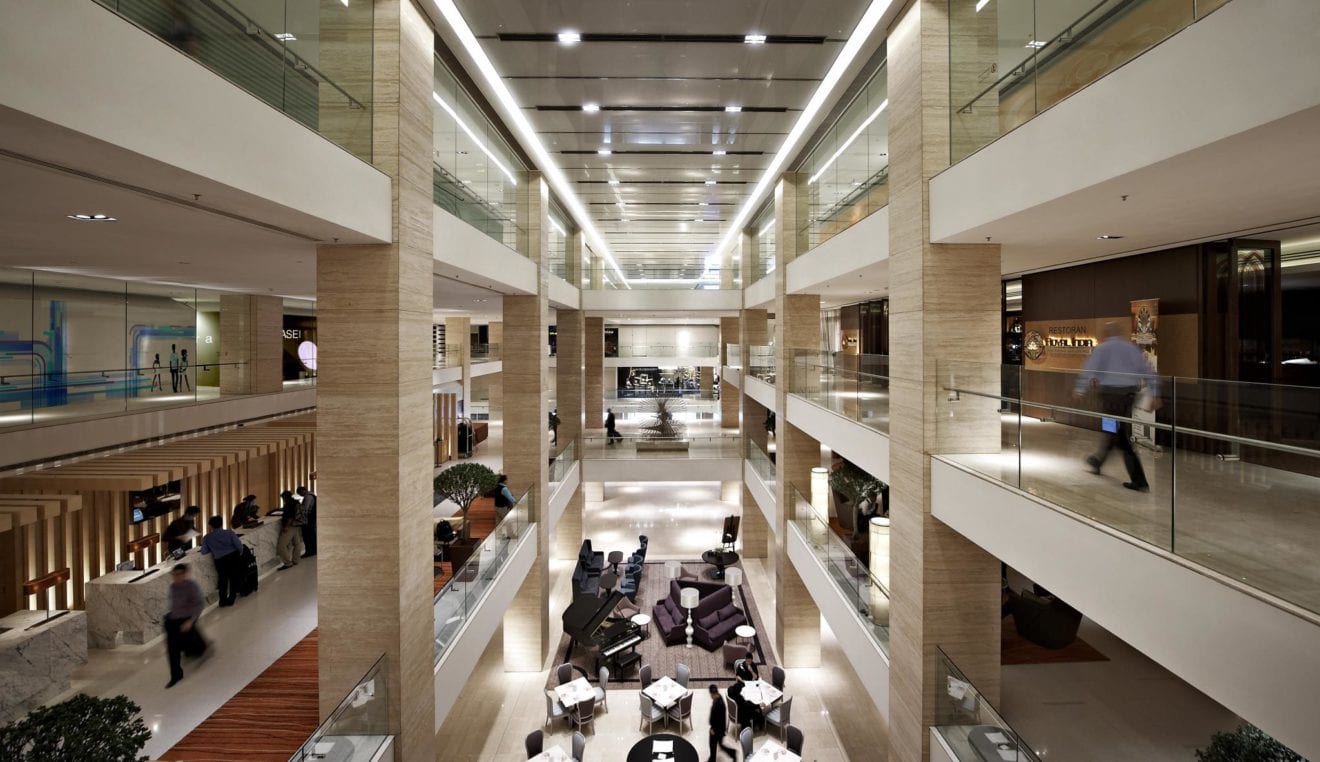
    Pavilion Real Estate Investment Trust (Pavilion REIT) is buying The Intermark Mall, which forms part of The Intermark mixed-use development located at the crossroads of Jalan Ampang and Jalan Tun Razak here, for RM160 million cash, which will be fully funded through debt.

    In a filing with Bursa Malaysia today, Pavilion REIT said its manager Pavilion REIT Management Sdn Bhd has signed a sale and purchase agreement with The Intermark Sdn Bhd for the acquisition of the six-storey retail building, together with 367 car par bays.

    The deal also entails The Intermark providing Pavilion REIT with a rental guarantee of RM15 million for three years to be held by a trustee, which will be jointly appointed by Pavilion REIT and The Intermark.

    With the rental guarantee, Pavilion REIT said the estimated net yield for The Intermark Mall comes to 6.1% per year, and 3% when discounting the rental guarantee.

    Occupancy rate at the three-year retail building with a net lettable area of 225,014 sq ft, stood at 74%, based on committed and/or commenced tenancies as at the valuation date of Sept 30, 2015.

    Pavilion REIT Management said the proposed acquisition is consistent with the investment objective and strategy of Pavilion REIT and is expected to be accretive to the trust’s distributable income, as the property is located on the fringe of the Golden Triangle of Kuala Lumpur.

    “The area that the property is located at, consists of prime office buildings, prime retail centres and prestigious international class hotels, with the Kuala Lumpur City Centre development within its vicinity.

    “The property is easily accessible from various parts of the city, via various major highways interconnecting the enclave,” it added.

    Upon completion, the proposed acquisition will enlarge Pavilion REIT’s portfolio of investment properties from RM4.6 billion as at Sept 30, 2015 to RM4.8 billion.

    The trust expects for the purchase to be completed by the end of the first quarter of 2016.

    Pavilion REIT said the RM160 million price tag was derived from the market value appraised by independent registered valuer, Knight Frank Malaysia Sdn Bhd.

    “In view that the manager (Pavilion REIT Management) intends to fully fund the proposed acquisition through debt, the proposed acquisition is expected to increase the gearing of Pavilion REIT from 16% as at Sept 30, 2015 to 19%,” said Pavilion REIT.

    This is still below the gearing limit of 50%, as prescribed under Clause 8.37 of the Guidelines on Real Estate Investment Trusts issued by the Securities Commission Malaysia, it added.

    The Intermark mixed development is owned by Blackrock Inc. There have been reports that the investment fund was looking to hive off its investment in the upscale development, and it sold one of The Intermark’s office towers, Integra Tower, in April this year, to Kumpulan Wang Persaraan (Diperbadankan) (KWAP) for RM1.07 billion.

    The Intermark also houses DoubleTree by Hilton Hotel.

    “The Intermark Mall caters to the daily needs and convenience of corporate tenants and hotel guests within the integrated mixed-use development, as well as those working and/or staying in the immediate locality,” said Pavilion REIT.

    “The manager believes that with good and improving occupancy levels of its two corporate office towers and hotel, there will be opportunities for the Intermark Mall to improve its occupancy levels by offering a wider trade mix to cater to the needs of its corporate tenants, hotel guests and nearby residents.”

    Pavilion REIT shares shed one sen to close at RM1.53 per unit today, bringing its market value to RM4.65 billion.

  • Qianhai Centre Shenzhen design revealed

    Qianhai Centre Shenzhen design revealed

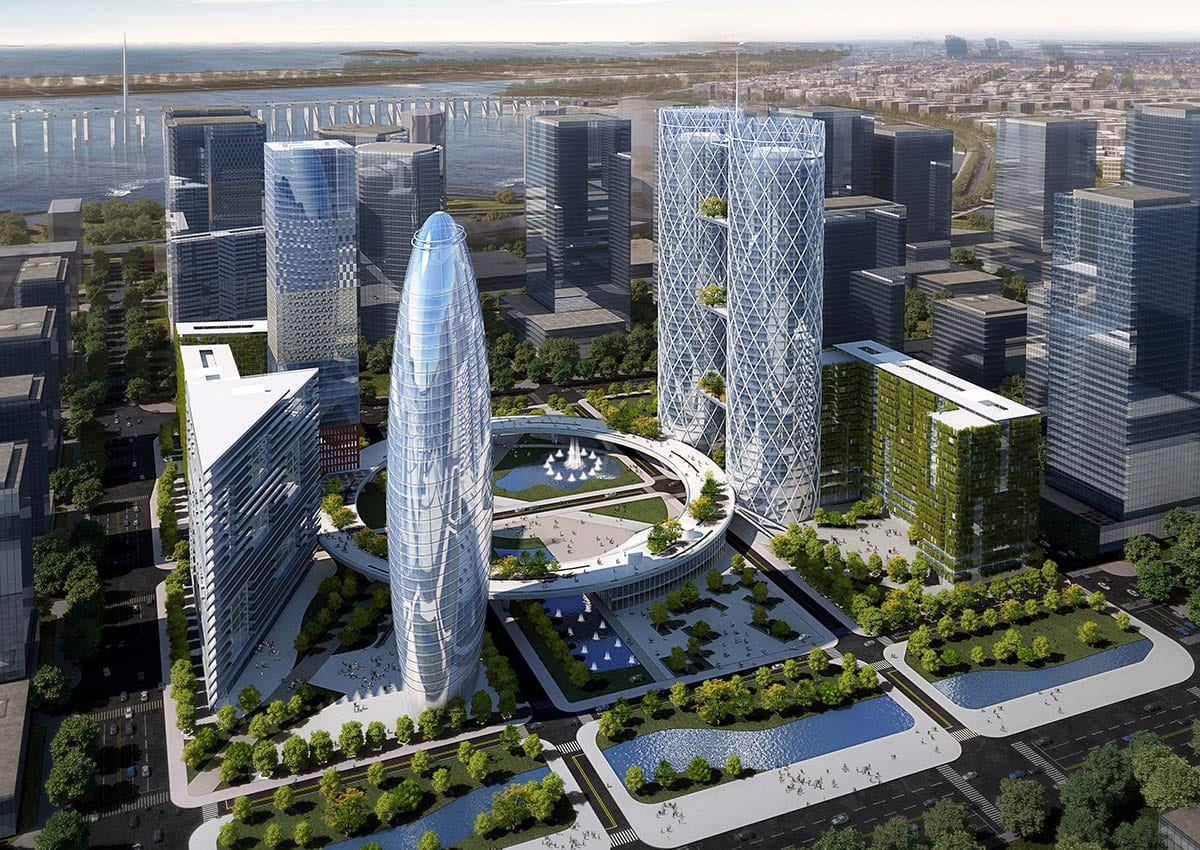
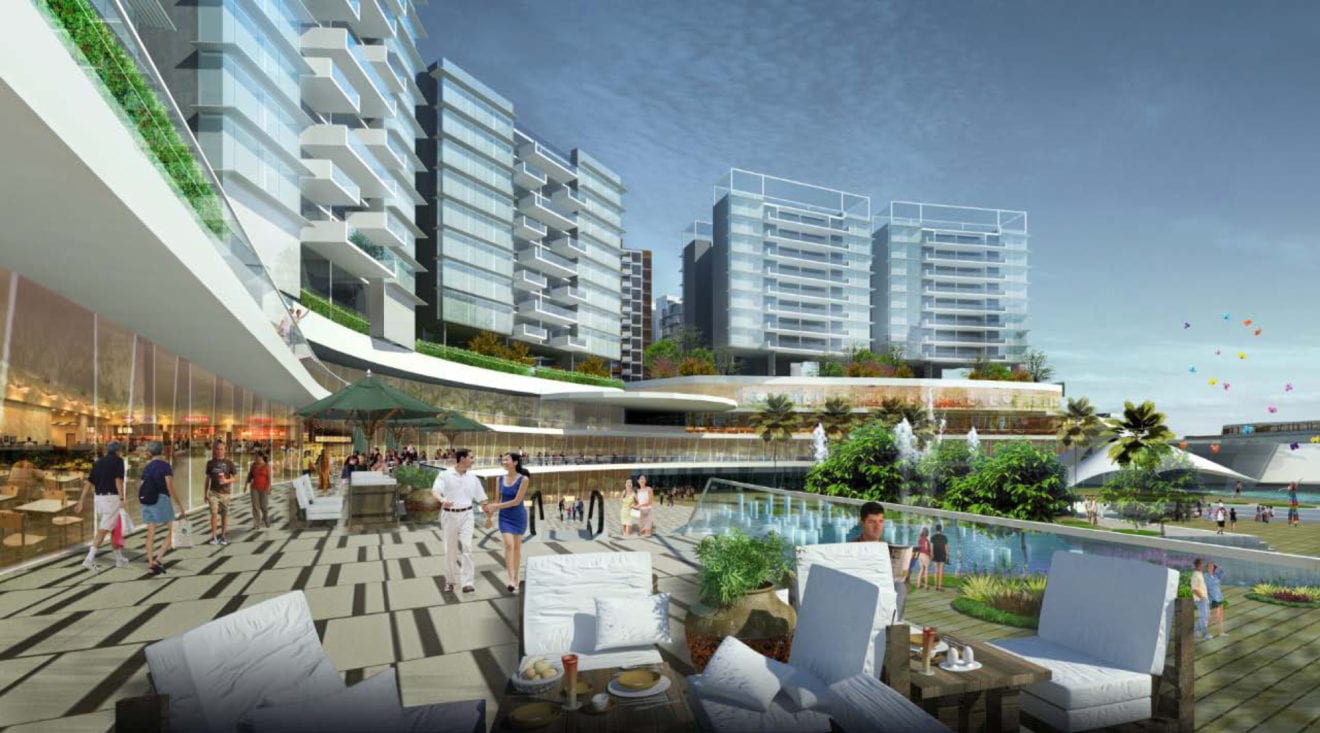
    Benoy, the global studio of Architects, Masterplanners, Interior and Graphic Designers has revealed its design of the future China Resources Land (CRL) Qianhai Centre Shenzhen.

    The development will form a core part of the highly publicised Qianhai special economic zone. As masterplanner and retail architect, Benoy says it has “challenged the status quo of a traditional finance district” by creating a multi-layered active city environment for the commercial scheme.

    Located in the centre of Qianhai, the development sits within ‘Neighbourhood 2’ of the district. With a vision to transform the district into the ‘Manhattan of the Pearl River Delta’, Qianhai itself is expected to attract $45 billion in future investment.

    “Our design has aimed to capture how we want our cities to look, feel and function in the future; bringing a new concept to shape this emerging zone,” said Chao Wu, Benoy director.

    Benoy’s masterplan for the 54,000 sqm site aims to create an active 24 hour destination and develop the plot to its fullest potential. The scheme will feature a four-storey podium including a basement retail level which will connect to five towers comprising commercial offices, a five star international hotel and serviced apartment residences.

    Enlivening the heart of the development, and, in turn, the wider district has been a key consideration of the design. As such, Benoy has carved two main ‘spines’ through the development to create a lively internal streetscape. The Financial Valley and the Green Belt thoroughfares open up the podium to create an interconnected environment from the sunken basement levels up to the roof garden on Level 4.

    As Chao explains: “These open-air spines bring the development to life with their fluid form which is accentuated by landscaping, terraces and an eclectic mix of spaces. The design gives human-scale and creates a recreational experience and personality for the emerging financial zone.”

    At the intersection of these internal streets sits the focal point of the scheme – a large, vertically and horizontally connected outdoor event space. This outdoor entertainment area has been designed for year-round enjoyment with a monocoque steel canopy featuring ETFE material. A modern theatre and art gallery have been strategically positioned nearby to support the events programme, reiterating the commitment to inject art and culture into the commercial precinct.

    “This development needs to serve both the living and working needs of the surrounding community. We wanted to create a model which functions as a recreational realm bustling with activities and different environments to form a centrepiece for the wider commercial masterplan,” says Chao.

    The development has not ignored its identity within the financial district with the architectural language respecting both functions of the scheme. The lively designs along the interior spines of the development have been complemented by the formal and clean lines of the street-facing facades which reference the corporate nature of the district.

    Following the vision of the district, CRL Qianhai Centre promotes a strong integration of public transport and a multi-layered pedestrian-friendly environment as a Transit Oriented Development. Three metro lines which include Line 1, Line 5 and the future Line 11 are seamlessly integrated into the scheme. Environmentally aware, the development is targeting both LEED and China Green Building three star certifications.

    CRL Qianhai Centre has broken ground and is due to complete construction in 2018. The development adds to Benoy’s growing portfolio in the emerging Pearl River Delta economic zone.

  • KL office rental rates under pressure

    KL office rental rates under pressure

    A large supply of office space continued to weigh on rental rates in Kuala Lumpur, KL Fringe and Beyond KL (Selangor) in 3Q2015, while the overall market is expected to remain gloomy until year end.

    This quarter, the cumulative supply of office space for KL City and Beyond KL stood at 91.97 million sq ft, following the completion of Ilham Tower with 394,000 sq ft of net lettable area (NLA), Menara Bangkok Bank (475,000 sq ft NLA) in KL City and Q Sentral (one million sq ft NLA) and The Vertical 1 & 11 (830,000 sq ft NLA), based on The Edge/Knight Frank Klang Valley Office Monitor 3Q2015.

    The total cumulative office space under construction in KL City, KL Fringe and Beyond KL stood at 9.88 million sq ft. The supply of office space is expected to grow about 10.7% from 4Q2015 to 4Q2017.

    “Overall, rental rates may dip due to heightened competition in a tenant’s market. Coupled with a further slowdown in the country’s economy and low business confidence, many businesses are freezing recruitment, reducing investment in staff and consolidating their positions. This will inevitably impact take-up rates and overall occupancy levels,” says Knight Frank Malaysia managing director Sarkunan Subramaniam (pictured, right). “Nonetheless, rental rates of well-located, dual-compliant, good grade office space are expected to remain resilient.”

    In 3Q2015, demand for office space remained subdued, in line with a further slowdown in the country’s economic activities (lower gross domestic product growth of 4.7% in 3Q2015 versus 4.9% in 2Q).

    “The depreciation of the local currency and weaker commodity prices, coupled with domestic and external headwinds, do not bode well for the office market, which traditionally has been driven by the services and oil and gas (O&G) sectors. The contraction of the O&G sector is the significant trend from the fall of oil prices. The main lifeline of one of the leading sectors has dried up,” says Sarkunan.

    Overall, occupancy and rental rates are expected to decline in the coming quarter due to high levels of impending supply and competition among building owners.

    “The high level of existing and new supply, coupled with a weaker leasing market (fewer enquiries), which is seeing more consolidation/mergers and acquisitions amid an increasingly challenging business environment, will increase downward pressure on occupancy and rental rates moving forward,” he says.

    “It remains a tenant’s market with landlords embarking on aggressive marketing plans to achieve significant occupancy and to improve their occupancy levels. Tenants continue to be spoilt for choice, as there are many offering attractive rents, incentives and tenancy terms such as a longer free-rent period.

    “During construction, landlords and developers of office projects need to market their developments in newspapers, showcase their projects at property expositions, provide special incentives to agents to secure anchor or big tenants within the stipulated time period et cetera — these marketing plans and strategies will help to ensure that, upon completion, these office projects would have achieved significant occupancy levels.”

    Moreover, says Sarkunan, tenants will feel the pinch of the current economic situation. “It is best for landlords to embrace the situation by being flexible with tenants who need to contract, thereby retaining them and being the long-term space provider.”

    Sliding occupancy, stagnant rents

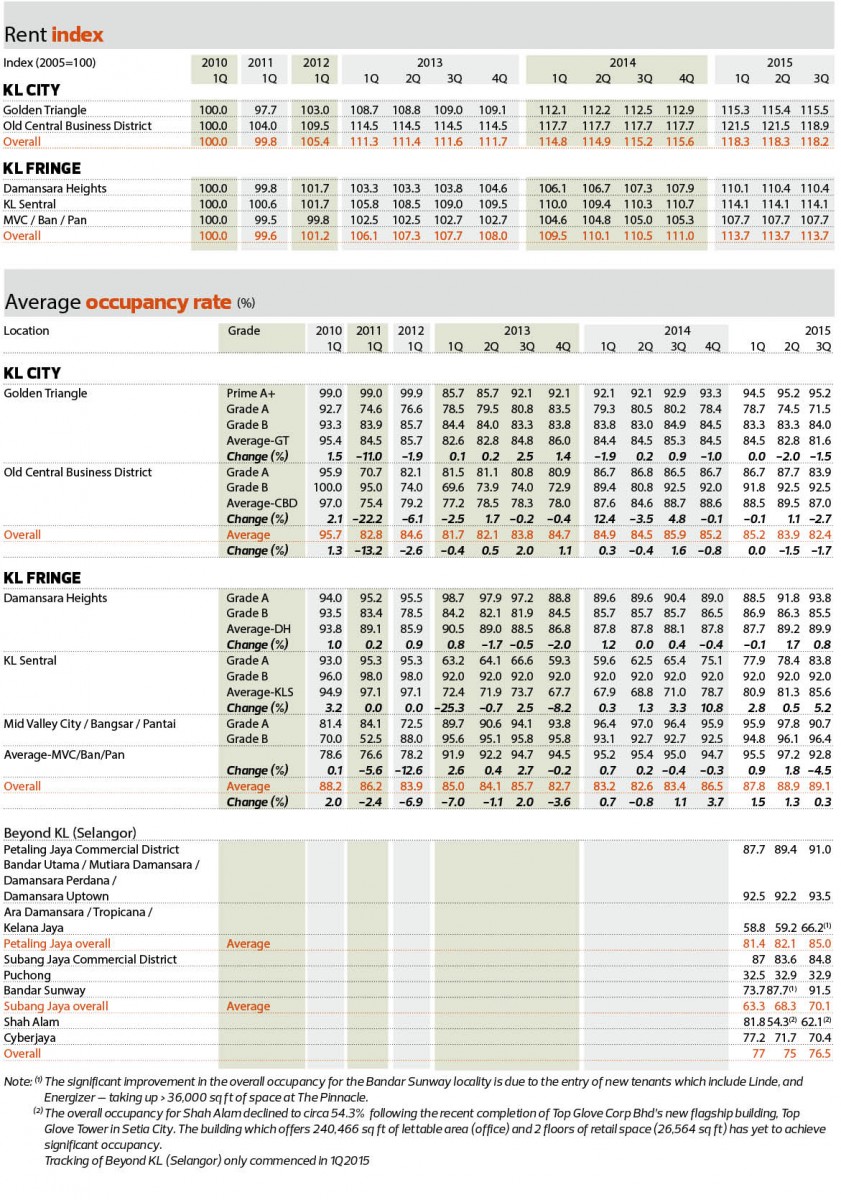
    The overall occupancy rate in KL City dipped 1.7% to 82.4% in the previous quarter. “[Since] the completion of Ilham Tower in 3Q2015, it has yet to achieve significant occupancy,” says Sarkunan.

    Occupancy in the central business district (CBD) has dropped 2.7% to 87%. The Golden Triangle also recorded a decline of 1.5% to 81.6%.

    On a more positive note, there has been an increase in almost all areas in the KL Fringe.

    Overall, KL Fringe occupancy rose 0.3% to 89.1%, propped up by higher occupancy in Damansara Heights (up 0.8%) and KL Sentral (up 5.2%).

    “In Damansara Heights, the ongoing rejuvenation of Damansara Heights with the mixed-use project Damansara City and the upcoming Pavilion Damansara Heights, is expected to revive demand for office space in the area. This will be supported by improved mobility via the MRT Line 1 with two stations nearby (Samantan and Pusat Bandar Damansara),” says Sarkunan.

    “Another reason for the rise of KL Fringe is KL Eco City. This ongoing integrated urban city development on about 25 acres in Bangsar may be seen as an extension to the established Mid Valley City (MVC) locality. Two office towers in Damansara City and several office components (strata office suites and The Pillars) in KL Eco City are expected to be completed next year.”

    Meanwhile, occupancy at MVC/Bangsar/Pantai dropped by 4.5% to 92.8%.

    The overall occupancy rate Beyond KL has increased to 76.5% from 75%. Petaling Jaya and Subang Jaya saw the rate rise to 66.2% and 91.5%, respectively, while Shah Alam has experienced a tremendous recovery to 62.1% from 54.3%. “The overall occupancy for Shah Alam has improved significantly, by 14.4%, following further take-ups at Top Glove Tower, which includes two floors by the landlord Top Glove Corp Bhd (34,800 sq ft) and Level 10 by Fitness Centre (17,400 sq ft),” says Sarkunan.

    Improved occupancy in several office buildings, which include The Ascent @ Paradigm, Oasis Square Block H and Wisma AmFirst in Damansara/Tropicana/Kelana Jaya, led to a 11.8% quarterly increase.

    Rental rates, meanwhile, remained steady in 3Q2015 despite downward pressure.

    Grade A rental rates in KL City — Golden Triangle Prime A+ (RM11.33 psf) — remained unchanged from the previous quarter. However, Golden Triangle Grade A and CBD Grade A experienced a decrease of 0.3%  (RM7.19 psf) and 3.6% (RM5.41 psf), respectively.

    Over at KL Fringe, overall rental rates remained unchanged from the previous quarter — Damansara Heights Grade A (RM5.43 psf), KL Sentral Grade A (RM6.78 psf) and MVC/Bangsar/Pantai Grade A (RM5.90 psf).

    Likewise for average rental rates for Beyond KL, with the overall rental rate at RM4.19 psf. Rental rates in Petaling Jaya (RM4.41 psf), Subang Jaya (RM3.91 psf), Shah Alam (RM3.50 psf) and Cyberjaya (RM4.17 psf) remained the same.
    Notable transactions and movements

    On Aug 10, Affin Bank Bhd announced that it will develop its own head office building on a 54,266 sq ft parcel at Tun Razak Exchange acquired for RM255 million, or about RM4,699 psf (plot ratio of 15.2 times).

    The proposed international class, Grade A, 35-storey office building development will have a gross floor area (GFA) of 823,439 sq ft and 830 parking bays.

    On July 3, Hong Leong Bank Bhd entered into a conditional share sale agreement with Hong Leong Real Estate Holdings Sdn Bhd (a unit of Guocoland [Malaysia] Bhd) to acquire the entire issued and paid-up share capital of DC Tower Sdn Bhd (DCT) for RM189.33 million cash.

    DCT is principally a property investment company, holding the development and ownership rights for a 33-storey purpose-built stratified office building (Office Tower A — 506,069 sq ft NLA) located within the ongoing integrated development project known as Damansara City Kuala Lumpur. The appraised value of Office Tower A is RM1,150 psf over its aggregate NLA.

    The review period also witnessed a few notable movements. In KL City, BAE Systems Detica (M) Sdn Bhd acquired a further 11,200 sq ft of Menara Binjai.

    Minat Megah Sdn Bhd moved into Etiqa Twins, taking up 14,400 sq ft. In KL Fringe, 1 Sentrum welcomed two new tenants (Novo Nordisk Pharma Malaysia Sdn Bhd and AmMetLife Insurance Bhd) while Google Malaysia expanded, taking up 103,000 sq ft and 51,000 sq ft, respectively.

    Meanwhile, Tricor Services Malaysia Sdn Bhd moved out of The Gardens North Tower, leaving 36,000 sq ft.

    PA Group, a US-based international insurance group, will establish its regional operations in Kuala Lumpur. Meanwhile, UK firm Needle Partners has opened a new marketing office in Kuala Lumpur that aims to promote its English law and white label service called Needle Network.

    CTBC Bank Co Ltd, the banking subsidiary of CTBC Financial Holding Co, has received permission from Malaysia’s financial supervisory institution to establish a representative office in Kuala Lumpur. CTBC Bank will be the first Taiwanese bank to set up an operational base in Malaysia in 17 years.

    Notable announcements

    KLCC Holdings Sdn Bhd and its partner Qatari Diar Real Estate Investment Co are understood to have invited interested parties for a pre-screening process for its RM5 billion project in the city centre called Cititower.

    Slated to come up in 1Q2016 on a 1.6ha plot between Suria KLCC and the Asy-Syakirin Mosque, Cititower’s proposed components are a 9-storey retail podium, a 59-storey hotel, an 80-storey office tower, a link way between Suria KLCC and the project, a ramp in Jalan Ampang and landscaping works.

    Pelaburan Hartanah Bhd is reportedly planning to develop a 6.8-acre site that used to house the office of the Kuala Lumpur Regional Centre for Arbitration in Jalan Conlay.

    Located directly opposite Kompleks Kraftangan, the proposed development will comprise a 50-storey serviced apartment building and two blocks of 37-storey office suites that will sit atop an 8-storey retail podium and a 3-storey basement car park.

    Meanwhile, IJM Corp Bhd’s unit IJM Construction Sdn Bhd has received a letter of award from GDP Architects Sdn Bhd on behalf of Hotel Equatorial (M) Sdn Bhd and Fenghuang Development Sdn Bhd to undertake stage two works for the redevelopment of the former Hotel Equatorial in Jalan Sultan Ismail into a 52-storey mixed-use development for RM455.5 million.

    At KL Fringe, Hong Leong Group will occupy Office Tower A (appraised based on RM1,150 per sq ft over its aggregate NLA) as its global headquarters.

    Concurrently, GuocoLand is finalising agreements with tenants for its Office Tower B — a 19-storey office tower with 240,000 sq ft NLA. It has reportedly secured 70% occupancy, with two global multinational corporations to date. The rental rate for Office Tower B is around RM7 psf. GuocoLand, which currently occupies three floors of Menara HP, will also move into this office block. Damansara City has a gross development value (GDV) of RM2.5 billion, and is expected to be fully operational by mid-2016.

    There were a few notable announcements for Beyond Kuala Lumpur. Mercu Mustapha Kamal at Damansara Perdana consists of a 27-storey Tower 1 and a 14-storey Tower 2 with net floor areas (NFA) of 285,091 sq ft and 213,719 sq ft, respectively.

    Tower 2 (183,000 sq ft NLA) is available for lease and en bloc sale and is scheduled to be completed by December. Tower 1 will be completed in October 2016 and will also be available for lease.

    Mercu Mustapha Kamal has a GDV of RM385 million. The MSC-status development is pre-certified Green Building Index (GBI) Gold with features such as automatic control of lighting and zoning, energy-efficient lights, waste management and sky gardens on multiple floors. Its developer, Emkay, has plans for three more office projects in Damansara Perdana, Cyberjaya and Kuala Lumpur city centre.

    In Kota Damansara, Menara Mitraland, the corporate tower that houses the headquarters of Mitraland Group, has officially opened. The 30-storey building — the tallest structure in the locality — is part of the new Cascades mixed-use development which includes residential, retail and office components. The retail and residential units have mostly been taken up while the office building is over 50% occupied.

    In Shah Alam, meanwhile, Naza TTDI Sdn Bhd recently opened its new head office, Menara Naza TTDI. Located in Section 13, the 20-storey office tower with 250 parking bays has a GFA of 306,000 sq ft and facilities such as a gymnasium, swimming pool and café.

    The Selangor State Development Corporation (PKNS) is spending about RM170 million on Laman PKNS, its new headquarters in Shah Alam. The building will sit on a 1.6ha plot in Section 14. Due to be completed by end-2015, the building is rated GBI Platinum.

    Electrical home appliance maker Khind Holdings Bhd is planning a mixed-use project on a 65,340 sq ft tract in Setia Alam, Shah Alam, as part of its diversification exercise.

    The RM150 million project will include an office building (to be partly occupied by Khind), a retail component and serviced apartments. Construction is targeted to start in 1Q2016 and is expected to be completed within 36 months.
  • Novotel Zhuhai rebranded as Pullman

    Novotel Zhuhai rebranded as Pullman

    The Novotel Zhuhai has been rebranded by AccorHotels as the “Pullman Zhuhai,” in line with the company’s plans to promote its up-market Pullman brand in China, reported Travel Daily on Sunday. The Novotel Zhuhai opened only last December, but AccorHotels has decided to rebrand the resort. This will take the group’s Pullman portfolio in the greater China region to a total of 25 hotels across 22 cities.

    “We are excited to welcome the hotel to the Pullman family,” said Paul Richardson, the chief operating officer for AccorHotel’s Greater China region.
    “The rebranding of the property is part of AccorHotels’ ongoing global endeavor to further align with its brand architecture to ensure a more consistent brand experience for its guests,” Richardson added.

    The 268-room, rebranded Pullman Zhuhai is situated in Gongbei, close to the major bus stations that connect the city with Guangzhou.
    Facilities at the up-market resort include restaurants, ballrooms, meeting rooms, a wedding chapel, an executive lounge, sauna and steam rooms, and a fitness center and outdoor pool. Both the ownership and management of the hotel will remain unchanged.

    The latest group of Sands Shoppes retail employees graduated at the Sands Retail Academy’s fourth graduation ceremony on Tuesday, at the Venetian Macao.220 graduate at sands shoppes ceremony

    At the ceremony, 220 front-line retail team members were certified to mark the completion of their training courses, designed to improve service quality at Sands Shoppes. The ceremony was also attended by representatives of over 80 retailers from the complex.

    “With this being our fourth graduation, we are pleased to see an increase in both the number of participants and the number of graduates,” said Antonio Ramirez, senior vice-president of human resources at Sands China. “The Sands Retail Academy is part of Sands China’s long-term commitment to developing local talent in Macao, by nurturing locals who are not direct employees of Sands China,” added Ramirez.

    The Sands Retail Academy was launched in 2013 to improve customer service training at Sands Shoppes. Since its inception more than 1,800 retail professionals have joined the academy.

  • Punggol shopping mall Waterway Point to open on Jan 18

    Punggol shopping mall Waterway Point to open on Jan 18

    Punggol shopping mall Waterway Point will open on Jan 18 next year, it announced on its Facebook page.

    In replies to comments on a post on the page, which has more than 30,000 fans, it said: “We are pleased to share with you that Waterway Point will be opening on 18 January 2016. Stay tuned to our page for interesting updates.”

    The mall, located in Punggol Central near Punggol MRT station, offers the usual mix of food and beverage, and retail outlets, including apparel chain Uniqlo, book store Times and electronics retailer Best Denki. Its anchor tenants are a Shaw Theatres cinema and supermarket FairPrice Finest.

    In August, Frasers Centrepoint Malls announced that the shopping centre had a 90 per cent committed occupancy, months ahead of its expected opening.

    It is part of Watertown, an integrated waterfront residential and retail development.