Category: Real Estate

Retail News Asia is committed to providing both local and global retailers with the latest Real Estate news throughout the Asian market. This on a daily base.

  • SM Group, Disney seal strategic deal

    SM Group, Disney seal strategic deal

    SM Group is to collaborate with The Walt Disney Company Southeast Asia to bring Disney brands closer to Filipinos through mall, retail, entertainment and amusement opportunities.

    The two companies say they aim to bring Disney, Marvel, Pixar and Star Wars brands to life through “unique Disney experiences at SM’s many leisure and entertainment properties”.

    Fans can look forward to a host of innovative offerings including Disney branded events, promotions and other unique experiences themed around fan-favorite Disney brands and characters.

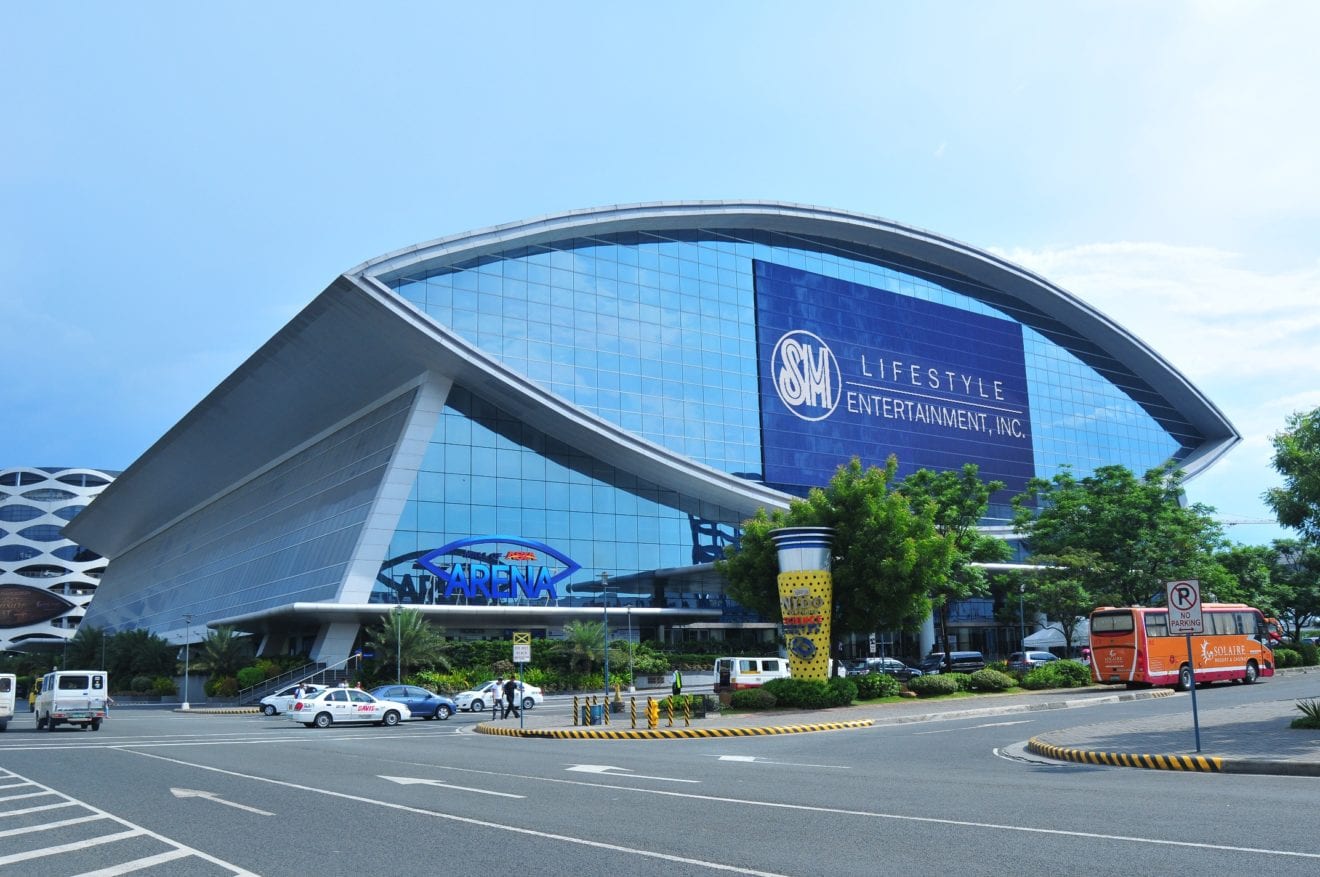
    “We are thrilled to be associated with the iconic Walt Disney Company,” said Edgar Tejerero, president of SM Lifestyle Entertainment.

    “Henry Sy Sr envisioned and purposed a second home for Filipinos across the nation where they can create memorable bonding activities with their families through amusement facilities, retail centers, and food establishments, all found in one mall. Sixty-five years later, and with 52 malls across the Philippines, it had just been high time that SM forged an official collaboration with the best family entertainment company in the world,” Tejerero said.

    Rob Gilby, MD of The Walt Disney Company Southeast Asia, said Disney makes millions of Filipinos laugh and smile with its stories and characters every day.

    “We have worked with the various arms of SM group over the years and today we are delighted to announce our collaboration on a comprehensive plan to create magical moments and memories that will last a lifetime for fans across the Philippines.”

    SM says it has synergised the efforts of all its subsidiaries – including SM Supermalls, SM Markets, The SM Store, Toy Kingdom, and its lifestyle and entertainment arm, SM Lifestyle Entertainment – to produce a complete and one-of-a-kind Disney experience for its patrons: from the moment they enter the mall to watch a movie, to the time they purchase their favourite snack and Disney merchandise. Patrons can also take their SM Cinema and Disney experience with them home, or wherever they go, through the newly launched Blink app.

    As a precursor to an already successful association, Disney and SM have worked together to bring multiple experiential events to the Filipino families such as the recent Avengers Experience in SM North Edsa, where guests were treated to life-size characters, Avenger-themed games, and a ‘meet and greet’ with Captain America, Thor and Black Widow.

    To officially jump start their partnership, SM and Disney will be launching a “Star Wars Galactic Christmas” to welcome the latest instalment of the movie, “Star Wars: The Force Awakens.” The exhibit will include life-size figurines of characters from the movie, interactive games, and official merchandise from the SM Store and Toy Kingdom.

  • Central Pattana plans four new malls

    Central Pattana plans four new malls

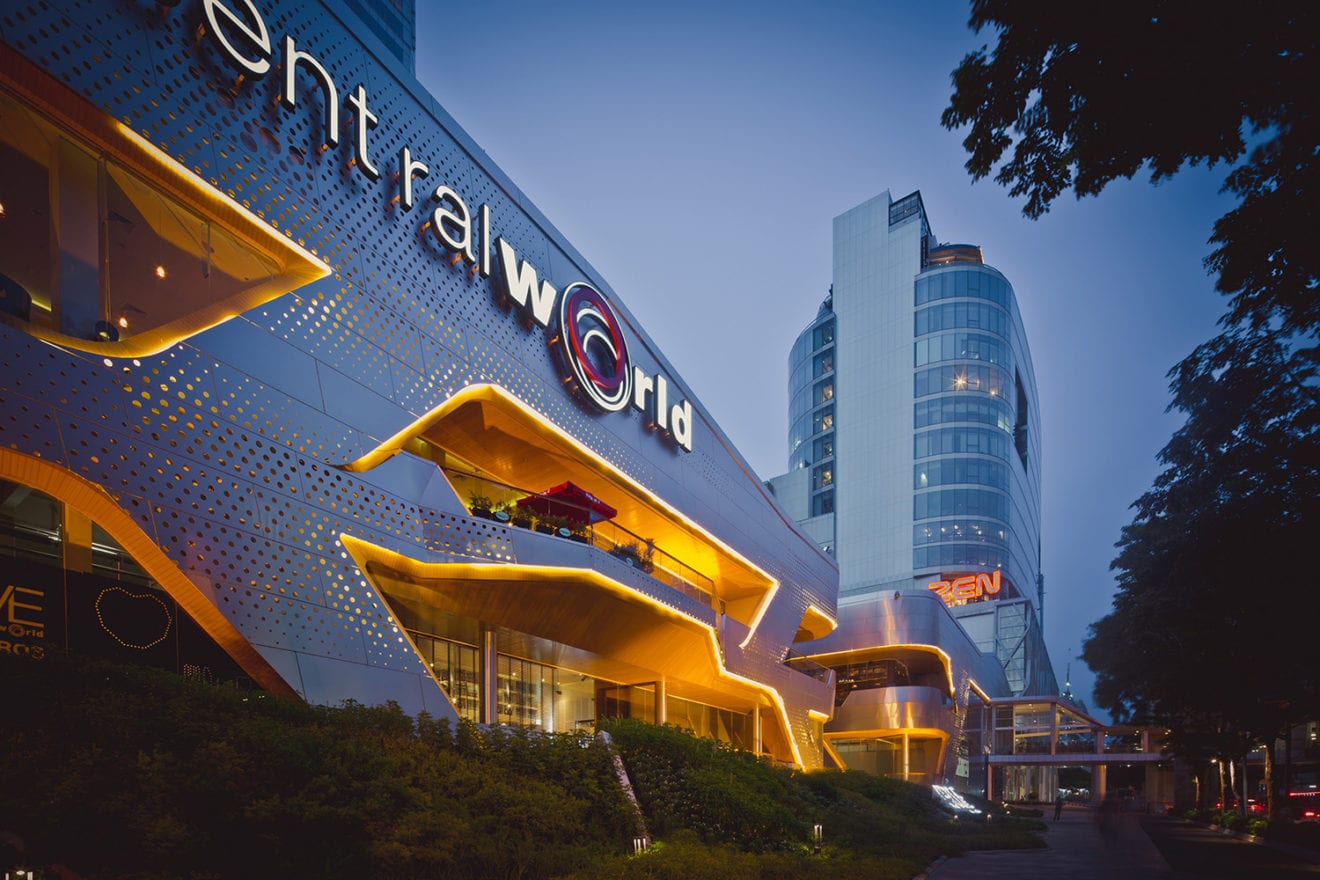
    Thai shopping centre operator Central Pattana has announced plans for another four or five shopping malls to be completed by 2018.

    The company says it has allocated THB30 billion (US$838 million)  for the new properties – which it says are in addition to a raft of previously announced planned properties.

    Central Pattana is the listed property development subsidiary of Central Group which owns shopping centres the length and breadth of Thailand and in Italy, Germany and China.

    The new malls will be built in the capital city of Bangkok and in larger regional cities. It has already announced plans to build centres in Phuket, Nakhon Ratchasima and Nakhon Si Thammarat.

    “CPN still aims for further expansion in major economic cities, as well as locations with potential business both in Thailand and neighbouring countries to demonstrate its sustainable growth,” said CFO Naparat Sriwanvit.

    Besides its Thai plans, the company is proceeding with a Malaysian joint venture to open a shopping mall in Kuala Lumpur and it is conducting feasibility studies on entering Vietnam and Indonesia.

    Parent Central already operates a Central Department Store in the Indonesian capital of Jakarta and the group has assets including a joint venture electronics chain and a department store in Vietnam.

    CPN runs 26 shopping malls in Bangkok and in major provinces, including Hat Yai.

  • Odel to build Mega Mall in 3 years

    Odel to build Mega Mall in 3 years

    Sri Lanka’s Odel PLC (Odel) is aiming at upgrading its Ward Place Odel flagship store to improve quality of offerings to customers and plans to build a Mega Mall of 300,000 sq. feet adjoining the Odel flagship store along with car park amenities. Addressing shareholders at the release of the 2014 Annual Report, Chairman of Odel PLC (Odel), Ashok Pathirage said the Mall is projected to be completed within three years.

    “We intend to bring our Softlogic Brands portfolio to Odel. During the year, ‘Mothercare’ has already been promoted inside Odel stores. We continue to develop customer care to enhance and facilitate standards and to bring our retail store floor space to international standards. We will be also launching Bodyshop branded products at Odel in the Q3 of FY2015/2016,” Pathirage said.

    He noted that whilst the company serves customers through 20 stores, their new Business Model aims at smaller outlets and one Big Mall.

    “Thus, we have closed down some of our bigger outlets including Maharagama and Jaela, with other outlets currently under evaluation,” Pathirage said.

    Softlogic Holdings Plc initially acquired nearly a 45% stake in Odel for over Rs.2.7 billion and since then has gradually increased its stake to 93% of issued share capital of the company by acquiring a further 47.46% stake for over Rs.2.8 billion from Parkson Retail Asia Ltd (PRA), the Singapore-listed department store subsidiary of Parkson Holdings Bhd. The total investment in acquisition that was concluded in mid-September 2014 amounted to over Rs.5.5 billion.

    Odel acquired 99.99% of Softlogic Brands Private Ltd on 20th March 2015 for a total consideration of over Rs. 599.99 million from Softlogic Retail Pvt Ltd and Dai Nishi Securities, which are subsidiaries of Softlogic Holdings PLC.

    Analysts have outlined that the retail sales worldwide will reach US $22.492 trillion this year, and that the global retail market will see steady growth over the next few years. In 2018, worldwide retail sales are projected to increase by 5.5% to reach US $ 28.3 trillion.

    “We will continue to invest in the businesses that give us profitable returns and opportunities for capital appreciation over the next 3 – 5 years. Softlogic’s Retail operations have plans to increase island-wide expansion of retail space and our brand acquisitions are backed by careful assessments. Softlogic Retail has ambitious plans to target a total retail space of 335,000sq.ft. in three years,” Chairman Pathirage said.

  • Investors switch to Hong Kong office property market amid troubled outlook for retail sector

    Investors switch to Hong Kong office property market amid troubled outlook for retail sector

    Institutional investors are diverting their capital to Hong Kong’s office property market in the wake of a troubled outlook for the retail sector, where yields have been compressed by soaring asset prices.

    Property consultants expect more big-ticket transactions to emerge in the office investment market over the next 12 to 18 months, with investors targeting en-bloc sales.

    John Davies, an executive director of the Hong Kong institutional investment properties team at property consultant CBRE, said interest in office properties was increasing, given that the retail sector was heading for a correction and the mass residential market was under pressure.

    The office sector had become sought after by both investors and end-users because it had offered “stable but steady growth in rental income” since 2010, he said.

    The solid fundamentals of the office sector, including a low vacancy rate and a lack of major new supply from now until 2020, made investors more confident, Davies said.

    “It is quite interesting to see [office demand from] the financial sector in Central has not grown, but the insurance sector, global sourcing firms and engineering consultants doing a lot of regional infrastructure projects have been expanding in decentralised locations in the past decade,” he said.

    For instance, Kowloon Bay was becoming a favourite address among multinational corporations setting up headquarters in Hong Kong.

    There has been chatter in the market that an investor is in talks with Swire Properties to acquire an office project in Kowloon Bay for an estimated US$1 billion. If the deal eventuates, it would be the biggest office transaction in Hong Kong.

    In a stock exchange filing on August 30, Swire revealed it was considering selling its entire interest in a wholly owned subsidiary that holds an office development project in Kowloon Bay.

    Swire won the 46,235 sq ft site in November 2013 in a government tender for HK$2.6 billion, or HK$4,753 per square foot. The project is scheduled for completion in 2017.

    Jonathan Lai, an associate director at Ricacorp Properties, said there was a limited number of quality en-bloc office projects available for sale on the market.

    “Investors are willing to pay a premium for it,” he said.

    Lai said the Kowloon Bay project could prove attractive to real estate funds looking for stable income for three to five years.

    Davies expects more large deals in the next 12 to 18 months.

  • Li Ka-shing’s Moves in China Reveal Good Timing

    Li Ka-shing’s Moves in China Reveal Good Timing

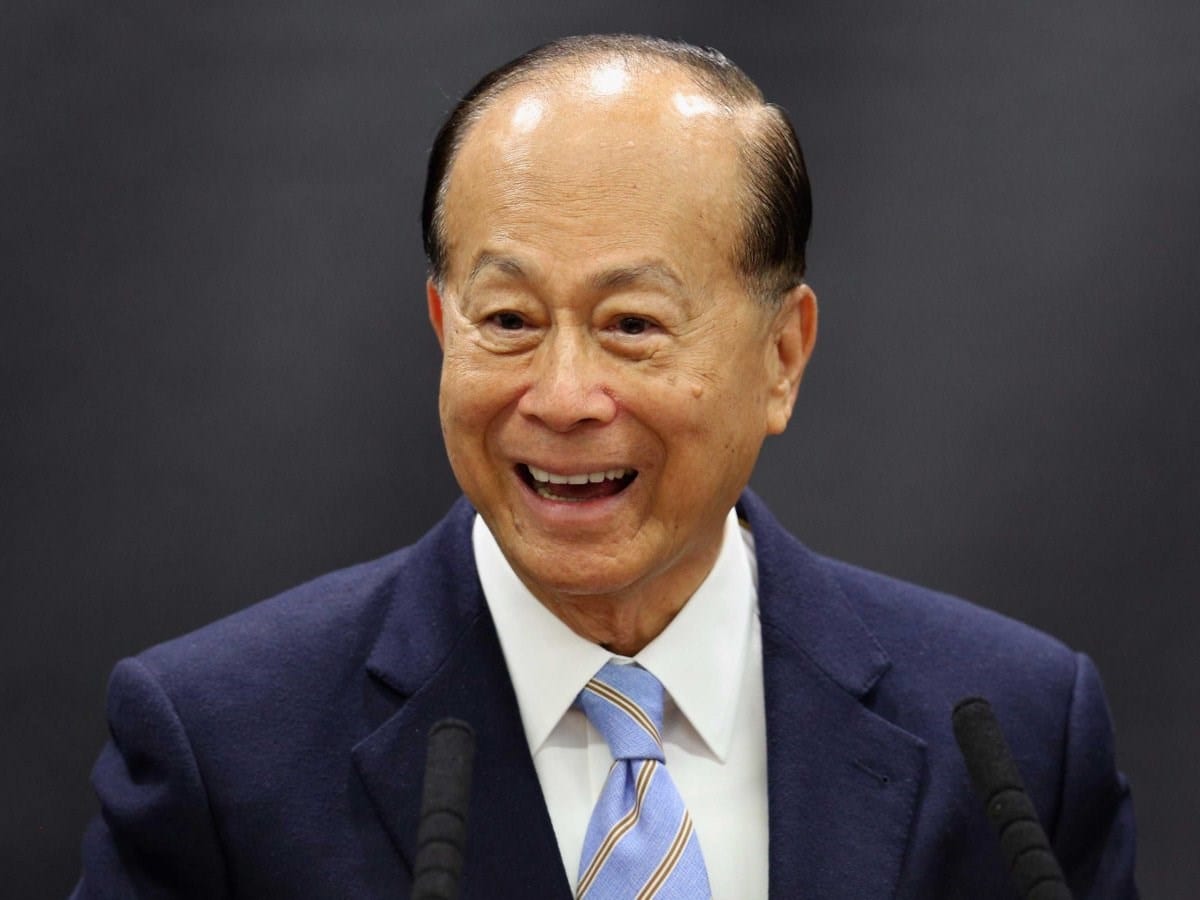
    As investors around the world fret over China’s economic tremors, Hong Kong tycoon Li Ka-shing has less reason to press the panic button: he has been quietly accelerating moves to cut his reliance on the world’s second-largest economy.

    Mr. Li, nicknamed Superman in Hong Kong for the business acumen that made him one of Asia’s richest men, has been trimming his property portfolio in China since 2011. He has also sold off parts of his ports and retail holdings in Hong Kong, which is a conduit for China’s international trade and finance.

    Instead, the 87-year-old tycoon has pivoted his two main conglomerates—Hutchison Whampoa Ltd. and Cheung Kong Holdings Ltd.—toward the old world of Europe. He has spent more than $20 billion in the past 18 months on deals that include buying the U.K.’s second-largest mobile-phone operator, a Dutch drugstore chain and a U.K. train-car maker, as well merging his Italian telecommunications company with a larger rival. Those deals were valued at more than his combined European acquisitions in the previous decade.

    Even before the spree, Europe had overtaken Greater China as the biggest contributor to Hutchison’s operating profit, by a small margin, in 2012. Last year the region accounted for 42% of the total, as Greater China shrunk to 30%.

    In a sign that easy returns from the boom years of China may be over, three people close to Mr. Li’s business say the moves were spurred in part by his belief that he can make more money in Europe—long seen as a collection of plodding economies—than in China, hitherto a magnet for investors because of its rapid growth rates. Company officials have said that the size and scale of investment opportunities in Europe exceed those of Hong Kong, where there is little left for Mr. Li to plow funds into.

    Now, as global markets stumble on concerns over China’s slowing economy, falling stock prices and a sudden devaluation in the Chinese currency, Mr. Li’s moves appear prescient, cementing his status among investors as an oracle. Company insiders and academics who study Mr. Li, however, say that the tycoon was also motivated by a weak euro that made European assets offering steady returns cheaper relative to China.

    “What Mr. Li really excels at is the timing of his selling,” said Woody Wu, an accounting professor at the Chinese University of Hong Kong. “He sells as long as the price is right. He’s a genius when it comes to finance.”

    Mr. Li, who is valued at $24.8 billion by Forbes as of Sept. 5, presides over an empire that is divided roughly into quarters: property, telecommunications, ports and infrastructure as well as retail and energy. Earlier this year, Mr. Li folded his two flagship firms together into CK Hutchison Holdings Ltd. and spun off their property businesses into a separate company, Cheung Kong Property Holdings Ltd. The companies’ combined market value is about $77 billion.

    Both companies outperformed Hong Kong’s benchmark Hang Seng Index, which has fallen nearly 24% since June 12. Shares of CK Hutchison are off 10% over the same period, while the property arm took a 21% hit, showing Mr. Li isn’t immune to any slowdown in China.

    Most of Mr. Li’s property portfolio is in China and nothing thrills Mr. Li like a development deal, according to two people who have worked closely with him. When entertaining clients over bowls of pili nuts at his office on the 70th floor in Hong Kong’s central business district, Mr. Li once pointed to the city’s skyline and boasted that one in eight buildings were made by him, according to a person who has visited him.

    He was among the first foreign developers to enter China after its leader Deng Xiaoping, with whom Mr. Li had close ties, began opening up the nation’s economy. He retained good relationships with subsequent presidents Jiang Zemin and Hu Jintao, although he is seen by China watchers as less close to the current president, Xi Jinping.

    In 2008, Mr. Li surprised observers when he sold a 40-story office tower in the heart of Shanghai’s blossoming financial district to a private investor for 4.9 billion yuan (US$769 million). Three years later, the building fetched a half billion yuan less when it was resold as the market dipped, people familiar with the matter said at the time.

    Mr. Li hasn’t made any significant land acquisitions in China since at least 2012 and has sold off malls and housing developments.

    “It shows [Mr. Li’s companies] are bearish on the market going forward,” said Samuel Hui, a conglomerates analyst at broker CLSA.

    One person close to Mr. Li said he had lost the advantage in know-how for construction that he held in the 1990s in the face of competition from rising Chinese property moguls such as Dalian Wanda Group’s Wang Jianlin, who has replaced Mr. Li as Asia’s richest man.

    Other potential motives attributed by company insiders and academics for Mr. Li’s step back range from the possible souring of his relations with the nation’s power brokers, to the tycoon preparing to hand over the business reins to his eldest son, Victor Li.

    “The more important reason why he’s moving away from China is that his influence there is dissipating,” said Joseph Fan, a finance professor at the Chinese University of Hong Kong who has studied Mr. Li’s career.

    In Hong Kong, where Mr. Li started his empire manufacturing plastic flowers in the 1950s, he has shifted the domicile of his businesses to the Cayman Islands. Last year, he sold a quarter of his Hong Kong retail chain to Singapore sovereign-wealth fund Temasek Holdings Pte. Ltd. Most recently, Qatar’s sovereign-wealth fund bought 16.5% of his electricity assets in the city.

    People close to Mr. Li say he remains in empire-building mode.

    “You still see that energy and strong interest into making deals—megadeals,” said a person familiar with Mr. Li. “I don’t see that he’s tired of doing this.”

  • Hong Kong home prices could begin falling next year, says JP Morgan

    Hong Kong home prices could begin falling next year, says JP Morgan

    Hong Kong home prices could fall by 5 per cent to 10 per cent over the next three years, according to JP Morgan, which warned of the risks of an economic slowdown in the city.

    A slowdown marked by falling retail sales and a softening mainland economy would adversely affect home purchasing power and buying desire, said  Cusson Leung, head of conglomerates and property research at JP Morgan.

    Leung told a press briefing on Friday there were a number of factors that could affect the performance of Hong Kong property market, such as credit leverage and capital flow, while adding that he did not see any immediate risk of over-leveraging of real estate or capital outflow.

    The unemployment rate is expected to rise

    However, he raised concerns over a potential slowdown of the city’s economy, linked to the risk of further decline in the mainland China economy.

    “Retail sales are declining and international brands are talking about network consolidation in Hong Kong,” he said. “The unemployment rate is expected to rise.”

    Leung said the impact of the negative factors would become more obvious early next year. “2016 will be a more difficult year when compared with 2015. Home prices could see a decline,” he said.

    While saying that JP Morgan had not yet reached a house view on the degree of home price falls, he said it was possible prices could drop by 5 per cent to 10 per cent a year over the next three years, starting from next year.

    Hong Kong home prices rose 13.5 per cent last year and 8 per cent in the first half of this year, according to the data from the Rating and Valuation Department.

    Leung said home prices were unlikely to see a sharp plunge of 30 per cent in a year unless a crisis or really bad unexpected news hit the market.

    Residential transactions in Hong Kong last month plunged 27.8 per cent month on month to 3,896, according to Land Registry data released on Wednesday, prompting some analysts to predict a modest decline in home prices in the second half of this year. Alva To, senior managing director of real estate services firm DTZ/Cushman & Wakefield, predicted home prices could see a decline of 5 per cent to 10 per cent from current levels this year.

    Leung, however, expects prices to remain stable this year, but begin falling next year.

    Centaline Property Agency said its secondary home price index hit a record high of 146.78 yesterday, up 0.91 per cent week on week.

    The decline in property transactions in the past two months was more related to a slowdown in project releases than the wealth effect from the stock market crash, Leung said.

    His comments came a day after Sun Hung Kai Properties sold out all 328 flats at phase two of its Century Link development in Tung Chung.

  • Philippines mall magnate tops rich list

    Philippines mall magnate tops rich list

    Henry Sy, the founder of the Philippines mall giant SM has maintained his place at the top of the nation’s rich list for the eighth consecutive year.

    Sy’s various business interests include property, retail and banking and his net worth is estimated byForbes Philippines as US$14.4 billion – up $1.7 billion on the 2014 figure.

    Forbes calculated Sy’s SM Investments rose 17 per cent in value during the last year and SM Prime Holdings by 20 per cent.

    Besides his retail interests, the 90 year old Sy who was born in Xiamen, China, has shares in power supplier National Grid Corp.

    Second on the list is another retailer: John Gokongwei Jr, one of the family which owns the parent company of Robinsons malls in the Philippines, amongst other assets including energy, airlines, telecommunications and food. His net worth is estimated at $5.5 billion.

  • Retail building oversupply reaches alarming level in HCM City

    Retail building oversupply reaches alarming level in HCM City

    A Cushman & Wakefield’s report shows that the retail rent in the second quarter fell by 5 percent compared with the same period last year. Meanwhile, the supply is forecast to soar to 1.5 million square meters by 2020, 200 percent higher than today.

    According to Savills Vietnam, the total retail premises area which has been put into operation by August, had reached 940,000 square meters. It is expected that the market would have an additional 200,000 square meters from 10 projects.

    In the eastern part of HCM City, which is considered the ‘hottest spot’, at least 300,000 square meters of trading floor – a basement of apartment blocks – would become operational in 2015-2018.

    The retail supply boom in the eastern part of the city is attributed to the city’s policy on increasing infrastructure investment in the area. However, the existing shopping malls in the area remain poorly patronized.

    Viet An Hoa’s CEO Tran Khanh Quang warned that 300,000 square meters of retail premises was too high and may lead to an oversupply.

    The retail premises area in the southern part of HCM City has also been increasing. According to Savills Vietnam, there are about 151,000 square meters of modern retail premises under exploitation, including 60,000 square meters, or 40 percent, in Phu My Hung new urban area.

    It is expected that 80,000 more square meters of retail premises will hit the market by 2016.

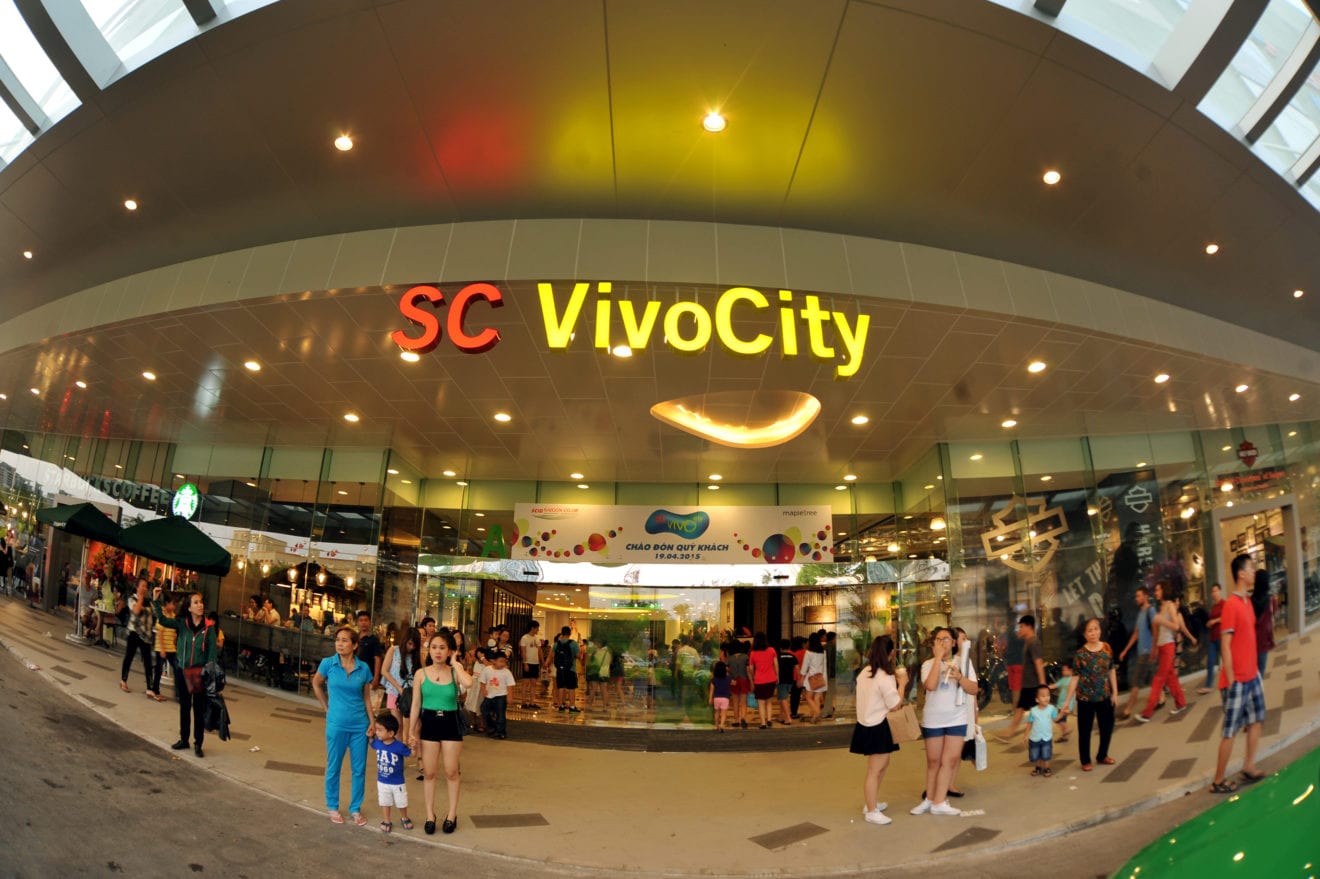
    SC Vivo City (41,000 square meters), Crescent Mall (45,000) and Parkson Paragon (12,800) are the three largest shopping malls in the southern area of the city. But they are not crowded on week days.

    “The retail premises are in oversupply,” said Nguyen Van Duc, Deputy Director of Dat Lanh Real Estate.

    “Even the shopping malls in advantageous areas are deserted these days,” he said, adding that investors should not ‘be overly excited with retail building projects’.

    He went on to say that it was a ‘blunder’ for project developers to set up shopping areas in the basement of buildings.

    The shopping malls at apartment buildings, together with separate shopping malls above ground, will lead to an oversupply of retail premises.

    However, Le Thi Kim Hoa from Cushman & Wakefield is optimistic about the market, saying that the supply would force rental prices of retail premises down, which will benefit customers.

    Savills Vietnam’s Nguyen Thi Van Khanh noted that, compared with Bangkok, which has 8 million square meters of retail premises, and Singapore with 4 million, the retail premises total area of less than 1 million was ‘modest’.


  • Major makeover for Bangkok’s Silom

    Major makeover for Bangkok’s Silom

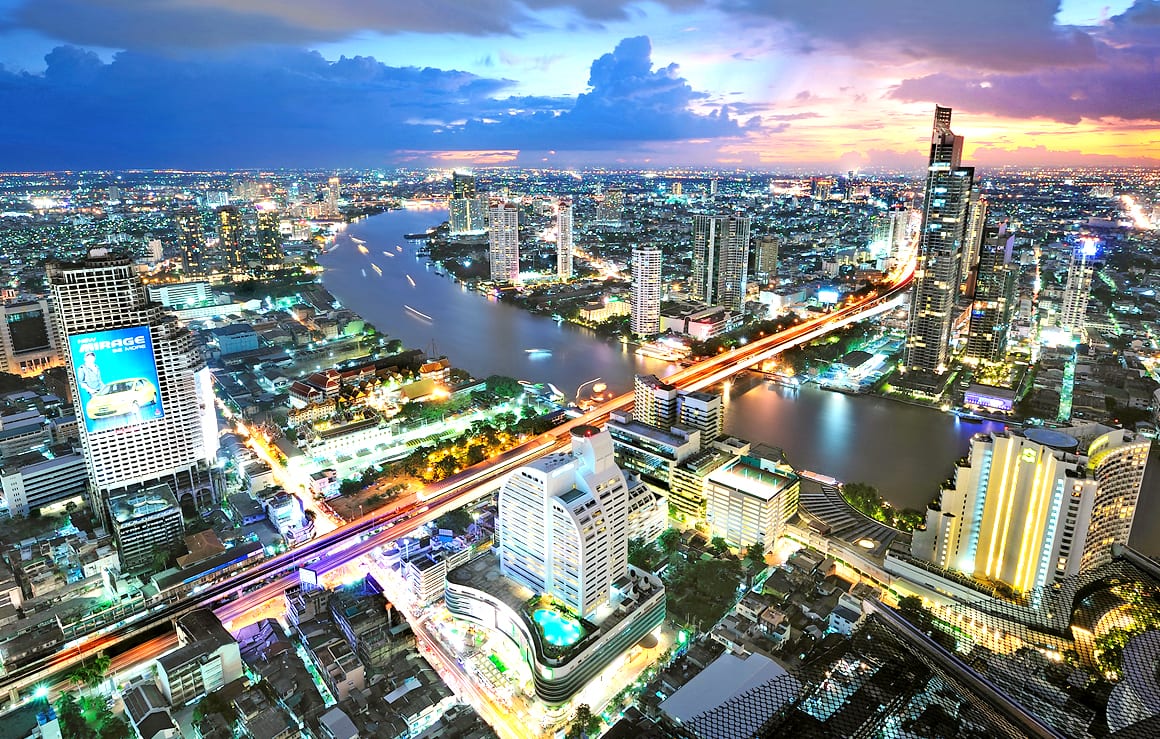
    A Thai developer has revealed plans to convert a prime corner site in Bangkok’s Silom district into a futuristic retail and office centre.

    Silom Center, on the corner of Silom and Rama 4, adjacent to the BTS Skytrain and underground MRT stations will be redeveloped by the third quarter of next year.

    The development is being undertaken by Property Perfect and We Retail PCL who believe that, once finished, the building will put the suburb on a par with Siam and Phloen Chit, both anchored by luxury malls and populated by luxury brands and high class eateries.

    The project will combine a retail mall and office space with new connections to the Sala Daeng BTS elevated walkway.

    The property developers also announced several other developments in Bangkok.

    The company is constructing the Sukhumvit Center in Nana which will feature a 30-storey high “six star” Hyatt Regency hotel and two levels of shopping space when it opens at the end of 2017.

    And in nearby Asoke the company plans to convert a Robinson department store located beneath the Westin Hotel into a retail centre branded Sukhumvit Center Asoke. That project will not be completed until late 2021, however.

  • K11 mall founder to build 17 more centres

    K11 mall founder to build 17 more centres

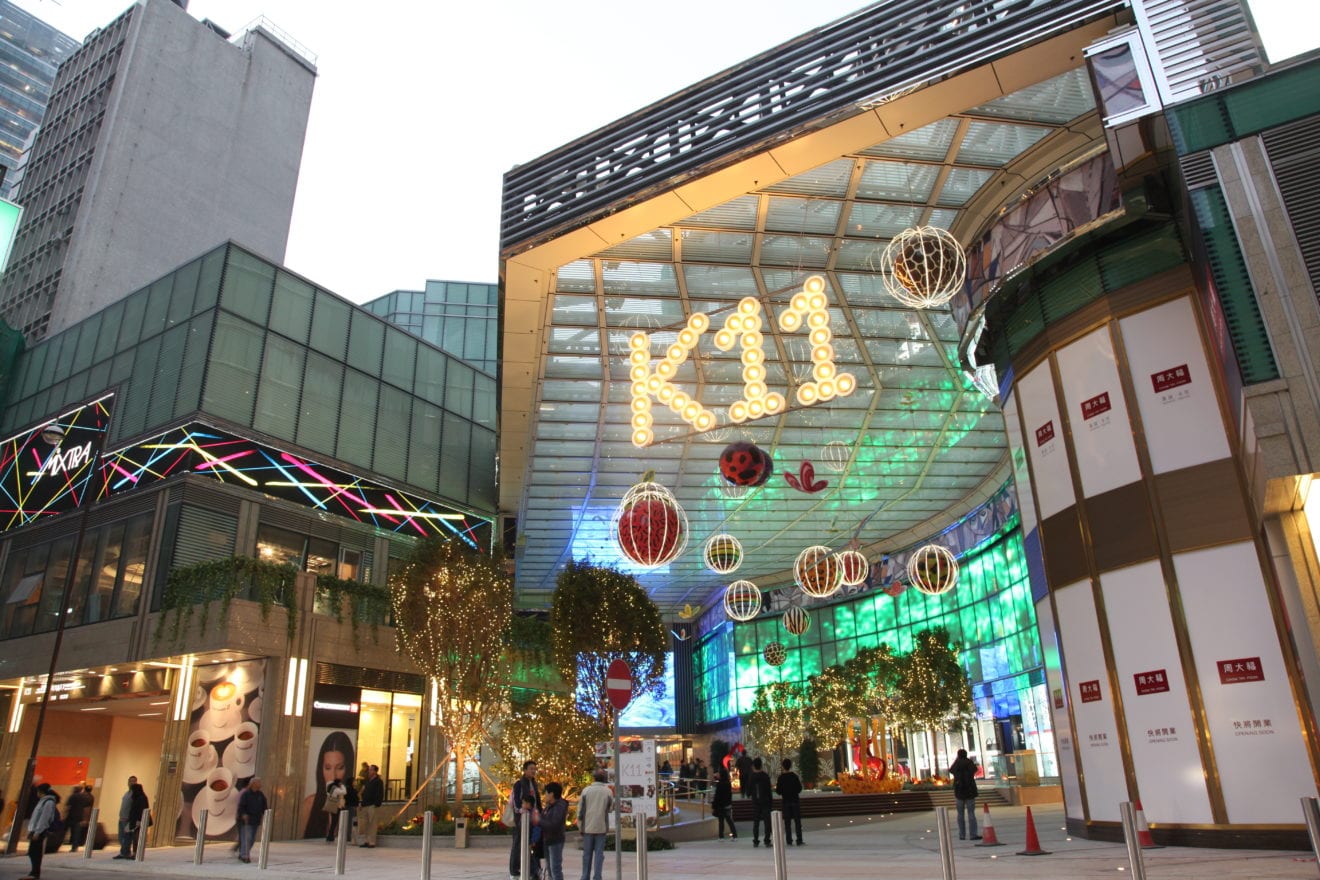
    The founder of the K11 mall concept which debuted in Hong Kong and then was replicated in Shanghai is now planning 17 more centres in Mainland China.

    Chinese billionaire Adrian Cheng founded the nonprofit K11 Art Foundation in 2010,  and subsequently opened the K11 shopping centre in the heart of Kowloon, atop the Tsim Sha Tsui railway station.

    Like its successor in Shanghai, the K11 mall features frequently-changing art installations and exhibitions, merging art gallery with a retail and dining space. Works by artists including Olafur Eliasson, Damien Hirst and Yoshitomo Nara can be found in the malls.

    A spokesman for Cheng’s business New World Development Company says the grand plan is to have 19 K11 spaces – mostly retail centres but also offices.

    Cheng is ranked among the world’s top 20 billionaires aged under 35 with an estimated worth of US$1.4 billion.

  • International honour for Siam Center

    International honour for Siam Center

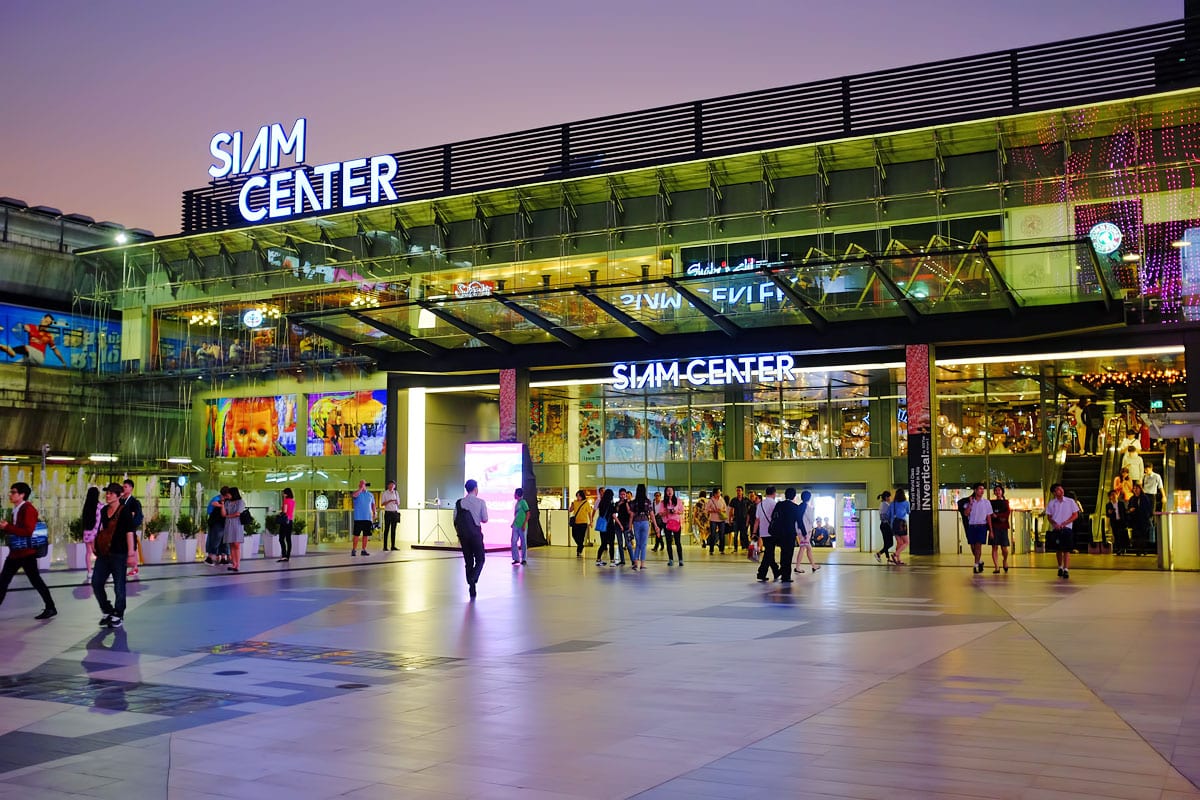
    Bangkok’s Siam Center has been chosen as one of world’s five best-designed retail centres by the International Council of Shopping Centers.

    Siam Center, owned and developed by Siam Piwat Co,  is one of five malls from around the world presented with the 2015 ICSC Viva Award in the ‘design and development’ category and is recognised for ‘most outstanding design’.  The award follows Siam Center’s selection in 2014 as a Gold Award Winner by the Asia Pacific Shopping Center Awards for its innovative new design.

    ICSC - Siam Center - Picture 1


    Siam Center completed a full-scale rejuvenation in 2013 with an investment in excess of Bht 1.8 billion (US$50.5 million) by Siam Piwat and 300 brand owners in the biggest collaborative initiative in retail development ever undertaken in Thailand.

    Siam Piwat CEO Chadatip Chutrakul said the company felt very honoured by the ICSC’s award.

    “ We want to help make Bangkok a top global shopping destination by being at the forefront of new ideas in the design of our properties.  Siam Center is one of the first lifestyle destinations in the world to pioneer a revolutionary new retail concept that involved collaboration between retail developer, retailers, and brand owners to create a consistent visual identity in the entire venue as well as concept shops which are all aligned with Siam Center’s distinctive look and mood,” she said.

    “That collaboration even extended to presenting visitors with a single promise: that, regardless of whichever store or restaurant they visited at Siam Center, they would experience something revolutionary and unexpected.”

    Chadatip said Siam Piwat decided to make a major investment in Siam Center in line with the evolution of retailing, “which is no longer just about retailing, but about providing extraordinary experiences in an arena where people can be inspired, excited and entertained”.

    “Siam Piwat’s strategy for success across all our properties is to be a thought-leader in retail development, always innovating, always being first, and always doing it at world-class standards as an ‘Icon of Innovation’,” she said.

    Chadatip, after its redevelopment Siam Center has measured a significant increases in visitors, in the number of visitors actually shopping, and in the average spend by each shopper.

    “Since the new concept was introduced, the number of people visiting Siam Center has increased by almost 12,000 people a day, as compared to the year before. And, of those people visiting Siam Center, the number of people who actually do some shopping at the venue has leapt by an incredible 34 per cent.

    “Beyond that, the average spending by shoppers has more than doubled and is now at almost Bht 3,000 ($84) per shopper, per visit. This reflects the success of the collaboration between retailers, brand owners and Siam Piwat to excite and inspire visitors,” she said.

    “Our success with Siam Center reinforces our conviction that thought-leadership will drive Siam Piwat’s success and our future growth will come from offering novel concepts as well as new retail and lifestyle ideas that are the first in Thailand, and some even in the world.”

  • SM Malls embrace future style

    SM Malls embrace future style

    On her first visit to SM Aura in Taguig, Michelle Dabuet, 38, an IT project manager, noticed that it had an “odd” shape.

    “It’s clean and classy and not like the other SM malls that are boxed-shape,” Dabuet noted.

    Gail Dacquel-Perez, 39, and a mother of three also distinctly remembers the fragrance that accosted her upon entering the mall, as well as the cleanliness and the look and feel of a bigger “Podium” mall, one of SM’s earliest upscale shopping malls in Ortigas.

    Noticeably, SM malls today have undergone a major transformation to cater to a new breed of shoppers.

    The sleek designs, open spaces, and iconic edifices in the newest SM malls are attracting shoppers who have become more aware and appreciative of style, fashion and global trends.

    Architect Fides Garcia-Hsu of SM’s Engineering, Design and Development shared that SM, in general, has taken into account two kinds of customers in retail which are also reflected in the design of its malls. Those that are focused and those who act on impulse.

    Focused buyers go to the mall with the intention of buying and carrying the right amount of money to achieve their objectives. Impulse buyers are those who visit the mall with no original intention of buying but will do so if something appeals to them or continue to window shop.

    “Both types are important for SM and that’s why zoning is equally important for us. We try to achieve the right tenant mix to cater to both types,” Hsu said.

    Take Mall of Asia, SM’s premier mall in Pasay as an example. The Hypermarket and THE SM Store are located on both north and south car parks. The Entertainment Mall which houses cinemas and various dining establishments are at the seafront side while the Cyberzone is on another floor. The Food and Beverage units are along the pedestrian streets.

    SM North EDSA, which has undergone several renovations and upgrades in the last few years, follows a similar zoning pattern which aims to provide a more convenient shopping experience while also allowing equal exposure to majority if not all the mall tenants.

    Hsu shared that SM patriarch Henry Sy, Sr. or Tatang (father) as he is fondly called, has provided the direction for the design of SM malls and is, in a way, the first architect of the SM malls.

    SM malls usually follow a straight or H-path which makes it convenient for shoppers to find their way from point A to point B, said Hsu.

    “Tatang  also taught us how to plan the space. He told us that every inch is valuable,” she said

    In recent years, SM malls have transcended the boxy look to develop into bolder and more artistic designs. SM Aura in Taguig, which was designed by Miami-based Arquitectonica drew inspiration from the elements – much like a tree melding with its roots or a waterfall cascading into a river. It also aims to be one of the first civic centers to be certified Gold under the US Green Building Council Leadership in Energy and Environmental Design (LEED) program.

    The 470,000 sqm SM Seaside City in Cebu, which promises to be a regional landmark in the Visayas, meanwhile takes inspiration from the legendary nautilus shell. The mall, which will feature a steel cube sculpture and a 148-meter tower with a viewing deck that has a breathtaking 360-degree view of Cebu, is expected to cater to various segments of the market.

    These new designs are a huge departure from the original designs of SM malls. Interestingly, the old design mirrored the shopping preferences of the era. In the 1980s, Filipinos mainly  flocked to the box-type SM malls, usually rising three storeys, for their basic needs, for convenience and for novelty while others just wanted to bask in the air conditioning to get away from the scorching heat that a tropical country like the Philippines is known for.

    The straightforward design also appeared to echo both the personality and the vision of Sy who was known to many as a “no-nonsense”, straightforward man.

    “Every mall has a touch of Tatang (as Sy is fondly called by family, friends and employees). He is always involved in the design. His direction was to make it (mall design) simple, straightforward, convenient and efficient for shoppers,” Hsu said.

    Sy was inspired by his travels to the US where he saw malls starting to proliferate, or a series of retail stores and major stores put under one space with a common pathway. The desire to offer this emerging retail concept to Filipinos was strong, says SM Prime Chairman Henry Sy, Jr , the eldest son of Sy.

    “My father saw the US model. Being in the retail business, he was attentive to the needs of the people and what will make things convenient for them here in the Philippines. When he built the first SM mall on North EDSA, what he had in mind was the real estate play and that everything should be under one roof,” Henry Jr. said.

    Many thought that the opening of SM North EDSA, with a gross floor area of 125,000 sqm then, was ill-timed in 1985, with the country plunged into political upheaval.  But Filipinos quickly latched on to the new concept, much also to the surprise of the Sy family.  The first mall opened with SM’s own brand of supermarket and department store as many businesses were fearful then to open in uncharted waters such as in North EDSA.  Cinemas in the mall were also a novelty and as more tenants warmed up to “SM City”, the new business venture flourished and was soon replicated across the country at a rate of three to four malls a year.

    The next wave: sustainable malls

    Hsu said environmental sustainability has become the paramount consideration at present and for years to come in terms of mall development.

    “SM will continue to incorporate sustainable features in its malls. Rain harvesting, water recycling and expansive skylights to provide sufficient daylighting, the use of solar panels to provide adequate percentage of the mall’s power requirement, the use of high performance IGU (insulating glass units), deck landscaping and a host of other measures will be looked into and integrated into the planning,” Hsu said.

    SM Marikina which is within the Marikina River watershed and situated in a flood prone area was built on concrete stilts to elevate the structure. The mall was constructed 20 metres farther than the suggested 90-meter distance from the center of the Marikina river.

    SM Center Muntinlupa was also enhanced to be more resilient in light of two fault exposures in the area. It stands with a five-meter buffer zone to minimise the impact of earthquakes and other disasters such as the rupturing of both sides of the fault.

    SM City Masinag in Antipolo has fully revolutionised the company’s approach to sustainable and disaster resilient design. It incorporates a 3 million gallon holding tank to reduce the impact of super typhoons that plague the area. The tank has the capacity to hold water volume generated from constant rainfall of a storm similar to Typhoon Ondoy (Ketsana) for over three hours.

    Other unique sustainable features of SM malls include high windows above eye level that use natural light to illuminate company facilities; the use of LED and CFL light bulbs to further reduce electricity consumption; environmentally-friendly materials and technology for all heating and cooling processes; water-efficient fixtures systems to reduce potable water consumption such as waterless urinals and faucet aerators; and prudently-selected construction materials that minimise the impact of certain structures, promote healthier indoor environments and enhance performance of all company facilities.

    Roof gardens are also incorporated in the malls which make both commercial and environmental sense. These not only cool the mall, but also draw people upwards, thereby providing better footfall to tenants on the higher floors; retain water during heavy rainfall and reduce flooding; reduce heat transfer to the local environment by absorbing heat through trees, plants and fauna. “The roof gardens we design for SM make a solid contribution to disaster resilience that should be considered countrywide,” Arquitectonica MD Asia Peter Brannan said.

    “As builders, we know that the most iconic monuments depend on a great foundation. Our approach to sustainability works the same way. By designing green, we are not only making a commitment to revolutionising the retail industry, but we are also creating a solid foundation for future stewards of the environment to build on,” SM Prime President Hans Sy had said.

    Indeed, today’s shoppers are exposed to international trends through frequent travels, unafraid to risk resources for experience, always on the prowl for what’s “trending” or “viral” in terms of venues, “eats”, technology and are constantly in search of new advocacies to champion.

    “The Philippines is currently one of the fastest growing economies in the world; that will inevitably result in rising disposable incomes and a much more sophisticated consumer. They will want a better environment, a better workplace, and a better home. Both designers and developers will have to respond to that, and constantly strive to improve the quality of their product. Doing business as usual will simply leave you behind in this fast-moving, interconnected world,”Arquitectonica’s Brannan said.

    This new generation of shoppers now view malls as destinations. More than just a place to hang out with friends or family, they now demand the best quality experience, the best food, the best product, the best service. And as shoppers evolve, SM malls too will adapt to ensure that there is a preferred destination for all.

  • Major Cineplex plans Laos rollout

    Major Cineplex plans Laos rollout

    Thai cinema chain Major Cineplex plans to have 30 screens in Laos within three years.

    Major Cineplex has entered the Laos market in a 60:40 joint venture with local partner Platinum Cineplex.

    With a population of 7 million, a growing economy and young population, the Thai company believes it offers strong opportunity to expand its business outside Thailand.

    “Laos is a growing area for the movie business with its young population,” Major Cineplex chairman Vicha Poolvaraluck said in an interview with The Nation this week.

    “The country is [also] attracting foreign investors, particularly from China, to erect a number of new projects including shopping malls, hotels and business centres.”

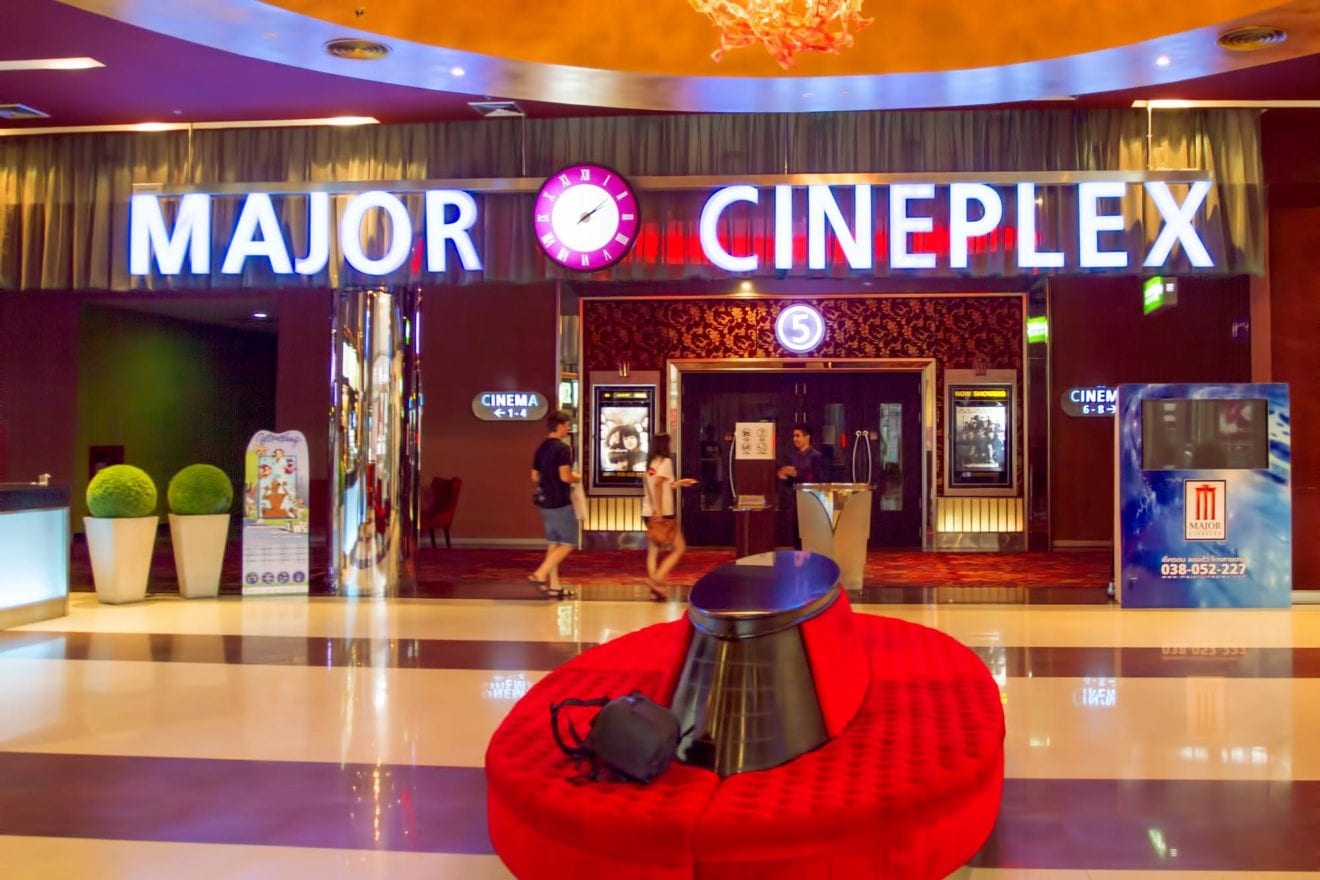
    Major Cineplex typically operates its multiplex cinemas as anchors of modern shopping malls. It has just opened its first five screen, 1148 seat facility in Vientiane Center an upmarket shopping centre developed in a partnership including China’s Huawei

    Vicha said his company expects to sell at least 500,000 tickets within the first year of operation.

    “Forty per cent of Vientiane’s 700,000 residents are aged between 10 to 35 years,” he added.

    Major Cineplex will open three more cinemas in Vientiane by 2018, one in the planned World Trade Centre and another in a development planned by Thai investors.

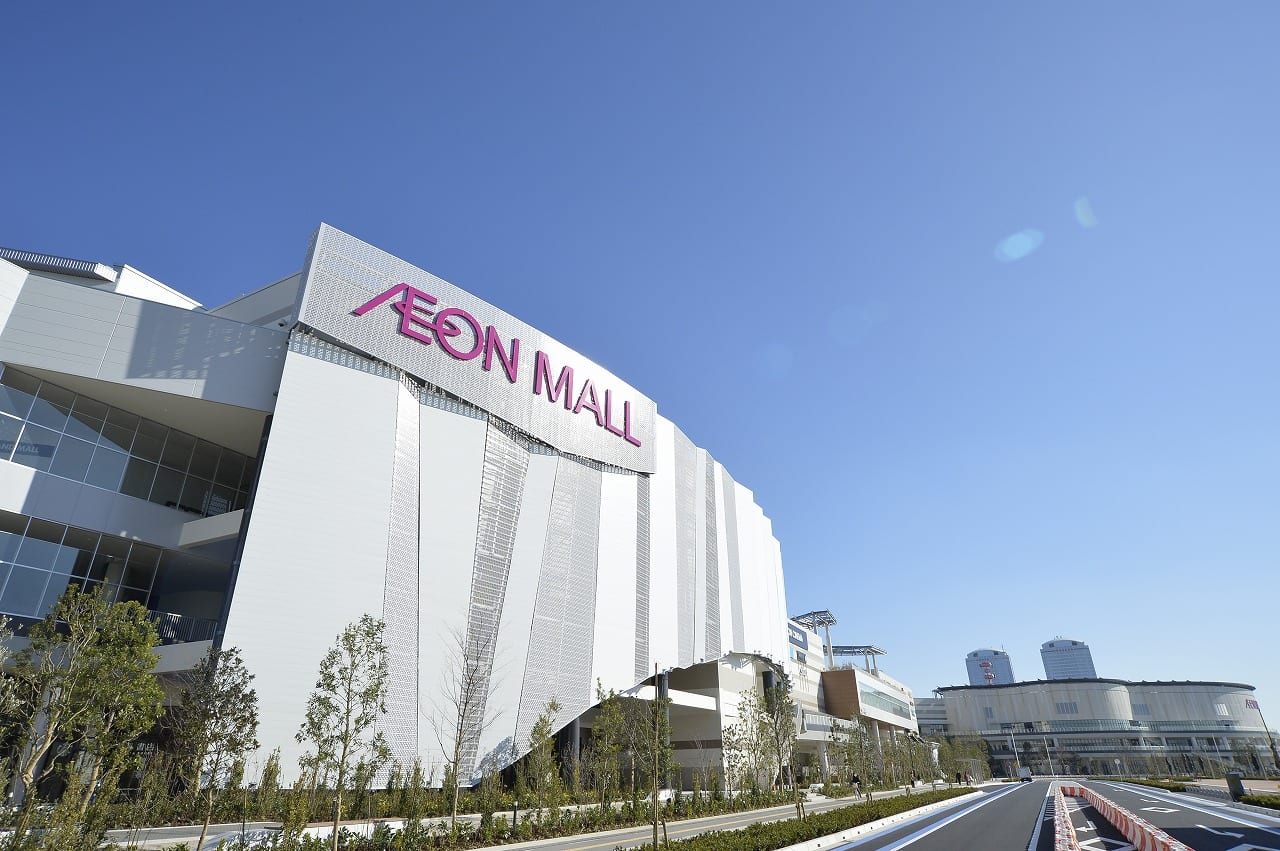
    Vicha says his company is also eyeing opportunities in Cambodia, Myanmar and Vietnam. It currently operates just one cinema outside Thailand – in the year old Aeon Mall in Phnom Penh, also in partnership with Platinum.

    He told The Nation he expects to have 100 screens outside Thailand by 2020, creating 10 per cent of the company’s revenue.

  • Aeon Hong Kong to invest in new stores

    Aeon Hong Kong to invest in new stores

    Aeon Hong Kong is ramping up its store network expansion in the territory and the mainland.

    The Japanese retailer’s locally listed subsidiary has set aside HK$420 million to build new stores and refurbish existing ones, MD Christine Chan Pui Man said in announcing the company’s half year result. The cash – vastly more than the $51 million spent in the first half of this year – will be spent during the second half of 2015 and in 2016.

    Chan said despite a “stagnant” retail industry in both China and Hong Kong, the group improved its sales by 2.4 per cent to $4.499 billion in the six months to June 30, largely from stable growth in the mainland. Gross margin rose from 30.6 per cent to 31.1 per cent due to merchandise enhancement, boosting the core business profit by 20.8 per cent to $43.7 million.

    In the first half of this year Aeon Hong Kong opened four new stores – two in Tsuen Wan, one in Sai Ying Pun and another in Sham Shui Po, giving it a network of 46 on June 30.

    Revenue from the group’s Hong Kong operations was maintained at HK$1.87 billion, down marginally on a year ago, but profit fell from $44.7 million to $23.6 million.

    On the mainland, revenue rose by 6.8 per cent to $2.626 billion and the segment results achieved a turnaround with profit of $20.2 million compared with a loss of $8.4 million last year. Aeon now has 29 stores in south China, no more than at the end of last year.

    With a focus on now expanding the network, Aeon Hong Kong believes the mainland will become a major growth driver of the group.

    “In spite of the unstable macroeconomic environment and the volatile stock market, the PRC is still one of the economies with the largest potential for further business growth,” Chan said.

    In the second half of 2015, a new store will open in Zhongshan and in the first half of 2016, one will open in Panyu and two in Guangzhou and Shenzhen respectively in the second half.

  • CapitaLand may sell Rivervale Mall

    CapitaLand may sell Rivervale Mall

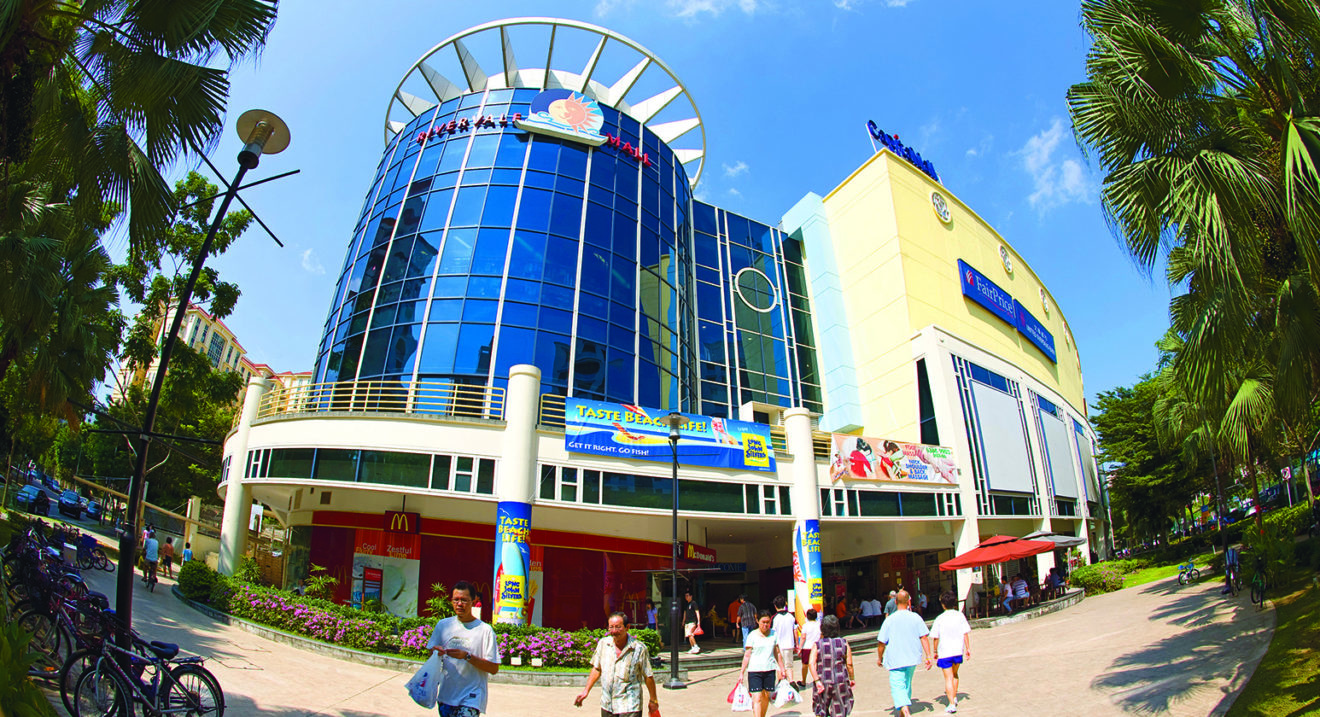
    Singapore property conglomerate CapitaLand has confirmed it is reviewing its options for the future of Rivervale Mall.

    “CapitaLand Mall Trust has not come to any decision or entered into any agreement or transaction in connection with the options, nor is there any certainty or assurance that CMT will enter into or conclude any such transactions,” the company said in a disclosure to the Singapore stock exchange.

    The company said the consideration was in line with its policy of continually evaluating its portfolio of assets “and exploring opportunities to maximise” their value.

    Rivervale Mall is located in the Sengkang housing estate close to Rumbia LRT station in the north-eastern region of Singapore. The three-storey mall has a net lettable area of 81,159 sqft and serves the local community.

    Key tenants include NTUC Foodfare, Daiso, Bata, Eu Yan Sang TCM, McDonald’s, Long John Silver’s, Guardian, KFC, BBQ Chicken, Watsons, Kimage, NTUC Denticare, Unity NTUC Healthcare.

    In 2014, it had a footfall of 9.9 million.