Category: Real Estate

Retail News Asia is committed to providing both local and global retailers with the latest Real Estate news throughout the Asian market. This on a daily base.

  • Mövenpick Siam Hotel Pattaya Opens on December

    Mövenpick Siam Hotel Pattaya Opens on December

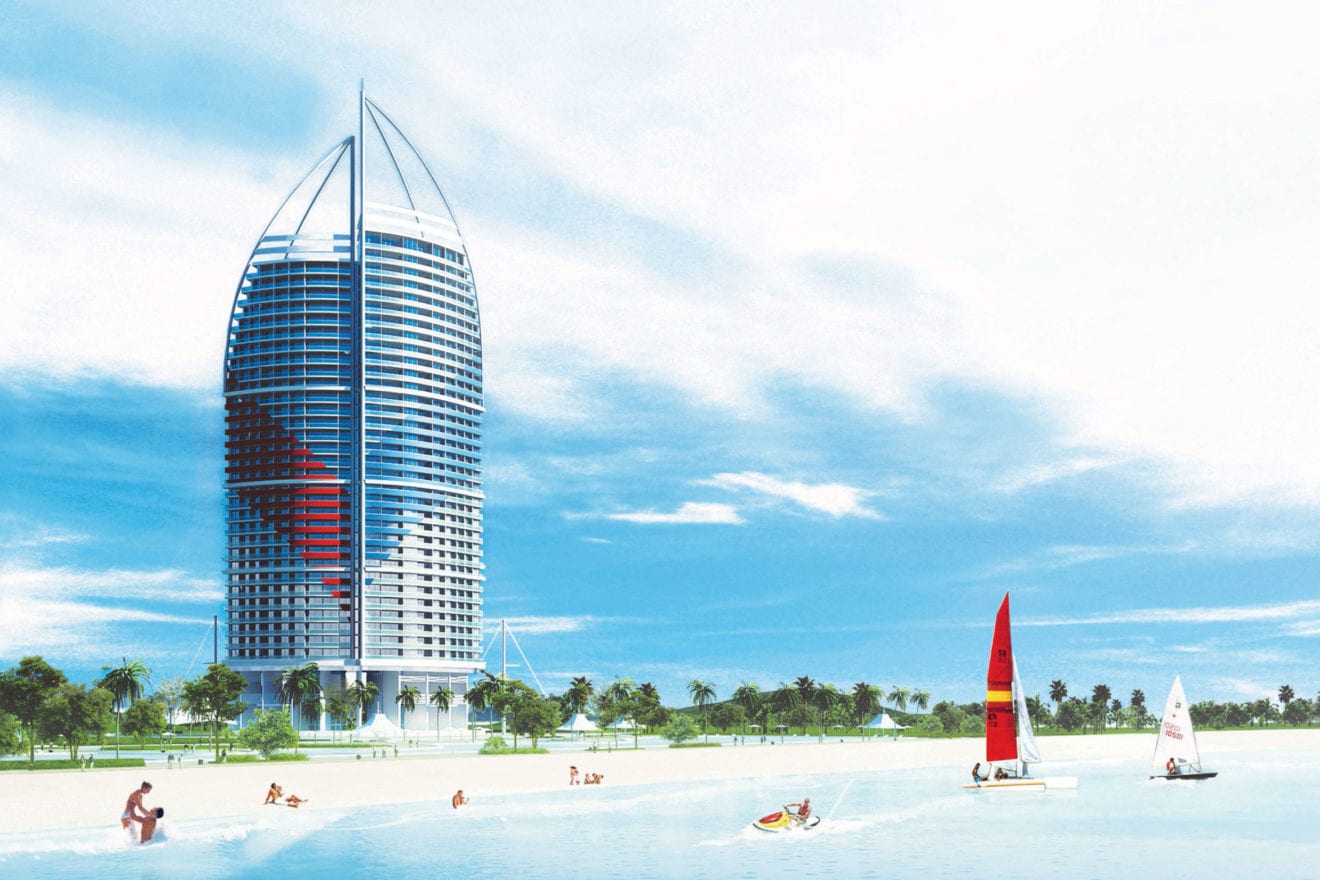
    The Swiss hotel management company Mövenpick Hotels & Resorts will bring its unique international standards to Na Jomtien in Pattaya with the opening of Mövenpick Siam Hotel Pattaya on 15 December 2015.

    Owned by Siam Motors Group, Mövenpick Siam Hotel Pattaya is poised to usher in a new era of upscale hospitality experiences on the pristine Na Jomtien Beach with an elite beachfront accommodation, gourmet cuisine and superb destination experiences such as yachting and island exploration.

    Located next to Ocean Marina Yacht Club, a 75-minutes drive from Suvarnabhumi International Airport, the 262-room resort is the first five-star beachfront property in Na Jomtien as it leads a trend that is fast turning Pattaya into a supreme family-focused destination.           

    “We are delighted to announce our opening in December, our fifth hotel in Thailand,” said Mövenpick Hotels & Resorts Senior Vice President Asia, Andrew Langdon. “We have a long and successful track record in Thailand and are firmly committed to the destination in the long term.”

    Siam Motors Group President and Siam at Chonburi Co., Ltd Chairman, Dr. Phornthep Phornprapha said he is confident that the destination would be an attractive draw, especially with Mövenpick managing the hotel, as it is a brand that truly represents quality – a hallmark of Swiss hospitality – and one which would resonate well with guests.

    “Mövenpick is a high-quality international brand and in everything they do there is a natural sense of hospitality,” said Dr. Phornthep. “This is efficient, consistent and creative, and a perfect match with genuine Thai service. Add to this the culinary flair of Mövenpick and we are very well suited.”

    Mövenpick Siam Hotel Pattaya offers spacious room accommodations, all with panoramic sunset views of the Gulf of Thailand.

    There are a total of three gourmet dining outlets and signature culinary services, such as the daily Chocolate Hour when complimentary Swiss chocolate is featured for guests to enjoy.

    To quickly establish the property as a must-use facility for local and international meetings and wedding planners, the function space at the resort will feature soaring seven-metre high ceilings and glorius sea views. Its banquet facilities could cater to 350 guests for a gala dinner or 450 guests in a theatre-style configuration.

    An attractive outdoor lagoon pool lies in the midst of tropical gardens, with total rejuvenation to be found at Wave Spa. Also, the Kids’ Club provides a full range of fun and educational activities indoors and outdoors. Meanwhile, the hotel also offers a water sports centre, fully equipped fitness centre, golf concierge, island cruises, deep sea fishing tours and regional excursions.

    Mövenpick Siam Hotel Pattaya is 15 kilometres south of Pattaya city and 20 minutes from U-Tapao International Airport.

    Please visit the following link for a video preview of Mövenpick Siam Hotel Pattaya

    https://www.youtube.com/watch?v=drmN22YlNIE&feature=youtu.be
  • Candidates Start Lining for Indonesia Property Awards 2016

    Candidates Start Lining for Indonesia Property Awards 2016

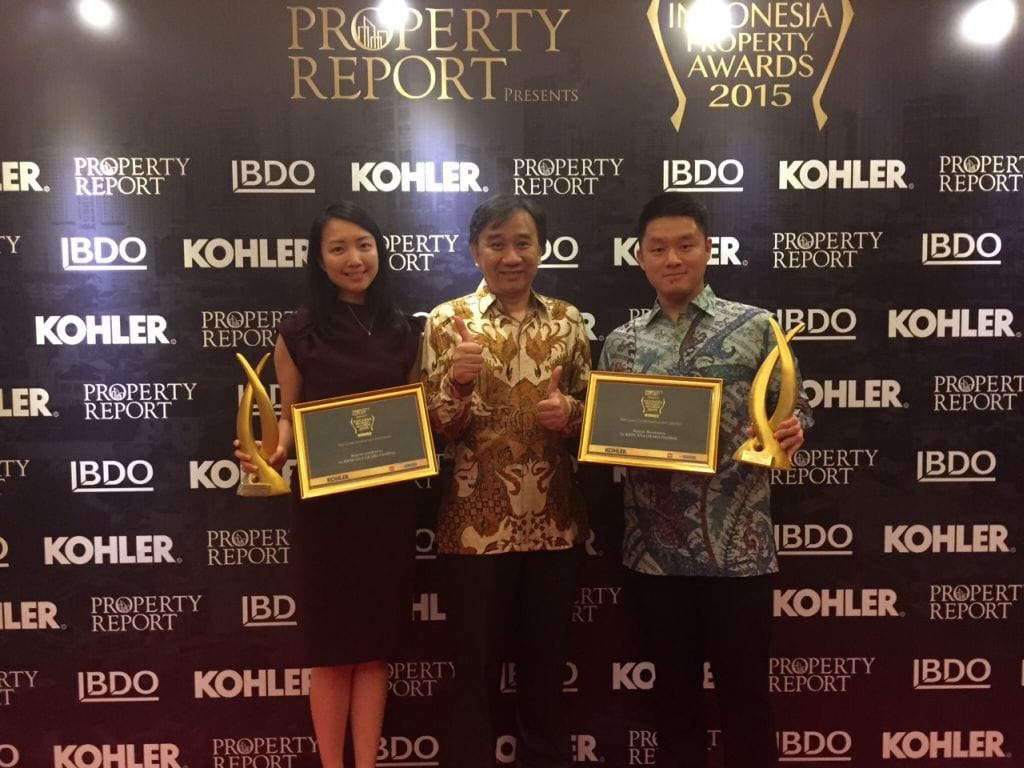
    Ensign Media is the publisher of Property Report and the organizer of the event.

    “At the first-ever Property Report Congress held in October, the majority of panelists from Indonesia predicted that the coming year would offer a better outlook for the country as the domestic real estate market continues to evolve and adapt to changes.”

    Great names in Indonesia property industry, including Sinar Mas Land and Ciputra Group, won several trophies in 2015’s first Indonesia Property Award.

    The award has prepared 27 trophies for the next year’s event, with categories covering a range of segments including condominium, housing, villa, hotel, office and retail.

    Commercial real estate services company Colliers International revealed a gloomy report on Jakarta’s office, apartment, retail, hotel and industrial estate market in the third quarter.

    The report said the occupancy in Jakarta’s central business districts in the third quarter 2015 has fallen to 92.7 percent, down “moderately” by 3 percent on a yearly basis.

    Apartment prices witnessed a “minor” increase of 3.4 percent quarterly and 11.2 percent annually to Rp 29.87 million per square meter.

    Occupancy rates in the retail sector dropped 1 percent to 85.3 percent in a year-on-year basis in the third quarter of this year.

    Occupancy in Jakarta’s hotels also dropped by 1.2 percent quarterly to 57.2 percent.

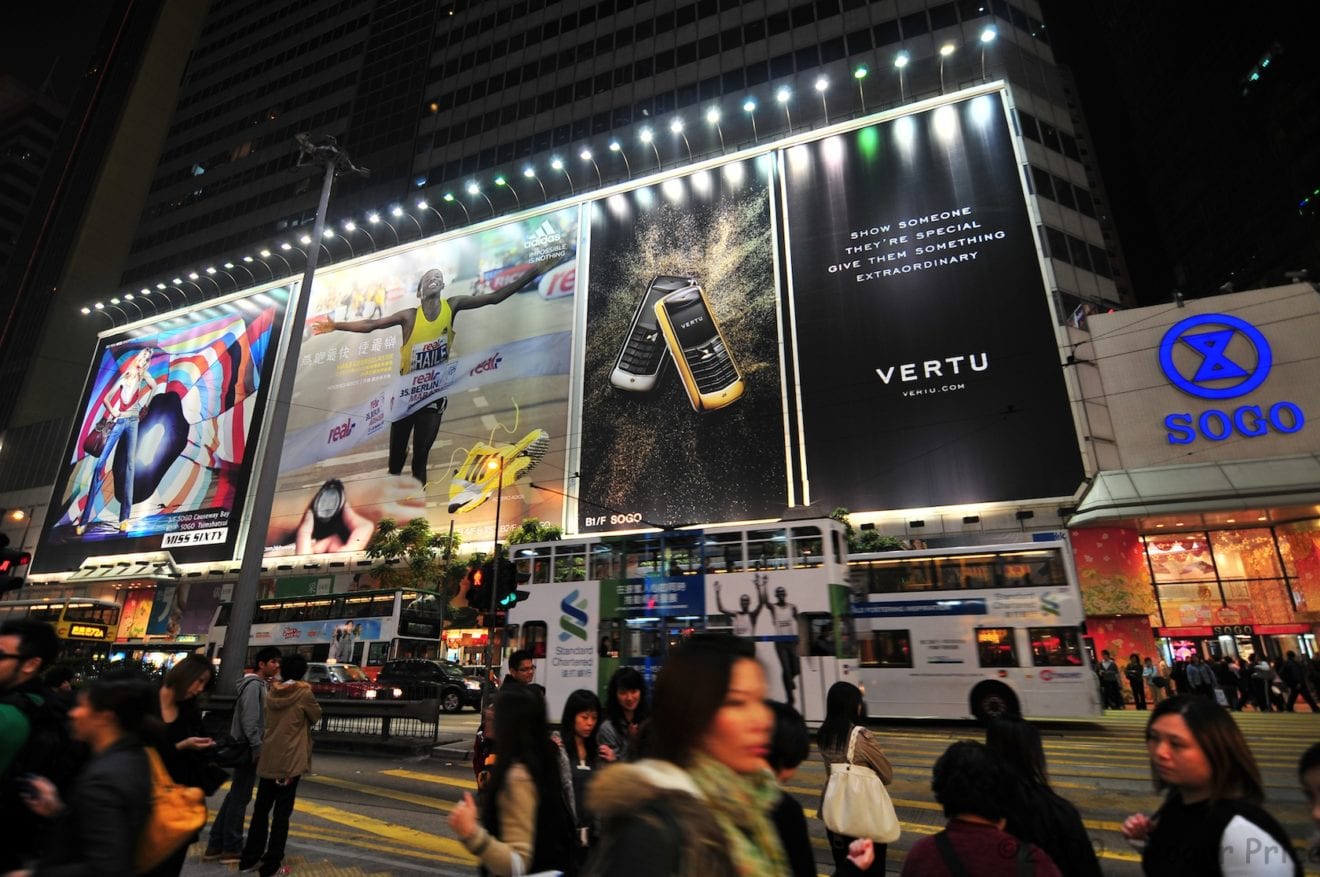
  • Causeway Bay retail rents remain expensive

    Causeway Bay retail rents remain expensive

    New York’s Upper Fifth Avenue is the most expensive retail street in the world with rents rising to US$3500/sqft. in 2015.

    That’s nearly 50 per cent expensive than Causeway Bay in Hong Kong, which has held its second place on Cushman & Wakefield’s latest global rankings, despite the decline this calendar year of 14 per cent.

    Cushman & Wakefield’s Main Streets Across the World report tracks over 500 of the top retail streets around the globe, ranking them by their prime rental value using Cushman & Wakefield’s proprietary data. The 27th edition of the report shows that rents have risen in 35 per cent of streets around the world – despite the increased global uncertainty experienced over the past 12 months. The report also includes a ranking of the 65 most expensive streets – the top one per country.

    New York’s Fifth Avenue retained its position as the most expensive global retail location with rents up an average 3.6 per cent year on year and 46 per cent above the second-placed Causeway Bay in Hong Kong ($2399/sqft).

    The top 10 Global high street retail destinations by rent (in US$/sqft/year):

    1 Fifth Avenue (New York) – $3500.

    2 Causeway Bay (Hong Kong) – $2399.

    3 Avenue des Champs Élysées (Paris) – $1372.

    4 New Bond Street (London) – $1321.

    5 Via Montenapoleone (Milan) – $1035.

    6 Bahnhofstrasse (Zurich) – $895.

    7 The Ginza (Tokyo) – $882.

    8 Myeongdong (Seoul) – $882

    9 Kohlmarket (Vienna) – $478.

    10 Kaufinger / Neuhauser (Munich) – $459.

    In Asia Pacific, there has been a downward pressure on rents on the back of weaker retail sales and slowing tourism in China, particularly. This has resulted in lower rents, which is creating incentives for more international luxury brands and high street retailers to move in. However, interest rate hikes by the Chinese government could impact consumer spending power. Elsewhere, high-profile international retailers are targeting both Australia and New Zealand and Metro Manila.

    Theodore Knipfing, head of retail, Asia Pacific at Cushman & Wakefield, said the outlook for Asia’s overall retail market is largely positive, with retail sales growth averaging 8.5 per cent over the next five years (in US dollar terms).

    “Rising tourist numbers are spurring robust and sustained retailer demand – albeit firmly focused on prime, well-located space. Although the growth of eCommerce is notable across the region, physical stores will remain important, although landlords will need to focus on improving the shopping environment and customer experience in order to compete for retailer demand.”

    Europe

    Avenue Champs Élysées in Paris retained its crown as the most expensive retail location in EMEA, followed closely by London’s New Bond Street. Strongest rental growth this year was recorded in Dublin’s Grafton Street and Covent Garden in London, as well as in top high streets in Milan and Rome. However, high streets in Russia and Ukraine experienced sharp declines linked to the conflict between the two countries that yielded slowdowns in economic growth and retail sales.

    Justin Taylor, head of EMEA retail at Cushman & Wakefield, said: “Improving employment prospects, rising real wages and healthier consumer confidence in advanced economies are set to offer more positive momentum for the retail sector. From an EMEA perspective, despite any economic and political uncertainties in certain countries, the retail market is expected to see further improvements. Indeed, a strong retail sales growth forecast, robust occupier demand and a lack of supply in many locations mean rents will keep rising in the most popular high streets.

    “Indeed, tight availability is shaping the retail landscape, pushing the geographic boundaries of well-established high street markets outwards,” Taylor concluded.

    The Americas

    The US represents seven of the Top 10 most expensive cities in the Americas, with Toronto, Rio de Janeiro and Vancouver at sixth, seventh and eighth, respectively. Seattle posted the highest rent growth in the US, up 27.3 per cent to $70 per sqft, while Los Angeles’ Rodeo Drive corridor posted the highest retail rents outside New York at $800 per sqft, a 23 per cent increase. Strong tourism and a vibrant local economy make San Francisco’s Union Square a market to watch with its 1.1 per cent vacancy, $650 per sqft rents and 13 per cent rent growth, which follows 21 per cent rent growth for the same period through mid-2014. Similarly, Chicago’s Michigan Avenue posted 8.2 per cent rent growth with average retail rents of $525 per sqft.

    At $320 per sq. ft., Toronto’s Bloor Street retail corridor was the most expensive high street in Canada, while Edmonton’s Whyte Avenue was the most affordable in the Americas at $45 per sq. ft.

    Gene Spiegelman, vice chairman, head of retail services, North America at Cushman & Wakefield, said: “The Americas region is expected to sustain a positive trajectory going forward into 2016, bolstered by a steady consumer sector benefiting from a material reduction in energy costs and stable employment expectations, especially in the US.

    “Retailers will continue to add physical stores to support their expansion plans while at the same time optimising their footprint to respond to the ongoing evolution of ‘clicks and bricks.’

    “International luxury brands will continue to dominate the high street, providing a boost to the key destination cities with high exposure from tourism and strong foot traffic.”

  • SM Prime opens third mall in Cebu

    SM Prime opens third mall in Cebu

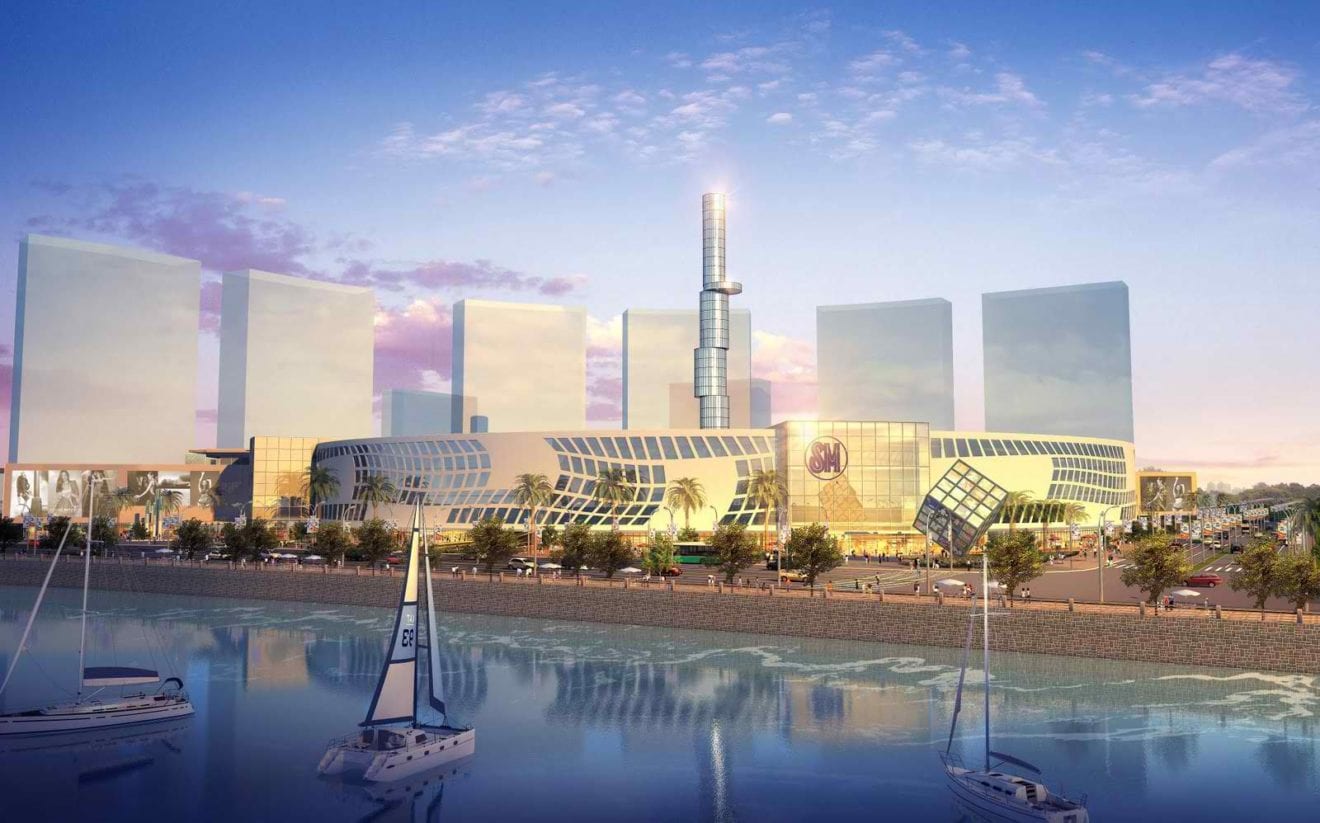
    SM Prime Holdings, Inc., one of the leading integrated property companies in Southeast Asia, opens today its newest regional landmark, SM Seaside City Cebu.

    In a disclosure to Philippine Stock Exchange, SM Prime said this is its 56th mall in the country, and the third mall within Cebu – along with SM City Cebu and SM City Consolacion.

    The new destination mall provides an additional 430,000 square meters (sqm) in gross floor area (GFA), expanding SM Prime’s total retail space to 7.3 million sqm in the Philippines.

    SM Seaside City Cebu is the first of many developments in the 30-hectare SM Seaside Complex which SM Prime president Hans T. Sy said will take about five years to fully develop.

    SM Seaside City Cebu, located within the SM Seaside Complex at the South Road Properties (SRP) in Cebu City, is the first of its kind in urban development in the SRP.

    As the anchor development, the mall is slated to transform the city’s landscape as SM Prime builds residences, offices, an arena, a five-star hotel, and convention centers.

    The Complex features “The Cube”, a steel sculpture that symbolizes strength and stability of Cebuanos and its consistency reflects SM’s continued commitment to excellence.

    “We are inspired by the success of our Mall of Asia Complex in Pasay City, the first lifestyle city project or mixed-use development that offers retail, residences, offices, hotels and convention centers,” Sy said.

    He added that “we are replicating this concept of ‘lifestyle cities’ in Cebu as we open the SM Seaside City mall. We see Metro Cebu as one of our important growth corridors in Visayas and Mindanao following our growth track in Metro Manila.”

    The new destination mall will open with 80 percent of space lease-awarded which serves as the new home to flagship stores of well-known local and international brands. It will also be the venue of unique and world-class events and entertainment.

    The shopping mall will have anchor tenants such as The SM STORE, SM Supermarket, Forever21, UNIQLO, Our Home, Ace Hardware, SM Appliance Center, Watson’s, The Body Shop, Kultura, BDO Unibank, and Chinabank.

    SM Seaside City Cebu is the newest architectural jewel of SM Prime with its nautilus inspired design of concentric arcs from a central multi-purpose space featuring a “Seaside Tower,” a 147-meter iconic viewing tower which offers a sensational panoramic view of the entire city.

    A Sky Park provides a  unique setting for diverse dining outlets situated in an elevated garden with soothing water features. The mall will have a skating rink, eight cinemas houses and 5,000 parking slots.

  • Moreh gets first shopping complex

    Moreh gets first shopping complex

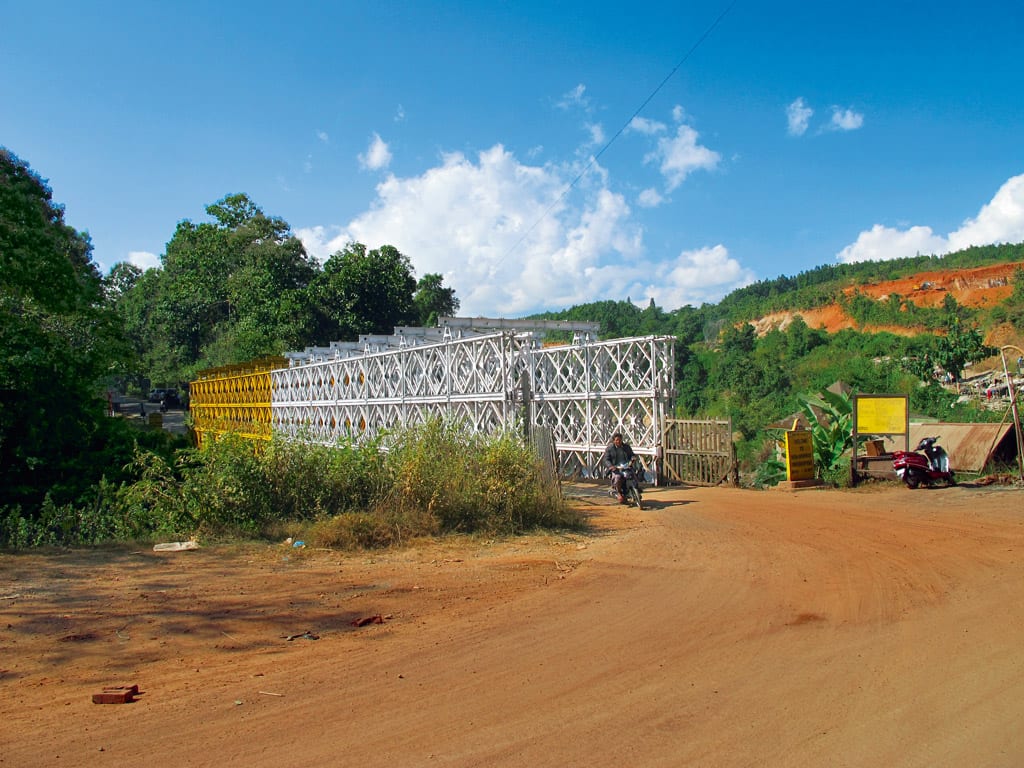
    Manipur’s Moreh which borders Myanmar got its first multi-storied shopping complex on Wednesday. Deputy chief minister Gaikhangam, who also holds the home portfolio, inaugurated the complex that comprises 82 shops, a car parking site, a conference hall and a food court.

    The gateway to South East Asia, Moreh, in tribal-dominated Chandel district, sees business of around Rs 5 crore daily.

    The Rs 21-crore shopping complex, set up under the aegis of the ministry of commerce and industries, is located near border gate number 2, one of the busiest areas in Moreh and 110 km from Imphal.

    Addressing the inaugural ceremony, Gaikhangam emphasized on the need for peace and harmony to enhance commercial activities in the border town.

    Echoing Gaikhangam, state industries minister Govindas Konthoujam said peace would allow rapid progress in trading at Moreh. Meanwhile, construction of a multi-crore Integrated Check Post is also under way at Moreh. The town, through which the Trans-Asian Highway passes, was among 13 sites in the country selected for construction of ICPs.

  • Sinarmas Land eyes Reit to unlock value of Indonesian investments

    Sinarmas Land eyes Reit to unlock value of Indonesian investments

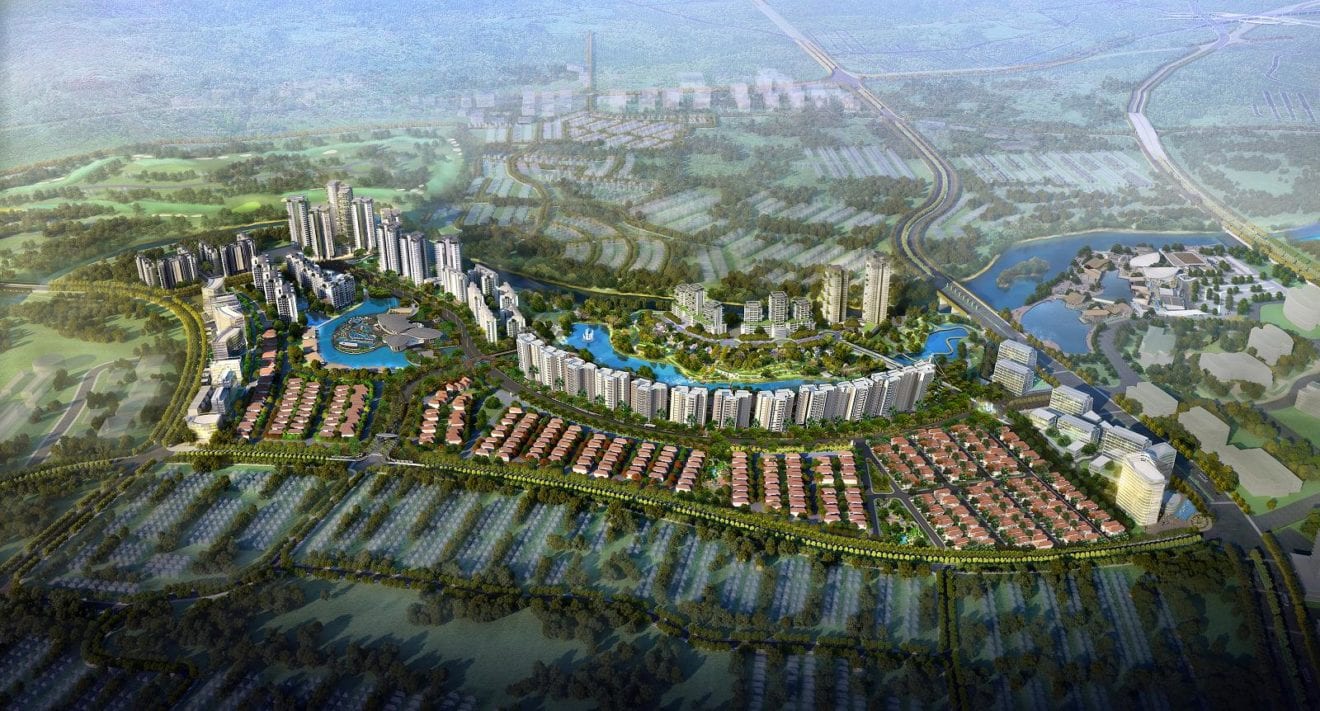
    Sinarmas Land is looking to unlock the value of its investment properties in Indonesia by spinning them into a real estate investment trust (Reit) but has not decided on whether to list in Singapore or Jakarta, with tax benefits on offer likely to be a key determinant.

    “The unlocking of recurring income assets into a Reit is something which we will definitely look into in the next 12 to 18 months,” executive director Robin Ng told The Business Times.

    “Whether it is going to happen in Indonesia and Singapore, we do have the vision to make it happen. However, we are unable to commit to a certain timeframe as this will be largely driven by market conditions.”

    About S$70 million of Sinarmas Land’s annual revenue is derived from recurring income-generating properties in Indonesia. Some of these office and retail properties will be injected into the Reit while some others could be granted under an option for the Reit to acquire in the future, according to Mr Ng.

    “In the past, we’ve looked at a potential listing in Singapore. But now, Jakarta has a possibility of growing its Reit listing business, so we will definitely compare the pros and cons of the two markets,” he added. “It all depends on how efficient the Indonesian government rolls out its double-taxation relaxation rules.”

    All of Sinarmas Land’s properties and assets, including investment properties, are held at historical cost on its balance sheet. “Any restructuring of our portfolio to bring it into a Reit will definitely enhance share-holders’ value through the mark-to-market valuation of these assets that we own,” Mr Ng said.

    Like its peers in Indonesia, Sinarmas Land has been holding back from a Reit listing of its Indonesian assets in Jakarta given the hefty capital gains tax that it would have otherwise incurred for revaluing its assets. Many Indonesian firms have not revised the value of their assets for years to avoid paying a 10 per cent tax on the incremental value. Dividends paid to Reits’ investors by special purpose companies holding the underlying assets were also taxable.

    But this is changing with recent policy changes announced by the Indonesian government to spur the growth of a Reit market there. Indonesia had in October announced incentives aimed at encouraging firms to revalue their fixed assets and set up Reits by scrapping double taxation that may apply to such businesses.

    Mr Ng said that the group is still awaiting greater clarity on the implementation guidelines from the Indonesian government. If the new structure works out well, the group will soon be talking to tax advisers and bankers on how to restructure its assets.

    Its Indonesian portfolio of recurring-income assets comprises six offices (Sinar Mas Land Plaza in Jakarta, Surabaya and Medan, Green Office Park in integrated development BSD City, Wisma BCA and Wisma Eka Jiwa), 14 ITC brand retail malls and The Breeze mall in BSD City, Le Grandeur hotels in Jakarta Balikpapan, golf resorts and resort parks.

    Even though commercial Reits in Singapore are mainly trading at a discount to revalued net asset value, Mr Ng said that the group has not ruled out listing the Reit in Singapore yet. But news of the new Indonesian tax incentives have already prompted some property developers to express interest in issuing Reits in Indonesia. Lippo Group CEO James Riady told the press last month that Lippo Group plans to transfer its two Reits – Lippo Malls Indonesia Retail Trust and First Reit – worth a combined 35 trillion rupiah (S$3.6 billion) from Singapore to Indonesia.

    Sinarmas Land, part of Indonesia’s Widjaja family-founded conglomerate Sinar Mas, still derives its revenue predominantly from Indonesia.

    In August, it turned away from becoming a strategic investor in the stalled listing of China’s Kailong Reit in Singapore, an investment that would have offered the group immediate exposure to mainly business space assets in Shanghai and provide further income diversification. Kailong Reit’s sponsor KaiLong Holdings, part of a Shanghai-based private equity firm, was reportedly not making much headway in finding interest from other investors in the Reit.

    “We have dropped out of that investment opportunity. As of now, there has not been a re-opening of discussions with Kailong Reit,” Mr Ng said. Other than some 10 per cent of units left to sell in its Shenyang residential project, the group has no landbank left in China but hopes to enhance its presence there by focusing on residential sites in first-tier cities.

    “We do not rule out M&A opportunities in China by acquiring a direct stake in a company or Reit because that gives us immediate ownership of a portfolio of properties,” he added.

  • China retail giant Beijing Hualian plans Singapore REIT listing

    China retail giant Beijing Hualian plans Singapore REIT listing

    Chinese retail giant Beijing Hualian looks set to be the first mainland company to list a real estate investment trust (REIT) in Singapore, following the filing of a draft prospectus by one of its units.

    BHG Retail Trust Management said on Monday (Nov 23) that it has lodged a preliminary prospectus for BHG Retail REIT with the Monetary Authority of Singapore for an offering on the main board of the Singapore Exchange.

    BHG Retail REIT plans to sell a total of 150.13 million units through placement and to institutional and retail investors at S$0.80 each to raise around S$120 million.

    In addition, Beijing Hua Lian Group (Singapore) International Trading has come on board as a strategic investor, agreeing to subscribe for 148,310,300 units, while Beijing Hualian Mall (Singapore) Commercial Management (BHG Singapore), has agreed to subscribe to 24,636,300 units.

    BHG Retail REIT has also found four cornerstone investors, China Hi-Tech Holding Company, China Life Insurance Company, China Merchants Bank Asset Management and Dr Chanchai Ruayrungruang.

    These cornerstone investors will subscribe for a combined 169,651,000 units.

    Altogether, BHG Retail REIT plans to raise gross proceeds of S$394.2 million.

    Based on the offer price, the REIT will have a market capitalisation of around S$597.2 million after its listing.

    BHG Retail REIT’s initial portfolio will comprise five retail properties in China with an aggregate GFA of approximately 263,688 square metres. DBS is the financial adviser, issue manager, bookrunner and underwriter for the proposed listing, while China International Capital Corporation is lead manager.

    Beijing Hualian is one of the largest operator of department stores and supermarkets in China. It also runs several department stores in Singapore under the BHG brand name.

  • Retail space in new Yangon theme park in hot demand

    Retail space in new Yangon theme park in hot demand

    A shopping centre due to open later this month in Yangon’s new Fun Valley Theme Park has been booked out by businesspeople hoping to capitalise on the amusement park’s popularity.

    The Kantharyar Shopping Centre will open on November 27 to include retail space, a supermarket, three cinemas, beauty salons and family KTV, said sales and marketing manager U Thet Htun Zaw.

    Of the 49 shops in the theme park, only two small spaces remain available for rent, he said, adding that retail space in the shopping centre is now fully booked.

    Phoo Pwint San Company opened the theme park in Yangon’s North Okkalapa township at the start of last month.

    Other than the outdated Happy World Amusement beside the People’s Park, this is the first theme park to open in Yangon and businesspeople are optimistic about its success.

    “I am very interested in opening a shop at Fun Valley,” said Ma Thae Su Win of War Sar Bi hot dog shop. “Children and adults alike love fast food.” However, she is unable to afford the rent, which must be paid a year in advance.

    Retail space costs K2000 to K4000 per square foot, depending on the location. Shops must hand over a year’s rent upfront, in addition to a deposit worth three months of rent.

    For now, entrance to the park is free, though fees of K500 to K1000 may be introduced later, said U Thet Htun Zaw. Rides cost between K1000 and K2000 and a water park will open soon.

    Since the park opened, it has had between 7000 and 8000 visitors, he said, adding that the company also has plans to open similar amusement parks in Mandalay and Taunggyi.

    “In North Okkalapa there are no good recreation options and some of the parks are not enjoyable to spend time in, so we decided to open the park here,” he said.

    “It’s aimed at both children and adults, and all of our games and rides are the latest editions.”

  • Hong Kong Retail Rents Remain Sky-High Despite Slowdown

    Hong Kong Retail Rents Remain Sky-High Despite Slowdown

    Even as slumping sales force luxury brands renegotiate retail rent prices and close stores in Hong Kong, a new report finds that it’s still the second-priciest place in the world to open up shop.

    According to Cushman & Wakefield’s newly published “Main Streets Across the World” report, Hong Kong’s Causeway Bay area retained its second-place rank after New York’s 5th Avenue as the most expensive retail location globally this year. Causeway Bay retail rent cost an average of US$2,399 per square foot a year, an amount far above the next-highest cost on Paris’ Avenue des Champs Élysées, which came in at US$1,372 per square foot. However, a continued retail sales slump driven by fewer mainland tourists could drop its ranking next year as top luxury brands rethink their Hong Kong strategies.

    The listing comes in spite of several Hong Kong store closings by luxury retailers over the past year that include Coach’s Queens Road Central flagship and TAG Heuer’s Causeway Bay store. Many companies such as Burberry—which is reducing the size of its largest store in Hong Kong—have said they are attempting to renegotiate their rent prices. These include Kering, Prada, and Chow Tai Fook, and more store closings may follow depending on negotiations.

    The report notes that “downward pressure on rents is becoming increasingly evident on the back of weaker retail sales and the slowing in tourist arrivals.” As a result, rents in Causeway Bay fell by 12 percent year-on-year for the period ending in June 2015, while Central, Tsim Sha Tsui, and Mongkok fell by between 11.9 and 13.9 percent.

    Shanghai was the only other location in Greater China to make the list of 65 locations, with West Nanjing Road moving up to 11th place from 12th place last year. Tokyo’s Ginza district and Seoul’s Myeongdong area—both top destinations for Chinese tourists—also ranked high on the list at 7th and 8th, respectively.

    Mainland China is on course to become the world’s largest retail market by 2018, although brick-and-mortar growth is slowing as e-commerce becomes more popular. The report notes that retailers in both Shanghai and Beijing are testing out ways to become “lifestyle destinations” through strategies such as the introduction of food and beverage options. They’re also embracing O2O marketing with special mobile shopping apps and free in-store WiFi. Retail growth is expected to be especially strong for retailers geared toward the middle class as the luxury market remains in slowdown mode, according to the report.

    Because of Tokyo’s success from the influx of Chinese tourists, the report predicts that rents are likely to go up for luxury retailers in the coming year as brands like Burberry, Moncler, and Brunello Cucinelli have pursued store expansion in key shopping districts. In addition to the posh Ginza district, retail rent went up by 20 percent in the Omotesando area over the past year.

    There is a silver lining to the Hong Kong slump, according to the report. It states that Hong Kong’s retail scene is now becoming a “more tenant-friendly environment,” and lower rent levels “will create opportunities for luxury brands and high street retailers to enter the market such as Monica Vinader, Sotheby’s Wine, Claudie Pierlot, Rebecca Minkoff, Perrin Paris, and Filson.”

  • Trafigura-Backed Puma Building $100 Million Myanmar Facility

    Trafigura-Backed Puma Building $100 Million Myanmar Facility

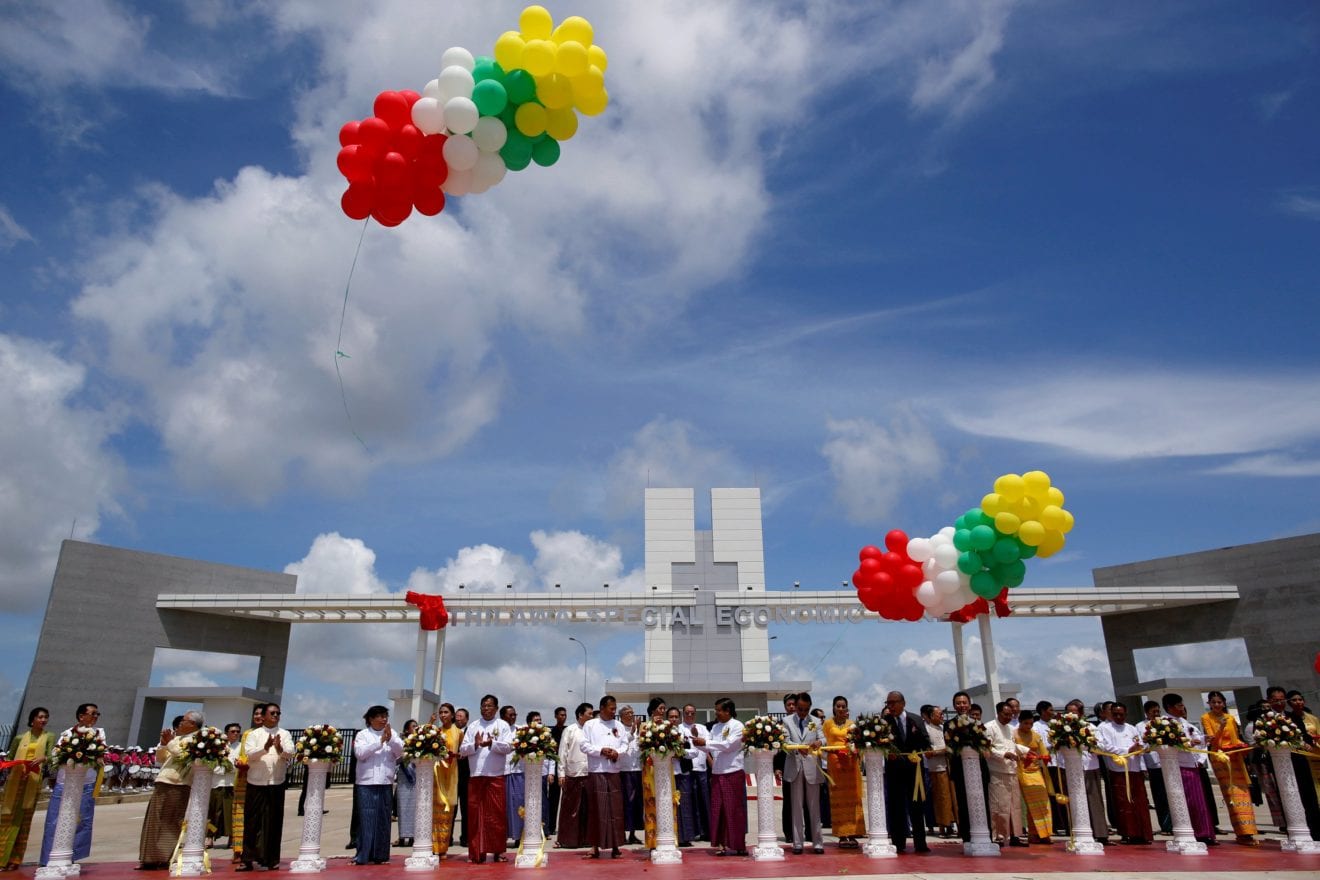
    Puma Energy International, the fuel retail and storage company spun off from commodity trader Trafigura Pte Ltd., is building a $100 million facility in Myanmar and seeking other deals in the once-isolated Asian country that’s opening to more foreign investment after elections this month.

    The storage tank facilities for bitumen and petroleum products at Thilawa Port, 23 kilometers (14 miles) south of the capital, Rangoon, will have a capacity of about 97,000 cubic meters. Based in Singapore and with major operations in Geneva, Puma is the first foreign company granted permission to build oil storage facilities in Myanmar, Chief Financial Officer Denis Chazarain said in an interview.

    “It is a really promising market,” he said of Myanmar, the Southeast Asian nation that suffered a half-century of isolation under a military junta. Puma is targeting potential retail service station deals as well as lubricants, marine fuel and wholesale markets, he added.

    Puma is one of 11 foreign companies that have applied for a government tender to form a joint-venture with state-owned Myanma Petrochemical Products Enterprise for a liquid petroleum gas distribution business. LPG is a staple fuel used for cooking in Myanmar, positioned on a potentially key trade route between China and India.

    “Puma Energy is interested in all segments of the market in Myanmar,” Chazarain said.

    Myanmar’s voters last week handed Aung San Suu Kyi’s opposition party an overwhelming majority, giving her a free hand to choose the next president and push through legislation. Investors and foreign companies, including Puma, are seeking details of the Nobel laureate’s plan to attract investment needed to spur economic growth, create jobs and boost wages. The nation’s military still controls two of the nation’s biggest conglomerates, which invest in everything from mining to banking.

    Puma already has an exclusive agreement to be the sole foreign distributor of jet fuel in Myanmar as part of a joint venture with MPPE. Puma has invested about $50 million in the aviation venture, Chazarain said.

    Mozambique Expansion

    Trafigura, the third-largest independent oil trader, is the biggest shareholder in closely held Puma with a 49 percent stake. Jonathan Pegler, Trafigura’s co-head of crude oil, is returning to Geneva from Singapore to become Puma’s global head of supply and trade. He will be responsible for sourcing products and oil for Puma’s growing network of 88 terminals in 46 countries.

    Puma officially opened two new terminals in Mozambique on Thursday, the company said in a statement. The 115,000 cubic-meter Matola bitumen and fuel terminals bring the company’s total capacity in Mozambique to 275,500 cubic meters, making it Puma’s second-largest storage site in Africa.

    Chazarain said he expects the company’s sales volumes to be about 20 million cubic meters this year. The company executed a series of recent acquisitions including the purchase of Murphy Oil’s shuttered Milford Haven facility in the U.K., which it has converted to storage. It also purchased BP Plc’s bitumen business in Australia and its regional jet fuel business in Puerto Rico.

    Those deals helped Puma increase third-quarter pretax earnings by 5 percent to $177 million, the company said earlier this week.

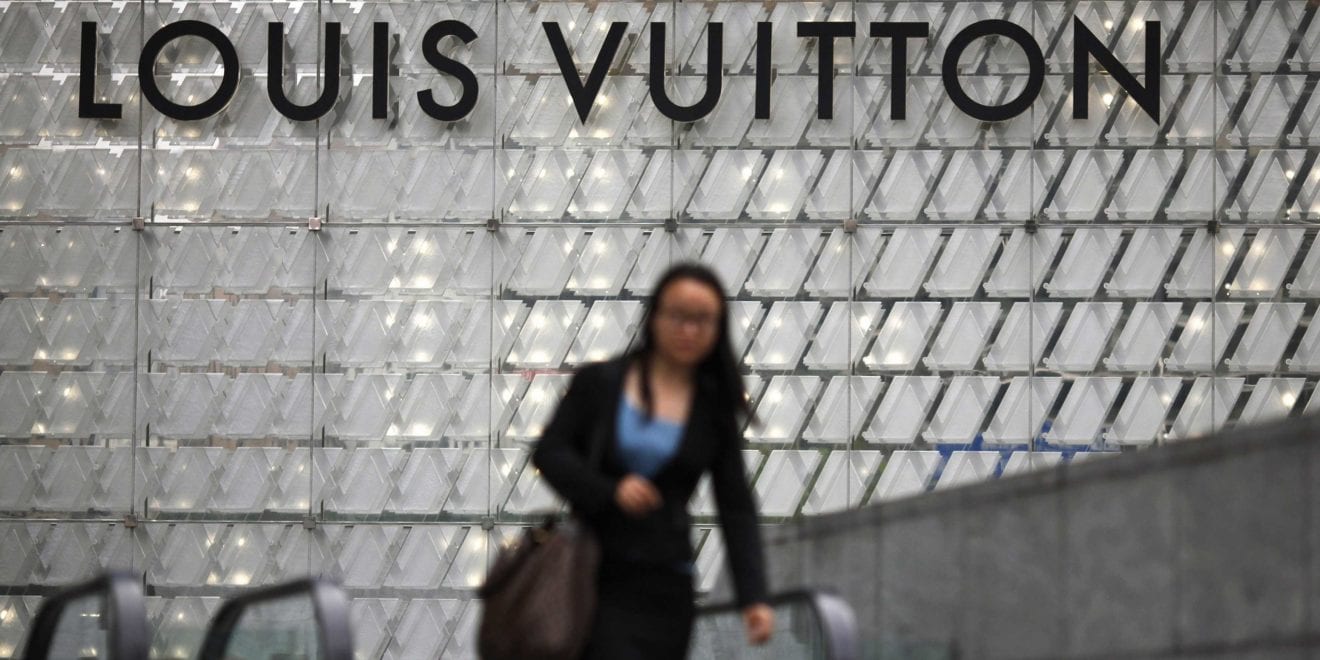
  • Louis Vuitton looks for shops to close in China

    Louis Vuitton looks for shops to close in China

    Louis Vuitton is about to get smaller in China, and other luxury goods makers might follow as the heady days of expansion in that market are over.

    The French maker of monogrammed luggage is reviewing eight stores in second-tier cities, or about a fifth of the total in China, according to a source familiar with the situation.

    While some might be moved or refurbished rather than closed outright, the Chinese store count will drop, said the source, who asked not to be identified as the plans are private and no final decision has been made.

    Vuitton is closing stores “to avoid being overexposed” as market dynamics change and more Chinese shop abroad, said Mario Ortelli, an analyst at Sanford C. Bernstein in London. “This is something that is quite normal when you have a fast expansion of a store network.”

    Vuitton is evaluating its exposure to China as consumers shift more of their spending to Japan and Europe, where the weak yen and euro make it even cheaper to shop. A government campaign against extravagance has also weighed on demand in China and neighboring markets. Watchmaker TAG Heuer shuttered a store in Hong Kong in August and Burberry Group PLC said earlier this month it would reduce the size of its largest store in the territory.

    Vuitton has 41 stores in China out of 453 worldwide, according to Exane BNP Paribas. A spokesman for parent company LVMH said Vuitton would continue to invest in its retail network in China, adding that the company would open two stores and refurbish two there next year. He declined to comment on closures.

    Closures by other luxury goods makers might follow, Exane analyst Luca Solca said.

    Kering SA-owned Gucci and Burberry, both of which have also struggled in China, have more stores there than Vuitton, Exane said.

    Chinese consumers account for about a third of global luxury sales. Gucci has 57 stores in China, while Burberry has 55.

    “As more sales move abroad on the back of large price gaps, mainland China stores risk poor space productivity, hence the adjustment,” Solca said.

    A Burberry spokesman said: “There is no change in our plans as we continue to evolve our Chinese store network.”

    A spokesman for Kering declined to comment on store plans in China.

    LVMH chief financial officer Jean-Jacques Guiony last month said that Vuitton might shut a couple of boutiques in China where it has two in second-tier cities. Its Chinese store count should remain “reasonably flat for the years to come,” he said.

    Globally, the market for personal luxury goods is set to grow as little as 1 percent this year, the weakest rate since 2009, Bain & Co estimates.

    LVMH, whose full name is LVMH Moet Hennessy Louis Vuitton SE, reported third-quarter fashion and leather goods sales that rose 3 percent on an organic basis, trailing estimates.

  • BHG Retail on track to list Reit in Singapore

    BHG Retail on track to list Reit in Singapore

    Chinese retail mall owner Beijing Hualian Group (BHG) is looking to list its malls in a Singapore real estate investment trust (Reit) on Singapore Exchange (SGX). If successful, it would be Singapore’s first Real Estate Investment Trust (Reit) listing this year, as several deals were halted due to concerns over uncertain financial markets, local media reported on Monday.

    Beijing Hua Lian Group (Singapore) International Trading, as a strategic investor, has agreed to subscribe for about 148 million units, while Beijing Hualian Mall (Singapore) Commercial Management (BHG Singapore), has agreed to subscribe for 24.64 million units, according to Channel NewsAsia.

    The firm has already attracted four cornerstone investors, China Hi-Tech Holding Company, China Life Insurance Company, China Merchants Bank Asset Management and Dr Chanchai Ruayrungruang, who together will subscribe for over 169.65 million shares.

    Separately, the IPO plans to sell 150.1 million units under the placement at 0.80 Singapore dollar a piece to institutional and retail investors, with initial public offering at 120 million Singapore dollars.

    The funds raised will help the Reit to acquire the five malls from the sponsor that would make up its initial portfolio.

    The public offer is scheduled to open on Dec. 2 and trading will begin on Dec. 11.

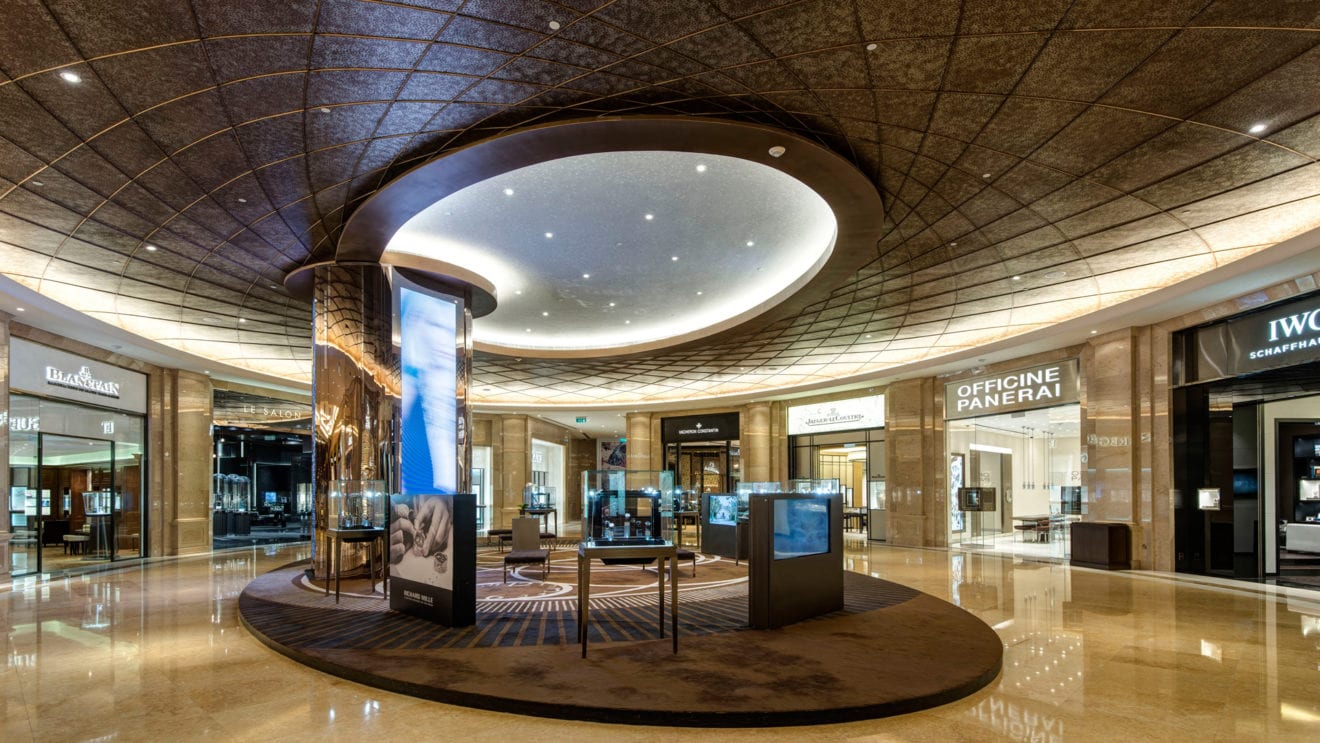
  • Inside T Galleria by DFS at Studio City

    Inside T Galleria by DFS at Studio City

    The new T Galleria by DFS at Studio City in Macau might be the company’s fourth store in the territory – but it still features new brands and firsts.

    T Galleria by DFS, billed as “the Traveller’s Luxury Department Store”, officially opened on October 27. It includes DFS’ new beauty hall concept T Galleria Beauty by DFS as well as a T Galleria by DFS sunglasses boutique in The Boulevard at Studio City shopping district.

    T Galleria Studio Macau City - Sunglasses 1

    Benjamin Vuchot, region president, North Asia for DFS Group, said Macau continues to be an exciting market for travellers “and we’re confident that visitors from all over the world will be delighted by our expansive selection of the leading beauty and sunglasses brands they’ve come to expect from DFS”.

    Focused on cosmetics, skincare and fragrances, T Galleria Beauty by DFS is a holistic, multi-brand beauty hall bringing customers “a world of personal beauty experiences in one prestigious location”. This is the third T Galleria Beauty by DFS store to launch in 2015, the first opening at Galaxy Macau on May 27 and the second in Hong Kong in Causeway Bay on July 10.

    T Galleria Studio Macau City - Beauty perfume

    The 704 sqm T Galleria Beauty by DFS store at Studio City features a selection of 28 world-renowned beauty brands and 10 fragrance brands including Estée Lauder, Giorgio Armani, Hermès, La Mer, La Prairie and Lancôme. In addition, T Galleria Beauty by DFS will also feature popular Japanese and Korean brands including SK-II, Shiseido, Laneige and Sulwhasoo, catering to growing demand for the Korean beauty trend throughout the region.

    The store will introduce cult-favorite Fresh in Macau for the first time, offering the full range of the beauty brand’s popular fragrance, skin, body and hair care products. Dedicated to “natural ingredients, rich textures and addictive scents”, Fresh specialises in creating “a sensorial beauty experience”.

    DFS also brings its Beauty Concierge to T Galleria Beauty by DFS at Studio City, a complimentary highly-bespoke service which focuses on the customer’s personal needs and preferences.

    T Galleria Studio Macau City - Beauty 1

    Customers will discover tailored services covering skin analysis, skin treatments, makeup consultation, personalised services and specialty massages.

    T Galleria Studio Macau City - Beauty 2

    The T Galleria by DFS sunglasses boutique, an award-winning sunglasses store design concept named Best New Store Environment at the 2014 TFWA Cannes Awards, features 16 brands including Ray-Ban, Céline, Dior, Fendi and Gucci. Highlights also include the full Karen Walker eyewear collection and as well as MCM sunglasses, a first for any T Galleria by DFS store in Macau.

    T Galleria Studio Macau City - Sunglasses

    The store features the Loyal T by DFS program, covering over 700 brands in 26 airport and T Galleria by DFS stores in 10 countries across three continents. The multi-tier program connects loyal members with an extraordinary array of increasing benefits and exclusive experiences including personal shopping assistance, concierge services, and pre-order and pre-sale of new beauty brands.

  • Trafigura-Backed Puma Building $100 M Myanmar Facility

    Trafigura-Backed Puma Building $100 M Myanmar Facility

    The storage tank facilities for bitumen and petroleum products at Thilawa Port, 23 kilometers (14 miles) south of the capital, Rangoon, will have a capacity of about 97,000 cubic meters. Based in Singapore and with major operations in Geneva, Puma is the first foreign company granted permission to build oil storage facilities in Myanmar, Chief Financial Officer Denis Chazarain said in an interview.

    “It is a really promising market,” he said of Myanmar, the Southeast Asian nation that suffered a half-century of isolation under a military junta. Puma is targeting potential retail service station deals as well as lubricants, marine fuel and wholesale markets, he added.

    Puma is one of 11 foreign companies that have applied for a government tender to form a joint-venture with state-owned Myanma Petrochemical Products Enterprise for a liquid petroleum gas distribution business. LPG is a staple fuel used for cooking in Myanmar, positioned on a potentially key trade route between China and India.

    “Puma Energy is interested in all segments of the market in Myanmar,” Chazarain said.

    Myanmar’s voters last week handed Aung San Suu Kyi’s opposition party an overwhelming majority, giving her a free hand to choose the next president and push through legislation. Investors and foreign companies, including Puma, are seeking details of the Nobel laureate’s plan to attract investment needed to spur economic growth, create jobs and boost wages. The nation’s military still controls two of the nation’s biggest conglomerates, which invest in everything from mining to banking.

    Puma already has an exclusive agreement to be the sole foreign distributor of jet fuel in Myanmar as part of a joint venture with MPPE. Puma has invested about $50 million in the aviation venture, Chazarain said.

    Mozambique Expansion

    Trafigura, the third-largest independent oil trader, is the biggest shareholder in closely held Puma with a 49 percent stake. Jonathan Pegler, Trafigura’s co-head of crude oil, is returning to Geneva from Singapore to become Puma’s global head of supply and trade. He will be responsible for sourcing products and oil for Puma’s growing network of 88 terminals in 46 countries.

    Puma officially opened two new terminals in Mozambique on Thursday, the 19th of November 2015, the company said in a statement. The 115,000 cubic-meter Matola bitumen and fuel terminals bring the company’s total capacity in Mozambique to 275,500 cubic meters, making it Puma’s second-largest storage site in Africa.

    Chazarain said he expects the company’s sales volumes to be about 20 million cubic meters this year. The company executed a series of recent acquisitions including the purchase of Murphy Oil’s shuttered Milford Haven facility in the U.K., which it has converted to storage. It also purchased BP Plc’s bitumen business in Australia and its regional jet fuel business in Puerto Rico.

    Those deals helped Puma increase third-quarter pretax earnings by 5 percent to $177 million, the company said earlier this week.

  • Vista Land takes control of Starmalls

    Vista Land takes control of Starmalls

    Philippine company Vista Land & Lifescapes has paid US$691 million for a controlling 88 per cent stake in property developer Starmalls.

    While both companies are essentially controlled by the family of former Philippine senator Manuel Villar, Vista believes the acquisition will transform it into a fully integrated property developer with continued leadership in horizontal residential projects combined with a sizeable and growing mass market retail mall and BPO platform and the ability to replicate the integrated ‘Communicity’ model across the Philippines.

    “In addition, the company believes that the enhanced scale and stability provided by the acquisition and extensive synergies between the two businesses will strongly benefit the company and its shareholders going forward,” Vista said in a statement.

    Starmalls is a developer, owner and operator of retail malls targeting mass market retail consumers in the Philippines. It focuses on densely populated areas underserved by similar retail malls and within close proximity to transport hubs and key infrastructure.

    It owns and operates 10 retail malls in key cities and municipalities in the Philippines and two BPO commercial centers in Metro Manila, with a combined gross floor area (GFA) of 509,385 sqm. It has another four retail malls and one BPO commercial centre under construction, and plans to grow to over 1 million sqm in GFA via enhancements to existing assets and to over 1.3 million sqm in total GFA including new developments by the end of 2018.