Category: Real Estate

Retail News Asia is committed to providing both local and global retailers with the latest Real Estate news throughout the Asian market. This on a daily base.

  • Croesus Retail Trust posts flat quarter

    Croesus Retail Trust posts flat quarter

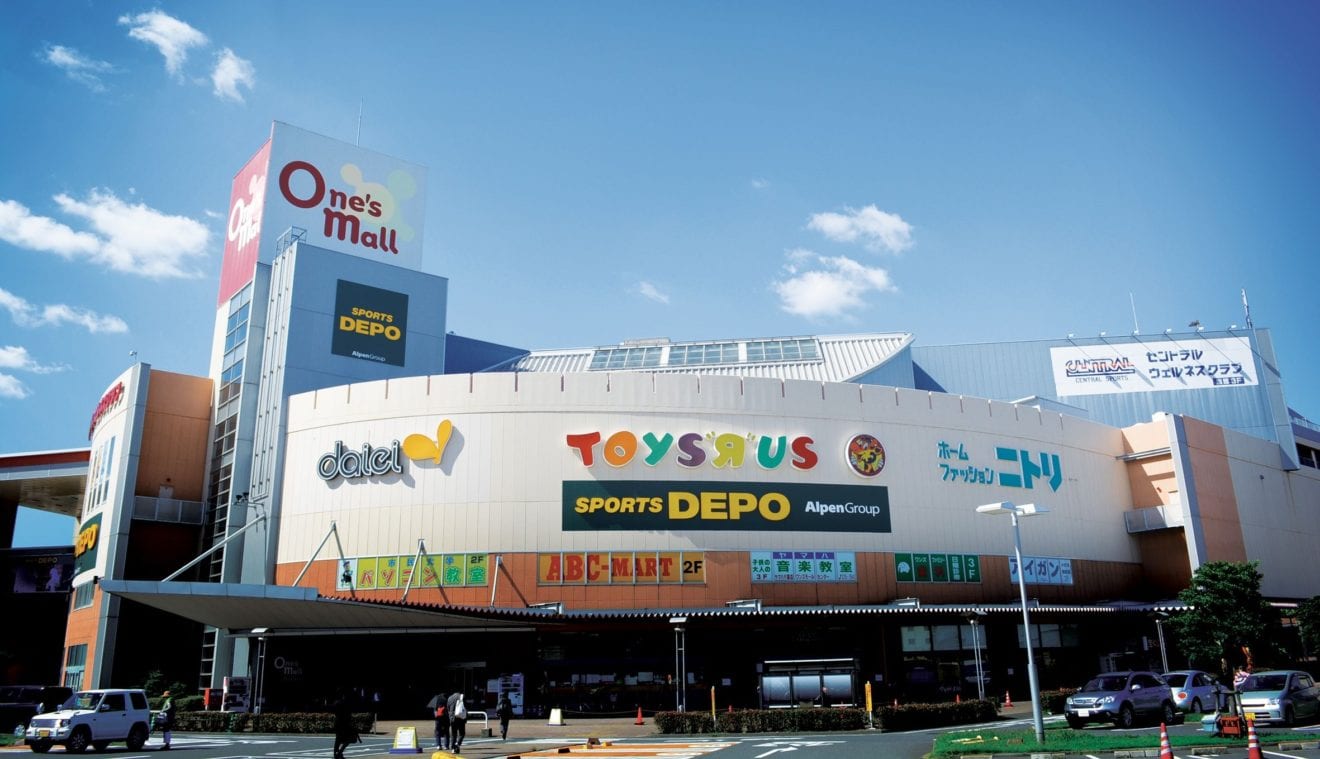
    Singapore-listed Croesus Retail Trust achieved a 17.2 per cent increase in quarterly earnings to $23 million from its Japanese shopping centre investments.

    But that was not enough to change its distribution per unit (DPU) for the quarter, which remained flat at 2.08 cents.

    The retail property investor says its earnings rose on the back of its acquisition of One’s Mall in Chiba and lease renewals at Mallage Shobu in the Saitama Prefecture.

    However, the increase was partially offset by the absence of a one-off income at Mallage Shobu recorded in the first quarter last year.

    Net property income rose 10.7 per cent accordingly.

    CRT has seven retail properties in Japan with a combined net lettable area of about 251,000 sqm.

    The company says competition for buying real estate assets in Japan has been keen over recent quarters, a trend expected to continue in the short term.

  • Wenceslao to test investor appetite in Philippines

    Wenceslao to test investor appetite in Philippines

    DM Wenceslao and Associates, a construction and real estate company, has launched pre-marketing for a $150 million to $200 million initial public offering that could turn out to be the Philippines largest flotation of the year.

    The deal is coming at a time when the Philippines Stock Exchange PSEi Index appears to have resumed its losing streak. The market initially turned downwards in April after hitting a year-to-date peak of 8,127.48 and enjoyed only a very brief respite in October when all global equity markets picked up again.

    On Monday, it fell 1.8% to close at 6,772.92.

    Year-to-date it is down 6.33%, with foreign investors net sellers every month since April.

    DM Wenceslao will test their appetite to return to the market since it hopes to place 70% of its IPO with international accounts, according to its registration statement.

    The company is hoping its high growth profile will also persuade them to accept a premium valuation compared to both the exchange’s average 16 times forecast 2016 p/e ratio and the property sector’s 18 times average.

    Valuation

    According to its most recent filing, the company plans to sell up to 429 million shares at a maximum price of Ps44 per share, potentially generating total proceeds of as much as Ps17.47 billion ($370 million).

    However, sources close to the deal said the pre-marketed range equates to a market capitalisation of about $1 billion. This is towards the bottom end of a Ps45 billion to Ps62 billion ($950 million to $1.31 billion) fair value range assigned by Citic CLSA, one of the IPO’s joint bookrunners.

    This range represents a 30% to 50% discount to net asset value and equates to a p/e ratio of 32 to 43 times forecast 2016 earnings of Ps1.438 billion.

    In 2014, the company reported earnings of Ps339 million. In 2015, they are forecast to triple to Ps1.14 billion.

    Gaming proxy

    DM Wenceslao is said to be pushing forwards with the deal despite the weak market conditions because it needs to raise fresh capital to fund the development of four of its 10 construction projects.

    Capital expenditure is expected to grow 187% to Ps2.4 billion in 2016 from Ps842 million this year, and by a further 180% to Ps6.8 billion in 2017, Citic CLSA estimates.

    In addition, the company’s net cash position deteriorated by 44% on a year-on-year basis to Ps1.2 billion in 2014.

    The company was founded 50 years ago as a pure construction company. However, it has recently been transformed into a real estate leasing company after the Philippines Reclamation Authority transferred 829,000 square metres of land as part of the Manila Bay area reclamation project.

    As a result of the land transfer, DM Wenceslao currently owns roughly 80% of Aseana City, a mixed-use development area partially overlapping Entertainment City, the Philippine’s fast expanding gaming hub.

    Over the next five years the company plans to lease 5,000 square kilometres of land per annum.

    In 2012, DM Wenceslao generated 71% of its revenues from construction projects and 28% via rental income. This has now turned on its head with property leasing accounting for 75% and construction 19%, a far more stable revenue mix that may appeal to investors.

    The company is expecting to generate higher growth than other Philippines property developers because of its proximity to Entertainment City, which is being developed as Asia’s Las Vegas-like gaming and entertainment complex.

    Currently, two casinos under Bloomberg Resorts and Belle Corp have started operations while Traveller International Hotel Group and Tiger Resorts’ casinos are set to open in 2017 and 2018 respectively.

    On the flip side, it will suffer from any downturn in the country’s gaming business, which is currently the key attraction for tourists to visit the area.

    DM Wenceslao is expected to commence the retail offering for its IPO on December 4 and list on December 17, according to the company’s filings to the Philippines stock exchange.

    So far this year, the largest IPO has been the Ps3.621 billion offering for Metro Retail Stores completed earlier this month, one cent below its marketed range of Ps4 to Ps4.80.

    BPI Capital, Citic CLSA, Deutsche Bank and Maybank are joint global coordinators and bookrunners for the new deal.

  • Joy City wins mall accolade

    Joy City wins mall accolade

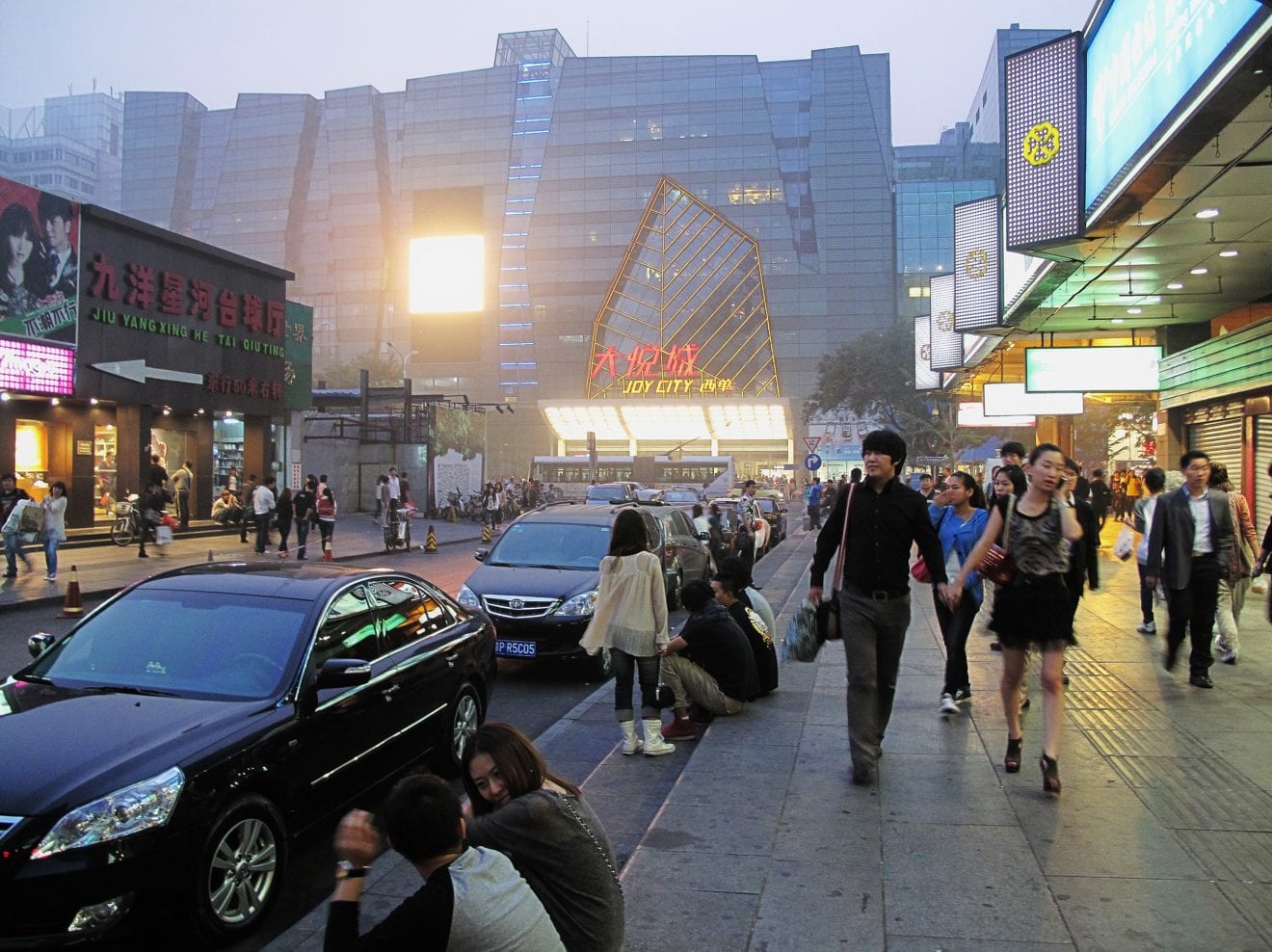
    Joy City Property has scooped two honours in the ICSC China Shopping Centre Awards at the 2015 Recon Asia-Pacific convention.

    Yantai Joy City’s new media marketing campaign, New Year Red Packets won a gold award in the Emerging Digital Technology category, and Tianjin Joy City’s O2O marketing initiative, Liangshiju took a silver award in the New Retail Concepts category.

    “It is noteworthy that Yantai Joy City not only pioneered the combination of WeChat Red Packets and payment methods through the New Year Red Packets, but also achieved mutual benefits for itself, its tenants and customers with the innovative marketing campaign,” said a Joy City spokesman.

    Meanwhile, Tianjin Joy City’s Liangshiju is China’s first O2O customer loyalty platform to adapt to the internet. Consisting of its online and offline stores, the O2O customer loyalty platform encourages purchases on mobile applications and effectively guides the customers to the company’s stores with gift redemption and induce them to become its members.

    The initiative has increased the membership significantly and at the same time boosted sales with accumulation and redemption of bonus points earned through purchases. The O2O initiative has enabled the company to surpass geographical limitations and revolutionise the conventional service of traditional customer membership centres.

  • Hong Kong tenders five new retail contracts

    Hong Kong tenders five new retail contracts

    Hong Kong International Airport is currently tendering three retail contracts in the merchandise areas of fashion accessories, audio visual/electronics and gifts/souvenirs and toys.

    The first consists of a fashion or fashion accessories shop opportunity comprising 50sq m on Level 5 Departures in the North Satellite Concourse restricted area, where bids close on December 3.

    Another tender process is for an audio visual/electronics concession consisting of five shops, with four located on Level 7 in the Departures Check-in Hall, Terminal 1 non-restricted area. These outlets vary from between 18 to 70sq m in size.

    Another outlet comprising 48sq m which falls under the same contract is also located on Level 5 Arrivals in the Pre-Immigration Hall, Terminal 1 restricted area. The date for submission for offers for this five-outlet contract is December 10, 2015.

    Tenders also close for a small 48sq m gifts/souvenir/toy concession at Hong Kong Airport tomorrow afternoon. This is located on Level 5 Departures in the North Satellite Concourse restricted area.

    The airport describes all of these opportunities as ‘extraordinary’ and in ‘premium locations’.

  • Singapore residential development gets top architecture gong

    Singapore residential development gets top architecture gong

    Rather, the unique construction that won the top architecture gong at this year’s World Architecture Festival in Singapore is actually a cluster of 31 unit blocks named The Interlace — because the towers do just that.

    The creative minds behind The Interlace, architect Buro Ole Scheeren from Germany and Netherlands-based OMA, opted for a medium-density design that features apartment “towers” that are only six storeys high — small fry for Singapore where sky-high living has become the norm.

    The Interlace has got the top gong at the architecture “Oscars”. Picture: Picture: Iwan Baan

    The Interlace has got the top gong at the architecture “Oscars”. Picture: Picture: Iwan BaanSource:Supplied

    The creative minds behind The Interlace, architect Buro Ole Scheeren from Germany and Netherlands-based OMA, opted for a medium-density design that features apartment “towers” that are only six storeys high — small fry for Singapore where sky-high living has become the norm.

    The Interlace covers 170,000sq m and includes 1040 apartments. Picture: Iwan Baan

    The Interlace covers 170,000sq m and includes 1040 apartments. Picture: Iwan BaanSource:Supplied

    What makes the complex much more complex is how the apartment blocks are perched together in groups of four. And there’s a whopping 1040 apartments in it.

    Placed together in a unique formation, the residential blocks create a hexagonal shape which makes room for eight communal courtyards on the site.

    Described by Mr Scheeren as a “vertical village” the winning project also has a 50m pool on site, a clubhouse, reading rooms, gyms and games rooms and even a space for communal karaoke. For fitness junkies living on the densely populated island there is also a 1km running track.

    The unique complex was designed as a village rather than just a building. Picture: Iwan Baan

    The unique complex was designed as a village rather than just a building. Picture: Iwan BaanSource:Supplied

    Described by Mr Scheeren as a “vertical village” the winning project also has a 50m pool on site, a clubhouse, reading rooms, gyms and games rooms and even a space for communal karaoke. For fitness junkies living on the densely populated island there is also a 1km running track.

    Rather than sky-high towers, The Interlace is a cluster of 31 six-storey blocks. Picture: Iwan Baan

    Rather than sky-high towers, The Interlace is a cluster of 31 six-storey blocks. Picture: Iwan BaanSource:Supplied

    Finished in 2013, The Interlace, which covers a huge 170,000sq m surface area, won favour with the panel of judges thanks to its “radical and alternative approach” to contemporary living.

    The mixed-use structure is located within a green belt area of the city-state’s southern ridges.

    Professor Sir Peter Cook, founder of architectural group Archigram, and one of the design event’s jurors, told CNN: “It’s very difficult, with so many beautiful, quite worthy projects.”

    “I think you look for a power of impact. It’s something you know you’ll remember in two years’ time. It’s a game-changer.”

    “So much of architecture is predictable, particularly housing. Another block, another block, another block. But this isn’t ‘ho-hum here we go again’,” he said.

    And Australia also got a look in at the global event with a Sydney site earning a prestigious nod.

    SJB Architects won the Mixed-Use Development Award for its Casba project in Danks St, Waterloo which includes 65 residential units and 3000sq m of retail space.

    Retail and residential development Casba snagged the Mixed-Use Development Award.

    Retail and residential development Casba snagged the Mixed-Use Development Award.Source:Supplied

    SJB Architects won the Mixed-Use Development Award for its Casba project in Danks St, Waterloo which includes 65 residential units and 3000sq m of retail space.

    Casba also won the Urban Development Institute of Australia’s coveted NSW President’s Award this year.

    Casba also won the Urban Development Institute of Australia’s coveted NSW President’s Award this year.

  • Chinese tourists deliver record sales for McArthurGlen

    Chinese tourists deliver record sales for McArthurGlen

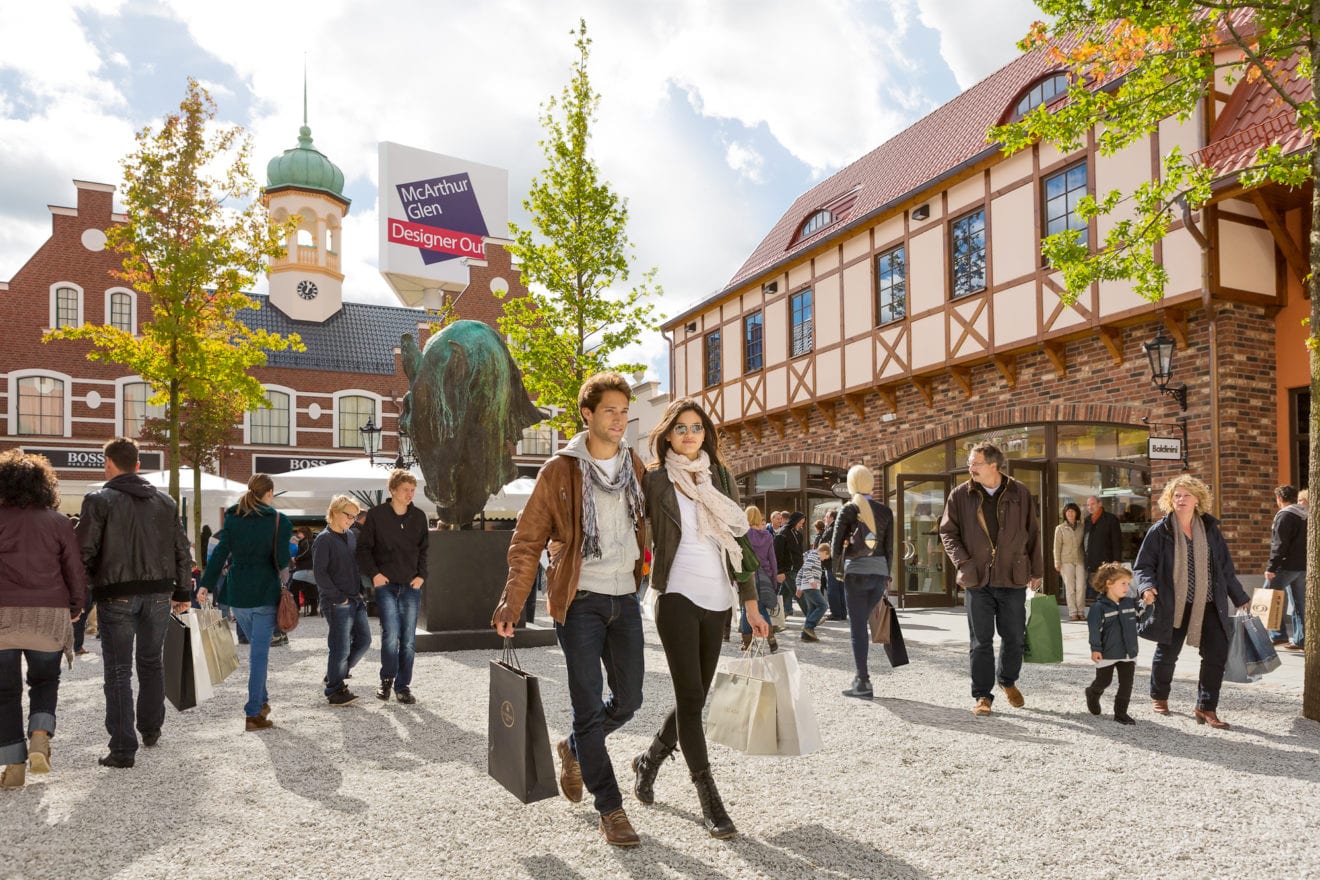
    Chinese travellers have delivered a record spend for European outlet mall operator McArthurGlen.

    The company operates 20 Designer Outlets in Europe specifically geared to serve Chinese tourists – and one in China.

    Spending by Chinese customers is growing faster than any other nationality visiting the Designer Outlets. Sales to Chinese travellers increased by 80 per cent in the first nine months of 2015, compared with the same period last year.

    And spending by Chinese shoppers grew more than seven-fold between 2010 and 2014. The centres offer tax free shopping alongside year-round savings of 30 to 70 per cent.

    McArthurGlen’s Designer Outlets offer the largest choice of luxury and premium lifestyle brands in the European outlet market. The centres are home to nearly 3000 stores and 900 brands. At the same time, the centres are part of the local tourism fabric, within easy reach of major European city centres by shuttle bus or public transport, including: Vienna and Salzburg in Austria; Luxembourg, near the centre in Belgium; Lille and Reims (the Champagne region) in France; Berlin and Hamburg in Germany; Athens in Greece; Düsseldorf, near Roermond, its centre in Holland; Florence, Milan, Naples, Rome and Venice in Italy; and Bath, Cardiff, London, Manchester, Nottingham and York in the UK.

    Anthony Rippingale, head of tourism with McArthurGlen, says the company is now heading for yet another record year, welcoming more Chinese shoppers than ever before.

    “As the biggest operator of designer outlets in Europe, our Chinese customers have always been extremely important to us, and even more so now given that they account for nearly one in four euros spent by our international shoppers, and rising. We have also just had our most successful Golden Week ever.”

    McArthurGlen engages with Chinese customers from when they start planning their European trip, whether through our office in Beijing, or through social media in China (including Weibo and WeChat) and its centre websites which are available in Chinese.

    Once Chinese shoppers arrive in Europe, the centres provide Chinese-language maps and guides and UnionPay is accepted in most stores. The most popular Designer Outlets offer special promotions, including limited-edition gifts and additional savings, during key Chinese holidays, namely Golden Week and Chinese New Year.

  • Starhill Global REIT boosts revenue

    Starhill Global REIT boosts revenue

    Singapore based Starhill Global REIT has posted a 16.8 per cent increase in revenue in the first quarter, to September 30.

    YTL Starhill Global REIT Management, the manager of the trust, says revenue rose to S$56.8 million and net property income rose 10.2 per cent to $43.6 million. The growth was mainly driven by the full-quarter contribution from the recently-acquired Myer Centre in Adelaide, Australia, and the performance of its Singapore portfolio, partially offset by lower contributions from China and foreign currency movements.

    Starhill Global’s Singapore portfolio, comprising interests in Wisma Atria and Ngee Ann City on Orchard Rd, contributed 60.1 per cent of total revenue, or $34.1 million during the quarter, led by positive rental reversions achieved in previous quarters, partially offset by higher operating expenses.

    The Singapore retail portfolio recorded negative rental reversions of 7.3 per cent for leases committed during the quarter to accommodate new retail concepts, but these accounted for less than three per cent of the revenue, excluding the Toshin master lease at Ngee Ann City Retail.

    Wisma Atria Retail revenue increased 7.7 per cent. Tenant sales at Wisma Atria rose 1.1 per cent year on year, mainly due to contributions from tenants which have recently started their operations at the mall. However, shopper traffic was down 9.7 per cent, as the strata area owned by Isetan remained closed for its renovations.

    Isetan’s new tenant in the basement level, Mango, opened in September 2015.

    The trust’s Australia portfolio, comprising Myer Centre Adelaide and the David Jones Building and adjoining Plaza Arcade in Perth, Western Australia, achieved a net property income of S$8.6 million, 113.2 per cent higher than the previous corresponding period mainly due to the full-quarter contribution from the recently acquired Myer Centre Adelaide, but partially offset by depreciation of the Australian dollar against the Singapore dollar and lower occupancies at David Jones Building. The trust is in negotiations with tenants over redevelopment plans at Plaza Arcade to accommodate anchor tenants and optimise upper-storey space.

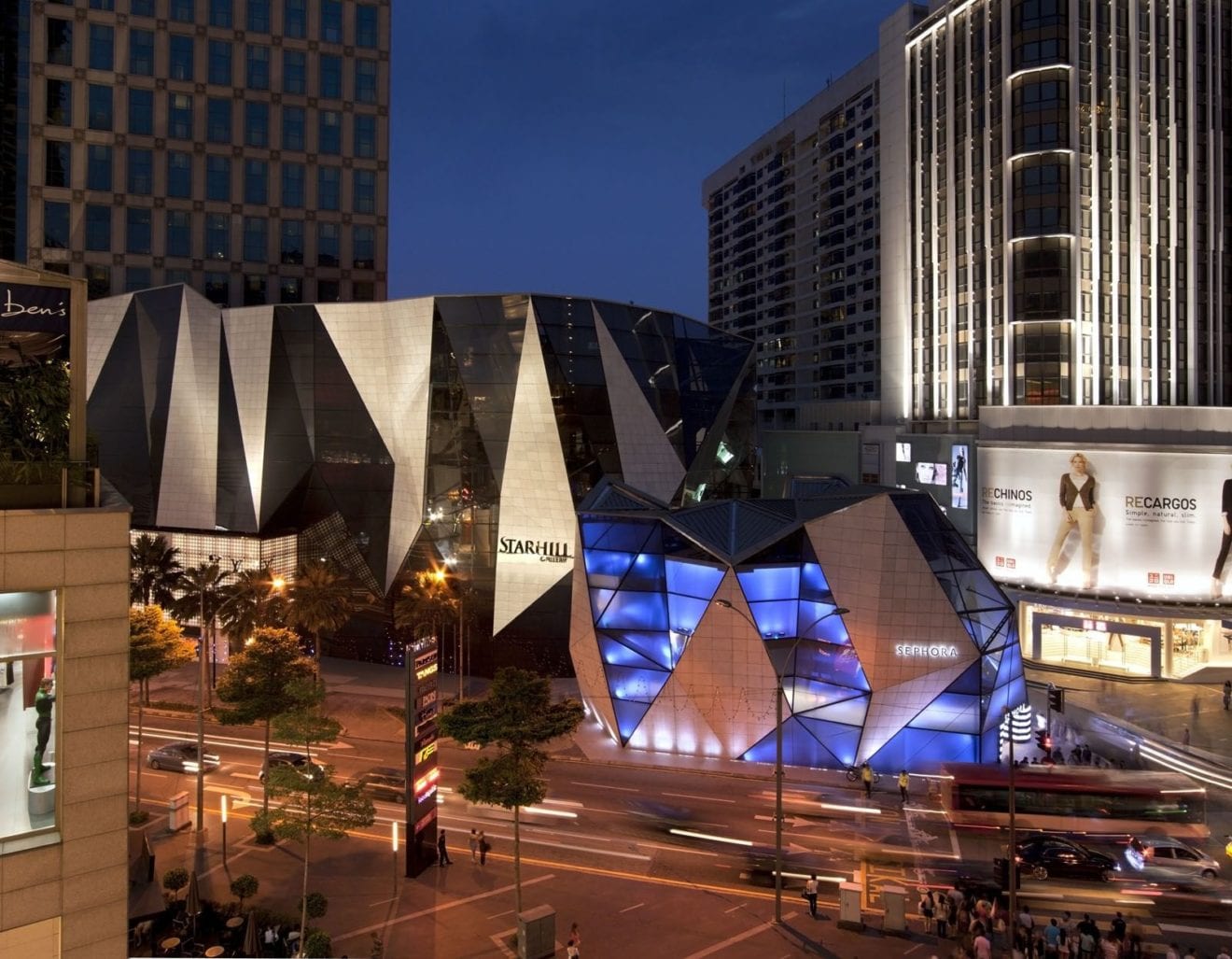
    The trust’s Malaysia portfolio, comprising Starhill Gallery and interest in Lot 10 along Bukit Bintang in Kuala Lumpur, contributed 11.5 per cent of total revenue, or S$6.5 million in the quarter.

    NPI was approximately S$6.3 million, down 16 per cent on the previous corresponding period, mainly due to depreciation of the Malaysian ringgit against the Singapore dollar and reversal of excess provision of property taxes in the previous corresponding period following the revision in property tax assessment.

    Renhe Spring Zongbei in Chengdu, China, contributed 3.4 per cent of total revenue, or S$1.9 million and its NPI was S900,00, a decline of 27.5 per cent.

    “The decline was largely attributed to lower revenue as the high-end luxury retail segment continues to be impacted by the austerity measures the central government has put in place, as well as increasing challenges and competition from new and upcoming malls in the city,” said YTL Starhill Global REIT Management in a statement.

    The Japan portfolio, which comprises five properties located in central Tokyo, contributed two per cent of total revenue and achieved NPI of $900,000, 11.5 per cent higher than in the previous corresponding period, largely attributable to higher occupancies and lower operating expenses, partially offset by depreciation of the Japanese yen against the Singapore dollar.

  • SM Center Sangandaan opens

    SM Center Sangandaan opens

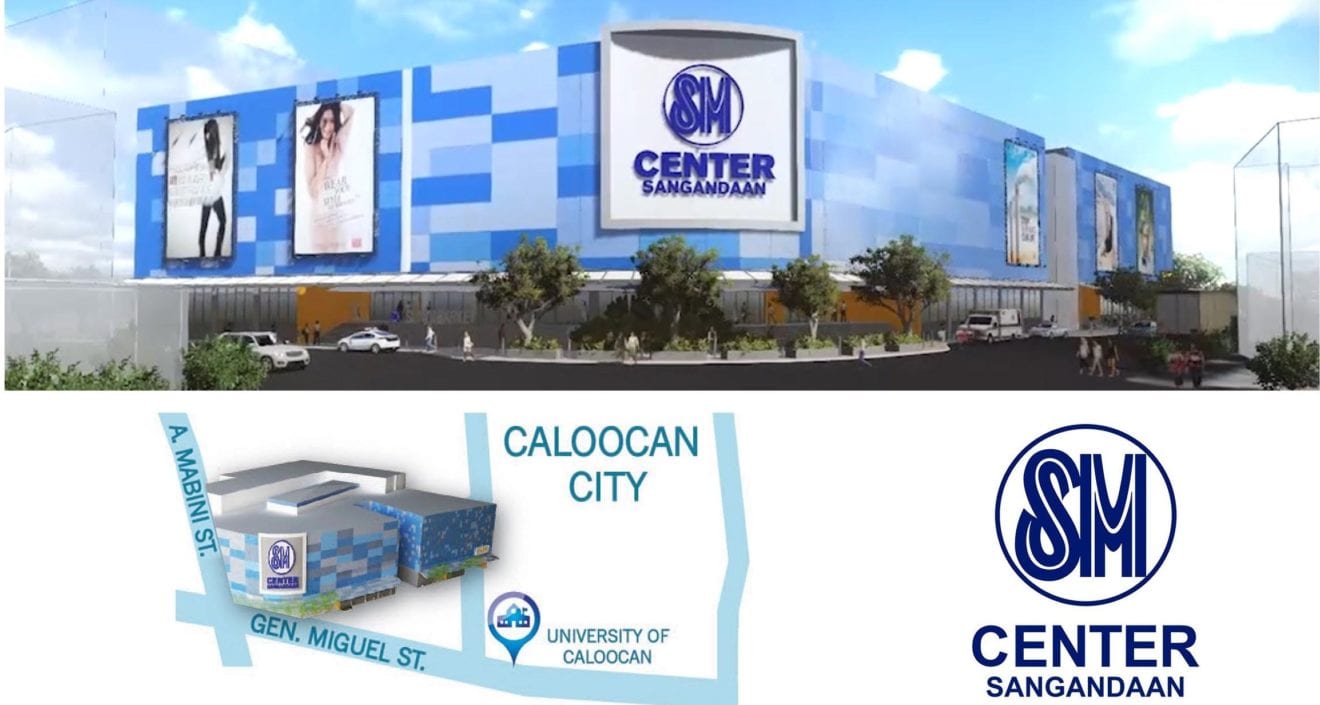
    SM Center Sangandaan has opened its doors – owner SM Prime’s 55th mall in the Philippines.

    It is SM Prime’s first mall in the populous City of Caloocan, one of the 16 cities within Metro Manila. The new mall provides an additional 38,622 sqm in gross floor area (GFA), giving SM Prime a total retail space of 6.8 million sqm, the largest mall footprint in the country.

    SM Center Sangandaan, strategically located along the busy intersection of Samson Rd and A. Mabini St in Sangandaan, will give SM Prime access to the northern tip of Metro Manila, bringing a unique shopping experience closer to the highly dense cities of Malabon, Navotas and Caloocan.

    “SM Center Sangandaan reflects SM Prime’s commitment to be part of the growth across communities. We are very pleased to open our first mall in Caloocan City which is a testament to the fact that Metro Manila is far from being saturated by modern retail facilities,” SM Prime president Hans T. Sy said.

    The mall opens its doors to a catchment of more than 1.5 million with 90 per cent of its space leased. Anchor tenants include SM Supermarket, SM Appliance Center, SM Cinema, Ace Hardware, BDO and Watsons.

    There are three levels of prime space which includes four cinema theaters with a total seating capacity of 824, and 493 parking slots.

    The mall’s facade features different shades of blue, gray and white, giving the exterior a quirky geometric visual design. The main interior features a high glass ceiling, complemented by white walls which maximises daylight and adds further dimension to the mall.

    SM Center Sangandaan is the fifth SM mall to be opened this year, after Cherry SM in Shaw Boulevard with a GFA of 24,165 sqm and SM City Cabanatuan, both of which opened this month. SM Seaside City Cebu is next, scheduled to open on November 27.

    By the end of 2015, SM Prime will have 56 malls in the Philippines and six in China.

  • Nakheel looking to partner with Indian retail brands

    Nakheel looking to partner with Indian retail brands

    Ving in a strong way in retail and hospitality,” said Ali Rashid Lootah, the chairman of Nakheel, who was in Mumbai for the three-day Dubai Property Show that opened on Friday. “We don’t have many Indian retailers in Dubai but a lot of Indian brands are becoming more and more known regionally and internationally. We are trying to get them to come to Dubai. We have these old relations with India and we are trying to capitalise on that.”

    Mr Lootah said he would be keen for an Indian partner to invest in a joint venture in a three- to four-star hotel project. He added that the company had been talking to one potential partner, although nothing had as yet materialised.

    The Dubai developer already has three joint venture partnerships for projects. It has partnered with Spain’s RIU Hotels and Resorts for a 750-room, four-star beachfront resort and with Thailand’s Minor Hotel Group for a 500-room Avani resort. A few days ago it emerged that Nakheel would join forces with Thailand’s Centara for a 550-room resort on Deira Islands.

    Nakheel has 10 hotels in the pipeline, including a luxury hotel as part of its Palm Tower project.

    It is also aggressively developing new shopping centres, including Nakheel Mall, Deira Mall, and Al Khail Avenue.

    Nakheel showcased $4.6 billion worth of projects, in terms of construction costs, at the exhibition in Mumbai, including its Deira Islands development and various projects on the Palm Jumeirah. Indians make up about 11 per cent of Nakheel’s customers, having bought almost 4,400 villas, apartments, and land plots worth about $2.5bn in total, according to figures from the company.

    Mr Lootah said that Nakheel would consider investing in India if it found the right partner and project.

    The company is hoping to unveil a partnership on a project in Riyadh soon, Mr Lootah said, although with the deal yet to be signed he was unable to share details.

    “In Saudi Arabia we are talking to a big developer and we would like to be a development manager, passing on our know-how,” he said.

    The mixed-use project covered a “huge, huge area” and would “hopefully” be announced in a couple of weeks, he said.

  • The Boulevard opens at Studio City Macau

    The Boulevard opens at Studio City Macau

    Two Hollywood legends stepped out at Studio City Macau yesterday to mark the US$3.2 billion project’s formal opening – inlcuding The Boulevard shopping precint.

    Actors Robert De Niro and Leonardo DiCaprio joined Academy award-winning director Martin Scorsese and director and producer Brett Ratner to reveal a historic collaboration in a short film The Audition – a Hollywood production tailor-made to promote Macau’s new destination.

    Academy award-winning director Martin Scorsese and Hollywood legends Robert De Niro as well as Leonardo DiCaprio  revealed the making-of Macau’s first Hollywood production “The Audition”.

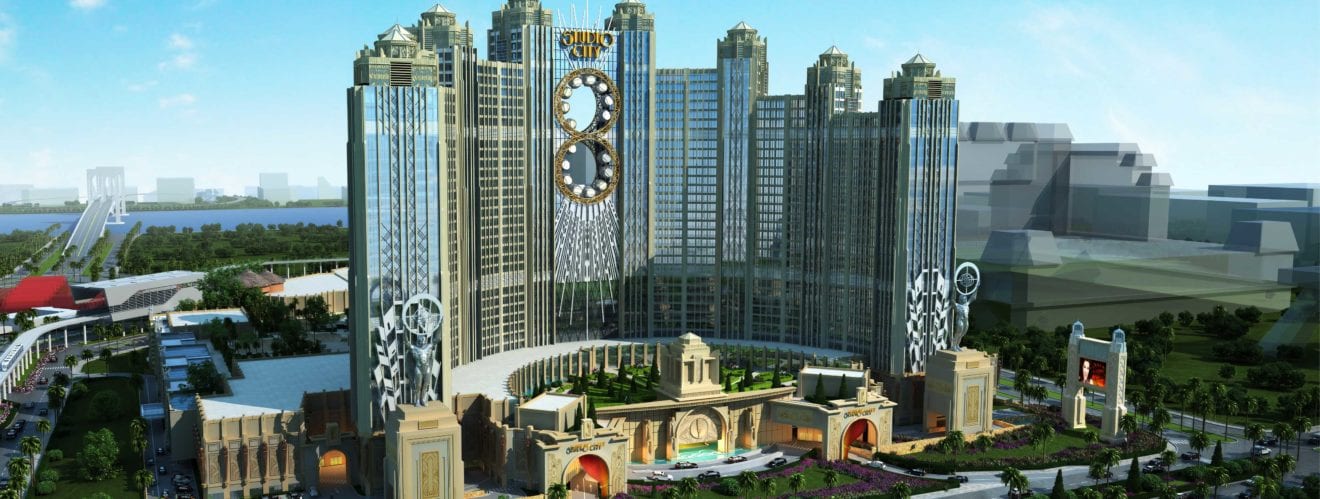
    Studio City is a Hollywood-inspired cinematically themed entertainment, gaming, retail and leisure destination, the retail mall named The Boulevard, and managed by Taubman Asia.

    René Tremblay, president of Taubman Asia, says The Boulevard brings an “unparalleled shopping experience” to Macau.

    “The Boulevard features high-energy streetscapes with the thrilling feeling of being in a studio back-lot, with featured streets and squares inspired by iconic shopping and entertainment locations, including Beverly Hills and New York’s Times Square. In this unique space, Taubman Asia delivers a mix of contemporary luxury and bespoke shopping options, all artfully curated by our team of experienced retail experts that has spent years carefully researching the market and creating an experience tailored to the needs of Macau’s many visitors,” said Tremblay.

    Macau in the spotlight for press conference of mega Hollywood short film “The Audition,”  attracting over 300 media from all over the world.

    “As Taubman Asia’s first project in Macau, The Boulevard is strategically positioned to capture the vast retail opportunity of Macau’s preeminent leisure and tourism market. We’re confident in our partnership with Melco Crown Entertainment and the opportunity Studio City holds for Taubman Asia.”

    Meanwhile, the short film launched last night and screening publicly from today, is led by Scorsese and depicts De Niro, DiCaprio and Brad Pitt playing themselves as they vie for the same part in a fictitious movie.

    Studio City Casts a Global Entertainment Spotlight 4

    “When we first envisioned building a cinematically-themed integrated resort in Macau, we wanted to bring the best of the best of entertainment to the world,” said Lawrence Ho, co-chairman and CEO of Melco Crown Entertainment.

    “[So] it made perfect sense to commission a star-studded Hollywood production to fully conceptualise our goal to reimagine entertainment for Asia. We are extremely proud that we were able to work with the world’s greatest director and actors who are true icons of Hollywood, to successfully produce the first Hollywood movie for Macau.”

    The four mega Hollywood stars completed the Chinese title of “The Audition” in Chinese calligraphy; and presented it to Studio City to commemorate the occasion.

    Melco Crown Entertainment’s co-chairman James Packer added: “Studio City’s official opening represents a key milestone in our strategy to develop Macau as a truly world-leading tourism and entertainment destination, I am extraordinarily proud of what we have achieved here.”

  • Robinson Thailand plans more border stores

    Robinson Thailand plans more border stores

    Thai department store chain Robinson says it will open outlets in planned special economic zones to encourage cross-border trading.

    The Central Retail Corporation subsidiary says it will open a new Lifestyle Centre at Mae Sot in the Tak province, on the border with Myanmar. It follows a similar store which opened in Mukdahan, on the border with Laos, last year.

    “These stores are being built to take greater advantage of cross-border trade,” CRC international business director, and Robinson president Alan Thomson said in an interview published in The Nation.

    “SEZ projects are good initiatives but will take time to develop and for us to realise any opportunities,” he said.

    CRC operates 42 department stores in Thailand; and two more in Vietnam – one in each of Ho Chi Minh City and Hanoi – which trade under the Robins brand name. Its 15 Lifestyle Centres are additional to those.

    In the interview, Thomson talks about the company’s performance in Vietnam to date, its plan to add a well known US apparel brand to its store-in-store brand portfolio next year and how the company is coping with the stagnant Thai economy.

  • CapitaLand Retail China reports bumper quarter

    CapitaLand Retail China reports bumper quarter

    CapitaLand Retail China Trust has had a bumper quarter to September, its distributable income rising 14.2 per cent year on year.

    CRCT is the only China shopping mall Real Estate Investment Trust (REIT) based in Singapore, with a portfolio of 10 shopping malls located in Mainland China.

    CapitaLand Retail China Trust Management, which manages CRCT, says it achieved a distributable income of S$22.3 million for the period. Distribution per unit (DPU) was 2.64 cents, an increase of 12.3 per cent over a year ago.

    Chairman Victor Liew said China’s economy expanded 6.9 per cent year on year in both the third quarter and the first nine months of 2015, while retail sales in the first nine months of 2015 increased 10.5 per cent to RMB21.6 trillion.

    “With the Chinese government reiterating its commitment to rebalance its economy by driving domestic consumption, CRCT remains upbeat about China’s retail growth prospects.”

    CEO Tony Tan, CEO of CRCTML, said that during the quarter, the trust’s portfolio of malls registered 9.1 per cent growth in net property income as it benefitted from a favourable exchange rate.

    “Rental reversion for the quarter continued to be strong at 10.9 per cent, with the majority of our malls registering double digit growth. Portfolio occupancy as at 30 September 2015 was 94.8 per cent, while tenants’ sales and shopper traffic for the quarter increased 12.7 per cent and 2.4 per cent respectively year-on year.”

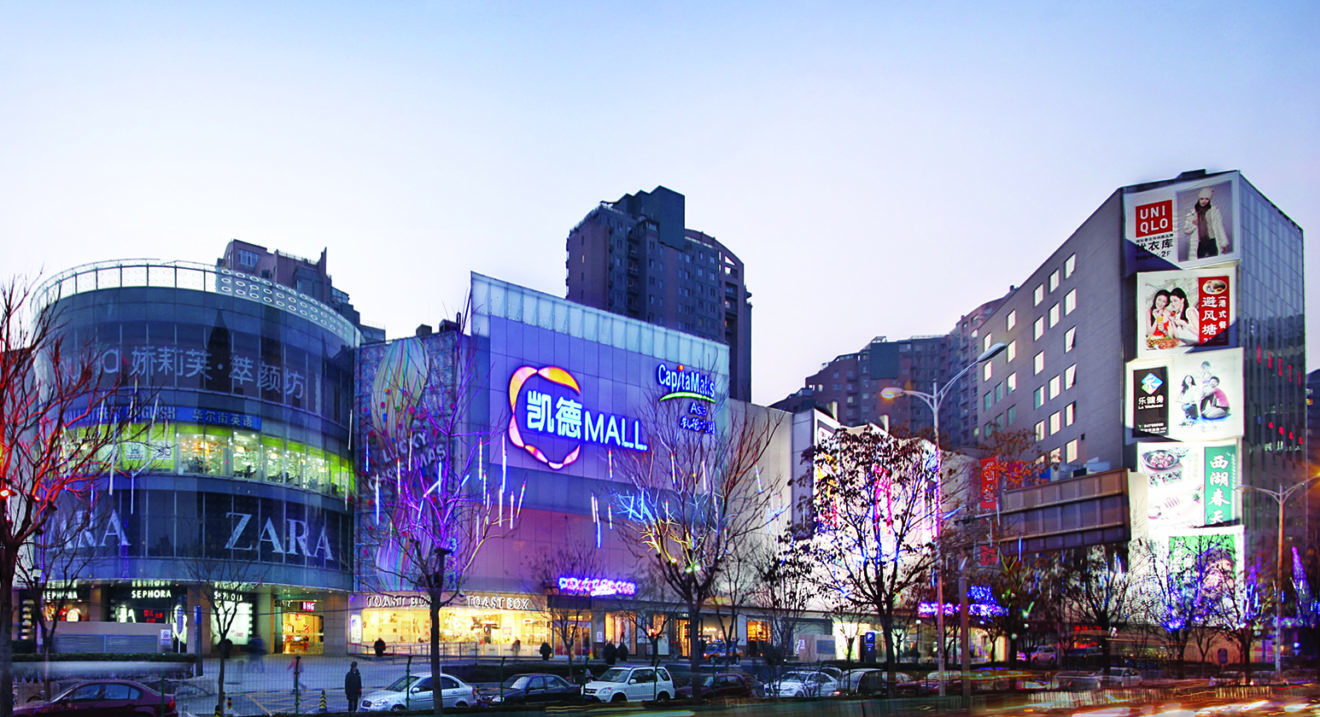
    The trust’s malls are CapitaMall Xizhimen, CapitaMall Wangjing, CapitaMall Grand Canyon, CapitaMall Shuangjing and CapitaMall Anzhen in Beijing; CapitaMall Qibao in Shanghai; CapitaMall Erqi in Zhengzhou, Henan Province; CapitaMall Saihan in Huhhot, Inner Mongolia; CapitaMall Wuhu in Wuhu, Anhui Province; and CapitaMall Minzhongleyuan in Wuhan, Hubei Province.

    “We continue to refresh and improve the trade mix within our multi-tenanted malls,” said Tan.

    “CapitaMall Xizhimen is adding more children-related products and services to cater to growing demand from young families with children. A section of the mall’s Level 3 will be reconfigured into a vibrant kids’ zone and new tenants catering to the varied needs of children, such as apparel stores and enrichment schools, will be added.

    “On the asset enhancement front, CapitaMall Wangjing will be commencing upgrading works to its façade in the coming months, and CapitaMall Grand Canyon is currently undertaking renovation works to improve its common amenities. All these initiatives will further enhance the overall appeal and shopping experience at our malls.”

  • Olympia Plaza mall planned for Phnom Penh

    Olympia Plaza mall planned for Phnom Penh

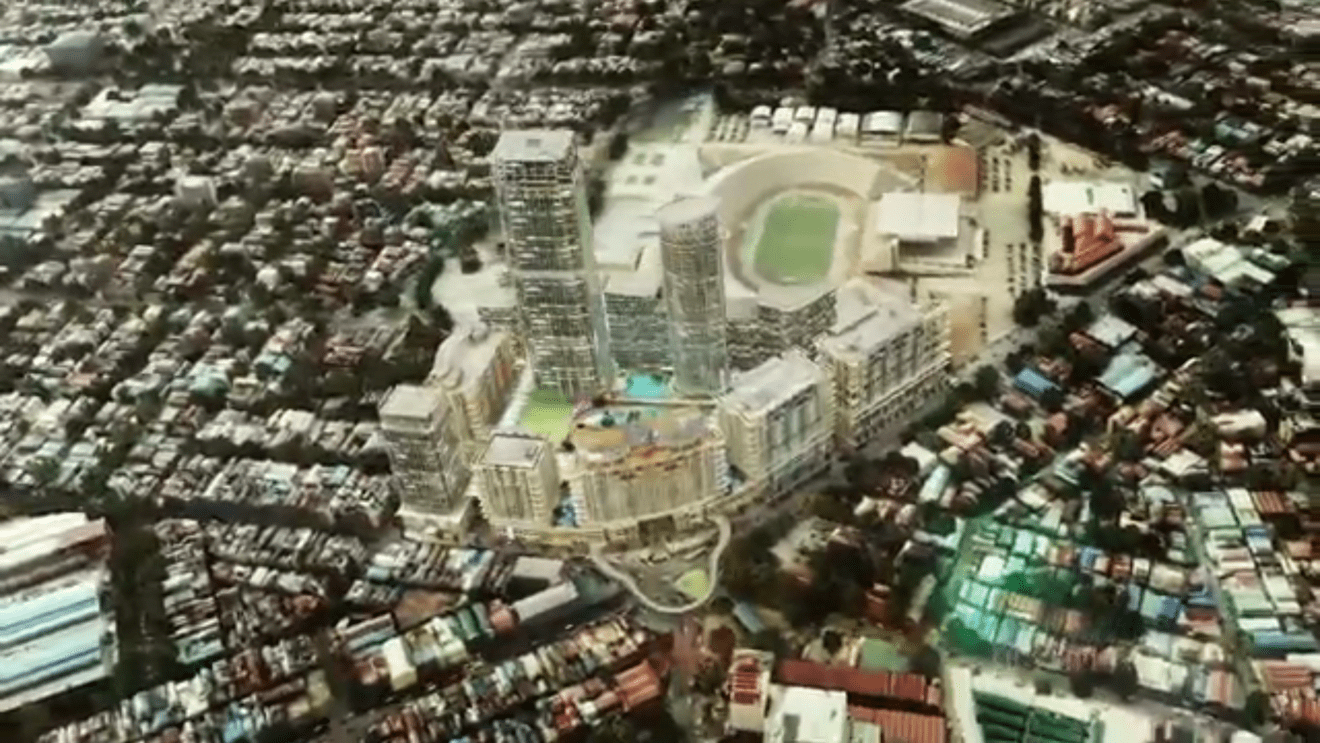
    A new US$60 million, seven-story shopping centre is to be built in downtown Phnom Penh, the capital city of Cambodia.

    Olympia Plaza will be built by Overseas Cambodia Investment Corporation (OCIC), to be located inside its mixed-use Olympia City project in central Phnom Penh.

    “We will invest $60 million in construction costs alone to build Olympia Plaza,” said Touch Samnang, deputy director-general of OCIC.

    “If there are no changes in the plans, [the mall] will be finished by the middle of 2017.”

    The centre will have 100,000 sqm of retail space for lease. Anchors and details of property management, have yet to be revealed.

    Construction has already commenced.

  • Hong Kong Property Prices Expected to Fall by 2016

    Hong Kong Property Prices Expected to Fall by 2016

    Despite being the city with the 3rd most expensive real estate prices in the world and home prices hitting a record high earlier this year, Hong Kong property prices are expected to begin to drop in 2016, according to experts and analysts in the city’s residential property sector.

    With an average price at $22,814 per square meter, property values in Hong Kong have long been ranked third in the world and have been considered to be extremely pricey. One of the main leading reasons for the high prices and the constant increase in value was the limited space in the financial hub of Asia.

    Home values have been on a constant rise as proven by the 340% increase since 2003. The relentless rise in real estate prices has, in fact, renewed concerns that the government may impose more property tightening measures to puncture the trend. Example of such a measure would be stricter mortgage restrictions or higher taxes on foreign purchases.

    However, this trend seems to be changing. Both JPMorgan Chase and the global lender UBS disclosed recently that home prices in Hong Kong could be on the fall until the end of 2017 as buying demand is hurt by an economic slowdown in China and Hong Kong, rising unemployment rates, and a lower inflation rate.

    The Future of Hong Kong Property Prices?

    According to Cusson Leung, the head of Hong Kong research, conglomerates and property for JPMorgan, there is a high chance that residential prices will start falling by 5% to 10% per year starting in 2016.

    Despite the expected fall in residential housing prices starting next year, real estate prices are still expected to rise for the rest of 2015. With the new homes and existing housing expected to be 5% and 10% more expensive respectively, property values for this year will still be relatively expensive.

    Eva Lee, executive director and head of Hong Kong/China Property Research at UBS, was of the same opinion. In a briefing the earlier week, she mentioned that the upcoming cycle that will lead to the fall of Hong Kong property values will be different from previous ones, This is because it will not be triggered by global economic shocks, but rather the deteriorating local economy.

    Cusson Leung pointed out that the shrinking retail market in Hong Kong, mainly driven by the closure of many luxury brand stores, was one of the main factors in driving down the property sales. The other factors were rising unemployment, shaken investors’ confidence over concerns that China’s growth is slowing, and that the global markets may suffer from a planned in the interest rate hike in the United States.

    According to Leung, “Pressure on the economy is the biggest concern here instead of an interest rate hike.”

    Alfred Lau, a property analyst from Bocom International predicted the potential fall in prices from looking at real estate prices relative to property stocks. Lau said that Hong Kong home prices are now the highest compared to property developer stocks in almost two decades.

    “It is a sign that the property market will drop as much as 20 per cent in the last quarter this year,” he said.

    There were other signs telling the same story.

    In August, Hong Kong’s private-sector economy saw its sharpest contraction ever since 2009. This is a distress signal for the economic health of Asia’s financial capital.

    Weakest home sales in 17 months were also reported after a month-long stock rout that originated in China hurt market sentiment among buyers and investors. Comparing year to year data, the sales this year have been down by a third in terms of units sold.

    In regards to the shrinking retail market, it was found that 42% of the sales came from tourists. This is the highest proportion in the world and Hong Kong real estate values will suffer even more once the tourist arrivals fall and hit the retail market.


  • Sands China reveals retail mall performance

    Sands China reveals retail mall performance

    Sales may be down at Sands China’s shopping malls, but by nowhere near the decline in Macau’s gambling revenues.

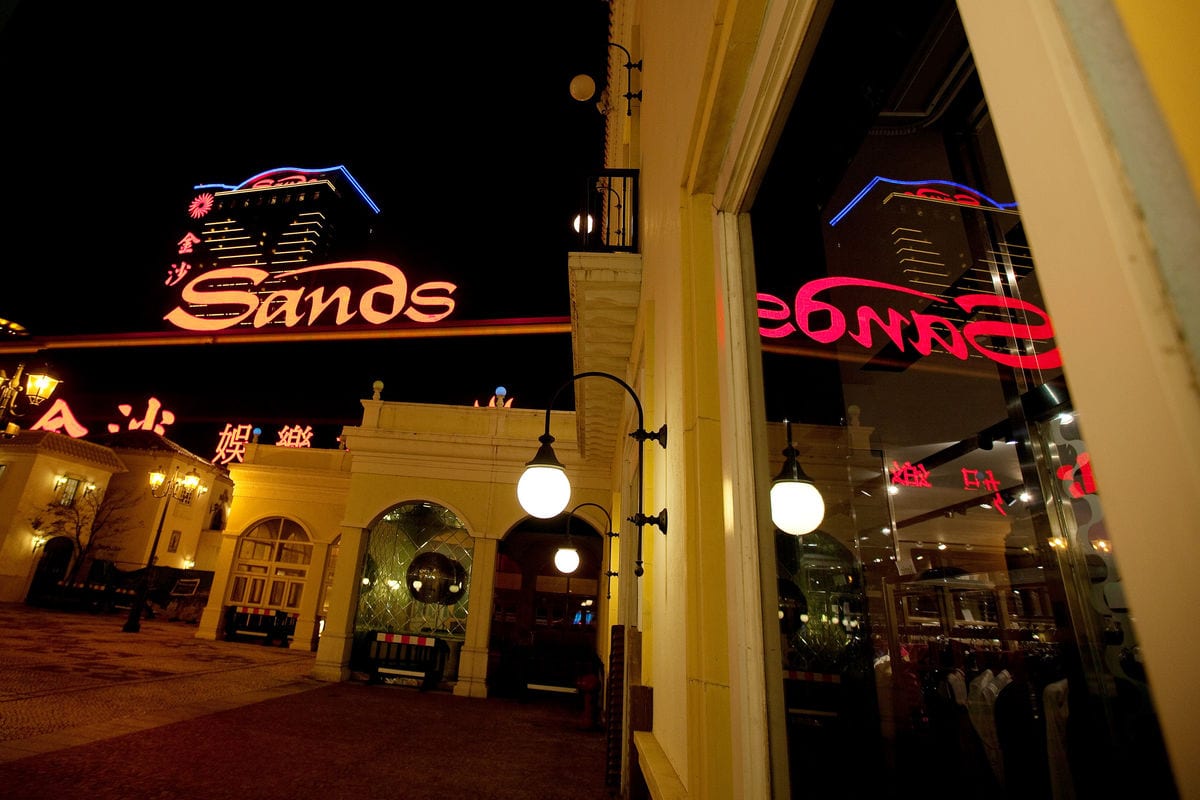
    Sands China has revealed that gross revenue from tenants in the company’s retail malls on Cotai (The Venetian Macao, Four Seasons Macao and Sands Cotai Central) and Marina Bay Sands in Singapore was US$139.3 million for the third quarter of 2015, a decrease of 6.8 per cent compared to the third quarter of 2014.

    Operating profit derived from these retail mall assets decreased 5.2 per cent year on year to US$125 million.

    By comparison, total net revenue for Sands China fell 28.8 per cent to US$1.66 billion in the third quarter, down from $2.33 billion in the same period last year.

    As the table below shows, occupancy levels at the end of the three months to September 30 was running at 100 per cent – or close to it – at all the company’s retail properties in Macau. At the Marina Bay Sands, occupancy was at 95.5 per cent, perhaps reflecting an ongoing reshuffle of tenancies in the centre.

    Sands numbers

    The company’s operating profit margin across all the facilities ran at between 87.7 and 94.1 per cent.

    Sheldon Adelson, chairman and CEO of Sands China’s US parent Las Vegas Sands, said while the operating environment in Macao, particularly in the high-end gaming segments, remained challenging during the quarter, the company’s focus on the higher margin mass and non-gaming segments and the geographic diversification of its cash flows allowed the company to again deliver in excess of US$1 billion of adjusted property EBITDA during the quarter and weather this cyclical downturn better than the industry overall.

    “In Macao… we remain confident that our market-leading Cotai Strip properties, which will be complemented in the future by the St. Regis tower at Sands Cotai Central opening in December 2015, and by The Parisian Macao, targeted to open in late 2016, will continue to provide the economic benefits of diversification to Macao, help attract greater numbers of business and leisure travellers, and provide an outstanding and diversified platform for growth in the years ahead.”