Category: Real Estate

Retail News Asia is committed to providing both local and global retailers with the latest Real Estate news throughout the Asian market. This on a daily base.

  • Paradigm Mall to be new JB retail hub

    Paradigm Mall to be new JB retail hub

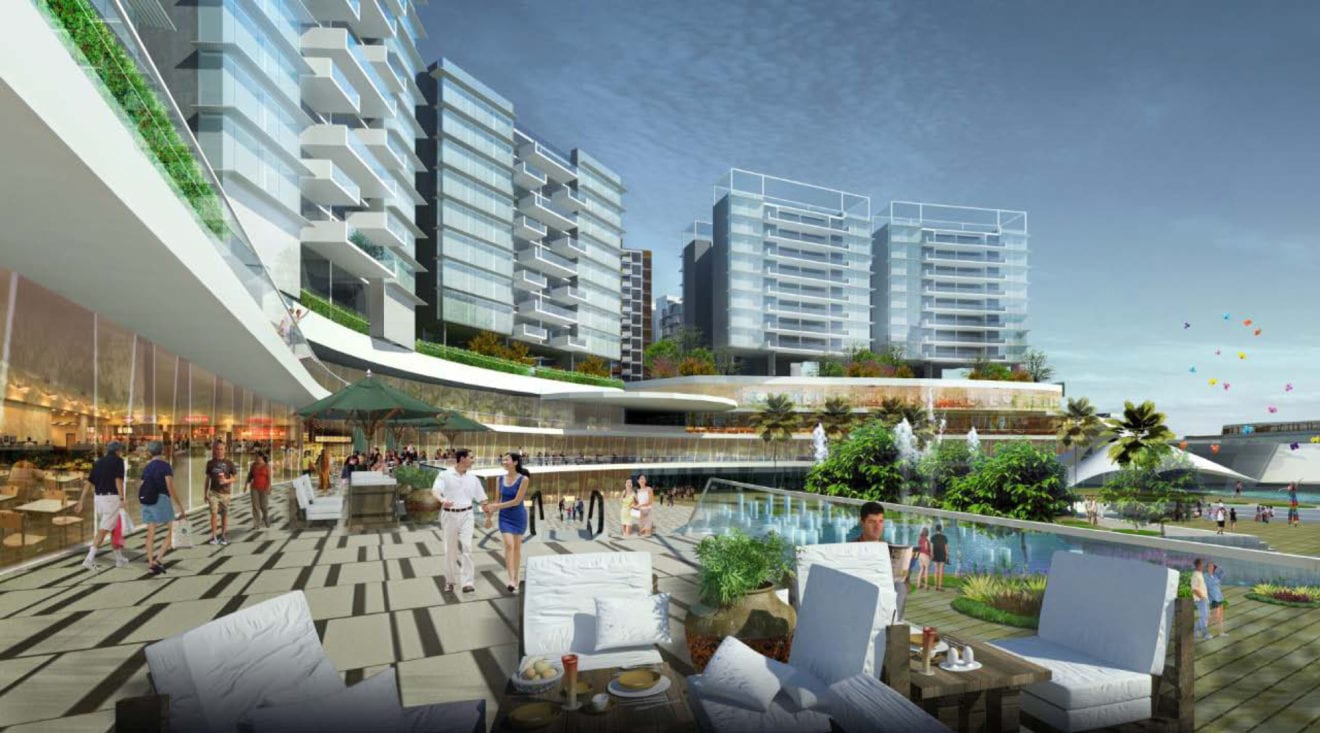
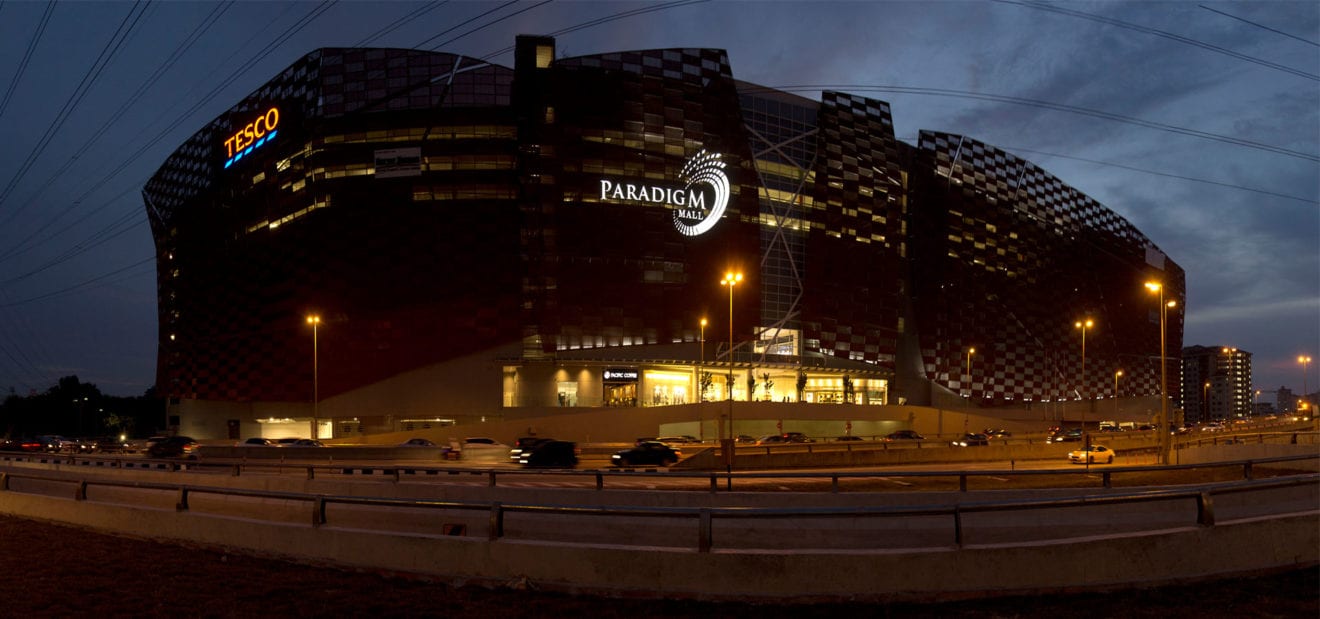
    A new shopping centre announced for Malaysia’s southern city Johor Baru, will be the largest mall in town when it opens in late 2016.

    Paradigm Mall was launched by Malaysia’s Tourism and Culture Minister Datuk Seri Mohd Nazri Aziz. It will be developed by WCT Holdings Berhard.

    The six story, 600,000 sqm mall will house a 16 screen multiplex cinema, an indoor rock climbing facility and an ice skating rink, alongside a large line-up of local and international brands inlcuding department store Sogo and the Village Grocer supermarket.

    Aziz described Johor Baru – a short drive across the border from Singapore – as “untapped potential” suggesting the new mall could help attract Singaporean shoppers to the city.

    “Johor Baru is among the top five shopping areas for foreign tourists, and I hope to work with integrated developments such as Paradigm Mall to promote Malaysia internationally,” he said at a launch function.

    The new mall will also incorporate a four-star hotel and serviced residences.

  • Shopping malls revamp amid onslaught from online retailers

    Shopping malls revamp amid onslaught from online retailers

    As the brick-versus-click-sales war intensifies, shopping malls in Singapore are plotting aggressive strategies to stay ahead in the game while they continue to battle falling tourist arrivals, the oversupply of retail space and growing competition for consumers’ attention.

    Their renewed game plans include reshuffling the tenant mix, exploring more flexible leasing terms with tenants, revamping marketing campaigns and even forming alliances with online sales platforms — all of these aimed at getting consumers to shop more as they spend longer hours at their malls.

    “Landlords are adjusting their marketing strategies and tenant mix and repositioning their properties towards offering more entertainment, services and food and beverage (F&B) outlets, aiming to remain relevant in the midst of shoppers taking to online shopping as well as changing consumer preferences,” said DBS Vickers analyst Derek Tan.

    Mall operators are making more space for restaurants, cafes and bars as well as entertainment and services-oriented businesses, such as education, beauty and wellness, as these remain insulated from the online onslaught, while department stores and retailers that sell products such as books, toys and fashion continue to be hit by the surge in e-commerce.

    Malls now allocate around 35 to 40 per cent of net lettable area to F&B, entertainment and services, compared with about 25 per cent around five years ago, Mr Tan noted.

    The increased focus on F&B, entertainment as well as beauty and wellness is also demand-led, as young Singaporeans today are well-travelled and seek more in terms of enhancing their personal appeal and well-being.

    “Singaporeans today are more sophisticated and want to explore more when it comes to F&B and beauty and healthcare. This is attracting new F&B players from Japan, South Korea, China, the United States and Europe to enter Singapore in a big way. Several Korean and Japanese cosmetic companies are also coming in,” said Mr Wilson Tan, chief executive of CapitaLand Mall Trust Management. He also emphasised the group’s strategic focus on necessity retail that defends it from disruptions in shopper traffic and volatility in sales revenue.

    Besides the onslaught from online retailers offering low-cost shopping and free delivery services, a strong Singapore dollar has prompted Singaporeans to shop abroad as they travel for holidays, making it more challenging for mall owners to attract footfall.

    “Over time, the way people shop will change … In the past, we did more conventional advertisements. As we move ahead, we see mobile and digital platforms becoming a lot more prevalent, and that is where we will be looking at, using new technology to bring people into the shopping malls,” Mr Tan said.

    Malls are scurrying to identify ways to embrace new sales channels that allow traditional and online retailers to coexist and complement each other. Some are exploring the option of partnering with e-commerce players such as Qoo10.

  • Hong Kong retail sector to suffer most from yuan devaluation

    Hong Kong retail sector to suffer most from yuan devaluation

    A weaker yuan means these tourists will now be spending in a more expensive Hong Kong dollar, denting the city’s retail sales even further.

    “Shopping in Hong Kong will get more expensive for mainlanders,” said Nicole Wong, regional head of property research at CLSA, “Landlords need to be more realistic [in setting their rents].”

    Wong said retail rents would in any case have to correct in view of the slump in Chinese spending and that the yuan devaluation would only steepen the fall.

    Big spenders from China had already been skipping Hong Kong and flying directly to Europe, taking advantage of a cheaper currency, she said. The euro has lost nearly 18 per cent in the past year.

    The yuan has lost more than 3 per cent against the US dollar since the People’s Bank of China shocked the markets by devaluing the currency by 1.85 per cent on Tuesday, the most in one day in more than 20 years.

    “Any meaningful depreciation of the yuan could further dampen Hong Kong retail sales as mainland visitors’ spending represented 38 per cent of Hong Kong’s total sales in 2014, compared to below 20 per cent prior to 2008,” wrote Bank of America Merrill Lynch analyst Raymond Ngai in a note to clients.

    The devaluation would be another direct headwind for Hong Kong retail landlords, he said, citing the widespread market expectation of a 10 per cent depreciation of the yuan against the US dollar in the next 12 months.

    Shares in Causeway Bay’s largest retail landlord Hysan Development have fallen for three straight days since Tuesday. In all, it lost 1.7 per cent to close at HK$33 on Thursday. Hang Lung Development, which owns Fashion Walk in Causeway Bay, lost nearly 3 per cent to close at HK$19.80.

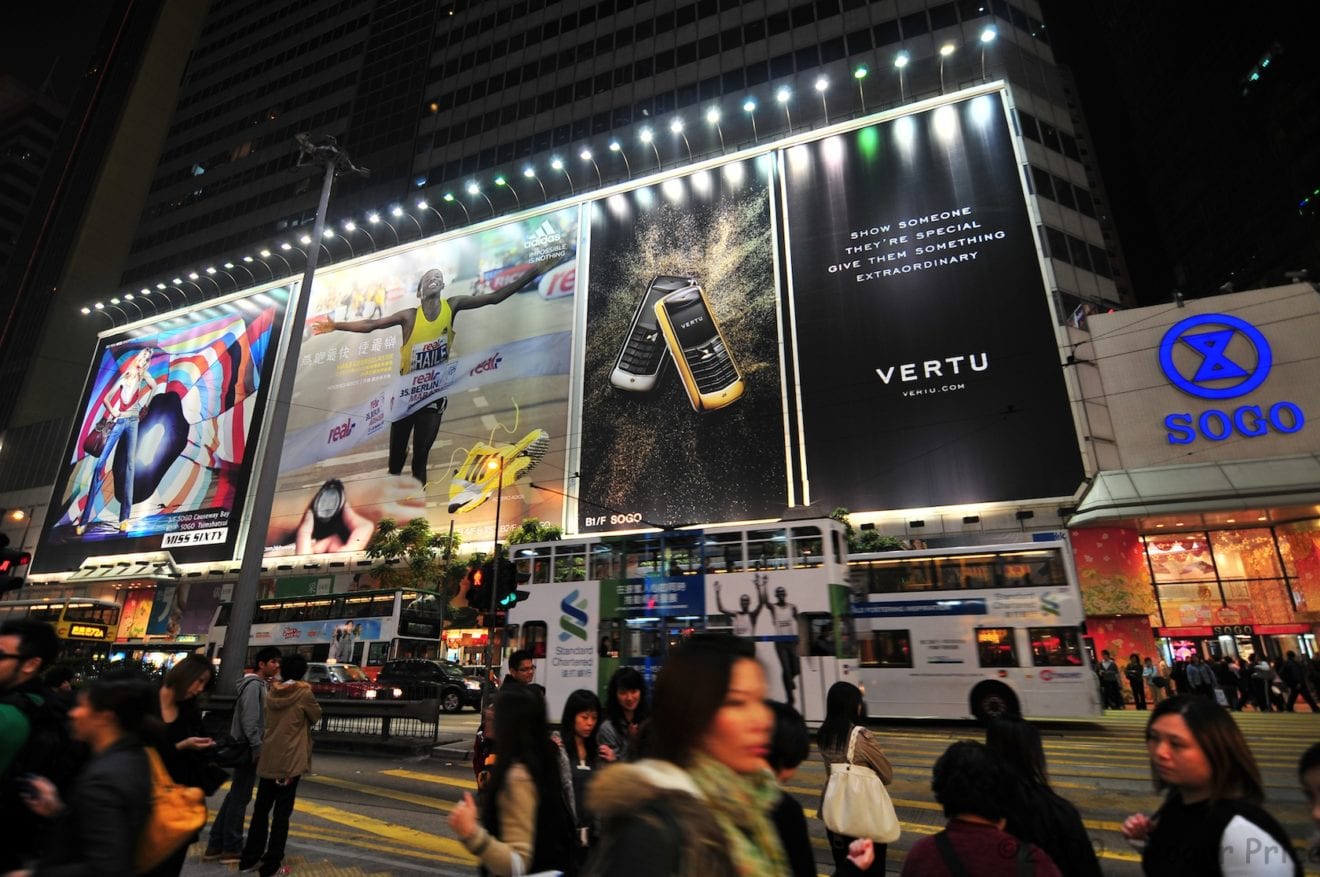
    Sogo department store operator Lifestyle International Holdings fell nearly 1 per cent on Thursday. Only Wharf (Holdings), which owns the city’s largest shopping mall Harbour City, but is diversified into areas other than retail, bucked the trend to edge up nearly 0.5 per cent on Thursday after falling 3.7 per cent the previous day.

    Jefferies downgraded Hysan to “hold” from “buy” for its concentration in retail operations.

    Even before the devaluation, global brands have been pushing landlords to cut rents as mainland footfalls have been dwindling amid an economic slowdown as well as the anti-corruption drive on the mainland that has crimped luxury spending. Swiss watchmaker TAG Heuer last week said it was closing a store in Causeway Bay’s prestigious Russell Street.

    Tom Gaffney, head of retail at property consultancy JLL, said some retail outlets in Central and Causeway Bay had asked for rent reductions of up to a fifth.

    But the yuan depreciation is likely to have a mild impact on Hong Kong’s physical property market.

    Sammy Po, chief executive of Midland Realty’s residential department said mainlanders accounted for 20 to 30 per cent of new luxury homes sales in 2011.

    “Today, mainland buyers have dropped to about 4 per cent due to stamp-duty curbs for non-locals,” he said.

    This article appeared in the South China Morning Post print edition as Devalued yuan to hit retail sector

  • Gucci tangles with Hong Kong landlords

    Gucci tangles with Hong Kong landlords

    Retailers such as Burberry Group Plc, Kering SA and Chow Tai Fook Jewellery Group Ltd. are pushing landlords to lower rents on existing properties as luxury brands scale back on declining traffic.

    Commercial rents have dropped the most this year since 2009 amid plummeting sales.

    Hong Kong’s Russell Street in Causeway Bay used to boast the world’s highest retail rents, but it relinquished the top post to New York’s Fifth Avenue last year, Bloomberg News reported.

    TAG Heuer closed its Russell Street store last week, citing high rents and declining traffic.

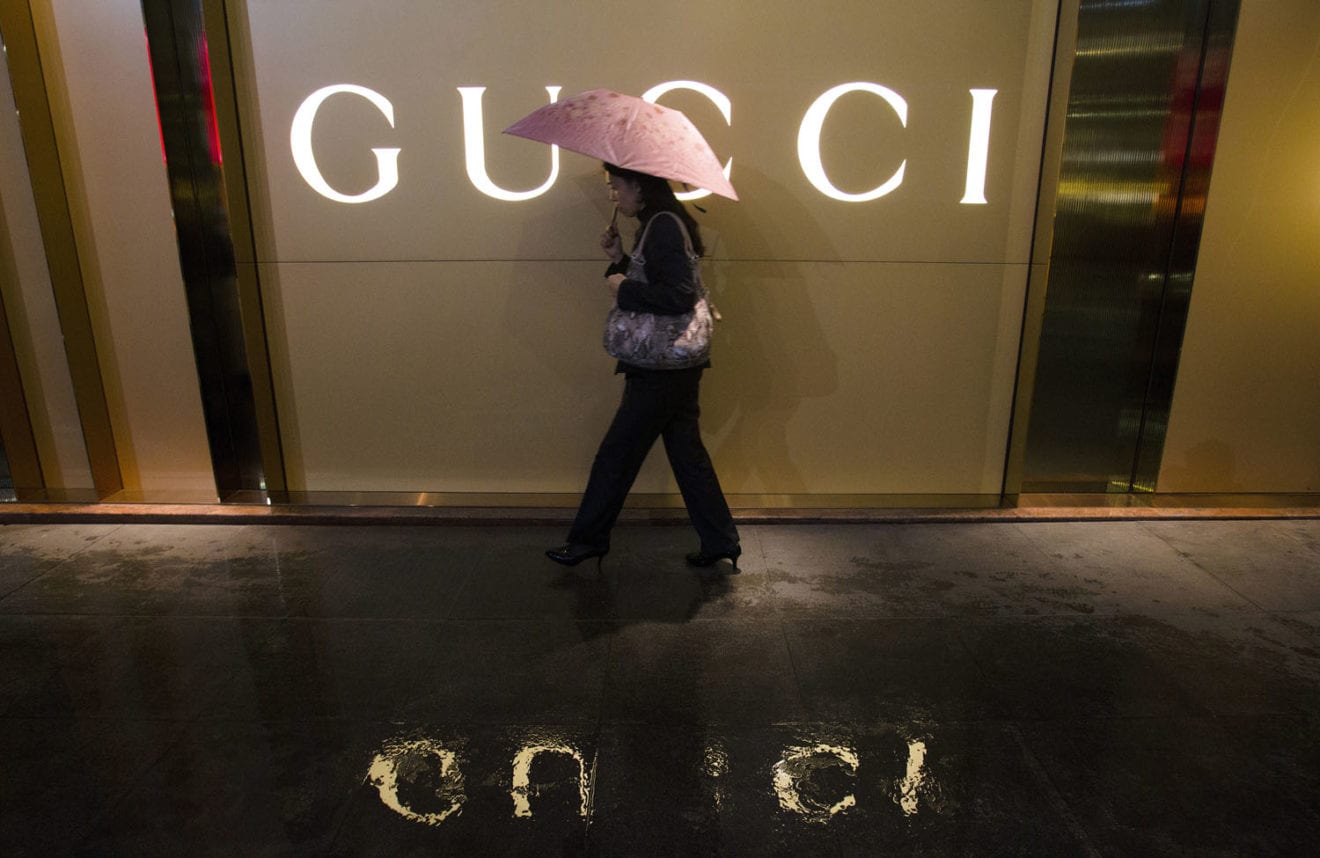
    Kering, owner of the Gucci brand, has also warned that it may close some of its shops in Hong Kong if rents don’t come down.

    “Many landlords have not necessarily understood that the markets have changed,” Kering chief financial officer Jean-Marc Duplaix was quoted as saying.

    China’s economic slowdown and President Xi Jinping’s austerity and anti-corruption campaigns are among the reasons for the declining number of mainland shoppers in the city.

    Demand has also plunged because the weaker yen and euro have prompted Chinese tourists to favor Japan and France over the city, the news agency said, citing Helen Mak, senior director of research at Colliers International.

    “Unavoidably rents will trend down,” said Marcos Chan, head of research for Hong Kong, Macau and Taiwan at CBRE Group Inc. “We don’t see any reason why retail will quickly see a rebound any time soon.”

    Sales of jewelry, watches and other high-priced gifts fell 15.9 percent in the year ending June, according to data from the Hong Kong Retail Management Association.

    In a July research report, Jones Lange LaSalle Inc. said high-street rents will drop 15 percent to 20 percent this year, which is far worse than the 5 percent drop it predicted at the end of last year.

    Street-level landlords in Central on Hong Kong Island, and across the harbor in Kowloon neighborhoods that cater to mainland shoppers, are also feeling the pressure.

    Average rents fell 15 percent in Tsim Sha Tsui in the first half, Colliers said.


  • E-Land Group to open large shopping mall in China

    E-Land Group to open large shopping mall in China

    South Korean retail giant E-Land Group said Monday that it plans to open its first shopping mall in mainland China later this year in a joint venture as part of its strategy to tap deeper into the world’s biggest market.

    E-Land Group and Malaysia-based Parkson Group have agreed to establish a joint venture and open “Parkson-New Core Mall” in Shanghai in November.

    The South Korean company said it will be in charge of management of the joint venture, with a 51-percent share.

    Parkson Group is one of the largest department store operators in the Asian region, with 127 stores in China, Malaysia and Indonesia.

    It is the first time for the South Korean retailer to run a large multiplex shopping mall in China, while E-Land now operates around 7,300 apparel stores in the neighboring country.

    E-Land said the Parkson-New Core Mall will house its own fashion, houseware, shoes and accessory brands, as well as American and European luxury goods.

    “China’s retail industry has already reached a saturation point,” said an official from E-Land Group. “We will introduce a new type of retail store in the market.”

    Rival retailers including Lotte Group and Shinsegae have already entered the Chinese market but failed to produce outstanding results due to fierce competition.


  • Boracay Beach Resort deal secures Mövenpick Hotels & Resorts

    Boracay Beach Resort deal secures Mövenpick Hotels & Resorts

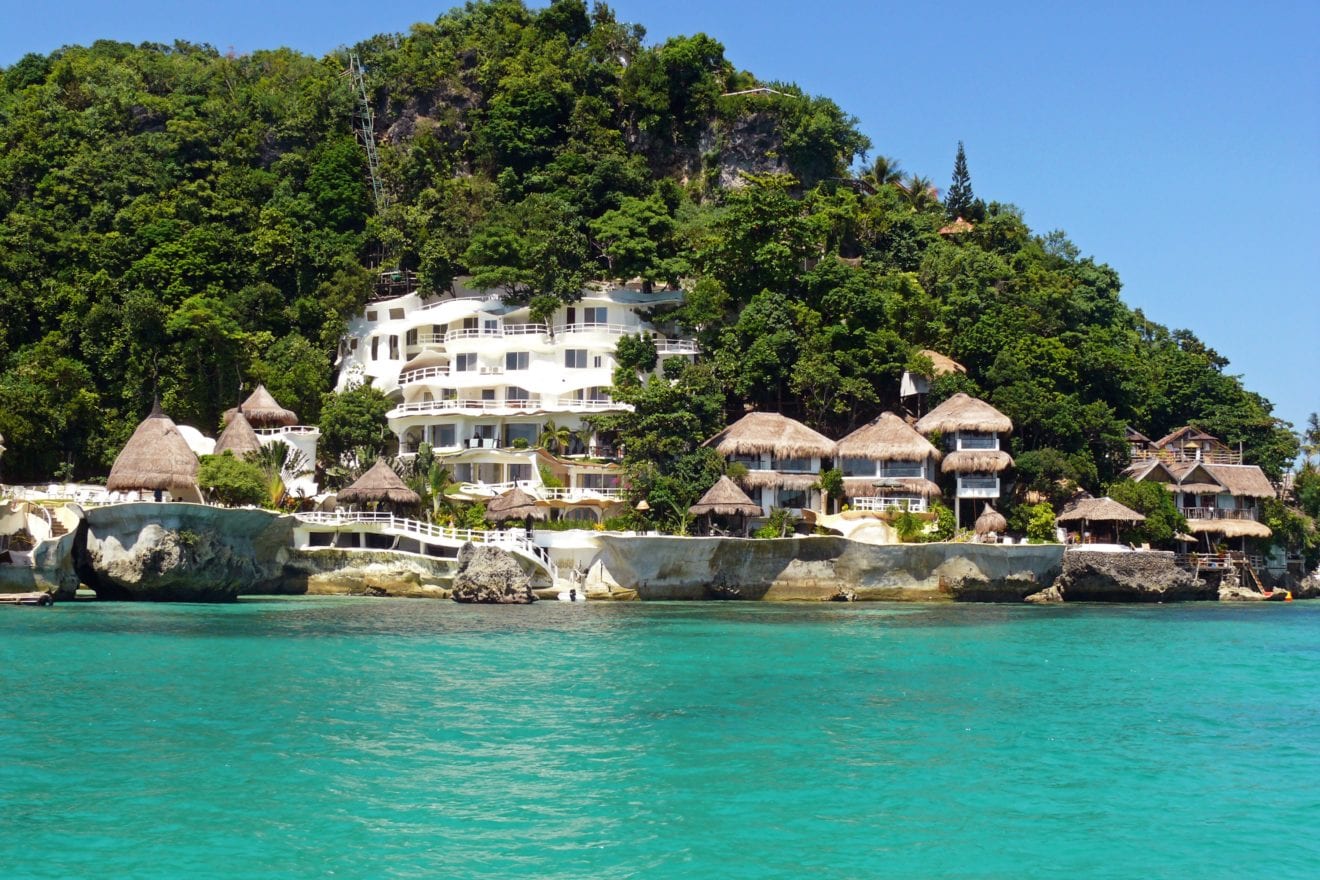
    Mövenpick Hotels & Resorts has secured its own piece of paradise in one of Asia’s most exclusive holiday destinations, having signed a deal to manage the Sol Marina Resort, which will soon be renamed Mövenpick Resort Boracay, in the Philippines.

    Located in the north west of the island on idyllic Punta Bunga Beach, famed for its white powdery sand and aquamarine waters and considered one of Asia’s luxury resort hotspots, the upscale 333-key property will start welcoming guests in December 2015.

    The property will not only shore up Mövenpick’s presence in the Philippines, where it already manages Mövenpick Hotel Mactan Island Cebu, but also bolster the hospitality firm’s portfolio of resort properties in top Asian locations. In Thailand the company operates two resorts in Phuket and one on Koh Samui, while construction is underway on properties in leisure destinations such as Pattaya, Thailand, Quy Nhon, Vietnam and Bali, Indonesia.

    “Signing a property in Boracay is a significant development for Mövenpick, as it cements our presence in one of Asia’s most established resort destinations,” explains Andreas Mattmüller, Chief Operating Officer, Mövenpick Hotels & Resorts, Middle East and Asia.

    “Punta Bunga Beach, with its crystal-clear waters and soft white sand, is unspoiled and truly idyllic, attracting discerning travellers from all over the world from both the upscale leisure and corporate meetings segments.”

    Mattmüller also notes how the Filipino culture marries well with Mövenpick’s ‘We make moments’ guest promise, which guides the hospitality firm’s service ethics world over.

    “The Filipinos have a friendly attitude towards life; in the Philippines you will always receive a warm welcome,” he adds.

    Mövenpick Resort Boracay will comprise a cluster of three buildings nestled around the lagoon pool with most of the resort’s rooms and suites boasting sea views. Designed to give guests the ultimate luxury experience, the Presidential Suite will be housed in a stand-alone villa, featuring two bedrooms and a private pool.

    Key resort features will include family rooms; a kids club for young children and a games area for teens; and several dining outlets including Italian, Japanese and Korean restaurants plus a lobby lounge, beach club and swim-up pool bar. Meetings and events facilities will span a ballroom that can accommodate up to 450 guests for a seated dinner, three multi-function rooms and a boardroom.

    The property’s owner, Ambassador Alfredo Yao, who is also the founder and owner of the Philippines’ largest beverage producer, Zest-O and a partner in AirAsia Zest, Philippines, says signing the management agreement with Mövenpick Hotels & Resorts marks the start of a “new exciting era” for the resort.

    “The rebranding of Sol Marina as Mövenpick Resort Boracay will mark a new beginning for our beautiful property, steered by the capable team at Mövenpick Hotels & Resorts, which has a formidable reputation as one of Asia’s top resort operators,” says Yao.

  • Aeon Cambodia to build second mall

    Aeon Cambodia to build second mall

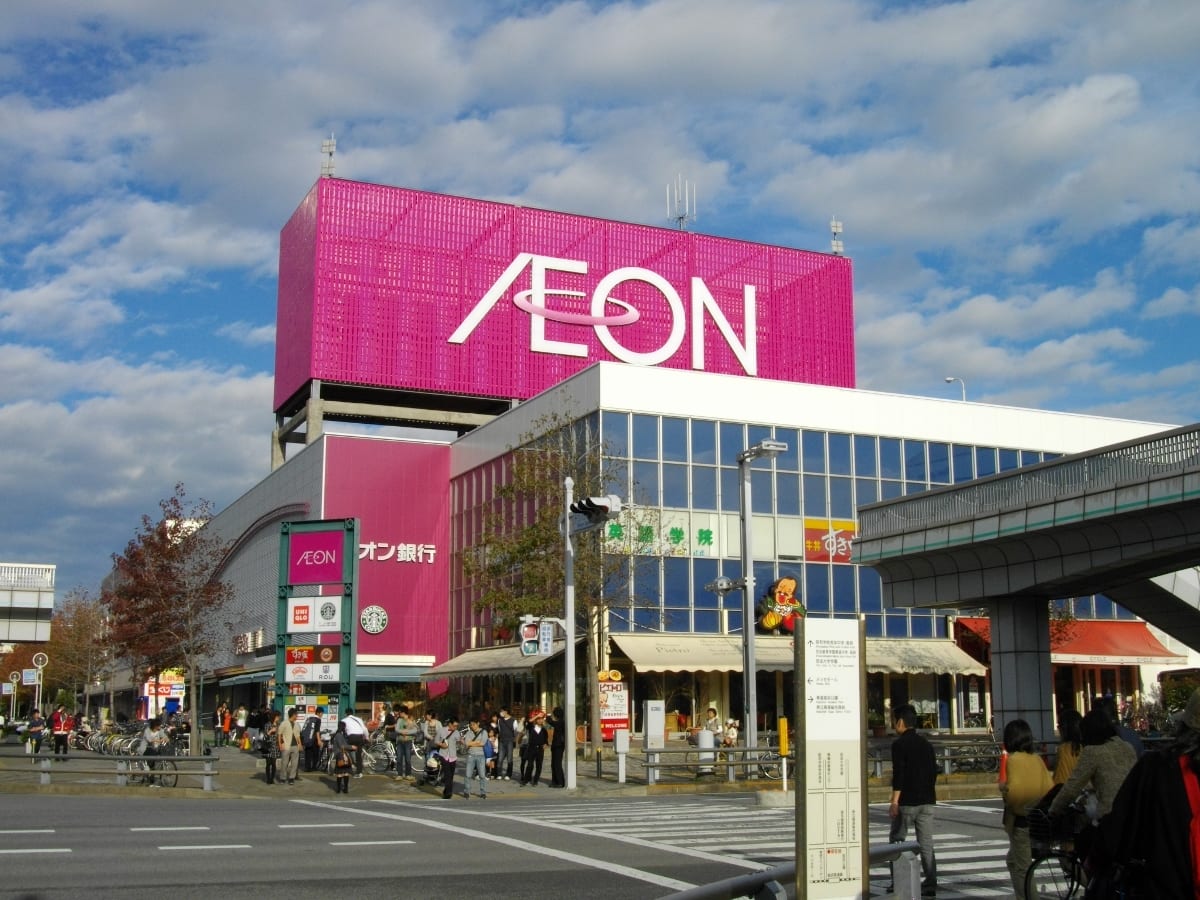
    Japan’s Aeon is to build a second shopping mall in Cambodia’s capital city Phnom Penh.

    The news was revealed on the first birthday of Aeon’s first Cambodia mall, which it says has attracted 15 million visitors.

    The new mall will be built about 10km north of Phnom Penh’s CBD in the Pong Peay City, a new residential and commercial development by the LYP Group on the city’s north side.  LYP is owned by prominent local businessman and ruling party senator Ly Yong Phat.

    With a 151,000 sqm footprint it will be significantly larger than the first mall, which is 108,000 sqm. The gross leasable area will be 70,500 sqm.

    Like all of Aeon’s malls in Asia, the centre will be anchored by an Aeon supermarket. Supporting retailers will include Japanese brands who partner with Aeon in new developing markets and international brands such as Puma, Adidas and Levi’s.

    Aeon Asia MD Washizawa Shinobu said his company is confident Cambodia’s emerging middle class will make the new centre a success, aiming to attract 10 million visitors in its first year.

    “I am sure Cambodian people will be richer with economic growth like that, which means they will buy more products,” he said.

  • Hysan thrives in subdued market

    Hysan thrives in subdued market

    Hysan Development Co chairman Irene Yun Lien Lee says retail locations with proven shoppers’ traffic that have a bustling and unique surrounding atmosphere have become more sought after as retailers compete in an increasingly challenging market.

    That’s the core of the reason Hysan has thrived in the first half year while street-front shops have struggled and for lease signs have appeared in even the most popular shopping destinations, like Causeway Bay.

    “Hysan has always strived to work closely with and provide support as well as add value to our tenants, especially when shop owners are weathering market uncertainty,” said Lee in a half year report.

    “At Hysan’s portfolio in the first half of 2015, we hosted a number of high-profile customer engagement activities and experiences, including a successful dining programme in May in partnership with our food and beverage tenants and shoppers with HSBC credit cards. We also unveiled Leeisure rewards for shoppers, complemented by the inaugural Leeisure electronic and print magazines.”

    The company this week reported group turnover of HK$1.714 billion, up 7.4 per cent on the same period in 2014. And at the end of June, Hysan’s retail portfolio occupancy was 98 per cent, the office portfolio full, and residential portfolio at 95 per cent.

    Contrast that growth with the 2.1 per cent expansion of Hong Kong’s overall economy in the first quarter and the forecast for the year of between one and three per cent, and a drop in retail sales for the first half of 1.6 per cent.

    Lee said Hysan’s strategy in recent years has been to cluster its Lee Gardens portfolio of retail and office space in Causeway Bay.

    “Our iconic, well-recognised and quality Lee Gardens brand is powered by our ownership cluster. This area concentration magnifies our ability to extract synergies amongst our retail, food and beverage and office tenant mix. It also supports our active marketing and events programs to reinforce our brand, build our customer loyalty program, create a sense of community and ensure awareness as a must-visit destination,” said Lee.

    “This long-term vision has helped maintain a strong tenancy demand, an improved and broadened tenancy mix, active stakeholder engagement, and most of all, a well-regarded and sustainable brand.”

    To further emphasise the brand and highlight Lee Gardens’ heritage and distinct character, all buildings on the eastern half of Hysan’s property portfolio in Causeway Bay have been renamed under the Lee Gardens brand name from June 1.

    “We are proud of our long history and we understand our tenants also wish to be more closely associated with this brand,” said Lee.

    Hysan believes the retail market remains underpinned by “solid local support and demand”.

    “Furthermore, as retailers and landlords adapt to the changes in the shopping patterns, including that of the rising prominence of eCommerce, we are confident that the retail sector will be able to weather the market volatility,” Lee said.

    The group’s retail portfolio turnover grew 6.4 per cent to HK$950 million, including turnover rent of HK$50 million, (down $10 million).

    “Our results reflected positive rental reversions in rental renewals, reviews and new lettings across the portfolio, with an average rental increase of around 35 per cent. They also highlighted our strategy to increase the base rent while shifting the focus away from turnover rent. Around 80 per cent of retail leases expiring in 2015 have already been committed.

    The portfolio was 98 per cent occupied as at 30 June 2015, (down two percentage points from December 31st’s ‘no vacancy’ status).

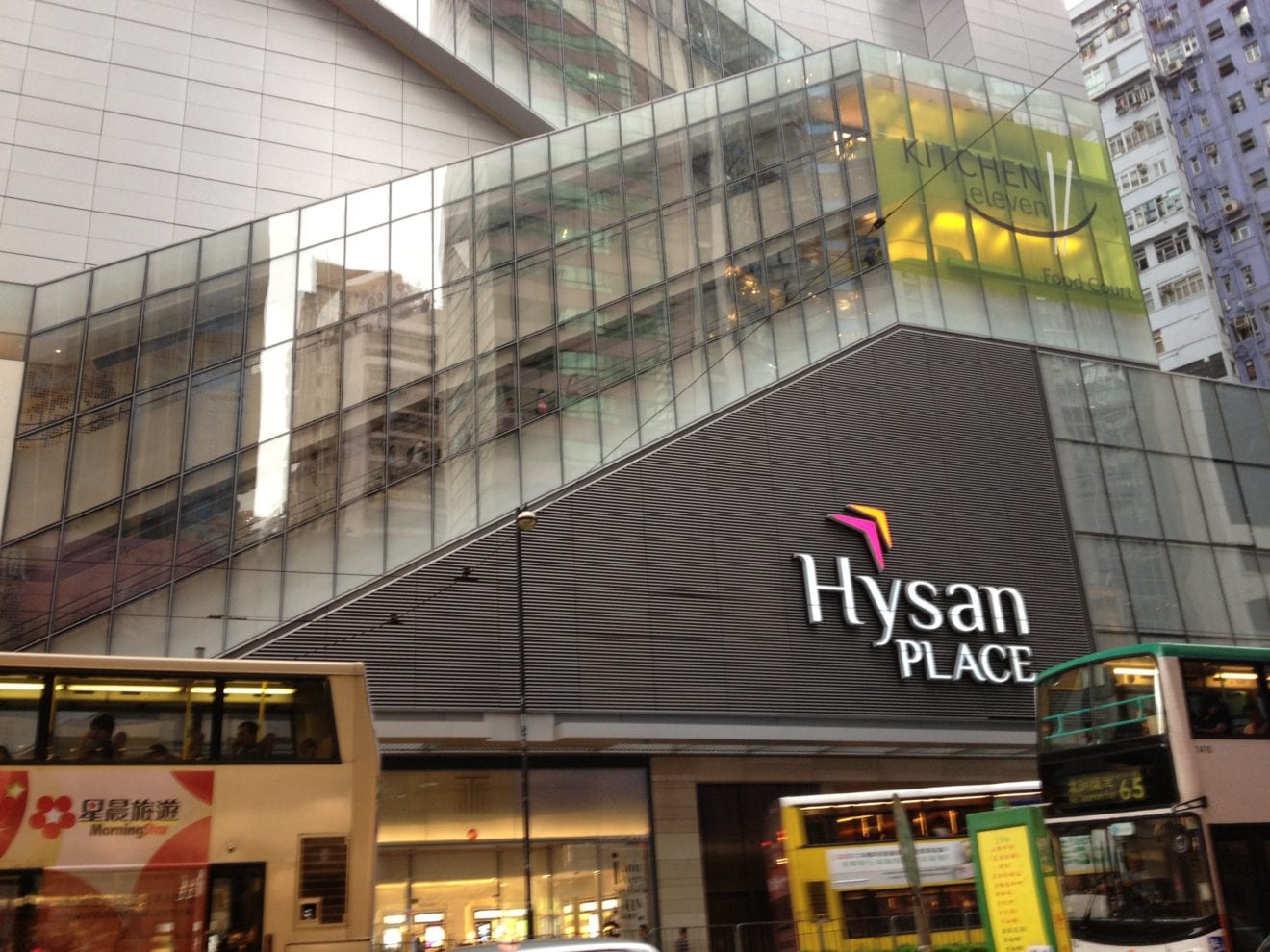
    Hysan Place, a hub for the younger, fashion-forward crowd, achieved around 80 per cent growth in estimated tenant sales. Hysan says this reflects its attractive retail offerings, including some popular digital products.

    “We have been further refining our tenant mix and focusing on more unisex sports and leisure offerings, which match Hong Kong’s growing demand for a healthier lifestyle. Lululemon, the trend-setting yoga apparel brand, for example, is opening its largest Hong Kong store on the first floor. Another popular sector is cosmetics, and DFS T-Galleria has revamped an entire floor to showcase its beauty offerings with a brand new experiential format and expanded product categories, including popular Korean brands.”

    The premium Lee Gardens hub experienced a drop in estimated tenant sales when compared to the first half of last year. The sales there were inevitably affected by the slowing down in tourist spending, but they were also partially attributable to the life cycle and distribution strategy of certain brands.

    Newcomers including Roger Vivier and Dolce and Gabbana Junior helped reinforce both our adult and children’s offerings, and reflected the ongoing demand for quality space by major brands at the Lee Gardens, the company said. The hub’s food and beverage outlets, from traditional Chinese to trendy Asian and Michelin-starred French cuisines, experienced double-digit percentage growth in sales.

    Lee Theatre hub, the urban fashion and lifestyle destination, achieved around 10 per cent growth in estimated tenant sales. The flagship stores at the lower levels of Lee Theatre Plaza, including Uniqlo, Muji and Aland, have proven popular with shopping families, and these shoppers also make good use of the food and beverage outlets on the upper floors of this Causeway Bay landmark.

    “Our curation of the Leighton Centre ground level as a “sports-themed street” has also been successful in creating a new home for sporty apparel and footwear, such as adidas Originals, Asics and Onitsuka Tiger.”
  • Dalian Wanda shutters stores

    Dalian Wanda shutters stores

    China’s Superstar days are over.

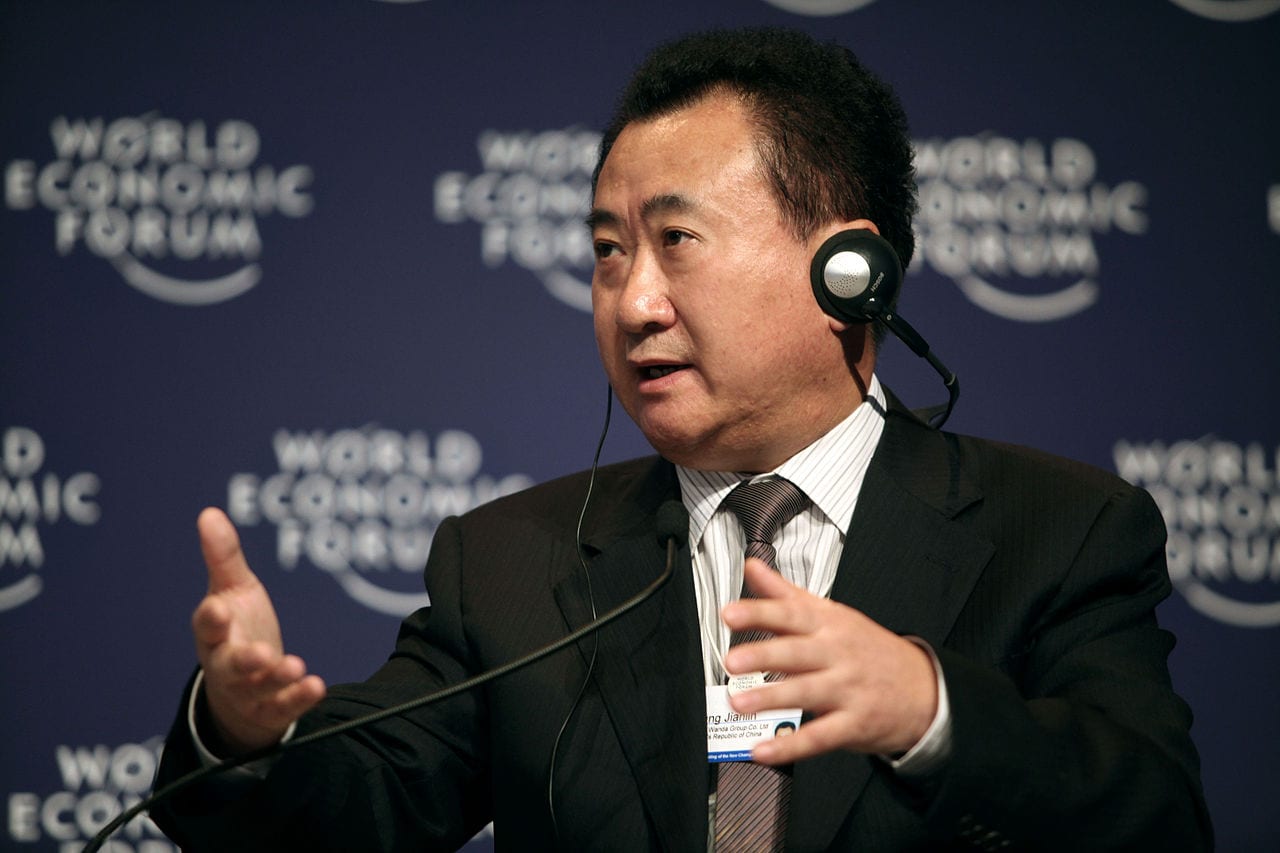
    Hong Kong listed retail group Dalian Wanda is to close down China’s largest karaoke chain Superstar, a victim of the mainland government’s mission to discourage excessive spending on entertainment and gifts.

    The company has also flagged the closure of an unspecified number of its department stores due to tough competition from online retailers, eating into store sales volumes.

    Some Chinese news media are reporting as many as half of the company’s 90 department stores could be shuttered, but the company remains vague.

    “China’s consumer behaviour is undergoing significant changes, inevitably hurting some large-scale retailers,” said Qu Dejun, president of Dalian Wanda subsidiary Dalian Wanda Commercial Properties.

    Before the Chinese government’s clampdown on entertainment expenses, karaoke parlours were popular destinations for government officials and businessmen entertaining clients and contacts.

    Qu said Superstar would close because the chain’s profits were now very thin due to “national policy”.

    Taiwan karaoke chain Cashbox Partyworld has already trimmed back its mainland karaoke network.

  • CapitaLand posts healthy quarter

    CapitaLand posts healthy quarter

    CapitaLand Limited has today announced a second half after tax group profit of S$464 million – 5.8 per cent up on the same period last year.

    The property giant, which derives 80 per cent of its revenue from Singapore and China, has a portfolio including shopping malls, serviced apartments, office blocks and hotels trading under a variety of banners.

    In a statement, CapitaLand said its operating profit was 87.6 per cent higher than the same quarter last year on account of gains from the change in the use of development properties for sale in China, namely The Paragon (Tower 5 & 6) and Raffles City Changning (Tower 3). These projects are at prime locations in Shanghai and the group has changed its business plans for these projects from strata-sale to leasing as investment properties.

    The result was impacted by an impairment for a development project in China.

    Revenue increased by 17.8 per cent on the back of higher contribution from development projects in China, partially offset by lower revenue from development projects in Singapore and Vietnam.

    The group says it recorded higher rental revenue from its shopping mall and serviced residence businesses during the quarter.

    Lim Ming Yan, president & group CEO, said CapitaLand’s well-balanced portfolio of investment properties and residential projects will continue to generate recurring income and trading profits for the group.

    “While CapitaLand remains focused on Singapore and China as core markets, it is exploring opportunities to expand in growth markets such as Vietnam, Indonesia and Malaysia. CapitaLand has built a significant scale across diversified asset classes and strong expertise in integrated developments, shopping malls, serviced residences and capital management. Coupled with its technology efforts, CapitaLand continues to strengthen its position for growth,” he said.

  • Waterway Point Mall Singapore 90% leased

    Waterway Point Mall Singapore 90% leased

    The new Waterway Point Mall in Singapore is already 90 per cent leased, a whole six months ahead of its scheduled opening date.

    Developer Frasers Centrepoint Malls says the new centre in Punggol won’t be open for business for about six months, but the vast majority of space is now leased.

    Waterway Point is part of Watertown, an integrated waterfront residential and retail development by Frasers Centrepoint, Far East Organization and Sekisui House.

    A 24 hour FairPrice Finest supermarket, a 1500 seat Shaw Theatres multiplex cinema and a large Times Bookstore have been named as anchor tenants.

    The new 370,824 sqft mall will feature four levels of indoor retail space, alfresco dining and leisure space.

    The Times Bookstore will be the chain’s largest in Singapore with a 7335 sqft footprint.

    “Once underserved, Punggol today is a picture of rapid development,” said Christopher Tang, CEO for commercial and Greater China with Frasers Centrepoint.

    “The positive take-up underscores a healthy demand for retail space in this developing area.”

  • Chow Tai Fook wins 40 per cent rent cut

    Chow Tai Fook wins 40 per cent rent cut

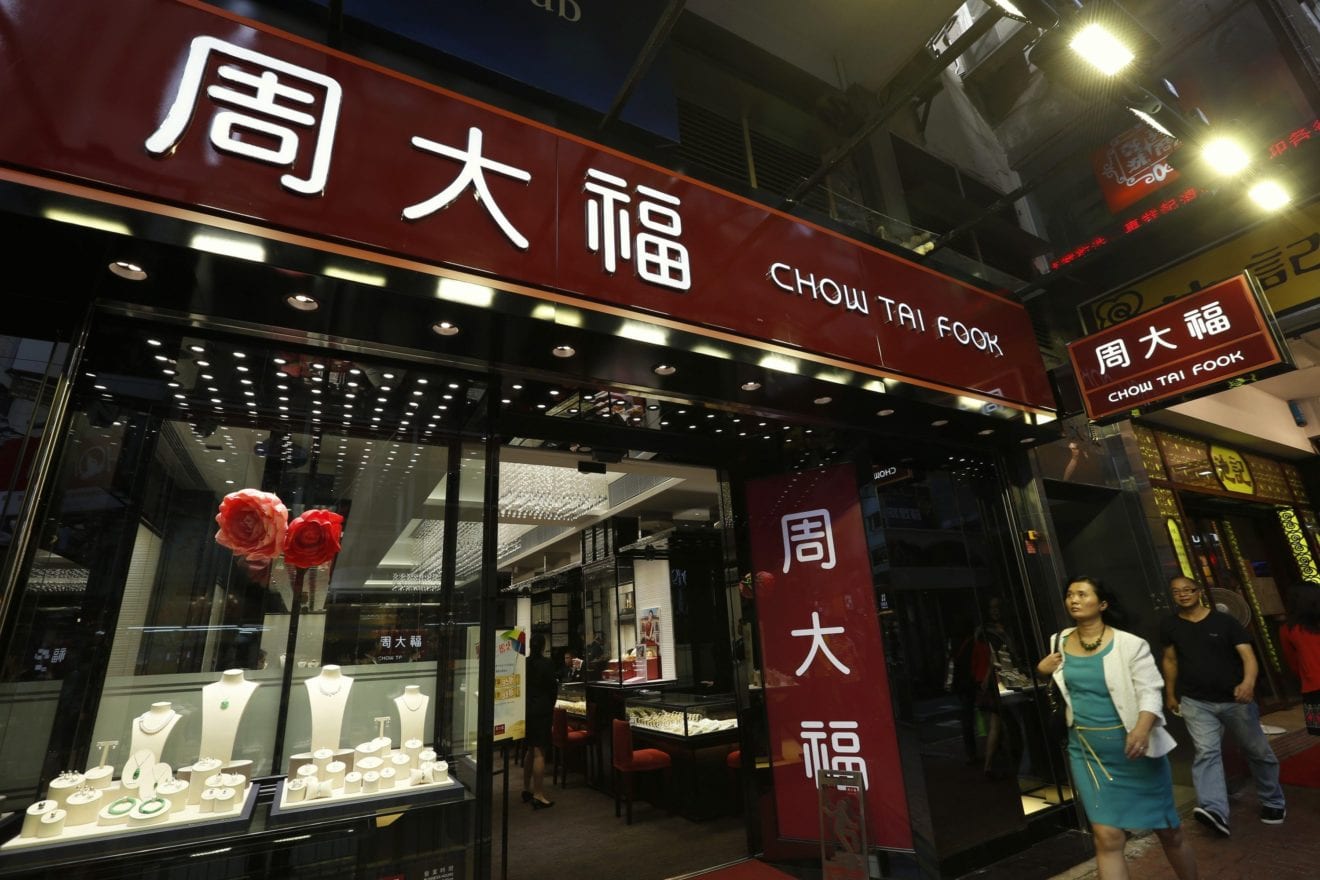
    Jeweller Chow Tai Fook has reportedly re-signed a retail shop rental lease at a 40 per cent reduction.

    It’s a rent reduction which will energise the retail sector, but not doubt send shivers through Hong Kong’s property community.

    Several listed luxury retailers have in recent months been openly discussing expectations of reduced rents when re-negotiating with landlords over lease renewals. Their expectations are grounded in falling sales of luxury goods resulting from Mainland China;s gift-giving crackdown and a reduction in the number of cashed up, big spending Chinese tourists hitting the territory.

    But the sort of reductions being discussed have ranged between 10 and 20 per cent.

    According to Ming Pao, Chow Tai Fook has renewed the lease on its Mong Kok Bank centre branch – shops 6 and 7, on the ground floor.

    The previous rent agreed was $1.3 million in 2012. The new rent rate is 40 per cent lower. Other terms, such as the lease term, have not been disclosed.

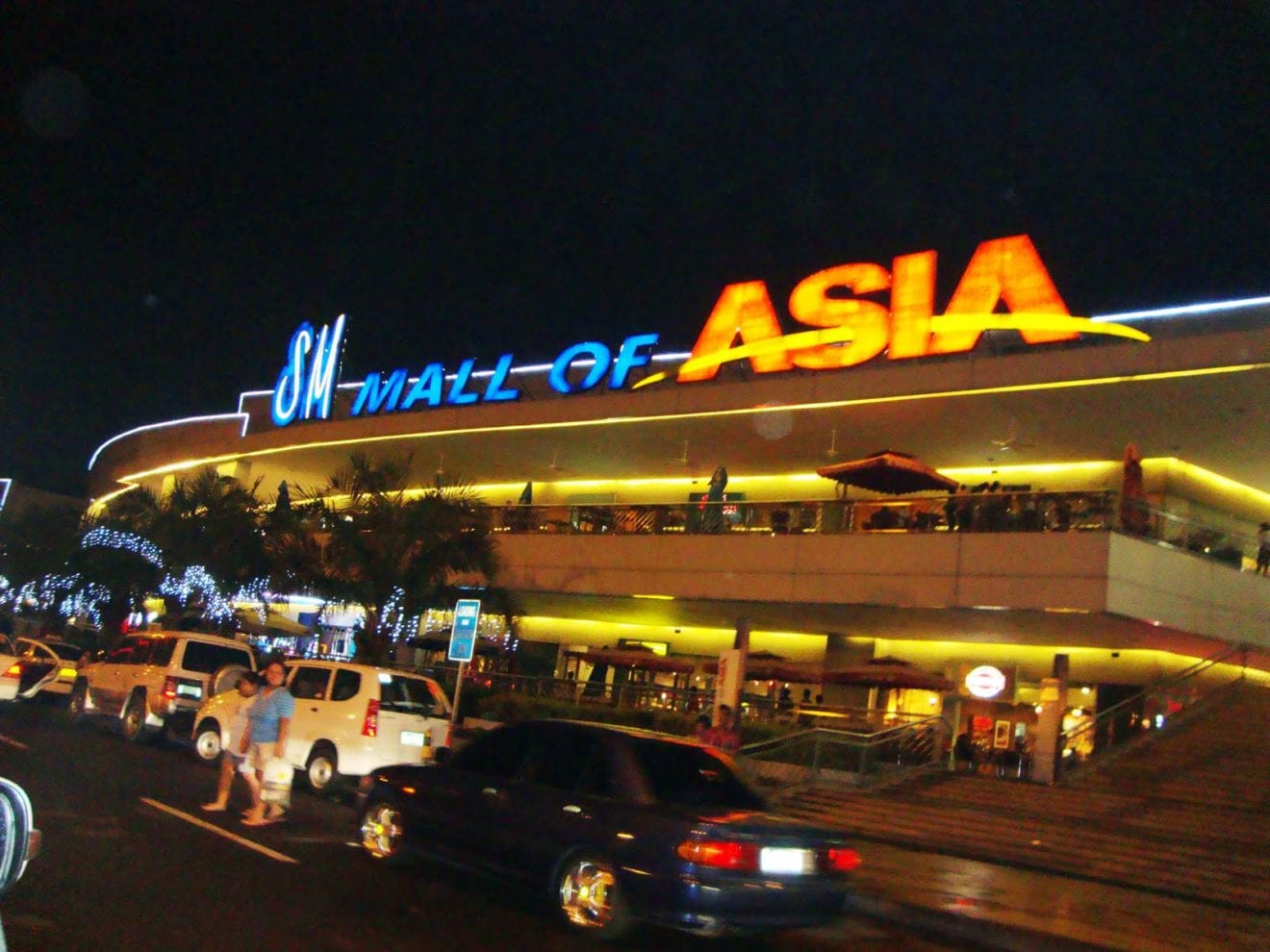
  • New malls boost SM Prime revenue

    New malls boost SM Prime revenue

    SM Prime Holdings has posted a 90 per cent increase in first half year sales to PHP18.7 billion (US$408 million).

    However the increase was largely due to one time gains on the sale of securities; recurring income grew by a more modest, but still healthy, 15 per cent.

    The company says new malls helped boost its turnover.

    Rental revenues from retail and commercial spaces, accounted for 54.2 per cent of consolidated revenue, up 10 per cent. The growth in rental revenues was mainly driven by rising contribution from the new malls and the expansion of shopping spaces in existing malls in 2013 and 2014. These include SM Aura Premier, SM City BF Parañaque, Mega Fashion Hall in SM Megamall, SM City Cauayan, SM Center Angono and the expansion of SM City Bacolod with a total gross floor area of 652,000 sqm.

    In the first half of the 2015, SM Prime opened SM Megacenter Cabanatuan and SM City San Mateo last April and May, respectively, taking the total Philippine operating malls to 52 with a GFA of almost 6.6 million sqm. For the rest of the year, SM Prime is set to open one mall in Metro Manila, SM Center Sangandaan in Caloocan, and two malls outside Metro Manila namely SM City Cabanatuan in Nueva Ecija, and SM Seaside City Cebu.

    The company is also expanding two existing malls, SM City Lipa in Batangas and SM City Iloilo. Combined, these new and expanded malls will have a total GFA of almost 716,000 sqm. By the end of 2015, SM Prime will have 55 malls in the Philippines and six malls in China with an estimated combined GFA of 8.3 million sqm.

    Cinema and event ticket sales, accounted for 6.6 per cent of consolidated revenues, recovered in the second quarter registering a seven per cent year-on-year increase to PHP1.4 billion as compared to a decline year-on-year of eight per cent to almost PHP1 billion the previous quarter. This brought cinema and event ticket sales to an almost flat point when compared with the same period last year.

    The recovery of ticket sales in the second quarter was due to Hollywood blockbusters like Avengers – Age of Ultron, Fast and Furious 7 and Jurassic World.

    “The strong financial performance posted by SM Prime in the first half of the year is reflective of the benefits derived from a diversified property portfolio as both rental and developmental incomes contributed to the overall performance of the company,” said SM Prime president Hans T. Sy.

    “The sustained growth could be attributed to the consolidation of SM Prime, which resulted to a strong balance sheet that allowed us to pursue all projects as planned. We are confident that we can sustain this growth in the long-term.”

  • Hong Kong Luxury Goods Stores Want Cheaper Rents

    Hong Kong Luxury Goods Stores Want Cheaper Rents

    Rents for retail space on the island of O‘ahu rose to a record earlier this year.  Colliers International says commercial rents here have been rising for the past several years, a trend that’s expected to continue. Commercial rents have also risen in Hong Kong, but some luxury retailers are fighting back.  HPR’s Bill Dorman has more in today’s Asia Minute.

    Selling luxury goods in Hong Kong is not the business it used to be.  Part of that reflects a slowing Chinese economy.  But those who follow the sales say an even bigger impact has been the crackdown on extravagant spending by Chinese government officials.

    This week, the chief financial officer of Gucci’s parent company threatened to close some stores in Hong Kong unless rents are reduced.  He told a conference call of analysts that “many landlords have not necessarily understood that the markets have changed.”

    Bloomberg reports Burberry may also try to lower its rent after its sales in the city fell to a two-year low.  Commercial rents have come down in some parts of Hong Kong, but they remain among the most expensive in the world.  Reuters reports a 500-square foot store space in the neighborhood of Causeway Bay can cost the equivalent of 64-thousand US dollars a month.

    Commercial real estate firm Cushman and Wakefield says annual rent for retailers tops two-thousand dollars a square foot in three different Hong Kong neighborhoods.  Many Chinese shoppers are now traveling beyond Hong Kong to buy luxury goods.  In a report last month, Bain and Company said the world’s luxury goods market is continuing to grow, and its major driver is tourism.

  • Vista Land bags multiple awards at the 2015 Philippines Property Awards

    Vista Land bags multiple awards at the 2015 Philippines Property Awards

    Amore, an Italian-themed residential property under the luxury brand of Vista Land, Brittany, was awarded Best Housing Development in Metro Manila and Best Housing Development in the Philippines for 2015.

    Amore is a massive development that infuses Italian elements such as cupolas, cobblestone pathways, gabled roofs and pocket gardens that draw the beauty of landscape and light within an expansive central business district emerging at the south of Manila.

    The affordable housing brand, Camella, won as the Best Mid-Range Development (Resort) for the Camella Palawan development.

    Meanwhile, Vista Land’s Vista City was recognized as Highly Commended for Best Retail Development and Best Retail Architecture for its Evia Lifestyle Center. To date, the center’s first two buildings are already up and running with an elite selection of stores and restaurants.

    Concluding the list of awards Vista Land earned is the Highly Commended for the Best Architectural Design recognition for the Vista Hub at the Bonifacio Global City.

    Vista Land has been in the business of building quality homes and communities for four decades now. Its developments are present in 38 provinces and 90 cities all over the Philippines.