Category: Real Estate

Retail News Asia is committed to providing both local and global retailers with the latest Real Estate news throughout the Asian market. This on a daily base.

  • Singapore’s Orchard Rd hasn’t lost its gloss

    Singapore’s Orchard Rd hasn’t lost its gloss

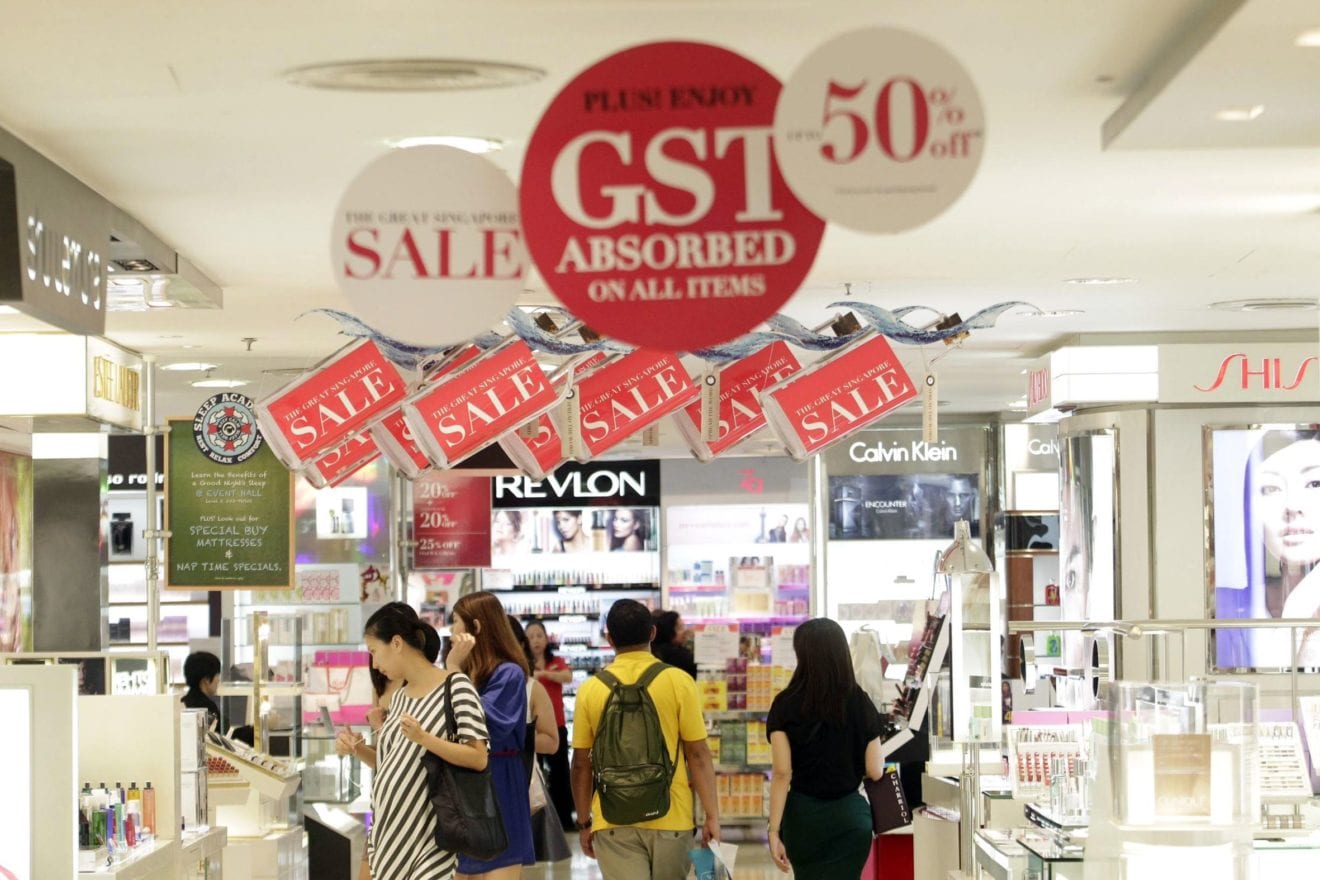
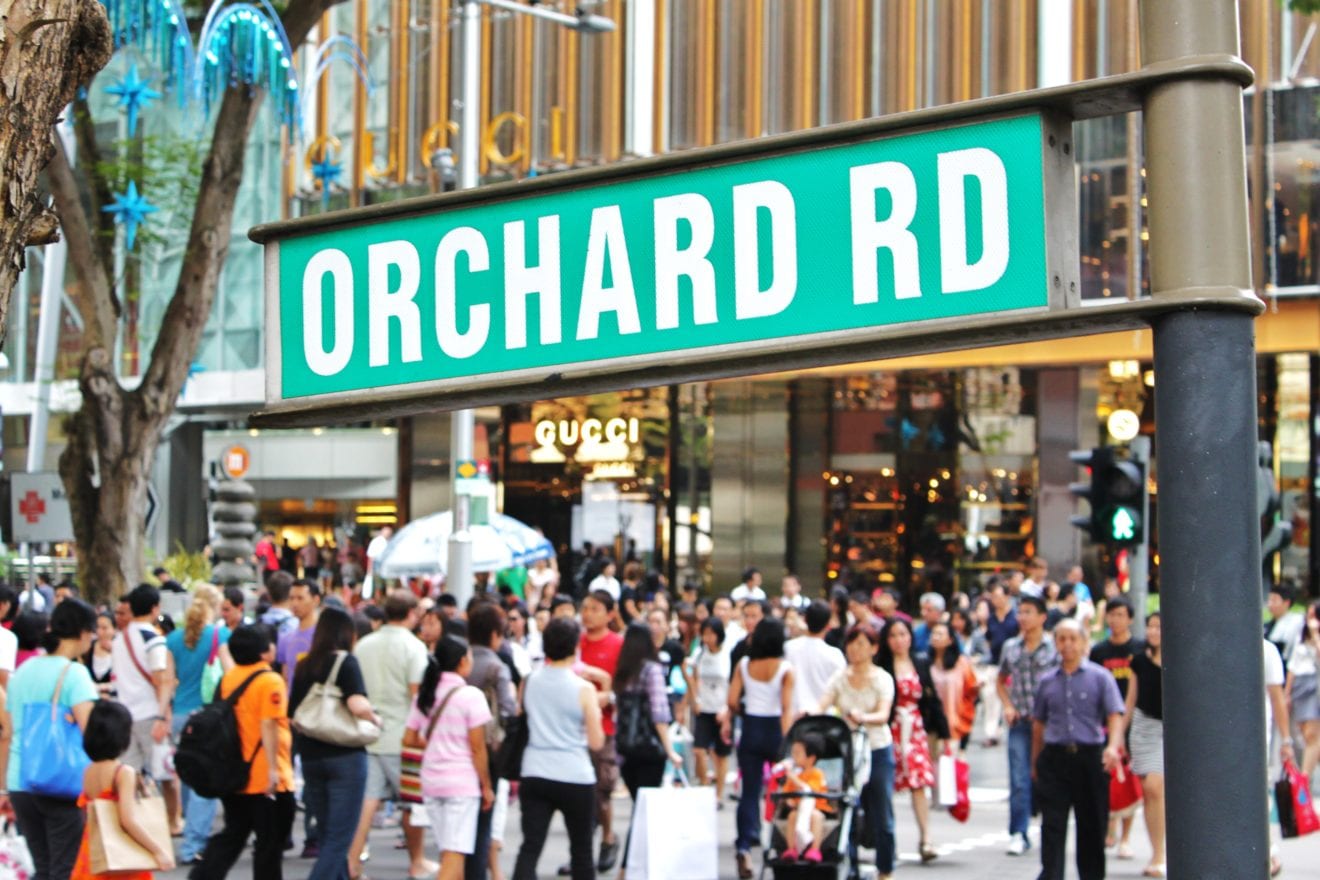
    Orchard Road remains the top destination for shoppers during the recent Great Singapore Sale, according to a new report, debunking calls that Singapore’s prime shopping belt may be losing its shine.

    The premier retail strip attracted the highest footfall during the city-state’s annual shopping promotion, held from May 29 to June 28 this year, a new report by location intelligence company AdNear said. The study analyzed the foot traffic data from 192,000 respondents in six retail locations, including Bugis Junction, Marina Square, Novena Square, Orchard Road, Raffles City and Suntec City, for the month of June.

    “The busy shopping district [of Orchard Road] had almost 2.5 times more foot traffic, definitely in line with the fact that it has an array of malls [compared to] Suntec City, Raffles City and Bugis Junction,” the report said.

    Long regarded as one of Asia’s best shopping streets, Orchard Road has been struggling to keep up with a competitive retail environment brought about by a confluence of factors including fewer tourist arrivals from China andincreased competition from suburban malls and online retailers.

    Reflecting slowing sales at major department stores, average monthly gross rents of prime retail space on Orchard Road slipped 1 percent in the second quarter to a four-year low of $37.79 Singapore dollars per square foot, according to data provided by property consultancy Cushman and Wakefield.

    With its position as a top shopping destination at stake, events such as the Pedestrian Night where a section of Orchard Road goes car-free once a month, have been unveiled; while a $40 million worth of facelift is on the cards to rejuvenate Singapore’s premier shopping street.

    Who likes Orchard Road more?

    To be sure, shoppers are not ditching Orchard Road just yet.

    Among consumers surveyed, the tree-lined shopping belt is ranked among the top three retail locations for the affluent group, homemakers, professionals and travelers. Only the student category gave the shopping precinct a thumbs-down, ranking Orchard Road as the second least-preferred place for retail therapy.

    Orchard Road is also the go-to destination for females, but shunned by male shoppers who ranked it as the least desirable shopping destination. Interestingly, the top choice for male shoppers – Marina Square – was ranked last by female consumers.

    The report showed Sunday as the favorite day for a shopping spree among females, whilst the men favored a mid-week splurge, with footfall at its highest on Tuesdays. Despite the preference for different days, both genders like to shop between 5pm and 9pm.
  • Hang Lung posts strong result

    Hang Lung posts strong result

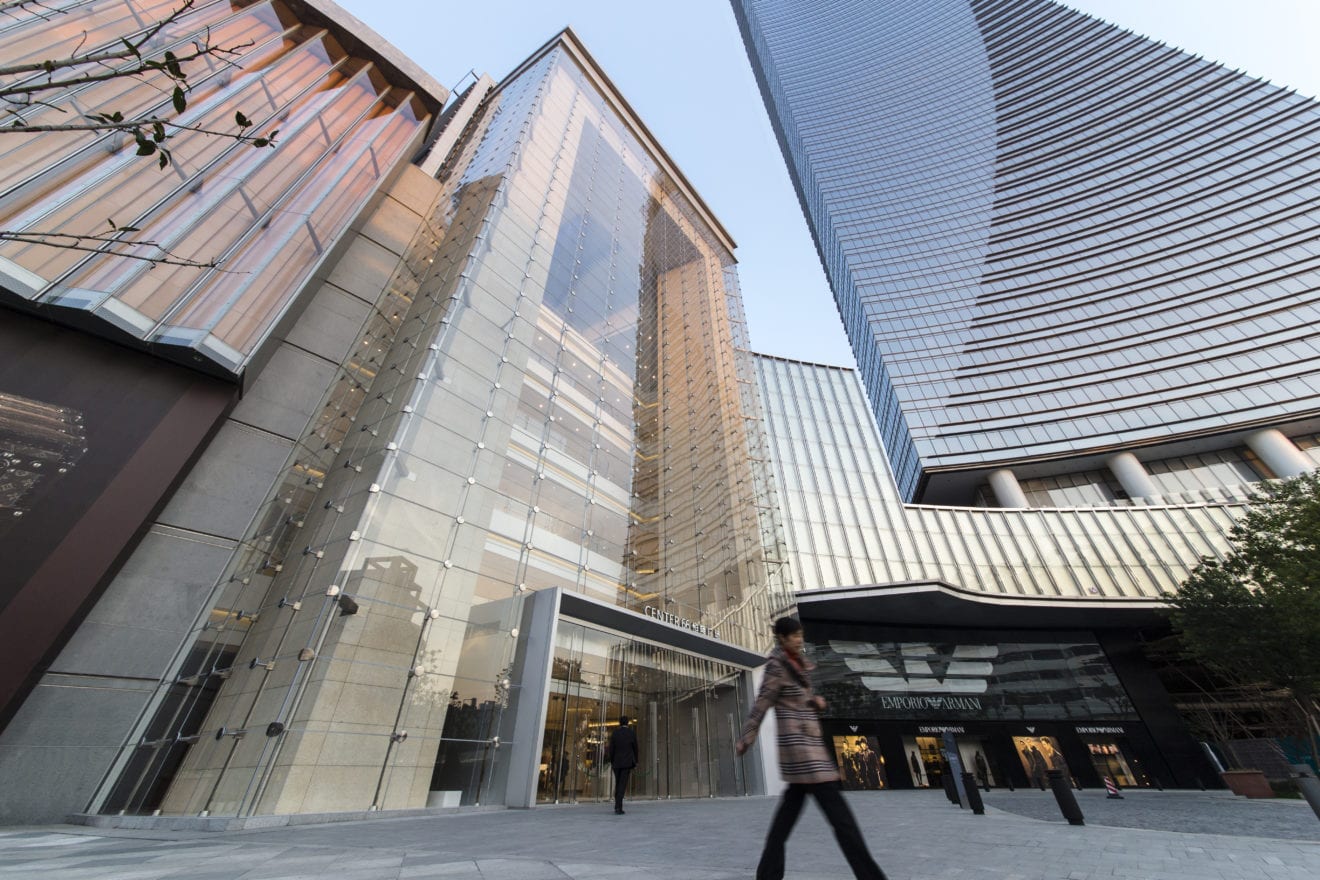
    Hong Kong listed Chinese mall owner Hang Lung Group has reported a three per cent rise in turnover in the first half of 2015.

    The group said revenue reached HK$4.893 billion, with rental turnover up eight per cent to HK$4.148 billion. Property sales income decreased 17 per cent to HK$745 million due to the sale of fewer residential units.

    Overall operating profit of the group increased by three per cent to HK$3.725 billion.

    In Mainland China the group says it has benefited from increased investment in the Chinese market by luxury brands.

    “Our seven shopping malls in mainland China collectively posted an 11 per cent rental income growth to HK$1.684 billion,” the company said in its stock exchange filing.

    That portfolio comprises two malls each in Shanghai and Shenyang, and one each in Jinan, Wuxi and Tianjin. The two malls in Shanghai, Plaza 66 and Grand Gateway 66, contributed nine per cent more in rents to HK$1.059 billion and were almost fully let.

    “The young malls outside Shanghai cumulatively contributed 16 per cent more in rents year-on-year mainly attributable to contribution from the Riverside 66 shopping mall in Tianjin which commenced operation last September. All the young malls are going through different stages of gestation period with ongoing tenants or trade adjustments. Their occupancy rates ranged from 80 per cent to 90 per cent.”

    In Hong Kong, rental turnover of our diversified Hong Kong leasing portfolio rose seven per cent to HK$1.816 billion against the backdrop of declining overall retail sales in the local market.

    “All business segments of our portfolio recorded growth with total profit rose seven per cent to HK$1.556 billion. The resulting leasing margin was 86 per cent.”

    Positive rental reversions of Hang Lung’s Hong Kong commercial portfolio generated six per cent more in rents to HK$1.040 billion.

    “All the malls, which are situated in prime locations of Hong Kong, were virtually fully let. Grand Plaza in Mongkok and Amoy Plaza in Kowloon East both enjoyed a 13 per cent rental growth. The Causeway Bay commercial portfolio posted a five per cent rental income growth, despite Hang Lung Centre has been closed for renovation by H&M since January 2015.

    “The properties in Central collected seven per cent more in rents. The Peak Galleria at the

    Peak contributed extra five per cent leasing income to the Group. Kornhill Plaza, our regional mall in Hong Kong East, posted a stable rental growth of four per cent during the period.”

    Hang Lung said final preparations are underway for the opening of its shopping mall at Olympia 66 in Dalian towards the end of the year. This new mall comprises almost 222,000 sqm of retail area and 1200 car parks.

  • Prince Philippines to expand

    Prince Philippines to expand

    Hypermart chain Prince Philippines says it will open four new stores before the end of this year.

    Prince Hypermart says the new stores will be in Visayas and Mindanao and will take its network to 28, all located in provincial areas where the company has strong relationships with traditional sari-sari store owners as well as direct to consumer business. It offers micro financing options for sari-sari owners.

    Business development manager John Robertson S Go says the first new store will open in Gingoog City in Misamis Oriental.

    “Sari-sari store business is relevant to the local economy because it directly helps Filipinos at the grassroots level in getting themselves out of poverty,” another company executive said.

    The company already serves about 500,000 customers every day in its 24 existing stores

    Prince says it has been adjusting its stock range in recent years as buying habits change. Where once customers were always seeking the least expensive products, there is now growing demand for premium goods.

    “This means they have more money to spend. Their inventories have also upgraded,” the spokeswoman said.

  • CapitaLand China malls post solid growth

    CapitaLand China malls post solid growth

    CapitaLand is making the most of China’s retail sales growth, its mall portfolio posting growth of 6.1 per cent in net property income.

    In results released this morning, CapitaLand Retail China Trust Management Limited (CRCTML), the manager of CapitaLand Retail China Trust (CRCT), announced distributable income of S$45.1 million for the first half of this year, an increase of 10.3 per cent over the S$40.9 million for the same period last year – a percentage rate coincidentally matching China’s 2015 retail sales growth.

    CRCT owns 10 quality shopping malls six Chinese cities: CapitaMall Xizhimen, CapitaMall Wangjing, CapitaMall Grand Canyon, CapitaMall Shuangjing and CapitaMall Anzhen in Beijing; CapitaMall Qibao in Shanghai; CapitaMall Erqi in Zhengzhou, Henan Province; CapitaMall Saihan in Huhhot, Inner Mongolia; CapitaMall Wuhu in Wuhu, Anhui Province; and CapitaMall Minzhongleyuan in Wuhan, Hubei Province. As at 30 June 2015, the total asset size of CRCT is approximately S$2.5 billion.

    Tony Tan, CRCTML CEO, said the portfolio of malls ended the period 95 per cent leased and achieved 6.1 per cent growth in net property income. Rental reversions of 4.6 per cent (excluding CapitaMall Minzhongleyuan, which reopened in May last year after refurbishment).

    “Tenants’ sales at our multi-tenanted malls increased 17.8 per cent year on year, while shopper traffic grew two per cent.

    “As part of our proactive mall management strategy to keep abreast of the latest retail trends, we continue to upgrade and refresh the tenant mix at our malls. CapitaMall Xizhimen enriched its F&B offerings on Level 1 with a popular restaurant Bellagio.

    “CapitaMall Wangjing signed popular international brands including Tommy Hilfiger and New Balance, while key tenant Le-Wellness Gym reopened after renovations with improved facilities and an enhanced image that strengthened CapitaMall Wangjing’s position as a one-stop family and lifestyle mall in the affluent Wangjing District.

    “CapitaMall Grand Canyon continued to enhance its fashion and beauty offerings by bringing in well-known brands such as British fast-fashion retailer New Look; and Korean cosmetic and skincare brands Etude House and Innisfree.

    “At CapitaMall Qibao, we reconfigured the space formerly occupied by a gym tenant on Level 3 and brought in Rucker Park to maximise the outdoor space for popular sporting activities such as street soccer, basketball and badminton.

    “At CapitaMall Saihan, we strengthened the sports brand offerings with Nike, New Balance and Fila, which helped to diversify the mall’s overall fashion offerings. We will continue to optimise the retail mix in our malls and increase their appeal to shoppers to further enhance unitholder value, while continuing to be on the lookout for suitable acquisition opportunities to drive our next phase of growth.”

    Victor Liew, CRCTML chairman, said in the first half of 2015, China’s economy surpassed expectations and expanded seven per cent year on year, while the country’s retail sales grew 10.4 per cent year on year to RMB14.2 trillion.

    “Notably, consumption accounted for a record 60 per cent of China’s Gross Domestic Product in the first half of the year. As the Chinese government has identified domestic consumption as a key driver of economic growth, this should augur well for our malls.”

    All the CRCT malls in the portfolio are positioned as one-stop family-oriented shopping, dining and entertainment destinations for sizeable population catchment areas. A significant portion of the properties’ tenancies consists of major international and domestic retailers such as Beijing Hualian Group and Carrefour under master leases or long-term leases. Anchor tenants are complemented by popular specialty brands such as KFC, Paris Baguette, Pizza Hut, Sephora, Uniqlo, Vero Moda, Watsons and Zara.

  • Kering expects Hong Kong rent relief

    Kering expects Hong Kong rent relief

    Luxury international retail group Kering says it expects to be paying less rent in Hong Kong by the end of the year.

    Kering is the owner of a raft of luxury fashion brands, including Yves Saint Laurent, Bottega Veneta and Gucci, the latter of which comprises a third of its turnover.

    Kering says its global sales rose 22 per cent in the second quarter of this year, aided by a weakened euro and growing numbers of Asian shoppers in Europe. Sales reached €2.86 billion (US$3.18 billion). Excluding the impact of exchange rates, real organic growth was 7.7 per cent.

    CFO Jean-Marc Duplaix said a significant fall in sales in Hong Kong has given the company leverage in renegotiating rental terms with its landlords in the territory.

    He told an analysts’ call to discuss second half year sales that he “expects to pay less rent” by the end of the year.

    Duplaix described the retail climate in Mainland China and Hong Kong as “difficult” but said despite weakened sales it has no plans to close any of its 70 company owned stores there.

    The reality for Kering is that Chinese are still buying its luxury goods – they’re just shopping elsewhere instead of making short retail therapy sojourns to Hong Kong. The number of Chinese visitors to European stores rose nearly 30 per cent year on year and by a similar ratio in Japan.

    “All luxury brands, including Gucci, have benefited from the shift of Chinese tourists to Japan and Europe,” said Duplaix in the conference call.

    For the first six months of the current financial year, Kering’s profit fell 13 per cent to €489 million.

  • Rents down, vacancy rate up for retail space in Q2

    Rents down, vacancy rate up for retail space in Q2

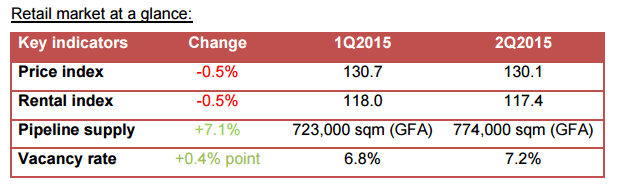
    Prices and rentals of retail space both dipped by 0.5 per cent in the second quarter of this year, according to data from the Urban Redevelopment Authority on Friday.

    It was the second straight quarter of rental decline and comparable to the level seen early last year. Prices had stayed stable in the first quarter.

    Vacancy rate of retail space rose 0.4 percentage points to 7.2 per cent for the second quarter, the highest in over four years.


    SOURCE: URA

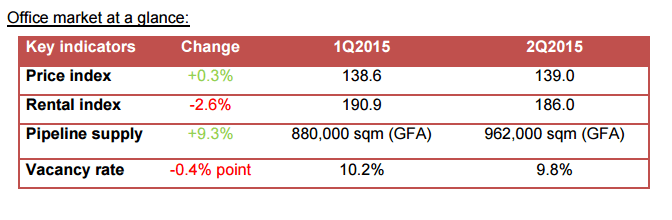
    Office rents also weakened by 2.6 per cent in the second quarter, after rising 0.6 per cent in the first quarter.


    SOURCE: URA

    Office prices rose 0.3 per cent in the quarter, after falling 0.1 per cent in the first quarter.

    Vacancy rate of office space dipped by 0.4 percentage points to 9.8 per cent for the second quarter.

  • Bali prime residential prices up 15% last year

    Bali prime residential prices up 15% last year

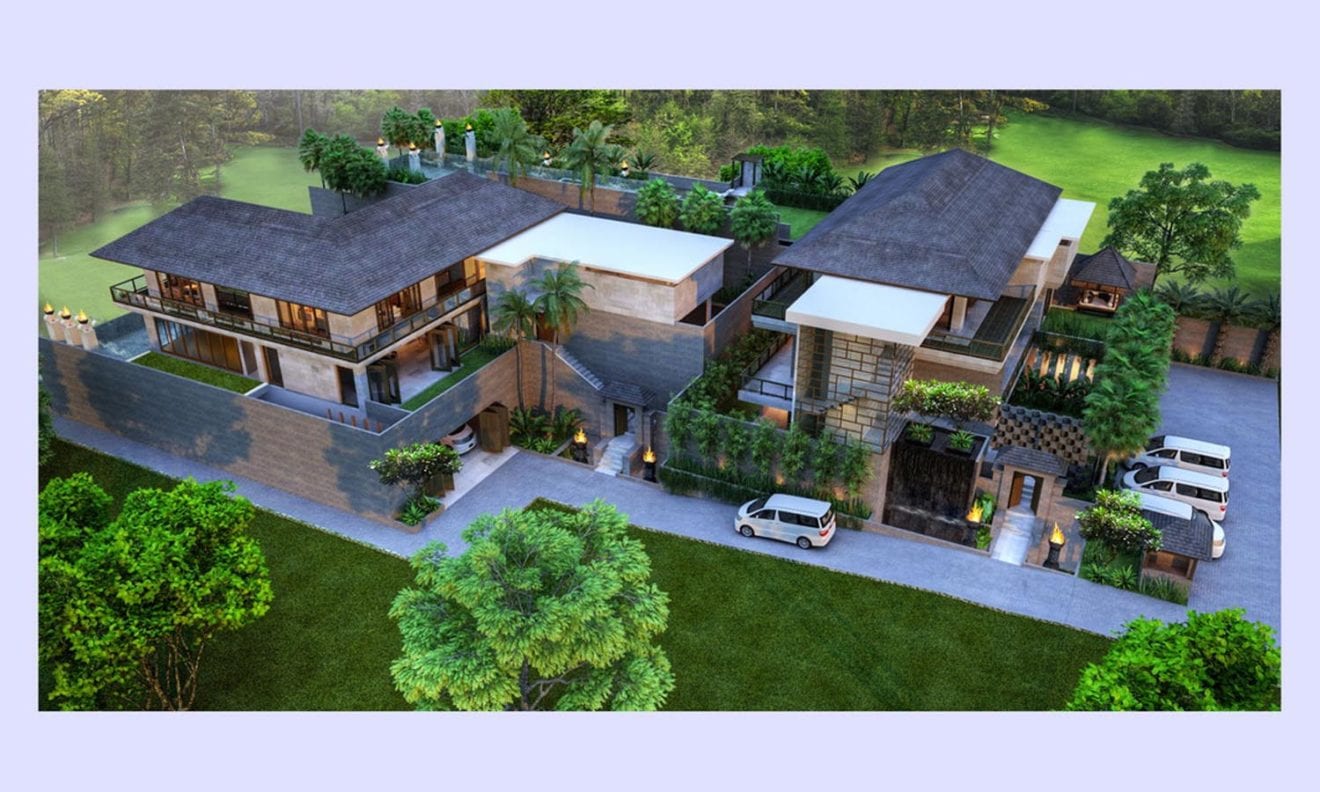
    Prime residential prices on Bali surged 15 per cent last year, the most among comparable destinations tracked by broker Knight Frank LLP. The cost of villas on the Spanish island of Ibiza climbed 5 per cent and those in Italy’s autonomous region of Sardinia fell 8 per cent, the report said.

    Bali’s gains are set to continue as Indonesia’s government this week begins to discuss revising rules to allow foreigners to directly own luxury apartments in the archipelago, with hopes of implementing changes within two to three months.

    Mr Nathan Ryan, owner of property brokerage Bali Realty, expects interest from China and Singapore once the revisions are made.

    “Asian buyers are no doubt a sleeping giant for Indonesia,” Mr Ryan said from Kerobokan, an area north of Kuta known for its surf and nightlife. “These buyers have plenty of money, but they are turned away by the leasehold property options, as they would prefer to be able to buy freehold.”

    Currently, foreigners can get around the ban against owning real estate in Indonesia by using local citizens as proxies or by structuring the purchase as a long-term lease.

    The government will coordinate with the immigration and tax offices to draft the revisions, Coordinating Minister for Economic Affairs Sofyan Djalil said last Thursday

    Under the proposed amendments, foreigners will be allowed to buy only luxury apartments and not landed property.

    Property prices in Jakarta rose 11 per cent in March from a year earlier, Knight Frank data shows. That is the biggest gain in Asia after Bengaluru in India, where real estate costs climbed 13.6 per cent.

    “If you look at how close Jakarta is to Singapore and given that a lot of Singaporeans also work in Indonesia, there will be interest from Singaporeans,” said Ms Christine Li, director of research for Singapore at Cushman & Wakefield.

  • Sands retail profits soar

    Sands retail profits soar

    Macao’s gambling downturn may be impacting on casino operators’ bottom lines – but retailing is on the rise.

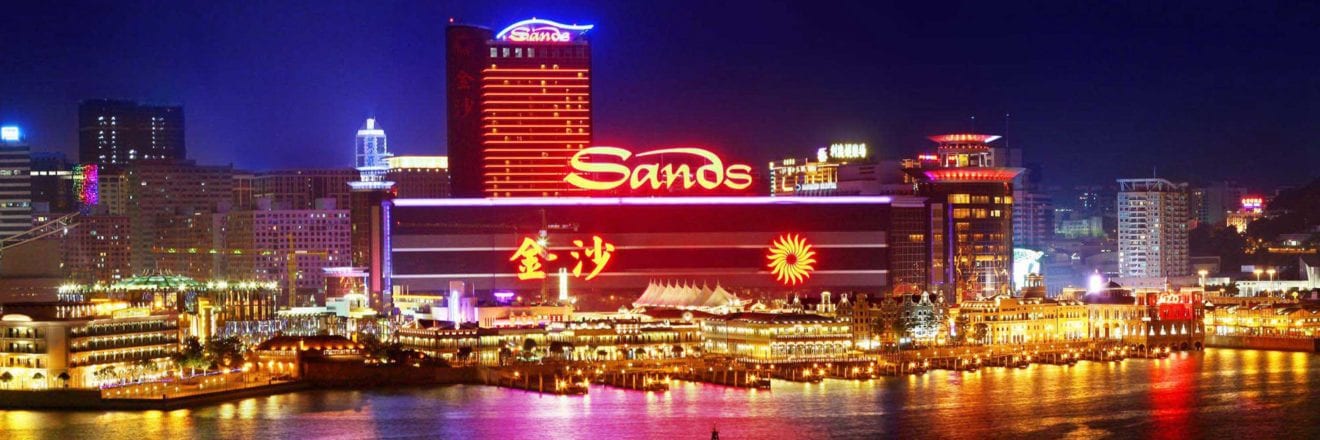
    Las Vegas Sands, which owns The Venetian Macao, Four Seasons Macao and Sands Cotai Central shopping malls in Macau – and the Marina Bay Sands in Singapore – has reported an 18.2 per cent lift in profits from its Asian retail operations year on year for the quarter to June 30.

    Gross revenue from tenants in the company’s malls on the Cotai Strip and at Marina Bay Sands, reached US$134.4 million for the second quarter of 2015, an increase of 13.6 per cent compared to the second quarter of 2014.

    “Operating profit derived from these retail mall assets increased 18.2 per cent for the quarter compared to the quarter one year ago, reaching $119.4 million,” the company said in its quarterly financial statements filed in the US.

    The company says that despite the softer gaming market in Macao, The Venetian Macao “continued to enjoy Macao market-leading visitation and financial performance”.

    “The property generated adjusted property EBITDA of $255 million in the second quarter with an EBITDA margin of 34.5 per cent.”

    Mall revenues of The Shoppes at the Venetian Macao increased 14.9 per cent during the quarter to reach $48.5 million.

    The Shoppes at Four Seasons – 100 per cent leased at the end of the quarter – brought in $31.1 million in gross revenue and turned an operating profit of $29.2 million, giving an operating profit margin of 93.9 per cent.

    The Shoppes at Cotai Central brought in $14.6 million and a profit of $12.6 million. That mall was 97.8 per cent leased.

    And in Singapore, The Shoppes at Marina Bay Sands, 93.6 per cent leased at period end, brought in $40.4 million of revenue for the quarter and a profit of $34.5 million, for an operating profit margin of 85.4 per cent.

    Tenant sales per square foot were $5589 in the luxury section of the Four Seasons property, $2646 in the non luxury section; at the Venetian Macao $1578, at Cotai Central $1004. Marina Bay, by comparison, reached $1393.

    The overall Asian retail operation achieved $1789 per square foot in the quarter to June 30.

  • The Legendary Strand Hotel Takes To The Waterways Of Myanmar

    The Legendary Strand Hotel Takes To The Waterways Of Myanmar

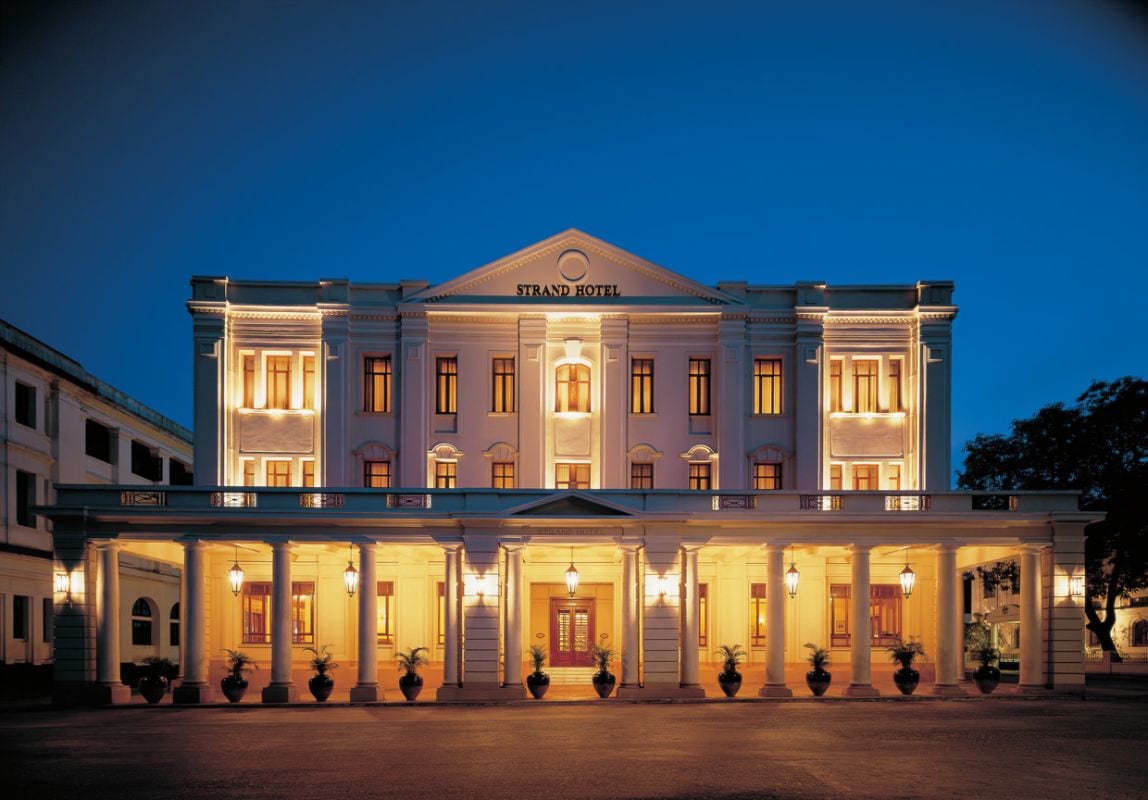
    The heritage of the iconic Strand Hotel in Yangon now extends to the Ayeyarwady River in Myanmar with the launch of The Strand Cruise. In early 2016, a new luxury river cruise is brought to one of Myanmar’s most visually captivating waterways steeped in history. Built locally, the vessel will offer 27 cabin suites and 24 hour butler service. The luxurious ship will also host a spacious pool deck, wellness center and wine tasting corner as well as gourmet á la carte cuisine in a restaurant with panoramic views of the river.

    The Strand Cruise is an authentic cruise experience offering exclusive and unique onshore tours curated intelligently to reduce ground transportation time andto enable maximum relaxation on-board – all while the ship is continuingly moving at the foot of the landmarks it visits.

    A schedule of regular sailings of three and four nights between Bagan and Mandalay will commence in early January 2016. Also known as The Elephant River, The Ayeyarwady River flows through the center of Myanmar and its banks are lined with hundreds, if not thousands of temples, stupas and nats. The Strand Cruise will moor in exclusive locations along route, right by Old Bagan itself, as well as at the foot of one of the most ancient Buddhist monasteries on Sagaing Hill when in Mandalay, and at a remote and picturesque riverbank for a private farewell dinner.

    The Strand Cruise will have 10 Deluxe Cabins, 13 Strand Cabins, two State Suites and two Strand Suites. The spacious cabins each with floor to ceiling windows and outdoor balconies are tastefully decorated with Burmese craftsmanship and Teakwood floors and furnished with pieces of original, local art. Each cabin offers an en-suite bathroom, complimentary Wi-Fi and international TV channels.

    Special activities for guests include evening BBQ’S on the upper deck as well as outdoor afternoon tea. The upper deck will include a wine tasting corner with temperature controlled cellars and on-board sommeliers creating special pairing menus for all occasions. The Lounge and Library will showcase exclusive cocktails made famous at the sister property, The Strand Hotel. The Spa facilities will offer massages and treatments in either individual rooms or double rooms for couples. A reflexology station on board will offer foot massages to help rejuvenate weary feet.

    “Having operated The Strand Hotel in Yangon for the past decade, we know that there has been a steady growth in demand from luxury travellers to explore the ancient monuments of Myanmar by using the Ayeyarwady’s waterways,” commented Jerome Seban, general manager of The Strand Cruise. “This demand presented us with an opportunity to reinvent the legendary style and unique personality of The Strand Hotel within a contemporary river cruise experience.

    “What makes a journey along the Ayeyarwady River so special is the fascinating landscape through which you glide, from ancient temples to daily life of the communities living at the water’s edge. Every aspect of The Strand Cruise is designed to echo this, with floor to ceiling windows welcoming in the views of the river banks and our colour palette reflecting the natural beauty of the waterways,” continued Seban. “We are working with Myanmar craftsman as much as possible and are using traditional materials such as locally carved teak, some of which will be detailed with gold leaf, connecting the golden age of the Strand to Myanmar’s golden land.”

    Named after its sister property the iconic Strand Hotel in Yangon, The Strand Cruise offers the same level of premium luxury in one of Myanmar’s most stunning destinations.


  • Hong Kong residential property prices reached record high in May

    Hong Kong residential property prices reached record high in May

    Residential property prices in Hong Kong reached a record high in May, increasing more than 20% compared with the same month last year.

    The growth in values continues despite the government’s series of property market cooling measures.

    The transaction volume of new homes reached over 8,700 for the first half of 2015, the data from the Rating and Valuation Department shows.

    According to an analysis by international real estate firm Knight Frank it is a result of strong housing demand, ample liquidity partly attributable to the previous rally in the Mainland and Hong Kong stock markets and the continual return of wealthy Mainland investors to the city’s residential sector.

    Amid positive market sentiment, property developers have been actively acquiring residential sites this year, in line with the government’s target to boost housing supply. In early July, a large residential site in So Kwun Wat in Tuen Mun, estimated to require an investment of up to HK$8 billion, was sold for HK$3.82202 billion, representing the second highest ever accommodation value in the area.

    During the third quarter of this year the Hong Kong government will release three residential sites for sale. It has indicated that additional land may be launched by the end of September, depending on the market situation and progress of preparatory work.

    ‘The annual private housing supply target of 19,000 flats is considered achievable this year. Despite the rising supply, we expect home prices to continue rising this year, as it will take time for the new sites to be developed into flats,’ the Knight Frank report concludes.

    Meanwhile in Greater China the Grade-A office market remained active in June, driven by continual expansion demand from Chinese financial institutions, most notably fund and asset management companies.

    Knight Frank believes that Grade-A office rents in Central will continue rising steadily in the second half of 2015.

    Last month, with rents in prime retail districts softening, mid-range retailers gained opportunities to enter high profile streets at lower rents. Retail sales are not expected to recover in the near term.

    Knight Frank says that prime retail rents will continue to come under downward pressure for the remainder of the year.

  • Mini ‘ocean worlds’ for China malls

    Mini ‘ocean worlds’ for China malls

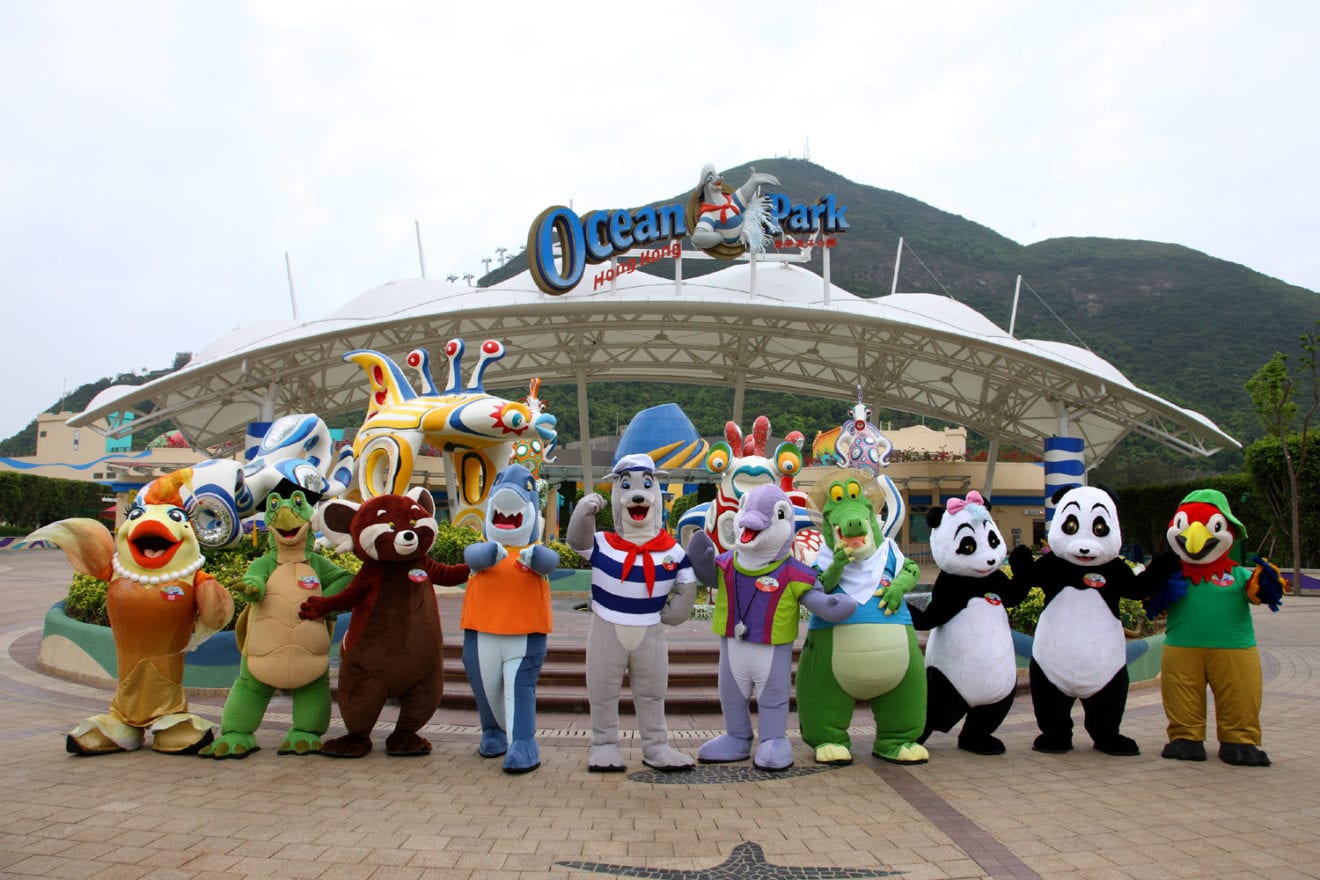
    Hong Kong listed theme park operator Haichang Holdings has revealed a plan to open ‘mini ocean worlds’ in China malls.

    In an interview with the South China Morning Post, CEO Wang Xuguang said the company has decided to embark on a new growth strategy rather than copying rival developers pursuing the “bigger is better” course.

    “We had heated discussions when mulling over development, but we decided to follow a light-asset strategy rather than building more large parks like others are doing,” he told the newspaper.

    With more and more theme parks opening outside major Chinese cities – the new Disney World under construction in Shanghai the most publicised example, Haichang is wary of over supplying the market. So rather than build massive parks to attract customers, it wants instead to take the parks to the people.

    “We believe there’ll be projects running into trouble over the coming few years. We will keep a close eye on any acquisition opportunities in the market.”

    Wang said his company also plans to offer its operational experience and know-how to other park operators or shopping centres who want to set up small aquariums.

    “Today in China developers are building their parks bigger and bigger using renowned foreign design companies and purchasing quality equipment from around the world, but a successful amusement park is not just a matter of money,” he said.

    Haichang Holdings currently runs seven marine-themed parks in eastern and southern Mainland China cities, along with another Disney-style attraction. It has two under construction: Dream World in Sanya, on Hainan Island, and Polar Ocean Park at Shanghai, some 30 minutes from the new Disney attraction.

  • Bangkok malls hit their stride

    Bangkok malls hit their stride

    Among the small circle of mall developers in Bangkok, the default motto has been “the more, the better”. In a city already teeming with over 120 malls, International property consultant CB Richard Ellis says one million square metres of retail space is expected to be completed here this year. Bangkok ranks eighth among the top retail target markets in Asia-Pacific, according to its report.

    As the malls take up vast swaths of land in prime areas, Bangkok risks losing its poignant charms to be just another city with high-rise buildings. Residents have taken up the cause with the Makassan Hope group petitioning the Bangkok Metropolitan Administration to refrain from selling huge plots of state land in the central district to developers.

    There has also been much buzz about the popular street food court on Sukhumvit Soi 38, which will soon make way for condominium blocks.

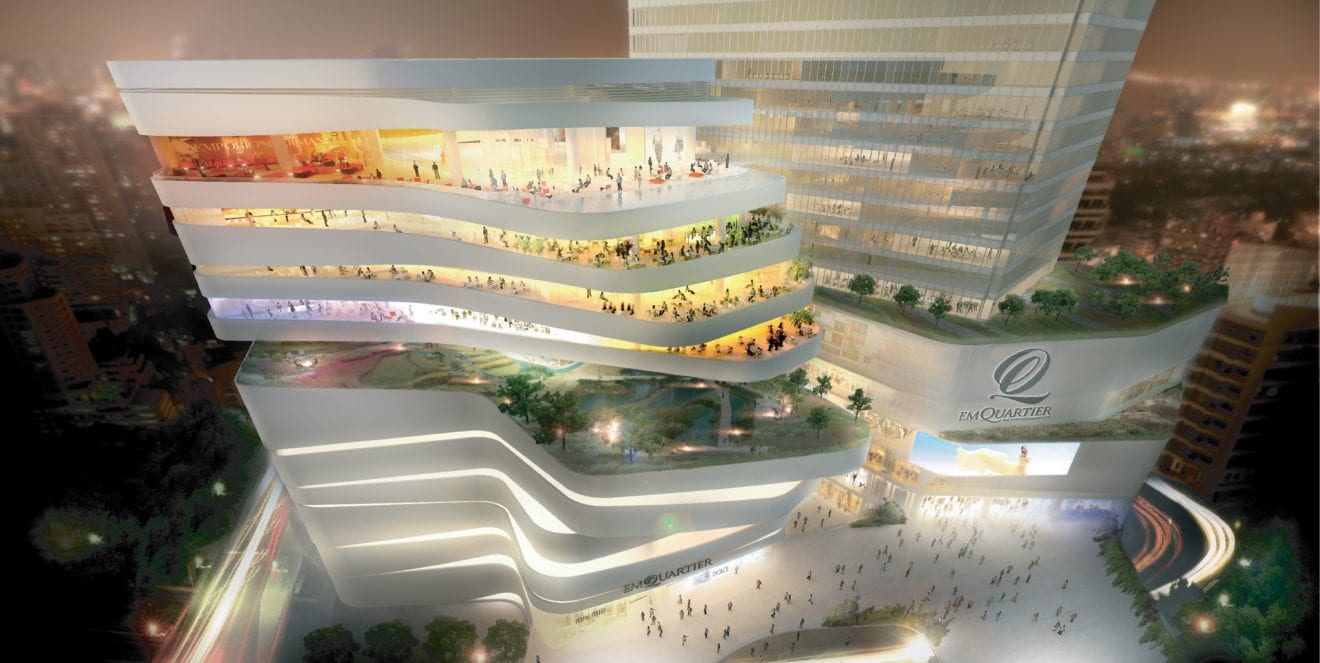
    Despite that sentiment, Supaluck Umpujh, one of three retail queens who oversaw the development of EmQuartier, says residents have much to gain from modern shopping malls built on the one-stop lifestyle centre model.

    Malls featuring cinemas, restaurants, stores and mini parks provide relief for urban dwellers living in crowded conditions in high-rises, she says.

    “Many people live in condos and they need a place to go out and enjoy social life. You can come to the mall to hang out, get a haircut, send your kid to a learning centre and watch a movie.

    “We are not just building a mall, we are building up a district, that’s our aim,” says the vice chairwoman of The Mall Group.

    EmQuartier is part of the master plan for Em District, which encompasses a 650,000m2 retail zone with three shopping complexes.

    Since its recent launch, the mall has come up with various marketing gimmicks including Pharrell Williams’s flash mob dance by its Gourmet Market staff and the latest #iFeel Instagram campaign.

    “A building can be elegant but cold inside. I want people to come to the mall feeling happy like it is their second home,” she says.

    It is inevitable that more malls will be built, as the older malls with outdated designs and inadequate facilities no longer appeal to shoppers, she says.

    Not just for Thais

    As more malls are opening up, it is a wonder Thais have enough spending power as household debt keeps mounting.

    However, Thailand’s reputation as a popular tourist destination provides a strong customer base.

    “Previously, tourists came to Thailand for sightseeing but did not spend much money shopping. The government has introduced campaigns such as the Amazing Thailand Grand Sale to promote the country as a shopping destination,” she says.

    The prices of luxury goods here may not be very competitive due to the high tax rate, but Bangkok offers cheaper accommodation than other cities like Hong Kong and Singapore.

    “Bangkok can be the Dubai of the East with the number of world-class malls that we have,” she says.

    The Chinese tourist boom and the launch of the Asean Economic Community later this year could further spur the growth of the retail industry in Thailand.

    “Right now, the percentage of Chinese tourists who visit Thailand is still relatively small. Looking at the one billion population in China, there is huge potential to be tapped if more Chinese tourists visit Thailand,” she says.

    Rise of the high-end culture

    As the developer of Emporium, the first upscale mall in Bangkok, which opened its doors during the height of the 1997 economic crisis, Supaluck has weathered her share of the ups-and-downs in the retail market.

    She is unperturbed when figures released by the Bank of Thailand show that retail sales fell from February to April compared to the same months last year.

    “It’s part of life, this is a cycle. Currently, there is a global economic slowdown, many countries have their own problems. Even if the baht drops, we can expect to draw in more tourists, as you can see that the falling euro attracts more tourists to Europe.

    “During the ’97 crisis, Thais travelled less to shop overseas and the lower baht attracted many tourists to Thailand. That was why we were able to do very well with Emporium,” she says.

    The high-end consumer culture too looks to be gaining strength, judging from the rush of international luxury brands to set up flagship stores in Thailand. Jeweller Tiffany & Co and premium confectioner Pierre Herme opened their first outlets in EmQuartier recently.

    “Thai society is status conscious and we are still a developing country. Everyone wants to dress well and look good,” says Supaluck, who first brought in Chanel and Hermes to Thailand.

    While she is driven by the pioneer streak in her to introduce new brands to the local retail scene, she says international brands do not need much convincing, given the strong track record of Siam Paragon and Emporium under her helm.

    “The brands also put much trust and confidence in Thailand as a tourist attraction. They are watching where the Chinese are going and see where is ‘the destination’.”


  • Retail property sales climb in two main cities, but not rents

    Retail property sales climb in two main cities, but not rents

    The retail property segment in the two major cities of Ha Noi and HCM City saw recovery in occupancy but not in rent, Savills Viet Nam said.

    In its quarterly report on the two cities, the consulting firm said in Ha Noi, the occupancy was 84 per cent, stable quarter-on-quarter (q-o-q) and up 7.2 percentage points year-on-year (y-o-y). Meanwhile, the average rent was VND841,000 (US$38.7) per sq.m per month, decreasing 0.9 per cent q-o-q and 10 per cent y-o-y.

    Department store occupancy increased by one percentage point q-o-q, while shopping centre occupancy remained stable q-o-q. In the first half of 2015, Ha Noi’s retail sales were approximately VND210 trillion ($9.63 billion), increasing 10.3 per cent y-o-y.

    Without inflation, the real growth rate was 9.6 per cent y-o-y. With free-trade agreement participation and the expected signing of the Trans-Pacific Partnership in 2015, the competition between domestic and foreign retailers would continue, Savills Viet Nam said.

    In the second quarter, Ha Noi’s retail supply was approximately 950,000sq.m, increasing by 3 per cent y-o-y.

    In the second half of this year, approximately 353,000sq.m from 16 projects will enter the market. Two notable projects are Vincom Nguyen Chi Thanh and Aeon Mall Long Bien, which will provide more than 165,000sq.m. Meanwhile, the retail property segment in HCM City showed positive signs in the year’s second quarter, with average occupancy rising by seven percentage points to reach 92 per cent, Savills Viet Nam said.

    The average rent decreased by one per cent q-o-q to touch VND1.3 million ($59) per square metre per month. Shopping malls and department stores’ occupancy rates have been stable since the previous quarter at 92 per cent and 97 per cent, respectively.

    Department stores

    Retail podium occupancy was at 82 per cent, down two percentage points q-o-q, but this decrease had no impact on the overall occupancy.

    The average rent for department stores increased by one per cent to reach more than VND1.3 million, while it fell by two per cent to touch VND1.33 million in shopping malls.

    The rent for department stores increased by three per cent year-on-year, but decreased by two per cent in shopping centres and retail podiums.

    In the first half of the year, HCM City retail sales increased by 11.8 per cent y-o-y to touch VND256 trillion ($11.75 billion), significantly higher than the 7.7 per cent rate a year earlier and higher than the national figure of 10.2 per cent.

    The growing population and middle class in HCM City are driving the growth in retail demand.

    In Q2, two new shopping malls and one new supermarket entered the market, increasing the total retail stock by five per cent q-o-q to reach 940,000sq.m.

    The retail market is expected to expand faster in secondary and suburban areas than in the central business district due to upgrades in infrastructure and new residential projects.

    According to the second report in the series, Asia Pacific Consumer Survey – How We Like to Shop Online, released last week by CBRE, online shopping has overtaken bricks-and-mortar retail as the most popular method of purchase in certain Asian markets.

    Consumers in the 18-24 age group — known as ‘Generation Z’ — are also set to play an influential role in the regional retail market in the coming years. As a result of factors such as these, landlords and retailers would need to be proactive in order to remain competitive, the survey reported.

    “For emerging markets, given the lack of quality retail space — particularly in lower-tier cities — advances in technology and logistics networks mean that online retail is often the most efficient way for retailers to reach their customers,” Jonathan Hsu, head of Occupier Markets Research, CBRE Asia Pacific, said.

    The ability to compare products without having to physically visit individual stores is another key factor for the region’s consumers when shopping online. This trend is more prominent in emerging markets such as Viet Nam, China and India, where quality shopping centres or shops are often located far from each other. 


  • New NTU lifestyle hub taking shape

    New NTU lifestyle hub taking shape

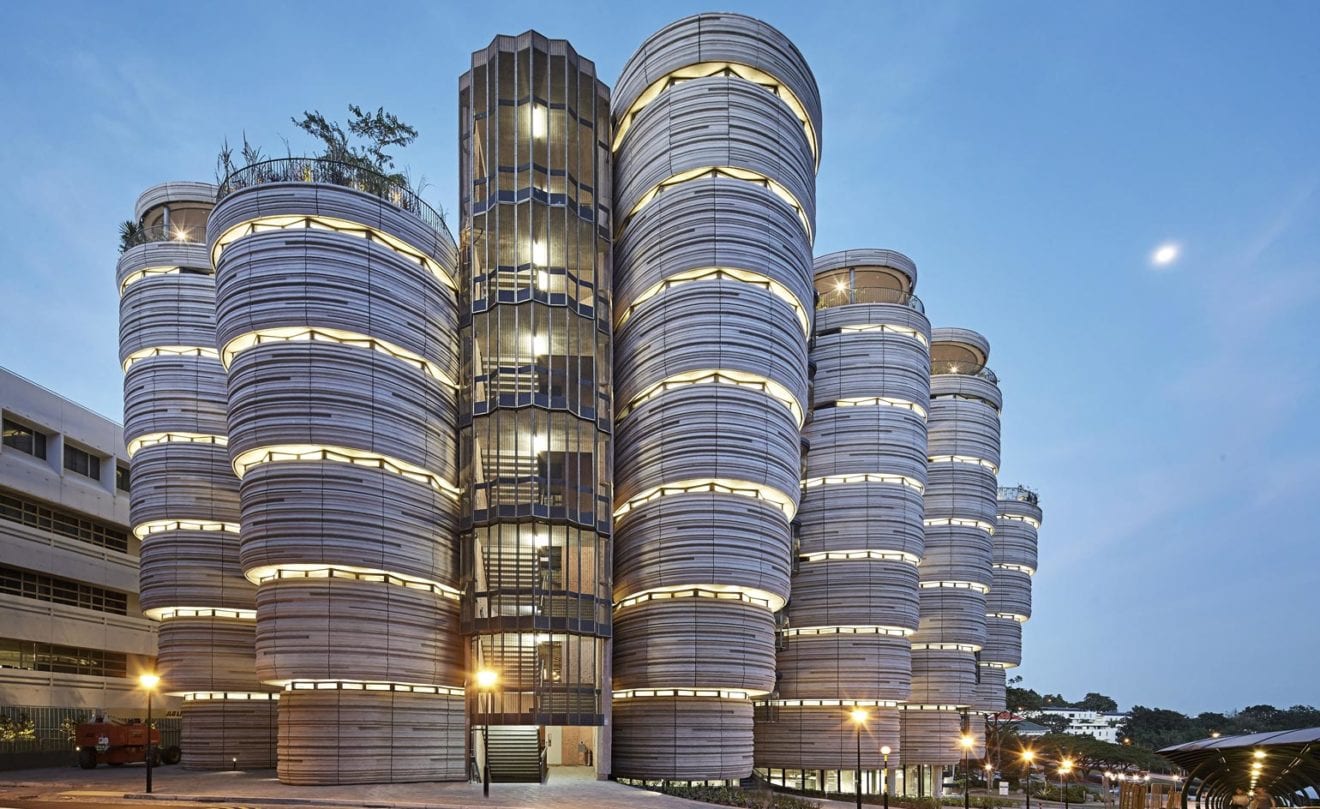
    Construction of a new lifestyle hub at the Nanyang Technological University (NTU) in Jurong West is now in its final phases.

    When ready, it will feature a supermarket, a salon, banking options, performance spaces and popular eateries, including a well-known Cantonese restaurant.

    The hub, which will span two levels at the northern end of the academic complex, will open in October, two months after the start of the academic year.

    It will occupy the area outside NTU’s Lee Wee Nam Library and is part of the university’s push to become a “mini-city”.

    Associate Professor Kwok Kian Woon, associate provost for student life, noted that more students are living on campus, with many others spending most of their day there.

    Hence, it made sense to refurbish the university’s areas of high pedestrian traffic and to offer more food and retail options.

    The northern part of the Nanyang Technological University complex, also known as the North Spine, was selected as the site for the hub as it is a focal point for most students and staff.

    The lifestyle hub, which will also be open to the public, will have more than two dozen shops, some of which will be open 24/7 and on weekends.

    On one floor, food and beverage outlets and stores line a shopping street, while interaction spaces and study areas will be available on the second level.

    The entire space will have a semi-transparent bubble roof.

    In the past, students had a modest range of food and retail options. Other services were sparsely distributed across NTU.

    Students living in the residential halls sometimes had to visit the nearest mall, Jurong Point Shopping Centre, which is a 15-minute bus ride away, for a wider range of lifestyle services.

    About 12,000 students now live on campus in 20 residential halls. This figure is expected to grow to 15,500 students over the next three years.

    Third-year physics student Tan You Sin, a Malaysian who lives on campus, is looking forward to the lifestyle hub.

    “It will be more convenient for students,” said the 23-year-old. “Hopefully, the prices will be affordable too.”

    The food and retail outlets include Peach Garden Chinese Restaurant, Starbucks and KFC Coffee, which are already open for business.

    Mr Ho Toon Chian, assistant director of sales and marketing for Peach Garden, said the NTU branch, which is one of the brand’s nine outlets, serves as a “catchment area” for the NTU community and residents in the western end of the island.

    “The university is relatively far from most areas and, being located here, we are able to reach customers within the school and vicinity,” he said.

    The Peach Garden Chinese Restaurant at NTU is run by a dozen staff. The prices are lower than at branches in the city, and NTU staff and students enjoy a small discount.

    Mr Ho added that business has been good in the seven months since the outlet’s opening, and its customers include students and staff, their families and residents of nearby estates.

    The hub will also feature a designated space with pushcarts for rental by students who would like to sell various goods or test business ideas, and an area where budding artists can display their talents.

    Third-year sociology student Andrea Tan, who has been living in the residential halls for the past three years, is happy that there will be more places for students to hang out.

    “Students spend most of their time on campus, but the university is quite far from everything else,” said the 22-year-old.

    “It is nice to have more options to choose from for a change, without venturing out of the university,” she added.

  • Metro China expands into Deyang

    Metro China expands into Deyang

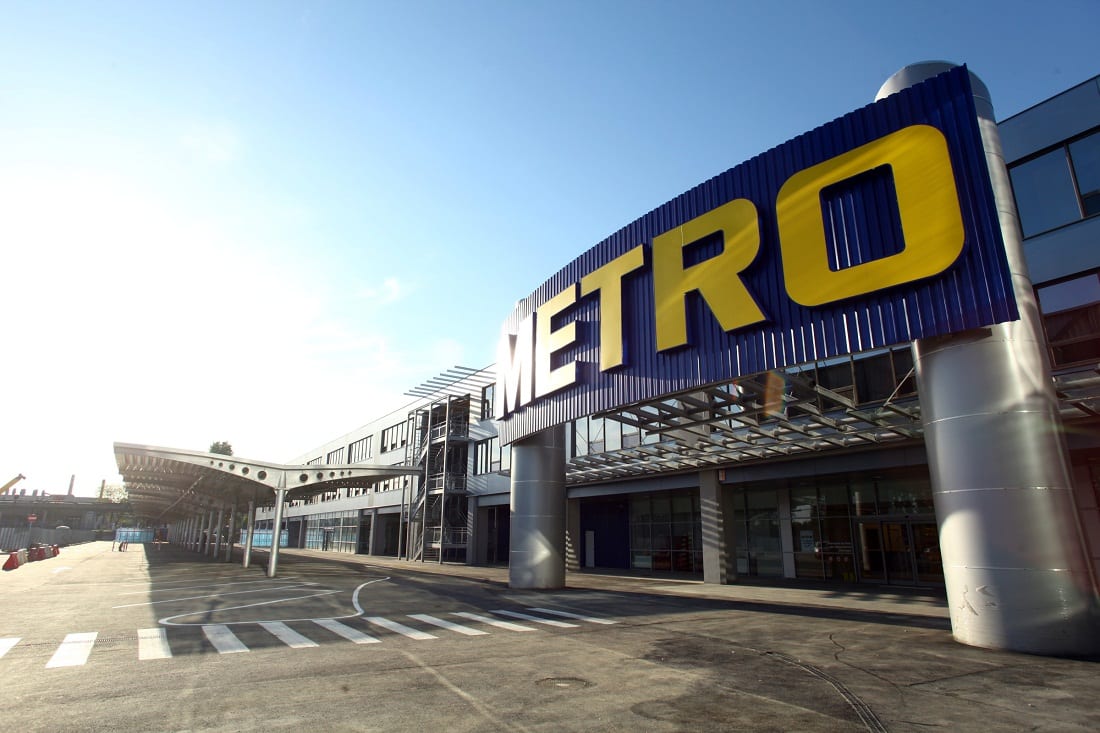
    Metro China has opened its eighth wholesale store in West China.

    The new outlet is located in Deyang, Sichuan, described as the “Heavy Duty Equipment Capital” of China.

    “Deyang is a center for manufacturing, and the local economy has seen phenomenal growth in the past few years.” said Jeroen de Groot, president of Metro China.

    “Aiming to be the Champion for Independent Business, Metro China is well positioned to support Deyang’s growing number of small and medium-sized businesses by providing high-quality and safe products, as well as professional solutions and excellent services.”

    Metro entered West China in 2001 by opening two stores in Chongqing and Chengdu. The company opened its second store in Chongqing in 2013, which is also the wholesaler’s 750th store worldwide. With the opening of the Deyang store, Metro will introduce its Cash & Carry new store concept, meanwhile its online store will also open to local customers on the same day to better meet their needs.

    True to the wholesaler’s commitment to local sourcing, Metro has built close relationships with local suppliers through deep roots established in Sichuan over the past years. Hengdu Beef and Luzhou Langjiu Liquor are among the best-selling products in Metro stores throughout the year. Local vegetables and fruits in Sichuan, including kiwifruit, lemon and mango, are purchased and distributed to Metro stores nationwide through Metro’s professional logistics system to provide authentic Sichuan flavor to the customers.

    The new store has a sales area of nearly 5500 sqm, offering more than 19,200 items.

    A feature of Metro Deyang is the coldness in food related display areas, reflecting the importance of the cold chain to food freshness and high quality. The store has multi-temperature areas to meet the demand of different products, such as 0 Celsius – 4 Celsius for fresh meat, 5 Celsius – 7 Celsius for dairy products, etc. If customers want to walk into the cold storage areas to select products, they may borrow clean cotton-padded jackets, considerately prepared by the store for customers’ convenience.

    The store also sells a wide range of non-food products, including Seasonal, Kitchen, Cooking & Table, Apparel, Office & Media, and Business & Home Care, satisfying customers’ various needs.

    To meet expectations of the customers, especially small and independent businesses, Metro Deyang store adopts a wholesale pricing scheme. On top of the already competitive shelf prices, customers receive five per cent off if they buy three of the same item, and up to 20 per cent off on six of the same on selected items, truly buying more with better prices.

    The new store features a Metro Cafe, Welfare & Gifting Showroom, Express Delivery, scan pole, information counter and complimentary in-store WiFi.