Category: Real Estate

Retail News Asia is committed to providing both local and global retailers with the latest Real Estate news throughout the Asian market. This on a daily base.

  • Swire unveils HKRI Taikoo Hui

    Swire unveils HKRI Taikoo Hui

    HKR International and Swire Properties  have jointly revealed the name of their Shanghai joint-venture project: HKRI Taikoo Hui.

    The large-scale mixed-use development formerly known as the Dazhongli project, is located on Nanjing Road (West), one of Shanghai’s major shopping thoroughfares, in the Jingan District of Puxi, Shanghai.  It will have a gross floor area of some 3.46 million sq ft (approximately 321,200 sqm) and comprise a retail mall, two office towers and three hotels/serviced apartments.

    It is served by three metro lines – the existing Line 2 and two planned Lines 12 and 13 due to open in 2015-2016. The development is also close to the Yanan and N-S Elevated Highways, providing good accessibility to downtown locations and Pudong and Hongqiao International Airports.

    “The project is poised to become a landmark development in the heart of Shanghai and will inject new excitement into the retail, dining and entertainment scene in the buzzing Nanjing Road (West) neighbourhood,” the two companies said in a statement.

    “As the founding partner of the project, we have come a long way since acquiring the Dazhongli site in 2002. With great pleasure, we announce the launch of HKRI Taikoo Hui together with Swire Properties, our partner since 2006,” said Cha Mou Zing Victor, deputy chairman & MD of HKR International.

    “We look forward to the imminent completion of the mixed-use commercial development, which is set to become the next focal point for business and leisure activities in Shanghai with its prime location and excellent connectivity.”

    Guy Bradley, Swire Properties CEO, said the project is being built in the most vibrant district of an amazing city and will be the last major development in the Jingan District.

    “We intend to make it a spectacular addition, and I am confident that HKRI Taikoo Hui will become a new lifestyle destination and a premium business address in Shanghai.”

    Hong Kong listed HKR International has diversified interests in real estate development and investment, property management, luxury hotels and serviced apartments, healthcare services and other investments in Hong Kong, Mainland China and across Asia.

    Also listed in Hong Kong, Swire Properties develops and manages commercial, retail, hotel and residential properties, with a particular focus on mixed-use developments in prime locations. Its properties include Taikoo Place, Cityplaza and Pacific Place.
  • Duty free mall planned for Vientiane

    Duty free mall planned for Vientiane

    A consortium of Lao and Thai investors is building a shopping and hotel complex in Laos’ largest city, Vientiane as the two nations prepare for the new Asean Economic Community.

    The US$290 million project will be built on a 32 hectare site in downtown Vientiane. In the first stage a 37,000 sqm duty free mall will be built with tenancies for 200 brands.

    Stage two will include a larger shopping mall, a hotel, theme park and commercial buildings. A logistics and distribution centre is also planned.

    The first retail facility – to be called the Laos Duty Free Mall – is under construction already with an opening scheduled for February next year.

    Targeting Chinese, Thai and Lao shoppers, the centre is expected to draw about 10,000 customers a day.

    The project is being undertaken by BM Group, 51 per cent owned by Lao’s, including coffee and duty free business Dao-Heuang Group, and 49 per cent owned by Thai company Sayam International.

    BM Group is also planning four more duty free malls within four years in Laos: in Pakse, Vientiane, Savannakhet and Luang Prabang.

  • International retailers show great interest in Hong Kong market

    International retailers show great interest in Hong Kong market

    Foreign retailers catering to Hong Kong’s mass retail market are eager to secure shops in Hong Kong, which they consider as a mature market, said Maureen Fung Sau-yim, a director of Sun Hung Kai Development (China), a unit of Sun Hung Kai Properties.

    According to Fung, the company has signed leasing contracts with 20 new international tenants this year at its APM shopping centre in Kwun Tong.

    “Those brands, such as French shoe brands Bensimon and Palladium, as well as Korean fashion brand Stylenanda, have come to Hong Kong for the first time,” said Fung.

    She said recently agreed rents in APM had risen 16 per cent to 20 per cent compared to leases signed one to three years ago.

    Total retail sales growth declined 1.8 per cent year on year in the first five months of this year, against average growth of 11 per cent per year over the past 10 years, constrained by weaker inbound tourism.

    Spending on jewellery and watches continued to fall, affected by the anti-corruption campaign in mainland China and the shifting pattern of mainland Chinese shoppers away from luxury goods and towards mass market products, according to property consultant JLL.

    But a survey by consultancy Arcadis showed that Hong Kong was still an attractive place for retailers.

    In its first report “Retail Operations Index: Where in the world could your retail portfolio thrive?” on Monday, Arcadis said Hong Kong was the most attractive location for retailers globally, followed by Singapore and Japan.

    Asian countries dominated, taking three of the top five spots, the survey showed. It identified the locations that were the most and least difficult to execute, scale and flex large retail programmes based on an in-depth analysis of the global retail market in 50 countries.

    SHKP plans to spend HK$150 million to upgrade the APM mall, which was established 10 years ago.

    The programme, which is due for completion in 2017, includes an upgrade of technology, common and leisure areas and other facilities.

    This article appeared in the South China Morning Post print edition as HK is top pick for foreign retailers

  • CapitaLand sells Bedok Mall

    CapitaLand sells Bedok Mall

    CapitaLand has sold its 18 month old Bedok Mall in Singapore to a trust.

    CapitaLand subsidiaries Brilliance Residential and CMA Singapore Investments have entered into a sale and purchase agreement with HSBC Institutional Trust Services, trustee of CapitaLand Mall Trust (CMT), for the sale of the entire unitholding interest of Brilliance Mall Trust, which owns Bedok Mall. The sale is based on an agreed value of Bedok Mall of S$780.0 million and other net assets of Brilliance Mall Trust of about S$3.1 million. At the last valuation commissioned by CapitaLand, Bedok Mall was valued at S$775 million.

    Opened in December 2013 on New Upper Changi Rd, Bedok Mall has a net lettable area of 222,464 sq ft and is 99.3 per cent leased. Anchor tenants include Fairprice Finest, Uniqlo, Best Denki, Canton Paradise, Popular, McDonald’s and Din Tai Fung.

    It is the first major mall in the heart of Bedok Town Centre, serving Singapore’s largest estate of about 300,000 residents as well as other residents in the east of Singapore. It is part of an integrated retail-residential-transport development, which also includes the 583-unit condominium Bedok Residences developed by CapitaLand that received its Temporary Occupancy Permit in May 2015. The mall’s Basement 2 is directly linked to the Bedok MRT station while the new air-conditioned Bedok bus interchange, which began operations in January, is integrated with the mall on Level 2.

    Lim Ming Yan, president and group CEO of CapitaLand, said the proposed divestment, which remains subject to unitholder approval, as well as the ongoing divestment of a group of serviced residences and rental housing properties to Ascott Residence Trust and CapitaLand’s 30 per cent stake in PWC Building announced last month, are all examples of the company’s “robust capital recycling strategy”.

    “These transactions allow us to realise our investment value and development profit, and enhance our financial flexibility as we redeploy our capital into other ventures that will generate stronger returns for our shareholders.”

    Jason Leow, CEO of CapitaLand Mall Asia, said his company will continue to manage Bedok Mall.

    “We remain confident in the retail growth prospects in Singapore where we are the market leader with the largest network of 20 shopping malls. We are committed to the Singapore retail market and continue to be on the lookout for suitable new opportunities in Singapore and the region as we seek to strengthen our leadership position as Asia’s leading shopping mall developer, owner and manager.”

  • Naiise goes big with largest store opening at Central

    Naiise goes big with largest store opening at Central

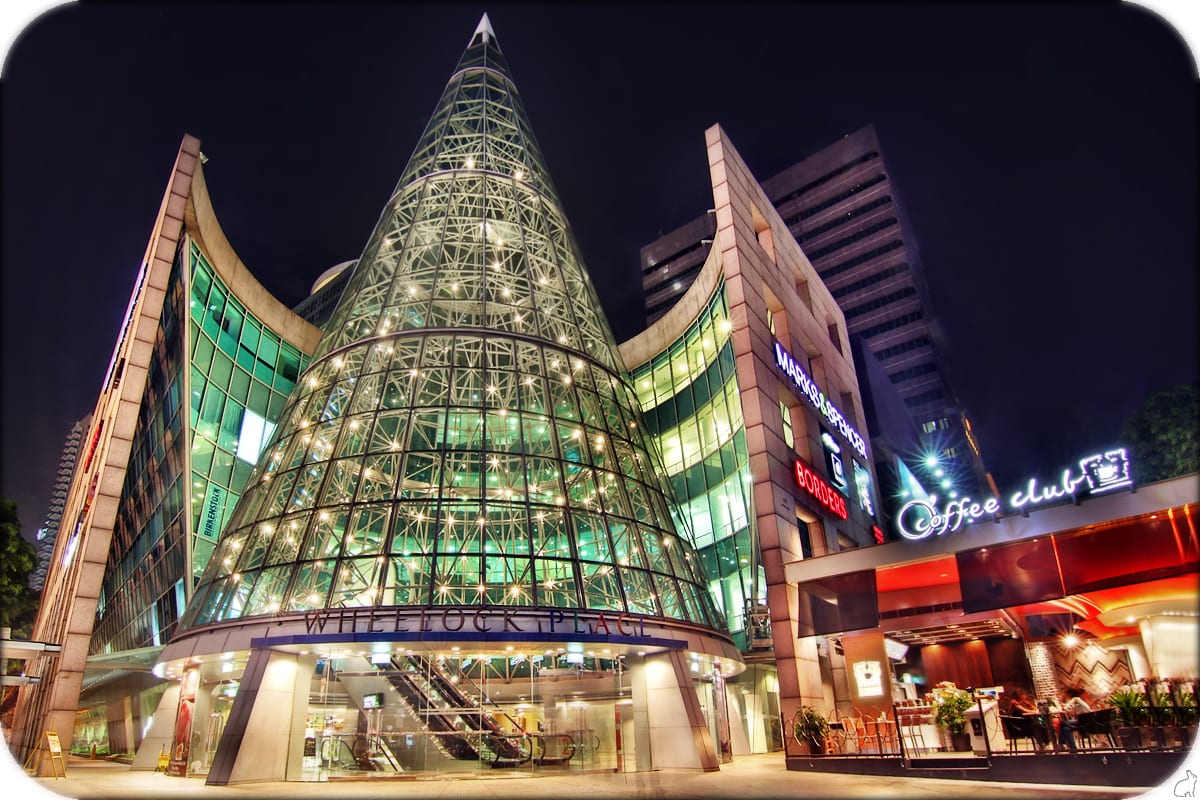
    Can someone give Naiise’s founder Dennis Tay and his team a trophy? In just two-a-half years, the retailer of Singapore-designed products went from a one-man show operating an online store to opening three physical outlets with a team of 20 employees. To boot, all three stores — in West Mall, Wheelock Place and now Central (Clarke Quay) — were launched consecutively in the last four months at a time when the retail climate is considered sluggish.

    “We have been extremely lucky in terms of consumer demand for our unique products, as well as the opportunities given by our landlords,” said Tay who was approached by landlords such as CapitalMalls Asia (WestGate) on all three occasions. He added that much effort was also made to differentiate each store and come up with “interesting and interactive” experiences” to avoid customer fatigue.

    For instance, the WestGate outlet in the heartlands of Jurong is stocked with family-oriented offerings, such as home accessories and kidswear to cater to the families in the area. Meanwhile, the selection at Wheelock is carefully curated to showcase best-sellers, new arrivals and Naiise exclusives to make better use of its smaller space.

    In contrast, Naiise’s latest outlet, which was officially launched yesterday (July 10) is billed as a “design megastore”. It occupies the whopping 6,500sqf space vacated by Hong Kong lifestyle brand, Goods Of Desire (G.O.D) which closed down in April.

    When Far East Organization first approached Tay about taking over the space, he admitted to being “quite terrified” because the space was so big”. He took the plunge believing that “the experience and benefits from this location would outweigh any costs”. To minimise cost, the layout worked around existing furnishings while the team did much of the redecorating, such as installation work, carpentry and painting, themselves. Additional fixtures were sourced, salvaged or purchased cheaply from local suppliers.

    Like the outlet at Wheelock Place, the current lease for Central runs until the end of the year but Tay is keen to continue for as long as possible. He remains unfazed by the failure of G.O.D to crack the market here, as he feels Naiise’s product offerings already resonate well with local shoppers and now with tourists. The latter make up 50 per cent of the customers at the outlet since its soft opening last month.

    Moreover, the company is banking on creating unique and experiential concepts at Central by having a dedicated workshop area for weekend sessions that can accommodate up to 20 people. The larger space also allows Naiise to introduce new product segments of books, music and magazines, and encourage customers to linger; they are invited to make themselves comfortable on Doob bean bags found around the store. More than 4,000 products, including major items like furniture, from over 400 brands can be found here. In keeping with its mission to promote Singaporean design, 60 per cent of the stocks here are designed or made in Singapore, and these items with a local spin, such as Singapore Sling-flavoured jams, have proven popular with tourists. Tay hopes this is Naiise’s small way of helping boost the awareness and demand of local designs and products with an overseas audience. Naiise is also celebrating SG50 by giving 500 S$5 cash vouchers (for every S$50 spent) on the website and any of their stores from next Monday.

    And in case you’re wondering, Naiise will be continuing with their popular pop-up events, which has seen food and art collaborations in shophouses. “Our growth strategy for Naiise is to work hard at merging all channels and platforms to seamlessly connect the shopping experience for our customers, whether online and offline,” Tay said. “Naiise will also work hard to retain its focus on bringing unique design products for everyone.”

  • Can Lippo Malls Indonesia Retail Trust Turn Itself Around?

    Can Lippo Malls Indonesia Retail Trust Turn Itself Around?

    With China’s stock market turmoil and Greece’s debt issues, it’s easy to miss out the woes that are befalling Singapore’s southern neighbour, Indonesia.

    The rupiah, Indonesia’s currency, has crashed by around 50% against the Singapore dollar since the start of 2010. In fact, the rupiah has tumbled in recent times to levels that were last seen during the Asian Financial Crisis of the late 1990s, some 17 years ago.

    Indonesia’s currency issues have heaped pressure on Indonesia-based but Singapore-listed companies and investment trusts.

    One good example is Indonesian retail malls owner Lippo Malls Indonesia Retail Trust the real estate investment trust has seen its units fall by 30% in price since the start of 2010 even as the broader market, a tracker for the Straits Times Index has climbed by 12%.

    Can things ever turn around for the REIT? Here are three reasons why it may.

    Hedging in place

    Lippo Malls Indonesia Retail Trust is well aware of the risk which can come with a falling rupiah and as a result, the REIT mentioned in its 2014 annual report that it “has entered into foreign exchange hedges to hedge its estimated quarterly cash flows in Indonesian Rupiah until the end of 2016.”

    These hedges can help to cushion any negative impacts from adverse currency swings which may affect the REIT’s bottom-line and distributions.

    Growth by acquisitions

    My colleague Stanley Lim had noted only two weeks ago that Lippo Malls Indonesia Retail Trust has made two new acquisitions of the Indonesian malls Lippo Plaza Batu and Palembang Icon and the purchases are accretive to the REIT’s distributions on a per unit basis.

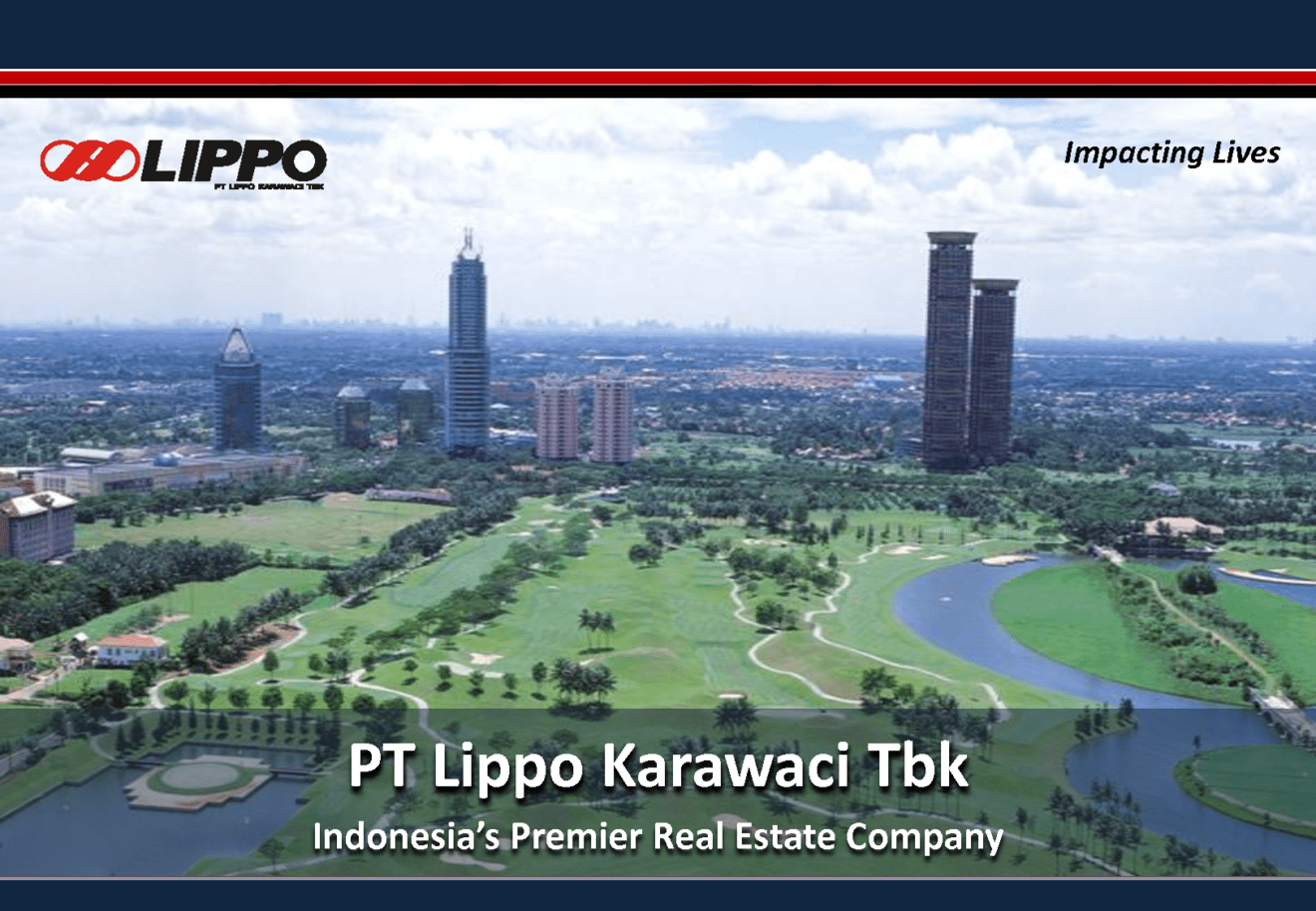
    The REIT may also have a healthy pipeline of assets to acquire given the reach of its sponsor, PT Lippo Karawaci Tbk, Indonesia’s largest listed company by total assets.

    Undemanding valuation and juicy yield

    At its current unit price of S$0.35, Lippo Malls Indonesia Retail Trust has a very high trailing-12-months dividend yield of 8.2%.

    In the first quarter of 2015, the REIT’s distributions per unit (DPU) for the quarter had jumped by 16% year over year from 0.68 Singapore cents to 0.79 cents. Based on the REIT’s reading of its own micro-economics, it’d appear that brighter days are ahead. Here’re the REIT’s comments from its first quarter earnings release:

    “As the shopping centre moratorium continues, the near term retail space supply in Jakarta will be limited. This will create a favourable market condition for existing shopping mall owners as retail space in Jakarta will be keenly sought after in the next few years.

    The outlook for quality retail spaces looks promising in the next 12 months as both local and foreign retail players continue to remain active. Higher disposable income, lower inflation, coupled with an emerging trend of lifestyle shopping malls are expected to drive the demand for retail space.”

    While currency woes may still plague the REIT, it’s worth noting, as I mentioned earlier, that currency hedges have already been put in place till the end of 2016.

    In the meantime, Lippo Malls Indonesia Retail Trust is also selling for just 0.8 times its latest book value. These low valuations could potentially give some downside protection for investors.

    Foolish Bottomline

    While there may be things to like about Lippo Malls Indonesia Retail Trust, it’s important to note that its history with its DPU has been less than impressive.

    The REIT’s first annual distribution was in 2008 and it had doled out a DPU of 4.96 Singapore cents. But in 2014, its annual DPU was just 2.76 cents, a fall of some 44%.

    This undesirable track record is a source of risk, in the sense that while a weak rupiah may have played a part in the REIT’s shrinking distributions (this is something not within the REIT’s control), it could also be a sign that the REIT may not be the best operators of retail malls around.

    Investors would have to weigh the risks and rewards with Lippo Malls Indonesia Retail Trust before any investing decision can be reached.

  • Thailand based TCC Land restructures its retail and leisure biz

    Thailand based TCC Land restructures its retail and leisure biz

    TCC Land will hold the entire stake in the two new firms – TCC Land Asset World Leisure for its hospitality business, and TCC Land Asset World Estate Co for its retail and office building businesses.

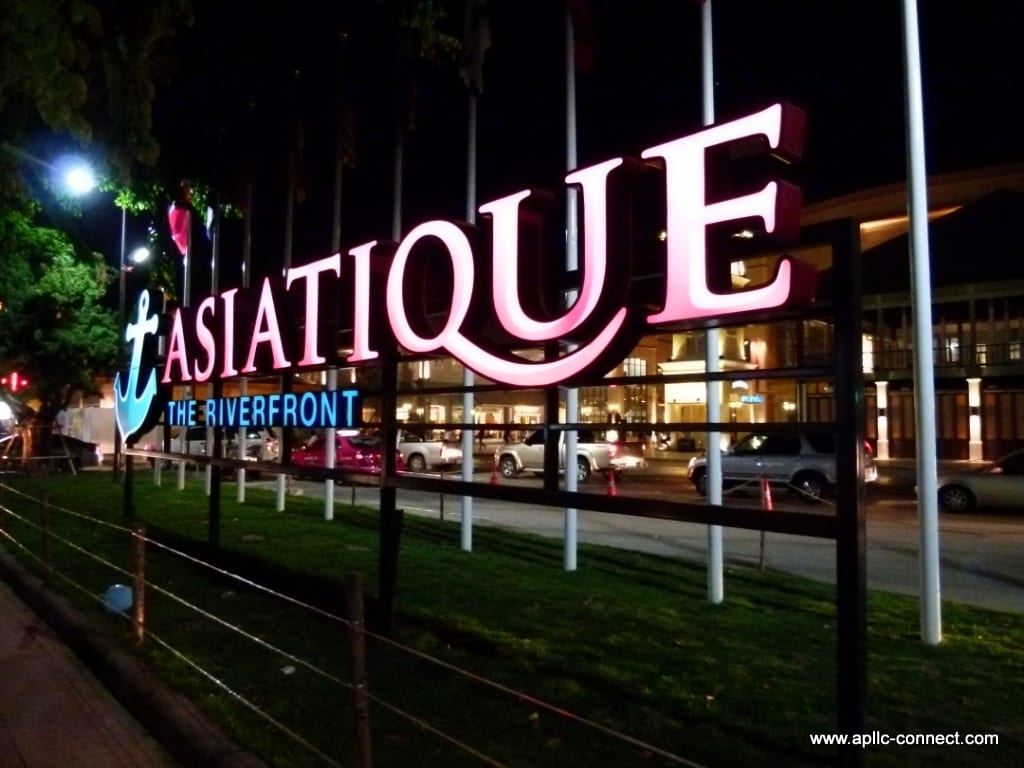
    Napat Charoenkul, managing director of retail business of TCC Land Estate World Co, who takes charge of six retail property brands, comprising Asiatique, Gateway, Center Point @Siam, OP Place, Pantip and Boxspace, said that this restructuring would make for more efficient management for each of the businesses.

    Also, the company plans on investing around 5-20 billion baht over the next five years and plans to increase the total retail space from the current 150,000 square meters to  200,000 square meters by 2019. The company aims to boost its revenue from 900 million baht this year to three billion baht by 2019, he revealed.

    This year, it will spend 650 million baht on renovating Gateway Ekamai, rebranding Digital Gateway Siam as Center Point of Siam Square and launching a new nightlife area Boxspace at Ratchayotin.

    However, the company plans to change three branches of Pantip to new digital center with an investment of of 460 million baht in 2016. It will also invest 1.2 billion baht in the second phrase of Asiatique and spend 1-4 billion baht on setting up a new hotel and Asiatique Prime Pattaya.

    Napat added that it was also considering the establishment of Asiatique as a lifestyle and shopping community, in Chiang Mai and Hua Hin. These two projects are scheduled to start in 2017-18.


  • Orchard Rd rents slide gains momentum

    Orchard Rd rents slide gains momentum

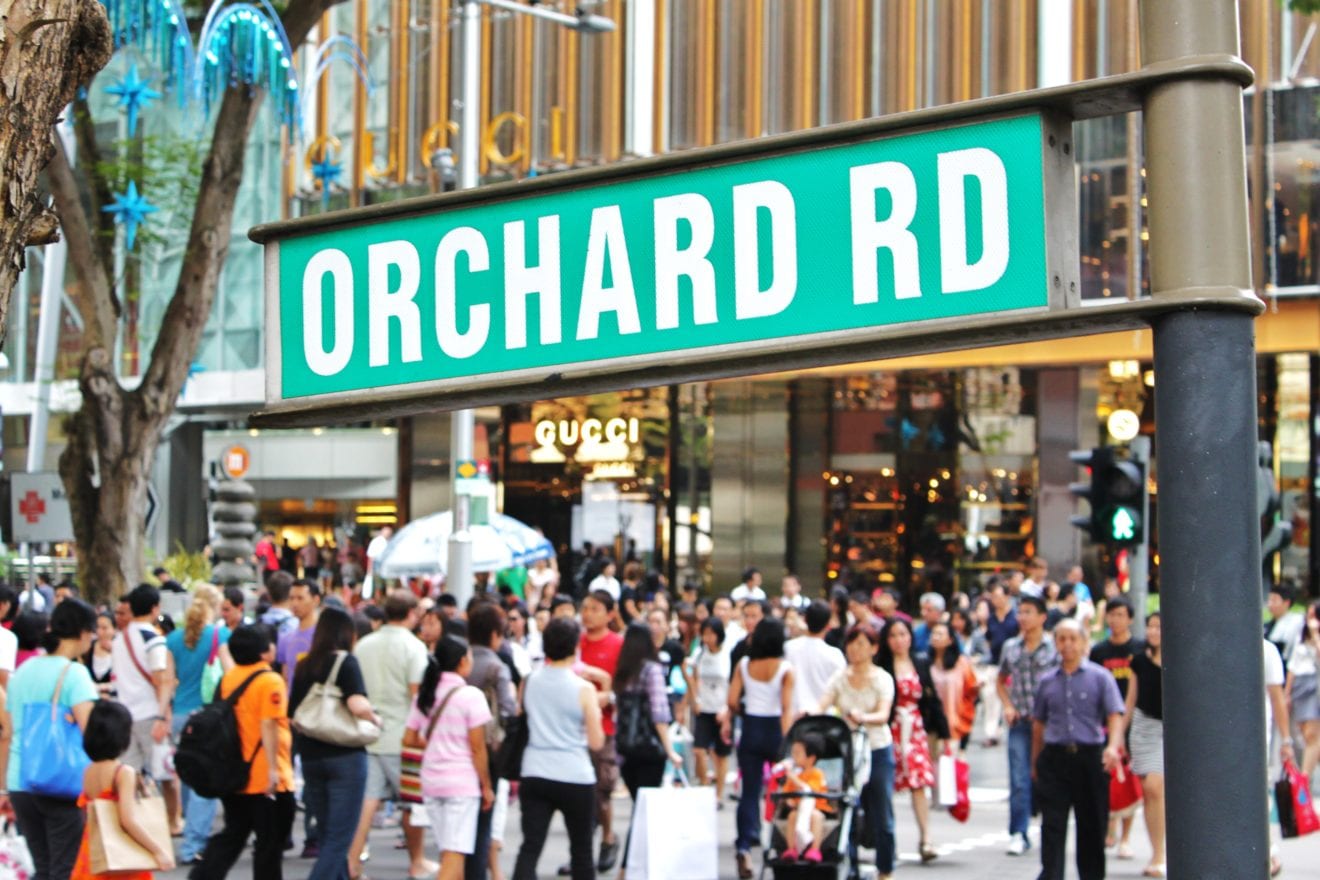
    Retail rents on Singapore’s prime retalstrip, Orchard Rd, slipped by 1.6 per cent in the latest quarter.

    But worse is yet to come according to Colliers International in its quarterly review of Singapore retail rents, tipping a full year decline as high as five per cent.

    The average monthly gross rent for Orchard Rd retail space fell to S$35.25 per sq ft in Q2 2015 from S$35.83 per sq ft in the previous quarter. That 1.6 per cent drop follows a 0.9 per cent fall in the first quarter, showing the decline is already gaining momentum.

    Colliers says Orchard Rd rents are being dragged down by tougher competition from suburban malls which are drawing locals away from the heart of the city.

    And an apparent oversupply of space on the fringe of Orchard Rd is unlikely to be helping either.

    Complicating the picture is spirited competition for domestic and visitor spending.

    In contrast, prime rents in the city state’s regional centres were steady at S$33.94 per sq ft.

    “The retail property sector has continued to experience attrition, with reports on closure of shops and certain malls in Orchard Rd suffering from poor shopper traffic and pedestrian footfalls,” Colliers’ deputy MD Calvin Yeo said.

    “However, given the demand for more retail variety by an increasingly more affluent consumer base, new-to-market F&B and retail operators continue to set up shops in Singapore. This has helped to shore up occupancy rates of retail malls and cushion rental falls.”

    Colliers says while a five per cent decline in Orchard Rd rents is likely this year, rents in regional centres could grow by up to one per cent, based on current trends.

  • Hangzhou Joy City marks No 8 for HK developer

    Hangzhou Joy City marks No 8 for HK developer

    Hong Kong’s Joy City Property will open an eighth Joy City mixed use development in Hangzhou.

    The company says the urban complex and commercial property project will become a lifestyle hot spot for the Hangzhou residents.

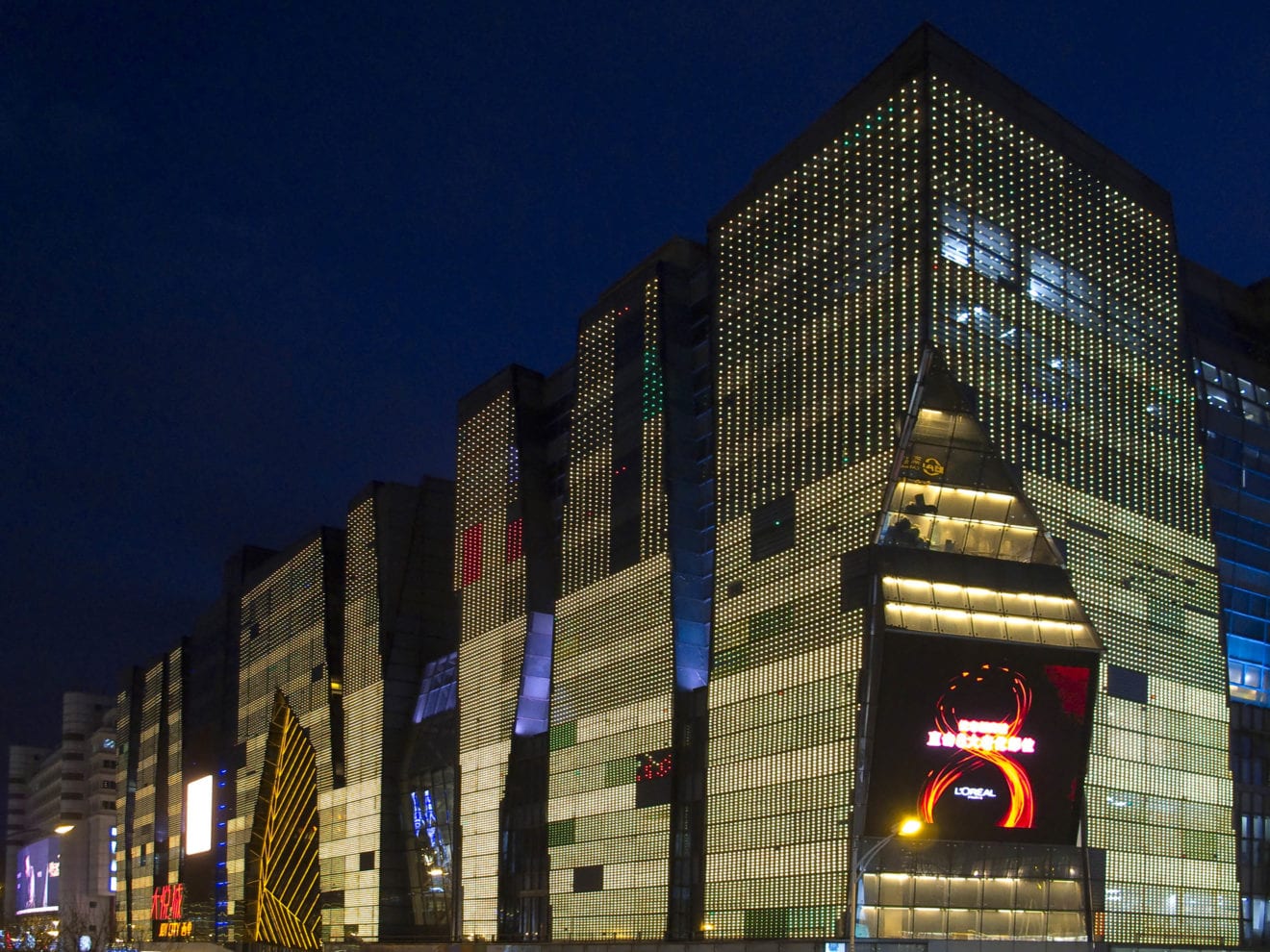
    Alas it has not released any images of the planned development (the image above is of an exciting Joy City project).

    Brands which have already proven successful in other Joy Cities will have an option to open in the new Hangzhou project.

    Hangzhou Joy City will replicate the Joy City brand’s unique architectural style, featuring sky walkways and an open atrium to project a “youthful, fashionable, trendy and quality” image of the brand. It will target the city’s middle-class customers aged between 18 and 35.

    The project will also adopt characteristics peculiar to Hangzhou’s culture while positioning itself as a mecca for the local trendy shoppers, introducing new brands into Hangzhou, the Yangtze River Delta and even Mainland China.

    Hangzhou Joy City comprises an urban complex and commercial properties with a combined gross floor area of 500,000 sqm. At the southern side of the project, a port will be built at the bank of the Grand Canal, which links Beijing with Hangzhou and is a UNESCO World Heritage Site. Consumers will be able to start a boat trip at the port to reach Wulinmen port and Xixi National Wetland Park directly, allowing them to enjoy shopping at Hangzhou Joy City and a boat tour of the park.

    In addition, Hangzhou Joy City will be the first Joy City to launch an outdoor commercial district where all types of shops will be opened for business round the clock.

    Representatives of retailers I.T., Zara, Uniqlo, China Film, Waipojia and Starbucks attended the inauguration ceremony for Hangzhou Joy City.

    Zhou Zheng, VP of COFCO and chairman of Joy City Property said Hangzhou has always been strategically important to Joy City.

    “We hope that Hangzhou Joy City will not only become the lifestyle destination of the city but will also drive consumption and improve the shopping experience in the Hangzhou Bay area. Hangzhou Joy City aspires to be a dazzling pearl in the southern Yangtze River Delta and will work with Shanghai Joy City to reshape the commercial real estate sector in the region.”

  • New mall planned for Sukhumvit 101

    New mall planned for Sukhumvit 101

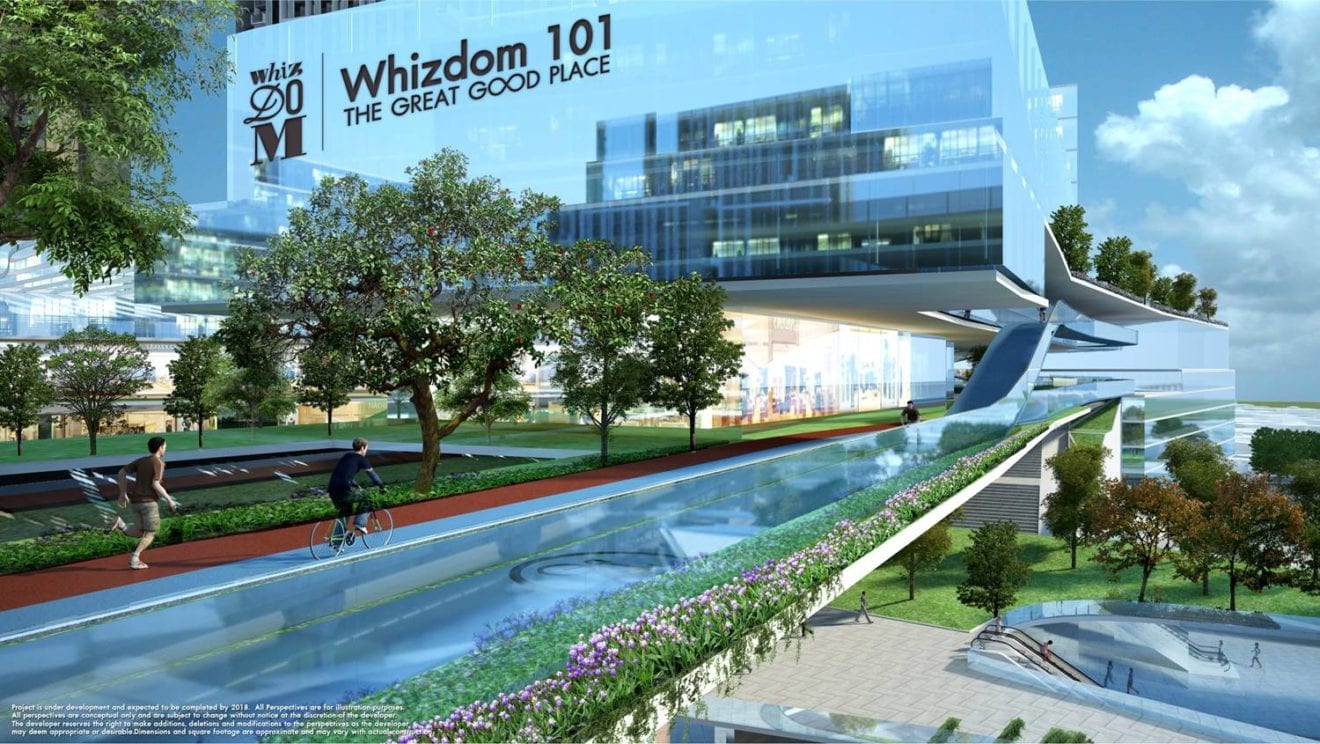
    Thai property developer Magnolia Quality Development Corporation has unveiled a stunning, futuristic mixed use development plan for Sukhumvit 101.

    Whizdom 101 is a massive 30 billion baht US$883 million project which when complete will comprise 340,000 sqm of space: a 20,000 sqm retail shopping centre, 30,000 sqm of office space, 10,000 sqm for a sports and wellness facilities. The balance of the space will house 1800 residential units in three high rise towers.

    The first tower – Whizdom Connect Sukhumvit – will house 600 apartments, 60 per cent of which have already been reserved since they were placed on the market a fortnight ago. Construction is scheduled to commence from october this year and be completed mid-2018.

    Suttha Ruengchaipaiboon, an executive vice president of Magnolia, said the company is targeting younger people from Thailand, China and Asean. A roadshow promoting the project will visit Hong Kong, Malaysia, Singapore and Indonesia during the second half of this year.

    Magnolia is a partner in the massive IconSiam mixed use project in partnership with Siam Piwat, under construction on the banks of the Chao Praya River.

  • Singapore’s Perennial Real Estate expands into healthcare with China venture

    Singapore’s Perennial Real Estate expands into healthcare with China venture

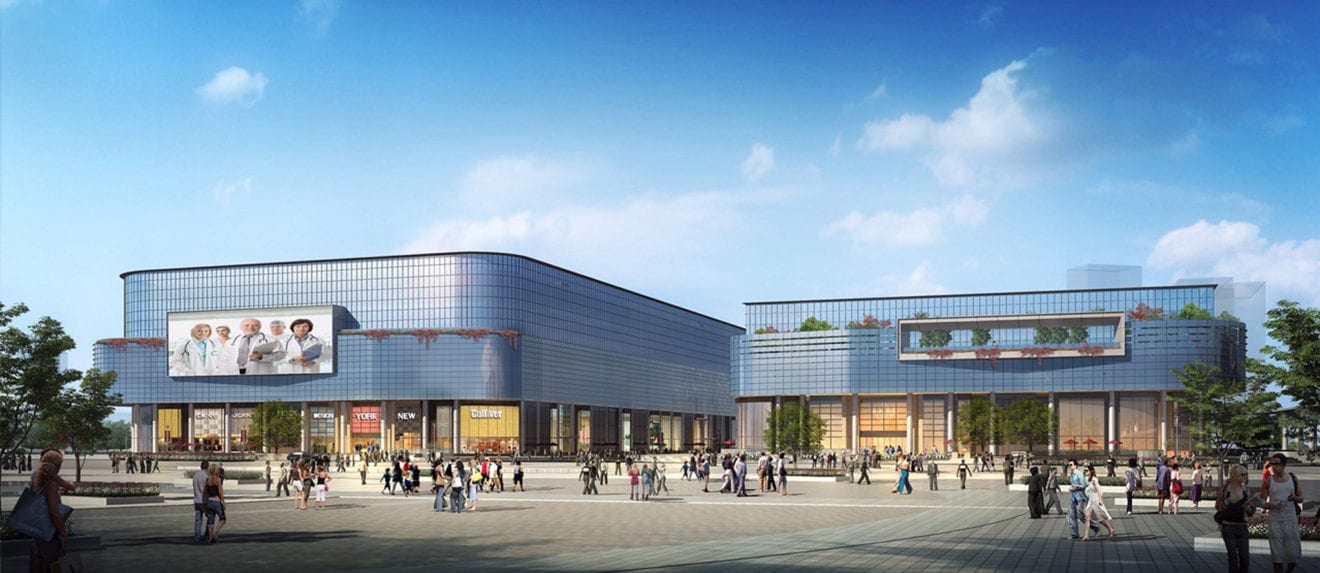
    Singapore’s Perennial Real Estate Holdings said it would expand into healthcare for the first time through a joint venture in China that will buy and develop hospitals as well as medical service businesses.

    Seeking to take advantage of China’s strong demand for healthcare, Perennial said it will buy a 40 percent stake in a venture for about S$63 million ($47 million). The remaining 60 percent will be held by a subsidiary of China Boai Medical Group, a Chinese hospital operator.

    The company also said a mall it was building near the Chengdu East high-speed railway station would now become a healthcare hub in addition to a retail shopping centre. ($1 = 1.3478 Singapore dollars)


  • Luxury retail plan for Hong Kong-Zhuhai-Macau link

    Luxury retail plan for Hong Kong-Zhuhai-Macau link

    Authorities are proposing a shopping centre with “flagship stores for luxury brands” on a new island, centrepiece of the new multibillion dollar Hong Kong-Zhuhai-Macau Bridge.

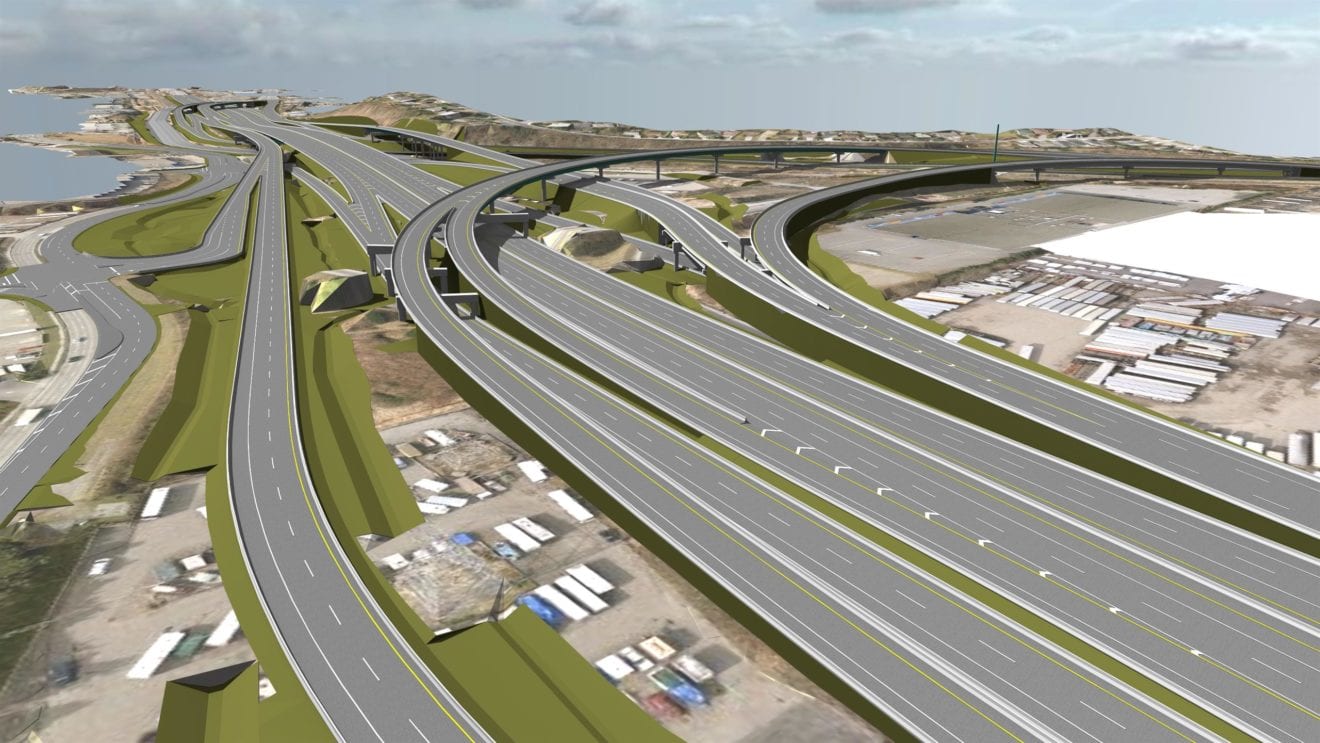
    A public consultation document released this week outlines plans for a 150 hectare island currently under construction near the city’s airport, which will serve as the gateway for Hong Kong and the western Pearl River Delta. It is here that travellers between Hong Kong, the Mainland city of Zhuhai and bordering Macau will be processed.

    The Hong Kong government envisions an area for warehouses, showrooms, restaurants, flagship stores for luxury brands and other stores selling antiques, artworks and high quality wines.

    The government is conducting a study to ascertain the feasibility of carrying out the proposed commercial development and other economic activities at the topside and underground space of the HKBCF Island, and to optimise their scope and scale.

    The Stage 1 Community Engagement will last for two months. Activities will include a public forum, briefings and a roving exhibition. Details of the activities and engagement documents are available at the website.

    The development, with a total planned gross floor area of 500,000 sqm, will include facilities for retail, food and beverages, entertainment, conferences, offices and business hospitality. It will have a 10 storey height limit due to its close proximity to Hong Kong International Airport.

    A spokesman with the Airport Authority Hong Kong said the proposed development will create create synergy with the planned Airport North business area.

    Members of the public have until September 7 to submit their comments through the following channels:

    • Planning Department, Cross-Boundary Infrastructure and Development

    Section, 16/F, North Point Government Offices, 333 Java Rd, North Point, Hong Kong.

    • Civil Engineering and Development Department, Hong Kong Island and Islands Development Office, 13/F, North Point Government Offices, 333 Java Rd, North Point, Hong Kong.
    • Or by email: enquiry@hzmbbcf-topside.gov.hk
  • Metro Gaisano develops waterfront township in Cebu

    Metro Gaisano develops waterfront township in Cebu

    Metro Gaisano’s real estate company Taft Properties and Asia’s premier real estate developer and investment group Hongkong Land partnered to develop the first waterfront township in Mandaue City, Cebu.

    Although the real estate developer did not say when it will be finished and how much it is earmarked for the project, Metro Gaisano said the waterfront township will occupy a 20-hectare prime property right along the Mactan Channel.

    “This partnership will help jumpstart Mandaue City’s transformation into a dynamic lifestyle hub,” Jack Gaisano, Chairman of Taft Properties, said in a statement.

    “With Taft Properties’ local expertise and Hongkong Land’s international experience, this alliance will bring in new standards in design and construction while being in keeping with the local culture and tastes.” Gaisano added.

    A portion of the township will be allotted for open spaces such as a central linear park, al-fresco establishments and a waterfront promenade.

    Hongkong Land and Taft Properties Executives (L to R) Finn R. Carew, Alan R. Cruz, Tan Wee Hsien, Jack S. Gaisano and Christopher G. Narciso. Photo from Metro Gaisano

    “We are committed to creating an environmentally and economically sustainable community. The development will create jobs, and provide a significant stimulus to Cebu’s economy,” Tan Wee Hsien, Hongkong Land head of Residential Property for South Asia, said

    Hongkong Land owns and manages almost 800,000 square meters of prime office and luxury retail property in key Asian cities, principally in Hong Kong and Singapore.

    Hongkong Land is also developing a number of largely residential projects, in cities across Greater China and Southeast Asia. Hongkong Land Holdings Limited is incorporated in Bermuda and has a standard listing on the London Stock Exchange as its primary listing, with secondary listings in Bermuda and Singapore.

    Metro Gaisano’s retail arm Metro Retail has a network of 44 stores comprised of department stores, hypermarkets and supermarkets. Half of its store network is in Cebu.

  • Perennial moves into China healthcare

    Perennial moves into China healthcare

    Perennial Real Estate Holdings is diversifying from real-estate business in China by riding on the country’s growing healthcare industry.

    On Thursday, mainboard-listed Perennial entered into a joint venture with Guangdong Boai Medical Group to develop and manage hospital and medical service businesses in the massive market.

    The real-estate developer, which has its headquarters in Singapore, will acquire a 40 per cent stake in the joint venture for 286.7 million yuan (S$62 million). Guangdong Boai Medical Group, a unit of one of China’s largest private hospital and medical services operators, China Boai Medical Group, will hold the remaining 60 per cent stake.

    Perennial chief executive Pua Seck Guan told the media yesterday that the collaboration would see both groups combining their skills and expertise to develop and manage between 30 and 50 hospitals in the next five to seven years.

    Boai, which owns 120 hospitals in China, is well established in the medical field, while Perennial has a portfolio of large-scale integrated developments in Chengdu, Xi’an, Beijing, Zhuhai and Shengyang.

    Mr Pua said: “China is trying to revamp its healthcare business. Last year, it allowed foreigners to own 100 per cent of the medical businesses in some of the provinces.”

    The Chinese government has noted the growing demand in healthcare and has allowed doctors from public hospitals to work in private hospitals, he added.

    With spending in medical services set to surge from US$357 billion (S$481.4 billion) in 2011 to US$1 trillion by 2020, Perennial saw a chance to diversify into healthcare, said Mr Pua. The joint venture with Boai would set the stage for Perennial’s strategic expansion.

    The joint venture will acquire its first operational medical business, Modern Hospital Guangzhou, a leading tumour and cancer hospitals in Guangzhou, from Boai.

    The collaboration will focus on eight core medical fields, comprising oncology, fertility, plastic surgery, aesthetic medicine, orthopaedics, paediatrics, and ear, nose, throat and eye speciality medicine.

    The others are dentistry and cardiology and cardiovascular surgery.

    To meet demand for healthcare services, Perennial Dongzhan Mall, part of the Chengdu East High-Speed Railway Integrated Development, now being built, will be repositioned from a retail mall to a medical and retail integrated hub.

    Dr Wong Weng Hong, who has over 20 years’ experience in setting up, acquiring and managing medical assets here and in China, will develop and scale up Perennial’s new engine of growth, said Mr Pua.

    Perennial’s assets here include Chijmes, TripleOne Somerset, Capitol Singapore and AXA Tower. In China, it has integrated developments with mainly retail, residential, office and hotel components.

    To meet demand for healthcare services, Perennial Dongzhan Mall, part of the Chengdu East High-Speed Railway Integrated Development, now being built, will be repositioned from a retail mall to a medical and retail integrated hub. The development will be renamed Perennial International Health and Medical Hub.

    Mr Pua said: “Within a travel distance of two hours, we can cover a population of 100 million… When a patient comes, they usually bring two to three relatives. Where do they stay? In our projects… we have service apartments and hotels. So it is a good synergy.”

    To meet demand for healthcare services, Perennial Dongzhan Mall, part of the Chengdu East High-Speed Railway Integrated Development, now being built, will be repositioned from a retail mall to a medical and retail integrated hub.

  • Aeon Vietnam pronounces fourth mall

    Aeon Vietnam pronounces fourth mall

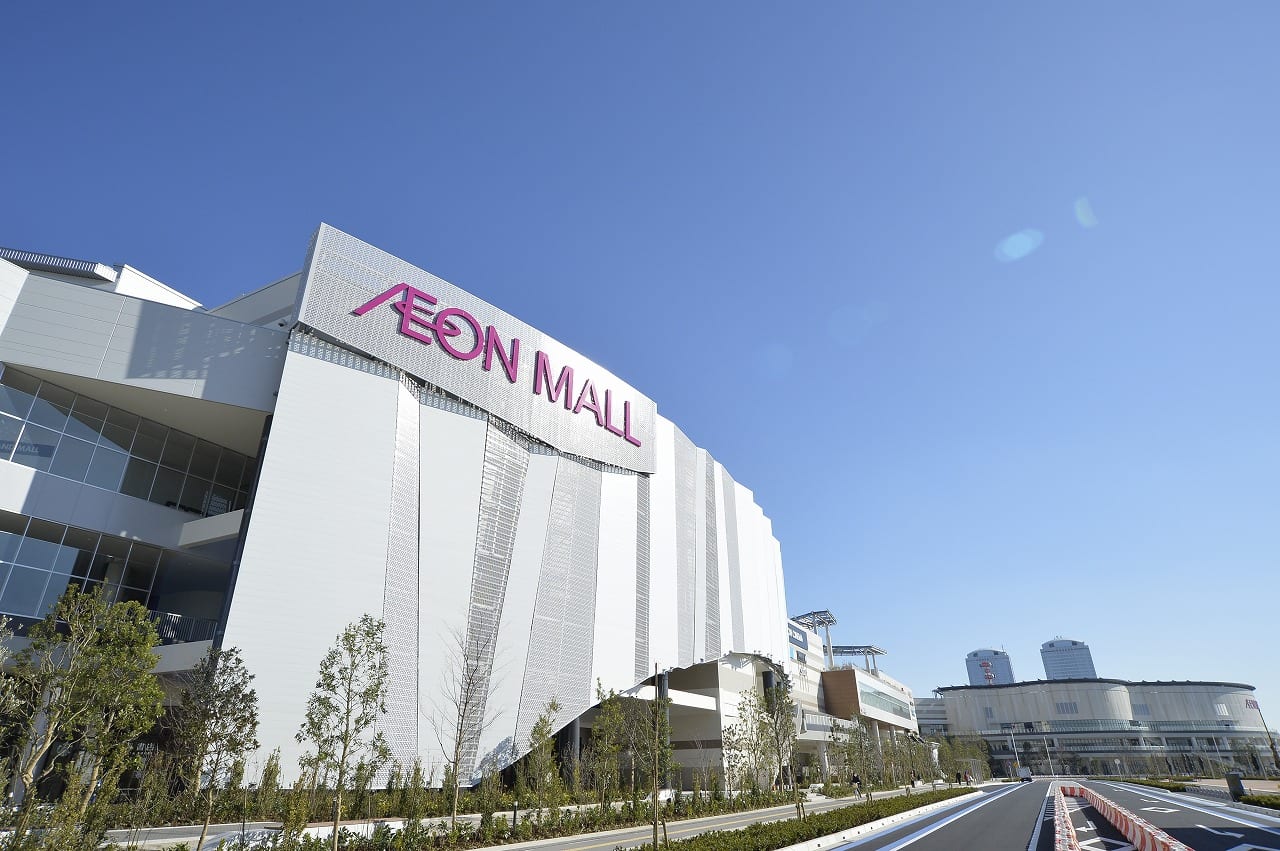
    Japanese retailer and mall operator Aeon has introduced plans for a fourth mall in Vietnam.

    After the success of its first centre, Celadon Metropolis in suburban Ho Chi Minh Metropolis opened in January 2014, Aeon opened one other within the industrial hub of Binh Duong final November. A 3rd mall is underneath development in Lengthy Bien, within the capital metropolis, Hanoi.

    Now Aeon Vietnam says it is going to construct a fourth purchasing centre in Binh Tan, roughly 10km southwest of central Ho Chi Minh (about 40 minutes by automotive) inside the Worldwide Hello-Tech Healthcare Park being developed by Hoa Lam-Shangri-La. It’s scheduled to open in summer time.

    Aeon says the park gives medical, residential, instructional and business amenities and is predicted to proceed rising. The district’s transportation setting can also be well-developed, with quick access to an outer ring street and an East-West Freeway which may permit it to attract clients from a large space.

    The mall may have about 59,000 sqm of gross leasable flooring area and parking for about 1500 automobiles and 4000 bikes. It is going to be anchored by an Aeon hypermarket, with 160 specialty retailer tenancies.

    Underneath the Aeon Group Medium-term Administration Plan (FY2014-2016), the corporate is pursuing a shift to Asian markets as a standard group technique. Aeon opened its first malls in Cambodia in 2014 and Indonesia in 2015.

    Within the meantime, Aeon established a consultant in Vietnam in February 2015 to speed up enterprise improvement by unifying the group initiatives.